The Illusion Of The “Perfect” Wildflower Centerpiece
What Instagram Actually Sold You
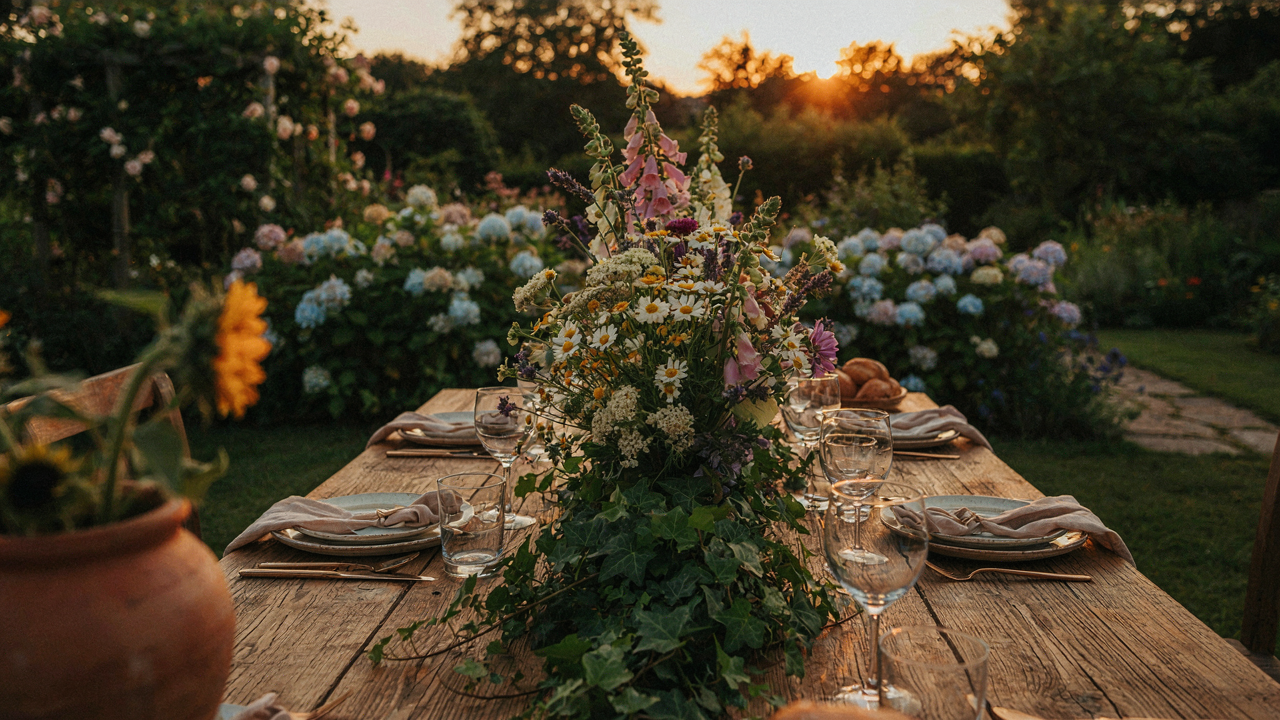
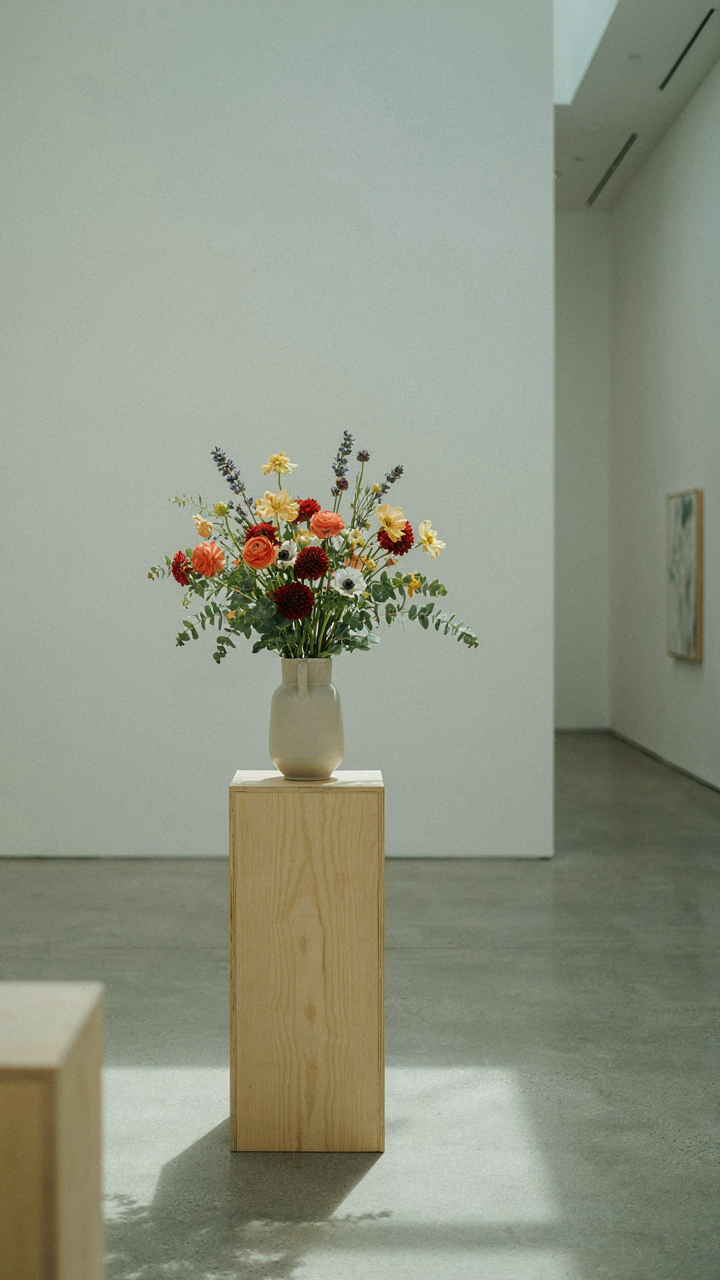
You want permission to make something beautiful without looking like you tried too hard. That’s the real reason you’re reading this. Here’s the mechanism: social media trained us to mistake consistency for quality. Every wildflower centerpiece online follows the same visual grammar: balanced height, symmetrical color distribution, zero dead leaves. This isn’t natural. This is curated constraint masquerading as inspiration.
Wildflower arrangements in nature don’t follow symmetry rules. A real meadow has patches of color, gaps where nothing grows, stems at odd angles. When you recreate that meadow on a dinner table through a grid of algorithm-approved images, you’ve already lost the thing that made wildflowers worth using. You’re building a photograph, not a centerpiece.
When Rules Become Prison
The common advice says: establish your color palette first, then build height tiers, then fill gaps. That’s wrong. That process locks you into a predetermined outcome before you even touch the flowers. Constraint breeds conformity. What you actually need is a different constraint: the flowers themselves, not a mood board.
Creativity doesn’t happen inside perfect parameters. It happens when you work against them. Start with the vase. Start with one stem that catches your eye. Add the next stem because it solves a problem the first one created, not because it matches a color wheel. The arrangement reveals itself through friction, not through following steps. Your only protocol: repeat this decision-making process until nothing else needs adjustment.
Wildflower Table Centerpieces: Beyond The Forage
Know Your Region’s Native Inventory

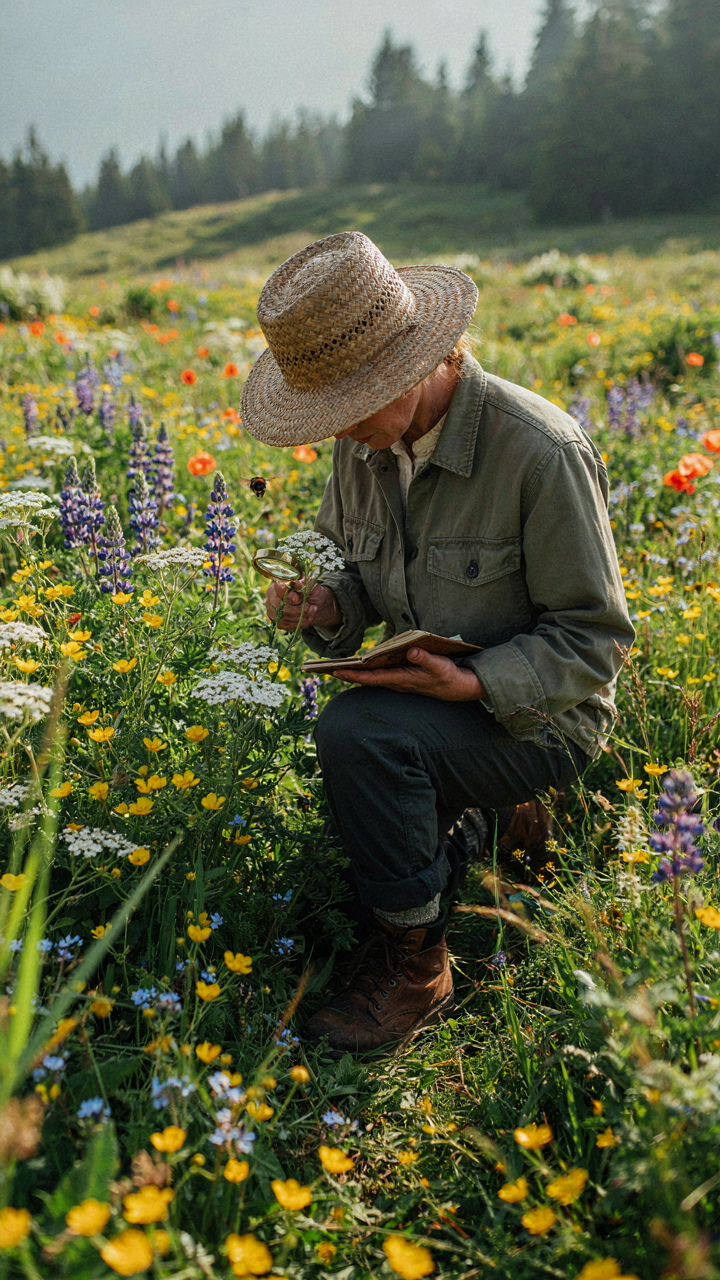
You want the aesthetic without the guilt. Here’s what people miss: wildflower arrangement quality depends entirely on understanding your specific ecosystem’s bloom calendar and species distribution, not just grabbing whatever looks nice. Ecology operates on carrying capacity, and wildflowers operate on the same principle. Pick the wrong species in the wrong season, and you’re depleting a population that took years to establish. Start by identifying which wildflowers actually grow in your region, not what Instagram shows from somewhere else.
Most people consult generic wildflower guides and assume availability. That’s wrong. Your local native plant society or cooperative extension office maintains species lists tied to soil type, moisture, and hardiness zone. Request their documented inventory. Cross-reference bloom times with your dinner date. This takes two hours of work instead of guessing and weakens the entire local population. The mechanism is simple: knowledge replaces assumption, which replaces damage.
What The Law Actually Says About Harvesting
Legal code treats wildflower harvesting like land ownership treats trespassing. You need explicit permission. Most people harvest from public lands assuming it’s fine because nobody stops them. That’s denial masquerading as entitlement. Federal lands like national forests and parks prohibit collection entirely. State parks have individual policies. Private property requires owner consent. A few states list protected wildflowers by species, making their harvest illegal regardless of location.
The real issue: enforcement is weak, so people assume legality. Weak enforcement is not permission. Check your specific state’s native plant protection statute and your county’s land use code before cutting anything. Contact the land manager directly if you’re unsure. This isn’t about virtue signaling. It’s about avoiding fines and understanding that your centerpiece comes from someone else’s property or protected ecosystem. Verify status before the event, not after.
The Anti Recipe Cultivating Intuitive Wild Flower Table Arrangements
Why Step By Step Instructions Fail You

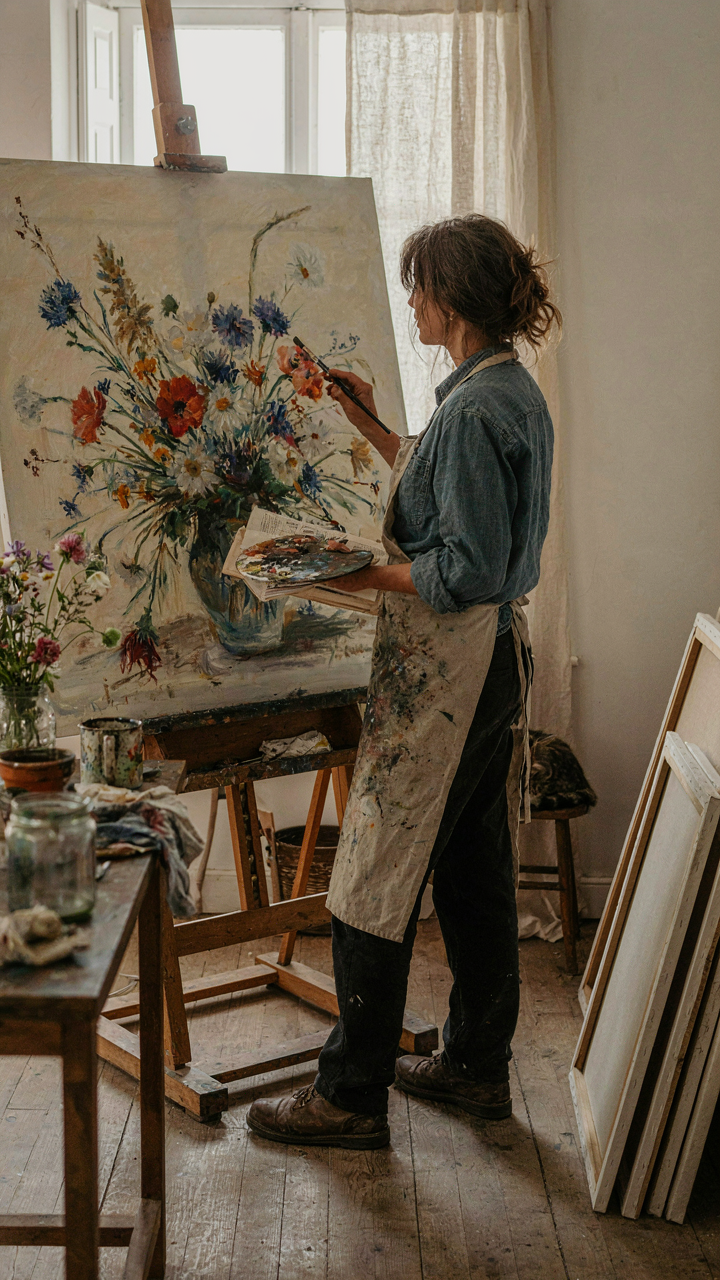
You want permission to skip the boring rulebook. Here’s the mechanism: step-by-step instructions optimize for replication, not for your specific table, light, and guest list. They flatten variables into a generic output. The real constraint isn’t technique—it’s that you’re working with living material that changes hourly. Wildflowers wilt differently than roses. Stems bend at unpredictable angles. A formula doesn’t account for this.
Start by rejecting the false premise that arrangement requires a predetermined sequence. Instead, treat your centerpiece like a design system with fixed variables and flexible execution. You know your table dimensions. You know your flower palette. You know your vase. Everything else adapts in real time. Build in margins for failure instead of following a checklist that assumes perfection.
Developing Your Unique Design Philosophy
Design philosophy isn’t abstract—it’s a constraint system you enforce consistently. Most people skip this and wonder why their arrangements look generic or chaotic. Pick three operational rules and commit to them: dominance rule (one flower occupies 40-60% of visual mass), scale rule (vary stem lengths by at least 6-8 inches), proximity rule (cluster by color or form, not randomly). These rules create coherence without requiring identical executions.
The work happens before you touch a stem. Spend fifteen minutes observing your actual flowers under your actual light at your actual dinner time. Note which colors read as muddy, which stand out, which flowers open as temperature changes. This observation replaces a recipe. Adjust your three rules based on what you see, then execute. The philosophy becomes your filter for every micro decision during arrangement.
The Wildflower Centerpiece Ecosystem: Borrowing From Systems Theory
How Elements Interact Within The Arrangement

You want this section to validate that your centerpiece isn’t random chaos but actually intelligent design. Here’s the mechanism: systems theory teaches feedback loops—where outputs circle back as inputs. In your wildflower centerpiece, stem length feeds into visual balance, which feeds into guest sightlines, which feeds back into whether people actually see each other across the table. One element shifting throws the whole system out. A single tall stem that blocks conversation becomes negative feedback. A low arrangement that disappears into the table does the same. You’re not arranging flowers. You’re designing information flow around a dinner table. The common mistake: people treat each flower independently instead of asking how it changes what happens next. Build your centerpiece by testing one rule at a time. Add a tall element, observe what it blocks. Remove it. Add a filler flower that crowds the gaps, watch how it steals focus from the focal flowers. The real work is mapping dependencies, not picking pretty colors.
The Unpredictable Beauty Rule Systems Create
Emergence in design means complex patterns arise from simple repeated rules, not from a master blueprint. In architecture and product design, this happens when you apply basic constraints consistently—the Japanese principle of ma (negative space), the Bauhaus grid system, even the rules governing medieval Islamic tile work all generated infinite variation from finite rules. Your wildflower centerpiece works the same way. Set three rules: no flower blocks sight lines below eighteen inches, no single color dominates more than forty percent of visual mass, and all stems graduate toward the center. Follow these rules religiously. Now arrange. Every centerpiece becomes distinct because wildflower species vary in height, bloom size, and color intensity. The same rules applied to different flowers yield different results each time. You never memorize a formula. Emergence means the framework stays stable while the output stays alive. This is why wildflower centerpieces beat mass-market arrangements. Rules create consistency. Variation within those rules creates beauty that photographs differently every time.
Unconventional Vessels For Wildflower Table Decor
The Household Items Nobody Thinks To Use
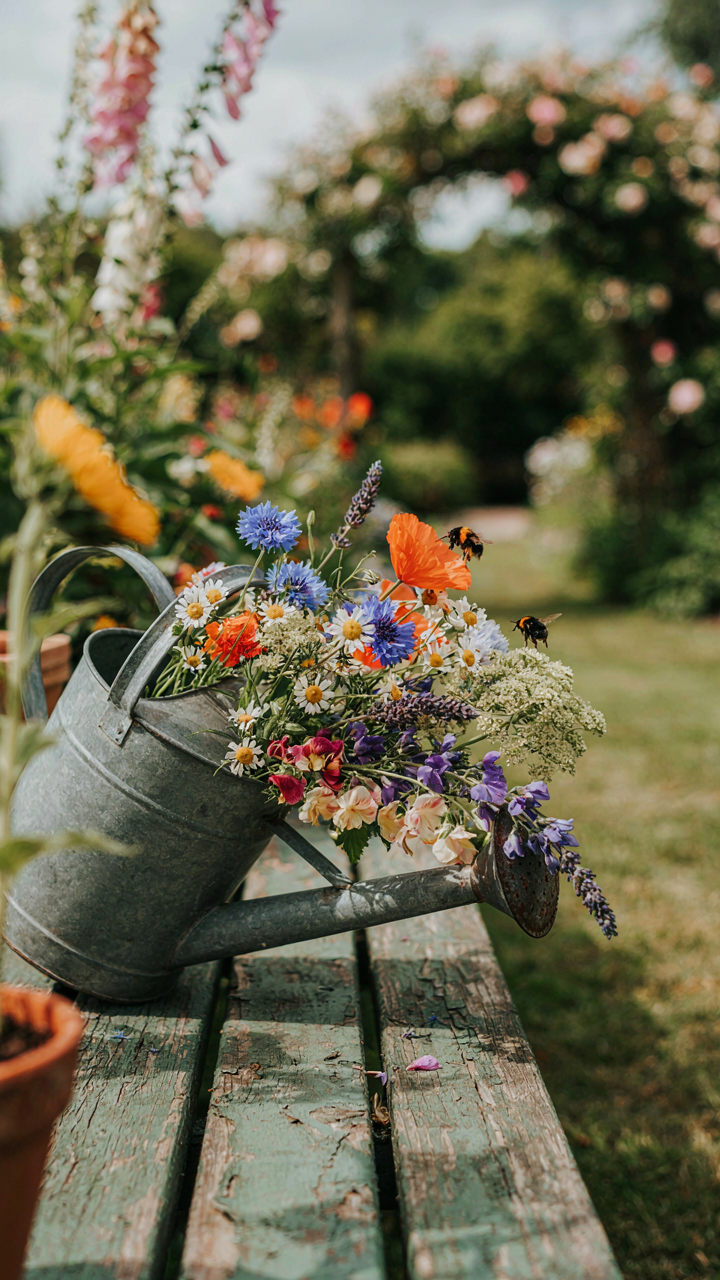
You want permission to break the rules without looking cheap. That’s the real concern here. The mechanism is simple: vessels hold water and flowers. Everything else is psychology. A mason jar works because it contains stem length and hydration. A chipped ceramic bowl works for the same reason. The material doesn’t determine success. The vessel’s depth, opening diameter, and weight distribution do.
Most people default to florist vases because stores sell them and magazines show them. This is consensus, not necessity. A vintage glass pitcher from your cabinet works better than a new vase if its rim sits at the right height relative to your wildflower stem lengths. Test the proportions before the dinner. Fill it with water. Cut stems to length. See if the blooms land where your eye expects them. That test takes three minutes and eliminates guesswork.
Match The Vessel To The Bloom Type

Scale in industrial design governs how we perceive balance between container and content. A delicate cosmos flower in a heavy ceramic urn reads as wrong because the visual weight of the vessel overwhelms the bloom’s fragility. Reverse it: place the same cosmos in a thin glass tube, and the flower appears supported, not buried.
Wildflowers vary in stem strength and bloom weight. Black-eyed Susans have thick stems and dense flower heads. They stabilize in wide, shallow bowls because they don’t need the height constraint. Lupines have tall, delicate spikes. They need narrow vessels that cradle the spike and prevent it from bending sideways. A vessel that works for one flower type fails for another. Choose your vessel after you know which flowers you’ll cut, not before. This determines whether your centerpiece stands or collapses during dinner.
The Seasonal Imperative: Dynamic Wild Flower Centerpieces
Work With What’s Actually Blooming
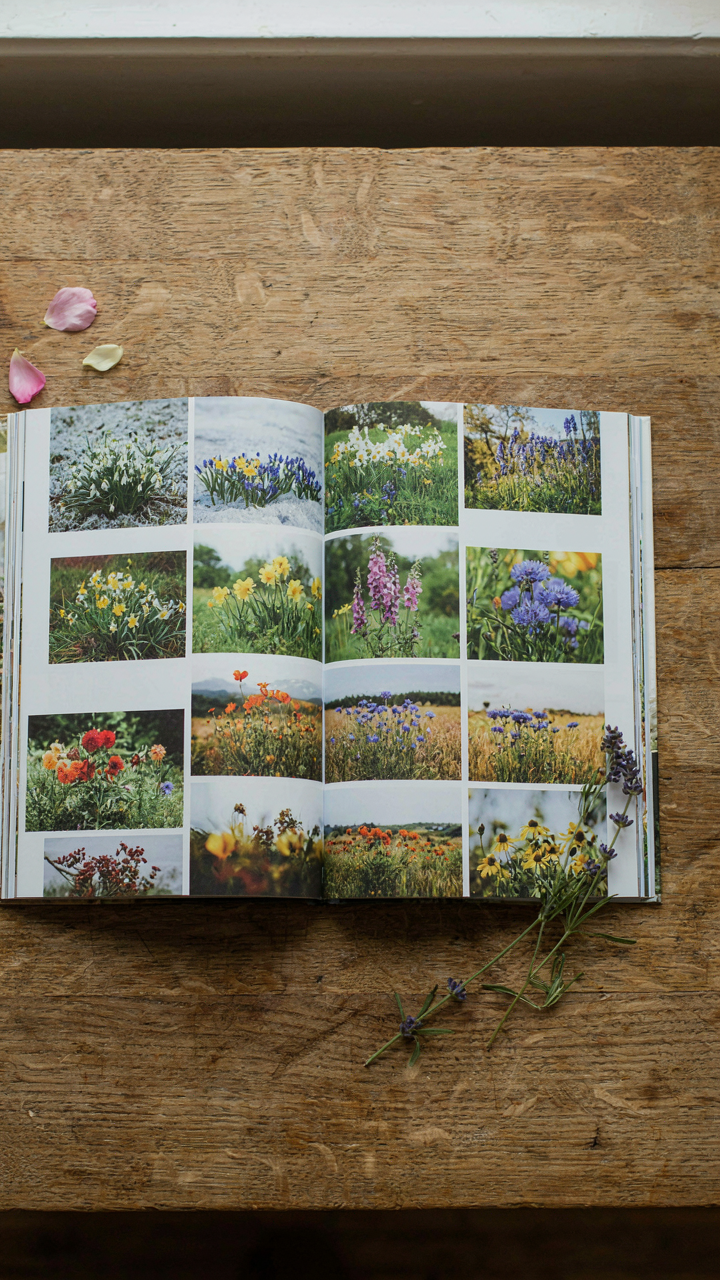
You want your table to look effortless, which means you’re terrified of it looking cheap or poorly researched. The mechanism is simple: wildflowers have real bloom windows, and fighting them costs time and money. Biology gives us the concept of phenology—the timing of life cycle events. Your centerpiece’s phenology is its availability window. In spring, you’re working with bloodroot, trillium, and wild columbine. In summer, black-eyed Susan and coneflower take over. Fall brings asters and blazing star. Winter offers dried seed heads and persistent berries. Building around what’s actually available eliminates the friction of forcing flowers that don’t exist yet.
The common advice says “plan ahead and dry flowers for off-season use.” That’s incomplete. Yes, drying works, but it’s not a substitute for seasonal work. Your centerpiece either respects the calendar or it doesn’t. If you’re hosting in July and trying to source spring ephemeral wildflowers, you’ve already lost. The tactic is different: build your dinner dates around bloom cycles, or source locally what’s in season now. This changes everything about prep time and authenticity. The centerpiece becomes credible because it matches the actual environment your guests are sitting in.
Design Around Disappearance

Transience is not a weakness to hide. It’s the structural advantage wildflower centerpieces have over any permanent arrangement. Most designers treat wilting as failure. The real mechanism is that impermanence gives you permission to embrace what’s already true: nothing lasts. This is how you stop overthinking. A wildflower centerpiece that peaks for three days and fades is doing exactly what it should do. It creates urgency and presence. Your guests notice it more because they know it’s temporary.
Plan your centerpiece to be at its best during the dinner window, not before or after. This means conditioning stems the morning of the event, stripping lower foliage, cutting at angles, and using room temperature water. Use a low vase to prevent top-heavy arrangements that collapse. Place the arrangement away from direct heat and sunlight. Wildflower stems are thinner than florist flowers and dry faster, so check water levels midway through service and top off if needed.
Wildflower Wedding Table Decor: Authenticity Over Opulence
The Trap Of Curated Perfection
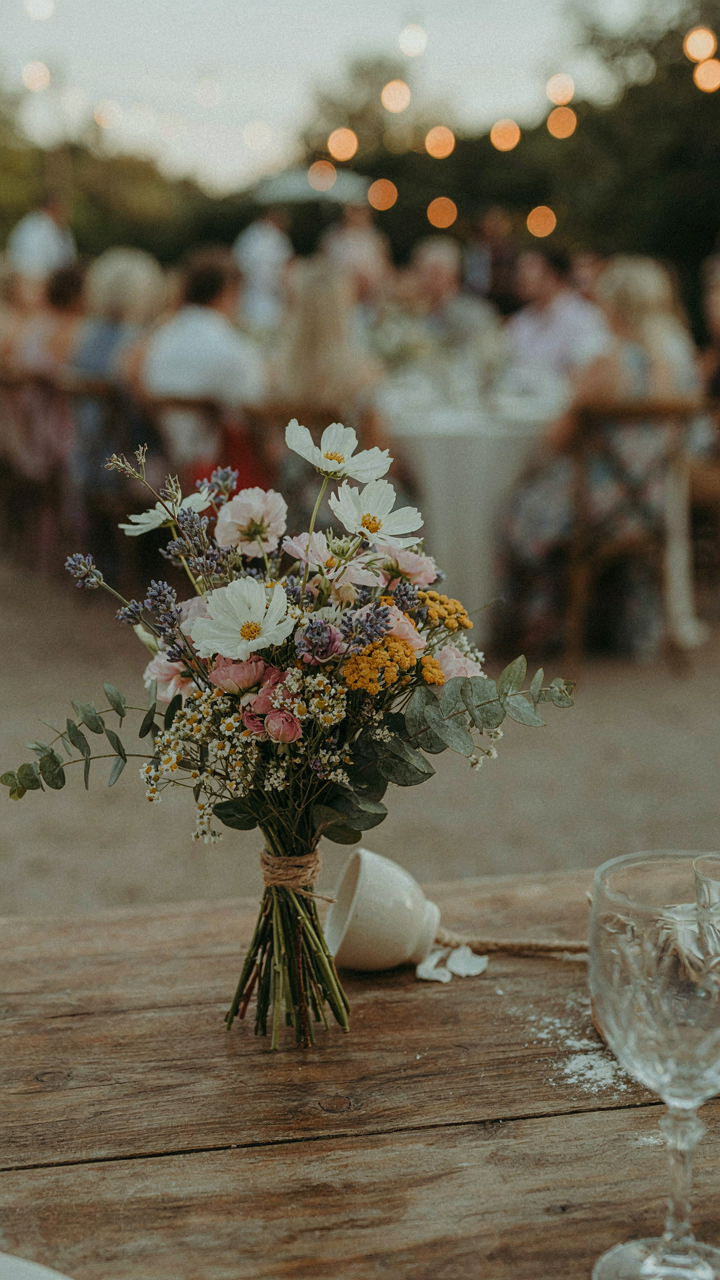
You want to look like you didn’t try too hard, which means you’re actually terrified of looking like you tried at all. The wedding industry weaponizes this fear by selling you the mythology of “effortless elegance” at premium prices. Here’s the mechanism: florists charge exponentially more for arrangements that appear unplanned because perceived spontaneity requires actual skill to execute. Most people mistake constraint for authenticity.
Wildflowers disrupt this equation because they force a choice. You either commit to their actual irregularity or you stage-manage them into something they aren’t. The tension between what wildflowers are and what people expect from event design exposes whether you’re designing for yourself or designing for observers. When you pick wildflowers, you’re not buying a feeling. You’re buying specificity.
The Story Your Table Tells

Borrowed from narrative theory, wildflower centerpieces function as exposition: they communicate where you’re from, what you value, and what you refused to outsource. The mechanism here is recognition. Guests decode the centerpiece faster than they decode your vows. A person from the Midwest recognizes black-eyed Susans. Someone from the coast recognizes coastal bluestar. The table stops being decoration and starts being autobiography.
Personal narrative doesn’t mean telling your life story through flowers. It means selecting wildflowers that genuinely exist in places that matter to you, then placing them without apology. Source wildflowers from a region you’ve actually spent time in, or collaborate with a local grower who can tell you which species thrive in your area during your event season. Document which flowers you chose and why before the event. This creates a retrievable decision trail that prevents you from second-guessing under pressure.
The Density Protocol: Wildflower Centerpieces For Round Tables
Radial Architecture For Maximum Sightlines
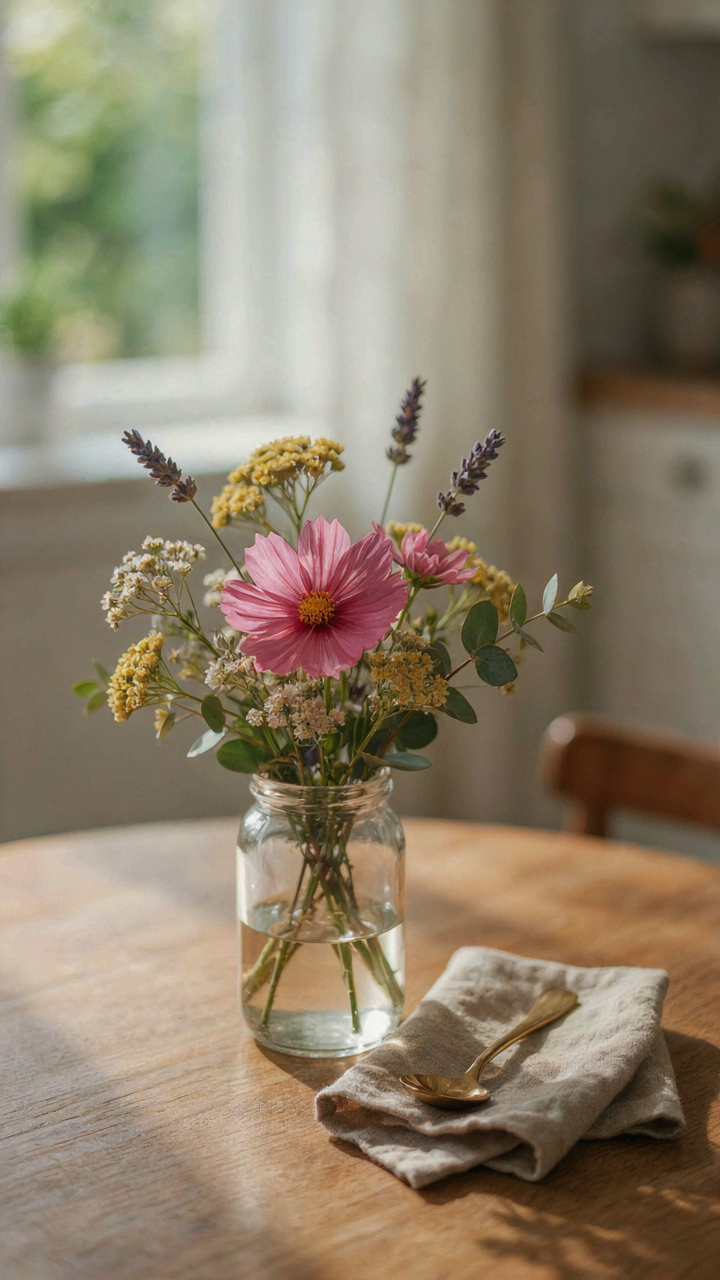
You want people to see your arrangement and think you spent hours on it. The mechanism is borrowed from visual hierarchy in graphic design: achieve dominance through strategic placement, not volume. Build your wildflower centerpiece in concentric rings, not a random heap. The tallest stems occupy the center. Medium height flowers ring that core. Shortest material forms the outer perimeter. This radial structure lets diners see across the table and toward each other, not at a wall of stems.
Round tables demand centerpieces that work from every angle simultaneously. That means no dense back-side that looks thin from the opposite seat. Rotate your arrangement every fifteen minutes during assembly to check sightlines from all four cardinal directions. Most people build these facing one direction, then wonder why half the table sees nothing but greenery. The radial approach solves this because density increases toward the invisible center, visibility increases toward the edges.
Space As The Real Design Element

Everyone says “don’t overcrowd.” That’s incomplete advice. The real principle is that space between stems functions as negative space does in design, creating visual rest and preventing the eye fatigue that kills conversation. A wildflower centerpiece with air pockets actually performs better than one packed solid, because diners unconsciously register it as intentional rather than desperate. The gaps let table light pass through. They reveal the vase. They make the arrangement feel curated.
The protocol: after placing your stems at the radial distances you want, step back and identify any cluster where stems touch for more than half their height. Break those clusters by removing one stem or rotating an adjacent one. You’re looking for pockets of daylight visible through the arrangement from all sides. When you can see the table surface through the centerpiece at multiple points, you’ve hit the density target. Underfilled beats overstuffed every single time.
The Wildflower Aesthetic: Beyond The Theme
Stop Copying Pinterest And Start Seeing
You want permission to do this “right” because you’re afraid your choices will look wrong. That’s the real problem. The mechanism is simple: a wildflower centerpiece only feels authentic when it reflects your actual visual preferences, not someone else’s curated feed. Your eye already knows what works in your space. You’re just trained to distrust it.
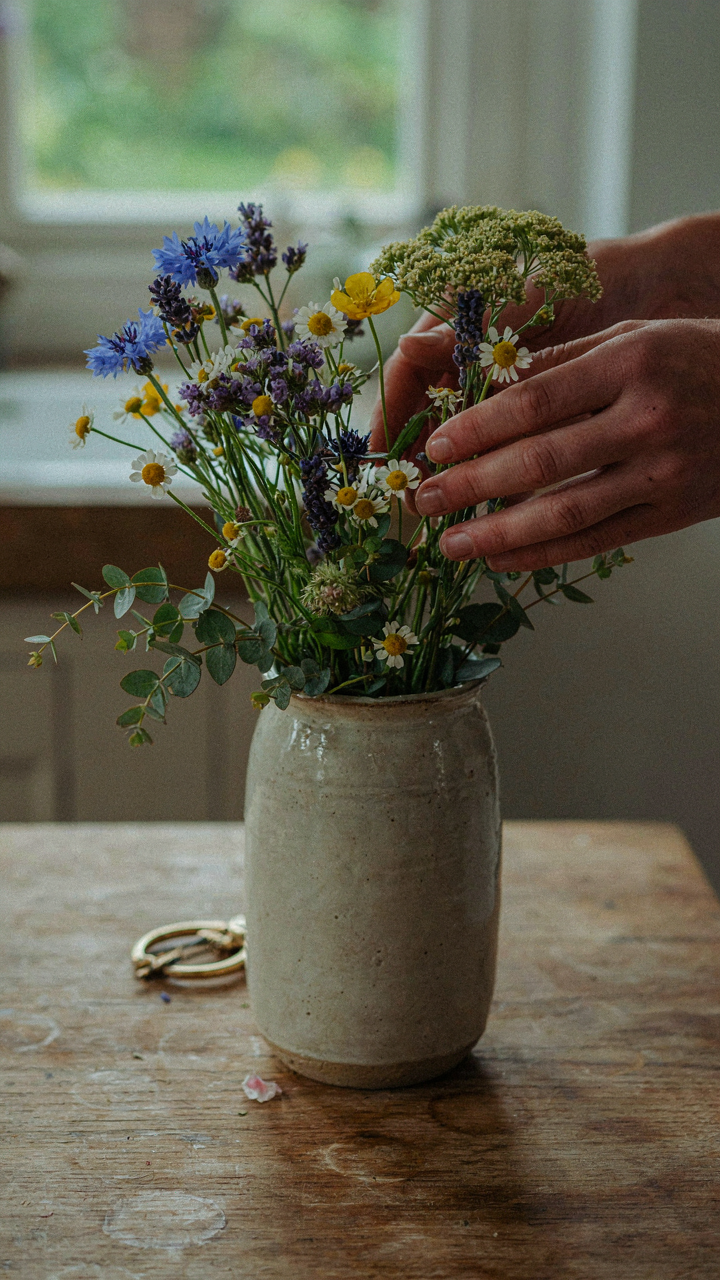
Start by looking at three rooms you actually live in or visit regularly. Don’t search for inspiration. Notice what draws your attention: the color of light at certain hours, how textures change with season, what plant forms already exist in your environment. This is your visual vocabulary. A wildflower centerpiece that matches it will feel intentional, not borrowed.
Your Personal Language Toolkit

Design operates like ecology: successful systems develop through iteration and selection pressure, not master planning. Your signature style emerges the same way. You identify dominant patterns in what you’re drawn to, then test them deliberately at your table. Build your visual language by experimenting with materials you already understand rather than chasing techniques that sound advanced.
- Color sampling: Photograph three existing objects in your dining space weekly. Track which wildflower hues appear naturally in these photos. Repeat for two months to identify your actual color range, not your theoretical preference.
- Form repetition: Select one plant shape you consistently choose across different arrangements. Cornflowers, yarrow, or grasses. Use that shape as your anchor across multiple centerpieces to build recognition and coherence.
- Container consistency: Stick with one or two vessel types for an entire season. This constraint forces you to solve problems through flower selection and composition rather than hiding behind new containers.
- Lighting documentation: Shoot the same centerpiece at sunrise, midday, and evening. Study how your chosen flowers transform. This trains you to design for the actual conditions at your table, not ideal gallery lighting.
- Seasonal audits: At each season shift, gather every wildflower you’ve used in the past ninety days. Lay them flat. Notice what you returned to repeatedly. Build your next season around those proven choices.
Your signature emerges when you treat centerpiece design as a system you refine over time, not a problem you solve once. Create one centerpiece monthly using only the tools above, tracking what works. After six months, your visual language will be specific enough that others recognize it as yours.
Preserving The Moment: Extending The Life Of Your Wildflower Table Centerpieces
Keep Them Alive, Not Frozen
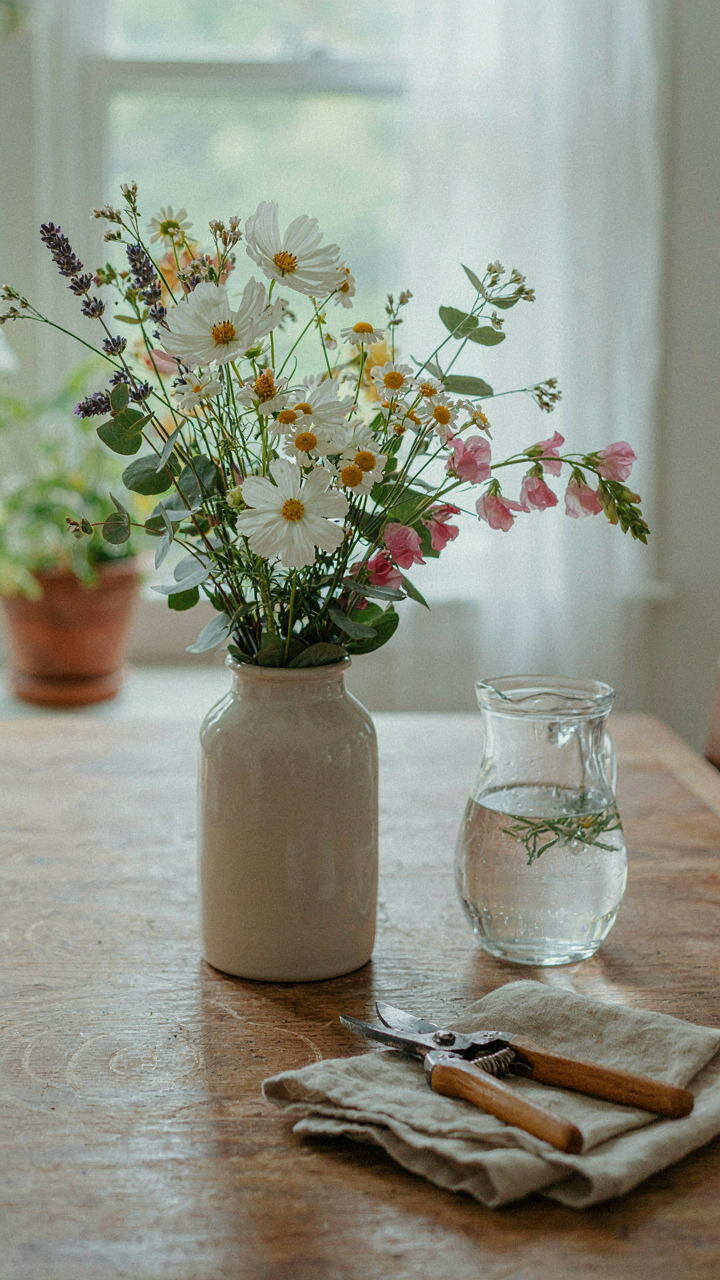
You want your centerpiece to outlast the dinner because throwing away money feels worse than admitting something dies. The mechanism here is simple: wildflowers wilt because they lose water faster than their stems can absorb it. Cut stems at a 45-degree angle to increase surface area. Use room-temperature water, never cold. Remove leaves below the waterline—they decompose and clog the vascular system. Change water every two days. This extends lifespan from three days to five or six.
Wildflowers are not like grocery store roses bred for artificial longevity. Native species have thinner stems and evolved for seasonal life cycles, not vase performance. Most last a week maximum under ideal conditions. Add a floral preservative if you have it, but the real lever is fresh water and clean cuts. The longer the stem stays hydrated, the longer the petals hold. That’s the whole mechanism. Anything else is decoration.
Beauty In The Fade
Most advice tells you to throw out the centerpiece the moment it looks tired. This is wrong. It’s denial dressed as maintenance. Decay has its own visual language—one that actually deepens the dinner’s meaning instead of fighting it.
Wilting petals darken and paper. Leaves yellow and curl. Stems soften. This isn’t failure. It’s the centerpiece finishing its job. The table tells the story of time passing during the meal itself. Guests notice. Some feel it. The impermanence becomes the point. When blooms drop completely, compost them. When leaves brown to transparency, leave them in the vase. The visual shift from abundance to residue mirrors what dinner does to a gathering: it completes something.
Remove the entire arrangement when most stems are hollow and petals have fully dropped. Usually this happens between seven and ten days. Don’t wait for mold. At that point, dispose of it and let the table breathe empty for a moment before setting it for the next gathering.
The Only Real Limitation Is Your Imagination, Not The Availability Of Pre-packaged Perfection
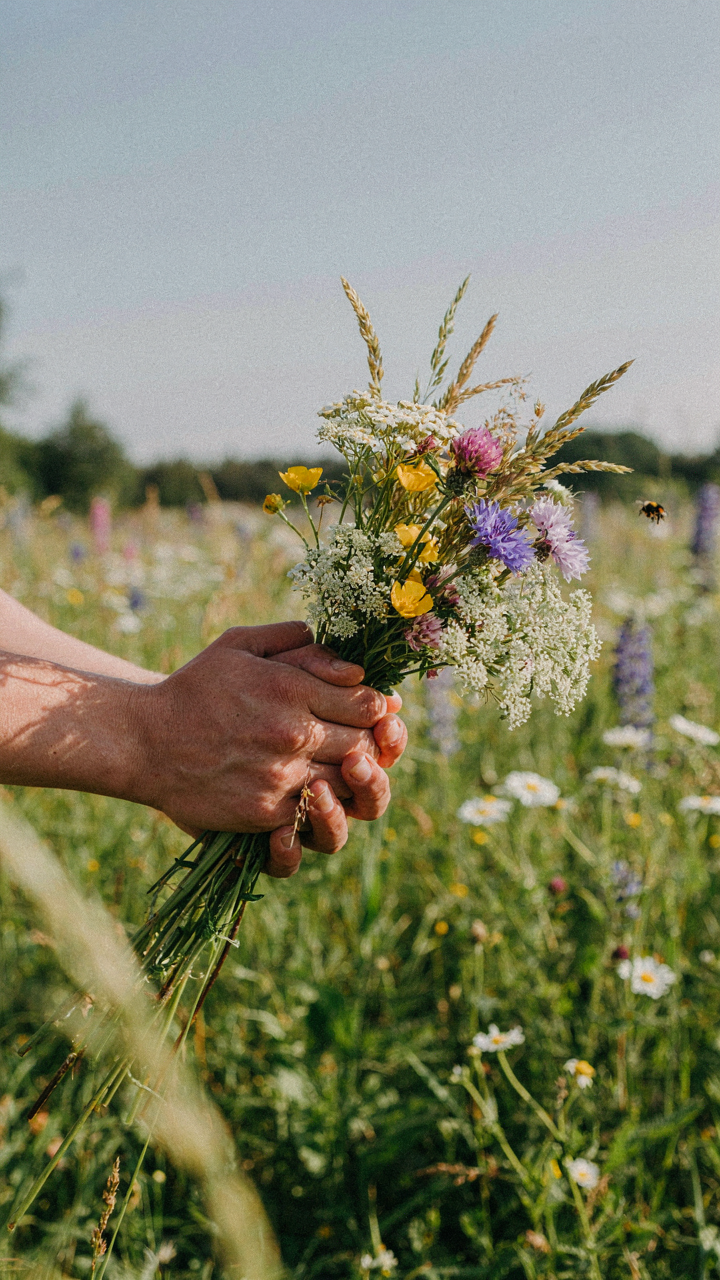
Most people wait for the “perfect” wildflowers to appear. They don’t. You build perfection by grabbing what grows near you today and arranging it with intention. Stop treating your table like it needs Instagram validation. Go outside right now. Cut whatever blooms catch your eye. That act of creation, that refusal to follow someone else’s aesthetic, that’s what actually stops people mid-conversation. Your guests won’t remember a flawless centerpiece. They’ll remember that you bothered to make something real.