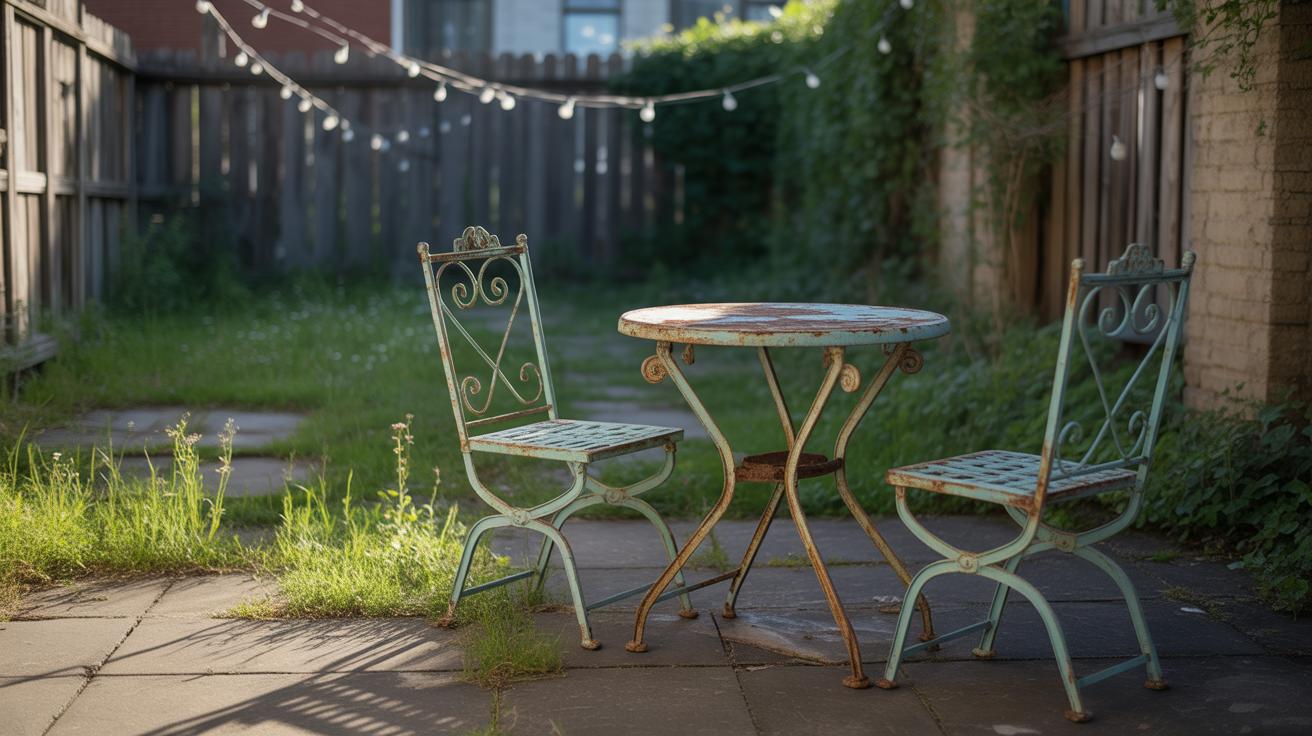
Mistakes That Ruin a Cozy Backyard Space
A cozy backyard can be a perfect place for relaxation and social gatherings. But small design or maintenance errors can quickly spoil the comfort and charm of this outdoor space. Many homeowners unknowingly make mistakes that reduce the usability and aesthetic of their backyard sanctuary.
This article highlights several key cozy backyard mistakes that ruin your outdoor space. It offers practical advice and clear steps you can take to avoid or fix these issues. By paying attention to details, you can enjoy a warm, inviting, and functional backyard all year round.
Recognize What Ruins Cozy Backyards
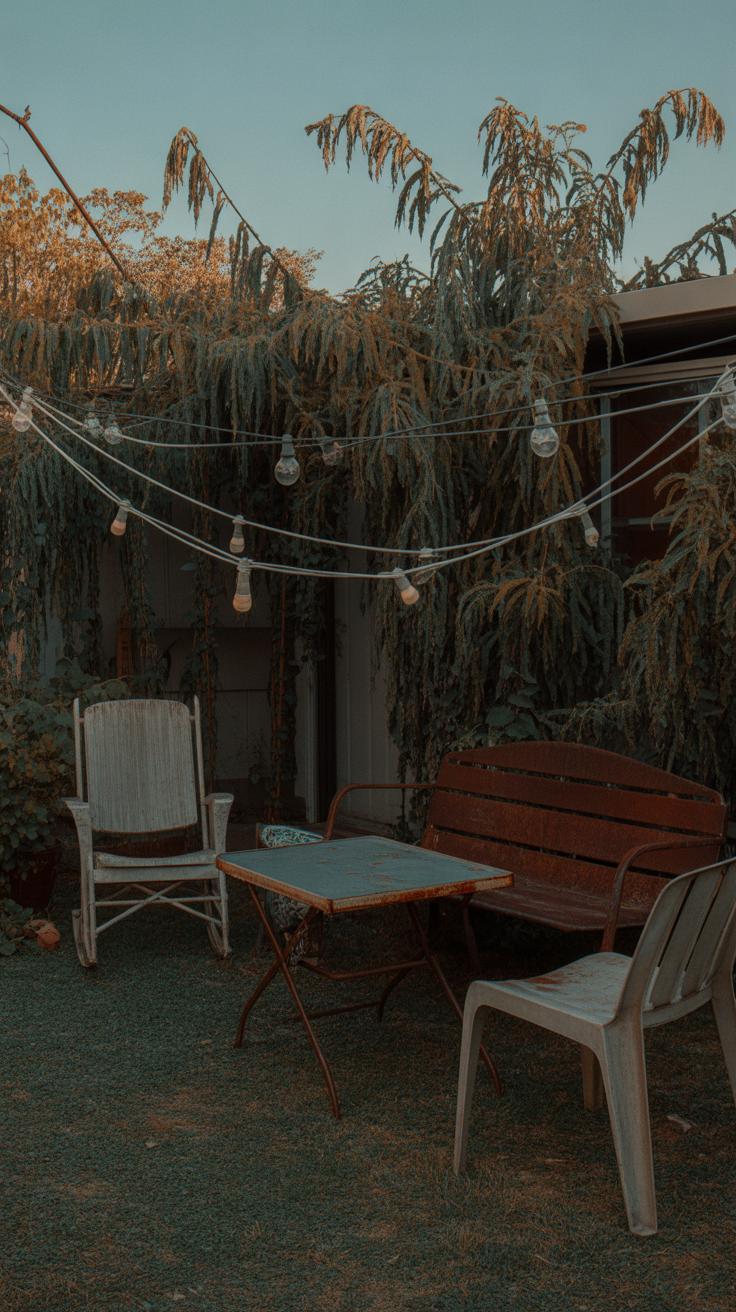
When trying to create a cozy backyard, a few missteps often sneak in unnoticed. Maybe you start with good intentions but end up with clutter scattered everywhere—garden tools piled on the bench, pots here and there, random toys. It doesn’t take long before the space feels cramped, confusing, even a bit chaotic.
Layout plays a bigger role than many realize. Furniture placed too close to walkways or in awkward spots can block movement or feel off-putting. You might think filling every corner makes the yard inviting, but it can actually trap you in a cramped zone. Ever tried moving between tightly packed chairs or stepping over random decorations? It’s not cozy; it’s frustrating.

Neglect shows quickly. Weeds poking through cracks, faded cushions left in the rain, or dusty surfaces all work against comfort. A backyard needs some attention to keep that welcoming vibe alive. Letting things fall apart erases any cozy feeling in an instant.
So, what typically ruins these spaces?
- Clutter overwhelming usable space
- Furniture ignoring natural flow or access points
- Lack of basic upkeep making the area look tired
You might think your backyard is fine, but stepping back and noticing these issues is key. Sometimes, less really is more, and a bit of maintenance could bring the warmth back. Remember, a cozy backyard feels inviting because it’s easy to move around and relax in—not because it’s crowded or neglected.
Checklist to Assess Your Cozy Backyard
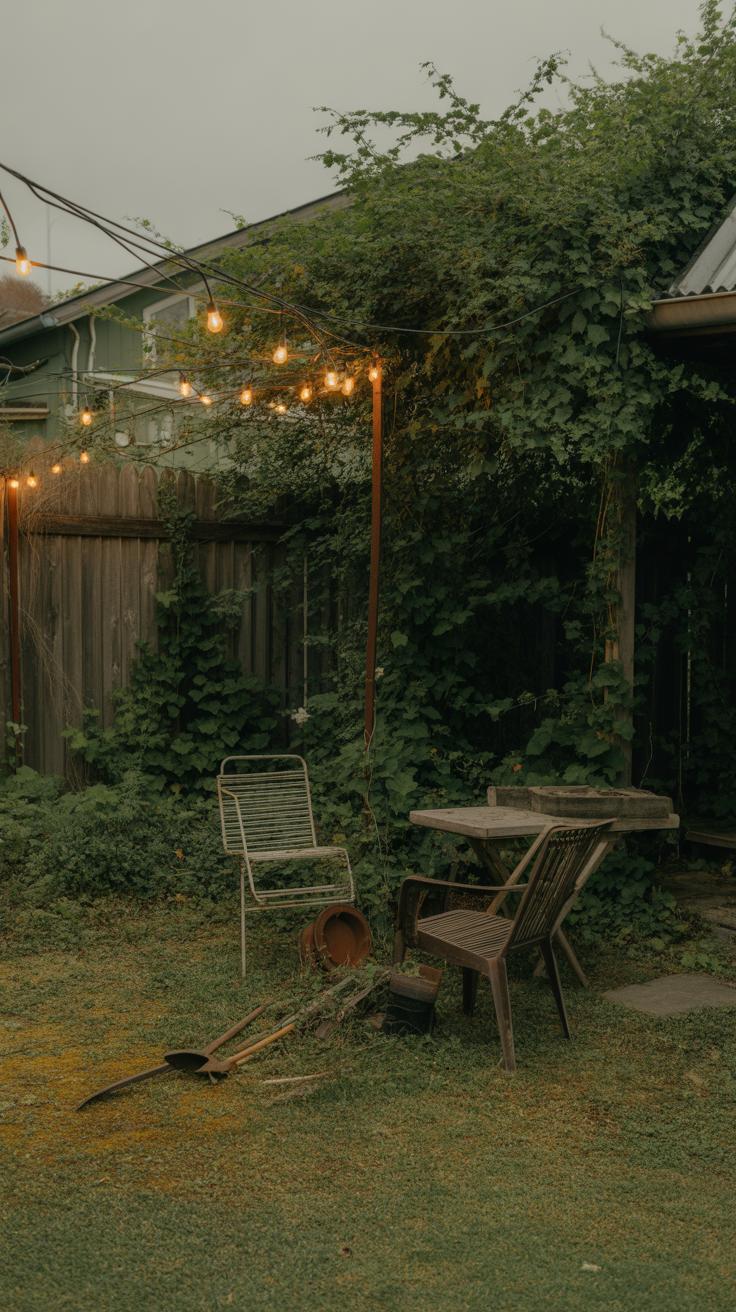
Take a moment to walk through your backyard with fresh eyes. What feels inviting? What doesn’t? Here’s a checklist to help you spot common issues that quietly chip away at your space’s comfort.
- Furniture: Are the seats still supportive, or have cushions flattened to the point of sinking in? Check for any torn fabric or unstable frames. If it’s uncomfortable to sit, your cozy vibe might be slipping.
- Lighting: Is there enough soft, warm light when evening comes? Too harsh or too dim lighting can disrupt the mood, so test how well your bulbs or candles actually illuminate the area without glaring or flickering.
- Plants: Look at your greenery—do any plants appear overgrown or sparse? Wilted leaves or dead patches don’t invite relaxation; they can make the space feel uncared for, even if everything else looks fine.
- Upkeep: Is the backyard tidy? Leaves, debris, or untrimmed branches can pull your whole setup down. Think about how often you actually maintain the space and whether it reflects in the overall feeling.

Now, a few questions that might make you think a bit deeper: When was the last time you really enjoyed sitting outside here? Does your space invite you to linger, or do you find reasons to leave quickly? Are your seating and lighting arranged in a way that encourages conversation, or do people scatter to corners? You might realize your backyard isn’t as cozy as you thought—or maybe you already know that but haven’t done much about it.
It’s tricky sometimes—spaces feel familiar, and you overlook little things that grow uncomfortable over time. Use this checklist not as a one-time fix but as a tool to keep tuning your backyard into a genuinely welcoming spot.
Fix Furniture Problems Fast
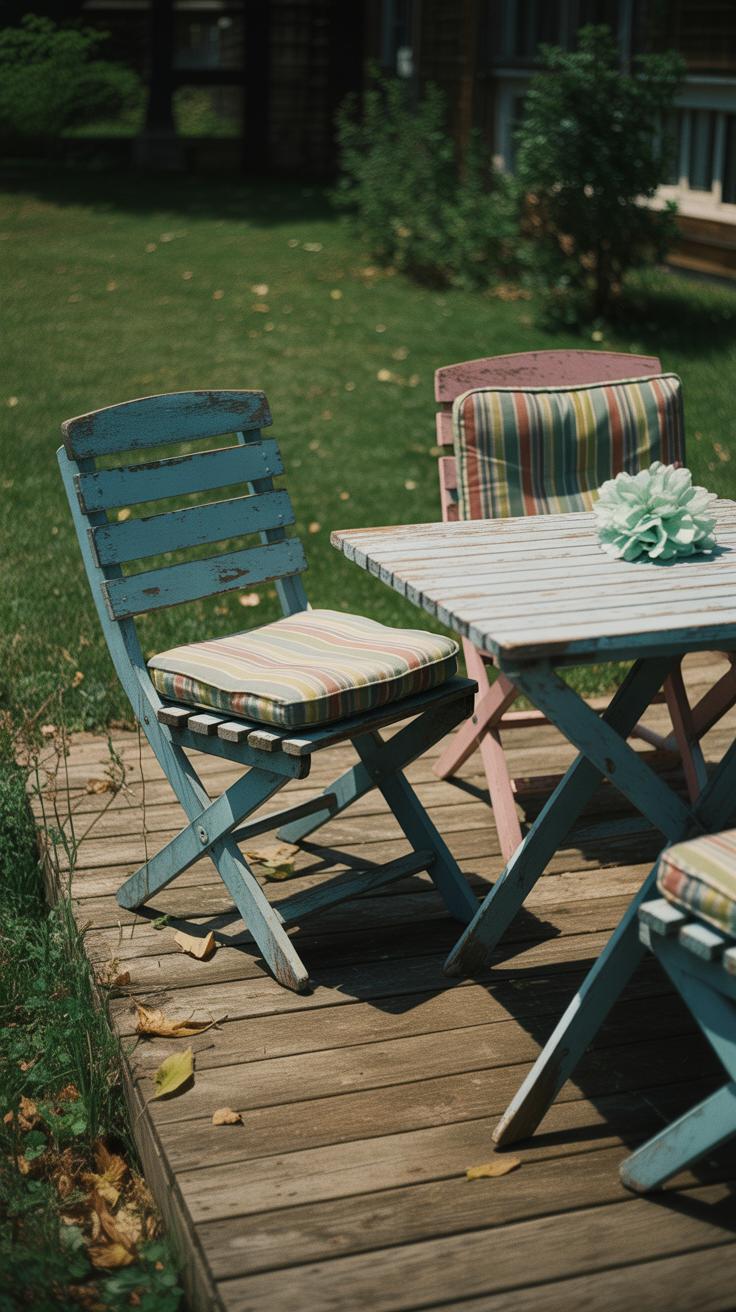
The wrong furniture or poor placement can turn a backyard from cozy refuge into an awkward, uncomfortable space almost instantly. You might think any chair will do, but if it’s the wrong style or size, it throws off the whole vibe. I’ve seen small patios crammed with bulky chairs that block pathways, making the area feel cramped rather than inviting.
When picking furniture, think about durability first—materials like teak, metal, or weather-resistant wicker last longer outdoors and keep comfort intact. Cushions matter, too; soft seating invites you to linger, but be mindful of weatherproof fabrics that won’t soak up every rain.

Size is tricky. Oversized sofas can overpower a small backyard, while tiny stools might leave guests searching for somewhere to settle. If you’re unsure, measure your space carefully, then imagine how you want to move around it.
As for arrangement, aim for layouts that encourage conversation. Group seating in a loose circle or semi-circle rather than a straight line. I’ve noticed that when chairs face each other, people relax and talk more freely. Avoid forcing furniture against walls if it limits interaction. Leave enough space for easy movement—crowding kills comfort.
Better to start simple: a couple of chairs and a small table, then build up if it feels right. Have you tried shifting furniture around during different times of day to catch sunlight or shade? Small tweaks like that can make all the difference.
Evaluate Lighting Mistakes
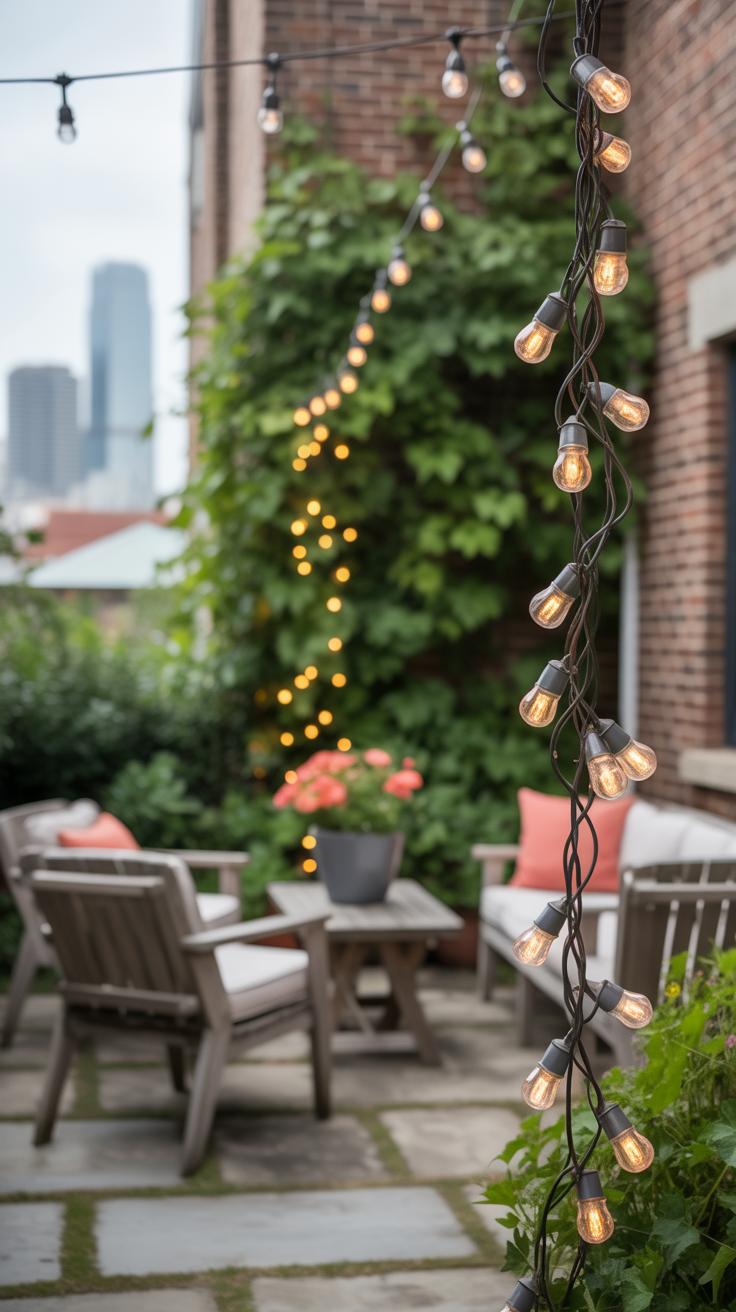
Poor lighting can quickly turn a cozy backyard into a frustrating or even uninviting space. If your lighting is too harsh, glaring, or uneven, it kills any chance of warmth or intimacy. I’ve seen patios where a single bright bulb overhead makes everyone squint and avoid eye contact. Not exactly the vibe you want for relaxing evenings. On the flip side, too little light leaves areas feeling cold and unsafe. It’s like sitting in near darkness, which isn’t cozy either.

To improve lighting, start by deciding what activities you want to support. Are you dining outside? Reading? Entertaining? Then mix in different light sources to cover those needs without harsh shadows or blind spots. For instance:
- Use softer bulbs or dimmers to control brightness.
- Layer lights at multiple heights—for example, combine ground-level lanterns with string lights overhead.
- Test the lighting at the exact time you plan to use it. Evening light feels different than daytime.
Even small changes, like swapping a bulb or repositioning a fixture, can make a big difference in how cozy your backyard feels.
Types of Backyard Lighting
Lighting styles come in many forms, each bringing something a little different to your outdoor space. String lights offer a casual charm; they wrap around trees or pergolas and create a sort of comforting glow. Lanterns, whether battery-operated or candlelit, add a touch of elegance and warmth, often in small pockets where you want to encourage quiet chats.
Solar lights are a popular choice for their low maintenance; they absorb daylight and come on automatically at dusk, but sometimes their brightness isn’t ideal for creating atmosphere. Spotlights and floodlights are great for security but too intense for cozy areas unless dimmed properly.
Placement Tips for Cozy Lighting
You want your lights positioned to make your backyard feel inviting but also practical. Avoid placing bright lights directly in your eyes or where they cast harsh shadows on sitting areas. Instead, aim for warm, indirect light that gently washes over your space.

Think about these placement ideas:
- String lights draped above seating zones, high enough not to interfere but low enough to create a wraparound feeling.
- Lanterns placed on tables or beside walkways to highlight paths without overpowering nearby guests.
- Accent lights tucked behind plants or architectural features to add depth and subtle interest.
Consider how the light falls and whether it enhances or hinders both visibility and ambiance. Sometimes fewer, well-placed lights work better than a dozen scattered ones that clash or confuse the eye.
Plant Care and Placement Advice
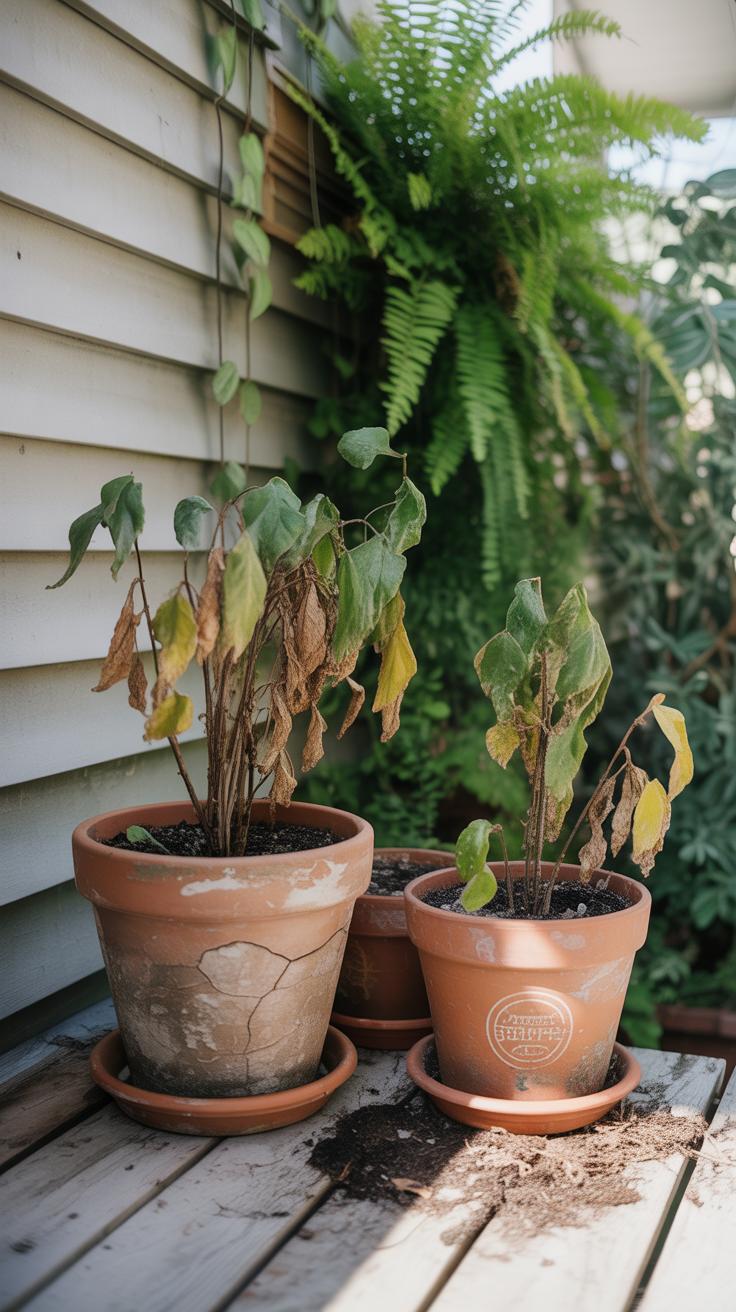
Choosing plants for a cozy backyard isn’t just about picking pretty flowers. Sometimes people get caught up in selecting showy or exotic varieties that demand constant attention. This often leads to frustration when plants die or take over in unexpected ways—definitely not what you want when you’re trying to create a relaxing space.
Easy-care plants like hostas, ferns, or even lavender can bring green life without too much fuss. These tend to survive well in various conditions and don’t need daily attention. I’ve found that having herbs like rosemary nearby works because they’re tough and smell nice, adding comfort without the hassle of complicated care.

Where you place your plants matters a lot. For example, taller shrubs or small trees are great near fences or around seating areas to create privacy and block noise. But, placing them too close to windows might block natural light you want inside. Shade-loving plants work well under larger trees or on the north side of your yard, giving spots to relax without harsh sun.
It’s tricky sometimes to balance shade and light, and I guess the right spot depends on your specific sun exposure and how much maintenance you’re willing to handle. Still, thinking about privacy and comfort with plant placement makes all the difference—suddenly, your backyard feels more like a personal retreat.
Manage Yard Clutter for Serenity
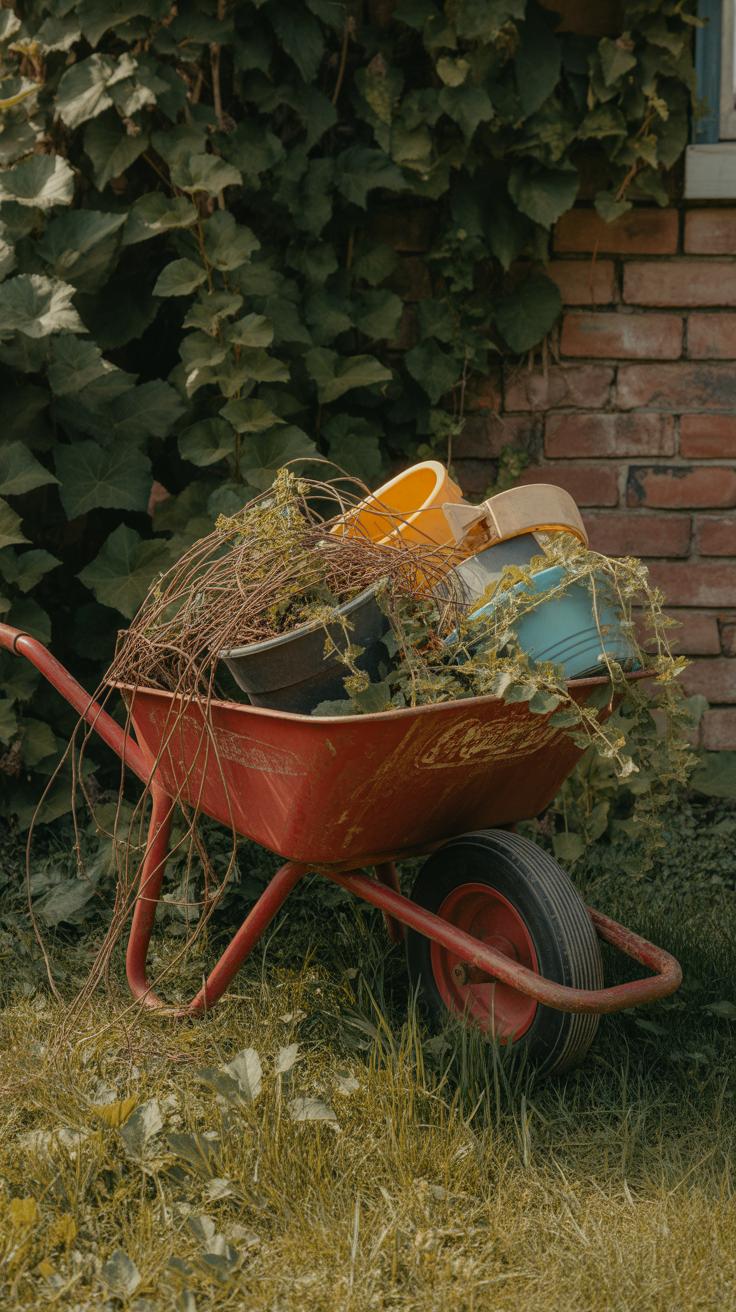
Clutter has a sneaky way of stealing the calm from your backyard. You might think a few tools or toys scattered here and there are no big deal, but over time, they pile up and make the space feel cramped or chaotic. That cozy vibe? It slips away when your eyes land on half-used plant pots, mismatched garden furniture, or random piles of leaves and sticks.
Where does all this clutter tend to gather? Often, it’s near the shed, around seating areas, or tucked beside fences. Common offenders include gardening tools left out, kids’ toys forgotten after playtime, extra pots, outdoor cushions that never seem to find a home, and old containers collecting dust.

Clearing this mess doesn’t mean hauling everything away. Think about storage that blends in—a shed is an easy solution if you’ve got the space. But maybe a big waterproof storage box near your deck would work better, especially for cushions or small toys. Even vertical racks or hooks for tools can save room and keep things off the ground.
Sometimes, I’ve tried just shoving things behind bushes or under benches, but that only hides clutter temporarily. Making a habit of sorting through what you really use or need can make all the difference. After all, a truly cozy backyard invites you to relax, not to trip over forgotten stuff or hunt for what’s been buried in a pile.
Stay on Top of Maintenance

Regular upkeep can quietly save you from a lot of common cozy backyard problems. When you keep up with small tasks here and there, your outdoor space stays inviting instead of becoming a neglected patch of weeds or weather-beaten furniture. You might think skipping a weekend or two won’t matter much—but those small delays often multiply quickly.
Think about it like this: sweeping leaves regularly prevents dirt from building up and staining your patio. Wiping down cushions keeps mildew at bay, and fixing a loose board today means you won’t face a bigger repair later. It’s the little things that keep the space feeling cared for and comfortable.
Routine Cleaning and Repairs

Routine maintenance is more than just keeping things visually neat—it’s about catching problems early. Here’s what you could include in your regular to-dos:
- Sweep pathways and patio floors weekly to prevent debris accumulation.
- Wipe down outdoor furniture every two weeks, especially after rain or heavy use.
- Inspect cushions and fabrics for dampness or mold and air them out.
- Check for loose screws, cracked wood, or torn fabric and fix them promptly.
- Clear gutters or drain lines near your outdoor area to avoid overflow damage.
Skipping these can lead to uncomfortable spots or deterioration that ruins the cozy feel you’re aiming for.
Seasonal Maintenance Tips
The seasons bring their own set of tasks, and staying ahead can save a headache or two. For example:
- In spring, prune back overgrown plants and remove dead growth to encourage fresh blooms.
- Summer is a good time for checking irrigation systems and repositioning furniture to avoid sun damage.
- Fall often calls for raking leaves and protecting sensitive plants before temperatures drop.
- In winter, cover furniture with waterproof tarps or move delicate pieces indoors if possible.
These tasks might feel seasonal chores, but skipping them often leads to space feeling tired or worse—unusable.
If you create a simple schedule, maybe just a checklist stuck on your fridge or a reminder on your phone, keeping your backyard cozy becomes less of a chore. You might not always stick perfectly to it, but even trying keeps things in better shape than ignoring maintenance altogether.
BudgetFriendly Cozy Backyard Upgrades
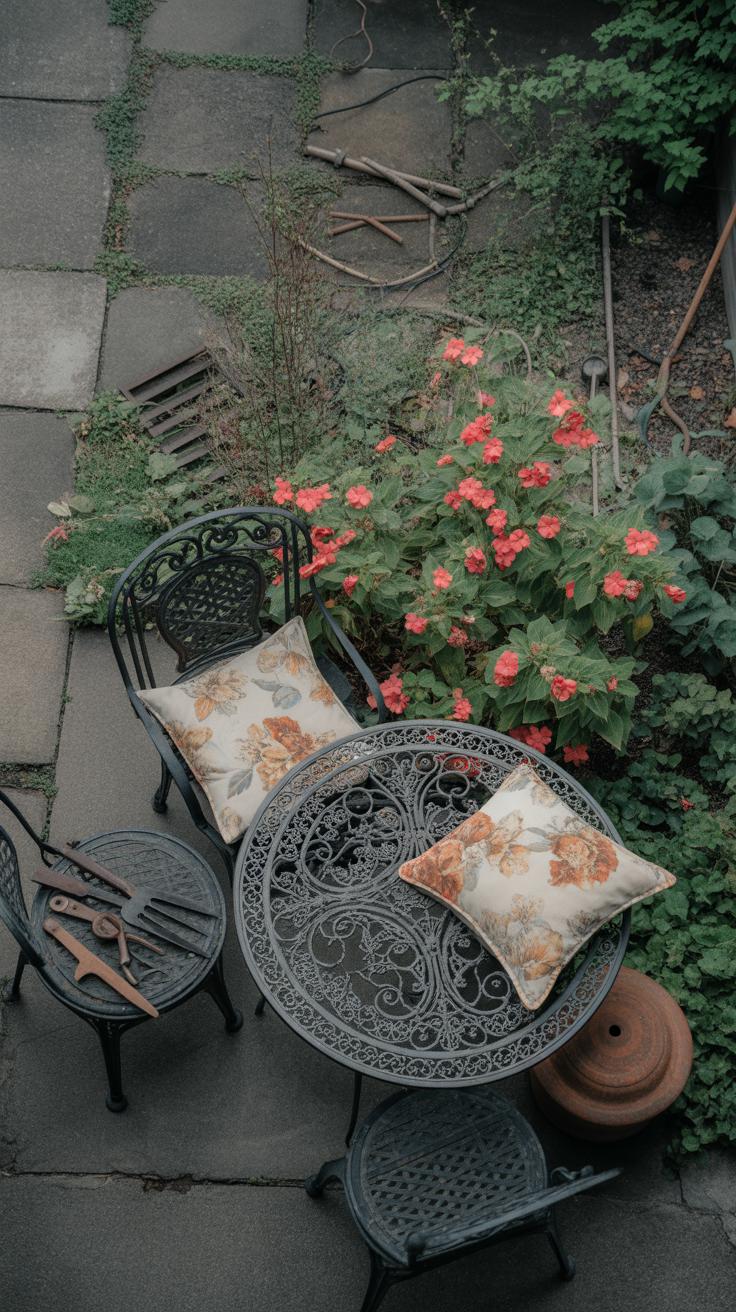
Making your backyard cozy doesn’t have to drain your wallet. There are plenty of simple ways to add warmth and charm without big spending. Sometimes, just a little project sparks a lot of comfort. For example, sewing your own cushions might sound tricky, but with some affordable fabric and a basic sewing kit, you can create custom pillows that instantly soften your seating.
Another easy touch is string lights. You can find these at discount stores or online for a few dollars, and hanging them yourself is a quick way to add gentle illumination. It’s surprising how much those tiny bulbs change the mood in the evening.
When it comes to buying outdoor furniture or décor, look beyond the usual big-name retailers. Thrift shops, garage sales, and clearance sections have hidden gems—sometimes even sturdy chairs or lanterns at bargain prices. Local hardware stores often have seasonal deals or off-brand items that still do the job well. Don’t overlook online marketplaces where people sell nearly new goods for a fraction of the retail cost.
Some people underestimate how much layering textures can help. A simple woven throw over a rickety chair, or a DIY pallet bench topped with cushions, makes the space inviting without much fuss. Think what you might already have around that can be repurposed before buying new.
What small addition have you been putting off that could change your backyard feel? Maybe starting with a few homemade cushions or a handful of string lights is easier than you expect, and the results might surprise you.
Compare Cozy Backyard Styles
Features of Rustic Cozy Backyards
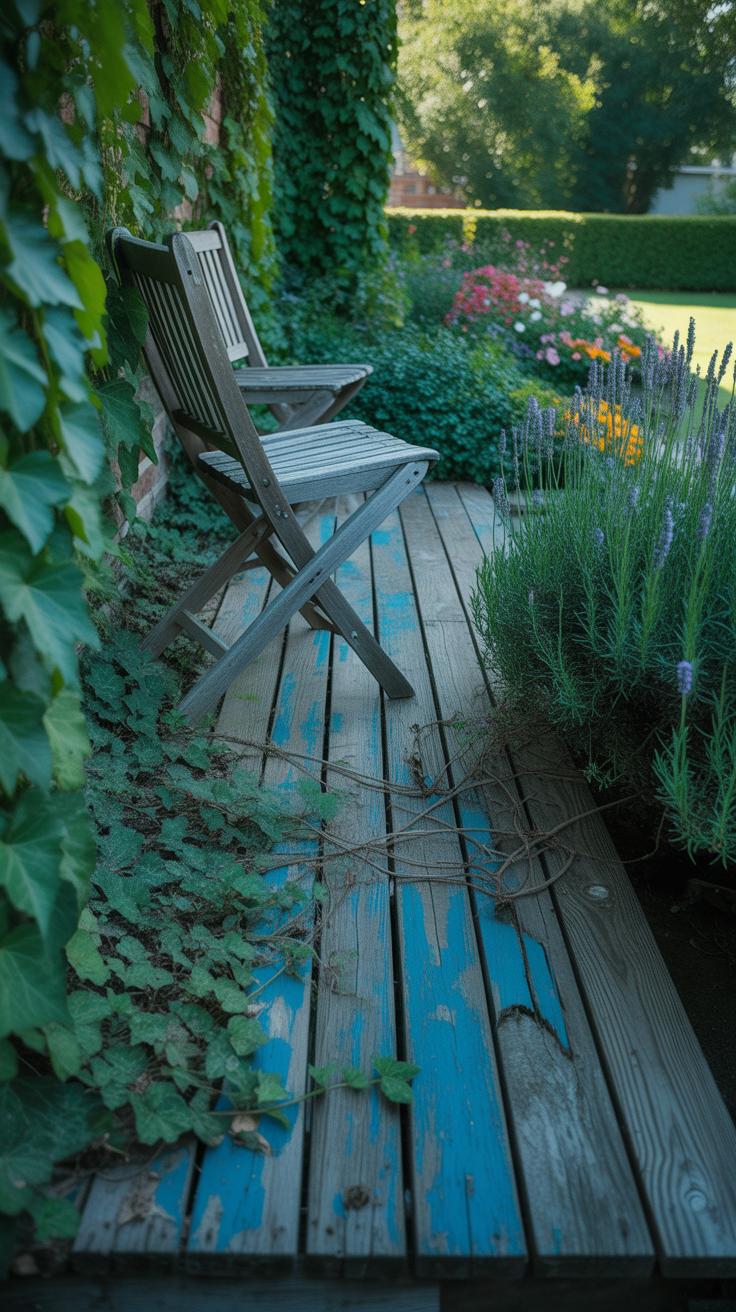
Rustic backyard styles often draw you in with their natural, worn-in appeal. Think weathered wood furniture that looks like it’s been part of the family for decades—even if you just bought it last week. The colors are earthy: deep browns, muted greens, and soft tans dominate the scene, grounding the space in nature. There’s a comfort in rough textures—hand-hewn beams, stone fire pits, wicker baskets—that adds to the lived-in feeling. It’s not about perfect symmetry or polished surfaces. Instead, it feels more spontaneous, like the backyard evolved over time rather than being planned out carefully.
One thing that might trip you up, though, is how easily rustic can feel cluttered if you’re not careful. It’s tempting to pile on old blankets, lanterns, and pots, but too much can overshadow the calm. Temperature-wise, wood absorbs warmth well, making rustic spaces appealing on cool evenings. Have you noticed how sitting on a wooden bench feels different compared to plastic or metal? That’s part of the cozy vibe rustic styles capture so well.
Elements of Modern Cozy Spaces
Modern cozy spaces take a different route. The style focuses on sleek, clean lines with minimal fuss. It’s about subtle warmth rather than overt comfort. Think streamlined furniture with smooth surfaces, neutral palettes, and carefully chosen accents like soft cushions or a single bold-colored throw. You might find more metal and glass, which seems less inviting at first but actually makes the space easier to maintain and less cluttered. The minimalism here can be refreshing, but it takes some effort to avoid feeling too cold or sterile.
In modern cozy yards, lighting plays a key role—discreet LED strips, softly glowing lanterns, or even well-placed candles create pockets of warmth. There’s also an emphasis on multifunctional furniture, which is practical but can sometimes undercut the relaxed vibe if it looks too purposeful. I think deciding whether modern cozy works depends on how much you like order and simplicity. Do you prefer your space looking neat and tailored or more casual and a bit imperfect?
Plan Your Cozy Backyard Step by Step
Setting Clear Backyard Goals
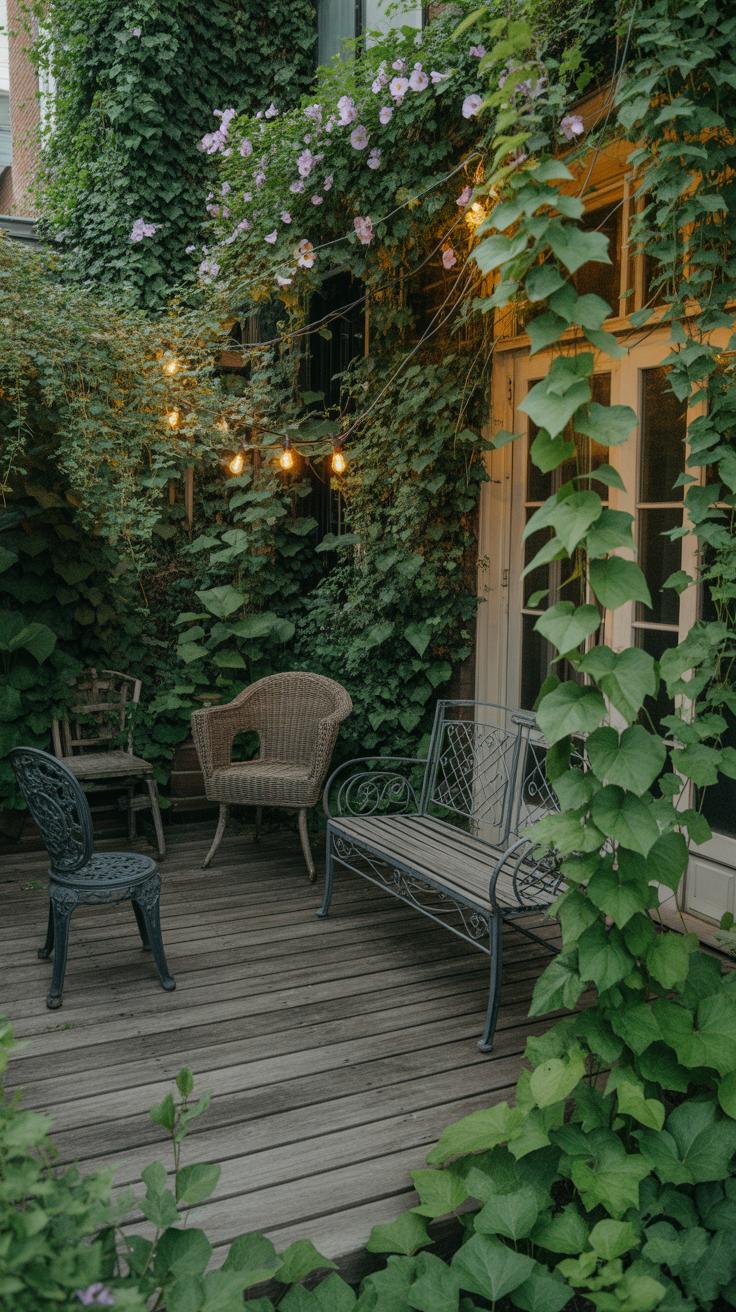
Before you start picking out furniture or plants, think about what you actually want from your backyard. Are you hoping for a quiet retreat after a long day? A play space for kids? Somewhere to host friends? Or maybe a mix, though that can get tricky. Jotting down these goals helps avoid confusion later on.
Ask yourself simple questions: How often will you use the space? What activities do you want to prioritize? If you want to entertain, a fire pit or extra seating might be key. For solitude, maybe focus on privacy and soft lighting. You don’t have to have it all figured out perfectly—sometimes goals shift as you go along.
Setting clear goals narrows your choices and helps keep the process from feeling overwhelming. Otherwise, you might end up with mismatched elements trying to serve too many purposes, and that rarely feels cozy.
From Plan to Pleasant Backyard
Once you’ve decided what you want, break your plan into small, doable steps. Trying to remake your backyard all at once often leads to unfinished corners or regretful buys.
Start with the big decisions—like where seating will be or which plants to add. Then move on to details like lighting or textiles. This staged approach helps you stay on budget and adjust as you learn what works.
For example, you might first install a simple bench and some potted plants, then later add cushions or a small table if the space feels right. It’s not about rushing; sometimes taking your time helps the area feel more natural—and more you.
Don’t hesitate to experiment a little. Maybe try out different seating arrangements or swap out decorations seasonally. Your backyard is your space; it’s fine if your plans evolve over time. Cozy doesn’t mean perfect from day one—it’s more about creating a space you want to come back to again and again.
Conclusions
Creating a cozy backyard involves thoughtful planning and regular care. Avoiding common mistakes like poor furniture choices or neglecting maintenance can keep your outdoor space welcoming. Understanding user needs and adjusting the layout accordingly will increase your backyard’s appeal and functionality.
Use the tips discussed to transform your backyard into a cozy retreat. Small changes can make a big difference. Your cozy backyard can become a favorite spot for family and friends whenever the weather is nice.