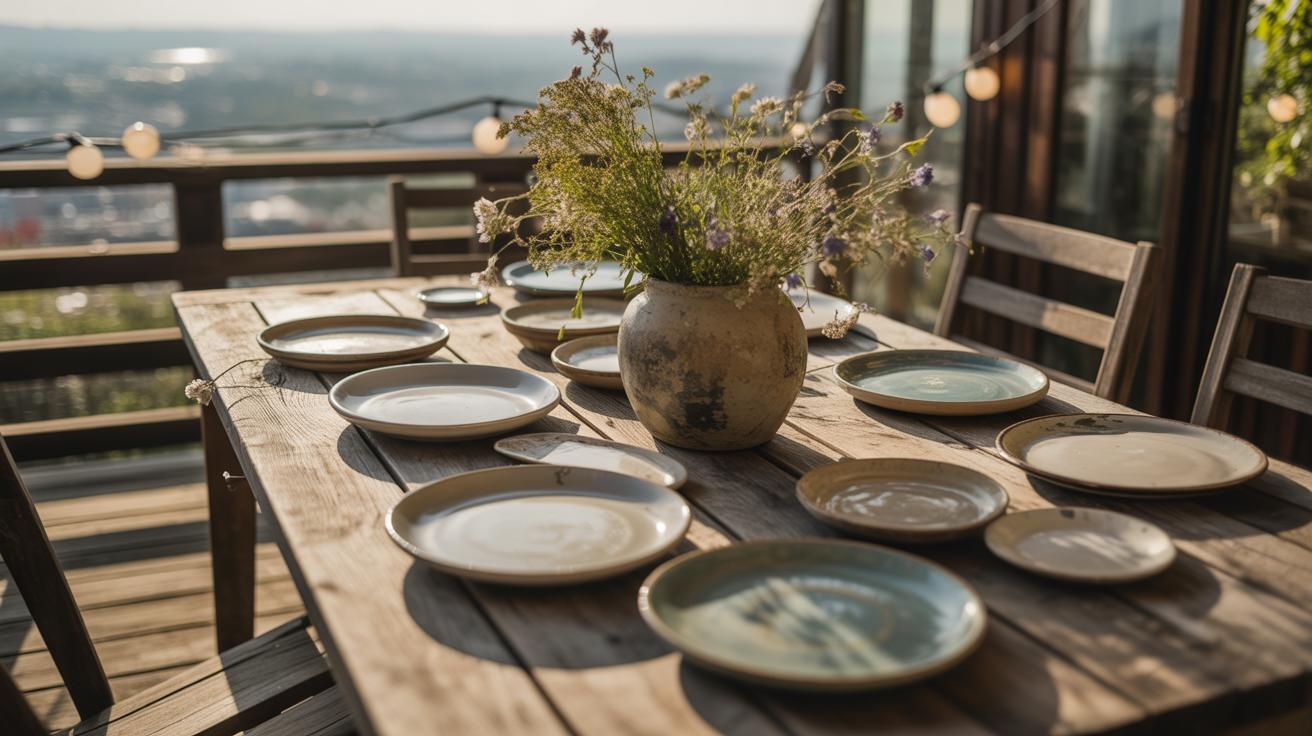
Table Decor Mistakes That Ruin Outdoor Setups
Outdoor table decor sets the mood for gatherings and meals outside. It can turn a simple meal into a delightful event. Yet, many people make mistakes that spoil the look and feel of their setups. These errors can make your space look messy, uncomfortable, or uninviting.
This article focuses on the outdoor table decor mistakes you should avoid. You will learn what these mistakes are and why they matter. Then, you will find practical tips and examples to improve your outdoor table styling every time.
Common Setup Mistakes to Avoid
Ignoring Table Size and Space
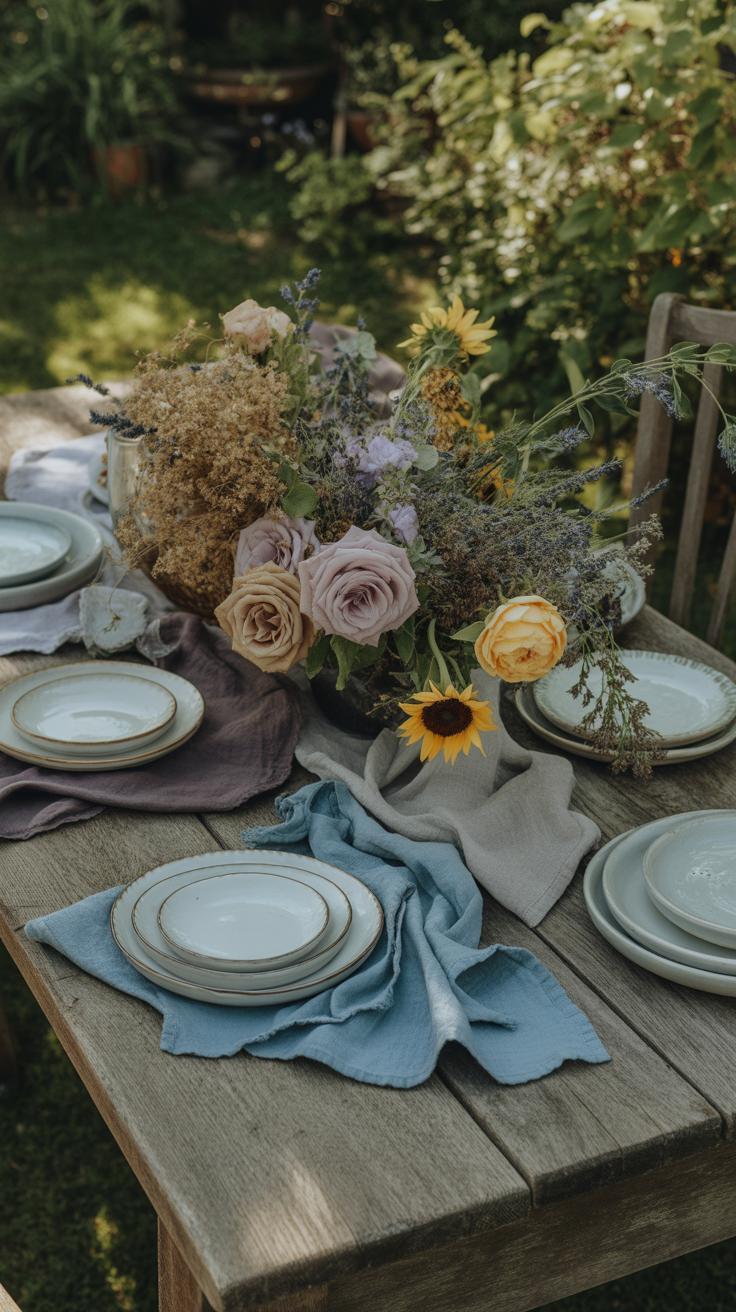
One of the most frequent slip-ups is forgetting to think about how big your table actually is. You might picture a grand, sprawling setup, but if the surface is small, you end up with overcrowding. It’s not just about looks; cramped spaces make it tough for guests to eat comfortably or even place their drinks down without knocking something over.
Imagine squeezing in too many plates and décor on a table meant for four. Suddenly, the whole thing feels cluttered and restrictive. You’re left constantly moving things around, trying to create room, which can be frustrating. It’s easy to overlook, but matching decor to the table’s size keeps everything feeling balanced and usable.
Overusing Accessories
There’s a tendency to think that more is better—more candles, lanterns, vases, little trinkets. But piling on too many accessories turns your table into a jumble. It can distract from the main elements and, well, just get in the way. One too many items reduces functional space and confuses the eye.
I’ve noticed this myself when trying to impress with intricate settings; the table ends up less inviting because guests can’t find a clear spot for their plates or glasses. Sometimes, stepping back and removing a few pieces feels like a loss, but it really opens up the space and makes everything more approachable. Would you rather have a table that’s busy or one that feels welcoming and easy to use?
Choosing the Right Tableware
Material Matters for Durability
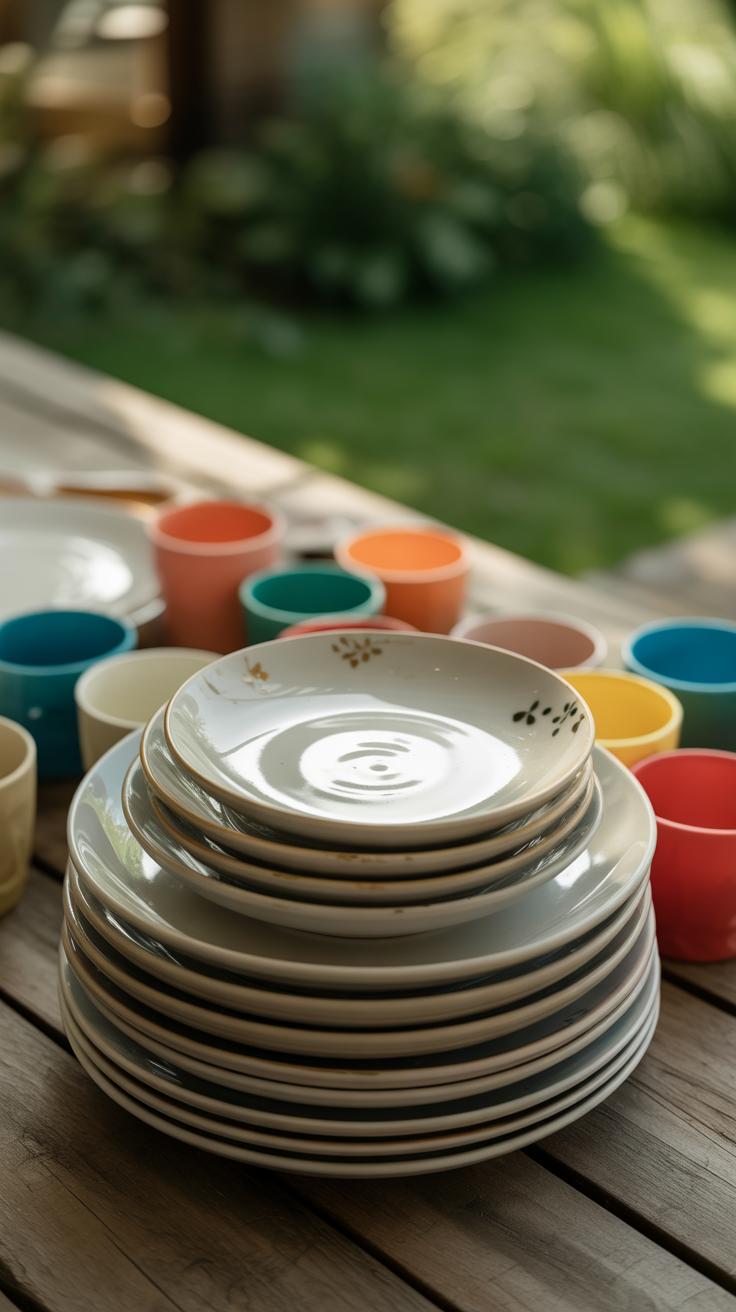
Picking tableware for outdoor use is trickier than it seems. Glass looks nice but breaks too easily when you’re outside—trust me, that one crack can ruin your whole setup. Instead, materials like melamine, bamboo, or tempered stoneware hold up well under sun and rough handling. Plastic can feel cheap but there are sturdier options that don’t compromise style. Porcelain? It’s often too fragile, but if it’s thick and sealed well, maybe it could work for gentler occasions.
Think about where your tableware will live. If it’s exposed to weather or kids, durability can’t be an afterthought. I once brought ceramic plates for a picnic, and three ended up with chips after a single day. Now I lean toward resin-based items that still look elegant but survive a casual bump or drop. It’s about finding that balance between look and toughness.
Matching Styles Without Overdoing It

Matching your tableware with the overall decor is tempting, but don’t go overboard. Too much pattern or too many clashing colors can turn your setup chaotic. Instead, pick one or two elements to echo either through color or texture—like a wicker placemat paired with neutral stoneware. That way, your table looks pulled together without feeling like a patchwork.
Sometimes, I mix modern pieces with rustic decor—it creates a kind of casual tension that works surprisingly well. But if you’re aiming for a theme, be consistent. For example, pairing sleek white plates with bright floral napkins might work if the rest of your outdoor space is minimalist. Otherwise, keep it simple. Think about what draws the eye first and adjust from there. Your tableware should support the vibe, not wrestle with it.
Balancing Colors and Themes
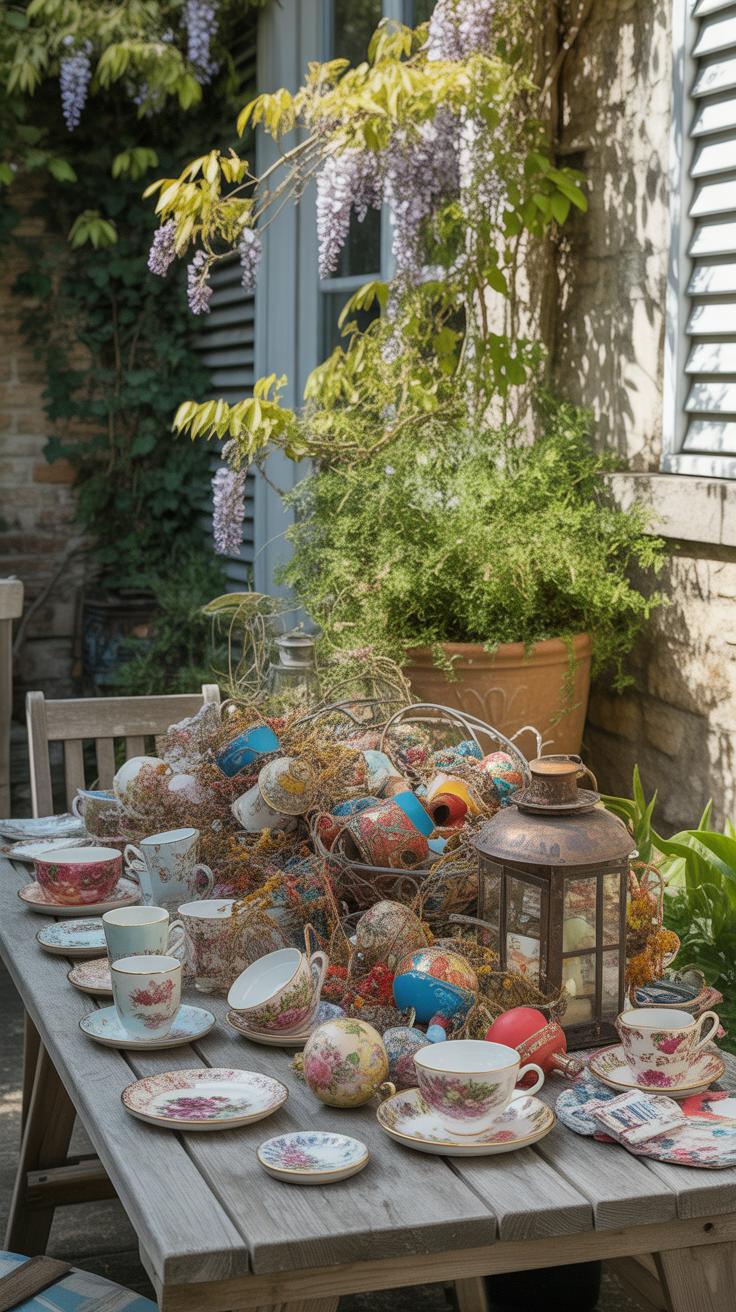
Finding the right color palette for your outdoor table can feel a bit tricky. You want the setup to invite people in without overwhelming their senses. Usually, starting with one main color helps—you can think of it as the anchor of your whole look. For example, if you pick a deep blue, pairing it with softer neutral tones like beige or white creates calm without making things dull.
After settling on that focal color, use a few accent shades to add interest. These should be subtle touches, maybe small floral patterns or napkins in muted greens or yellows. The accents shouldn’t compete with your main color but rather complement it, gently guiding the eye.

Too many colors can make things feel chaotic, like there’s no order or rhythm. Imagine a table where every piece screams for attention—your guests might find it confusing or just tiring to look at. It’s easy to start with one palette and then keep adding ‘just one more color’ thinking it will improve things, but often it dilutes the overall effect.
Have you ever noticed how some spaces feel peaceful and others cramped, even if there’s the same amount of stuff? That’s kind of what’s happening with color overload. So, keep it simple, or at least restrained. The goal is a table that feels inviting but also leaves room for the eye to rest. Maybe sometimes less really is more—though then again, depends on your style and mood on that day.
Using Lighting to Enhance Decor
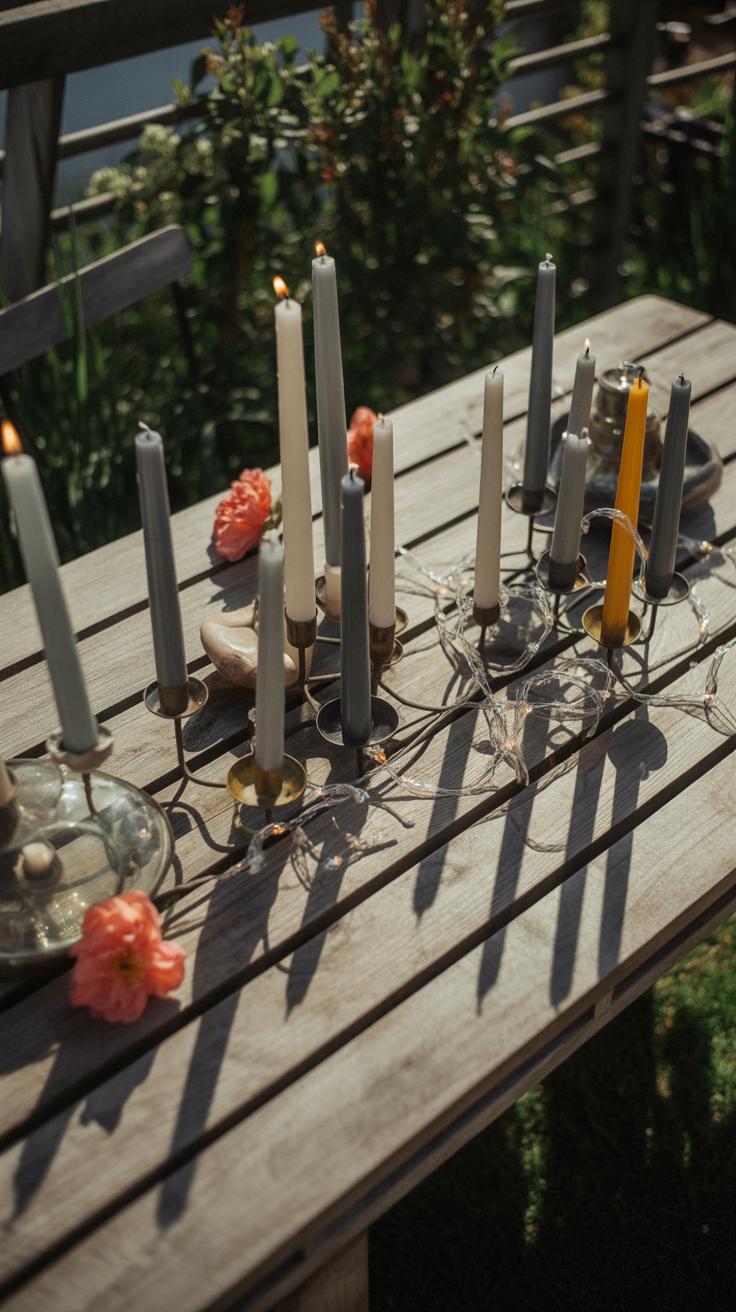
Lighting can change everything about your outdoor table setup. It can bring out the colors and textures of your decor or, if done poorly, wash them out completely. When light is soft and warm, it makes everything feel cozy and inviting. But bright, harsh lighting? It often feels uncomfortable and overly clinical. I’ve seen tables where glaring light turned elegant linens into dull, lifeless sheets. So, it’s not just about having light — it’s about the right kind and placement.
Selecting Practical Lighting Options
Choosing lighting for an outdoor table means balancing function and mood. Warm, dimmable lights work well because they add a gentle glow without overwhelming. Think about these options:
- String lights hung above or around the table—they spread light evenly and feel festive without harsh glare.
- Candles or lanterns on the table—add flickering warmth but can be tricky if it’s windy.
- Solar-powered stake lights placed nearby—for soft emphasis without cords or plugs.
- LED candles—for safety and consistency but sometimes lack the natural feel of real flames.
Each has its quirks. Real flames offer romantic warmth but demand care; string lights brighten but can cast distracting shadows if too close. I find that mixing two types, like lanterns plus overhead strands, usually hits the sweet spot.
Avoiding Over-illumination
Too much light can kill the mood and ruin your colors. Over-illumination flattens contrasts, making vibrant flowers or colorful plates look banal. Bright spots can also blind guests or create awkward shadows. Sometimes less is more, even when it seems like a night party needs all the light possible.
I remember one outdoor dinner where the host installed powerful floodlights that lit the table like a TV studio. You couldn’t really enjoy the ambiance; eyes just kept straining. It made me question whether lighting is even about visibility or more about enhancing experience. Maybe the purpose isn’t to see every detail but to set a tone that invites comfort and ease.
So, aim for warmth and subtlety in your lighting. Let the glow complement your decor instead of overwhelming it. Ask yourself: are you lighting the table or blinding it? Because those are quite different goals.
Protecting Decor from Weather
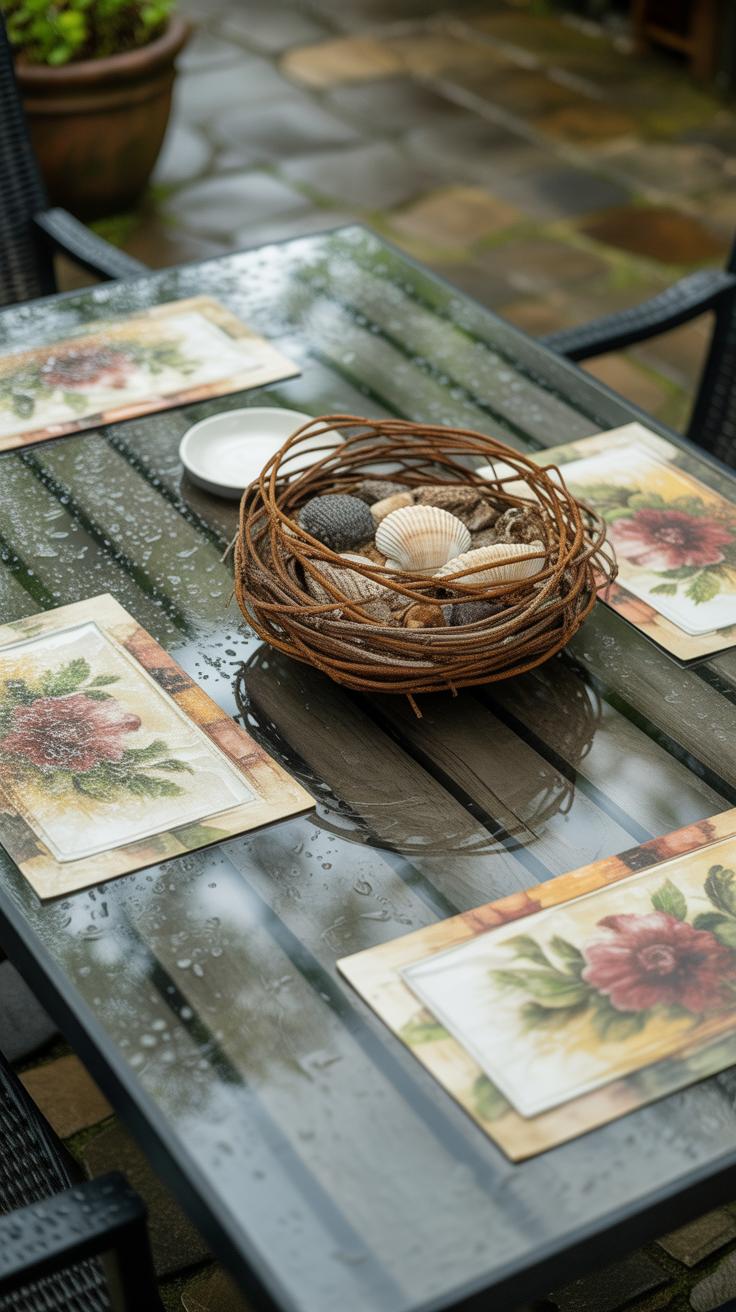

Outdoor table decor faces constant challenges from sun, wind, and rain. Each element can slowly wear down your setup, sometimes without you even realizing it. The sun fades fabrics and weakens certain finishes, while wind can scatter lightweight items or chip fragile pieces. Rain, of course, soaks and stains; it can even cause mold if decor isn’t dried properly.
Choosing weather-resistant materials upfront helps. Look for things like powder-coated metals, synthetic wicker, and acrylic. These stand up better to rain and sun exposure. For example, tempered glass is a safer bet than untreated wood, which swells or cracks. Fabrics labeled for outdoor use resist fading and repel water more effectively—think solution-dyed acrylic cushions instead of cotton napkins.
Practical covers protect your decor after use. Heavy-duty waterproof covers with secure fastenings block sun and rain but also keep wind from throwing everything around. When possible, store delicate items indoors, especially during off-seasons or storms. A small shed or even weatherproof bins can prevent needless damage.
Protecting your outdoor table decor takes consistent effort. Yet that extra care preserves the look you worked hard on. You might guess certain materials last forever, but time and elements often say otherwise—so backing up with covers and smart storage gives your setup a fighting chance.
Setup Checklist for Outdoor Table Decor
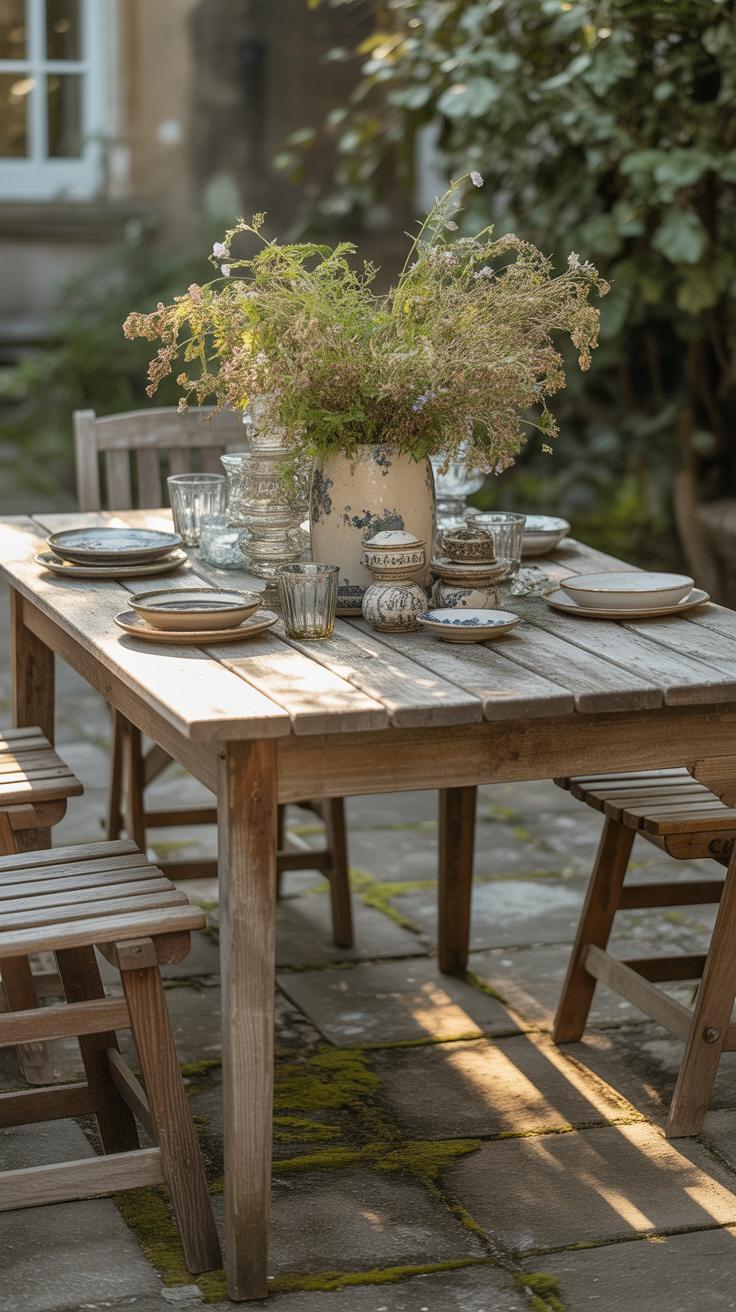

Start by measuring your table and the surrounding space before anything else. You want to be sure everyone has room to move and sit comfortably, without bumping elbows or feeling cramped. It’s easy to forget how much space chairs actually take up once people are seated. So, give yourself some breathing room—at least 24 inches per person for seating, if possible.
Next, sketch out or mentally plan your seating arrangement. Maybe you have a round table but oddly shaped chairs, or perhaps your space is tight and you have to get creative. Think about access, too—can everyone reach the plates without leaning over others?
When it comes to layering decor, start with a base like a tablecloth or runner. This helps define the area and sets a tone. Don’t overload—too many layers clutter the table and can make serving awkward. Place your centerpiece where it won’t block views or take up too much room. I’ve found subtle, low arrangements work best for conversation around smaller tables.
Then, put down place settings thoughtfully. Leave enough space so guests aren’t elbow-to-elbow. Use the layers to guide the eye but keep function in mind; it’s all too common to pick pretty pieces that just don’t fit or get in the way. Sometimes less really is more, especially outdoors where wind and temperature add another layer of unpredictability.
Lastly, consider how you’ll adjust if weather or lighting changes. It might seem like extra work, but having small, flexible decor pieces—like movable candle holders or weighted napkins—can save you a lot of scrambling later. The goal is a setup that looks put together but can handle a little chaos, which outdoor spaces will test without fail.
Examples of Poor vs Good Decor Choices
Case Study: Overcrowded Tables
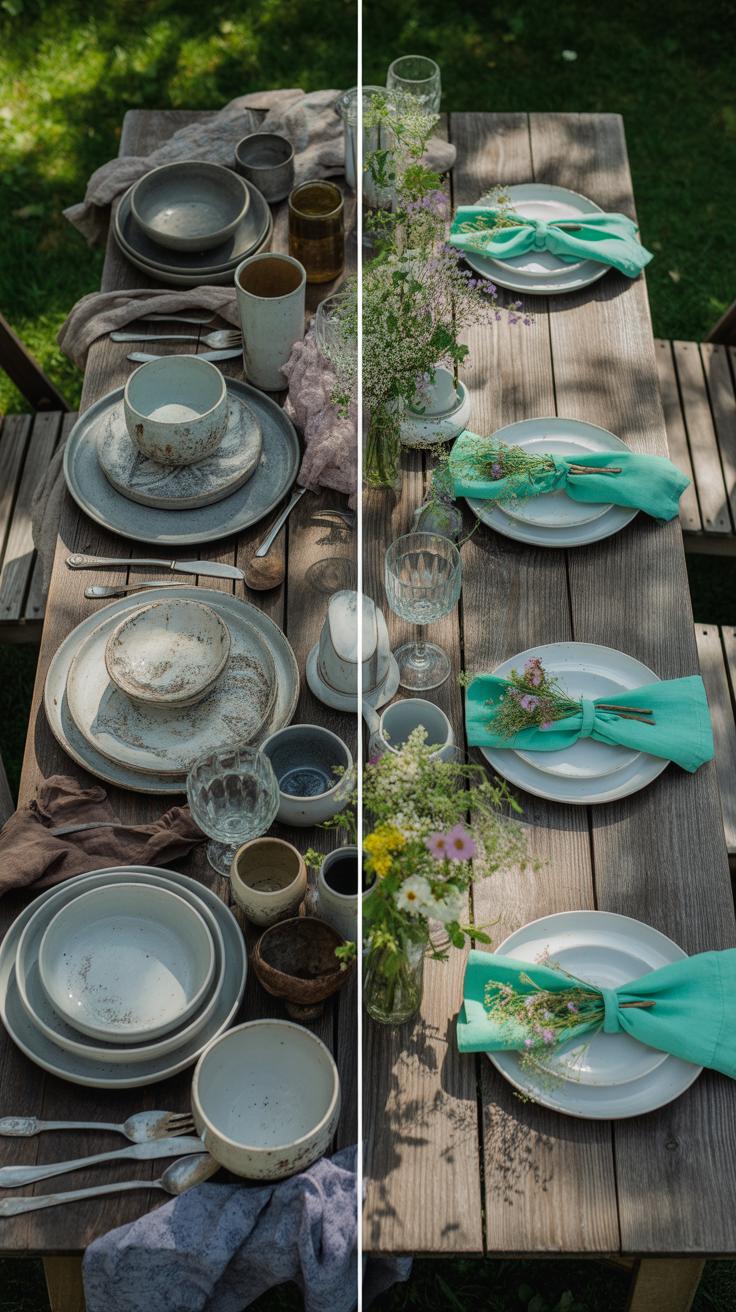
Imagine a table so packed with candles, dishes, flowers, and knick-knacks that there’s barely room to place a plate. That’s a classic mistake many make. Overcrowding leaves the table feeling chaotic and awkward to use. Guests can’t comfortably reach their food or chat without bumping into something. I once saw a setup where every inch was filled—napkins, pots, lanterns, even decorative glass stones. It looked pretty at first glance but quickly became frustrating.
Cutting back, even by half, can make a big difference. When some items were removed—only the essentials like a simple centerpiece, a few plates, and minimal glassware—the space instantly breathed. It felt more relaxed, inviting rather than stressful. Plus, it was easier to clean and reset. So, if your table feels tight and cluttered, ask yourself: what can go? Focus on usability, not just how many decorative bits you can fit.
Case Study: Balanced Simple Decor
Now consider a well-arranged outdoor table where everything has its place but nothing overwhelms. A single vase with a handful of fresh flowers, two lanterns on opposite ends, neat place settings with plenty of space in between. It doesn’t scream for attention but gently invites people to gather around and enjoy the moment. This kind of balance takes thought — it’s not random or minimal just for minimalism’s sake.
The table feels open, calm, and somehow more intentional. The choice to keep decor simple but purposeful makes guests comfortable as they can see everyone and move freely. It creates a mood without distracting. Looking at a setup like this might make you wonder whether less really is more, or if it’s just about being mindful with what stays on the table. For a friendly outdoor meal, that balance can make all the difference.
Maintaining Decor Over Time

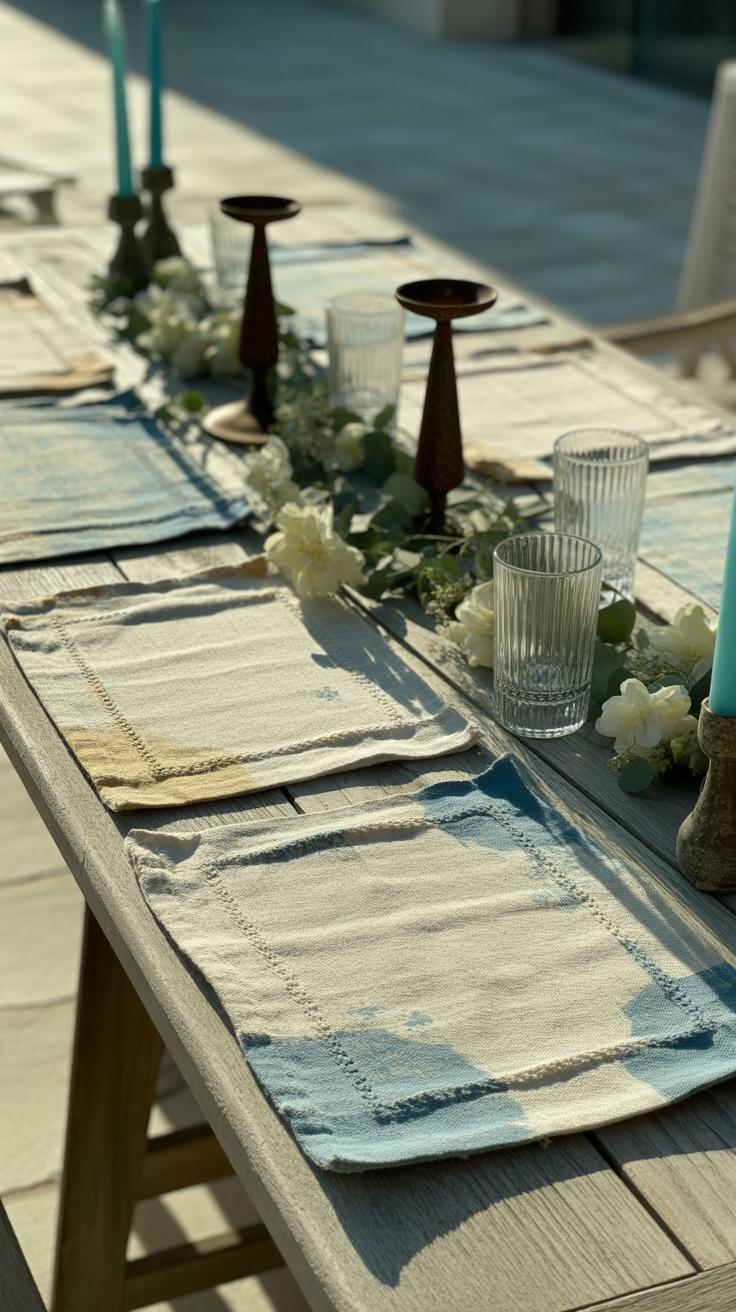
When you set up outdoor table decor, it’s tempting to think the hard part is done once everything looks pretty. But keeping that fresh vibe takes ongoing attention. You might not realize it, but frequent outdoor exposure can dull colors, fade fabrics, or even warp certain materials. So, regular upkeep really matters.
Try giving your decor a quick once-over before each use. Look for spots that collect dust or leaves, and give cushions a shake to remove any debris. Sometimes, a small shift—like moving a centerpiece out of strong sun—can prevent problems down the road. You don’t have to overhaul everything constantly; subtle tweaks can keep things feeling new.
Cleaning and Repair Tips
Cleaning outdoor pieces usually doesn’t take much—soap, water, and a soft cloth often do the trick. For stubborn marks on plastic or metal, a gentle brush helps. Fabric pieces can benefit from spot cleaning, but watch out for harsh chemicals that might damage the fibers or colors.
If something breaks, fix it sooner rather than later. A loose table leg or a frayed cushion seam may seem minor, but letting them go can mess up your whole setup. I once ignored a cracked lantern base—it ended up tipping over during a dinner party. Now I keep basic repair supplies handy. You don’t need anything fancy; simple glue, fabric patches, or replacement screws often suffice.
Seasonal Updates and Storage
Changing your decor with the seasons isn’t just about style; it’s practical. In colder months, swap out delicate florals for sturdier elements or switch to more weather-resistant materials to keep things looking good longer. Even color shifts can signal the season without too much effort.
When you store decor items, think about their material and vulnerability. Plastic and metal pieces usually store well in a dry spot, but wicker or fabric needs better care—cover them or bring them indoors if possible. Rolling up table runners or cushions loosely prevents creases. I’ve learned the hard way that shoving everything into one bin leads to wrinkles and breaks.
Do you inspect your decor periodically or just react when something looks off? Keeping up with small tasks could save you headaches later.
Conclusions
Careful outdoor table decor can boost your meals and gatherings outdoors. Avoiding common setup mistakes will make your table look better and feel more welcoming. Focus on clear, balanced designs that fit your space and needs.
Remember to keep your decor simple yet practical. Prioritize the comfort of your guests and the ease of use of your setup. With attention to these points, your outdoor table decor can consistently be a success and enhance your time outside.