Design Mistakes That Ruin a Boho Outdoor Vibe
Creating a Boho outdoor space is about setting a relaxed, artistic, and unique vibe. But certain common design mistakes change that feeling and can spoil the mood. This article covers those mistakes. We will help you recognize them and avoid ruining your Boho outdoor space vibe.
From choosing the wrong colors to bad furniture selections, many mistakes sneak into Boho designs. Understanding these missteps helps you create a space that feels right every time. We look at each mistake closely and offer practical fixes. This guide supports you in making a beautiful, welcoming Boho outdoor area that truly matches the style’s free spirit.
Common Boho Outdoor Layout Errors
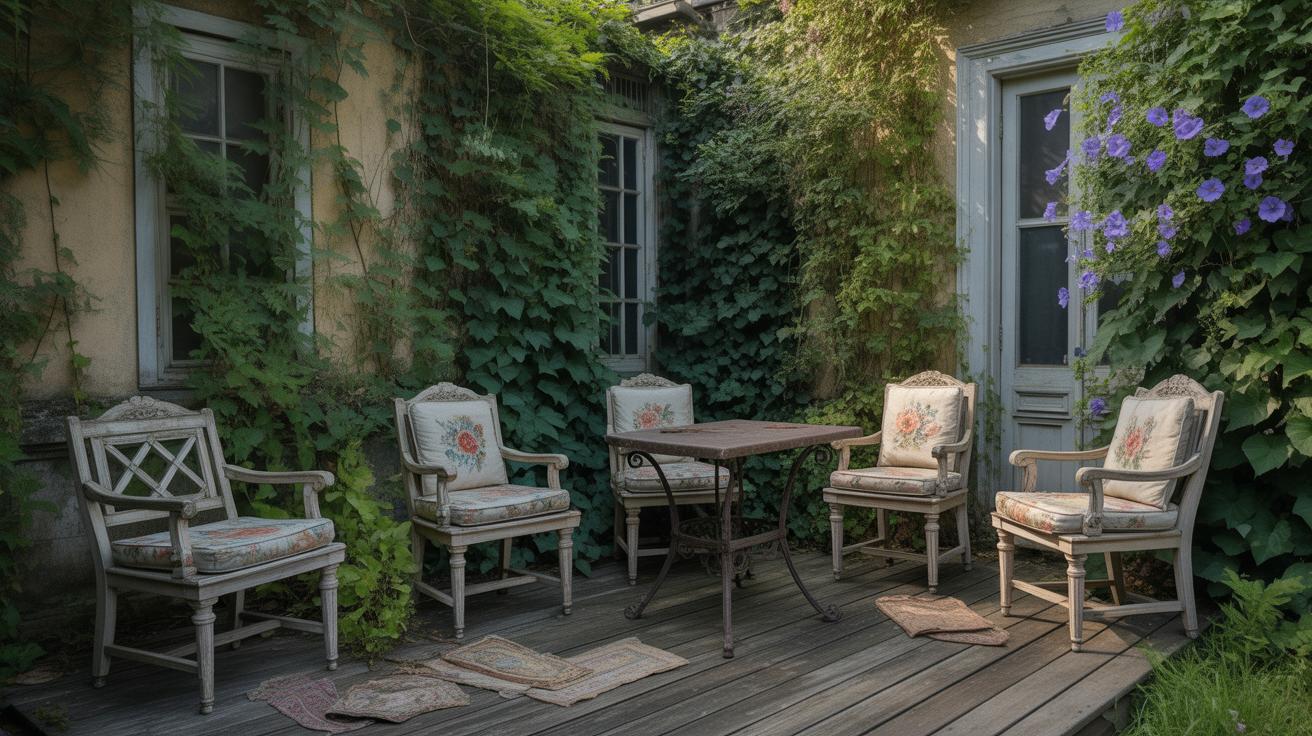
Boho outdoor spaces often miss the mark not because of style but layout. One frequent mistake is crowding the area with too many pieces, thinking more means cozier. Yet, it tends to feel cramped, the opposite of relaxed. Another error happens when the seating and focal points aren’t aligned, leading to awkward, disjointed gatherings.
Many neglect flow—how you move through the space. Tight walkways or blocked paths make the vibe tense rather than easygoing. I’ve seen setups where rugs, cushions, and furniture create confusing zones that don’t invite anyone in, leaving the energy flat.
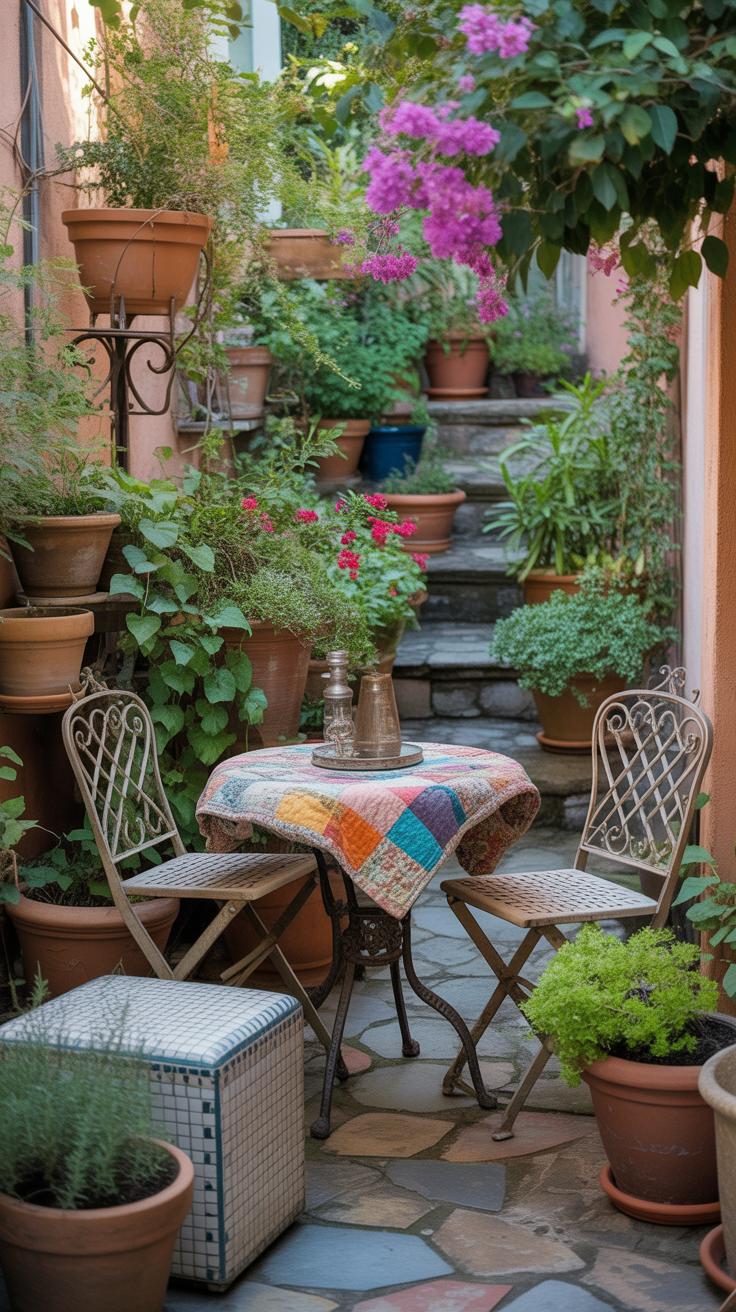
Some try too hard to place everything centrally, forgetting that Boho’s charm often lies in casual, slightly imperfect groupings. These errors break the natural, welcoming feeling you want outdoors.
Poor Space Arrangement Effects
Improper placement quickly saps both function and feel. When furniture crowds corners or cuts off natural views, you lose the calmness Boho encourages. It feels more like an obstacle course than a chill retreat.
The mood dulls if decor clashes or competes for attention instead of blending gently. You might end up with spots that feel disorganized or even stressful to be around. At times, it’s just hard to relax when your furniture is oddly spaced or stacked against boundaries, making the area seem smaller than it is.
The lack of thoughtful arrangement often makes using the space a hassle. People might have to squeeze past furniture awkwardly or struggle to join in conversations comfortably. You can see the vibe falter when movement and interaction aren’t easy.
Layout Fixes for Better Flow
To smooth things out, try starting with fewer, well-chosen pieces rather than stuffing everything. Ask yourself: How do you want to move and hang out here? That can guide where to place seating, rugs, and tables.

Keep pathways clear and encourage lounging clusters that face each other to boost connection. Mixing floor cushions with low chairs can help break formality without wasting space. Soft edges and rounded arrangements help—don’t force a strict grid.
Think vertically too. Hanging plants or lanterns free up floor space while keeping the space lively. Layering textures subtly can unify the look without feeling cluttered. It’s worth experimenting with different setups over time—sometimes what seems off today grows into the perfect vibe tomorrow.
Choosing Colors That Clash
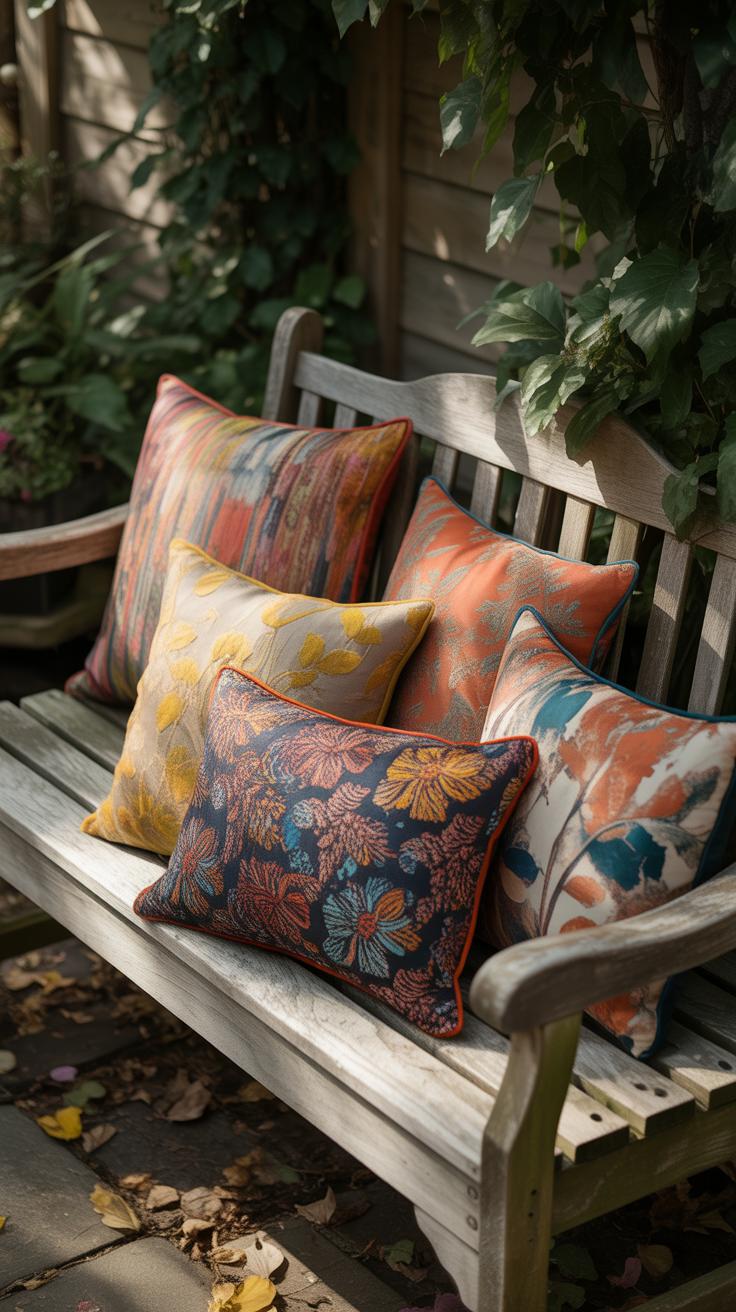
Color choice shapes your Boho outdoor space in ways you might not first realize. You could think that piling on every bright hue will create that carefree, eclectic vibe Boho is known for. But mismatched colors often do the opposite—they disrupt the flow, make the space feel chaotic rather than cozy. It’s easy to get carried away. When reds compete aggressively with neon greens or blues fight for attention with overly saturated pinks, the calm, inviting mood evaporates. It can feel like walking into a visual mess instead of a relaxing retreat.
Yet, it’s not just about avoiding clashing. Sometimes, what seems like a bold statement turns into an uncomfortable sensory overload. The charm of Boho lies in subtle balance—layering textures and colors without pushing them over the edge. When this balance slips, the whole arrangement falters.
Effects of Wrong Color Mixes
Wrong color mixes can drain warmth out of your outdoor space. Instead of encouraging relaxation, aggressive color combos create tension. You might notice these effects:
- Visual fatigue—your eyes bounce around, refusing to settle, making the area less inviting.
- Personality loss—the space ends up feeling generic or rushed rather than thoughtfully curated.
- Cluttered vibe—too many intense colors can overpower textures and natural elements, stripping the Boho soul away.
- Imbalanced focal points—some colors grab too much attention, leaving others to fade unnoticed, disrupting the harmony.
I’ve seen spaces where what could’ve been a layered, cozy nook turned into a harsh, uncomfortable zone just because a few bright colors weren’t tempered or paired thoughtfully. And maybe you’ve felt the same—a kind of visual noise you want to escape rather than enjoy.
Color Combinations That Work
Boho thrives on warmth and earthiness, with splashes of playful hues. Some combinations consistently bring that spirit alive without overwhelming:
- Soft terracotta paired with muted greens—brings a grounded, natural feel that soothes the mind.
- Cream and dusty rose alongside accents of burnt orange—delivers warmth with subtle vibrancy.
- Deep navy with mustard yellow—adds depth and energy without sensory overload.
- Natural beige and soft turquoise—connects to nature while feeling fresh and light.
You don’t need every shade of the rainbow. Instead, aim for a limited palette that lets textures and patterns do their work. It’s okay to experiment, but consider stepping back and asking yourself: Are these colors inviting or distracting? In my experience, less is often more in Boho outdoor spaces—especially when it comes to color.
Furniture Mistakes Breaking the Mood
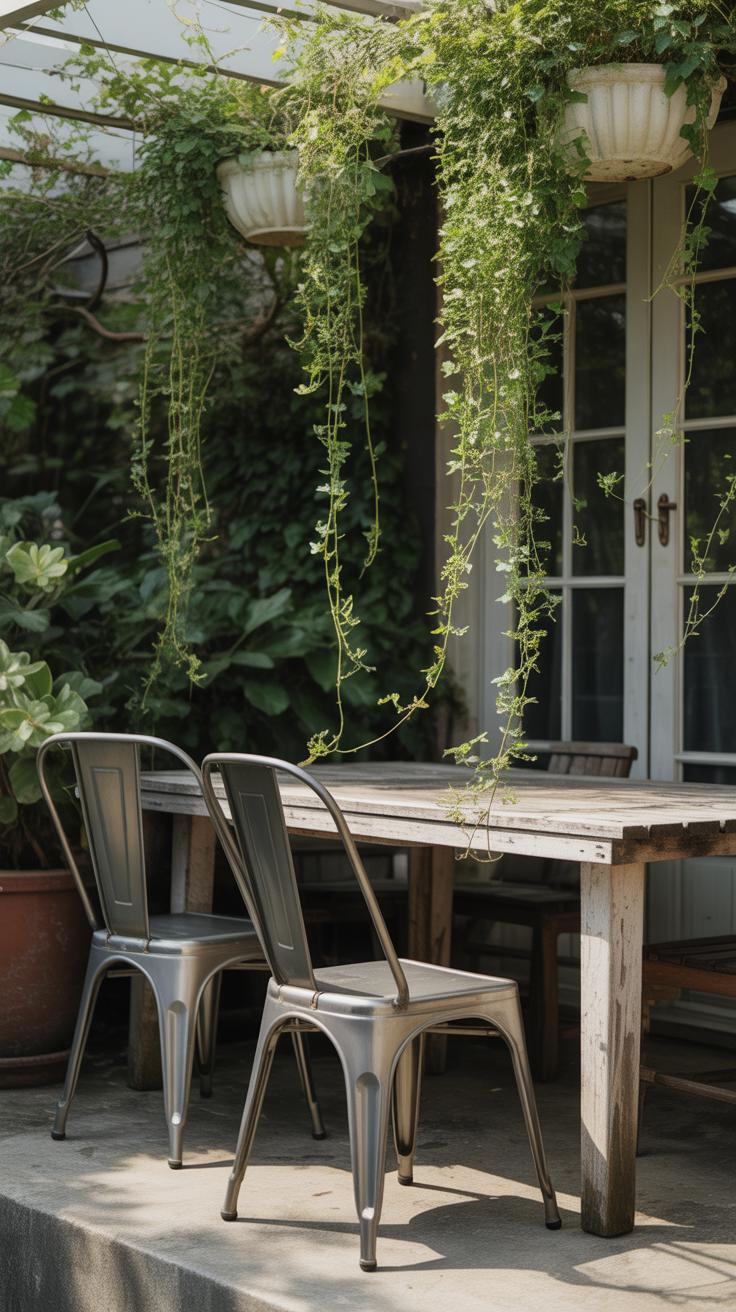

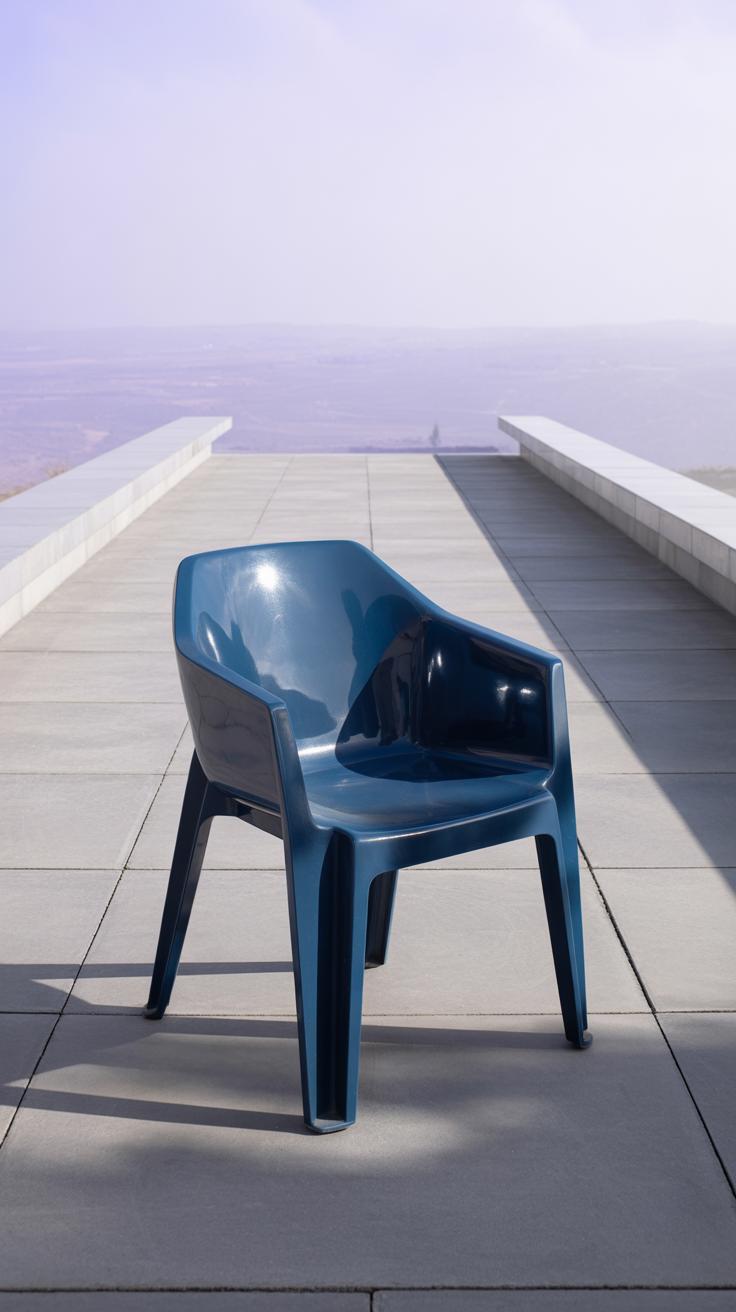
Choosing the wrong furniture in a Boho outdoor space can seriously throw off the mood. Boho design thrives on comfort and personality, so when a bulky metal chair or sleek, modern sofa shows up, it tends to clash rather than blend. The vibe breaks because the furniture doesn’t feel inviting or relaxed—it feels out of place, cold even. It’s almost like wearing a formal suit to a beach party.
When pieces don’t match the Boho style, the space loses its flow. Think about too many sharp lines or shiny surfaces—these elements pull attention away from natural textures and warm tones that Boho favors. You want to feel embraced by your space, not like it’s trying too hard or, worse, ignoring the laid-back spirit you aimed for.
Picking Boho furniture means prioritizing texture and a slightly eclectic touch. Wicker, rattan, low wooden stools, even poufs with embroidered fabrics fit well. Mixing old with new, rough with smooth, gives that lived-in, intentional feel. Placement also matters—furniture should invite gathering and chill sessions, not block walkways or scatter oddly. Try grouping a couple of chairs with a low table, add cushions in soft, earthy colors, and keep seating cozy but open. Sometimes less is more, especially if it leaves room for flow and layering.
Overloading with Decor Items
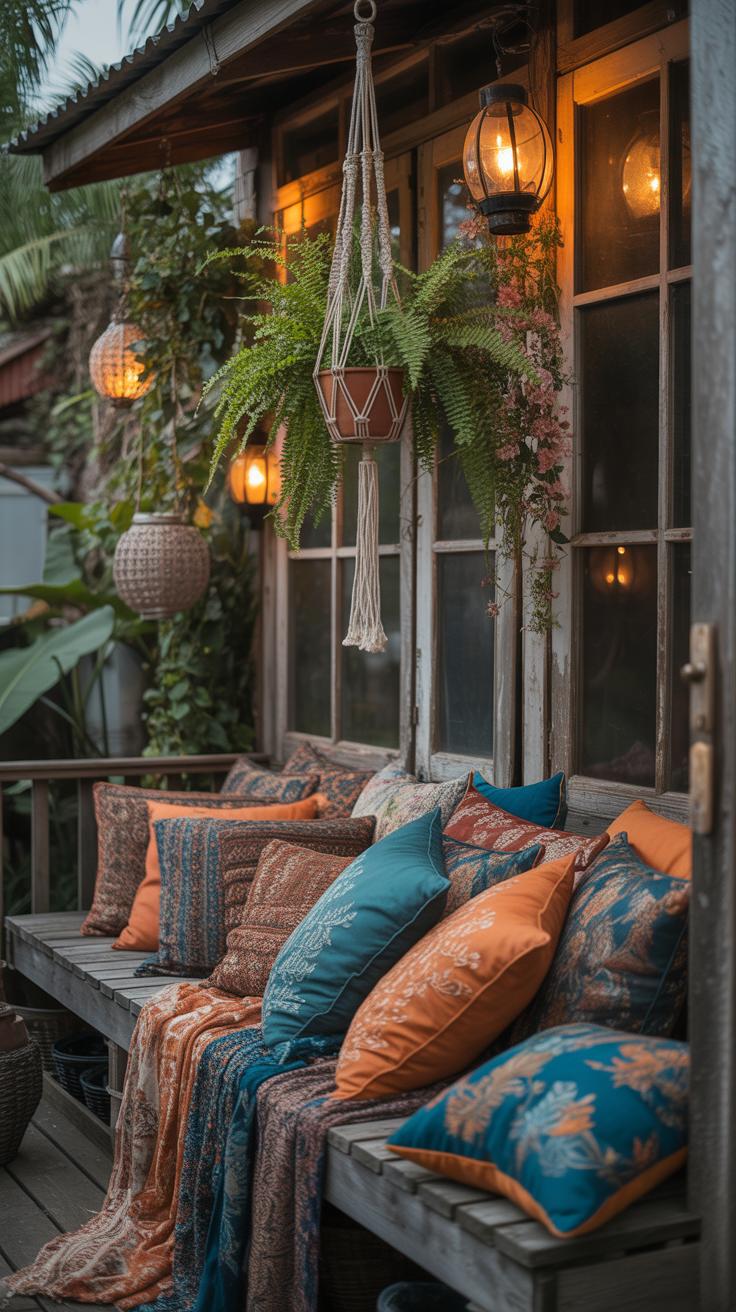
Boho outdoor spaces invite creativity and personal expression, but there’s a fine line between charming and chaotic. Too many decoration items can quickly overwhelm the area, turning it into a cluttered mess rather than a relaxing sanctuary. It might seem tempting to fill every nook with colorful pillows, lanterns, plants, and trinkets, but this often creates visual fatigue rather than comfort.

When your outdoor space brims with too many objects, each piece competes for attention instead of blending harmoniously. The resulting effect can feel crowded and confusing—making it hard to focus on what really matters, like the fresh air or the company you’re sharing it with.
How Excess Decor Affects Aesthetic
Overdecorating disrupts the easy, laid-back vibe that Boho styles typically embody. Instead of feeling warm and inviting, the space might seem jumbled or even stressful. The eye constantly jumps from one item to another, but nothing settles comfortably. Colors and textures lose their impact.
For instance, layering too many patterned cushions alongside an abundance of hanging planters and multiple rugs might sound cozy but often ends up exhausting. Visual clutter can hide architectural features or natural beauty that the space actually has. It’s a bit like trying to hear a whispered conversation in a crowded room—you want calm, but get noise.
Creating Balanced Decorations
Finding balance means choosing your decor carefully and with purpose. Think less, really. Instead of filling every corner, leave some breathing room around each decorative element. This helps the eye rest and allows each piece to shine.
Consider establishing a simple palette or theme and stick to it—too many competing styles can quickly veer into chaos. Prioritize items that add texture or meaning rather than just filling space.
- Limit the number of pillows or throws per seating area.
- Select a few standout planters instead of an entire army.
- Keep lighting minimal but effective, like string lights or lanterns.
- Regularly reassess what you truly love and remove extras.
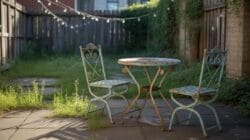
It might take some trial and error, but trimming down your collection usually results in a space that feels clearer, more intentional, and yes—it actually invites you to relax. Maybe the secret isn’t to find perfect balance, but to allow a bit of room to simply be.
Ignoring Comfort and Practicality
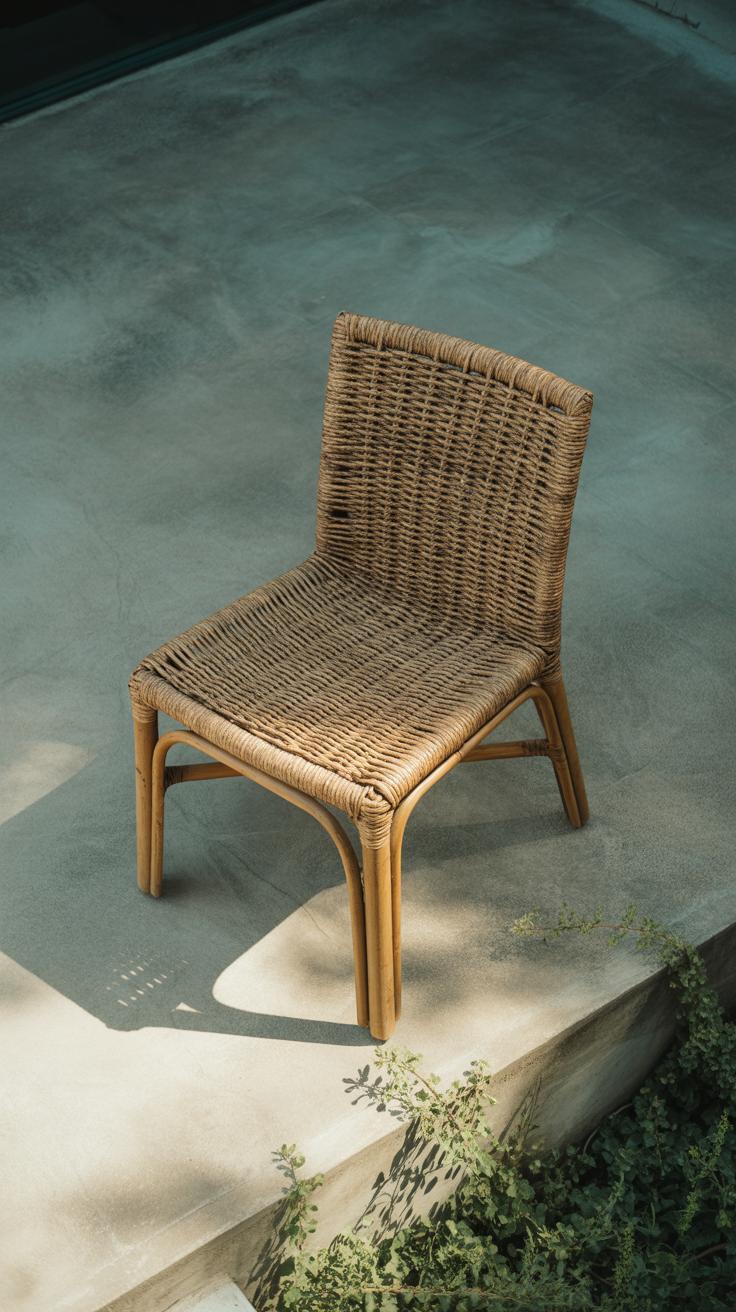
Boho outdoor spaces are meant to be inviting, relaxed spots where you can unwind or entertain friends. Yet, when comfort and practicality get ignored, the whole vibe feels off. You might end up with a beautiful setting that no one wants to use because it’s stiff, hot, or just plain inconvenient. It kind of defeats the purpose, right?
Common comfort issues often pop up in the form of unsupportive furniture that looks great but leaves you sore after five minutes. Or maybe there’s no shading, so the sun beats down relentlessly, making the space unbearable during peak hours. Sometimes, the layout just feels cluttered, leaving no room to move or place drinks. These problems don’t just annoy—they subtly chip away at the relaxed energy you’re trying to build.
Improving comfort in a boho outdoor space doesn’t mean sacrificing style. Consider adding plush, weatherproof cushions to wood or metal chairs. Throw in some hammocks or poufs for a casual, cozy feel. Use light fabric canopies or strategically placed umbrellas to offer shade without killing the airy atmosphere. And think about flexible arrangements—movable furniture that adapts to different gatherings can make a world of difference. It’s about balancing the look and feel so your outdoor area actually gets used, not just admired.
Lighting Choices That Dim the Vibe

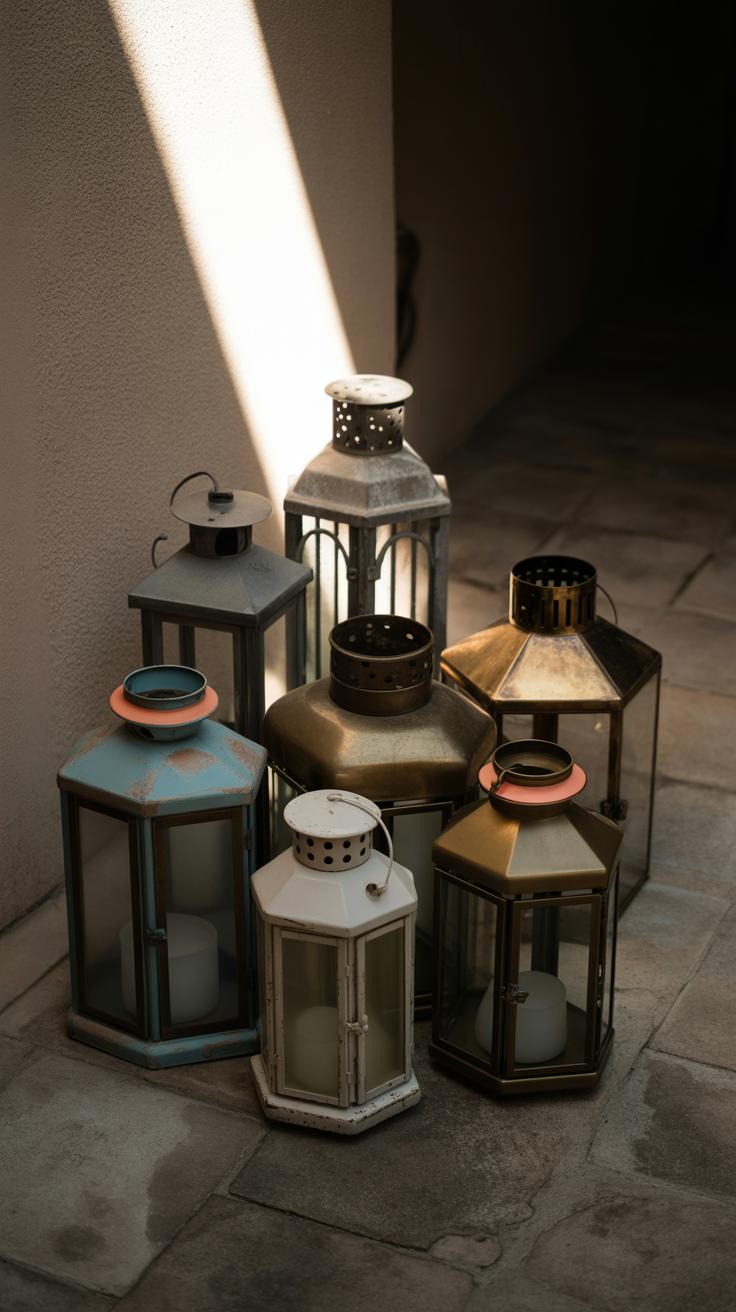
Lighting plays a huge role in shaping the mood of your Boho outdoor space, yet it’s often overlooked or poorly handled. When the lighting is too bright, harsh, or just plainly insufficient, it strips away the cozy, relaxed feeling that defines Boho style. Imagine trying to unwind surrounded by glaring floodlights or struggling to see your friends’ faces because the space is too dark—that’s the kind of vibe-killer no one wants.
People often make the mistake of using standard outdoor lighting meant for functionality, not atmosphere. The result? A space that feels sterile or awkward instead of warm and inviting. It’s like the difference between a casual backyard gathering and a clinical waiting room. No Boho loving soul wants that.
So, what works better? Consider string lights with warm bulbs that cast a gentle glow, lanterns that bring texture and shadow play, and candles or solar-powered lamps that add subtle flickers of light. These options encourage people to linger longer, feel comfortable, and actually enjoy the quirks and character of the space.
Here are some ideas that might fit your Boho vibe:
- Soft string lights draped naturally over trees or pergolas.
- Handcrafted lanterns with patterned cutouts for delicate light patterns.
- Candle clusters placed on tables or tucked in corners for an intimate feel.
- Floor lamps or low-standing fixtures with rattan or woven shades.

It’s tempting to forget lighting when setting up a Boho space, but think twice. Because the right glow, no matter how subtle, can make or break your entire atmosphere. Have you noticed how your mood shifts under different lights? That’s not by accident.
Neglecting Natural Elements
Why Nature Is Key in Boho Style
Plants, wood, and other natural materials form the heart of any Boho outdoor space. The style leans heavily into textures and tones that feel grounded, even a bit raw. Without those natural elements, the space risks losing warmth and authenticity that define Boho vibes. For example, rough-hewn wooden furniture or woven rattan accents add character you just can’t replicate with synthetic materials.
Think of greenery—not just as decoration but as a mood enhancer. The presence of plants can soften harsh lines and introduce subtle movement with the breeze. Natural fibers like jute, hemp, or cotton in cushions and rugs connect the indoors with the outdoors in a subtle, calming way. Boho’s charm partly depends on this tactile, unrefined appeal.
Many people underestimate how crucial these elements are—or maybe they just don’t know where to start. But when you strip them away, the space feels harder, colder, less inviting. It might still look stylish in a minimalist, modern way, but it’s missing that lived-in, relaxed feeling that Boho strives for.
Adding Nature Without Overdoing It
Including natural elements is a balancing act. Too little, and your space feels sterile. Too much, and it can quickly look cluttered, even chaotic—exactly the opposite of cozy.
A few tips could help you get the balance right:
- Bring in plants of different sizes—large leafy ones on the ground, smaller pots on tables—to create layers without overcrowding.
- Choose furniture and accessories made of wood, wicker, or rattan, but avoid piling everything with heavy woods. Mix light and dark tones.
- Use natural textiles sparingly—maybe a cushion here, a throw there—rather than draping the whole seating area.
- Keep some open space around plants and decor. It prevents the area from feeling overstuffed and gives the eye a place to rest.
I’ve noticed that the best Boho outdoor areas feel both abundant and breathable at once. They don’t try too hard. It’s tempting to keep adding plants or natural pieces because they feel “right,” but stepping back helps. Ask yourself: does this add charm or chaos? Sometimes less actually feels more natural.
Mixing Patterns Wrongly
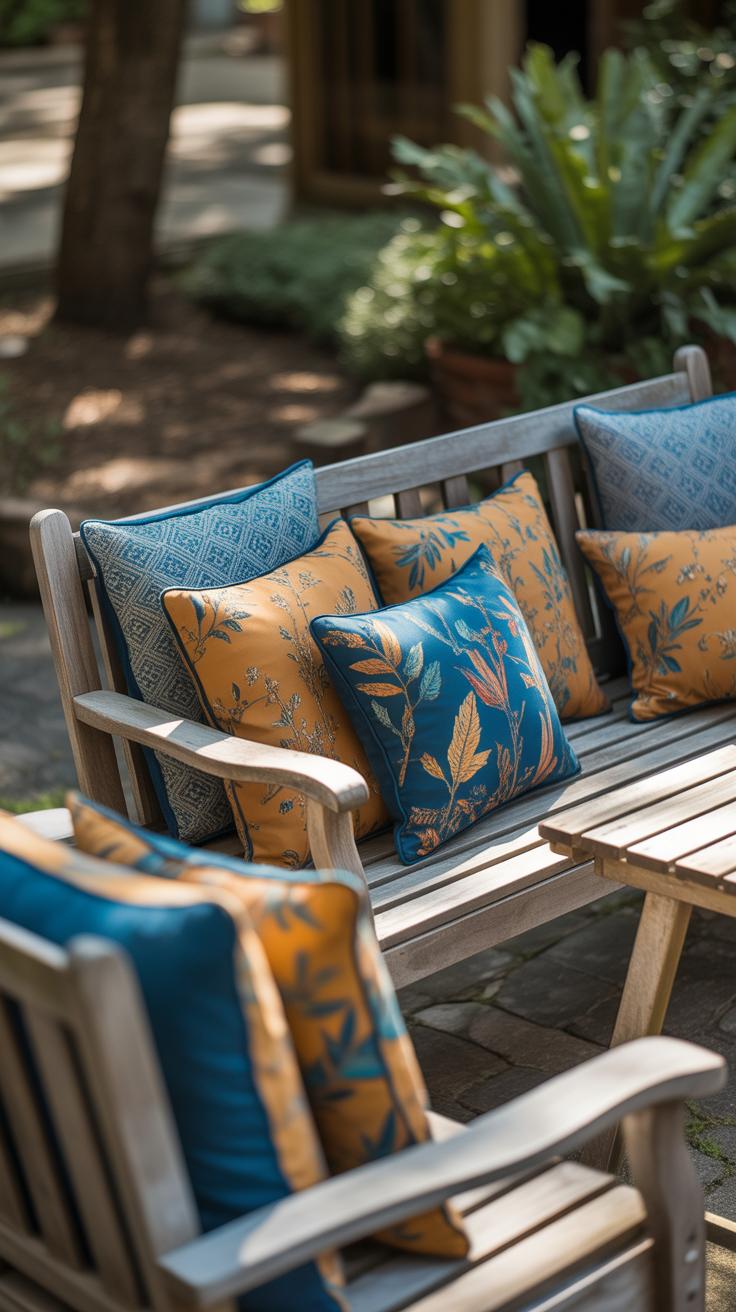
Boho outdoor spaces thrive on a mix of textures and patterns. But sometimes, mixing too many patterns—or mismatching them—can throw everything off balance. Instead of feeling relaxed and inviting, the space may feel chaotic or cluttered. You might think more is better, but in this case, less confusion is key.
When patterns compete rather than complement, it becomes hard to focus. Picture a scene where bold florals overlap with busy geometrics and stripes all at once. Instead of interest, you get sensory overload. Your eye doesn’t know where to land, and that unsettled vibe can kill the whole boho spirit.
Here are some common slip-ups to watch for:
- Putting two or more complex, large-scale patterns together without a unifying color.
- Mixing clashing motifs—like tribal prints and paisley—that don’t share similar tones.
- Stacking multiple prints in a small space, making it feel cramped rather than cozy.
Balancing pattern in boho spaces requires some restraint. A few tips might help:
- Start with a base palette. Choose patterns that share at least one color.
- Mix scales—pair a large print with a small, subtle one.
- Use solids or simple textures to rest the eye between patterns.
I’ve tried piling on many prints before, thinking it would feel artsy. It didn’t. I ended up swapping some cushions for single-color pillows, and suddenly, the vibe snapped back—cozy but interesting. So, it’s really about knowing when to stop. What patterns do you find can work well together without fighting for attention?
Wrong Maintenance Practices
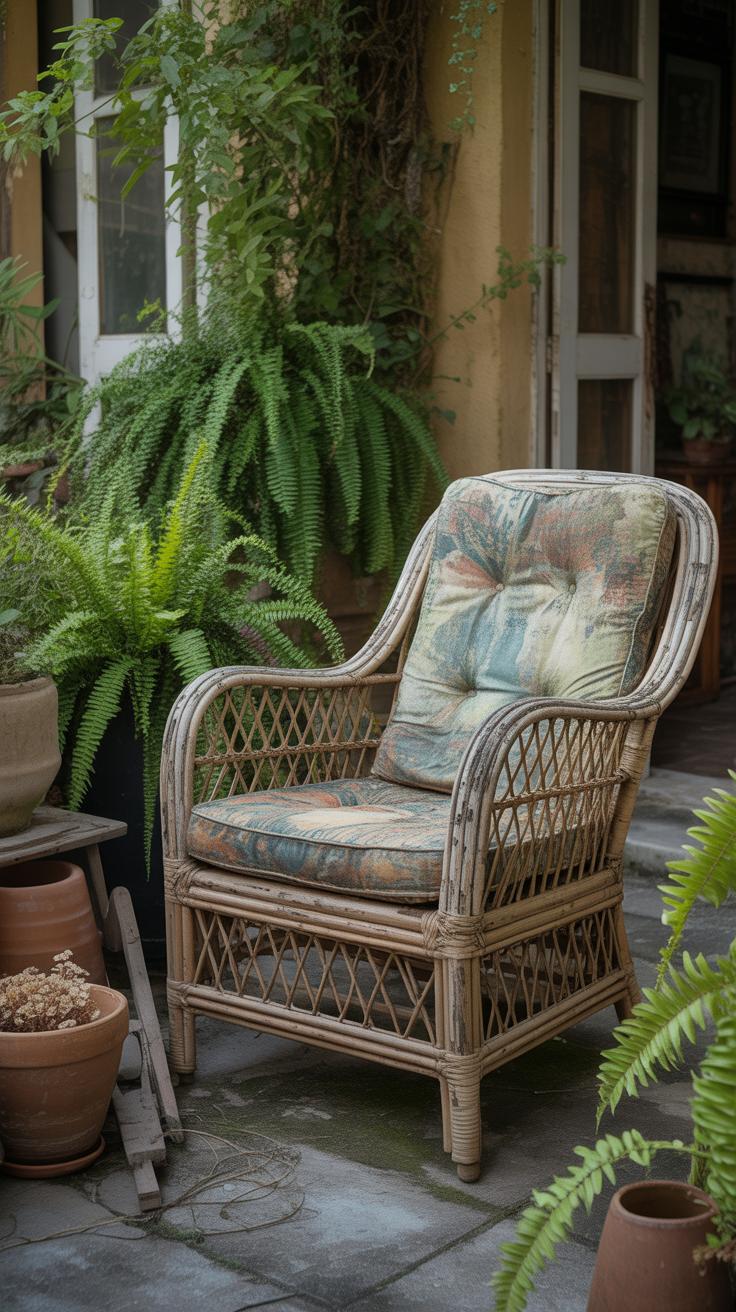
Boho outdoor spaces usually invite a relaxed, lived-in look, but that doesn’t mean you can just ignore upkeep. In fact, neglecting regular care often leads to faster wear and a muddled appearance that undermines the whole vibe you’re aiming for.
One common mistake I see is using harsh cleaning products on natural materials like rattan or cotton cushions. You might think a strong detergent is the answer, but it often strips oils and weakens fibers, leaving furniture brittle or colors faded. Sometimes, people just let dirt and dust build up, figuring it adds character. Yet, that dirt can cause stains to set in or even encourage mold in humid climates. And speaking of mold, many Boho textiles and cushions hate being left damp—forget to dry them properly and you’re inviting trouble.
Other times, folks leave their decor exposed to constant sunlight without any rotation or cover. UV rays are silent but brutal enemies—fading colors and cracking surfaces quietly over time. Perhaps you believe the natural weathering suits the aesthetic, but does it really? Or is it just a shortcut that leads to early replacement?
Maintenance Mistakes to Avoid
- Using strong chemical cleaners on delicate, natural fibers or woven furniture pieces
- Allowing cushions and rugs to stay wet for long periods, encouraging mildew
- Ignoring regular dusting and wiping of surfaces to remove dirt buildup
- Exposing everything to constant sun without rotation or UV protection
- Storing decor items carelessly during harsh weather, which causes damage
Simple Maintenance Routines
Keeping your Boho outdoor space lively and comfortable doesn’t have to be chore. Try wiping down furniture weekly with a soft brush or cloth, preferably dampened with mild soap and water. When cushions get wet, take them in to dry fully—sometimes just flipping them out in the shade works best.
Rugs and throws can be shaken out regularly and spot-cleaned as needed. Rotating furniture occasionally helps even out sun exposure and wear. Covering larger pieces with breathable tarps when not in use protects from dirt and moisture better than you might expect, without suffocating the material.
Remember, subtle, steady care beats sporadic deep cleaning. Think of it as gentle nurturing instead of dramatic fixes. Your Boho corner will thank you by lasting longer and feeling just right to relax in. Are you giving your space the attention it deserves?
Budgeting Errors in Boho Outdoor Design
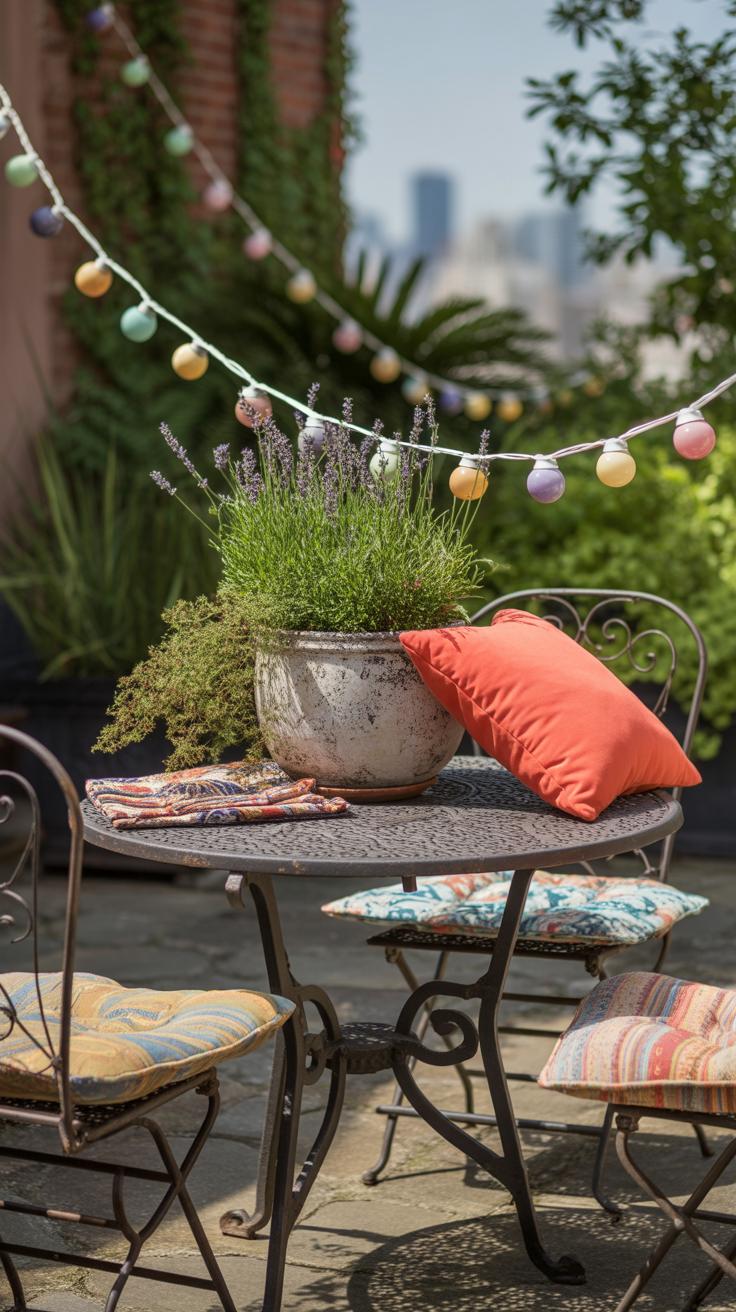
Impact of Poor Budget Planning
You might think that overspending on every quirky throw pillow or vintage lantern will instantly get your boho vibe right. But spending too much on small details can leave you with no cash for bigger, foundational items—like durable seating or weatherproof rugs—that actually make the space livable. On the flip side, going too cheap to save money might mean buying things that don’t last or feel off compared to your overall style. For example, a flimsy hammock might look cool but quickly loses its charm when it starts sagging or breaking.
Often, people underestimate how much a proper layout and quality materials cost. You might have a budget planned… but gaps pop up. Sometimes it’s that one decorative piece you just *have* to have but didn’t budget for. Other times, it’s realizing that layering textures and natural elements is more expensive than expected. This patchy approach can leave your space feeling cluttered or, ironically, less cozy.
Budget Tips for Quality Boho Spaces
Start with a rough but clear budget that separates essentials from extras. That makes it easier to decide where to spend and where to save. Focus first on outdoor furniture that will last—think solid wood or sturdy rattan—not only because these define the boho look, but because they take the most use. Then you can add rugs, cushions, and strings of lights without freaking out about the cost.
Consider mixing new items with thrifted or handmade pieces. Sometimes a well-chosen vintage rug or an inexpensive DIY macramé hanging can add personality without breaking the bank. And don’t forget to watch for sales on key items or invest in durable covers to protect your investment. It’s about balancing comfort and style without unintentionally running out of funds halfway through. Have you ever bought so many budget cushions they just ended up looking, well, cheap? I have. Lesson learned.
Conclusions
Boho outdoor spaces thrive on a mix of colors, textures, and natural touches. Avoiding common errors like mismatched decor or neglecting comfort protects the vibe you want to create. Careful choices in furniture, lighting, and layout keep your space inviting and cozy.
Paying attention to these details lets your Boho outdoor space express your personality and values. Use this knowledge to build or improve your Boho area. Your outdoors can become a peaceful, inspiring place, perfect for relaxing or socializing anytime.