Charcuterie Ideas That Elevate Any Gathering
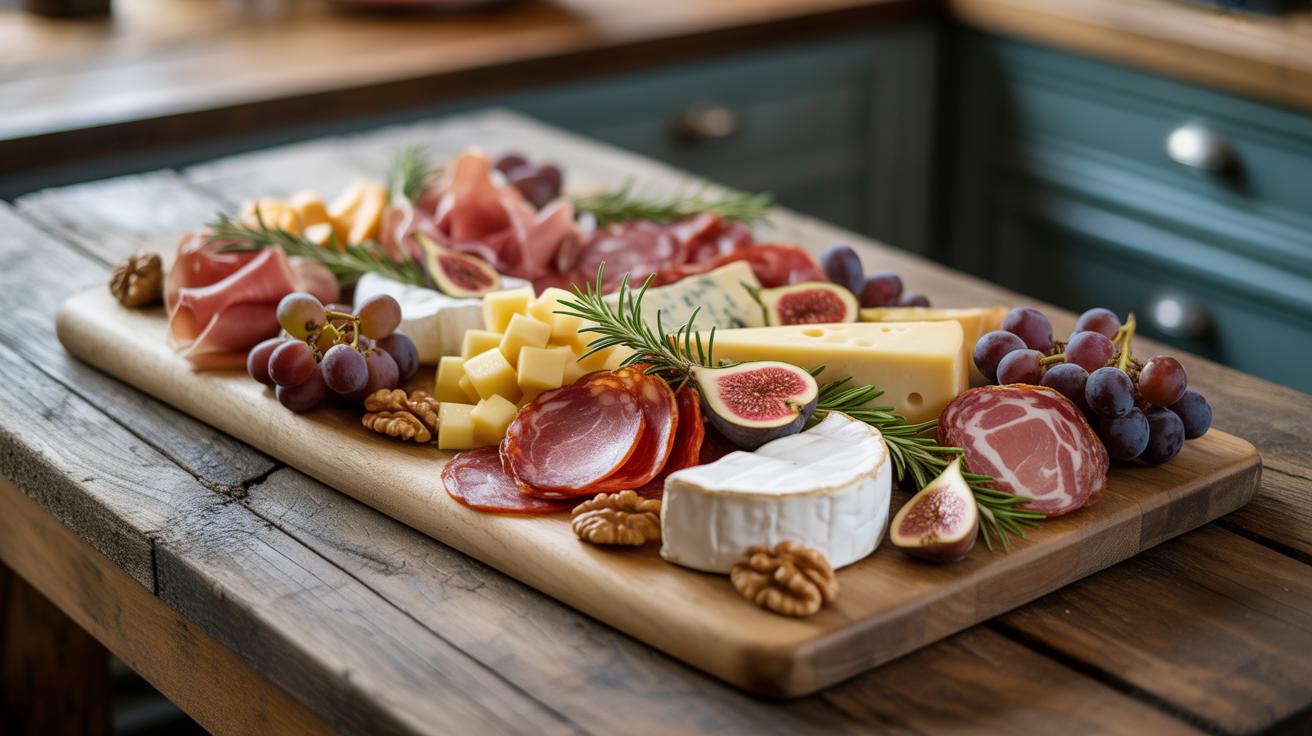
Charcuterie boards offer a stylish and straightforward way to present an assortment of meats, cheeses, and accompaniments at your gatherings. This article covers practical ideas for making your boards more appealing and enjoyable.
You will learn how different meats, textures, and flavors mix and match to excite your guests’ taste buds. We’ll also cover arranging, selecting, and pairing components for a complete experience.
Essentials of Charcuterie Boards
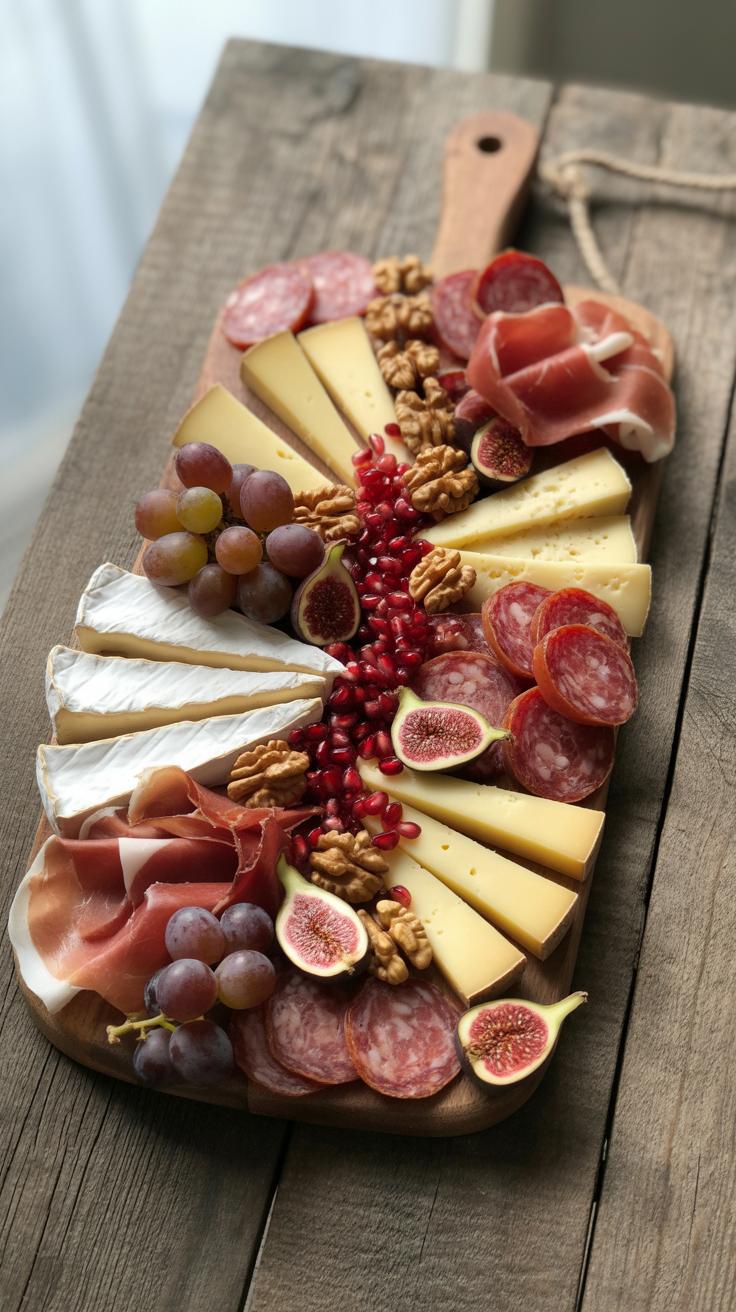
A traditional charcuterie board brings together a variety of cured meats and cheeses, creating a balance of flavors and textures that’s hard to resist. The core usually revolves around cured pork products like prosciutto, salami, and sometimes pâté. These meats add richness and a savory depth, which feels almost essential when you think about what draws people towards charcuterie in the first place.
Cheeses, on the other hand, soften the experience—often creamy or sharp enough to contrast with the saltiness of the meats. Think aged cheddar, tangy goat cheese, or a mellow brie. These help break the intensity, making the board feel rounded, not overwhelming. Together, the meats and cheeses build layers of flavor, encouraging tasting, sharing, and conversation.
What Are Common Charcuterie Ingredients

When you arrange a charcuterie board, you often find:
- Prosciutto: Thinly sliced, it melts in your mouth and offers a delicate saltiness.
- Salami: Usually spiced, with a denser texture that adds a chewiness contrast.
- Pâté: Smooth and rich, sometimes a focal point that introduces depth and variety.
- Cheeses: A mix of soft, semi-soft, and hard cheeses, selected to complement the meats and create flavor variety.
Each is picked not just for taste but for texture and how they pair with bread, fruit, or nuts on the side. For instance, a creamy Camembert contrasts nicely with a peppery soppressata, while a nutty Gruyère can amplify the flavors of smoked sausage. The best boards don’t just settle; they challenge your palate a bit.
How Meat Preservation Impacts Flavor
The way meat is preserved—curing, smoking, or aging—shapes the taste and feel of a charcuterie board more than you might expect. Curing, which often involves salt and sometimes sugar, draws out moisture and concentrates flavor. That’s why prosciutto tastes both salty and slightly sweet.
Smoking introduces a deeper aroma and sometimes a bit of dryness or firmness. Smoked sausages, for example, carry that complexity, which can surprise your palate when paired with a fresh cheese or a bite of fruit.
Sometimes, a bit of aging brings in a funkier, more intense flavor, which is great if you want guests to explore something new. These preservation methods don’t just keep the meat edible—they transform it into something that tells a story, bite after bite.
Selecting Meats for Your Board

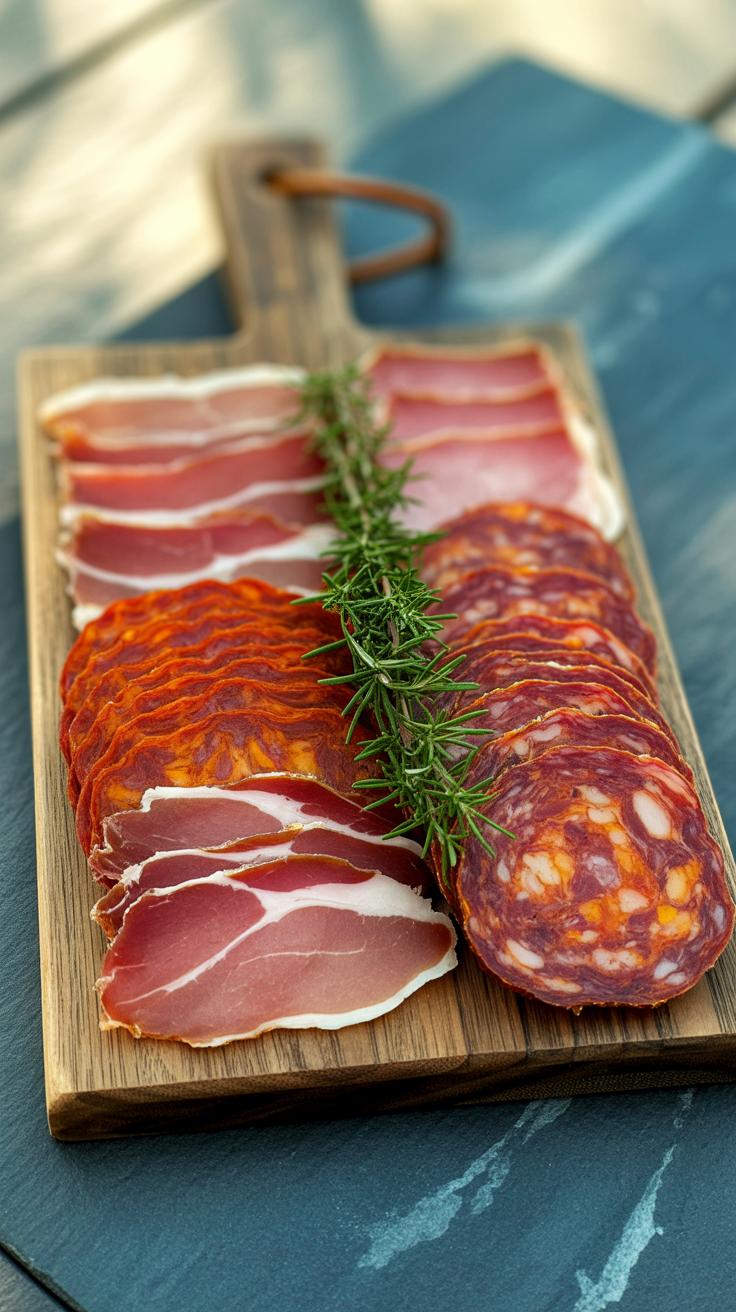
Choosing the right meats for your charcuterie board can make all the difference in flavor and texture. You want a variety that keeps things interesting—not just in taste but in how they feel in your mouth. Think about mixing softer meats with firmer ones to add that tactile contrast. For example, silky prosciutto pairs well with sliceable salami that offers a bit more chewiness.
When it comes to flavor, aim for a balance between salty, sweet, and spicy. Salty staples like Serrano ham or coppa work nicely alongside something sweeter, such as a mild soppressata with subtle sweetness or a delicately cured ham. Then toss in a spicy chorizo or peppered stick to spark things up. This mix prevents your guests from zoning out on one dominant flavor.
Meats like bresaola, with its lean texture and mild taste, create a nice counterpoint to fattier options such as pancetta. These variations in fat content affect not only flavor but presentation—you want some slices to look dry-cured and almost translucent, others glistening with marbled fat. Don’t shy away from trying less common cuts; they might surprise you and your guests.
When picking your products, quality really matters. I’ve learned that specialty shops and local butchers often stock fresher, better-crafted selections than typical supermarkets. Always check the labels for cure dates and avoid anything that seems too processed or unclear about its origin. Freshness can’t always be judged by smell alone, so if possible, ask for samples or guidance. The extra effort pays off, and your board will reflect it.

Would you rather have a little more variety or stick to traditional favorites? There’s no wrong answer, just what feels right for your gathering. Just remember, the meats you pick set the tone, so take your time to find the ones that truly excite your palate.
Pairing with Cheeses and More
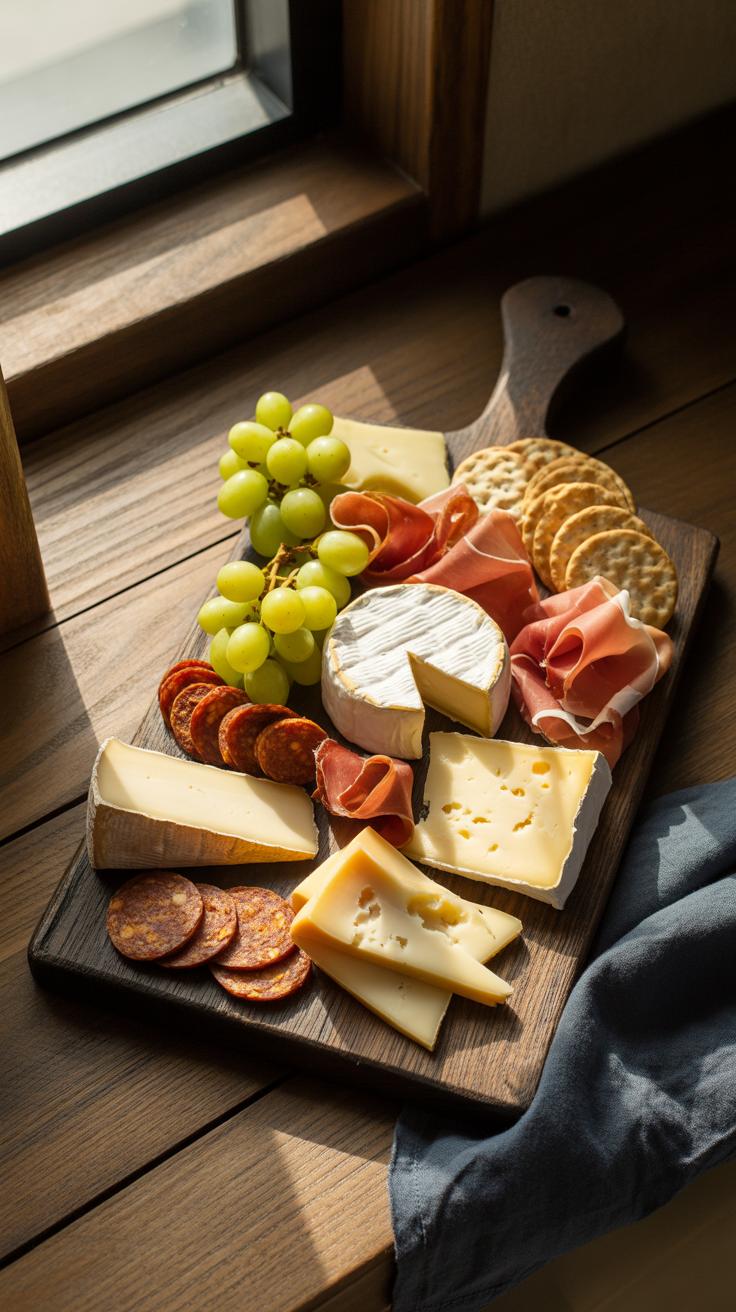
Choosing cheeses that pair well with your meats can really change how your charcuterie board feels—like, it can either elevate the whole experience or leave things a bit flat. Think about spicy sausages: they often call for softer, creamier cheeses like a ripe Brie or even a tangy goat cheese. The softness helps mellow the spice without overwhelming it. On the flip side, if you’re working with more subtle, mild meats like prosciutto or turkey, firmer cheeses such as aged cheddar or Manchego can add a nice, complementary bite without competing.
When you add fruits, nuts, and spreads, you’re layering texture and flavor in ways that can surprise you. Crisp apples or pears often refresh a heavy meat slice. Nuts—like Marcona almonds or walnuts—bring in some crunch and a little earthiness. As for spreads, something like a grainy mustard or fig jam can push contrast just enough to keep your palate curious. But maybe don’t overthink it; sometimes a few well-picked items work better than a big mix. What fruits do you gravitate toward? Sweet or tart? That choice can shift the whole balance.
How to Arrange a Charcuterie Board
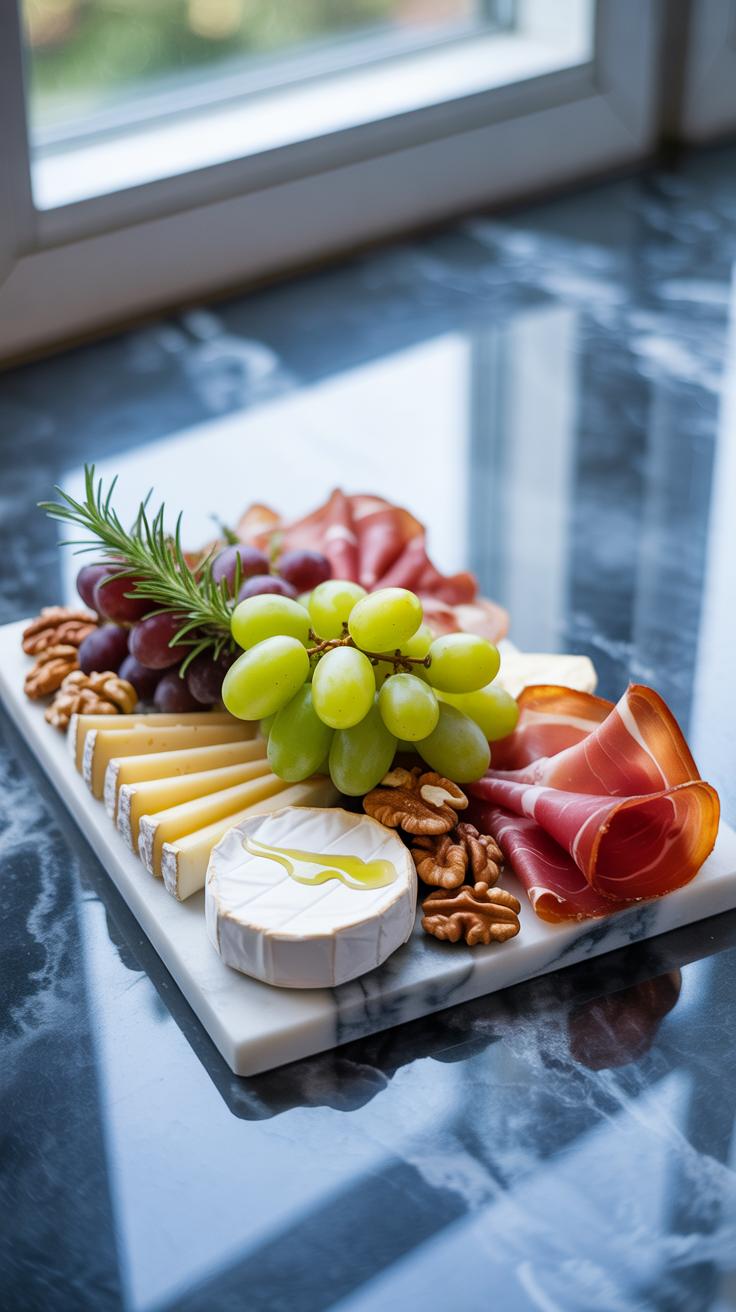

Start by thinking about the overall flow of your board. It’s easier to begin with the bigger items—meats and cheeses—before filling in gaps with smaller accompaniments. Slice or fold the meats into manageable portions. Lay them out in loose piles or gentle folds rather than stiff rows. This creates a casual, inviting feeling that draws people in.
Place cheeses spaced apart, mixing shapes and styles so the board doesn’t feel repetitive. For example, combine wedges with cubes or slices. Arrange stronger, more pungent cheeses away from milder varieties to let each flavor shine. Color balance also matters. Think about the visual contrast created by pale cheeses next to darker meats or bright fruits nearby.
Leave enough room between groups so guests won’t struggle to reach in. I usually avoid just dumping small items scattered all over. Instead, keep spreads and dips contained in tiny bowls or ramekins to prevent mess and keep the board tidy. The goal is an accessible, approachable layout where nothing feels overcrowded but also nothing seems sparse or awkward.
Visual Tips for a Neat Layout
Grouping items rather than mixing everything randomly helps the eye. You want pockets of color and texture that don’t overwhelm but still look rich. For example:
- Cluster different olives together.
- Mix round crackers with square bread slices.
- Scatter fresh herbs or edible flowers to break monotony.
Small containers for spreads serve a double purpose — they keep the board cleaner and add dimensional layers to your presentation. One caution: Try not to overfill these because spills can shatter that neat impression.
Ensuring Easy Access for Guests

Spacing is key here. If the board looks too crowded, people hesitate or accidentally disturb other sections while reaching. Provide enough gaps so each cluster can be approached from different angles. Utensils placed thoughtfully make a big difference. Tongs near meats, cheese knives with each cheese, small spoons for spreads — these help keep things moving smoothly.
Remember, guests will have different preferences and levels of decisiveness. Offering multiple picking points around the board reduces bottlenecks and awkward reaching. Watching friends at dinner, I’ve noticed awkward moments when boards get too tight or tools get lost. So, consider how you’d feel grabbing from your own arrangement.
Charcuterie Variations for Dietary Needs

Trying to keep everyone happy at your gathering can feel like a juggling act, especially when dietary restrictions come into play. But you don’t need to sacrifice flavor or variety to accommodate different needs. It’s more about thoughtful choices and a little creativity.
Vegetarian and Vegan Alternatives
Plant-based options can be surprisingly satisfying. Marinated vegetables like artichokes, roasted peppers, or olives add depth without relying on meat. Nuts—think smoked almonds or spiced cashews—bring crunch and protein. Vegan cheese substitutes have come a long way; soft cashew cheeses or almond-based slices offer a familiar creaminess that guests rarely miss.

Sometimes, I find experimenting with colorful dips—hummus, beetroot spread, or baba ganoush—invites curiosity and keeps things interesting. These options balance well against fresh fruits like figs or grapes, turning your board into a vibrant mosaic.
Gluten-Free and Low-Sodium Choices
Gluten-free crackers are no longer dry and dull—there are plenty of rice, seed, or chickpea varieties that hold their own against traditional crackers. You might want to try a mix to see what your guests prefer. For low-sodium options, look beyond the usual low-salt meats. Thinly sliced grilled chicken or turkey breast can work, especially paired with salt-free nut butters or fresh herb spreads.
Low-sodium cheeses—like fresh mozzarella or certain farmer’s cheeses—can complement these meats without overwhelming the palate. And remember, fresh veggies like cucumber or celery sticks aren’t just fillers; they cleanse the palate and add freshness that balances salty or rich flavors.
So, when planning your next board, think less about restrictions and more about possibilities. Have you tried blending these alternatives in a single spread? The contrast might surprise you—not all rules have to feel like limits.
Charcuterie for Different Events
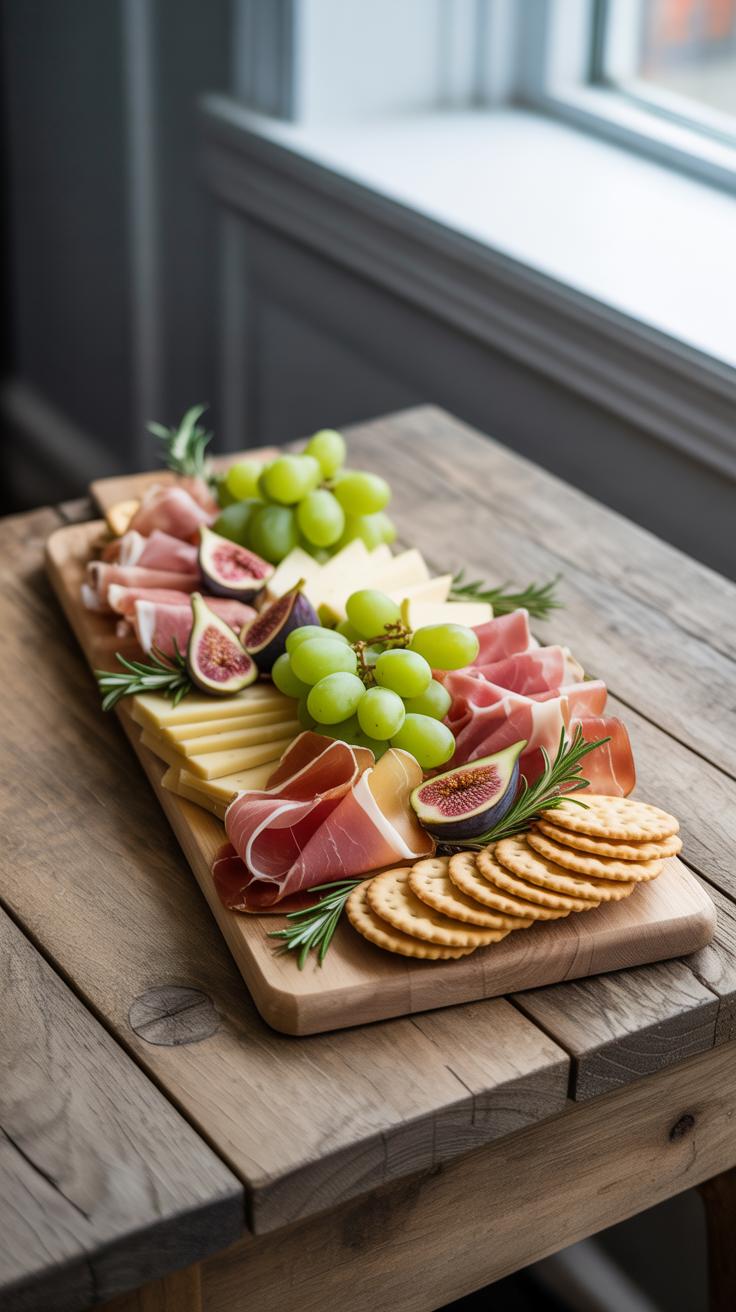
Boards for Casual vs Formal Settings

When you’re putting together a charcuterie board, the occasion matters more than you might think. For casual gatherings, think relaxed and approachable. Chunky slices of bread, hearty rustic cheeses, maybe some pickles or olives tossed in without much fuss. The presentation can be informal—imagine a wooden board with bits and pieces spread naturally, as if guests could just grab what they want without worrying about etiquette.
Formal events ask for a bit more polish. Neatly arranged slices, finer cheeses, and perhaps some unusual accompaniments like candied nuts or gourmet spreads. Presentation feels intentional, like it has a purpose beyond just filling plates. Guests might expect small, delicate servings with attention to color and balance. But sometimes, going too formal can feel stiff—so a touch of warmth or personal flair might soften the formality just enough to be inviting.
Scaling Portions for Group Size
Figuring out how much to prepare can get tricky. A loose rule: plan about 3 to 4 ounces of meat and cheese per person. But don’t forget those extras—fruits, nuts, spreads—which can add volume and variety, so adjust slightly if your crowd loves nibbling. For a group of ten, 30 to 40 ounces total feels right. Fewer guests? You can be generous with portions or use smaller boards.
Still, appetite varies; some guests may graze all evening, others dip in briefly. So, if you’re unsure, making a bit extra rarely hurts—leftovers can become tomorrow’s snack. The key is balancing enough without overwhelming. You want your board to invite conversation and enjoyment, not leave people wondering if the next course will be all there is to eat.
Common Mistakes and How to Avoid Them
Overcrowding or Poor Ingredient Balance

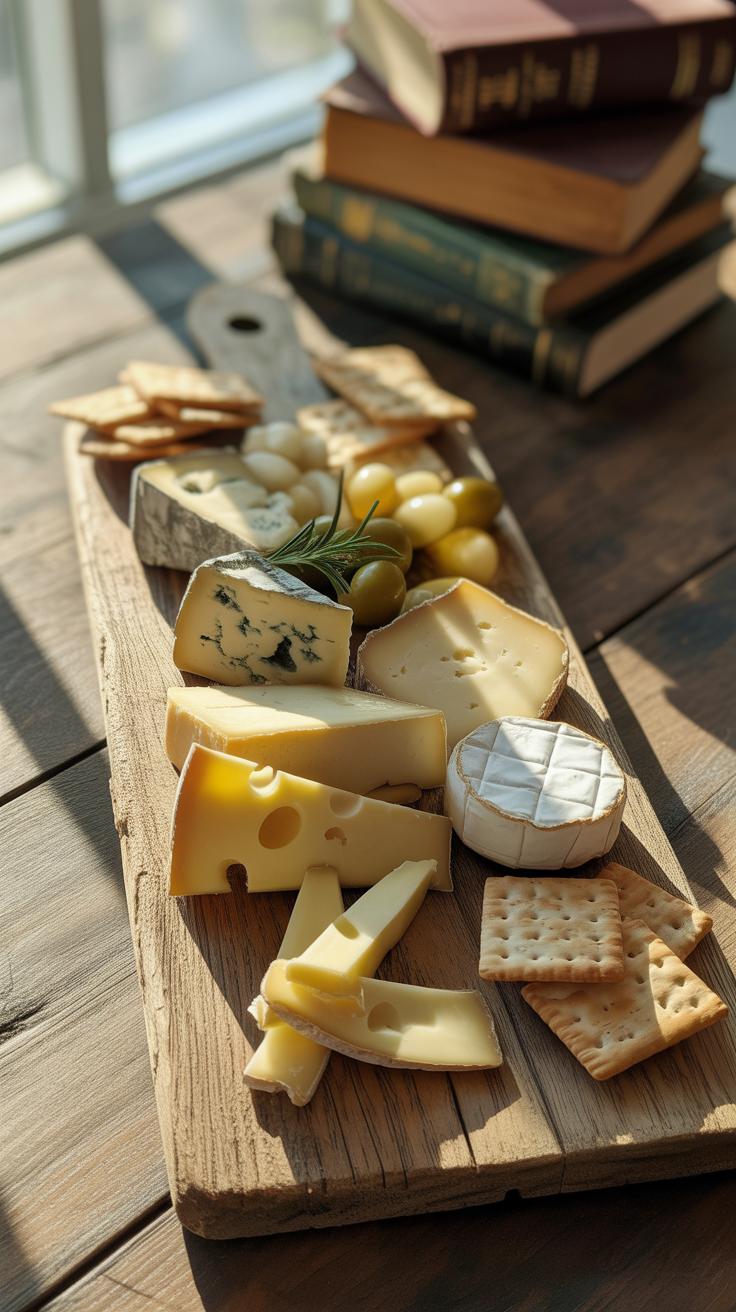
One common pitfall when putting together a charcuterie board is simply trying to fit in too much. You know, it might seem tempting to pile on every cheese, meat, fruit, and nut you can find. But in reality, this tends to overwhelm rather than impress. When there are too many items, your guests might actually struggle to decide what to try first—or worse, the flavors get lost altogether.
Finding a balance is key, though that balance isn’t always obvious at first. A good rule of thumb is to have a few different textures and flavors without going overboard. For example, a firm cheese, a soft cheese, some cured meat, a fresh vegetable or fruit, and a crunchy element like nuts or crackers. It’s less about quantity and more about how these ingredients work together.
Ask yourself: Does each item bring something unique? Or am I just adding things for the sake of filling space? Sometimes, less really is more—your board will be clearer and more inviting with space to breathe.
Ignoring Temperature and Freshness
Serving your charcuterie items at the wrong temperature can dull their flavors and change textures, which isn’t what you want when you’ve chosen these foods carefully. For instance, cheese tastes best when it’s allowed to come to room temperature before serving. Cold cheese is firm and muted, while warm cheese opens up with richer, deeper flavor.
Similarly, fresh ingredients—fruits, vegetables, and even cured meats—need attention to stay just right. You might think storing everything in the fridge until the last minute is fine, but sometimes that leads to soggy crackers or limp veggies.
One tip I’ve found helpful is to prep and portion items ahead but add delicate ingredients like fresh fruit last minute. And always check your meats and cheeses for freshness; nothing’s worse than discovering an off smell once the board is set. Keeping things fresh isn’t always straightforward, but it’s worth the little extra effort for a noticeable difference in taste and presentation.
Serving and Storing Charcuterie
Ideal Serving Temperatures
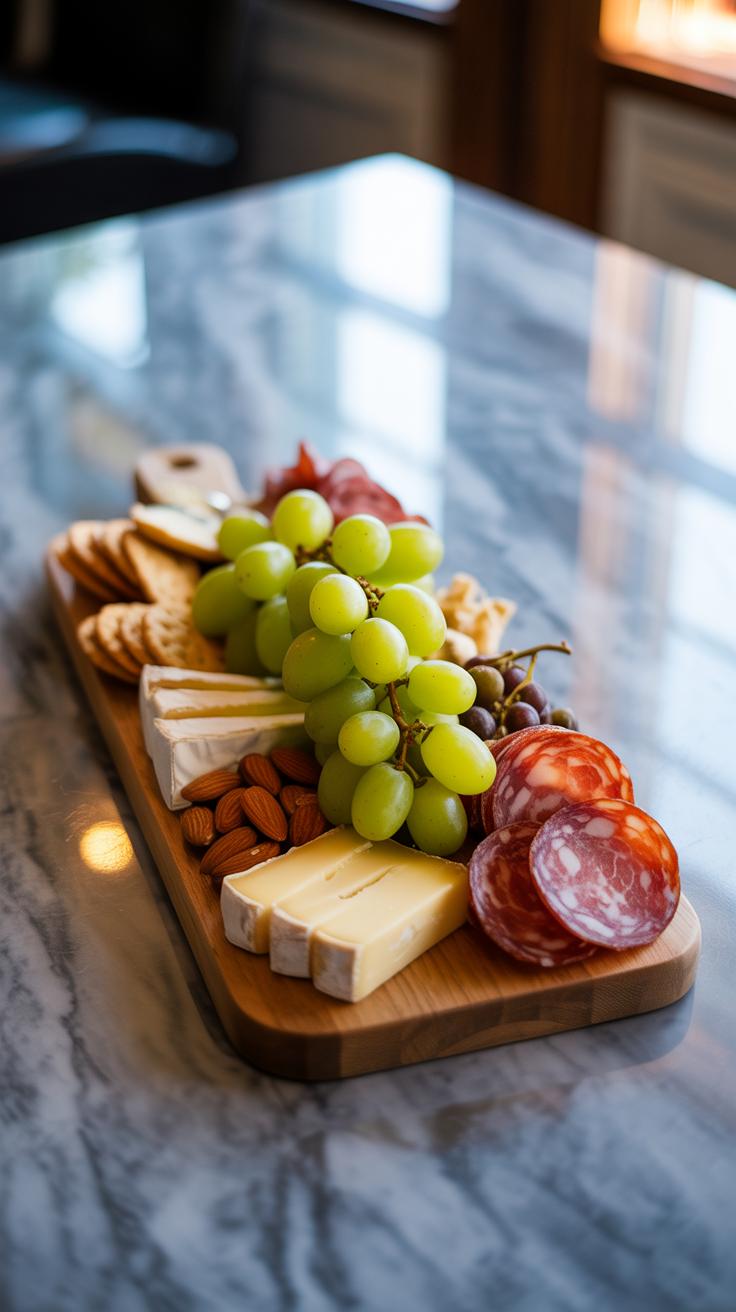
Serving charcuterie at the right temperature really changes the game with flavor. Meats like prosciutto or salami often taste better when they’re not ice-cold but closer to room temperature. Think about pulling them out of the fridge about 15 to 20 minutes before serving. It softens the fat and opens up the aromas, making them more noticeable. Cheeses can be a bit more complicated. Hard cheeses, like aged cheddar or Manchego, come alive with a slight chill, around 55°F to 65°F. Softer cheeses, say Brie or goat cheese, should be closer to room temperature to really show off their creamy texture.
Sometimes, you might see mixed plates straight from the fridge. Honestly, that can dull some flavors, making everything taste a bit flat or overly tangy. Trying to find the balance between cool and too warm is tricky, but it’s worth the effort. You might wonder if it matters at all, but I think small nuances make a difference, especially if you’re sharing with people who really notice tastes.
Safe Storage Practices for Leftovers
Wrapping leftovers properly is key if you want those flavors to stay fresh. I usually reach for parchment paper or wax paper first because it lets the food breathe a bit, keeping the texture intact better than plastic wrap does. That said, plastic wrap or airtight containers come in handy if your fridge is full or if you’re storing wet items like marinated olives.
Refrigerate leftovers promptly, ideally within two hours of serving. Try to keep meats and cheeses separate since some strong cheeses can overpower delicate cured meats in storage. Most leftovers taste best consumed within three to four days. After that, you risk flavors dulling or, worse, spoilage sneaking in. It’s tempting to hold onto those last slices for longer, but I’ve found the payoff isn’t great.
Ever opened the fridge and wondered if that wedge of cheese is still good? When in doubt, trust your senses: a sour smell or slimy texture means it’s time to toss. This cautious approach might feel wasteful, but it’s safer—and flavor-wise, a fresh board always wins.
Conclusions
Creating a charcuterie board doesn’t need to be complex. By focusing on the right balance of flavors, colors, and textures, you can make an inviting centerpiece for your event.
Remember to choose a variety of meats and sides, consider dietary preferences, and present everything neatly. With these simple steps, your next gathering will have a memorable snack everyone enjoys.