What a Backyard Cafe Setup Really Costs
Creating a backyard cafe can transform your outdoor space into a cozy and inviting spot. Understanding the costs involved is crucial for any homeowner considering this project. Backyard cafe setup costs vary depending on design, materials, and features you select. This article explores what you should expect in terms of expenses and how to manage them effectively.
We will look at key cost factors, from furniture and décor to utilities and permits. The goal is to help you plan your backyard cafe project with clear insights on what you need to invest. By the end of the article, you will know the practical steps to budget right and avoid surprises during setup.
Estimating Setup Expenses
Setting up a backyard cafe involves quite a few cost factors that can catch you off guard if you’re not prepared. You’ll want to consider furniture, lighting, decor, and even permits, which people often overlook. Each of these categories adds up, and skipping one can throw off your whole budget. For instance, furniture could range from simple patio chairs to more elaborate seating arrangements, and lighting might involve string lights or more complex fixtures.
Knowing your total budget upfront helps prevent surprises later. Imagine getting halfway through only to realize you’ve blown the budget on chairs and have nothing left for basic lighting or an outdoor kitchen setup. It’s not just about how much money you spend, but where and when. With a clear budget, you can prioritize what’s essential and what could wait or be DIYed. Plus, permits might seem like a small thing, but depending on your location and what you build, they can add several hundred dollars or more to the cost.
Have you thought about what you might be willing to spend overall? It’s easy to get attached to certain ideas that cost a lot, but putting a realistic figure down first helps keep the project manageable.
Breaking Down Major Cost Elements
When figuring out what you’ll spend, start with basics like seating and tables. Outdoor chairs often run anywhere from $50 to $300 each, depending on style and material. Tables can cost between $150 and $600, especially if you want something sturdy enough to last through seasons.
Shelter is another big ticket item. A simple pergola or canopy might cost a few hundred dollars, but a more permanent structure, like a gazebo or a custom-built pavilion, can go well into the thousands. I’ve seen people spend upward of $2,000 just on shelter, and that doesn’t include setup or maintenance.
Then there are outdoor kitchen appliances—think grills, heat lamps, or even a small fridge. A decent grill could be around $300 to $1,000 depending on size and features. If you want more like a pizza oven, expect a heftier price, sometimes $1,500 or more. Lights and decor such as weather-resistant cushions, planters, or art pieces add more layers, often from $100 up to several hundred.
These costs add up fast, and you might guess only some of them right away. You’ll likely keep tweaking choices as you go, making this a bit of a moving target.
Setting a Realistic Budget
Try breaking your overall budget into chunks instead of throwing all the money into one category. For example:
- 40% for furniture (seating and tables)
- 25% for shelter and coverings
- 20% for kitchen appliances and equipment
- 15% for lighting, decor, and permits
This is just a rough guide. You might want to spend less on decor and more on appliances, or vice versa. Also, budget a small contingency—maybe 10% extra—for unexpected expenses. Trust me, you’ll want that.
One thing that helped me was creating a checklist of needs versus wants. This way, if the budget gets tight, you can easily cut back on less critical items without losing the essence of your backyard cafe. And don’t forget—sometimes small changes make a big difference in cost and experience.
Have you set aside a specific dollar amount yet? Keeping your expectations and reality aligned can save you headaches as the project unfolds.
Choosing Furniture Within Budget
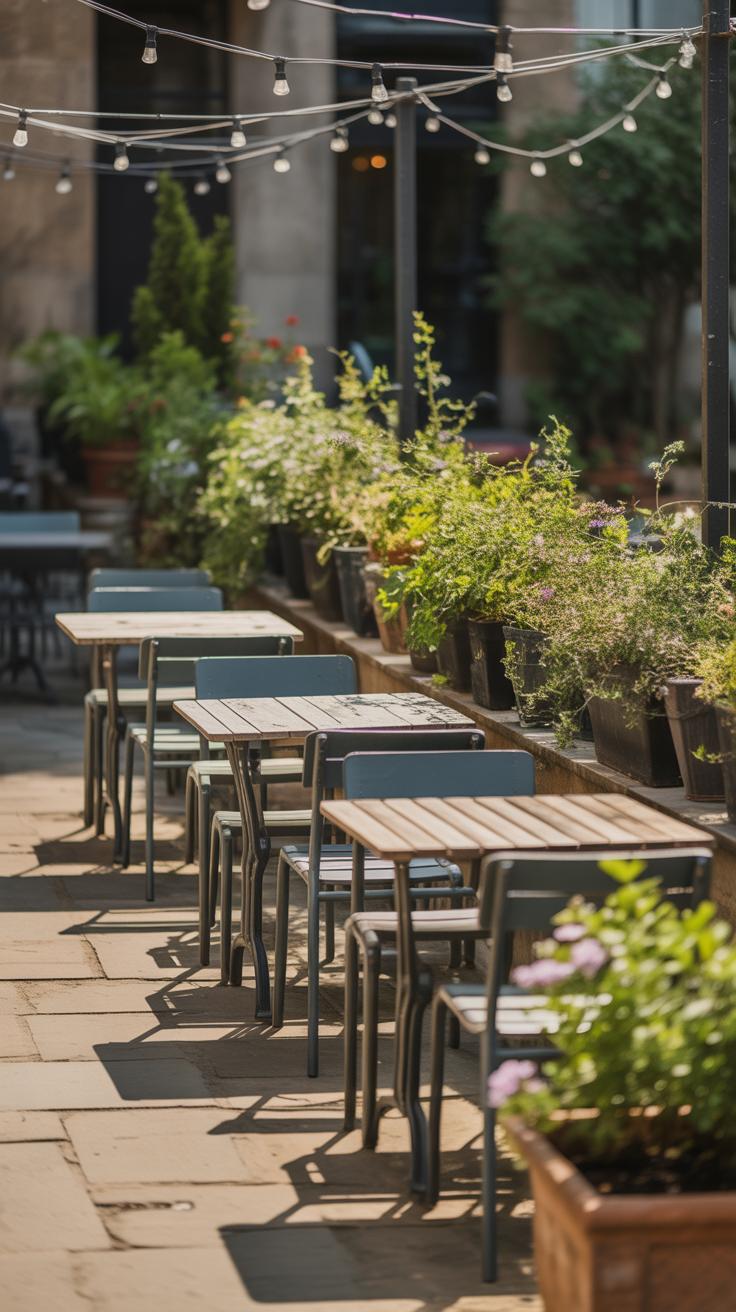

Picking the right furniture for your backyard cafe isn’t just about looks. Comfort matters, especially if you want guests—or yourself—to linger. But balancing comfort with cost can feel tricky. You might wonder: is it better to go for brand-new pieces or hunt for used ones?
There are a few common types of furniture that work well outdoors: benches, chairs, tables, and umbrellas. Simple metal or wooden benches provide sturdiness without breaking the bank, while stackable plastic chairs offer flexibility and easy storage. Tables come in many forms—from foldable ones that save space, to heavier, solid wood versions. Umbrellas help create shade, which transforms the vibe entirely and invites longer stays, even on a sunny day.
When it comes to choosing materials, some strike a better balance than others between durability and price. Aluminum frames resist rust and tend to be lightweight, making them practical—and often affordable. Teak wood feels nice and lasts long, but costs more upfront. Polywood is a plastic alternative that mimics wood’s look but can be cheaper and easier to maintain.
New furniture often guarantees a fresh look and warranty, but it costs more—and some styles don’t age well. Used items can be a steal, but you’ll need to check for rust, cracks, or wobbliness carefully. Sometimes, with a bit of sanding or repainting, you can refresh a piece beautifully. Flea markets, online marketplaces, and local thrift shops are good places to look.
One caveat: not every cheap new item is better than a high-quality used one. Sometimes investing a bit more initially avoids frustration later. Still, both options can work, depending on how much time and effort you want to put into finding or fixing pieces. Comfort, style, and price—a tricky triangle, but with some patience, you can get something that feels right.
Lighting Options and Costs

When setting up your backyard cafe, lighting is more than just functional—it sets the whole mood. You’ve got several options to consider, each with different costs and energy demands.
String lights are popular for good reason. They spread a warm glow and are flexible to install. Prices vary, but basic LED strings start around $20 and can go up past $100 for fancier or solar-equipped versions. They use relatively low power, especially with LED bulbs, so electricity bills won’t spike much.
Lanterns bring a cozy, rustic feel. You can pick from battery-operated, plug-in, or solar. Solar lanterns cost a bit more upfront—think $30 to $60 each—but don’t add to your electricity expenses. Battery-operated options need frequent replacements, which can add up. Plus, those old-school candle lanterns remain a charming, low-cost—if less convenient—option.
Solar lights stand out for their independence from wiring and minimal ongoing costs. They tend to cost more initially compared to wired lights but pay back over time by not drawing from your electric grid. That said, performance depends on sun exposure and the type of solar panel used, which might mean dimmer lighting or shorter run times.

Looking at energy, LEDs across all types strike a good balance—low consumption and decent brightness. Traditional incandescent bulbs will cost less at first but burn more electricity, which might surprise your next bill.
Planning Utilities and Permits
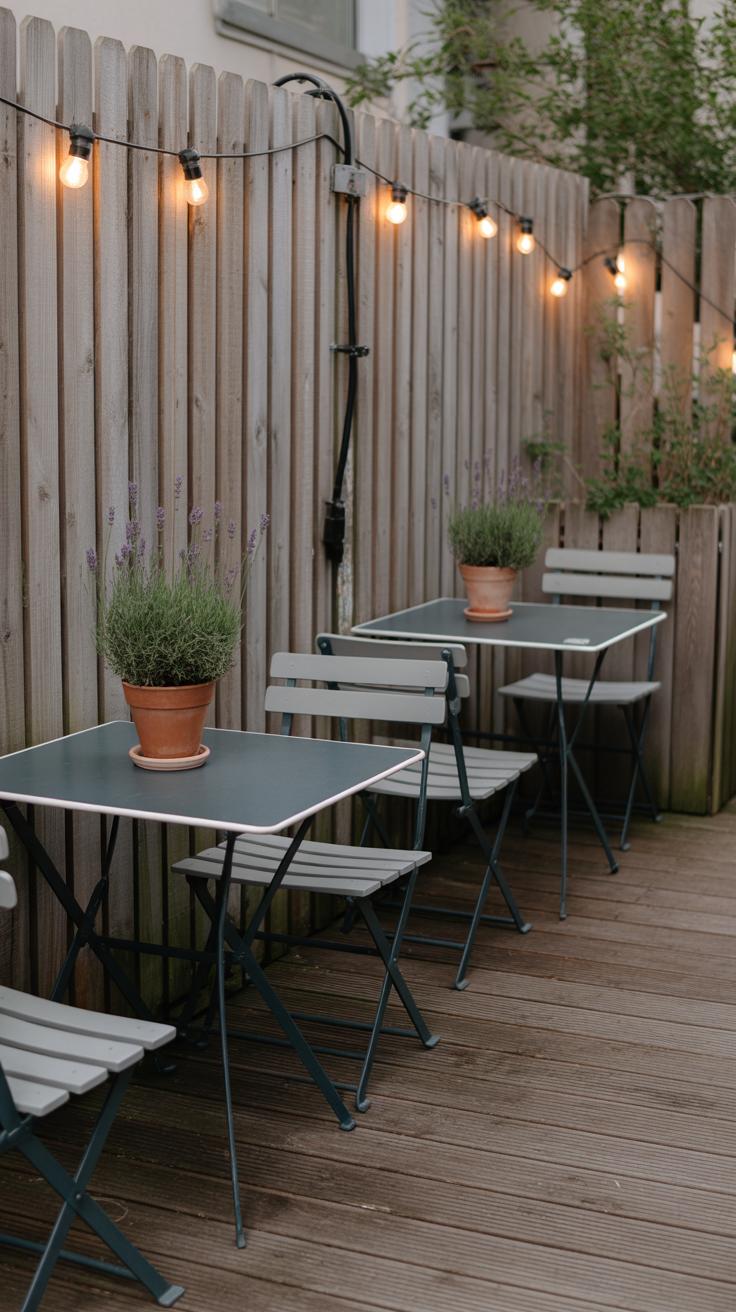
Setting up a backyard cafe requires more than just furniture and decor. You’ll need to think about utilities like water, electricity, and sometimes gas. Water is essential if you want a sink or a small dishwasher. Electricity powers lighting, coffee machines, refrigerators, or any other equipment you might use. Gas connections might come into play if you plan on adding a grill or an outdoor stove. It’s not always obvious how complicated or costly these connections can get until you start digging into it.
Now, about permits — they’re usually required. Even if you’re not running a full commercial operation, local regulations often mandate permits for structures, electrical upgrades, or plumbing changes in your backyard. Costs vary widely by area but can range anywhere from $100 to over $1,000 depending on your location and the scope of work. You’ll want to check with your city’s building department. Even if you don’t expect strict oversight, getting permits can save headaches later.
Utility Installation Expenses
Extending utilities into your backyard is rarely cheap or simple. For water, if there’s no existing outdoor tap, running a line from your house can cost around $500 to $2,000. It depends on the distance and whether you need major trenching. Electrical work varies more—simple outdoor outlets might be $200–$500, but installing a new circuit for heavy appliances can push $1,000 or more. Gas lines can be surprisingly expensive, often $1,500 to $3,000, especially if they need to be buried or inspected.

Thinking about these numbers, it’s easy to overlook the small extras, like permits for utility work or adding safety features like ground-fault interrupters. Plus, you may need professionals licensed for specific tasks, which bumps prices but ensures things are up to code. Sometimes, you may find yourself wondering if it’s worth the cost—maybe a portable appliance or a water container is better for now.
Permits to Check
There are a few common permits you’ll want to look into:
- Building Permit: Required for constructing any permanent structures, including small sheds or outdoor kitchens.
- Electrical Permit: Needed if you’re adding or extending electrical circuits or outlets.
- Plumbing Permit: Necessary when installing new water lines or drainage systems.
- Gas Permit: If you plan on hooking up gas appliances, expect a permit and inspections.
- Health Permit: If you intend to serve food or beverages commercially, local health authorities might get involved.
Permitting offices might surprise you with additional requirements, like setbacks from property lines or fire safety checks. Sometimes, they’ll also want a site plan or detailed drawings. It’s a lot to handle, but skipping these steps can lead to fines or demands to remove what you built. A quick call or visit to the local planning office can clarify what applies to your backyard cafe plan before you start spending.
Creating a CostSaving Setup Checklist

Starting a backyard café on a tight budget means picking your battles carefully. You can’t afford to buy everything at once, so it helps to prioritize features that will make the biggest difference without breaking the bank. Think about essentials first: a sturdy seating area, some basic shade, and a small prep spot. These are the backbone. Fancy decor or high-end appliances? Those can wait.
Try this checklist as a rough guide:
- Choose seating that’s durable and can double as storage—maybe reused pallets or secondhand chairs.
- Add simple shade like a retractable awning or even a large umbrella; it’s cheaper than building a permanent structure.
- Create a prep surface using affordable materials, like reclaimed wood or inexpensive countertops from local stores.
- Focus on lighting that’s practical—solar string lights can be both cost-effective and pleasant.
- Keep utilities basic at first; perhaps a portable coffee maker and small cooler rather than built-in systems.
When it comes to buying, don’t rush to big box stores. Local hardware outlets, secondhand furniture shops, and online marketplaces like auction sites or neighborhood sale groups often have surprising finds at lower prices. I once snagged a nearly new outdoor table at half price just by keeping an eye on a community page for weeks. Timing sales or discount seasons also helps. Remember, a little patience can stretch your budget a lot further.
Comparing DIY vs Professional Setup

When setting up a backyard café, you might wonder whether to take on the work yourself or hire professionals. Each choice carries its own trade-offs, and honestly, it’s not always clear-cut.
Doing it yourself can save quite a bit of money, mostly because you cut out labor costs. Tasks like painting furniture, assembling tables, stringing lights, or planting small gardens usually suit DIYers well. If you enjoy hands-on projects, this could be satisfying—and you might even discover some unexpected talents.

On the flip side, DIY setups take time and patience. You’ll need a basic skill set and some trial and error is inevitable. Sometimes what seems easy turns frustrating, leading to delays or extra expenses from buying wrong materials.
Hiring experts makes more sense when you’re dealing with electrical work, plumbing for outdoor sinks, or building sturdy decking that must meet safety codes. Professional touch can prevent costly mistakes and save headaches down the road. Expect to spend anywhere from a few hundred to several thousand dollars on labor, depending on the complexity.
Still, I wonder—does professional quality always justify the extra cost, especially if you’re on a tight budget? Maybe it depends on how much time you have, your confidence level, and what parts of the café truly matter to you.
Examples of Budget Backyard Cafes

Creating a backyard cafe doesn’t have to drain your wallet. Take the example of Jane, who transformed a small corner of her yard into a cozy café space for under $1,500. She used reclaimed pallets to build simple seating and tables—costing about $100 total—and added string lights she found on sale for $50. Her biggest expense was a basic espresso machine for $800, but even that was a budget model. The key was focusing on essentials and getting creative with materials.
Alternatively, imagine a hypothetical setup where someone uses a foldable table and chairs, a small portable grill, and buys bulk coffee beans. Spending time hunting yard sales or thrift stores saved hundreds. That café might not look fancy, but it offers warmth and function—sometimes that’s enough.
Case Study Small Scale Cafe
Consider Mark’s backyard café project, limited to $2,000. Itemized costs were straightforward:
- Outdoor bistro set (table + 2 chairs): $300
- Compact coffee maker: $400
- Basic canopy for shade: $250
- DIY wooden shelving: $100
- Decor and lighting: $150
- Coffee supplies and cups: $200
- Miscellaneous tools and materials: $200
- Concrete pavers for flooring: $400
One thing Mark learned was to avoid expensive outdoor rugs until the basics were solid. Instead, he poured concrete pavers himself, saving nearly half the price of pre-made patio slabs. The simple shelving was built from leftover scrap wood, proving sometimes cheap materials serve well without looking cheap.
Creative Low-Cost Design Ideas
To make a backyard café feel inviting and fresh without overspending, try mixing inexpensive touches. For example:
- Use outdoor fabrics from discount stores to make cushions and curtains.
- String LED solar lights overhead instead of costly wired lighting.
- Plant herbs in repurposed containers like old mugs or tins for framing the space.
- Transform a wooden crate into a mobile drink station or coffee bar.
- Repurpose an old bicycle wheel or trellis as unique wall art or plant support.
These ideas might seem small but add character without big investments. After all, the atmosphere often matters more than expensive furniture. It’s about creating a space you want to spend time in — and that doesn’t always mean spending more.
Common Cost Pitfalls to Avoid

When planning your backyard cafe, it’s easy to overlook how often small miscalculations stack up. One big mistake is underestimating both materials and labor. You might think buying a few bags of concrete or a couple of chairs is straightforward, but when you factor in delivery fees, waste, or change orders, costs balloon unexpectedly. Labor can be even trickier. Sometimes, homeowners forget to include charges for permits or specialized work, like electrical wiring or plumbing, until bills arrive. A detailed checklist helps here. Try listing every item, then add a 10-20% buffer on top. It’s not bragging to expect surprises.
Another common trap? Overbuying. Fancy lighting, elaborate furniture sets, or high-end appliances can seduce you early on. But piling on extras before locking down basics puts your budget at risk. Instead, prioritize essentials—sturdy seating, shelter from weather, and a reliable cooking area. If you have the urge to splurge on that espresso machine or decorative string lights, pause and ask yourself: “Is this needed right now, or can it wait?” Sometimes, less really is more—both for your wallet and your sanity.
Maintaining Your Backyard Cafe CostEffectively
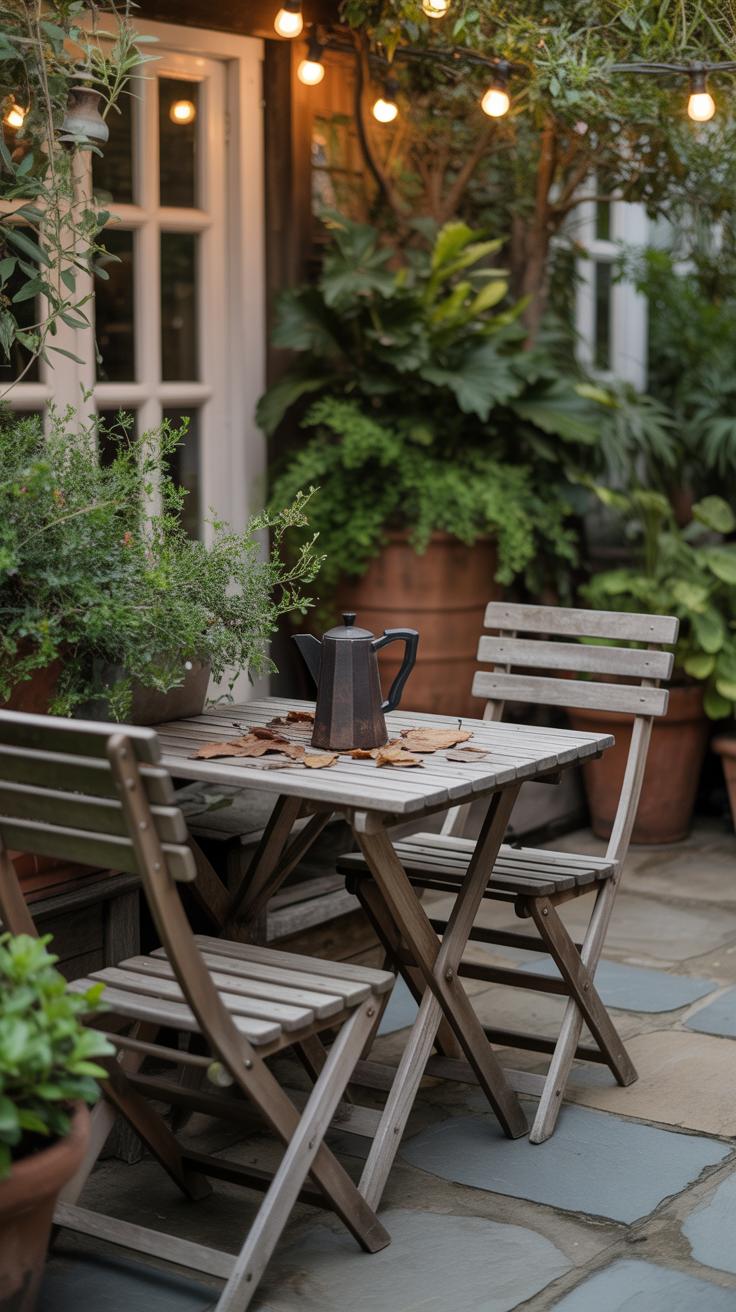
Keeping your backyard cafe in good shape takes more than just occasional tidying. Ongoing maintenance includes cleaning, repairs, and seasonal care that can easily add up if left unmanaged. I’ve found that regular, simple upkeep avoids bigger issues that might surprise you later.
Start with cleaning routines: wiping down tables after each use, sweeping floors, and dealing with spills quickly. This prevents stains and buildup that get harder and more expensive to remove. For furniture, gentle washing and protecting cushions from moisture can stretch their life noticeably.
Repairs? They tend to sneak up when you least expect it—maybe a loose chair leg or a cracked tabletop. Setting aside a small fund every month helps handle these without stress. You don’t necessarily need to fix everything immediately; sometimes just stabilizing items until time permits is fine. It’s a bit like pacing yourself.
Seasonal care matters too. Cover furniture during rainy months or harsh winter spells. If you can, bring cushions indoors or store them in dry places. A quick check for rust or mold at the start of each season stops small problems from growing.
Some routine upkeep tips to consider:
- Apply wood sealant yearly if you use wooden furniture—it slows weather damage.
- Use gentle cleaning products instead of harsh chemicals; they protect finishes better.
- Inspect joints and screws every few months—tightening loose parts prevents wobbling or breakage.
- Keep plants trimmed around seating areas to reduce dirt and pests.
As for budgeting, treating maintenance like a regular expense keeps surprises down. Even if you think your cafe isn’t prone to damage, small wear and tear will definitely show over time. So, consider setting aside around 5-10% of the initial setup cost annually for upkeep and gradual replacements.
Would you rather spend time fixing something broken, or tweak things little by little to avoid that? I’ve learned the latter feels less daunting—and it saves money, surprisingly.
Choosing the Right Materials and Decor

The choice of materials for your backyard cafe affects more than just the initial price tag. It also shapes how long everything lasts and how well it handles weather changes. You might be tempted to go for the cheapest options at first, but sometimes spending a bit more upfront saves headaches later.
Durable vs Affordable Materials
Wood often feels warm and inviting, but some types can get worn down fast if left outside without treatment. Cedar or teak cost more initially but tend to resist moisture and insects better. Metal furniture—steel or aluminum—can be a middle ground. Steel is strong but might rust if untreated, while aluminum usually holds up better, though it sometimes feels less sturdy. Plastic options are usually the least expensive and weatherproof, but they might lack the style or comfort you want and can degrade under intense sun.
When weighing options, think about how long you want the setup to last versus how much you want to spend now. It’s not always clear which material strikes the best balance.
Decor on a Budget
You don’t have to break the bank to make your cafe inviting. Small touches can add character without a big cost. Potted plants bring life and soften hard surfaces—herbs or flowers can double as decor and practical additions. Cushions and throws create comfort and let you introduce colors or patterns easily. Pieces of wall art, or even DIY projects using weather-resistant materials, make your space feel personal without a hefty investment.
Maybe you’d consider string lights or lanterns to add warmth when the sun goes down—they don’t cost much but change the vibe significantly. It’s about layering simple pieces thoughtfully rather than piling on expensive items.
Conclusions
Building a backyard cafe requires careful cost consideration. Your total setup expenses depend on the scale and choices you make for furniture, lighting, and other essentials. Having a clear budget helps keep your project on track.
With proper planning, you can create a charming backyard cafe without overspending. Prioritize features that matter most to you and balance quality and cost. A well-managed budget ensures your outdoor cafe adds value and enjoyment to your home.