Styling Mistakes That Hurt Corporate Events
You want your corporate event to impress. Styling plays a major role in creating a suitable atmosphere. However, many make simple mistakes that spoil the event’s vibe and message.
This article covers common event styling mistakes that ruin corporate functions. By knowing these pitfalls, you will be able to avoid them and make your event successful.
Set Clear Themes for Corporate Events
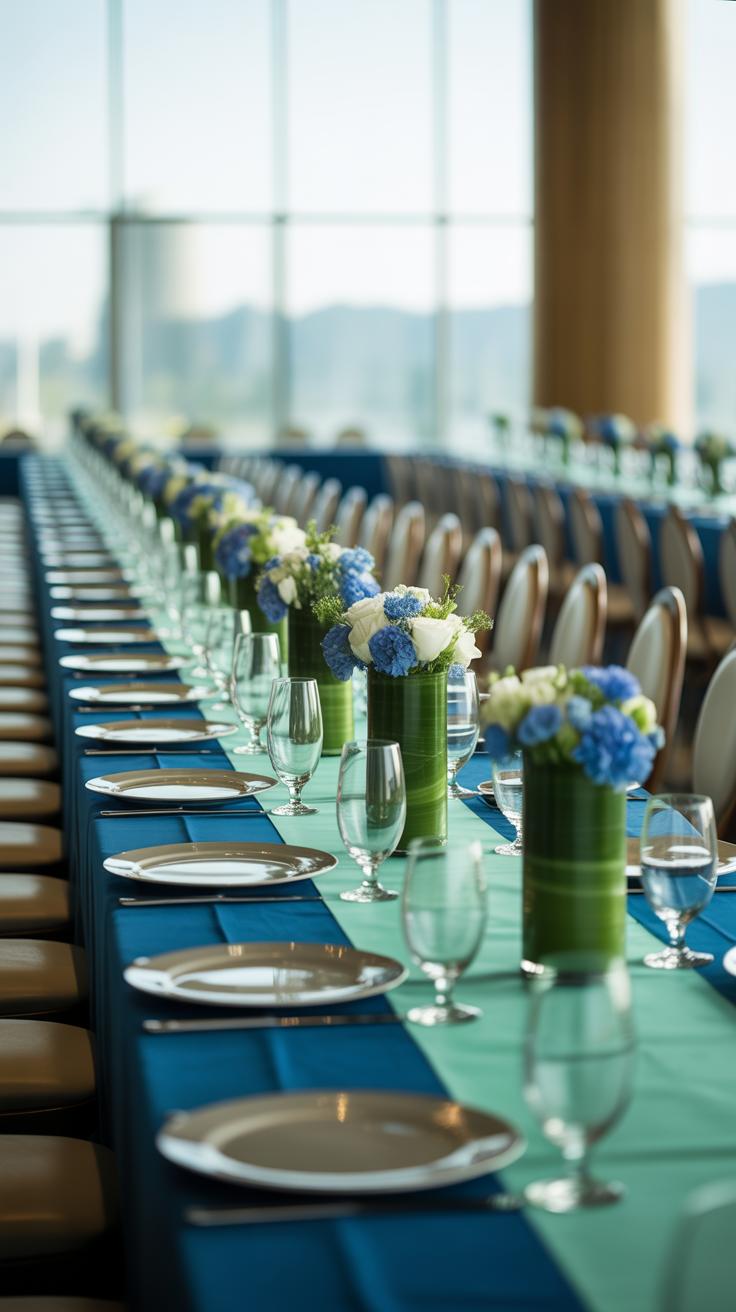
Choosing and sticking to a clear theme for your corporate event isn’t just about looks—it anchors the whole experience. A theme acts like a blueprint, guiding your choices in decorations, lighting, and furniture. When these elements align, they create a unified space that feels intentional, making it easier for guests to understand the vibe and purpose of the event.
Common corporate themes often revolve around professionalism and brand identity: think “modern minimalism” with sleek lines and neutral colors, or “tech innovation” featuring futuristic lighting and interactive setups. But imagine mixing a formal business look with casual lounge furniture and party lights—guests might not know whether it’s a board meeting or a celebration. That confusion can put people off or distract them from what really matters.
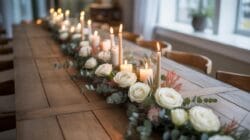
Consistency in theme helps connect everything—from the place cards to the projector screens—into one coherent story. It also reinforces your company’s message subtly but effectively. Picking a theme that clashes with your company culture or the nature of the event can weaken that message and leave people puzzled rather than engaged.
Why Themes Matter in Corporate Styling
A clear theme does more than decorate a room; it shapes how guests interpret the occasion. For example, a “green and sustainable” theme with natural textures and eco-friendly materials not only sets a tone but also echoes a company’s environmental values. Guests can immediately sense the event’s purpose and mood without any words being spoken.
Attendee experience improves when the theme creates a sense of place and occasion. It can evoke excitement, relaxation, or focus, depending on your goal. If the theme supports brand messaging, it leaves a lasting impression and helps people remember why they’re there. I once attended a corporate gala themed “Future Forward,” and the consistent use of metallic accents and crisp lighting reminded me throughout that the company was focused on innovation, even during casual conversations.
Without a consistent theme, events often feel disjointed or forgettable. People might appreciate individual elements but fail to grasp the event’s bigger picture. That vague experience rarely supports your event’s aims, whether networking, celebration, or education.
Choosing the Right Theme for Your Event
Picking the right theme means knowing your audience and purpose. Ask yourself: who will be attending? What’s the main goal—team building, product launch, or client appreciation? What reflects your company’s culture honestly without feeling forced?
- Consider the event type: formal dinners usually demand more polished themes, while casual mixers can be more playful.
- Think about the season and venue—some themes just won’t work in every space or time of year.
- Reflect on your company’s identity and values; a theme should feel natural rather than gimmicky.

Sometimes less is more. A simple, well-executed theme can speak louder than a complicated or trendy one. And remember, sticking to your chosen theme throughout the event—from invitations to exit—helps keep things seamless, even if some details don’t line up perfectly.
Check Venue Constraints Early
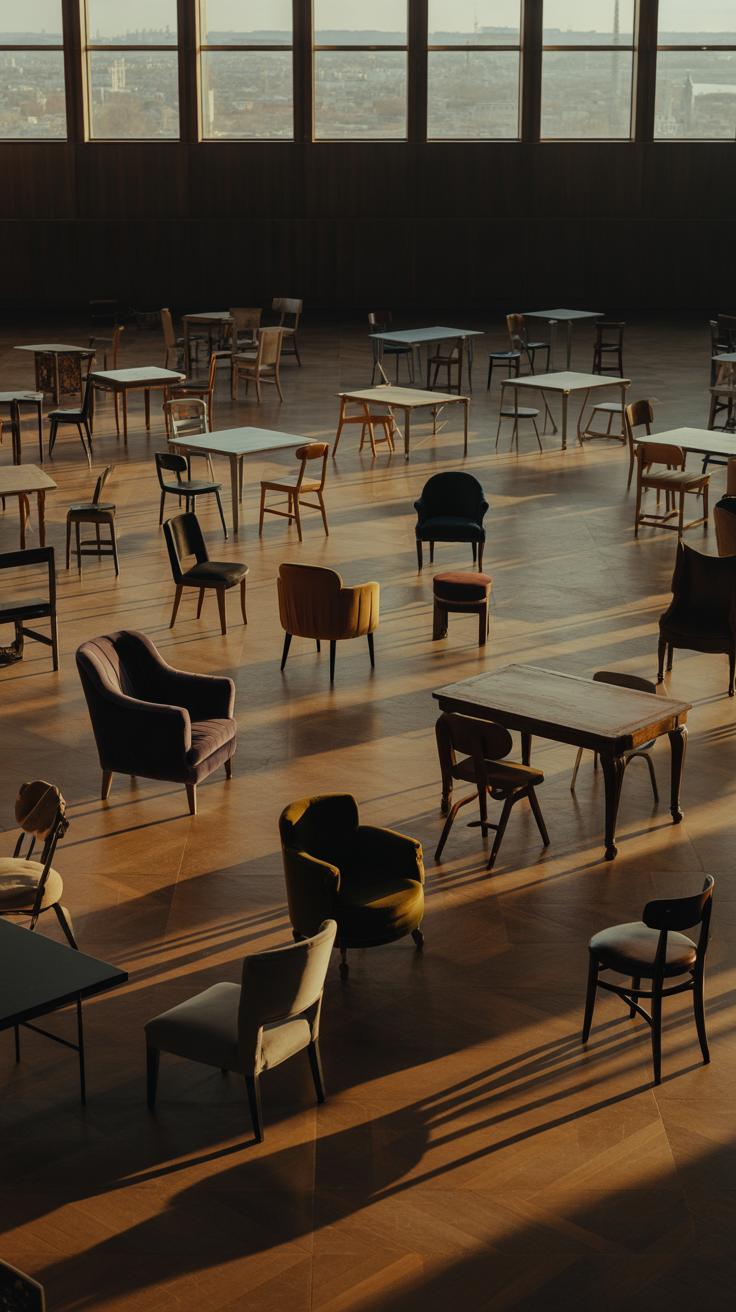
Before you start picturing your event’s style — the colors, the furniture, the lighting — it’s crucial to get a clear sense of your venue’s constraints. I’ve seen situations where teams dive right into styling ideas without checking what the venue actually allows, and it’s a recipe for stress. For instance, some venues have strict size limits on decorations or furniture. You might plan an impressive stage setup only to find out the ceiling height won’t accommodate it.
Lighting is another tricky factor. Some spaces have limited electrical capacity or restrict the type of lighting you can install. Imagine showing up with fancy LED installations only to be told mid-setup that there’s no power access where you want it. Plumbing access — for displays involving water or bars — can also throw a wrench in styling plans if neglected too early.
Ignoring these details often leads to last-minute changes, forcing your styling to feel patched together rather than well thought out. No one likes scrambling to find a new floral arrangement or rethinking seating layouts right before guests arrive. Touching base with venue managers early avoids these headaches and keeps your styling on track.
Common Venue Styling Limits to Watch

Here are some typical venue rules that can affect styling decisions. Some you might not even guess until you’re on site:
- Restrictions on hanging items from walls or ceilings. For example, one corporate event center I worked with forbade any nails or tape that could mark surfaces.
- Limits on open flames or candles for safety reasons – many venues won’t allow real flames at all.
- Noise restrictions that prevent the use of certain speaker setups or music types.
- Constraints on furniture placement, especially around exit routes or fire equipment.
- Power source locations and amperage limits, which can affect audiovisual and lighting equipment.
These restrictions are often tied to safety or maintenance concerns, but they do shape what you can actually pull off.
Planning Around Venue Restrictions
Adjusting your styling plans based on venue limits doesn’t mean giving up on style impact. Instead, it requires flexibility and creative thinking. For example, if you can’t hang decorations, explore free-standing installations or tabletop elements instead. When power access is limited, battery-operated lighting can fill in.
Sometimes, working within constraints forces you to focus on fewer but stronger design details rather than spreading too thin. I once had to revamp an entire lighting plan when the venue’s power outlets couldn’t support the original setup. It turned out better — the simpler look felt more cohesive.
Communicating with venue staff throughout your planning helps too. They often know what works best and may suggest alternatives you hadn’t considered. In the end, understanding what’s possible early on saves time and ensures your event styling doesn’t feel like it’s working against the space, but rather with it.
Balance Style and Functionality

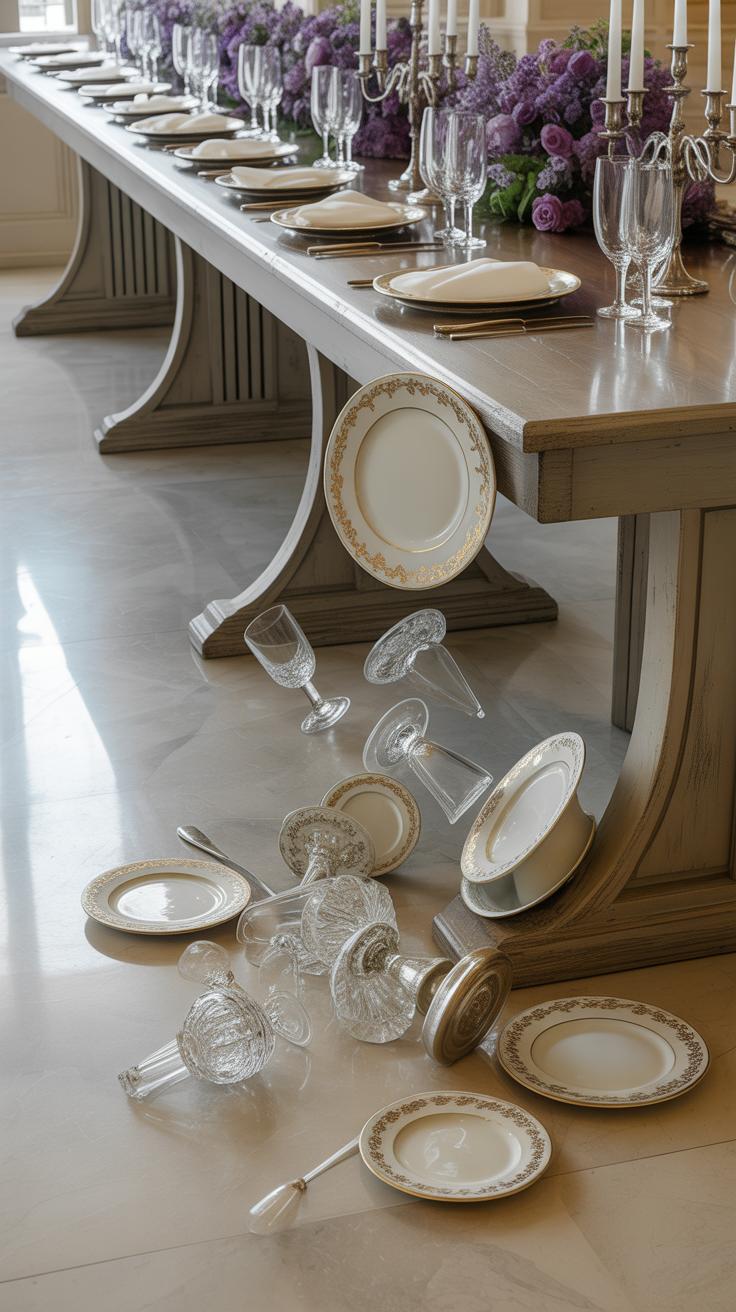
When you think about event styling, the first thing on your mind might be how everything looks. But for corporate functions, style can’t exist in a vacuum. It needs to serve the event’s purpose. Imagine a beautifully decorated space where guests can’t find seats or struggle to see the speaker. Looks matter, but if your styling hinders comfort or movement, it wastes its potential.
Comfort in seating isn’t just about plush cushions—it’s about arrangements that fit the room size and number of attendees. Clear sight lines matter too. If a fantastic backdrop blocks views, people lose focus. Navigation is another overlooked aspect. Guests should flow naturally between spaces without bumping into decorations or each other, yet this often gets sacrificed for “wow” factors.
Finding that balance might feel tricky. Sometimes, aesthetic choices tempt you to cram the room with furniture or elaborate design. But less often means more when you want everyone comfortable and engaged. Think about what your guests need—ease of movement, places to relax, and clear views. These choices shape their entire experience alongside the visual appeal.
Why Functionality Matters in Event Styling
Remember the corporate gala last year where the chairs were stylish but awkwardly narrow? I heard several guests complain about discomfort halfway through the evening. Or the tech conference where decorative pillars blocked sight lines to the stage. People had to turn sideways or even stand awkwardly just to see the presentations. These aren’t rare mistakes, unfortunately.

When styling prioritizes looks over practicality, the event flow gets disrupted. Guests get distracted by discomfort or frustration. You want the event’s content and networking to shine, not the design flaws. To avoid this, test layouts beforehand. Walk the space as a guest would. Use furniture designed for extended use, not just a quick photo-op. Think about where people will interact and place items accordingly.
Design Tips That Blend Style and Practical Use
Here are some ideas that might help you blend style with function:
- Opt for modular seating—pieces you can rearrange if needed, instead of fixed rows.
- Choose transparent or low back chairs to keep sight lines open without sacrificing style.
- Use area rugs not just for look but to define zones and guide foot traffic naturally.
- Incorporate lighting that highlights key areas but doesn’t blind or create shadows in navigation paths.
- Pick decor pieces that double as functional elements, like stylish side tables that hold drinks or brochures.
Balancing looks with usability means every detail helps people engage comfortably with your event. Yes, it’s a juggling act, but the payoff is worth it. After all, style without function is a missed opportunity.
Avoid Overusing Trends in Styling
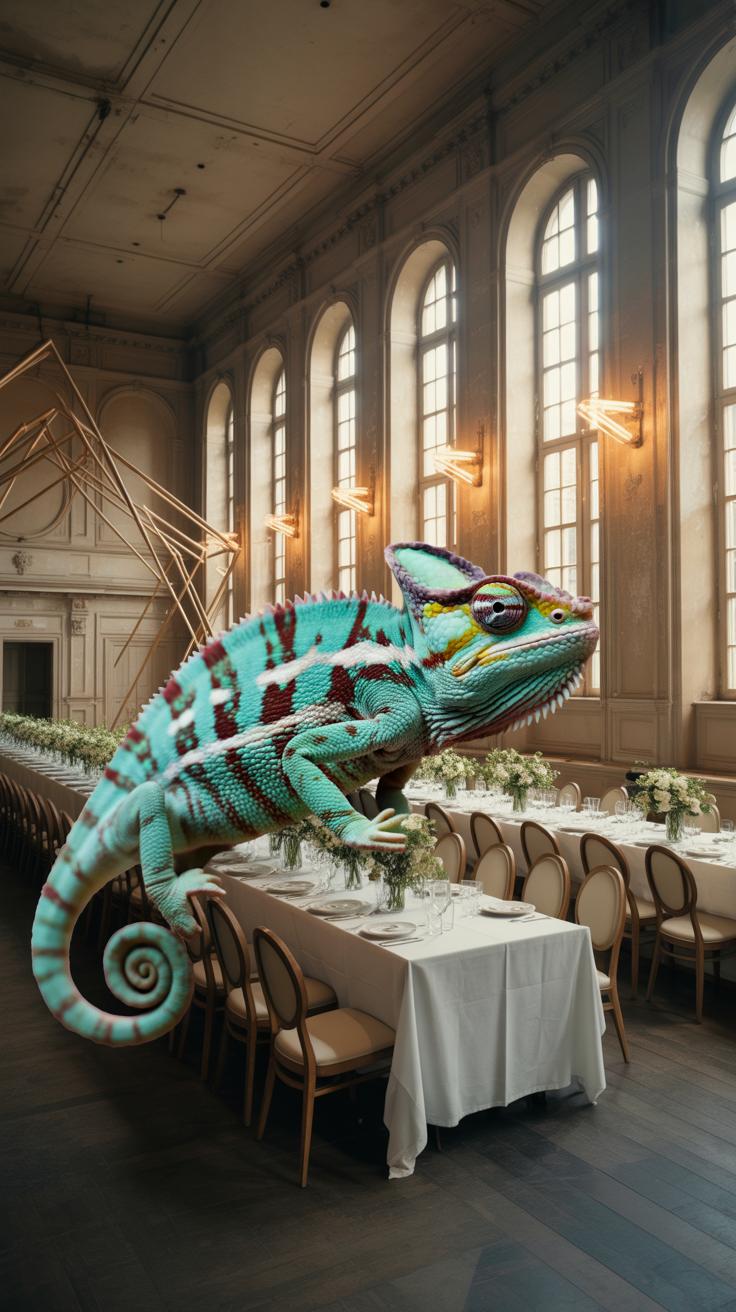
You might be tempted to fill your event with the latest styling fads, but leaning too heavily on trends can quickly backfire. Trends, by nature, are fleeting and often reflect a moment in time that may not mesh well with your company’s identity. Think about it: a bold, neon color scheme might grab attention today, but will it still feel appropriate a year from now? Or worse, could it seem out of place for your brand’s usual professional tone?

When trends clash with brand identity, the message can get diluted. Your attendees might leave feeling confused rather than inspired. Have you ever walked into a corporate event and felt it looked like a copy of something you saw everywhere else? That’s trend overload at work. It subtly erases a brand’s personality and reduces the event to a generic, forgettable experience.
Try to anchor your styling in timeless design elements—think clean lines, neutral palettes, and high-quality materials. Using trends sparingly as accents or in small details can provide a fresh touch without overwhelming the core look. For example, mixing a classic table setting with a trendy centerpiece can strike a good balance. It’s about picking what feels genuine and has staying power rather than chasing every new craze.
Balancing classic and trendy elements doesn’t mean playing it safe; it means making choices that respect your event’s purpose and will age well. What truly stands out often isn’t the loudest or newest style but the one that feels thoughtfully put together and consistent with the brand’s values. That’s where your styling will leave a lasting impression—one that doesn’t fade as quickly as the latest fad.
How Lighting Affects Event Atmosphere
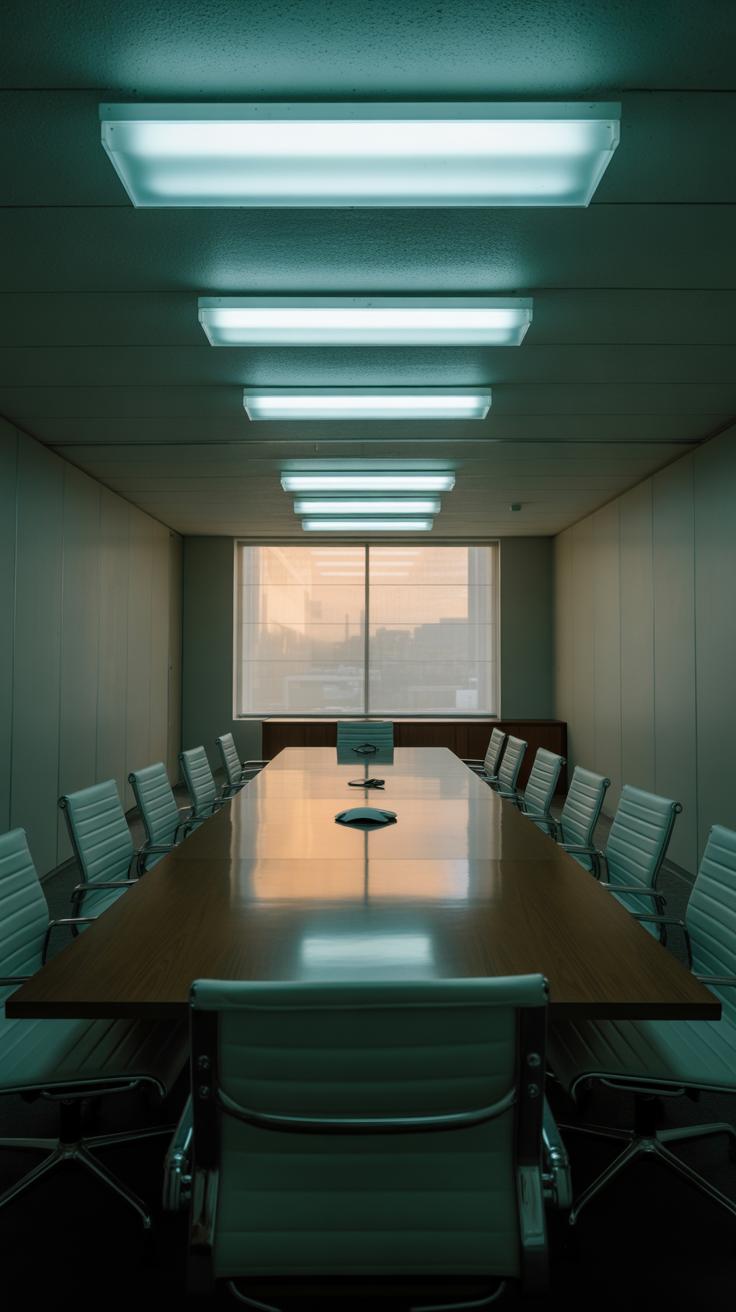
Lighting shapes how people feel in a space more than most realize. The right lighting can make an event feel inviting and energetic, or it can leave it dull and disconnected. There are various types to consider: warm lights often create a cozy, relaxed mood, while cooler lights tend to feel more professional but can sometimes come off as cold.

Colored lighting adds an extra layer of meaning. Blue tones might promote calm and focus — perfect for workshops or presentations. Red or orange can increase energy, but overuse may cause discomfort or distraction. I once saw a corporate event where the lighting was stuck on a harsh red, which ironically made attendees restless rather than excited.
Common mistakes still pop up, like lighting that’s too dim, making it hard to read materials or see faces clearly. On the flip side, overly bright lights cause glare and fatigue. Color mismatches — say, mixing warm white with stark fluorescent bulbs — disrupt the atmosphere more than people realize, giving the impression of a rushed or careless setup.
Choosing Suitable Lighting for Style and Mood
Lighting isn’t just about visibility, it’s about guiding emotion and attention. Think about what your event aims to achieve and then pick lighting accordingly. A financial seminar might lean toward cooler tones with subtle spotlights on speakers, keeping the mood serious and focused.
Contrast that with a product launch, where dynamic color washes or moving lights might emphasize excitement and innovation. It’s interesting how subtle shifts in brightness can direct where guests look, like highlighting a stage or creating soft pools of light around seating areas.
Sometimes, people overlook matching the lighting style to the corporate brand or theme. If your brand is known for modern minimalism, overwhelming chandeliers or neon colors might feel out of place.
Correcting Common Lighting Errors

Some errors are more obvious than others. Harsh overhead lighting tends to cast unflattering shadows on people’s faces, making it harder for guests to connect visually. To fix this, add diffusers or use multiple light sources around eye level to soften shadows.
Another problem is inconsistent lighting levels throughout the venue. A poorly lit corner can feel isolated, while an overly lit stage feels like a spotlight that isolates speakers. Balancing these areas with dimmers and adjustable lights helps keep attention where it belongs.
Lastly, be mindful of color temperature clashes. Mixing bulbs with different hues creates visual noise. Stick with one temperature range or use lighting that can adjust on the fly, preventing it from looking like a patchwork of random fixtures.
Create a Setup Checklist for Styling
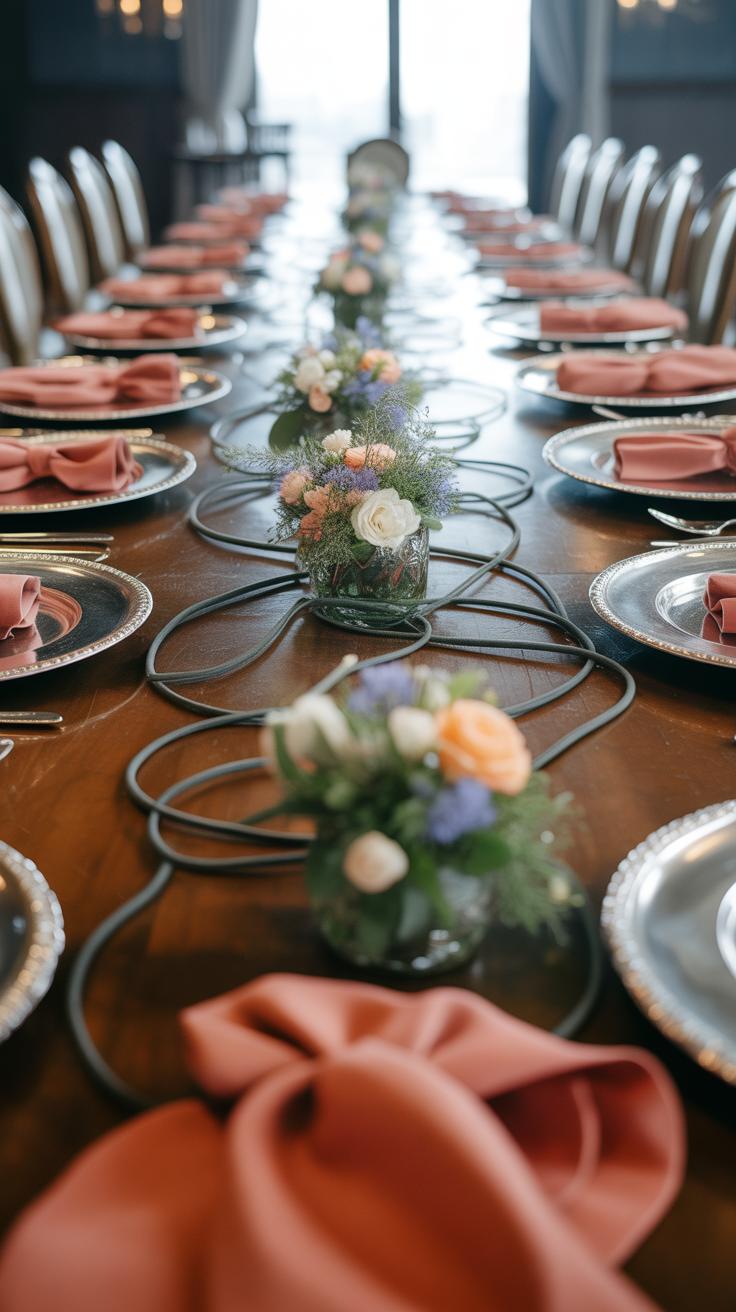
Setting up event styling can feel a bit overwhelming if you don’t have a clear plan. To avoid scrambling at the last minute, try to have a checklist ready the day before—or even earlier. Here’s a practical list that covers the essentials:
- Decor placement: Confirm what pieces go where. Think banners, centerpieces, wall art, and signage.
- Furniture arrangement: Place tables, chairs, and lounge seating to ensure clear pathways and good sightlines.
- Equipment setup: Check audio-visual gear, lighting fixtures, and any interactive stations or screens.
- Electrical needs: Make sure power cables are safely routed, and test outlets and extension cords.
- Final walk-through: Do a slow, detailed walk-through with your team to spot anything off—missing items, misaligned décor, or blocked exits.
Some people skip final checks, but that’s often when problems quietly sneak in. A checklist isn’t just a formality; it’s your best shot at avoiding those last-minute glitches that almost always feel worse than they actually are.
Key Items for Styling Setup
Let me tell you, some styling elements matter more than you might think. For example, lighting isn’t just about bright or dim; it sets mood, affects photos, and can highlight—or hide—your décor. Make sure spotlights don’t create awkward shadows or glare.
Similarly, don’t underestimate the impact of furniture spacing. Cramped layouts make people uncomfortable. But too much empty space? That kills energy. You’ll need to find a balance.
Don’t forget branding materials. Are logos clearly visible? Are color schemes consistent with your corporate identity? It’s surprising how often these subtle details get overlooked until right before guests arrive.
Step-by-Step Styling Setup Process
On event day, follow a sequence to keep things smooth. Start early with the bulky items like furniture. Then layer in decor pieces slowly—don’t rush. It’s like building a foundation first, then adding details.
After that, move on to equipment—audio, visuals, lighting. Test each as you go, because waiting until the whole room is set means fixing things can get tricky.
Allocate time for a slow, room-wide inspection. Walk through the space from a guest’s perspective. Are all signs readable? Does furniture feel inviting? Would you personally enjoy this setup?
Lastly, sync with your team and event leads. A quick briefing can save confusion later. Sometimes, I find a small miscommunication during setup can cause bigger stress when the event starts.
Following a clear checklist and process isn’t just about crossing off tasks. It’s about creating a space that works smoothly and feels right. After all, your styling should support the event, not complicate it.
Compare DIY Styling Versus Professional Help

Trying to style your corporate event by yourself might seem like a straightforward way to save money and keep control. You get to choose every little detail—colors, layouts, lighting—without explaining your vision to anyone else. But here’s the catch: it often takes much longer than expected. Event styling, especially for corporate functions, demands knowledge about flow, branding, and guest experience that isn’t easy to guess or stumble upon.
On the flip side, hiring professionals means you pay for expertise you don’t have to develop on your own. They bring an understanding of trends, technical details, and vendor relationships you likely can’t match, and they usually work faster. Still, this comes at a price that some budgets won’t handle, and you might feel a bit sidelined if you prefer hands-on control.
Benefits and Drawbacks of DIY Event Styling
People often choose DIY styling because it feels personal and budget-friendly. If you’re on a tight budget, every dollar saved feels good. Maybe you enjoy the creative challenge or just trust your own taste more than anyone else’s. Also, controlling every aspect without calling in outsiders can reduce miscommunication.
- Costs less upfront—no professional fees
- You manage every styling decision
- Personal satisfaction in crafting your event look
- Flexible timing; you can start and stop as you wish
Yet, this approach can backfire. Misjudging how long tasks take is common. Without experience, there’s a risk of overstuffing a space or missing essential styling techniques that ensure smooth flow and professionalism. You might also overlook subtle details—like texture combinations or lighting effects—that impact atmosphere more than you’d expect.
What Professionals Bring to Event Styling
Professional stylists bring a toolkit of skills and resources that can dramatically improve how corporate events feel and flow. Beyond just picking decorations, they can handle layout planning, lighting design, branding integration, and vendor coordination. These planners know how to anticipate issues, from timing conflicts to last-minute changes.
They often have access to higher-quality materials, unique pieces, and preferred supplier rates. Good professionals also offer peace of mind—knowing there’s someone watching every detail—and free up your time so you can focus on your event’s core goals rather than stressing over centerpieces.
Still, there’s sometimes a risk they might prioritize what’s trendy over what’s suitable for your specific company culture. Or you might feel less in control, which can be uncomfortable if you’re a hands-on organizer. So, it’s a bit of trade-off: expertise and time savings versus your personal input and upfront cost.
Calculate Styling Costs for Your Event
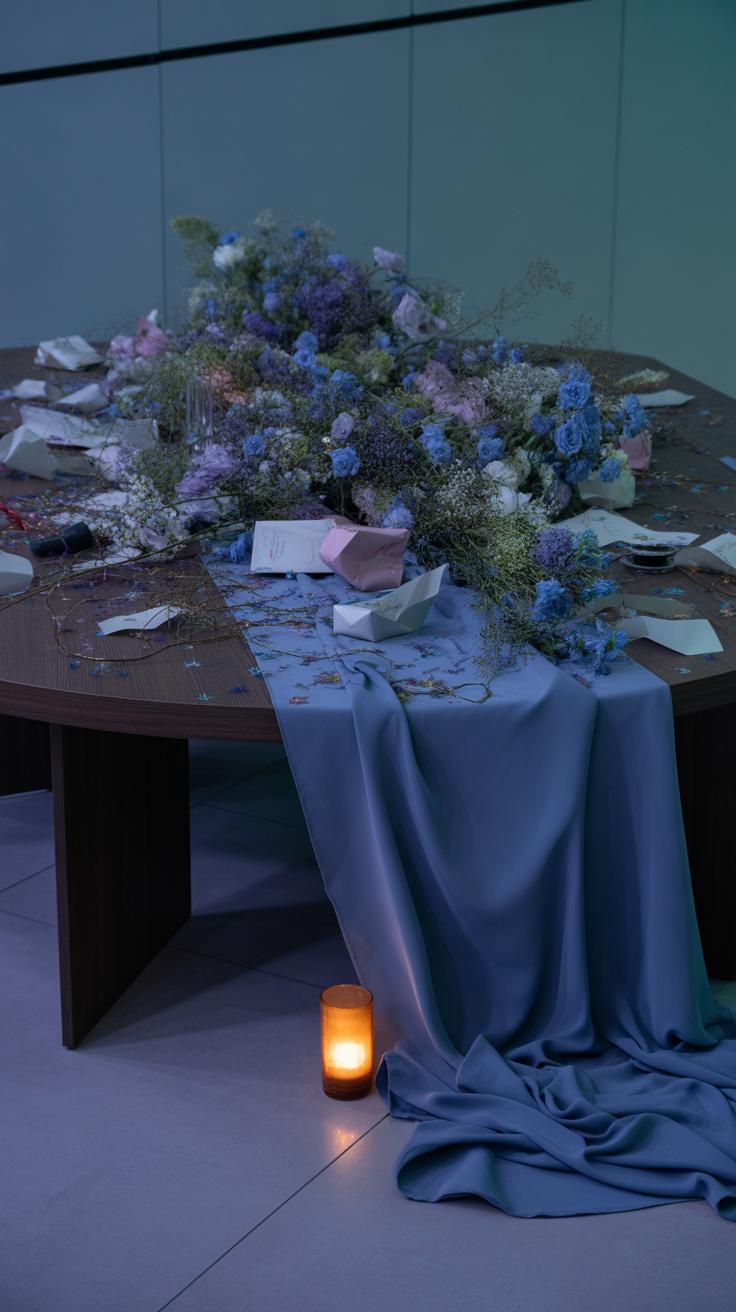
Budgeting for event styling can feel like navigating a maze. You think you know the expenses until the lighting quote or furniture rentals land on your desk. It’s easy to underestimate how quickly costs add up.
Typical styling expenses include decor items like centerpieces, backdrops, and signage. Lighting often surprises people—it can account for a big chunk, especially if you want mood or accent lights. Rental furniture, which might seem straightforward, often comes with extra delivery and setup fees. And don’t forget styling labor—professionals who arrange and maintain the look on the day. Their expertise matters but it also has a price tag.
Here’s a rough breakdown you might expect:
- Decor elements: 20–30% of styling budget
- Lighting: 25–35%, depending on complexity
- Rental furniture: 20–25%
- Styling labor and setup: 15–20%
To keep costs manageable without sacrificing quality, consider borrowing or repurposing decor pieces from past events when possible. Sometimes, simpler designs with fewer elements look cleaner and cost less. Also, negotiate rental packages—ask vendors for discounts on multiple items or off-peak rates.
One tip I’ve found useful: prioritize items with the highest visual impact first and allocate funds accordingly. Questions like, “Does this piece really elevate the room?” help steer the spending in the right direction. In the end, balancing cost and appearance isn’t exact science. It’s more of a back-and-forth until you hit that comfortable middle ground.
Ways to Measure Event Styling Success
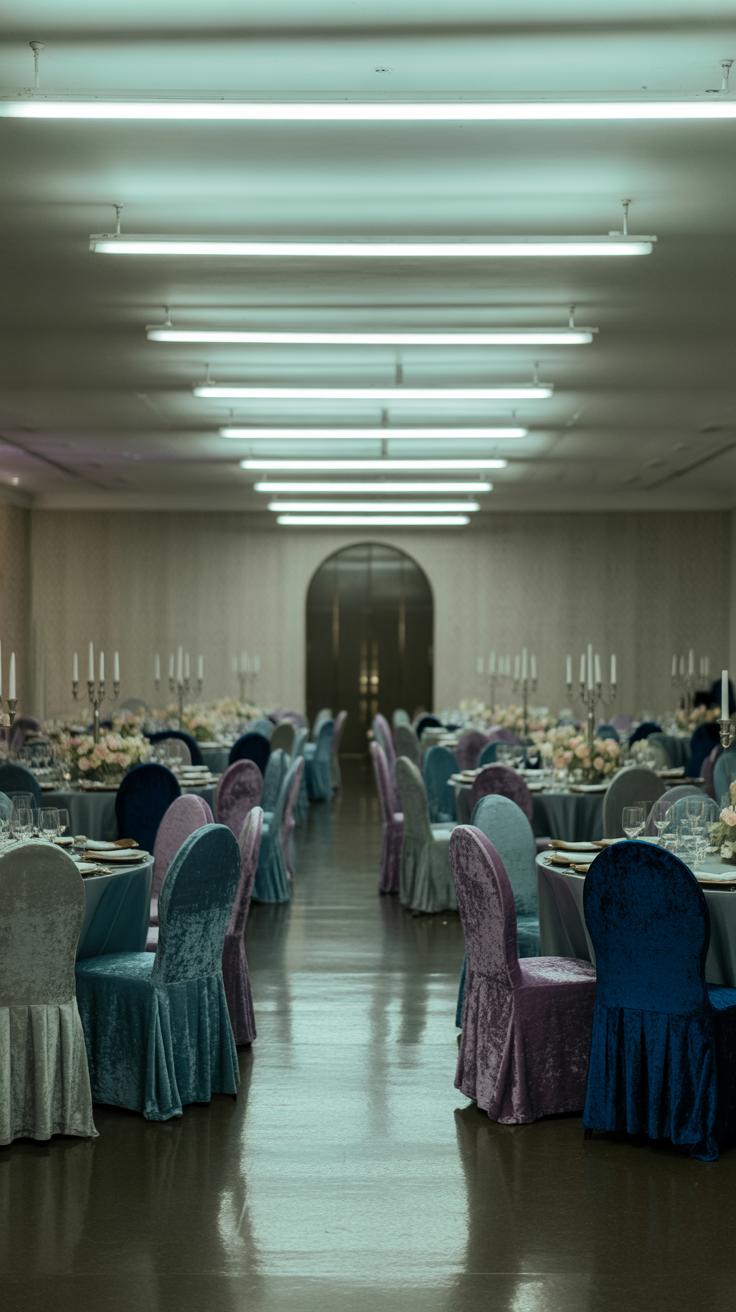
Figuring out whether your event styling actually hit the mark can be tricky. You might think the room looks great, but what about the attendees? Their reactions matter, sometimes more than your personal taste. One straightforward approach is simply asking them what they thought—no need for complicated surveys. Even a few direct questions, like “How did the venue look tonight?” or “Did the style match the event’s purpose?” can reveal a lot. Keeping it casual often leads to more honest responses too.
Photos tell another part of the story. Reviewing images can show how the space really came across—the colors, the layouts, the lighting, everything that shapes the vibe. Compare those snapshots to your initial goals. Were you aiming for a sleek modern look or a cozy, inviting atmosphere? Do the pictures reflect that? Sometimes what looks good in your mind doesn’t translate on camera. Seeing those differences helps you adjust future styling plans.
Finally, think back to the event’s goals beyond just aesthetics. If the goal was to encourage networking, did the styling support easy conversations? Or if it was meant to impress clients, did the look feel polished and professional? These aren’t always obvious when you’re caught up in planning but reviewing goals alongside feedback and photos can uncover mismatches you might miss otherwise.
To gather this info easily, try these:
- Short feedback forms handed out during or immediately after the event
- Quick, informal chats with a few attendees you trust
- Asking your photographer to point out styling elements they find noteworthy in their shots
This combination doesn’t exhaust the topic but it’s a practical start. You might find that what you thought was a styling success wasn’t noticed much—or maybe the attendees loved a detail you almost overlooked. Either way, the clues are there if you look.
Conclusions
Event styling is a key factor that sets the tone for corporate functions. Avoiding simple mistakes can raise your event’s professionalism and impact.
Focus on clear themes, fitting decor, and details that match your company’s purpose. This approach guarantees attendees leave with a positive impression.