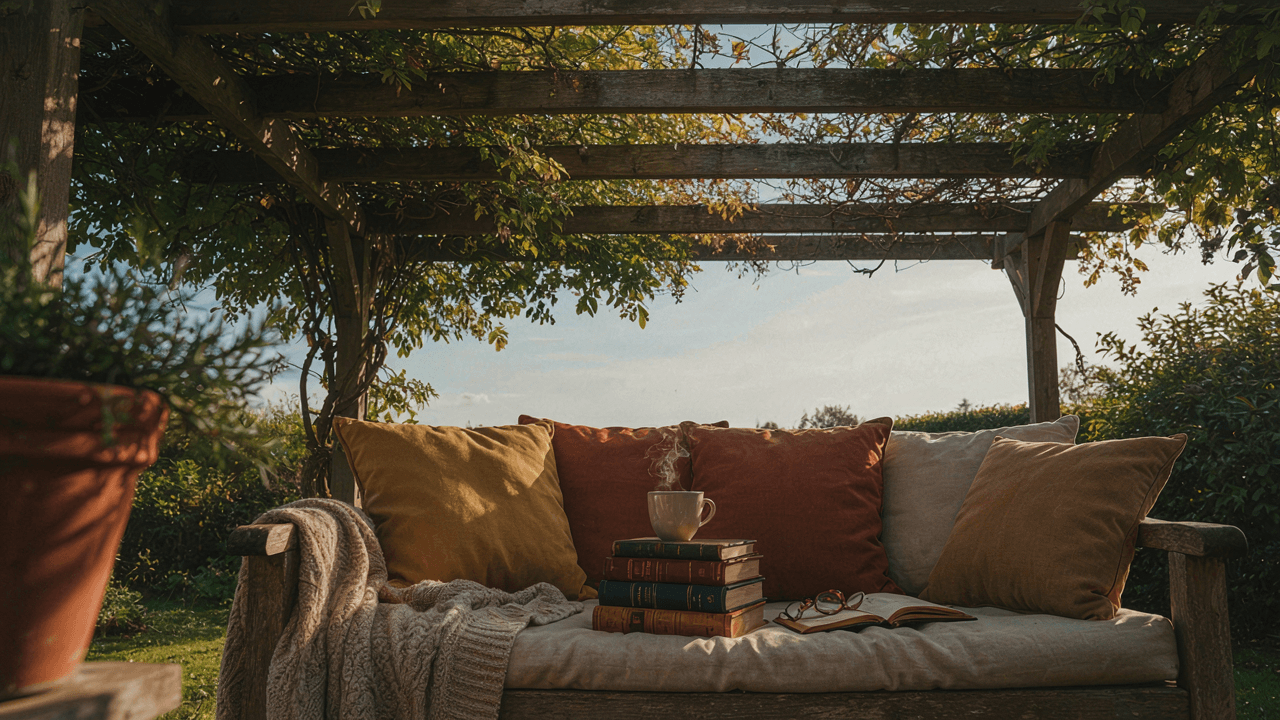
The Myth Of The Weekend Wonder Outdoor Reading Nook
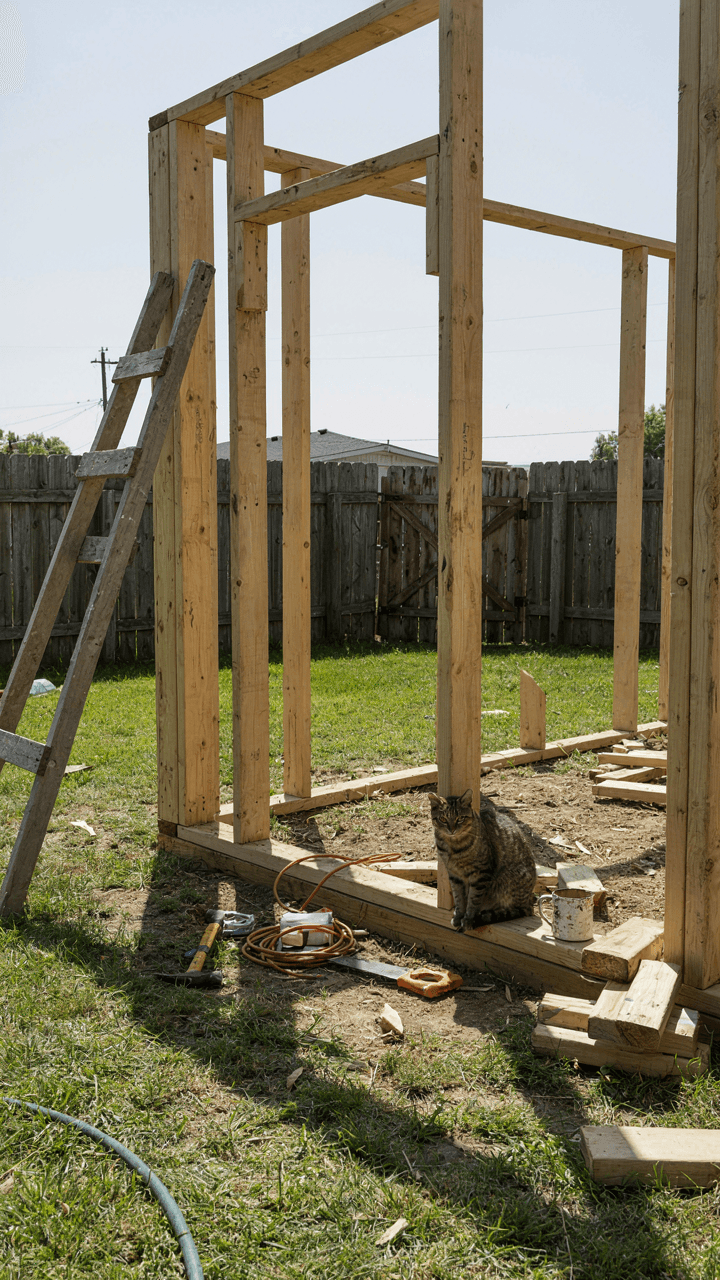
Speed Kills The Space You Actually Use
You want this done fast because you’re afraid you’ll abandon it halfway through, which means admitting you don’t follow through on your own ideas. Here’s the mechanism: rushed builds create uncomfortable spaces, and uncomfortable spaces get ignored. Your body knows when a chair forces your spine into a bad angle. Your eyes know when glare hits them wrong at 4 PM. You won’t sit there no matter how Pinterest-perfect it looks from the driveway.
The real cost isn’t time. It’s the sunk feeling of walking past something you built wrong and stopped using within two weeks. Most people mistake speed for progress. They nail down a patio chair, throw up a pergola frame, call it done. Then they sit in it once. The space dies because the foundation was wrong, not because they lacked commitment. Build it slow enough to test it. Sit in that chair for actual hours before you commit to its placement.
The Materials You Skip Cost Double Later
Rushing forces you to buy whatever’s available, not what works. A pressure-treated 2×4 costs less upfront than cedar, but you’ll replace it in five years instead of fifteen. Cheap outdoor fabric fades in eighteen months. Budget concrete that cracks under freeze-thaw cycles needs replacement by year three. You think you’re saving money on Saturday. By summer of next year, you’re buying materials again.
The mechanism here is entropy in economics: cheap materials accelerate deterioration, which accelerates replacement cycles, which multiplies your total spend. You don’t see this trap until you’re standing at the home improvement store for the third time, annoyed at yourself. Spend the right amount on the first iteration. Redwood, teak, or high-grade cedar holds up. Quality outdoor cushions last longer. A solid foundation prevents settling. The weekend timeline doesn’t allow for these choices because these materials require waiting, sourcing, or slightly more planning than whatever Home Depot has stacked by the door.
The “Sanctuary System” For A Lasting Backyard Library

Start With What You’ll Actually Use

You want this to feel intentional and permanent, not like a weekend craft project that dies in three months. Here’s the mechanism: people confuse aesthetics with function. A backyard reading nook fails when you optimize for how it looks in photos instead of how it feels after hour two of sitting there. Your non-negotiables are the variables that determine whether you use this space or abandon it by August.
Write down three things right now. One: how many hours per week you actually read outside, not how many you wish you read. Two: the climate where you live, specifically wind and sun direction. Three: what kills your focus when you’re trying to concentrate. These aren’t suggestions. They’re the load-bearing walls of your design. Everything else is negotiable.
Refinement Over Perfection
Most advice tells you to plan everything first, then build it once. That’s wrong. You’ll miss half the problems until you’re actually sitting there. Borrowing from systems thinking, your reading nook is not a closed system but an open one that needs feedback loops. You build the skeleton this weekend, then iterate based on what the space tells you over the next month.
Day one: get the essentials in place. Seating that works. Shade that functions. A surface for your book or coffee. Then you sit there. You notice the afternoon sun hits wrong. The wind funnels through from the north. Your back hurts after thirty minutes. Week two, you adjust. You move the structure two feet. You add a windbreak. You swap the chair. This is not failure. This is data. The people with backyard reading nooks that last are the ones willing to rebuild details, not the ones who guessed right the first time.
Beyond Instagram: Real Durability For Your Outdoor Reading Area

The Right Wood Doesn’t Rot After One Season

You want this to last so you don’t look stupid rebuilding it next spring. That’s the real driver here, and it matters because material selection is pure physics: wood durability follows the principle of decay resistance, which determines how long cellulose survives microbial breakdown in wet conditions.
Pressure-treated lumber is the default recommendation, but it’s incomplete advice. Pressure-treated wood resists rot through chemical saturation, not inherent durability. It lasts 15 to 20 years in ground contact. If you’re building a reading nook floor or structural supports, pressure-treated performs. For seating, railings, or accent pieces exposed to weather, hardwoods like cedar or redwood have naturally occurring oils that slow decay. Cedar lasts 10 to 15 years without treatment. Neither option is maintenance-free.
The real play is matching material to exposure level. Supports that touch soil need pressure-treated. Horizontal surfaces that hold water need sealed hardwood or composite lumber. Vertical pieces take less damage. Composite decking costs more upfront but sidesteps the rotation cycle entirely. It doesn’t rot, doesn’t splinter, and doesn’t require sealing.
Shelter From Water And Unwanted Visitors
Most people think a roof solves weather problems. It doesn’t. A roof stops rain from falling directly on seating, but it traps moisture underneath and creates the exact microclimate where mold and mildew thrive.
Proper drainage is the actual mechanism. Water has to move away from wood, not sit on it. Slope your floor toward one edge at a 2 to 3 percent grade, so water runs off instead of pooling. Install gutters along any roof edge to channel water away from the structure. Underneath the nook, leave gaps for air circulation. Concrete pads elevate wood away from soil, preventing ground moisture from wicking up through the fibers. These three steps cut mold risk by half.

Pests operate on access and habitat. Screen walls stop insects. Solid vertical panels create stillness that attracts spiders and wasps. Open-sided designs with airflow discourage nesting. Rodents target enclosed spaces with cover. If your nook has solid walls on three sides, you’re building a hotel. Seal gaps at ground level with metal flashing or hardware cloth. Don’t leave wood directly touching the earth. A 4 to 6 inch clearance underneath lets you see what’s moving around and stops burrowing animals from entering from below.
The “Permaculture Principle” Applied To Your Garden Reading Nook

Plants Create Microclimates, Not Ambiance
You want your reading nook to feel intentional and curated, which is really just fear that you’re wasting money and time on something frivolous. The mechanism is biological: plants don’t just look good. They regulate temperature, humidity, and wind through transpiration and physical barriers. This is how permaculture thinking works. A permaculture system uses stacking, layering multiple functions into one element. Your plants are load-bearing. They work.
A dense shrub or climbing vine placed on the western or southern side of your nook blocks direct sun and lowers air temperature by 3 to 5 degrees Fahrenheit through evapotranspiration. Deciduous plants drop leaves in winter, allowing sun through when you need it. Evergreens provide year-round privacy without maintenance. This isn’t decoration. It’s infrastructure. Choose based on your hardiness zone and existing soil conditions, not on what looks appealing in photos.
The Reading Nook Lives Inside A System
Every garden system has patterns you can’t force. Your nook isn’t separate from the yard. It’s a node in a larger ecology. Where you place it matters less than what already flows through that space: water runoff, wind patterns, existing shade trees, foot traffic patterns from house to shed.

Identify where water naturally collects after rain. Don’t build there. Observe which parts of your yard stay wet or dry for days. Notice where wind accelerates between structures. Permaculture calls this “reading the landscape.” Your nook placement must work with these flows, not against them. Site it where existing conditions already support comfort. This reduces the material and plant volume you need to add, which means faster setup and lower maintenance over time.
Optimizing Your Outdoor Nook For True Focus

Block Out Noise Before You Block Out Distractions
You want this to work because a reading nook that fails looks like wasted money and wasted weekends. The mechanism is simple: sound travels as vibration, and vibrations break focus faster than visual interruption because your brain processes them subconsciously. You can’t “ignore” a noise the way you ignore a view. Proximity matters most. A nook ten feet from a neighbor’s fence beats one fifty feet away if the fence absorbs sound. Dense materials kill vibrations. Thick vegetation, water features, or solid barriers work because they dissipate energy instead of reflecting it back at you.
Most people buy a decorative fountain thinking it masks noise. It doesn’t. It adds noise. What actually works is distance from the source combined with absorption between you and it. Plant dense shrubs like privet or bamboo screening along the side facing traffic or neighbors. Stack materials: shrubs plus a fence plus your nook’s position turned away from the sound source. Position your seating to face away from roads and activity. This compounds the effect. The goal is not silence, which is impossible outdoors. It’s reducing the frequency of interruptions below the threshold where your brain re-engages with the environment instead of your book.
Seating And Support That Doesn’t Fail After One Hour
Extended reading demands that your body stays forgotten. A chair that demands attention every fifteen minutes ruins the entire point. Lumbar support is non-negotiable because your lower back flattens under the load of sitting, and that flatness triggers discomfort signals that pull focus away from pages. Choose a chair designed for outdoor use with built-in back angle, not a lounge that lies flat. Arm rests keep shoulder tension from creeping up. Depth matters: your thighs should have full support from hips to knees without pressure at the back of your knees.

Temperature control through layering beats trying to find the perfect ambient temperature. Bring a blanket or light throw regardless of season. Wind passes through fabric and cools skin faster than still air does. A footrest or ottoman elevates your legs slightly, which prevents blood pooling in your calves after forty minutes of sitting. Add a side table within arm’s reach for your water, coffee, or notebook. These aren’t comforts. They’re the physical conditions that let your attention stay on the book instead of your body’s complaint signals.
The “Adaptation Strategy” For Patio Reading Nook Longevity

Build For The Season You Don’t Have Yet
You want your nook to work year-round so you don’t feel like you wasted money on something that only functions three months a year. Here’s the mechanism: weather doesn’t just change comfort, it changes the structural integrity of materials. Think of your nook like a biological system responding to environmental stress—just as organisms evolve survival traits, your space needs built-in flexibility to survive temperature swings, humidity, and sun exposure without degrading.
Start by choosing materials that handle extremes without warping or fading. Pressure-treated wood resists rot in wet seasons. Metal frames rust, so opt for powder-coated steel or aluminum. Fabric cushions need UV-resistant covers or need to come inside during winter. The read here is simple: don’t pick materials based on how they look in July. Pick them based on how they perform in January and August simultaneously.
Swap Components Instead Of Rebuilding
The common advice says “design it once and enjoy it forever.” That’s incomplete. Your needs shift. Your body ages. Your reading habits change. Your family grows. Instead of fighting that reality, engineer your nook for modular swaps—removable seat cushions, adjustable shade structures, interchangeable side tables.

Build your frame and foundation as the permanent layer. Everything attached to it becomes temporary. Use bolts and brackets instead of permanent fasteners wherever possible. Winter? Swap outdoor cushions for storage-grade insulation or remove them entirely. Need more shade in August? A clip-on shade sail takes fifteen minutes. The protocol is this: before you buy anything, ask where the connection points are and whether you can undo them without tools or damage.
Curating Your Outdoor Reading Nook Ideas: Function Over Form
What Actually Supports Reading
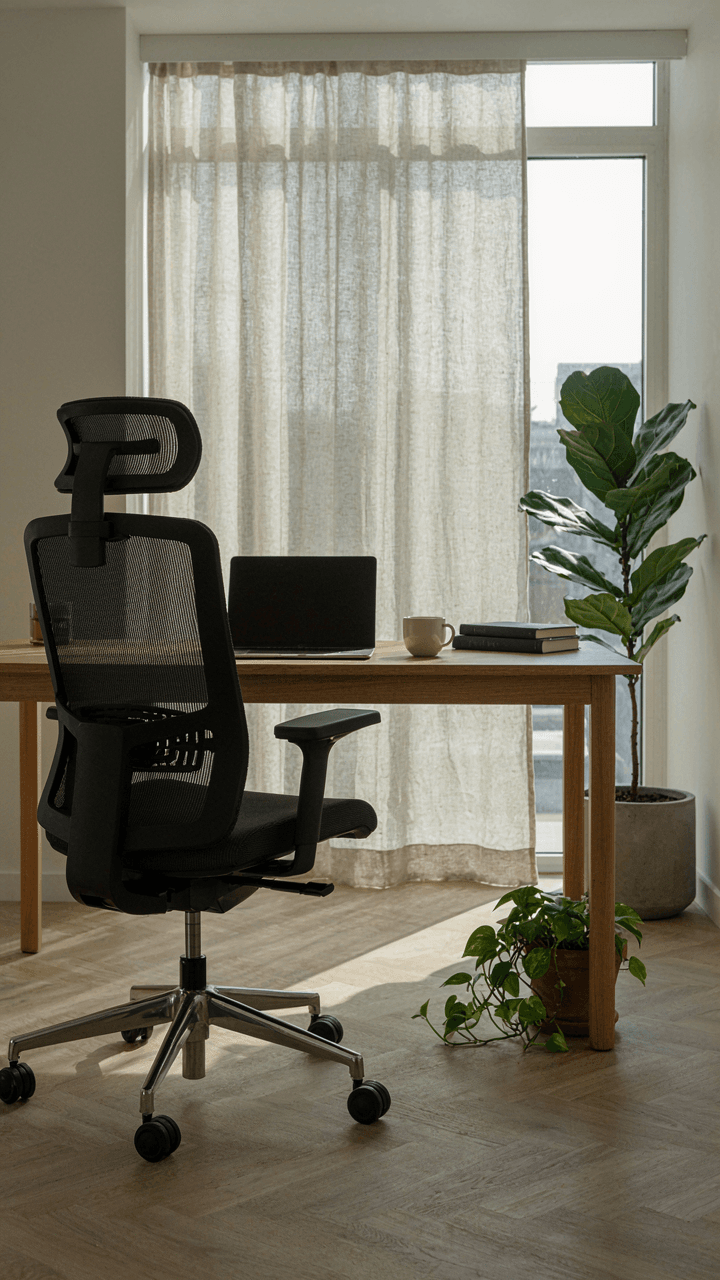
You want this to look intentional, like you have your life together. Here’s what matters: reading requires stability, light control, and a barrier between you and interruption. That’s it. Borrowed from ergonomics, your nook needs “postural support”—the spine holds position without muscular effort, or you stop reading within twenty minutes. A chair that forces you upright kills focus. Shade that flickers distracts you. Noise pollution breaks concentration faster than discomfort does.
Most advice fixates on aesthetics first. Wrong move. Start with the mechanics. You need a seat that lets your back relax without your body sliding forward. You need overhead coverage that blocks direct sun without creating cave-like dimness. You need distance from foot traffic and lawn equipment noise. Everything else is decoration you’ll resent maintaining.
Ditching The Pinterest Trap
The common guidance says build an Instagram moment. That’s how you end up with a rope swing nobody uses and throw pillows collecting mildew. Strip to what prevents you from reading: a functional chair, weather protection, and visual privacy from the house. Ornamental plants die. Strings of lights need constant replacement. Accent tables collect rainwater and broken twigs.
Test your nook before committing to permanent fixtures. Drag an old chair outside for a week. Notice where sun moves. Feel where wind cuts through. Measure sightlines from your back door and fence line. Only after you’ve sat there six times and identified the actual friction points should you build anything permanent. This prevents the classic failure: a beautiful nook you use twice before moving to the couch inside.
Maintenance: The Unsexy Secret To Enduring Outdoor Reading Nooks
The Weekly Inspection Protocol
You built this nook to avoid maintenance, not embrace it—but neglect kills the entire investment faster than weather does. The mechanism is simple: small problems compound exponentially outdoors. A loose cushion cover becomes mildew. Mildew becomes rot. Rot becomes replacement. Thirty minutes weekly stops the chain. Walk your nook every Sunday. Check fabric for water pooling. Press wood for soft spots. Look for insect entry points. This isn’t obsession. It’s the difference between a usable retreat and a storage problem.
Weather exposure means entropy accelerates on a timeline most people misjudge. You can’t inspect what you don’t see, so establish a fixed routine before damage becomes visible. Mark it on your calendar the same way you’d book an appointment. Consistency beats intensity. The nook doesn’t need aggressive seasonal overhauls if you catch problems at week one, not month three. Your only job is making inspection automatic.
Repair Before Replacement Becomes Mandatory
Everyone preaches “prevent problems early.” Almost nobody does it because the problems aren’t dramatic yet. Preventive maintenance works like compound interest in reverse—small interventions now eliminate large expenses later, but only if you actually execute them. Wood develops surface cracks long before structural failure. Fabric fades before it tears. Fasteners loosen before they fail. The math is brutal: replace a rotted cushion frame now, or replace the entire cushion later. Address the first sign of deterioration, not the final stage.

Water is the primary threat to any outdoor structure. Check drainage around cushions and under the seating surface after rain. Tighten bolts and fasteners monthly rather than waiting for visible movement. Sand rough wood spots before they splinter or trap moisture. Seal wood at the first sign of discoloration, not after it’s already weathered. This isn’t a suggestion. It’s the only way the nook lasts beyond two seasons.
Your Reading Nook Won’t Fail Because Of A Weekend; It Will Fail Because You Do

The weekend builds the nook. Your habits build the life inside it. Most people construct their backyard reading nook and abandon it within three weeks because they never committed to the actual practice. You don’t need perfect execution this Saturday. You need to decide right now that you’ll sit there tomorrow, and the day after that, and the day after that. Pick a specific time today when you’ll buy one chair. That’s the only decision that matters. Everything else is just furniture arranging for someone who doesn’t actually read.