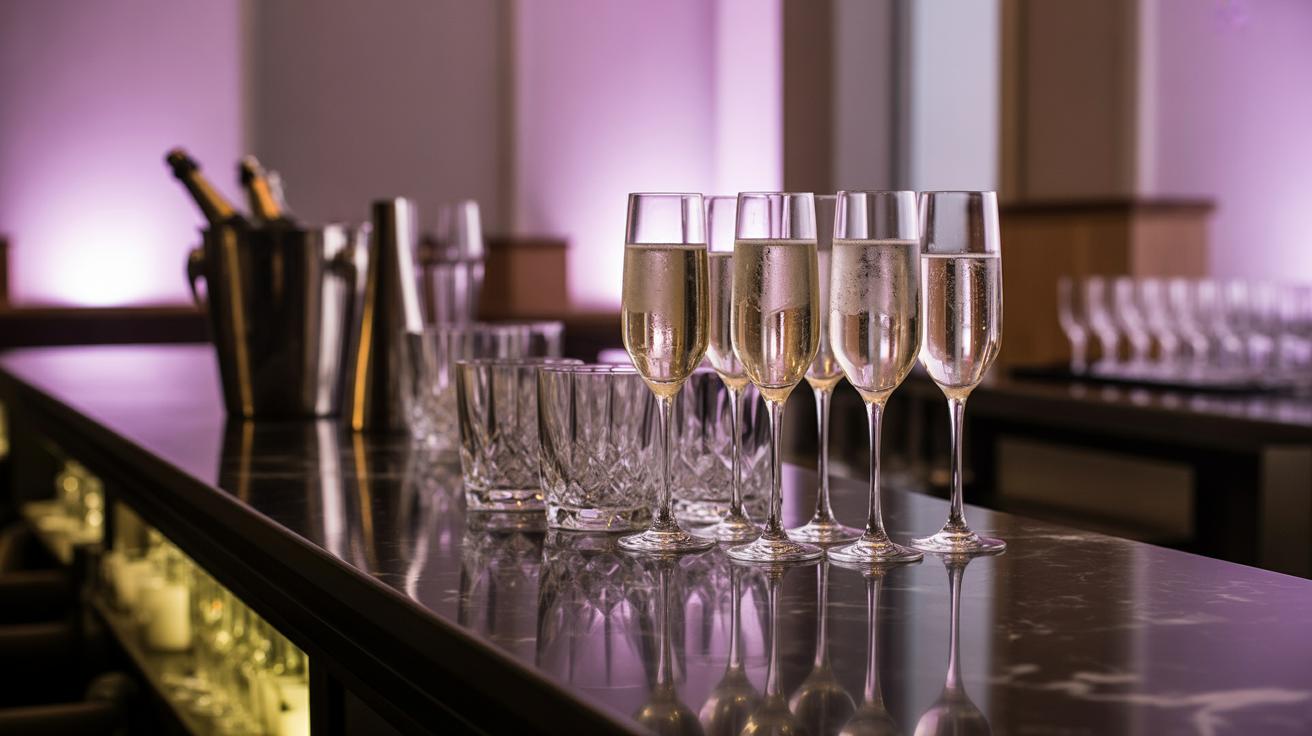
Budgeting for a Wedding Bar Setup
Setting up a wedding bar is a popular choice to add a fun and social element to your reception. It can offer a variety of drinks for your guests and create a memorable experience. However, planning the wedding bar requires careful cost management to keep your budget on track.
This article covers the main costs involved in a wedding bar setup and breaks down the budget so you can plan realistically. You will learn what affects the price, how to budget for different components, and examples to guide your decisions.
Understanding Wedding Bar Costs
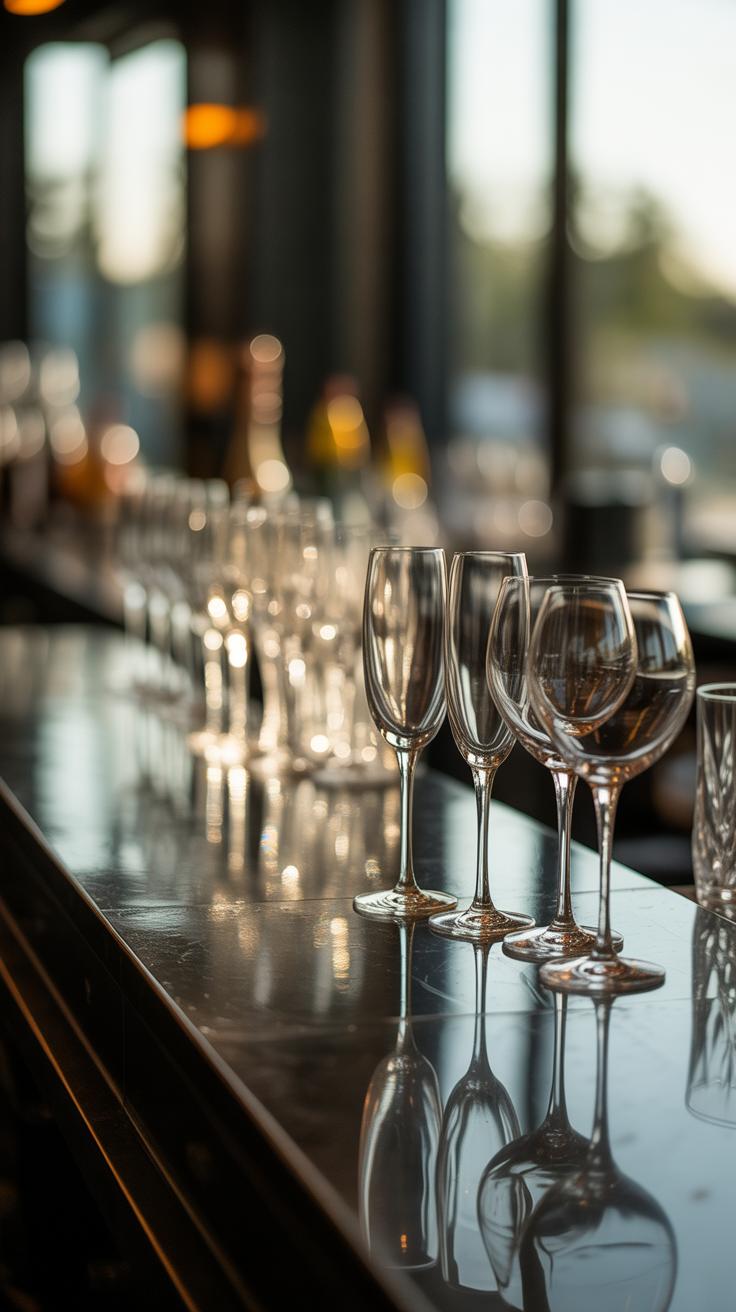
Setting up a wedding bar involves several types of expenses that can catch you off guard if you’re not prepared. Broadly, these costs split into fixed and variable categories. Fixed costs tend to be those flat fees you pay no matter how many people actually drink at your bar. Think about rentals—bar setups, glassware, and often even the licenses to serve alcohol. For example, renting a simple bar station might run anywhere from $300 to $800, depending on style and region.
Variable costs, on the other hand, shift based on how many guests end up enjoying a cocktail or two. Drinks themselves vary a lot—buying bulk beer or wine can be cheaper per bottle than stocking hard liquors or specialty cocktails. Staff wages fall here too, fluctuating with event length and bartending needs. A bartender typically costs between $25 to $50 per hour, sometimes more if it’s a busy or upscale event.

Location has a huge say in the final bill. Urban venues usually demand higher rental and service fees than rural ones. The guest count nudges costs up or down—more guests, more drinks, more staff, and a possible increase in licenses or insurance needs.
Plus, some venues have strict rules. They might require you to use their in-house bar service or limit what you can bring in. That can push your costs in unexpected directions. When planning, try to map out each of these cost elements clearly to help your budget stay on track—for example, do you want a full open bar, or just beer and wine? These choices matter.
Choosing Your Wedding Bar Style
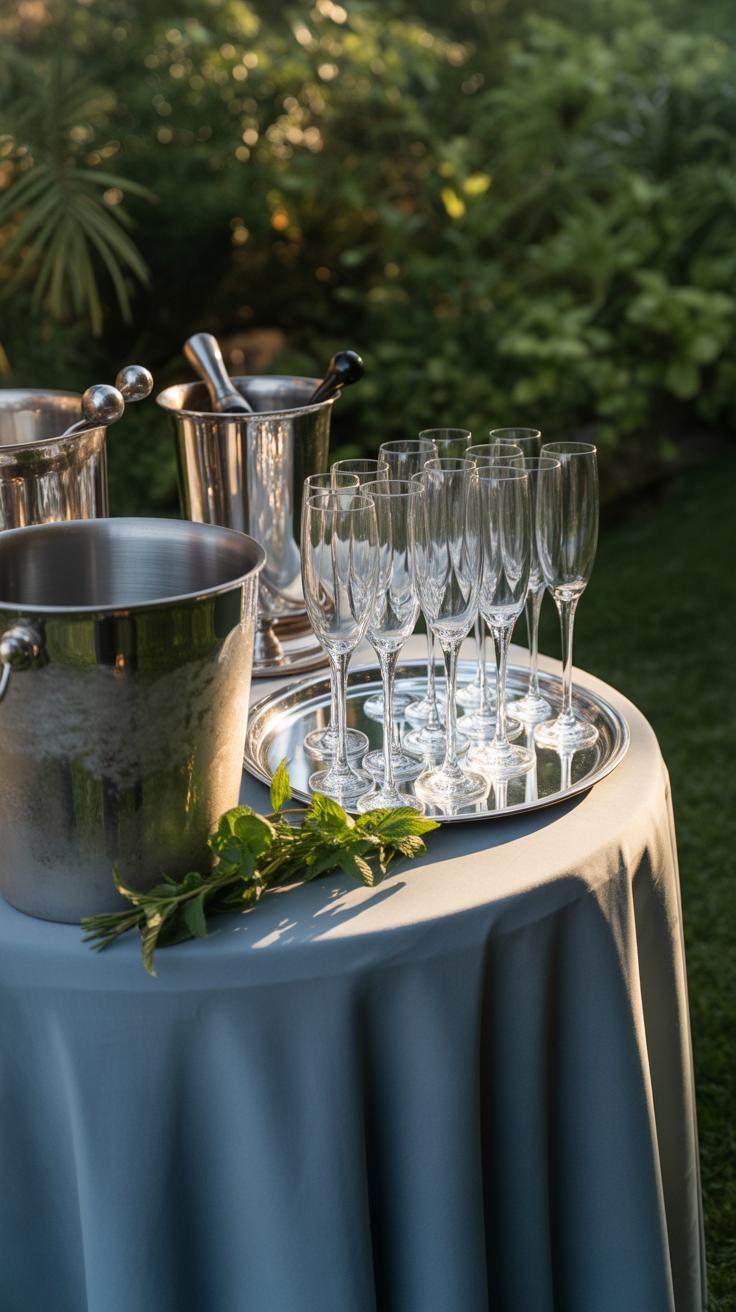
When deciding on your wedding bar setup, you’ll likely encounter three main styles: open bar, cash bar, and limited bar. Each comes with its own budget implications and affects how guests experience the event.
Open bars mean drinks are on you, no questions asked. This often results in higher upfront costs since you’re covering every drink served. Guests tend to appreciate this style for its carefree vibe, though some hosts notice heavier consumption, which can push expenses way up.

Cash bars shift the cost to guests, who pay for their own drinks. This reduces your budget load but might make some feel less welcomed or hesitant to drink much. It’s practical if you’re looking to contain spending but can change the party’s energy.
Limited bars fall somewhere in between, offering certain drinks—maybe just beer and wine—for free. Providers often cap how much is served this way. It’s a compromise that can keep costs manageable, but also might confuse guests expecting a full-service experience.
So, how does all this factor into your budget and your guest’s enjoyment? An open bar raises costs but tends to boost satisfaction. Cash bars keep budgets in check but risk disappointing a few. The decision depends heavily on what you prioritize for your big day and how you think your crowd will respond.
Open Bar vs Cash Bar Comparison
Open bars encourage socializing and tend to keep guests relaxed. When drinks flow freely, people might stay longer and celebrate more. But with the potential for drink overindulgence, costs can spike—sometimes unexpectedly. Plus, you’ll face the challenge of estimating how much alcohol to buy upfront.
Cash bars lighten the financial load but create a transactional feel. Some guests might appreciate the choice, especially if they don’t drink much, but others may feel out of place or less inclined to mingle. Also, not everyone carries cash these days, which could be inconvenient.

What’s tricky is that an open bar can make a party feel grand, but it might stretch your budget beyond comfort. A cash bar keeps you cautious, but runs the risk of dimming the overall mood. There’s no neat answer—it boils down to what matters most for you and your guests.
Selecting a Bar Style to Fit Your Budget
Start by reviewing your total wedding budget and the key areas where you want to allocate funds. If hospitality and guest experience top your list, an open bar might be worth the splurge. On the other hand, if you’re juggling many expenses, a cash or limited bar could help you steer clear of financial stress.
Think about your crowd, too. If most guests enjoy a drink, an open bar may add to their enjoyment. But if your wedding leans more toward family or includes many non-drinkers, a limited bar could strike a better balance.
Some couples choose creative solutions, like open bar for a defined few hours, then switching to cash bar, or offering signature cocktails only. Such options can help stretch the budget without completely sacrificing warmth or guest comfort.
Ultimately, what fits best is the one that aligns with your priorities, your wallet, and the vibe you want to create. Can you imagine what kind of day you want? Let that guide your choice—it usually makes the decision clearer, even if it’s not perfect.
Planning Your Drink Menu Costs

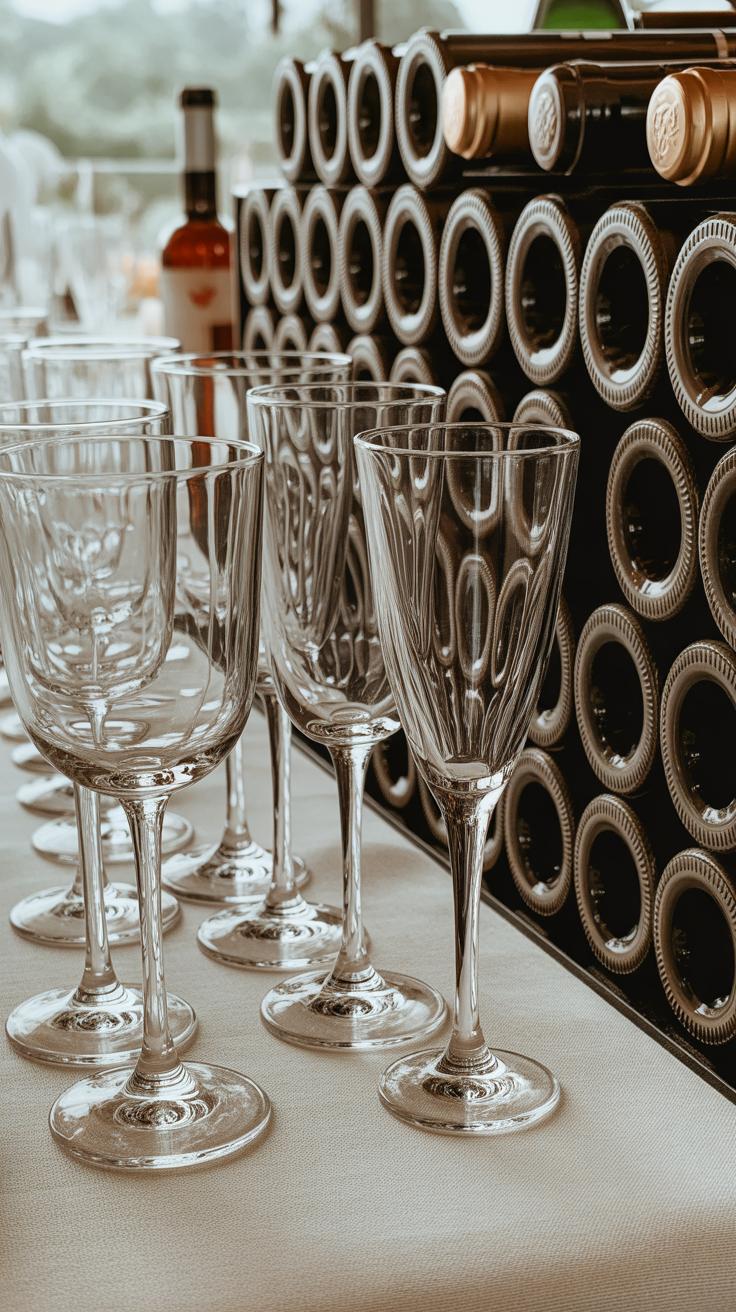
When planning your wedding bar menu, striking the right balance between variety and budget is trickier than it seems. You want to offer something for everyone without blowing your budget. Popular choices like beer, wine, and a few signature cocktails are often the safest bets. They’re familiar, generally well-liked, and usually cost less than specialty or highly crafted drinks.
Think about how many guests you’re expecting and how long your reception will last. A common rule of thumb is about two drinks per person for the first hour, and one drink per person for each hour after that. But, that depends on your crowd—maybe your friends love cocktails, or perhaps most prefer wine. Either way, guessing too high or too low can lead to waste or running dry.
Premium spirits and imported beers raise the bar—and your costs. Switching from standard to top-shelf liquors can double your drink prices. It’s tempting to offer a full range of options, but each upgrade adds up quickly. Maybe choose premium for a signature cocktail and keep the rest simple. That way, you feel like you’re treating guests without going overboard.
Popular Drink Choices and Their Costs
Here’s a rough idea of staples and what they might cost you per serving:
- Beer: $3–$6 per bottle or pint. Domestic brands tend to be cheaper; craft or imported beers are pricier.
- Wine: $7–$12 per glass. House wines cost less; more exclusive labels increase prices.
- Standard cocktails: $8–$15 depending on ingredients and liquor quality.
- Champagne or sparkling wine: $8–$15 per glass, often a must for toasts but costly in volume.

Why some drinks cost more? Ingredients, brand name, and the work behind mixing all contribute. A tequila shot from a premium bottle is simply more expensive than a beer. Also, labor matters; complicated cocktails demand skilled bartenders, which adds to the total bill.
Tips for Managing Drink Quantities
Estimating the right amount of alcohol can be confusing. Here are some ways to keep it manageable:
- Start by considering your guest list age and preferences. Younger crowds might prefer cocktails, older groups might lean toward wine or beer.
- Ask your venue or caterer for past event data. They often have useful numbers from similar weddings.
- Plan to buy a little extra, but not too much—about 10% over your estimate to avoid shortages without excessive waste.
- Track RSVP numbers closely and update your plan accordingly; last-minute changes happen.
Remember, it’s tempting to look like the perfect host with a fully stocked bar, but a focused menu tailored to your guests’ tastes makes a better impression and saves money. It’s a bit of a puzzle, but with careful thought, you’ll find a balance that works.
Rental Equipment and Setup Fees
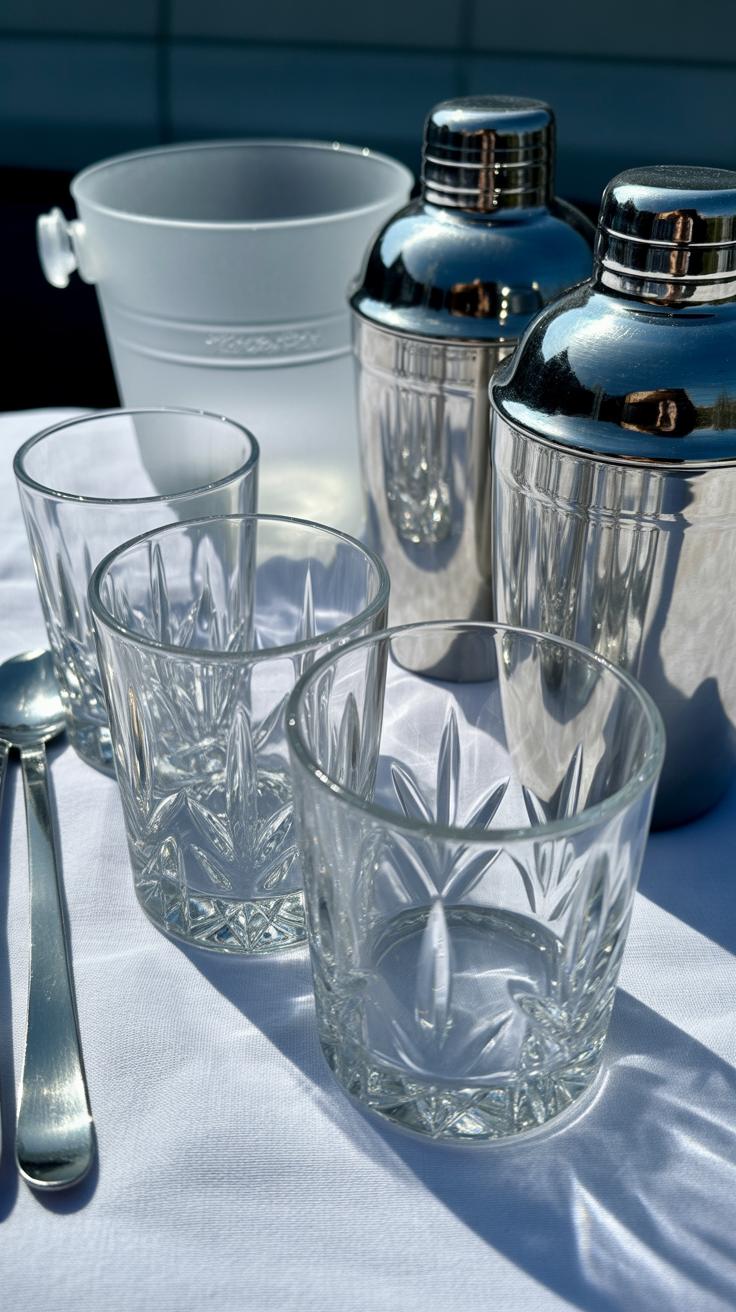
When planning a wedding bar, rental equipment often makes up a notable part of your budget. You might assume you only need glasses and maybe a cooler, but there’s actually a wide range of items to consider. From bartending stations to portable sinks, each piece can carry its own rental fee. Glassware rentals often cost between $0.50 and $2 per piece depending on the style and quantity. Coolers or ice bins typically fall in the $20 to $50 range for the event, but if you want a high-capacity refrigerated unit, expect to pay more.

Setting up the bar doesn’t just involve placing items on a table. Setup fees cover staff time spent assembling stations, arranging glassware, and preparing the space for your bartenders. Cleanup fees are a separate charge and generally include clearing empty bottles, washing reusable items, and sometimes removing trash left behind. These fees can be flat rates starting around $100 or calculated per hour, often 1-2 hours at a rate above minimum wage.
What you get for setup and cleanup varies. Some vendors might simply place everything where you want it and pick it up later, while others take care of all washing and breakdown. It’s good to ask what’s included upfront. And, honestly, sometimes these fees feel a bit hidden until the final invoice arrives, so try to have the details clearly spelled out beforehand.
Common rental items include:
- Bartending stations ($75 – $150 each)
- Bar stools (around $10 each)
- Glassware sets, like wine glasses, champagne flutes, or cocktail glasses ($0.50 – $2 per piece)
- Coolers and ice bins ($20 – $50)
- Portable sinks or handwashing stations ($80 – $150)
It’s easy to underestimate these costs if you focus solely on drink prices. Think about how the equipment will fit your venue and service style, then ask what setup and cleanup really mean so you’re not caught by surprise. After all, a well-organized bar makes the event smoother, but that convenient smoothness comes at a price.
Hiring Bar Staff and Service Charges
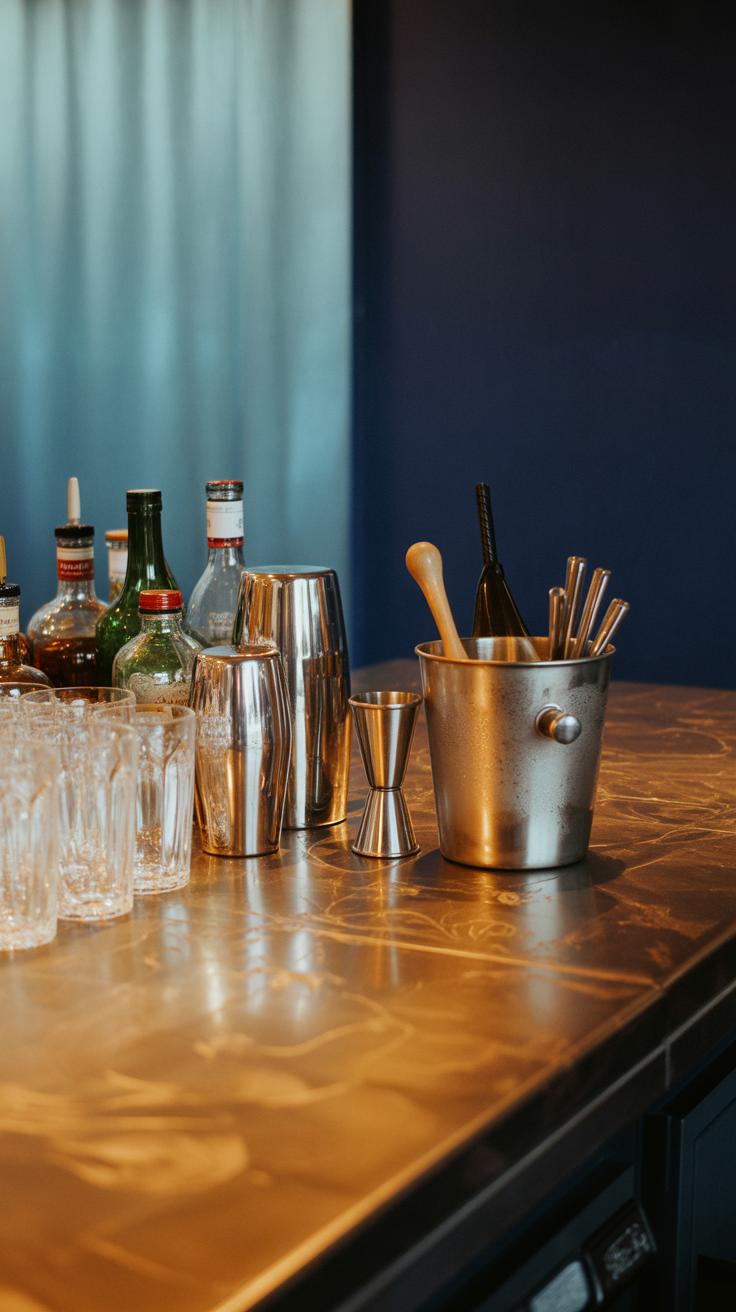
Bar Staff Cost Based on Guest Size

When planning your wedding bar, figuring out how many bartenders to hire can feel tricky. It really depends on your guest count and the style of service you want. For a smaller gathering, say about 50 guests, one bartender might be enough—especially if you’re offering a limited drink menu or just a few signature cocktails. But as your number approaches 100 or more, two bartenders usually make sense to keep lines short and service smooth.
The service style affects this too. A cash bar requires less hands-on work than an open bar, where the bartenders must juggle more drink orders and perhaps even manage pouring rules. As a rough rule, expect to pay between $20 and $50 per hour per bartender. Sometimes venues bundle this into their package, but if you’re hiring independently, keep hourly rates and shift lengths in mind.
Service Charges and Gratuities
Service charges often sneak into your final bill—these fees might range from 15% to 25% of the total bar cost. They cover things like setup, cleanup, and licensing fees. Some places automatically add these, while others leave tipping completely up to you.
Tipping bartenders at weddings feels a little like navigating unwritten rules. A tip of $50 to $100 per bartender for an event typically works, but you might adjust based on how busy they were or how many hours they worked. Many couples choose to include a gratuity line in the bar budget; others prefer to tip in cash at the end of the night. It really depends on your preference—and maybe what your venue suggests.
Thinking about these costs early helps avoid surprises. You might feel fine with a smaller tip if your bartenders aren’t overloaded, but if they’re busy all night, it’s worth rewarding good service. It can feel awkward, but setting expectations upfront is better than scrambling last minute.
Legal and Licensing Expenses

Alcohol Serving Permits Explained
When planning a wedding bar, you might not immediately think about the legal side of pouring drinks. But serving alcohol usually requires specific permits or licenses, depending on where you live. These permits ensure that alcohol is served responsibly and only to guests who are legally allowed to drink. They often fall into a few categories:
- Temporary event permits – these allow alcohol to be served at a one-time event like a wedding.
- Server permits – sometimes the actual bartenders need licenses to legally serve alcohol.
- Venue permits – if the location isn’t already licensed for alcohol, they might need to apply.
Usually, the responsibility for obtaining these permits falls on either the wedding couple or the venue. But it’s not always straightforward; if you’re hiring a caterer or bartender, sometimes they’ll handle it. So you need to clarify this early to avoid surprises.
Costs and Timeframes for Licensing
Licenses can range quite a bit in price. You might spend anywhere from $50 to several hundred dollars, based on your state or country rules and how long your event lasts. Some places require additional insurance fees too. Also, these permits can take a few weeks to process—sometimes up to 6 weeks—so it’s best to start the application well before you set your final dates.
Ideally, you aim to get your paperwork done 1 to 2 months before the wedding. Waiting until last minute can mean rushed applications or unexpected denials, and no one wants that added stress. It’s a detail easy to overlook, but it can impact your whole reception if not handled right.
Have you checked the venue’s existing licenses? Sometimes the place already covers the legalities, saving you time and money—though still double-check. If you’re unsure about the process, local government websites or even your event planner can be good sources of up-to-date info.
DIY Wedding Bar vs Professional Service
Cost Savings with DIY Bar Setup
Setting up a DIY bar can definitely trim your budget. You skip the charges for bartenders and catering staff, and that often means hundreds, sometimes thousands, saved. Plus, when you handle the shopping yourself, you can hunt for deals on alcohol and mixers, which is not something a pro can usually offer.
But there’s a catch—DIY brings a fair bit of extra work. Someone needs to manage the bar the whole night, restock supplies, and make sure things run smoothly. If your friends or family pitch in, that helps, though it can also pull them away from enjoying the party. Sometimes, this juggling act makes the cost savings feel less worth it.
Also, pouring and mixing drinks isn’t as straightforward as it looks. You might end up with excess leftovers, or worse, a shortage of popular options. So you need to plan carefully and maybe overestimate supplies. It’s not just about buying bottles; it’s about timing, variety, and service.
Advantages of Professional Bar Services
Hiring professionals means you get staff who know what they’re doing. Reliable bartenders handle everything—from precise pours to keeping the bar stocked and even dealing with guests who have had a bit too much. It takes that pressure off you and your loved ones, letting everyone relax more.
Though the initial outlay is higher, the predictability of costs can be worth it. Professionals often provide packages that include glassware, mixers, and ice, so you don’t have to worry about those extras. It also tends to avoid any last-minute rush or confusion on the wedding day itself.
You might notice a smoother flow to your reception with pros behind the bar. But, of course, it nudges your budget upward. If you want to keep costs down, sometimes mixing the two approaches—hiring a bartender for a set few hours, then switching to self-serve—can strike a balance.
Controlling Wedding Bar Costs
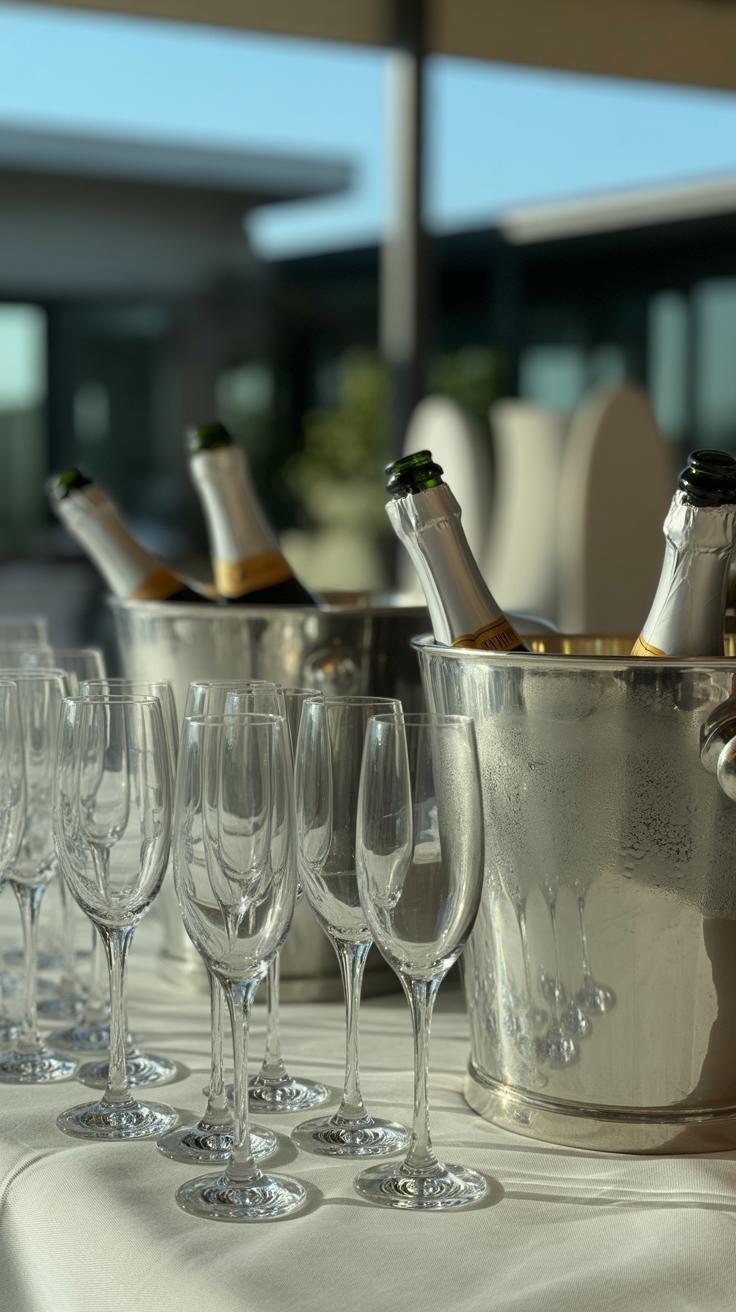
Keeping your wedding bar costs under control can feel tricky, especially when you want to impress your guests without emptying your wallet. But it’s not impossible. One simple step is to carefully consider your drink menu. Pick crowd-pleasers that don’t break the bank, like house wines or a few well-chosen spirits instead of a full premium selection. Limiting options can actually make the bar run smoother, too, which might save on bartending fees.
Rentals are another spot where costs can creep up. I’ve seen couples negotiate better deals by bundling barware rentals with tables and chairs or by renting from local suppliers instead of larger companies. Even asking if you can provide some items yourself, like glassware or mixers, can help. Sometimes, it’s worth asking vendors if any “off-peak” discounts exist—weekday weddings, for example, might come with lower rental fees.
Still, balancing quality and budget is a fine line. Cutting too many corners might lead to a less enjoyable experience, and your guests will notice. So, focus on what really matters—good service, a neat setup, and at least some signature drinks that feel special. After all, it’s those little touches that stick with people, not necessarily the brand names or the number of drink choices.
Have you thought about offering a cash bar for guests who want more premium options? It’s not the most popular choice, but sometimes it helps keep costs down without compromising the open bar vibe for most attendees. In the end, careful planning and a few sacrifices here and there can keep your bar costs manageable without losing the spirit of the celebration.
Cost Example Scenarios
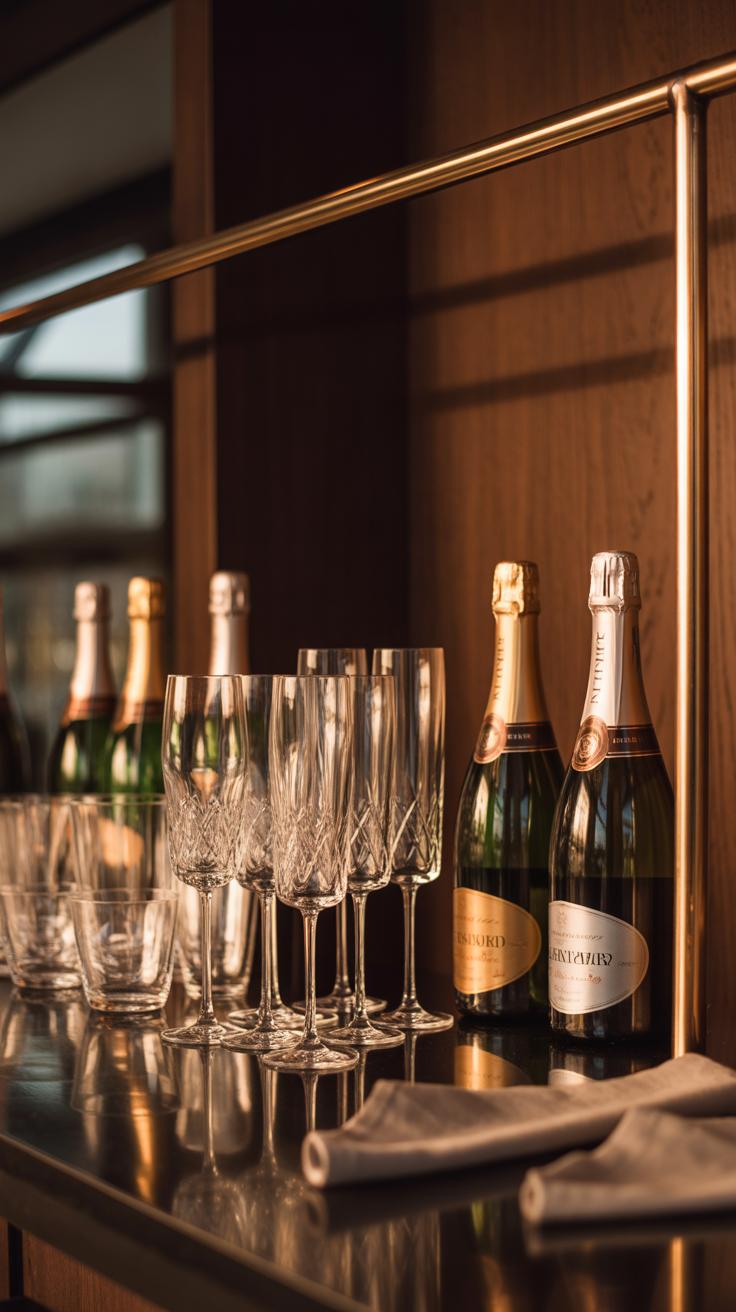
Small Wedding Bar Budget Example
For a small wedding bar, imagine about 30 guests. You probably want to keep things simple—no extravagant drink lists or complicated setups. Staffing might just be a single bartender for a few hours; expect to spend around $150 to $200 on that. Drinks take up a big chunk: maybe $300 total if you opt for a limited selection—think beer, wine, and a couple of signature cocktails.
Rentals like a small bar table, glassware, and ice buckets could add another $100, depending on your venue’s offerings. Don’t forget permits or corkage fees if your place requires them, which might be $50 or so. So overall, a small setup might lean towards $600 to $700.
It’s a straightforward setup but one that still feels personalized and thoughtful. You get to focus on quality over quantity and avoid overcomplicating things. Plus, it gives you a clearer picture of where your money goes without feeling overwhelmed.
Large Wedding Bar Budget Example
Now, for a big wedding with 150 or more guests, things get more complex and, naturally, more costly. Staffing scales up—think multiple bartenders, maybe even a bar manager. That alone can push staffing costs to $800 or more, depending on how long the bar runs.
Drink costs escalate significantly too. Offering a full range of spirits, cocktails, beer, and wine can easily tip $3,000 or beyond. You may also want specialty items—premium liquors or champagne—which bump the price even further.
Equipment rentals? Larger bars need more: multiple bar stations, refrigeration, glassware sets for hundreds, possibly even a dedicated area. Rental fees might stretch to $500 or higher. Then there are licensing fees or event insurance, sometimes mandatory for large-scale events, adding several hundred dollars more.
This setup isn’t just about pouring drinks—it’s an experience. You might think it’s a lot, and somewhat overwhelming, but many find that those extra details create a memorable atmosphere and keep guests happy. Of course, this depends on what you value most for your celebration.
Final Preparation and Dayof Tips
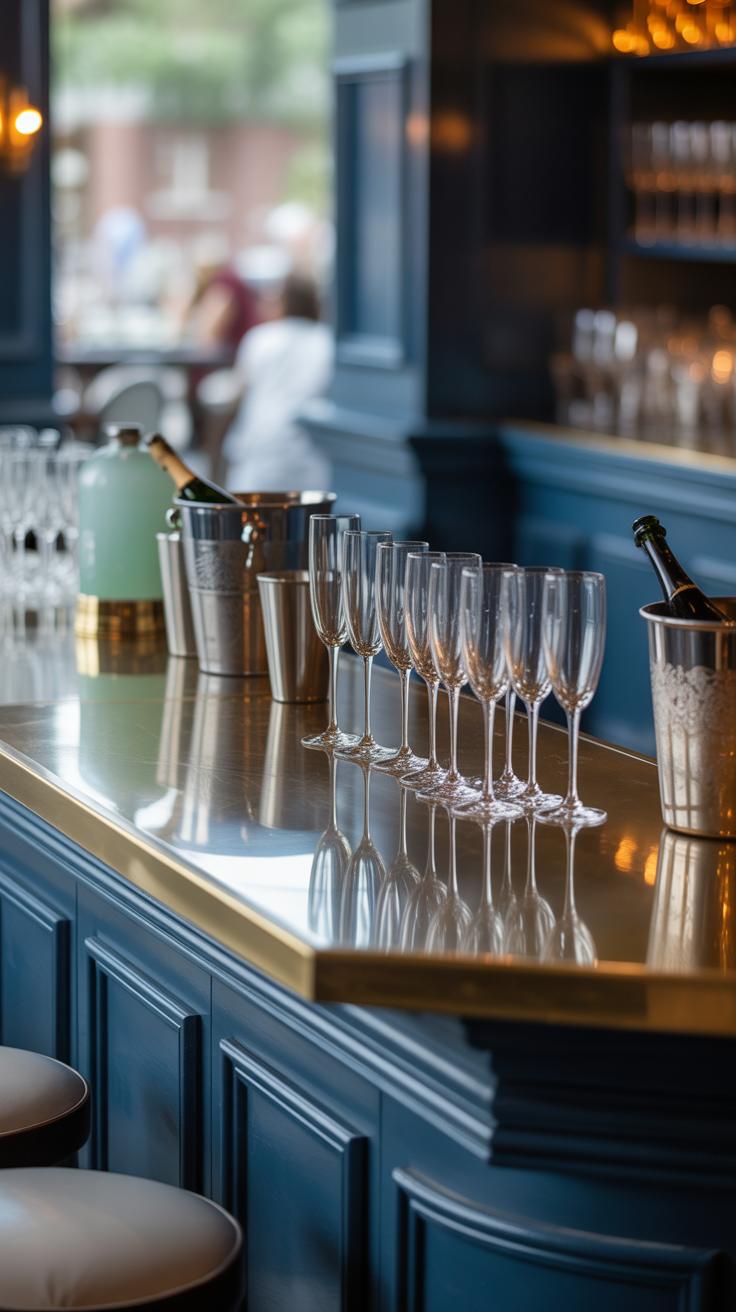
The wedding day arrives, and the bar setup needs one final run-through before guests start arriving. Timing is crucial here—you don’t want to rush but also must finish early enough to handle any last-minute tweaks. Typically, setting up a few hours before the reception starts is best, giving you a buffer if anything goes wrong or if the venue needs a little extra time for clearance.
Coordinate closely with your vendors. Confirm delivery times for alcohol, mixers, and ice. Make sure the bartenders know exactly where everything goes and have easy access to supplies. I’ve seen setups stall because the ice didn’t arrive on time, or a keg was misplaced—simple things but stressful when they happen on the big day.
Don’t forget to double-check your inventory. Count bottles, spirits, garnishes, and glassware. It’s surprising how often a missing jug of juice can slow things down. Keep a list handy to mark off what’s already in place and what still needs attention.
Setup Checklist Before the Reception
A checklist can save you from stressing when you’re juggling a million things. Here’s a basic one to customize:
- Clear and clean the bar area thoroughly.
- Arrange all bottles, mixers, and garnishes logically—group by type.
- Set up glassware close to the bar staff for quick reach.
- Ensure bartenders have all tools: shakers, strainers, corkscrews.
- Place ice buckets or coolers within easy access.
- Check mixers and non-alcoholic options are chilled and ready.
- Set up trash bins or waste stations nearby.
- Test any bar lighting or signage planned for visibility.
- Establish a spot for payments or tickets if relevant.
This list probably covers more than you’d think and it’s okay if you tweak it. The point is to avoid scrambling last minute while your guests arrive.
Tips for Smooth Bar Operation During Event
Once the party’s underway, keeping the bar running smoothly is a challenge on its own. Making sure supplies get replenished as needed means checking periodically—not just waiting for the bartender to mention shortages. You might want to have a helper assigned just to supply management.
Peak times are wild. Usually, right after the first toast or when the dance floor clears out for a break. Make sure bartenders know to pace themselves but keep drinks flowing steadily. It’s tempting to let lines build up, but that only frustrates guests and staff alike.
One little trick I’ve seen work well is setting up a simple system, like colored tokens or a quick tally sheet, to track how many drinks have been served. It helps predict when you’ll need a restock and keeps the money side clear if you’re managing a cash or ticketed bar.
Also, communication is key. Bartenders should feel comfortable asking for help or letting someone know when things get hectic. Sometimes stepping back to grab a quick refill or switch a keg can save the whole night’s vibe.
Conclusions
Budgeting for your wedding bar is crucial to avoid overspending and ensure your reception runs smoothly. Knowing the cost elements in advance helps you plan better and choose options that fit your budget.
By breaking down expenses and prioritizing key aspects like types of drinks and service style, you can create a wedding bar experience that delights your guests without breaking the bank.