
Budget Mistakes That Can Ruin a Backyard Party
Planning a backyard party should be a fun and rewarding experience, but it can quickly turn stressful if your budget gets out of control. Many people make budgeting mistakes that lead to overspending and regret later. This article covers common mistakes in backyard party planning that end up ruining your event budget.
By identifying these pitfalls, you can prepare better and save money while still having a great time. From food choices to decorations and weather plans, knowing where budgets usually go wrong helps you keep your event on track financially.
Budget Basics for Backyard Parties

Starting a budget for your backyard party might feel a bit overwhelming at first, especially when you don’t have a clear sense of what costs to expect. The key is to set a simple, realistic spending limit before you get carried away with ideas. Think of it as setting a financial boundary—something you can adjust but shouldn’t break without a good reason.
Once you have that number, try to divide it into broad categories: food, decorations, and entertainment. Food will likely eat up the biggest chunk of your budget, especially if you want decent quality rather than just snacks. Decorations can range from minimal and homemade to pricier themed setups, so decide early what vibe you want. Entertainment covers anything from music playlists to games or rental equipment; it’s tempting to splurge here, but you don’t have to.

Here’s a rough starting point to consider:
- Food and drinks: roughly 40-50% of your budget
- Decorations: 20-30%
- Entertainment: 20-30%
Adjust these based on what feels most important to you and your guests. If you find yourself tempted to add last-minute extras, try to shift funds within these categories instead of boosting your overall budget.
Setting Priorities for Your Spending
Not every backyard party needs fancy decorations or expensive entertainment. You have to decide what truly makes the event feel special for you. Maybe you think good food—or even a few specialty drinks—is what guests will remember most. Or, perhaps a themed atmosphere with thoughtful decor is your priority, so you lean into that instead.
One trick is to think about past parties you’ve attended. What stood out? If it was the conversation around a nice meal, then food should get more attention. Or if those little details made the night memorable, then maybe that’s where you allocate more cash. You don’t have to spend a lot in all areas. Sometimes focusing just on one or two things creates a better experience than spreading funds thin across everything.
Balancing Costs and Guest Experience
It’s easy to assume that spending more equals better fun, but that’s not always true. You want your guests to enjoy themselves, but also keep your spending sensible. Consider this—people often remember how relaxed and welcome they felt more than the table settings or high-end drinks. So, rather than chasing expensive trends, focus on comfort: enough seating, good lighting, and easy access to food and drinks.

If you want to cut costs without sacrificing quality, think about potluck-style meals or DIY decor projects. These can lower expenses yet show your effort. Also, remember that good music, maybe even a well-curated playlist, can do wonders without a high price tag.
Balancing budget and guest experience is less about perfection and more about thoughtful choices. Your backyard party doesn’t need to be lavish to be enjoyable. Sometimes, less really is more.
Food and Drinks Cost Traps
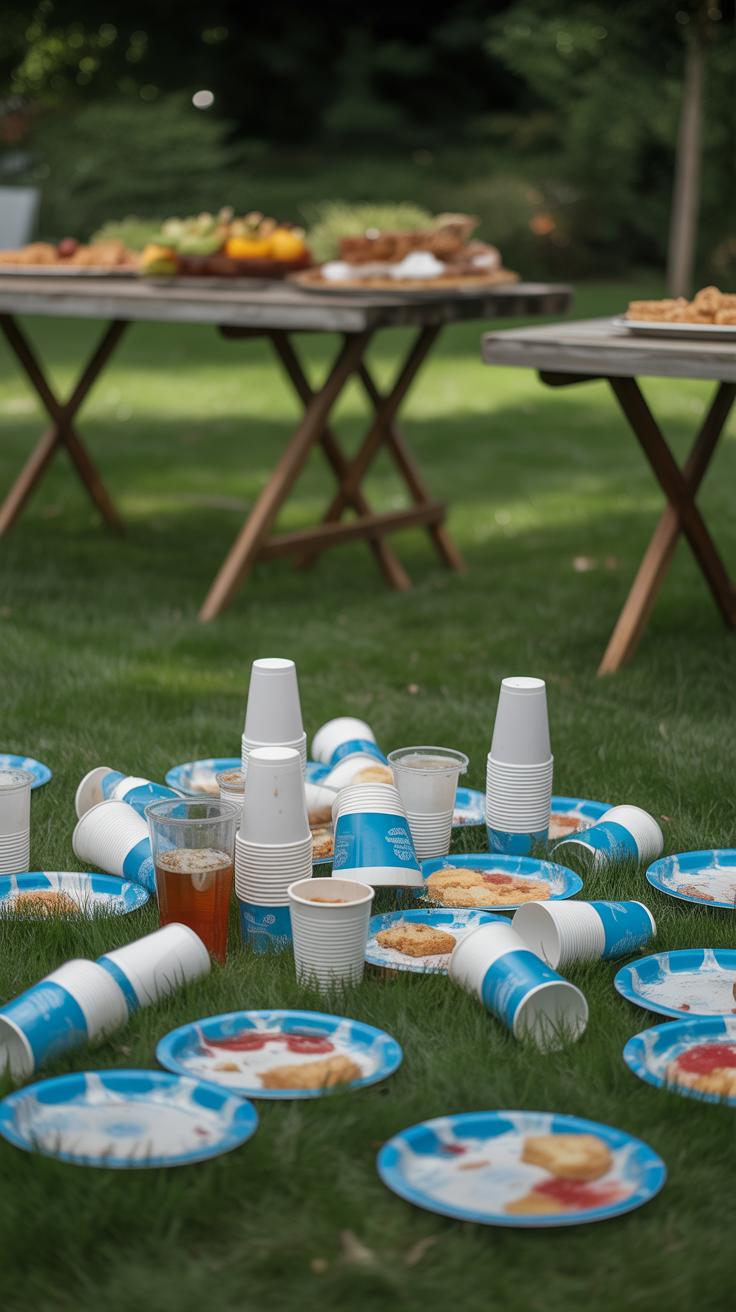
Ordering too much food for a backyard party is one of the easiest budget traps to fall into. People often overestimate how much guests will eat or drink, leading to piles of leftover food that, well, you might end up tossing. The cost adds up quickly, especially when pricey meats, specialty cheeses, or premium beverages find their way onto the shopping list without a clear idea of how many servings they’ll actually require.
Choosing the most expensive options isn’t always a guarantee of delight either. Sometimes guests appreciate simple, well-prepared dishes more than fancy or exotic fare. If you don’t take time to understand typical portion sizes, you may end up buying far more than necessary or, on the flip side, leaving some guests hungry—which can feel awkward or disappointing.
Planning Portions to Avoid Waste

Estimating how much food and drink you need can be tricky but thinking in terms of servings per person helps. For example:
- Plan roughly one to one and a half drinks per hour per guest.
- Consider about half a pound of food per person, adjusting if you have heavy eaters or kids mainly attending.
- Keep track of past parties or ask friends how much they typically consume—those little insights can save big on overspending.
Sometimes it’s better to prepare or purchase a bit less and offer a couple of options than to have endless platters nobody quite finishes.
Choosing Cost-Effective Food Options
Affordable choices can still feel like a treat. Think about fresh vegetables with dips, homemade sliders, or pasta salads that dress up simple ingredients. Drinks don’t have to be pricey either—buying large bottles of soda or making your own lemonade can satisfy thirst without breaking the bank.
You might also consider asking guests to bring a dish or beverage. It lightens your load and often adds variety. Remember, sometimes less is more, especially when it means avoiding waste and staying comfortably within your budget. What’s a backyard party without good company, after all?
Decoration Overload Dangers
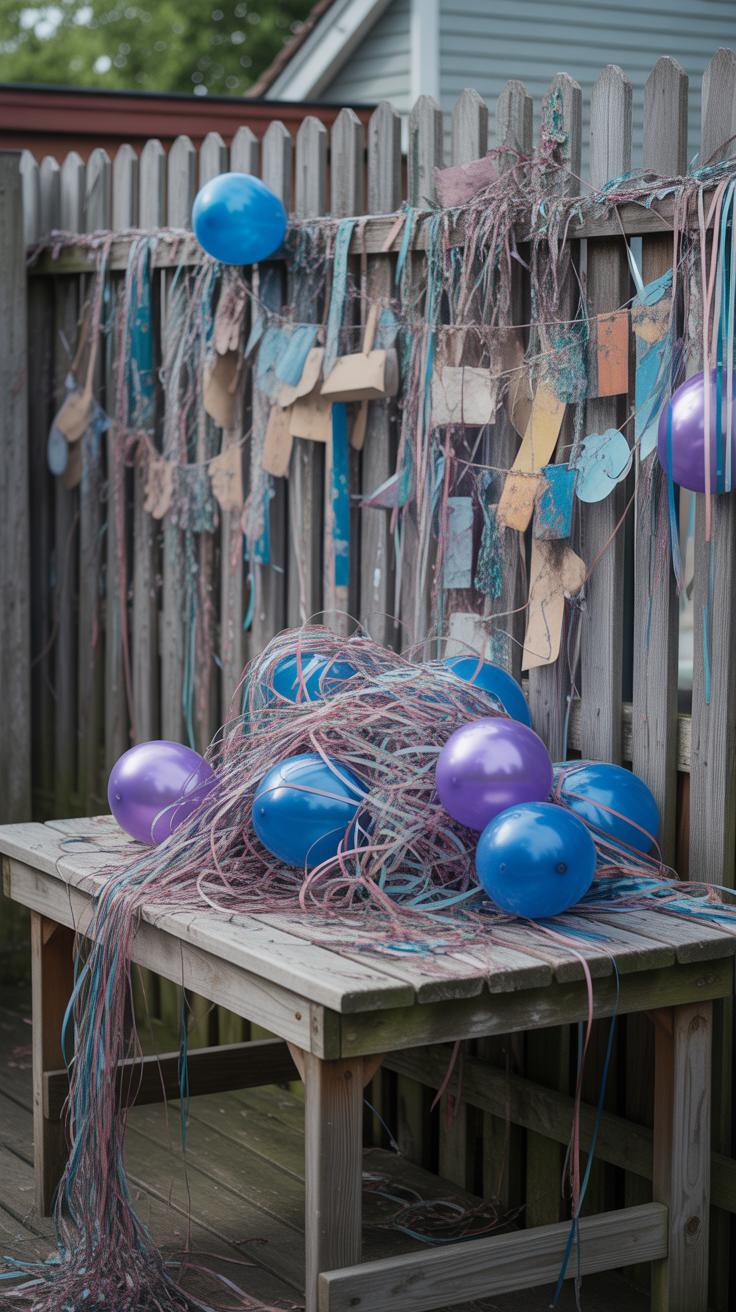

Spending too much on decorations is a common pitfall for backyard parties. It’s easy to get carried away with string lights, balloons, banners, and all sorts of themed items. But before you know it, your budget feels drained, and you haven’t even arranged for food yet.
Too many decorations can clutter your space and distract your guests in a way that feels overwhelming rather than festive. Sometimes less really is more. Focus on a few key pieces that make a statement instead of filling every inch of your yard. Trust me, that simple paper lantern or a well-chosen centerpiece can have more impact than a flood of varying décor items.
Choosing simple but effective décor means looking for items that can serve multiple purposes or be reused for future events. Think about what fits your theme without going overboard. Maybe a string of warm fairy lights paired with natural greenery will create a cozy atmosphere without emptying your wallet.
Selecting Practical and Affordable Decorations
Practical decorations don’t have to be boring. Here are some ideas that offer great value and visual appeal:
- Paper lanterns – inexpensive, lightweight, and versatile.
- Mason jars with candles or flowers – a classic and budget-friendly choice.
- String lights – a small investment that instantly lifts the mood.
- Fabric bunting – can be made or bought, adds color without fuss.
- Simple chalkboard signs – useful and decorative.
Often, the right combination of these pieces can transform your backyard without spending a fortune.
DIY vs Purchased Decor Cost Comparison

Making decorations yourself can save money, but it might eat up a surprising amount of time and sometimes materials aren’t as cheap as expected. Purchased items come ready to use, consistent in quality, and save time, though they might cost more upfront.
For example, buying a pack of string lights costs about $20, ready to hang. Making your own paper lanterns might save a few dollars, but if you don’t have supplies like tissue paper on hand, costs add up fast. Plus, think about the hours spent cutting and folding.
It’s a trade-off. If you enjoy crafting and have time, DIY might be fun and economical. Otherwise, a few selected store-bought items can be more efficient and still stay within budget. What’s your priority—time or cash? That question often guides the best approach.
Weather Plans and Hidden Costs
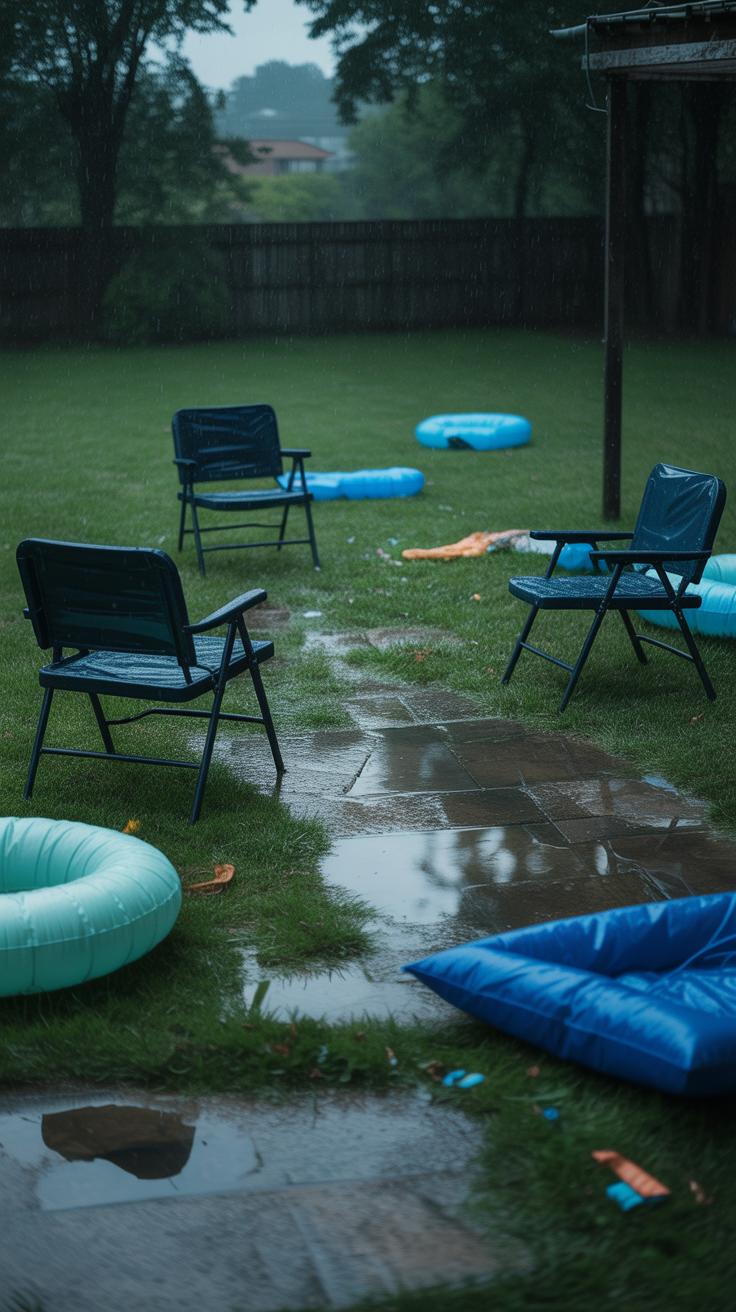
Neglecting to plan for weather changes can quietly blow up your backyard party budget. When a sudden downpour hits or the sun turns unbearably harsh, you might find yourself scrambling for costly last-minute solutions. Imagine having to rent tents or buy umbrellas at double the price on the day of the event—that’s money that wasn’t accounted for.

Basic strategies can help you dodge these surprises. Checking weather forecasts a week ahead, then again a few days before, lets you make informed decisions early enough to book affordable shelters or adjust your plans. Setting a small weather contingency fund—say, 10 to 15 percent of your total budget—gives you some wiggle room without stressing the finances.
Budgeting for Tents and Shelter
Tents aren’t just for rain. They provide shade too, which your guests might appreciate even on a bright day. When deciding how much to set aside, think about what’s typical for your location and season. Renting a simple pop-up tent can cost around $100 to $300 depending on size and quality. Buying is often cheaper over time but involves upfront costs and storage hassles.
Don’t feel obliged to cover the entire backyard. Target key areas—food stations, seating spots, or places where guests mingle. That way you protect your party’s crucial zones without wasting cash on unused space. It might be tempting to splurge on a large decorative canopy, but unless it’s essential, it quickly drains your budget.
Backup Plans to Prevent Costly Disruptions
Having a clear backup plan saves more than just headaches—it prevents your budget from spiraling. Decide in advance what you’ll do if rain starts unexpectedly or if heat spikes. Could you move furniture under covered areas? Do you have blankets or fans on standby? Thinking these options through reduces impulse buys or emergency rentals, which tend to be expensive.
Also, communicating backup plans to guests early can help manage expectations. If you must cancel or reschedule, doing so ahead of time avoids spending on food that goes uneaten or on entertainment that can’t happen. Sometimes, spending a little on backup measures upfront is the cheapest way to keep your party on track when weather throws a curveball.
Guest List and Invitation Costs


When planning a backyard party, managing your guest list can make a huge difference in your overall budget. It’s easy to just invite everyone you know, but that quickly turns into a costly affair. Every extra person means more food, drinks, seating, and even party favors if you’re offering them. Sometimes, a big crowd might feel necessary, but have you thought about the space you actually have? Cramped gatherings can be frustrating—not just for your guests, but for your wallet.
Choosing your guest list wisely doesn’t have to feel like a chore. Focus on the people who really matter to the event’s purpose. Maybe that means prioritizing close friends and family instead of a wide social circle. You can even think about splitting events: hosting a smaller backyard get-together alongside a more casual hangout later for others. It can keep costs down without feeling exclusionary.
When it comes to sending invitations, the method you choose plays a role in your expenses too. Paper invitations look nice but add up with printing and postage. Digital invites, in contrast, can be free or very cheap and still look clean and intentional. They’re especially handy if you need to update details last minute, which always seems to happen. But on the other hand, some guests might miss or forget digital invites more easily. It’s a bit of a trade-off—like many things in party planning.
Try to keep these points in mind:
- Set a clear guest number limit early to avoid last-minute overspending.
- Consider space and seating when selecting guests, not just your relationship with them.
- Use digital invitations for ease and budget savings but confirm RSVPs actively.
- Reserve paper invites for special cases or key guests to keep things personal.

Balancing these factors can help prevent your party from turning into an unmanageable financial headache. What’s more, you might find this more thoughtful approach improves the overall vibe of the event, even if it feels a bit restrictive at first.
Rental Equipment and Service Expenses
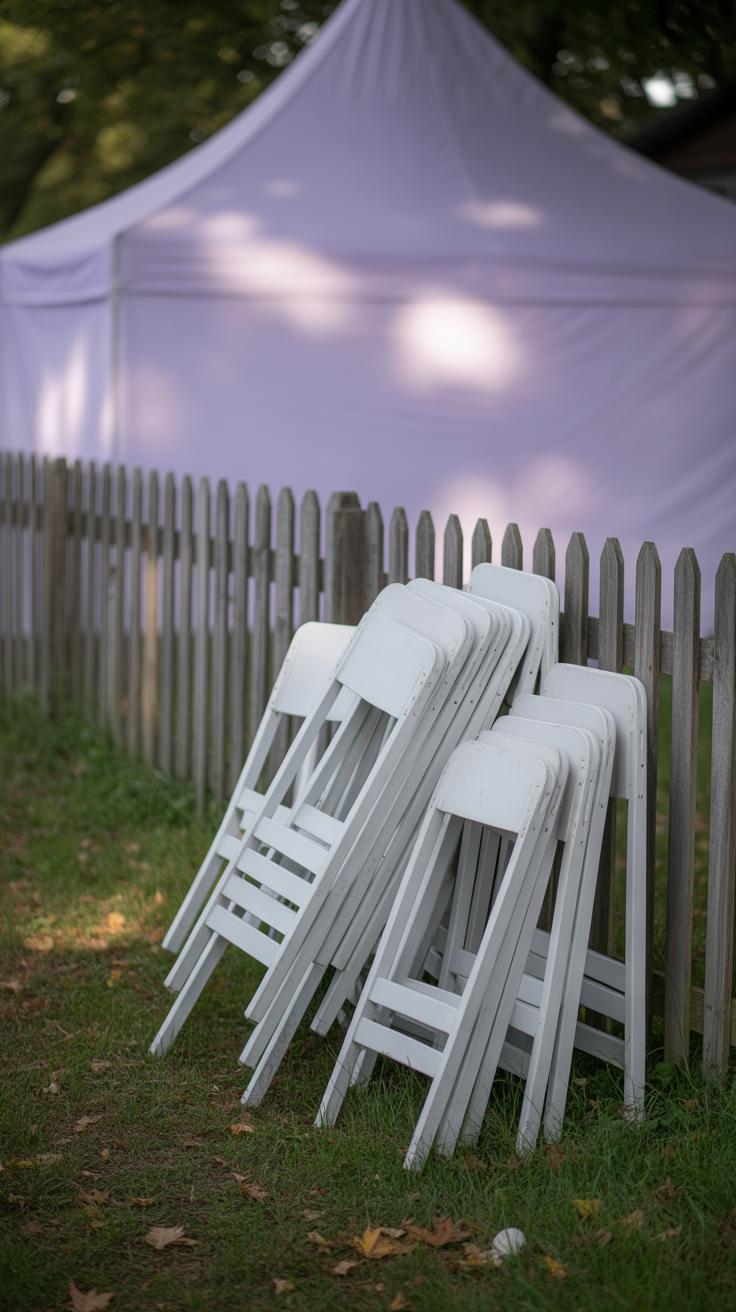
Not digging deep into rental options can blow your backyard party budget fast. When you skip thorough research, you might end up paying way more for tents, tables, or sound systems than necessary. I once saw a friend book a tent last minute, only to realize the price was double what similar vendors charged just days before. It’s tempting to pick the first convenient option, but if you take time to compare, you’ll find big price gaps.
Common rental needs often include chairs, tables, tents, portable restrooms, and audio equipment. To keep costs down, consider these points:
- Book early. Rates usually go up closer to the event date.
- Ask about package deals—sometimes bundling tents and chairs cuts the cost.
- Pick basic models instead of upgraded styles; the difference in comfort might be minor.
- Check if vendors include delivery and setup in their quotes or if those add fees on top.
When negotiating, don’t hesitate to ask for discounts, especially if your event is on a weekday or during off-peak times. Sometimes vendors will knock a bit off just to avoid empty calendar slots. Also, try to pay in cash or upfront—some businesses offer better pricing for prompt payment.
One trick I found useful is to get quotes from multiple providers and gently let them know you’re comparing prices. It often encourages them to offer their best rate. But remember, low price doesn’t always mean good service. Balance cost with reliability—no sense in saving a few dollars if equipment arrives late or is faulty.
Entertainment Budget Mistakes

Common Pitfalls with Music and Activities
One mistake that often sneaks up is overspending on music. Hiring a live band or professional DJ sounds great, but it can take a big bite out of your budget—sometimes more than the food or decorations combined. Then there’s the temptation to book elaborate activities or rentals that end up underused. You might pay for a bounce house that few kids visit or games that guests quickly lose interest in. It’s easy to assume more expensive entertainment means more fun, but that’s not always true. Sometimes, simple actually works better.
Low-Cost Music and Games Ideas
Think about creating your own playlist instead of hiring a DJ. Streaming services can cover most tastes, and Bluetooth speakers bring decent sound without breaking the bank. For games, classics like cornhole, charades, or scavenger hunts can keep guests engaged and costs low. These activities encourage interaction and laughter without expensive gear. I once saw a backyard party where a simple deck of cards and a few board games kept everyone entertained all evening—no costly extras needed.
Balancing Fun and Expenses
Setting an entertainment budget that fits your larger event budget matters. Don’t let music or activities overshadow other essentials like food or seating. Maybe carve out about 15-20% of your total budget for entertainment. It forces you to be intentional, avoiding last-minute, pricey choices that throw off your whole plan. Ask yourself: what kind of vibe do you want? Sometimes less flashy entertainment with a cozy feel turns out more memorable. Just try not to spend more than you’re comfortable with—it’s easy to get carried away.
Timeline Planning to Control Spending

When planning a backyard party, timing can make a surprising difference to your budget. Booking vendors or purchasing supplies last minute tends to drive costs up. For example, catering booked just days before might come with hefty rush fees, or you might be forced to choose more expensive, last-available options. It’s tempting to think you can scramble things together quickly, but often that ends with overspending.
Creating and sticking to a realistic timeline can save you money and stress. Think about when to lock in your invitations, vendors, and supplies early on. Starting planning about 6-8 weeks ahead is usually a safe window to avoid those surprise costs. Breaking down your schedule into clear milestones helps keep you on track and makes last-minute panic less likely.
Ideal Planning Timeline for Backyard Parties
Here’s a rough timetable you might follow to keep your spending in check:
- 6-8 weeks before: Finalize guest list and send invitations.
- 5-6 weeks before: Book key vendors like caterers, entertainers, or equipment rentals.
- 4 weeks before: Purchase non-perishable supplies such as decorations, utensils, and tableware.
- 2 weeks before: Confirm vendor details and order any perishable food or drinks.
- 1 week before: Begin prepping backyard space and small tasks.
- 1-2 days before: Buy fresh ingredients and final touches.
The exact timing may change based on your party’s size, but this framework helps prevent rushed, expensive decisions.
Avoiding Last-Minute Cost Surprises
Early preparation provides some room for negotiation or seeking alternatives if something doesn’t work out as planned. If you wait until the last moment, you might pay inflated prices or settle for less-than-ideal choices. When I planned my last backyard barbecue, I waited too long to order the rental tent. The only option left was twice the price. Lesson learned.
Early planning lets you spot potential issues and address them calmly. Plus, you’ll avoid the frustration of scrambling and paying extra. So, yes, it takes a bit more effort upfront, but in the long run, it keeps your budget from spiraling out of control.
PostParty Cost Management
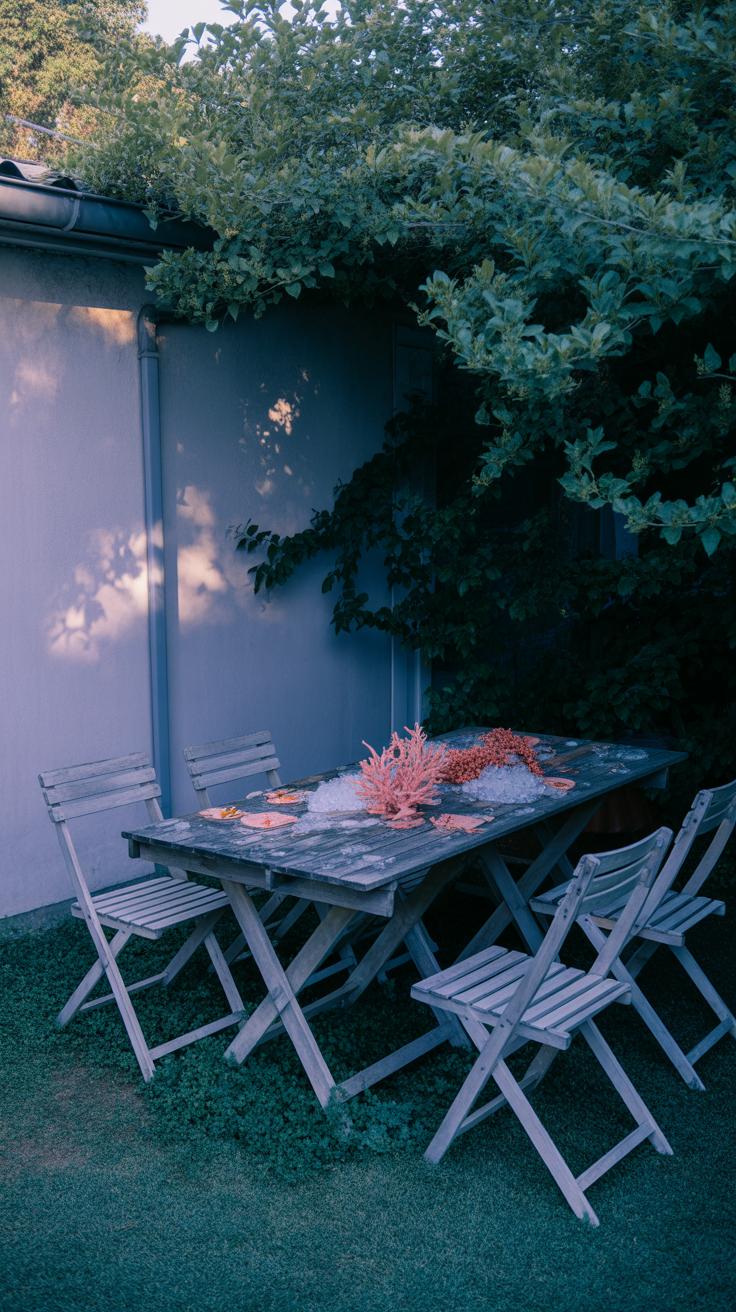
After the last guest leaves, the real test begins. Clean-up and managing leftovers can quietly add up to surprise expenses if you’re not careful. Think about the trash bags overflowing, or worse—damage to your yard or furniture that means unexpected repairs. These can nibble away at your budget long after the party’s over.
Start by setting aside a few supplies before the event: reusable containers for leftovers, biodegradable trash bags, and basic cleaning tools. When it comes to cleaning, avoid rushing into expensive disposal options. Instead, separate recyclables and compostables early on to reduce waste pickup costs. Stains on cushions or tablecloths? Treat them immediately with simple solutions like baking soda or vinegar before they set in.
Leftovers are a surprisingly tricky part. Tossing food may seem easier, but consider freezing or repurposing meals to stretch your dollars. For instance:
- Turn extra grilled veggies into soup or pasta sauce.
- Wrap up fruits and keep them fresh in the fridge for next-day snacks.
- Invite a few guests to take home some carefully packed leftovers.
This saves money on future meals and cuts down on waste. And honestly, sometimes you might end up eating leftovers simply because you already have them, which is fine. Just remember to store food properly—airtight containers are worth the small investment.
Overlooking these post-party tasks might seem tempting, but those small costs and wastes do pile up. So, should you plan the clean-up as carefully as the invitations? Probably yes, even if it feels trivial at first.
Conclusions
Backyard party planning requires careful budget management to avoid overspending. Common mistakes like buying too many decorations or neglecting weather plans can lead to unnecessary expenses. By being mindful of these errors, you can balance costs without compromising the event’s success.
Following the tips and insights shared here, you can create enjoyable backyard celebrations within your budget. Thoughtful planning and practical decisions ensure your party is memorable for all the right reasons, not financial stress.