The Myth Of Effortless Charm In English Cottage Garden

The Instagram Aesthetic Is Manufactured
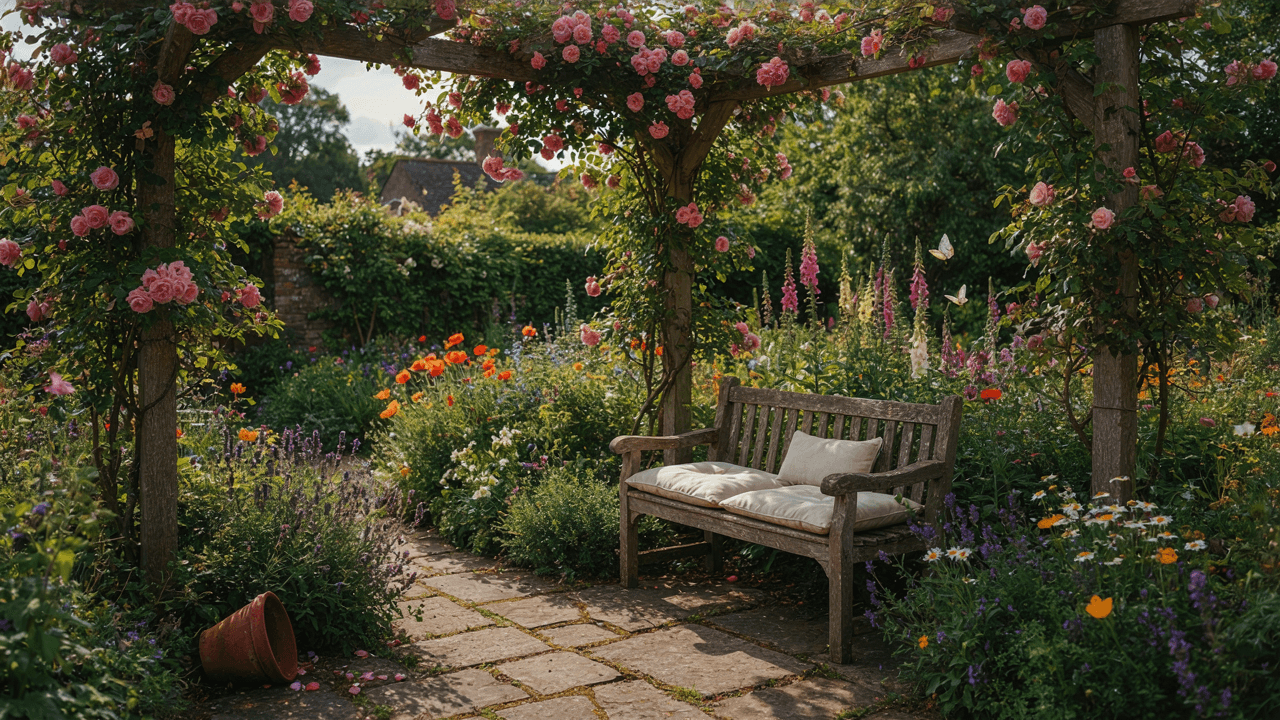
You want to believe a garden like that happens by accident because it justifies doing nothing yourself. The truth is ruthless: every “wild” seating nook you see online required deliberate plant selection, hardscape placement, and ongoing maintenance disguised as neglect. The English cottage garden style emerged from Victorian-era working gardens where function came first and visual appeal was a byproduct of dense planting for food production. Modern Instagram versions strip away the utility and keep only the visual language, then sell it as effortless.
The mechanism here is simple selection bias. You see finished photos from peak bloom months. You never see the February mud, the dead roses, the overgrown clematis strangling the bench frame, or the owner on their hands and knees removing self-seeded foxgloves that destroyed the sight line. Platforms reward the polished end state, not the 200 hours of work behind it. This distortion is why most people fail at cottage garden seating: they expect the result without understanding the input.
The Work That Looks Like Neglect
Curated wildness requires more precision than formal garden design, not less. Formal gardens hide mediocrity behind symmetry and repetition. Cottage gardens expose every mistake because the eye reads them as intentional choices. A climbing rose that tangles with honeysuckle and clematis appears organic only when each plant receives specific pruning cuts at specific times to maintain the visual hierarchy you want viewers to see.
The real labor sits in three areas: plant selection for simultaneous bloom timing, hardscape placement to create sightlines within apparent density, and seasonal maintenance that removes what doesn’t serve the composition. You must prune climbing roses in late winter before new growth. You must deadhead wildflowers to control self-seeding patterns. You must stake or tie climbing vines to define their growth direction. This is not gardening by accident. This is architecture expressed through living material.
Beyond The Bench: Designing Functional Seating Areas In Gardens

Where You Actually Sit Matters More Than What You Sit On

You want the garden to feel intentional because an intentional space signals you have your life together. Here’s what kills most cottage garden seating: people place it where it looks good in photos, not where they’ll actually use it. The mechanism is simple: sightlines and wind exposure determine occupancy. A seat facing a wall with your back to the garden stays empty. A seat positioned to catch afternoon light while sheltered by climbers gets used daily. Placement solves the problem before comfort even enters the conversation.
The path from house to seat must be shorter than the friction of deciding to sit down. Most people won’t walk fifteen feet through uneven ground or navigate narrow passages. Put seating within visual range of your main living area and within a thirty-second walk on flat or gently sloping ground. Proximity beats aesthetics every time. You’ll sit in an ugly chair placed well before you’ll sit in a beautiful chair that requires effort to reach.
Depth, Support, And The Sitting Angle Nobody Adjusts
Ergonomics isn’t about luxury—it’s biomechanics applied to a chair, and it determines how long you’ll actually stay seated. Most cottage garden seating fails because the seat depth runs too shallow or too deep. A proper seat depth ranges from 16 to 18 inches from backrest to edge. Anything less compresses the thigh. Anything more forces you to perch or slide forward. The backrest angle matters more than cushion softness. A 100 to 110 degree recline keeps your spine neutral without making you feel like you’re falling backward.
Armrest height should hit your elbow when your arm rests naturally at your side while seated. Most garden benches either skip armrests or position them too high, forcing shoulder tension. A solid wood seat with a curved or contoured surface outlasts padded seating in cottage gardens. Moisture from climbing roses and morning dew degrades cushions. Install seats with a slight forward slope so water doesn’t pool. Test the actual seat by sitting for twenty minutes before committing to the design—not five minutes, not a photograph. Your body tells you what works better than any design principle ever will.
The Biomimicry Protocol: Engineering Your Wildflowers

Plant In Layers, Not In Rows

You want this to look effortless, which means you’re actually afraid of the work showing. Here’s the mechanism: natural ecosystems don’t establish themselves at once. They arrive in waves. Ecology calls this succession, and succession in your seating nook works like this: pioneer species colonize bare ground first, then mid-stage plants move in as conditions shift, then climax species stabilize the system. Your job is to compress this timeline and control it.
Start with nitrogen-fixing plants and aggressive colonizers in year one. Lupines, foxgloves, and self-seeding annuals establish fast and prepare soil for what comes next. Year two and three, introduce perennials that need more established conditions: delphiniums, coreopsis, salvias. Your climbing roses go in from the start but take two seasons to establish the woody framework they need. This staggered entry prevents competition collapse and builds a self-sustaining system instead of a static flower bed.
Ecological Architecture For Permanence
Most cottage garden advice ignores the soil food web entirely. That’s incomplete. Your wildflowers don’t thrive because they’re planted close together. They thrive because the microbial network beneath them transfers nutrients and water efficiently between plants. Mycorrhizal fungi, bacteria, and arthropods create the actual infrastructure. You build it by layering organic matter, not tilling annually like conventional gardens demand.
Apply this protocol: establish a mulch layer of decomposing leaves and wood chips around your seating area, refresh it twice yearly, and never disturb the soil deeper than two inches. Let fungal networks expand undisturbed. Plant densely enough that root zones overlap by design. The roses’ root depth anchors deep nutrients upward. The wildflowers’ shallow roots access them. Perennial grasses stabilize structure. This isn’t decoration. It’s a working ecosystem designed to reduce your maintenance to near zero while the system feeds itself.
Climbing Roses: Not Just A Pretty Face (Cottage Core Backyard)

The Frame Matters More Than The Flower

You want the roses to look effortless. That’s the real reason you’re reading this. The mechanism everyone skips is that climbing roses are load-bearing plants, not decorative ones. Think of it like structural engineering: a rose vine carries its own weight plus snow, wind, and the weight of blooms. Your support system isn’t aesthetic infrastructure. It’s load-bearing infrastructure that happens to disappear behind growth. Without it, the plant fails or the seating fails or both do.
Most cottage garden advice treats the support as secondary. It isn’t. A mature climbing rose generates lateral force on anchor points during storms. The rose ‘Constance’ or ‘Zephirine Drouhin’ can reach 15 feet with full canopy density. Your arbor, pergola, or trellis needs steel or treated hardwood rated for that wind load, not decorative lattice that looks nice in photos. Mount supports into solid structure, not drywall or weak fence posts. The blooms follow the frame you build.
Training Builds The Skeleton Before The Flowers Show
Training isn’t pruning. Pruning removes growth. Training directs it. You’re establishing the permanent scaffold the plant lives on for 10 to 20 years. This is how you separate a rose that produces blooms from a rose that produces structure that lasts.
Most gardeners tie roses vertically. That’s passive. Active training means angling primary canes at 45 degrees to horizontal, which forces lateral bud breaks instead of a single tall stem. Secure new growth to the frame monthly during the growing season using soft ties, never wire. Remove competing shoots that fight the structure. By year two, the rose has a permanent form. After that, maintenance pruning removes only deadwood and crossing canes. The plant flowers because the skeleton is locked in place.
The Illusion Of “Wild”: Controlled Chaos

Strategic Plant Selection Separates Intent From Accident

You want the cottage garden to feel effortless because effortlessness signals taste and restraint, not because it actually is effortless. The mechanism is this: native plants establish faster, require fewer inputs, and self-seed predictably within your zone. Invasive species spread indiscriminately and steal resources from your intentional design. The difference determines whether your seating nook feels curated or abandoned.
Native perennials and wildflowers anchor a cottage garden because they evolved to thrive in your specific climate and soil. They need less water, less fertilizer, and less intervention than exotic imports. Roses and climbing vines work alongside natives, not instead of them. Your role is deciding which natives provide structure, which attract pollinators near seating, and which you’ll remove before they choke out your design. That’s control disguised as nature.
Pruning As The Invisible Architecture
Everyone says “prune to shape,” which is useless advice that explains nothing. Pruning is actually your primary tool for creating sightlines, defining the seating zone’s boundaries, and controlling how climbing roses frame views. The military calls this “establishing killzones” through strategic positioning. You’re doing the same thing with vegetation, except your goal is comfort and focal points, not conflict. Every cut determines what the person sitting down will see, feel enclosed by, or look through.
Hard pruning in late winter removes dead wood and forces dense, compact growth on roses and climbing clematis. Soft pruning in summer shapes form and removes spent growth that breaks your sightline. The person sitting in your nook should feel framed by plants, not buried by them. Cut back overgrowth that blocks views to garden depth or sky. Leave structure that creates intimate enclosure without claustrophobia.
Small Courtyard Gardens: Maximizing Limited Space
Going Up Instead Of Out

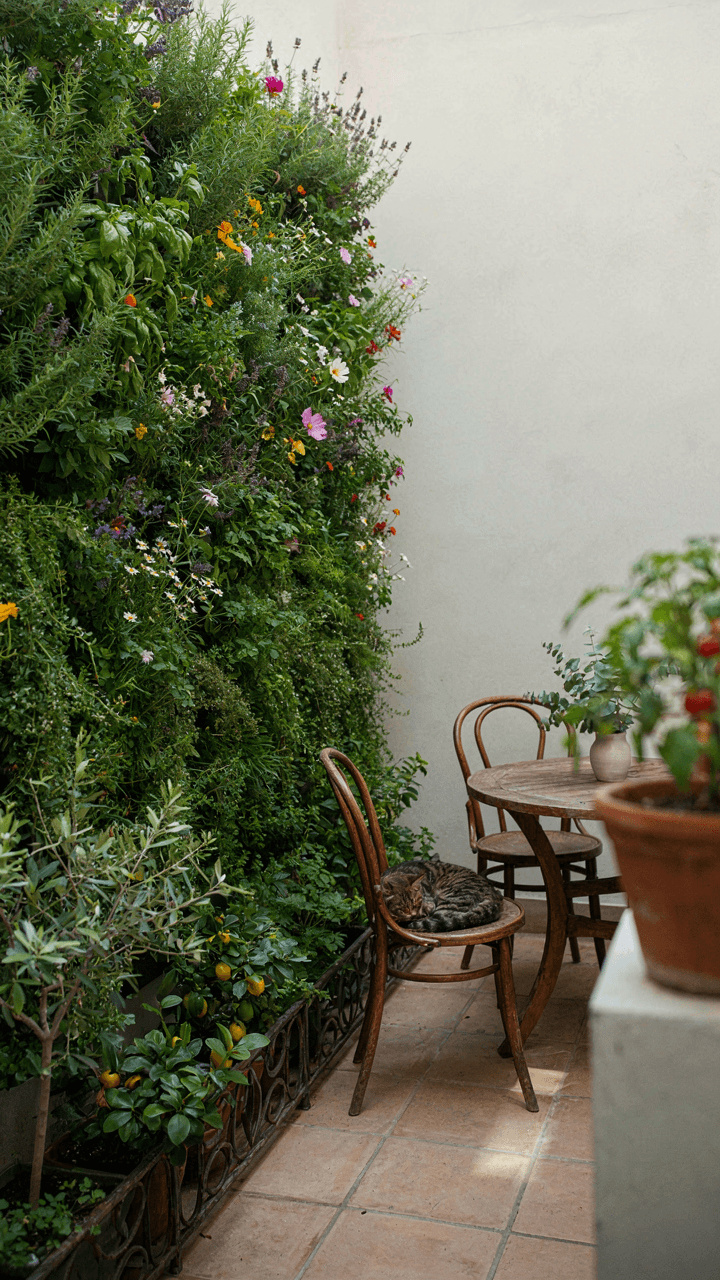
You want people to think your postage stamp garden is intentional, not a constraint. That’s the real problem here. Vertical gardening borrows from architecture’s load-bearing principle: distribute weight across a vertical plane instead of consuming ground area. A climbing rose doesn’t care if it climbs a wall, trellis, or fence. It produces the same flowers either way. Most advice stops at “plant vertically,” which is useless. You need the mechanism: trellising forces plants into narrow zones, freeing ground space for seating while the roses and clematis do their work overhead.
A courtyard garden under 200 square feet needs every inch counted as real estate. Wall-mounted trellises, arbors over pathways, and espalier techniques let you grow climbing varieties without surrendering the ground footprint. Install the structure first. Bolt or cement posts into place. Then plant. The climbing rose becomes your visual ceiling, creating the illusion of a larger garden while delivering shade and fragrance directly above where people sit. This is why vertical gardening works in small courtyards: it trades floor space for volume.
Seats That Do More Than One Thing
Bench designs that pull double duty aren’t luxury, they’re necessity in confined spaces. Storage benches hide tools and cushions underneath. Raised planters with built-in seating edges let you garden and sit without moving. Corner units with hinged lids create micro-zones for potting supplies. The mistake most people make is treating seating and storage as separate problems that happen to occupy the same footprint. They’re not. They’re one problem with one solution.
Measure your courtyard’s actual dimensions before buying or building anything. A 4-by-6-foot seating area needs a bench no wider than 18 inches deep so people can move around it. Pair this with a planter box along the opposite wall, stacked with wildflowers and climbing roses at varying heights. Position the bench to face the planting wall. This creates sightlines, containment, and functional seating without cramping movement. Build the furniture to the space, not the space to the furniture.
Integrating Hardscaping: Foundations Of Charming Garden Seating
Choose Materials That Outlast Your Attention

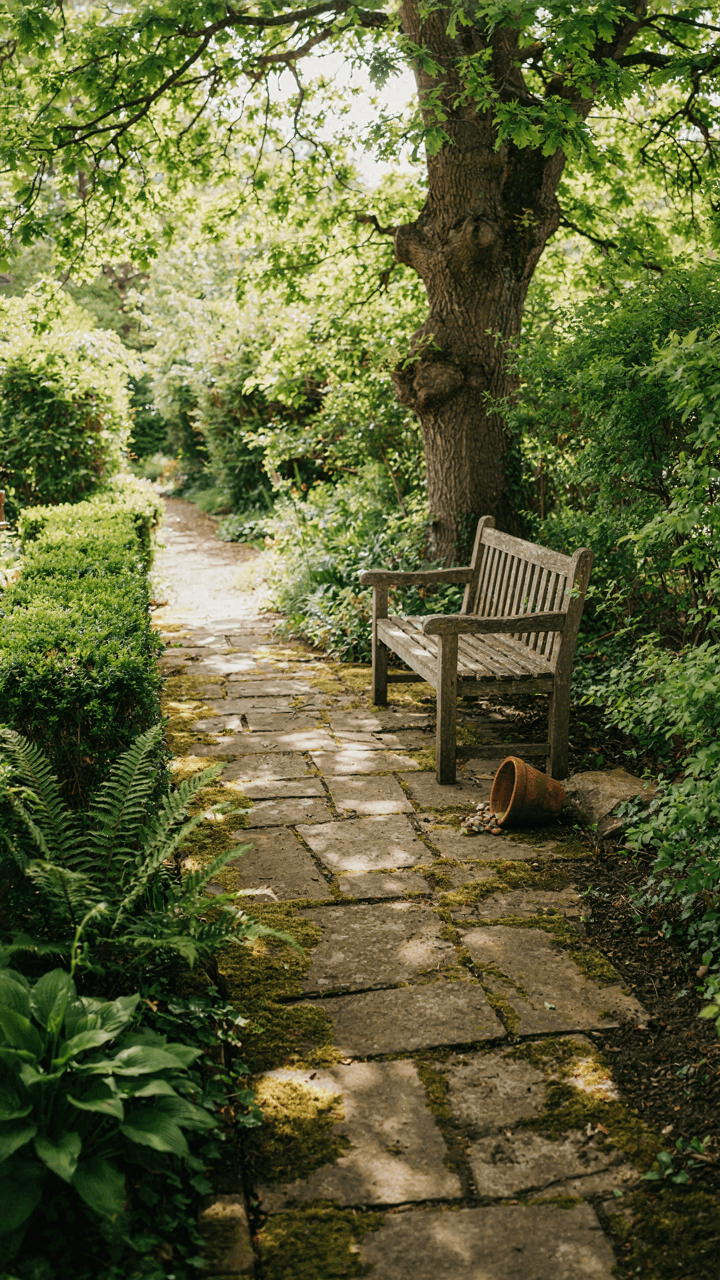
You want this to look effortless, which means you need materials that won’t force you to maintain them constantly. The real mechanism here is simple: stone, brick, and wood have different decay curves, and picking wrong means you’ll either rebuild in five years or spend weekends treating rot. Reclaimed brick and salvaged stone carry the cottage garden aesthetic because they’re genuinely old, not because of sentiment. New materials mimicking age fool no one who looks closely.
Durability isn’t about buying expensive things. It’s about matching material lifespan to your actual maintenance tolerance. Granite and slate last decades with minimal intervention. Pressure-treated lumber becomes toxic waste in your soil over time. Concrete cracks predictably. Brick from the nineteenth century still supports seating areas without degradation. The material determines the rhythm of your work, not the other way around.
Build Foundation Systems That Stop Water From Winning
Drainage is physics applied to garden seating: water always moves downward and sideways, and if you don’t engineer for that, frost heave and subsidence will shift your bench within two winters. Most people ignore this and wonder why their carefully placed seating tilts by spring. You prevent it by understanding load distribution and water management before you pour the first foundation layer.
Start with undisturbed or properly compacted soil as your base. Add four to six inches of gravel or crushed stone for drainage and load distribution. Then place your hardscape material on top. For permanent benches or seating walls, concrete footings set below the frost line hold everything stable. Slope surfaces away from seating areas at one-quarter inch per foot minimum so water sheds instead of pooling. This system works because it accepts water’s behavior instead of fighting it.
The “Less Is More” Protocol For Cottage Garden Patio Ideas
Curate What Actually Works

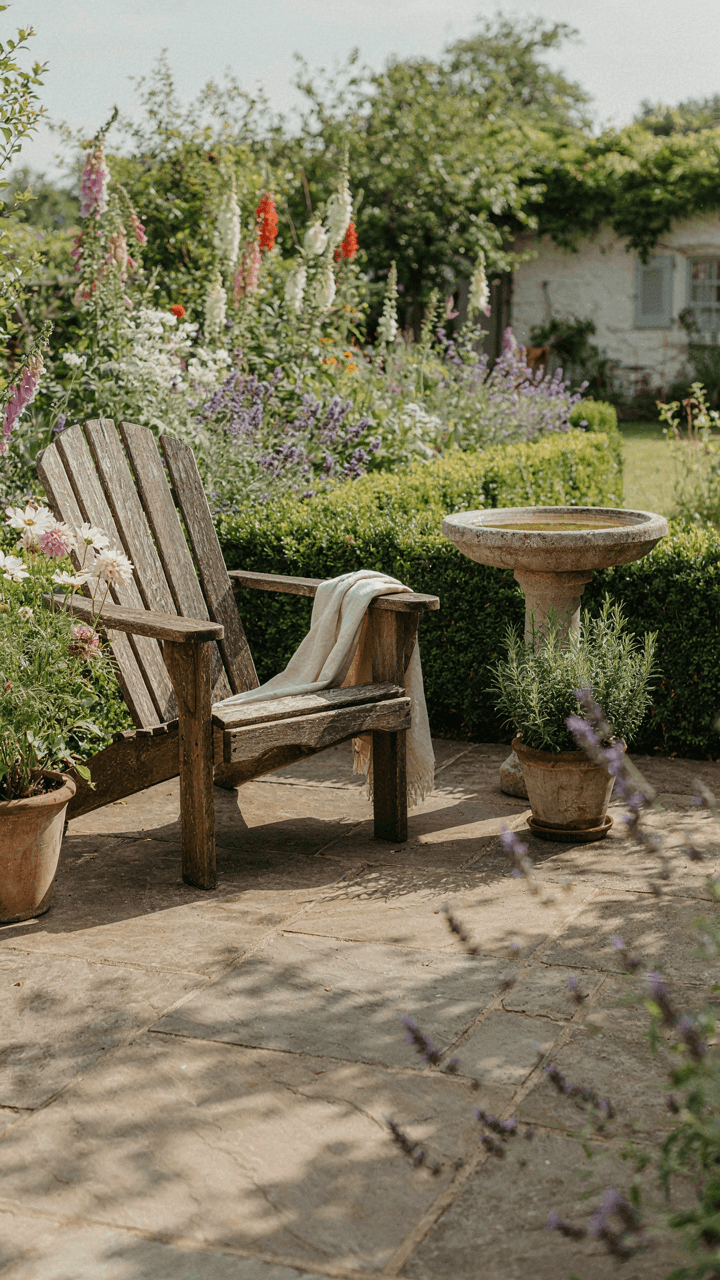
You want your garden to look intentional, not abandoned. Most people fill space because they fear emptiness, then blame the garden for feeling chaotic. The mechanism is simple: constraint forces better decisions. A cottage garden doesn’t mean every surface planted. It means every element earns its place through function or genuine aesthetic contribution.
Start by identifying what your seating area actually needs. A bench. Shade or shelter. A sight line to something worth looking at. Everything else is negotiable. Remove the assumption that “cottage” means maximum plant density. Historical cottage gardens grew food and medicine, not decoration. Modern interpretations added ornamental plants, but the principle stayed the same: nothing wasted, everything intentional.
- Seating structure: Bench, chair, or built-in stone seat. Choose one primary piece and let it anchor the space functionally and visually.
- Overhead element: Trellis, pergola, or climbing frame for roses. This defines the nook and creates usable shade without visual clutter.
- Ground plane: Gravel, stone, or brick paving. A clear floor prevents the seating area from dissolving into the plantings around it.
- One focal planting zone: Designate where climbing roses or primary wildflower clusters go. Concentrate visual weight rather than scattering it.
- Access path: A clear route to the seating nook. Overgrown paths signal neglect and reduce the space’s actual usability.
The discipline here separates functional cottage gardens from Instagram approximations. When you name exactly what the space does, you stop adding things that look nice but contribute nothing. This is how you build a nook people actually use instead of photograph once then ignore.
Specimen Quality Over Botanical Quantity
The advice that cottage gardens should overflow with variety is backwards. Abundance of mediocre plants creates visual noise, not charm. What actually works is strategic repetition of high-performing specimens. A climbing rose that thrives in your specific microclimate produces more impact than twelve marginal perennials struggling to establish.
Select plants that already match your garden’s conditions rather than fighting the site. One robust, well-sited specimen of Rosa ‘New Dawn’ or similar climbing variety does more for a seating nook than three underperforming roses competing for resources. Wildflowers work the same way: native species adapted to your soil and moisture regime need minimal intervention and flower reliably. Abundance comes from these plants thriving, not from stocking every cultivar. The visual payoff is higher density from fewer varieties all performing at peak health simultaneously.

Garden Bench Area: Purpose Built Vs. Decorative

Function Determines Form, Not Instagram Value
You want the bench to look good in photos because you think that proves the garden works. It doesn’t. A bench that looks perfect but collapses under weight or forces you into an awkward posture for ten minutes becomes a liability you’ll avoid. Think of this in terms of load bearing from structural engineering: every bench has a rated capacity, but more important is the actual use case it’s designed for. A bench meant for conversation differs from one meant for solitary reading or watching birds.
Purpose comes first because the bench’s geometry, material, and placement must match how your body will actually occupy it. A reading bench needs a recline angle and back support. A social bench needs width for two people and a height that lets conversation happen at eye level without craning. A morning coffee bench needs sun exposure and proximity to the house. These aren’t aesthetic choices dressed up as practical ones; they’re functional requirements that determine whether you’ll use the thing or let it become a plant stand for creeping jenny.
Weather Resistance And Realistic Maintenance
The common advice is to pick materials like teak or cedar because they’re “naturally weather resistant.” That’s incomplete. No material survives prolonged outdoor exposure without maintenance. What matters is the type of maintenance and whether you’ll actually do it. Teak weathers to gray without oil but needs annual oiling if you want the honey tone. Cedar rots from the inside out if you don’t treat it. Cast iron rusts unless sealed. Stone absorbs moisture and develops algae.
Pick the material based on the maintenance cycle you’ll tolerate, then build that cycle into your calendar now. A painted hardwood bench needs repainting every three to five years depending on climate exposure. A galvanized metal frame with removable cushions needs cushion replacement every two to three seasons. A concrete bench needs sealing and occasional power washing. The bench fails not when it decays but when you stop maintaining it. Set a phone reminder for the same month each year, or accept that your bench will deteriorate visibly within eighteen months and plan accordingly.
Your Aspiration For An English Cottage Garden Isn’t About Flowers; It’s About Control
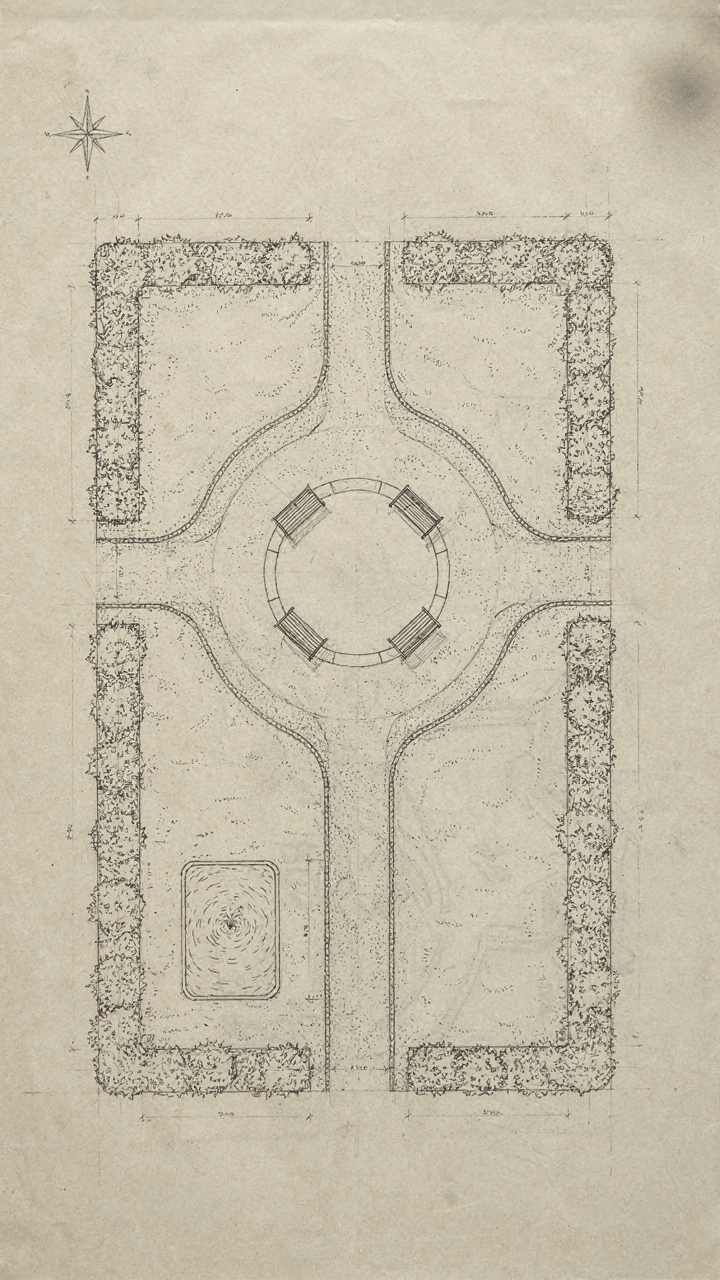
Most people design cottage garden seating backward. They plant first, hope a nice spot emerges later. You’re different. Pick your exact seating location today. Measure it. Then build the garden around that anchor point. The roses and wildflowers follow the bench, not the other way around. You don’t create a garden and stumble into comfort. You engineer comfort and let the beauty fill the gaps. A cottage garden seating nook only works when you’ve decided exactly where you’ll sit before you plant the first seed.