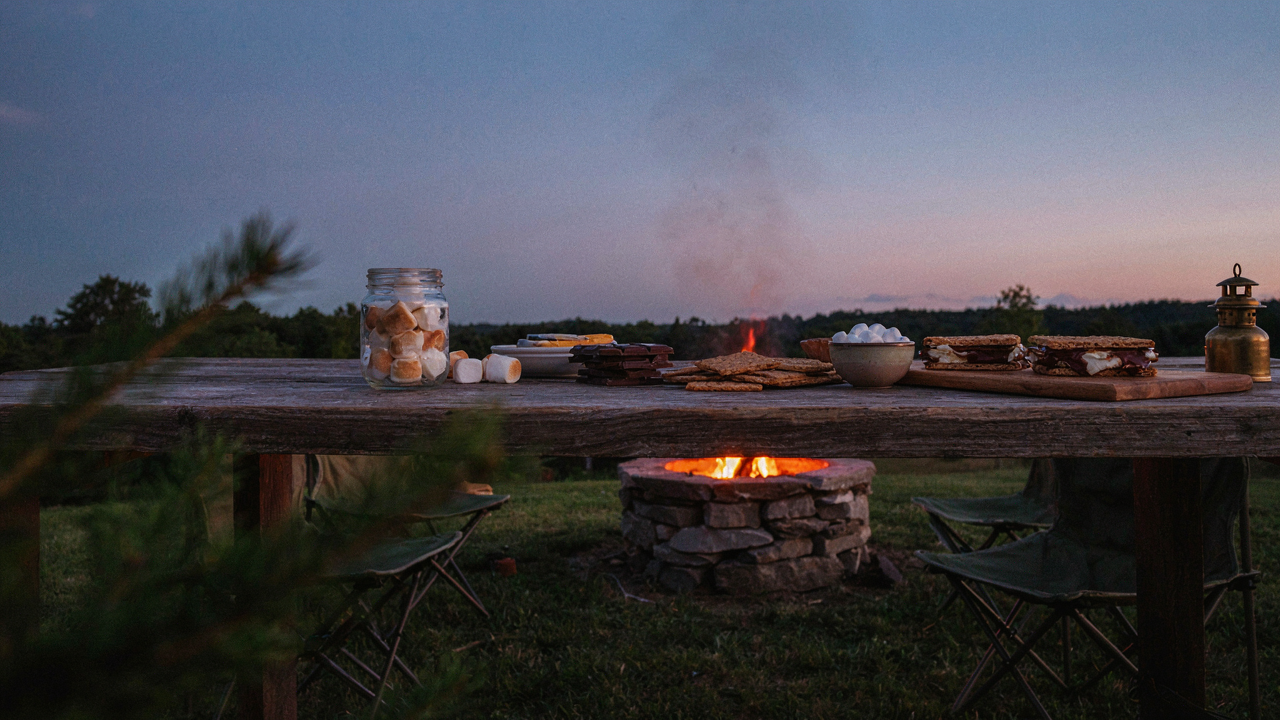
The Illusion Of Endless S’mores Bar Options

When More Choices Paralyze Instead Of Delight
You think a massive s’mores bar signals generosity and impresses guests. It doesn’t. It signals you didn’t think about what people actually want. Cognitive load is the mechanism here—borrowed from psychology, it’s the mental effort required to process information. Each chocolate variety, marshmallow type, and graham cracker option adds cognitive weight. Your guests stand there scanning twelve choices when they came to eat, not audit a confectionery inventory. The paradox is real: abundance creates friction instead of freedom.
Most hosts get this backward. They assume more options mean better parties. The research on choice paralysis is decades old, yet people still build s’mores bars like they’re stocking a boutique. Three chocolate types beat twelve every time. One marshmallow style beats five. The constraint forces intentionality. You pick what actually works together instead of dumping every variant you found at the store. The goal is a s’mores bar that takes five seconds to navigate, not five minutes.
The Cost Of Making Guests Think
Decision fatigue is an economics term describing how each decision depletes mental resources for the next one. Your guest arrives tired from the week. They don’t want to weigh marshmallow density before toasting. Every extra choice is a tax on their evening. They’ll take less, enjoy it less, and remember the stress more than the food. The s’mores bar becomes a problem to solve instead of an experience to enjoy.
Keep it tight. Two chocolate options maximum. One marshmallow. One premium graham cracker type if you want to differentiate. Add one wild card—maybe a peanut butter cup or salted caramel square—and stop. This isn’t about being stingy. It’s about respecting attention. Guests will consume more s’mores, eat more chocolate, and leave happier when the bar demands zero deliberation.
S’mores Station: The Scarcity Principle Applied
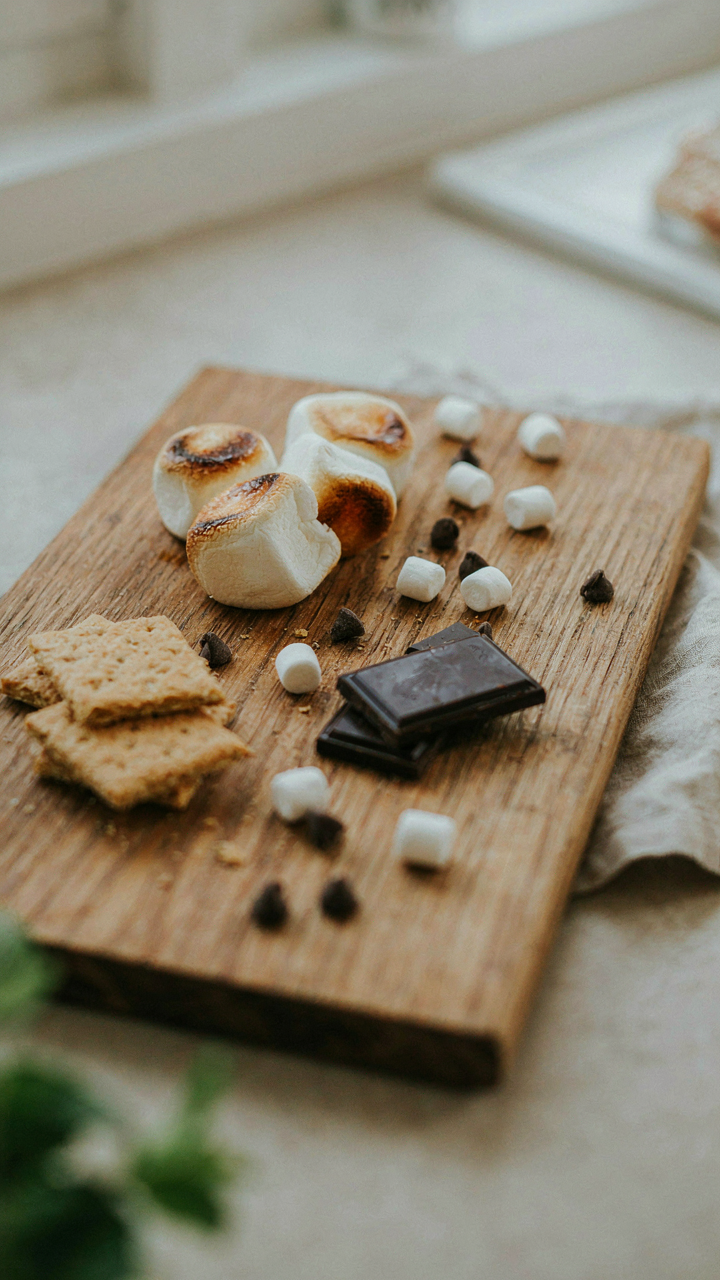
The Core Four Ingredients

You want people to remember your party, not forget it happened. The mechanism is scarcity. Economics teaches us that perceived scarcity drives perceived value. Apply this to your s’mores bar: you don’t stock unlimited options. You curate.
The traditional s’mores uses graham crackers, chocolate, and marshmallows. Stop there. Constraint forces quality. One chocolate variety beats five mediocre ones. Buy real graham crackers, not the thin grocery store wafers. Use actual chocolate bars or quality chocolate squares, not chips. Get full-size marshmallows, toasted fresh over flame. These three items, done right, outperform a confused spread of twenty ingredients that dilutes attention and effort.
Quality Beats Abundance Every Time
Most people build s’mores bars wrong. They assume more options mean more satisfaction. This is false. The real leverage is in what you remove, not what you add.
Start with the core three. Then add exactly one premium addition: either upgraded chocolate like Lindt or Ghirardelli, or specialty marshmallows like flavored varieties. One. The guest faces a clear choice, not decision paralysis. They commit to the option and own the outcome. This drives conversation and memory. When you leave at the end of the night, they remember the choice they made, not the overwhelming buffet you failed to manage.
The “Essentials Only” S’mores Display Ideas
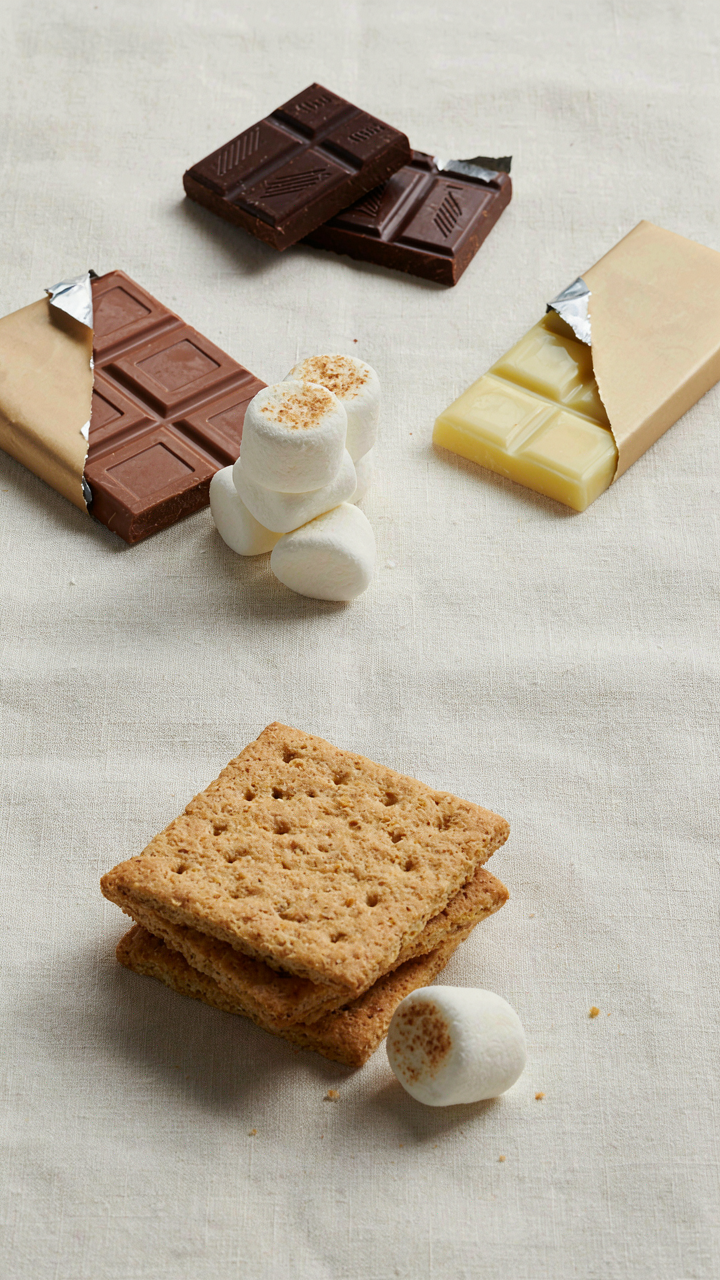
What Your Guests Actually Want

You’re worried about looking cheap or unprepared. The real mechanism here is constraint, borrowed from economics: scarcity increases perceived value. A curated s’mores bar with three chocolate options beats a table cluttered with fifteen mediocre choices that confuse guests and waste money. Constraint forces intentionality. People remember what they chose from a tight selection, not what they ignored from abundance.
The data on s’mores consumption is simple. Most guests eat one to three s’mores per event. They want one chocolate, one cracker, one marshmallow. Offering more than that doesn’t increase consumption—it increases waste and setup burden. Survey guests beforehand about actual preferences: chocolate type, marshmallow size, cracker style. You’ll find consistency, not wild variety.
Strip The Display Down To Three Layers
Everyone says “offer choices.” That’s lazy thinking. Too many options paralyze guests and leave you with half-empty containers and cleanup work at midnight. A s’mores bar works as a decision tree: Graham crackers (one type), chocolate (one premium option), marshmallows (one size). That’s the core. Everything else is optional padding you’re keeping out of habit or insecurity.
Start with what actually gets eaten. Milk chocolate outpaces dark chocolate at most gatherings. Graham crackers remain standard because they’re proven, not because you lack imagination. Jumbo marshmallows toast faster than mini ones and reduce stick risk. Butter, cinnamon sugar, or sea salt packets work as single-addon stations. Test this setup at one event, track what remains, then adjust. That feedback loop beats guessing.
Optimizing Your S’mores Table Ideas Layout
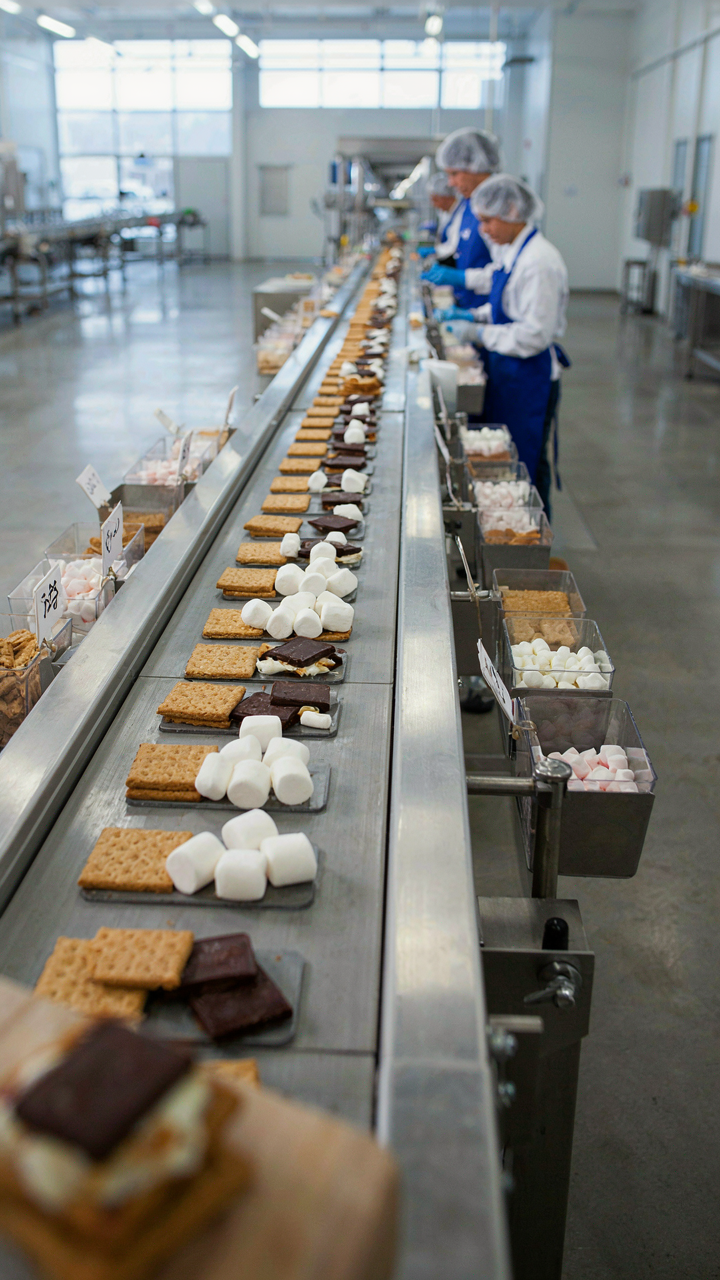
The Assembly Line Principle

You want people to look competent while making s’mores. That’s what this is really about. The mechanism here is workflow efficiency, borrowed from manufacturing. In a real assembly line, stations move product forward without backtracking. Your s’mores table does the same thing: it eliminates the dead time where guests stand confused holding a graham cracker. Position crackers at the entry point, chocolate and marshmallows in the middle, and the heat source on one end so traffic moves in one direction only.
This isn’t about being fancy. It’s about reducing friction so people actually make s’mores instead of abandoning the project halfway through. When someone can grab-assemble-toast-eat without pivoting their body three times, they do it faster and make more of them. The fewer decision points between components, the higher your consumption rate. Measure success by how quickly your stack of graham crackers depletes.
Tool Placement For Speed
Toasting forks belong closest to the fire, not bundled with the crackers ten feet away. Serving utensils for chocolate and marshmallows should sit directly above or adjacent to their containers so hands don’t collide mid-reach. The real constraint isn’t space; it’s hand collision and reach distance. Position heavy items like chocolate stacks low enough that people grab them without shoulder height reaching, which exhausts them faster and reduces repeat trips.
Set out more toasting forks than you think you need. One person per fork minimum, or people queue and leave. Plate stacks go at the table’s far end, not beside the marshmallows, so finished s’mores leave the assembly station immediately. Napkins sit at the eating zone, not at the build zone. This single rule prevents your table from becoming a sticky disaster where people wipe their hands on the supplies.
The Fire Pit Efficiency S’mores Bar Set Up

The Supply Chain Problem You’re Not Naming

You want people to think you’re organized, not scrambling. That’s why efficiency matters here—it signals control. The real mechanism borrowed from military logistics is the concept of forward positioning: goods staged near the point of consumption eliminate wasted motion. Your s’mores bar works the same way. Position ingredients at arm’s reach from the fire, not scattered across a table twenty feet away. Every extra step kills momentum and creates bottlenecks when ten people want to build at once.
The fire pit itself becomes your distribution hub. Heat radiates outward in a predictable pattern. Cold ingredients (chocolate, crackers, marshmallows) belong on the outer ring where temperature won’t compromise them. Tools and assembly surfaces occupy the middle zone. This isn’t decoration—it’s workflow design. You’ve eliminated the cognitive load of guests hunting for what they need while managing a flaming marshmallow.
Staging Ingredients For Rapid Deployment
Most people dump everything on one table and call it done. Wrong. Separation of ingredients by function is what actually moves people through assembly fast. Crackers in one container, chocolate in another, marshmallows in a third. Each item gets its own station so multiple people can grab simultaneously without collision or delay.
Position the fire poker stand or roasting stick holder directly between the heat and your assembly zone. This is the critical path: marshmallow goes on stick, stick goes to fire, roasted marshmallow comes back to assembly station. The shorter this distance, the faster the cycle. Group chocolate and crackers on the same surface so the roasted marshmallow never waits. Waiting marshmallows cool and firm up—you lose the structural advantage of heat-softened chocolate.
Beyond The Basic: Calculated Deviations For Smore Bar Ideas
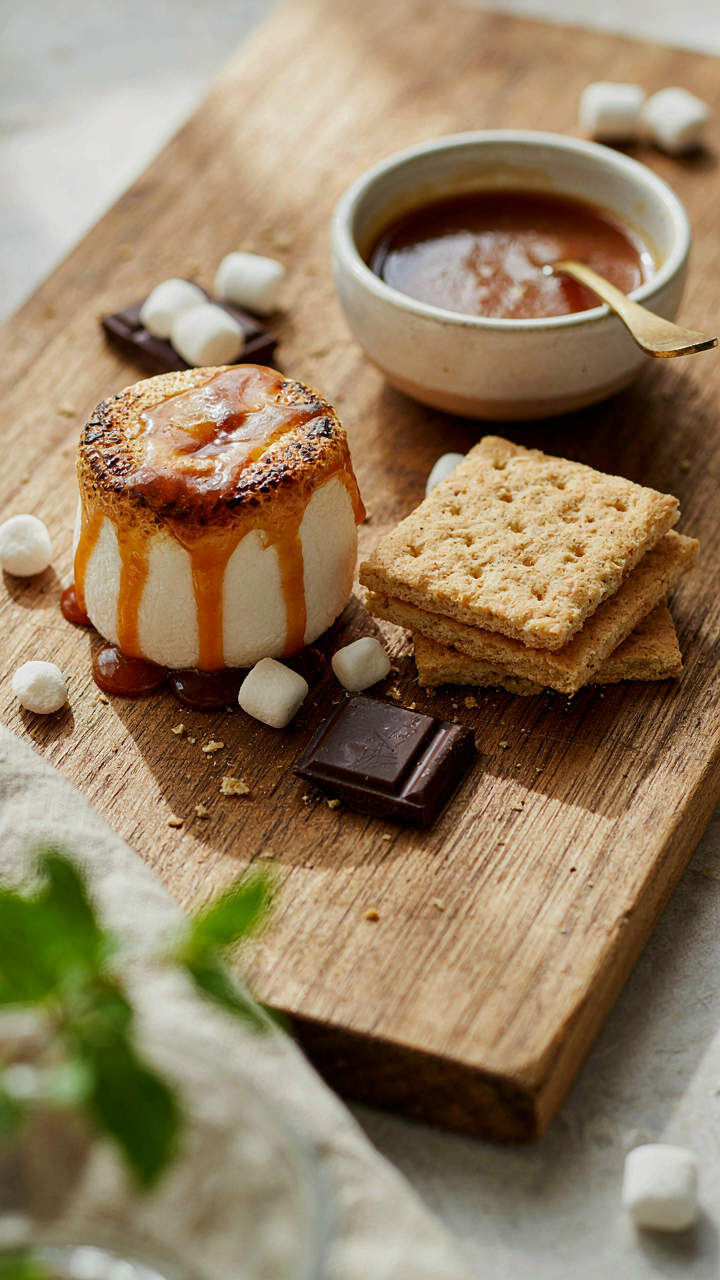
The Miso Caramel Upgrade

You want people to think you’re the type who knows things they don’t. Here’s the mechanism: miso caramel works because umami compounds in miso amplify the sweetness perception of caramel without adding more sugar. Your guests taste “richer” without tasting “sweeter.” Source a white or red miso from any grocery store, melt it into room-temperature caramel, and use it as a chocolate substitute or spread layer. The salt content in miso also cuts through chocolate’s heaviness, making the whole smore less cloying.
The execution matters more than the ingredient. Most people dump miso into caramel and wonder why it tastes bitter or grainy. Miso needs gentle heat and constant stirring. Heat caramel to 160 degrees, remove from flame, whisk in miso paste slowly until homogeneous. Let it cool fully before service. Pre-portion it into small jars so guests grab a spoon instead of trying to apply it mid-toast. This isn’t fusion novelty. It’s applied food chemistry that changes the sensory experience.
When Specialty Items Become Liability
The common advice says “add more options and guests will have fun customizing.” Wrong. Economics calls this the paradox of choice, but on a smore bar it manifests differently: specialty items create decision paralysis and waste. Salted pretzel chocolate, bourbon-soaked marshmallows, artisanal graham crackers made with activated charcoal—each new option fragments your setup and splits attention. Your guests spend fifteen minutes choosing instead of eating and talking.
Test specialty items before the party on a small group. If it doesn’t perform in that test run, cut it. Specialty items that work are ones that solve a real problem or create a clear flavor hierarchy. A salted pretzel chocolate works because it adds texture contrast and satisfies the salt-sweet craving. Activated charcoal crackers work if you have guests with specific dietary restrictions they’ve already mentioned. Otherwise, you’re running a novelty shop, not a smore bar. Limit yourself to one calculated gourmet deviation and two reliable standards.
S’mores Party Bar: Ignorance Of Your Guest’s Preferences
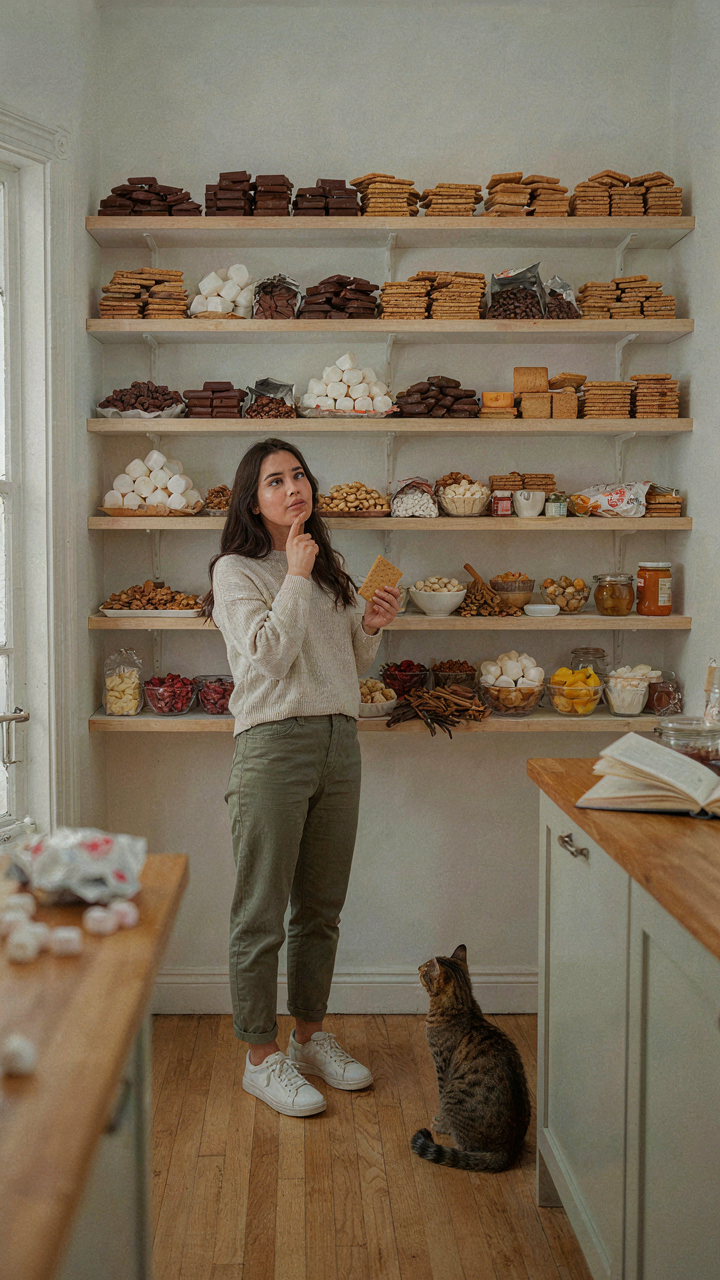
The Tyranny Of Something For Everyone
You want everyone to feel accommodated because you’re afraid someone leaves thinking you didn’t prepare. Here’s the mechanism: offering too many options paralyzes choice and tanks satisfaction. This is constraint theory applied to s’mores bars. You think abundance signals thoughtfulness. It signals chaos instead.
Most hosts stock every chocolate bar at the grocery store, three types of crackers, and marshmallows in bulk. Guests stand there overwhelmed, grab something random, and end up less satisfied than if you’d given them five deliberate choices. Paradox of choice isn’t just psychology. It’s operational friction that kills the experience you built the fire pit to create.
Limited Choice Enhances Satisfaction
Constraint forces decision confidence. When you offer one premium chocolate, one cracker type, and one marshmallow style, your guests commit to the combination instead of second-guessing themselves mid-bite. The bar becomes a curated menu, not a vending machine.
Set up exactly three chocolate options: one dark, one milk, one specialty like sea salt caramel. Two cracker types max. One marshmallow size unless you’re running a kids’ section separately. This isn’t stinginess. This is design discipline. Guests finish their s’mores faster, eat with intention, and come back for rounds because they know what they’re getting and it works. Your restocking burden drops by half, and people remember the party for how well it ran, not for how many choices they had.
The “Effortless Experience” S’mores Station Ideas Protocol
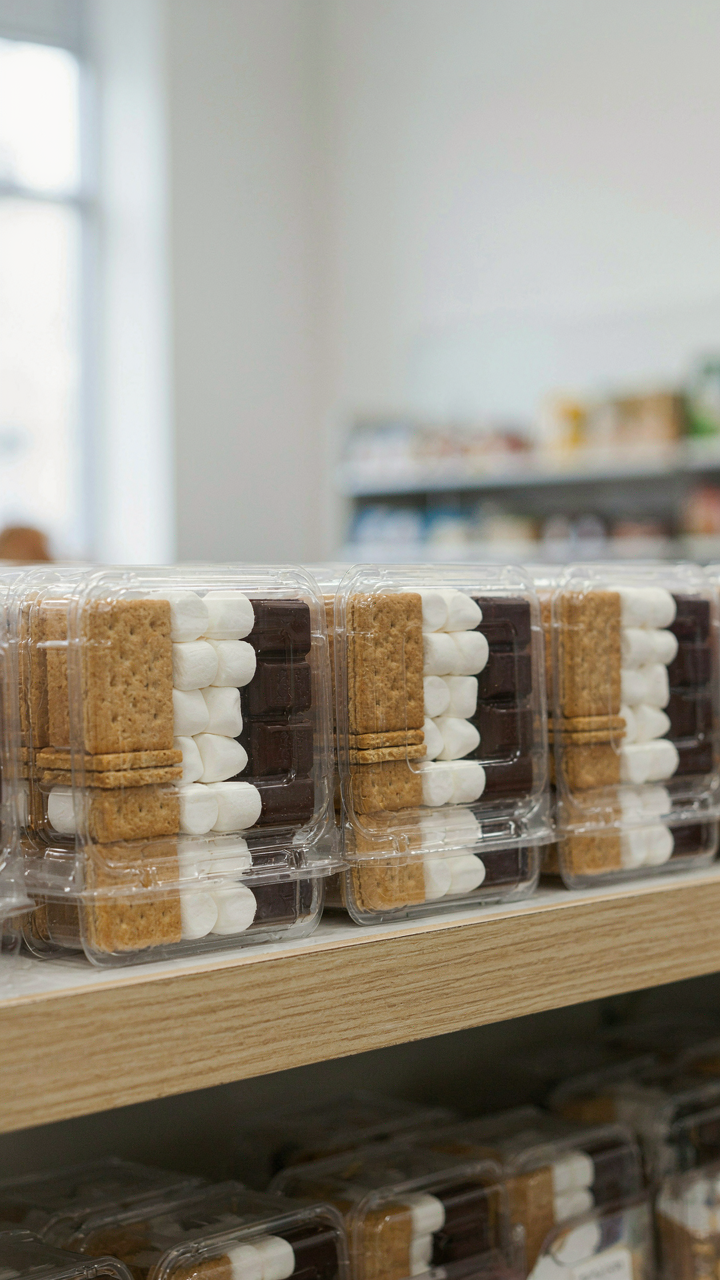
Pre Assembly And Portion Control

You want people to think you didn’t try. That’s the real reason you’re reading this section. Here’s what actually works: treat your s’mores bar like inventory management from retail, not like a casual snack table. Pre-assemble components into individual portions so guests never face decision paralysis or grab excess. This removes friction from the eating experience and controls costs simultaneously.
- Graham cracker pairs: Stack two crackers per bundle, wrap in kraft paper. Guests grab one unit and know they have enough for one complete s’more without calculation.
- Chocolate squares sorted by type: Pre-cut chocolate into single-serving rectangles. Dark, milk, and specialty varieties in separate small bowls. No guessing about thickness or quantity.
- Marshmallow skewers: Thread marshmallows onto wooden or metal sticks beforehand. One stick per person, placed in a holder. Eliminates the “which marshmallow is mine” problem.
- Toasting station toolkit: Bundle roasting tools, fire gloves, and napkins into labeled sets of five or six. Guests take one kit and move through the process without hunting for supplies.
- Condiment portions: Pre-measure honey, cinnamon, or peanut butter into small ramekins or squeeze bottles. One per person or one per two people, depending on headcount.
Portion control stops waste before it starts. When guests self-serve unlimited chocolate, they take more than they eat. Pre-assembled quantities create a natural stopping point. This also makes cleanup faster because you’re not scraping half-melted chocolate off random surfaces at midnight.
Minimalistic Serving Vessels
Stop using elaborate tiered stands and ornate platters. They make the station harder to restock, create visual clutter, and signal that you’re trying too hard. The mechanism here comes from design discipline, not decoration. Constraint forces clarity. Use vessels that serve a single, obvious purpose and stack efficiently when empty.
Plain ceramic bowls, kraft paper boxes, and stainless steel hotel pans do the job better than anything with legs or compartments. They’re easier to refill without disrupting the guest experience, stack compactly for storage, and create neutral visual space that actually draws attention to the s’mores themselves. Arrange these vessels in a linear progression that mirrors the assembly order: crackers, chocolate, marshmallows, then the roasting station. Guests move through left to right without backtracking. Label each vessel with a small card so new arrivals understand the flow without asking you questions.
Rejecting The “Instagrammable” S’mores Bar Fallacy
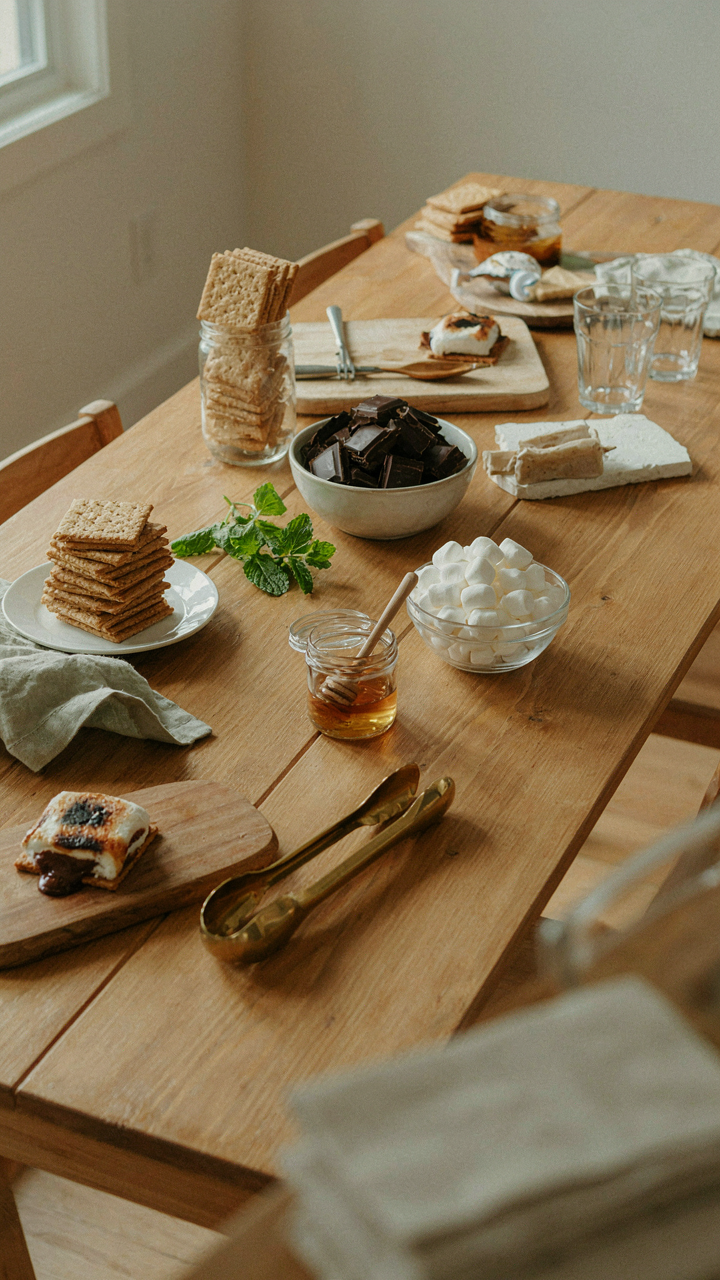
Authenticity Over Aesthetic Clutter

You want people to think you’re the kind of person who throws together effortless, beautiful gatherings. That fear is driving every decision you’re making about this s’mores bar, and it’s poisoning the actual experience.
The mechanism is simple: Instagram has trained hosts to optimize for the photograph instead of the function. A s’mores bar isn’t a display. It’s a staging ground for an activity. When you layer in mismatched vintage serving boards, hand-calligraphed labels, and decorative elements that serve zero purpose, you’re creating friction. Guests can’t find what they need. You spend the night rearranging. The experience collapses under the weight of aesthetic debt.
Focus On The Act, Not The Photo Op
The s’mores bar works because it removes friction from a specific action: toasting marshmallows and assembling the sandwich. Everything else is distraction. Organize by task sequence, not by how it looks in natural light.
Station your chocolate and graham crackers near the heat source where people actually roast. Group marshmallows by type and doneness preference close by. Skewers go where hands reach first. Plates, napkins, and wet wipes sit in a separate zone away from the active area. Skip the decorative elements entirely. Your s’mores bar succeeds when people forget it exists as a design object and use it without thinking.
The True Mark Of A Masterful S’mores Bar

Engagement Over Inventory
You want people to think you’re sophisticated for having seventeen marshmallow varieties. That’s not what makes a s’mores bar work. The real mechanism is activation energy in behavioral economics—the friction required for a guest to actually participate. Most hosts stack too many options, which paralyzes choice and kills interaction. People freeze at abundance.
A masterful s’mores bar removes decision burden by curating ruthlessly. Three chocolate types maximum. Two marshmallow options. One or two premium add-ons like sea salt or spiced graham crackers. The goal isn’t completion of inventory; it’s movement from guest to fire to assembly to consumption. Constraint forces engagement.
Memory Happens In Limitation
The consensus says more ingredients create better experiences. That’s backwards. Constraint builds ritual. When guests work within boundaries, they collaborate, experiment within safe parameters, and actually remember what happened. Excess creates noise.
A s’mores bar that matters has enough structure to guide behavior and enough simplicity that people remember the specifics. Record which guest preferred which combination. Notice who assembled carefully versus recklessly. These moments stick because they’re bounded by clear rules, not lost in a sea of choice. The bar becomes a stage for personality, not a buffet that exhausts attention.
The Real Obstacle: Overcoming Your Fear Of Missing Out On Generic S’mores
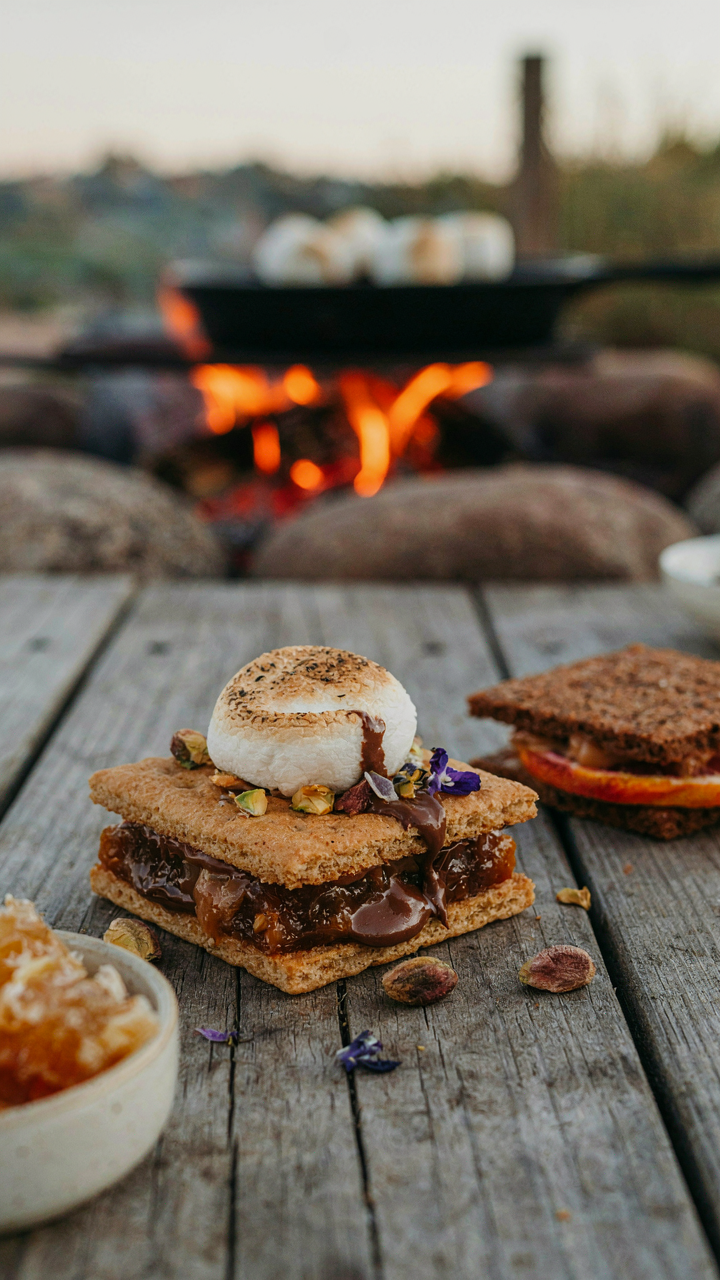
Most people build a smores bar because they saw someone else do it. They copy the setup, serve the same three ingredients, and wonder why nobody remembers it. The real move? Stop treating your smores bar like a checkbox. You’re not throwing a party for Instagram. You’re creating a reason people show up and actually talk to each other. Add one unexpected element. Swap the chocolate. Toast the marshmallows differently. Make it yours first, shareable second. A smores bar nobody forgets beats a perfect one nobody mentions.