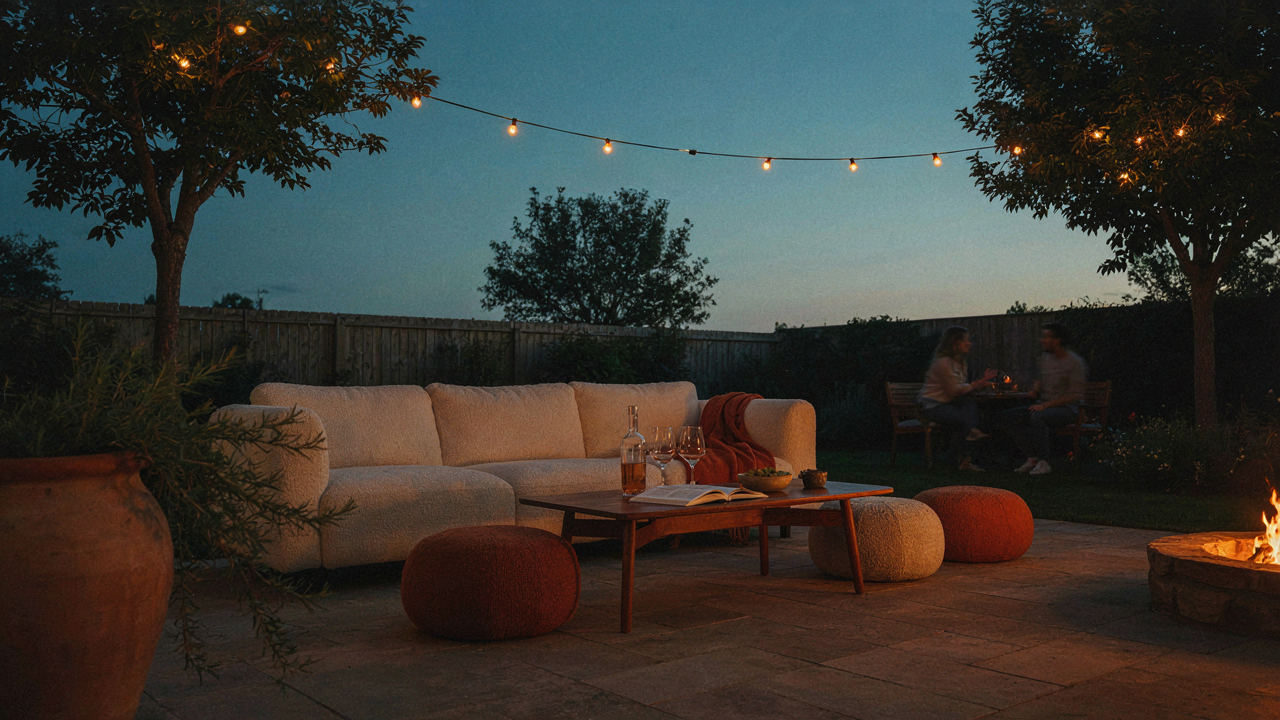
The Inverse Law Of Party Effort: More Work, Less Fun
Minimalism Beats Clutter Every Time
You think more stuff makes you look prepared. It doesn’t. It makes you look anxious. Physics has an inverse square law: intensity decreases with distance squared. A backyard lounge party has an inverse stuff law: guest comfort decreases exponentially as furniture density increases. The mechanism is friction. Too many pieces create visual noise, block sightlines, and force people into rigid seating zones instead of natural clusters.
Common advice says “arrange furniture to encourage conversation.” That’s incomplete. The real move is removing furniture nobody needs. Two low seating pieces and one side table per zone beats four chairs, two ottomans, and a coffee table crammed into the same space. Guests navigate easier, stand and move without apologizing, and the host doesn’t spend setup time rearranging. Minimalism attracts people because it signals control, not because it’s trendy.
Flow Trumps Arrangement
Stop thinking about chair placement and start thinking about movement patterns. How does a guest walk from the entry to the seating area? Where do they naturally pause? What’s the path to the drink station? These routes dictate whether people mingle or cluster. Low seating obscures sight lines horizontally, so vertical flow becomes critical. A guest standing to move between zones needs clear paths, not obstacles.
The fatal error is designing “seating arrangements” as static art installations. They’re not. They’re temporary obstacles that guests navigate around, sit in, and ignore based on actual conversation needs. Set up low loungers and ottomans to define zones, then leave gaps of at least three feet between clusters for movement. This single protocol shift eliminates the stiff, choreographed feeling that kills backyard parties before they start.
The Spartan Comfort Protocol: Low Seating, High Impact
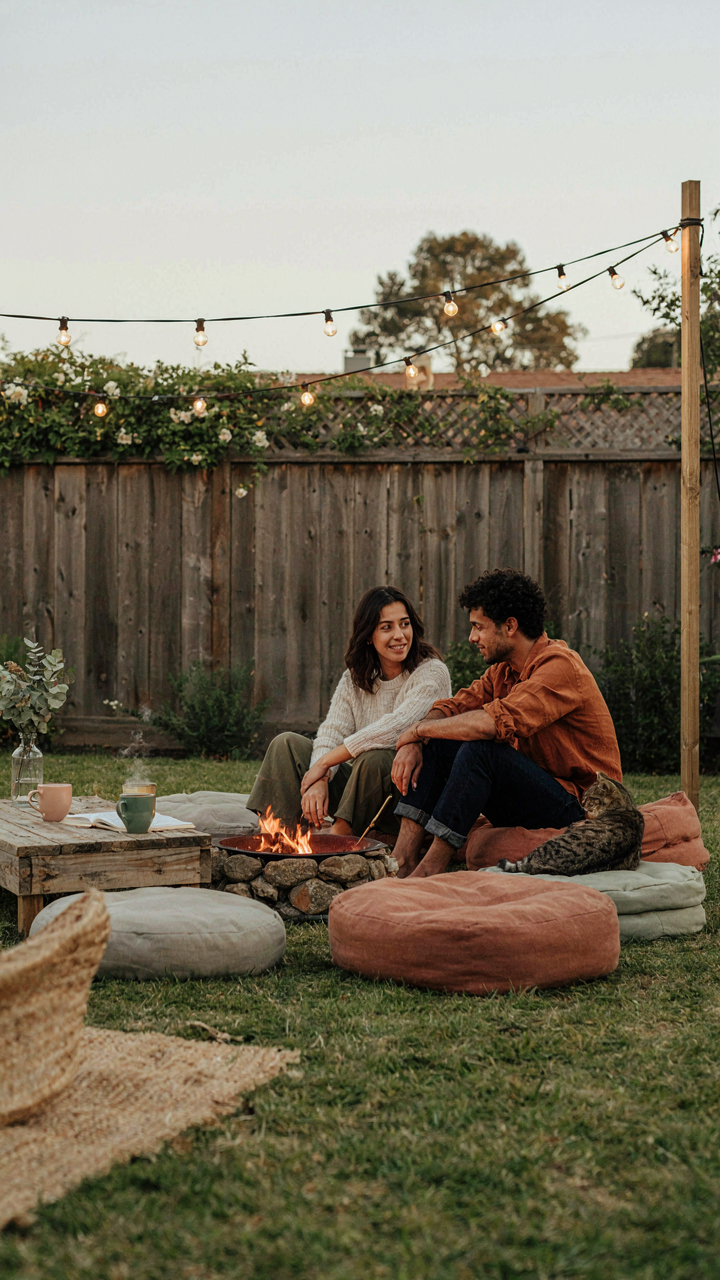
Floor Cushions And Poufs Create Forced Proximity

You want people to feel like insiders at your party, not like they’re sitting in a waiting room. Low seating does that, but only if you engineer it right. Borrowing from spatial psychology—the study of how physical distance shapes behavior—floor cushions operate as “proxemic compression.” They shrink the acceptable distance between bodies and force conversation downward into a tighter circle instead of out toward the edges of the yard.
Place cushions in clusters of four to six, not scattered randomly. One cluster near the fire feature or focal point, another offset to create a secondary conversation zone. The constraint of low seating removes the escape hatch of standing and drifting. People commit to a spot, which means they actually talk to whoever sits next to them. Skip the matching set approach. Mix sizes and heights slightly so someone can prop themselves higher if they need that option, but keep everything within a 12-inch range from ground level.
Pallet Seating Signals Permission To Relax
Repurposed pallets work because they signal something your guests won’t articulate: this isn’t a formal setup, so you don’t have to perform. That signal matters more than comfort. A finished pallet frame with cushions stacked on top reads as intentional design, not laziness. It becomes a conversation piece because people recognize the material shift—pallets exist in their actual lives, warehouses and shipping, so seeing them recontextualized feels clever.
- Standard wooden pallets as base: Two to three pallets layered and secured create a platform 16-24 inches high, elevated enough to feel like seating but still low enough to maintain the intimate vibe.
- Stacking cushions for height adjustment: Layer 4-6 inch foam cushions so guests can sink into the pallet or prop themselves higher depending on preference and back support needs.
- Corner placement for sightlines: Position pallet seating at yard corners where two edges meet, forcing people to turn slightly toward each other and preventing the dead-zone stare.
- Raw vs. sealed wood finish: Leave pallets natural for an unpolished look that matches the informality signal, but ensure they’re clean and splinter-free before anyone sits.
- Throw blankets draped nearby: Piles of blankets on or beside pallet seating give people permission to adjust their own comfort without asking, reducing friction.
Position pallet clusters opposite each other across your yard to create conversation corridors. The material itself tells guests they’re in a deliberately casual space. Don’t overthink it. Source pallets from local warehouses where they’re often free, clean them, add cushions, and leave them there. The imperfection is the mechanism that makes people actually use them.
Lighting As Psychological Warfare: Soft Glow, Hard Truths
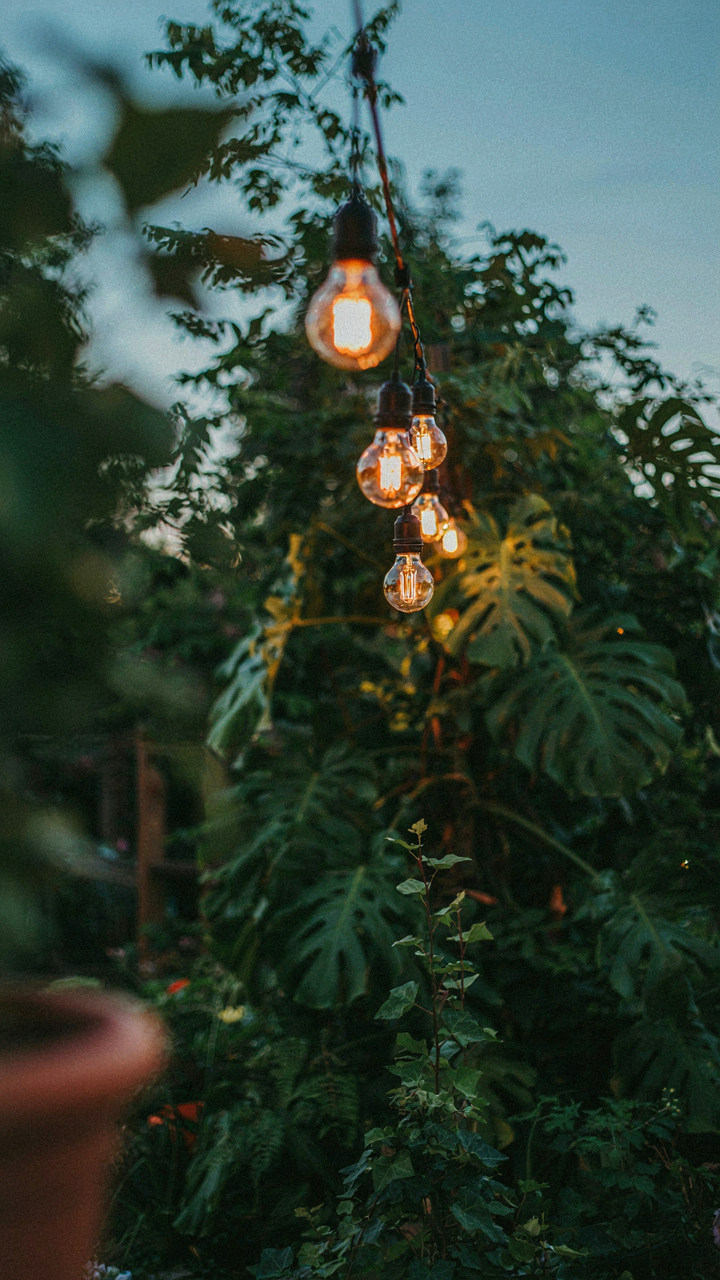
Edison Bulbs: Warm Light, Prime For Real Talk
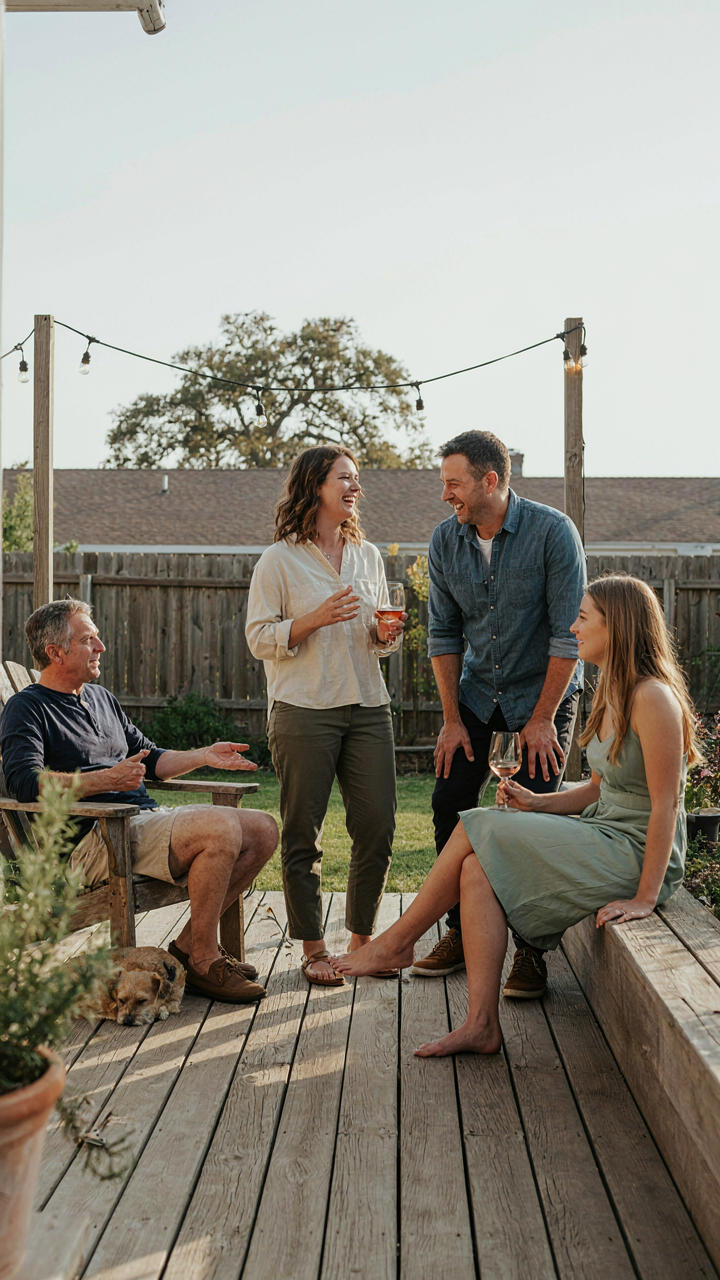
You want people to feel safe enough to drop their guard. That’s the real reason you care about lighting—not aesthetics, but permission. Edison bulbs work through color temperature physics: they emit light in the 2700K range, which triggers the same neurological response as candlelight or fire. Your brain reads this frequency as non-threatening. People talk differently under warm light. They lean in. They admit things.
The mechanism is straightforward. Standard cool-white bulbs (4000K+) mimic office fluorescents and activate mild cortisol—a stress response. Edison bulbs do the opposite. They’re not expensive or hard to source. String them overhead or cluster them in fixtures. The filament design matters less than the color temperature. What matters is consistency. One harsh spotlight kills the entire effect. Your lighting temperature either invites vulnerability or enforces distance.
Strategic Shadows: Create Intrigue, Hide Imperfections
Shadows aren’t mistakes in lounge design. They’re tools borrowed from chiaroscuro painting—the interplay of light and dark that creates depth without adding objects. Intentional dark zones make spaces feel larger and more intimate simultaneously. They also solve a mechanical problem: nobody wants every square inch of their backyard visible under interrogation lighting.
Place your strongest light sources near seating areas and conversation zones. Let the perimeter fade. The eye follows light, so control where attention lands. This strategy hides fence imperfections, overgrown plants, and unfinished corners without requiring cleanup. Uplighting from low angles creates shadow play on faces that’s more forgiving than overhead light. The result feels intentional, not like you ran out of bulbs. Run a path of lower-intensity lighting to bathrooms or exits so people don’t trip, but keep social zones deliberately shadowed.
The Un Lounge: Why “Lounge” Is The Wrong Word For Connection
Forced Relaxation Kills The Thing You Actually Want

You want people to think your party is effortless. Here’s the mechanism: the word “lounge” implies passivity, and passive people don’t create the social energy you’re actually after. Most advice treats a backyard lounge party as a place to sink into furniture and zone out. That’s wrong. People show up to connect, compete for attention, and signal status through their presence and wit, not their comfort level.
Low seating and soft lighting don’t create lounging. They create intimacy through proximity. When people sit lower and closer together, they lean in. They lower their voices. They engage. The furniture becomes a constraint that forces interaction instead of enabling escape. This is the opposite of what “lounge” suggests, yet it’s what actually works at these gatherings.
Conversational Clusters Demand Active Design
Cybernetics teaches feedback loops: systems self-regulate through information flow. Your backyard lounge party is a conversational feedback system, not a static environment. Each seating zone either amplifies or dampens dialogue based on its physical arrangement. Most hosts scatter furniture randomly and hope people mix. They don’t. People cluster where the geometry favors eye contact and turn-taking, not where a chair happens to sit.
Position low seating in small pods of three to five chairs, angled slightly inward, with 18 to 24 inches between seat edges. This distance allows leaning forward to speak without invading space. Keep sightlines clear between pods so people can signal across the yard. Soft lighting at chest height (not overhead) illuminates faces during conversation, making micro-expressions readable. Your job isn’t to create comfort zones. It’s to design for continuous, unforced switching between groups and sustained engagement within each one.
Sound Engineering For Real Talk: Not Just Background Noise
Ambient Soundscapes Volume Control For Conversation

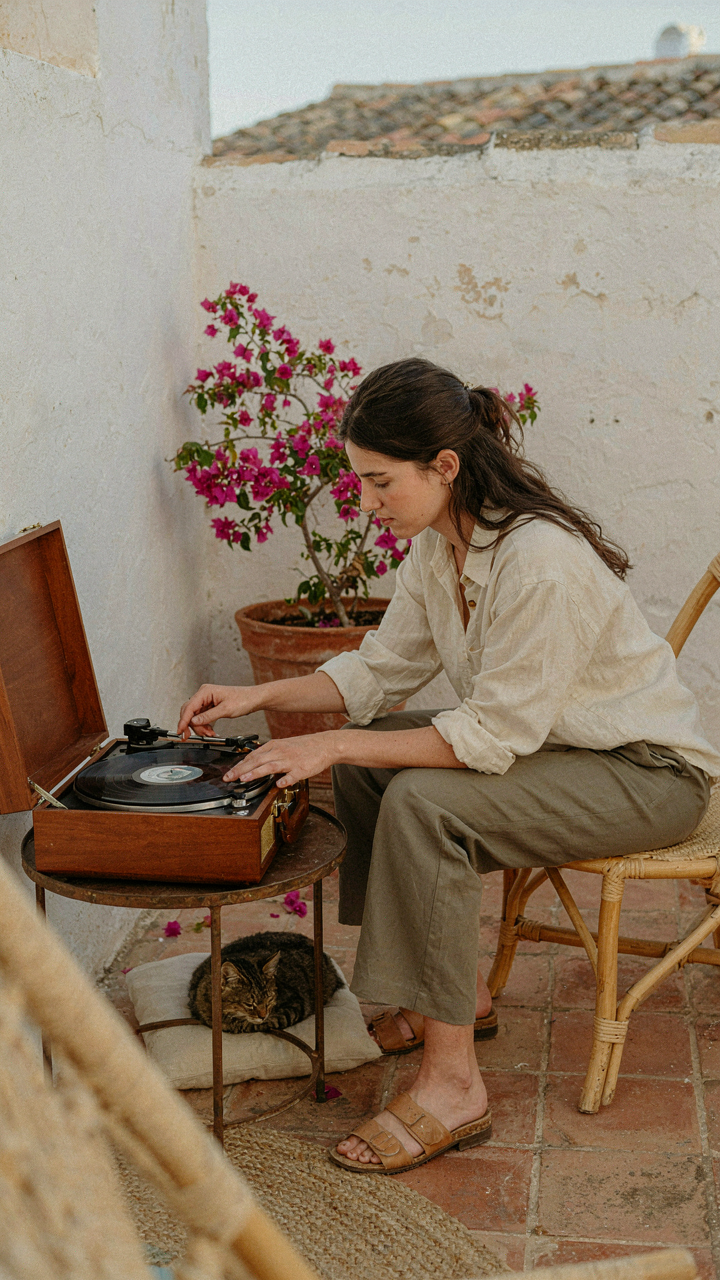
You want music loud enough that silence feels intentional, not awkward. That’s the real fear underneath this section. The mechanism is acoustic masking from psychoacoustics: background sound reduces the cognitive load of hearing individual voices clearly, which paradoxically makes people talk more freely. Lower volumes force guests to listen harder, which triggers self-consciousness. Aim for 50 to 55 decibels during setup—roughly the volume of a quiet office. This masks social friction without forcing guests to shout.
Test volume before people arrive by standing at the farthest seating point. You should hear music but distinguish conversation from six feet away without strain. Adjust down if you catch yourself raising your voice. Most hosts run ambient soundscapes too loud because silence feels like failure. It isn’t. The goal is invisibility, not presence. When guests stop noticing the music exists, you’ve hit the target. Use a decibel meter app on your phone to lock in the number, then note the physical position of your speaker’s volume dial so you can reset it if someone fiddles with it.
Curated Playlists Set Mood Avoid Generic Filler
Generic advice says “play lo-fi beats or jazz.” That’s wrong because it assumes your guests have no taste and your event has no purpose. A playlist is a statement about who you are and who you invited. Pick songs with clear dynamics and instrumentation variation, not ambient drones that blur into white noise. Songs should have recognizable moments—a vocal hook, a bass line shift, a drum break—so the brain stays engaged without demanding attention.
Build your playlist around a constraint: songs under five minutes, no repeats across your party window, no trending TikTok audio. This forces specificity and kills the grab-bag feeling of algorithm playlists. Curate backwards from one anchor track you know works, then find complementary songs by genre, era, or instrumentation—not by algorithm. Test it in your space at party volume the day before. Songs that sound fine through headphones often expose weak speaker quality when playing ambient. Adjust for bass frequencies if you’re using outdoor speakers, as they naturally roll off low end. Start the playlist 20 minutes before guests arrive and let it establish the rhythm before conversation begins.
The Anti Theme Party: Ditch The Facade, Embrace Authenticity
Work With What You Already Have

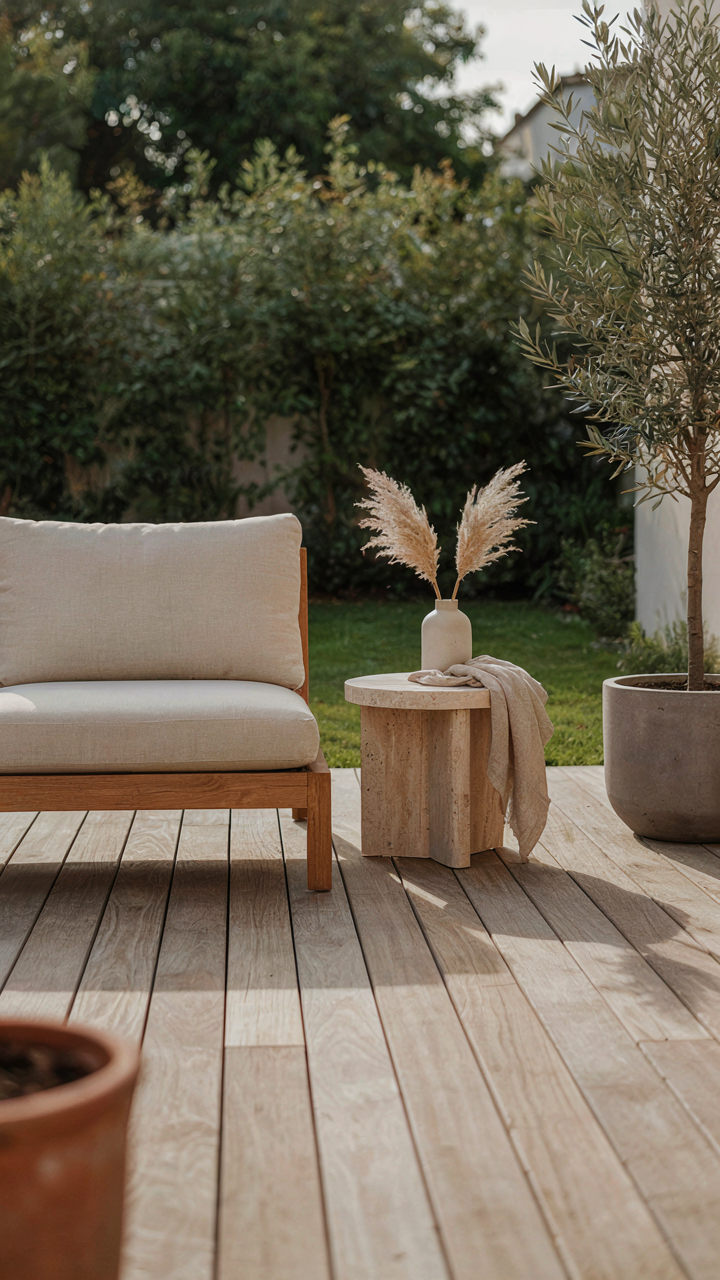
You want permission to skip the décor budget and still look intentional. Here’s the mechanism: constraint forces specificity. In design systems, constraints function as filters that eliminate noise and reveal signal. Your existing backyard features—trees, fences, elevation changes, structures—already contain visual hierarchy. Most people destroy this by overlaying a generic theme on top. The real move is editing, not adding.
Your mature trees create natural canopies that diffuse light better than any fabric installation. Existing stone walls or slopes become seating tiers without furniture costs. Overgrown hedges can be trimmed to frame sightlines instead of replaced. The specificity comes from recognizing what’s already there and amplifying it. This produces a lounge that feels rooted in place rather than assembled from a party store catalog.
The Story You Tell Matters More Than Matching
People attend backyard parties for proximity to the host, not for thematic consistency. Your music taste, the drinks you actually drink, the seating arrangement you naturally gravitate toward—these are the real décor. Generic themes communicate that you outsourced your taste to Pinterest. Specific details communicate that you have one. A lounge that reflects how you actually spend time reads as confident, not as budget constraints dressed up as vision.
Start by anchoring one element to something true about you: your record collection, a single inherited piece of furniture, the plants you’ve kept alive, a regional craft you prefer. Build the rest of the party around that anchor. The lighting, seating, and music then function as supporting elements to that core statement instead of competing for attention. Your guests notice and respond to coherence, even if they can’t name why the night felt different from other backyard gatherings.
Logistics Of Effortless Charm: It’s Not Magic, It’s Planning
How Guests Actually Move Through Space

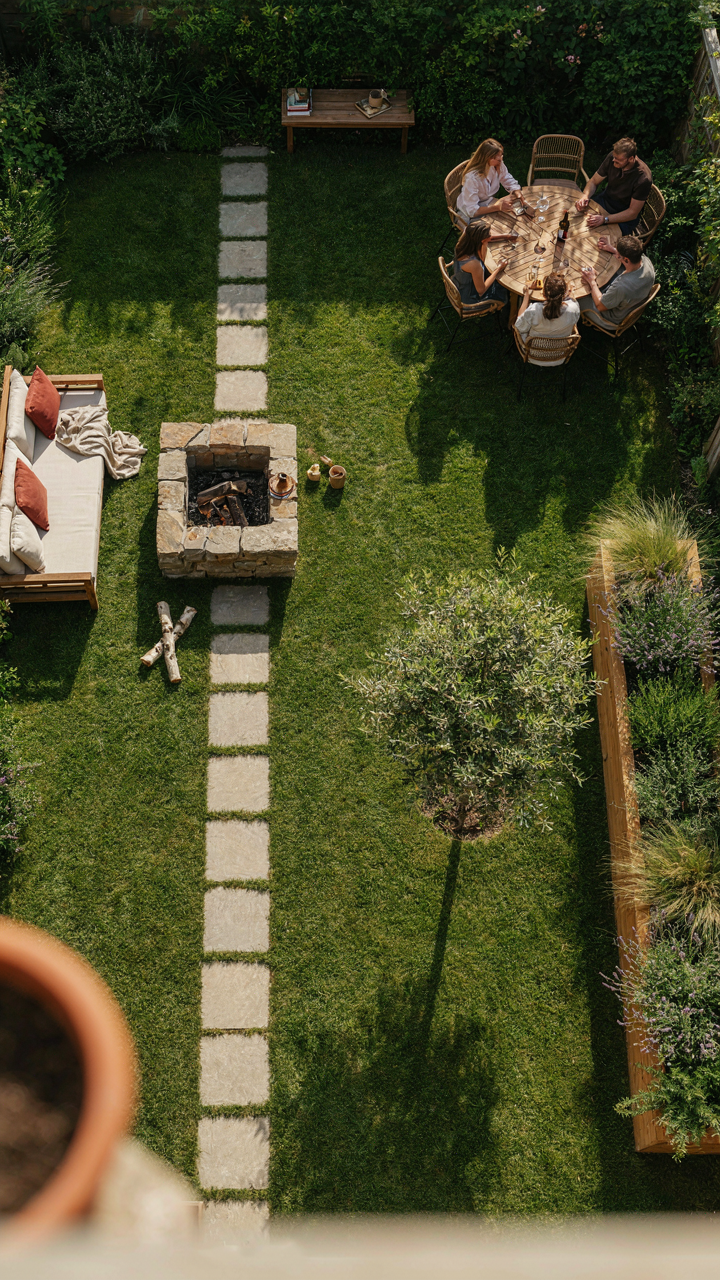
You want people to stay longer and feel comfortable, which means you’re terrified of awkward moments where nobody knows where to stand. Here’s the mechanism: guest flow follows gravity. Use topology from urban planning—the study of how people navigate enclosed and open spaces. Bottlenecks happen at single entry points, narrow pathways, and unclear destinations. A lounge party bottleneck isn’t a traffic jam; it’s a social collapse where three people cluster at the drink station while the rest stand isolated.
Map your yard before guests arrive. Identify the natural gathering zones: low seating clusters, the fire pit if you have one, the food table, the entrance. Create multiple pathways between these zones. If your seating is all on one side of the yard, people won’t distribute. Stagger furniture to create a circuit—not a dead end. Guests should be able to move from the entry to seating to drinks to food without retracing steps or squeezing past others. The moment movement becomes friction, people leave early.
Where Everything Lives
Strategic placement beats symmetry every time. Drinks don’t belong next to seating because people cluster there and block conversation. Food shouldn’t sit alone in a corner. These aren’t decorative elements; they’re traffic nodes that anchor people in specific zones.
- Drinks station: Place 15-20 feet from main seating clusters, ideally in a secondary zone. This spreads people out and creates a natural reason to move between areas.
- Food table: Position it perpendicular to drink placement, forcing people to move through different parts of the yard. Separate appetizers from snacks to create multiple reasons to visit.
- Low seating groupings: Create 3-4 clusters of 4-5 seats each instead of one large configuration. This prevents the “waiting to sit” problem and lets smaller conversations happen in parallel.
- Lighting hubs: Place soft light sources near each seating zone and the drink station. People gravitate toward visibility, so lighting placement controls where they congregate.
- Entry buffer zone: Leave 8-10 feet between your yard entry and the first seating cluster. This prevents newcomers from landing directly in an existing conversation and feeling intrusive.
Execution matters more than intention here. Most people throw together a setup and hope it works. You’re pre-solving the social problems your layout will create. Measure distances. Walk the path a guest takes from entry to a seat to a drink. If that route forces them to interrupt anyone, redesign it.
The Uninvited Guest: Your Insecurity Ruins The Vibe
Stop Watching Yourself From The Crowd

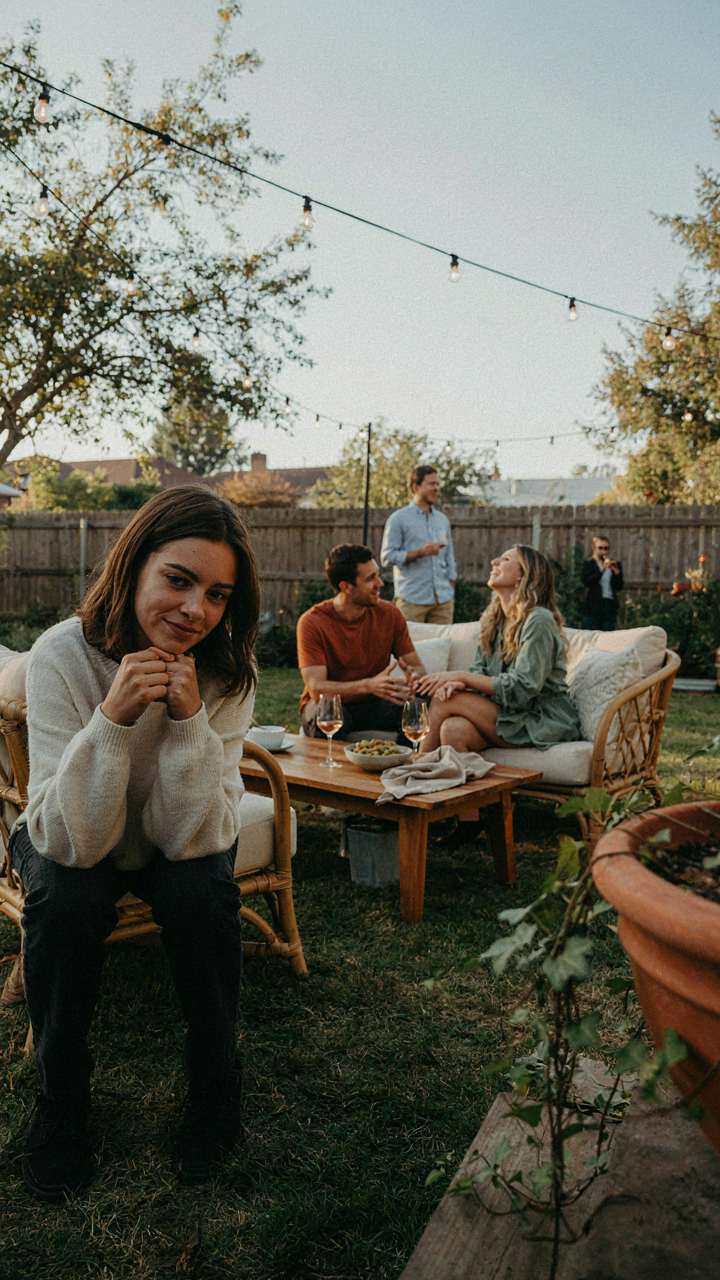
You’re worried people are judging you, so you’re monitoring their faces instead of talking to them. This kills everything. In social dynamics, what you practice is what becomes your default—and right now you’re practicing performance anxiety instead of connection. The low seating and soft lighting you designed removes distance and formality, which means self-consciousness gets magnified, not hidden. People sense when you’re not present.
The fix is mechanical, not motivational. Pick one person. Ask them a real question about something they care about. Listen to their answer instead of thinking about how you look. Repeat this three times before you assess the room. You’ll find your nervous system actually calms down when you stop making it about you. The vibe shifts the moment you do.
Broken Stuff Beats Polished Emptiness
Everyone online tells you to make everything Instagram-perfect. They’re wrong. A drink gets spilled on your outdoor rug. The speaker cuts out for ten seconds. The low seating arrangement forces someone to ask for help getting up. These moments are what people actually remember and talk about later—not the things that went exactly as planned. Perfection creates distance. Imperfection creates story.
Your job isn’t to hide the flaws. It’s to move past them without apologizing. Someone knocks over a candle? You grab it, keep talking, move forward. That’s it. No “oh my god I’m so sorry,” no self-deprecating commentary, no awkwardness inflation. You treated it like a non-event, so everyone else does too. The people worth having at your backyard lounge party are there for the actual humans in the room, not for your ability to execute a flawless production. Let them see you’re one of them.
Your Party Isn’t Boring Because Of The Decor; It’s Boring Because You Are
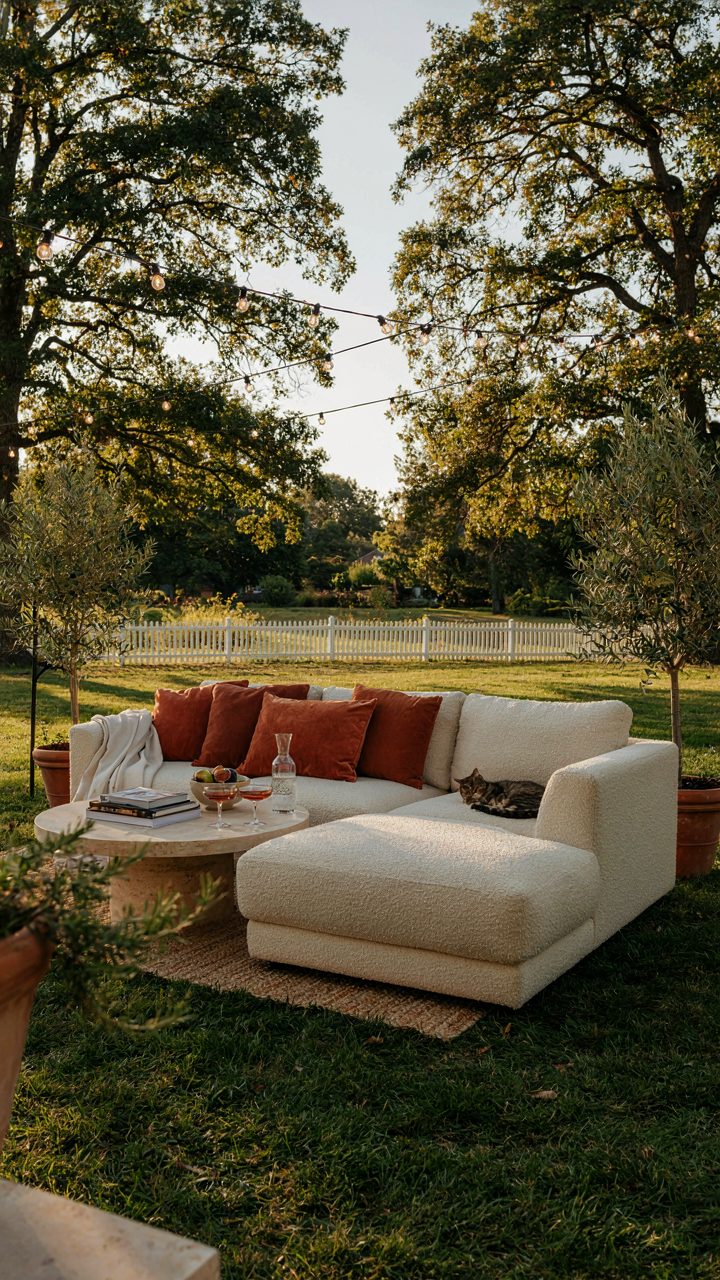

You can buy every lounge pillow on Earth and still host a dead party. Low seating and mood lighting don’t create conversation. You do. The setup just removes friction. Stop hiding behind aesthetics and start thinking like a host who actually wants people to connect. Your job isn’t to decorate a space. Your job is to architect the conditions where strangers become friends. Move your best conversationalists to the center, keep the bar moving, kill the music when it matters. The backyard lounge party works because you made it work, not because Instagram told you it would.