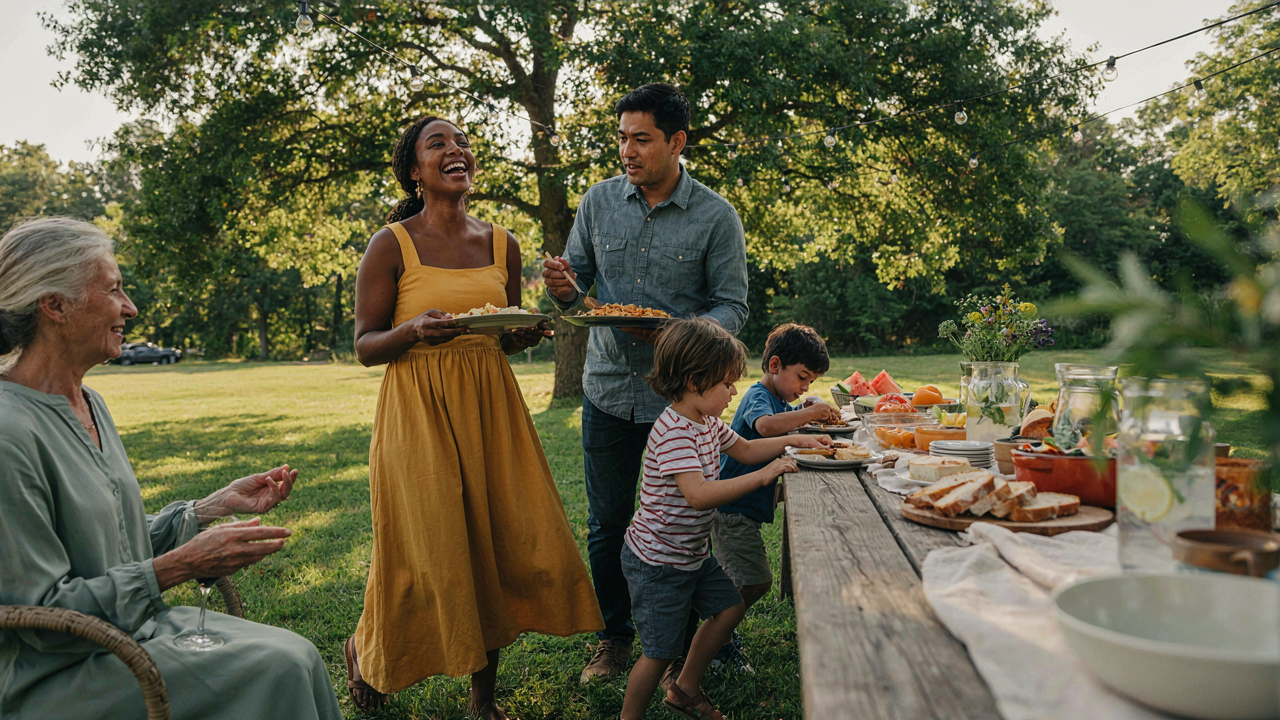
The Minimum Viable Gathering Protocol
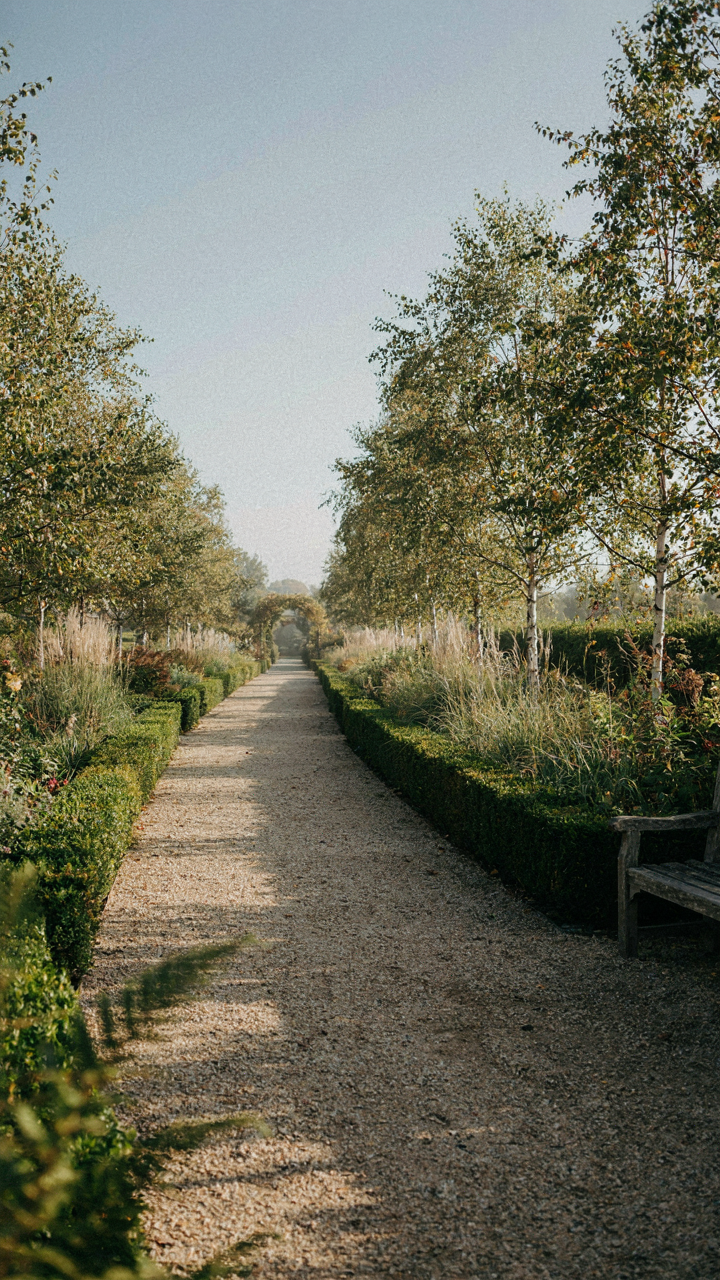
What Actually Matters For A Potluck Garden Party
You want permission to host something without exhausting yourself. The real mechanism here comes from operations management: you need to identify your critical path. In a potluck garden party, the critical path is the set of elements that fail and ruin the entire event if missing. Everything else is decoration. A broken toilet matters. A themed napkin holder does not. Most hosts confuse these categories and burn energy on the wrong variables.
The core elements that determine success are food, seating, bathroom access, and shade or weather protection. These four variables control whether guests stay longer than thirty minutes and whether they return invitations. You need enough food to avoid hunger awkwardness. You need somewhere to sit that isn’t dirt. You need a bathroom that functions. You need not to get rained on or overheated. Remove any one of these and the event collapses. Keep all four and a potluck garden party runs itself.
Cutting Out The Performance Layer
Everyone tells you to set a theme, make a Pinterest board, and coordinate decorations. This is wrong. A theme is a filter for insecurity, not a requirement for gathering. Hosts add decorative work because they believe the event reflects their taste, status, or creativity. It does not. Guests remember whether you fed them and whether they felt welcome. They do not remember your table runner color scheme.
The work you should eliminate: place cards, themed invitations, coordinated glassware, decorative centerpieces, and music curation. These tasks compound without improving the core experience. You spend four hours on Pinterest and gain nothing but stress. Replace this with one simple protocol: confirm a start time, a rain backup plan, ask guests what they’ll bring, and set out the bathroom before people arrive. That is the entire operational checklist. Everything else is optional.
Beyond Appetizers: Strategic Food Assignment

Assign Food By Role, Not By Dish

You want everyone to show up with something that actually works together instead of twelve versions of the same thing. Here’s the mechanism: scarcity creates coordination problems. When you say “bring a dish,” guests optimize for what’s easy to transport and what they think looks good. You end up with five desserts and no vegetables. Instead, you assign roles: one person handles salads, another handles proteins, another handles starches, another handles drinks. This isn’t control freaking. This is basic supply chain logic. You’re removing the decision paralysis that kills potluck balance.
The assignment happens before the invite goes out. Text or email each person individually with their category. Be specific about the category constraint, not the dish. Tell someone “we need a cold salad” instead of “bring Caesar salad.” They have freedom within the boundary. They know what you’re optimizing for. They can’t accidentally duplicate what someone else is bringing because you’ve already allocated the role. One category per person. This eliminates the awkward text chain where three people ask if they can bring brownies.
State Dietary Restrictions Upfront, Not Later
Generic “any dietary restrictions?” questions on the group chat don’t work because people either don’t respond or respond late. You get conflicting information and last-minute scrambling. Instead, ask directly when you assign the category. When you tell someone “we need a protein dish,” immediately ask if they have allergies, restrictions, or preferences. They answer in that same message. No back-and-forth. No assumptions. No surprises when someone’s gluten-free guest shows up to a wheat-heavy table.
Document every restriction and every assignment in a single place you control. A notes app. A spreadsheet. Anywhere you can reference it without asking people twice. When the party starts, you know exactly what’s arriving and who can eat what. Share this list with any co-host so someone else can troubleshoot if a dish doesn’t show up. The mechanism is simple: written records beat memory and group chat chaos every time.
The Outdoor Dinner Ideas Logistics Matrix
Mapping Guest Flow For Maximum Efficiency

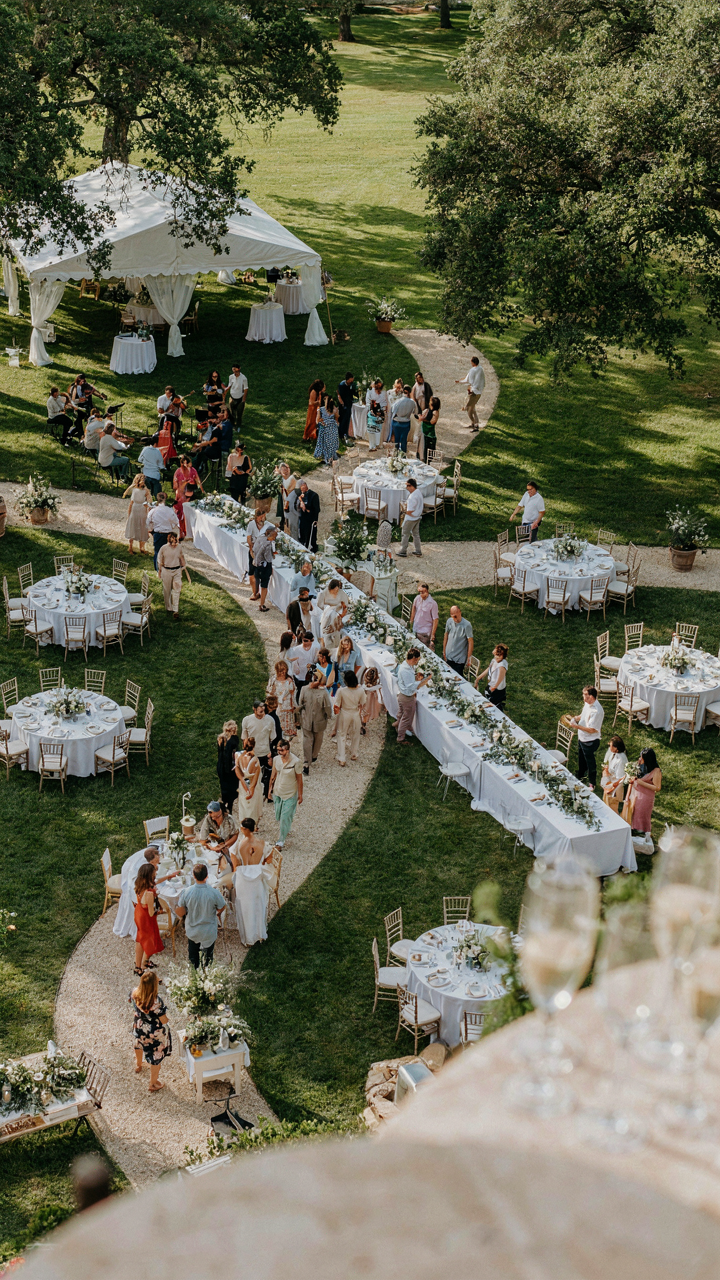
You want people to move through your garden without bottlenecking at the food table or creating dead zones where conversation dies. The mechanism here is borrowed from traffic flow engineering: you’re designing for unobstructed pathways with clear decision points. Most hosts ignore this entirely and wonder why guests cluster in one corner while the rest of the yard sits empty. The real work is pre-event visualization—walk your actual space and trace where a person enters, where they grab food, where they sit, and where they leave.
Create two distinct pathways: one for arrival and food access, another for exit and circulation. Your entry point should lead directly to the beverage station or a greeter, not directly to the main table where congestion forms immediately. The food table itself needs clear approach and departure lanes on opposite sides so people don’t reverse-traffic into incoming guests. Mark these mentally or physically with planted containers, garden furniture placement, or subtle ground markers. This single protocol—two-way traffic corridors around high-contact zones—eliminates the awkward shuffle that kills momentum in outdoor gatherings.
Activity Zones Create Behavioral Anchors
People need designated reasons to occupy different parts of your garden, not just vague encouragement to spread out. This is spatial psychology: you anchor behavior by creating specific activity stations rather than treating your yard as one open floor. Common advice says “set up seating everywhere” but that’s lazy—random seating chairs scattered about don’t organize human movement, they scatter attention. You need functional zones that pull people to different areas through actual purpose, not hope.
Design zones around specific activities: food consumption near the table, conversation near permanent seating, lawn games or walking paths in open areas, quieter seating under shade structures. Each zone should be visually distinct and require no explanation. A cornhole setup pulls people to one area naturally. A shaded bench arrangement under a tree creates a secondary gathering point without you saying anything. A small side table with beverages separate from the main food table sends people on two trips instead of one, distributing crowd load. Execute this by physically separating zones with 12 to 15 feet of distance minimum, so one group’s activity doesn’t dominate another’s experience.
Summer Buffet Food Ideas Garden Parties: Curating Your Crew
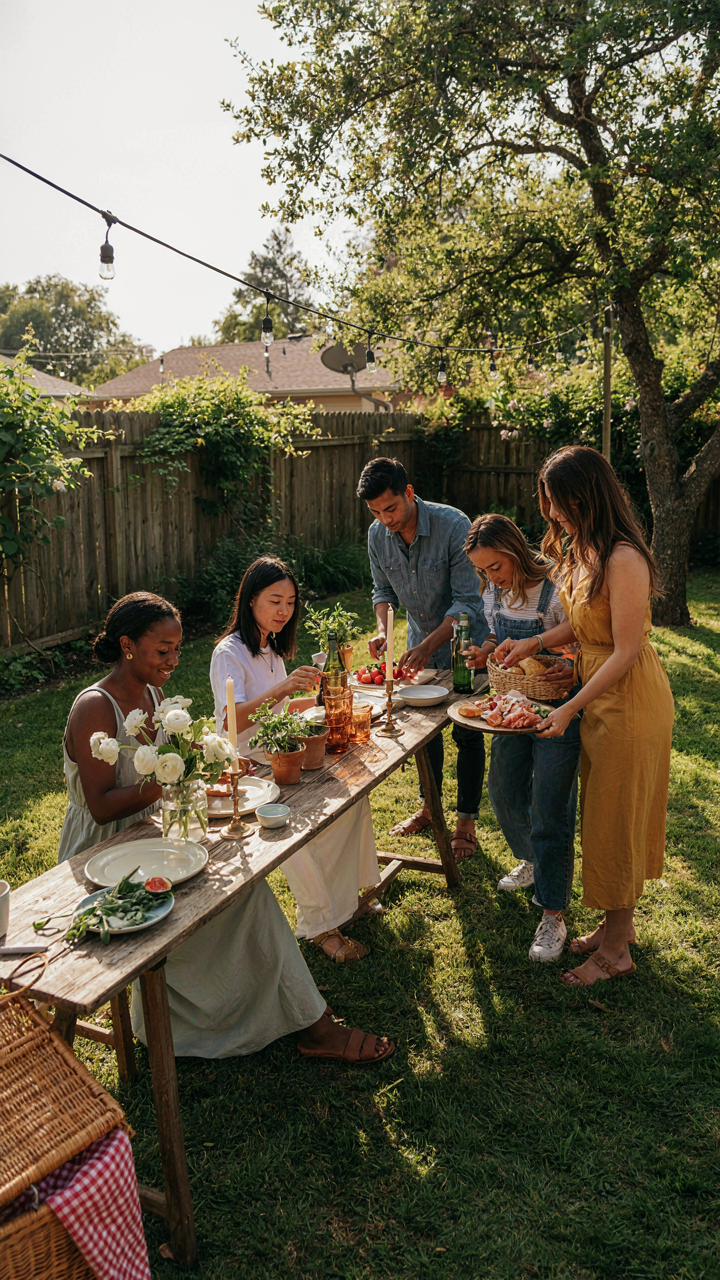
Invite Guests With Complementary Skills

You want people to think you’re effortlessly gracious. The real mechanism is that a potluck garden party succeeds through division of labor, not through your solo performance. Think of this like systems design in logistics: you need nodes with specific capabilities, not interchangeable parts. A guest who brings a chilled salad isn’t just bringing food. They’re the person who understands temperature control and prep timing. Another guest who handles setup isn’t helping you. They’re executing a specific load-bearing function in your operation.
The difference between chaos and control is whether your guests have actual skills that matter to the event’s survival. Invite the person who gardens and understands what grows well in your climate. Invite someone comfortable managing crowd flow or someone reliable with timing on hot dishes. Don’t invite based on how much you like them. Invite based on what they can execute without supervision. This filters your guest list by competence, not sentiment, and removes the single biggest source of potluck failure: people showing up without understanding their role in the system.
Delegate Specific, Actionable Tasks
Most advice here is useless because it says “assign responsibilities” without naming what happens when you don’t. When you leave delegation vague, guests default to doing nothing or doing the wrong thing. Tell someone “help with setup” and they stand around. Tell someone “set up the coolers with ice by 3 PM and keep them restocked until 6 PM” and you have a functioning cooling system. The task must include the start time, end time, and the exact state you need at completion.
Write down three to five critical functions: temperature management, table setup, serving utensils and plates, trash and recycling flow, and backup food service if something fails. Assign each function to one person. Give them a text message before the event with the specific task and timing. Text confirmation matters because it moves the commitment from conversation into record. When guests know the exact window and the exact outcome you need, they show up prepared instead of improvising. This protocol removes ambiguity and converts good intentions into predictable results.
Grazing Tables As Biomimicry: Nature’s Abundance

How Forests Distribute Resources Without Waste

You want this section to make you sound thoughtful at dinner parties. Here’s what actually matters: forests don’t organize by category. They layer. Ecology calls this stratification, and it’s the operating system behind why grazing tables work when traditional serving lines fail. A forest floor holds decomposing matter, shade plants, mid-story shrubs, and canopy trees in one space. Each occupies a different vertical plane. Each feeds different organisms. Nothing competes for the same resource at the same height.
Apply this to your table setup: stop thinking in rows. Stack vertically. Place small plates at ground level, cheeses on risers at mid-height, crackers and bread on tall stands, fruit hanging from branches or placed on elevated platforms. Guests move through layers instead of bottlenecking at one plane. Movement spreads. Conversation spreads. The table feels abundant because nothing blocks the line of sight to the next offering.
The Redundancy Rule
Most hosting advice says make every item different and special. That’s backwards. Nature succeeds through strategic repetition. Redundancy absorbs unexpected demand without collapse. You need three sources of protein, not one showpiece meat board. Multiple clusters of the same dip around the table, not a single central bowl everyone queues for. Duplicate high-demand items and scatter them across zones.
This prevents bottlenecks before they form. Guests find their target without navigating around other people. The table stays open. Place cheese in two locations. Put nuts in three spots. Position dips at opposite ends. When one area gets crowded, people naturally disperse to identical options elsewhere. You’ve engineered flow without mentioning it.
The “Family Garden Party” Infrastructure Audit
What You Actually Have

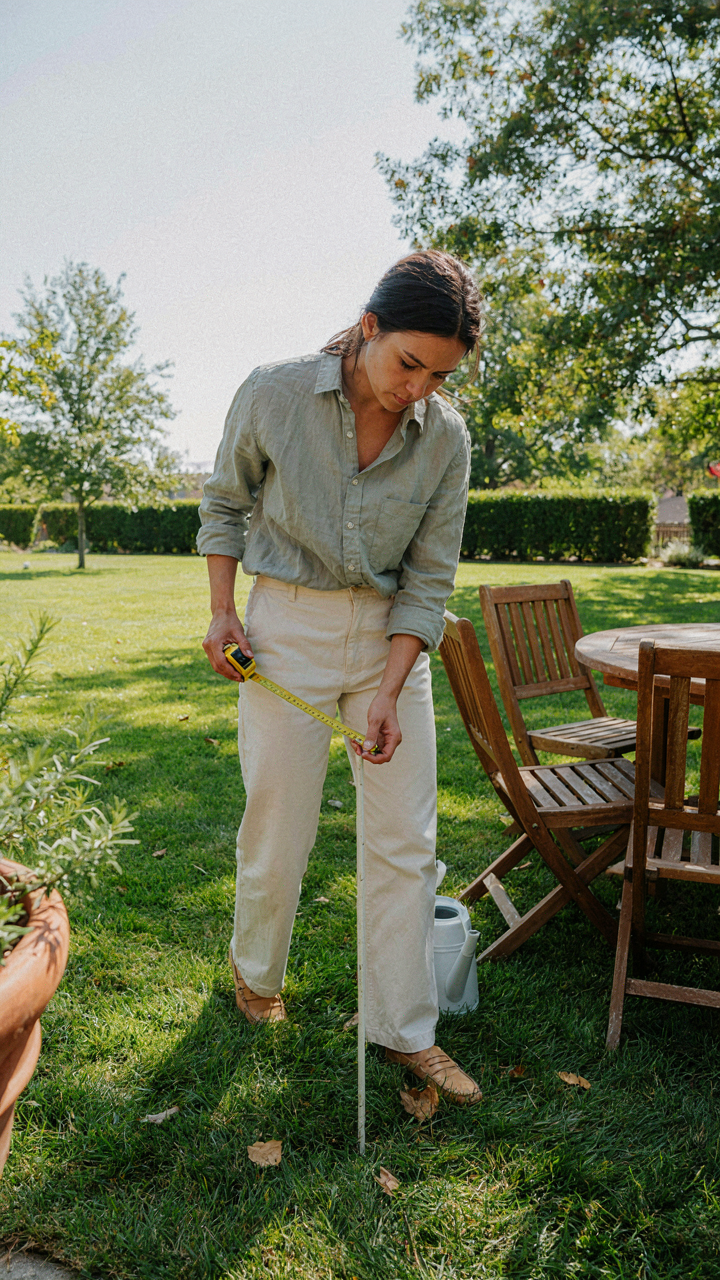
You’re doing this audit because you’re afraid you’ll look unprepared, and that fear is rational. The mechanism is simple: you can’t rent or buy your way out of a space constraint. Start by measuring your actual garden footprint—not the part you wish existed, the part that does. Document shade patterns, soil condition, electrical outlets, water access, and hardscape. Take photos. You need baseline facts, not impressions.
Most hosts skip this step and discover problems during setup. A garden that feels spacious in July feels cramped with twenty people, tables, and coolers occupying it. Wind patterns matter. Sun exposure matters. Ground drainage matters. You’re not being thorough for the sake of it; you’re collecting the variables that determine whether your infrastructure plan works or fails.
Renting Versus Building It Yourself
Rental is the consensus default, which makes it the wrong answer for most potluck garden parties. Tents, tables, and chairs cost real money and eat your margin. The mechanism comes from logistics: every rental item requires delivery, setup, breakdown, and return. That’s four friction points. DIY infrastructure—borrowed tables, folding chairs you own, shade from existing trees—reduces friction to one: your effort on day-of. Use what you have. Borrow what you need. Rent only what you cannot source otherwise.
The decision rule is straightforward: if you can use it twice more this year, buy it. If you use it once, borrow it. If you need it for six hours, rent it. This isn’t virtue; it’s math. A borrowed card table plus your own tablecloth costs zero dollars. A rented table costs fifty to eighty dollars plus logistics headaches. Your garden doesn’t need uniform tables; it needs functional surfaces for food and drinks.
Birthday Party Decorations Outdoor: Aesthetics Of Utility
Things That Do Work First

You want your garden to look intentional, not neglected. That’s the real fear. But decorating a potluck garden party follows the same logic as military logistics: every asset must serve dual purpose or it’s wasted. The mechanism is constraint. When you can’t hire staff to manage the space, every decoration must earn its place by solving a practical problem while looking deliberate.
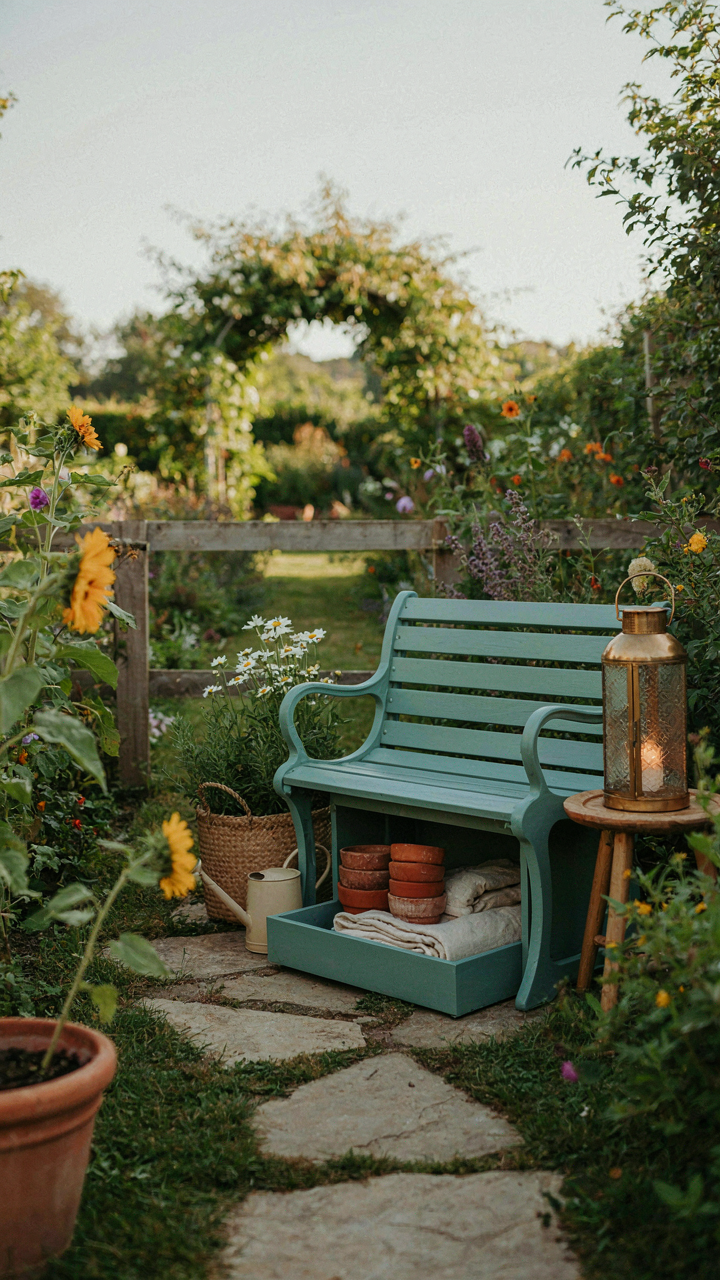
String lights don’t just create ambiance—they mark pathways so guests don’t trip in fading light. Potted plants cluster naturally and define seating zones without requiring setup or takedown. Tablecloths weight down with clips and prevent spills from ending events early. Structures that work this way don’t feel sparse or over-decorated. They feel composed.
Materials That Survive Contact
Most advice tells you to avoid cheap decor that breaks easily. That’s incomplete. The real rule is this: weather breaks everything eventually, so choose materials that look better as they age or fail gracefully. Concrete planters, untreated wood, rope, and canvas age visibly but don’t shatter. Plastic fades predictably. Metal oxidizes in ways people expect. Glass and paper don’t belong outside for extended parties because their failure is sudden and creates liability.
Steel plant stands, wooden crates, and clay pots work because they’re designed for outdoor use already. You’re not forcing indoor aesthetics into an outdoor context. Rope borders, burlap runners, and canvas banners handle moisture and wind without tearing catastrophically. Test one item before committing to quantity. A single afternoon rain tells you everything about how your chosen materials perform. Set up early, observe what fails, adjust before guests arrive.
Park Potluck Preparedness: Mastering Mobility
Dishes That Survive The Journey

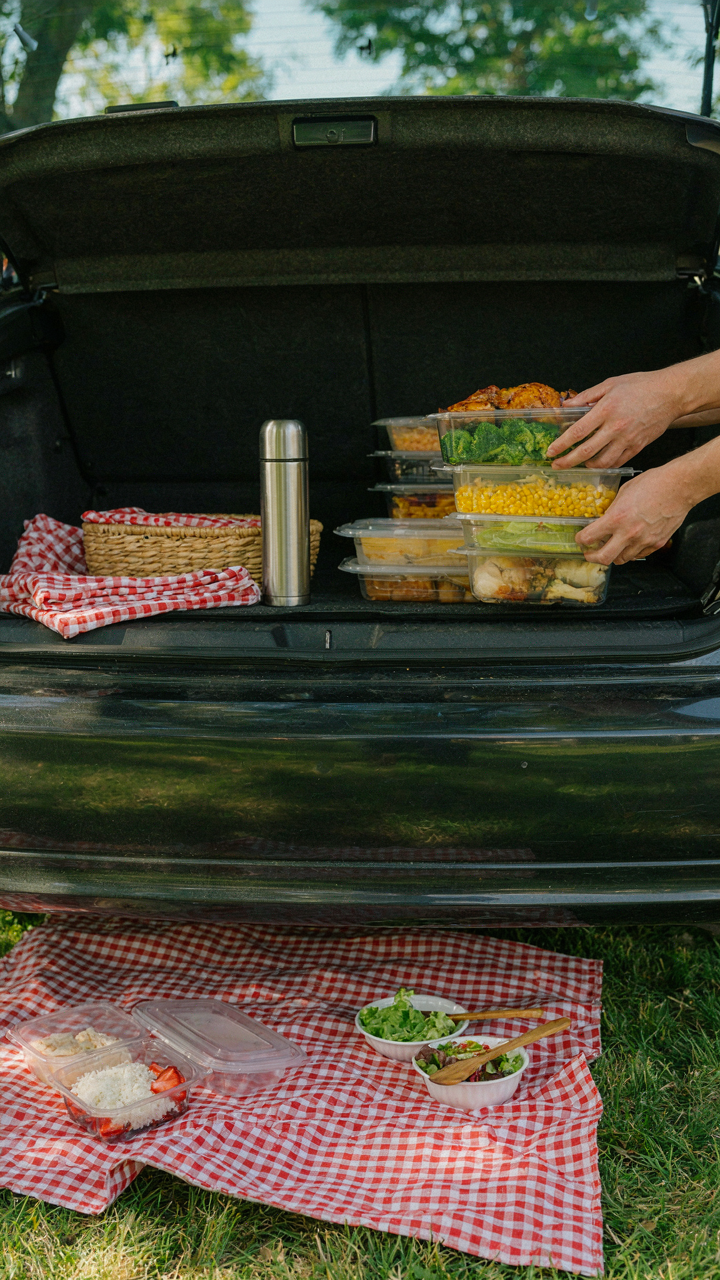
You want your food to arrive looking intentional, not like it lost a fight in the trunk. Here’s the mechanism: serving ware is load-bearing infrastructure. Cheap containers flex under pressure, trap condensation, and broadcast that you didn’t think this through. Material science matters. Rigid vessels with tight seals protect both the food and your credibility.
- Stainless steel containers: Durable, stackable, won’t retain stains or odors. They seal tight and handle temperature swings without warping during transport or sitting outdoors.
- Polycarbonate dishes: Transparent so guests see what they’re eating. These resist impact and don’t shatter like ceramic. Dishwasher safe and built to last seasons.
- Glass with silicone lids: Heavy but worth it for baked goods and layered salads. Silicone grips prevent sliding in a moving vehicle. No flavor transfer.
- Melamine serving platters: Lightweight, won’t break if dropped, and professional looking. Best for items that don’t need heat retention or moisture control.
- Aluminum half pans with lids: Standard restaurant-grade. Cheap enough to replace, sturdy enough to stack, and designed for this exact use case.
Pick containers that match your dish’s demands, not the other way around. A salad in a flimsy takeout box looks like an afterthought. A casserole in sealed aluminum shows preparation. The container is part of the presentation, and presentation is part of whether people actually eat what you brought.
How To Pack Like You Know What You’re Doing
Don’t treat your vehicle like a puzzle box. Treat it like a loading dock with physics. Stack heavy items low and centered. Pack dishes that can handle friction on top of blankets or towels, not directly against seats or other containers. This prevents sliding during turns and braking, which is the actual reason food arrives damaged.
Separate hot and cold items with barriers. A cooler bag placed strategically keeps cold dishes isolated from the engine heat and sun exposure on the drive over. Use insulated sleeves for any vessel that needs temperature maintenance. The real win is prevention, not cleanup. Before you leave your driveway, do a hard stop and a sharp turn in an empty parking lot to test stability. If anything shifts, repack it.
Food For Garden Party Contingency Planning
When Weather Shifts Your Menu

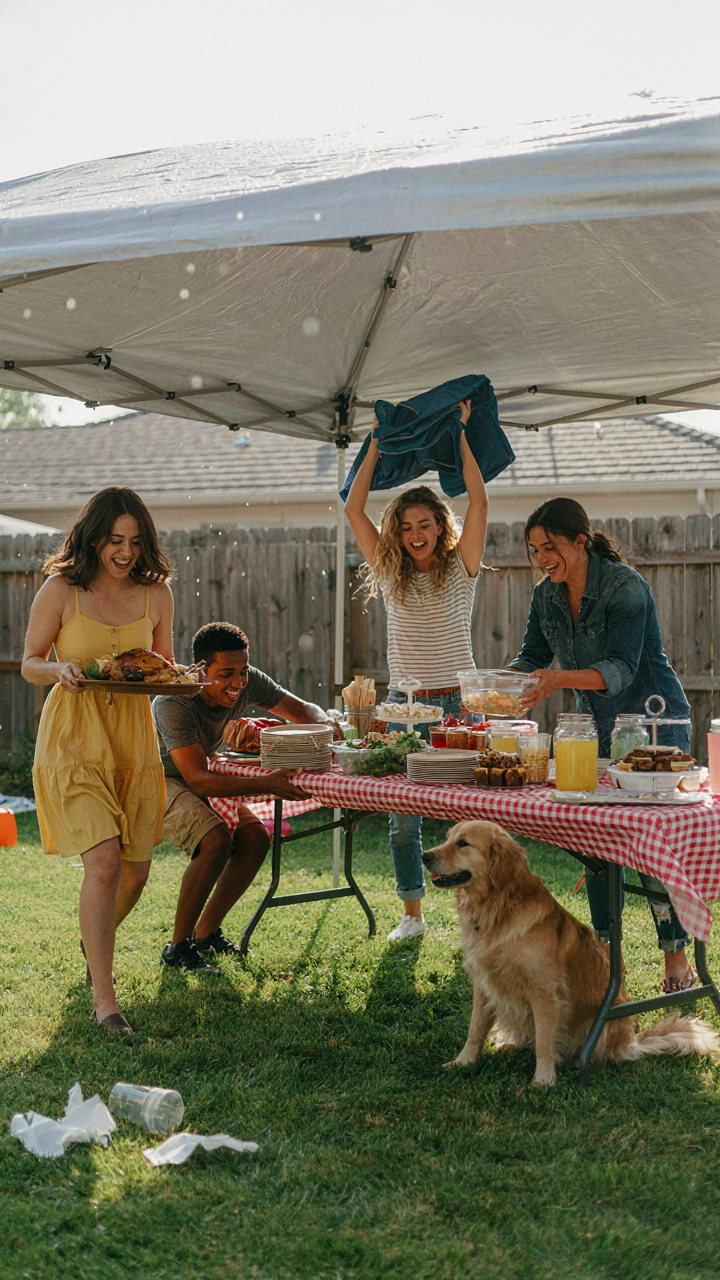
You’re worried about looking unprepared. The real mechanism is this: weather doesn’t just change temperature, it changes what your guests can actually eat and how long food stays safe. Cold snaps accelerate food spoilage outdoors. Heat waves turn mayonnaise-based dishes into bacterial incubators within hours. Rain makes holding plates impossible. You need to accept that your original menu was built on assumptions, not conditions.
Have a parallel menu ready before guests arrive. If the forecast shifts toward rain, cold pasta salads and hearty dips work better than items requiring temperature control. If heat spikes, move heavy proteins indoors and rely on fresh fruit, cheese, and bread. Don’t announce these changes to guests. Swap them silently and serve with the same confidence you’d show for the original plan.
Backup Dishes That Actually Work
The common advice here is weak: “just have extra food.” That’s not contingency planning, that’s hoarding. Real contingency means having food that solves a specific failure, not just more of the same thing. Bring foods that store well without refrigeration, require no reheating, and don’t depend on other dishes to work.
Keep shelf-stable proteins on hand: canned beans, nuts, olives. These handle temperature swings and sit safely for hours. Have bread and oil available so you can pivot to simple additions if expected items don’t show up. The protocol: thirty minutes before serving, do a quick audit of what’s actually present versus what you planned for. Make one decision about what to emphasize from your backup, then execute it without hesitation. Your guests notice consistency, not the absence of one salad.
The Post Party Garden Backyard Party Reclamation
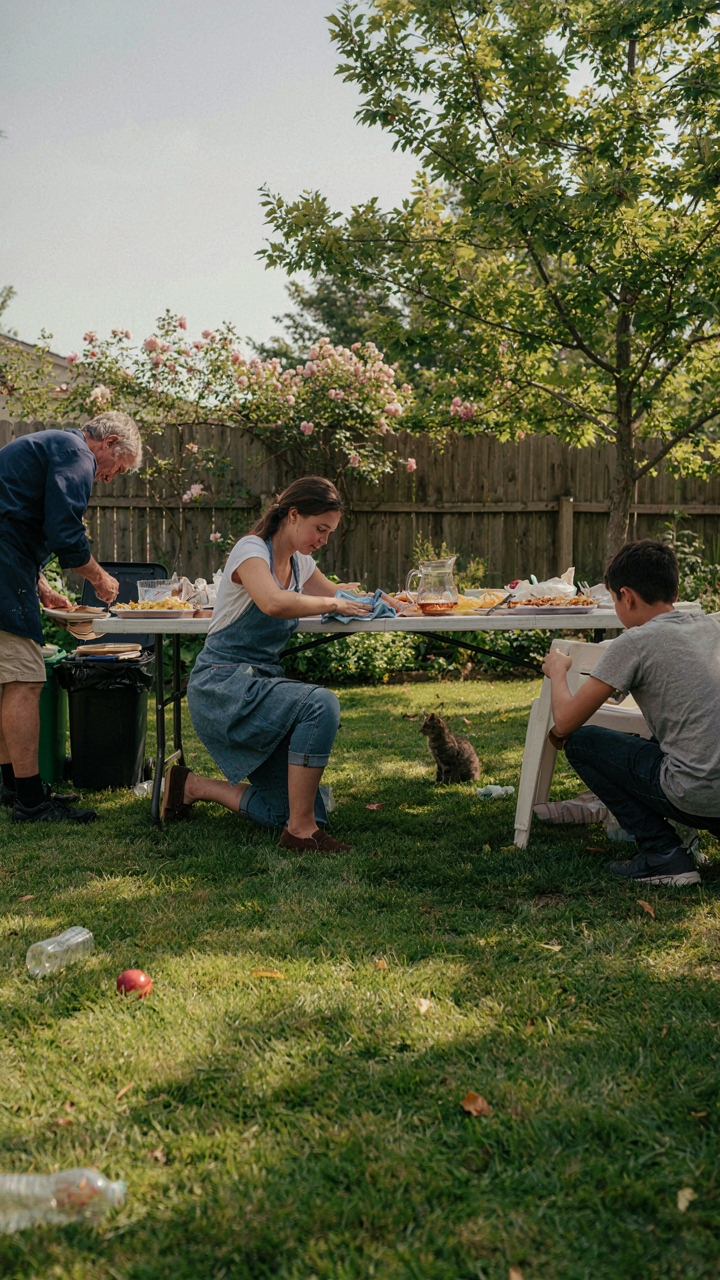
Reclaim Your Space Fast
You want to avoid looking like you can’t manage your own property. The real mechanism is that cleanup friction compounds exponentially after the first hour. Every minute you delay, debris dries, stains set, and your motivation collapses. Station trash stations at entry and exit points before guests arrive. Designate one person to monitor table clearing every thirty minutes, not at the end.
The common advice says “clean as you go.” That’s incomplete. You need designated zones and a person assigned to each zone during the party, not after. One person watches food tables. One monitors the yard perimeter. One handles the patio. This isn’t overkill. It’s the difference between one hour of cleanup and three hours of scrubbing dried food and dirt into your garden beds.
Separate Waste By Destination
Composting frameworks teach us about resource streams and separation at the source. Apply that logic to garden party debris. Create three distinct waste streams before the event starts: compost, recycling, and trash. Line separate containers and label them clearly. Most hosts mix everything together, then sort later. That’s wasted motion and decision fatigue when you’re tired.
Place compost bins near food prep areas. Recycling goes by drinks and desserts where bottles and cans accumulate. Trash stays away from these zones so guests don’t default to contaminating compost with plastic. This separation protocol cuts final sorting time by seventy percent. Post a visual guide on each bin so no explanation is needed. Guests follow systems better than they follow requests.
The Illusion Of Control Is Your Biggest Party Planning Enemy
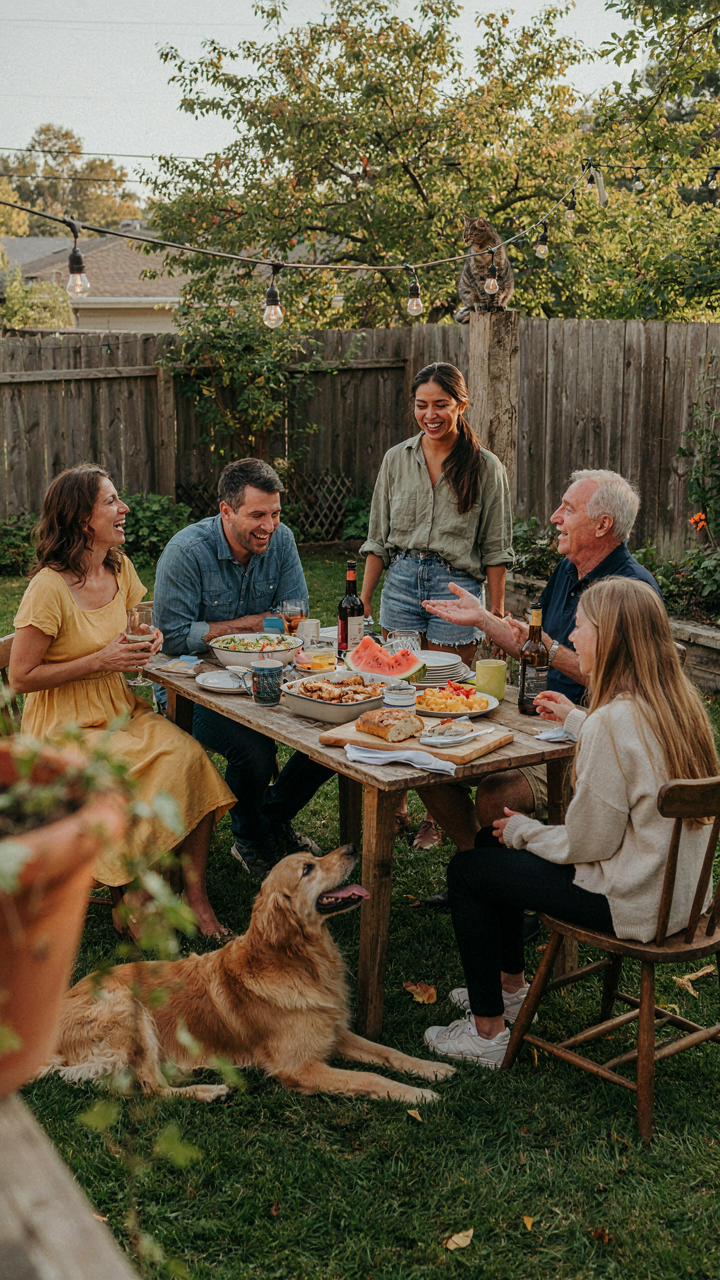
Stop treating your potluck garden party like a military operation. The moment you obsess over every detail, you’ve already lost. People don’t remember perfect timing or flawless execution. They remember conversations, laughter, and the feeling of belonging. Build slack into your plan. Let guests surprise you. Embrace the chaos. Your job isn’t to orchestrate perfection, it’s to create the conditions where people want to show up. The best potluck garden party isn’t the one you controlled, it’s the one that controlled itself.