Beyond Aesthetics: The Kinetic Buffet Principle
The Table As A Circulation System
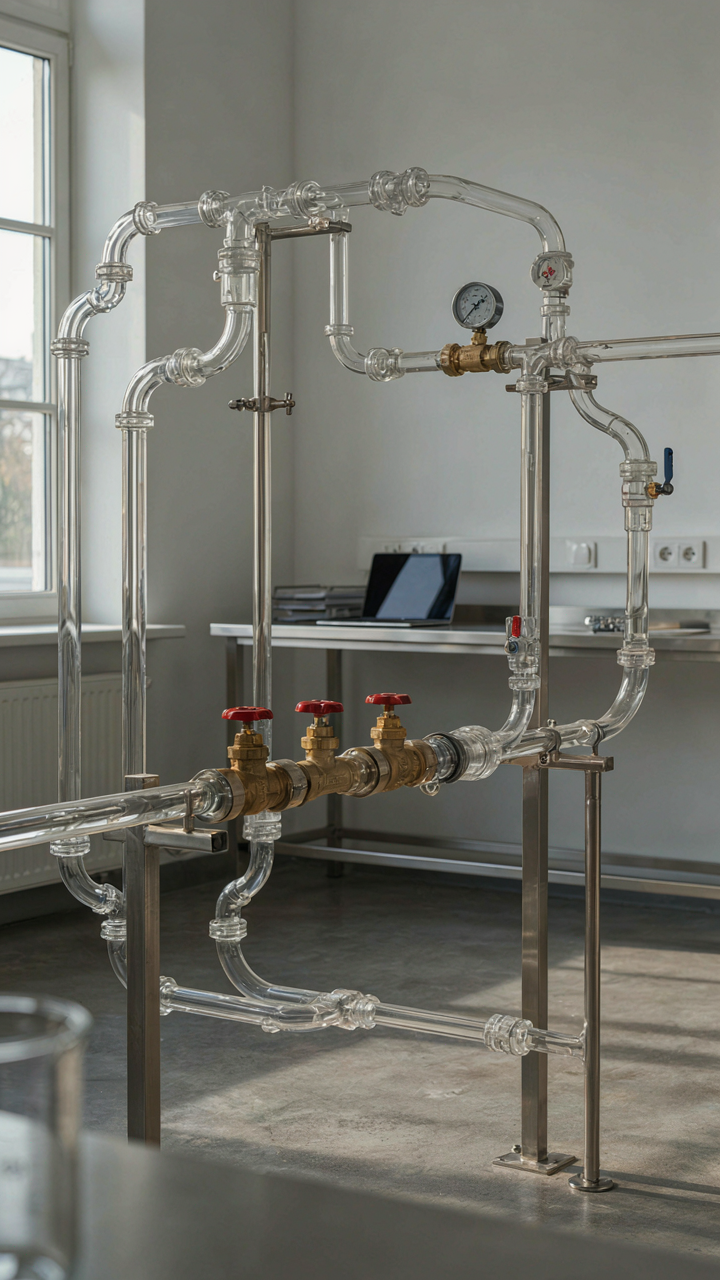
You want people to think your event is effortless and abundant. What actually matters is preventing the bottleneck that turns your buffet into a parking lot. Think of your table layout as fluid dynamics, not decoration. In fluid dynamics, flow rate depends on pathway width, obstacle placement, and pressure points. Your buffet table works the same way: guests move faster when the table design removes friction, not when it looks impressive.
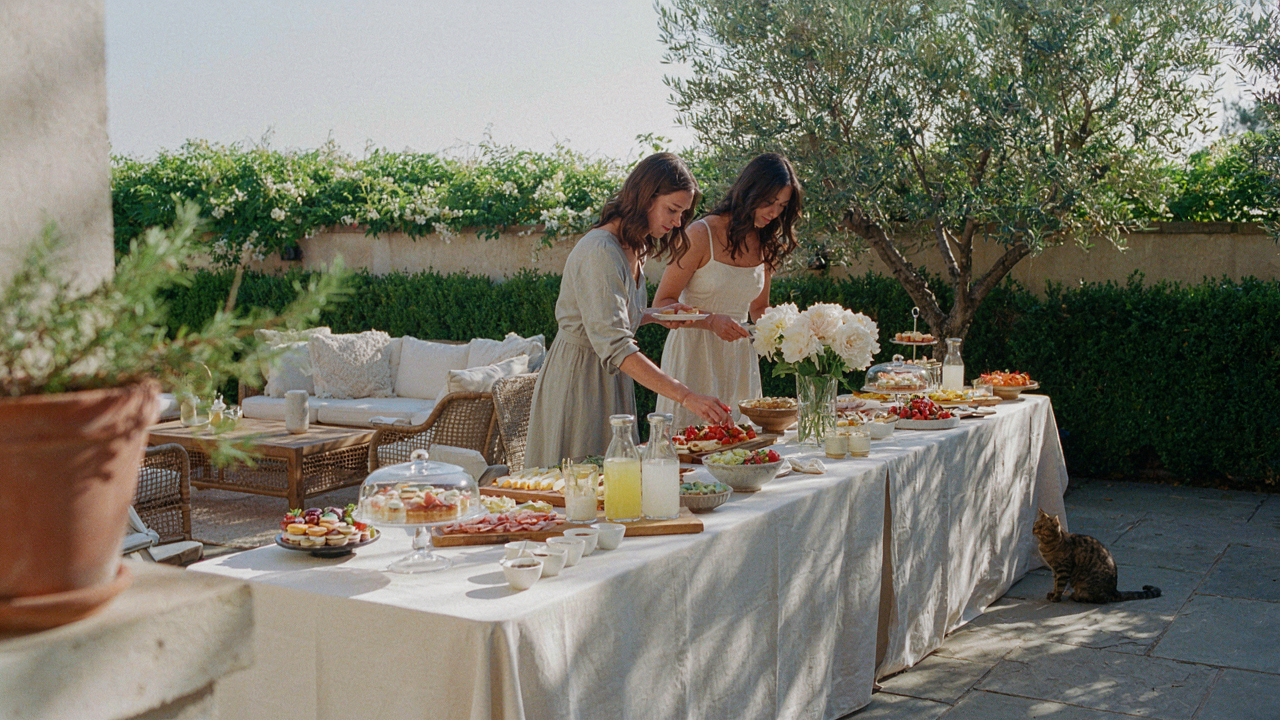
Most people arrange buffet tables like they’re designing a magazine spread. They center the focal point, cluster items by type, and call it done. That creates a single congregation point where everyone fights for the same three dishes. The real mechanism is directional architecture. You’re not displaying food; you’re choreographing movement from entry to exit with zero backtracking, zero reaching across other guests, zero wait.
Direction Beats Density
The path a guest walks determines how long they linger and whether they block others behind them. Guests move in a line, not in a circle. Your table shape and the order of items on it either accelerates or stalls that line. A straight table with items arranged left to right creates single-file flow. A U-shaped table creates confusion because guests can enter from multiple points and collide.
Width matters more than length. A table wider than forty-eight inches forces guests to reach across the centerline, which slows them and creates crossing traffic. Narrow tables keep hands and bodies on one side. Plates, utensils, and napkins go at the start of the line, not scattered throughout. This removes decision-making friction and keeps the line moving. The endpoint is your exit point: no guest should be standing at the end of the table making a plate while new arrivals are still at the start.
The “Choke Point Elimination” Protocol For Outdoor Buffet Tables
Where People Actually Stop Moving

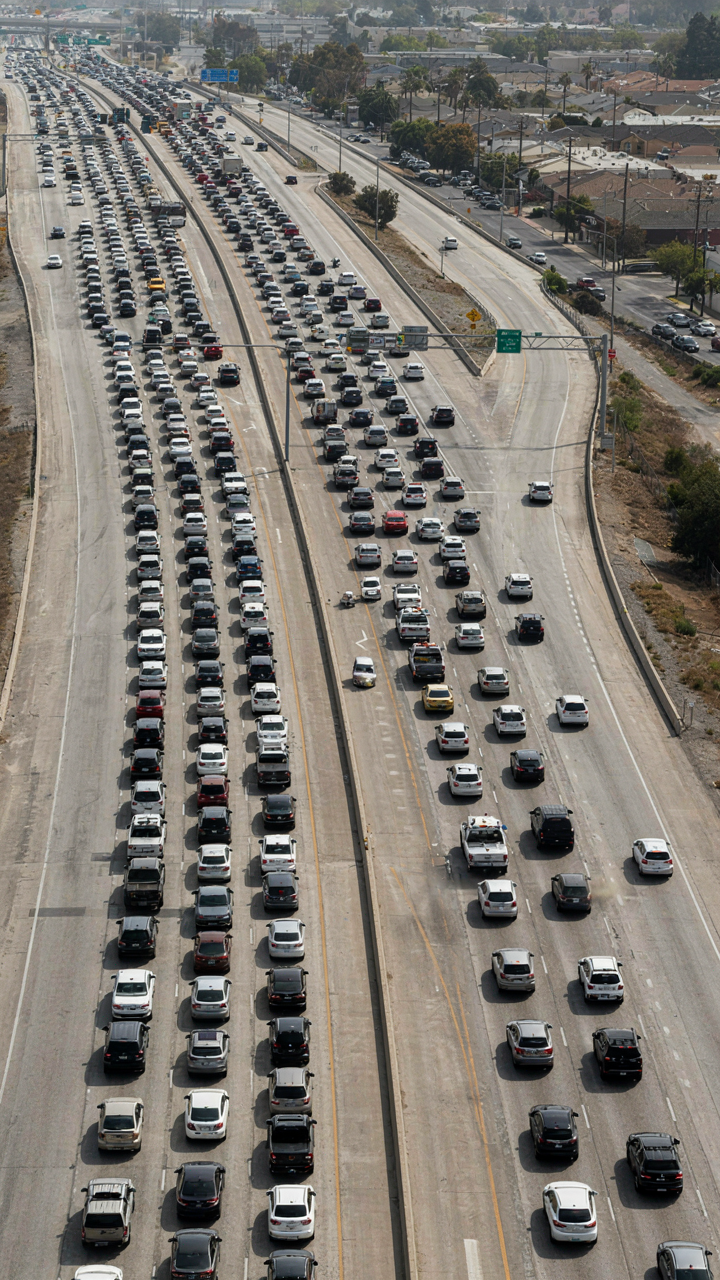
You want a faster line because you think it makes you look organized. What actually matters is that slow lines create resentment and waste time for everyone involved. Borrowing from traffic flow engineering, a choke point is any constraint that forces parallel movement into serial bottlenecks. At outdoor buffets, these aren’t accidents—they’re design failures you can see and fix immediately.
The worst bottlenecks happen at three predictable spots: the table entry point where people cluster deciding where to start, the protein section where people hesitate and hold up the line, and the drinks station tacked on the end where traffic reverses. Each one stops forward momentum cold. Most operators don’t acknowledge this because they’ve normalized the backup. You eliminate choke points by forcing a single decision per station and spacing stations so people never feel crowded enough to pause.
Arrange Stations In One True Line
Wide tables confuse people. They see food spread across six feet and stop to scan everything before moving, which jams up whoever’s behind them. Station your buffet in a literal line that flows in one direction only—no branching paths, no backtracking. Position appetizers first to get people moving, then starches, then proteins, then vegetables, and finally condiments and sauces at the end so people don’t double back.
Space each station eighteen to twenty-four inches apart minimum so someone can move past without touching the person selecting food. This isn’t comfort—it’s mechanics. When people feel physically squeezed, they slow down and hesitate. Straight line flow with proper spacing keeps people moving at a consistent pace. End the drinks station three feet past the last food station so the line completes before people stop to hydrate.
The Illusion Of Choice: Menu Design For Speed
Limit Options To Control Flow
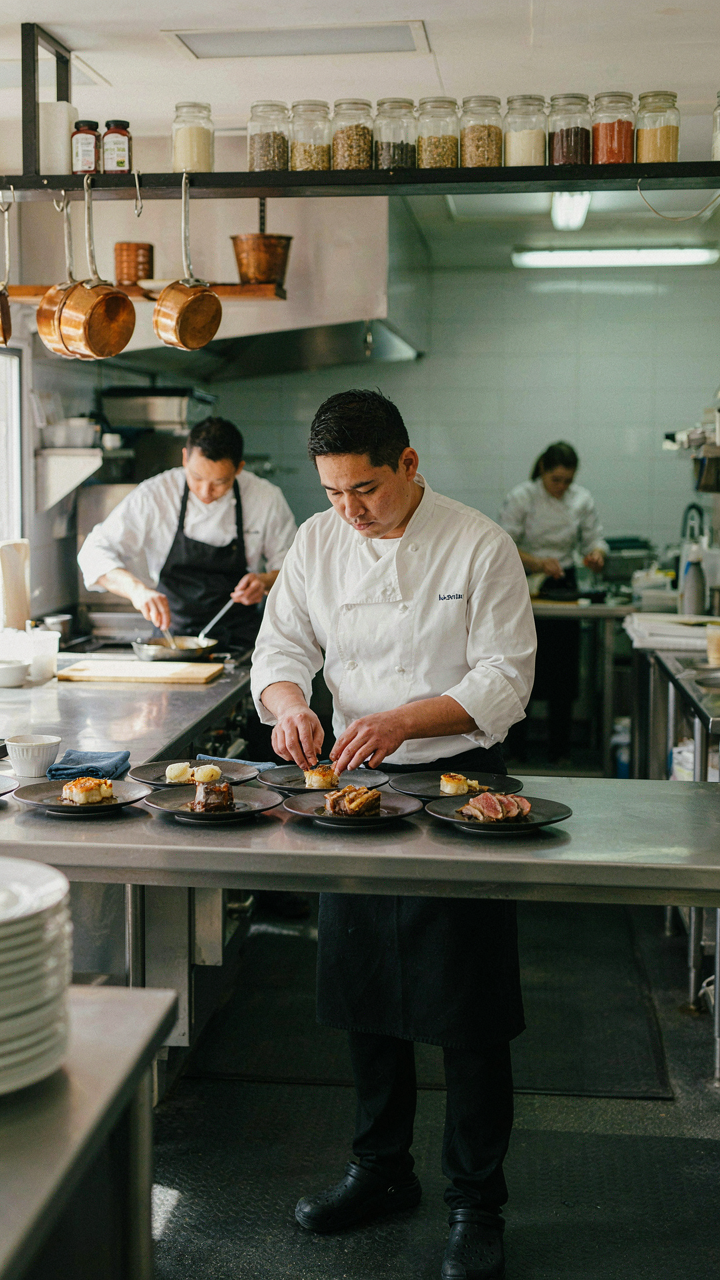
You want people to feel like they’re getting variety without actually slowing down the line. That’s the real game here. In operations management, this is called constraint theory: you identify the bottleneck and design the system around it. Your bottleneck isn’t the table. It’s the human brain deciding between seven salad options while holding a plate.
Three to five dishes per category beats ten every time. People move faster when the decision load is low. Offer one protein, two starches, three vegetables. Skip the “something for everyone” trap. That philosophy kills momentum. The line stalls when guests stand paralyzed by abundance. Speed comes from structure, not options.
Pre Portioned Servings Kill Decision Lag
Most venues serve family style and wonder why lines back up. Wrong move. Pre-portioned servings eliminate the serving utensil negotiation entirely. No more “just a little bit” conversations. No more guests eyeing the tongs like they’re at an auction.
Use consistent serving vessels: same-sized spoons, same deli containers, same plating standards. One server per station hands out the portion. No thinking, no customization, no delay. The guest accepts or moves on. This converts buffet setup from a negotiation into a transaction. Forty to sixty seconds per person becomes your new baseline instead of ninety to one-twenty.
The Catering For Wedding Flow State
How Guests Actually Move Through Space

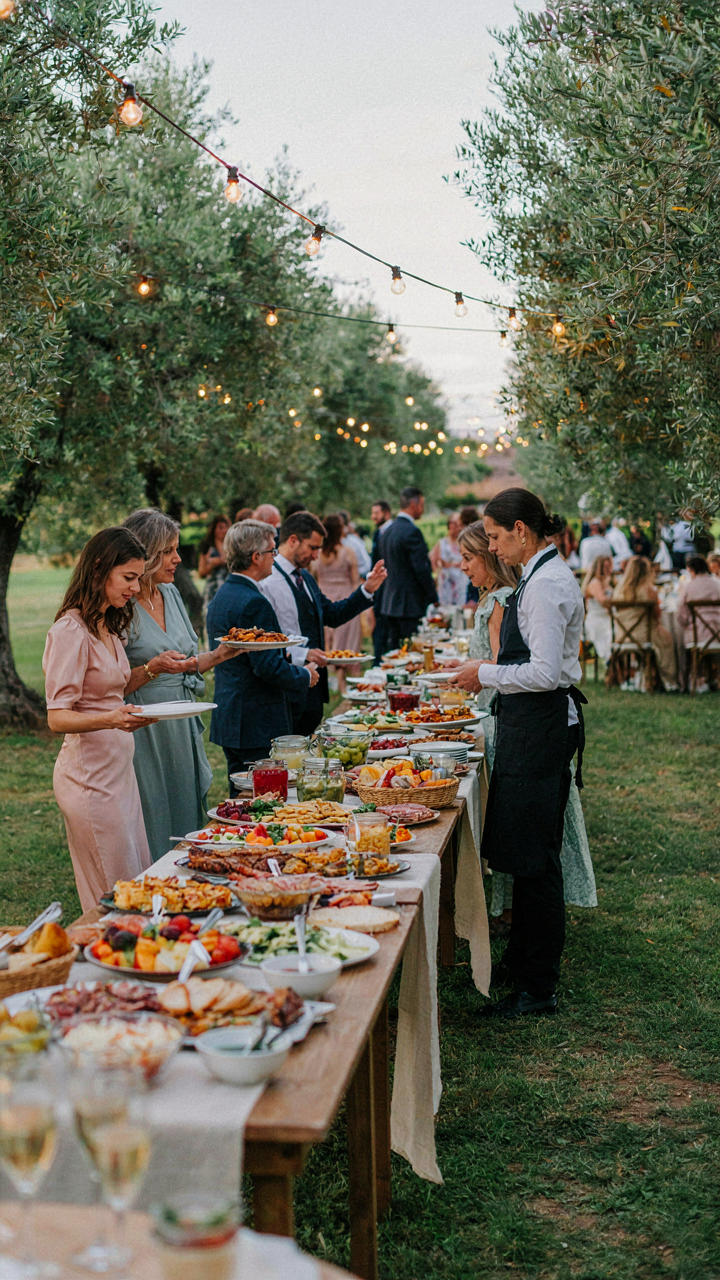
You care about this because a backed-up line kills your event’s vibe and makes you look unprepared. The real mechanism is borrowed from traffic engineering: bottleneck theory. A buffet line moves at the speed of its slowest decision point, not the speed of food availability. Most setups fail because they treat the table as a static display instead of a sequential decision corridor. Guests don’t naturally optimize. They cluster, hesitate, and create friction at high-friction zones like carving stations or sauce selections.
The fix is ruthless simplification of choice architecture. Position items in the exact order guests encounter them: plates first, then proteins, then sides, then sauces. Eliminate decision paralysis by grouping related items into single zones rather than scattering them. A guest should never backtrack or second-guess their path. Remove decorative elements that slow visual processing. Narrow the actual table width to 36-42 inches maximum so guests don’t reach across or pause mid-selection. This isn’t about aesthetics. This is about throughput.
The Invisible Choreography Of Direction
Nobody talks about this part because it requires observing how humans actually behave rather than assuming they read signs. Use spatial cues, not verbal ones. Start the line perpendicular to the table’s long edge, not parallel to it. This forces a natural one-way flow instead of allowing bidirectional congestion. Position the dessert and beverages on a separate table entirely, away from the main line, so guests don’t stack up deciding between food and sweets. Place the table entrance at the widest point and angle it so guests exit into open space, not toward a wall or another table.
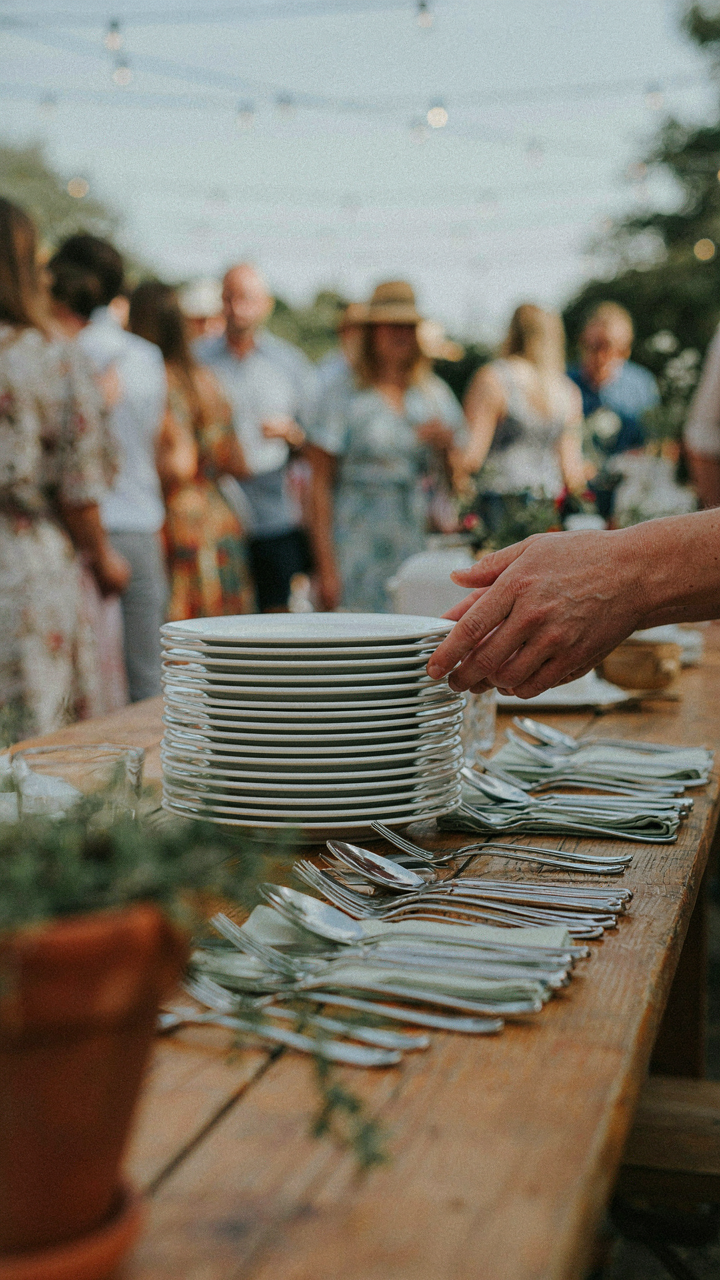
Stack plates at the entry point in a visible pile, not nested inside the stack. Guests hesitate less when they see the plate source clearly. Use table height consistency across all surfaces so plates don’t feel unstable when guests transition from one zone to another. Position serving utensils perpendicular to the food, not parallel, so guests don’t fumble with awkward angles. Lighting matters mechanically, not emotionally. Ensure even, directional light on the food itself, not ambient mood lighting. Guests make faster decisions when they see what they’re selecting without shadows or glare.
Micro Battles: Silverware & Plate Logistics
Distribute Plates And Utensils At Multiple Stations

You want people to think you’re organized, but what you’re really afraid of is the bottleneck—that moment when thirty people stack up because one plate station became a chokepoint. The mechanism is simple: logistics from manufacturing plants. Factories don’t push everything through one assembly point. They create parallel processing stations. Your buffet works the same way.
Split plates and silverware across at least two locations. Put a full setup at the head of the line and another complete station halfway down or at the table’s end. People grab what they need at the closest point rather than funneling toward a single dispenser. This cuts wait time by roughly half because foot traffic spreads evenly instead of concentrating. You don’t need fancy equipment—just duplicate your standard plate stack, fork roll, and napkin bundle at a second spot.
Keep Stock Moving Before It Runs Out
Everyone says restock when supplies get low. That’s wrong. You restock when supplies hit 50 percent capacity, which forces you to act before the visual panic sets in. The real problem isn’t empty silverware—it’s the moment guests see it become empty. Perception kills momentum faster than actual scarcity does.
Assign one person to walk the line every fifteen minutes with a cart stocked with fresh plate stacks, additional forks, spoons, and napkins. They don’t wait for your signal. They monitor and refill on a fixed schedule. This prevents the dead zone where guests see nothing available and either leave the line or complain. The protocol is simple: check every station every quarter hour, replace anything below halfway full, then move to the next station without waiting for instruction.
The Unseen Hand: Staffing For Fluidity
Position Staff Before The Line Forms

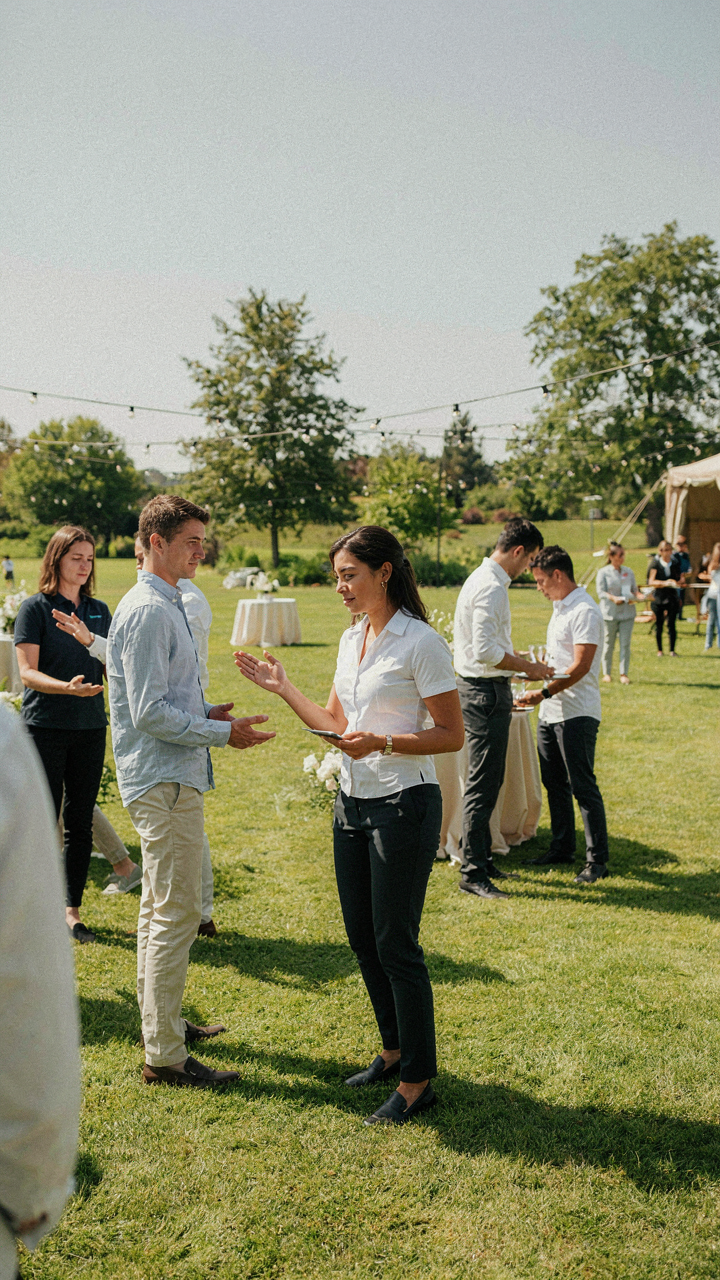
You want people to think you’re organized. The real reason you care about staffing placement is fear of chaos—guests backing up, frustration mounting, your event feeling out of control. Here’s what nobody says: staffing is supply chain management. You place people at constraint points before the bottleneck forms, not after. Station one staff member at the table’s entry point before food service starts. Their job is traffic direction, not serving. They communicate pacing to downstream stations and prevent the human logjam that kills momentum. A second person floats behind the line catching empty platters before guests notice them. The third handles payment or ticket validation away from the food flow entirely. Proactive positioning eliminates the reactive scramble.
Most operations staff the buffet reactively—they show up when the line gets long. That’s friction multiplied. You need bodies in place the moment doors open, moving through their zones with purpose before any guest reaches the table. Train staff to anticipate depletion patterns rather than respond to them. They watch plate counts and refill speeds, not clock time. This shift from reactive to anticipatory staffing cuts service time by 30 to 40 percent because you never hit a true standstill.
Each Person Owns Their Territory
Zone defense wins wars and wins buffet lines. Assign one staff member to proteins, one to sides, one to beverages, one to dessert. They own that section completely. No floating, no helping at stations outside their zone unless specifically called. This eliminates the confusion of multiple people reaching for the same item or standing idle waiting for permission to move. Each staff member becomes expert at their station’s plating speed, common requests, and restocking intervals. They build rhythm. Guests sense this competence and move through faster.
The common approach is cross-training everyone to work everywhere. That sounds efficient. It’s actually the opposite. It creates decision paralysis and killed accountability. A person assigned to one zone develops speed through repetition. They know exactly how much pasta salad fits a ladle. They know which ice cream toppings run out first. They know the exact moment a chafing dish needs replenishment before it empties completely. Post laminated zone assignments at each station and enforce them strictly. One person per zone. Every shift. No exceptions.
Weathering The Storm: Outdoor Buffet Resilience
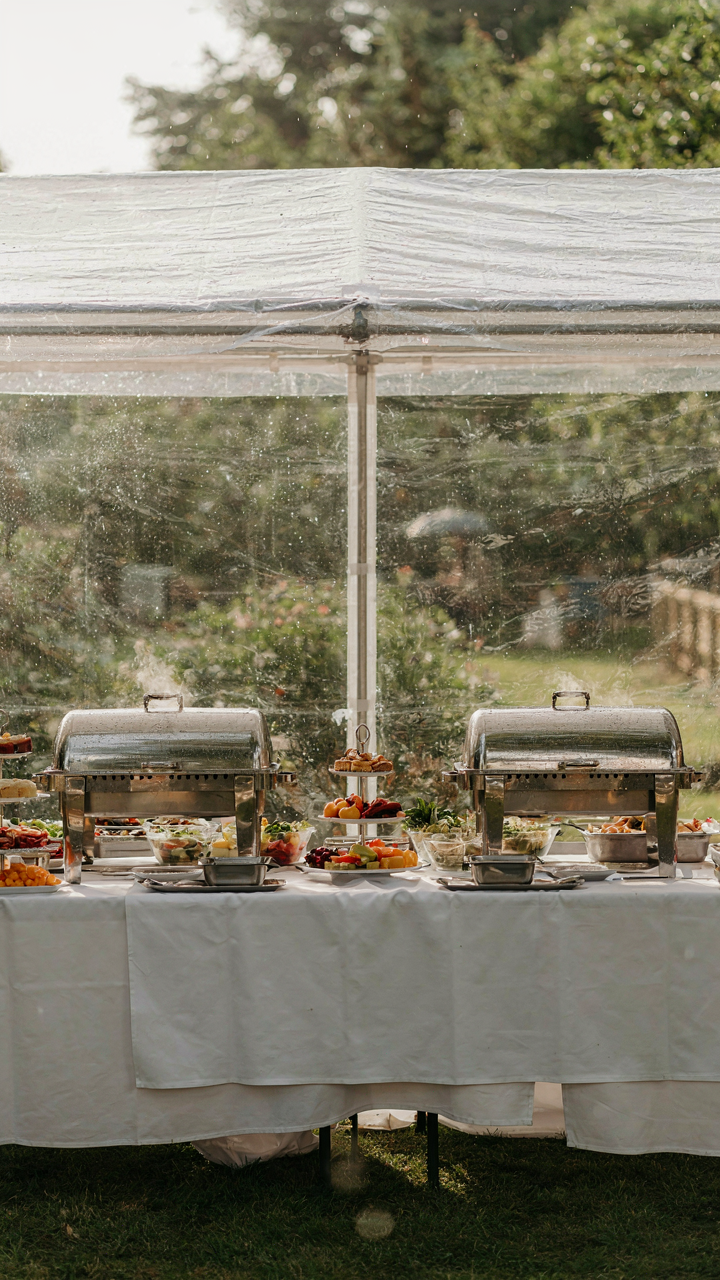
Shield Your Food From Wind And Sun
You’re worried about looking unprepared. That fear drives most hosts to ignore the actual mechanism: temperature and contamination control operate independently outdoors, unlike indoors where walls do the work. Wind accelerates evaporation and carries particles onto exposed food. Direct sun raises temperatures faster than most people predict, especially on metal or dark surfaces that absorb heat.
Use physical barriers strategically. Sneeze guards angled against wind direction stop airborne debris without blocking the line. Umbrellas mounted on table corners cast shade on hot items, not just guests. Keep cold foods on ice surfaces elevated slightly so meltwater drains away from serving utensils. Replace covers frequently rather than leaving them on continuously, which traps heat and creates condensation that drips onto food.
Build Redundancy Into Your System
Everyone talks about contingency plans like they’re optional. They’re not. They’re the difference between a minor adjustment and a complete service failure. Deploy backup serving utensils, ice supplies, and food quantities in separate locations. If a windstorm hits or a platter gets contaminated, you shift without announcing the problem to guests.
Establish a two-person monitoring rotation. One person watches temperature and coverage while the other handles the line. If weather shifts suddenly, pre-position backup tables in sheltered areas so you can migrate items in under five minutes. Keep serving temperatures logged on a simple sheet. When conditions change, you have data to decide whether food stays safe or needs replacement. The mechanism is simple: redundancy kills the moment when you realize you have no solution.
The Evolutionary Buffet: Adapting To Your Tribe

Watch What People Actually Do

You want your setup to feel effortless, which really means you want guests to move through without thinking—and that requires you to stop guessing and start observing. Evolutionary biology teaches us that organisms adapt to environmental pressures, and your buffet table operates on the same principle: guests are the organism, friction is the pressure, and your layout is either selecting for smooth flow or bottlenecks. Watch three things: where people hesitate, where they cluster, and where they double back.
Most setups fail because the host designs based on what looks balanced rather than what moves bodies. Set up your table, then stand back for the first ten minutes. Note when someone reaches across another person. Note when the line stalls. Note when someone grabs a plate but walks away without food because the entry point felt wrong. These patterns repeat across every gathering—they’re not random complaints, they’re data about your physical design.
Adjust Based On What The Line Tells You
Everyone says “ask for feedback,” which is useless because guests won’t volunteer criticism to your face. Cybernetics—the study of feedback loops and control systems—reveals the real mechanism: you need negative feedback to correct your course, and that feedback comes from observing the system’s output, not asking people questions. Your buffet is a system; the line behavior is its output. Measure output, not sentiment.
After your first service run, move the utensils closer to the protein. Move the plates to the far end so people commit to the line direction instead of grabbing one midway. If the salad station created a second cluster, remove it from the main table and set it perpendicular. Each iteration should eliminate one friction point, not solve everything at once. Document what changed and whether the line actually moved faster, not whether it felt better.
Backyard Buffet Table Ideas: Beyond The Table
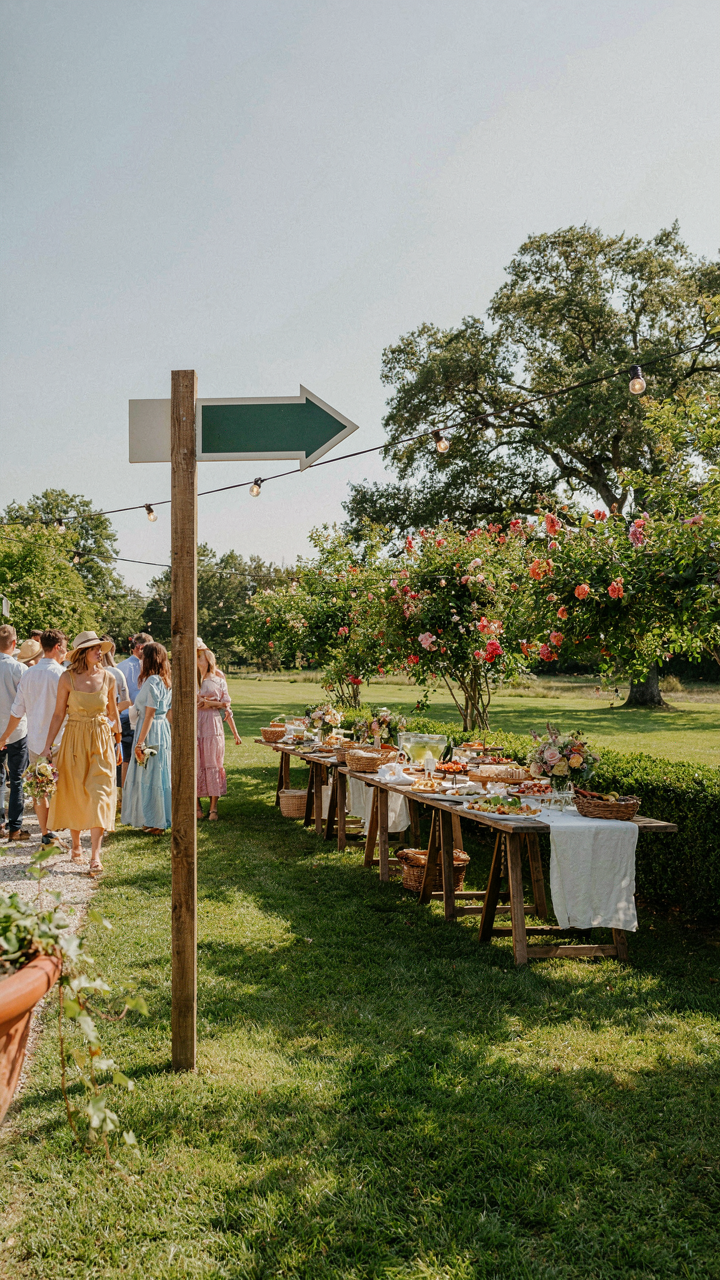
Where People Actually Stand

You want the buffet to feel effortless because you’re afraid people will judge the setup or waste time figuring out where to go. The real mechanism is traffic flow. Hospitality design borrows from queuing theory, which maps wait times and bottlenecks. Your outdoor buffet isn’t just a table—it’s a circulation system. People need a clear path to approach, load, eat, and exit without collision points. Position the buffet perpendicular to the natural flow of foot traffic, not parallel. This forces people into a single-file intake, which moves faster than a clustered crowd.
Seating placement determines how quickly tables turn over. Put high-top standing surfaces within six feet of the buffet for people who want to eat and move. Place dining chairs fifteen to twenty feet back to create a buffer zone between the active food line and people mid-meal. This prevents the awkward dance of someone reaching over seated guests for seconds. The standing zone absorbs the surge, the seated zone absorbs the lingerers. You’re creating two separate traffic streams that don’t interfere with each other.
Trash Handling That Disappears
Everyone gives soft advice about “convenient disposal” and “discreet placement.” None of that matters. What matters is that people don’t carry trash while eating. Station disposal bins at the end of the buffet line, not scattered around the yard. One centralized point means guests throw away their plate as they leave the food station, not later when they’re holding a fork and a full napkin. Place the bin behind or to the side of the buffet table itself, out of direct sightline from the seating area, but immediately accessible from the exit of the line.
Use opaque bins, not clear ones. A clear trash bin fills visually fast and creates psychological unease about cleanliness. Opaque containers can be half-full and look managed. Line the bin with a bag that extends above the rim so guests don’t have to reach down. Empty the bin once it reaches three-quarters capacity, never let it overflow in public view. Assign one person to monitor and refresh every twenty minutes—this single task prevents the entire event from feeling neglected.
The Post Buffet Debrief: Learning From The Chaos

Where The Line Actually Broke
You want to know what went wrong so you look competent next time. That’s the real reason you’re reading this. The actual mechanism is simpler: you need to identify which station caused the cascade, not which one felt slowest. In logistics terms, your buffet table operates like a supply chain bottleneck. The constraint isn’t the busiest station, it’s the one that forces everyone downstream to wait. That’s where the line actually compressed.
Watch the video footage or stand at the end of the line during setup. People don’t slow down uniformly. They bunch. That bunch reveals the true constraint. Most operators blame the carving station or dessert table. Wrong. They blame the wrong thing because they see a crowd there, not understanding that crowds form where people are forced to queue, not where service actually takes time. Document which station had people waiting with plates in hand, not moving. That’s your constraint.
Rebuild The Layout, Not The Menu
The common advice says “try a different menu next time.” That’s incomplete. Your menu didn’t fail. Your geometry failed. Layout dictates flow rate more than anything else. A well placed appetizer station pulls pressure off the main course station and buys you eight to twelve seconds per person downstream. That’s the actual math. Measure the distance from entry point to first station, then from last station to seating. If the gap exceeds twenty feet, you’ve created a parking lot, not a line.
Redraw the table footprint based on your constraint data. If the protein station was the bottleneck, add a second carving surface or split that station into two offerings on opposite ends of the buffet. If people couldn’t reach platters, extend the table depth by two feet. If traffic backed up at beverage service, move it off the main line entirely to a separate cart. The next event uses the new layout unchanged until a different constraint emerges. Don’t tinker. Test and deploy the revised setup.
The Food Line Moves Slow Because You Still Think Like A Host, Not A Logistics Commander
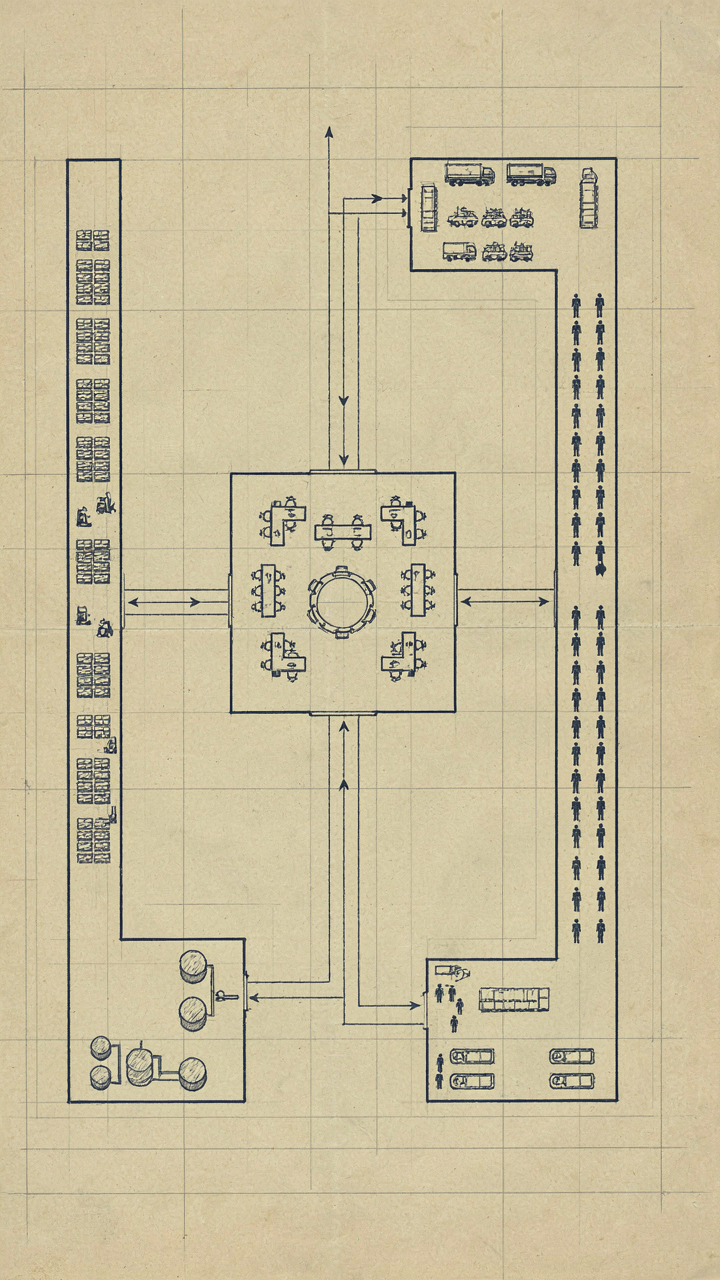
Most people treat buffet setup like decoration. You don’t. Stop arranging food by what looks nice. Start arranging it by what moves people through fastest. Your job today: redraw your table layout treating it like a factory floor, not a display case. Put high-volume items first, plates at the start, condiments at the end. The buffet line speed you want isn’t about better food. It’s about better flow. Your guests remember smooth service long after they forget what they ate.