The Value Exchange Protocol: Shifting From Gimmick To Growth
What Your Guests Actually Need
You’re buying favors to look thoughtful. The real mechanism is simpler: guests forget 90 percent of party favors within weeks because they solve zero problems. Borrow from economics the concept of “utility”—the actual satisfaction an item delivers. A garden party favor has utility when it addresses a genuine friction point in your guest’s life, not when it’s cute or Instagram-worthy.
Most people default to novelty because it feels safer than thinking about utility. A scented candle with a custom label doesn’t do anything your guest wasn’t already doing. A favor that solves a real problem—like a practical tool for outdoor maintenance, a consumable they actually use, or something that extends an experience they already value—creates retention. The guest keeps it. Better yet, they remember why.
Utility Over The Impulse To Impress
Conventional garden party advice says favors should match your theme. This is lazy. Your theme is decoration for you, not utility for them. A guest cares about one thing: does this item make my life easier or better in a tangible way? Strip the aesthetic requirement and ask instead what minor annoyance exists in your guest’s routine that a favor could eliminate.
Practical items with low cost stay on nightstands, in cars, and in bags. A quality lip balm with SPF sits in a pocket because sun exposure is a real problem. A seed packet for herbs guests can actually grow delivers ongoing value beyond the party. A cooling towel for outdoor use solves heat management. The mechanism is accountability: pick a favor category, then source the highest-utility version within budget. Skip anything decorative that doesn’t also function.
Deconstructing The Gift Bag: Practical Garden Party Gift Bag Ideas
Things Your Guests Will Consume

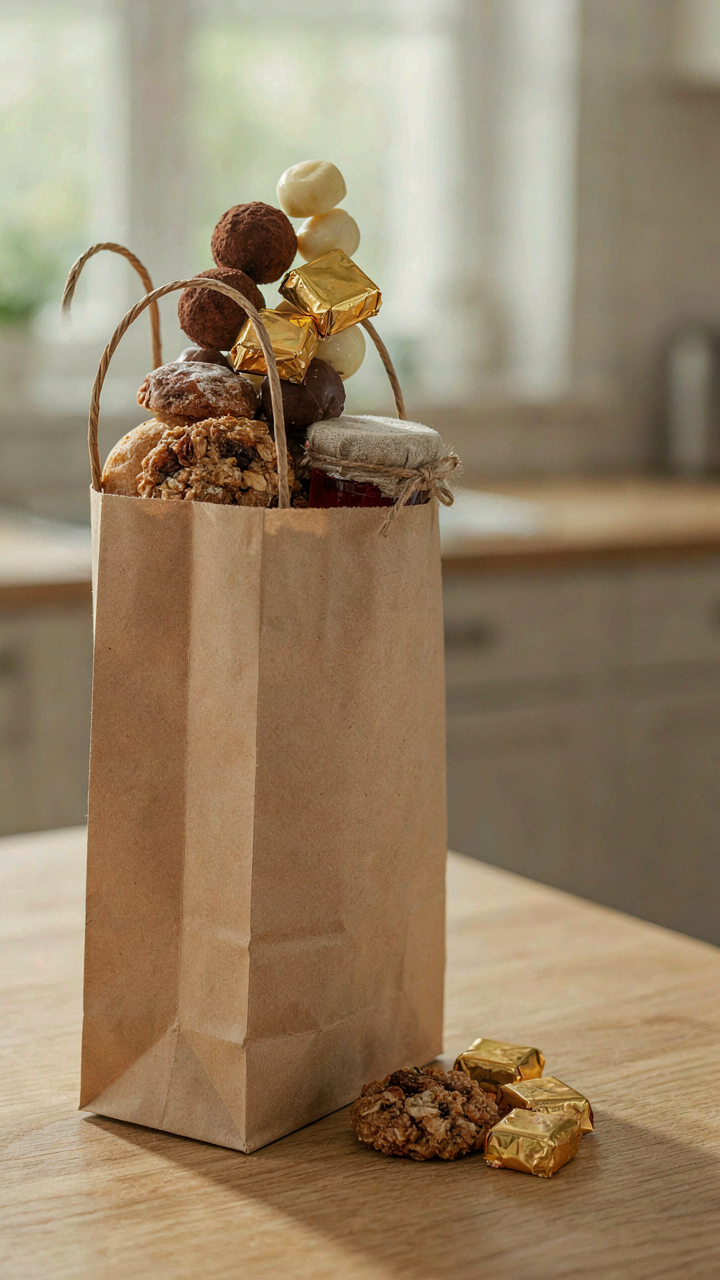
You want them to remember you after the party ends, not throw your favor in a drawer. That’s the real mechanism at work here. Edible favors solve this because consumption is forced utility. Your guest doesn’t decide whether to keep it. They eat it or give it away within days, and the act of consumption becomes the memory anchor.
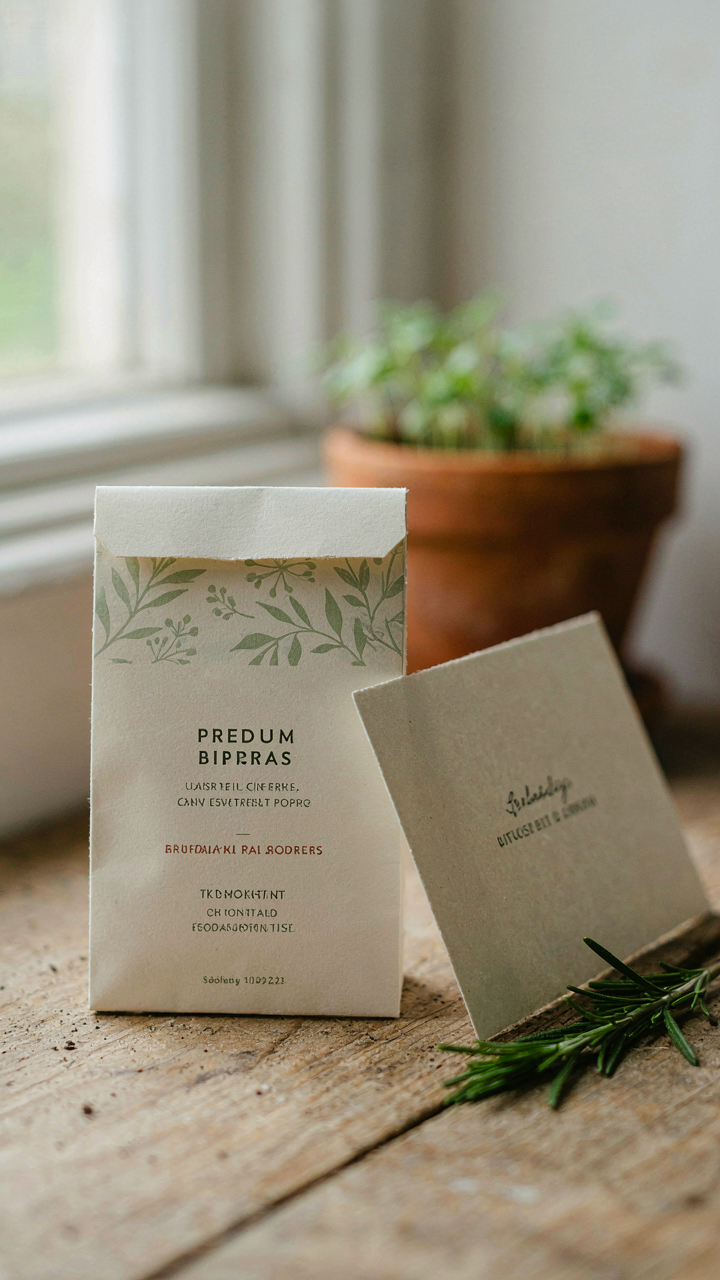
- Herb seed packets: Labeled with planting depth and harvest timing. Guests grow what you gave them, extending your presence into their summer garden for months.
- Infused honey or herb-infused oil: Small glass jars with custom labels. These move off the shelf when guests cook, creating repeated touchpoints in their kitchen.
- Homemade granola or trail mix in kraft bags: Sealed and labeled. Consumable within two weeks, forces immediate engagement rather than shelf storage.
- Flower-shaped shortbread or herb tea blends: Packaged in paper sleeves or small tins. Low cost per unit, high perceived value, zero waste after consumption.
- Local jam or preserve with garden-themed labels: Ties to regional identity and seasonality. Guests use it at breakfast, making your favor part of their routine.
Edible favors work because they don’t compete for permanent real estate in someone’s home. They integrate into existing behavior. Your guest doesn’t organize their life around your gift. They incorporate it into the next meal or garden project and move on, satisfied.
Tools That Earn Their Keep
Forget the generic keychains and printed items that signal you didn’t think about what your guests actually do. Small tools stay useful because they solve real friction in gardening or outdoor living. Borrowing from economics, this is about lowering the activation cost for repeat behavior. A tool reduces friction. Your guest uses it, realizes the problem it solves, and associates that relief with you.
Most garden party favors treat tools like decorations. They’re not. A quality hand rake, pruning shears in the right size, or a dibber stick should function first and look acceptable second. Your guest won’t use a tool that feels cheap or breaks after three uses. Invest in actual functionality. A wooden plant marker set, a copper watering wand for targeted watering, or a small trowel with a comfortable grip all serve purpose beyond the party. When your guest reaches for the tool weeks later, they remember the event and the person who provided something useful instead of something cluttering their garage.
Garden Party Favors For Adults: Beyond The Seed Packet
Curated Plant Starts

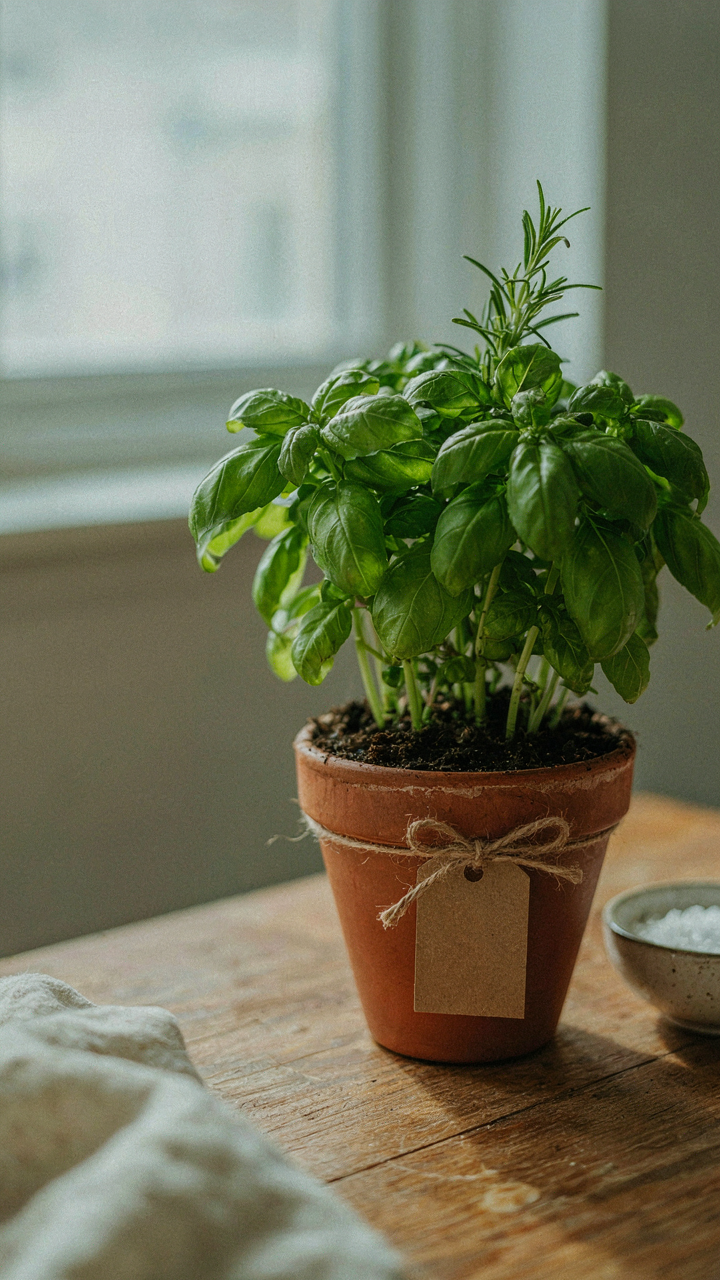
You want guests to remember you sent them home with something valuable, not landfill. That’s the real tension here, and it explains why most garden party favors fail: they’re decorative objects masquerading as gifts. The mechanism that works is borrowed from retail economics: scarcity plus utility. A plant start has both. It’s finite, takes up physical space in a home, and forces a decision: nurture it or watch it die.
Plant starts work because they’re not finished products. A mature plant in a pot feels like a decoration someone else chose. A start is a beginning someone completes. Propagate cuttings from your own garden two to three weeks before the party: succulent varieties, herb cuttings like basil or rosemary, or tender perennials your guests can overwinter indoors. Pot them in small containers with drainage holes, label them with care instructions printed on cardstock, and hand them out as guests leave. The act of caring for it creates a memory anchor back to your event.
DIY Garden Project Kits
Forget seed packets and generic herb blends. That advice treats adults like they’re attending a school field day. A DIY garden project kit is a constraint wrapped in materials: it tells someone exactly what to build and gives them everything except labor. This is logistics applied to favors. You’re not gifting an idea. You’re gifting a protocol someone can execute in an afternoon.
A functional kit includes one problem to solve and all components to solve it. A succulent propagation kit contains 6-8 individual leaves, potting soil in a small pouch, a shallow tray, and a one-page instruction sheet with watering frequency and timeline to roots. A hypertufa planter kit gives premixed concrete, a mold template, and reinforcement fiber. A terrarium kit includes a glass vessel, activated charcoal, potting soil, moss, and three plant varieties with planting order specified. Include a QR code linking to a two-minute video showing the build process. Specificity removes friction. People use what they can visualize themselves completing.
The Biomimicry Principle For Garden Themed Party Favors

What Actually Survives In Nature

You want favors people keep because you’re afraid yours end up in a drawer within 48 hours. Here’s the mechanism: evolutionary biology teaches adaptive selection, and favors operate the same way. Organisms survive by solving real problems for their environment. Your favor must do the same. A guest keeps something only if it reduces friction in their actual life, not because it looks cute on a table.
Most party favors fail because hosts design for aesthetics instead of utility. A decorative seed packet looks thematic. A seed packet containing varieties that actually grow in the guest’s climate solves a problem. The difference determines whether they plant it or compost it. Select favors based on what your guests genuinely need, not what fits the garden theme.
Favors That Generate Their Own Value
Ecological systems work because every element feeds the next cycle. Your favor should operate the same way. A self-sustaining favor creates value after the party ends, not just at the moment of giving. This means it either produces something, saves time, or solves friction your guests already experience without knowing they need solving.
A terracotta pot with drainage holes and seeds becomes a propagation tool guests use for months. A homemade herb blend in a labeled jar gets used in cooking. A garden journal template gets filled out weekly. Each of these favors doesn’t sit inert on a shelf. Each one pulls the guest back into action repeatedly. The mechanism is simple: build favors that require use to deliver their full value, not ones that deliver value only as decoration.
DIY Garden Party Favors: Crafting Real Value, Not Just Crafts
The Homemade Edge Over Retail

You want people to remember you hosted, not just that they got something. The mechanism here is scarcity signaling from economics: mass-produced favors broadcast that you bought generic solutions, while homemade ones signal you spent time and chose specificity. Your guests register the difference instantly, even if they can’t name it. The real move is making something they’d buy themselves but rarely do, which means solving a small problem they already have.
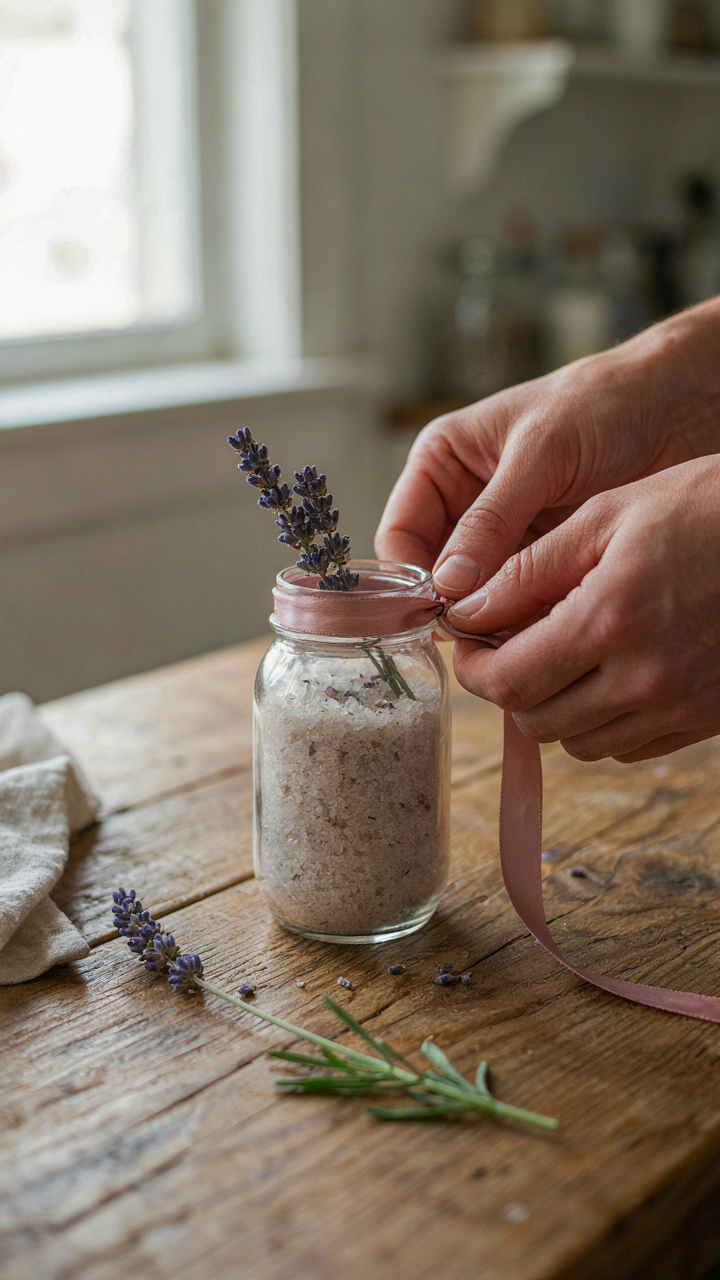
Homemade seed packets, infused oils, or herb blends work because they’re functional before they’re decorative. People use them. You’re not asking them to display your favor on a shelf and feel obligated to keep it forever. Roasted herb butter wrapped in parchment, honey with custom labels, or dried flower tea blends disappear into their kitchens and actually get consumed. Start with ingredients you can batch in a single afternoon. Buy glass jars in bulk, print simple labels, and package something with a two-week shelf life or longer so storage isn’t a burden.
Experiential Favors That Teach
Skip the trinket approach entirely. Teach your guests one thing they can repeat at home, and the favor becomes a skill, not an object. This mirrors the apprenticeship model from craft traditions: the value transfers through doing, not owning. A small card with a propagation method for succulents, a pressed flower bookmark with the drying technique explained, or a mini herb garden starter kit with written instructions creates an experience they’ll remember longer than they’d remember a ceramic pot.
The execution here is specificity plus repetition. Don’t just say “grow basil.” Tell them exactly what light it needs, how often to water, and when to harvest. Write it clearly so they reference the card while actually doing the thing. This transforms your favor from a “nice gesture they’ll forget” into a “reference guide they’ll use.” Prepare these during the month before your party so you’re not rushing production the day before guests arrive.
Garden Theme Wedding Favors: Investing In Lasting Memories
Experiences Beat Objects Every Time

You want guests to remember you, not another candle they’ll throw out in six months. Here’s the mechanism: experiences create neural encoding through novelty and social context, while objects decay in utility and sentiment simultaneously. A garden party favor that offers an experience—a seed packet with planting instructions, a voucher for a local nursery workshop, or coordinates to a community garden—anchors memory to action rather than clutter.
The reason this works is simple economics of attention. Your guests already own objects. They don’t own memories tied to your event. A seed packet for heirloom tomatoes becomes a decision point every spring for three years. That’s leverage you don’t get from a mason jar or monogrammed item. The favor becomes a trigger, not residue.
Quality Materials, Deliberate Obsolescence
Most garden party favors fail because people design them as temporary. Wrong framing. Design them to fail slowly so guests use them until they’re gone, not until they’re forgotten. This follows the principle of planned degradation from industrial design: build something that functions reliably but has a finite, predictable lifespan tied to actual use.
Copper plant labels, wooden seed markers, and ceramic garden markers outlast paper and plastic by years. Metal watering can tags oxidize and develop patina—they look better used. Guests don’t discard items that improve with age or damage. They become part of the garden infrastructure. The favor stops being a favor when it becomes a tool.
Garden Favors: The Art Of Strategic Gifting
Spend Where It Compounds

You want favors that prove you didn’t phone it in. This is about resource allocation, which comes straight from economics: you optimize inputs to maximize outputs. The mechanism here is that a single thoughtful favor compounds in three ways—the guest uses it, remembers why, and tells someone else about it. Most people spray money across ten cheap items instead of concentrating it on three things people actually need.
The math is simple. A 50-person garden party with five dollar favors costs 250 dollars and lands in a drawer. The same budget split three ways—focusing on thirty to forty people who’ll actually use what you give them—creates real impact. Skip the mass production logic. Identify the segment of your guest list that overlaps with your social circle’s actual values, then build favors for them. That’s not elitism. That’s respect for attention.
Make It Specifically Useful
The common advice tells you to give something “everyone likes.” That’s the advice that kills favors. Broad appeal means zero appeal—a generic candle or branded item nobody asked for. Real utility means the favor solves a friction point specific to gardening, outdoor living, or the season itself. Targeted utility works because people notice when something fits their life.
Think about what your guests actually do on a Saturday. If half your list tends gardens, a favor that works in that context lands. If your crowd spends time on patios, a tool or product for that space registers. Utility isn’t complicated—it’s specificity. Before you select anything, ask what problem your guests face in the exact context where they’ll use it. Then hand them the solution. That’s when a favor becomes something worth keeping.
The Unspoken Cost Of Generic Garden Party Favours
What Actually Happens To Your Favours

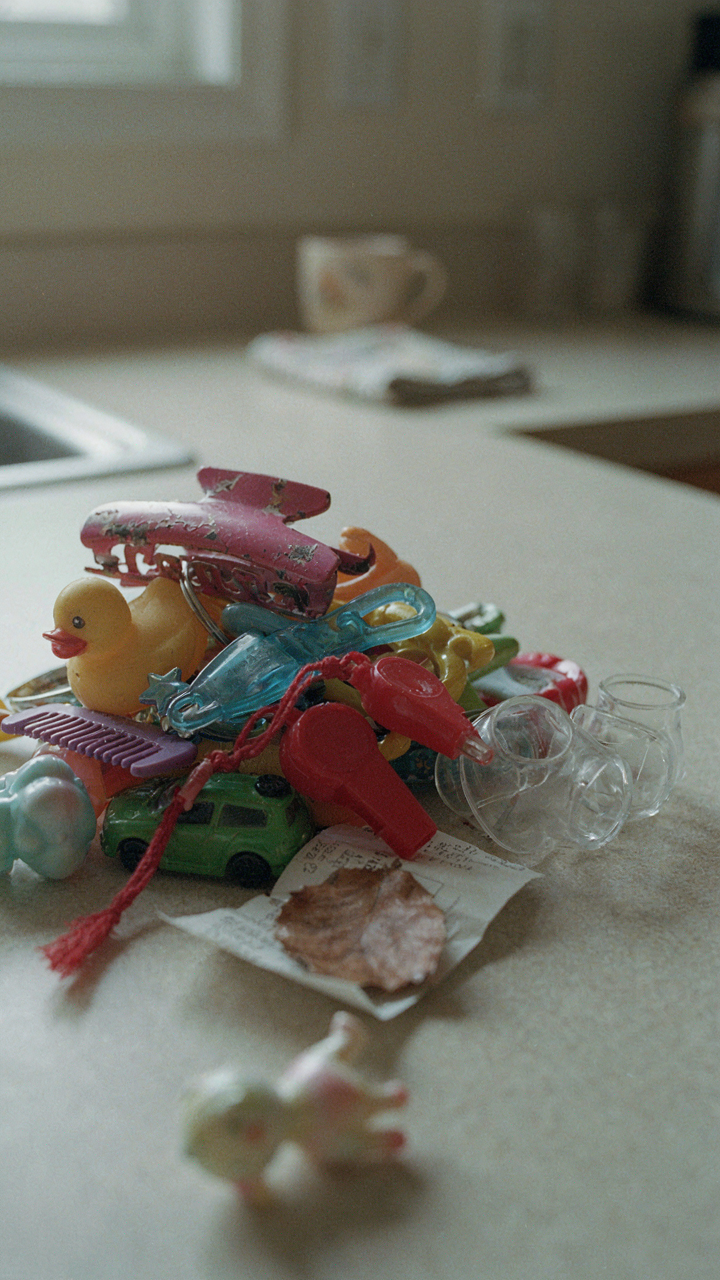
You want guests to remember you fondly. That’s the real driver here. But most garden party favours operate on the same principle as landfill: they enter a home and vanish into drawers, donation piles, or trash within weeks. The mechanism is simple. A favour has no utility beyond decoration or novelty, so it competes for permanent shelf space in a guest’s life. It loses. Guests don’t discard favours out of ingratitude. They discard them because the favour solved no actual problem.
Generic favours create a paradox: you spend budget and planning time to produce waste in your guests’ homes. Sachets of lavender seeds, branded keychains, or miniature jam jars look thoughtful at the moment of handoff. By the following month, most are gone. The environmental footprint compounds when you multiply single-use items across a guest list of fifty or more. You’ve outsourced your waste generation to people you wanted to impress.
The Invitation That Never Connects
Favours were invented as a mechanism for creating obligation and memory. Anthropology and economics both track the same pattern: a gift creates social debt. But modern favours have lost their actual function because they carry no information about you, your values, or the occasion itself. A favour that could have been purchased anywhere signals nothing except “I checked a box.” It does the opposite of what you intended. It suggests you didn’t think about your guests as individuals.
The real cost isn’t environmental or financial. It’s relational. You gathered people to share a moment, then handed them an object that erased that moment by being utterly forgettable. A favour that works creates a reason for a guest to think of you later. It contains specificity. It solves a small problem your guest actually has. It proves you paid attention. Without that mechanism, the favour is just packaging material with your name on it.
The True Obstacle Isn’t Finding ‘Unique’ Favors; It’s Understanding That Most ‘Favors’ Are Just Glorified Garbage

Stop treating favors like a checkbox. Your guests don’t need another trinket collecting dust. They need something they’ll reach for next Tuesday. That’s the difference between a host people remember and one they forget. Pick one item your guests actually consume or use daily, then execute it with intention. Everything else is theater. Make your favor the thing they think of you when they use it.