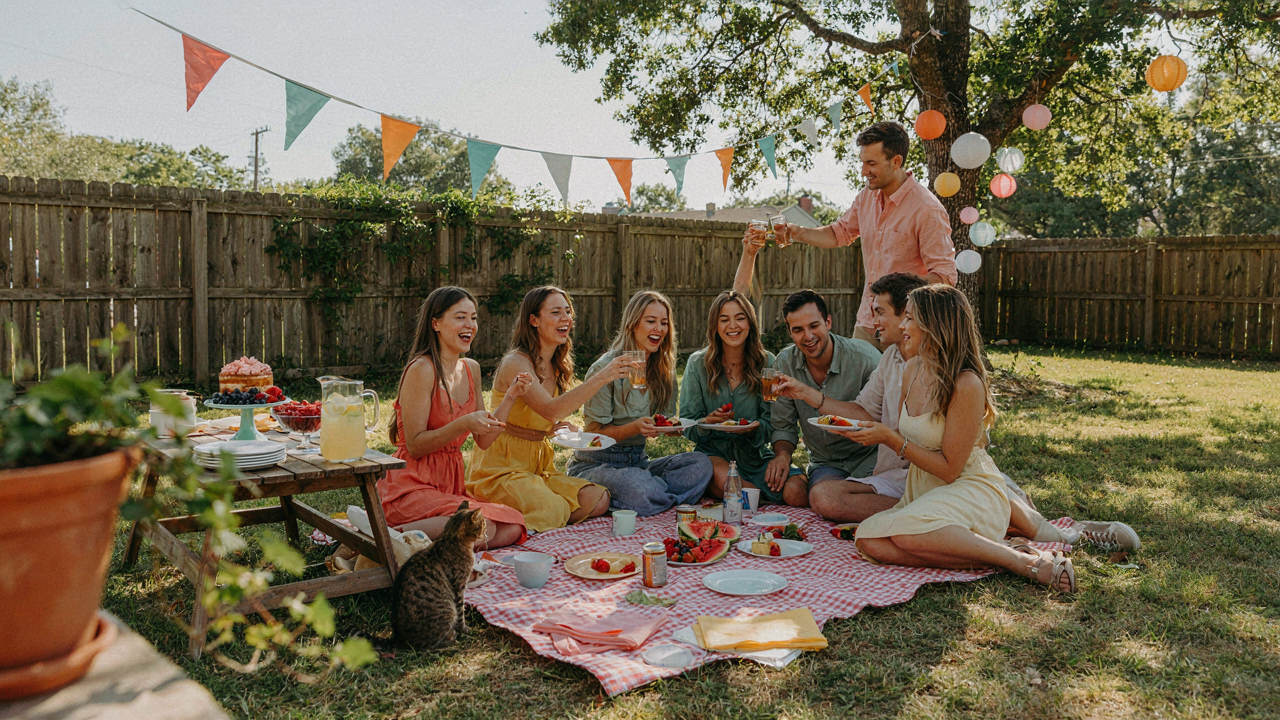
The Myth Of “Cheap” Decor: Why DIY Garden Party Ideas Often Cost More

Your Time Has A Price Tag You’re Ignoring
You want to believe homemade decorations save money because admitting otherwise means confronting poor resource allocation. But here’s the mechanism: you’re trading hourly labor for material cost reduction. Economics calls this opportunity cost. Every hour spent hand-stringing lights or painting mason jars is an hour you’re not billing, earning, or recovering. Most people calculate only material expenses and pretend time materializes from nowhere.
A store-bought garland costs twenty dollars and takes zero hours. A hand-assembled one costs eight dollars in materials but demands four hours of your weekend. Unless you value your time at two dollars per hour, you’ve overpaid. Add in the cognitive load of sourcing supplies, failed attempts, and the mental bandwidth consumed by the project, and the math deteriorates further. Most DIY garden party budgets collapse because they count only what you spend, not what you sacrifice.
Disposable Versus Built To Last
You buy cheap decor intending one-time use, then store it poorly and replace it yearly. That’s not budgeting, that’s planned obsolescence. Materials matter here. A plastic tablecloth tears under tension, fades in UV, and costs six dollars per season. A cotton canvas cloth costs fifteen dollars but survives five seasons when stored flat and dry. The per-use cost drops from six dollars to three.
Garden party decor falls into two categories: items meant to degrade and items meant to persist. String lights fail. Fabric fades. Ceramic breaks. But metal frames, wooden planters, and glass vessels hold value across years. If you’re hosting annually, calculate cost per use over three years instead of one event. You’ll discover that slightly better materials cost less overall because you’re not repurchasing constantly. Before buying anything under five dollars, ask whether you’ll use it again in twelve months.
The “More Is Better” Fallacy: Simple Garden Party Focus Beats Overwhelm
What Your Guests Actually Remember

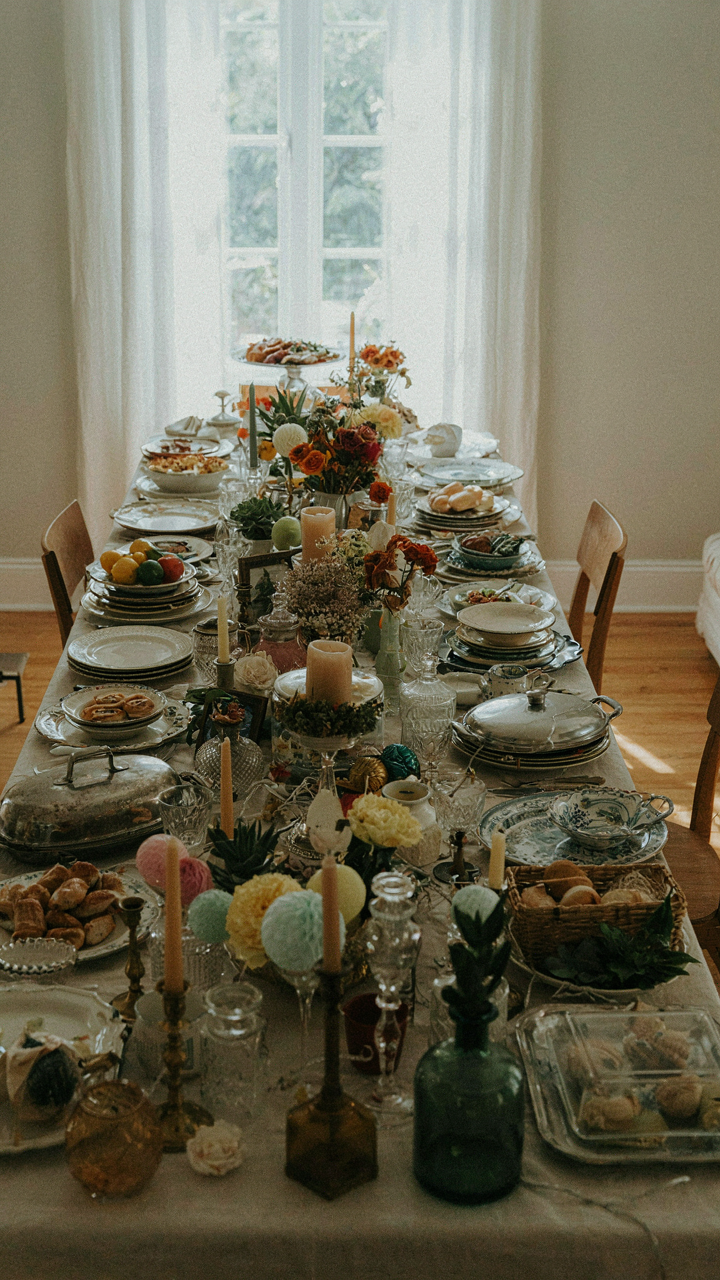
You think decoration abundance signals you care. It doesn’t. Cognitive psychology calls this the “choice overload” problem, and garden parties suffer from it worst because people stand around defenseless. Your guests’ attention is a finite resource you’re burning on backdrop clutter instead of conversation and food. The mechanism is simple: too many visual elements compete for focus, so nothing registers. One strong focal point beats ten scattered ones every time.
The budget trap here is obvious. You believe more decor equals better execution. So you buy lights, tablecloths, centerpieces, hanging things, ground things, things that spin. You spend three hundred dollars on stuff. Guests see chaos. They remember nothing except being mildly overwhelmed. The real spend that works is strategic emptiness with one intentional element done well.
The Attention Economy Of Outdoor Space
Neuroscience proves human attention in open environments defaults to people, not objects. Your garden party competes with sky, trees, and the fact that someone can walk away mid-conversation. This isn’t a weakness you fix with decoration aggression. It’s a design constraint you work within. Dense decoration backfires because it creates cognitive noise that makes people want to leave faster.
Here’s what actually works: one visual anchor. A table arrangement. A drink station setup. A seating pattern. Pick one thing to execute well and let the rest stay simple. Your guests will focus on the food, the drinks, and each other because you didn’t force their eyes everywhere at once. That focus is what makes a party feel intentional rather than panicked. Build your party around the experience you want, not the decorations you can stack up.
The Garden Party Ideas Checklist: Your Real Budget Blueprint
Anchor Your Spending To Actual Needs

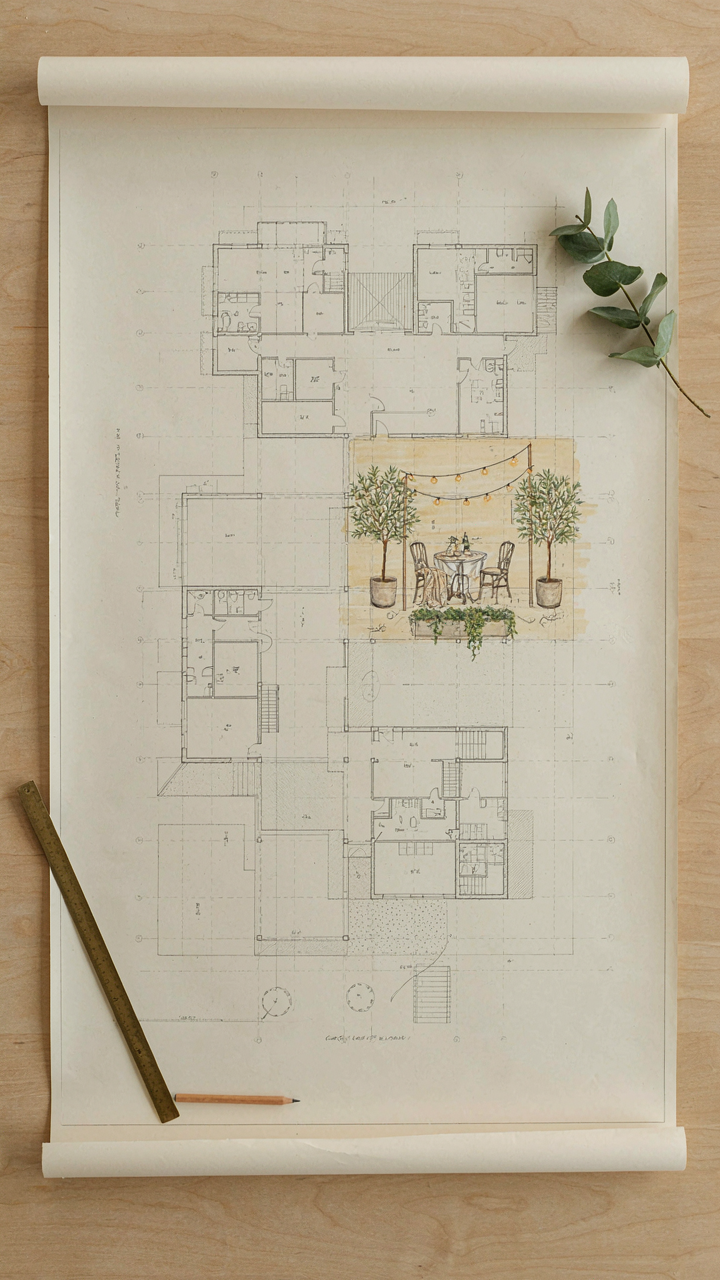
You want permission to throw a party that looks effortless and expensive without the expense. That’s the real motive. Here’s the mechanism: most people confuse “nice” with “necessary.” Using economic scarcity thinking, every dollar you allocate to a garden party has an opportunity cost, meaning money spent on decorative centerpieces is money not spent on food quality or guest comfort. Identify what actually moves the needle on your guests’ experience.
The non-negotiable essentials are shade, seating, and food. Everything else is secondary. Shade prevents discomfort and keeps people outside longer. Seating removes friction from socializing. Food is why people came. These three elements determine whether guests remember the party or remember the inconvenience. Every dollar you don’t spend on these three should trigger a red flag before it leaves your account.
Cut The Stuff Nobody Actually Values
Common advice says buy decorations to “set the mood.” That’s incomplete. Your guests don’t remember color-coordinated napkins or themed table runners. They remember whether they were comfortable, fed well, and had good conversation. Decorative bulk wastes money because it produces zero measurable return on the guest experience.
Identify what you’re buying purely for photos or perceived expectation. Tiered cake stands, statement florals, custom signage, coordinated tableware, party favors—these satisfy your anxiety about looking intentional, not your guests’ actual needs. Cut them from the budget. Redirect that money to better wine, fresh seasonal produce, or a quality rental tent if weather matters. The party succeeds or fails on fundamentals, not décor.
Budget Garden Food Traps: Where “Saving” Leads To Regret
Bulk Buying Never Works The Way You Think

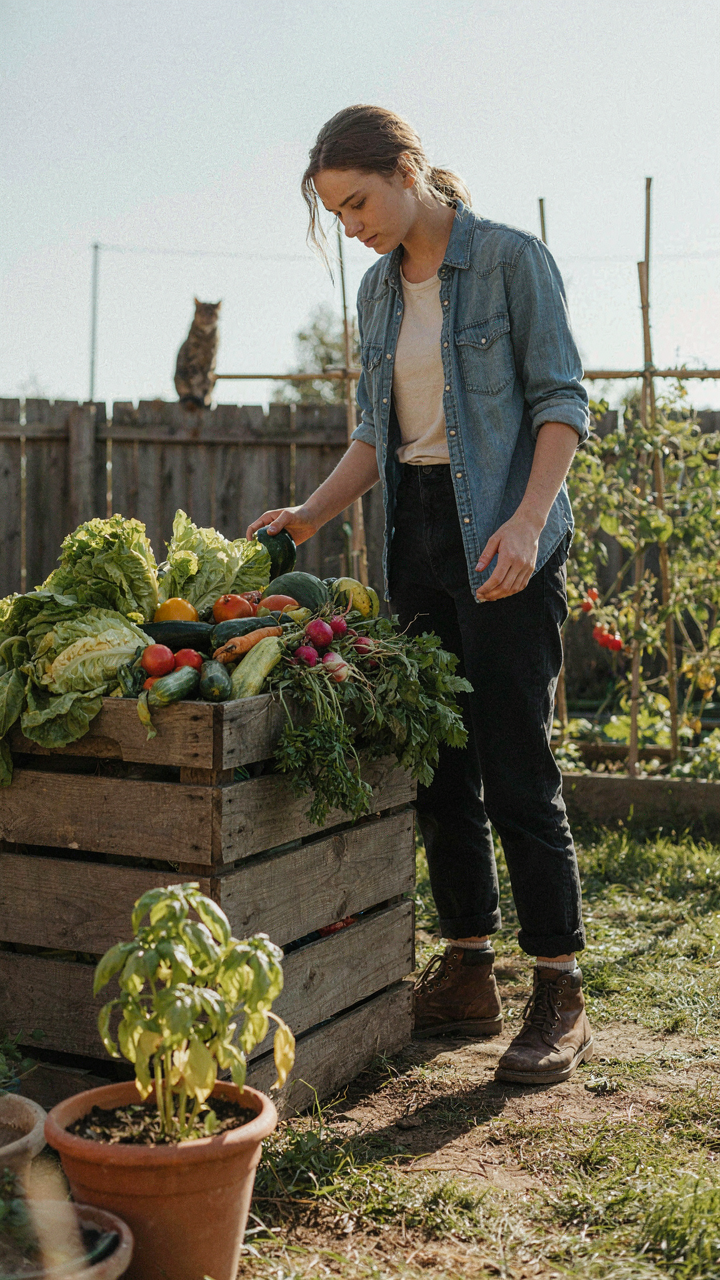
You want to feel smart by getting a deal. That’s the real reason bulk buying appeals to you. Here’s the mechanism: bulk purchases exploit what economics calls the sunk cost fallacy. You buy ten pounds of vegetables because the per-unit price drops thirty percent. You convince yourself you’ll use all of it. You won’t. Most perishables rot before consumption, which means you paid more per actual serving than you would have buying smaller quantities.
The trap deepens because you anchor to the lower unit price, not the total waste. Buy two pounds of tomatoes and use one and a half. You paid for a pound of compost. Buy ten pounds and use seven. You paid for three pounds of compost, but the per-pound math made it feel like a win. For a garden party on a budget, buy produce two to three days before the event. Calculate exact headcount first, then purchase only what that number requires plus fifteen percent buffer.
The Overcatering Math Nobody Names
Overcatering is insurance spending disguised as generosity. You serve extra food because you fear running out, but running out would cost you nothing except pride. The actual cost runs high. Every extra sandwich, salad bowl, and dessert plate is capital that sits uneaten, gets thrown away, or sits in your fridge for days after the event. Most hosts overbuy by twenty to forty percent on instinct alone.
The correction is ruthless math. Count guests. Add one guest’s worth of food. Stop there. Appetizers should total two to three pieces per person for a three-hour event. Mains should plate six to eight ounces of protein and four to six ounces of sides per person. Dessert should offer one piece per guest plus two backups. Document what actually gets consumed at your next gathering, then use that data for future events instead of guessing.
Garden Tea Party Decorations DIY: The Value Add, Not The Cost Cut
Where Attention Actually Lands

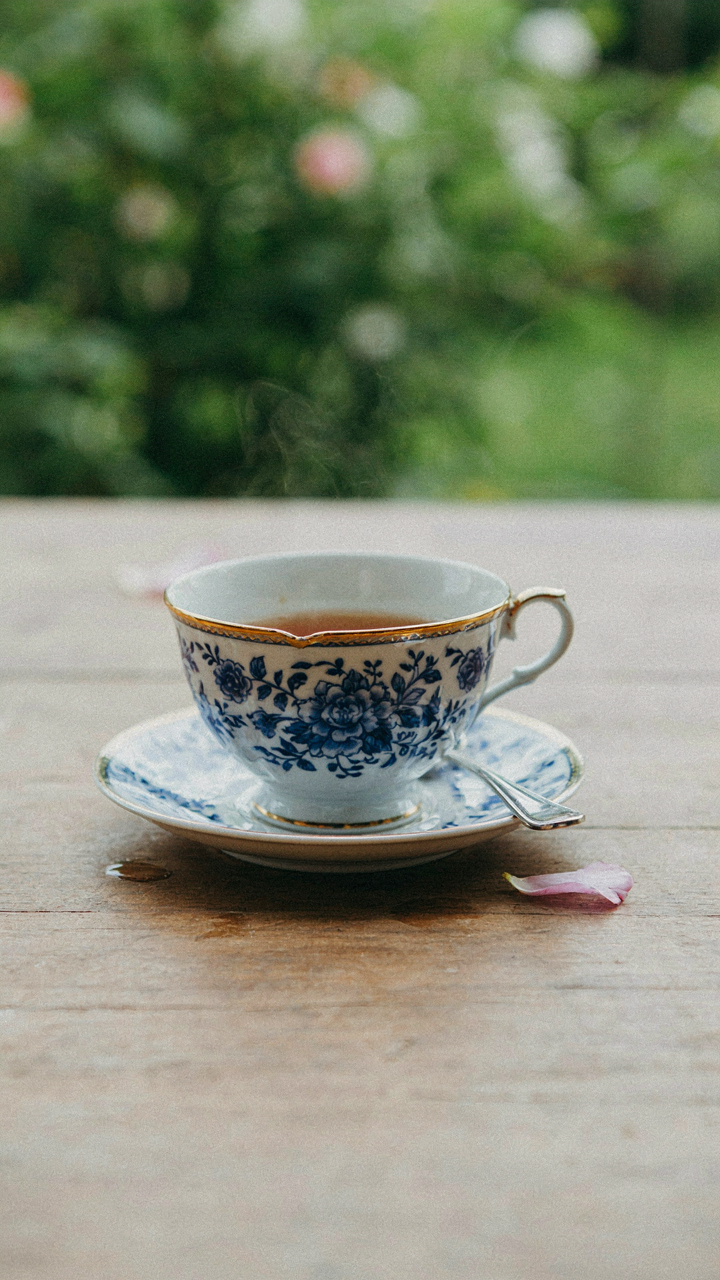
You want people to remember your party, not your budget. That’s the real motive here. The mechanism is simple: people notice contrast, not cost. A garden party succeeds when one element stops the eye and forces a second look. That element doesn’t require money. It requires intention. Handmade centerpieces, a single striking color choice, or a thoughtfully arranged focal point create memory far better than scattered store-bought items.
The difference between amateur and intentional decorating comes from economics. In economics, opportunity cost means choosing one thing means losing another. Apply that here: every dollar spent on generic string lights is a dollar not spent on one stunning, memorable piece. Budget constraints force you to eliminate waste and concentrate impact. This is an advantage, not a limitation. A sparse table with one exceptional arrangement beats a cluttered table with six mediocre ones.
The Irreplaceable Details You Actually Control
Common advice says personalization costs more. That’s wrong. Personalization costs attention, not money. Handwritten place cards, a borrowed family vase repurposed as a centerpiece, or flowers from your own yard communicate investment in a way mass-produced items never will. These elements are free or nearly free because you control their creation. You choose the sentiment, the arrangement, the exact message on each card.
What people remember isn’t the price tag. They remember the intentional choice. A table set with mismatched vintage plates you already own, paired with a single type of flower in clear glasses, reads as elegant and considered. That same table filled with matching new plates and ten different decoration styles reads as confused spending. Put your effort into one element that’s unmistakably yours, then build the rest around restraint. Make one decision that only you could have made.
Outdoor Garden Party Ideas Decoration: The Environment As Your Free Asset
Work With What Already Exists

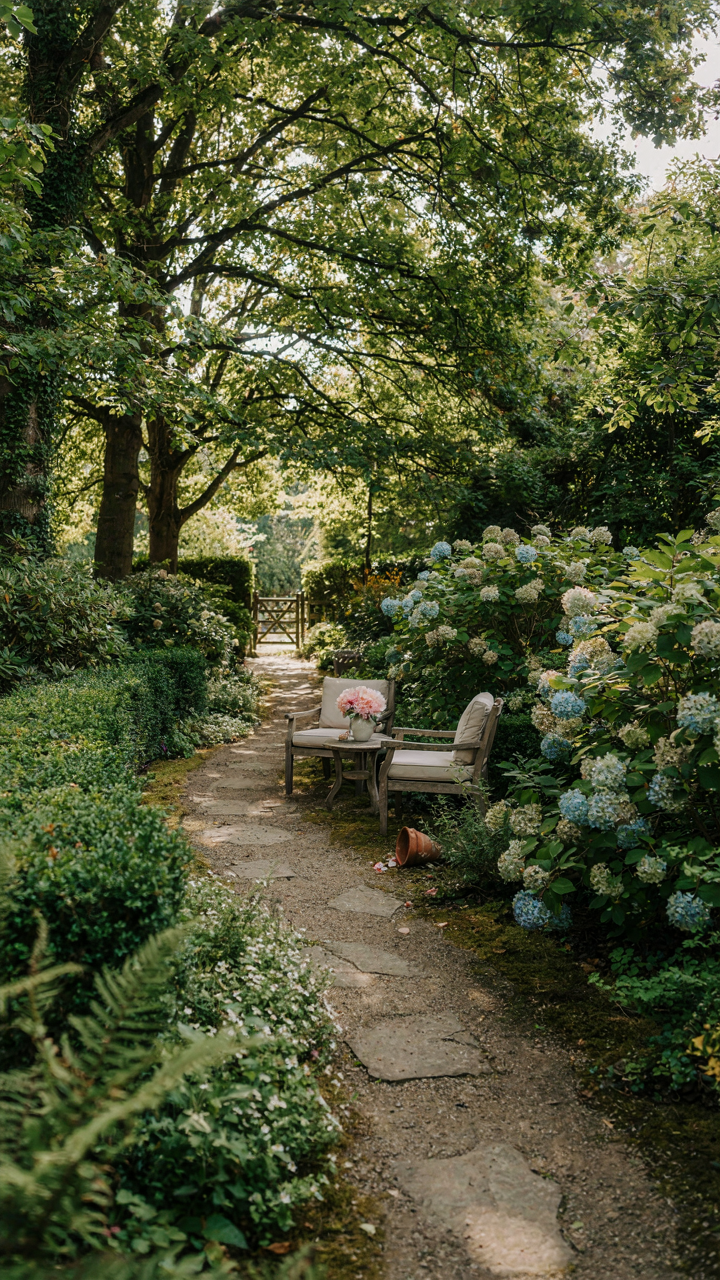
You want people to think you spent money on ambiance. That’s the real reason you’re reading this. But the mechanism is simple: your yard already contains visual structure. Trees, shrubs, ground elevation, and existing hardscape are architectural elements you own. Most people ignore them and buy decorations that fight against the existing landscape instead of amplifying it.
Identify the strongest visual elements on your property before you buy anything. A mature tree becomes a focal point with minimal intervention. A fence line creates a backdrop. Changes in elevation give you natural layering. Use these bones as your foundation, then add strategically. This approach cost you zero dollars and controls where people’s attention lands the moment they arrive.
Constraint Creates Better Decisions
Strategic limitation is borrowed from design thinking in product development. Apply this principle to decorations: fewer choices force you to use items with more visual weight. One statement piece outperforms seven mediocre ones because your eye has no noise to filter.
Select one color family for cut flowers or potted plants rather than a rainbow assortment. Choose one type of ambient lighting instead of mixing string lights with candles with solar stakes. A single focal point beats scattered decorations across the yard. This isn’t minimalism for aesthetics. This is signal versus noise. More constraints mean stronger results and less clutter to purchase, transport, and clean afterward.
The Pareto Protocol For Garden Party Supplies
Where Your Money Actually Goes

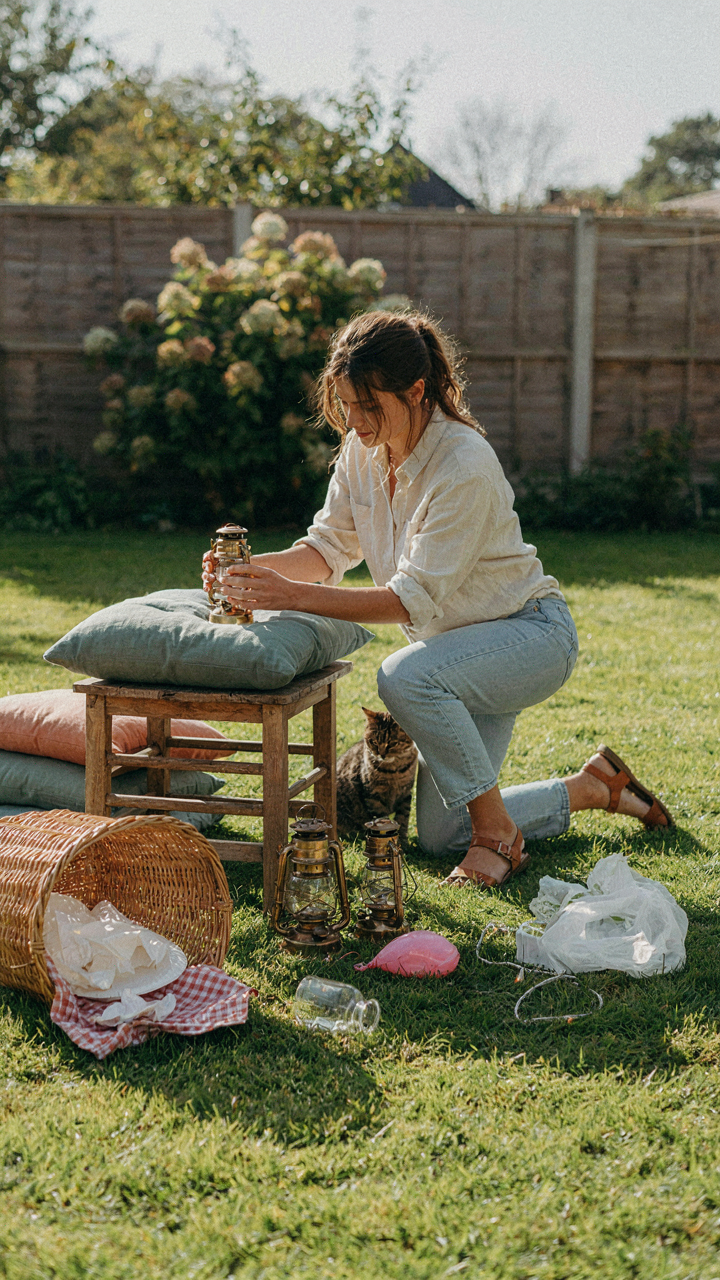
You want to throw a garden party without hemorrhaging cash, but you’re afraid you’ll look cheap. That fear makes you spend evenly across every element instead of ruthlessly cutting what doesn’t matter. Economics calls this the 80/20 rule: eighty percent of results come from twenty percent of inputs. For garden parties, this means identifying which elements guests actually notice and remember, then starving the rest.
Most people budget the same way they shop: equal parts food, drinks, seating, décor, lighting, music. This is backwards. Guests remember two things: whether they felt crowded and whether they could eat without standing. Everything else is noise. The mechanism is attention scarcity. Your guests have limited mental bandwidth. Spend where attention naturally lands. Spend nothing where it doesn’t.
Leverage Points You Control
Identify what creates the actual experience, not what fills space. Food and drink are non-negotiable high-leverage elements because people consume them directly and talk about them after. Seating comes second because discomfort kills the entire event. Lighting matters because it determines whether the space feels intentional or abandoned. Everything else—decorative flowers, table runners, themed serving ware—registers as background noise to most guests.
The mistake people make is assuming more variety equals better. A table with six types of appetizers and a playlist with eighty songs doesn’t outperform a table with three excellent appetizers and a thirty-song playlist. Constraints force you to make better choices. Cut your supply list by half. Spend the freed budget on doubling down on what remains. This is the protocol: eliminate first, amplify second, never spread thin across the middle.
DIY Garden Party Entertainment: Avoid The Awkward Silence Tax
What Actually Kills A Budget Garden Party

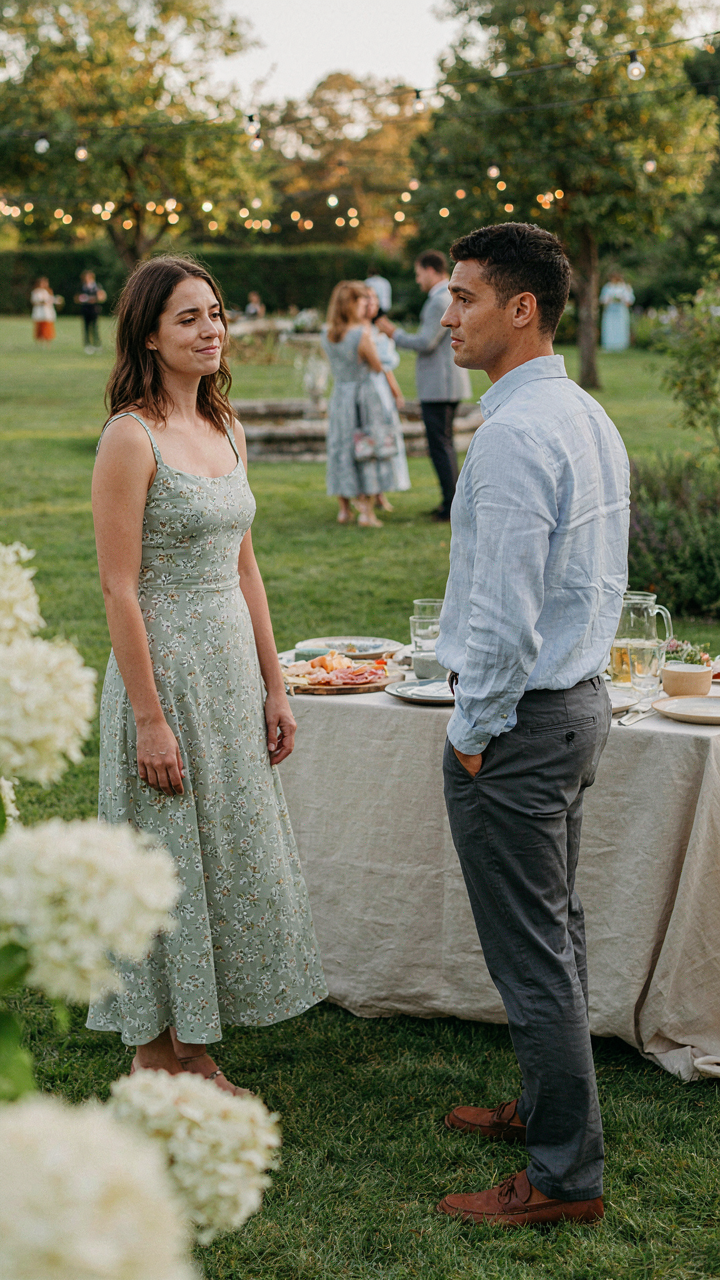
You’re worried people will think your party is cheap. That fear drives you to overspend on entertainment you don’t need. The real mechanism is friction: guests with nothing to do create social tension, which your brain interprets as failure, so you panic-buy solutions. Boredom isn’t the problem. Lack of direction is. Economics calls this information asymmetry, and garden parties suffer from it hard. Guests don’t know what they’re supposed to do, so they default to standing in clusters talking about work.
The fix isn’t hiring entertainment or renting equipment. It’s removing the cognitive load. Give people a reason to move, interact, and occupy their hands. Budget parties that succeed do this through structure, not spending. A poorly designed free activity beats an expensive hire every time because it actually engages people. The gap between what hosts think matters and what guests actually remember is massive.
Simple Activities That Keep People Moving
- Lawn games with clear rules: Cornhole, giant Jenga, or ring toss take seconds to explain and occupy groups for 30-minute stretches. No skill required, no awkwardness, proven engagement mechanic.
- DIY photo station with props: Set up a backdrop using a sheet or garden fence, provide basic props like hats or signs from home, let guests self-direct. Creates shareable moments without hiring a photographer.
- Herb garden taste test or potting station: If your garden grows herbs, let guests identify them blindfolded, or provide small pots and seeds so people take something home. Tangible, memorable, costs almost nothing.
- Scavenger hunt tied to your garden: Create a list of things to find or photograph in the garden, assign small prizes like homemade treats. Moves people through the space and structures their attention.
- Collaborative garden art project: Set up a station where guests paint terracotta pots, decorate plant markers, or create a shared garden sign. Keeps hands busy, gives people purpose, produces something you keep afterward.
The trap most hosts fall into is thinking entertainment must be polished or professional. It doesn’t. It must be accessible and require minimal explanation. Pick one activity maximum. Two activities competing for attention creates confusion, not engagement. Guests will gravitate naturally to what’s available if you’ve set it up right.
Garden Party Ideas For Adults: Invest In Comfort, Not Novelty
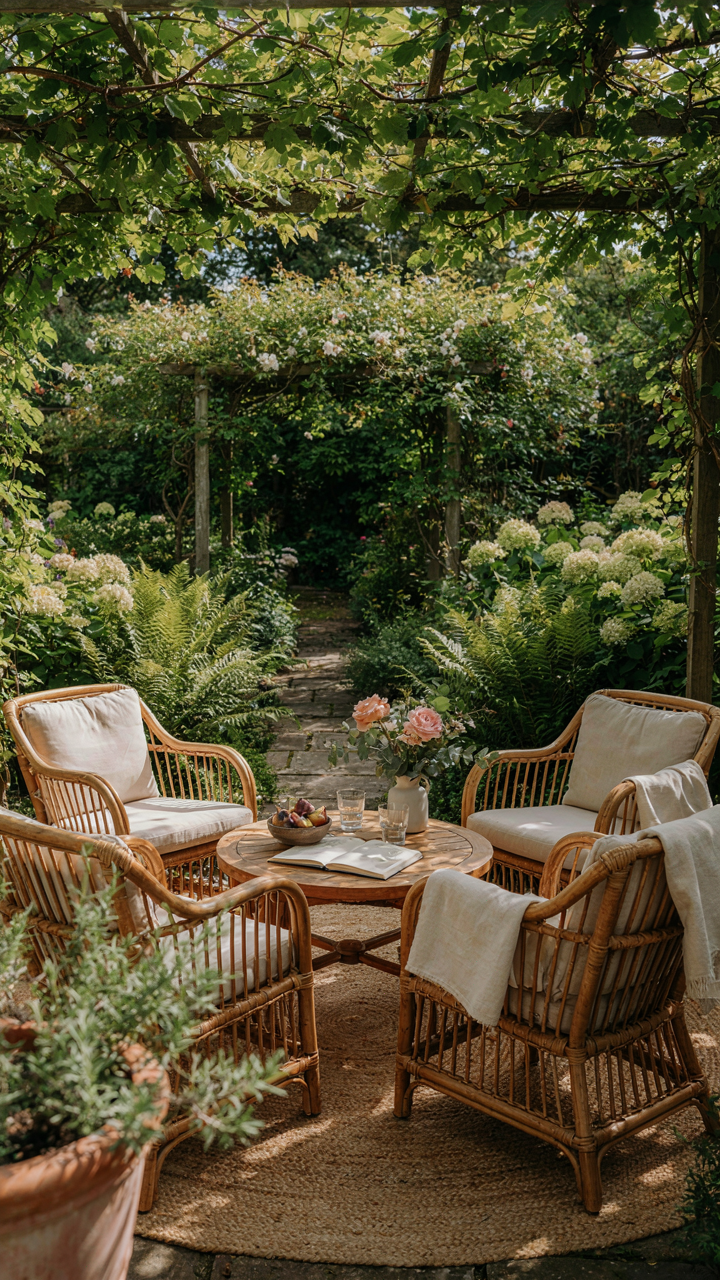
Seating And Shade Are Non Negotiable
You want people to think you’re thoughtful. The mechanism is simple: comfort eliminates the variables that wreck a gathering. When guests sit, they stay. When they’re hot, they leave early or resent the host. Seating and shade aren’t amenities—they’re structural requirements. Skip them and your party collapses regardless of how good the food is. Most people buy folding chairs last-minute at inflated prices or skip seating entirely, assuming guests will stand around socializing. That fails immediately.
Shade works like leverage in physics: small investment, massive multiplier effect. A single 10-by-10 canopy or two umbrellas positioned over seating zones keeps the gathering intact for hours longer. Secondhand patio furniture, borrowed chairs, or even rented seating costs less than the alcohol people will drink to cope with standing in sun. Calculate your guest count, add three extra seats, secure one overhead structure per five people. That’s the protocol.
Atmosphere Over Fleeting Extravagance
Novelty fades in twenty minutes. Atmosphere compounds. Strobe lights, elaborate centerpieces, and themed decorations live for the moment and die in memory. Soft string lights, consistent background music volume, and clean surfaces create the environment where people actually talk and return next year. Most budget hosts waste money on Instagram-worthy props nobody notices after the first thirty minutes.
The real cost driver is maintenance, not purchase price. A garden party that looks effortless requires one strategic choice: pick one focal point—a table arrangement, a seating circle, quality lighting—and make it work. Let everything else be simple and clean. Guests remember how they felt, not how many balloons you hung. Set up your space the morning of your event, test your music volume at guest density, and place seating where conversation naturally clusters, not where you think it should.
The Post Party Cleanup Con: Why Foresight Saves Future You
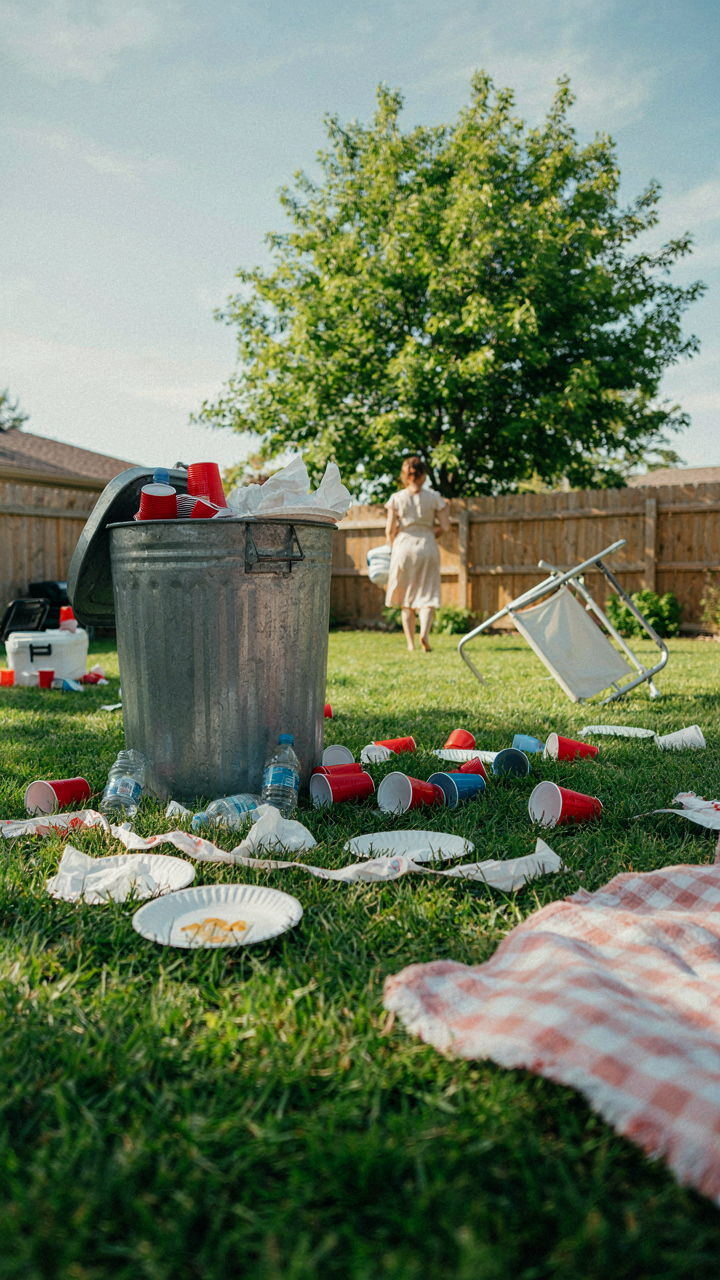
Disposable Versus Reusable Economics
You’re avoiding this section because cleanup feels like someone else’s problem until the bill arrives. Here’s the mechanism: disposable items create a false economy of cost. You pay less upfront but hemorrhage money on volume and replacement cycles. Reusable goods demand higher initial capital but operate on declining cost-per-use over time. The break-even point is faster than you think for garden parties you’ll host repeatedly.
Plastic plates, cups, and napkins seem cheap per unit, but a single party generates waste you’ll pay to haul or compost. Ceramic plates, cloth napkins, and glass cups have zero incremental cost after the first purchase. For someone hosting even three parties annually, reusables cut cleanup expenses by 60 to 70 percent within two years. The real win: reusables require less active spending, not just lower unit costs. You buy once, you’re done.
Waste Management Without Friction
Your cleanup plan determines whether trash compounds your costs or disappears entirely. Build a three-station system: compost, recycling, and trash. Pre-stage labeled bins before guests arrive so waste flows into the right place without decision paralysis. Most budget hosts skip this and end up sorting contaminated bags later, which wastes time and money.
- Composting station: Place a bin for food scraps and napkins near the eating area. Partner with a local service or yard waste program to haul it after the party ends.
- Recycling sorting: Glass, aluminum, and paper need separate bins. Check your municipal guidelines so nothing gets rejected at the facility, which adds cost.
- Trash compaction: Use a footstep trash can or tarp to compress garbage before it leaves your space. This reduces pickup frequency or dumpster fees.
- Bulk item removal: Designate a spot for empty kegs, borrowed tables, or large containers before the party. Moving it once beats moving it three times.
- Drainage management: Keep a mop and bucket visible near the eating area. Spilled drinks on grass invite mud cleanup later, which costs water and time.
Set these stations up 30 minutes before guests arrive. Train one person to monitor bin fullness during the party so overflow doesn’t trigger emergency trash runs or improvised dumping. This single protocol cuts post-party labor by half and prevents the hidden cost of multiple cleanup trips to municipal facilities.
Until You Master The Art Of Deliberate Design, Your ‘budget’ Party Will Always Be An Expensive Lesson
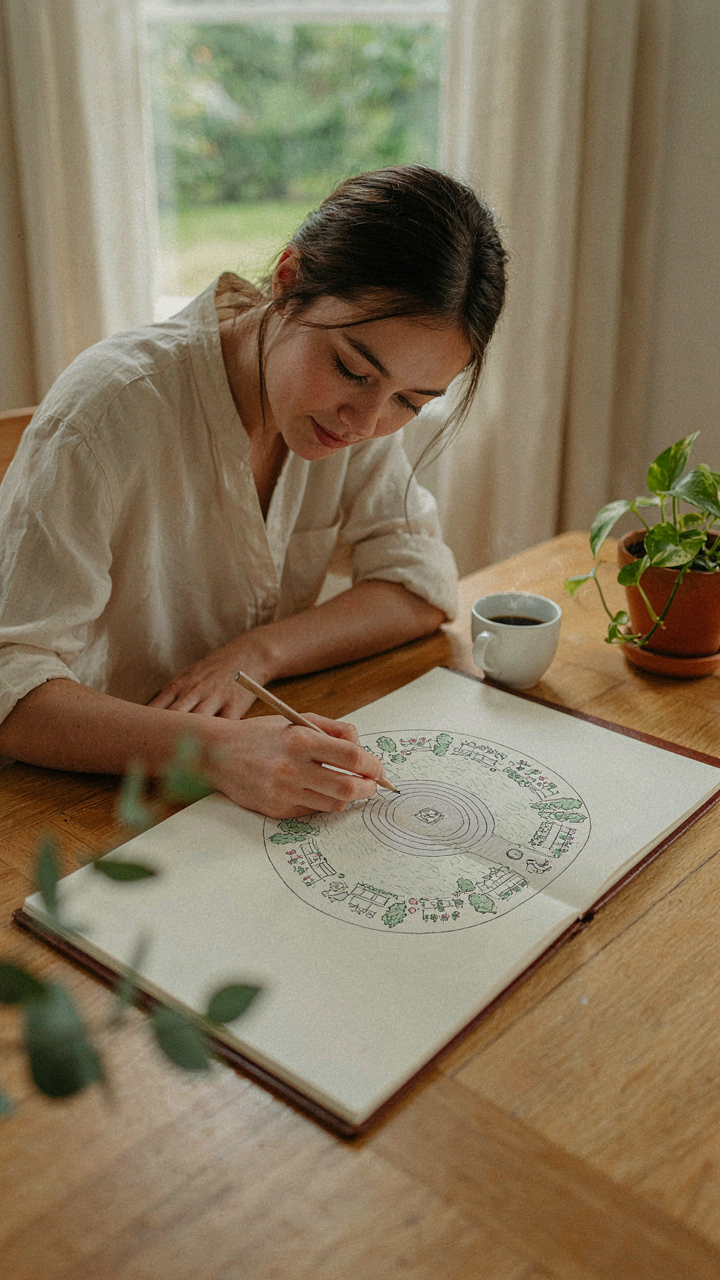
Most people throw money at problems instead of solving them with constraints. You don’t need a bigger budget. You need to design backwards from your actual limits. Pick one element that matters to your guests, cut everything else, and build around that decision. Today, write down what your guests actually came for, then delete three budget line items that don’t serve that. You’ll spend less and create something memorable because you stopped trying to impress everyone and started designing for someone.