Container Gardening Mistakes That Kill Patio Plants
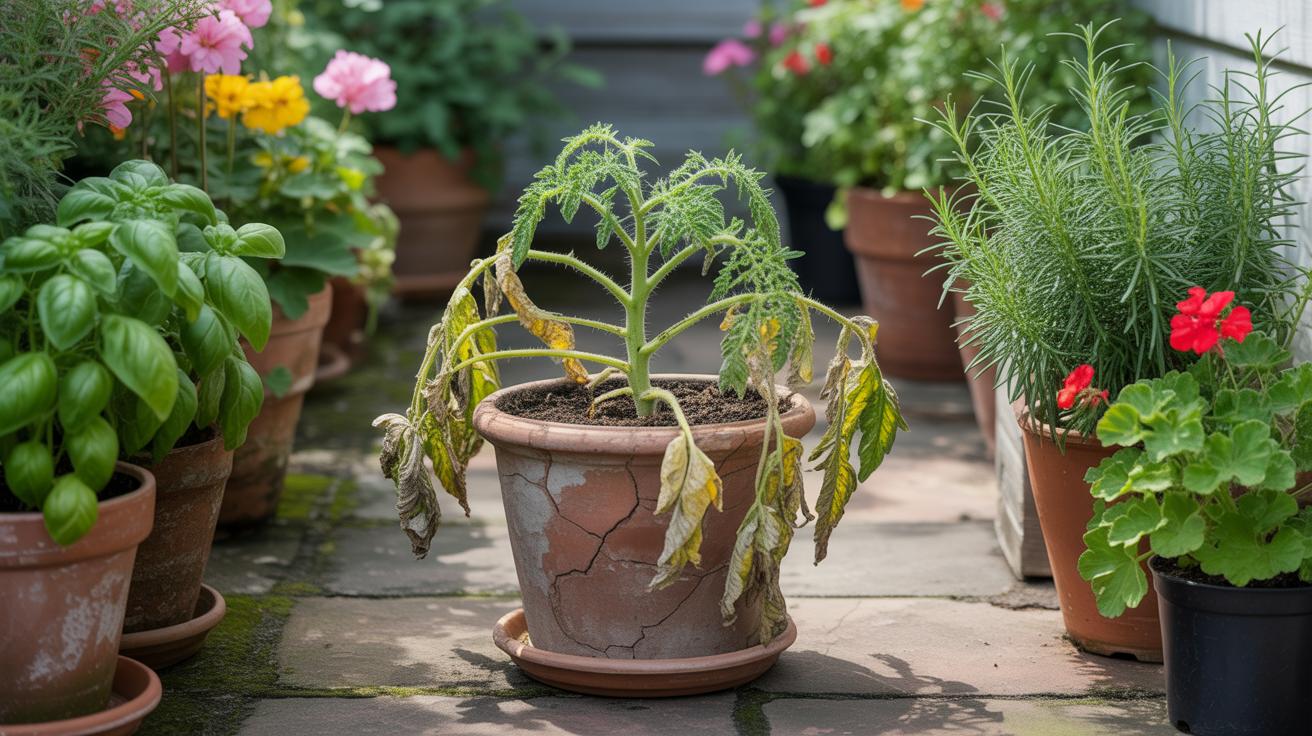
Container gardening is a popular choice for growing patio plants, offering flexibility and saving space. However, many gardeners face challenges that lead to the death of their plants. Understanding common mistakes can save your patio plants and make gardening rewarding.
This article covers critical errors such as watering problems, soil and drainage issues, and plant placement. By learning what to avoid and how to fix problems, you can enjoy thriving plants on your patio.
Recognizing Overwatering and Underwatering
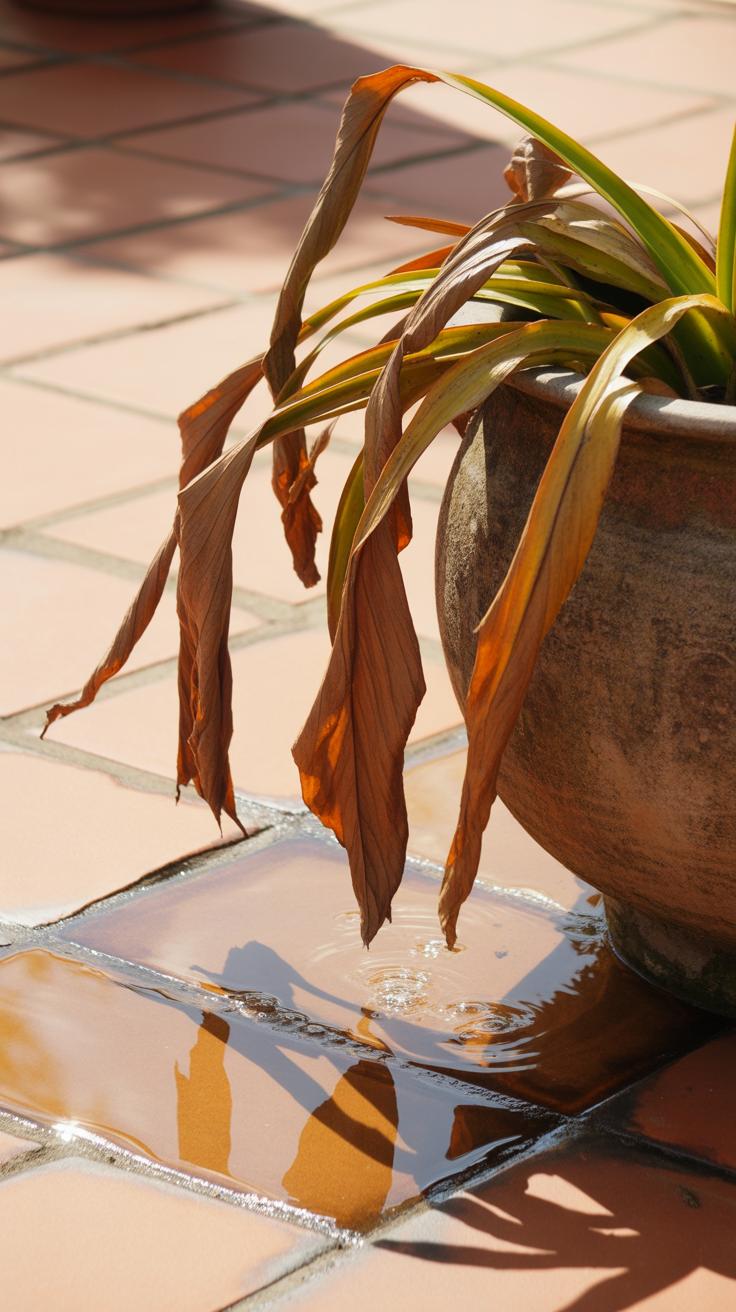
Watering container plants on your patio is trickier than it looks. Too much or too little can quickly throw your plants out of balance. Overwatering often shows itself through yellowing leaves that seem limp or suddenly wilt despite the soil feeling wet. Sometimes, you might notice a sour smell coming from the container – a sign of root rot taking hold beneath the surface. The roots drown, deprived of oxygen, and the plant struggles to pull anything up.
On the flip side, underwatering has its own telltale clues. Soil that pulls away from the side of the pot and feels bone dry is an obvious hint. Leaves might develop crispy, brown tips and seem to curl inward, barely moving with the breeze. Growth slows down so much it’s almost like your plant is holding its breath. I’ve seen plants recover from underwatering faster than from overwatering – probably because they’re not sitting in stagnant water.

Balancing watering means checking soil moisture regularly—not just relying on a schedule. Stick your finger an inch or so in the soil; if it’s dry at that depth, it’s time to water. But if it’s still damp, wait a day or two. Also, make sure your containers drain well—holes at the bottom are essential to prevent soggy roots, no matter what kind of plant you have.
Fixing Soil and Drainage Issues
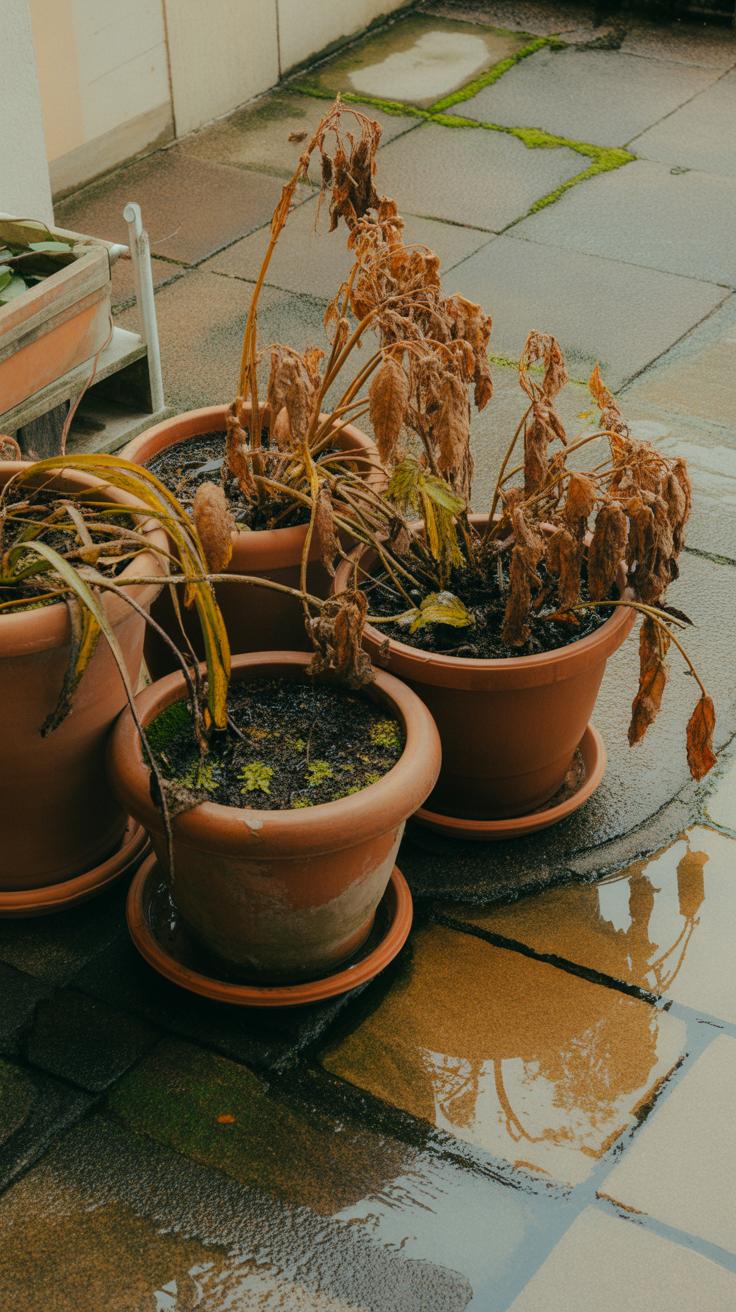
Soil and drainage can make or break your container garden. If the soil holds too much water, roots can suffocate and rot, which kills plants faster than you might expect. On the flip side, soil that drains too quickly leaves plants thirsty and stressed. Finding the right balance feels tricky, but it’s key.
For patios, soil often compacts in containers, blocking air and water movement. You can fix this by adding organic matter like compost or coconut coir to lighten heavy soil. These amendments help soil hold nutrients while allowing excess water to escape. I once used pure garden soil alone and had almost instant failure—roots drowned because it just didn’t drain.
Now, about drainage itself: many containers don’t drain well because they lack holes or have poor placement. To improve water flow, drill extra drainage holes if you can, especially larger ones near the bottom. You can also add a layer of gravel or broken pottery shards at the container base, though this is debated—it sometimes helps, sometimes traps water above the gravel. Personally, I prefer bigger pots made from breathable materials like terracotta that sip water more naturally, lowering root rot risk.

Getting soil and drainage right takes trial and error. But, without it, your patio plants might just give up on you quickly. Ask yourself: Is my soil dense and soggy? Are water puddles stuck at the bottom? Fix those first and you’ll see your plants sigh with relief.
Selecting Plants Based on Light Conditions
Assessing Your Patio’s Sunlight
Light exposure can make or break your container garden, often in ways you might not expect. Before picking plants, take a careful look at your patio at different times of the day. Notice where the sun hits directly for six or more hours—this is usually a full sun spot. Areas with only 3 to 6 hours of sun, or where the light is filtered through trees or nearby structures, tend to be partial shade. Then there’s the tricky full shade zones—places that rarely get direct sunlight, perhaps just reflected light.
It might help to jot down or even photograph these spots over a couple of days. You might be surprised how much light shifts with seasons or objects like awnings, which means the “perfect” spot can change without you realizing.
Best Plant Choices for Each Light Level
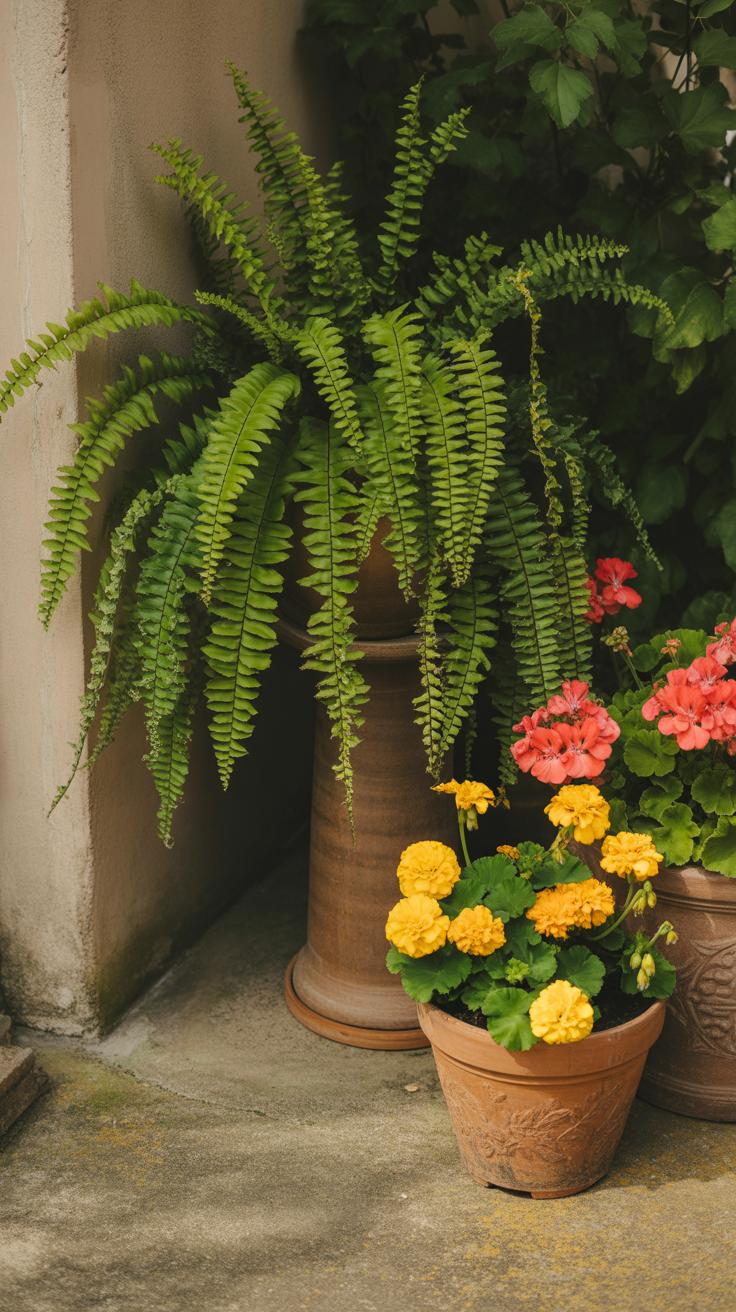
Not all patio plants are created equal when it comes to light. For full sun, plants like geraniums, petunias, and herbs such as rosemary thrive. These love the heat and brightness but can struggle if you misplace them in dim corners. Partial shade areas suit ferns, impatiens, and begonias better. They’re more forgiving but still need some sun to blossom well.

For full shade, options narrow down significantly. Hostas, caladiums, and some ivy varieties handle low light—but they often grow slower and may need richer soil, so don’t skimp on feeding. Picking the wrong plant for your light conditions can stress the plant, stunt growth, or even cause death. So matching plants to what you actually have, not what you wish for, is key.
Proper Pot Size and Its Impact
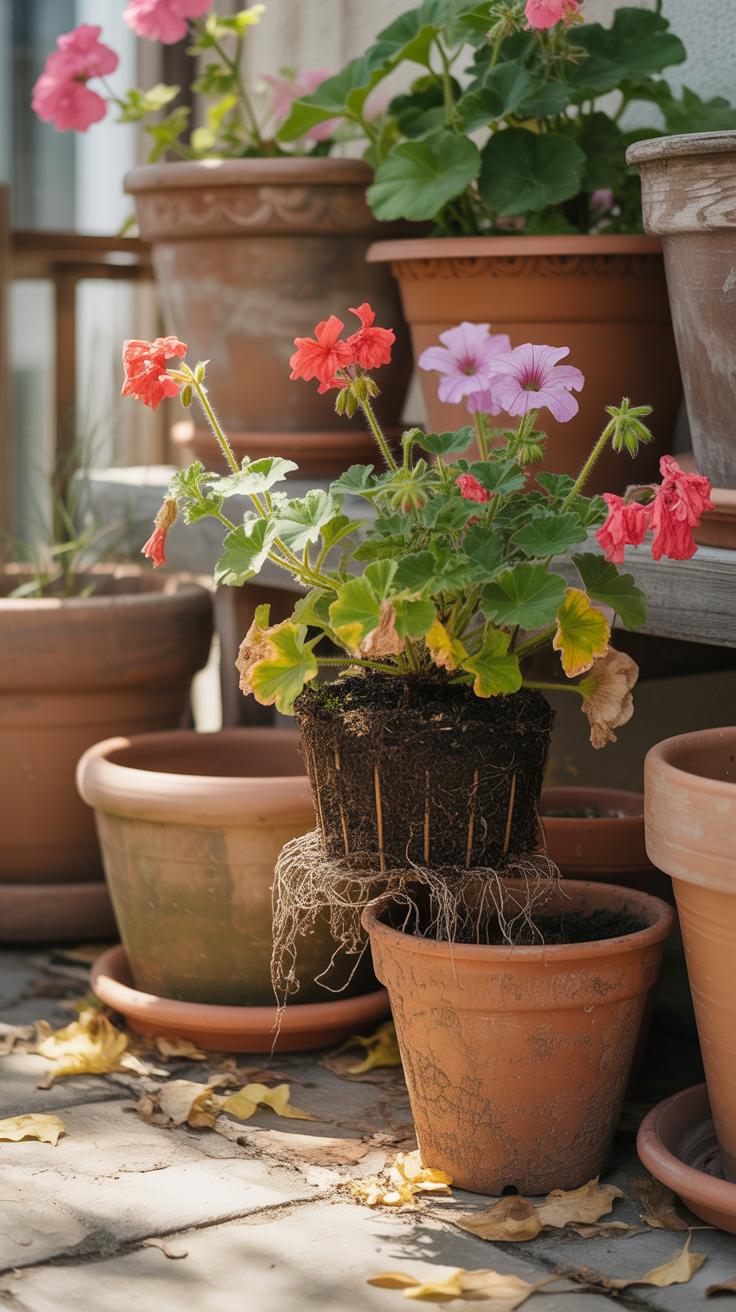
The size of your patio plant’s pot can shape its entire growing experience. Roots need space to spread out; if they’re cramped, the plant struggles. Too small a container restricts root growth, leading to stress and sometimes poor health. When roots circle around the pot’s edges or become densely packed, water and nutrients can’t reach all parts equally. This often results in slower growth or even wilting—yet the plant looks fine on the surface for a while.
Choosing the right pot isn’t just about picking “a bigger one.” You want a container that matches your plant’s natural size and growth rate. I’ve often seen people upgrade to a pot only slightly bigger than the old one, thinking it’s enough. But, that slight increase rarely gives the root system room to expand, which plants need for robust growth and resilience. Think of it as giving your patio plant enough room to breathe and thrive.
Consequences of Too Small Pots
Putting patio plants in containers that are too small can cause several problems:
- Roots circle endlessly, becoming root-bound – reducing nutrient uptake.
- Water drains too quickly, or sometimes pools, leading to inconsistent moisture levels.
- Growth stalls—plants stop getting larger or produce fewer flowers and leaves.
- Stress leads to increased vulnerability to pests and diseases.
- The soil depletes faster of nutrients since roots have limited space to access fresh areas.

I remember this with a basil plant I neglected to repot on time. It stayed in a pot nearly half its needed size. It grew leggy, with tiny leaves and looked a bit sad for weeks before I finally moved it. It bounced back quickly once given proper space.
Signs It’s Time to Repot
How do you know when your patio plant is ready for a bigger home? Look for these hints:
- Roots peeking out of drainage holes or circling the surface.
- Water runs straight through without soaking in—soil drying out too fast.
- Stunted growth despite regular care—your plant isn’t thriving as it should.
- Yellowing or dropping leaves with no clear pest or watering issue.
- It’s been a year or more since the last repotting, especially for fast-growing species.
If you notice these, consider transferring to a larger pot. Early action can prevent stress and keep your patio plants happy and healthy, which, frankly, makes all the effort worthwhile.
Managing Fertilizer Use for Patios
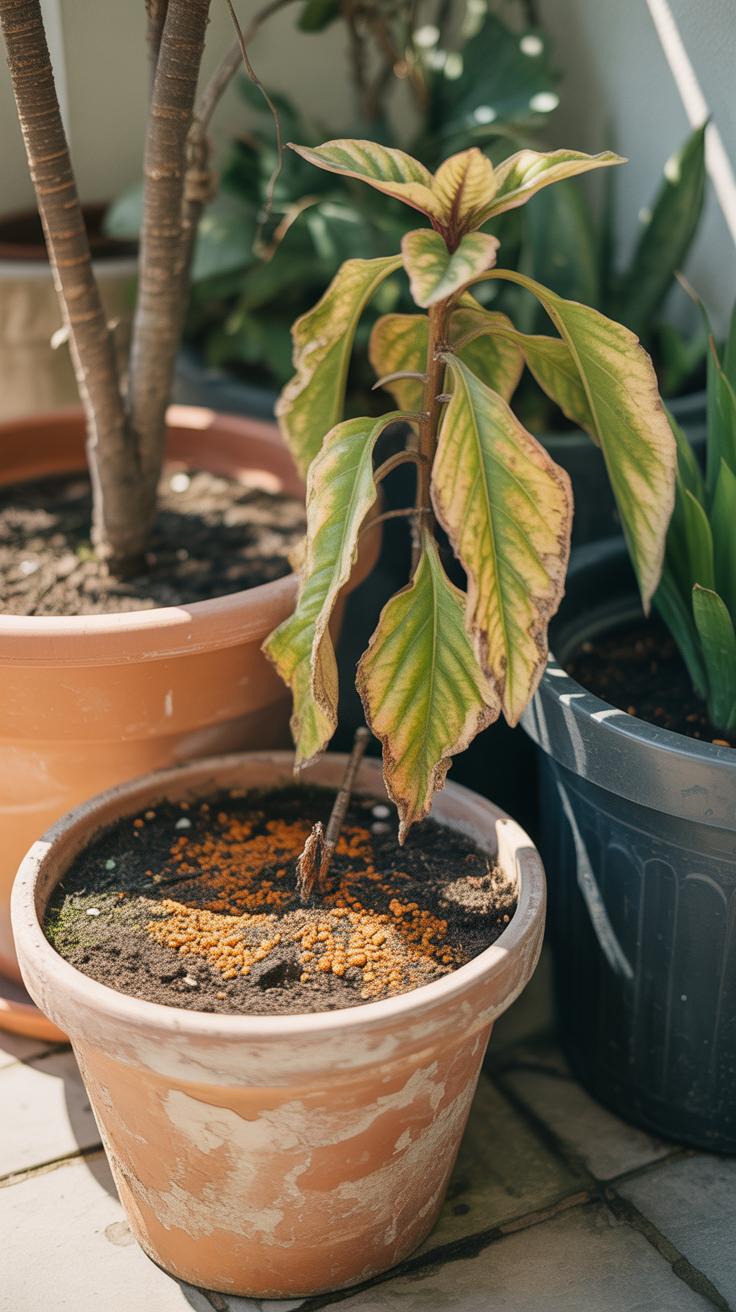
Patio plants in containers rely entirely on you for their nutrients, since they can’t forage like garden beds do. Choosing the right fertilizer means understanding what your plants actually need. Do you go for slow-release pellets or liquid feeds? Maybe a balanced all-purpose fertilizer or something tailored to flowering plants? Each option has its place, but picking the wrong type or dose can do more harm than good.

For example, too much nitrogen might make your leaves lush but leave flowers wanting. On the other hand, if you favor blooms, phosphorus-rich mixes might be better, yet they could stunt foliage growth. It’s a bit of a juggling act. I’ve seen impatience killing plants—dumping loads of fertilizer in the hope they’ll thrive faster, but all it does is burn roots.
Fertilize regularly but sparingly. Most patio plants do well with feeding every two to four weeks during the growing season. But keep an eye on plant response. Yellowing leaves? Maybe you’re overdoing it. Stunted growth? Perhaps your container mix is leaching nutrients faster than expected.
- Use a fertilizer that matches your plant type—foliage vs. bloom preferences.
- Count the feeding cycles instead of calendar days; it varies by season and weather.
- Start with half the recommended dose, then adjust depending on plant health.
- Flush containers occasionally to clear built-up salts from fertilizer residues.
Figuring out how much and how often isn’t a fixed science but a process of tuning in. Your awareness of each plant’s reaction makes all the difference between a patio full of life and one of slow decline.
Preventing Common Pest and Disease Problems
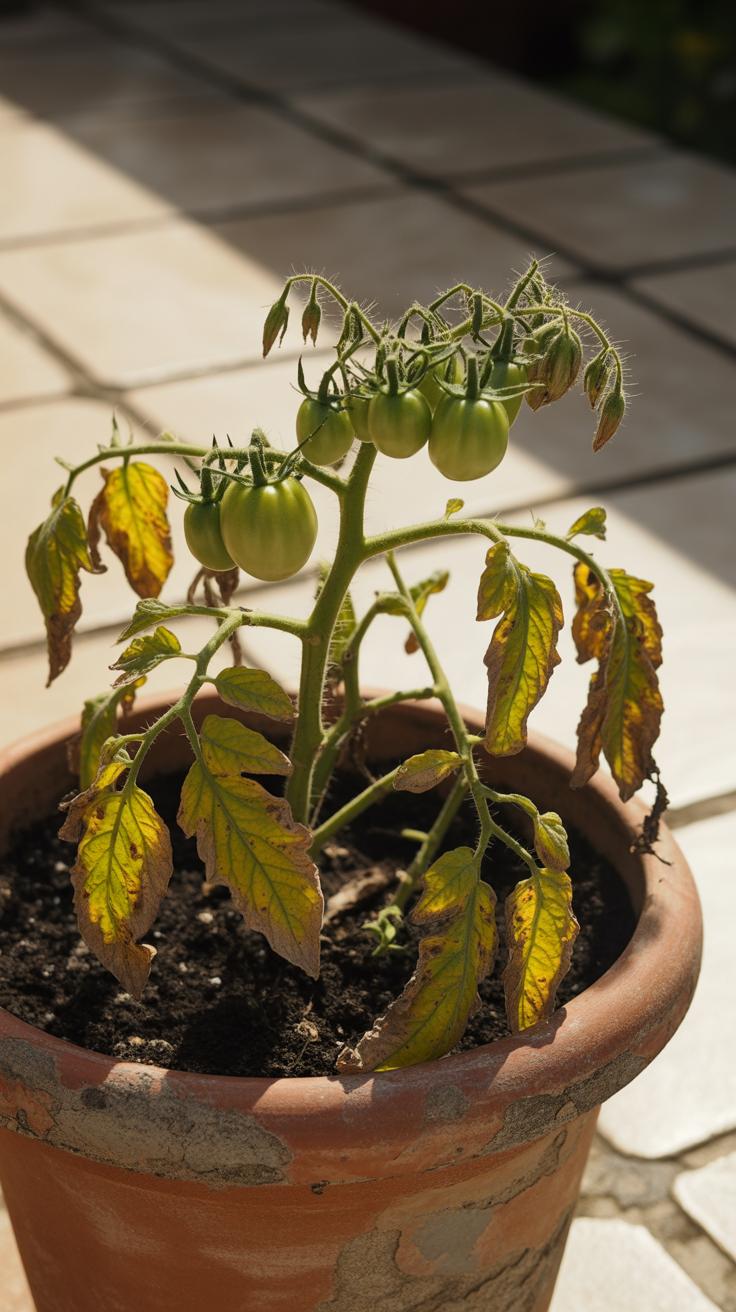
Your patio plants face a fair share of challenges, and pests or diseases can sneak up quietly. Some of the usual suspects are aphids, spider mites, whiteflies, and fungal infections that thrive in container environments. It might surprise you how quickly these issues develop when plants are confined to pots without much airflow or natural predators around.

To keep these problems at bay, you can start by inspecting plants regularly—don’t just glance. Look closely under leaves, along stems, and around the soil surface. Sometimes, the first signs are subtle—a few tiny spots, faint discoloration, or small holes in leaves. These could mean anything from a mild fungal patch to a spread of voracious insects.
When treating infestations, options range from natural methods like neem oil sprays, soapy water washes, or introducing beneficial insects, to carefully chosen chemical controls. Still, it’s wise to weigh the environmental impact whenever you choose chemicals. Try isolating affected pots before applying treatments—it can prevent spread and gives you control over dosage.
Prevention also means good cultural habits. Avoid overwatering, remove dead or decaying leaves promptly, and rotate container locations sometimes. All these steps help maintain a healthier microclimate around your plants. Have you noticed how sometimes a simple action, like moving pots to a breezier spot, can suddenly reduce pest buildup? It’s oddly satisfying when that works.
Daily and Seasonal Care Routines
Daily Watering and Inspection
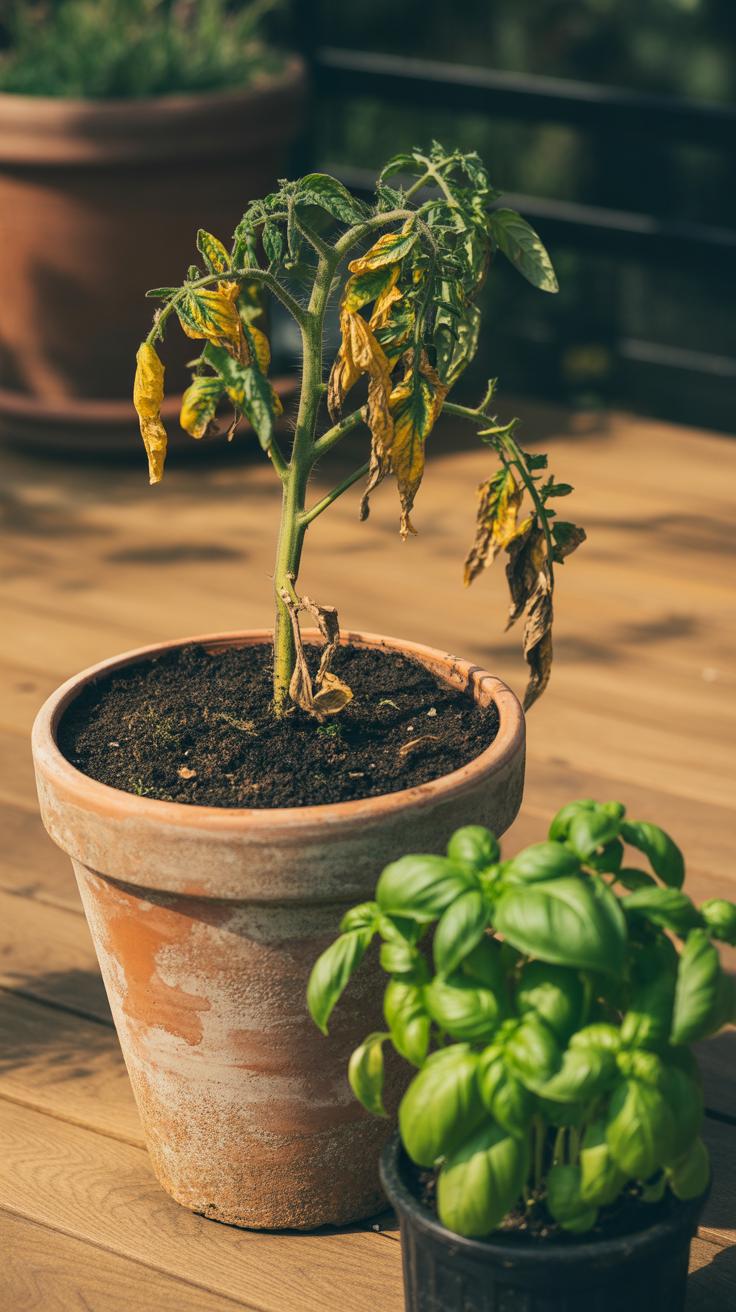
Checking your patio plants every day can feel like a chore, but it really makes a difference. Moisture levels change quickly in containers—sometimes overnight especially during hot spells. So, feeling the soil before watering is crucial; don’t just stick to a schedule. Too much water can drown roots, while too little leaves plants thirsty and stressed.
At the same time, take a close look at leaves and stems. Pest problems often start small; a few tiny holes or sticky residue might be your first clue. Early detection means easier fixes. Plus, you get to notice if a plant is drooping, yellowing, or just seeming off. These signs rarely happen overnight but catching them early keeps things manageable.
Preparing Plants for Seasonal Changes
When seasons shift, your container plants need changes too. As days shorten and temperatures drop, watering should slow down—plants usually use less water in cooler months. But sometimes people keep up summer routines and end up with soggy containers. I’ve done that myself; it nearly killed a once-healthy geranium.
Your plants’ nutrition also needs tweaking. Fertilizers that worked well in spring might overload plants in autumn, so dialing back on feeding encourages natural dormancy. Wrapping pots or moving them to more sheltered spots can protect roots from cold snaps. Sometimes, a simple cover or relocating a plant makes all the difference between survival and loss.
Adjusting daily care based on the season isn’t always straightforward. You might wonder when exactly to shift—well, watch the plants closely. Their response often tells you what to do next.
Comparing Container Types for Patio Plants
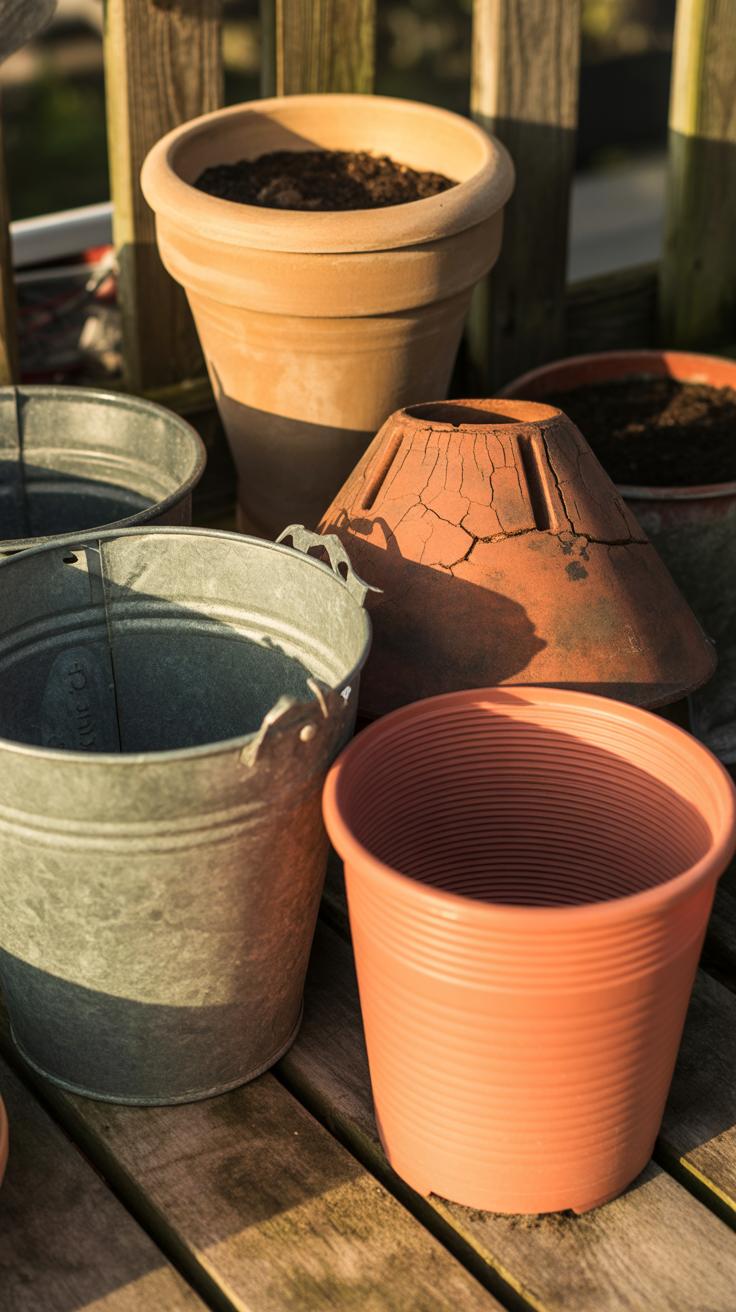

Choosing the right container for your patio plants isn’t just about looks. The material and style of your pot can change how well your plants grow, sometimes in surprising ways. Let’s look at some common container types and how they might fit—or not—with your garden setup.
Material Pros and Cons
Terracotta pots are classic. They breathe well, which helps roots avoid rotting. But they dry out fast, so if you forget to water regularly, your plants might suffer. They can also crack in freezing temperatures—something to keep in mind if your climate swings a lot.
Plastic containers are lightweight and usually cheaper. They hold moisture longer, which can be great if you don’t want to water every day. But some plastics don’t breathe, and that might lead to soggy roots or fungal problems. Plus, they can warp or fade under strong sun.
Metal containers look sleek and modern, but they heat up quickly in the sun, sometimes cooking the roots. If you’ve ever touched a metal pot on a hot day, you know what I mean. They can also rust unless treated, which might stain your patio or weaken the pot. Still, they’re durable and can last a long time with care.
Wooden planters feel natural and insulate well, keeping roots cooler in summer. On the downside, untreated wood can rot or attract pests, and sealed varieties might limit airflow. They’re heavier and might need extra effort to move around, but many gardeners enjoy their rustic charm.
Influence on Plant Health
Your container’s water retention plays a huge role in keeping patio plants happy. Terracotta wicks moisture away, so plants dry out faster—you’ll need to adjust watering frequency. Plastic holds water well, which can backfire if drainage isn’t excellent.
Temperature fluctuations also matter. Metal can cause stress for sensitive roots due to heat swings, while wood and terracotta offer some insulation. Then there’s root space. Some containers have thick walls that reduce soil volume, leaving less room for roots to spread. It’s worth measuring the inside dimensions, not just the outside, before buying.
Have you noticed certain pots needing watering almost daily while others stay moist for days? That’s mostly about material properties and sun exposure. So, choosing containers should go beyond style—think about how your plants behave and what fits your routine.
Troubleshooting Plant Health Problems
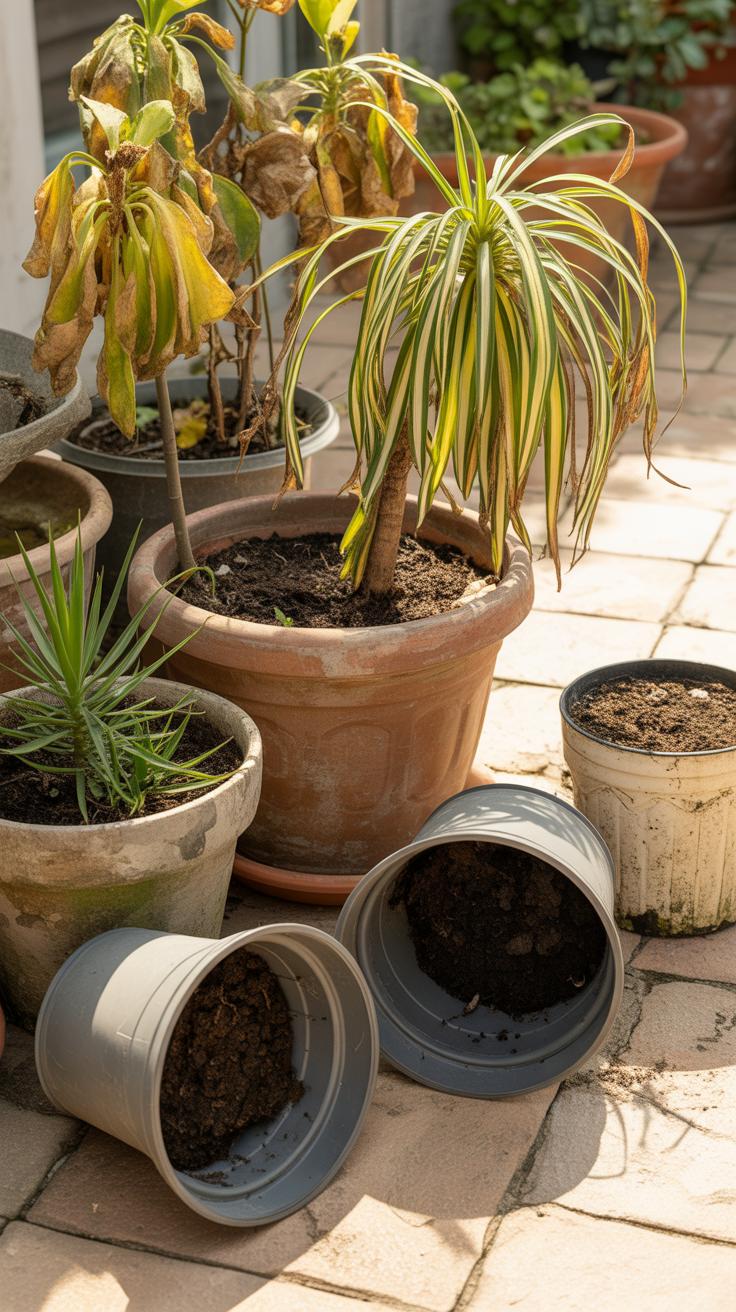
When patio plants start showing trouble, it’s rarely just one thing. Wilting might indicate underwatering, but sometimes it’s root rot instead. Yellow leaves could mean nutrient deficiency or too much sun. It’s tricky—symptoms can overlap or hide the real cause.
Here’s a quick way to narrow it down:
- Wilting: Check soil moisture first. Dry? Water deeply. But if soil feels wet and roots are mushy, suspect overwatering or root disease.
- Leaf discoloration: Yellow usually means nutrient issues or overwatering; brown edges might be dryness or salt buildup.
- Leaf drop: Could be stress from temperature swings, pests, or sudden changes in light.
- Stunted growth: Think about soil quality, root crowding, or lack of fertilizer.
Once you’ve pinpointed the likely cause, act fast. Repot if roots look cramped or rotted. Cut affected leaves to reduce stress and discourage pests or fungus. Adjust watering routines—better a consistent schedule than guessing. Move plants if sunlight seems too harsh or too weak for the species.
One thing I’ve learned: plants don’t rebound overnight. But catching problems early means less damage. So, watch closely, tweak care little by little, and avoid repeating the same mistake twice. It’s a bit of trial and error; some days you’ll wonder what went wrong, but that’s gardening for you.
Conclusions
Many patio plants fail due to easy-to-fix container gardening mistakes. Proper watering, choosing the right soil, and ensuring good drainage are key to keeping plants healthy. Paying attention to each plant’s specific needs helps prevent common problems.
By correcting mistakes like overwatering or poor soil and adjusting your care routine, you give your plants the best chance to grow strong. Regular care and observation let you catch problems early, keeping your patio plants green and lively.