Mistakes That Ruin an Outdoor Dinner Party
Planning an outdoor dinner party can be a rewarding way to gather friends and family. Yet, common mistakes may spoil the experience for your guests. This article covers key mistakes that hosts often make and how these errors impact their guests’ enjoyment.
You will also find practical tips to avoid these pitfalls. From how you arrange seating to the choice of food, each detail matters in creating a memorable outdoor meal. Read on to learn essential aspects that can make or break your event.
Choosing the Right Location
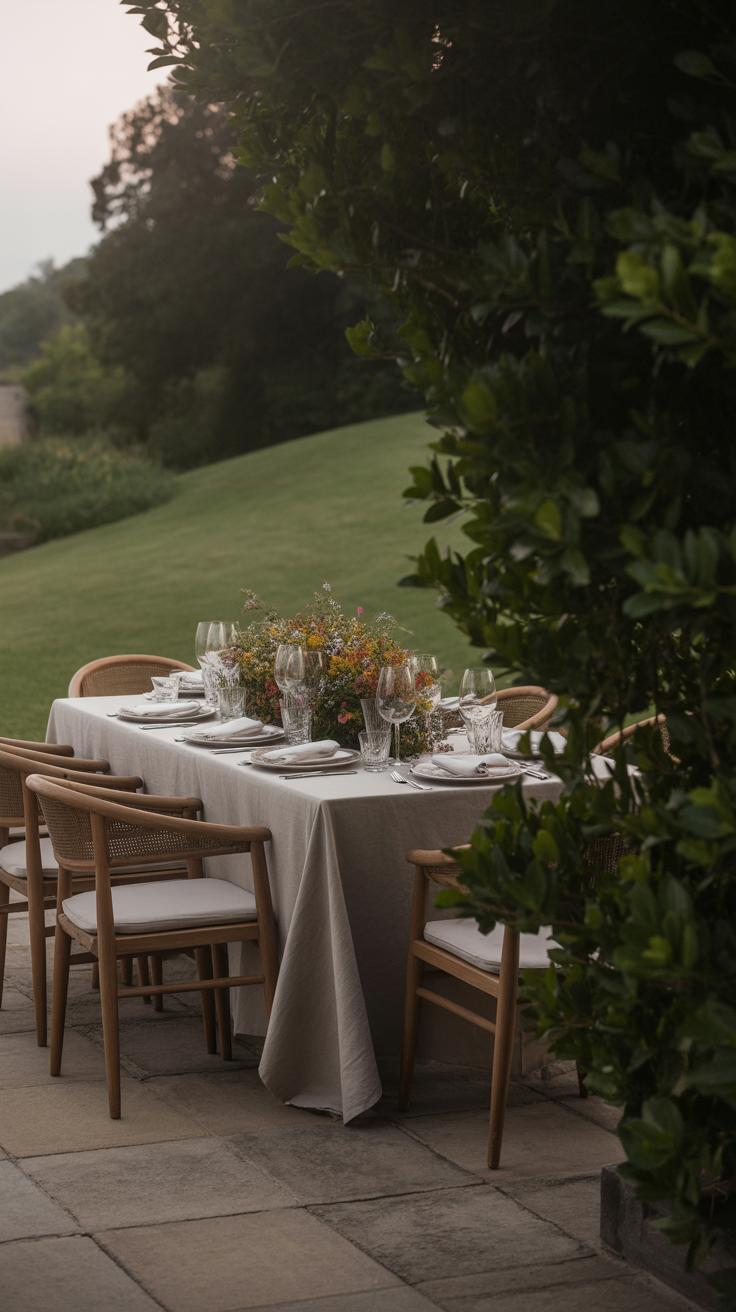
Picking the right spot for your outdoor dinner party can make or break the whole evening. It’s not just about finding a pretty patch of grass or a backyard corner. Guest comfort depends on it—a chilly breeze, blinding sun, or a noisy street right next door can throw any gathering off balance.
Think about weather patterns for the day. Is that garden exposed or shaded? Does the area get windy? These things matter because guests won’t enjoy sitting in direct sun for hours, but sometimes too much shade feels gloomy. And light rain, well, that can happen unexpectedly—do you have a backup plan?

Noise is another tricky piece. Parties near busy roads, barking dogs, or noisy playgrounds can feel chaotic, distracting people from conversations and food. You want a calm environment where guests can hear each other without shouting or constant interruptions. On the flip side, total silence in a remote spot might get awkward too—balance matters.
Finally, consider how easy it is for everyone to reach the location. Uneven paths, steep hills, or long walks from parking areas can fatigue guests before they ever sit down. Accessibility isn’t just a checkbox; it shapes how relaxed people feel arriving and leaving. I once saw someone struggle with stairs carrying a tray of drinks—avoiding those situations pays off.
Seating Arrangement Mistakes
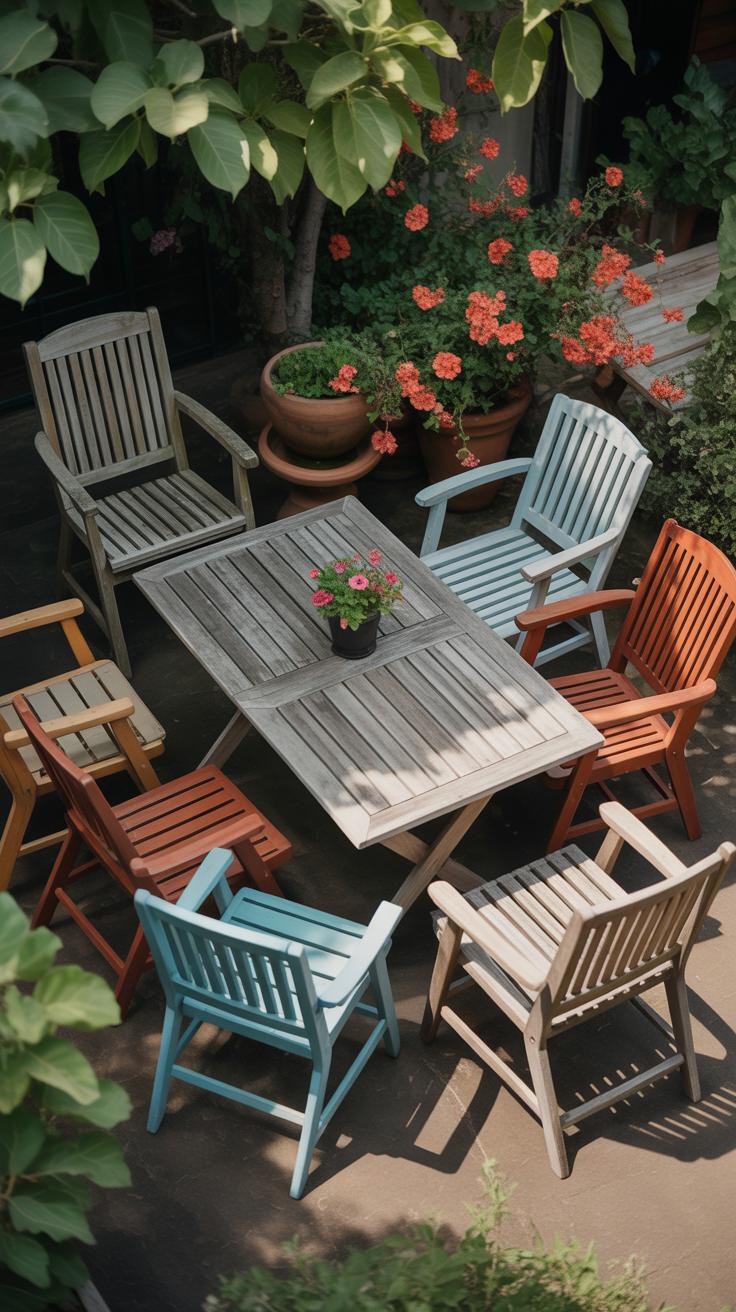
Cramped seating is a common pitfall that leaves guests restless and uneasy. When you squeeze too many chairs around a small table or push tables too close together, people end up bumping elbows or struggling to fit plates. That tension can kill the mood faster than you expect. Ideally, leave at least 24 inches of space per person and about 36 inches between tables. Think of how you’d want to sit if it were your dinner—would you feel comfortable or trapped?
Then there’s the question of sightlines. If someone can’t see across the table, they tend to drift out of the conversation, sometimes without realizing it. Poor angles often come from long, narrow tables or odd layouts. Group seats in clusters or gentle curves instead of straight lines. This way, more guests can look at each other naturally, encouraging chatter that feels easy rather than forced.
And don’t forget to keep walkways clear. Nothing frustrates people like having to squeeze past a row of chairs or tiptoe around a crowded corner. Leaving space for social flow isn’t just about movement—it’s about preventing those awkward interruptions in conversations when someone’s trying to pass through. So, arrange seats so guests can move freely without disturbing others, making the evening tidier and more relaxed.
Lighting Errors to Dodge
Too Dark or Too Bright
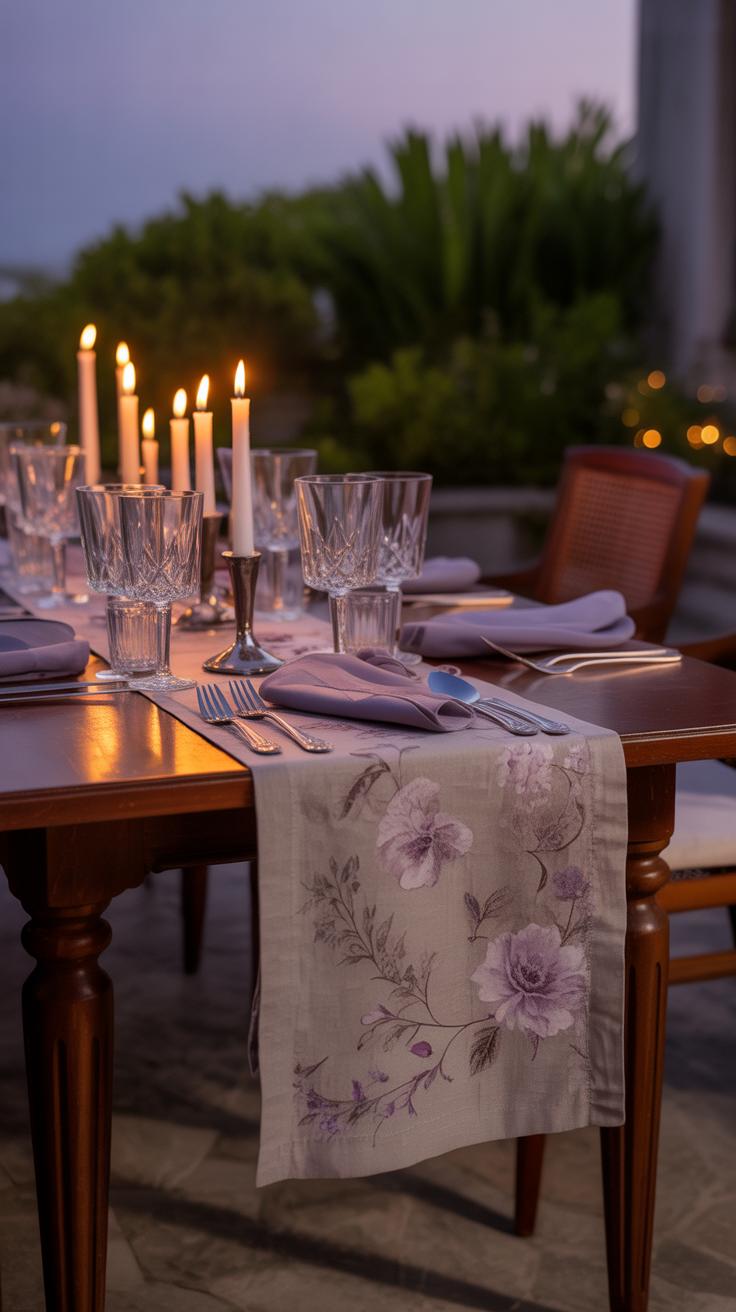
Lighting that’s too dim can leave guests squinting or struggling to see their food, which, honestly, kills the mood faster than you might think. Nobody wants to guess if that’s soup or dessert just because the table is cloaked in shadows. On the flip side, harsh or glaring lights can be painfully bright. Ever tried eating dinner under a blinding lamp? It’s uncomfortable and makes relaxing nearly impossible. I’ve been at parties where the host swung between these extremes, and it felt like our eyes were always either straining or overwhelmed.
Striking a balance works better. Soft string lights, lanterns with dimmers, or candles placed thoughtfully offer just enough glow without assaulting your eyes. You want guests to see each other and the meal, but also feel that gentle, inviting warmth that encourages conversation.
Avoid Glare and Shadows
Where you put your lights matters as much as how bright they are. Glare can sneak in when a light fixture points straight at where guests sit, catching their eyes and distracting them. It nags at you subtly, maybe causing guests to shift awkwardly in their chairs or shield their eyes. Conversely, poor placement can cast strange shadows across the table or plates, making the whole set-up look odd and uninviting.

Try positioning lights so they illuminate from the side or overhead at an angle rather than head-on. This can minimize both glare and harsh shadows. I once saw a host use a couple of tall lamps behind guests—they created dark patches on the table that weren’t spotted until someone spilled wine there. Simple tweaks, like moving a lamp or adjusting a bulb angle, save a lot of discomfort and keep the scene lively and clear.
Menu Planning Pitfalls

Planning your menu for an outdoor dinner party might seem straightforward, but it can quickly become a source of frustration—and disappointment for your guests. One of the biggest mistakes is overlooking how temperature affects the food you serve. Some dishes just don’t hold up well outside. Imagine a creamy pasta salad turning into a soggy mess in the afternoon heat or whipped cream melting into an unappetizing puddle before anyone even tastes it.
Foods that maintain their texture and flavor at room temperature often work best. Think roast chicken, grilled vegetables, or a sturdy grain salad with vinaigrette. These stay safe and tasty longer without constant refrigeration. Cold desserts like fruit skewers or firm cheeses can be simple yet satisfying options.
Another aspect many hosts forget—or hesitate to address—is their guests’ dietary restrictions. Not asking about allergies or food choices can leave people feeling excluded or uneasy. It’s not just about vegetarian or gluten-free options; some might be avoiding lactose, nuts, or certain spices. Maybe you’ll only find out after the fact, but try to gather this info beforehand. It allows you to plan a menu everyone can enjoy without stress.

You might think offering a few salad choices is enough, but inclusive menus require more thought. Consider having separate dishes that cater specifically to common needs without feeling like leftovers or afterthoughts. Your guest’s satisfaction often hinges on feeling seen and cared for at the table, which starts with thoughtful menu planning.
Ignoring Bug Control
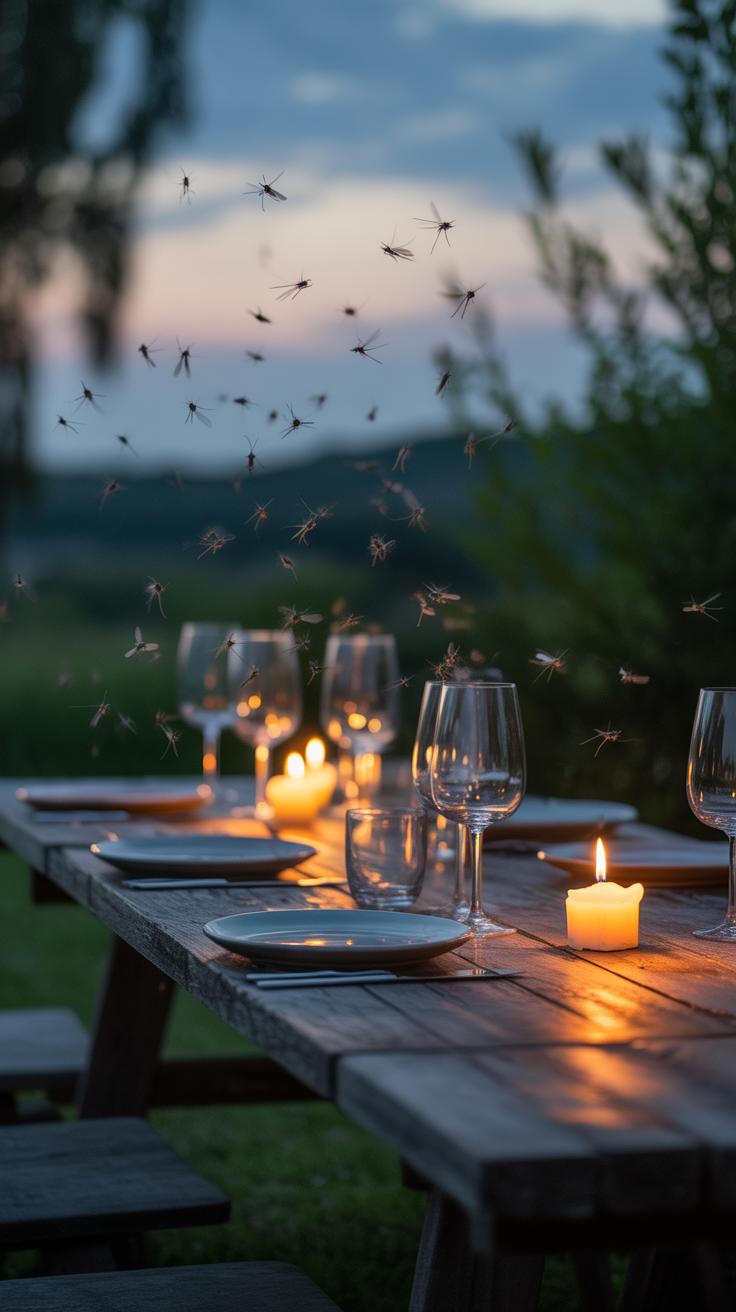
Nothing spoils an outdoor dinner party faster than a swarm of bugs invading the space. When you overlook insect control, guests might squirm, swat, or even leave early just to escape the nuisance. The buzzing and biting distract from conversations and food enjoyment—sometimes it’s subtle, other times it’s impossible to ignore. It’s easy to underestimate how much a few persistent flies or mosquitoes can affect the atmosphere.
One way to handle this is by choosing natural repellents that don’t overpower the air or irritate sensitive skin. Citronella candles, lavender sachets, or eucalyptus sprigs work fairly well. I’ve found that placing pots of basil or mint around the seating area can help, too. These options avoid the harsh chemical smell and keep the vibe relaxed. But beware—no method is foolproof, so having multiple approaches is wise.
Bugs are drawn to food smells, especially sugary or greasy scents left uncovered. Standing water nearby is another big attractor since mosquitoes need it to breed. So, keep dishes sealed until serving and clear any water sources like birdbaths or planters before guests arrive. A small puddle forgotten after rain might seem harmless, yet it can invite a swarm. Oddly enough, sometimes controlling bugs means just managing what you let sit around.
Ignoring Acoustics


When you overlook sound control at an outdoor dinner party, guest interactions can quickly become strained. Imagine trying to chat with someone across the table, only to lose their words to gusts of wind or distant traffic. It’s frustrating, and suddenly conversations feel disjointed or forced. The atmosphere shifts — instead of a relaxed, convivial gathering, guests may appear distracted or withdrawn.
Outdoor noise is tricky. Traffic hum, lawnmowers, even rustling leaves all compete for attention. These sounds aren’t just nuisances; they shape how your guests engage with one another. You might notice that people lean in too close or speak louder, which disrupts the natural flow and can actually create tension.
To help manage background noise, consider placing portable speakers with soft music to mask unwanted sounds. Windbreaks like tall hedges or screens make a quieter zone, too. Sometimes, even simple arrangements like clustering seating around a fire pit or fountain, whose noise helps cover distractions, can make a difference.
When arranging seating, try grouping chairs in smaller circles rather than long rows. It encourages intimate conversations and keeps voices from competing. Soft cushions, rugs, or blankets absorb sound, reducing echo and making it easier to hear. Trees and fabric drapes also help, but don’t overdo it—too many barriers can ruin openness and flow.

Have you ever noticed how an outdoor party with screeching cicadas makes chatting nearly impossible? It’s not just a minor annoyance—it shapes the entire evening. Paying some attention to acoustics isn’t just about comfort; it’s about keeping your guests connected, engaged, and really present with one another.
Overlooking Temperature Comfort

Ignoring the shifts in outdoor temperature can quickly turn a pleasant dinner into an uncomfortable ordeal for your guests. It’s easy to underestimate how chilly the evening might get or how quickly the sun disappearing behind a tree can drop the warmth. Sometimes, you plan around the idea of a mild night, but nature doesn’t always cooperate. When guests start fidgeting in their seats or rubbing their arms, you know you’ve missed something.
Provide Heating or Cooling Tools
Simple heating or cooling solutions can make a huge difference. Think about portable outdoor heaters if you expect the temperature to dip after sunset—those standing propane lamps or electric patio heaters work wonders. Fans can help when the air gets sticky or still, stopping the heat from feeling oppressive. Blankets, too, aren’t just cozy extras; placing a basket with a few throws nearby invites guests to warm up if they want. You might not need all these options, but having them ready feels like a small insurance policy against discomfort.
Schedule According to Climate
When you set the time for your dinner, consider the local weather patterns. If you start too early in summer, the heat might be overwhelming; too late in fall, and cold will settle in before you finish. Twilight or early evening often offers a balance, but that depends on where and when you’re hosting. Check the forecast, but also think about typical temperatures past years showed. Sometimes moving the start time just an hour or even a half-hour can subtly change the whole experience.

Have you noticed how quickly a light breeze can chill on a night you thought was mild? Or that sudden flare of heat as the sun hits hard? Planning for temperature isn’t just about guessing—it’s about being ready to adjust while everyone’s already gathered under the open sky.
Neglecting Table Setting Details
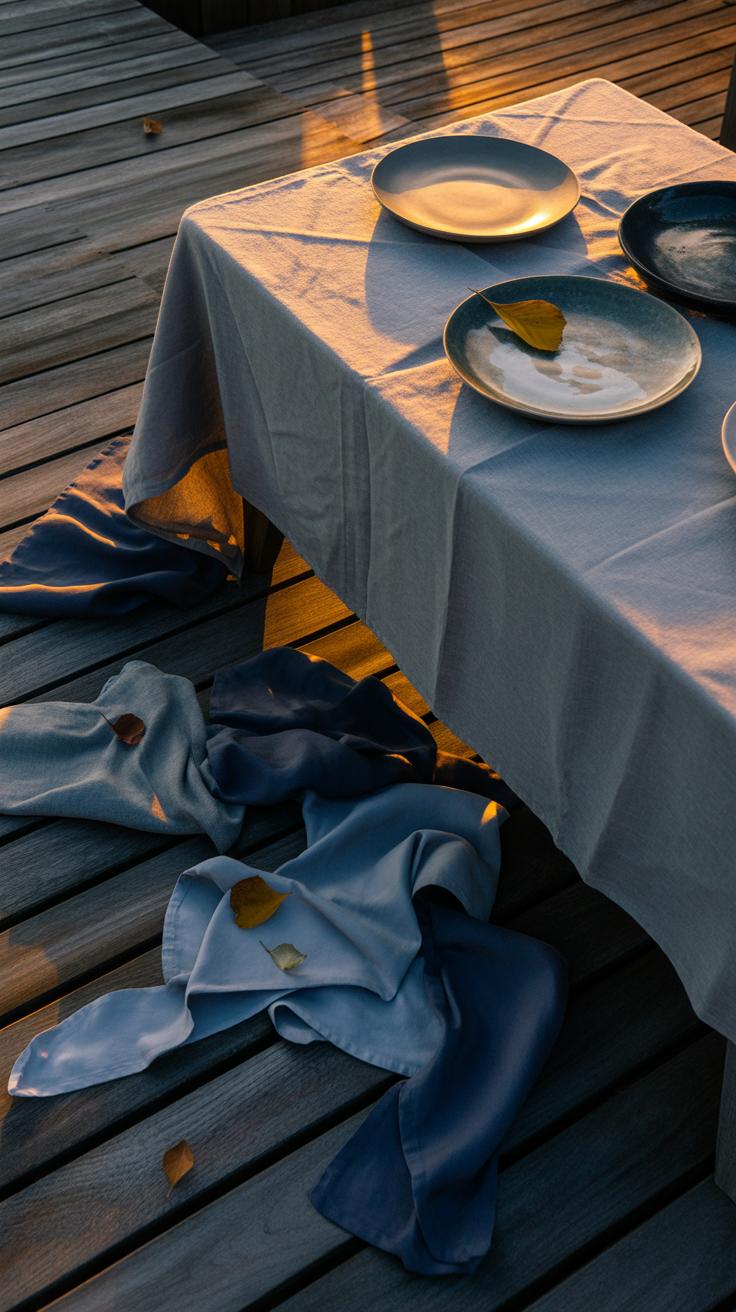
When the table setting feels haphazard or incomplete, guests notice. It’s not just about looks—poor arrangements make it harder for people to find what they need and settle in comfortably. Imagine struggling to reach a salt shaker or fishing for a fork buried under a messy stack. These small frustrations add up and can pull guests out of the relaxed mood you’re aiming for.
Choosing tableware for outdoor dining takes a bit of thought. Glass plates or delicate china might look nice but can cause more trouble than they’re worth. Think about sturdy materials—melamine, bamboo, or heavy-duty plastic—they hold up better outdoors. Plus, they’re easier to handle, especially if guests are juggling plates and drinks while standing or moving around.
Setting up self-serve stations can also help. Instead of everyone crowding the table at once, having distinct areas for drinks, appetizers, or main dishes lets guests flow through more naturally. It also keeps the centerpiece or main dining area less cluttered, improving usability. This setup invites casual mingling and lets people grab what they want without feeling rushed or bumping into one another.

So, a small investment in practical tableware and clear organization pays off. It lets your guests relax, focus on the company rather than the setup, and, well, enjoy their meal more. After all, isn’t that what you want from an outdoor dinner party?
Failing to Plan for Lighting Timelines

Lighting can make or break the mood at an outdoor dinner party. You might think that daylight is enough, but as the sun starts to set, things shift quickly. Planning your lighting around the sunset and the flow of activities keeps the evening comfortable and inviting. For example, if you wait too long to turn on artificial lights, guests might struggle to see their plates or each other’s faces, which hurts conversation and appetite alike.
Plan Lighting Changes
Switching from natural to artificial light isn’t just flipping a switch at dusk. You want a gradual transition that eases guests into the dimmer setting. Maybe start with candles or solar lanterns as the sun dips lower. These softer lights set a relaxed tone without jarring brightness. It’s also practical—too harsh or sudden lighting can feel unnatural or unwelcome. Planning this change in advance, maybe practicing it, makes the shift feel smooth and thoughtful.
Adjust for Party Length
Think about how long your party will last. A quick dinner might need a simpler lighting setup, while a longer evening calls for layers of lighting that change over time. Early on, brighter lighting can keep energy up, supporting lively chats and eating. Later, dimmer or colored lights create a cozier vibe, perhaps encouraging slower conversation or lingering over dessert. Matching the light intensity with both the length and rhythm of your party supports the mood—don’t overlook that.
Cleanup and Waste Management Errors

Failing to plan cleanup can quickly turn an enjoyable outdoor dinner into a cluttered mess. Imagine guests wanting to relax but instead feeling awkward stepping around empty plates, cups, or stray napkins. It’s not just untidy—it can also make people uncomfortable, unsure where to leave their trash without offending the host or disrupting the flow.
One approach that seems almost obvious but often gets overlooked is setting clear trash stations. Make sure bins are easy to find, visible from where guests gather, and labeled if possible. I’ve seen parties where trash bins were hidden behind bushes or out of sight, and people just left waste on tables or the ground. You don’t want that.
Dividing cleanup responsibilities goes a long way, too. Assigning roles beforehand means no one is left guessing who should clear plates or collect recyclables. Plus, it helps the process happen faster and keeps things from dragging on too long—but I admit, sometimes plans change mid-party and the best-laid tasks fall through.
Thinking about cleanup early might feel less fun than choosing a menu, but it shapes your guests’ experience more than you’d guess. After all, nobody wants to host a party that ends with everyone stuck in a frustrating scramble to clear the mess.
Conclusions
Your outdoor dinner party’s success depends largely on the details and your attention to guests’ comfort. Avoiding the common mistakes described here ensures your guests will feel welcomed and enjoy themselves fully.
With thoughtful preparation and awareness of pitfalls, you can create an inviting atmosphere and serve meals everyone will appreciate. Use these insights to plan your next outdoor dinner party with confidence and care.