Common Mistakes in Outdoor Party Setup
Outdoor parties are a great way to enjoy the fresh air and good company. However, many outdoor parties fail because of setup mistakes. These errors can cause discomfort, disrupt the event flow, and leave your guests unhappy.
This article points out common mistakes that ruin your outdoor party setup. You will learn what can go wrong and how to fix or avoid these problems. Getting your setup right helps make your outdoor party smooth and enjoyable for everyone.
Check Your Weather Setup
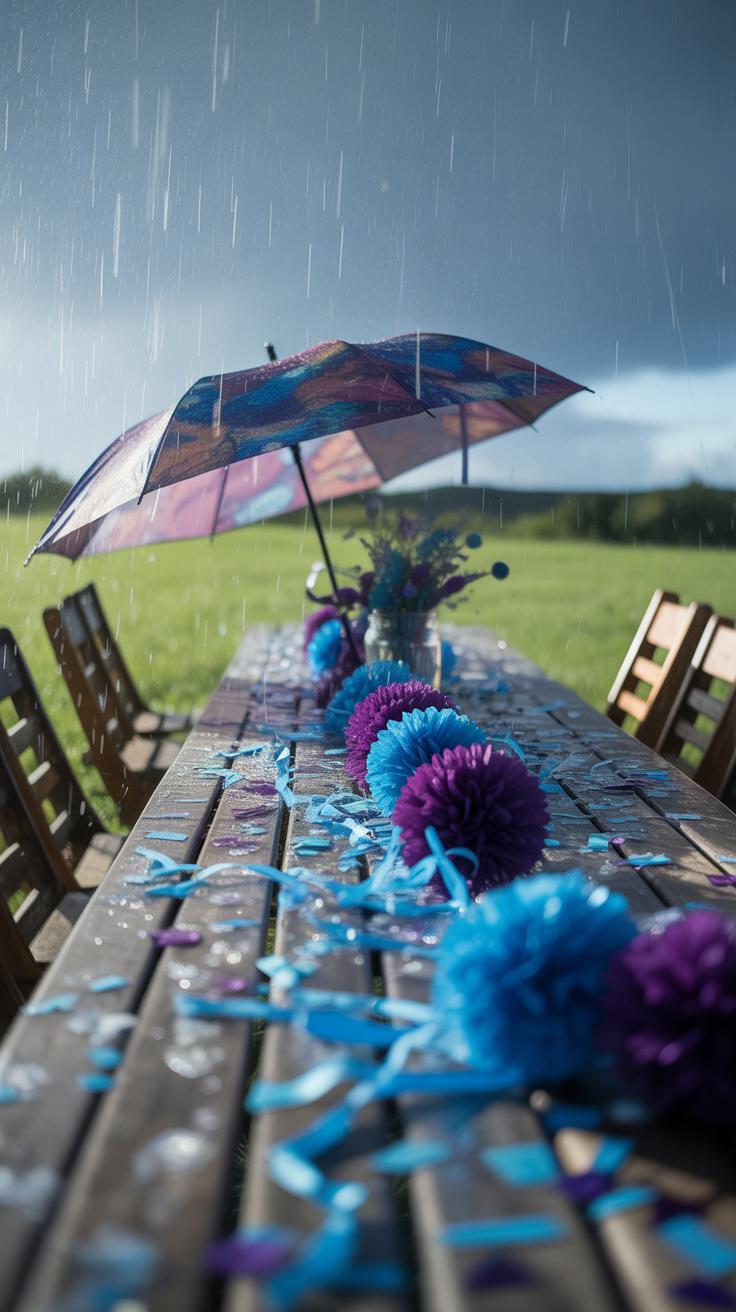
Before you start setting up your outdoor party, take a moment to check the weather forecast. Pull up a reliable source—maybe your favorite weather app or the National Weather Service site—and see what’s expected for the day and evening. Look for things like rain chances, wind speeds, and temperature swings. Don’t just glance at the forecast; look at hourly updates to catch sudden changes or unpredictable patterns.
Weather preparation isn’t just about avoiding discomfort; it can save you from a ruined setup, wasted food, or unsafe conditions. Suppose the forecast hints at rain or high winds. In that case, you might need to shift your party indoors last minute or reschedule. Sometimes, the forecast is off, so having a backup plan is handy anyway—something to keep in mind if things go sideways.

If bad weather does appear, don’t panic. Move fragile decorations indoors, cover food quickly, and prioritize guest safety. Perhaps move furniture away from wet areas or use tarps as a temporary shield. It’s not perfect, but it can preserve your party’s spirit. Being prepared doesn’t guarantee perfect weather, but it definitely gives you a fighting chance.
Common Weather Issues That Affect Setup
There are a few weather factors that can really mess up an outdoor party. Rain, for one, often catches people off guard despite forecasts. It doesn’t have to pour; even light drizzle can turn your seating soggy or your electronics into a nightmare.
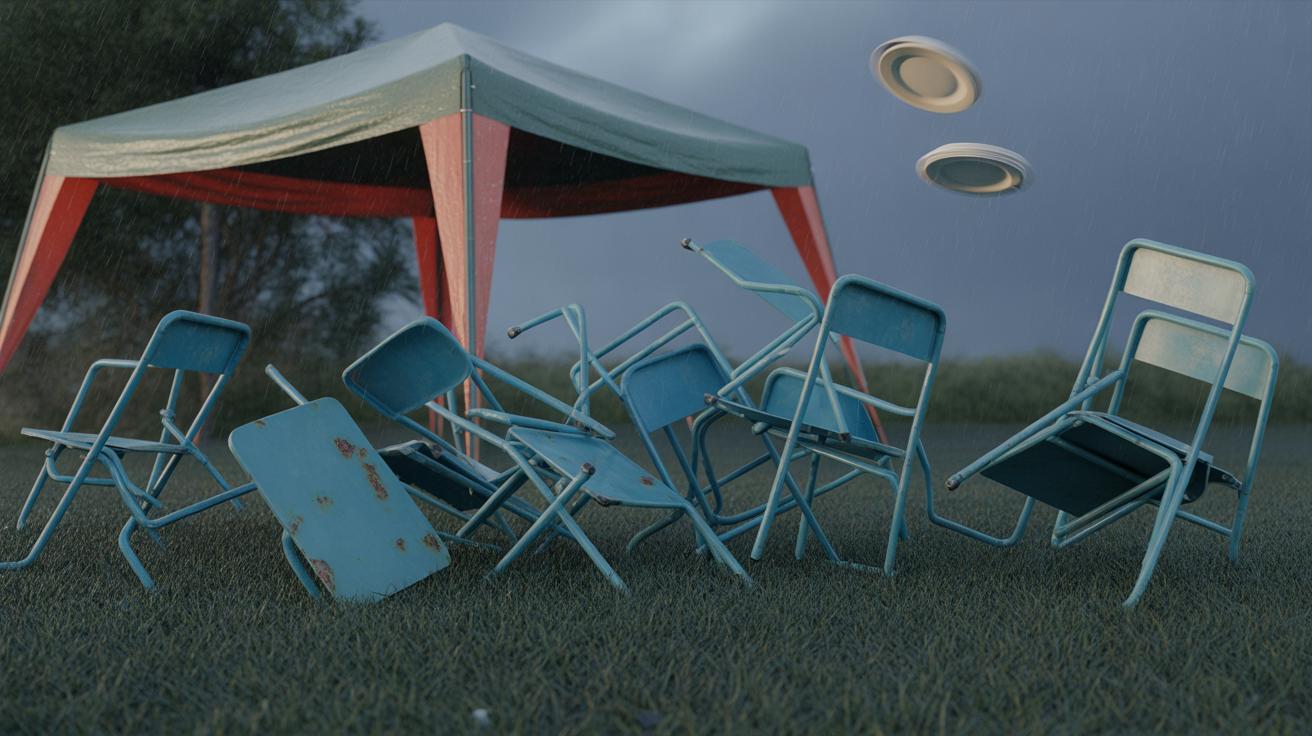
Wind is another troublemaker. It can topple centerpieces, scatter napkins, or worse, collapse tents if they’re not weighted properly. I once saw a set of paper plates blown into a neighbor’s garden—annoying but avoidable with some planning.
And let’s not forget about the sun. Direct sunlight can cause discomfort quickly. Guests might get overheated or sunburned, and certain foods—especially dairy-based dips or desserts—can spoil faster. It’s not always obvious how much sun exposure affects your setup until your guests start seeking shade or leave early.
Best Tools to Shield Your Party From Weather
There are some go-to items that can protect your outdoor party from the whims of weather. First, tents are probably the most versatile. They provide shelter from rain and can reduce sun exposure if placed correctly. Make sure they’re well anchored; no one wants a flying tent.

Umbrellas are smaller but handy, especially for individual tables or seating areas. You can arrange a few around the party space without much trouble. They’re easy to move and reposition if the wind shifts.
For hot days, fans can be lifesavers. Portable, battery-powered fans or misting fans help cool guests down and deter bugs, which can be a nuisance. I find they make a difference—not a magic fix, but better than nothing when it’s really warm.
Using these tools strategically means you don’t just brace against the weather—you work with it. Sometimes it’s about layering solutions: a tent for rain and wind protection combined with fans for cooling. What’s your setup going to need? Think that over before you start unpacking boxes.
Plan Your Seating Layout
How Overcrowding Ruins Party Comfort
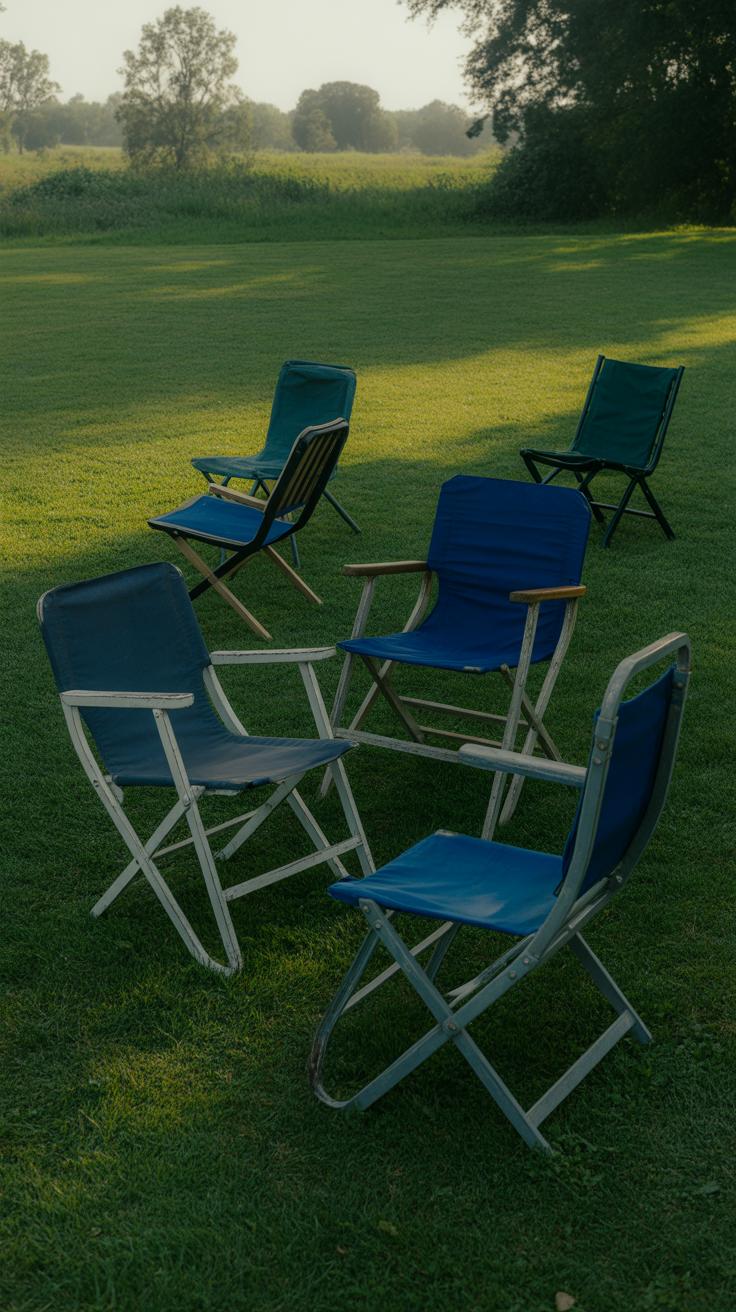
When you cram too many seats into a small area, guests don’t just lose space—they lose comfort. Imagine sitting shoulder to shoulder with barely any room to move. Nobody wants that, right? It quickly becomes frustrating, and people might feel trapped or awkward. Conversations get stifled, and the relaxed vibe you hoped for can vanish fast.

Spacing matters. You want enough room for people to stretch their legs and shift positions. But not so much that folks feel isolated. If seats are packed tightly, guests may avoid sitting altogether and linger uncomfortably standing. This can kill the flow of your party no matter how good the food or music is.
Choosing Seats That Match Your Space
Think about your space before selecting seating. In a small yard, bulky chairs might feel intrusive. A few benches along the fence can save space and encourage casual chats. Picnic blankets work well on lawns, inviting a laid-back mood, but they require dry grass and perhaps some cushions to keep people comfy.
For larger spaces, mix it up. Maybe a cluster of chairs around a table for eating, and some loungers or bean bags scattered where people can relax. Don’t feel pressured to fill every empty corner with a seat. Sometimes, letting areas open encourages movement and mingling.
Ultimately, your choice should suit how you expect guests to interact. Are they mostly chatting in small groups? Or is it more about everyone gathering together? Balancing comfort and social dynamics takes a bit of thought, but it’s worth it when your guests feel at ease and naturally drawn to each other.
Set Up Lighting Properly

Lighting sets the tone for any outdoor party. It’s more than just making sure people can see—it shapes the mood and keeps everyone safe. Too bright, and it feels like you’re under interrogation lamps; too dim, and guests may stumble or struggle to find their way. Think about a backyard gathering where harsh floodlights kill the cozy vibe, making everyone uncomfortable. Or picture a patio party with barely any light—awkward, right? People need a space that feels inviting yet secure.
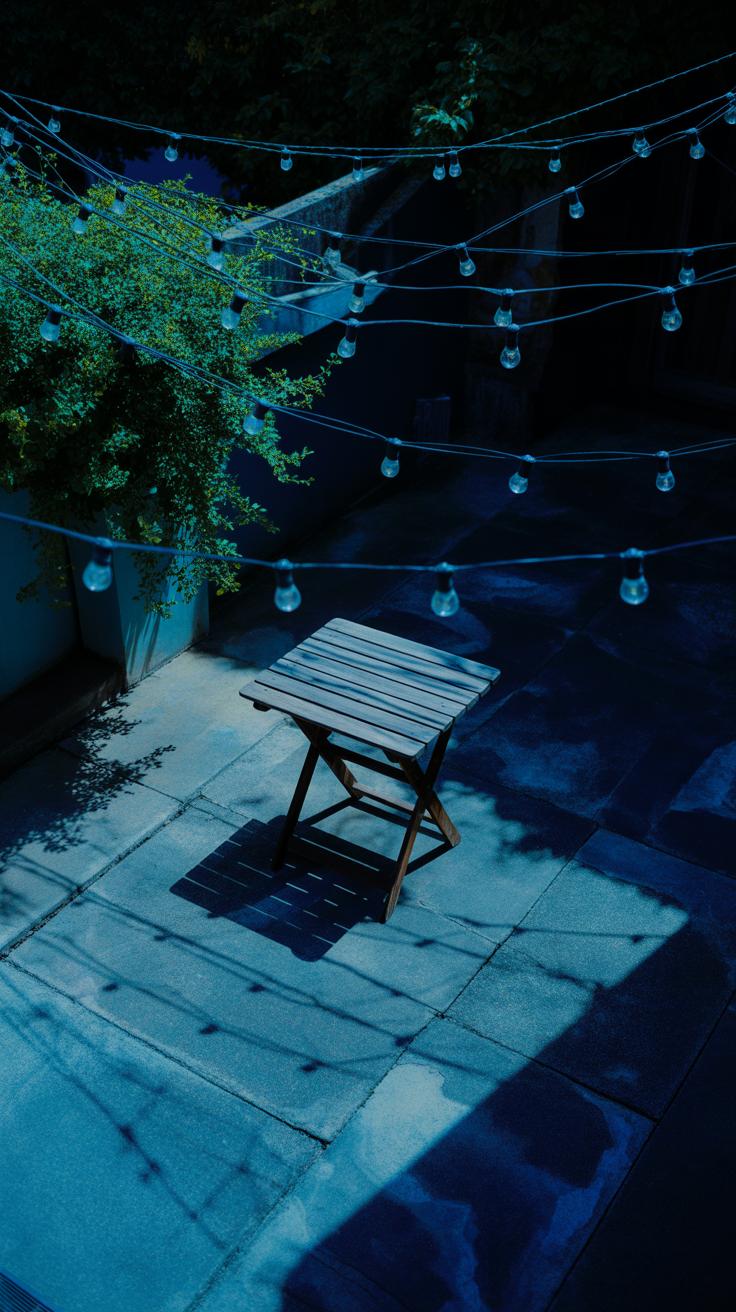
Good lighting choices often include layering different sources: soft string lights overhead, lanterns placed on tables, and subtle pathway lights guiding the way. This mix creates pockets of warm glow and ensures visibility without overwhelming. Solar-powered stakes or LED candles on tables offer gentle illumination and lower risk of accidents.
Lights That Create the Wrong Ambiance
Harsh white bulbs hung carelessly can ruin an otherwise perfect setup. They glare and cast strong shadows that confuse the eye, making guests uncomfortable or unable to relax. Insufficient lighting, meanwhile, causes awkward dark spots where people hesitate to linger, sometimes leading to spills or injuries that could have been avoided. Striking this balance is tricky—too much light can feel clinical, and too little can lead to anxiety or even frustration. Have you ever been at an event where the lighting made you want to leave early? The difference good lighting makes is surprisingly big.
Using String Lights and Lanterns Effectively
String lights and lanterns are popular for a reason—they add warmth and charm while lighting the space gently. When placing them, think about natural gathering spots like seating areas or around food tables. Hanging string lights overhead creates a canopy effect, making the space feel intimate. Lanterns, especially those with soft LED bulbs or real candles in safe holders, work well on steps or corners to boost visibility without harshness. But don’t crowd the area; give your lights room to breathe. A cluttered cluster can feel heavy or distracting instead of calming.
Remember, lighting isn’t just decoration—it’s part of the experience and safety of your outdoor party. You want guests to feel comfortable moving around, chatting, and enjoying the night, not squinting or tiptoeing in the dark.
Manage Noise Levels

Why Loud Noise Upsets Everyone
What makes loud noise so troublesome? For one, it can quickly wear down your guests’ patience. Even people who love music or a lively party have their limits. If the volume is too high, conversations become strained, and some might even leave early. You might not realize it, but excessive noise also tires out your own guests without obvious signs.
Then there’s the neighborhood. Noise doesn’t respect property lines or time zones. Loud sounds can disturb neighbors, especially if your party stretches into the evening. It might cause tension, awkward confrontations, or worse, complaints to the authorities. You might think a quick reminder to keep it down solves it, but the effects linger.
Ways to Control Music and Voices
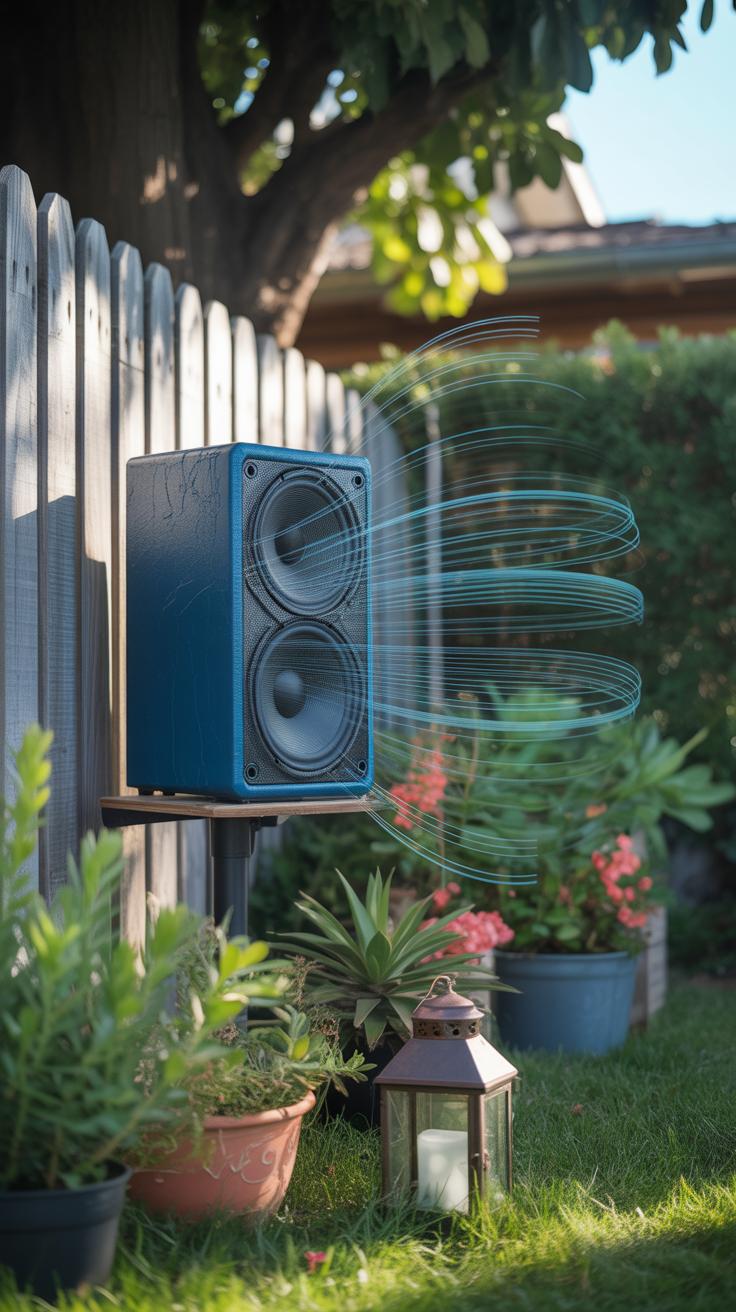
You want music that’s heard but doesn’t dominate every corner. Placement of your speakers plays a huge role in this. Aim them inward rather than outward to contain the sound. Avoid setting them near walls or fences that bounce noise into unintended areas. Sometimes, a few well-positioned smaller speakers will feel better than one big, booming system.
Volume controls can be tricky. You might crank it up at first but find later it’s just too much. Try starting low and watching your guests’ reactions, adjusting as you go. Also, don’t forget conversation noise—encouraging guests to keep voices at a reasonable level helps too. Just gently nudging them or creating quieter zones can make a difference.

What about times when excitement peaks and voices rise? Sometimes, people just lose track. Having a subtle signal or designated quieter moments might help maintain balance without killing the vibe. It’s a fine line, but finding it makes your party more enjoyable for everyone involved.
Organize Food and Drink Stations
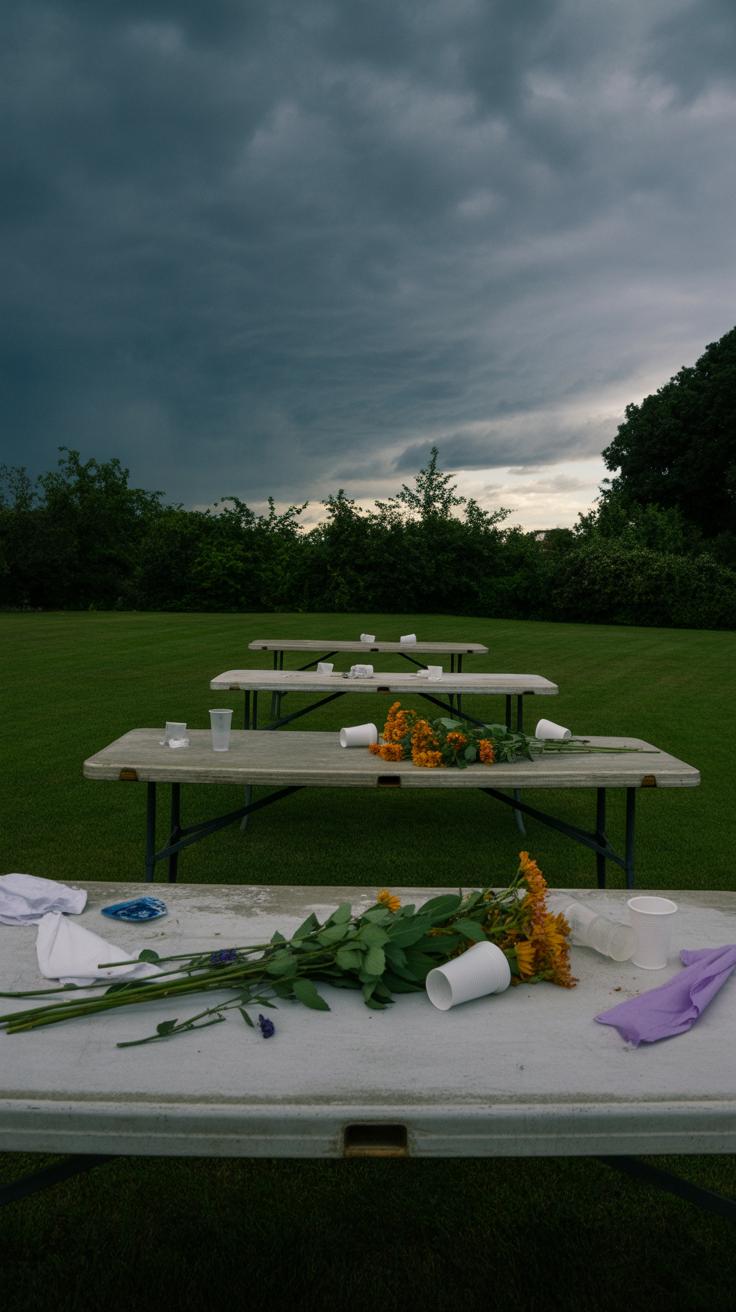
When setting up your outdoor party, where you place food and drink stations can make or break the whole experience. Guests should be able to move quickly and grab what they want without feeling squeezed or stuck. Think about spreading stations across different spots instead of lumping everything in one place. This way, people won’t end up crowding one table while other areas sit empty.
A common mistake is putting drinks right next to the main food station. It seems logical, but it tends to create bottlenecks, with people blocking each other’s way. Instead, try placing drink areas a few steps away, maybe near some seating or shade. That encourages guests to circulate rather than pack one zone.
Good setups often use parallel lines or multiple smaller stations rather than a single long line. For example:
- A buffet line for main dishes on one side.
- A salad or sides station nearby but separate.
- A drink and dessert area a bit further off.

This arrangement lets guests move from one section to another without backtracking or waiting awkwardly. Sometimes having two separate stations serving similar items, like cold drinks at two locations, can cut wait times. It might feel excessive but it can pay off when your party grows larger than anticipated.
Watching a crowd get stuck in a single line can be frustrating, both for you and your guests. I remember one event where the soda was right next to the entrée, and it took ages just to get a drink. Little changes in placement might seem minor but trust me—they matter a lot when everyone’s hungry and thirsty.
Use Decorations With Purpose
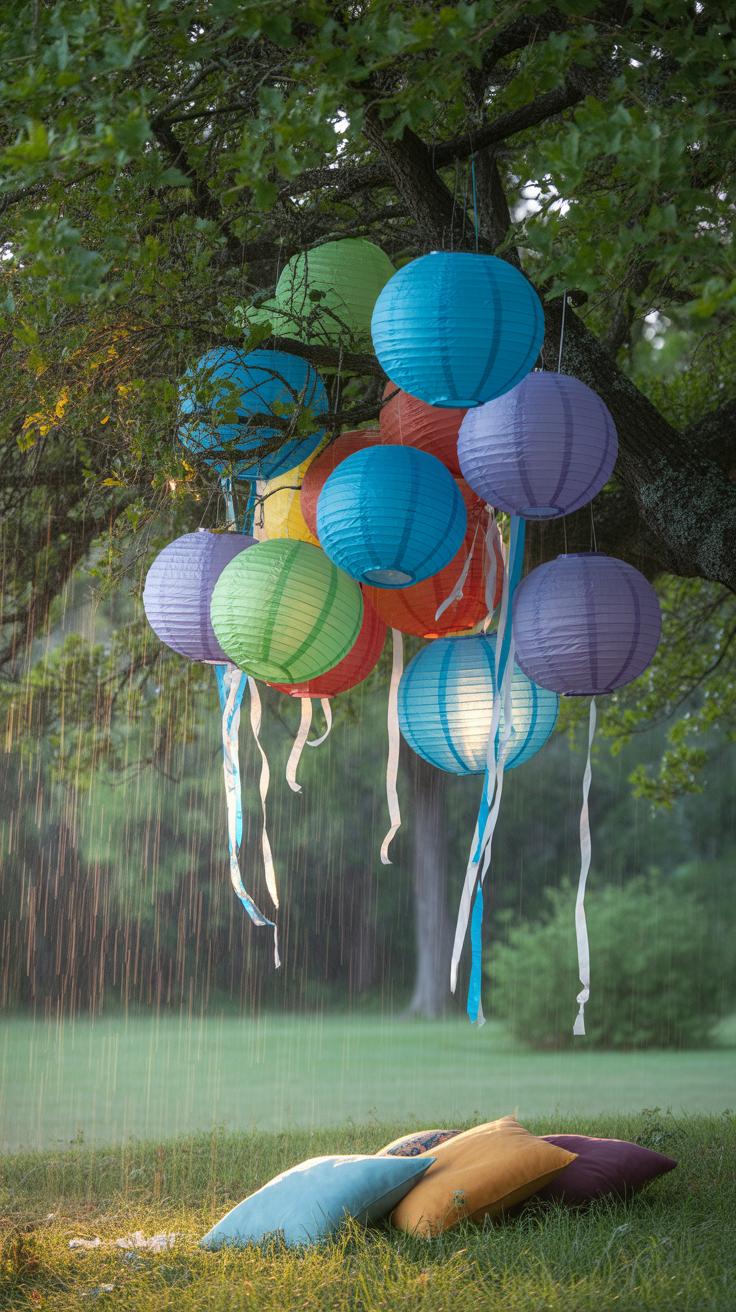
Decorations can change the mood of your outdoor party, adding charm and personality. But, if you go overboard, they might just get in the way. Too many ribbons, balloons, or hanging lights can crowd your space, making it harder for guests to move around freely. I once saw a party where so many fairy lights were dangling low that people kept ducking or snagging their clothes—awkward and distracting.
Think about balance. Pick items that bring color and style but don’t take up too much room or block key areas. You want your decorations to invite, not overwhelm. It’s about making your space feel festive, without turning it into a maze.
When Decorations Harm Party Flow

Ever noticed how some parties feel cramped? Often, it’s because decorations clutter pathways or block sightlines to the main event. If you stack too many table centerpieces, guests struggle to see each other. Or, if you scatter small décor pieces on the ground, you risk people tripping. This interrupts the natural flow and can even be unsafe.
Imagine a party where conversations stop because someone’s tangled in a string of lights. Not ideal. Keep walkways clear and decorations at eye level or higher. It might seem like a small detail, but those hazards add up fast.
Selecting Functional and Stylish Decor
Why not choose decorations that do more than just look good? Lights can double as mood setters and markers for different zones—like the dining area or dance space. Lanterns or LED candles add charm but also help guests find their way after dark.
Seating markers can be decorative, like colorful cushions or small flags that fit your theme. They guide people without shouting for attention. I remember once using painted rocks both as table numbers and party favors—simple but effective.
Functional décor saves space and boosts convenience. It’s a way to avoid crowding while keeping the atmosphere lively and welcoming.
Set a Clear Entry and Exit Path
When planning your outdoor party, it’s easy to overlook how important clear entry and exit routes are. But trust me, those paths do more than just guide guests—they shape the entire flow of your event. If guests can’t quickly find their way in or out, you end up with clusters of people stuck in awkward spots. It’s not just uncomfortable; it can get downright stressful for everyone involved.
Think about the last party you attended that had a confusing entrance. Maybe you stood with a group, all trying to figure out where to go, blocking others behind you. That confusion slows everything down and can even make guests anxious, especially if the party spills into the night or if the weather turns. And let’s be honest, emergencies happen, and you want first responders or guests to get out fast if needed.
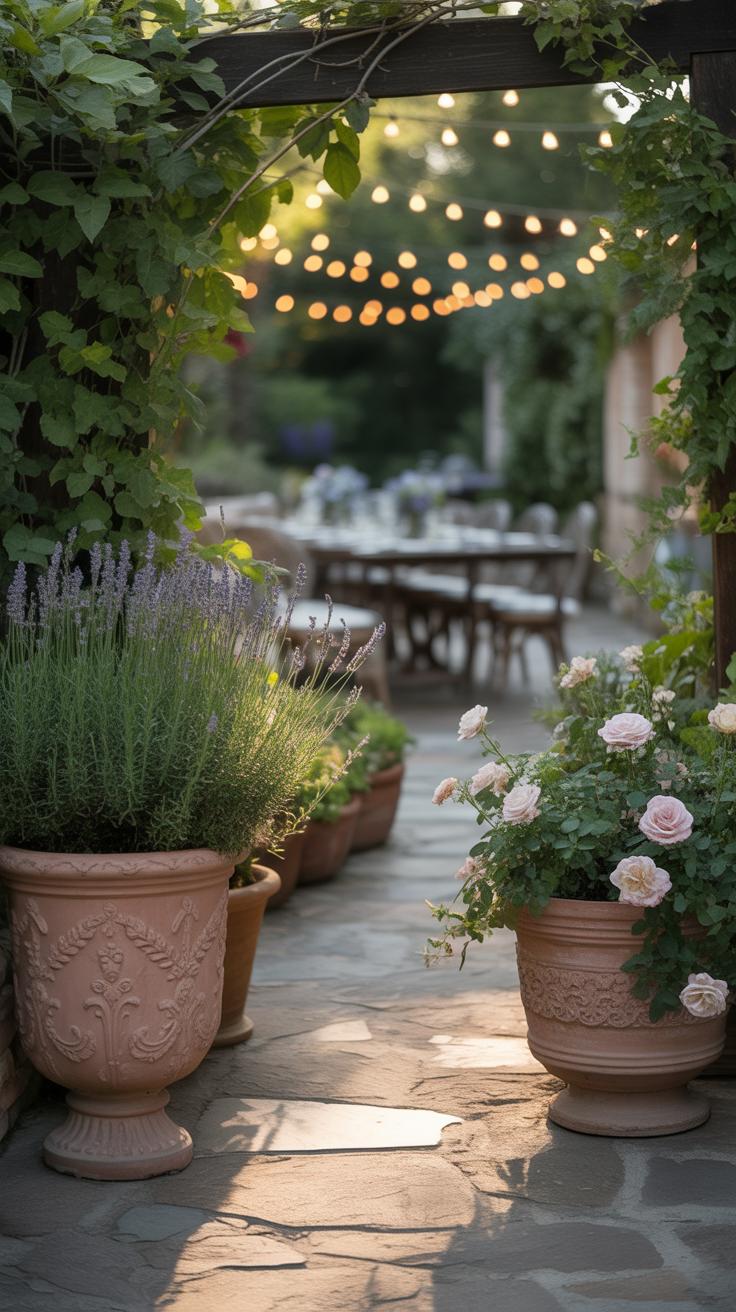
So, how do you avoid this? Start by envisioning the easiest, most direct routes into and out of your space. Use simple, visible signs or small lights that glow softly to mark these paths. Arrows on signs, ground markers, or even string lights can help. Remember, overly artistic signs might look nice but don’t do much if guests can’t understand them at a glance.
How clear are your current routes? Can someone find the exit without asking three people? If not, that’s a sign you need to make paths pop out more. Staying practical here keeps the event running smoother and your guests less flustered—plus, it just feels more welcoming when movement isn’t a challenge.
Test Your Sound System Setup
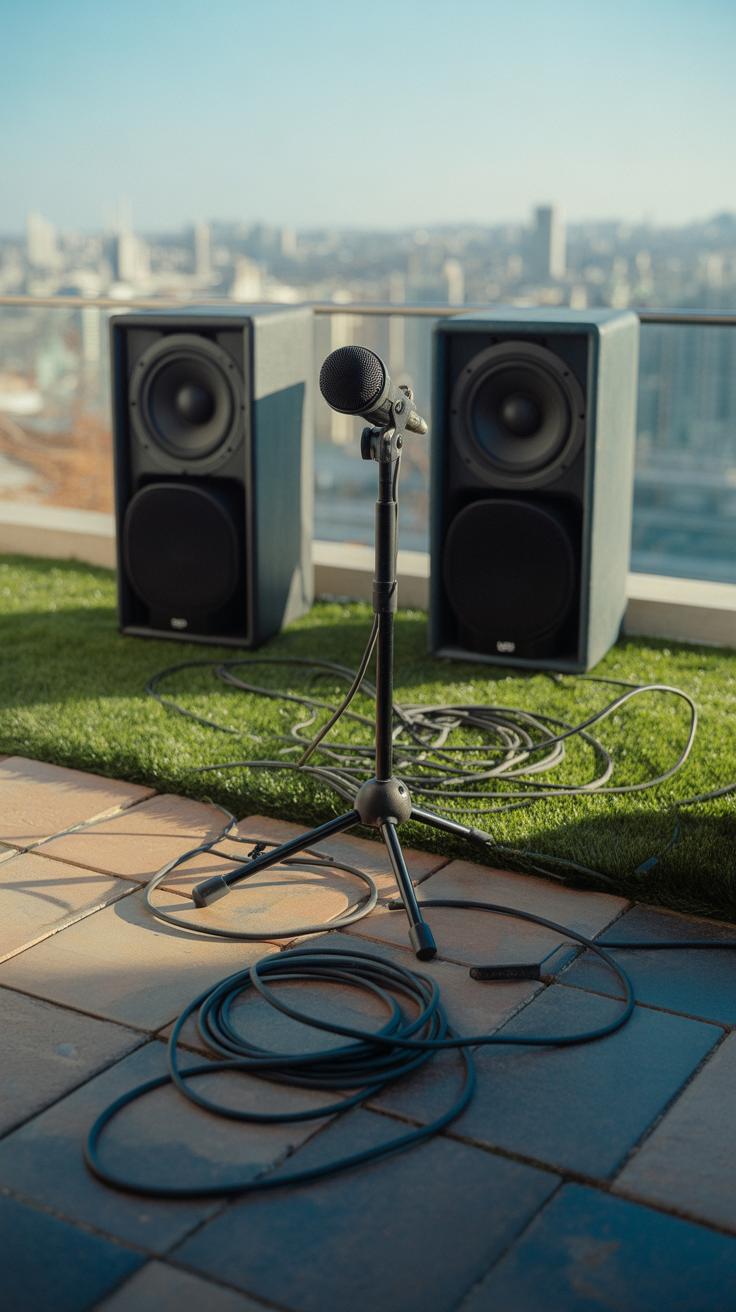
Getting your sound system ready before the party starts is something you really can’t skip. You might think a quick plug-in and play is fine, but trust me, glitches tend to show up when you least want them. Testing your audio equipment ahead of time lets you catch those annoying issues before guests arrive.
One common mistake is overlooking speaker placement. Sometimes speakers get crammed into tight corners or too close to walls, causing echoes or muffled sound. Other times, equipment isn’t checked at all, and suddenly there’s a hum, feedback, or the whole system refuses to work.
To avoid that, walk your setup area and listen carefully. Try these steps:
- Play a range of music tracks at different volumes to hear any distortion or imbalance.
- Move around the party space and notice if sound drops off or becomes unclear in certain spots.
- Adjust speaker angles to help cover the whole area evenly—don’t just point everything forward blindly.
- Check cables and connections more than once; sometimes loose plugs cause disappearing sound.
- Test any wireless mics or devices to spot interference early.
After a few rounds of testing and tweaks, you’ll probably feel more confident. Still, there’s no perfect formula. Sometimes what sounds great one day struggles the next if the wind picks up or people move things around. Testing is about reducing unknowns, not about guaranteeing flawless sound.
Prepare for Lighting at Night
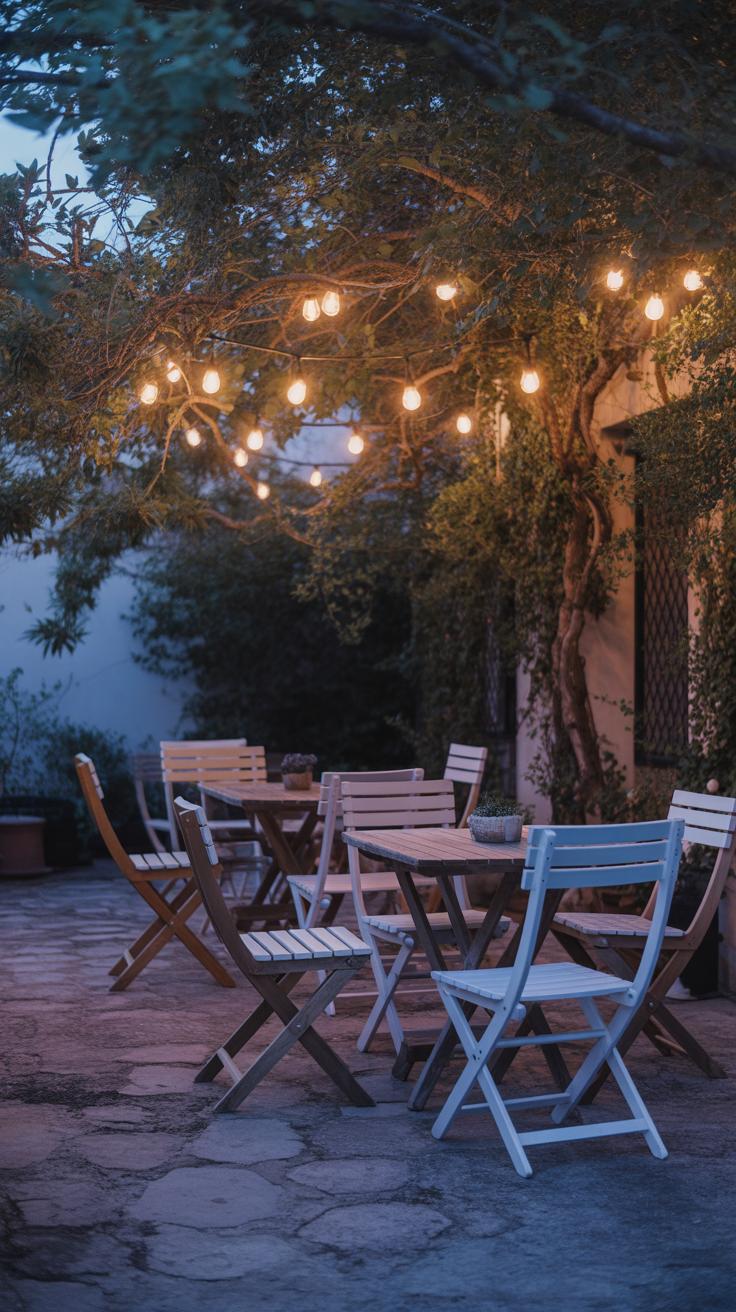
When daylight fades, outdoor party setups can quickly lose their appeal if you don’t think about lighting. It’s not just about ambiance—though that matters—but also about safety and comfort. Imagine a guest stepping into your garden after dusk. Without enough light, they’re likely to feel uneasy or, worse, risk tripping over unseen obstacles. Have you ever noticed how quickly dim spaces become disorienting? Even familiar yards can turn into hazards once darkness sets in.
Poor lighting invites accidents like trips or falls, especially around uneven ground or steps. A misplaced chair or a stray cable can become a serious problem. Guests might hesitate to move freely, which limits the relaxed vibe you’re aiming for. And you can guess that any outdoor activities planned for later in the evening could abruptly end.
Practical lighting options help. Think about placing path lights along walkways where guests walk the most. They outline routes and make navigation easier. Battery-operated lamps work well too, especially where sockets aren’t available. They add a gentle glow without cables tangling around feet. String lights, while popular, don’t always brighten pathways enough, so relying on them alone might be risky.
Could you also combine different types of light? Sometimes layering brightness levels solves more problems than just one big light source. Maybe a soft lantern on a table paired with brighter path lights nearby. It changes the mood without leaving areas in shadow. Lighting isn’t one-size-fits-all, so don’t hesitate to test setups before your guests arrive.
Clean Up Without Delay
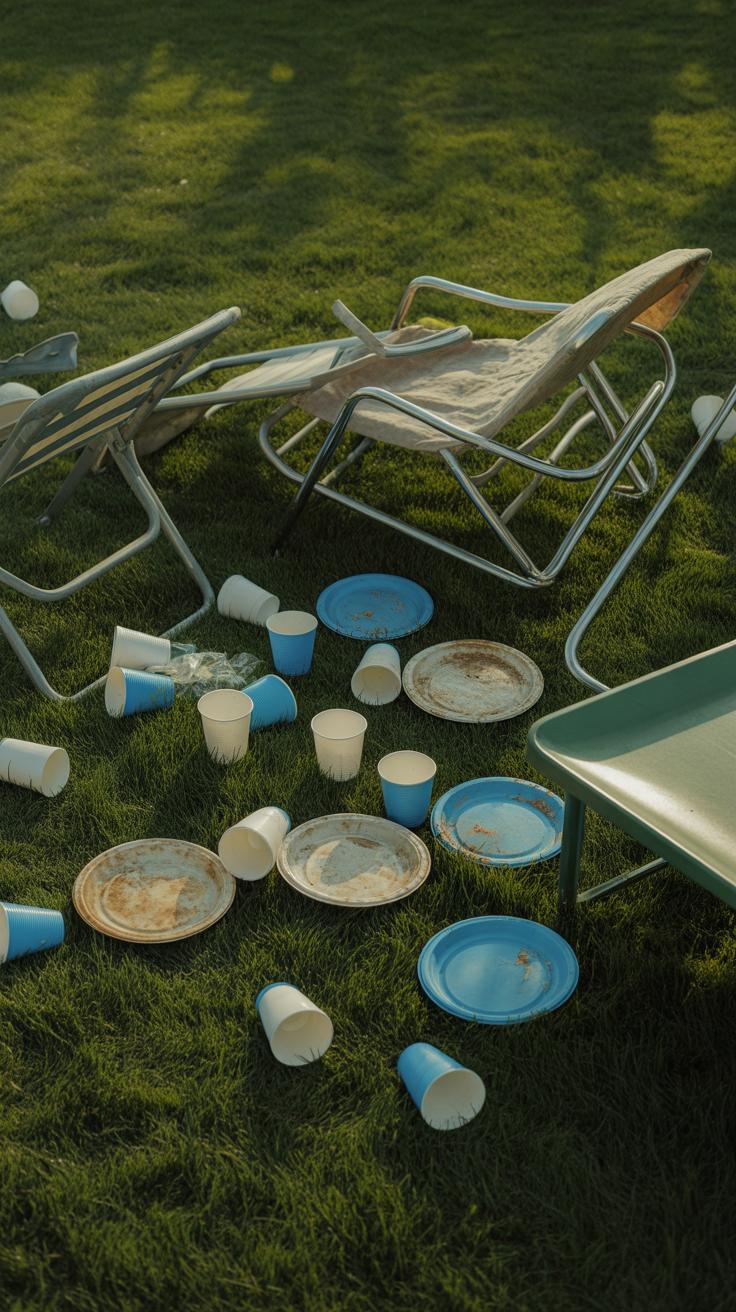
Planning cleanup ahead of time can change how your party ends—sometimes for the better. When you organize who does what and where trash goes, the wrapping up feels smoother, almost effortless. Guests notice when things wrap up neatly; it can even leave them with a better overall impression. You might think it’s a small detail, but it often matters more than you expect.
Cleanup Delays That Bother Guests
Slow or messy cleanup creates little annoyances that pile up quickly. Imagine guests navigating piles of leftover trash or squeezed in because exits get blocked by chairs or bins. It breaks the relaxed mood and can make people want to leave faster than planned. Nobody likes stepping over discarded plates or having conversations interrupted by waste being shuffled around.
Planning a Quick and Easy Cleanup
Setting up trash bins in clear, easy-to-reach spots helps a lot. You might want to scatter a few smaller bins rather than rely on one big one. And assigning tasks early—like who handles dishes or who packs up decorations—cuts down confusion later on. It doesn’t have to be a fixed plan; even a loose idea reduces last-minute chaos. Plus, when people chip in, the work feels less like a chore and more like wrapping up together.
Conclusions
Your outdoor party setup can make or break the entire event. Avoiding common errors keeps your guests comfortable and ensures everything runs well. Proper planning and attention to detail are your best tools.
Focus on clear layouts, protection from weather, sufficient seating, and ease of access. These key points help create a relaxed atmosphere where guests enjoy themselves. Use these tips to improve your next outdoor party setup.