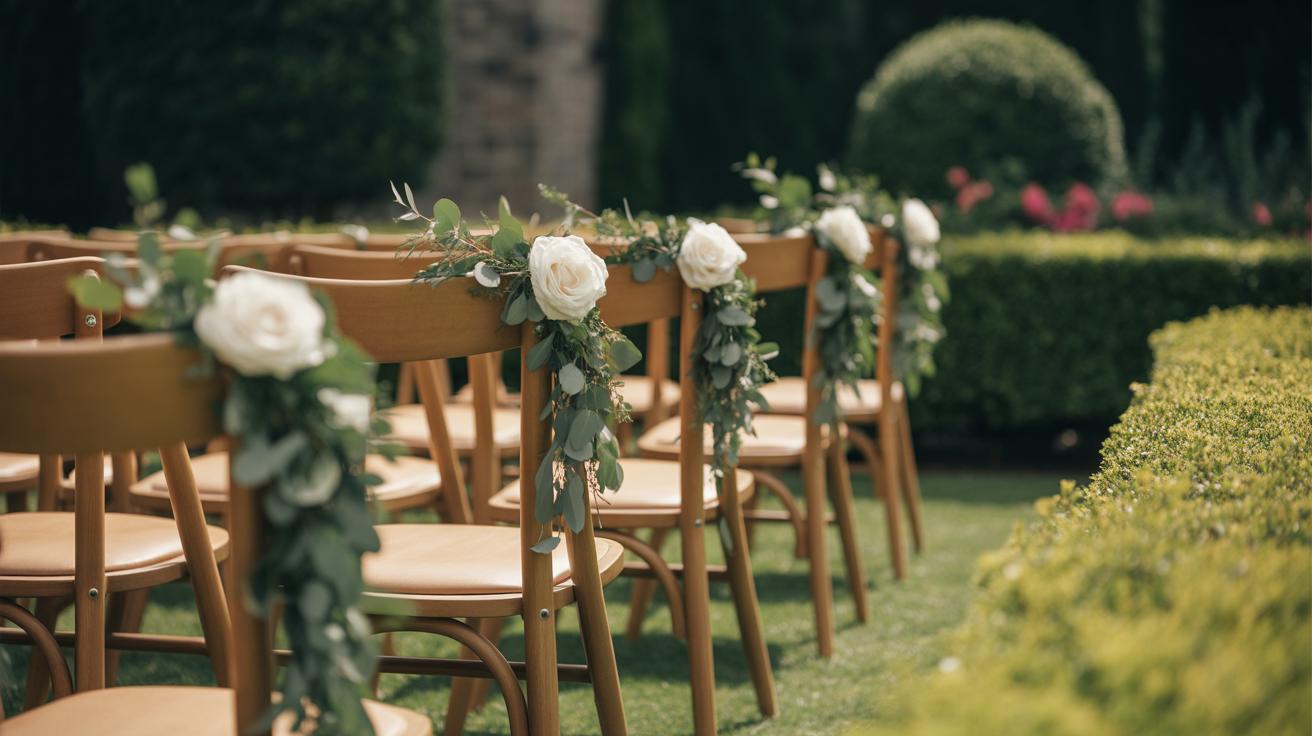
Budgeting for a Garden Theme Wedding
Planning a garden theme wedding is a charming choice that brings nature’s beauty to your special day. However, understanding the costs involved is essential to keep your budget in check. This article covers common expenses and budgeting tips for a garden theme wedding in 2024.
You will find detailed insights on major cost areas, from venue and decorations to catering and attire. The aim is to help you plan a garden wedding that fits your financial plans without compromising on the experience.
Selecting Your Garden Venue Costs
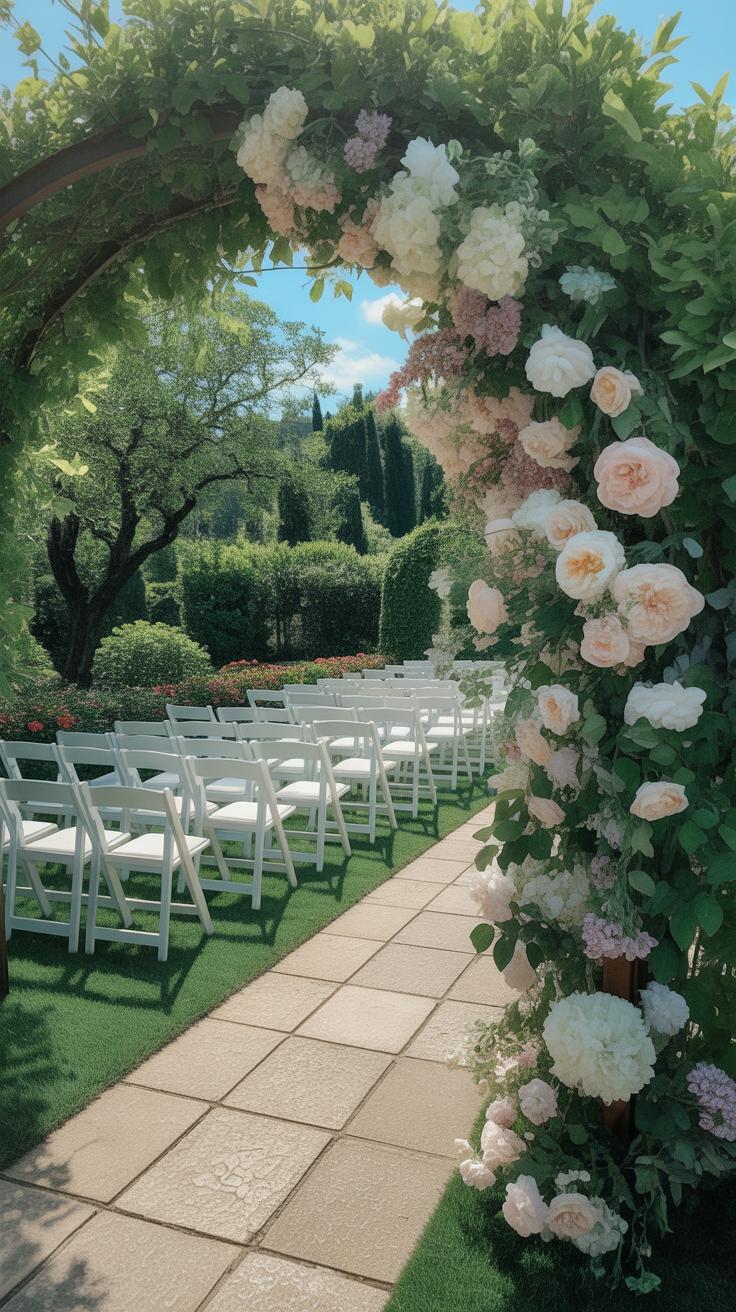
Choosing a garden venue for your wedding can feel like stepping into a dream, but the costs vary widely depending on a few key factors. Public parks usually come with lower reservation fees, sometimes just a few hundred dollars, but they often require permits, and you’ll probably need to rent your own seating and amenities. Botanical gardens, on the other hand, tend to be pricier—often several thousand dollars—because you’re paying for the curated beauty and professional upkeep. Private estates usually top the list in cost, with prices starting in the high thousands or more, but they often include more in the rental—like outdoor furniture, catering areas, and even bridal suites.
Reservation fees can peek surprisingly high, especially if you plan for peak wedding season. Permits might be required for everything from amplified sound to food service, depending on the venue’s rules. Because gardens differ in what they include, it really pays to ask what is part of the package: some venues offer basic tables and chairs, while others only provide the land itself. Missing this can throw off your budget unexpectedly.
Comparing Venue Options and Costs

Let’s break down some average costs you might expect, though these vary by location. Public parks often cost between $300 and $1,000 for a day, but you’ll need to plan for rentals on top. Botanical gardens can range from $2,000 to $6,000, and that usually covers staff support, basic setup, and sometimes even event planning. Private estates, depending on size and exclusivity, may ask for $5,000 to $15,000 or more, often including more luxury amenities.
Services typically included vary, so choose according to your priorities. Public parks give you flexibility, but less support. Botanical gardens offer scenic paths and professionally tended grounds along with rules to follow. Private estates often come with more privacy and control but might have stricter restrictions on vendors or timing.
Hidden Fees in Garden Venues
Watch out for costs that can creep up after you sign the contract. Cleaning fees are common, especially in high-traffic venues—expect anywhere from a few hundred to over a thousand dollars. Liability insurance might be required, either through the venue or something you arrange, adding another few hundred dollars. Overtime charges if your event runs late can be steep, sometimes doubling your hourly rate. You may also encounter charges for special accommodations like extra bathrooms or power sources.
These extras can add up, so think carefully about your total budget. Do you want a venue that handles setup and cleanup? Or one where you bring everything yourself? Each choice shifts where your money goes. It can be tempting to underestimate these details, but they often explain why some garden weddings end up costing more than expected.
Budgeting for Garden Wedding Decorations
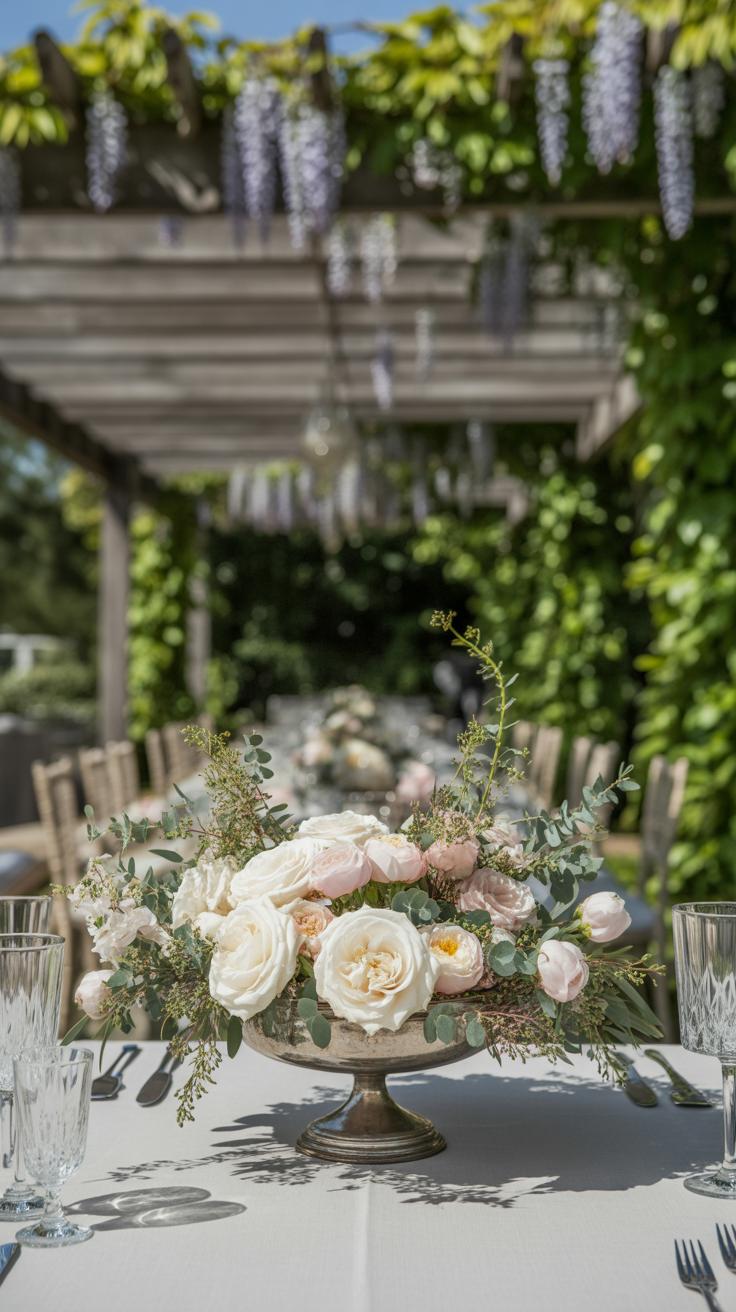

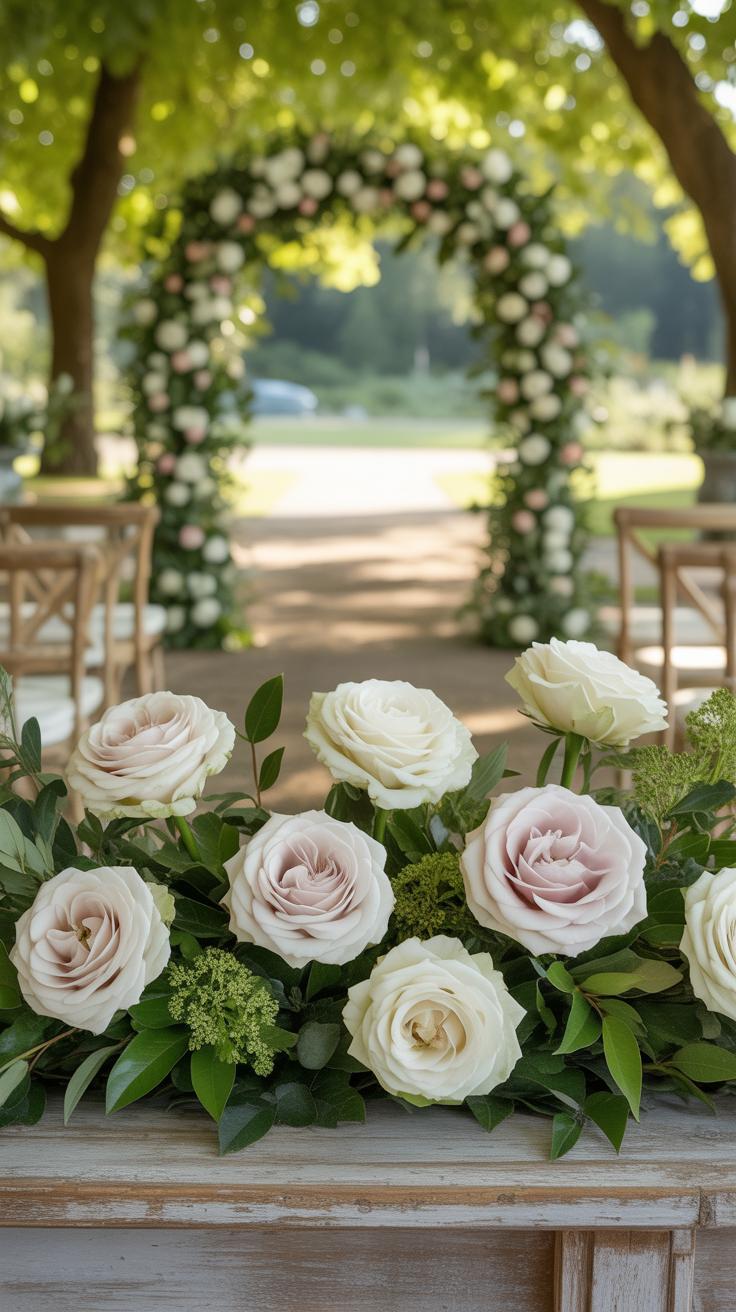
Garden weddings often rely on natural beauty, but you’ll still need extra touches to create that special atmosphere. Floral arrangements tend to be the first thing people think of—centerpieces, aisle markers, altar decorations—and these can get pricey fast. Light installations come next, with fairy lights, lanterns, or candles adding warmth as dusk falls. Then there’s furniture rental; think chairs, tables, maybe even a lounge area, which can take a noticeable chunk of your budget.
Start by prioritizing where guests will spend the most time—usually seating and dining areas. Allocate a bigger portion there, since comfort and style matter. Next, focus on focal points like the ceremony spot—simple but elegant florals and lighting can go far here. Furniture often offers more flexibility; renting basic items might be cheaper than fancy pieces, and you can dress them up yourself.
Choosing Cost-Effective Floral Arrangements
Many brides dream of peonies or garden roses but these tend to hit your wallet hard, especially out of season. Instead, look for seasonal blooms—daisies, sunflowers, or wildflowers often work beautifully in gardens and cost less. Sometimes greenery alone, with eucalyptus or ferns, creates an organic, lush feeling without needing too many flowers.
If you have the time and a creative streak, DIY arrangements can save money and add a personal touch. Simple mason jars or repurposed containers filled with handpicked local flowers can be charming and budget-friendly. Remember to test your design ideas well before the big day; flowers wilt, and you don’t want surprises.
Lighting and Ambiance on a Budget
Lighting can change the whole vibe, but elaborate systems are rarely necessary outdoors. Fairy lights strung through trees or around pergolas are affordable and give a subtle, twinkling effect that’s almost magical in the garden. Battery-operated candles can be scattered along paths or table settings, offering gentle illumination without wiring headaches.

Consider solar-powered options if your venue allows. They run off sunlight during the day and switch on automatically at night, saving on electricity or rental costs. Think about layering your lighting too—mix a few types to avoid dullness but don’t overdo it, or you risk losing that cozy, intimate feeling that makes garden weddings special.
Garden Wedding Catering Costs Breakdown
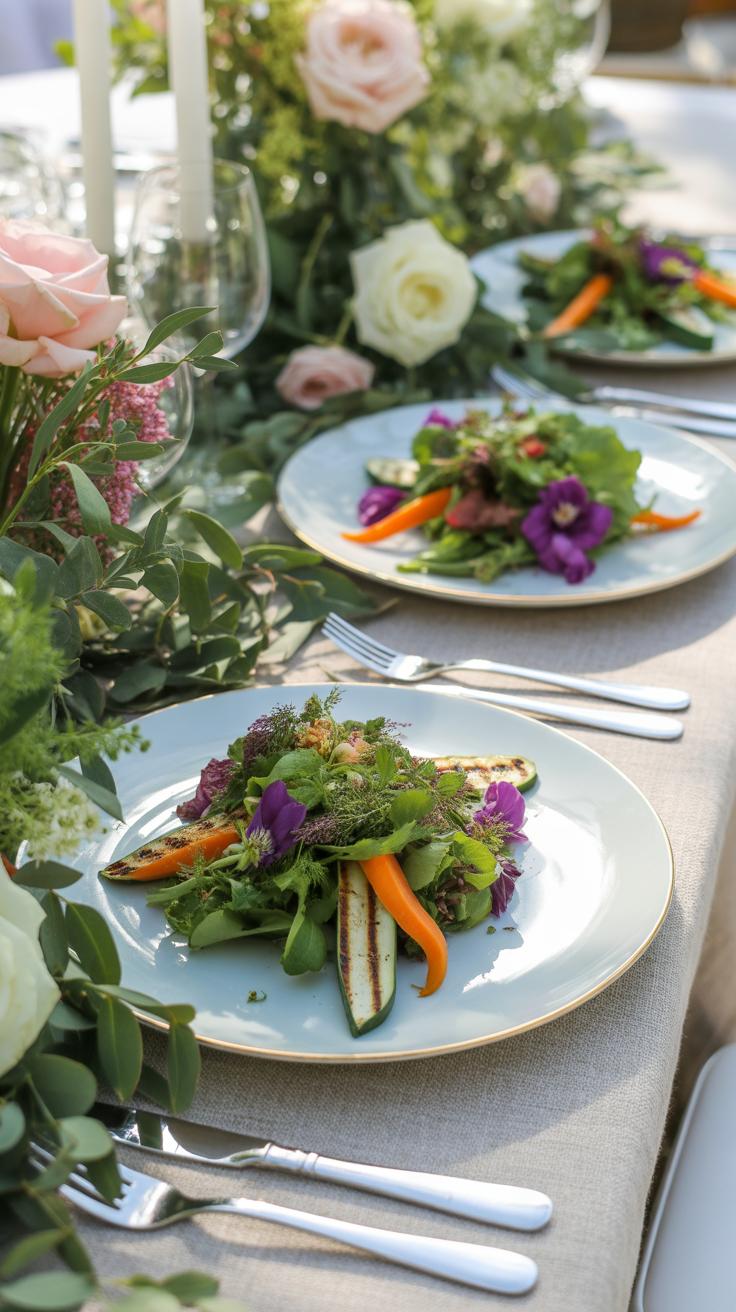
Catering for a garden wedding can vary quite a bit, depending on a few key factors. One of the biggest influences on your budget will be the style of meal you choose. Plated dinners tend to cost more since they require more staff and coordination. Buffets, on the other hand, can be more flexible and usually less expensive, especially with a larger guest list. Speaking of guests, the number you invite directly impacts your food and beverage costs. A small, intimate wedding might allow you to splurge a little on fancy ingredients. But with a crowd of 150 or more, those costs stack up quickly.
Seasonality can play a surprising role too. If you’re getting married in spring or early summer, local, fresh produce might be easier to get—and cheaper. But late fall or winter weddings might demand imported or greenhouse-grown items, which drive up prices. If you’re hoping for organic or specialty diets, like vegan or gluten-free, these choices can also add to the catering bill. You might think cutting down on complexity helps, but sometimes those special options mean ordering separate dishes, inflating expenses.
Foods Suited for Outdoor Garden Weddings
Serving food outdoors calls for some practical thinking. You want dishes that hold up well in the open air, without melting or wilting. Fresh salads with sturdy greens, grilled chicken or fish, and seasonal fruit platters usually fare pretty well. Finger foods like mini sandwiches or tartlets work nicely—they’re easy to eat without fancy plates or cutlery. Avoid heavy sauces that might be messy in the heat. Lighter desserts such as fruit tarts or sorbet tend to be crowd-pleasers and withstand warmer weather better than rich, chocolatey cakes.

Consider offering drinks that feel refreshing and complement the garden vibe: iced teas, lemonade, or sparkling water with fresh herbs. These fit the setting and are lighter on the budget than fancy cocktails, which require extra bartenders and ingredients. It’s tempting to dream about extravagant multi-course meals, but sometimes simpler, well-chosen selections make for a smoother day—and don’t underestimate how much easier it is when food matches the setting.
Reducing Catering Costs Wisely
There are smart ways to trim catering costs without sacrificing taste or style. One method is to limit your menu choices—offering two or three main options instead of a dozen saves on complexity and waste. You could focus on seasonal, local produce to reduce transportation and storage expenses. Local vendors often charge less and sometimes even provide tastings or samples, letting you test out dishes beforehand, which you won’t necessarily get from bigger caterers.
Another approach is to cut down on extras that add cost but not much value—elaborate centerpieces with food themes or multiple rounds of appetizers can quickly push up the bill. Sometimes, skipping a formal cocktail hour or serving fewer courses allows you to channel funds into better quality ingredients in the main meal. Also, consider buffet style or family-style tables if that feels appropriate; fewer servers mean fewer labor costs.
At the end of the day, you might find balance through a mix of thoughtful menu planning and local sourcing. The trick is not to strip everything back but to focus on what really matters to you—and what fits your garden setting best.
Attire Costs for Garden Weddings
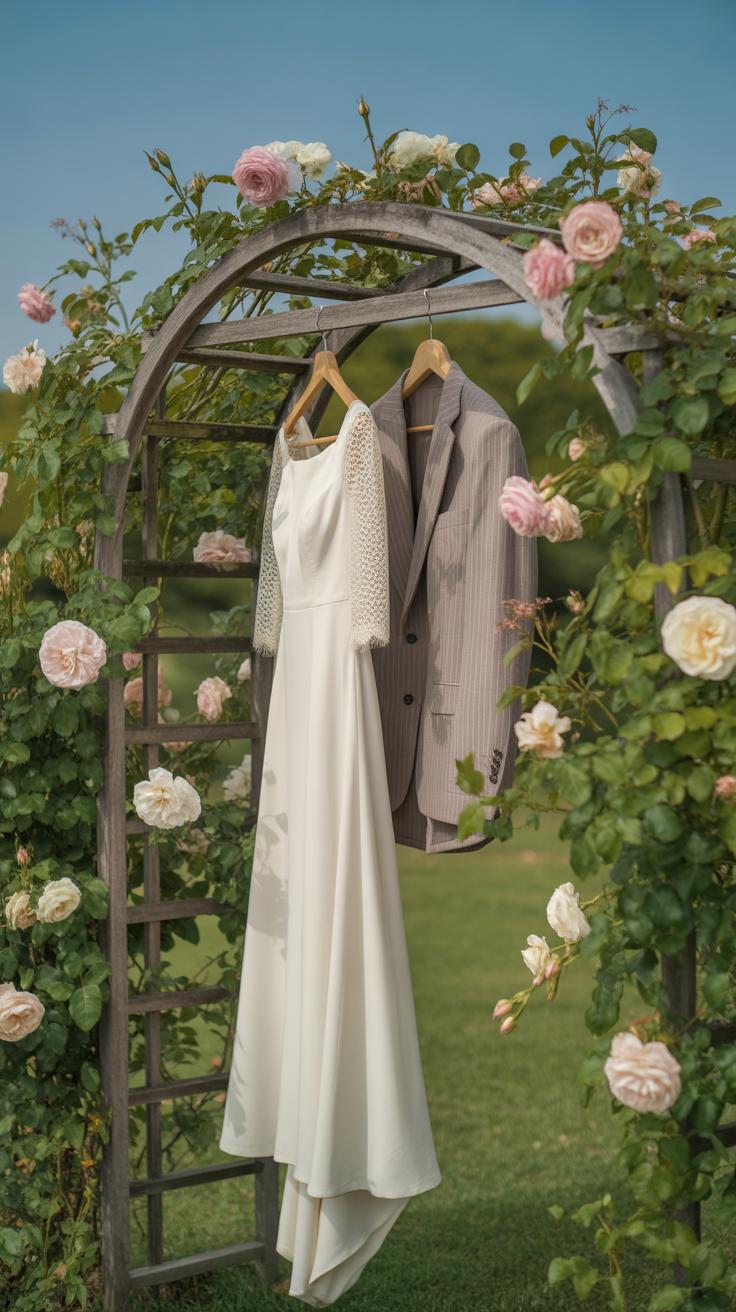

The typical price for a wedding dress suitable for a garden ceremony can vary quite a bit, often ranging from $1,000 to $3,000, depending on the designer and fabric. For grooms, attire usually costs between $300 and $900. Accessories add up too—think shoes, veils, floral hairpieces, or even boutonnières designed to blend with natural surroundings. What’s different about garden weddings is how your environment nudges you toward certain choices. Outdoor conditions mean you might want lighter fabrics or styles that allow air flow. No one wants to look elegant but feel like they’re melting in the sun or shivering when the evening turns cool.
Fabrics like chiffon, organza, or lightweight lace are favorites since they breathe easier than heavy satin or taffeta. Styles tend to be less formal but still polished—you’ll see shorter hems, cap sleeves, or open backs that make more sense outside than in a grand church. And if it’s rainy or muddy, you might rethink traditional white suede shoes for something sturdier.
Keeping your attire budget-friendly is doable if you consider alternatives. Renting gowns or suits is a smart way to save money, especially if you’re open to styles from previous seasons. Sales or trunk shows often feature dramatic discounts on dresses and tuxedos. Also, secondhand options are increasingly popular—you can find barely worn dresses or nearly new suits that work perfectly. Some couples even customize thrifted finds for a one-of-a-kind look without breaking the bank.
Entertainment and Music Expenses
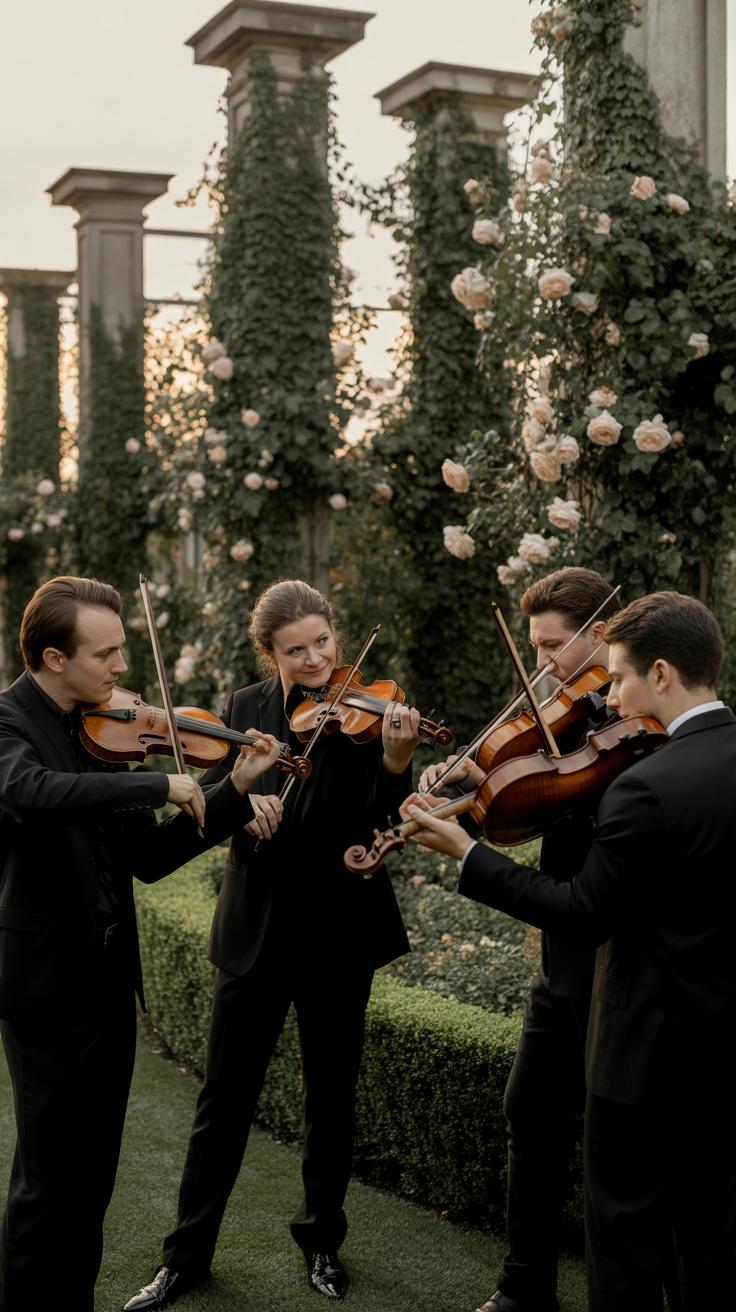
When planning a garden wedding, live entertainment often sets the mood, but it can eat up a decent chunk of your budget. Hiring a live band typically costs between $1,000 and $3,500, depending on the group’s size and reputation. DJs tend to be a bit cheaper, often ranging from $600 to $1,500. Of course, these prices vary with location and demand—you might find a great local band for less, or pay more for someone in high demand.

Don’t forget sound equipment. Renting speakers, microphones, and mixers usually adds $300 to $800 to your total. Garden settings can be tricky acoustically; you might need more equipment or technicians, which bumps up the cost.
Plus, many municipalities require permits for outdoor amplified music. Permit fees often range from $50 to $200, sometimes more if your wedding runs late or involves large crowds. It’s a step easy to overlook that could lead to fines or aborted events.
Booking Affordable Wedding Entertainment
You can definitely find entertainment without draining your budget. Start by exploring local music schools or community centers—students or emerging artists usually charge less but can be impressive. Sometimes, weekday or off-season bookings get you a discount.
Don’t be shy about negotiating. A simple ask about package deals, shorter sets, or combined services (like DJ plus emcee) might reduce costs. Also, ask for a playlist option if the band takes breaks, so you don’t lose energy.
Equipment and Permit Costs
Sound gear rental depends largely on the event size. A small garden ceremony might only need a portable speaker and a mic, while a larger reception requires everything from mixers to multiple speakers. Equipment rental can add unexpected costs if you need backups or technical support on site.

Permits, on the other hand, vary widely. Some parks or private gardens insist you have explicit permission for music; others only if it’s amplified above a certain decibel. Checking early with authorities can save both money and headaches. Sometimes, the venue itself handles permits, sometimes it falls to you.
Thinking about this early on makes a difference. I know someone who almost lost their outdoor party to missing a noise permit—not a fun surprise. It pays to ask around, double-check, and maybe even consider unplugged moments if permits get pricey.
Planning Your Garden Wedding Timeline
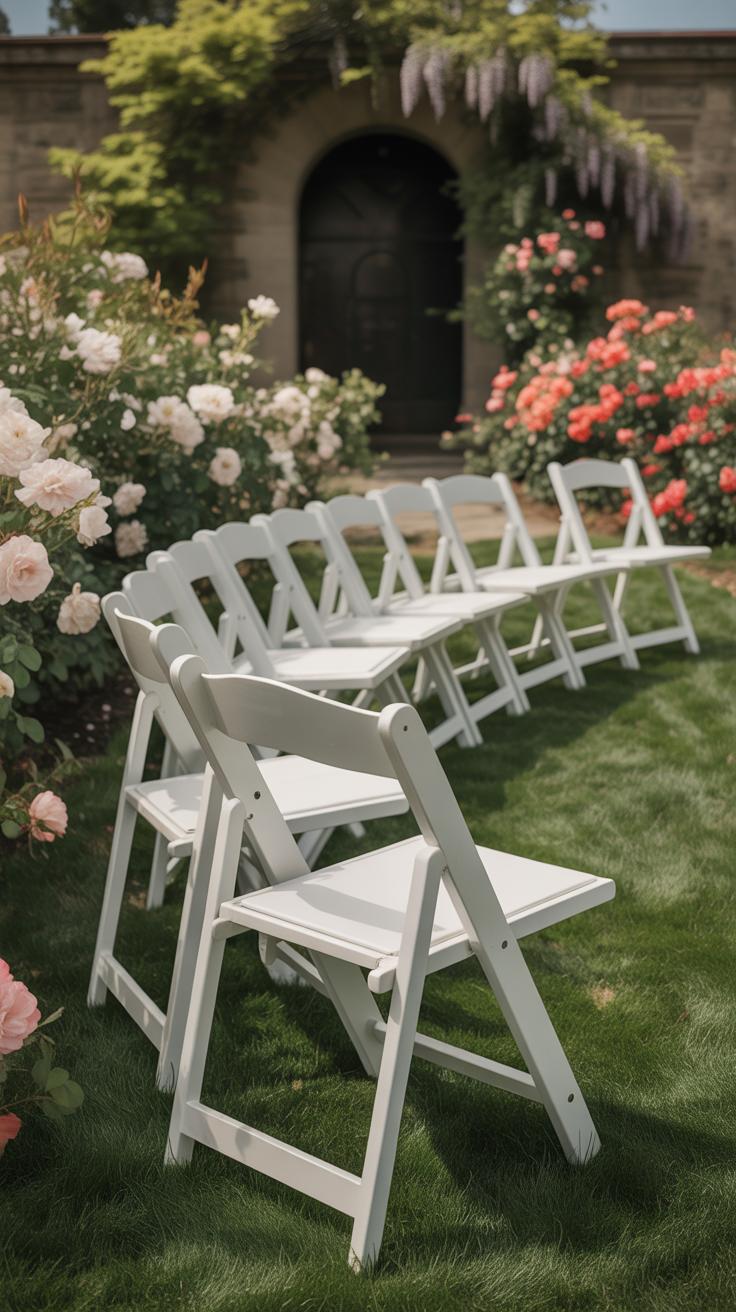
The timing of your garden wedding can dramatically influence your overall budget. For instance, choosing a weekday rather than a weekend often means significant savings. Venues and vendors sometimes offer lower rates on less popular days—think Thursday or even a Monday. That said, not every guest might find it easy to attend on those days, so there’s a trade-off between cost and convenience.
Seasonality plays a major role, too. Spring and early summer tend to be peak garden wedding months, but they also come with higher prices and limited availability. Late summer or early fall, surprisingly, can offer better weather with lower costs. Winter weddings in a garden setting might not be the norm, yet they can bring big discounts if your chosen venue can accommodate it with heated tents or indoor-outdoor options.

Booking early almost always gives you an edge, especially with garden venues where weekends fill up fast. Waiting until the last minute might seem tempting, but it rarely saves money. You could face sky-high prices or limited options. On the flip side, last-minute deals sometimes pop up if vendors need to fill gaps, but that’s more luck than strategy.
Best Times to Book for Savings
If saving money is one of your priorities, aim for off-peak months or days of the week. Late fall or early winter weddings, for example, often cost less because fewer couples compete for spots. Midweek ceremonies also tend to be less expensive and more flexible.
Booking your venue about a year in advance generally gives you the best chance to lock in a good rate. The more popular your venue, the sooner you’ll want to secure your date. But don’t forget to check cancellation policies. Flexibility can sometimes be worth a slightly higher price.
Try to avoid the busiest garden wedding months, like May and June, unless you’re prepared for higher costs and more competitive vendors. September can be a sweet spot—flowers still bloom, and prices begin to dip. Plus, you might find vendors eager to fill their calendars just before the holiday season.
Timeline Checklist for Garden Weddings
- 12+ months before: Choose your venue and book it early. Secure key vendors like caterers and photographers.
- 9-11 months out: Plan your guest list and send save-the-dates. Start shopping for attire.
- 6-8 months ahead: Finalize your floral arrangements and décor ideas with vendors. Consider seasonal flowers to control costs.
- 4-5 months before: Confirm menu and rentals. Book any additional entertainment or transportation.
- 2-3 months prior: Send invitations. Reconfirm all bookings and details with vendors.
- 1 month away: Do a final walk-through at your garden venue. Address any last-minute needs or adjustments.
- Week of the wedding: Coordinate with your team, prepare your budget for any unexpected expenses.
Following this schedule can help you keep an eye on costs without feeling rushed. It’s sometimes easy to get overwhelmed waiting until the last minute, and trust me, that’s when prices tend to jump unexpectedly.
Does your venue have a preferred time frame for setting up or tearing down? Knowing that early can save last-minute fees. In a garden setting, weather can be… unpredictable, so planning extra time might add to your costs but reduce stress. Balancing timing and budget is tricky, but careful planning makes it doable.
Common Cost Pitfalls in Garden Weddings

Garden weddings feel charming and intimate, but they often carry hidden expenses that catch couples off guard. You might think the biggest costs are flowers and decor, yet some less obvious things quietly inflate your budget.
Take weather, for example. Even a mild drizzle can quickly mean renting tents, heaters, or fans—items you might not have planned for initially. In one case, a friend had to rent several large tents just days before the wedding due to an unexpected forecast. It wasn’t cheap, and it wasn’t in their original budget.
Guest transportation can also sneak up on you. If the garden is a bit remote or tricky to locate, arranging shuttles or extra parking accommodations adds up fast. People don’t always think about how much it costs to get guests there and back comfortably.
Then there’s the question of installations—lighting, sound systems, restroom facilities—that might seem like minor details but can surge the total spend unexpectedly.
So how do you keep these surprises in check?
- Build a buffer: Add at least 10-15% to your budget specifically for unforeseen expenses.
- Prioritize essentials: Focus on must-haves first, then see what extras fit your remaining budget.
- Communicate often: Stay in close contact with your vendors about all potential needs, especially related to weather.
- Scout the venue carefully: Walk the space with a checklist looking for possible extras like power sources and parking spots.
- Consider off-peak timing: Sometimes choosing a less popular date can help you save and still get vendor flexibility.
You don’t have to be perfect at predicting every hiccup, but if you expect a little unpredictability, you’ll handle it better when it shows up.
Checklist for Garden Wedding Planning
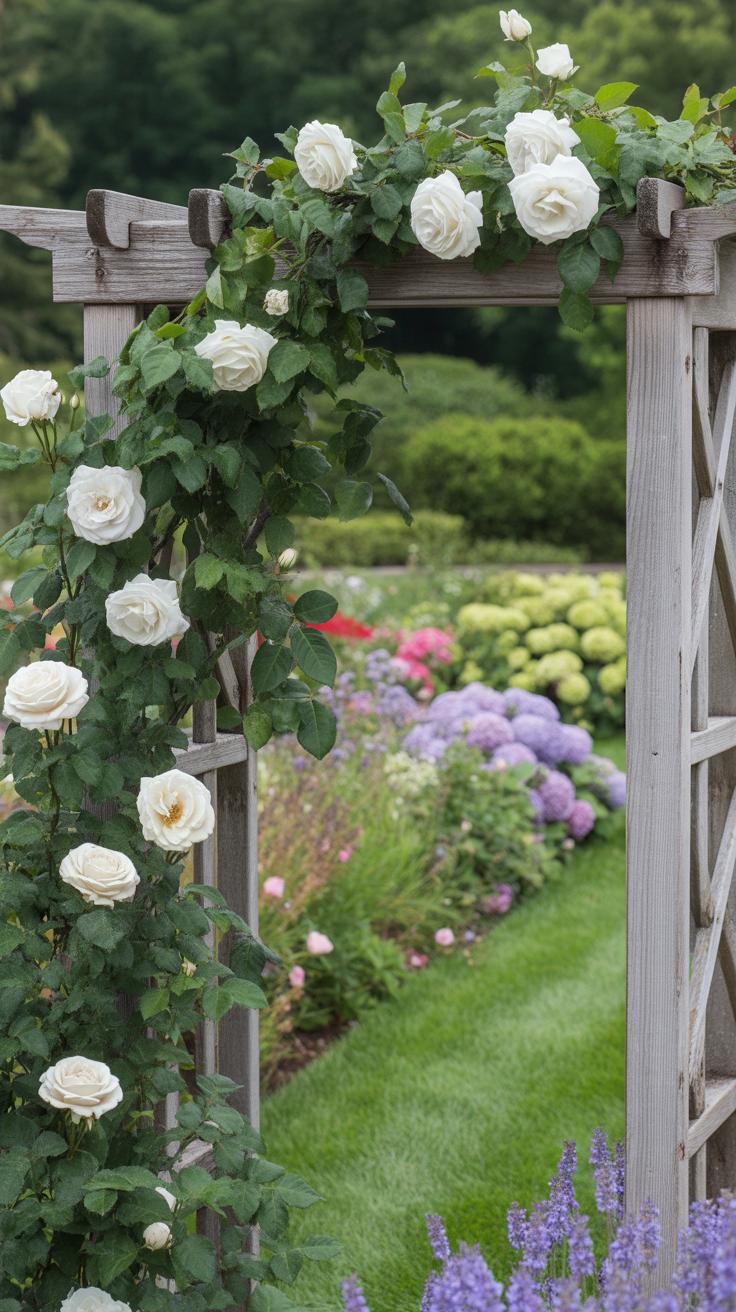
Starting with your initial budget is key. Before anything else, jot down every potential cost you can think of. From venue fees to tiny decoration details, try to be thorough. Maybe separate essential expenses from wish-list items—that way, if money gets tight, you know where to cut. Track your spending as you go, whether you use an app, spreadsheet, or even a notebook. Seeing numbers pile up can be eye-opening, sometimes frustrating, but it keeps things realistic.
Here’s a basic checklist to help you organize and budget your garden wedding:
- Venue booking and permits—outdoor spaces sometimes need special approvals.
- Floral arrangements for tables, aisle, and ceremony backdrop.
- Seating: chairs, any rentals for linens or cushions.
- Lighting—string lights, lanterns, or candles to extend the party into the evening.
- Catering and drinks, considering outdoor setup fees.
- Sound system or music arrangements.
- Weather plans—tent rentals or backup spaces.
- Decorations like signs, table numbers, and personal touches.
- Invitations and stationery tailored to the garden theme.
- Transportation and parking arrangements.
On the day itself, keep in mind the basics to avoid last-minute stress. Confirm suppliers arrive on time. Have someone in charge of coordinating vendors—maybe a trusted friend or a day-of coordinator, if your budget allows. Water for guests and the wedding party is often overlooked but really appreciated, especially under the sun. Keep a small emergency kit handy, with things like safety pins, stain remover wipes, and band-aids.
Does this checklist feel complete to you? Sometimes leaving a little wiggle room in your plan helps when unexpected things pop up—which they often do. It’s a bit of a balancing act, but having a solid list means you’re not scrambling trying to remember those little details last minute.
Example Garden Wedding Budgets
Small Wedding Budget Example
Imagine a quiet day with fewer than 50 guests gathered in a cozy garden. The budget might look something like this:
- Venue: $1,000 to $2,000, possibly a public garden or a friend’s backyard.
- Catering: Around $2,000 to $3,000 for light hors d’oeuvres or a buffet-style meal.
- Decorations: $500 to $800 to keep it simple but elegant—think fairy lights, fresh flowers, table settings.
- Attire & Photography: About $1,500 combined; maybe a smaller photographer package and modest outfits.
- Miscellaneous: $400 for permits, small rentals like chairs or portable restrooms if needed.
It’s flexible, really. You could spend less if you DIY some elements or more if you want something a bit fancier. The intimacy naturally limits some costs but allows for personal touches that larger weddings can’t.
Larger Wedding Budget Comparison
Now suppose you’re thinking bigger—100 guests or more in a garden setting. The costs jump, unsurprisingly, but so do the details you need to cover.
- Venue & Rentals: Closer to $5,000 to $8,000. Larger spaces often require tent rentals, seating, and additional setups.
- Catering: Easily $8,000 to $12,000 for full plated dinners or buffet options, drinks included.
- Decor & Lighting: $2,000 to $4,000 to create ambience that fills a larger area—think bigger floral arrangements and professional lighting.
- Entertainment & Extras: $1,000 to $3,000 for a DJ or live band and possibly extra activities like lawn games or photo booths.
- Staffing & Coordination: Around $1,500 to $2,500 to help manage 100+ guests smoothly.
Notice how some costs multiply or require new items entirely. You might wonder—does a large garden wedding lose some intimacy? Perhaps. But the scale lets you celebrate with a wider circle, blending natural beauty with more complex logistics. Does that balance matter to you? It’s a personal call.
Conclusions
Your garden theme wedding can be a stunning and memorable event with the right budget planning. Knowing the cost breakdown helps you allocate funds efficiently and avoid surprises. Focus on what matters most to you and your partner, such as flower arrangements or catering, to make the best use of your budget.
Remember to review your expenses regularly and make adjustments as needed. A clear budget plan for your garden wedding will guide your decisions and ensure your day is both beautiful and financially comfortable.