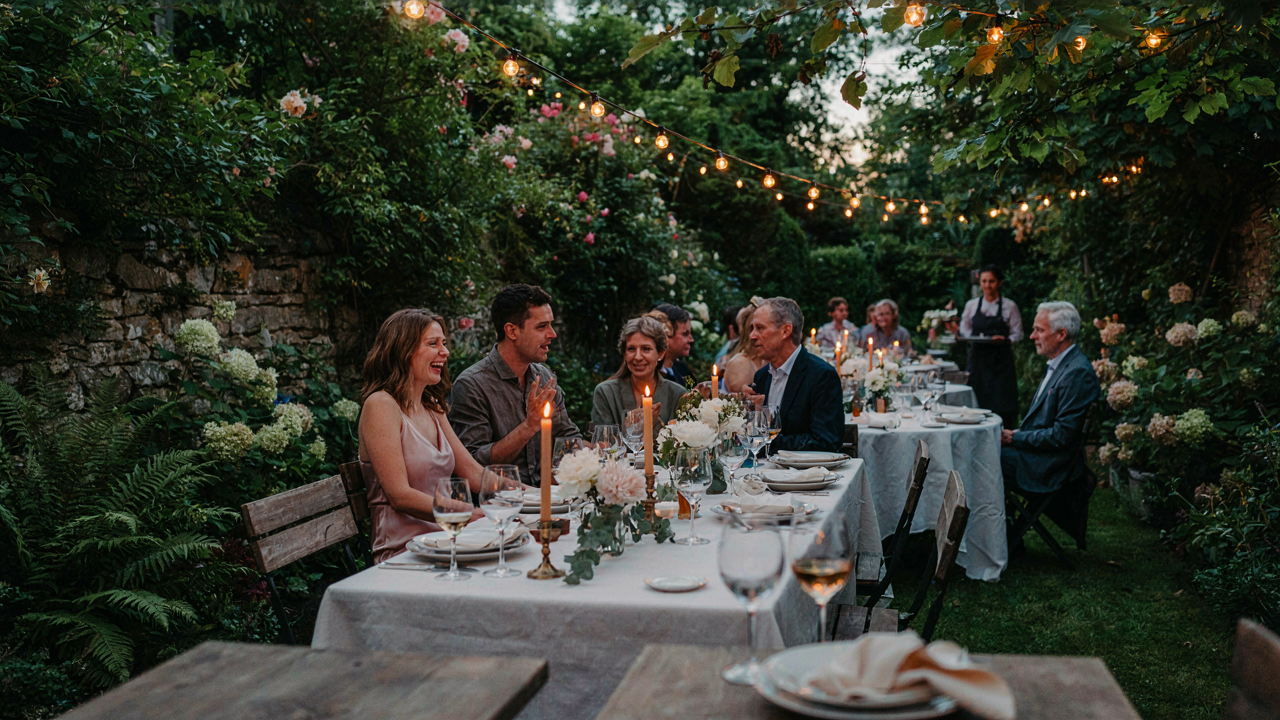
The Diminishing Returns Of Over Lighting Why More Is Less
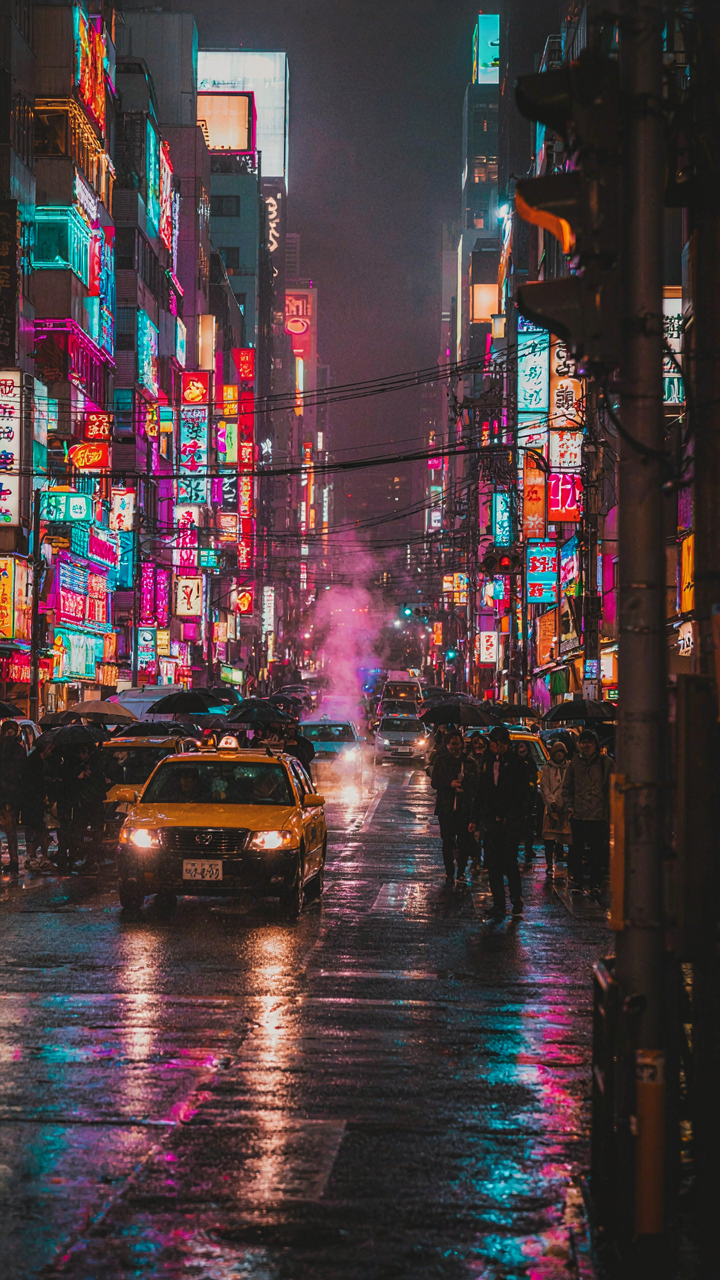
When More Light Becomes Visual Clutter
You want to look competent, so you assume more light means better results. It doesn’t. In visual design, this is signal-to-noise ratio from information theory: every light source competes for attention, and when everything glows, nothing stands out. Your eye has nowhere to rest. The brain defaults to confusion instead of comfort.
Most garden lighting advice skips this entirely. People install uplights, path lights, string lights, and accent lights all at once, then wonder why the space feels chaotic instead of inviting. Each fixture demands attention. No hierarchy exists. The eye bounces between competing focal points and lands on none. You’ve created visual noise, not ambiance.
The Mechanism Of Natural Darkness
Darkness isn’t a problem to solve with more fixtures. Darkness is the canvas. Without it, light has no contrast and loses its power entirely. A single well-placed light source against darkness creates drama and focus. Add ten more sources and you flatten the entire effect into generic brightness.
The standard advice is to “layer your lighting.” Partially true and dangerously incomplete. Layering only works when you understand subtraction first. Start with one light source. Verify it creates the mood you want. Only then consider a second. Most people reverse this and start with abundance, then fail to edit. The protocol: place lights one at a time, evaluate the full effect, and resist the urge to add more until you’ve exhausted the potential of fewer.
The Shadow Play Protocol: Engineering Depth With Darkness
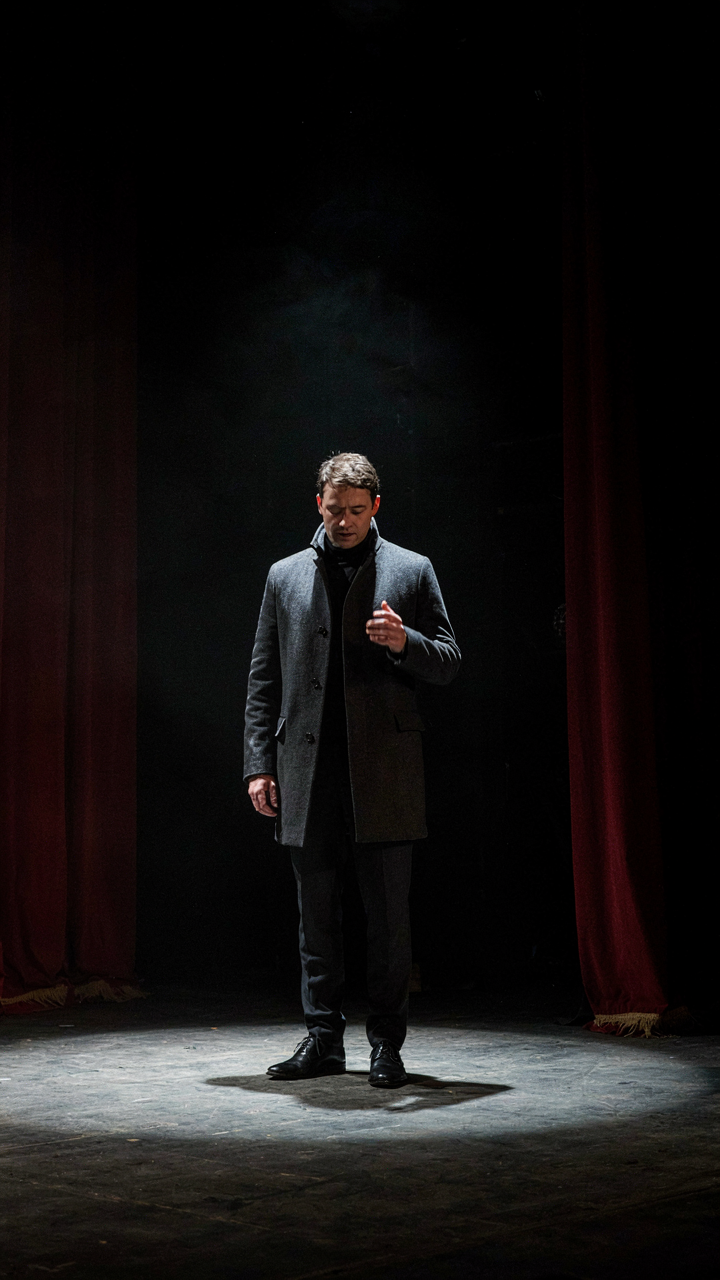
Sculpting With Light And Shadow

You want people to feel something they can’t name. That’s the real reason you care about this. Shadow design is borrowed from stage lighting—a discipline that uses contrast ratio, the mathematical relationship between illuminated and dark areas, to control where attention lands. Most garden lighting treats darkness as a problem to solve. It’s actually your primary material.
Contrast creates perceived depth. A lit tree against black sky appears three-dimensional and closer than it actually sits. Unlit areas behind lit features recede visually, stretching your garden’s apparent size. Place uplights on specimen plants while leaving surrounding ground dark. This compounds the effect: the lit plant dominates the visual field while darkness amplifies its presence. This is volumetric sculpting without moving earth.
Highlighting Key Garden Features
The standard advice is to light everything evenly. That’s how you flatten a garden and waste budget on redundant fixtures. Identify the three features worth seeing: a focal tree, a water element, or architectural structure. Light only these. All other surfaces stay dark or receive minimal accent lighting.
Isolation through darkness guides the eye like a spotlight on stage. When a single feature receives 70 percent of available light while surroundings receive 30 percent, viewers have no option but to engage with your priority. Position warm-toned fixtures low and behind features to create silhouettes and backlighting. This technique separates layers. The visitor experiences movement through space instead of standing in a uniformly lit box.
Beyond Fairy Lights: Strategic Sources For Outdoor Party Lighting
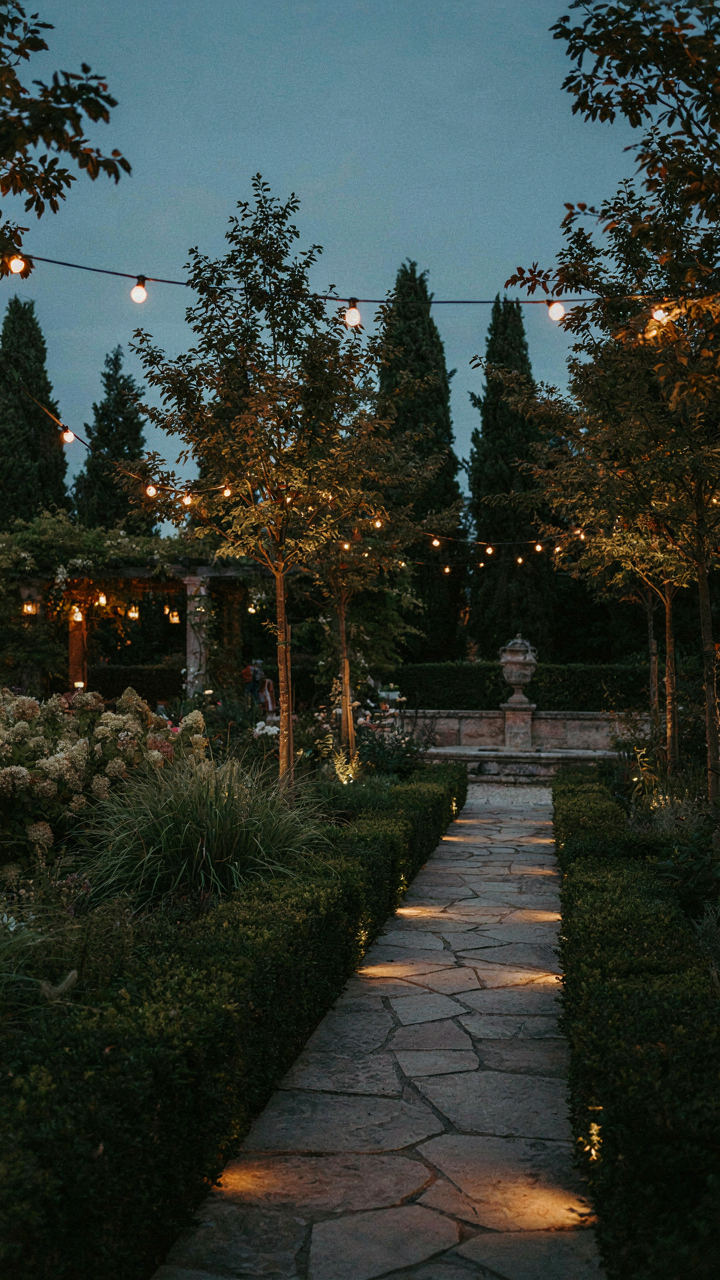
The Physics Of Uplighting And Direction
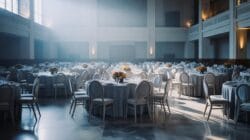
You want people to think your garden looks intentional. That’s the real reason you’re reading this section. The mechanism is simple: light direction controls perception. In physics, luminous intensity measures light output in a specific direction. Uplighting borrows this principle by concentrating beam angle upward rather than dispersing it everywhere, which creates hierarchy and forces the eye to follow a path you’ve designed.
Path lights work because they solve a practical problem first, then deliver aesthetic reward second. A 12-inch bollard light on a walkway does two jobs: it prevents guests from stumbling, and it creates visual rhythm leading them through your space. Spotlights on trees or architecture define zones without cluttering the ground. The mistake people make is treating these as decoration. They’re infrastructure that looks good when placed correctly.
Lanterns And Candles For Intentional Distance
The reason people obsess over candlelit moments is because candlelight creates scarcity. Most modern lighting is cheap and infinite. Candles are the opposite, which makes them read as deliberate. Glass or metal lanterns containing real flame accomplish two things simultaneously: they protect the flame from wind and they control light scatter by containing it. A candle inside a lantern produces softer, more diffused light than an exposed flame because the container redirects rays outward instead of letting them spray randomly.
Grouping lanterns at different heights on tables or suspended from structures multiplies their effect without requiring more fixtures. Three lanterns clustered at varying distances create visual depth and depth perception that a single bright source cannot match. The placement protocol is mechanical: put the tallest lantern in the back, stagger lower ones forward, and space them one to two feet apart. This forces light rays to bounce and overlap, creating the texture people mistake for magic.
The Engagement Garden Party’s Secret: Psychology Of Perception
How Light Groups Objects Into Meaning

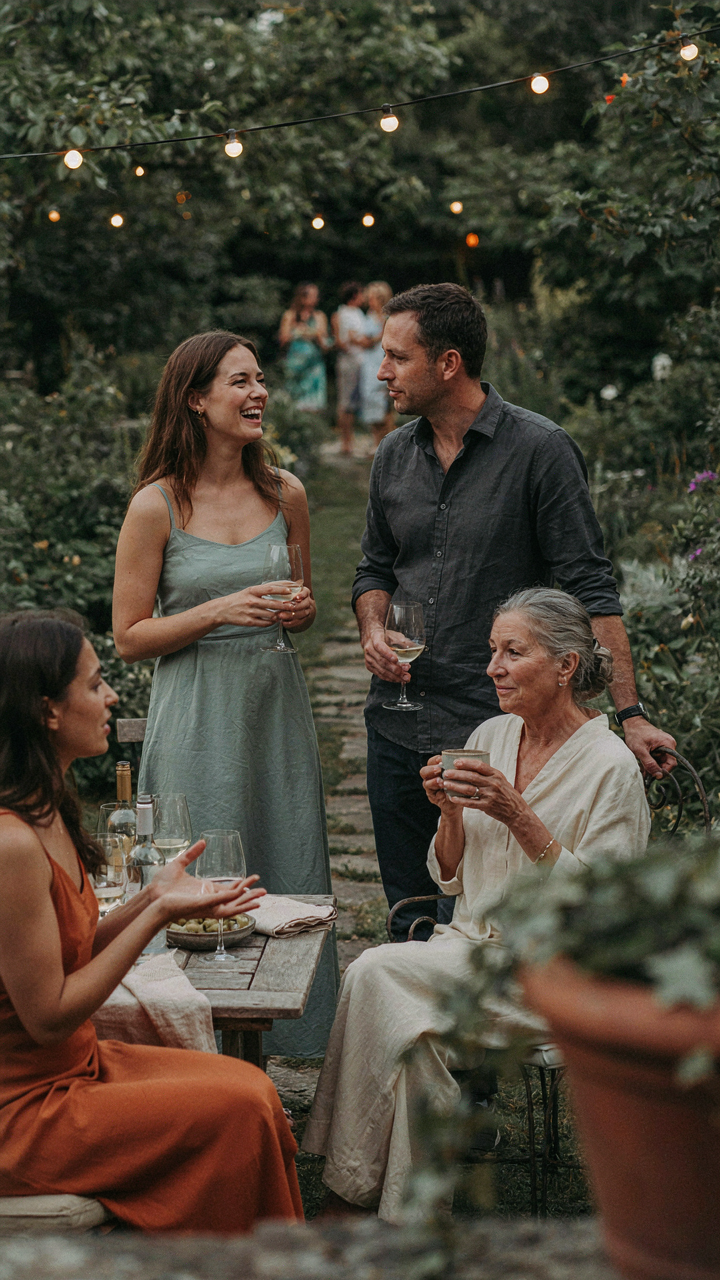
You want people to feel like they belong to something exclusive, and light is the tool that makes that happen. Gestalt psychology names this the principle of grouping: the eye organizes visual elements into unified wholes based on proximity, similarity, and continuity. In evening garden lighting, you’re not just placing fixtures randomly. You’re creating visual clusters that tell guests where the party actually is and who belongs in it.
When you concentrate warm light around seating areas and leave pathways dimmer, you create closure—the Gestalt term for how the eye completes incomplete patterns. Guests perceive distinct zones as intentional social spaces rather than scattered illumination. String lights in a tight grid above a lounge area feel cohesive. Scattered uplighting on random trees feels like decoration. The difference is grouping. Light proximity builds perceived boundaries without walls, fencing guests into conversation clusters that feel chosen rather than accidental.
Where Attention Actually Goes
Everyone says to light focal points, which is incomplete advice masking a control problem. Attention follows contrast and movement first, brightness second. Your job is not to highlight everything worth seeing but to eliminate visual competition so guests can’t look anywhere else.
Place a 60-watt warm-white path light directly on a sculpture or architectural feature, then turn off ambient lighting in that direction. The contrast ratio forces the eye there. Conversely, diffuse light across ten garden areas equally and you’ve created visual noise—guests’ eyes dart without landing, creating low-level cognitive fatigue. The mechanism: humans allocate attention based on signal-to-noise ratio, not absolute brightness. Lower the noise, not the signal. Install dimmers on all ambient lighting and set them 40 to 50 percent below accent lighting levels. This single protocol eliminates the most common garden party failure: guests retreating indoors because they can’t cognitively settle.
The “Less But Better” Method: Curating Your Backyard Party Aesthetic
Choosing Impactful Fixtures Over Many

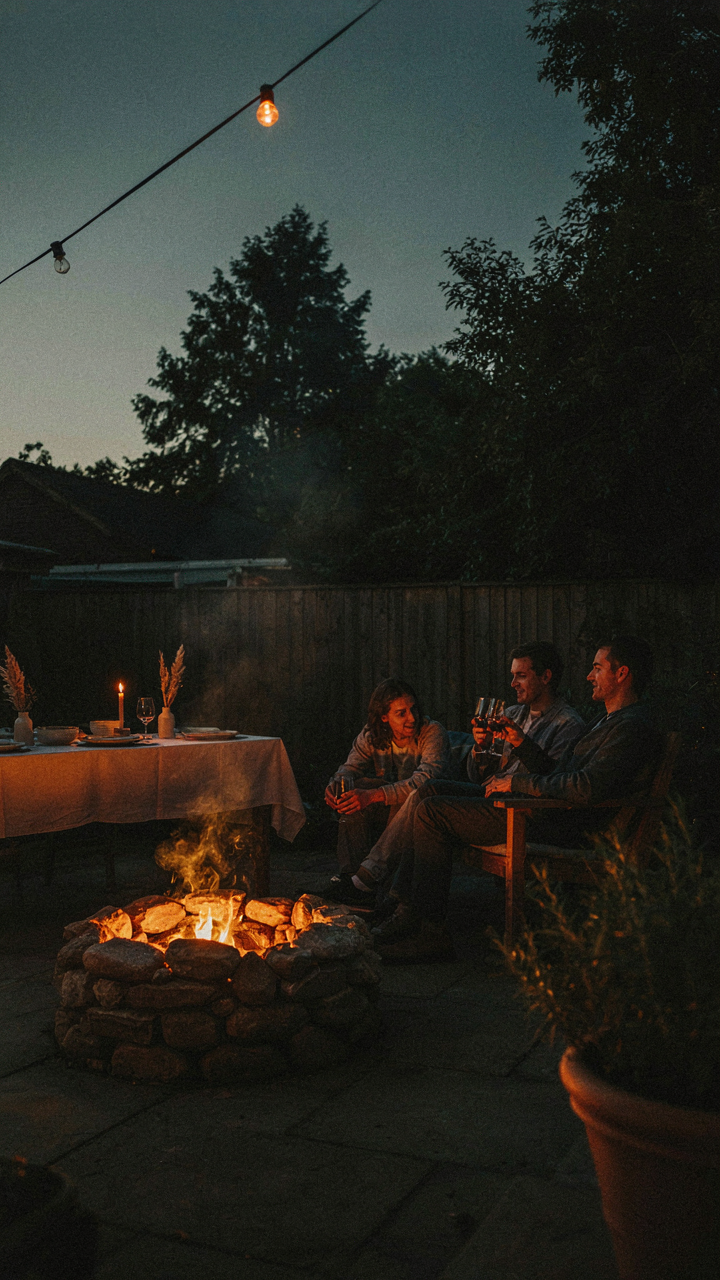
You want people to think you have taste, not just money. The mechanism is contrast. When everything glows, nothing registers. Borrow from graphic design’s principle of negative space: the dark areas around your lit zones make the lit zones feel intentional and expensive. One well-placed uplighter on a tree creates drama. Ten scattered string lights create confusion. Strategic placement beats saturation every single time.
The common advice says “layer your lighting.” That’s incomplete. You need layers, but the gaps between layers matter more than the layers themselves. A 15-foot dark zone between your deck lights and your pathway lights forces the eye to work. It creates depth. Use a site plan. Mark where light lands and where shadow lives. Delete fixtures that fill gaps. Keep only the ones that solve a specific visual problem or highlight architecture.
Budgeting For Quality Not Quantity
Most people reverse this. They buy 20 cheap solar stakes and wonder why the party feels flat. Real budget allocation means one 400-lumen directional fixture beats five 80-lumen scattered ones. Brightness concentration, not distribution, creates visual impact. In economics terms, this is diminishing returns: each additional cheap light adds less value than the last. Spend 60 percent of your budget on 40 percent of your fixtures.
Fixture lifespan and reliability also matter to your wallet over time. A quality LED fixture rated for outdoor use lasts 5 to 10 years of seasonal operation. Cheap solar lights degrade in two seasons. You replace them constantly, which erases any savings. Buy two good lights instead of six mediocre ones. Put them where guests actually move through space: entry points, seating clusters, walking paths. Start there. Add nothing else until you see what those two accomplish.
Formal Garden Party Decor: How Lighting Defines Elegance, Not Distracts From It
Light As Structural Element, Not Accessory

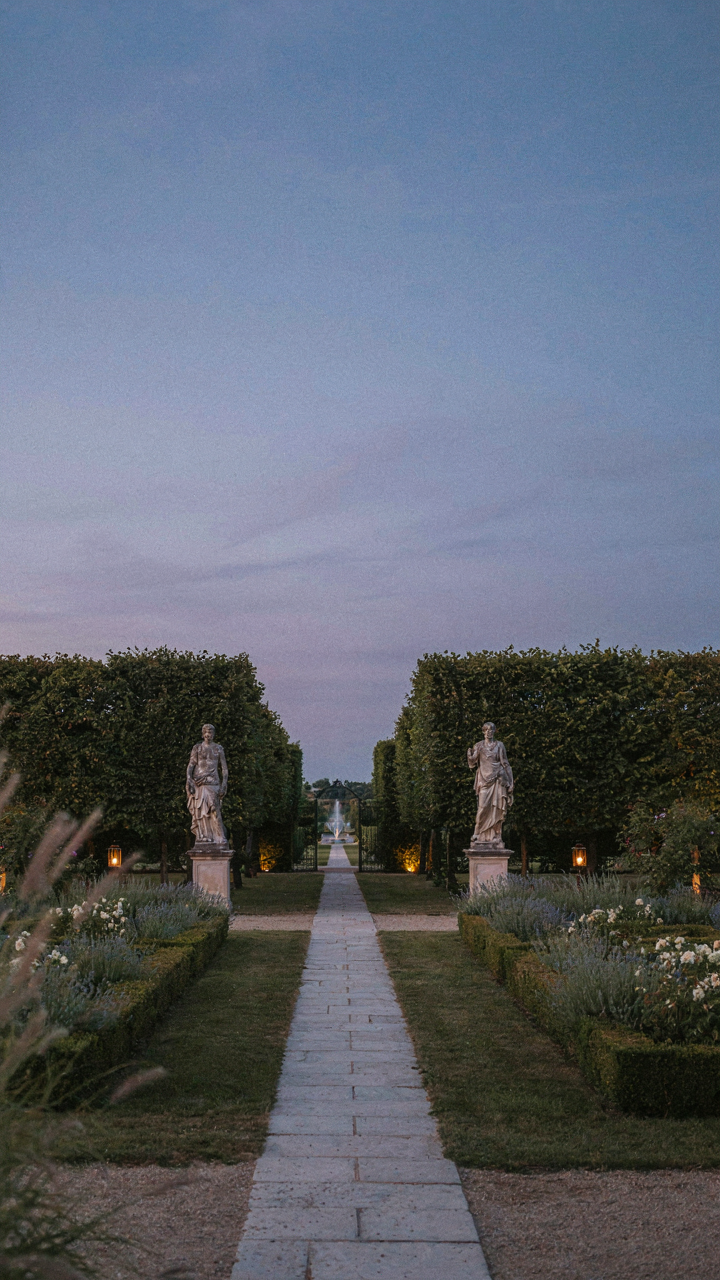
You want people to think the space is beautiful because of its bones, not because you threw money at it. Here’s the mechanism: formal garden design uses negative space as intentionally as it uses plantings. Light either respects that geometry or violates it. When you treat fixtures as decorative objects instead of tools that reveal structure, you scramble the visual hierarchy. The guest’s eye jumps to the light source instead of landing on the garden itself.
Structural lighting works backward from architecture. Place fixtures to accent existing sight lines, pathways, and focal points that already exist. A well-placed uplighter on a specimen tree becomes invisible to the viewer because it serves the tree’s form, not itself. A downlight above a pergola reinforces the pergola’s line. The fixture disappears. The garden reads as coherent.
Restraint Through Calculated Absence
Everyone overshoots this because they confuse visibility with beauty. You need enough light to move safely and see faces clearly. Anything beyond that threshold is visual noise. The formal garden party fails when lighting amplifies everything equally. Pools of brightness, competing colors, multiple fixture types, visible bulbs, and shadows that don’t belong all compete for attention and wreck elegance.
Choose one warm color temperature, one fixture type per zone, and position lights so they create intentional shadow patterns that mirror the garden’s structure. If your garden has defined beds and open lawn, light the beds and let the lawn breathe in relative darkness. This contrast reads as intentional design, not incomplete work. The mechanism is subtraction: remove every light that doesn’t serve a specific sight line or safety function.
Dream Wedding Decorations & Forest Wedding: The “Atmosphere First” Mandate
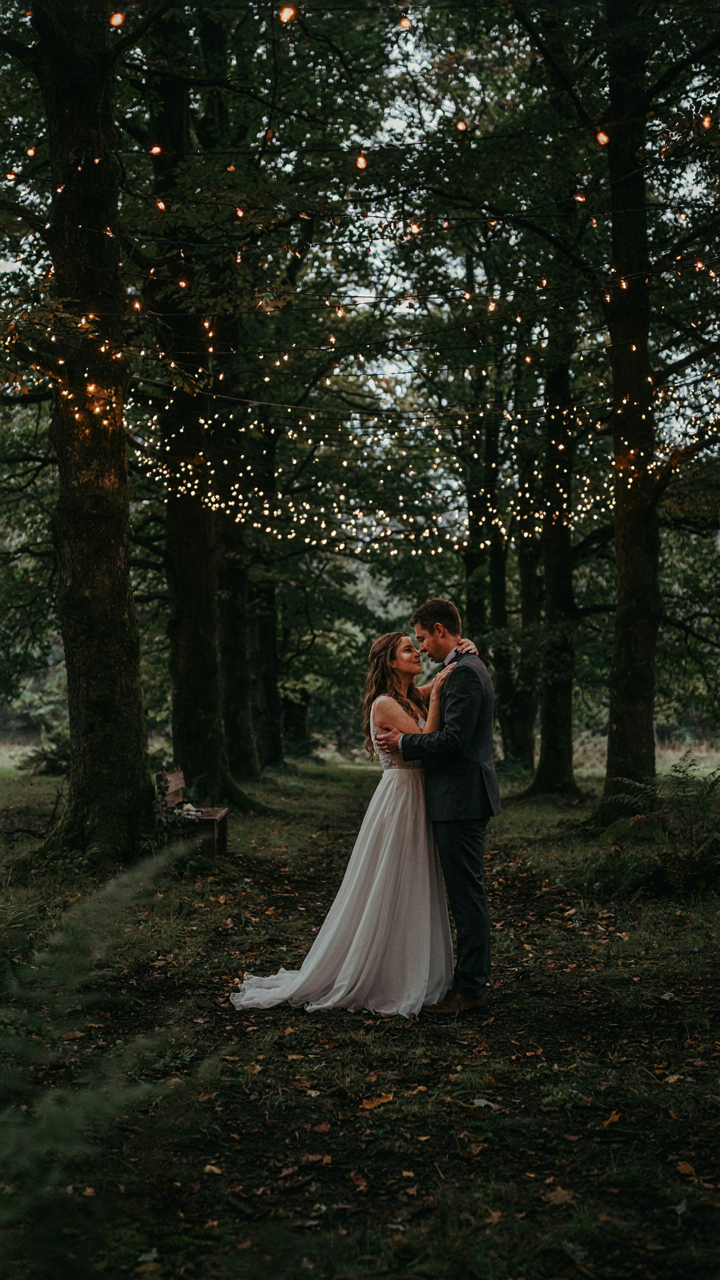
Brightness Takes A Back Seat To Intention

You want this night to feel exclusive and intentional, not like a parking lot. Here’s the mechanism: human perception of “magic” isn’t tied to lumens. It’s tied to contrast and direction. Your eye registers light as meaningful only when it creates shadow. Undirected brightness flattens space and kills mood instantly. Directed light reveals form, creates depth, and makes guests feel like they’ve entered a curated experience rather than a lit-up yard.
The common advice is to “add more light” or “ensure adequate visibility.” Wrong. Adequate visibility kills atmosphere. You need threshold lighting: enough to navigate safely, deployed in specific zones to guide movement while leaving most of the garden in controlled shadow. This forces guests to move through deliberate pools of light, which triggers the psychological effect of discovery. Cluster your illumination around seating, pathways, and focal points. Leave 60 to 70 percent of the garden darker than typical outdoor settings.
Natural Filters Build Depth Without Extra Fixtures
Landscape architecture borrowed the concept of “layering” from painting: foreground, middle ground, background. In evening garden party lighting, foliage and water become your optical filters. Trees and shrubs don’t just hide lights, they refract and diffuse beam spread, which eliminates harsh edges. A light source aimed at a tree canopy bounces scattered light across a wider area with softer falloff than direct emission.
Position uplighting behind dense plantings to create a glowing backdrop without direct sight lines to the fixture itself. Water features amplify this effect: light hitting water surface disperses in multiple directions, making a single 40-watt fixture perform like distributed sources. Stone walls, wooden pergolas, and climbing vines all break apart direct light beams. The mechanism is pure physics. Dense material interrupts the light path, forcing photons to scatter. Sparse direct lighting plus natural diffusion beats high-wattage direct output for creating genuine atmosphere.
Mariage Champetre & Backyard Decor: Practical Power For Immersive Nights
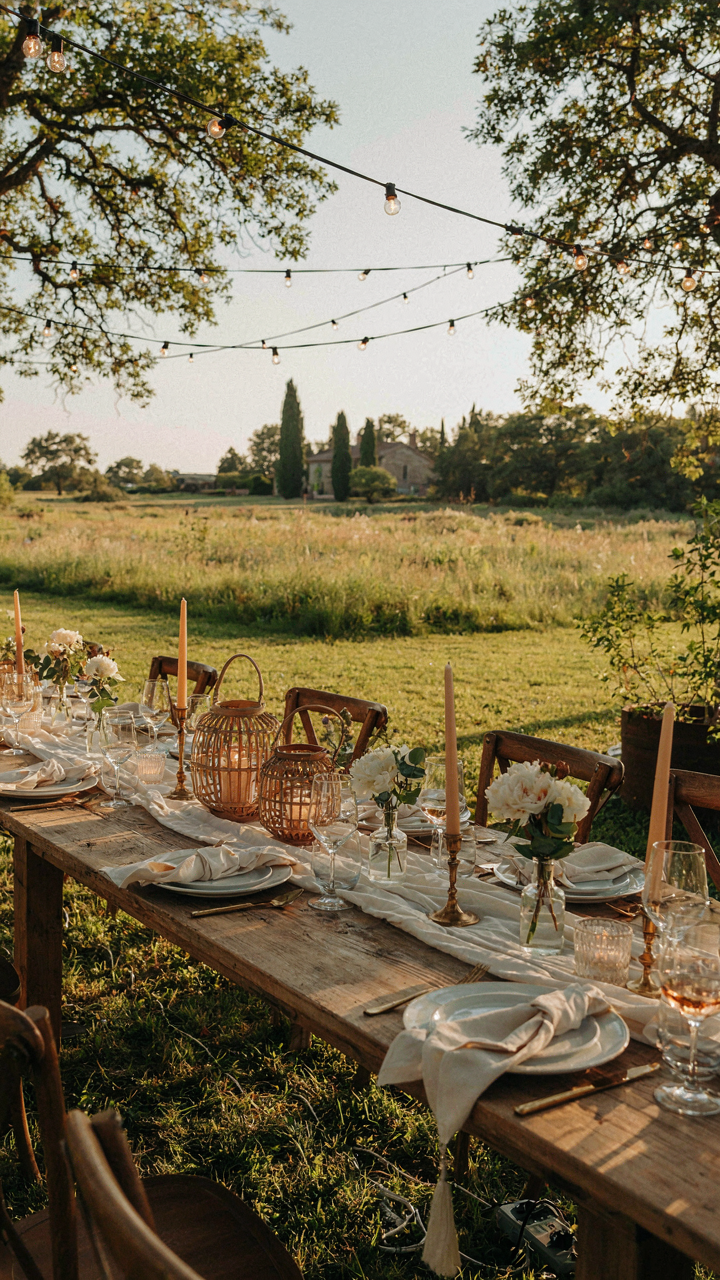
Solar Versus Wired: The Real Trade

You want solar because you think it’s simpler and cheaper. What you’re actually afraid of is the work. But the mechanism here is power delivery, and solar cannot compete with wired systems on one dimension that matters: consistency. Solar lights dim as batteries degrade and clouds roll through. Wired systems maintain output all night because they draw from your home’s electrical supply. For a party that runs past sunset and into real darkness, this gap compounds.
Wired systems demand infrastructure you must plan before the party. You run outdoor-rated cable through conduit, install weatherproof outlets, or hire an electrician to add a circuit. This costs money upfront and time for installation. Solar avoids that friction, which is why it dominates retail garden lighting. But solar’s advantage is temporary: after three seasons, battery capacity drops twenty to forty percent. Wired systems work identically in year one and year ten. Choose wired if the garden is permanent. Choose solar only if you move or redesign frequently.
Placement For Safety And Effect
Safety first means pedestrians see where they walk. Effect means guests feel drawn through the space. These aren’t opposed, but they require different fixture positions. Place path lights low and close to ground level to mark transitions without blinding anyone approaching. String lights or overhead fixtures work better for ambiance because they illuminate from above rather than in the sightline. The hierarchy matters: ground-level safety fixtures come first, then overhead or accent lighting layers on top.
- Pathway edges: Position lights every four to six feet along transitions, walkways, and steps to eliminate trip hazards without creating glare or harsh shadows.
- Focal point illumination: Highlight architectural features, trees, or garden sculptures with uplighting or sidelighting from a distance to create depth and draw movement through the space.
- Overhead stringing: Run cables between structures or trees at seven to nine feet high to spread even light across seating areas without casting shadows directly onto faces.
- Stair and deck edges: Use recessed or low-profile fixtures along vertical transitions to prevent missteps while keeping light diffuse and controlled.
- Perimeter markers: Place warm-toned fixtures at property edges or dark zones to contain the lit area and prevent guests from wandering into unlit terrain.
Spacing determines whether fixtures feel like intentional design or scattered afterthoughts. Cluster lights too densely and you create pools of brightness separated by shadow. Space them too far and gaps become safety risks. Test placement during actual evening light, not daylight, because perception shifts completely once the sun sets. Adjust fixture height and angle until both problems vanish: no one stumbles, and no one squints.
The Real Obstacle Isn’t The Light You Lack, But The Courage To Embrace The Dark
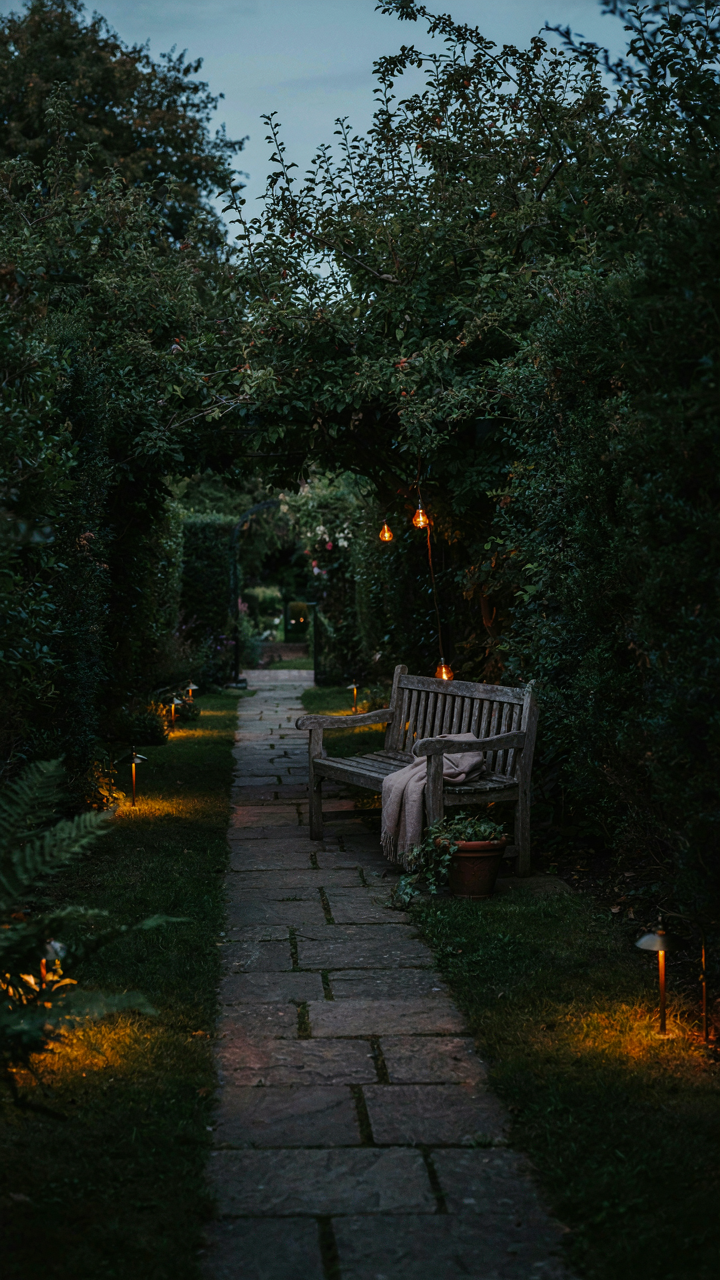

Most people kill their garden parties by over-lighting everything. They’re terrified of shadows. But shadows are where magic lives. The shift that matters isn’t buying better fixtures. It’s accepting that mystery beats visibility every single time. Today, turn off half your lights and watch what happens. Your guests won’t miss what they can’t see clearly. They’ll feel what they can’t quite see at all. Darkness isn’t a problem to solve. It’s the canvas you’ve been searching for.