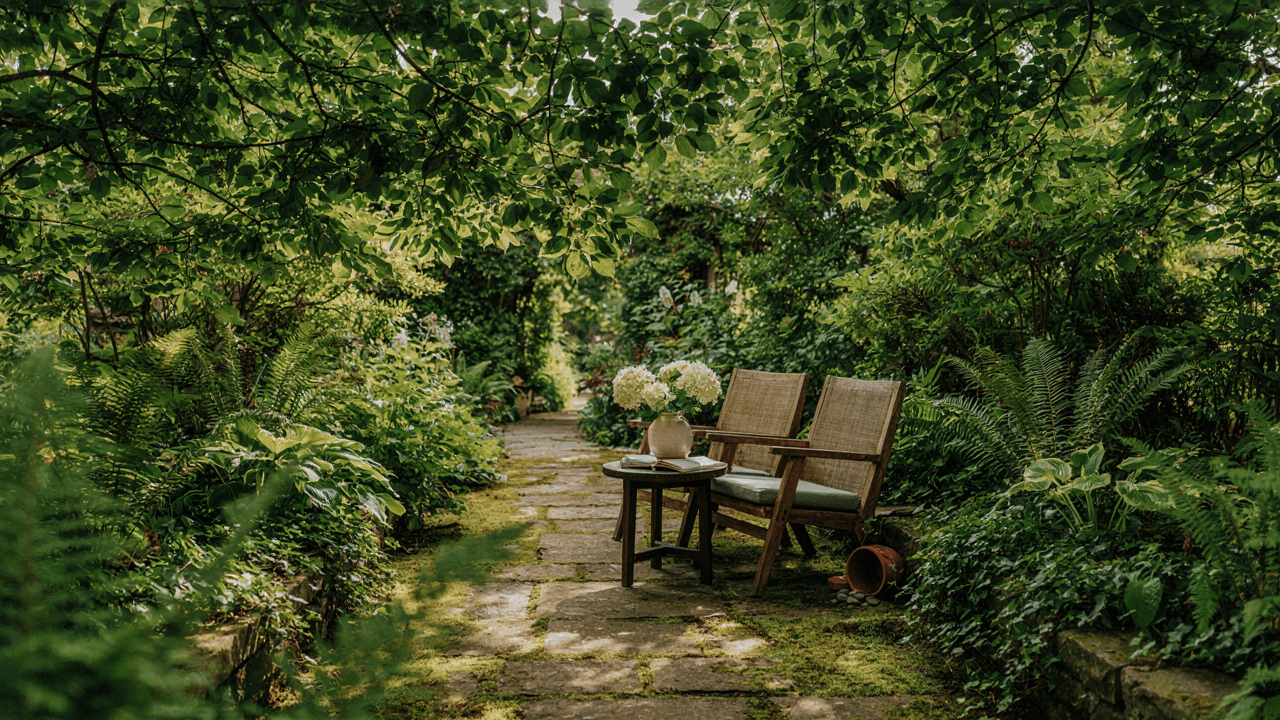
The Unseen Cost Of “Shady Backyard Ideas”

Why Most Shade Solutions Fail Before You Build
You want a shady garden retreat because you’re tired of sweating through afternoon hours and pretending your backyard is usable. But here’s what nobody says: most people chase shade as a design problem when it’s actually a thermodynamic one. You can’t fight heat with aesthetics. Slapping a pergola over a patio doesn’t cool the air. It only blocks direct radiation. The mechanism is simple: surface temperature and air temperature are different variables. Most guides treat them as one.
The real failure happens because people design for shade without measuring microclimate first. You pick a spot, add structure, and hope. You never ask whether that spot holds heat all day, traps humidity, or sits in dead air. A shady garden retreat that feels hotter than the sun is just expensive regret. Before you commit to any structure or planting scheme, spend three afternoons at different times noting where air actually moves, where the ground stays cool, and where heat pools. That data determines whether your retreat works or becomes another unused corner.
The Compounding Return Of Choosing Position Over Structure
Economics applies directly to shade strategy: opportunity cost. Plant a tree in the wrong spot and you’ve locked capital into a 10-year investment that delivers zero return. Build a pergola on south-facing concrete and you’re paying to sit on a radiator. The actual ROI of a shady garden retreat comes from understanding which direction sun travels and how your site’s existing mass absorbs and releases heat. East-facing walls warm quickly in morning and cool by afternoon. West-facing walls trap heat all day. North-facing positions stay consistently cool but receive no direct sun. Most people ignore this entirely and wonder why their retreat feels worse at 4 PM than 2 PM.
The mechanism that separates a real retreat from wasted money is thermal lag. Hardscape holds temperature long after sun moves. Trees create shade but also humidity traps. Water features cool through evaporation only if air can move across them. Position your retreat where afternoon air naturally flows and where ground mass doesn’t dominate, then add shade. That sequence determines actual usability. Start by locating where existing shade already falls at your target times, then build outward from there. Never build shade over a bad spot and expect results.
Beyond Shade Garden Retreat: The Biomimicry Blueprint
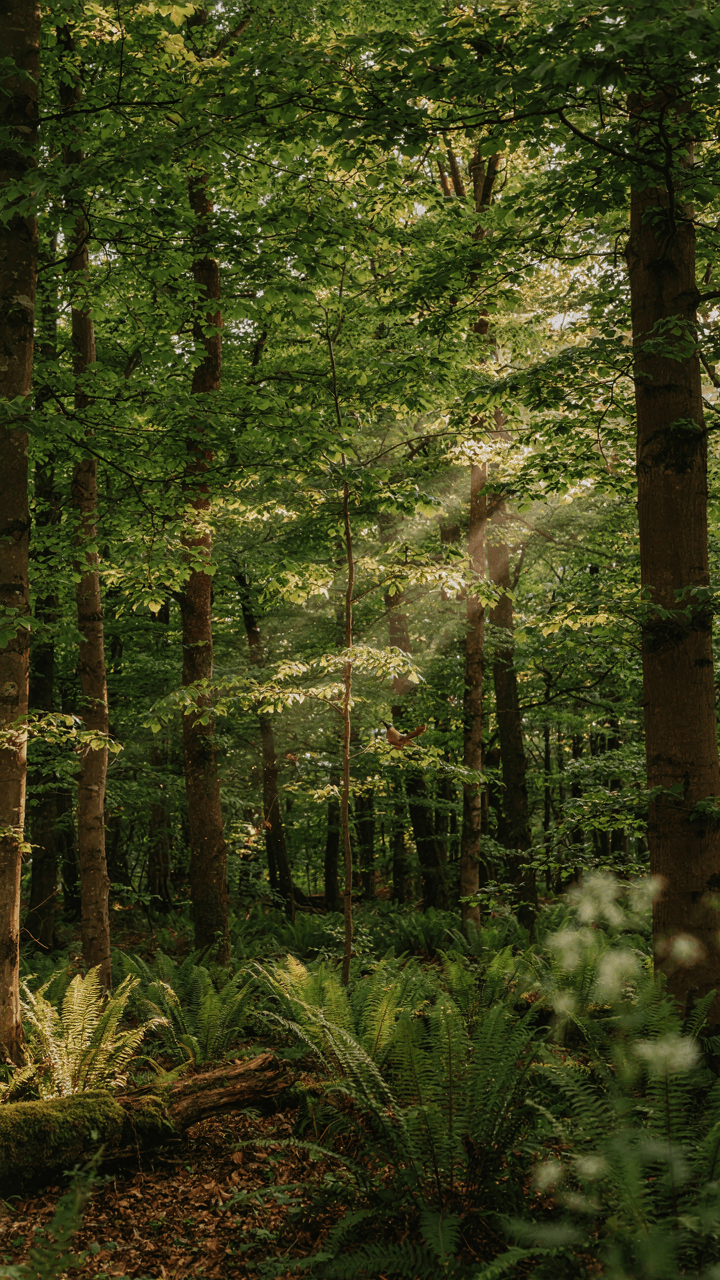
How Forest Floors Beat Garden Design

You want this section to validate that you’re thinking deeper than everyone else about shade. That’s the real draw. Here’s what actually matters: ecology uses succession to build stable systems. A shady garden retreat mirrors this principle. Early colonizers (moss, low herbaceous plants) prepare soil chemistry and moisture retention. Mid-stage plants (understory shrubs) create structural layers. Mature plants (canopy trees) stabilize the whole system. You’re not arranging plants for aesthetics. You’re stacking organisms to create self-regulating conditions that reduce your maintenance load.
Most garden advice treats shade as a problem to solve with shade-tolerant plants. Wrong framing. Shade is a resource that existing organisms have already optimized for. A forest floor doesn’t fail in shadow because it adapted to shadow over millennia. Leaf litter decomposes at predictable rates. Fungal networks distribute nutrients. Root systems occupy specific vertical zones without competing. Copy this architecture: establish a litter layer first, introduce fungi-rich amendments, then plant in tiers. The system regenerates itself. You stop fighting physics and start leveraging it.
Stacking Yield Across Vertical Space
Biology demonstrates that organisms maximize output by occupying different niches simultaneously. A shady garden retreat uses vertical stratification as its leverage point. Canopy trees create shade. Understory plants thrive in that shade. Ground cover and root systems operate below both layers. Each tier produces value: fruit, forage, biomass, soil building. You compress productivity into the same footprint that a single lawn would occupy.
The mechanism is simple. Assign plants to depth zones: 30+ feet (canopy), 10-20 feet (understory), 3-10 feet (shrubs), ground level (cover). Each layer intercepts light, traps moisture, and feeds the next. Install drip irrigation at the base and connect it to a timer. The canopy eventually feeds the soil. Leaves fall. Fungi break them down. Roots access that breakdown product. Shade deepens over years. Your retreat gets cooler and more productive without additional input. Start with native species that already know how to function in your region’s understory.
The Moss Garden Manifesto: Less Is More

Why Moss Beats Ornamental Plants

You want a retreat space that demands nothing from you while signaling you have taste. That’s the real draw here. Moss wins because it operates on inverse economics: the less you do, the better it performs. Borrowed from ecology, moss functions as a pioneer species—it colonizes bare ground and creates conditions for other life. In your shady garden, moss becomes the foundation layer that establishes itself without fertilizer, pruning, or seasonal maintenance cycles that trap you in perpetual labor.
Ornamental flowers and shrubs demand consistent intervention in shade. They stretch toward light, fail to bloom, develop fungal issues, and force you into a cycle of problem-solving. Moss requires shade to thrive. It needs moisture and air circulation, both things your retreat space already has. The mechanism is simple: moss photosynthesizes at lower light levels than most plants. Stop fighting your shade and let it work for you instead of against you.
Designing Moss Carpets That Sustain Themselves
The common advice treats moss as accidental ground cover. Wrong. Moss carpet design follows the same principles as landscape architecture—it’s intentional spatial composition with specific function. Start by identifying which moss species already grows in your climate. Don’t import species that require different humidity or temperature ranges. Observe what appears naturally on moist, shaded surfaces in your region, then expand those patches deliberately by creating the exact conditions they need: moisture retention, air movement, and shade.
Substrate matters more than most people realize. Moss establishes on compacted soil, between pavers, on rocks, and in moss poles. The real protocol is removing competitors and establishing water consistency for twelve weeks until the moss root system develops. After establishment, moss sustains itself through ambient moisture and seasonal rainfall. In hot summer afternoons, that shade you created reduces evaporation and keeps the moss hydrated. Position moss where afternoon shade pools naturally, then let it spread.
The “Shady Garden” Paradox: Embracing The Imperfect
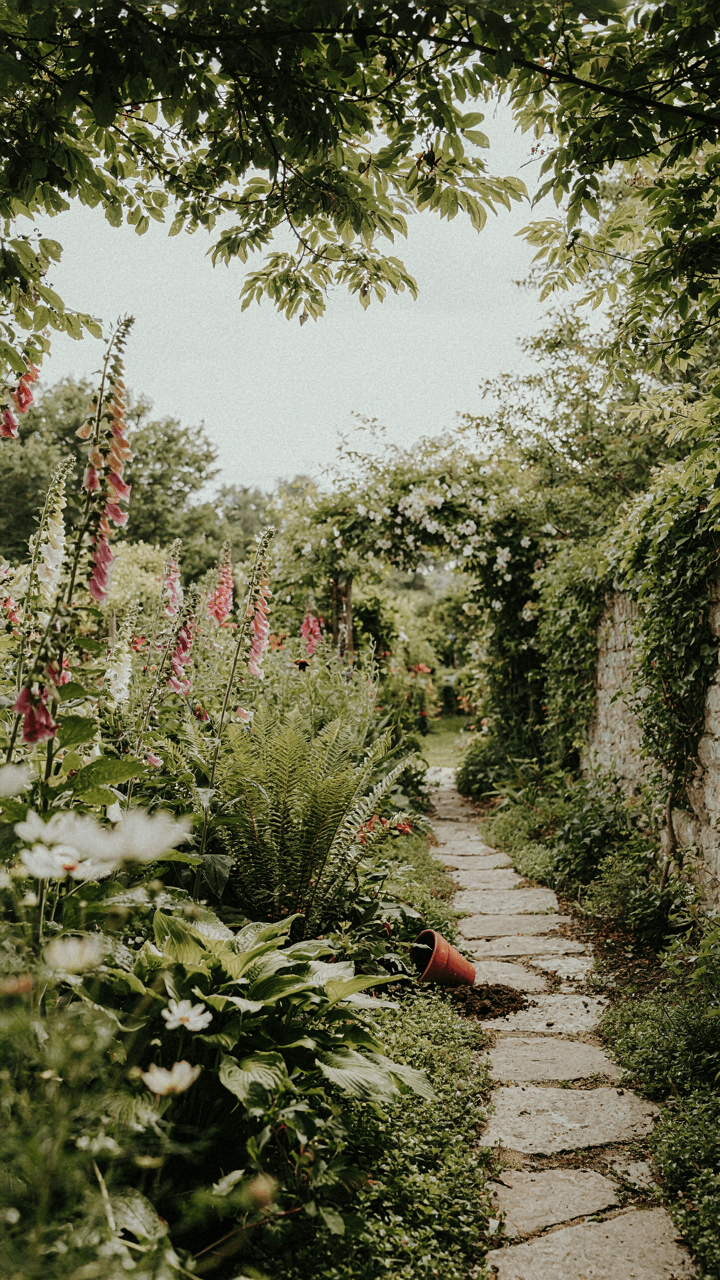
Control Is The Trap

You want a shady garden retreat that looks like something from a magazine because you think it proves you have taste. Here’s the mechanism: the moment you obsess over control, you’ve already lost the space to function. A garden isn’t a photograph. It’s a system that moves and changes. The harder you grip the design, the more fragile it becomes. Every plant placed in perfect rows, every stone aligned, every sight line managed—that’s maintenance addiction masquerading as aesthetics. Japanese garden design called this principle “wabi-sabi,” the acceptance that impermanence and incompleteness hold more beauty than finished perfection. Your shady retreat doesn’t need to be pristine. It needs to work when you’re actually in it, not when someone’s shooting it for Instagram.
The practical shift: stop designing for the ideal state and start designing for the functional state. A retreat that requires constant fussing isn’t a retreat—it’s a job. Let moss grow between pavers. Let shade plants sprawl slightly beyond their designated zones. Let the canopy create dappled light that moves unpredictably. These aren’t failures. They’re proof the system is alive and responding to real conditions instead of fighting them.
Where Mess Becomes Method
Wildness isn’t the absence of design—it’s design working with natural systems instead of against them. A shade garden thrives on layering: canopy trees create the framework, understory shrubs fill the middle band, and ground cover handles the floor. This tiered structure emerges from ecology, not decoration. When you stop trying to make each layer match a color scheme and start letting plants self-organize within zones, the garden develops visual depth and resilience at the same time. The “untidy” appearance signals healthy plant density and competition for light.
Start with one principle: observe what already grows in your shady space before adding anything. Existing plants, volunteer seedlings, and native weeds tell you what the site actually wants. Build your retreat around those signals, not against them. Add specimen plants only where gaps exist and conditions match their needs. The result won’t look designed. It will look inevitable—which is exactly why it works.
Shade Loving Flowers: The Low Maintenance Lineup
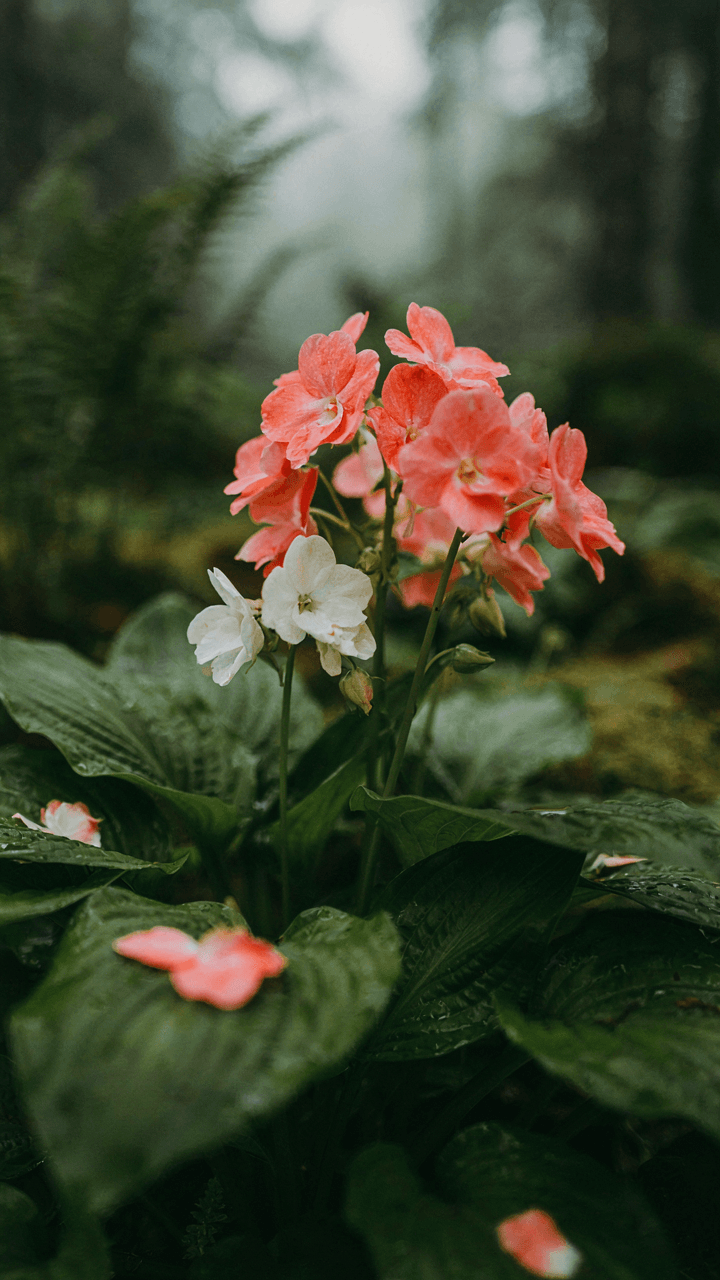
What Actually Blooms In Shade

You want flowers that perform without effort because constant deadheading sounds like work you’ll resent by July. Here’s the mechanism nobody states: shade-grown flowers bloom less frequently because they receive less light energy to convert into flower production. This isn’t a design flaw. It’s biology. Expecting continuous blooms under a tree canopy is like expecting a solar panel to work at midnight.
The real play is selecting plants that produce reliably within shade constraints rather than fighting the environment. Hostas flower annually in shade, as do hellebores and astilbes. They’re not blooming machines. They’re honest performers. Accept what shade allows and you stop chasing a garden that doesn’t exist.
Plants That Actually Earn Their Space
Strategic plant selection operates on the same principle as supply chain efficiency: position resources where demand meets capacity. You match plant output to light availability, not the reverse. This eliminates wasted effort on shade-intolerant species that will either fail or demand constant intervention.
- Hellebores: Flower in late winter through spring under deciduous trees. Bloom before leaf canopy fills in. Require minimal fertilizer once established.
- Astilbe: Produces feathery flower plumes mid to late summer. Tolerates dry shade better than commonly assumed. Cut back in fall, move on.
- Hosta: Grown primarily for foliage but produces spikes in summer. Varieties exist for every shade depth. Divides easily every four to five years.
- Brunnera: Heart shaped leaves, delicate blue forget-me-not-like flowers in spring. Self seeds moderately. Works in partial to full shade reliably.
- Coral Bells: Offers year round foliage color in shade. Flowers appear as bonus vertical interest. Low water once rooted in season two.
The mechanism is simple: choose plants bred or naturally adapted to your specific shade depth, then plant them at spacing recommendations and observe. No soil amendments, no supplemental watering after establishment, no constant fiddling. The work happens in the first six months. After that, the garden maintains itself because you’ve stopped asking shade for what it cannot provide.
The Corner Garden Compression Protocol
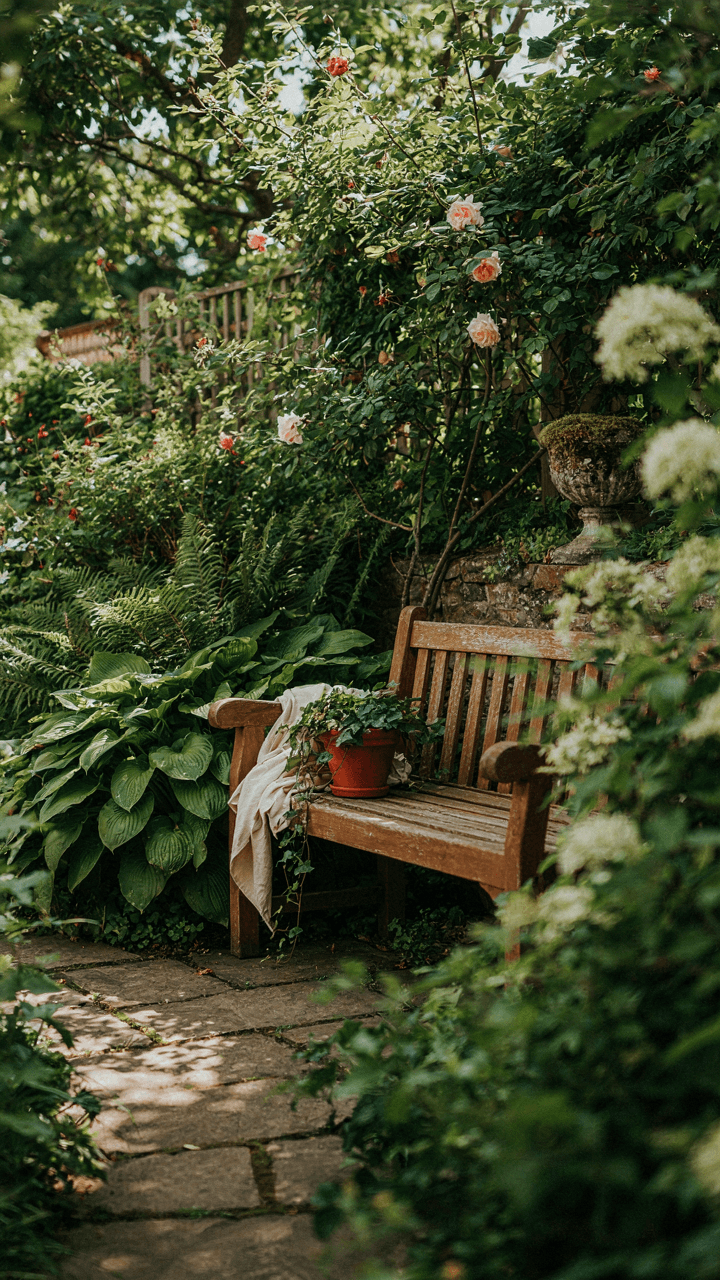
Where Shade Collides With Geometry

You want a shady garden retreat because you’re tired of mainstream outdoor space that doesn’t work. The real mechanism: corners aren’t wasted real estate. They’re thermal compression zones. In microclimate design, a corner functions like a pressure point in urban planning. Two walls meeting create a pocket where shade density concentrates, temperature drops faster, and humidity lingers longer than open garden areas. That’s not decoration. That’s physics working against summer heat.
Corner placement matters because most people default to center-of-yard thinking. Place dense shade structures—pergolas, dense evergreen shrubs, or lattice walls—in corners to deepen the microclimate effect. The angle traps cooler air that radiates off north and west walls at different times of day. Morning shade from one wall compounds with afternoon shade from the other. You’re not just getting shade. You’re engineering a pocket of consistent coolness that requires less active cooling than exposed seating areas.
Pressure Differentials Drive Everything
Air physics teaches us that pressure differentials create flow. A shady garden retreat isn’t static. It’s a low-pressure zone that naturally draws cooler air from surrounding areas. Place your retreat corner on the downwind side of your property relative to prevailing breezes in your climate. The shade structure itself should have strategic openings—not solid walls—to allow air movement without letting direct heat in. Most garden design advice stops at “add shade.” It doesn’t account for the fact that stagnant shade feels worse than moving air in partial sun.
Vegetation placement amplifies this effect. Dense foliage on the upwind side of your corner acts as a baffle, slowing air just enough for it to cool before entering your retreat zone. Open lattice on the downwind side lets air continue flowing, preventing hot-pocket formation. Position bench or seating perpendicular to prevailing wind direction, not parallel to it. This single detail separates a retreat that actually works from one that just looks shaded. Test placement by sitting for ten minutes at different times of day before committing to permanent structures.
Shade Garden Ideas: The Strategic Neglect Method
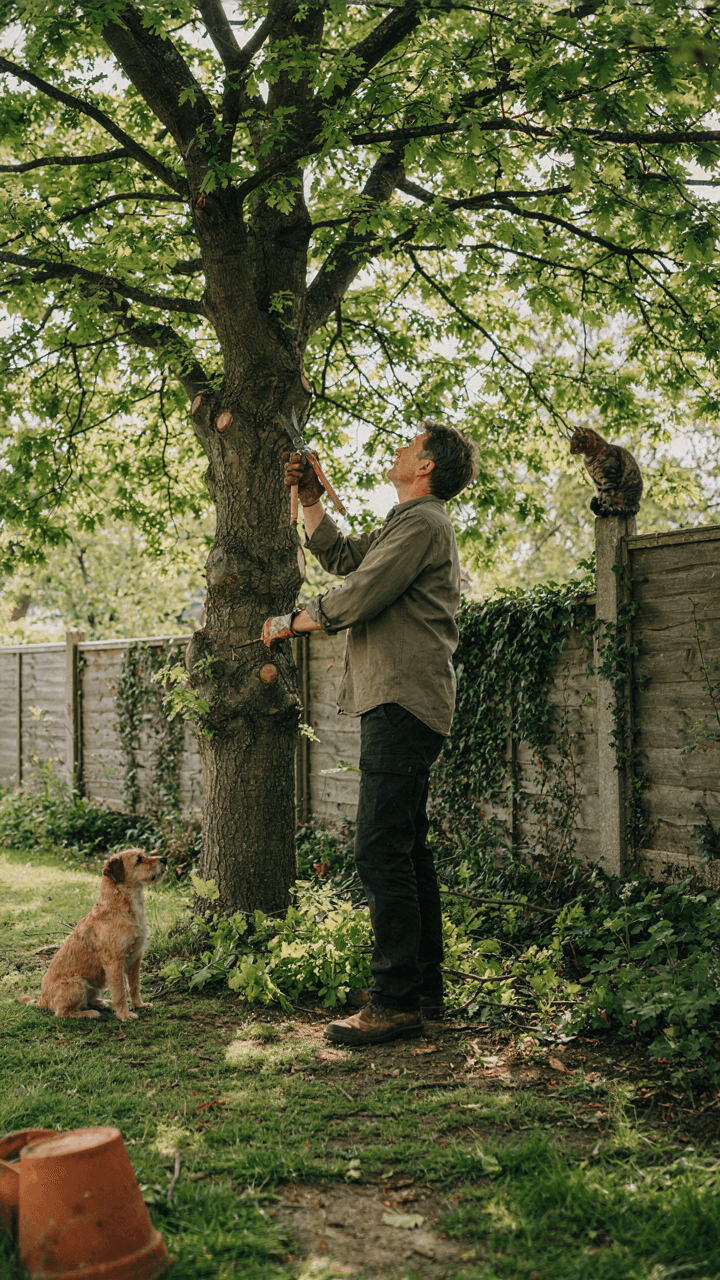
Pruning For Purposeful Shade

You want this section because you’re tired of fighting nature and need permission to stop. The real mechanism here is borrowed from forestry management: thinning. Remove lower branches and selected canopy limbs to create dappled light instead of fighting for full sun. This isn’t about hacking randomly—it’s surgical. You target specific branches that block afternoon heat while preserving enough foliage to filter UV intensity.
Most people prune to shape or aesthetics. Wrong priority. Prune to engineer light patterns. Start by identifying which trees cast shade during peak heat hours (typically 2 to 4 PM). Remove competing branches within that canopy, not the whole tree. This takes three or four seasons of incremental cuts. The garden transforms gradually, but the shade deepens strategically without requiring new plantings or construction.
Letting Nature Do The Work
Stop planting shade. Establish it instead. Ground cover species naturally suppress soil temperature and create microclimates that invite shade-tolerant plants to colonize on their own. Your job is removal, not addition. Pull the weeds that want sun. Leave the low-growing spreaders that thrive in partial light. The ecosystem sorts itself when you remove barriers.
This approach requires patience because you’re not imposing a design—you’re revealing one already embedded in your soil and climate zone. Observe which plants emerge first in shaded areas during spring. These are your anchors. Supplement only if gaps remain after two growing seasons. The mechanism is simple: stop fighting succession and design around it instead.
Shade Garden Design: The Anti Planning Approach
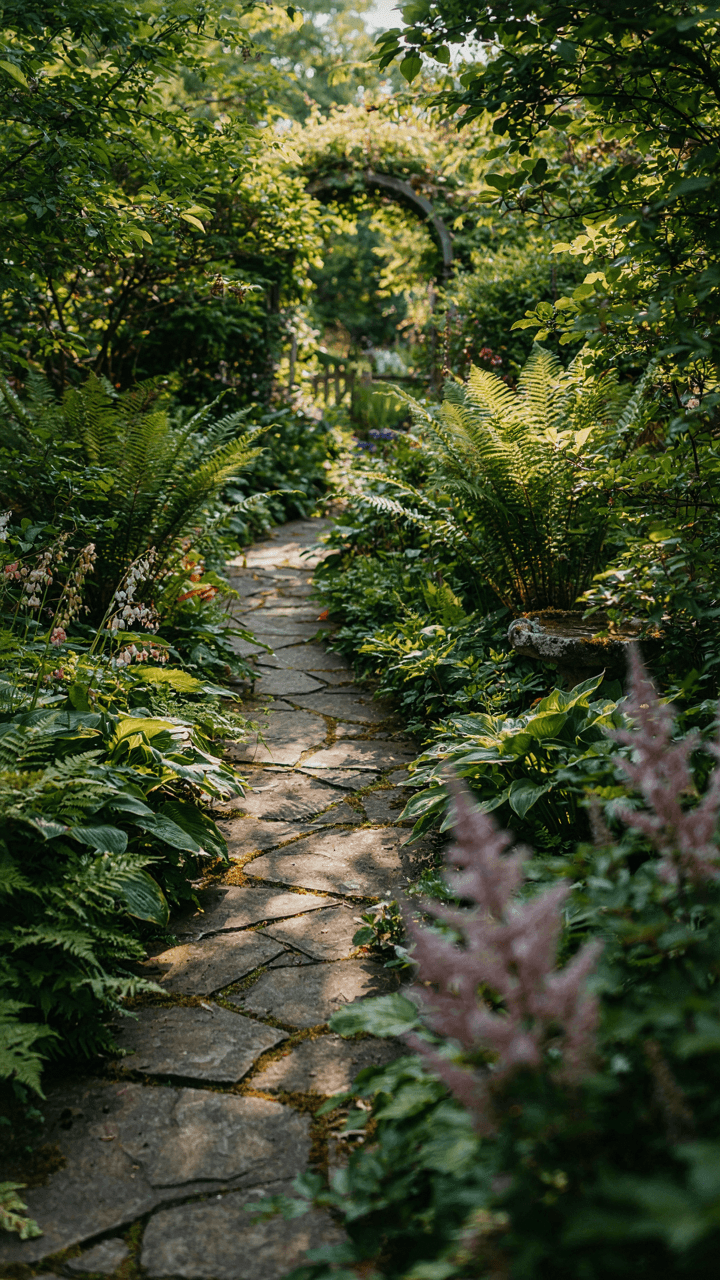
Let The Space Tell You What It Wants

You want a design that looks intentional without effort. The mechanism is simple: rigid master plans fail in shade gardens because shadow patterns shift seasonally and hourly. Borrow thinking from ecology, where systems thrive through adaptation rather than blueprint. Your shady retreat succeeds through emergence, not prediction. Start by observing where shade actually pools. Watch how it moves. Most designers skip this step because it feels unproductive. It’s the opposite. You’re collecting the only data that matters.
Plant placement follows shadow behavior, not aesthetic theory. Trees cast different shadows in June than in September. Structures create new shade zones year to year as surrounding vegetation grows. Work with real conditions instead of fighting them with a predetermined layout. This means your first season establishes baseline knowledge. Your second season refines placement. This compounds into a garden that works because you’ve stopped trying to outsmart physics.
Empty Space Comes Before Everything Else
Negative space in garden design works like silence in music: it defines the material around it. Most people reverse this. They buy plants first, arrange them, then suffer through years of crowding or dead zones. Start instead by mapping where shade allows humans to exist comfortably. Mark the sitting zones. Identify movement paths. Designate the dead areas where nothing thrives anyway. This empty framework determines everything.
Once you establish negative space, plants become solutions to specific problems, not decorative additions. A fern fills a damp corner where foot traffic is zero. A ground cover stabilizes a slope nobody crosses. A specimen tree creates the shade you actually need in your sitting area. You’re designing around human function first, plants second. The result looks purposeful because it follows how the space gets used, not how Pinterest says shade gardens should appear.
Ferns Garden: The Underrated Backbone Of Cool
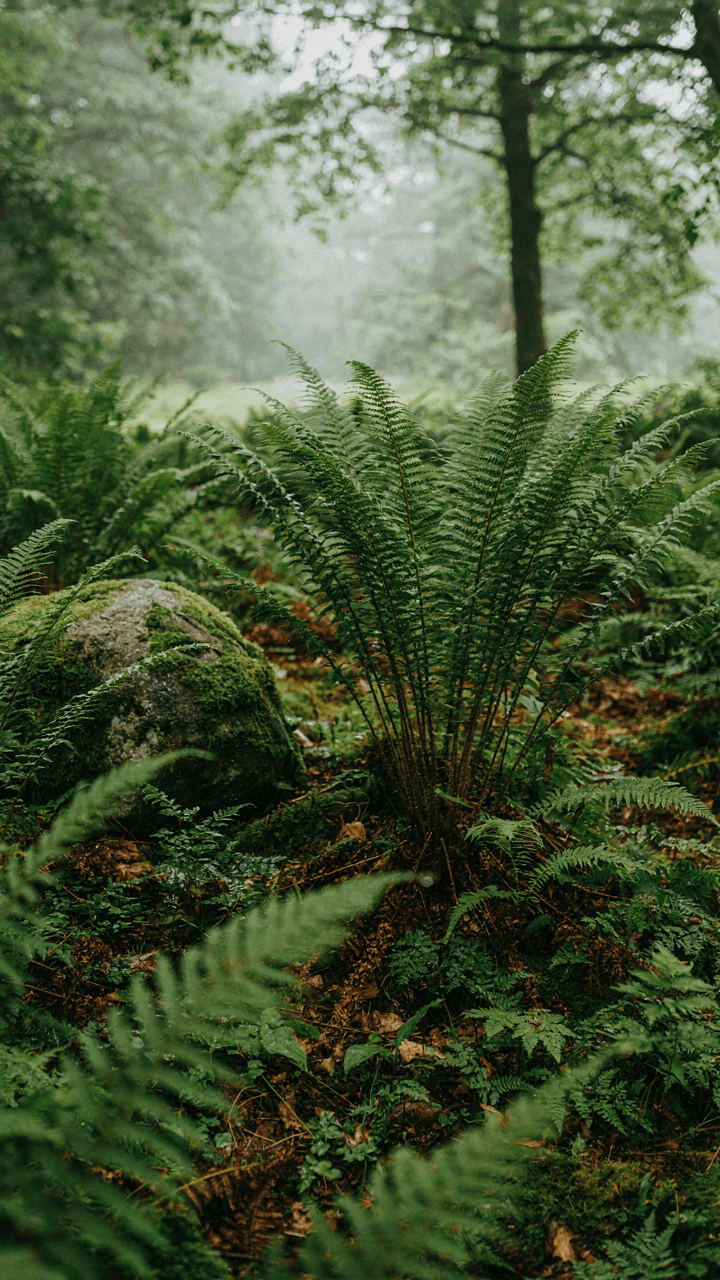
Why Ferns Actually Survive Where Everything Dies

You want ferns because they’re cheap insurance against looking like you tried and failed. Here’s the mechanism: ferns thrive in the exact conditions you’re creating by accident—low light, humidity, and neglect. They evolved in forest understories where they never saw direct sun, so they don’t need the water schedule that kills every trendy houseplant you’ve owned. Most advice tells you ferns are “delicate” and “finicky.” That’s false. They’re the opposite. They fail only when you force them into full sun or forget them in bone-dry heat.
Ferns need three things and nothing else: indirect light, consistent moisture (not wet), and air circulation. Plant them in clusters rather than alone. The cluster creates a microclimate where humidity holds between plants, extending the interval between waterings. Boston ferns, maidenhair ferns, and autumn ferns all perform this function without drama. In a shady retreat, they become the floor layer that makes the space feel inhabited rather than empty. They won’t vine or sprawl—they stay contained and dense.
Layering Depth Without Fighting Sunlight
Ecology teaches us about stratification: the principle that ecosystems gain stability through vertical organization. Your shady garden retreat needs the same structure. Ground layer, mid-layer, canopy. Ferns occupy the ground and low-mid zones, creating the visual weight that makes shallow yards feel deep.
Start with ferns on the perimeter or corners where shade is deepest. Behind them, place shade shrubs or small trees that reach four to eight feet. This layering compresses perceived distance. A twelve-foot yard suddenly reads as fifteen feet because your eye travels through three depth zones instead of stopping at a fence. The fern layer does the psychological work while requiring almost no maintenance. Water every three to five days depending on soil and climate, check fronds for brown edges monthly, and you’re done. That’s the entire protocol.
Your ‘Shady Retreat’ Is Just Another Unfinished Project. Fix That
Most people design a shady garden retreat in their heads and never build it. You know why? They’re waiting for the “perfect” plan. Stop. Pick one corner of your yard today and commit three hours to it this weekend. Plant something. Move something. Make one visible change that proves you’re serious. The difference between a retreat and a fantasy is action, not inspiration.