Introduction
Starting an outdoor restaurant requires careful planning, especially when it comes to managing costs. Outdoor dining appeals to many customers, enhancing their dining experience with fresh air and an open environment. This article focuses on the key startup costs and how you can plan your budget effectively to launch your outdoor restaurant.
From choosing the right location and equipment to understanding permits and staffing needs, we break down the critical expenses involved. You will find practical advice on budgeting to keep your startup phase financially manageable while setting a strong foundation for your business.
Planning Outdoor Dining Layout
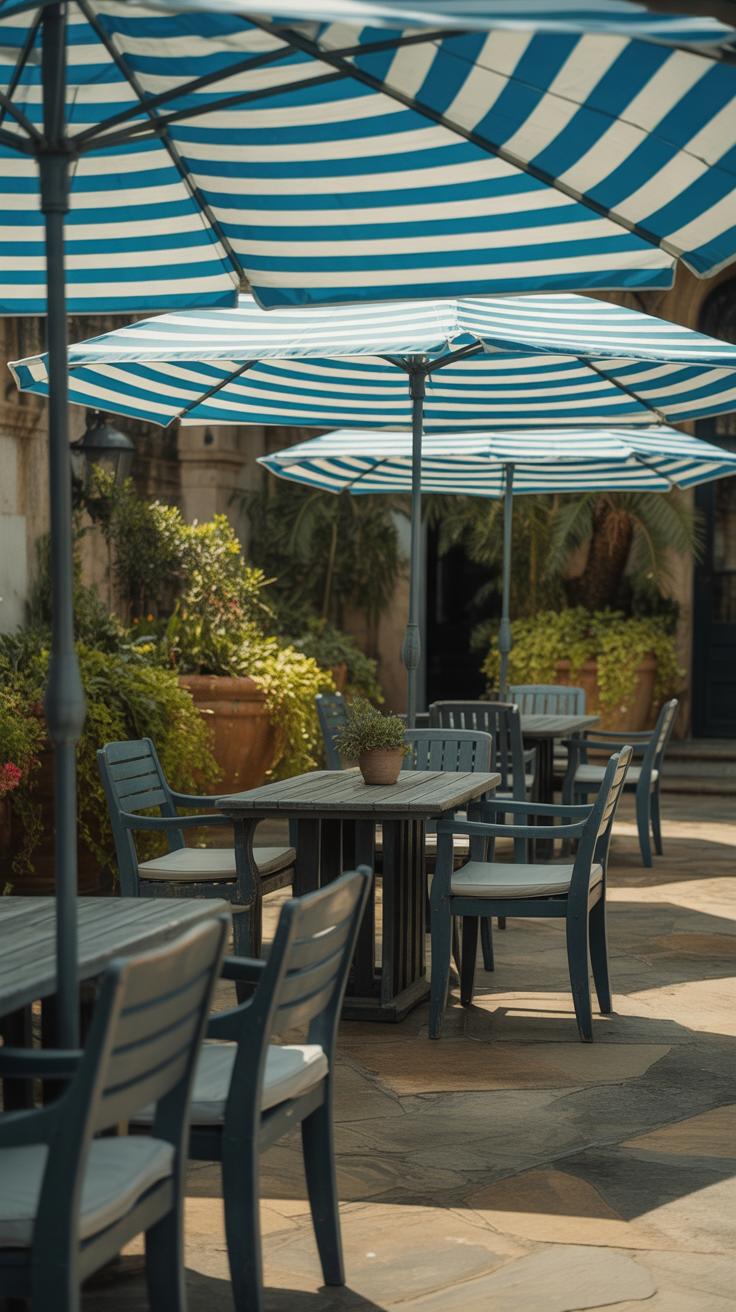
Designing an outdoor dining area is less straightforward than it may seem. You need to think about seating arrangements, sure, but also how people move around. For smaller spaces, something like bistro tables placed along the edges can work well, leaving the center open for easier movement. It’s about balance—enough seats but not so many that guests feel cramped or servers struggle to navigate.
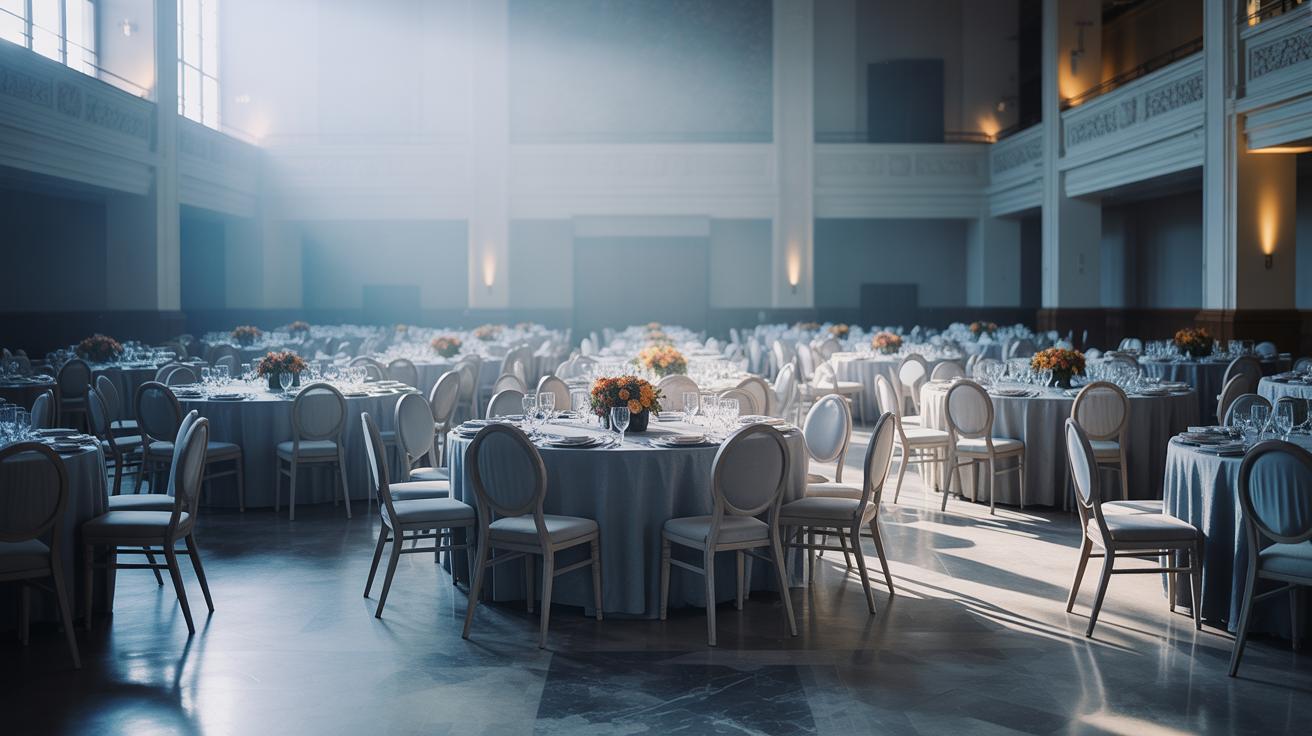
In larger spaces, a more varied layout can suit different dining experiences. For example, you might have clusters of tables grouped for intimate meals alongside longer communal tables. Paths between these groups should be wide enough for servers carrying trays, say at least 3 feet, but wider where traffic is heavier. It’s tempting to fit in as many tables as possible, but overcrowding kills comfort and slows service.
Spacing also affects atmosphere. You probably don’t want guests shoulder to shoulder, yet empty-looking areas feel off too. Trial and error helps here. When setting up, watching how guests and staff move in real time can reveal unexpected bottlenecks or awkward spots you didn’t anticipate.
Choosing the Right Seating Setup
Outdoor seating comes in all shapes and materials. Tables and chairs are classic, but benches and booths have their place too. Chairs give flexibility—they can be moved or replaced easily, but they need to withstand sun, rain, or wind. Metal frames last longer but might get hot or cold; wooden furniture often looks nicer but can weather poorly without proper treatment.
Benches save space and encourage social interaction but can reduce privacy. If your restaurant wants a cozy vibe, benches might not be ideal. Plastic options resist weather well and cost less, but they rarely feel as comfortable or stylish. Then, there’s the question of cushions, which improve comfort but complicate maintenance and may not dry quickly after rain.
Ultimately, your choice depends on the experience you want to offer, your climate, and your budget. Personally, I find mixed seating sometimes works best—chairs for flexibility, benches to add character—though that can make the setup feel a bit inconsistent if you’re not careful.
Ensuring Comfortable Guest Flow
Arranging furniture to allow smooth movement might be one of the trickiest parts. You want guests to find their seats without bumping into staff carrying plates. A good rule is to leave clear aisles at least 36 inches wide. This helps prevent congestion, but don’t forget spots like entrances or restrooms where flow tends to bottleneck.
Also consider safety—avoid placing tables near uneven ground or obstacles. Paths should be direct but not cutting through seating areas awkwardly. In busy hours, servers may need to circle around tables; leaving some buffer space can reduce collisions or accidents.
Sometimes, it feels like no matter how much you plan, people find their own way. But thoughtful arrangement can reduce chaos. Watching a few live service runs or mock setups often reveals better ways to rearrange tables or chairs you hadn’t thought of.
Permits and Legal Costs
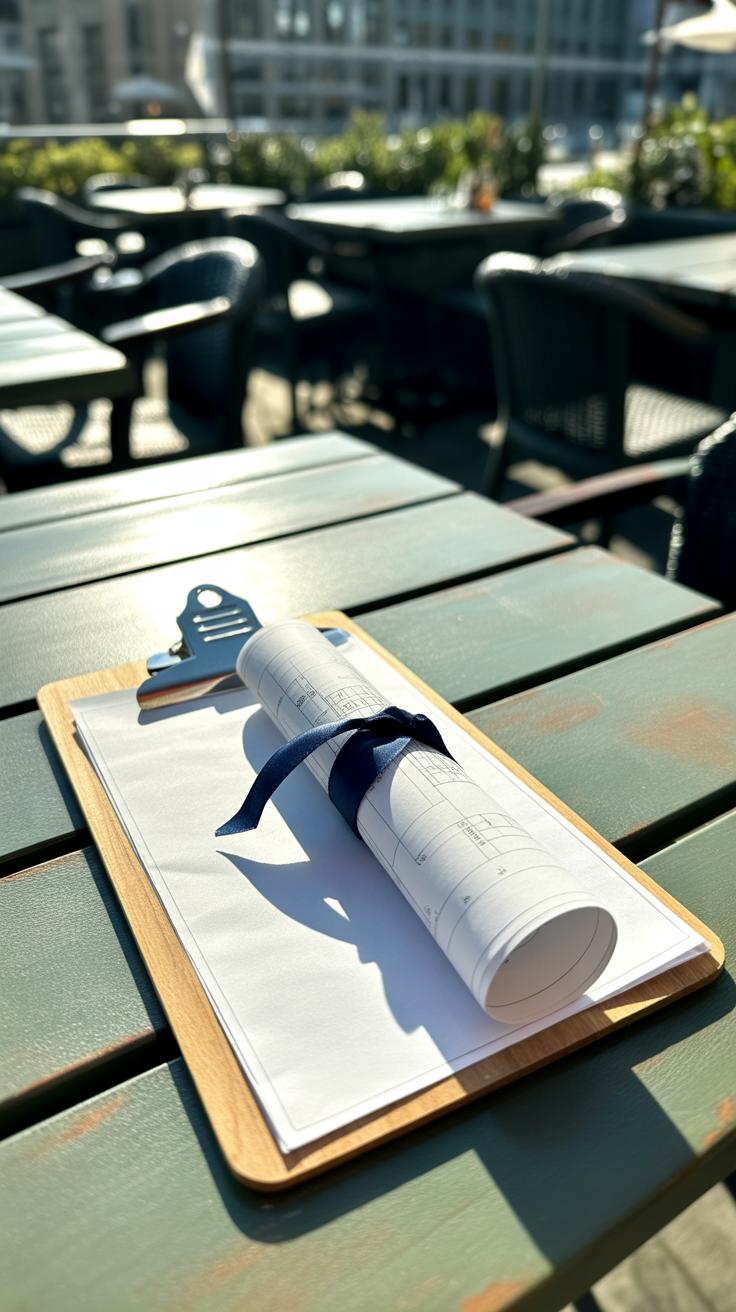
Running an outdoor restaurant means navigating a maze of permits and legal rules. You can’t just set up tables and start serving—cities usually require several official permissions. Common permits include health and safety certifications, alcohol licenses if you plan to serve drinks, noise regulation permits, and sometimes special authorizations tied to your exact location.
Health and safety permits often come first. They demand inspections to ensure your setup meets local food handling standards. The process usually involves submitting an application, paying fees that often range from $200 to $1,000, and scheduling health inspections. These inspections might be more frequent when you’re outdoors because extra precautions are needed to keep food safe from pests or exposure. Sometimes you’ll deal with separate kitchen and outdoor seating permits, depending on your city’s rules.

When it comes to alcohol, serving drinks outdoors adds another layer. You’ll need a liquor license tailored for outdoor service, not just a standard bar license. These licenses can cost a few hundred to several thousand dollars and might involve additional restrictions—like limits on serving hours or designated outdoor boundaries. Sometimes your outdoor space must be fenced or physically separated from the street or other public areas to keep the license valid.
Noise regulations may also impact you, especially if you have live music or speakers outside. Cities typically set decibel limits and curfew hours. Violating these can result in fines or even the loss of certain permits. Some municipalities require a separate noise permit, which might cost between $50 and $300.
Do check for any unique local rules. Cities vary widely—some restrict outdoor seating during certain months or require special insurance. Failing to understand these rules upfront can get expensive or delay your opening. So, expect to spend some time (and money) on paperwork. It’s tedious but unavoidable if you want your outdoor restaurant to last.
Outdoor Furniture Cost Breakdown
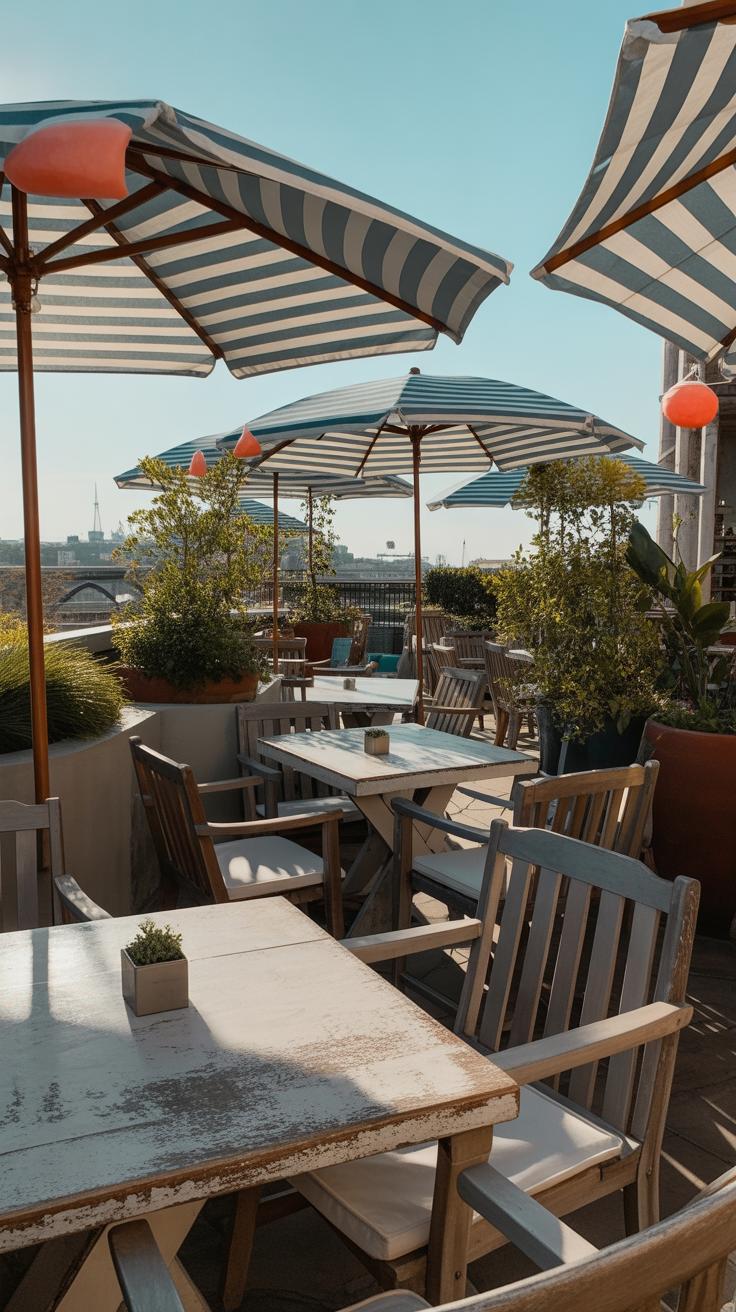
When thinking about outfitting your outdoor restaurant, furniture costs quickly add up, but knowing where to focus your budget helps. Tables and chairs are the obvious starting point. For durable, commercial-grade outdoor tables, prices usually range between $150 to $400 each, depending on the material—think aluminum, teak, or steel. Chairs typically fall between $50 and $150 per piece but can go higher for expanded comfort or design features.
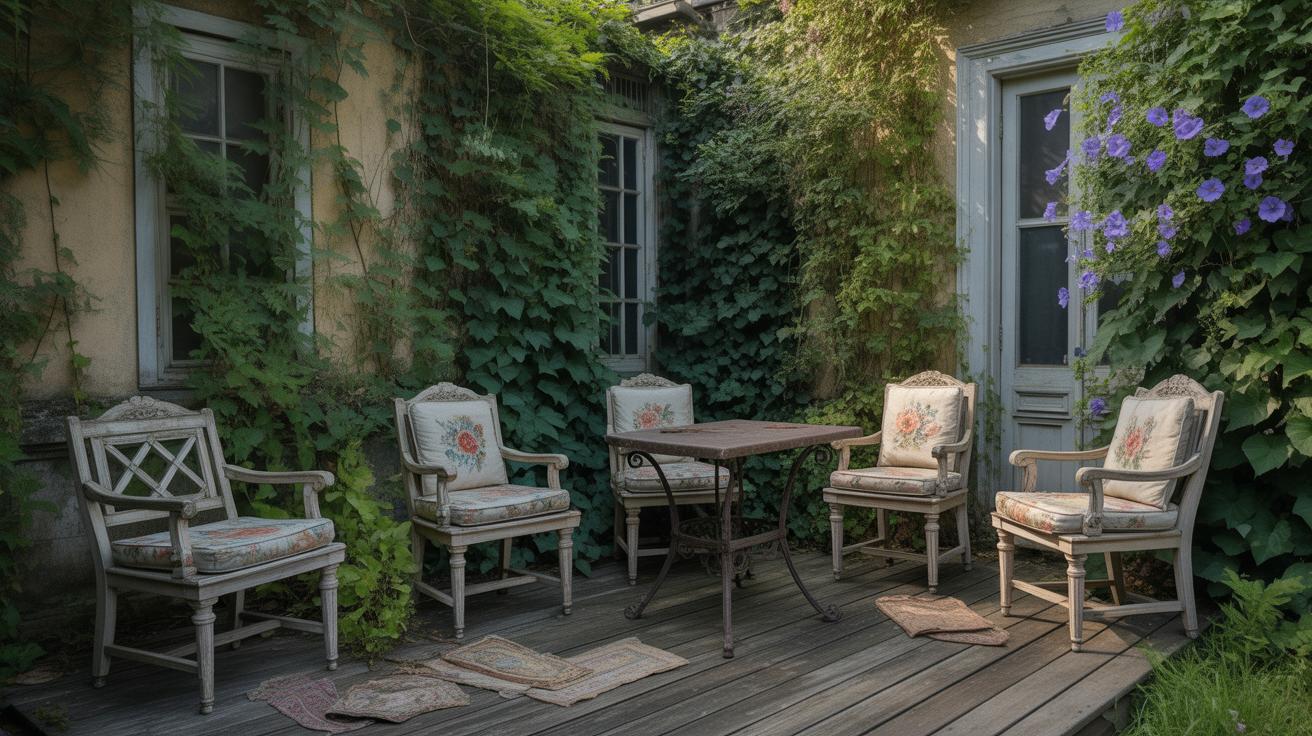
Used furniture might be tempting, especially when you’re trying to save, but there’s a catch. You never know how weathered the pieces are. Sometimes, they seem like a bargain until you spot rust or weak joints. Still, they can work if you’re fine with a more rustic or eclectic vibe. Just be ready to invest in some repairs or refinishing.
Comfort is more than just seating—umbrellas, shade sails, and outdoor heaters matter too. Expect to pay around $100 to $300 for quality market umbrellas. Shade structures vary widely but prepare for $500 and up if you want something sturdy and attractive. Heaters, especially the propane or electric types, can range from $200 for a small patio model to over $1,000 for larger, commercial-style units.
Mixing new with carefully selected used pieces can offer a sweet spot, balancing budget constraints with appearance and durability. But you might wonder—would spending more upfront on quality furniture really save money long-term? Probably, but sometimes short-term budget limits force a bit of compromise.
Equipment and Kitchen Setup Costs
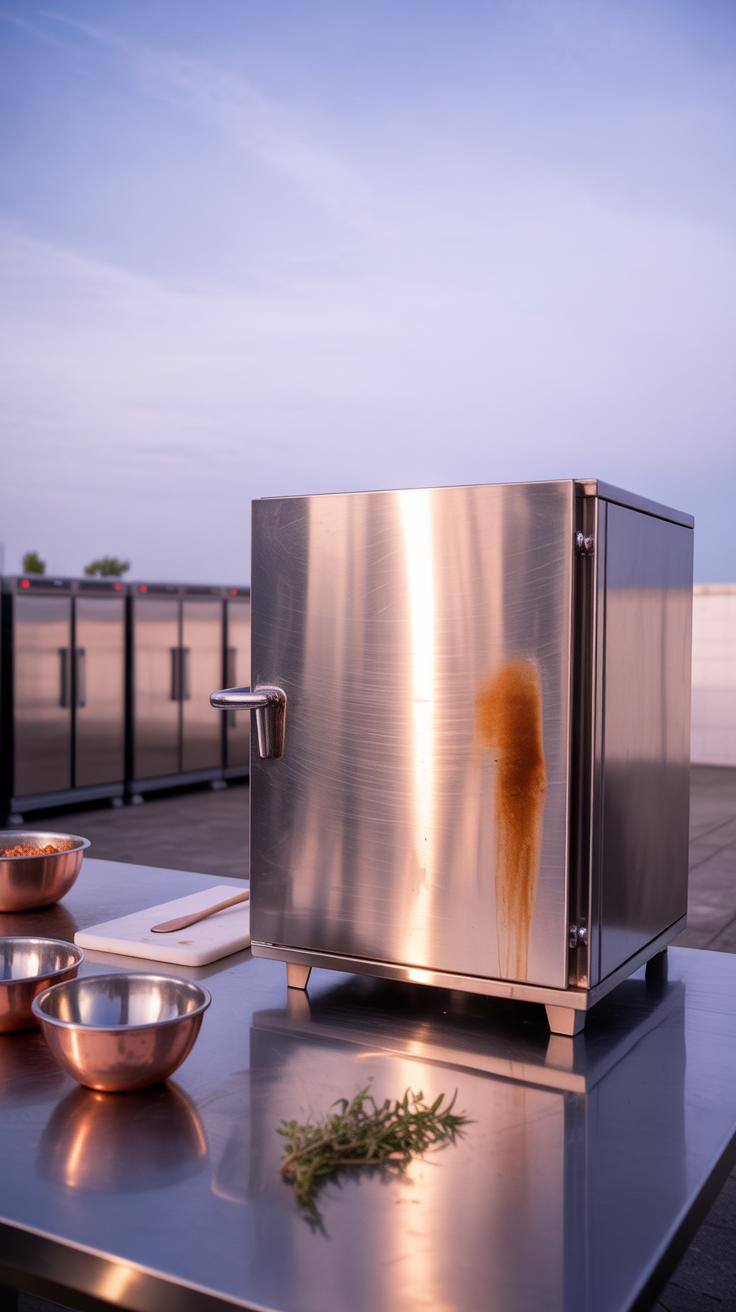
Setting up an outdoor restaurant kitchen isn’t as simple as placing some grills in the backyard. It calls for specific equipment that can cope with weather, temperature swings, and space challenges. Portable grills are usually the cornerstone. You’ll find options ranging from compact gas grills to larger charcoal or wood-fired models—each with its own price tag. A decent portable gas grill can start around $300, but if you want heavy-duty or multipurpose setups, prepare to spend over $1,000.
Outdoor dishwashers are less common, but they can be a practical, though pricey, addition if you expect high turnover. These are often designed for quick cycles and durability. Costs might run in the $2,000 to $5,000 range. But maybe, depending on your volume, manual washing stations with portable sinks and water heaters could suffice and trim your budget.
Storage poses another challenge since you can’t just rely on traditional indoor refrigerators or pantries. You’ll need weatherproof, sealed storage units to keep ingredients safe from pests and temperature changes. Coolers and insulated containers are common, but investing in a proper outdoor refrigerator or freezer may be necessary. These tend to cost more than indoor units because of extra insulation and weatherproofing.
Sanitation gear also demands attention outside. Food-safe trash bins, portable handwashing stations with running water, and durable shelving for cleaning supplies are essential. Expect to allocate funds here for equipment that stands up to outdoor conditions—think corrosion-resistant materials and covers to shield from rain.
Ultimately, when planning your budget, try to balance what you need versus what the outdoor environment will throw at your gear. Will you opt for all-in-one units that save space but may cost more? Or multiple smaller, specialized tools? Your choices here directly affect both startup costs and later usability.
Staffing Costs and Roles
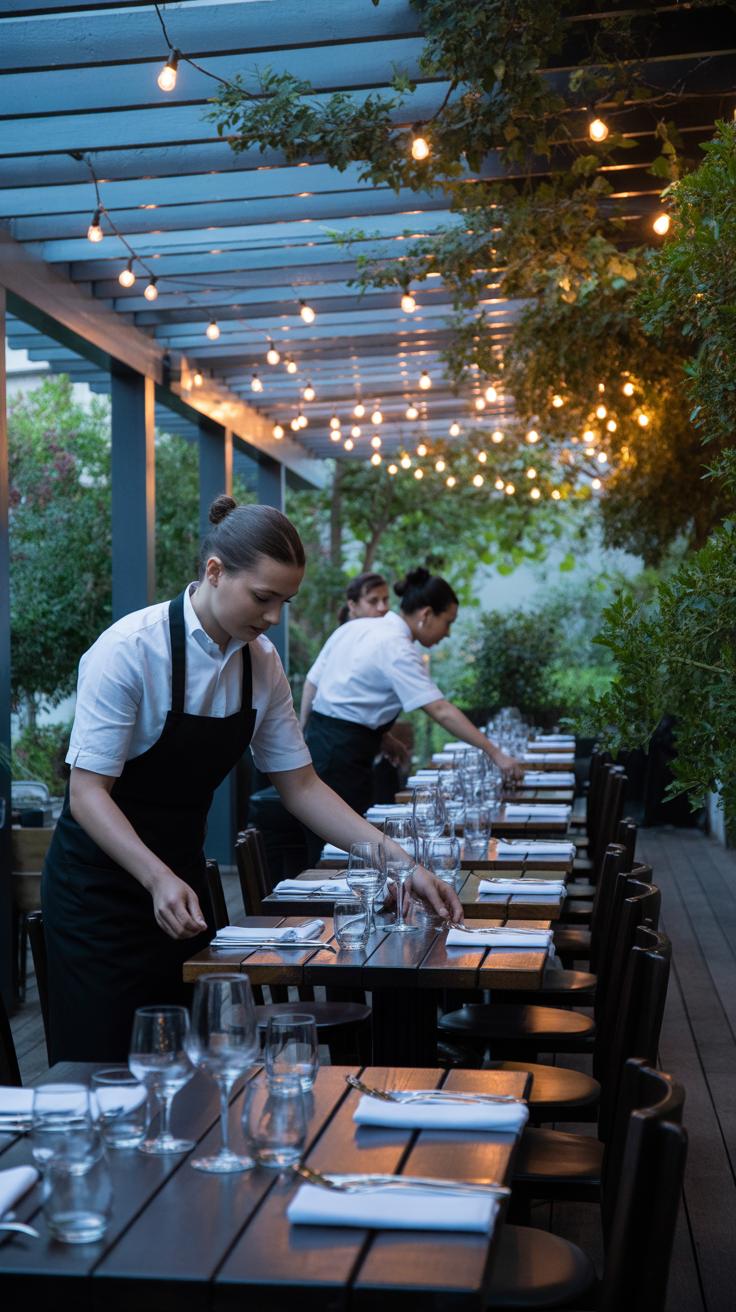

Running an outdoor restaurant calls for a slightly different team than a traditional indoor setup. You’ll need servers who can keep guests comfortable and attentive, even when the weather shifts unexpectedly. Cooks must be able to handle outdoor kitchens or grills, often working with varying temperatures and sometimes limited equipment. And don’t forget cleaning personnel; outdoor dining areas demand constant upkeep to maintain cleanliness despite wind, leaves, or occasional rain.
Typical salary ranges vary widely by location, but here’s a rough guide to help you plan:
- Servers: $10–$15 per hour, sometimes tipping can add a fair bit on top.
- Cooks adapted for outdoor settings: around $13–$18 per hour due to specialized skills and stamina required.
- Cleaning staff: $9–$12 per hour, often part-time or split shifts to cover opening and closing hours.
When you hire, lean towards those who have experience working outdoors—or at least are flexible and physically prepared for it. Maybe ask during interviews how they’ve handled tough weather before, or how they stay positive on long shifts in the sun or cold. These small conversations often reveal the best candidates.
Hiring and Training Outdoor Service Staff
Finding staff willing to work outside is a bit tricky. Look beyond usual job boards—try local community centers or hospitality schools. Word of mouth often helps, too; recommendations from current employees can bring in people who know what’s expected.
Training should cover more than your menu and service style. Emphasize resilience. Teach staff how to manage orders when the wind disrupts things or if a sudden downpour causes guests to move indoors. Role-playing some scenarios helps. Also, brushing up on safety, like handling slippery floors or managing outdoor equipment, is vital. It’s okay to admit that serving outside can be a bit unpredictable—better prepare them well.
Labor Cost Management Tips
Labor costs often balloon if you’re not careful. Scheduling is a balancing act here. Peak meal times need more hands on deck, but it’s tempting to overstaff “just in case.” Instead, try flexible shifts or part-time roles. Maybe keep a small on-call list ready when unexpected busy spells hit.
Also, cross-train your team. Having a server who can also assist in light cleaning or running food can reduce the total number of staff needed at any one time. This can trim costs but requires upfront investment in training.
One tricky thing: outdoor weather often changes last-minute. Maybe consider adjusting shifts dynamically or setting some buffer hours. It might sound inefficient, but sometimes reacting fast saves you from bigger expenses later. Labor management in outdoor settings is not exact science—so expect a bit of trial and error.
Marketing Your Outdoor Restaurant

Creating a Local Buzz on a Budget
Getting people talking about your outdoor restaurant doesn’t have to drain your funds. One way to spark local interest is by hosting small opening events or tastings. Invite neighbors, local influencers, or community groups. Even a simple pop-up event in your space can draw attention and encourage word-of-mouth.

Flyers or posters in nearby businesses can still work—they feel tangible and personal in a way digital sometimes lacks. You might also consider partnerships with local gyms, farmers’ markets, or shops, offering exclusive discounts or cross-promoting. It feels a bit old fashioned, but connecting on a grassroots level creates familiarity, especially early on.
And don’t underestimate community bulletin boards—physical or online. Posting your story and unique offerings is cheap, often free, and reaches people who already care about local spots.
Using Social Media to Showcase Your Space
Outdoor dining has a particular charm that photos and videos can capture quite well. Use your social media platforms to tell that story. Share images of your patio during sunset, behind-the-scenes shots of staff preparing meals, or short clips of customers enjoying the fresh air with their food. People love seeing the vibe before they visit.
Try creating recurring posts that focus on your outdoor setting—like a weekly “View from the Table” series or seasonal decorations. It keeps the feel fresh and makes followers anticipate what they might experience.
Engage with your online community regularly, but avoid overwhelming them with constant promotions. Sometimes a genuine story about why you chose an outdoor location can resonate more than any ad. What makes your space unique? Does your garden grow some herbs you use? Tell that.
Use local geotags and location tags to increase visibility. That way, people searching for nearby dining spots find you without extra effort. And maybe, just maybe, small features by local lifestyle bloggers or photographers can boost your reach without costing a fortune.
Common Outdoor Restaurant Challenges
Running an outdoor restaurant brings unique hurdles you might not face indoors. Weather can change anytime. A sunny afternoon can turn into a sudden downpour, and that unpredictability weighs on your daily operations. Noise also becomes a tricky matter. Loud conversations or music might upset nearby residents or businesses more than you expect.
Maintenance often demands more attention outside, too. Furniture wears down faster. Surfaces get dirty quicker. You might find yourself fixing things more often than planned. But none of this has to break your budget. Here are some practical tips:
- Weather Impact: Use sturdy umbrellas and portable heaters that you can set up and pack away easily. They’re affordable and save you from major weather disruptions.
- Noise Control: Try soft background music instead of loud speakers. Planting shrubs or setting up fabric screens can help absorb sound without costing a fortune.
- Maintenance: Opt for durable materials like metal or treated wood for outdoor furniture. They resist wear better, meaning fewer replacements and repairs.
It’s a balancing act. You want to prepare but not overspend. I’ve seen small places pull this off by focusing on basics first, then gradually upgrading as revenue allows. It works better than going all out from day one.
Managing Weather and Seasonal Changes
Weather will always be a wildcard, but preparation can soften its blow. Think about modular setups — folding tables, stackable chairs, and retractable awnings let you adapt quickly. These choices keep upfront costs low and provide flexibility.
Space heaters powered by propane or electric ones on timers are cost-effective for cooler nights. You don’t need top-of-the-line heaters right from the start; even small, basic ones improve comfort dramatically.
Also, investing in quick-dry cushions or removable covers means less waste after unexpected rain. You can save money by drying them in-house rather than buying new items constantly.
Reducing Noise and Neighbor Complaints
Keeping noise reasonable doesn’t mean making the place dull. You can encourage patrons to speak softer by setting the right atmosphere—switch off or lower loud music during late hours.
Some outdoor restaurants install low fences or hedges to muffle noise, which is cheaper than soundproofing walls. Sometimes, just talking directly with neighbors helps more than expected. Let them know you care and plan to avoid disruptions.
If you’ve got live music, restricting it to early evening and limiting volumes can go a long way in preventing tension. It’s about finding a middle ground that keeps both your customers happy and the neighbors less annoyed.
How to Track Your Startup Budget
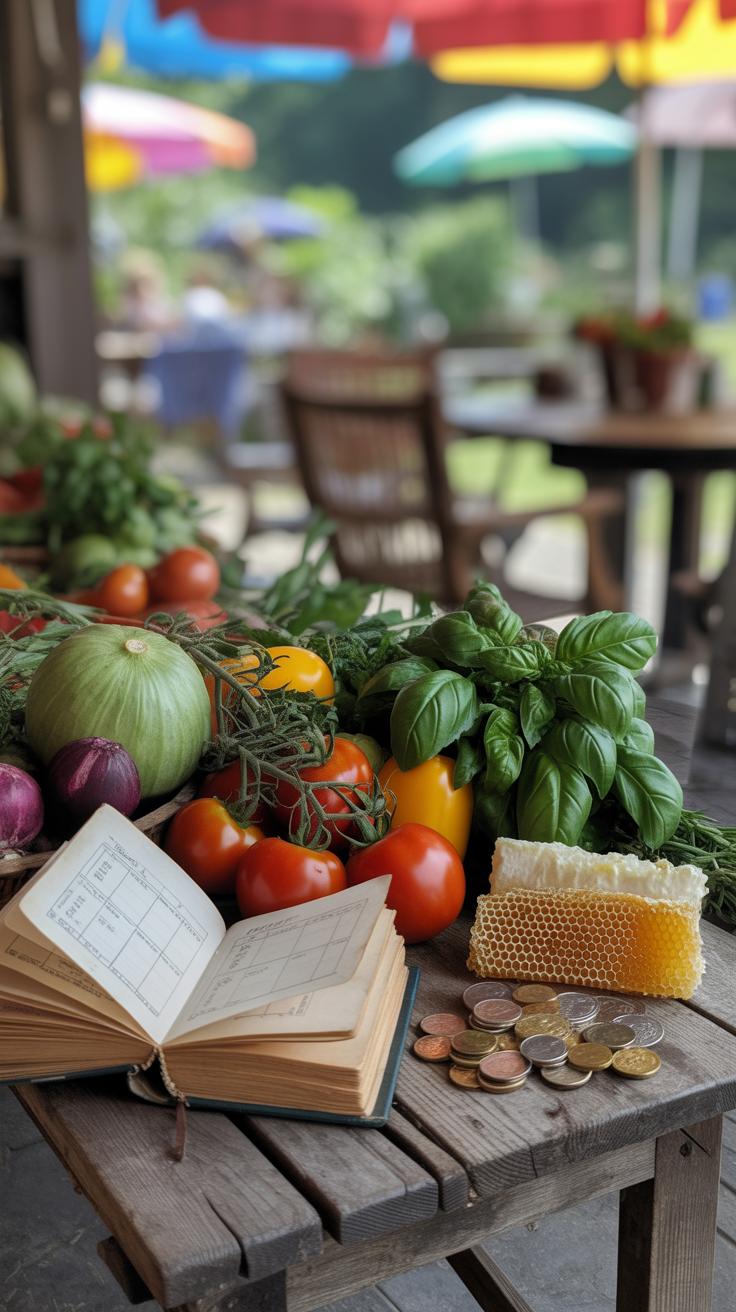
Keeping a close eye on your spending during the startup phase can make or break your outdoor restaurant’s financial health. But tracking doesn’t need to be complicated or overwhelming. You can start with something as simple as a spreadsheet template designed for restaurant budgets. These templates lay out expected costs—like equipment, labor, permits—and let you input actual spends side by side.
Beyond spreadsheets, consider budget software built for small businesses or specifically for food service. Tools like QuickBooks, FreshBooks, or even specialized apps like Restaurant365 can offer features to monitor cash flow, bills, and expenses in real time. They often include alerts or reports to flag when you’re drifting off course.
What happens when you realize you’re spending more than planned on, say, outdoor furniture or landscaping? Don’t panic. It’s okay to revisit your budget and make adjustments. Maybe trim costs elsewhere or find ways to increase revenue sooner. Keeping flexibility in your budget helps you react to surprises without losing control.
One trick I found useful is setting up weekly check-ins for your budget tracking. That way, surprises don’t pile up. You spot overspending early and adapt incrementally rather than trying to fix everything all at once later on. You might discover some areas consistently come in under budget—feel free to reallocate those funds to parts that need a boost.
How detailed should your tracking be? It depends on your comfort with numbers and the tools you use. Even occasional manual checks can help you stay more aligned with your financial goals than ignoring the budget altogether. At the very least, try to compare actual vs. planned expenses regularly and ask yourself why differences exist.
Examples of Outdoor Restaurant Budgets
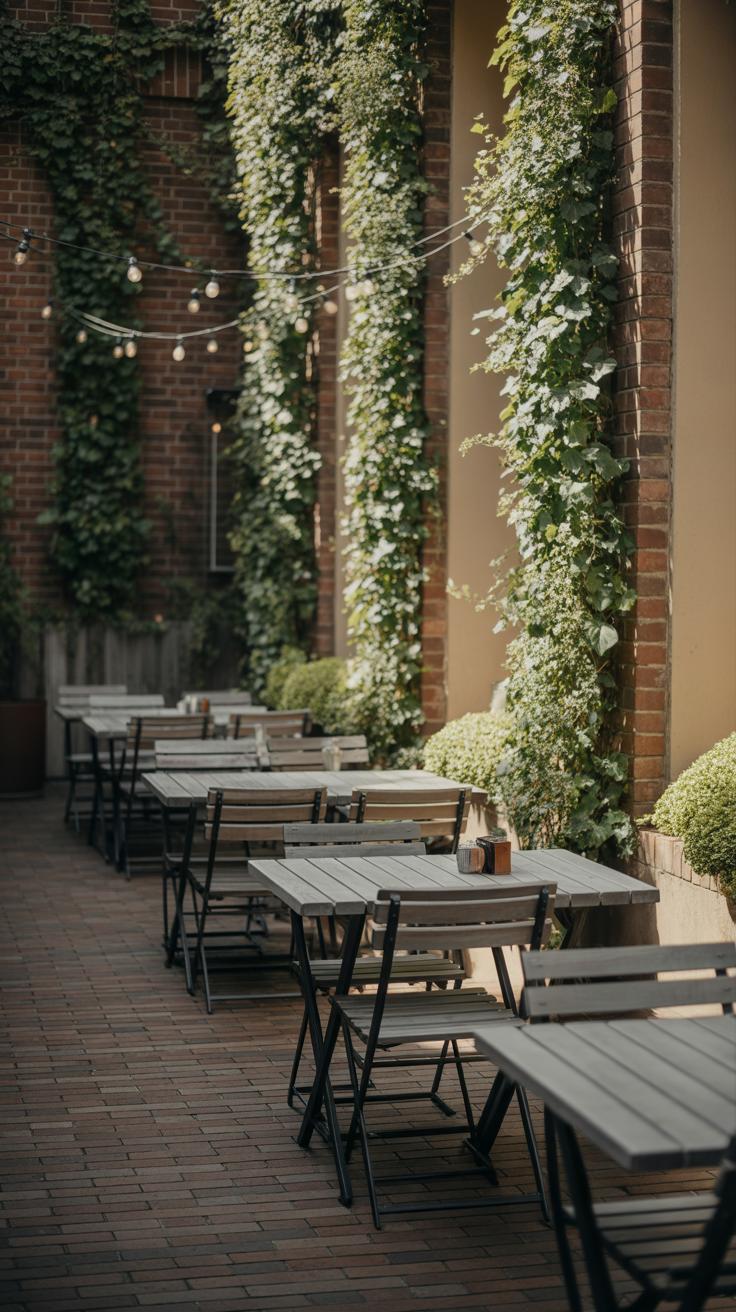
When planning your outdoor restaurant, seeing real budget examples can help you gauge what’s realistic. Let’s try a few scenarios — from small to large — covering major cost categories. You might be surprised how different each setup can be, even if they’re all “outdoor” restaurants.
Small Outdoor Restaurant Budget Example
Imagine a modest space—maybe a patio or a courtyard with about 20 seats. Your startup costs here are mostly about essentials, avoiding big structures or fancy equipment.
- Basic outdoor furniture (tables, chairs): $3,000
- Simple canopy or umbrellas for shade: $1,200
- Portable cooking equipment (grill, small prep station): $2,500
- Permits and licenses: $1,000
- Initial food and beverage inventory: $1,500
- Point of Sale (POS) system and basic tech: $800
- Marketing and signage: $700
- Miscellaneous (cleaning supplies, decor): $500
Total roughly hits around $11,200. It’s lean and workable, but does mean you’ll have to juggle some multitasking and keep your menu focused.
Large Scale Outdoor Restaurant Cost Overview
Now, picture a bigger footprint—say, a 100-seat outdoor dining area with elaborate landscaping, a bar, and perhaps a semi-permanent kitchen. Costs go up fast here, and there’s room for many details.
- Custom outdoor furniture and heated seating: $40,000
- Permanent outdoor kitchen build, including exhaust & plumbing: $90,000
- Landscaping, lighting, and outdoor heating: $25,000
- Permits, insurance, and inspections: $10,000
- High-end POS and reservation system: $7,500
- Initial food and beverage stocking: $12,000
- Staff training and uniforms: $6,000
- Marketing campaign launch: $8,000
- Contingency fund: $15,000
Altogether, this could approach $213,500 or more. That sum might seem overwhelming, but it reflects the necessities of operating a large, quality outdoor dining experience that needs to work through seasons, weather, and bigger crowds.
Conclusions
Careful budgeting is vital when creating an outdoor restaurant. By understanding the major cost areas such as furniture, permits, staff, and marketing, you can allocate your funds wisely. A clear budget plan helps avoid unexpected expenses and supports smooth operations from day one.
Invest time in researching costs and preparing detailed estimates before launching. With a solid financial plan, your outdoor restaurant can attract customers and grow sustainably, benefiting from the unique appeal of dining in an open-air setting.