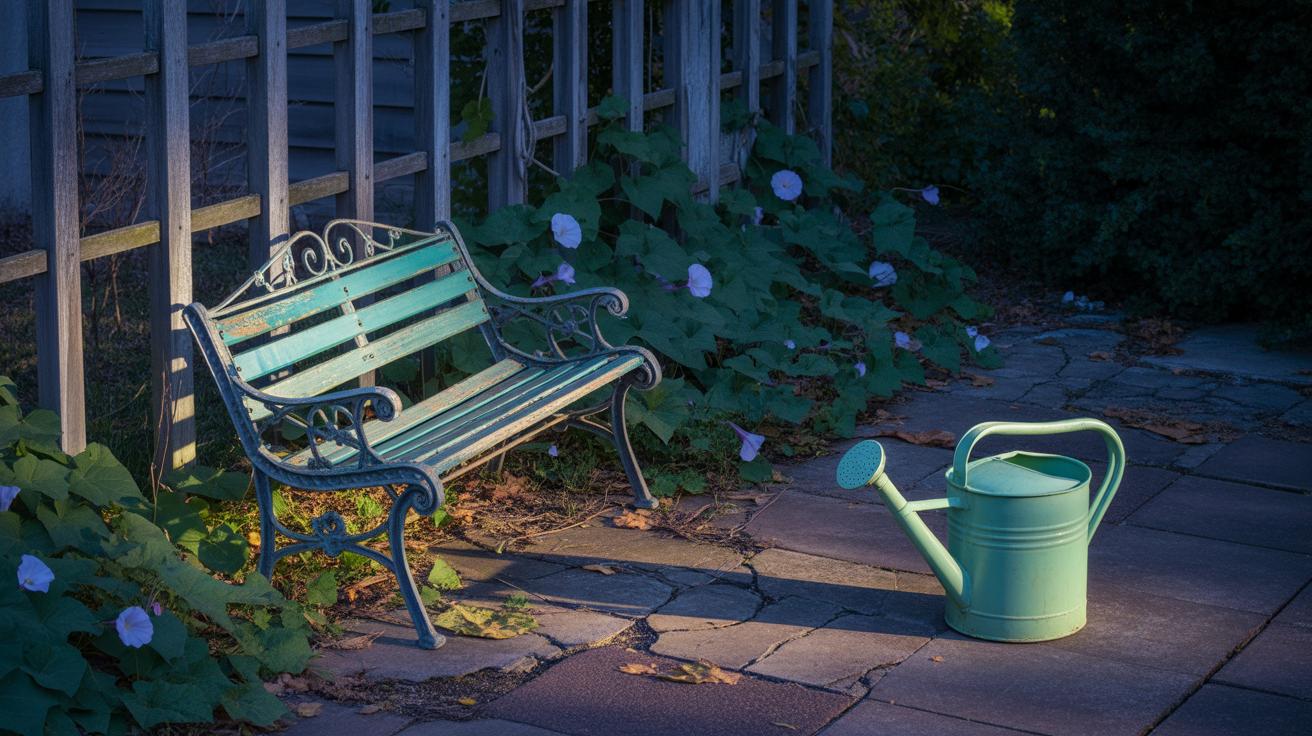
Design Mistakes That Waste Garden Nook Space
Your garden nook can be a cozy retreat or a vibrant green corner in your home. But design mistakes can turn this small space into a challenge that wastes both space and money. Taking care of your garden nook design early on can prevent these costly errors.
This article looks at typical garden nook design mistakes that reduce usability and inflate costs. You will learn practical steps to identify and fix these mistakes so your garden nook becomes a valuable and enjoyable part of your home.
Assess Your Garden Nook Space Needs
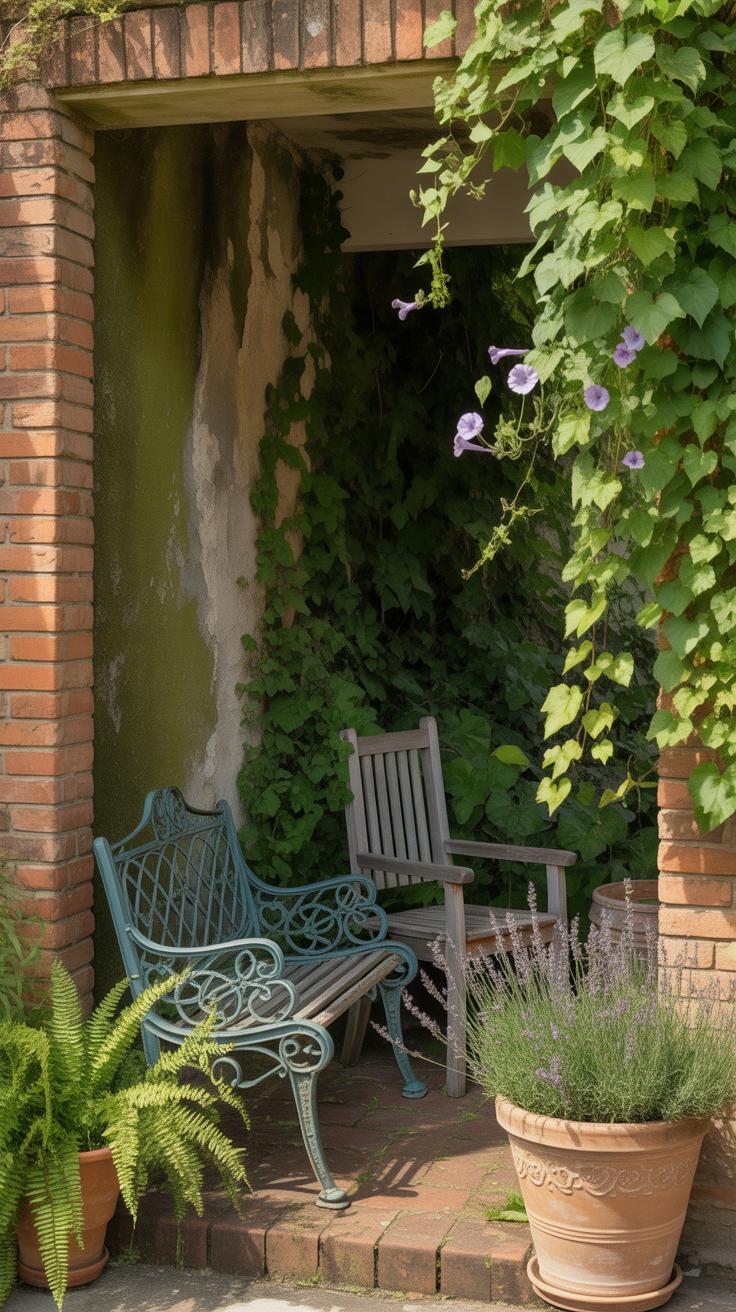
Before you start laying out your garden nook, take a moment to figure out what you really want from that spot. Is it quiet reading? Going to need a bench for two, or just a single chair? Maybe an outdoor dining area? Each use demands different space. It’s easy to guess too big because you think “more room means more comfort,” but that often isn’t true. Sometimes, people overestimate how much space they actually have. A 6-foot area might sound ample until you realize paths and furniture can quickly crowd it.
Another slip-up is not matching the nook’s size to its function. A nook for meditation and solitude demands less space than one meant for casual gatherings. I once helped a friend design a nook that was big enough to fit a table for four, but she mainly wanted a spot to lounge solo. Turns out, half the area was unnecessary, and that extra space could have been saved or used differently.
Why Size Matters for Garden Nooks

Picking the right size isn’t just about fitting furniture. It’s about how the space feels and works. A nook that’s too big can seem empty or underused, wasting your garden’s potential and budget. If it’s too cramped, you lose comfort and functionality—the whole point of having the nook disappears. Size affects maintenance too; bigger spaces take more effort and money to keep pleasant.
Think about how the nook fits with its surroundings. Is it an extension of your patio or a cozy corner tucked away? Getting the size right helps it blend naturally without overpowering the area or feeling like an afterthought. And yes, it’s tricky. You might want a small haven but build something that dominates your garden.
Matching Nook Size to Activities
Your planned activities should guide your design choices. For example:
- If you want a place for daily meals, ensure enough space for a table and chairs—not just a couple of stools.
- For reading or relaxing, a comfortable chair with room for side tables or storage for books makes more sense than a large gathering spot.
- Social spots need space to move around easily. Crowding things in spoils the experience.
Sometimes, the temptation is to cram multiple uses into one nook. But mixing many activities often leads to compromises that hurt all of them. It’s better, I’ve found, to focus on what you’ll do most and size the nook accordingly. Small doesn’t mean limited; it can mean precise and cozy, which fits better with garden life.
Avoid Clutter with Functional Furniture
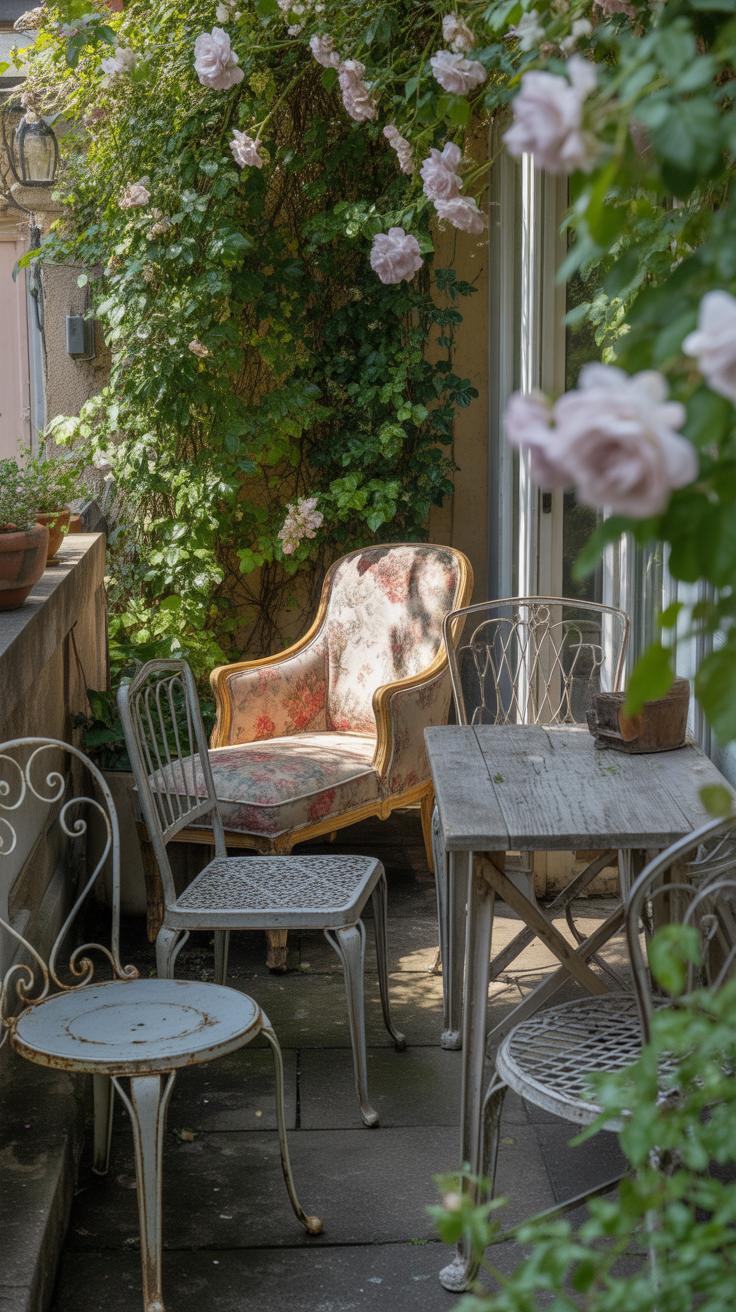

Bulky furniture can quickly overwhelm a garden nook. Sometimes, people choose large chairs or heavy tables thinking they’ll look impressive, but instead, the space feels cramped and awkward. Or you might find yourself with lots of small pieces scattered around—a chair here, a small stool there—leading to clutter without much purpose. Neither option works well when space matters.
Think about what you really need and pick furniture that does more than just sit there. For example, benches with hidden storage can hold garden tools or cushions, clearing the area from unnecessary boxes or bags. Foldable chairs and tables often get overlooked but bring flexibility. You can set them up when needed and tuck them away otherwise. It’s not just about saving room; it’s about keeping the nook feeling open and inviting.
Choosing Compact Furniture
Compact furniture fits better in smaller garden nooks because it doesn’t monopolize the area. Look for slim profiles, lean legs, or stackable pieces that don’t take up more space than needed. For instance, a narrow loveseat can replace a bulky sofa but still offer comfortable seating.
Size isn’t the only factor. Proportions matter—something too small might seem out of place or feel uncomfortable. You want furniture scaled to your space, but also suited to your activities. Could you sit for hours reading? Or do you need a spot just to rest briefly? Imagine how the space flows with these pieces in place. Sometimes I misjudge, thinking smaller automatically means better, but not always. Balance is key, even if it’s a bit tricky.
Using Multi-purpose Items
Choosing furniture that serves more than one function eases many space issues. A coffee table with drawers, for example, offers surface area and storage. Or a garden stool that doubles as a planter stand can bring life and seating at once.

Ottomans with storage inside are personal favorites—they keep blankets or garden gloves out of sight but close at hand. Sometimes, a fold-out bench can become seating or a small table, depending on the moment. These options might cost slightly more, but they often save you from buying additional pieces you don’t need.
Are you ready to swap bulky and scattered for smart and purposeful? Your garden nook will thank you for the thoughtfulness.
Plan Efficient Storage Solutions
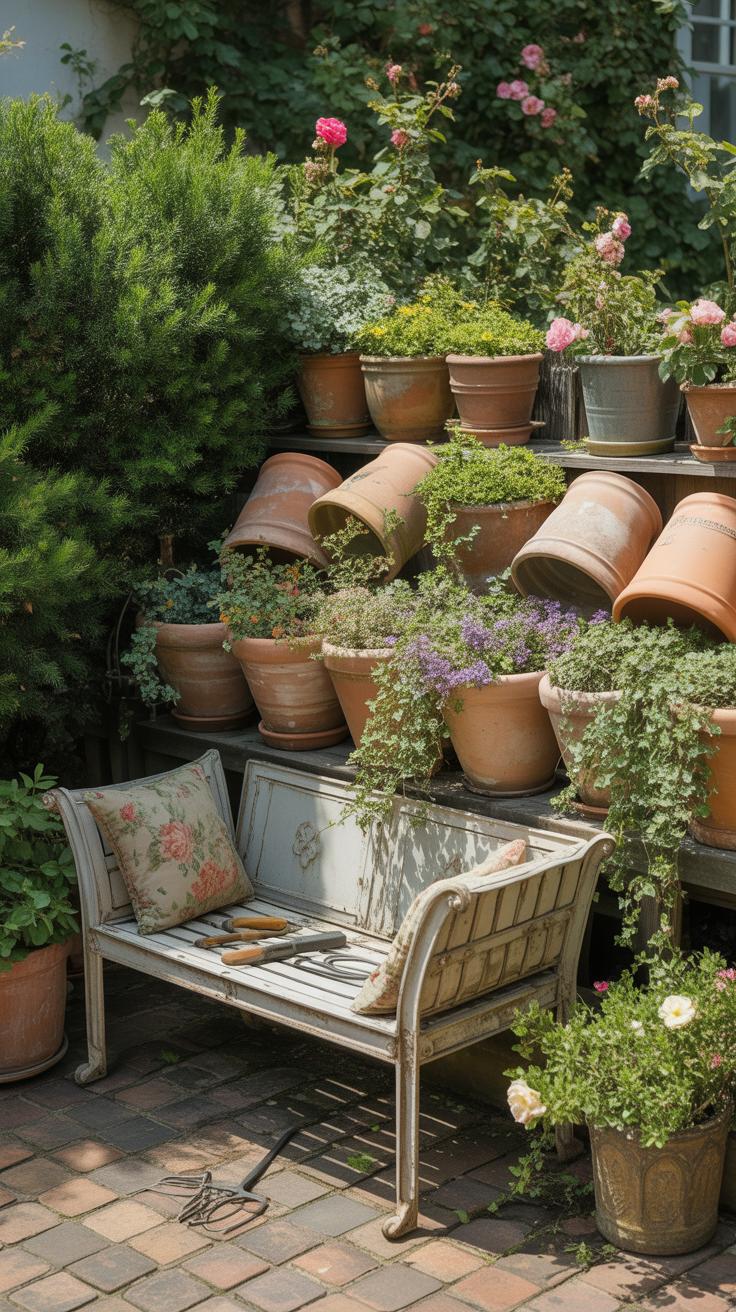
Many garden nooks suffer from clutter because storage isn’t planned thoughtfully. Oversized cupboards or piles of random bins often steal more room than they free up. Sometimes, people just shove everything into one big box, hoping for the best. But when you open it, it’s chaos. There’s no order, and you waste time digging through a jumble.
A better approach is to break down your storage needs and pick solutions that fit your space and habits. For example:
- Vertical racks can store tools, pots, and supplies without eating into floor space.
- Hidden compartments—like bench seats with storage inside—keep the area tidy without adding visual bulk.
- Hooks and pegboards mounted on walls help keep frequently used items handy and off surfaces.

Vertical storage truly makes a difference. When you think about a small garden nook, the walls often go unused. Filling that vertical space with shelves or racks keeps items accessible but doesn’t crowd the floor. It changes the feel of the nook, making it less cramped. So, instead of a bulky cabinet, consider stacking storage upwards.
Hidden storage isn’t just for aesthetics. It can protect delicate items from dust or weather and gives your nook a cleaner look. Sometimes, you might not notice a storage bench or a concealed drawer until you open it, which helps keep the open space looking uncluttered. I once came across a garden nook where the owner used a raised planter box with a lid to store seeds and gloves inside—smart and simple.
Think about what you really need to store—and where. Could your garden stool double as a box? Can a wall nook hold your smallest pots? Sometimes, odd shapes or multi-purpose pieces open unexpected options. So, consider all your vertical and concealed corners. You might find the space you thought was too tight has some hidden potential waiting.
Select Plants to Fit Your Space
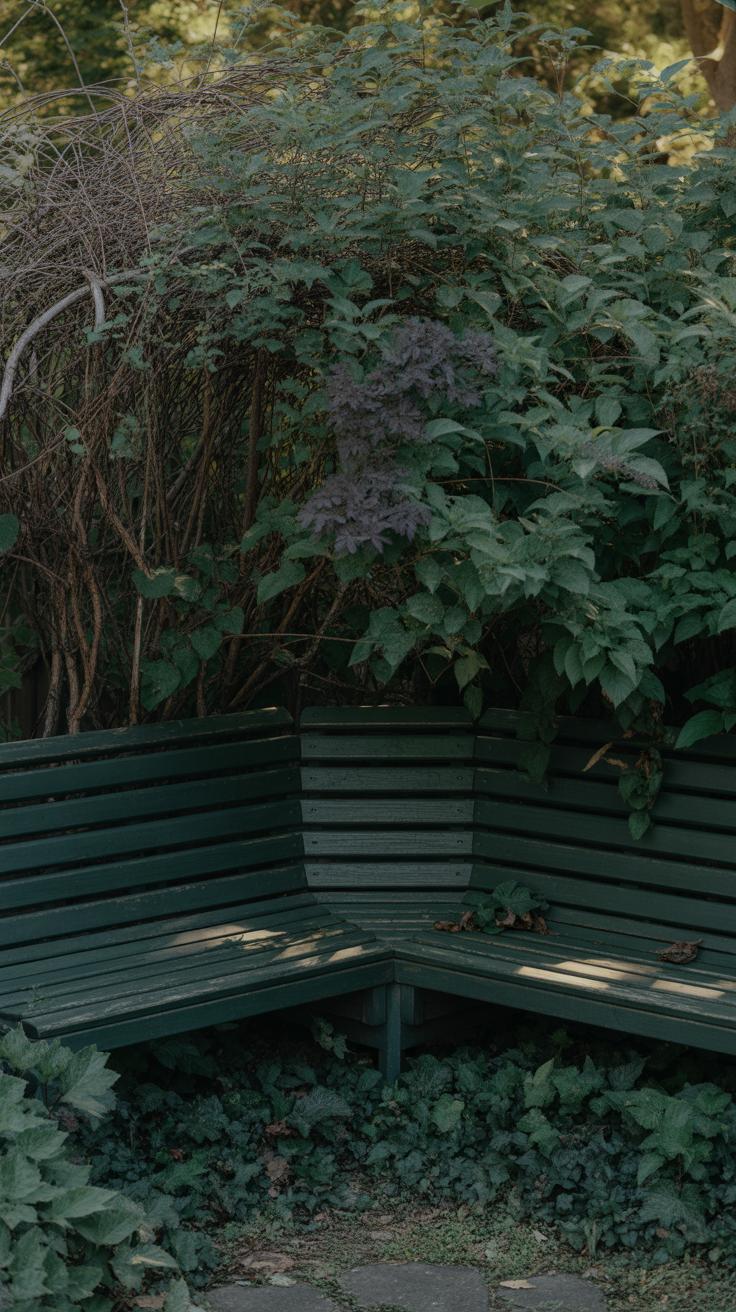
One common mistake in garden nooks is picking plants that just don’t belong there. It’s tempting to grab large, leafy plants because they seem lush or impressive, but they often end up crowding the space, making it feel cramped and uninviting. You might think a big bush or a tall tree will add character, but in a small nook, that only translates to less room for you to enjoy.

Choosing the right size for your plants matters more than you might imagine. Think about how tall or wide a plant will get—both now and in a few years. A plant that looks manageable today could quickly take over, overshadowing other elements or blocking natural light. I’ve seen garden corners overwhelmed by aggressive shrubs that shouldn’t have been there in the first place. It felt claustrophobic!
When selecting plants, consider these points:
- Check the mature height and spread before buying.
- Match plant size to the actual space available, leaving room to move and breathe.
- Think about growth rate—some fast growers need regular trimming or else they’ll dominate your nook.
For tight or busy nooks, low-maintenance plants can be a lifesaver. They don’t demand much fuss, and they fit comfortably without overwhelming the area. Some plants that tend to do well in small spaces while requiring little attention include:
- Succulents like jade plants or hens-and-chicks, which stay compact and need minimal watering.
- Herbs such as thyme or rosemary, which are small, useful, and hardy.
- Small ornamental grasses that provide texture without bulk.
- Evergreen ground covers that spread slowly, like creeping thyme or dwarf mondo grass.
Choosing plants based on their care level and size ensures your nook remains welcoming, not overrun. The tricky part is that what suits one garden might not work in another—location matters. The sun exposure, soil type, and local climate will affect your choices more than you might expect. Maybe what I find easy grows slow in your area, or vice versa.
So, select carefully, and don’t hesitate to replace plants that just don’t fit. It’s part of figuring out what works best for your unique garden nook.
Check Lighting for Comfort and Growth

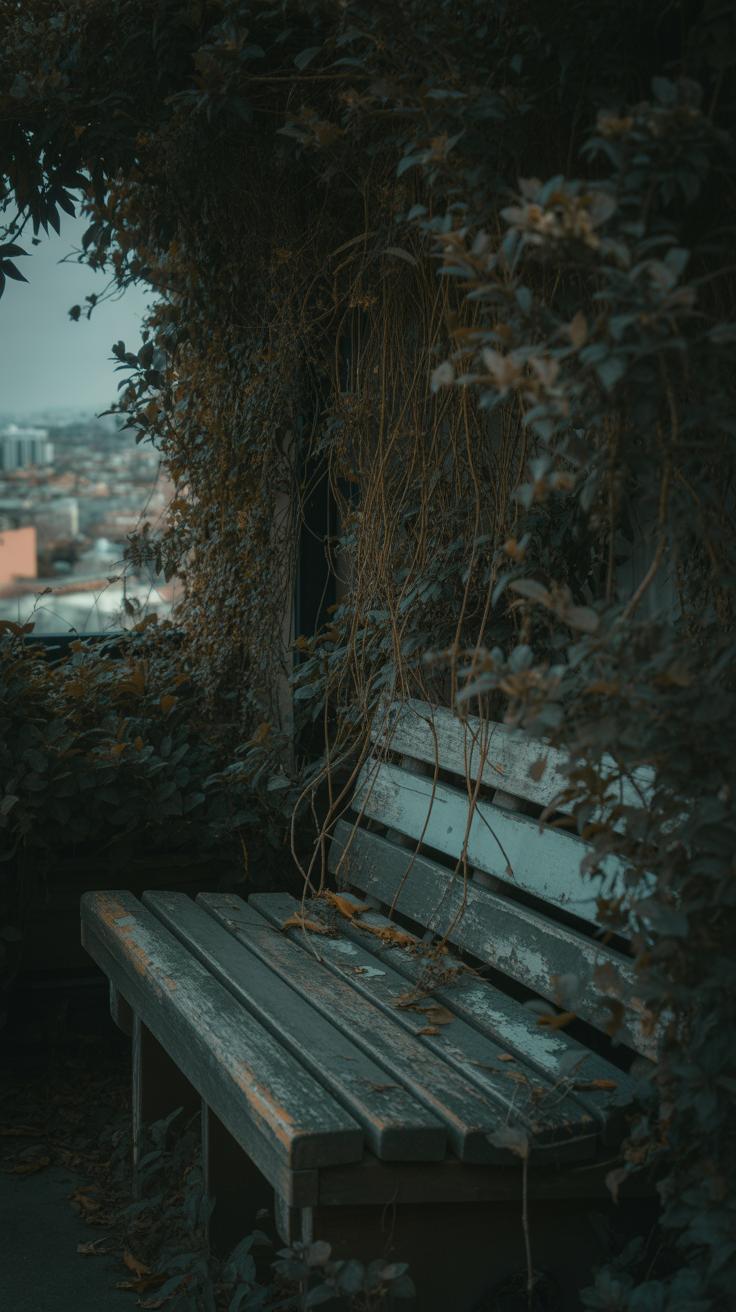
Poor lighting can silently ruin your garden nook, both in terms of plant health and your own comfort. Plants might stretch awkwardly toward weak sunlight or develop pale leaves when kept in dim corners. Meanwhile, you may find yourself squinting or feeling cramped because of harsh shadows or uneven light. It isn’t always about bright or dim; sometimes the wrong angles or inconsistent lighting cause more trouble than you think.
For natural light, place your garden nook near south- or east-facing windows if you can. These spots offer balanced sunlight during the day, which most plants appreciate. Thin curtains or blinds can help moderate glare while still letting enough in. Don’t block windows with bulky furniture, as that’s a common mistake. Sometimes just shifting a few pots can make all the difference.
When natural light falls short, energy-efficient artificial lighting steps in. LED grow lights work well because they target specific light spectrums that plants need without overheating the space. Look for adjustable fixtures so you can change the intensity as plants grow or seasons shift. If you plan to use your garden nook for reading or relaxing, consider layered lighting—mixing task and ambient light—to keep things pleasant for you too.
Something that surprised me recently was how some artificial lights cast odd colors or flicker just enough to bother your eyes, which you might not notice right away. Pay attention to that when shopping or testing lights at home. Comfort and plant growth should go hand in hand in your nook, but that requires thinking beyond just “bright” or “dim.” Have you checked how your light feels at different times of the day? It might be worth sitting there a bit, just to sense what your garden’s really missing.
Control Moisture and Drainage Issues
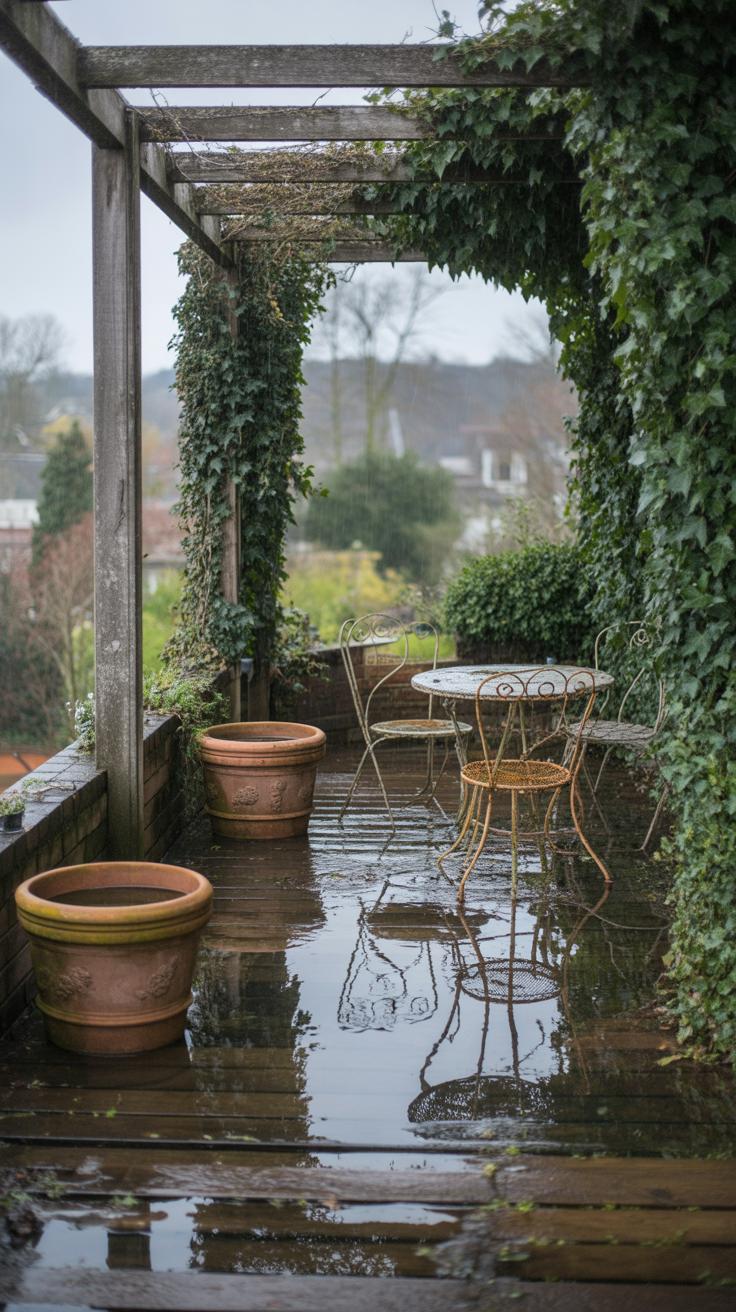
Moisture management in a garden nook can be tricky. Many people either overwater plants or ignore drainage problems until damage occurs. Overly damp soil not only harms plant roots but also speeds up the decay of wooden furniture. Moisture that lingers can cause mold or mildew, which really shortens the life of outdoor cushions and upholstery. I recall setting up a cozy seating corner only to realize, weeks later, the cushions were constantly damp from hidden water pooling beneath.
Good moisture control means your plants stay healthier, and furniture lasts longer. It’s not just about watering less or more but about understanding how water moves through your space. Spotting drainage issues early can save you a lot of hassle and money.
Effective Drainage Techniques
When you have a small garden nook, drainage can be limited by soil type or surface materials. Some ways to deal with this include:
- Raising flower beds or planter boxes above ground level to avoid water buildup.
- Using gravel or sand layers under pots or furniture legs to let water escape more easily.
- Installing French drains or simple trench drains if water tends to pool repeatedly.
- Choosing permeable paving stones rather than solid concrete, which traps water.
Even if your spot isn’t obviously wet, these methods help stop water from settling where you don’t want it. Have you noticed how water sometimes just sits after rain? That’s often the first sign that drainage needs checking.
Watering Tips for Garden Nooks

Watering routines matter more than you might think. Too much water around furniture leads to rust or wood rot, yet too little harms plants. Here are a few pointers that might feel obvious but often get overlooked:
- Water plants early in the day to reduce evaporation and let soil dry by evening.
- Avoid watering directly on furniture or cushions—consider drip systems or soaker hoses placed thoughtfully.
- Check soil moisture by touch before watering; sometimes less frequent, deeper watering is better.
- Group plants with similar water needs together to avoid overwatering one type while trying to help another.
In my experience, small changes like these keep the nook looking inviting longer. Perhaps it’s about patience—letting the space breathe instead of rushing to water whenever you think of it. Do you find yourself watering your nook from habit or based on real need? That question alone can make a surprising difference.
Budget Mistakes in Garden Nook Design
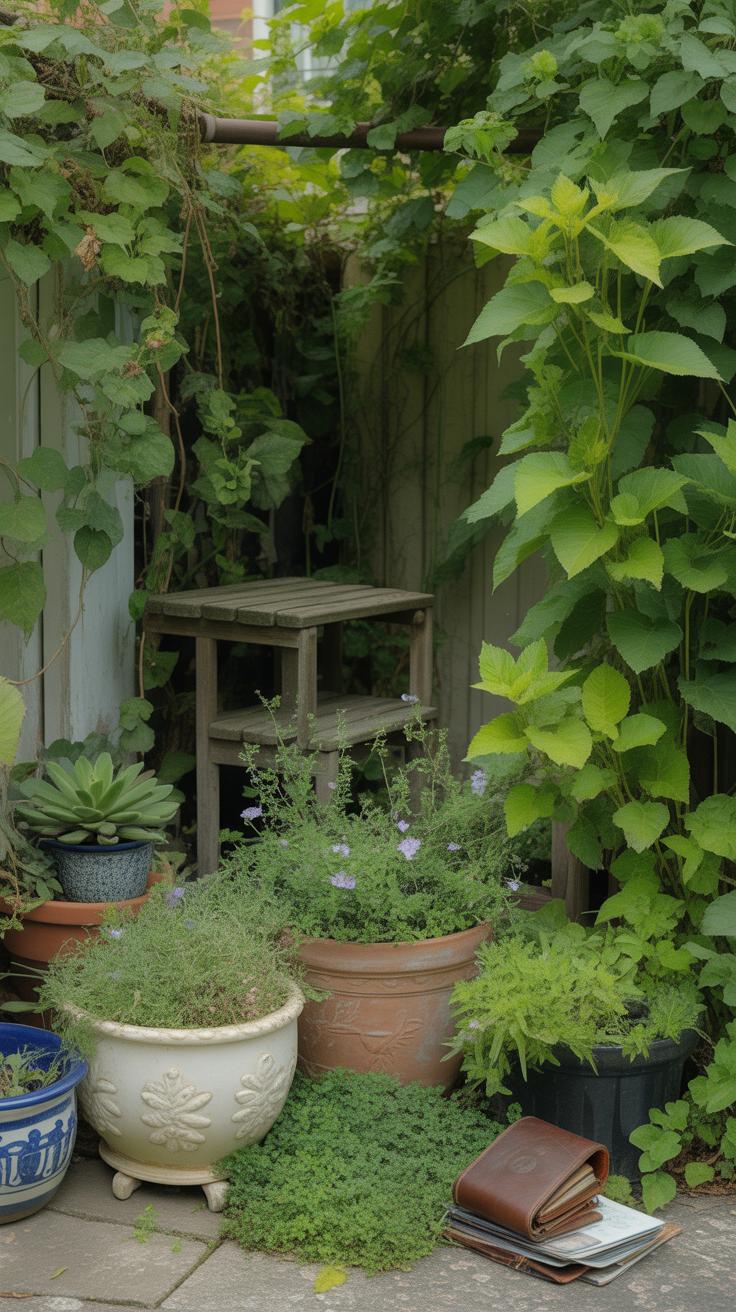
Spending too much on decorative items while cutting corners on the basics is a trap many fall into. You might end up with a visually pretty nook that’s uncomfortable or impractical. Think about it: a fancy chair that looks great but leaves you stiff after five minutes isn’t really a win. Conversely, skimping on essential elements like weatherproofing or proper lighting can lead to more expense later when things break down or feel unusable.
One common error is ignoring the function of your garden nook in favor of style. It’s tempting to buy trendy accessories or expensive cushions, but these shouldn’t come before sturdy seating, shade, or storage options that actually make the space livable. Prioritizing essentials means asking yourself what you’ll truly use and need, not just what’s visually appealing.
You might think quality always demands a bigger budget, but that’s not strictly true. There are smarter ways to save without sacrificing comfort or durability. For example:
- Look for sales or secondhand items with good condition—sometimes, you can find solid furniture at a fraction of the price.
- Buy materials that last longer rather than something cheaper you’ll replace repeatedly.
- DIY simple upgrades like cushions or planters to keep costs down while tailoring the nook to your taste.
It’s a balancing act between what’s essential and what’s nice to have. Could your money be better spent on a quality bench than on ornamental lanterns? Probably. But there’s a fine line to walk, and ultimately, your priorities shape your decisions. Take some time to plan—and maybe think twice before splurging on that throw pillow you don’t actually need.
Plan for YearRound Use
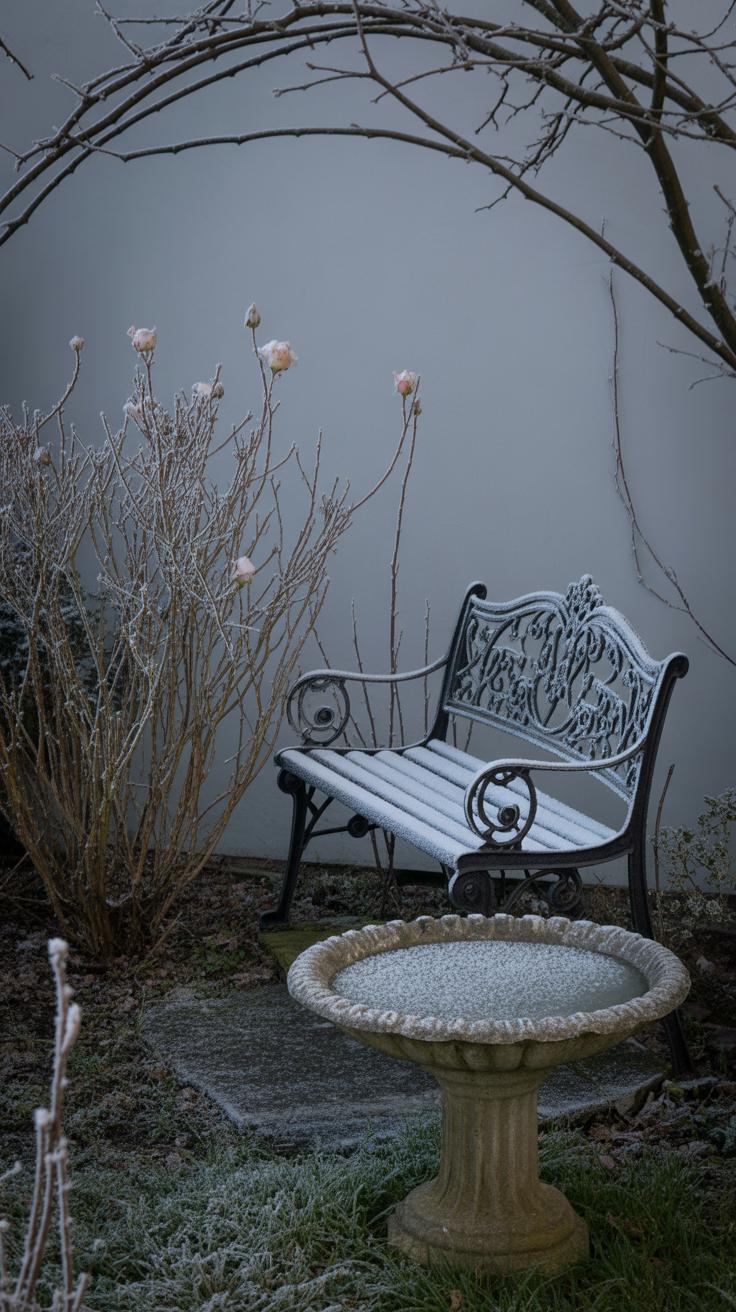
One common mistake with garden nooks is designing them just for warm months. People often picture lounging there in spring or summer and forget about how the space functions in autumn or winter. This narrow focus can leave you with a beautiful spot that’s useless half the year. Isn’t that a bit frustrating? If you really want to get the most from your nook, think beyond just sunny, mild days.
Making the space cozy year-round means layering your plans. A mix of weather-resistant furniture, cushions you can easily swap out or store, and some way to block wind or rain can work wonders. You might also consider flexible shading options like retractable awnings or pergolas with adjustable slats. These adapt to changing sunlight and shelter needs.
Season-Friendly Materials
Choosing the right materials plays a big role in durability and comfort across seasons. Some options that hold up well:
- Teak or cedar woods—they resist moisture and weather without needing constant upkeep.
- Wrought iron or powder-coated metals—for a sturdy frame that won’t rust quickly.
- Outdoor fabrics made to dry fast and resist mold, like solution-dyed acrylics.
- Composite decking—doesn’t warp or crack easily in fluctuating temperatures.
These materials might cost more upfront, but they save money and trouble later because you avoid repairs or replacements after sudden weather changes.
Adding Seasonal Features
Small additions can extend how long you enjoy your garden nook. Think beyond just a table and chairs:
- Clear vinyl or tempered glass covers help keep rain and wind out but don’t block light.
- Portable propane or electric heaters bring warmth on chilly evenings without major installation.
- Fire pits or chimineas create a central warm spot that invites gathering, though watch safety rules.
- Removable screens or curtains shield against bugs in summer and add privacy any time.
Installing these features may require some trial and error. Mounting a heater too close to certain materials might look unsafe or feel uncomfortable, so try setups carefully. Still, with these tweaks, your nook can shift from a summer hangout to a cozy retreat pretty much whenever you want. Would you want to spend just a few months there, or all year? That question shapes your plans more than you might think.
Evaluate Garden Nook Location Choices
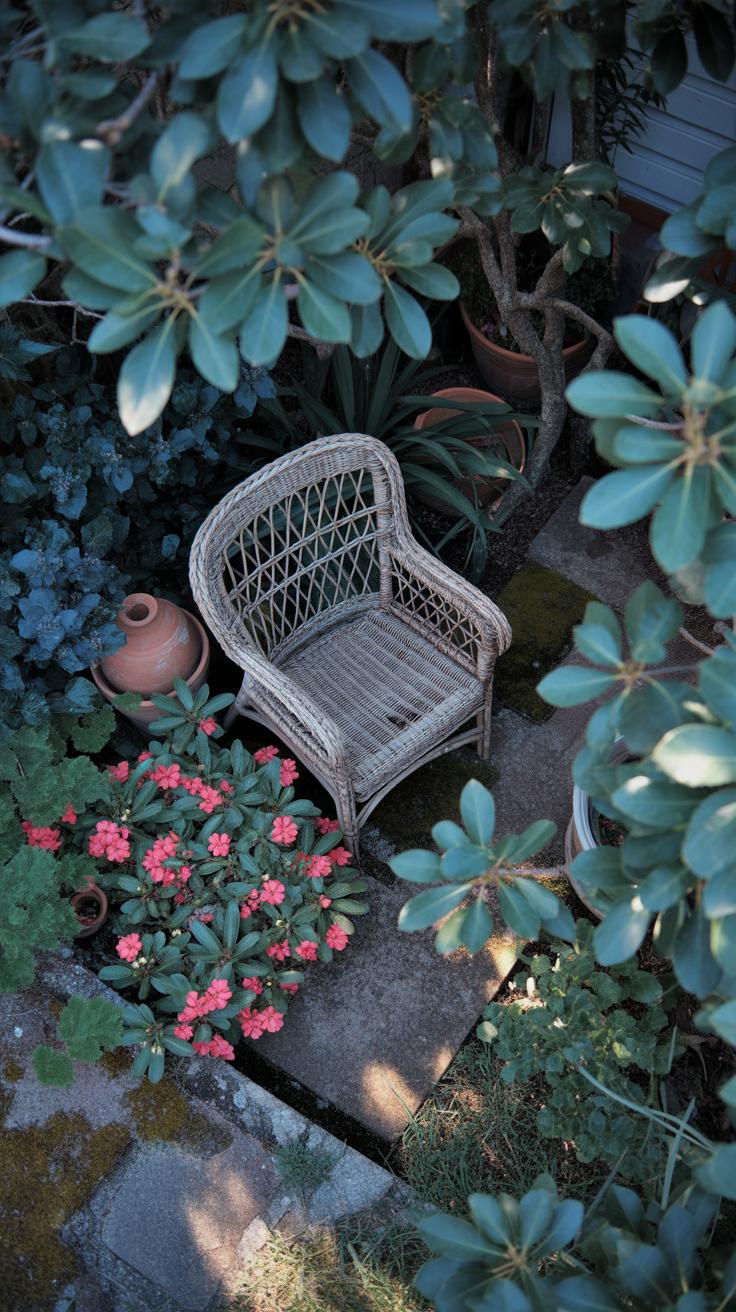
Picking the spot for your garden nook can feel straightforward—until you realize it isn’t. A lot of people jump in without thinking about key factors, and that’s how you end up with a space that’s too dark or awkward to use.
Sunlight is a tricky one. Some plant types or seating areas need bright sun, but too much can make sitting outside uncomfortable. For example, if you want a quiet reading corner, maybe full sun isn’t ideal. On the other hand, a spot with too much shade might stunt your plants or feel gloomy. So, finding a balance between sun and shade matters—a lot.
Here are a few things you might want to check before settling on a spot:
- Observe where the sun hits throughout the day, not just midday.
- Consider the seasonal variations in sunlight; the brightest spot now might be different in winter.
- Think about the function—do you want warmth on chilly mornings, or a cool retreat during hot afternoons?
It’s also surprising how often accessibility gets overlooked. If you have to climb over flowerbeds or zigzag through uneven paths just to reach your nook, you’re less likely to use it regularly. Sometimes, the most scenic spot isn’t the most practical one.
Easy access encourages spontaneous use. Imagine stepping out for a quick coffee break or letting kids dash to your nook without hassle. It doesn’t need to be perfectly paved, but a simple, clear path can make all the difference to how often you enjoy the space.
When you evaluate your garden, try picturing yourself moving through the space several times a day. Would you hesitate to go there because of difficult paths or uncomfortable lighting? Those little hesitations add up, costing you enjoyment—and yes, a bit of money if you end up redesigning the nook later.
Maintain Your Garden Nook Regularly
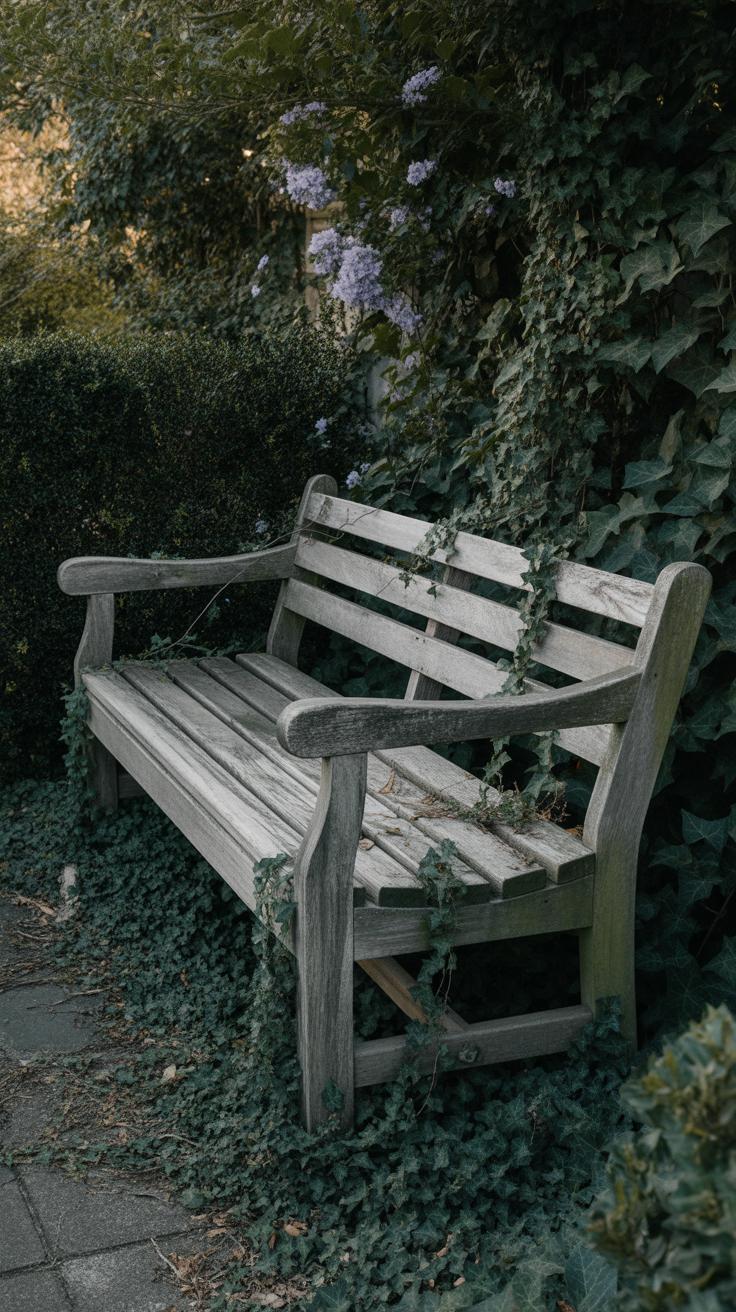
Neglecting your garden nook can quietly chip away at its appeal and usefulness. When plants start to look tired, or furniture gets worn without attention, the space feels less inviting—and sometimes, you might not even notice until it’s a bit too late. I’ve seen nooks that once felt cozy turn into cluttered, barely-used corners because upkeep was ignored. Regular maintenance keeps the value—not just financially but for your everyday enjoyment.
Simple, consistent routines prevent this decline. A quick sweep of leaves, wiping down surfaces, and checking for pests can make a noticeable difference. You don’t need hours; a few minutes every few days goes a long way toward keeping things pleasant. It’s like giving the nook a little reset before the next use.
Regular Cleaning and Care
Think about these regular tasks: clearing fallen leaves, trimming dead leaves or flowers, and wiping dirt off chairs or tables. Sort out loose tools or cushions that end up scattered. These small steps keep the space feeling fresh and ready for relaxing or entertaining.
Watering plants thoughtfully is key, too—sometimes less is more, and overwatering can sneakily cause damage without obvious signs. Spot checks for bugs or mold can help you catch issues fast.
Seasonal Maintenance Checklist
- Spring: Refresh soil, prune back overgrowth, clean garden furniture, and inspect irrigation systems.
- Summer: Shade delicate plants, increase watering during heat waves, and check for weeds regularly.
- Autumn: Clear fallen leaves, prepare plants for cooler weather, and store away cushions or fabrics.
- Winter: Protect plants from frost, examine furniture for damage, and remove any ice or snow buildup.
Following these steps might seem like extra work, but it really safeguards your effort and investment. Plus, maintaining a tidy nook tends to encourage you to use it more—and I think that’s part of the real value here.
Conclusions
Garden nook mistakes often stem from inefficient use of space or choices that increase expenses unnecessarily. Careful planning and awareness of common pitfalls help you design a nook that fits your needs without overspending.
Review your garden nook layout with the tips shared here. Focus on practical changes that save space and money. Your garden nook can become a functional, enjoyable spot once you avoid costly errors.