The Illusion Of Abundance: Why More Ideas Mean Less Joy

Festive Clutter Against Genuine Atmosphere
You want a long list because you’re afraid of forgetting something, or worse, looking unprepared. The mechanism is simple: more decorations, more activities, more food stations don’t create atmosphere. They dilute it. Design principle from signal-to-noise ratio applies here. Your backyard has a fixed visual and sensory bandwidth. Every extra element competes for attention and cancels out the others, leaving guests overstimulated and disoriented instead of present.
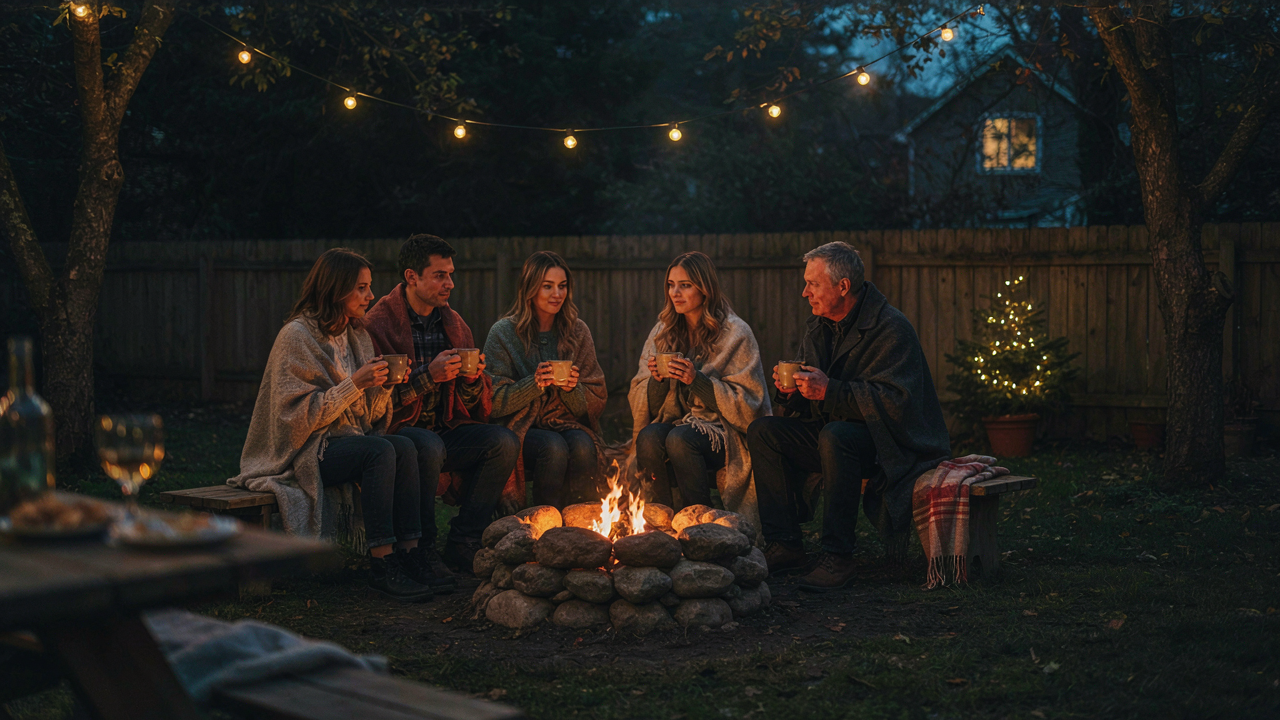
Most advice tells you to do more. That’s incomplete. A warm outdoor Christmas party lives in restraint, not abundance. Three focal points beat twelve scattered ones. Two drink stations beat five. String lights on one structure beat lights everywhere. The cost of festive clutter isn’t just money. It’s the cognitive load on your guests and the diluted impact of every single element you worked to set up. Guests remember feeling crowded or confused, not warm.
The Leverage Of Subtraction
Doing less, better means identifying what actually drives the experience and removing everything else. Most hosts confuse activity density with quality. You don’t need a playlist, a photo booth, a bonfire, and lawn games. You need one primary focal point that naturally draws people together, then one secondary activity for hands that need occupation. The primary creates cohesion. The secondary prevents awkward lulls without fracturing the group’s attention.
The protocol is ruthless. Write down every idea. Then cross out eighty percent. What remains should answer one question: does this deepen connection or does it distract from it? A simple fire pit with seating beats three entertainment stations. Warm drinks and one snack spread beats a buffet line. Constraint forces intentionality. Your guests sense the difference between chaos managed and experience designed.
The “Scarcity Spotlight” Protocol For Outdoor Christmas Party Ambiance
Where Your Eye Actually Lands

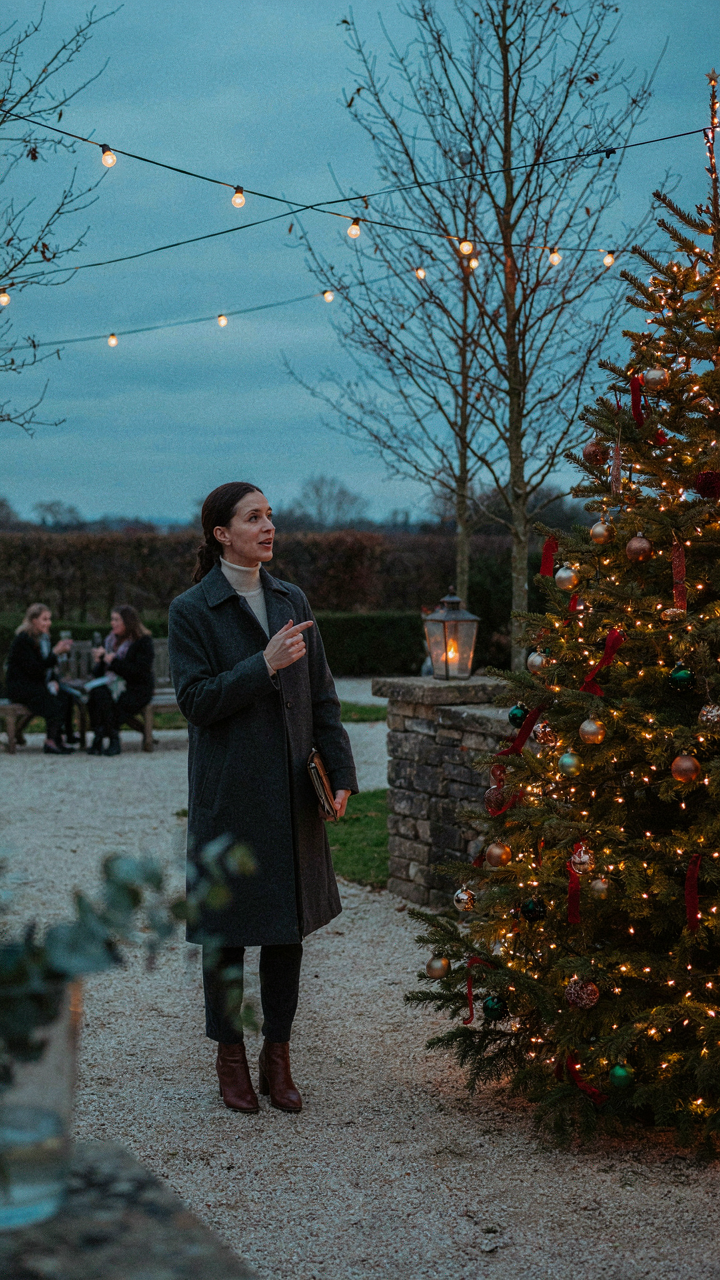
You want people to feel like your backyard matters. That requires constraint. Most hosts light up everything equally, which trains the human eye to see nothing. Landscape architects use the focal point principle from compositional design: direct attention by leaving some areas dark and pulling focus to one or two specific zones. Your backyard has natural anchors already. A tree, a seating area, a fire feature, a water element. The mechanism is simple. The eye moves toward contrast and stops where light meets shadow.
Pick one primary focal point and one secondary. The primary anchor—say a large tree or pergola—should receive 60 percent of your ambient light. The secondary, maybe a table or corner seating zone, gets 25 percent. The remaining 15 percent illuminates pathways only. This isn’t decoration. This is visual hierarchy. Without it, your outdoor christmas party reads as scattered and cheap, even if your setup is nice.
Brightness That Marks Territory, Not A Stadium
Generic advice says “warm lights everywhere” and calls it done. That’s wrong. Warm lights everywhere create visual noise and waste energy. The mechanism here is scarcity. Your guests need to feel contained, not exposed. Overlighting a backyard kills intimacy and draws attention to the property lines and the neighborhood beyond.
Use layers. String lights at eye level create a ceiling. Ground spotlights or uplighting on trees create vertical walls of light. Path lights anchor the ground plane. Each layer serves one job. Together they build a room. Start with 40 percent less light than you think you need. Add more only after the sun sets completely and you test the actual effect. The goal is pools of light, not floodlights. When a guest can’t see past your backyard boundary, they’re no longer thinking about leaving.
Warm Backyard Gathering: Leveraging Nature, Not Overpowering It

Your Existing Trees Are Free Decor

You want people to think you’re the type who has taste without trying. That’s the real reason this matters. The mechanism is simple: borrowed scenery. Your landscape already exists. Christmas decor fails when it fights the existing structure instead of working with it. Evergreen trees, fence lines, and hedges become the architecture. Garland, lights, and ornaments fill gaps rather than create the entire visual from scratch.
Most outdoor Christmas advice treats your yard like a blank canvas. It isn’t. An established oak or pine tree becomes an anchor point. String lights through existing branches instead of installing freestanding structures. Hang ornaments from limbs you already have. Wrap garland around what’s already vertical. This cuts installation time in half and makes the space feel intentional rather than cluttered with temporary objects.
The Smell Test That Matters
Artificial Christmas scent is designed to announce itself loudly. Pine-scented candles, artificial sprays, and fragrance diffusers broadcast “holiday” the way a stock photo broadcasts “office.” Real scent integrates. Natural pine, cedar, and fir branches emit compounds that don’t require announcing themselves. They’re background signal, not foreground noise.
Clip fresh evergreen branches from your own trees or source them locally. Place them in water containers near seating areas. They last three to four weeks and release scent as air temperature fluctuates. Skip the plug-in diffusers and synthetic candle melts. One branch placed where guests naturally walk creates recognition without effort. The mechanism works because scent triggers memory directly, bypassing the critical filter that rejects obvious marketing.
The Un Decorated Table: Backyard Christmas Party Food Focus
Food As The Actual Entertainment

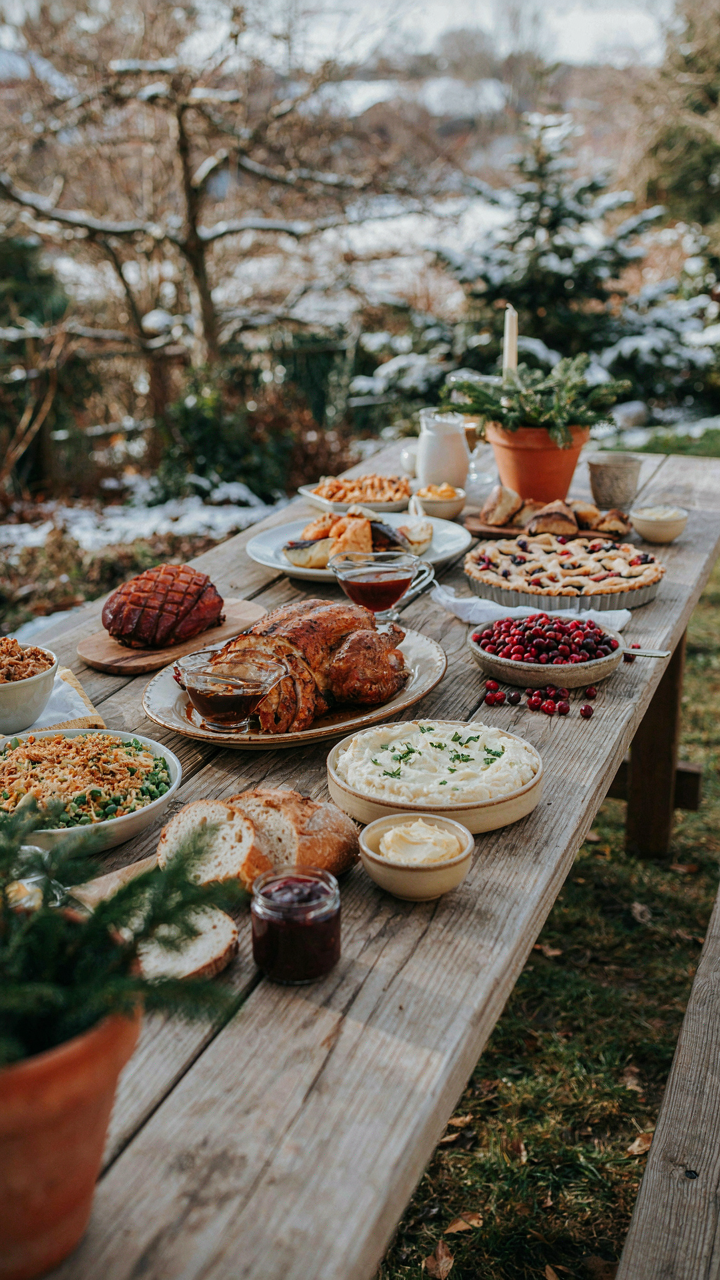
You want people to talk about your party instead of scrolling through photos of someone else’s. That’s the real driver here. Most hosts treat food as decoration and wonder why guests cluster by the drink station instead of moving through the yard. The mechanism is simple: people follow appetite, not aesthetics. Seasonal, fresh fare gives them a reason to move, taste, and stay engaged. Roasted root vegetables, citrus, herb brined chicken, and fresh greens work because they taste specific to the moment. Nobody remembers the centerpiece. They remember the food.
Set up food stations at different points in your yard, not one central table. This forces circulation. A charcuterie spread by the fire pit, grilled items near the seating area, and a dessert station by the entrance create natural traffic patterns. The goal isn’t abundance—it’s strategic placement. When people move to eat, they encounter other guests, conversations start, and the party gains momentum. One central table creates bottlenecks and dead zones everywhere else.
Drink Stations That Keep People Moving
Waiting in line for a drink is dead time your guests resent you for, even if they don’t say it. Economics calls this “service time friction”—the delay between desire and fulfillment. Apply that here: eliminate the bartender bottleneck. Set up two or three self-serve stations with wine, beer, and a simple hot drink like mulled cider or spiced coffee. Label everything clearly. Guests serve themselves and immediately rejoin conversations instead of forming queues.
The hot drink station works harder than you think in outdoor settings. It gives people a reason to congregate near warmth and creates natural gathering points. Stock it with mugs, cinnamon sticks, and a large slow cooker so it runs without your intervention. Cold drinks need ice and clear instructions. Pre-batch cocktails in dispensers rather than making them individually. The efficiency isn’t about being lazy—it’s about keeping your guests in motion and social, not stuck waiting while you play bartender.
Beyond The “Playlist”: The Acoustics Of An Outdoor Christmas Party
How Sound Travels When There’s No Roof

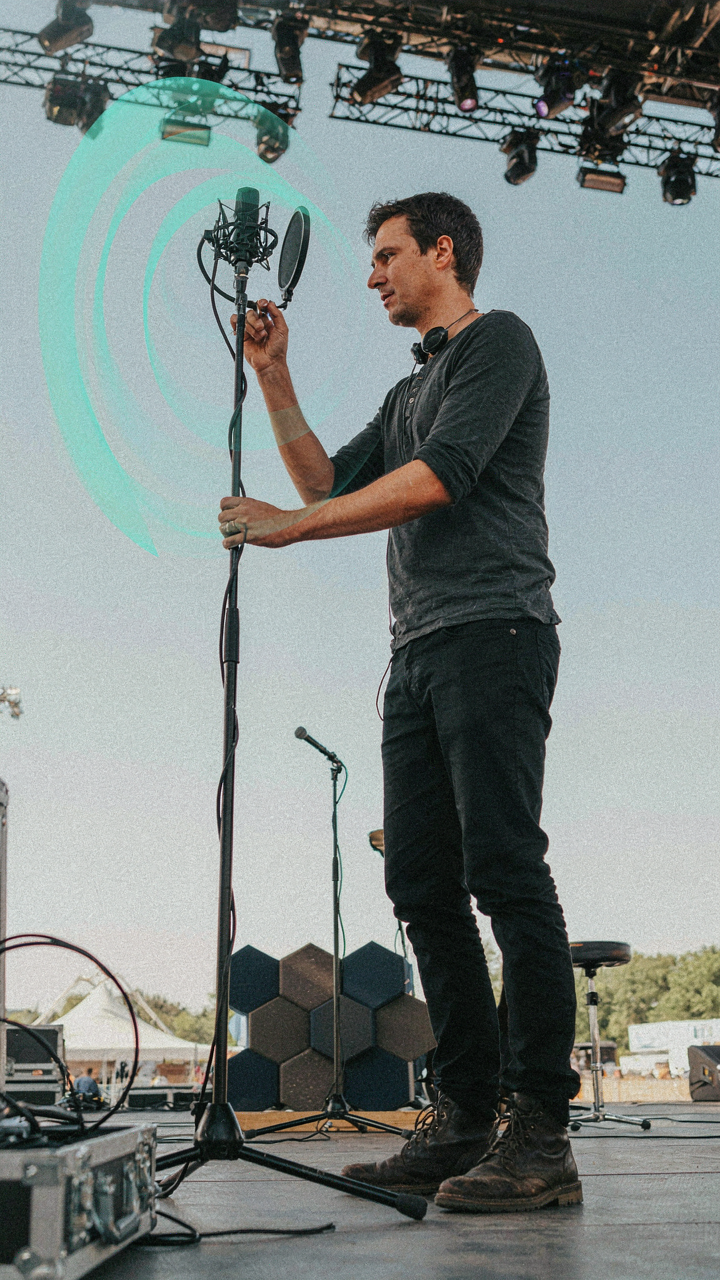
You want people talking to each other instead of shouting, because conversation drives connection and connection drives the feeling that your party matters. Sound physics is simple: outdoor spaces have nothing to absorb noise, so every voice bounces off hard surfaces and compounds into chaos. A backyard party defaults to acoustic disaster. Soft materials absorb sound waves before they scatter. Hard surfaces like concrete, wood decking, and glass amplify and reflect them across distances.
Place fabric elements strategically to kill reflections. Outdoor rugs define zones and absorb foot traffic noise. Hanging tapestries or fabric panels between seating areas trap mid-range frequencies where human conversation lives. Trees and shrubs absorb high frequencies naturally, which is why parties near landscaping feel less chaotic than those on open patios. Avoid arranging guests in wide-open rectangles; sound travels differently in tight clusters. The goal is stopping sound waves from traveling more than twelve feet before hitting something that absorbs them.
Creating Different Spaces For Different Conversations
Acoustic zones are behavioral design. Your guests won’t naturally sort themselves by conversation type, so your physical layout must force the sorting. One loud area near the music and food service handles background noise gracefully. A separate, buffer-zoned seating area twenty to thirty feet away stays quiet enough for actual dialogue. The distance and a physical barrier—trees, a low fence, tiered decking, even a change in ground material—prevent sound from traveling between zones.
The mechanism is simple: proximity determines acoustic mixing. Guests near the speaker system experience high volume and group energy. Guests separated by distance and obstruction experience fifteen to twenty decibels lower sound levels. That difference moves them from shouting to conversing. Place string lights, potted plants, or architectural elements to mark zone boundaries without walling people off. This prevents the single-party-in-one-space trap where half your guests are stressed and the other half are isolated. Test it during setup by standing in each zone and speaking at normal volume.
Comfort Over Clutter: Essential Elements For A Christmas Festival Feel
Seating That Doesn’t Trap People

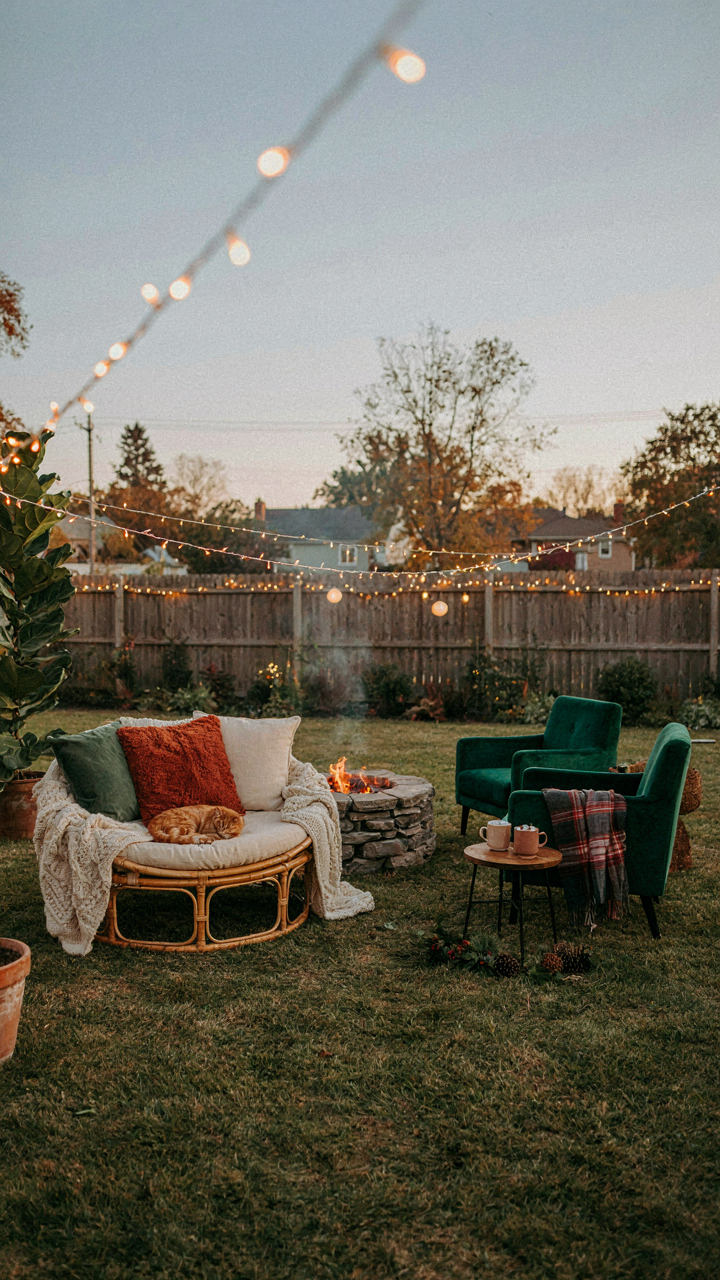
You want guests to feel anchored without feeling stuck, which is the real reason you care about seating arrangement. Use conversation density theory from urban planning: create nodes, not rows. Cluster seating into groups of four to six chairs around small tables or fire features. Space these clusters eight to ten feet apart so conversations stay contained and people can move between them without interrupting. This creates natural social compartments. Avoid long benches or theater-style seating facing one direction. Those layouts kill circulation and force people to choose between boredom or awkwardness.
Seating that moves the party doesn’t need to match. Mix chair styles and heights, but keep them within the same cluster so the eye doesn’t fracture. Position clusters on level ground away from wind corridors, and angle chairs slightly inward to encourage eye contact. Add small side tables next to seating so guests set drinks down and stay longer. The mechanism is simple: when people can sit comfortably without feeling trapped or on display, they linger instead of circulating nervously or leaving early.
Distributed Heat Beyond The Fire Pit
Everyone assumes a fire pit solves winter warmth, but it solves maybe 40 percent of the problem and creates dead zones everywhere else. Deploy multiple heat sources at different points across the yard to eliminate cold spots where guests congregate but freeze. Propane patio heaters work fastest and cover roughly 250 square feet each. Position one or two near seating clusters, not centered in the yard. Radiant heat from overhead units travels down and doesn’t dissipate like convection heat from a single central fire. Combine this with wind blocks like evergreen plantings or temporary screens to protect gathered areas.
Layered heat is the real protocol. Station a fire pit as a focal point and gathering spot, but don’t rely on it as your heating strategy. Add patio heaters to protect high-traffic seating zones. Line perimeter areas with potted plants or fabric screens to reduce wind penetration into your space. Give guests blankets stacked on nearby chairs so they own the decision to add warmth without asking. The result is comfort that doesn’t trap people around a single heat source and actual attendance through the second hour of the party.
The Experience Economy Of Your Christmas Party Outdoor
Activities That Create Real Interaction

You want people talking about your party because it reflects on you. Here’s what actually works: the experience economy framework from business strategy maps directly onto outdoor gatherings. In economics, experience goods gain value through participation and memory, not passive consumption. Your job is designing moments where guests become active players, not spectators standing with drinks.
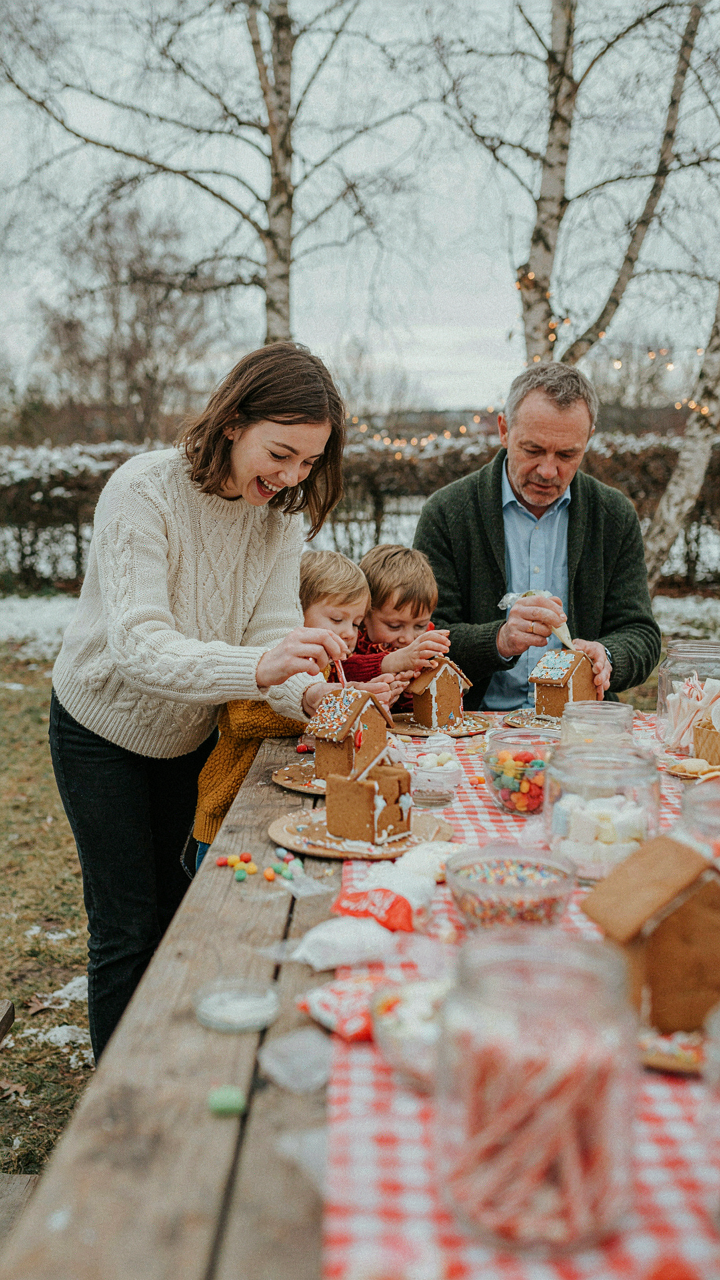
Skip the tired lineup of games nobody wants to play. Instead, architect stations where people naturally cluster around a task with low stakes but high engagement. A fire pit where guests roast custom marshmallows with toppings they brought. A photo setup with props that doesn’t feel like a photo setup. A hot chocolate bar where the host isn’t controlling the spoon. The mechanism: people bond over shared creation, not shared observation. When guests make something together, they own the memory.
Organic Moments Beat Scripted Entertainment
The common advice here is wrong. Most party hosts treat spontaneity as something that happens by accident. It doesn’t. You engineer conditions for it, then get out of the way. A rigid schedule of “now we do this” kills the actual value people came for: connection without agenda.
Create pockets of permission. A corner with blankets and a fire where conversation happens naturally. Music playing at background volume, not dominating. Enough physical space that people can break into smaller groups without it feeling rude. The single highest-leverage move: remove the host’s presence from constant circulation. Work the first thirty minutes hard, then disappear into prep tasks. This signals to guests they can own the evening. The mechanism that matters is autonomy within structure. You’ve designed the frame, but guests fill the content.
Post Party Clarity: The Outdoor Christmas Party That Cleans Itself
Where Trash Goes Matters More Than You Think

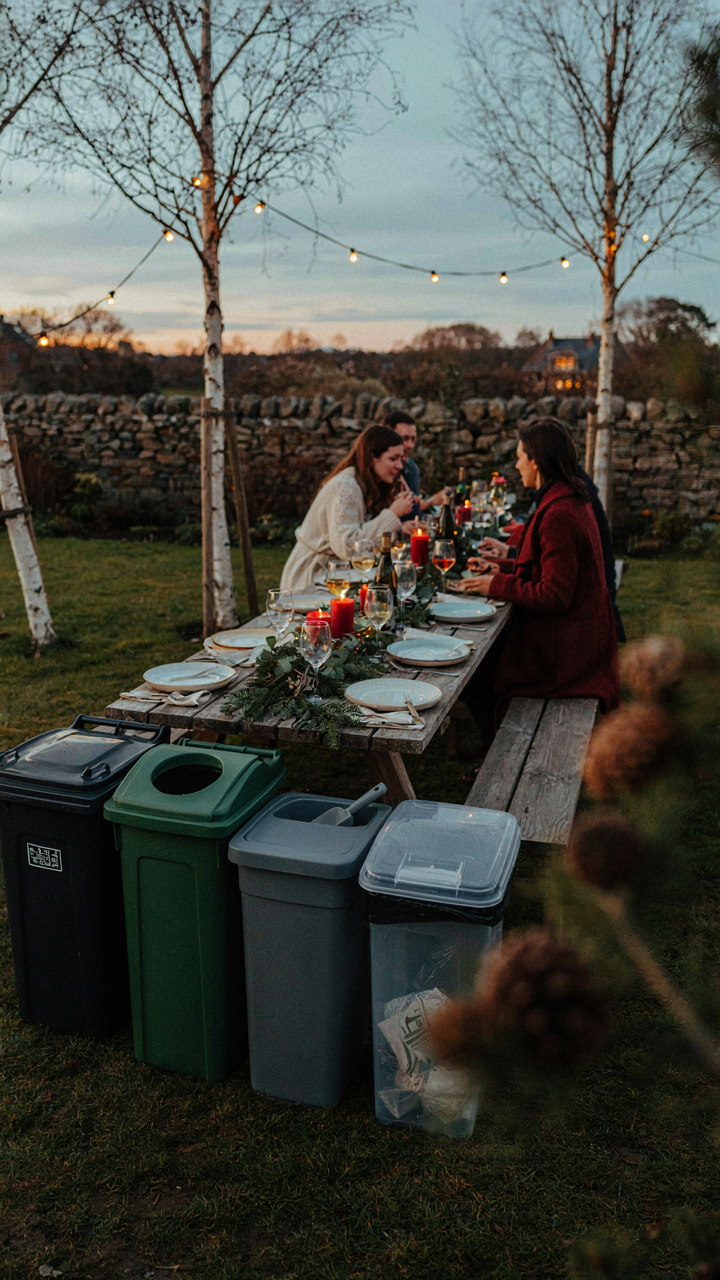
You want the party to feel effortless so nobody notices you worked at all. The real mechanism is friction: every extra step between a guest and disposal kills compliance. Place waste stations within arm’s reach of where people actually stand and eat, not hidden behind the pool shed. One station per fifteen guests prevents bottlenecks. Label bins clearly (compost, recycling, trash) so decisions happen fast. Guests won’t search for a trash can while holding a plate.
The difference between a mess and a clean yard afterward is pre-positioning alone. This isn’t about being uptight. It’s about physics. Objects move toward the path of least resistance. Remove the resistance and disposal becomes automatic behavior, not an afterthought. Station placement takes thirty minutes. Cleanup without this takes three hours.
The Equipment That Pays For Itself
Most parties fail here because hosts buy disposable everything and pay twice: once upfront, once in cleanup time. Rental-grade dishware, glassware, and serving utensils cost less annually than single-use alternatives if you host more than two outdoor events yearly. Reusables also signal intentionality to guests. They see quality setup, not corner-cutting. The investment compounds when you stop treating each party as standalone and start building systems.
- Stainless steel serving platters and bowls: Durable across weather and temperature swings, stack efficiently for storage, never stain or retain odors like plastic does.
- Bistro-grade glassware (acrylic or polycarbonate): Mimics glass aesthetics without breakage risk, withstands outdoor temperature shifts, rinses clean without residue.
- Cloth napkins over paper: Washable, reusable fifty-plus times, handle grease and spills better, reduce waste volume by seventy percent per event.
- Metal or wood serving utensils: Replace plastic spoons and forks that crack, bend, or leach chemicals; last decades with basic care.
- Reusable beverage containers: Branded thermoses or drinkware reduce cup waste entirely; guests often keep them, extending your brand presence beyond the party.
Reusable systems require front-end organization: designated storage space, a washing protocol, and inventory tracking. Build a simple spreadsheet tracking what leaves the house and what returns. This prevents loss. One missing platter isn’t tragic, but five missing items across three parties becomes expensive. The mechanism that sustains reusable systems is accountability, not willpower.
Cultivating Genuine Warmth: The Undeniable Power Of Understated Backyard Christmas Party Ideas
Stop Performing For The Crowd

You want people to remember your outdoor Christmas party because you need proof you threw a good one. That’s the real motivation. Here’s what actually works: the host who stays present builds social capital that Instagram photos never will. Presence is a scarcity signal now. Everyone performs. Few actually show up.
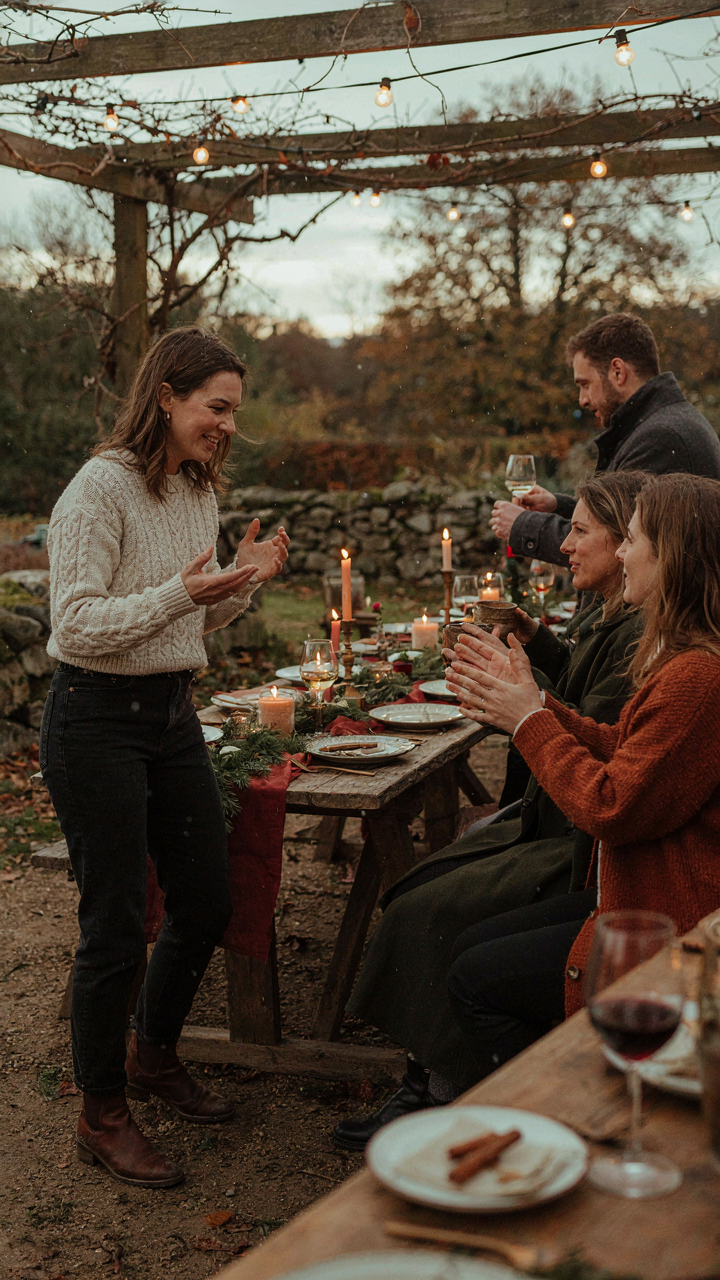
When you stop optimizing the event for external validation, you unlock the mechanism that makes gatherings stick in people’s memory. You talk to individuals instead of managing the room. You notice when someone stands alone and invite them into a conversation. You remember what your neighbor mentioned last month and ask about it. These moves cost nothing and register everything.
The Host Who Shows Up Changes Everything
Behavioral economics calls this the observer effect: the act of measurement changes the system itself. Your attention is the measurement tool at an outdoor Christmas party. Where your focus goes, the party’s energy follows. Most hosts treat their own event like a production to manage from the wings. They check decorations, monitor food, coordinate timing. The guests feel this distance and mirror it back with surface-level interaction.
The mechanism is simple: attention compounds. Thirty minutes of genuine conversation with four different people shapes how those people experience the entire evening and talk about it afterward. They leave thinking about the connection, not the menu. They invite the host to their next event because they felt valued, not entertained. This is why small gatherings with a present host outperform large, polished events with an absent one every single time.
Your Guests Don’t Need More. They Need What You’re Hiding
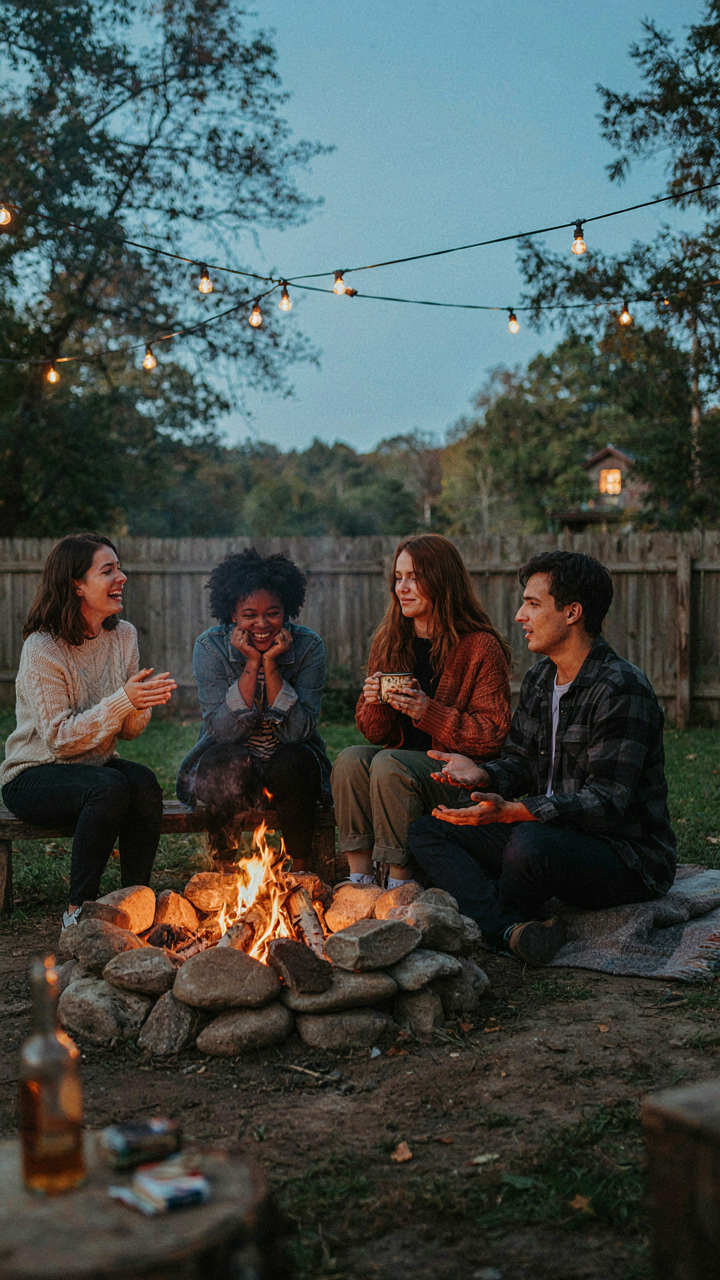
Stop treating your outdoor Christmas party like a checklist to complete. Your guests came for you, not for perfectly arranged string lights or premium catering. They want to feel something. So stop performing and start connecting. Pick one person at your party this week and text them an actual reason you want them there. That vulnerability spreads faster than any decoration ever will. People remember how you made them feel, not what you served them.