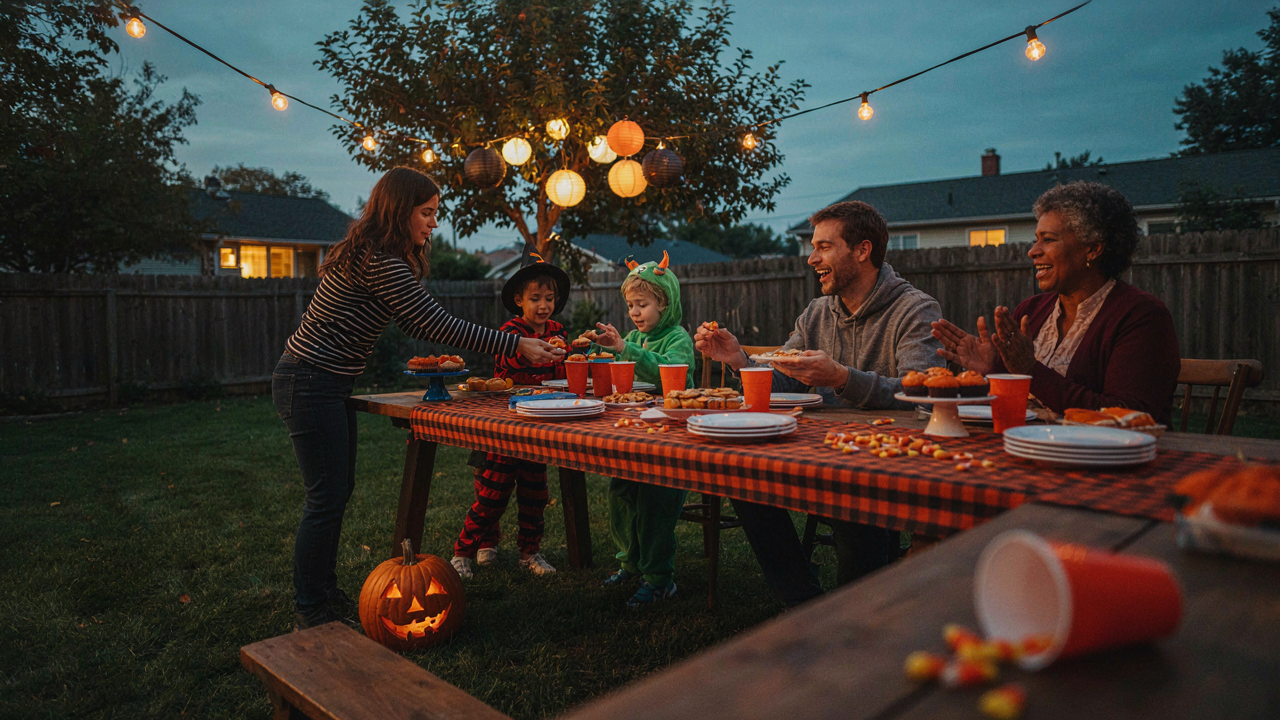
The Un Themed Halloween Backyard Party: A Failure Of Imagination

Why Themes Elevate Beyond Basic Decorations
You want people to remember your party instead of scrolling past their phone photos three days later. Here’s what nobody states plainly: a theme is a constraint system that removes decision paralysis from guests and creates a shared behavioral framework. Without it, people show up, stand around, and leave after an hour. Themes work like grammar in design. They tell people what to wear, how to move, and what tone to hit. A random collection of orange lights and fake cobwebs doesn’t create this. It just looks like you bought bulk decorations and hoped for atmosphere.
The mechanism is psychological anchoring. When guests enter a space with a clear theme, their brain immediately knows the social rules. Are we being scary or campy? Sophisticated or chaotic? A theme answers that before anyone speaks. This reduces social friction and increases participation. Adults stop overthinking their costume choice. Kids understand the permission structure they’re operating within. Without a theme, your backyard becomes a generic gathering space where people perform polite small talk instead of actually engaging with the environment you built.
Brainstorming Truly Original Backyard Halloween Party Ideas
Stop mining Pinterest for “trending” themes. That advice is incomplete because trending themes are already dead by execution time, and you’ll end up where everyone else landed six months ago. The real work is identifying a constraint that feels personal to your actual life. What’s a specific decade your household actually cares about? What’s a movie or book that shaped how you and your guests think? What’s an absurd inside joke that would land harder if it had a physical space to inhabit?
The best backyard themes operate on specificity, not broadness. “80s Halloween” is generic. “80s game show horror night where guests compete in ridiculous elimination rounds” is a mechanism. “Haunted library” is decoration. “A library where every book title has been replaced with fabricated horror parodies and guests must guess the original” is a playable system. Your theme should generate activities and conversation automatically. When you nail this, guests don’t need alcohol or forced games to stay engaged. The environment itself becomes the entertainment because you’ve built in reasons to actually participate.
The “No Jumpscare” Outdoor Halloween Party Protocol
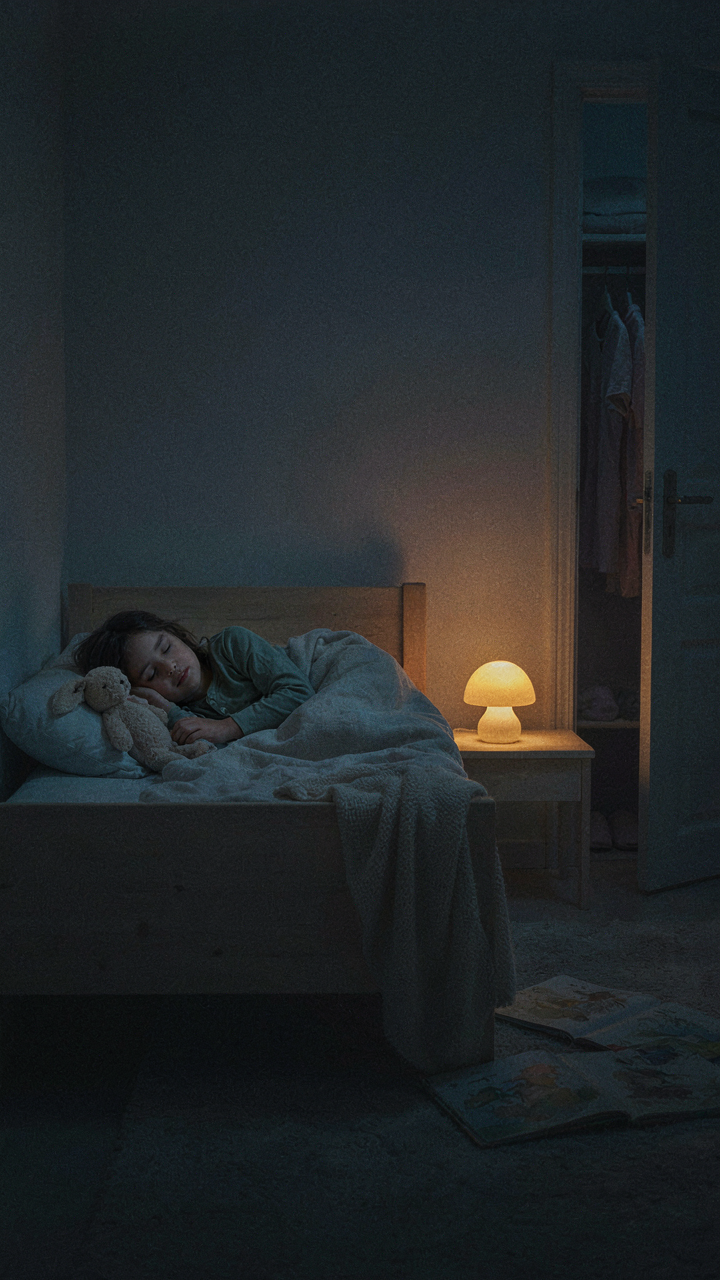
Atmosphere Over Jump Scares

You want permission to throw a party where adults don’t feel defensive and kids don’t end up sleeping in your guest bedroom at 2 AM. The real mechanism is this: sustained unease beats sudden noise every time. Borrow from film sound design—dread lives in what you hear consistently, not in what startles you once. A low ambient hum, wind chimes that sound slightly off-key, a distant dog barking on loop—these create tension because they persist. They make the brain work. Jumpscares are cheap because they trigger the startle reflex and then it’s over. Dread compounds.
Layer your audio first. Start with ambient sound at 40-50 decibels—think Halloween-specific playlists with minor-key instrumental tracks. Add single sound elements on top: creaking branches, settling wood, chains dragging slowly. Don’t announce these sounds or loop them too obviously or people tune them out immediately. Space them. The party’s job is to create a reason for the guest to scan the yard and feel alert, not terrorized. That’s the actual goal everyone skips over.
Lighting Tells The Real Story
Most advice says “use orange lights and call it a day”—which is why most backyards look like every other halloween yard. The real work is using shadow and contrast. Stage lighting uses the principle of fill and key light: one light source creates the visible object, the other defines depth and mood. Apply this: your main light source should cast harsh shadows from natural objects in your yard. A tree becomes a silhouette. A fence line becomes a reference point for depth. This forces the eye to work and makes the space feel larger and more uncertain than it actually is.
Position LED uplighting behind plants or under deck edges—not to flood the space, but to create pools of color that suggest something exists just outside full visibility. Warm amber works better than pure orange because it mimics firelight and feels historical, less costume-shop synthetic. Keep brightness inconsistent across the yard. Uneven lighting makes people uncomfortable because our brains expect gradual transitions. The discomfort is the entire point. Shadows are free atmosphere if you design them instead of letting them happen by accident.
Beyond Candy: The Halloween Party Outdoor Experience Economy
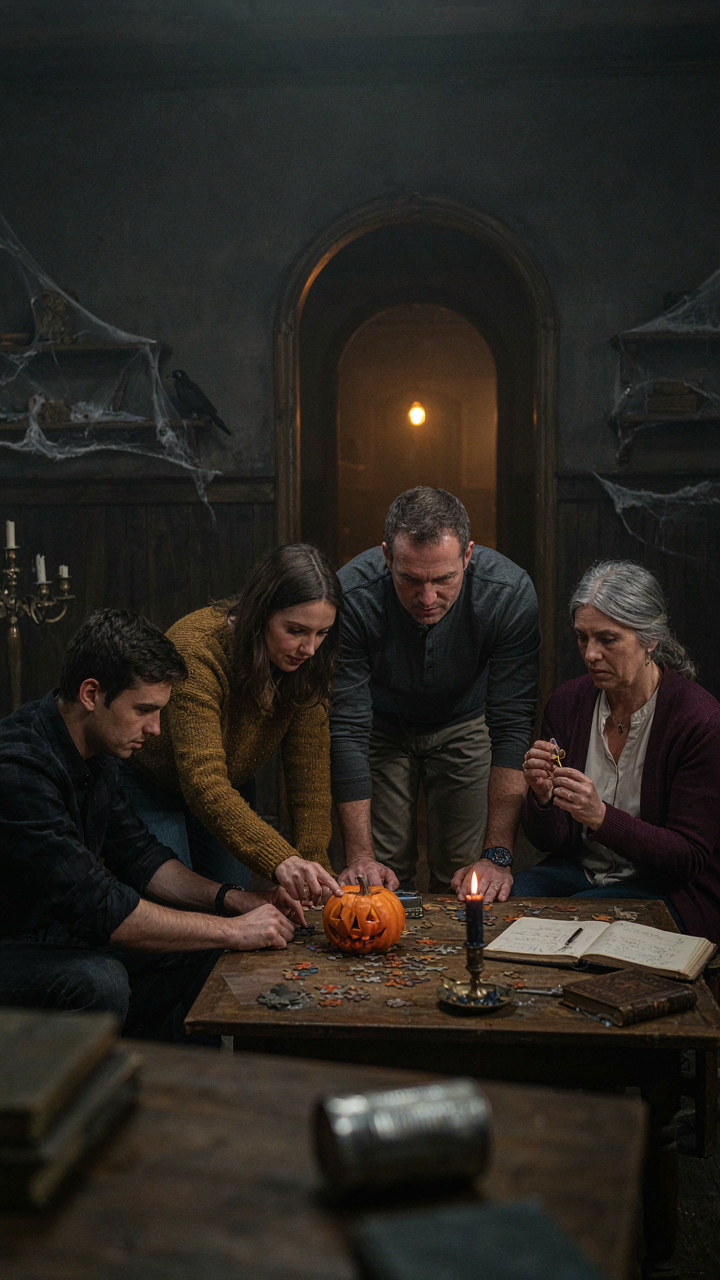
What Adults Actually Want From The Backyard
You’re worried your party will feel like a kids’ event where you stand around making small talk. The real mechanism is attention scarcity. Adults need legitimate reasons to stay engaged in one location for hours, and those reasons can’t feel forced or juvenile. Drinking games solve this by creating social structure and permission to act loose, but they’re not the only path. You need activities that demand focus without requiring alcohol as the social lubricant.
Outdoor lawn games with actual stakes work because they compress time and create natural conversation breaks. Cornhole, giant Jenga, and ladder toss force decision-making and brief periods of silence where people watch outcomes. Escape room style puzzle stations scattered around your yard work similarly, but with higher cognitive demand. Set up three stations that take eight to twelve minutes each. Adults move through them in groups, solve the puzzle or challenge, get a stamp or token, and move on. The key is rotation and completion, not endless free play.
Keeping Kids Occupied Through Structure, Not Boredom
Everyone says “let kids run around and play.” That advice creates chaos and makes parents anxious about supervision. What actually works is bounded activity with clear start and finish points. Kids engage when they know what comes next and when it ends. Assign stations with specific tasks: a pumpkin decorating zone with markers and paint pens, a scavenger hunt with a printed list and a collection bag, a photo booth with props, and a craft table for making masks or wands.
Rotate kids through stations on a loose schedule or let them choose their order. The structure prevents aimlessness and gives parents breathing room. Each station should take fifteen to twenty minutes. Staff each one with an adult or older teen who knows the activity and can enforce simple rules. Keep instructions written and visual so kids understand immediately. This approach reduces behavioral problems and prevents the common outcome where kids get bored, parents get stressed, and the party winds down early.
Ambiance Amplifiers: Backyard Halloween Party Decorations That Matter
Light Creates Psychological States, Not Just Visibility

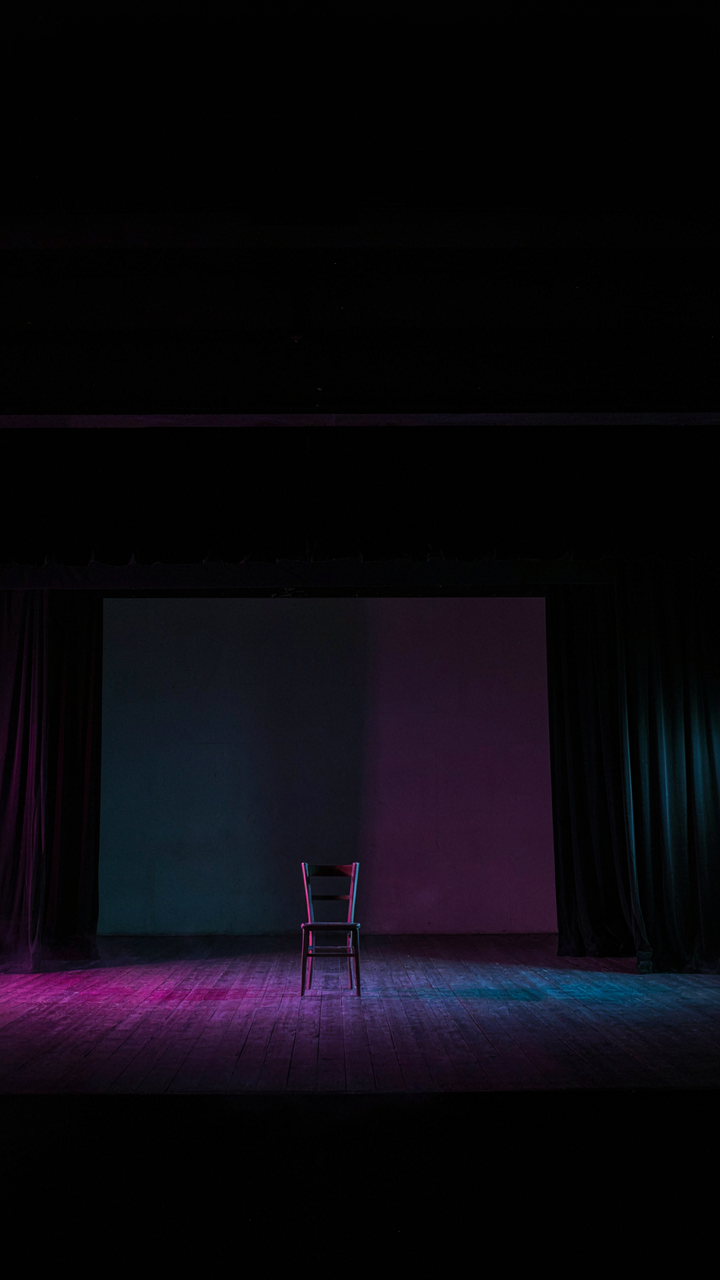
You want people to feel unsafe in a way they enjoy, and you think decorations do that. They don’t. Light does. This is a principle borrowed from theater design: you’re not decorating a space, you’re controlling perception through illumination contrast. Darkness makes threat credible. Light placement determines where attention travels and how comfortable guests feel moving through your yard.
Standard advice says “use orange and purple lights everywhere.” That’s lazy. Strategic lighting works because shadows create narrative. Place uplighting on trees or structures to cast exaggerated silhouettes. Use warm amber or orange lights near gathering zones to signal safety. Cold white or blue lights in pathways create unease without danger. The mechanism is this: your brain registers light temperature and intensity as information about threat level. Guests navigate based on lighting hierarchy, not decoration density.
Soundscapes Shape Behavior, Not Just Mood
A playlist of spooky sound effects playing on loop doesn’t work. Audio design is behavioral architecture. The real tactic involves layering: ambient background sound underneath intermittent sharp sounds, with volume variation based on where guests are in your yard. This creates tension through unpredictability, not through constant noise.
Use ambient drone or low-frequency background sound at 45-50 decibels in gathering areas. Layer in sudden sharp sounds at irregular intervals in less-trafficked zones to encourage movement. Position speakers strategically so sound appears directional rather than originating from obvious speaker placement. The protocol: test your audio mix during daylight first, then adjust volumes as darkness falls. Sound behavior shifts based on outdoor ambient noise, crowd size, and distance from neighbors. Place your primary speaker near where most guests gather, secondary speakers in transition zones, and avoid audio in sleeping areas adjacent to your property.
The Scarcity & Abundance Principle For Halloween Party Food

How Economics Shapes What People Actually Eat

You want guests to remember your party as abundant and generous. That’s the real fear underneath this section. But here’s the mechanism: economics teaches us that perceived value rises when supply drops. Apply scarcity to your Halloween party and you reverse the usual dynamic. Most hosts flood tables with identical candy bowls and generic snacks, so nothing feels special. Your move is to weaponize scarcity deliberately.
Create two distinct food zones. One zone holds unlimited staples: popcorn, pretzels, basic candy. The other zone contains the limited premium items: homemade treats, name-brand chocolate, specialty items you restocked once. Guests naturally cluster around scarcity. They take less because they sense it matters. Abundance of basics removes decision paralysis while premium scarcity creates the psychological impression that your party exceeds standard effort.
Premium Treats Versus The Unlimited Foundation
The bad advice here is simple: just buy more food. Wrong. Unlimited mediocrity reads as cheap, not generous. Limited excellence reads as intentional. The economic principle of diminishing returns applies directly. Your tenth bowl of generic lollipops adds zero value. Your single bowl of artisanal caramel apples or homemade peanut brittle commands attention because guests know it’ll run out.
Stock your main table with high-volume basics: bulk candy, chips, dips, soft drinks. These cost little per unit and guests expect abundance here. Scarcity works only when guests recognize the premium tier. Set premium items on a separate surface with visual separation. Homemade items, specialty chocolates, or imported treats signal restraint and craft. Guests self-regulate consumption because the scarcity cue triggers social awareness. Run out of premium items by 9 p.m. This is the goal, not a problem.
Logistical Labyrinth: Avoiding Outdoor Halloween Party Catastrophe
When The Weather Turns Against You

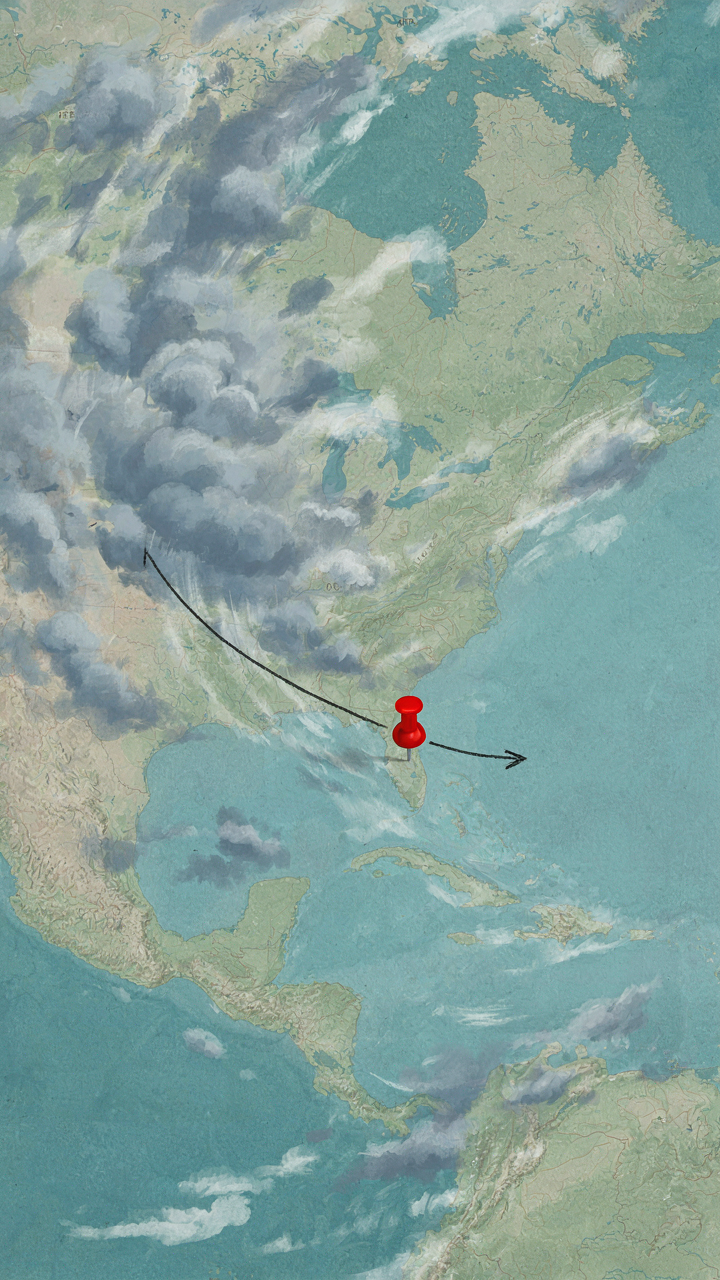
You’re betting your reputation on a night you can’t control. That’s the real fear here, and it’s justified. Weather doesn’t follow RSVP lists. The mechanism is simple: outdoor parties fail when hosts treat weather as a possibility instead of a certainty that demands a plan.
Rain, cold snaps, and wind aren’t surprises in fall. They’re guarantees somewhere in your region. Build your contingency backward: if temperatures drop 15 degrees from forecast, what shifts? Tent rental covers the rain problem but costs money upfront. String lights and heaters handle cold. Wind requires securing decorations and considering sight lines for games. Test your backup setup 48 hours before the party, not the morning of. This isn’t paranoia. This is the difference between a party guests remember and one they endlessly complain about.
The Pinch Points That Kill Flow
Crowd flow moves like liquid through a container. Infrastructure theory calls this “throughput limitation,” and your backyard has predictable bottlenecks that choke your party dead. Most hosts ignore this entirely and wonder why guests cluster in one corner while the rest of the yard sits empty.
- Bathroom access: One indoor toilet creates a 15-minute line during peak hours. Add a portable unit if you’re expecting 30+ people. Position it 20 feet from the main gathering area.
- Food and drink station placement: Positioning the table against the house wall forces traffic past it repeatedly. Place stations near the yard’s perimeter so guests move through, not around.
- Entry and exit paths: A single gate creates collision points. Designate separate arrival and departure zones if possible, or widen the entry to prevent bottleneck clustering.
- Game and activity zones: Cluster activities in distinct areas rather than spreading them thin. This pulls people toward different sections naturally, distributing density.
- Seating arrangements: Too few chairs concentrate people in one spot. Spread seating across zones to distribute the crowd and prevent dead zones elsewhere in the yard.
Map your yard on paper. Draw where people enter, where bathrooms are, where food sits, and where your main games happen. Trace the path a guest takes from arrival to activity to drink to departure. That path should never cross itself and never force someone backward. Move obstacles. Widen passages. This single diagram prevents 80 percent of party dysfunction.
The Post Party Deconstruction: Efficiency Over Sentimentality
Breaking Down Without The Guilt

You don’t want to pack up because it means admitting the party’s over, and you’re afraid you wasted money on decor you’ll never use again. That’s the real friction. But here’s the mechanism: treat breakdown like logistics, not emotion. Use the economics principle of inventory turnover. Your decor has a shelf life measured in hours, not seasons. Photograph everything before you touch it. Document what worked, what didn’t, where it sat, how guests interacted with it. This data becomes your actual asset, not the plastic.
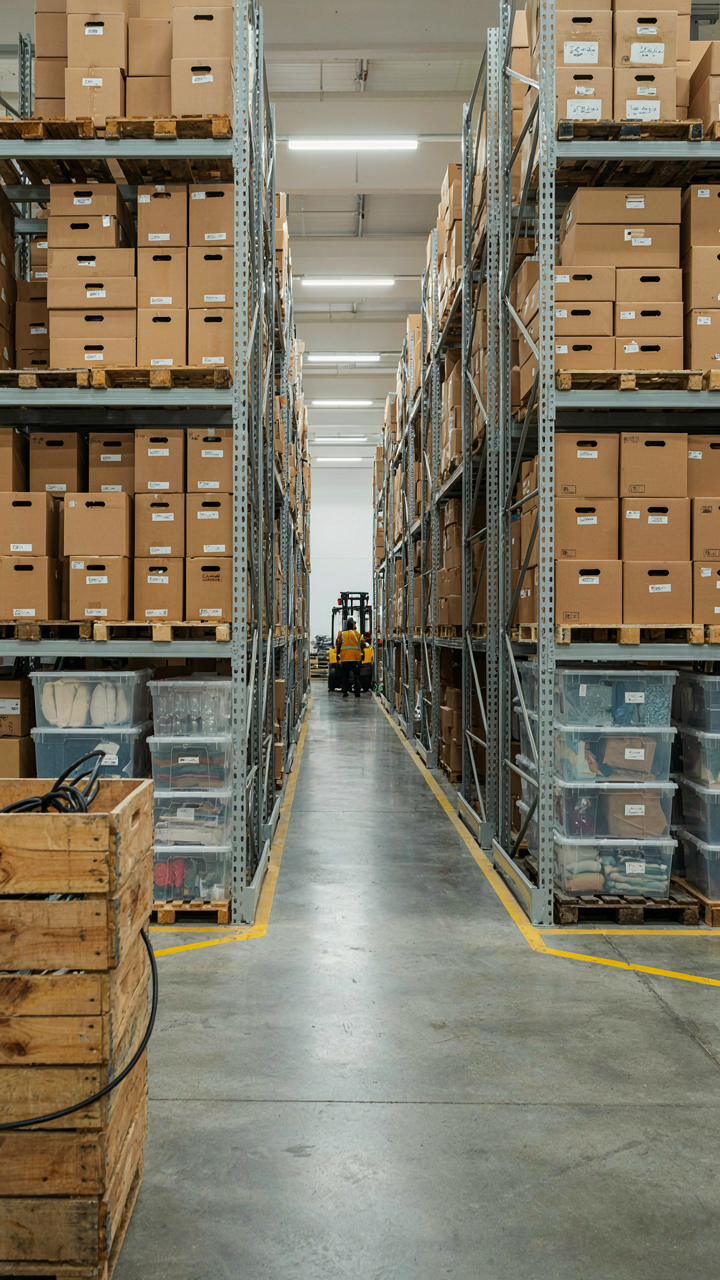
Sort items into three categories the moment you start breaking down: storage-ready, donate, and trash. Storage-ready means clean, dry, and in original packaging if the box still exists. Don’t compromise on this. A witch hat in a crumpled garbage bag won’t survive a year in the attic. Most people break this rule and pay for it next October when they pull out moldy, broken pieces. Stack flat items on shelves. Hang anything with a hook or loop. Group by type, not by where it came from. This takes forty minutes instead of three hours of scattered searching.
Reusable Decor As A Financial Algorithm
Forget the “buy once, use forever” narrative that home decor companies sell. That’s marketing, not math. Calculate actual cost per use before you buy anything. A fifty-dollar inflatable ghost you use once costs fifty dollars per party. Use it five years running and it’s ten dollars per use. But that only works if it survives storage and doesn’t fade or develop a slow leak after year two. Real reusable items have lower degradation rates: wooden stakes, metal chains, quality fabric (not thin polyester), LED lights with batteries you replace, and ceramic pieces that don’t crack from temperature swings.
The break-even point for most reusable Halloween decor sits around three uses. Below that, you’re spending more money storing and maintaining than you’d spend buying new items fresh each year. Above that, durability becomes the constraint. Test storage conditions before you commit money. A sealed plastic bin in a climate-controlled basement beats a garage where temperature swings crack and fade everything. After each party, inspect reusable items for damage, clean them thoroughly, and store them in the exact spot where you’ll find them next October. Photograph the storage location so you don’t waste time hunting next year.
Your Halloween Party, Not A Neighborhood Convention
Decide Who Gets In And Stick To It

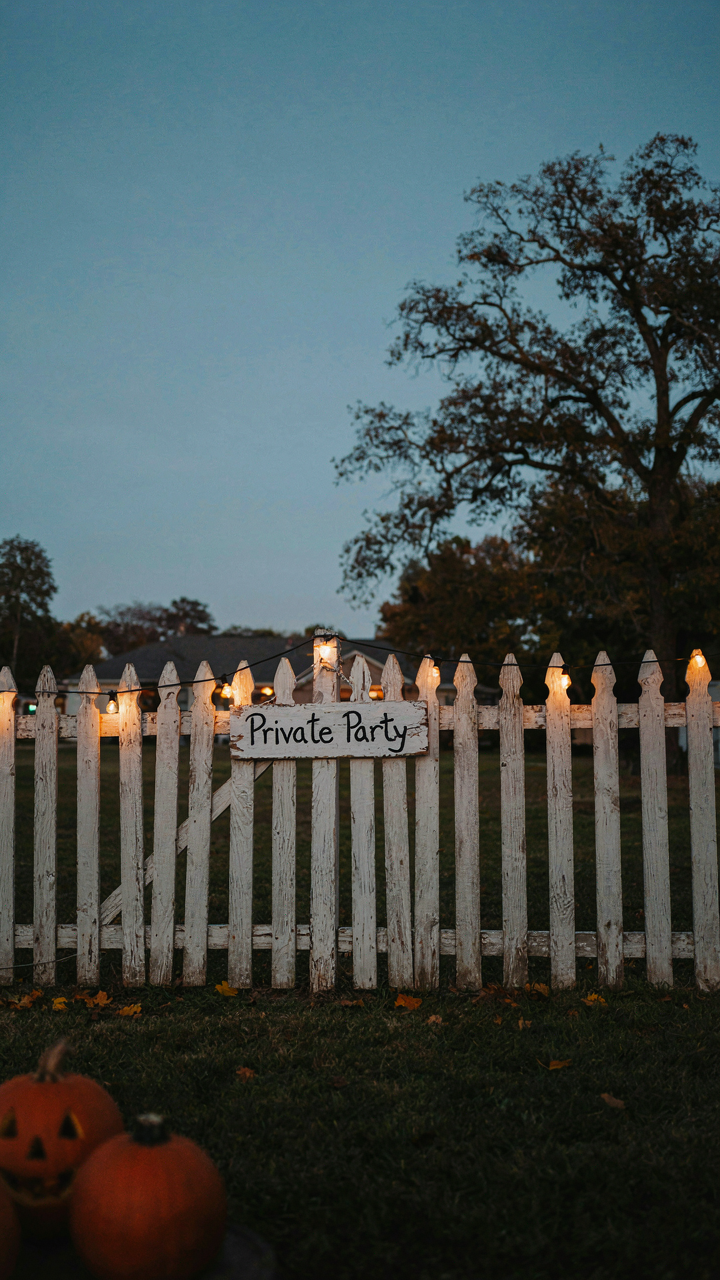
You want people to respect your space because you’re afraid they won’t, and that fear turns into resentment later. The mechanism is simple: unclear boundaries create a vacuum that other people’s expectations fill. You end up hosting a public event instead of a party.
Set your guest count before you plan anything else. Tell people the limit upfront. If someone asks to bring extras, you have a prepared answer ready: “We’re capped at X people to keep things manageable.” That’s it. No apologies. No negotiation. People respect clarity more than they respect vagueness masquerading as flexibility.
Know Why Each Person Is Coming
Most advice says invite friends and family. That’s lazy. The real lever is understanding what each guest contributes to the energy of your space. Some people amplify. Some drain. Some bring kids who interact well with other kids. Some bring partners who stand in corners on their phones.
Before sending invites, ask yourself what role each person plays. Are they there to help manage the event, enjoy it, or socialize with specific other guests? This isn’t cruel. It’s design. Your party succeeds or fails based on guest composition, not on how many people show up. Write down your target guest list with one word next to each name describing their function. That clarity determines whether your backyard becomes a space people actually want to be in.
The Real Obstacle Isn’t Execution, It’s Your Fear Of Standing Out From The Suburban Sameness
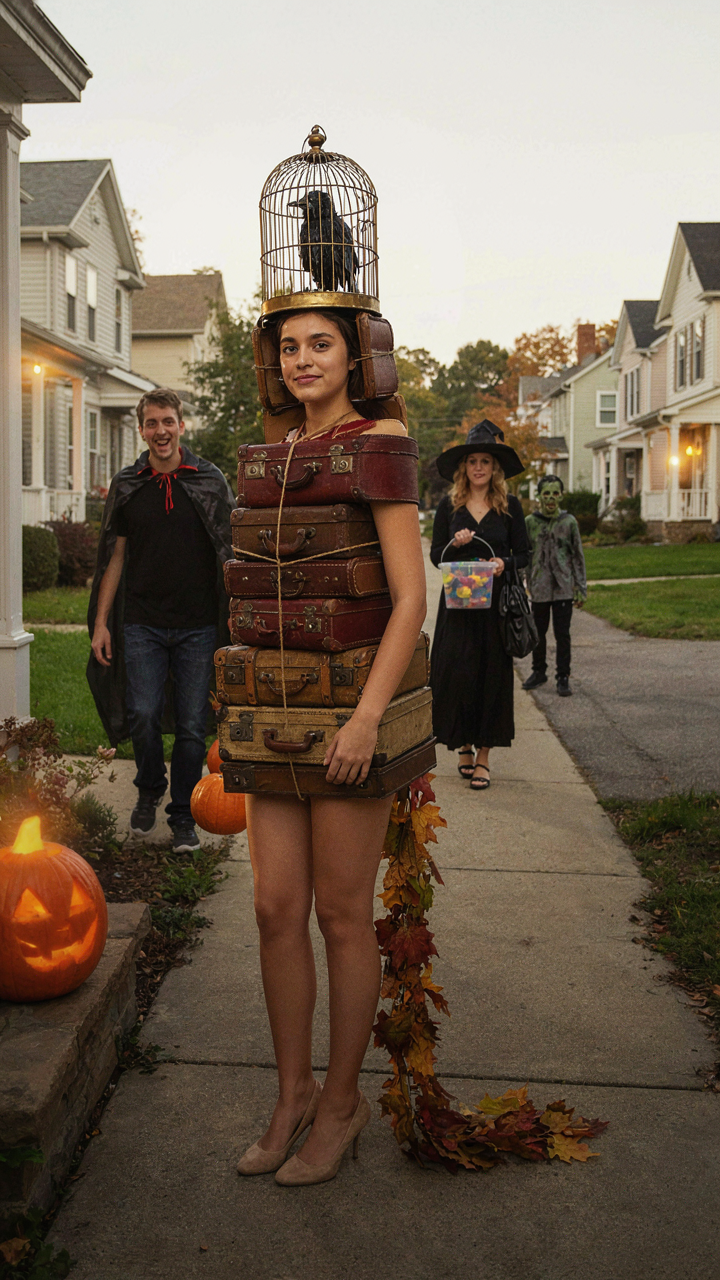

You already know what makes a memorable Halloween backyard party. You’re not missing tactics. You’re missing permission to do something your neighbors will actually talk about instead of scroll past. That fear keeps you decorating like everyone else, playing it safe, throwing the same forgettable bash. Stop waiting for the perfect setup. Pick one bold element today—a fog machine, a fire pit, a themed food station—and commit to it. Your guests won’t remember the details you agonized over. They’ll remember you had the guts to try something different.