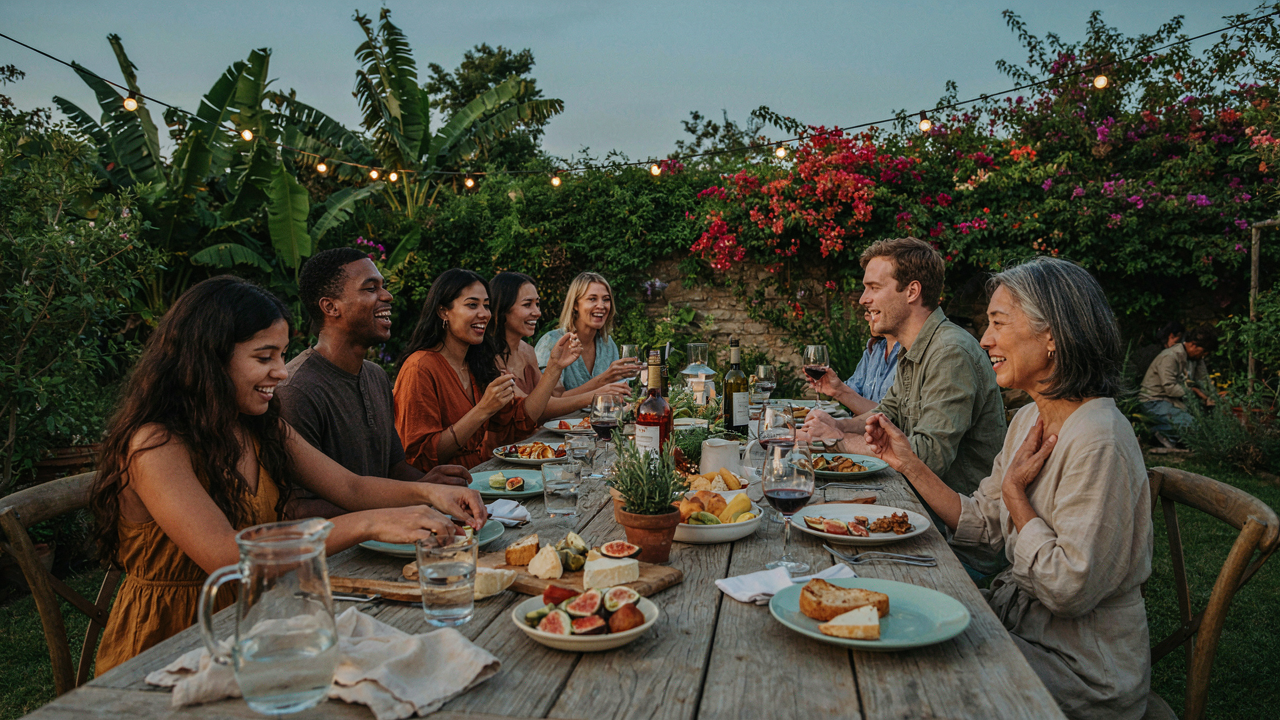
Beyond Pinterest: The Authentic Family Style Outdoor Dinner
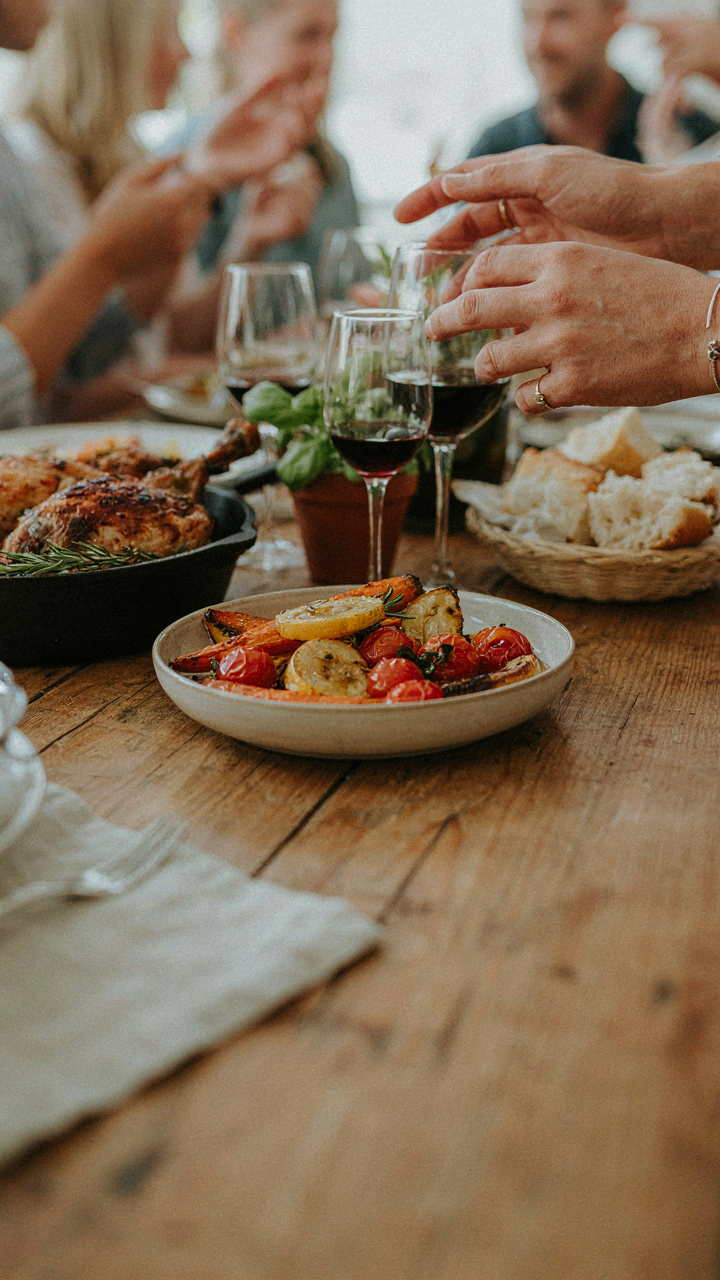
What Gets Remembered, Not Photographed
You want this dinner to look Instagram-worthy because you’re afraid nobody will believe it happened otherwise. Here’s what actually matters: family style dining isn’t about curated perfection. It’s about removing friction between people and food. The mechanism is simple. When dishes sit in the center and people serve themselves, conversation doesn’t pause for plating. Guests reach, pass, interrupt each other. That’s the texture you’re after, not a styled tablescape.
Studies on memory formation show people retain emotional peaks and valleys, not static images. A guest remembers the moment someone’s elbow knocked over the wine pitcher and everyone laughed. They remember debating whether the grilled chicken was better than the roasted kind. They don’t remember if the napkins matched the tablecloth. Stop designing for photography. Design for the moments that make people forget to check their phones.
The Conversation Economy Runs On Shared Dishes
Borrowing from economics: family style dining creates positive externalities nobody plans for. When food sits between people instead of delivered to individuals, it creates natural transaction points. Someone asks to pass the salad. Someone else comments on the taste. A third person contributes a story about similar food they ate somewhere else. The shared dish becomes the medium of exchange.
Most hosting advice says to plate everything in the kitchen for elegance and control. That’s wrong. You lose the connective tissue. When guests serve themselves from communal platters, they make micro-decisions. They take less or more. They comment on portions. They recommend something to the person next to them. The meal becomes participatory, not consumptive. Set each main dish and vegetable in the center of every table section. Put serving utensils directly in each dish. That’s where conversation compounds.
The Culinary Anarchy Protocol: Unpredictable Feast Design
Build Around One Non Negotiable Dish

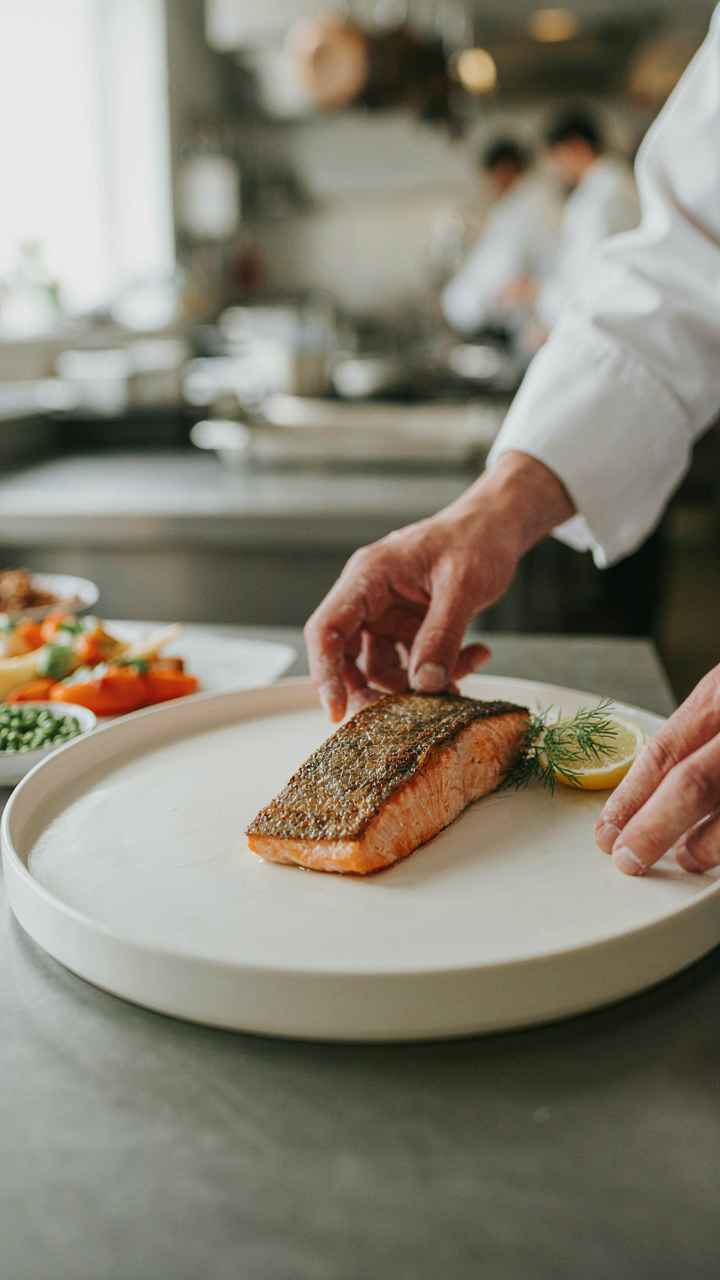
You want the meal to feel effortless, which is why you’re considering six equally polished dishes. That’s backwards. One dish carries the entire dinner. Everything else exists to support it, not compete. Pick the thing that takes skill, requires timing, or demands your actual attention. A whole roasted chicken. A proper paella. Grilled fish you can’t reheat. That’s your anchor.
The rest of the menu must be dead simple. Salads that sit in a bowl for two hours without degrading. Bread. Pickled vegetables. Grains that hold. The mechanism is this: one point of failure, not six. You remove variables from the execution matrix. Your nervous system stays calm because only one thing can actually go wrong during service. Everything orbits that centerpiece. Build the rest backward from there.
Controlled Imperfection Beats Forced Variety
The instinct to optimize variety kills family style meals. You think mismatched textures and flavors need balancing. The real move is accepting that family style dinners are inherently unstructured. Embrace that. A bowl of butter beans next to grilled vegetables next to bread. Not every plate needs every element. Not every bite needs contrast.
This works because human attention at an outdoor table isn’t analyzing flavor composition. People are talking, pouring wine, reaching across each other. Imperfection becomes invisible. What remains visible is whether food tastes good and whether people can reach it. Simplify the menu so your execution becomes bulletproof. Set the table so bowls sit within arm’s reach. That’s the protocol.
The Long Table Illusion: Maximizing People Gathering
Flow Over Symmetry
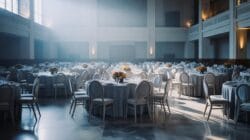
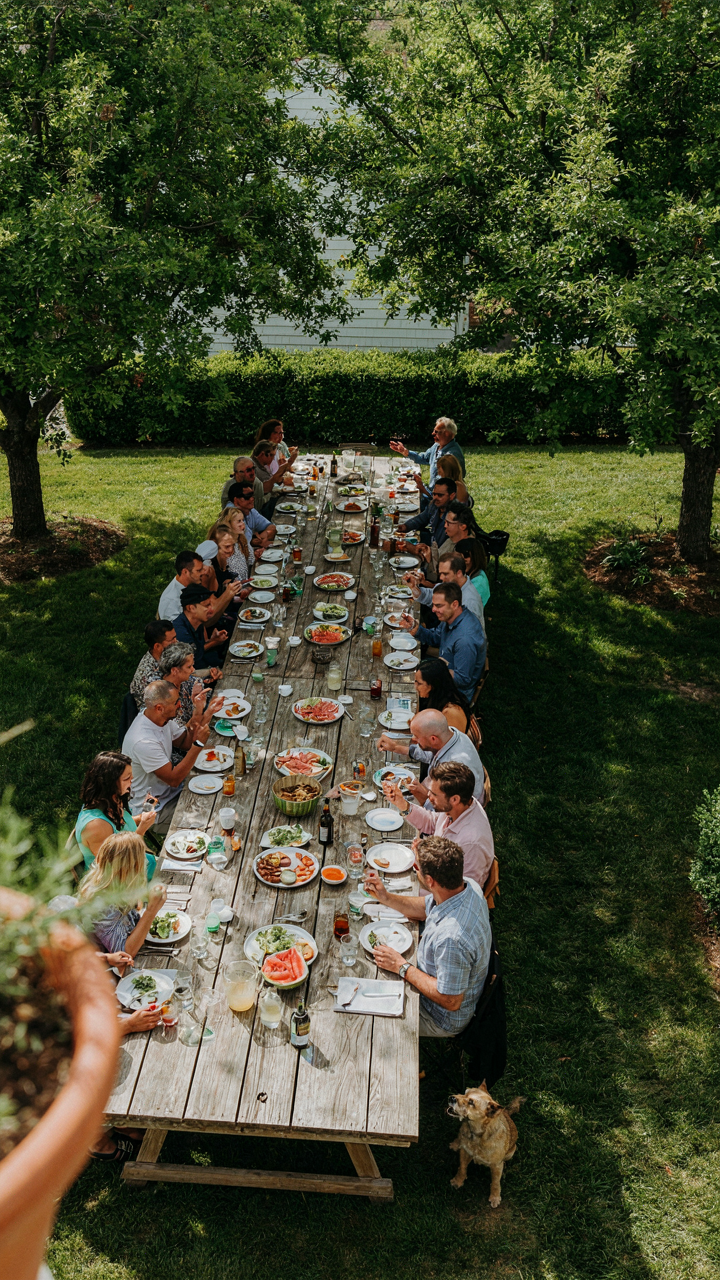
You want people to think your dinner was effortless. That’s the real reason you care about table layout. The mechanism is simple: rigid geometry kills conversation. A perfectly centered rectangular table with evenly spaced seats forces people into parallel rows facing forward. They talk to neighbors or no one. Conversation needs angles, sightlines that break the pattern.
Long tables work best when they curve slightly or when you stagger the seating depth—some chairs closer, some further back. This creates pockets where eye contact happens naturally across the table, not just along it. Light flow matters too. Position the table so people can move from the kitchen to seating without walking through conversations. Movement and sightlines compound each other’s effect.
Engineered Seating Positions
This isn’t random. You’re designing collision points. Psychology calls this “propinquity”—proximity creates connection—but family dinners need friction. Seat people who don’t know each other directly across from one another, not beside each other. This forces direct engagement. Beside seating only works if those two people already share something to discuss.
Place quiet people across from extroverts, not between them. Extroverts will lean forward across the table; introverts won’t have to project. Position the table host or key personality anchor roughly opposite the kitchen entrance. Their energy becomes the visual center. Seat potential conflicts at opposite ends of the table, separated by neutral parties. The distance kills tension. Execute this before guests arrive—no musical chairs logistics during the meal.
The Sensory Overload Trap: Beyond Generic Dinner Gathering
When Light Becomes Language

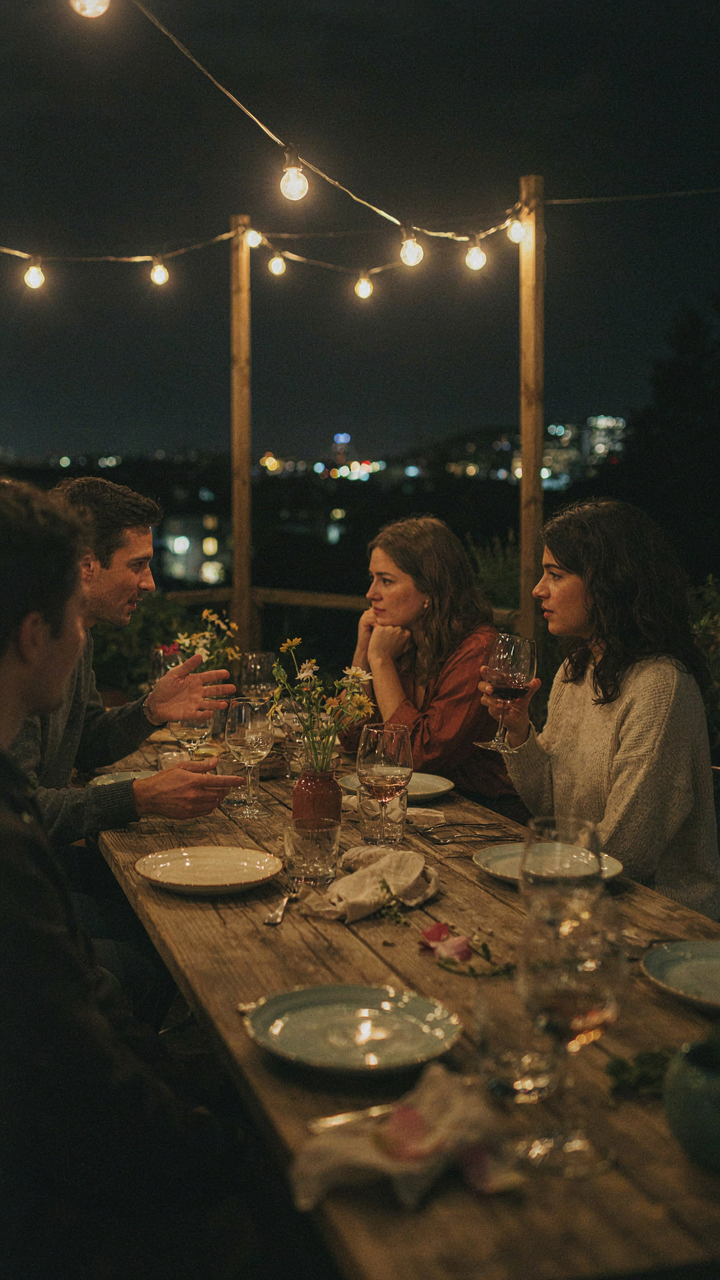
You want people to stay longer and feel relaxed because that signals you’ve done something right. Here’s what actually happens: lighting controls circadian response and social distance perception simultaneously. Dim light triggers parasympathetic activation, the nervous system mode where people linger. Bright light forces vigilance and hurried eating. The mechanism is biological, not aesthetic. Most outdoor dinners fail because hosts treat lighting as an afterthought, flicking on whatever’s available.
Use warm bulbs in the 2700K range positioned low and scattered rather than overhead. This replicates fire, which humans evolved around. String lights work because they create pockets of visibility with shadow breaks, mimicking natural gathering spaces. The goal is making people unable to see the table edges clearly enough to think about leaving. Position lights to illuminate faces, not food, so guests focus on conversation partners instead of their plates.
The Frequency That Controls Conversation
Silence isn’t peaceful at outdoor dinners, it’s awkward. Complete noise chaos destroys speech intelligibility. The sweet spot is thirty-five to forty-five decibels of background sound, which is physics terminology for acoustic masking. This range covers individual mistakes and fills dead air without forcing people to shout. Most hosts either play nothing or curate playlists designed to impress, missing the actual job: making quiet people feel less exposed.
Use instrumental music or ambient recordings at consistent volume throughout the meal. Avoid songs with vocals that compete with conversation. Locate your speaker away from the dinner table center so sound diffuses rather than beams. Test the volume during setup by standing at your furthest seat and confirming you can hear a normal conversation three feet away without raising your voice. This single protocol shift eliminates the social friction that makes people cut dinner short.
The Effortless Elegance Fallacy: Strategic Delegation

What You’re Actually Afraid To Admit

You want people to think you didn’t try. That’s the real motive here. The common advice says “prep everything ahead,” but that’s incomplete. What actually matters is applying triage from emergency medicine: you categorize tasks by whether they degrade the guest experience if done beforehand, done badly, or delegated. Family style outdoor dinner operates on a principle borrowed from field surgery—you preserve function where it matters most and cut ruthlessly elsewhere. The tasks that touch the table and the food do the heavy lifting on perception. Everything else is noise.
The real play is outsourcing tasks that don’t live on the table. Food delivery from a quality restaurant handles proteins and sides. A teenager handles ice, napkin refills, and plate collection. You handle plating the delivered food onto your own vessels, final garnish, and the pour. Guests will assume you made it all because you control the presentation layer. Don’t cook the main course yourself when you can own the moment it arrives at the table.
The Hour After The Last Bite
People stay because the friction disappears, not because the conversation is better. This means you bury the cleanup. Use a side station invisible from the dining area—a folding table behind a hedge or under an overhang where someone clears and rinses plates without crossing the line of sight. Leave serving dishes on the table. Leave wine bottles accessible. Don’t bus aggressively while people are still seated. The moment you create cleanup activity in view, the social contract shifts from gathering to task completion.
The specific mechanism: designate one person as “table steward” whose only job is managing the invisible—water levels, clearing empties to the side station, resetting napkins. Their presence makes lingering feel normal rather than negligent. Everyone else stays seated and engaged. Set a boundary that actual dishwashing happens after guests leave, not during. Keep coffee and digestif on the table for an extra hour minimum. The meal extends not through conversation alone but through removing reasons to leave.
The Social Engineering Of A Backyard Wedding Dinner
Distance Controls Who Talks To Whom

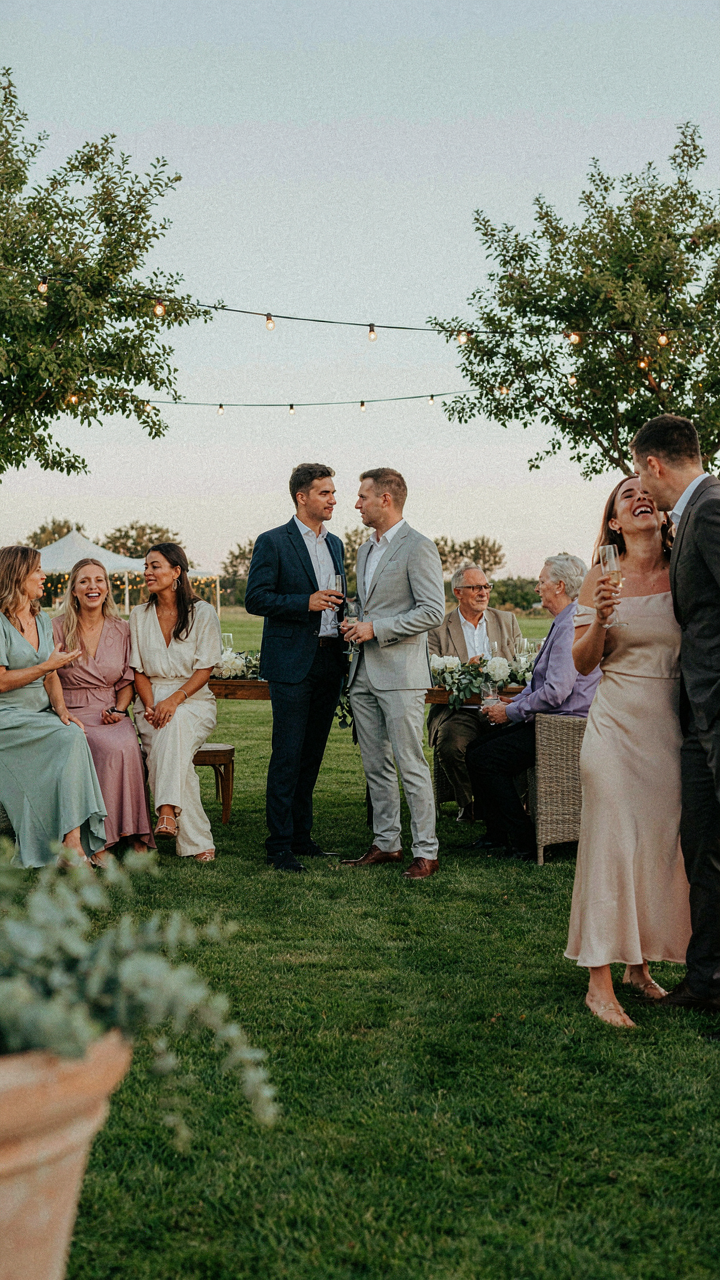
You want people mingling because it makes you look like you threw a good party. But mingling doesn’t happen by accident—it happens because you’ve engineered the space. Proxemics, the study of how physical distance shapes human interaction, reveals the mechanism: people communicate differently depending on whether they’re 2 feet or 12 feet apart. Family style outdoor dinners exploit this by forcing movement between stations, breaking people out of static clusters and into proximity with strangers.
Table placement matters more than seating charts. Position the bread basket at one end, the wine across the table, the salad at the opposite corner. Guests reach, lean, ask neighbors to pass things. These micro-interactions lower the barrier to actual conversation. A guest who never spoke to their neighbor because they sat passively now has three reasons to engage them over a ten-minute span. The mechanism is friction reduction through repeated micro-contact.
Food Placement As Incentive Architecture
Game theory from economics applies directly: you design payoffs that reward the behavior you want. Nobody frames backyard dinners this way, but it’s exactly what’s happening when you scatter dishes across the table instead of plating individually. When guests serve themselves family style, they’re incentivized to reach across others, to ask for items, to time their eating around shared resources. The scarcity of access to any single dish creates natural pauses in conversation where people turn to their neighbors.
Place the highest-value dishes—the ones people actually want seconds of—furthest from the main seating area. This forces repeat journeys and repeat encounters with other guests. Drinks work the same way. A central cooler or service station keeps people moving. You’re not just feeding them; you’re designing a traffic pattern that maximizes contact points. The payoff structure is built into the layout itself, not the menu.
The Anti Recipe Crafting Memorable Wedding Dinner Ideas
Quality Over Technique

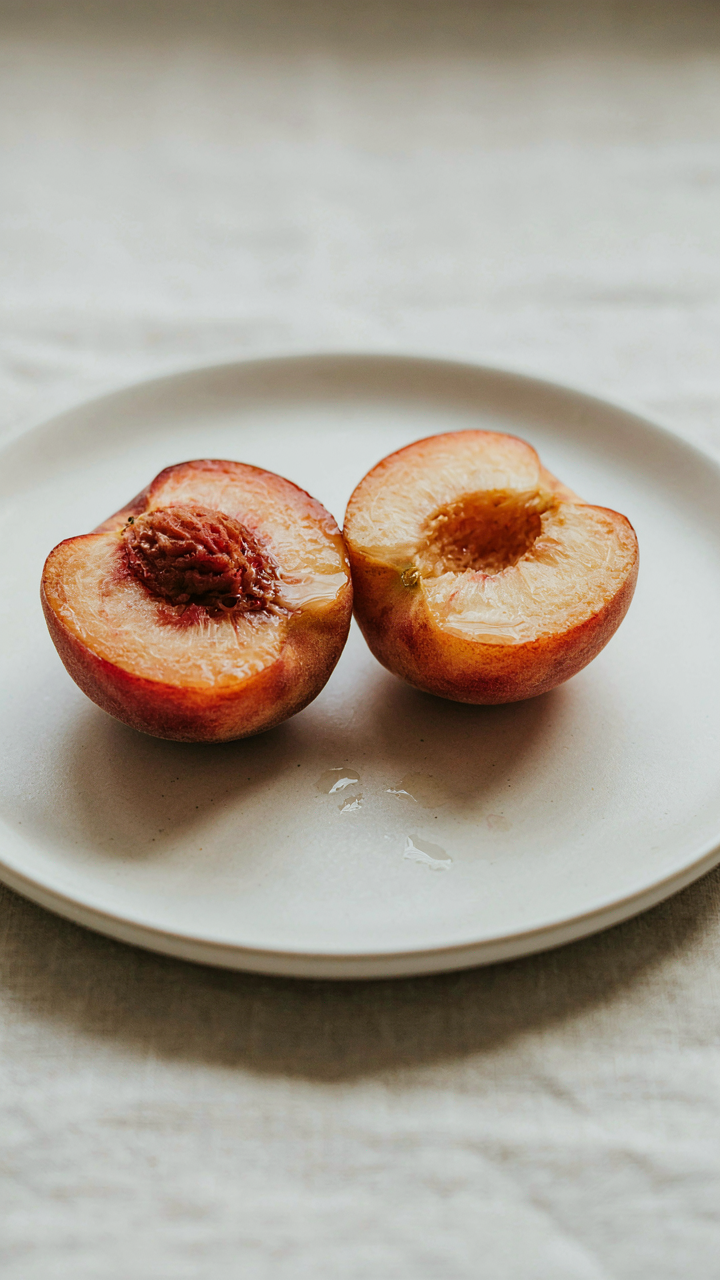
You want people to remember your dinner because you’re afraid a simple meal won’t feel special enough. Here’s what actually works: ingredient quality is the mechanism that creates memory. A ripe peach tastes like a ripe peach. A mediocre one tastes like effort wasted. Family style outdoor dinners expose every ingredient because there’s nowhere to hide it under sauce or technique. Source produce at peak ripeness, proteins from known suppliers, olive oil you’d actually drink. The meal becomes memorable because it tastes clean, not because you spent four hours executing a recipe.
The common advice says complexity impresses people. It doesn’t. Complexity hides fear. When you set down a platter of perfectly roasted chicken with salt and pepper, or heirloom tomatoes with good oil, people taste honesty. They taste the ingredient, not your resume. This is why restaurant chefs at the highest level often cook the simplest food. You’re not trying to prove your skills at a wedding dinner. You’re trying to feed people well and let them talk to each other.
Dishes That Compound Instead Of Collapse
Time is the economics framework here, and family style outdoor dinners operate under positive time yield, not negative. Dishes that improve overnight or require minimal last-minute work are the actual strategy. Braises, grain salads, marinated vegetables, slow roasted meats all get better as flavors integrate. You make them the day before or morning of, then reheat or serve cold. The meal doesn’t depend on you scrambling in a kitchen while guests wait.
Common advice tells you to cook everything fresh to order. That’s a recipe for stress and mediocre food served late. Instead, build your menu around dishes that peak with rest. A white bean and herb salad dressed twelve hours prior tastes sharper than one dressed an hour before. Roasted root vegetables deepened by time beat anything you plate right off the burner. Prepare relentlessly the day before so you can actually be present during the meal.
The “Less Is More” Table: A Family Style Wedding Dinner Table Manifesto
Plates That Work, Not Impress

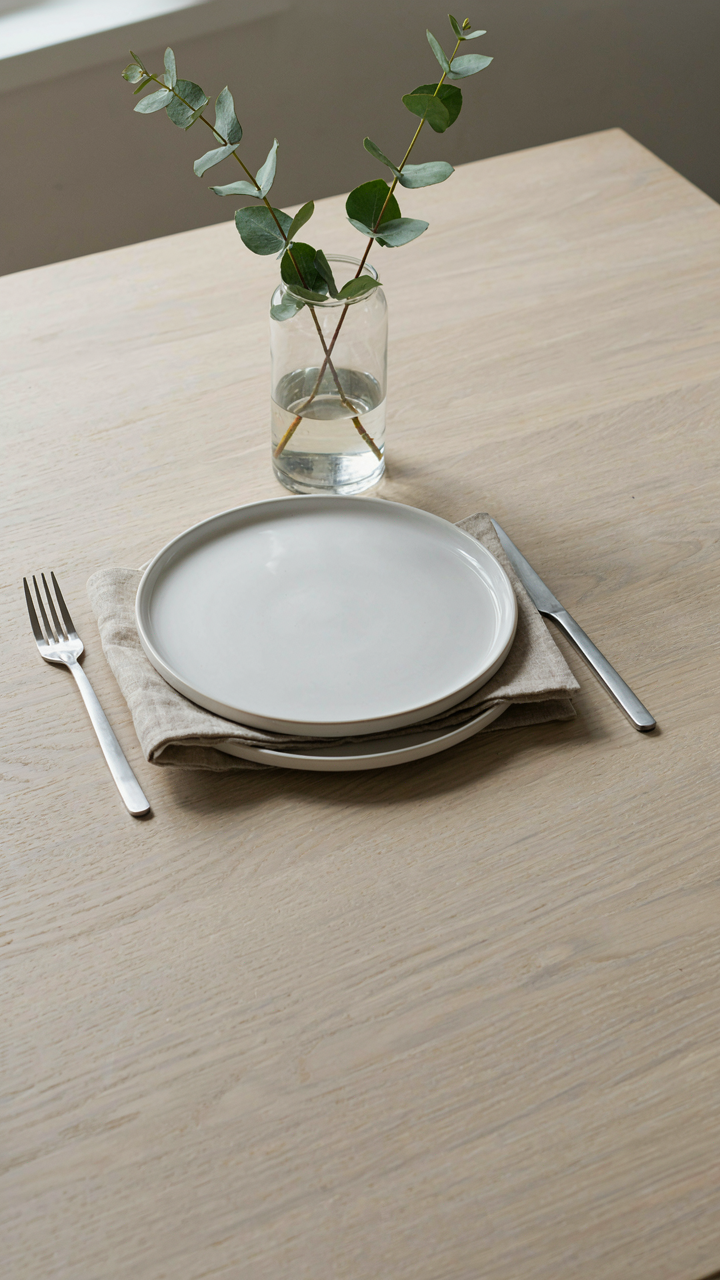
You want tableware that signals you have taste without screaming that you’re trying. That’s the real motive here, and it’s worth naming because it kills half your options immediately. The mechanism is simple: function reveals intention faster than decoration. Plates that chip after one use tell guests you prioritize appearance over reality. Durable ceramics, stoneware, or quality stainless steel outlast trends. Choose neutral colors—white, cream, charcoal—that let food be the visual anchor, not the vessel holding it.
Heavy flatware and substantial plates ground a table. They communicate stability and intention. Cheap plastic or flimsy china does the opposite. Restaurant supply companies stock restaurant-grade tableware for outdoor use because it survives heat, moisture, and repeated handling. You don’t need monogrammed settings. You need pieces that survive the meal without warping, staining, or drawing attention to themselves. When guests reach for a plate and it feels substantial, they relax. That’s the entire job.
Elements That Command Attention By Absence
The principle at work here is scarcity in design. In visual economy, less material deployed strategically creates more perceived value than clutter. One tall vase with branches beats five small centerpieces. One statement element beats scattered decoration fighting for attention.
- Branches or bare wood: Gather height and texture without flowers. Local branches cost nothing and look intentional, not sparse.
- Natural stone or slate: Use as charger plates or table runners. Holds visual weight and grounds the setting in earth tones.
- Linen napkins in cream or grey: Soft texture against hard table surface creates contrast without adding visual noise or excess pattern.
- Candles in glass holders: Fire draws the eye naturally. Position them low so they don’t block sightlines during meal conversation.
- Fresh herbs as scattered accents: Rosemary or lavender sprigs between settings add scent and organic texture without requiring arrangement.
The constraint forces clarity. Remove one decoration. If the table still works, it wasn’t needed. Repeat this until removing anything else breaks the visual balance. That’s your minimum effective aesthetic. The table should feel like someone made a deliberate choice to include each element, not that they filled blank space.
The Afterglow Strategy: Beyond The Backyard Wedding Dinner
Keep Them At The Table

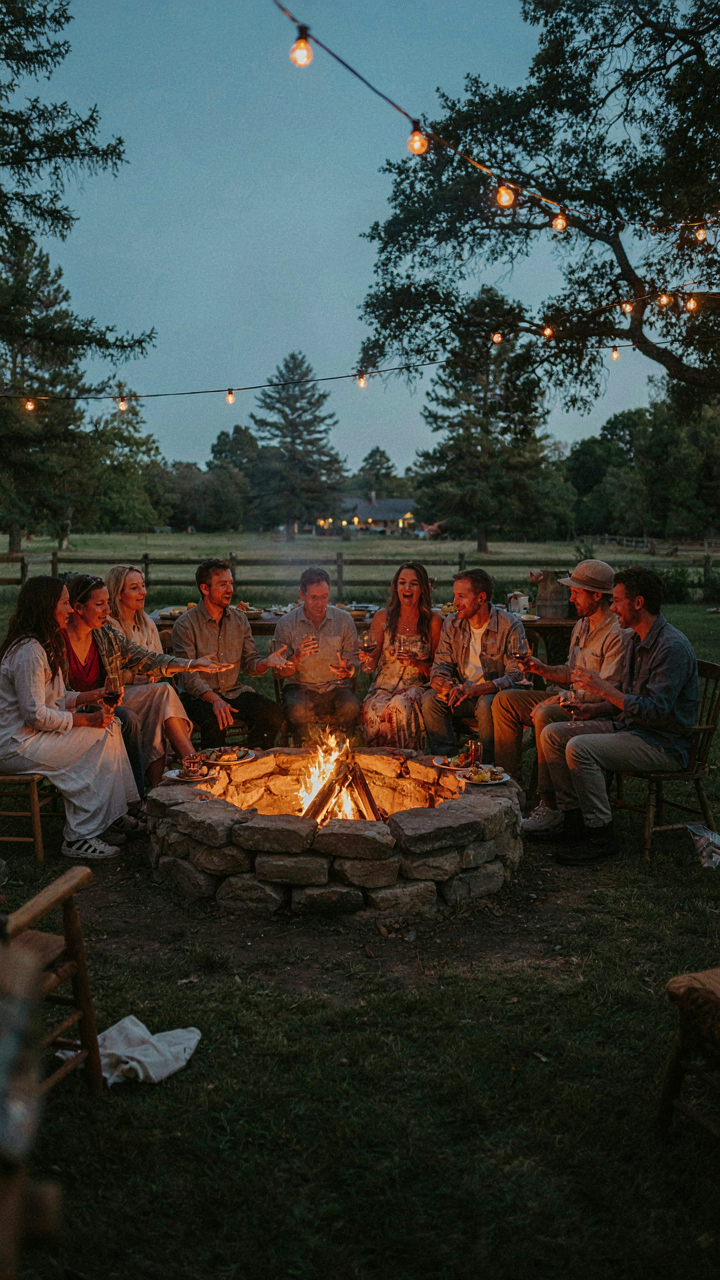
You want the meal to feel like it mattered, not like a transaction that ends the moment plates clear. The mechanism here comes from behavioral economics: people assign value to experiences based on how they end, not how they average. A family style dinner that dissolves into small talk and phone scrolling signals the whole thing was forgettable. Extend the table time deliberately. This doesn’t mean forcing conversation. It means removing the friction that makes people leave.
The practical move is environmental design. Leave dishes on the table instead of clearing them immediately. Keep bread, wine, and water accessible. Dim the lights slightly as evening sets in, which slows the body’s clock and makes departure feel premature. The table becomes a gravitational center rather than a pit stop. Guests stay because comfort and stimulus keep them seated, not because you asked them to.
The Quiet Handoff
Most people botch this by making the goodbye theatrical. They hug at the driveway. They walk guests to cars. They wave until taillights vanish. This manufactures obligation and turns departure into performance. The real mechanism is reducing friction without reducing warmth. Guests should leave when they choose to leave, not when you’ve signaled the event has ended.
Prepare a small, specific send-off that requires no ceremony. Have boxes or bags by the entrance with extras: bread from the meal, a small herb plant, or a handwritten recipe used that night. The gift works because it’s tied to what just happened, not generic hospitality theater. Guests pick it up on the way out. A simple “I’m glad you were here” beats manufactured sentiment. The event ends not because you closed it, but because people naturally drifted away satisfied.
The Real Problem Isn’t Your Dinner, It’s Your Desire For Control
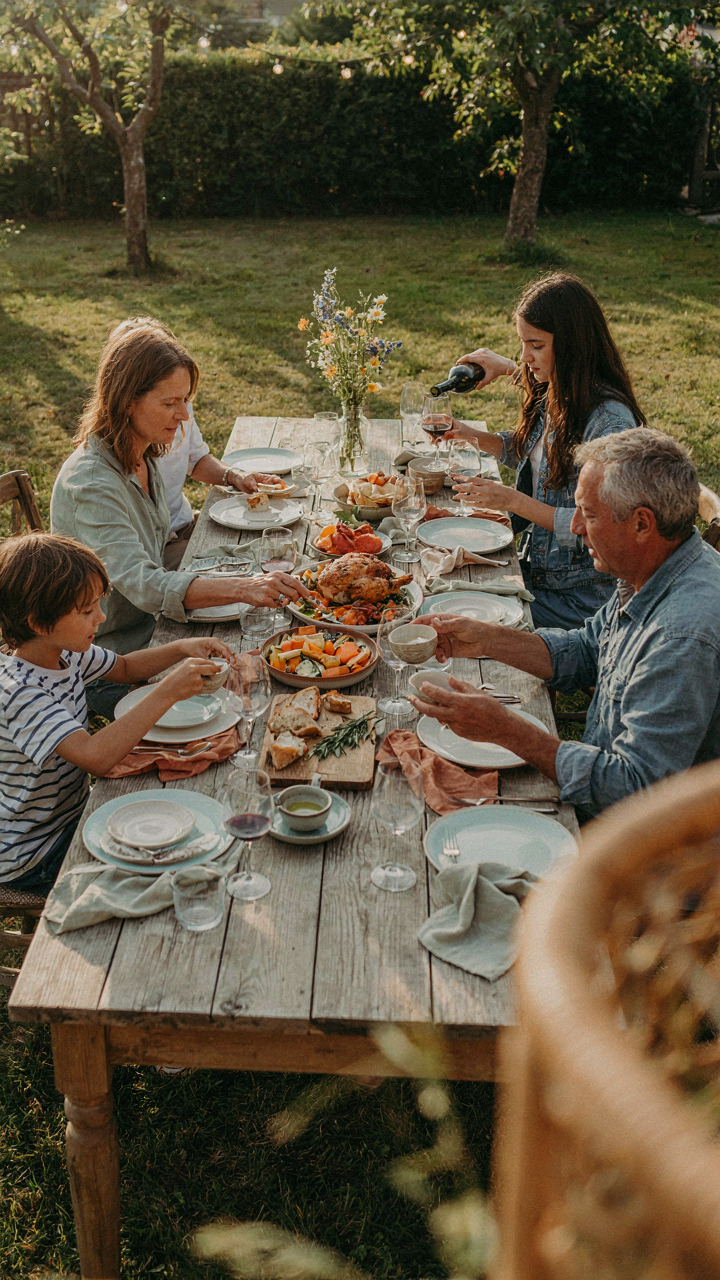
You’re obsessing over the menu and layout because you think perfection prevents chaos. It doesn’t. Family style dining works because it surrenders control. You put food on the table, people serve themselves, conversation flows without your orchestration. Stop designing the experience. Design the conditions that let it happen. This week, pick one meal and remove yourself from the equation. Let your family decide what gets passed where and when. The best dinners aren’t planned, they’re permitted.