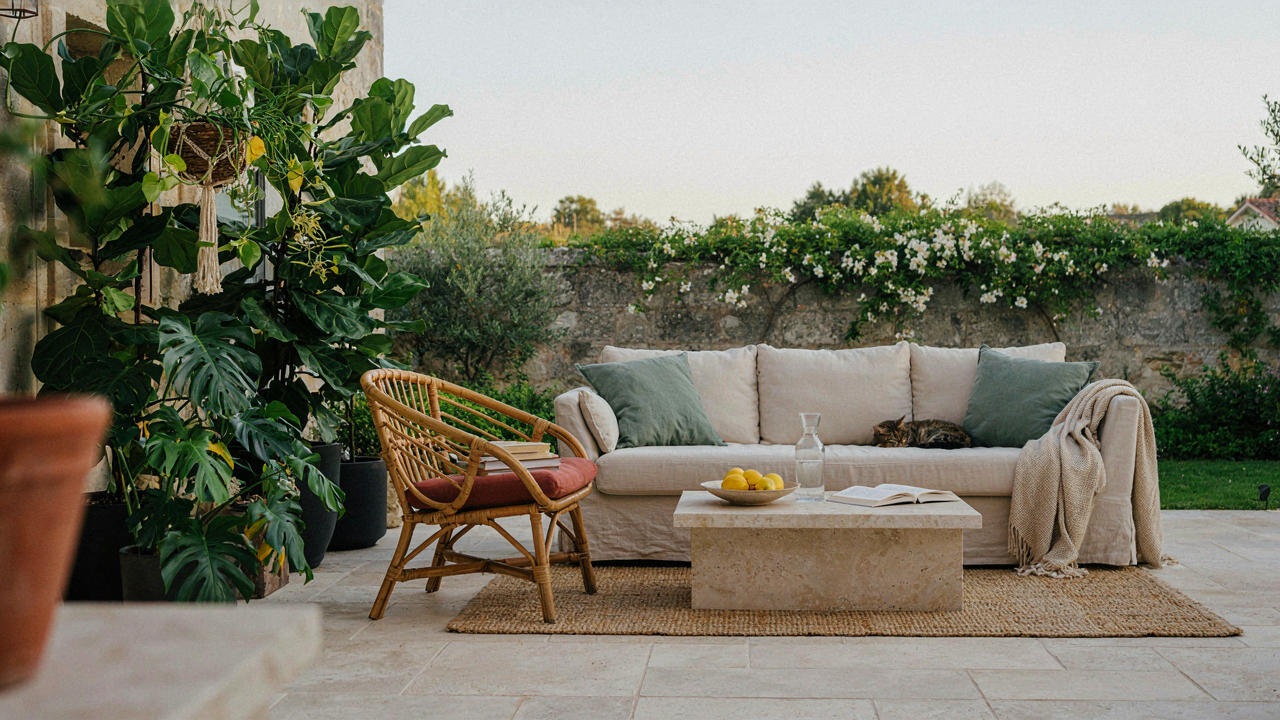
The Illusion Of Abundance: Why More Decor Means Less Warmth
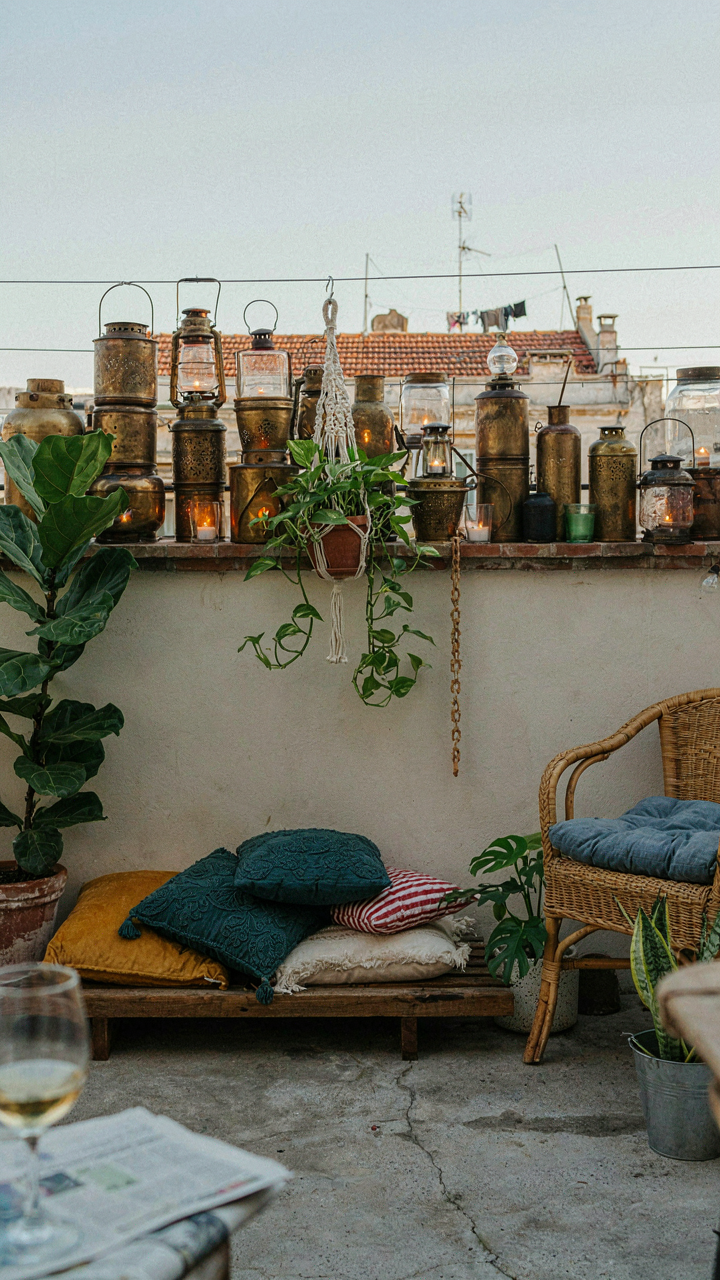
Your Space Shrinks When You Fill It
You want proof that your patio matters, and more stuff feels like evidence. The real mechanism here comes from architecture and spatial psychology: negative space is load-bearing. When you crowd a patio with lanterns, throw pillows, plants, and decorative objects, you compress the perceived square footage. The human eye stops scanning and starts calculating escape routes. Your brain reads density as constraint, not comfort. A patio with breathing room feels larger and safer. A patio packed with decor feels like a storage unit with seating.
The mistake isn’t decoration itself. The mistake is treating decor as additive rather than compositional. Every object you place competes for visual attention and physical movement. This fractionalizes comfort instead of building it. Remove two-thirds of what you think you need, then evaluate what remains. Fewer items force you to choose ones that actually justify their space. That single well-made fire bowl becomes a focal point instead of background noise among twenty competing elements.
Comfort Demands One Clear Choice
Economics teaches us the paradox of choice: unlimited options paralyze decision-making and reduce satisfaction. Apply this directly to patio design. When your eye lands on five different seating zones, three lighting strategies, and contradicting material textures, your brain doesn’t relax. It categorizes and compares. The cozy patio doesn’t compete for your attention. It directs it.
The solution isn’t restraint for aesthetic reasons. It’s restraint for neurological efficiency. Your nervous system settles when the space has a purpose hierarchy. Designate one primary seating area. Choose one dominant material tone. Select one lighting temperature. Secondary elements support these anchors instead of questioning them. This architecture of clarity is what transforms a decorated patio into a destination you actually want to inhabit.
Sensory Deception: The Real Drivers Of Cozy Patio Decor
Touch Beats Visual Complexity Every Time

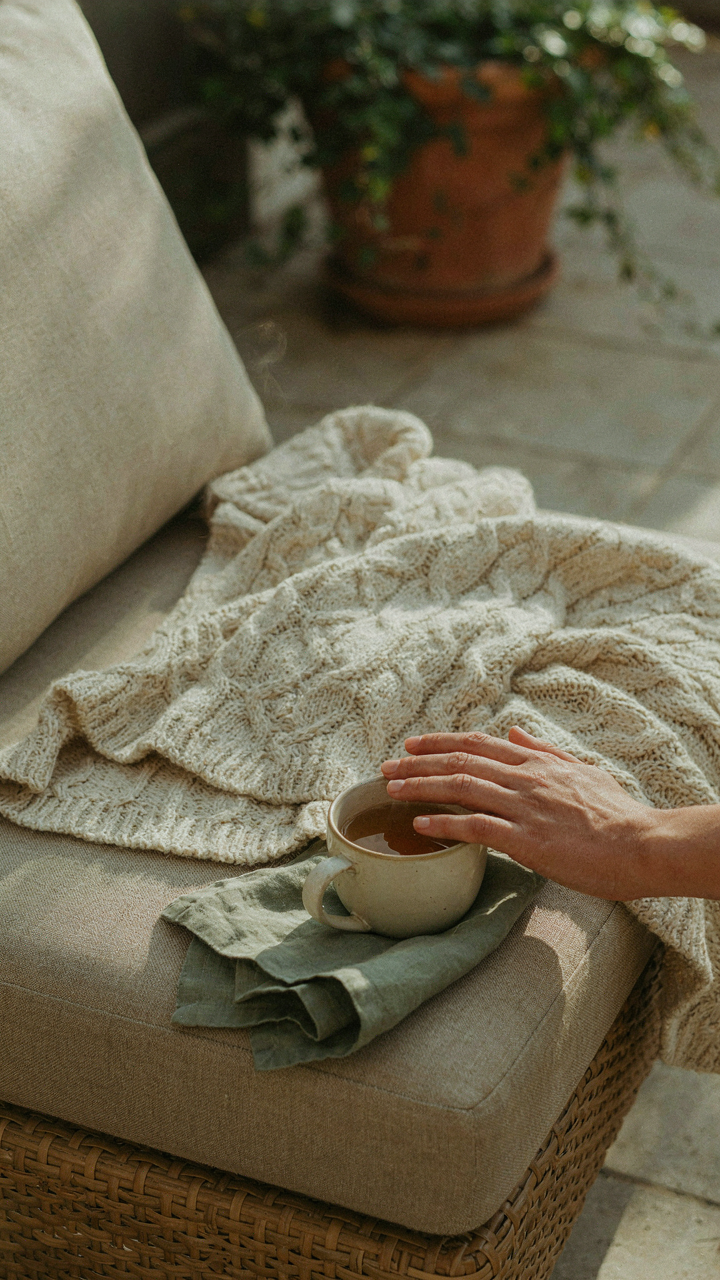
You want your patio to look impressive to guests, but that’s not why you’ll actually use it. Texture works through direct physical contact, which triggers comfort signals your brain processes faster than sight. Most people load their patios with visual clutter—plants, decorative pillows, string lights—then wonder why sitting there feels restless. The mechanism is simple: your skin and proprioception dominate the experience of comfort long before your eyes register anything.
A worn linen cushion, rough concrete underfoot, weathered wood armrests, or a chunky knit throw communicate safety and familiarity faster than any aesthetic choice. These materials have low visual novelty but high tactile predictability. Your nervous system relaxes when it knows what texture comes next. Replace one shiny decorative pillow with a heavyweight linen one, and you’ve shifted the entire sensory priority. The patio becomes a place to be in, not a place to be seen in.
Ambient Pressure Points Shape The Space
Sound design, scent, and strategic dimness aren’t decorative extras—they’re the infrastructure of comfort. In environmental psychology, researchers call this “sensory load management.” A patio flooded with direct overhead light, zero wind barriers, and open silence to the street creates cognitive load. Your brain stays alert. Add a fabric shade, a small water feature, or even a low-burning fire, and you’ve dropped ambient pressure dramatically. Scent and sound work the same way: they fill dead space that would otherwise signal exposure.
Most people think cozy patio decor means adding more things. Wrong. It means removing sources of sensory stress, then filling that absence with low-frequency stimuli. A single candle changes air movement perception. A small tabletop fountain masks neighborhood noise. Layered string lights at eye level feel safer than one bright source overhead. The concrete action: audit your patio for open, empty sensory moments, then insert one small element—light, sound, or scent—into each. Don’t overfill.
The “Less But Better” Protocol For Outdoor Living Patio
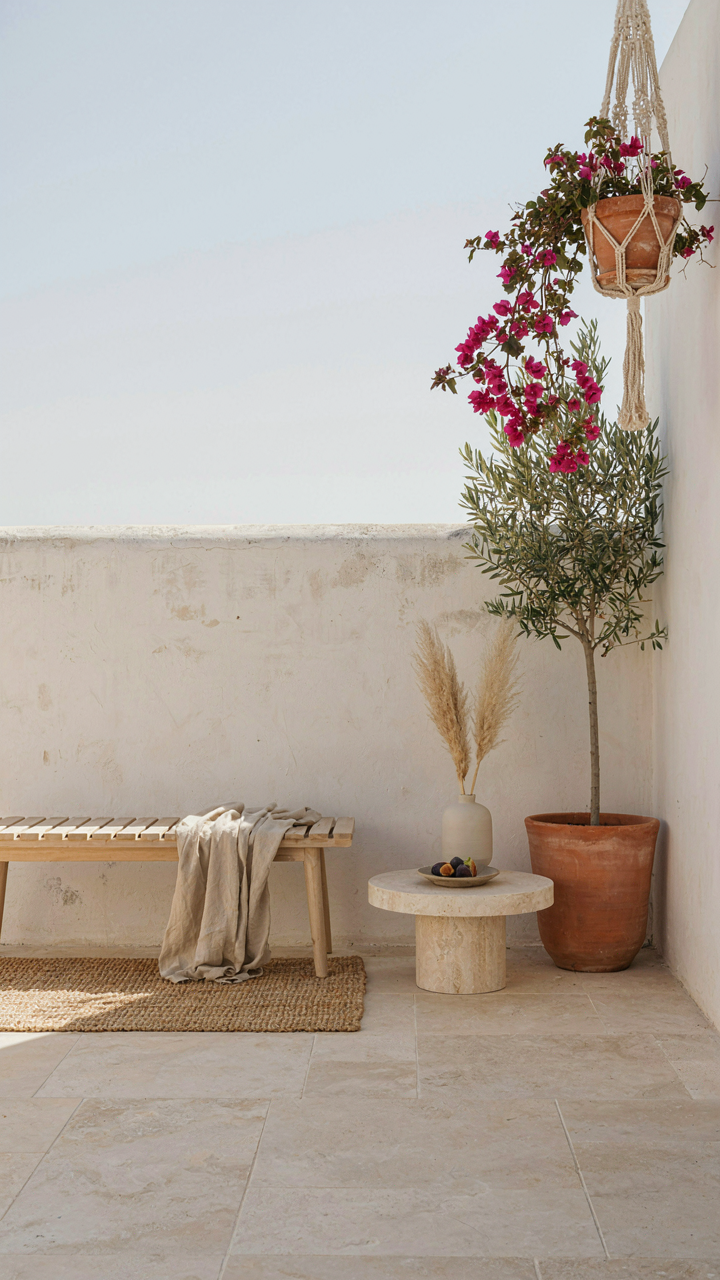
Start With Function, Not Aesthetics

You want your patio to feel intentional because cluttered outdoor spaces expose that you haven’t thought things through. The mechanism is simple: your brain reads visual chaos as indecision, which triggers the opposite of coziness. Most people reverse-engineer this. They buy decor first, then try to justify it. Instead, name the primary function before anything enters the space. Is this a dinner zone, a reading retreat, or a gathering point? Everything else follows that constraint.
Once you lock the function, elimination becomes automatic. A reading patio doesn’t need dining furniture. A dining patio doesn’t need lounge chairs scattered everywhere. This isn’t minimalism for aesthetics. It’s specificity for usability. When every piece has a role tied to your stated function, the space stops feeling like a showroom and starts feeling purposeful. That purposefulness is what reads as cozy, not the quantity of cushions.
Invest In Materials That Age Properly
Quality in outdoor furniture isn’t about prestige. It’s about material performance under UV, moisture, and temperature swing. Cheap furniture fades, warps, and needs replacing every two years. That replacement cycle keeps your patio feeling temporary and disposable. Real cozy patios feel established, which requires pieces that improve or stabilize with age rather than degrade.
Teak wood, powder-coated steel, and high-grade outdoor textiles hold their function and appearance across seasons. A single teak chair bought used and maintained properly outlasts five particle-board knockoffs. Your patio stops looking like a temporary setup when the furniture actually survives the environment. Pick one or two timeless pieces per zone and commit. The restraint itself signals that you know what you’re doing.
Decoding Warmth: Beyond The Pinterest Board Aesthetic For Patio Inspiration
Color Temperature Beats Brightness Every Time

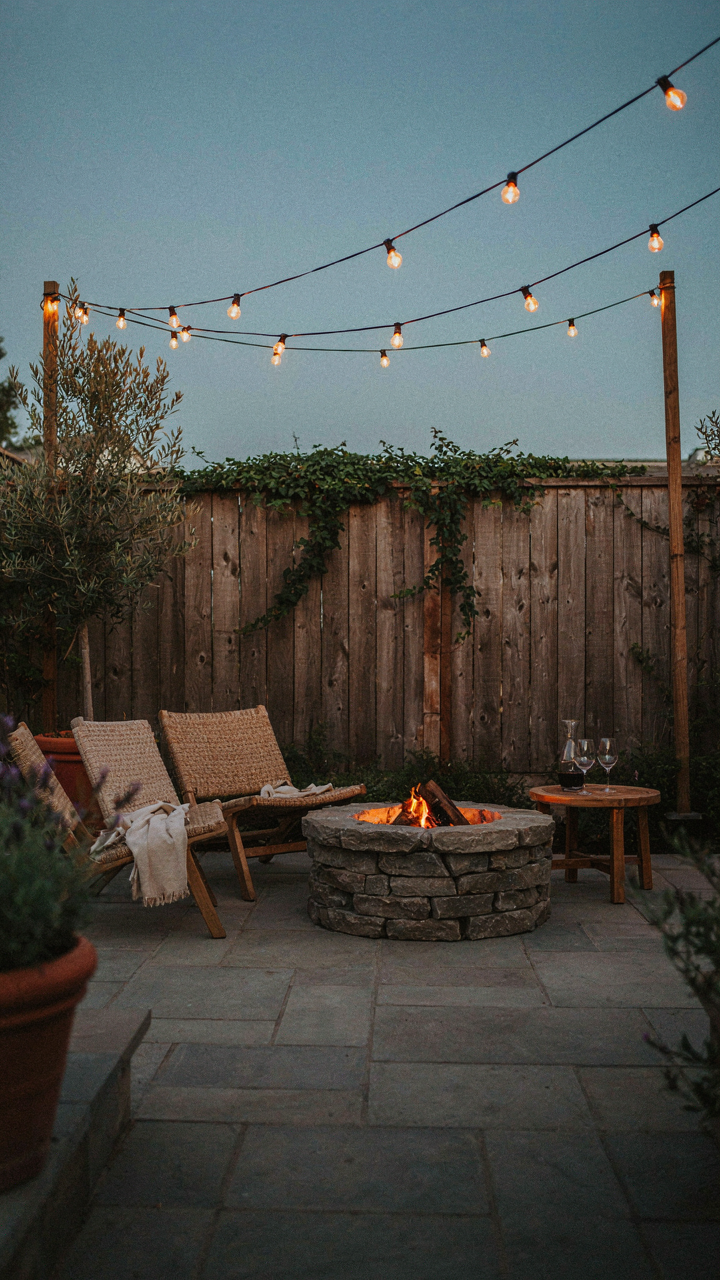
You want your patio to feel like people actually want to sit there, not like a showroom. The mechanism is simple: color temperature controls perceived warmth, not saturation or lightness. Warm colors absorb light wavelengths in the red and orange spectrum. Cool colors reflect them. A bright white patio feels clinical. A muted terracotta or warm gray feels like a place to linger.
Most people default to “bright = welcoming” because brightness reads as clean. That’s wrong for intimate outdoor space. Warm undertones in your furniture, cushions, and accent pieces signal safety and comfort to the brain before you even sit down. Paint your patio floor or walls in warm neutrals—taupe, warm beige, soft clay tones—not stark white or cool gray. The shift changes everything about how the space functions.
The Worn Object Does More Work Than New
Pristine furniture signals temporary and temporary signals transactional. A patio that feels cozy has history baked in. Scuffs, fading, and weathered edges communicate that this space has absorbed time and use. People relax around evidence of real living, not performance. One worn wooden chair tells the truth better than five identical new ones.
Seek out pieces with authentic patina. Vintage or reclaimed wood tables, weathered metal frames, cushions that show use. You don’t manufacture this by distressing new items—that reads as fake and defeats the purpose. The legitimacy matters. Mix one or two genuinely aged pieces with newer items and watch how the entire space shifts from curated to inhabited.
The Bio Rhythmic Patio Makeover: Syncing With Nature’s Flow
Mimic Circadian Rhythms With Light

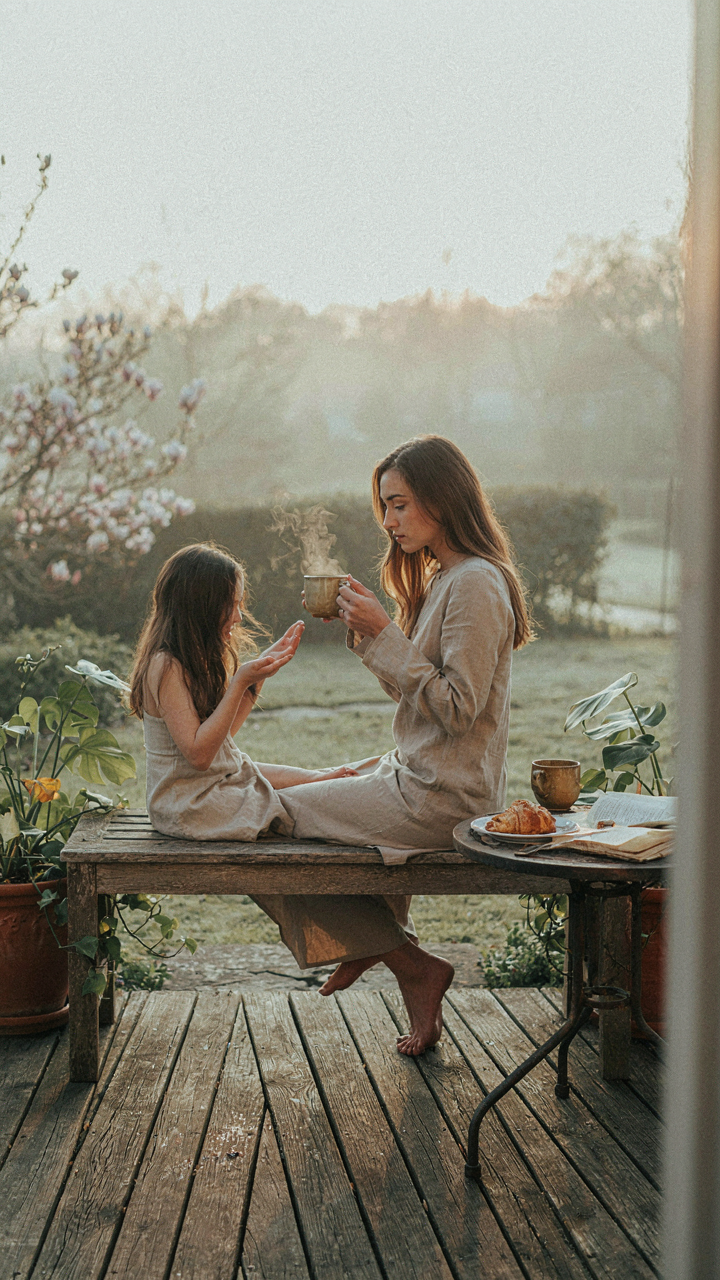
You want your patio to feel like a place where time stops, but what you’re really after is permission to relax without guilt. Biology calls this circadian alignment, and the mechanism is simple: your nervous system doesn’t trust spaces that violate natural light patterns. Warm string lights don’t create coziness through aesthetic alone. They lower cortisol by mimicking the golden hour, the only time your brain expects outdoor social time.
Place warm lights at eye level or slightly above, never pointing down like interrogation. The color temperature matters more than brightness. Aim for 2700K bulbs, which replicate late afternoon sun. Position them along sightlines where you’ll spend time, then add secondary lights that can dim. Your patio becomes a space your body recognizes as safe to decompress, not a stage under surveillance.
Living Plants Create Temporal Depth
The mistake most people make is treating plants as decorative objects instead of organisms that signal time and seasonal change. A living patio doesn’t feel static because something is always shifting: leaves unfurling, flowers blooming on schedule, vines climbing new sections. Your brain reads these changes as proof that time is moving naturally, which makes you feel less trapped.
Integrate fast-growing seasonal plants alongside perennials so your patio never looks the same month to month. Potted herbs, flowering vines on trellises, and climbing ivy create layers that evolve. This temporal depth works because your nervous system actually monitors environmental change as a baseline for safety. A patio that transforms keeps you neurologically engaged instead of anxious.
The Uncomfortable Truth About Over Styling Your Cozy Outdoor Patio
When Convenience Trumps Character

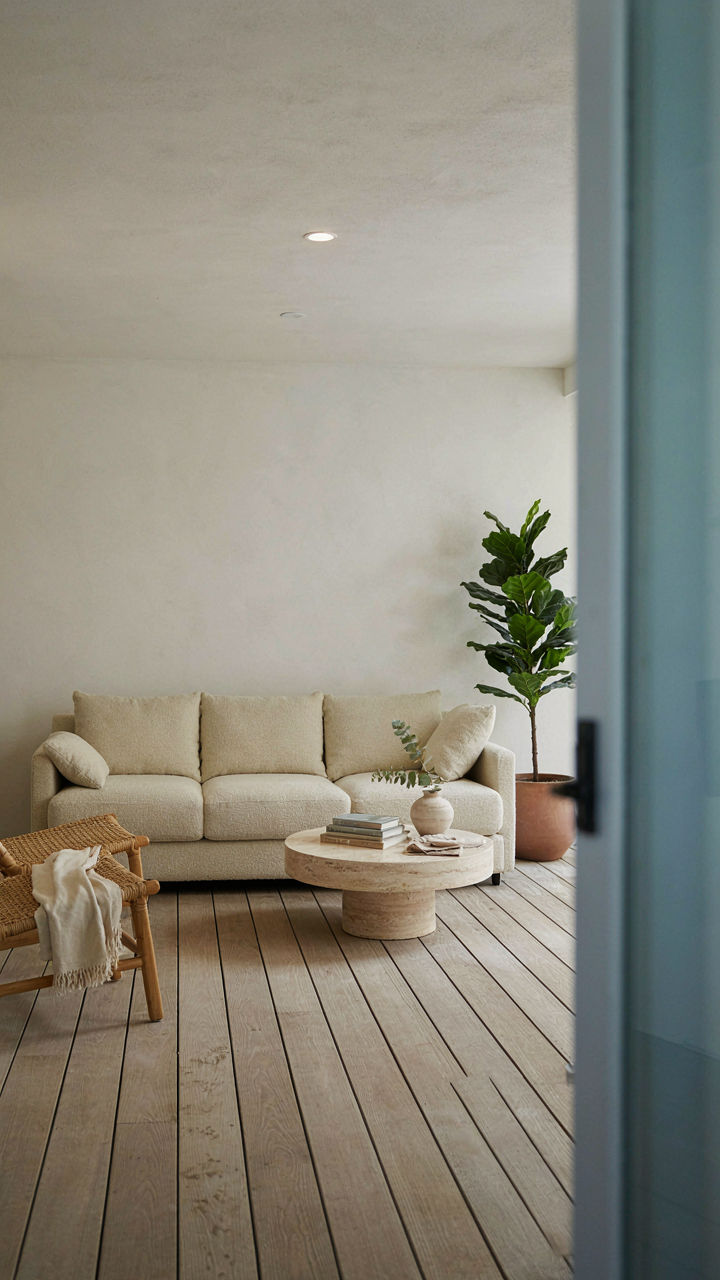
You want your patio to look intentional without admitting you’re chasing someone else’s aesthetic on Instagram. The real mechanism at work here is that most people furnish outdoor spaces the same way retailers stock showrooms: they fill empty space with items that photograph well together, not items that actually work in their life. A $400 woven pendant light, three matching throw pillows, a statement planter, coordinating outdoor rug. The problem isn’t that these pieces are bad. It’s that they’re assembled with zero friction between purchase and placement, which means they’re chosen for visual cohesion instead of functional fit.
Cozy doesn’t scale with square footage of stuff. When you treat your patio like a display that needs to justify its existence through density of objects, you create a space that demands performance rather than use. The furniture arrangement becomes locked in place because moving it disrupts the visual story. You stop using the patio the way you actually want to because the setup resists change. Start instead by naming one specific activity you’ll repeat there, then furnish around that single constraint.
The Maintenance Trap
Economics has a concept called the “carrying cost” of inventory: every item you hold requires ongoing investment to maintain its value. Your patio operates the same way. Every outdoor cushion needs seasonal storage or weather-resistant treatment. Every decorative piece collects dust, mildew, or UV damage. Every plant demands watering schedules. Every rug traps moisture underneath. Most people underestimate this cost until they’re spending a weekend of their summer maintaining objects instead of using them.
The paradox is that cozy outdoor spaces feel relaxing specifically because you can sit down and do nothing without guilt. Overfurnished patios demand justification. You start mentally cataloging what needs cleaning, what’s fading, what pest might nest in it. The mental load kills comfort faster than anything else. Before adding any piece to your patio, ask: do I want to own this, or do I want to own what it represents? If the answer is the latter, remove it and keep looking.
Mastering The Art Of Subtraction: Real Cozy Patio Ideas
Eliminate What Doesn’t Earn Its Place

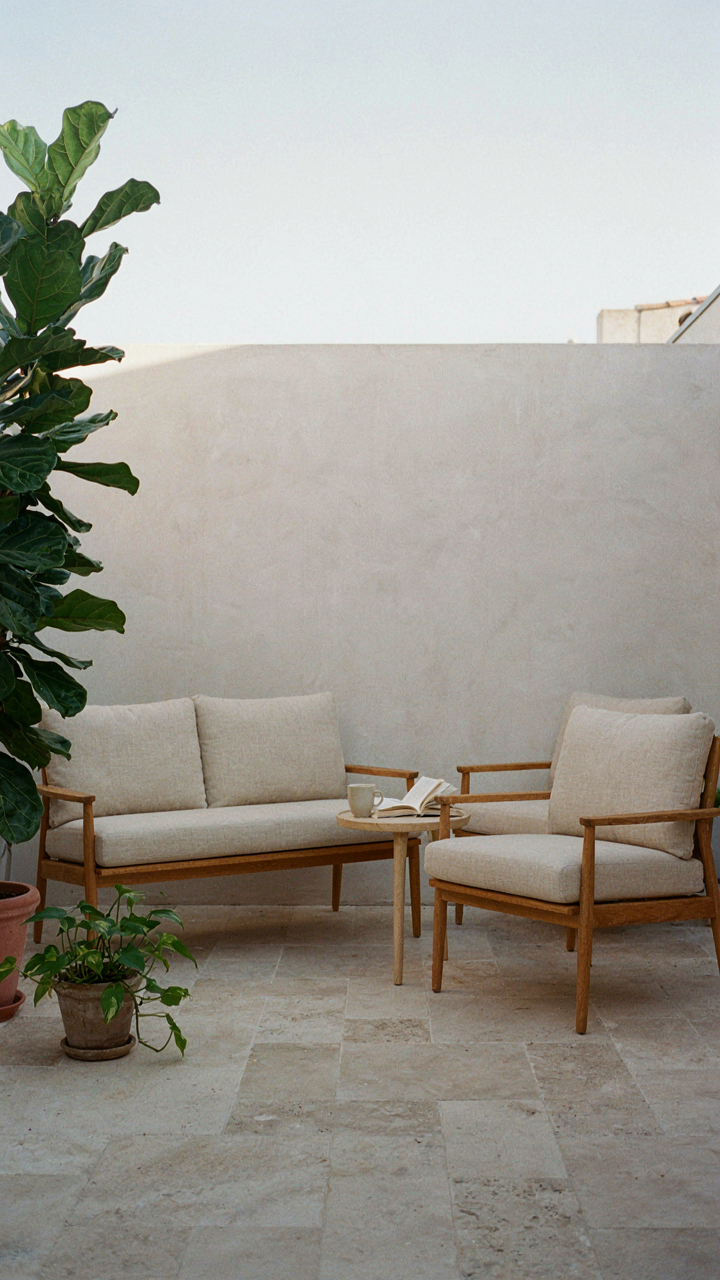
You want people to think your patio is effortlessly inviting, which means you’re afraid it looks sparse or unfinished right now. The real mechanism is clutter masquerading as coziness. Every object on your patio competes for attention. When everything fights for your eye, nothing lands. The opposite of cluttered isn’t empty—it’s intentional. Each piece must justify its existence through function or focal point creation. Anything else creates visual noise that your brain registers as chaos, not comfort.
- Oversized planters with no plants: Dead visual weight that occupies square footage without payoff. Remove them entirely.
- Decorative throw pillows left out year-round: Fade, absorb moisture, signal neglect. Bring them out only when you’re actually using the space.
- Mismatched accent tables: Each one creates a visual junction point. Consolidate to one or two with clear purpose.
- String lights without a structure: Tangled, sagging, and broken half the year. Install them on permanent hardware or don’t install them.
- Ornaments and figurines: They collect dust and distract from the actual experience. Remove them unless they serve a specific memory function.
- Excess outdoor rugs layered together: Multiple rugs create visual fragmentation. One quality rug grounds a seating area. That’s it.
The subtraction principle comes from minimalist design, which borrows from Japanese aesthetic philosophy: negative space isn’t empty, it’s powerful. When you remove one unnecessary object, the remaining pieces gain weight and presence. Your patio doesn’t feel sparse—it feels deliberate. Start by removing three items today. Note what your brain actually misses versus what you thought you needed.
Design Around What You Actually Do
Everyone says to create a “vibe” or “ambiance,” which explains why most patios feel like expensive decoration projects nobody uses. Real coziness anchors to activities. You sit and drink coffee, you talk with one person, you read alone, you eat dinner. Build your layout around those specific moments, not abstract aesthetics. A single comfortable chair placed where morning light hits is cozier than a perfect matching set nobody sits in. A small table that holds a drink and a book beats a large console that holds nothing.
Conversation happens when two chairs face each other at close range—roughly four to six feet apart—with a small table between them. Contemplation happens in a spot that has one seat, a clear sight line, and minimal foot traffic running past it. Creation or hobbies happen under task lighting with a work surface at the right height. Once you know which activity your patio serves first, arrange everything else to support it. The furniture placement becomes the skeleton. Lighting, textiles, and details layer on top. Stop decorating and start designing for use.
Ignorance Is Bliss: Why Ignoring Trends Creates The Best Patio Decor Inspiration
The Cost Of Chasing What’s Popular

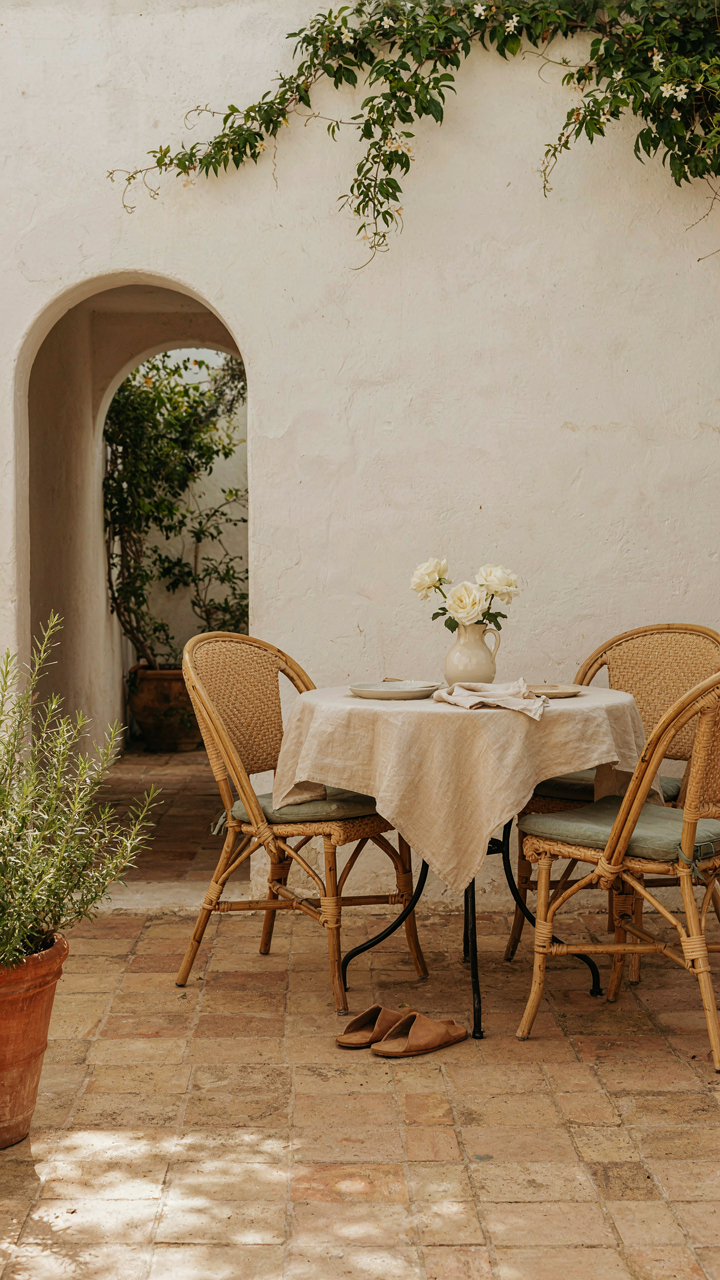
You want permission to stop feeling behind. The mechanism here borrows from fashion cycles: trends operate on planned obsolescence. You buy the viral bistro lights, the statement planters, the color palette everyone’s using. Two years later, your patio looks dated because the algorithm moved on. The people whose outdoor spaces actually improve year after year aren’t following Instagram. They’re building.
Real cozy patio decor doesn’t depreciate because it wasn’t built on trend velocity in the first place. A weathered wood table, quality outdoor cushions in neutral tones, a fire pit—these don’t become “out.” They become more themselves. The warmth you feel sitting in a space comes from intentional choices, not borrowed ones. Stop waiting for external validation to decorate your patio.
Your Life Writes Better Rules Than Design Blogs
Design magazines show you rooms that belong to no one. They’re styled for the photograph, not for the person who lives there. Your patio should reflect how you actually spend time outside—whether that’s morning coffee alone, evening dinners with family, or late-night reading. The decor that makes a space feel genuinely warm is the decor that matches your actual behavior, not your aspirational self.
Start by observing your patio in real conditions for two weeks. Where do you sit? What time of day? What do you need? Are you cold? Do you need more light? These answers are your brief. They beat any trend or design philosophy because they’re rooted in your reality. Build from there, adding only what solves a real problem or supports how you live.
Your Fear Isn’t A Cold Patio, But A Cold Reception. Stop Seeking Validation Through Accumulation


You’re buying throw pillows to prove something to people who don’t care. Stop. A cozy patio isn’t crowded, it’s intentional. Pick one texture that moves you. Add one light source that actually works. Sit there alone first. Your patio doesn’t need to impress anyone because the only person who has to live with it is you. Build spaces you want to exist in, not spaces you want people to see you in.