
The Minimum Viable Delicious Protocol For Backyard Dinner Party
Stop Adding Dishes You Don’t Need
You want people to think you’re capable without actually spending your weekend in the kitchen. Here’s what kills that plan: treating a backyard dinner like a restaurant tasting menu. Economics calls this constraint optimization, and your constraint is time, not ambition. You don’t need seven dishes. You need one protein, one starch, one vegetable. That’s the constraint that forces real decision-making instead of anxiety masquerading as effort.
Most advice tells you to “offer variety” or “cater to dietary needs.” That’s incomplete. The real mechanism is threshold elimination. Once you serve more than three hot components, execution fails because your timing fragments across too many variables. Your guests don’t remember seven mediocre dishes. They remember the one thing you nailed and the one thing you forgot.
Cook What Transfers From Stove To Table
Forget techniques that demand last-minute plating. You’re not running a service line. Braised short ribs, roasted chicken thighs, pulled pork, beef stew, baked halibut in parchment, pasta baked in a dish, grilled sausages over charred peppers, cast iron cornbread. These win because they cook fully before guests arrive and transfer directly to the table hot. The mechanism is operational simplicity: fewer handoff points between done and served means fewer ways for execution to break.
The common move is treating make-ahead as a compromise. It’s not. Make-ahead is the actual advantage. Cold dishes need reheating and plating mistakes. Hot cooked-through dishes sit in their vessel and stay correct for forty minutes. Your job is picking dishes where transfer timing doesn’t matter, so you eat when you want instead of when the food demands it.
Deconstructing The Outdoor Dinner Parties Timeline: A Reverse Engineering Approach

Start From Guest Arrival And Work Backward

You want to feel in control the night your guests arrive. The real mechanism here comes from project management: constraint-based scheduling. Work backward from the moment guests step into your yard. Every task you assign gets a hard deadline based on what comes after it, not before it. This eliminates the false urgency that kills prep work.
Most hosts prep forward chronologically and hit panic at 6 PM. They start cooking Monday, realize they’re stuck, and serve mediocre food because they built no buffer. Reverse engineering forces you to see which tasks actually compress time and which create slack. When you know guests arrive at 6 PM and your main course needs 90 minutes in the oven, you lock that start time at 4:30 PM. Everything else schedules around that fixed point.
Daily Task Allocation By Pre Assigned Days
Breaking prep into assigned days prevents decision fatigue and spreads physical labor across the week. You don’t make choices about what to do each day. The calendar decides. This removes the psychological cost of planning and guarantees nothing slips.
- Monday or Tuesday: Sourcing and shopping: Order specialty items early. Confirm produce availability. Buy items with longest shelf life first. Non-perishables go home immediately. This task owns one afternoon block only.
- Wednesday: Prep vegetables and proteins: Wash, dry, and store everything in containers. Mince garlic, slice onions, portion proteins. Label containers with dates. Raw prep takes four to six hours done once, never again during the week.
- Thursday: Make stocks, sauces, and components: Braise meat for pulled proteins. Make dressings, marinades, and compound butters. Cool everything completely before refrigerating. These items improve with time and free your Friday entirely.
- Friday morning: Plating templates and cold dish assembly: Prepare salads, sides that don’t wilt, and desserts. Arrange serving platters. Cover with plastic wrap. These stay refrigerated until service. Nothing touches heat on Friday.
- Saturday morning and early afternoon: Final warm components only: Finish sides that need heat. Grill proteins two hours before guests arrive. Focus exclusively on timing and reheating. No new recipes, no improvisation.
This allocation pattern removes the possibility of a clustered workload. Saturday night becomes assembly and service, not cooking and problem solving. You own the timeline instead of letting it own you.
The “Prep Day Payload” For Outdoor Dinner Party Menu Ideas
What Actually Freezes Without Becoming Garbage

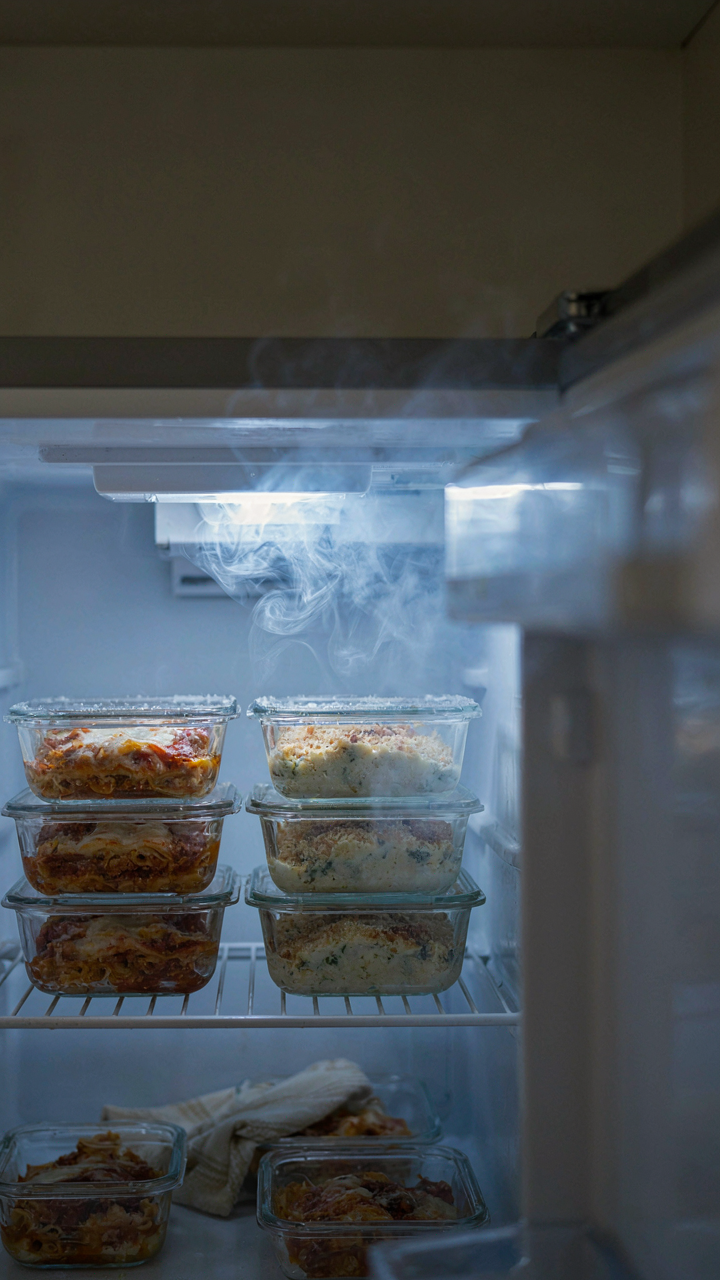
You want to look relaxed the night of the dinner, not sweating over a stove while guests wait for food. That’s the real motive. Here’s the mechanism: freezing works because ice crystals preserve structure when you choose proteins and starches with high water content, not delicate items that collapse under thaw. Marinades, braised meats, and grain-based sides survive the freeze-thaw cycle intact. Raw vegetables, fresh salads, and anything assembled wilt or separate. The difference between what tastes acceptable and what tastes like you didn’t care comes down to understanding protein denaturation and starch retrogradation, not blind recipe following.
Most advice treats freezing as a binary decision: freeze it or don’t. Wrong. Freezing works differently depending on the dish structure. Pulled pork, chili, pasta sauces, and roasted root vegetables all freeze cleanly because their cell walls already broke down during cooking. Grilled chicken breasts, fresh fish, and assembled casseroles don’t. The practical rule: if you’d eat it cold straight from the container, it survives the freezer. If it needs precision timing or texture integrity, prep components separately and assemble the day before or day of service.
Batch Cooking: The Freezer Rotation System
You think more cooking means more stress. Actually, cooking everything at once reduces total decision-making and cleanup labor by consolidating equipment use and heat cycles. Cook proteins once. Cook starches once. Cook sauces once. This isn’t just efficient—it’s a production line. You eliminate the mental tax of deciding what to make on service day, which leaves mental bandwidth for actual hosting.
The mechanism comes from inventory management, borrowed from supply chain logistics. Your freezer becomes a rotating stock system, not a storage unit. Cook four pounds of protein instead of one. Freeze in two-pound portions. Use the first batch two days after cooking, freeze the second portion immediately. Thaw the second batch while the first cooks down again for the party. This rhythm ensures nothing spoils, you never scramble for a protein decision, and the freezer stays a tool instead of a graveyard. Set thaw cycles into your calendar three days before the dinner and work backward from there.
Optimizing For “Hands Off” Execution: Dinner Party Menu Mechanics

Temperature Staging Without Burnout

You want to look relaxed while your guests eat, not sweating over a stove at 7 PM. Thermodynamics solves this. Cold foods hold their temperature for hours in outdoor conditions. Hot foods lose heat fast in open air, which means you need a holding strategy that doesn’t require active work.
Build your menu around this principle: serve dishes that stay safe and edible at room temperature or that sit in passive heat wells. Braised meats hold at 140 degrees in a covered Dutch oven for two hours. Cold salads and grain bowls reach the table tasting exactly as intended. Sauces prepared ahead stay potent when warmed gently in a small cooler lined with hot water, not direct flame.
Delegated Responsibility, Not Chaos
Military strategists call this “mission command”: set the objective, give people autonomy to reach it, remove yourself from execution. Your job isn’t to serve every plate. Your job is to make it impossible for your guests to fail at eating what you prepared.
Pre-plate appetizers. Leave cold items in bowls with serving spoons already in place. Set the grill temperature, walk away, and tell one capable person when to flip. Label dishes with reheating instructions so someone else can handle it. The mechanism works because people follow clear systems without needing your constant presence or permission to act.
The Unspoken Rules Of A Garden Party Menu: Presentation As Performance
How Your Plates Control What Guests Think They Taste

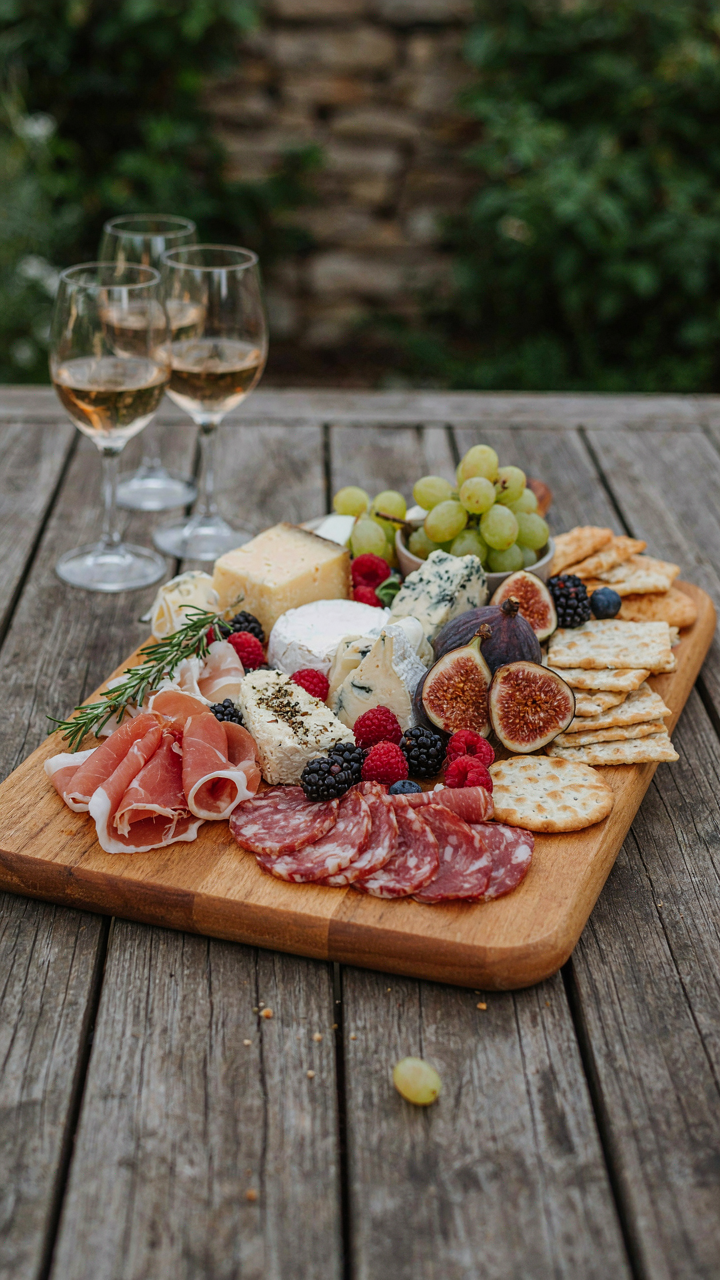
You want people to talk about your dinner. That’s the real reason you care about this section. Plating works like signal detection theory from psychology: your guests’ brains process visual information before flavor hits their tongue, and that first signal shapes their entire experience. A plate that looks composed makes food taste better. A scattered plate makes identical food taste worse. The mechanism is neural priming, not magic.
The mistake most hosts make is treating plating like decoration instead of information design. Your plate tells a story about control, intention, and competence before anyone takes a bite. Restaurant plating uses negative space deliberately—empty areas on the plate that draw attention to the food itself. Copy this move. Stop filling plates. Start anchoring each component to a specific zone. Height variation matters. Flat plates bore the eye. Stack, lean, or elevate one element to create visual hierarchy. Make it look intentional, not accidental.
Where You Put People Changes How They Eat Together
Seating placement and lighting aren’t ambiance choices—they’re structural constraints that determine conversation quality and meal pacing. Hospitality design borrows from crowd management principles used in theater: sightlines, acoustic zones, and traffic flow determine whether guests feel connected or trapped. The worst backyard dinners seat people where they can’t see each other’s faces or where kitchen noise dominates. Position your table so guests face each other or toward a focal point. Remove distractions from the sightline. Eliminate glare on faces and food by positioning lights above and behind guests, not in front of them. This isn’t about mood. It’s about function.
Music serves as a pacing mechanism, not background noise. The volume should allow conversation without people shouting. Around 50-60 decibels works for outdoor space. Adjust this based on your guest count—more people require quieter music to prevent acoustic chaos. Lighting temperature matters too. Warm white light (2700K range) makes food and skin tones look better than cool white. The seating arrangement dictates when service happens and how long each course sits. Tighter clusters finish courses faster. Spread-out seating extends timing. Match your table layout to your prep timeline.
Summer Dinner Party Menu Ideas: Ingredient Sourcing As A Competitive Advantage
When Peak Ripeness Matters More Than Technique

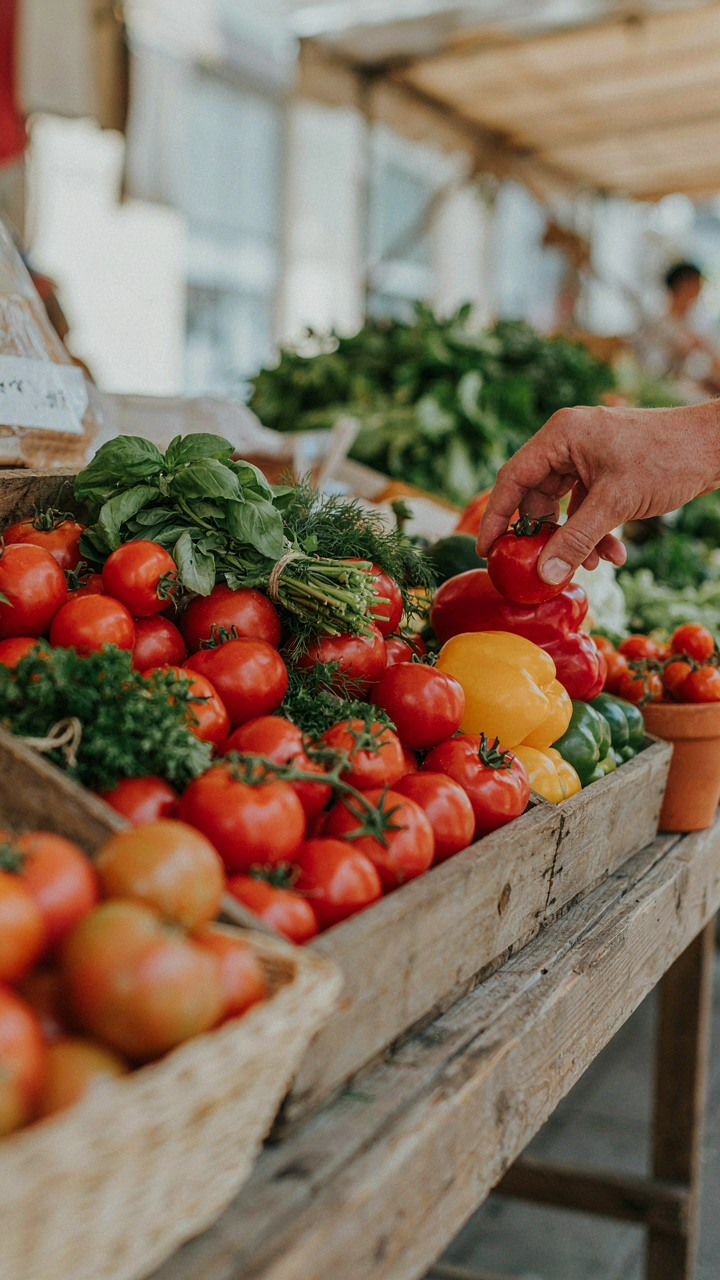
You want to look like you know what you’re doing without actually spending weeks testing recipes. The real mechanism is this: seasonal produce does the work for you. A tomato picked at peak ripeness needs almost nothing. A tomato picked green and shipped across the country needs everything—butter, acid, technique, luck. Most hosting advice skips this and jumps straight to “make this complicated dish.” Wrong. Start with what’s actually good right now, not what sounds impressive.
Freshness compounds across the entire meal. A peaked peach for dessert, corn at its sweetest, basil before it bolts—these aren’t nice-to-haves. They’re the difference between a dish that tastes like something and a dish that tastes like effort. The seasonal constraint isn’t a limitation. It’s your filter for what actually works make-ahead. Dishes built around peak ingredients hold their quality longer because the ingredient itself carries the flavor load. You prep less. You stress less. The food actually improves.
Building Relationships With Real Suppliers
Most people buy from whoever has the lowest price or the shortest drive. That’s convenience thinking, not quality thinking. Farmers markets, CSA pickups, and direct farm relationships give you first access to what’s actually good, not what’s been in a distribution center for three days. The economics here are straightforward: suppliers who sell direct to customers care more about ripeness because you show up in person and you’ll return. That accountability changes everything.
Call or visit a week before your dinner. Tell them exactly what you’re cooking and when you’re serving it. They’ll tell you what will peak on your serving date, what won’t travel, and what’s worth the cost. This is information chain restaurants pay consultants to figure out. You get it free by just asking. Buy from the same suppliers twice, and they’ll reserve their best stock for you. That’s not friendship. That’s supply chain logic. Do this three times before your dinner date to build the relationship.
Beyond The Plate: Backyard Birthday Parties Logistics
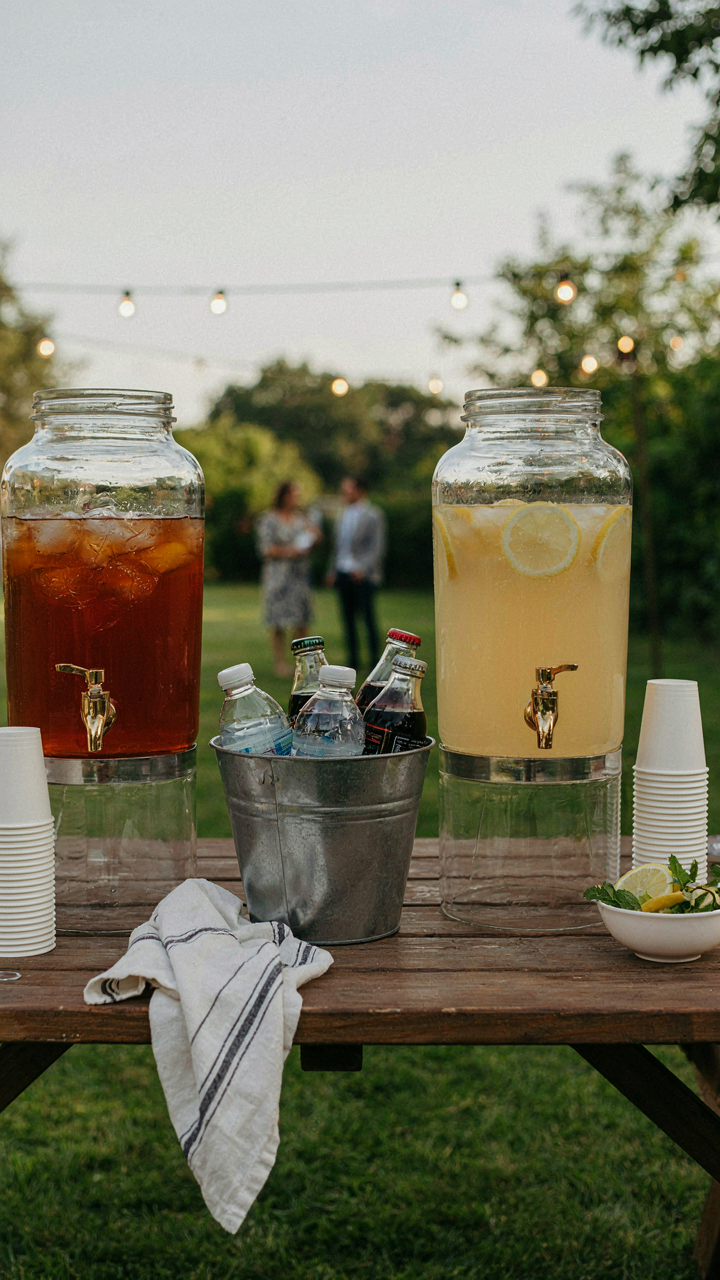
The Self Serve Beverage Station

You care about this because you’re afraid of looking like you’re not in control, and running out of drinks or playing bartender all night signals exactly that. The real mechanism is borrowed from retail economics: friction reduction. Every step between thirst and satisfaction costs you presence at your own event. A self-serve station removes you from the transaction entirely.
Set up one station away from the kitchen, not multiple scattered points. Use a cooler or table with water, ice, and pre-chilled beverages grouped by type. Label bottles clearly so guests grab without asking. This works because people default to self-service when the path is obvious. You disappear from the equation and your event runs itself.
Passive Disposal Without The Work
The common advice here is wrong: you don’t need cute labeled trash bins or a complex sorting system. Guests won’t sort. What you actually need is friction-free disposal that requires zero compliance from other people. The mechanism is behavioral inertia—people follow the path of least resistance, period.
Create one large, open receptacle near seating and food areas. Compostable plates and utensils reduce what needs sorting. Empty it once during the event, not constantly. The goal isn’t environmental virtue signaling—it’s eliminating the moment where a guest holds a dirty plate and looks around confused. One visible trash solution beats three labeled options every time.
Alfresco Dinner Party Menu Ideas: The Art Of Delegation (Or Lack Thereof)

Know When To Say No

You want help because you think it makes you look gracious. That’s not why you’re actually asking. You’re asking because you’re drowning and you want someone else to absorb the failure risk. The mechanism here is simple: delegation only works when the task is truly separable from your vision. Most people treat “help” like a life raft when they should treat it like outsourcing. If someone brings a dish, you lose control over temperature, timing, and whether it competes with your centerpiece. The cost of coordination often exceeds the benefit of having one fewer thing to cook.
Accept help only on tasks with zero downstream consequences. Drinks. Ice. Chairs. Someone buying premium ice from a specific store matters less than someone deciding to bring a casserole that needs oven space during your critical plating window. Decline offers to contribute food unless you’ve already built those slots into your menu architecture. A guest bringing appetizers you didn’t plan for creates a logistics problem disguised as kindness. Your job is to protect the meal’s coherence, not to be liked for accepting every offer.
The Unspoken Assignment
This is not about being bossy. It’s about making people feel useful without giving them instructions they’ll resent. The signal you send matters more than the words you use. Instead of asking someone to “watch the grill,” hand them the tongs and say the steaks go on at 7:15. You’ve given them a role, a tool, and a specific moment. They now own that task because you’ve made it tangible. People respond to clarity, not requests. Vague instructions breed resentment and botched execution.
Assign roles early, in person or by text before the event. Tell someone: “I need you to pour wine when people arrive. The bottles are in the cooler by the back door.” Tell another: “Keep an eye on the appetizer table and refresh it if platters look sparse.” You’re not ordering them around. You’re giving structure to their instinct to help. They’ll execute because they understand what done looks like. The most forgotten guest is the one with nothing to do.
The Real Problem Isn’t Planning; It’s Your Fear Of Looking Like You Care Too Much
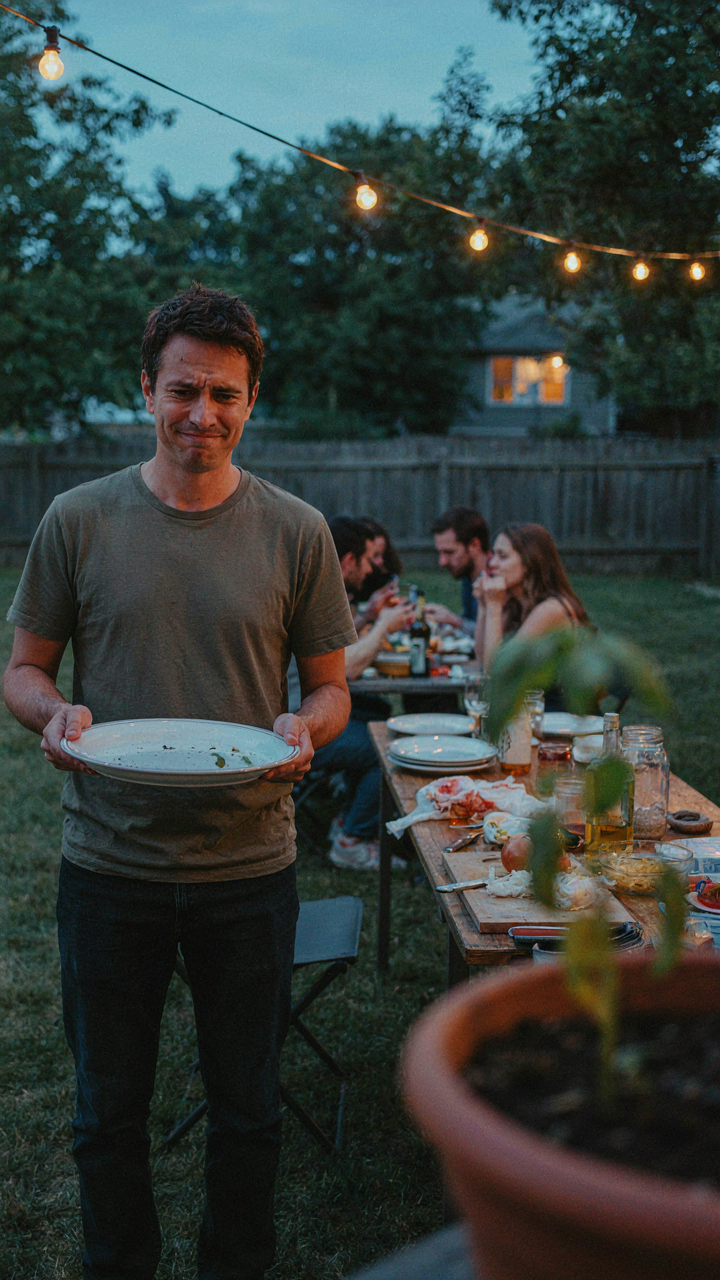

Most people sabotage their backyard dinner before guests arrive. They undercook the menu. They half-ass the prep. They convince themselves that seeming effortless matters more than actually feeding people well. It doesn’t. Your guests came to eat and connect, not to watch you perform indifference. Pick one backyard dinner menu this week. Commit to it fully. Make the shopping list today and stop pretending that caring about hospitality is weakness.