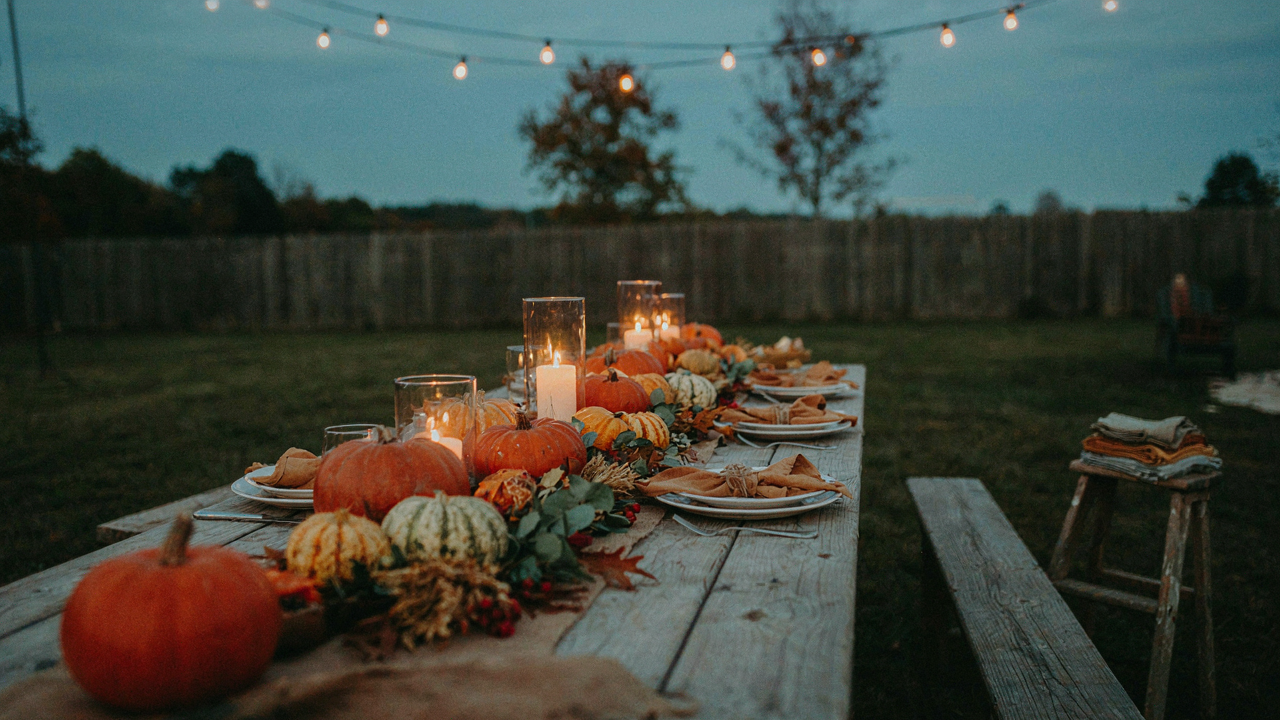
The Unspoken Rules Of Fall Outdoor Tablescapes
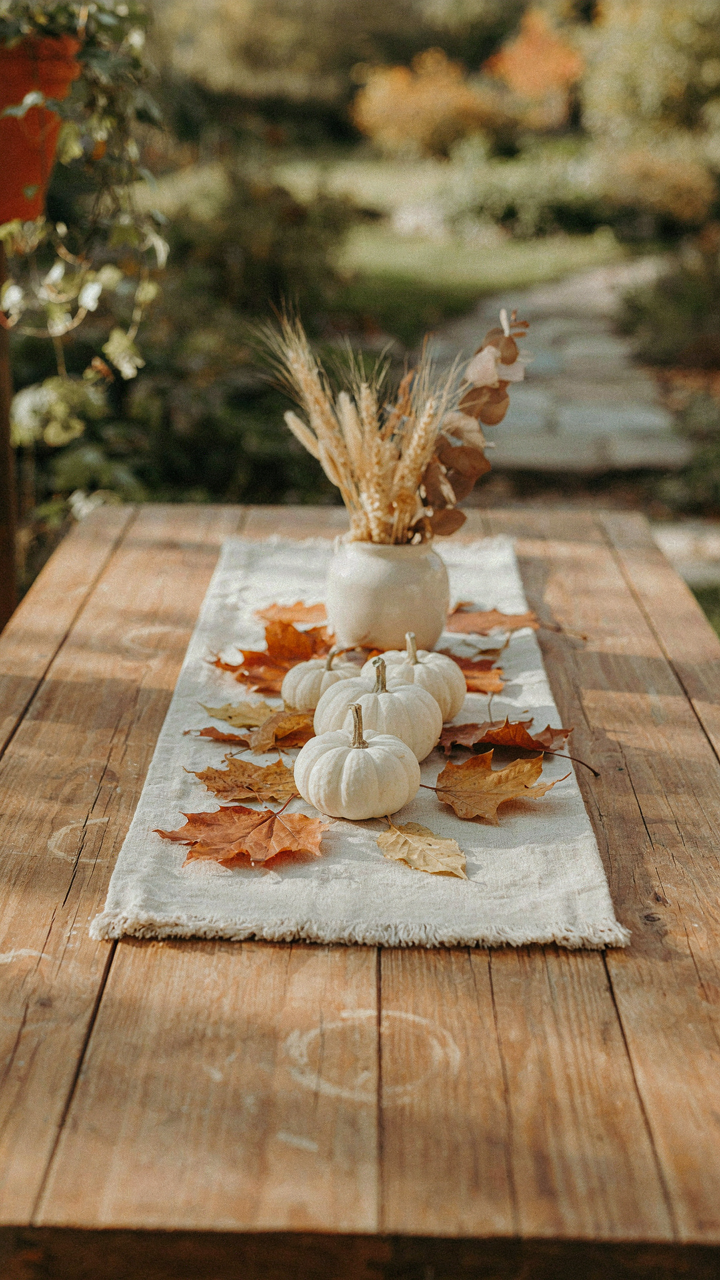
What Everyone Gets Wrong About Autumn
You want people to think you have taste without spending money or effort to actually develop it. Here’s the mechanism: most people assume fall tablescapes require orange, brown, and red because those colors appear in nature during autumn. That’s not a design principle—that’s lazy observation. Real fall design works on contrast and material weight, not seasonal color theory. Pumpkins and candles dominate because they’re easy shortcuts, not because they solve a design problem.
The consensus approach treats fall tablescapes like a costume change. Swap summer linens for burgundy, throw in gourds, add warm lighting, done. This misses the actual constraint that matters: outdoor fall tables compete with declining daylight and temperature drop. Your setup doesn’t fail because the colors clash. It fails because it ignores how people actually perceive your table when light fades at 6 PM and they’re sitting down in a jacket.
Why Basic Setups Flatten Instead Of Land
Most fall tablescapes rely on density—cramming more stuff into the same footprint. A centerpiece becomes a problem when every element competes for attention at eye level. More objects don’t create sophistication. They create visual noise that reads as trying too hard. The real play is spatial hierarchy: some items high, some low, generous gaps between them. Your eye should know where to land first.
The mechanical failure happens when texture and material variety disappear under sameness. A table with pumpkins, dried corn, candles, and a fabric runner in earth tones creates monotony, not mood. Material contrast does the work: smooth ceramic against rough wood, matte pumpkin skin against reflective metal candleholders, soft linen against hard stone. One quotable sentence: contrast is the only thing that separates tablescape from clutter. Add one unexpected material or surface finish and the whole setup shifts from generic to intentional.
Beyond The Pumpkin Patch: Authentic Fall Elements
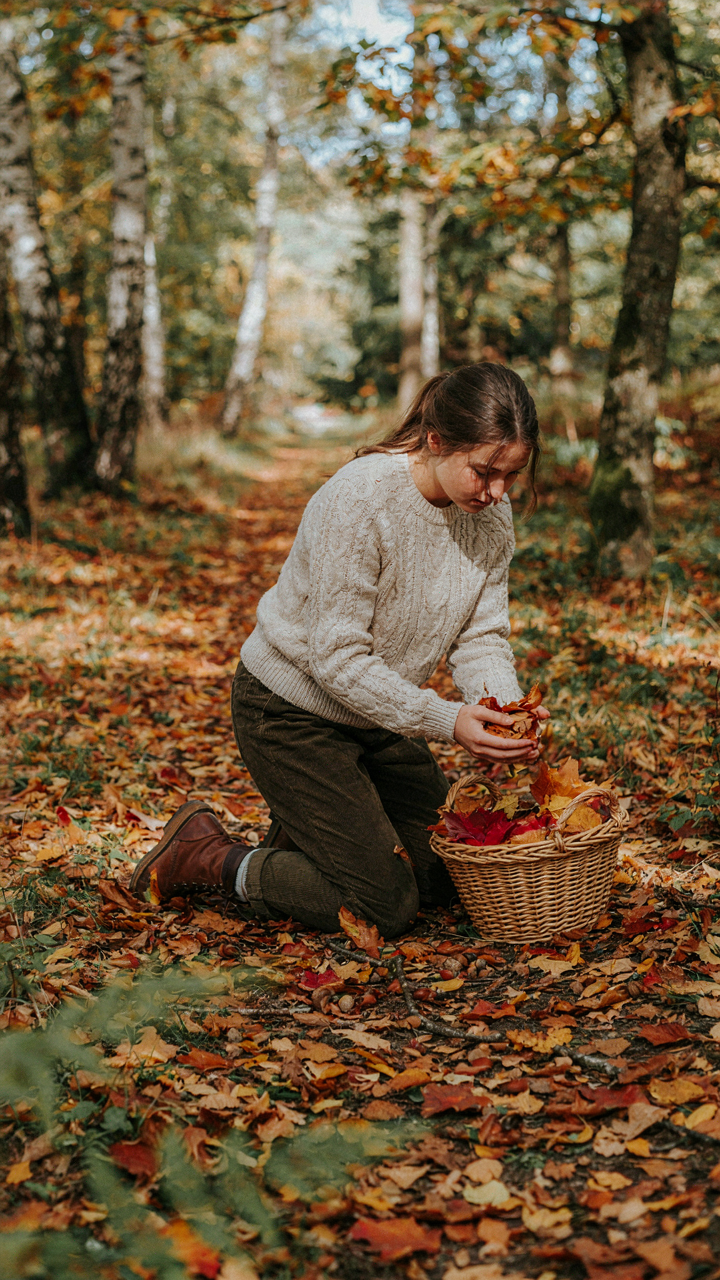
What You Actually Find In The Woods
You want your tablescape to look effortless because effortless signals you have taste and time. The mechanism is simple: store-bought fall kits signal the opposite. Real fall elements come from your actual environment, not a warehouse shelf designed for mass consumption.
Walk your property or a nearby forest in early fall. Collect seed pods, branches with structural weight, dried grasses that hold their shape, and leaves still attached to small twigs. Acorns in their caps, small branches stripped of bark by weather, and stones with interesting surfaces all work. The constraint is your geography, not a catalog.
Local Flora Works Because It Matches Your Light
Ecology teaches us about niche adaptation, and your tablescape operates in the same constraint: plants that thrive in your specific microclimate already match your outdoor light and season better than anything shipped nationally. Native fall flora integrates without looking forced because it belongs there.
Source serviceberry branches, local ornamental grasses, or native shrub stems instead of tropical elements wrapped in fall branding. If deer browse your region, use what they avoid: certain sedums, late-blooming asters, or tough grasses. The table reads as deliberate when every element could naturally exist in your yard at that exact moment. Arrange these elements in tight clusters, not scattered across the surface, so the eye reads intention rather than collection.
The “Atmosphere Engine” Protocol For Outdoor Thanksgiving
How Candlelight Controls Guest Behavior
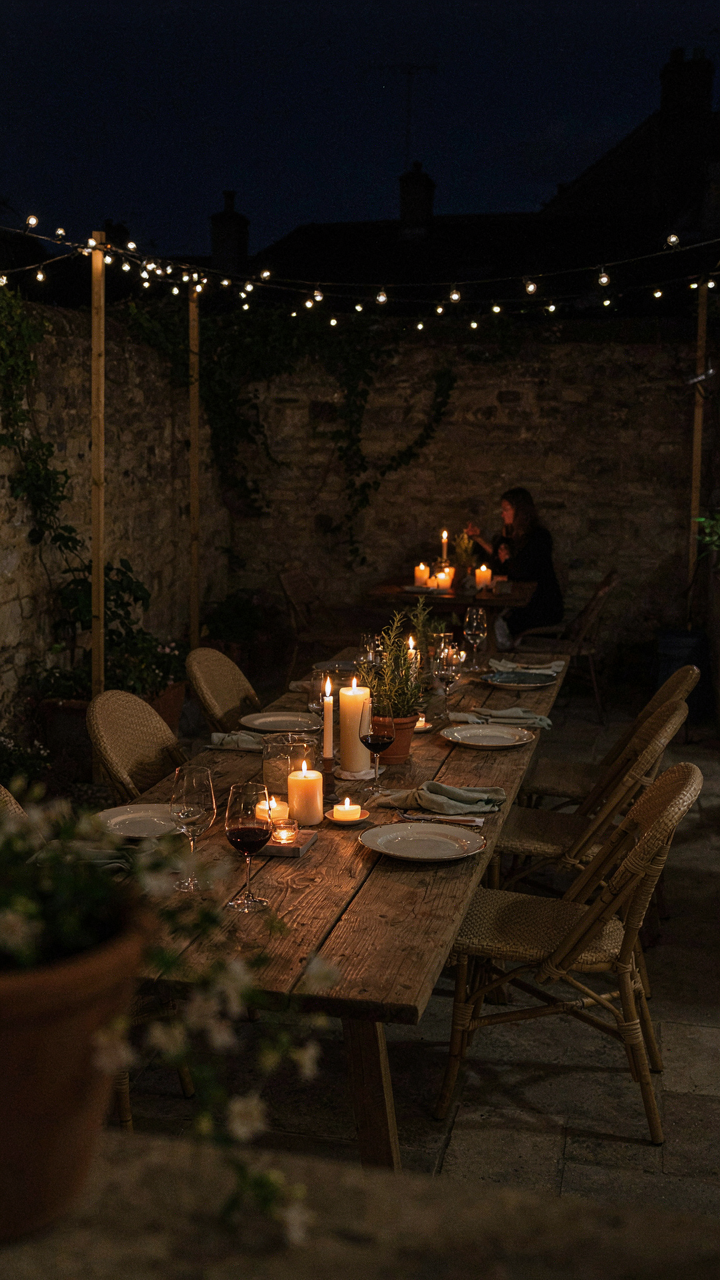
You want people to stay longer, talk deeper, and feel like they made the right choice showing up. Light does that work. Candlelight operates like a dimmer switch on the nervous system. Neuroscience confirms that warm, flickering light triggers the parasympathetic response, the biological state where people relax and linger. Hard overhead light does the opposite. On a fall outdoor tablescape, candlelight isn’t decoration. It’s a behavioral architecture tool.
Place candles at eye level or slightly below when guests are seated. This height prevents glare and creates the illusion of intimacy. Tea lights clustered in groups of three work better than single tall candles because they distribute warmth evenly across the table surface. The flicker must be visible, not hidden inside frosted holders. Exposed flame creates the temporal anchor that keeps attention on the moment. Real flame beats LED every time because the brain detects the micro-randomness of actual fire.
Sensory Stacking Through Sound And Scent
Most outdoor tablescape advice stops at what people see and misses the stacking effect entirely. Sound and scent don’t decorate the table, they dictate how long someone stays and how they remember the experience. Fall scents trigger memory recall more effectively than visual cues alone because olfactory input bypasses conscious processing and hits the limbic system directly.
Position candles with scent intentionally: cinnamon and clove near one end of the table, unscented or subtle beeswax near the other. Guests migrate toward the scented end. Layer in ambient sound carefully by keeping conversation volume as the primary acoustic layer. A small water feature ten feet away, not at the table, creates environmental texture without competing with dialogue. This stacking protocol anchors the fall tablescape in the nervous system, not just the eye. The mechanism is total sensory immersion that makes guests commit to duration.
Candlelight Cadence: Mastering The Glow
Where Light Lands Matters Most

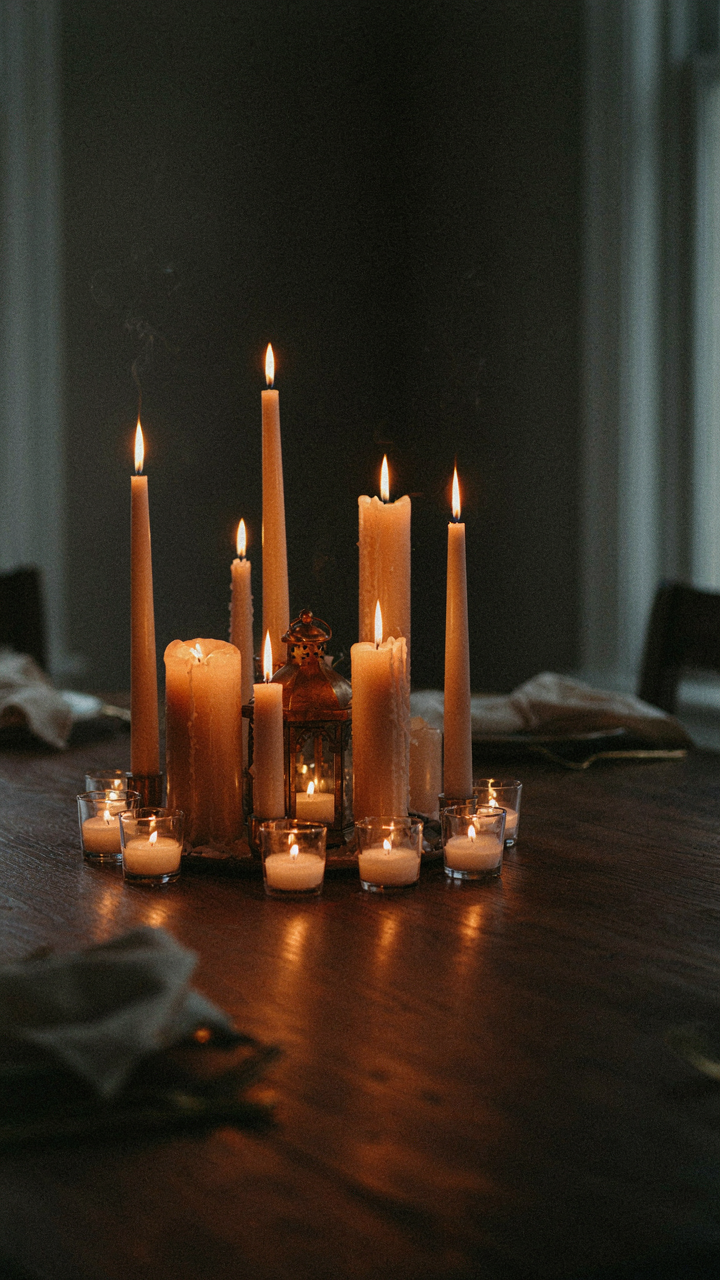
You want candlelight to make your tablescape look intentional instead of accidental. This is about applying the principle of contrast from visual hierarchy—in design terms, we call it “focal point dominance.” Your candles aren’t decoration. They’re strategic light sources that direct attention to specific elements. Place tall candles behind pumpkins so the gourds cast shadows forward onto the table surface. This creates depth without requiring you to buy expensive lighting equipment. Short candles go near the table perimeter, never center-clustered where they block sightlines across the table.
Spacing matters more than quantity. Most people clump candles together in the middle, which looks like they’re hiding under one weak light source. Instead, position candles at different heights in a triangle formation across the table length. This forces your eye to move, which makes the entire spread feel bigger. A single candle in a dark corner of your patio? That works. Five candles jammed next to each other? That reads as confused. Candle placement is the difference between a tablescape that commands attention and one that whispers.
Flame Safety On Open Ground
The common advice here is useless: “use candles in holders” without explaining why. Wind is the actual problem with outdoor candles, and it matters because it accelerates heat transfer and creates drafts that smother flames. Use enclosed hurricane holders or glass cylinders, not open votives. The barrier stops wind patterns from collapsing your flames sideways. A collapsed flame touches the holder’s rim, which accelerates wax melt and creates spillage that stains your table linens.
Set candles on fire-safe surfaces only. Stone, ceramic, or metal trivets work. Wood, plastic, and untreated cloth don’t. Check the ground beneath your table for dry leaves or debris that could catch embers if a candle tips. Never place candles directly on pumpkins—the moisture content looks good but creates an unstable base that moves when someone brushes past. Keep lit candles at least three feet from any fabric, including curtains or hanging decorations. Extinguish all flames before you leave the table unattended.
The Fall Outdoor Dinner Party: Functional Design
How Guests Actually Move Through Space
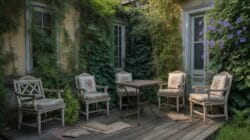
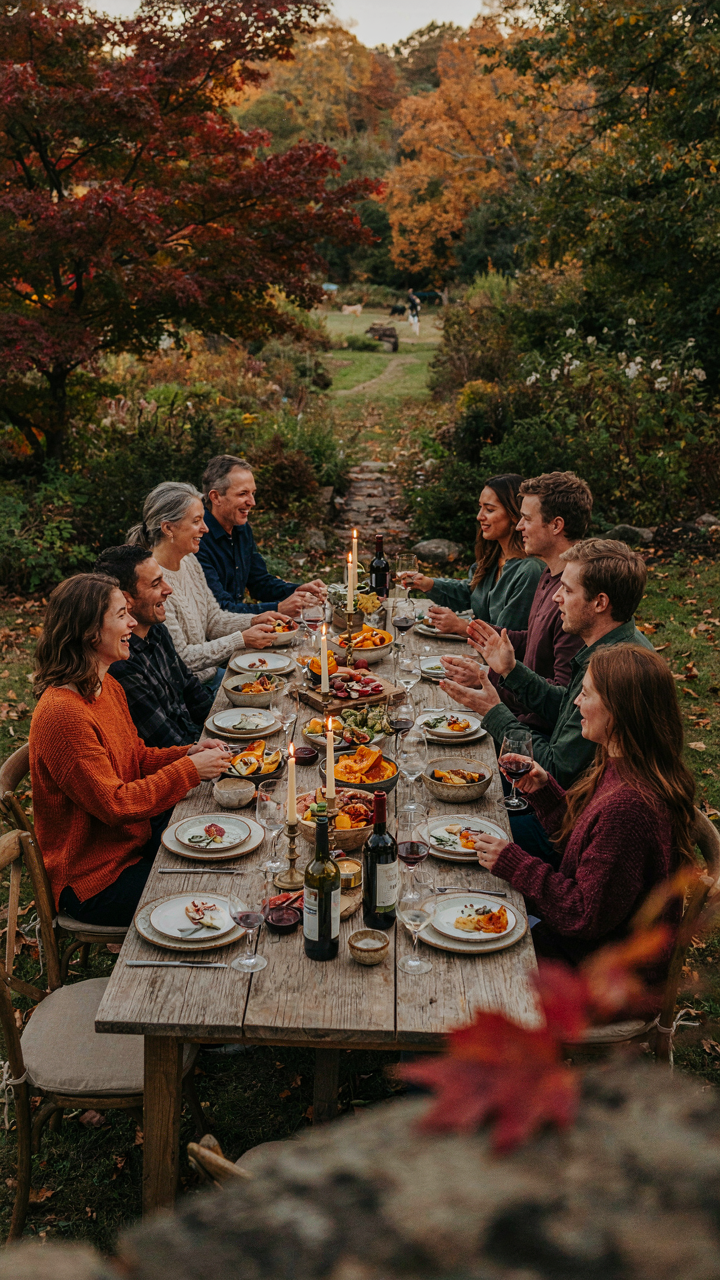
You want people to linger and compliment your setup. That’s the real goal here. But most tablescape advice ignores the basic cybernetic principle: a system’s output depends on its feedback loops. In outdoor dining, the physical layout IS the feedback. Guests read the space before they sit. A table positioned too close to the entry point creates a bottleneck. Too far, and people won’t venture there. The table itself should sit perpendicular or at a slight angle to the natural walking path, not directly in line with it.
Distance matters more than aesthetics. Position your fall tablescape where guests can approach it from two angles, not trapped from one direction. This gives them choice, which signals intentionality. Place pumpkins and candles along the perimeter of the table, not scattered across the surface where they block sightlines or force people to reach across obstacles. The serving area should sit adjacent to the table, not behind it. This keeps the flow moving. Guests approach, see the setting, decide to sit, access food without backtracking.
When Comfort Signals Create Return Behavior
Feedback loops work both ways. A guest’s comfort at your table determines whether they stay engaged or mentally check out. The cybernetic model applies directly: environmental inputs shape guest outputs, which then reshape the environment itself. A candle that flickers in wind creates visual noise. A pumpkin arrangement that blocks conversation across the table kills the gathering. Comfort isn’t about luxury. It’s about removing friction.
Seat guests where they can see each other’s faces without obstruction. A tall pumpkin centerpiece guarantees people staring at gourds instead of talking. Low arrangements, under 12 inches, preserve sightlines. Candles need wind protection, not just placement. Glass hurricanes or lanterns reduce flicker and movement. The table surface itself should support this: solid ground or stable deck, never uneven grass. When guests feel physically stable and visually connected, they engage longer. Measure your setup by whether the person across from you remains visible and the conversation stays natural.
Outdoor Thanksgiving Table Decor: Intentional Disruption
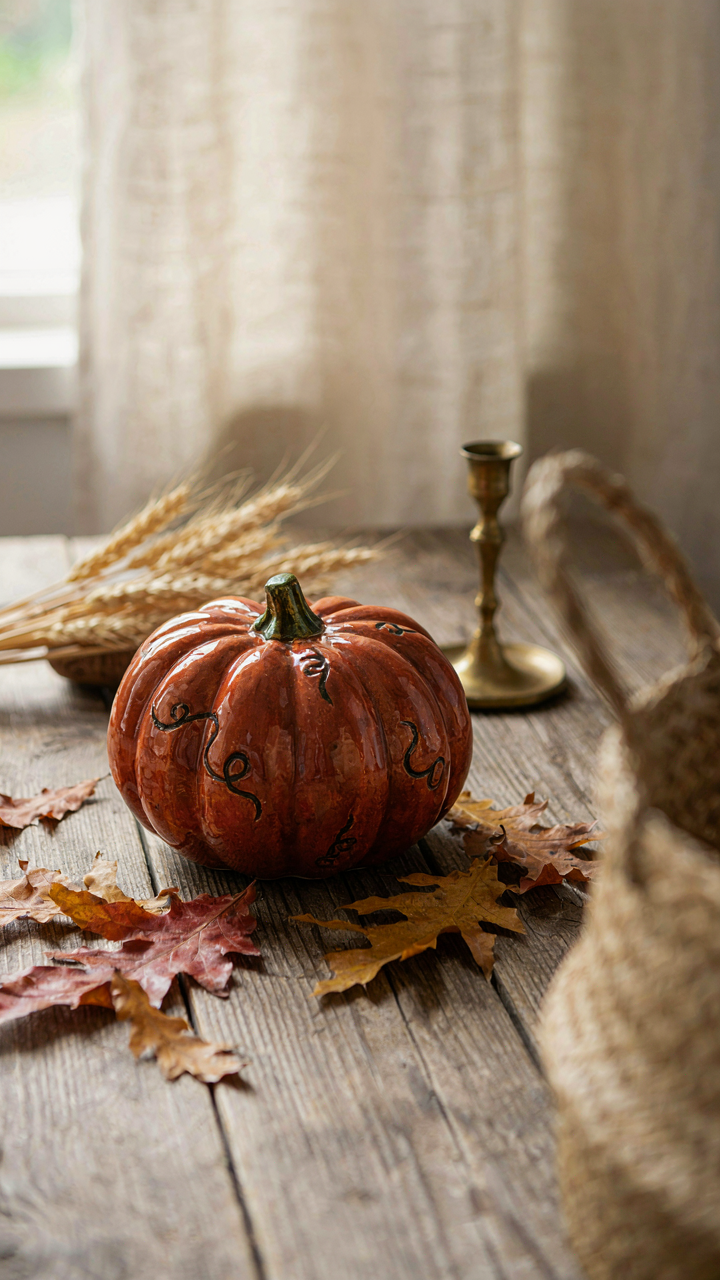
Mix Hard And Soft Materials

You want people to notice your table setup because you’re measuring your taste against theirs. The real mechanism is contrast—visual tension forces attention. Think of it like signal-to-noise ratio in information design: a uniform surface communicates nothing, but deliberate conflict between materials creates a focal point your eye can’t ignore.
Pair rough textures against smooth ones directly. Wood chargers against linen napkins. Weathered concrete or slate pedestals supporting glass candleholders. Burlap runners layered under polished copper flatware. This isn’t about randomness—it’s about placing opposites adjacent to amplify both. The rough makes the smooth read as more refined. The smooth makes the rough feel intentional, not neglected.
Reject The Obligatory Harvest Palette
Every fall tablescape leans on burnt orange, deep red, and gold because Pinterest trained everyone to copy the same three colors. That’s the consensus trap. Real disruption means using colors that feel wrong until they’re proven right, then they’re unmissable.
Try deep emerald or forest green as your base. Add charcoal or near-black accents through candleholders or runners. Introduce one unexpected cool tone—silver or pale gray—instead of more warmth. Pumpkins and gourds still work because their shape reads as fall regardless of whether they sit in a predictable color story. You’ve now built a table that registers as intentional, not as a decoration someone found in a seasonal magazine.
Fall Backyard: Optimizing For The Elements
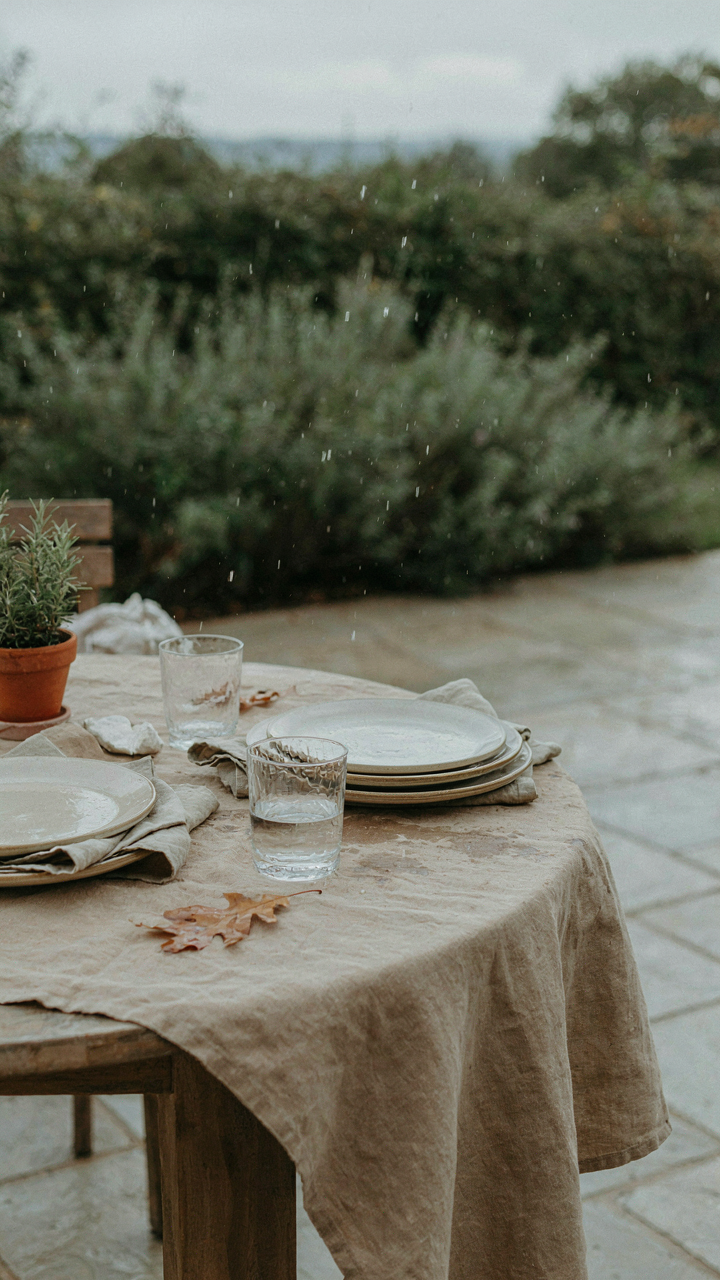
Weatherproofing Your Table Setup
You want your tablescape to survive the night without looking abandoned by morning. That’s not about aesthetics—it’s about not wasting the money and time you already spent. Think in terms of material durability, borrowed from engineering: a system’s resilience depends on its weakest component under stress. Your tablescape has multiple weak points in fall conditions. Rain, wind, and temperature swings exploit them fast.
- Sealed wood surfaces: Treat or stain outdoor furniture before setup. Bare wood absorbs moisture and swells, warping joints and loosening connections within weeks of exposure.
- Candle placement in glass hurricanes: Wind kills open flames and ceramic holders crack under temperature shifts. Glass hurricanes create barriers while letting light through without shattering.
- Fabric table runners and linens: Use solution-dyed acrylic or performance fabrics rated for outdoor use. Cotton and linen absorb water, mildew, and hold odor through storage.
- Pumpkin preservation: Coat whole pumpkins with polyurethane or acrylic sealer to extend life. Unsealed pumpkins rot within two weeks in wet fall conditions, especially near ground-level moisture.
- Hardware and fasteners: Use stainless steel or brass exclusively. Standard steel rusts within days of moisture exposure and leaves permanent marks on linens and surfaces.
The mechanism here is simple: water finds every unprotected edge. Seal what you can before assembly, use barriers where you can’t, and choose materials that won’t degrade when wet. Replace standard fasteners now. Rust stains appear suddenly and don’t wash out.
Warmth Without Overdoing It
Most people either freeze their guests or blast propane heaters that ruin the whole point of being outside. The real play is understanding thermal comfort: you don’t need uniform heat across the space. You need localized warmth at the table surface and smart layering.
Patio heaters work best when positioned behind or to the side of seating, not above it. Direct overhead heat rises and disperses. Side-mounted or table-level sources create a warm zone without wasting fuel. Candles contribute real BTUs—a cluster of three-wick candles generates actual heat at table level. Pair this with outdoor blankets draped over chair backs. Guests layer themselves rather than relying on ambient temperature. This approach lets you keep the gathering intimate and the air quality decent. Set candles in hurricane glasses to protect flames and direct heat downward where people actually sit. Test your heater placement during daylight before guests arrive so you can adjust without fumbling in the dark.
Thanksgiving Tablescapes Outdoor: The Art Of Subtraction
Stop Adding Elements You Think Look Good
You’re afraid an empty space reads as lazy or incomplete. The real mechanism here is signal-to-noise ratio from information design. A crowded outdoor tablescape competes with itself. Your eye lands nowhere because it lands everywhere. Pumpkins lose impact when surrounded by candles, place cards, scattered leaves, and napkin rings all fighting for attention. The viewer’s brain shuts down.
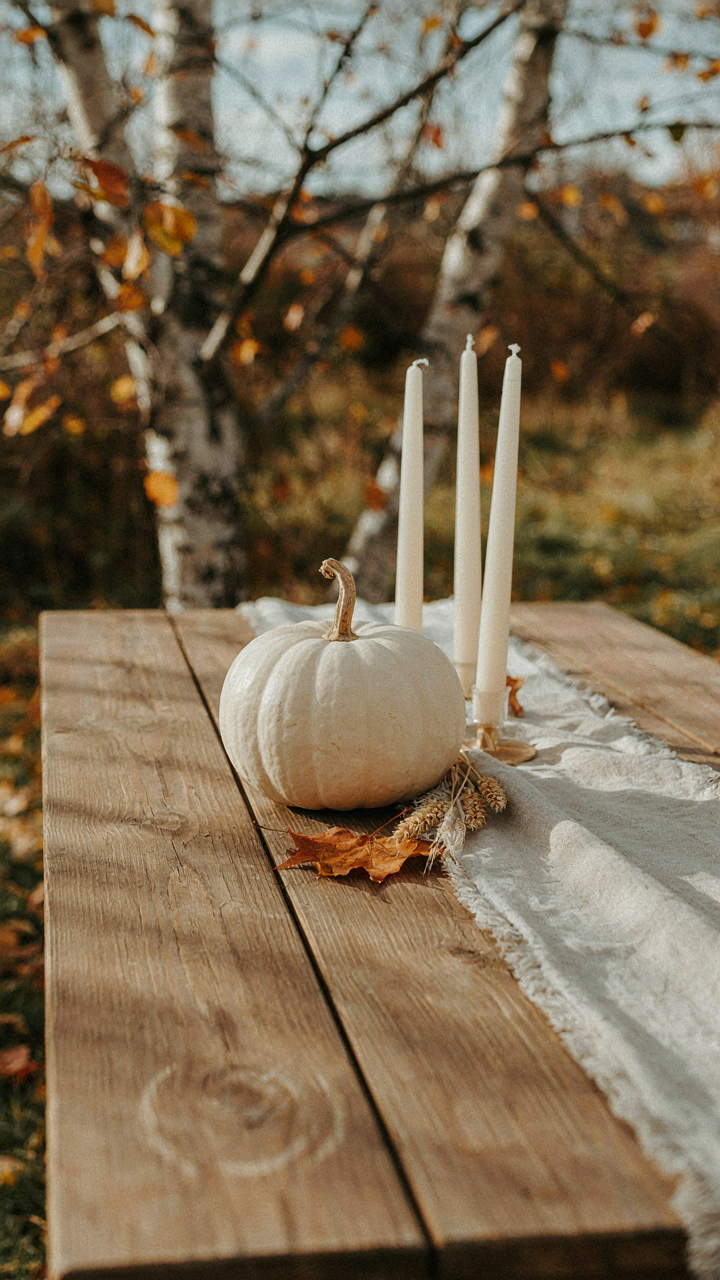
Most tablescape advice tells you to layer textures and add depth. That’s wrong. Depth comes from removing what doesn’t matter, not stuffing more in. A single statement pumpkin centered on a runner with two candlesticks flanking it commands more visual authority than twelve elements scattered across linen. The spacing around objects is the design. Treat empty table surface like you treat negative space in a logo.
The Constraint That Forces Better Decisions
Working with fewer pieces eliminates decoration as a hiding place for lazy thinking. You cannot fake composition with volume. Each pumpkin, candle, and stem placement now carries weight. If you place three pumpkins instead of seven, you have to know why those three belong together and where they sit on the table. This forces intentionality.
Thanksgiving outdoor tablescapes live in variable light and weather. Fewer elements mean less to maintain, reset, or replace when wind shifts a napkin or rain dampens a garland. Simplicity scales with circumstance. Start with your focal point—typically one large pumpkin or candle arrangement—then add only what creates balance or directs the eye. Remove one item each time you feel the urge to add another.
The Real Obstacle Isn’t Execution; It’s Your Fear Of Genuine Expression
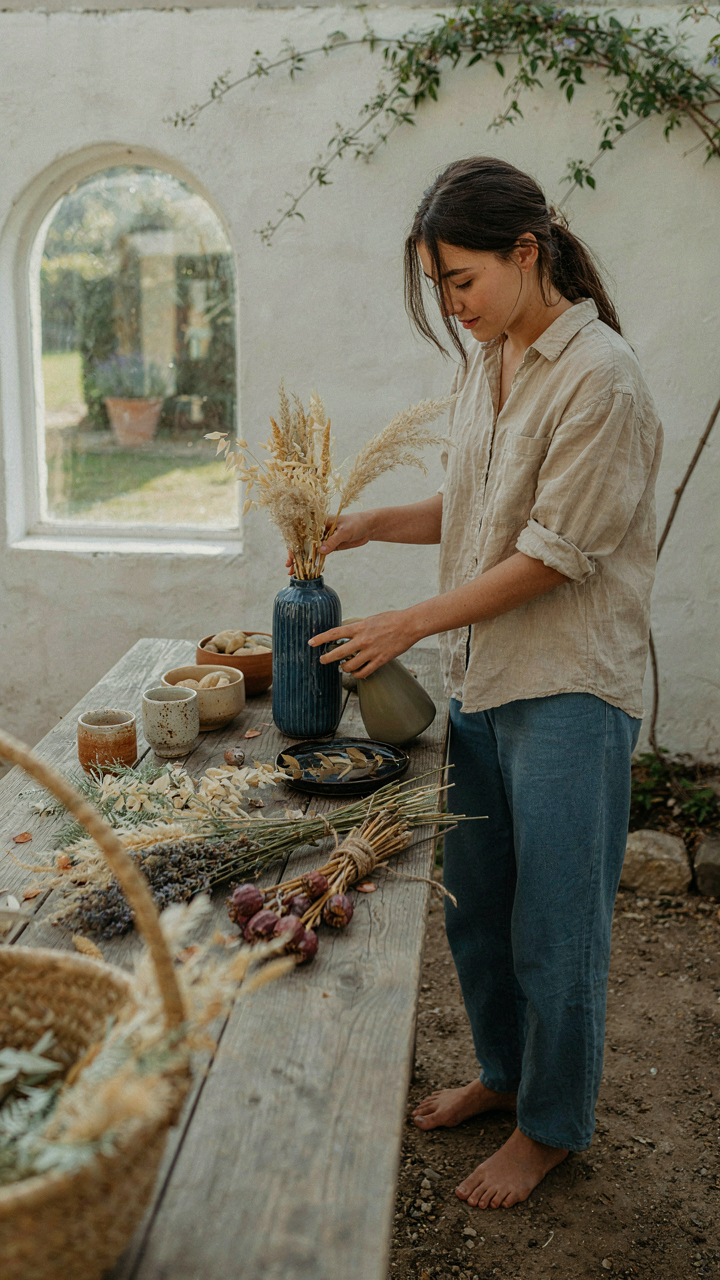

You don’t need another tablescape idea. You need permission to stop copying what worked for someone else. Your fall outdoor tablescape will matter because it reflects what you actually find beautiful, not what Instagram told you to buy. Pull three things from your home right now that genuinely move you, arrange them with your pumpkins and candles, and photograph it before doubt kills the impulse. Your taste is the only strategy that scales.