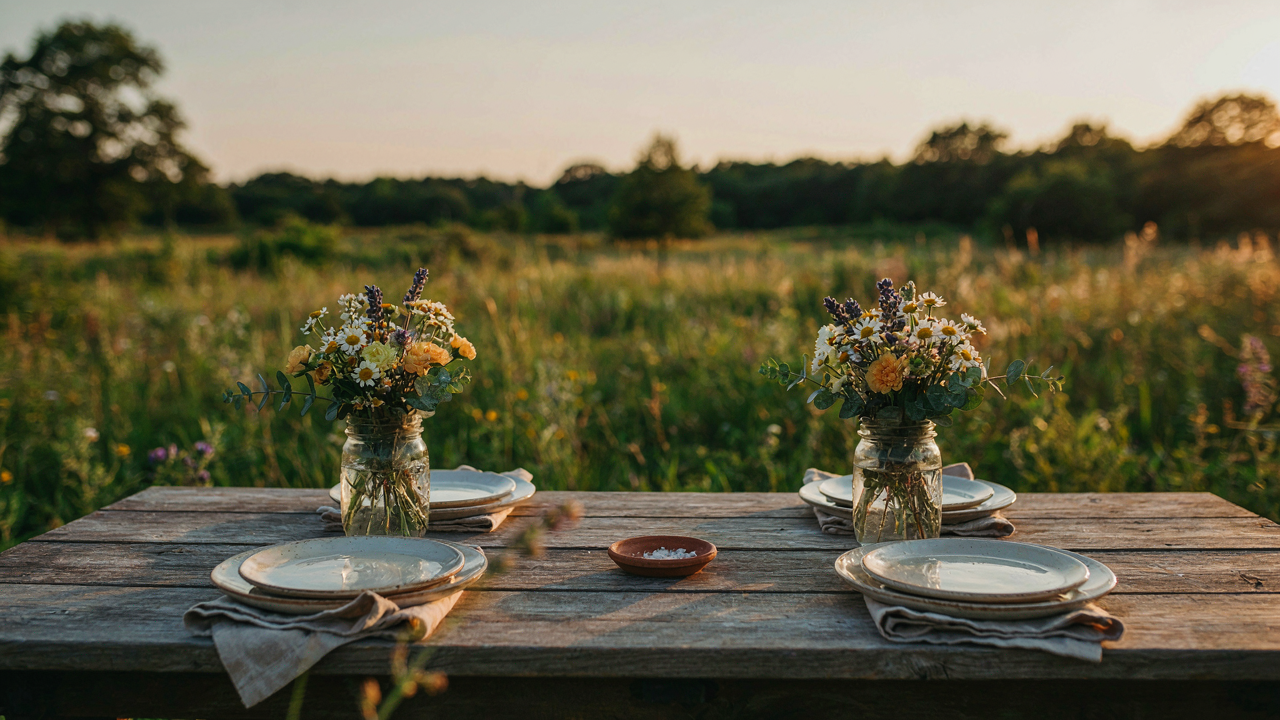
Deconstructing The “Effortless” Illusion: Your Rustic Dinner Party Trap
What Effortless Actually Costs
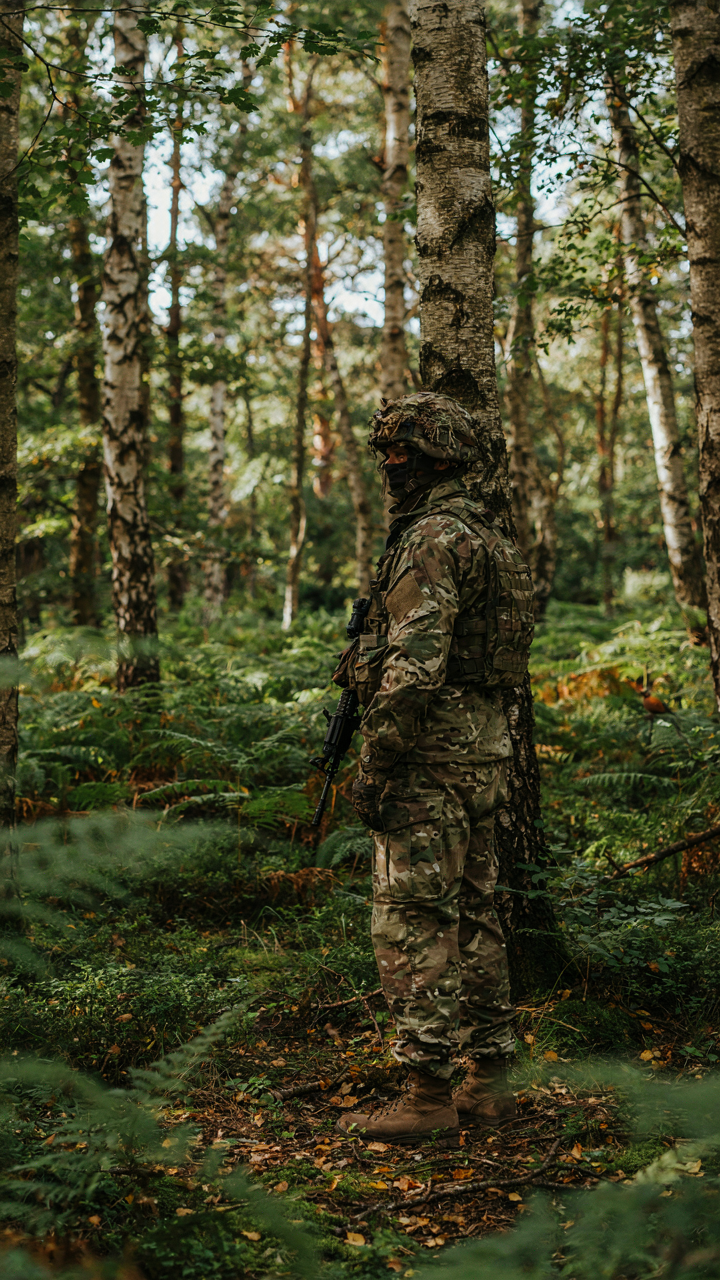
You want people to think you didn’t try. That’s the real motive here, and it’s expensive. Rustic outdoor table setting operates on the same principle as camouflage in military strategy: the goal is to hide the deliberate positioning underneath. The more natural something appears, the more intentional work preceded it.
Mason jars don’t land on a table by accident. Wildflowers don’t arrange themselves into focal points. The “rustic” aesthetic demands you strip away visible labor while doubling the labor underneath. You’re paying a tax in time, sourcing, and repetition that Instagram flattens into a single image. That tax gets higher every time you repeat the setup.
The Natural Versus Artificial Trap
The common advice says “just use what you have.” This is incomplete and misses the actual mechanism. What you have sitting in your kitchen isn’t visually coherent with outdoor light, distance, and the human eye at table height. Actual rustic design movements like American farmhouse and Scandinavian minimalism emerged from constraint, not aesthetic choice. When your grandmother used mason jars, electricity was unreliable and store-bought vases were scarce. She wasn’t performing rustic. You are.
The performance requires curation disguised as discovery. You’ll source mason jars that match in height or intentionally mismatch them in a pattern that reads as intentional. You’ll pick wildflowers that photograph well together, not just whatever blooms near your property. This isn’t natural. It’s controlled naturalness. The setup time scales with how convincingly you sell the illusion of no setup.
The Function First Forager’s Protocol For Rustic Picnic Success
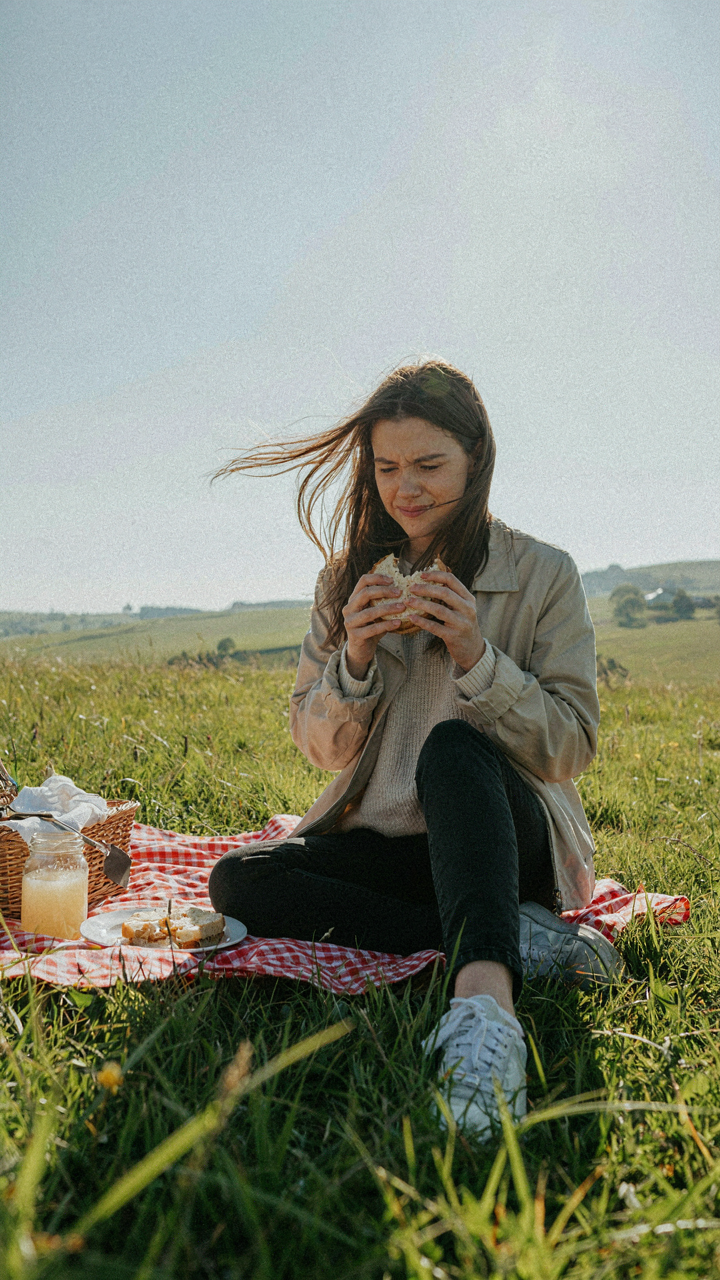
Comfort Beats The Instagram Frame
You want people to remember your table as beautiful. What you’re actually afraid of is them leaving early because they were uncomfortable. Here’s the mechanism: discomfort compounds. A guest who’s too cold, squinting into sun, or perched on an unstable bench doesn’t care about mason jars. They’re counting minutes until they can leave.
Start by solving the invisible problems first. Shade placement matters more than centerpiece arrangement. Test every seat for stability before guests arrive. Bring extra layers folded under the table. Position the table away from wind corridors and direct afternoon heat. These moves cost nothing and reset expectations entirely.
Shelter And Stability Come First
Common advice treats rustic table settings as a design problem. It’s actually a logistics problem. You’re managing variables: wind, temperature, light angles, seating support, and food temperature. Military operations call this “establishing a secure perimeter.” A rustic outdoor table needs the same mindset.
Set up your table on level ground, not sloped terrain masked by grass. Use weighted bases or stakes for any cloth covering. Position plates and glasses toward the table center where reaching is easy, not decorative edges where they tip. Test wind resistance by walking around the fully set table before guests arrive. Secure anything that can move. Comfort and function create the conditions where beauty actually registers.
Unleashing The Wild: True Wildflowers For Your Summer Dinner Table Decor
Where Wildflowers Actually Come From
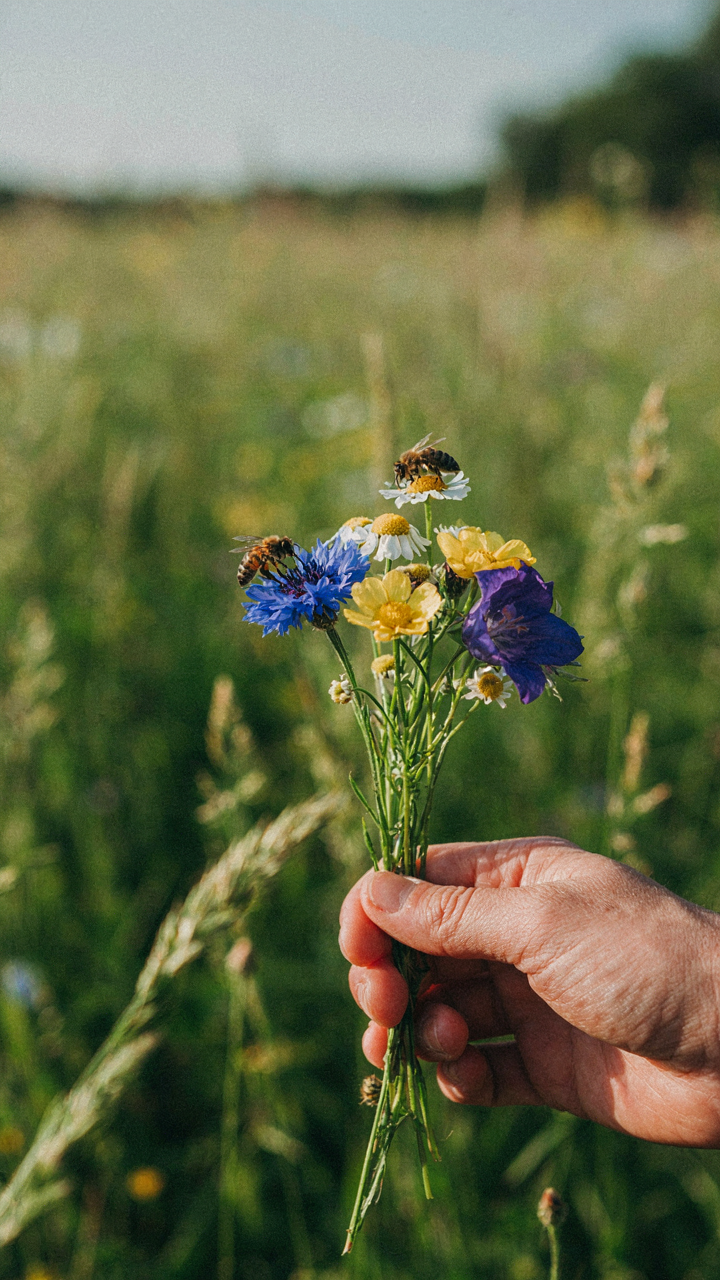
You want wildflowers on your table because they signal you didn’t just buy florals from a grocery store’s sad cooler—but here’s what actually matters: the mechanism is supply chain authenticity. You’re competing against mass production, and the only edge is knowing where flowers actually grow in your region and harvesting them yourself or sourcing from someone who does. This eliminates the chemical treatments, extends vase life, and creates visual variance that staged arrangements can’t replicate. Native wildflowers to your zone establish this credibility instantly because they’re adapted to local water and light conditions—they last longer on the table and look intentional rather than decorative.
Gather from roadsides, meadows, and fields during peak bloom seasons in your area, typically late spring through early fall depending on geography. Cut stems in early morning when hydration is highest, bring a bucket of water, and take only what you need from abundant patches. Never strip a rare species or private property. Local field guides specific to your region identify what grows where and when. This directness beats any florist arrangement because the flowers haven’t traveled, haven’t been treated with commercial preservatives, and haven’t lost potency sitting in a warehouse.
Skip The Filler, Stack The Signal
Everyone says “mix wildflowers with greenery for texture”—that’s lazy advice born from floral design tradition, which treats filler as visual insurance against sparseness. Stop doing that. The real play is constraint: fewer species, higher visual impact, and zero padding. Three to five wildflower types in one mason jar create tension and intention. Yarrow, black-eyed Susan, Queen Anne’s lace, coneflower, and native grasses work regionally because they have strong stem structure and distinct form. Filler obscures this signal and reads as filler—exactly what you’re trying to avoid by going rustic in the first place.
The tactic is selection over volume. Choose flowers with architectural shape: tall spiky forms, round clustered blooms, or delicate umbrella-shaped heads that contrast visually without needing helper plants. Arrange them at varying heights in the mason jar by cutting stems to different lengths. This creates depth and prevents the uniform, plastic-looking mound that screams “I bought this.” Let negative space show. The empty glass becomes part of the design, and water visibility adds texture nobody gets from a traditional arrangement.
Mason Jars: Beyond The Cliché, Into Utility For Your Retreat Dinner Ideas
Drink Vessels That Actually Function

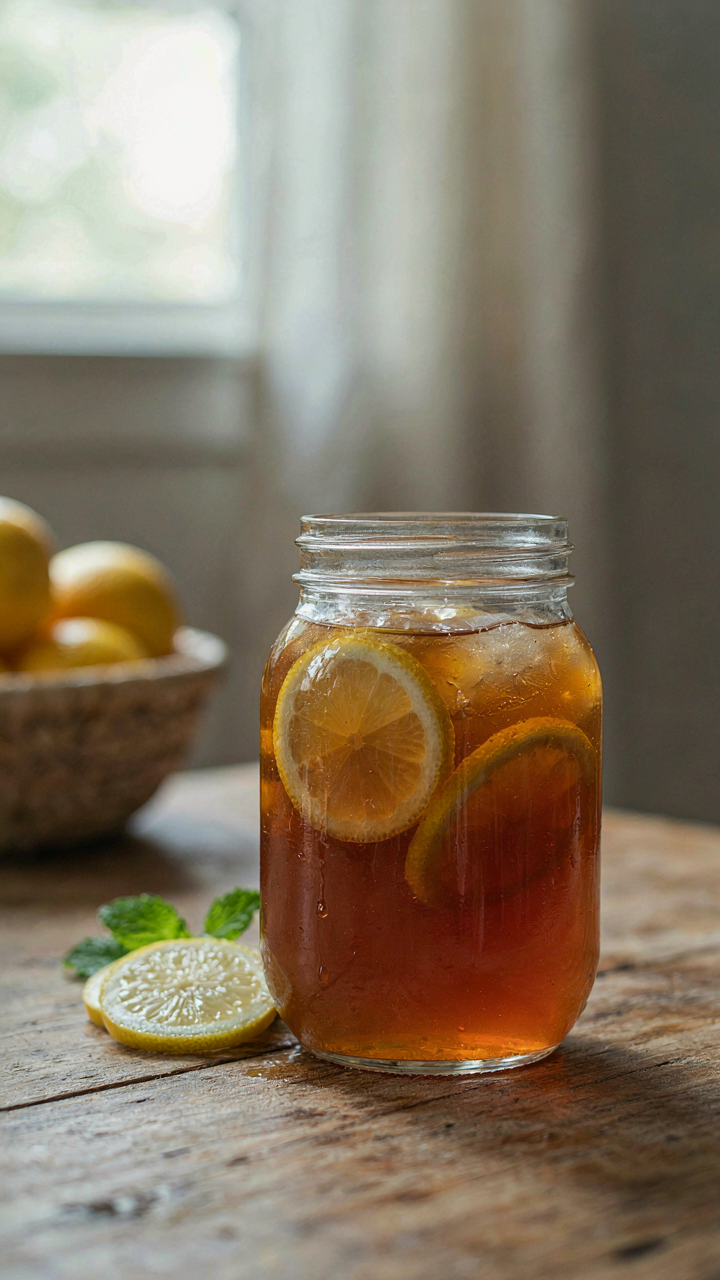
You want mason jars on your table because they look intentional, not because you’ve thought through what they do. Here’s the mechanism: a mason jar holds liquid without pretense. It’s a container that works. The reason rustic outdoor table settings lean on them isn’t nostalgia—it’s grip. A smooth drinking glass slides off a weathered wood table in wind. A mason jar sits. The wide mouth accepts ice without jamming. The threaded neck keeps a lid secure if you step away mid-meal. Restaurants use mason jars for cold drinks in outdoor settings because they’re stable on uneven surfaces. That’s the entire logic. Use them for actual service: iced tea, water with citrus, beer. Let the function show.
The size variation matters tactically. A quart jar holds enough liquid for two people without constant refilling, which breaks conversation rhythm. A pint jar works for spirits or wine poured over ice. The glass thickness—typically 3 to 4 millimeters in standard canning jars—resists temperature shock when filled with cold liquid on a hot day. You’re not selecting jars for their appearance in a staged photo. You’re selecting them because they perform. Fill them before guests arrive. Leave them on the table throughout the meal.
Lighting And Storage Beyond The Flower Holder
Everyone puts wildflowers in mason jars and calls it a centerpiece. That’s the lazy read. Borrowed from container gardening, which uses vessels for their containment properties, not their aesthetics—a mason jar’s real value lies in its sealed environment. Use jars for tea lights or votive candles. A standard 8-ounce jar holds a 2-inch votive securely. The glass diffuses flame without letting wind extinguish it. A cluster of three jars with candles creates directional light on a table without installing permanent fixtures. This scales: add jars, add light coverage.
For storage, use jars to corral table items guests will need. Keep utensils, napkins, or condiments inside jars placed at table edges. A wide-mouth quart jar holds a full roll of paper towels. A pint jar corrals flatware for self-service. This removes the friction of passing items and keeps your table organized under actual use conditions. The transparency lets guests see what’s available without asking. You’re not decorating—you’re architecting the logistics of the meal itself.
The Thermodynamics Of Outdoor Dining: Keeping Your Fancy Outdoor Dinner Party Cool
Position Your Table In The Shade Line
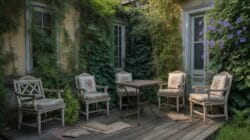
You want people to think you orchestrated comfort effortlessly. The real mechanism: thermal radiation from direct sun overwhelms any breeze, and your guests will abandon the table within thirty minutes regardless of how good the food is. Physics calls this radiant heat transfer. In a rustic outdoor table setting, positioning becomes your primary insulation tool before any ice bucket or cloth ever enters the scene.
Place your table where tree canopy blocks afternoon sun angles, not just overhead light. The shadow should cover the dining surface from two hours before your meal through service. If trees aren’t available, a pergola or sail shade structure works, but the gap matters: shade cloth needs airflow underneath or it traps heat. Measure the shadow line at your planned dinner time one day prior. This prevents guessing and failed setups.
Create Airflow Without Wind Disruption
Stagnant air at a table feels suffocating even when temperature reads acceptable. Moving air across the table surface removes the humid microclimate that builds around seated bodies and food. Position your setup perpendicular to prevailing breezes, never directly into them, so wind doesn’t scatter napkins or blow out candles while still cycling air through the dining zone.
Avoid low-lying areas where cool air pools but doesn’t move. Slight elevation or a slight slope ensures wind passes through rather than settling. If your yard lacks natural airflow, position the table away from walls and dense plantings that block circulation. Even a two-knot breeze becomes noticeable when you eliminate stagnant pockets. Test your spot by standing there at the planned time and noting which direction any breeze moves and its strength.
Insulation Strategy For Mason Jars And Beverages
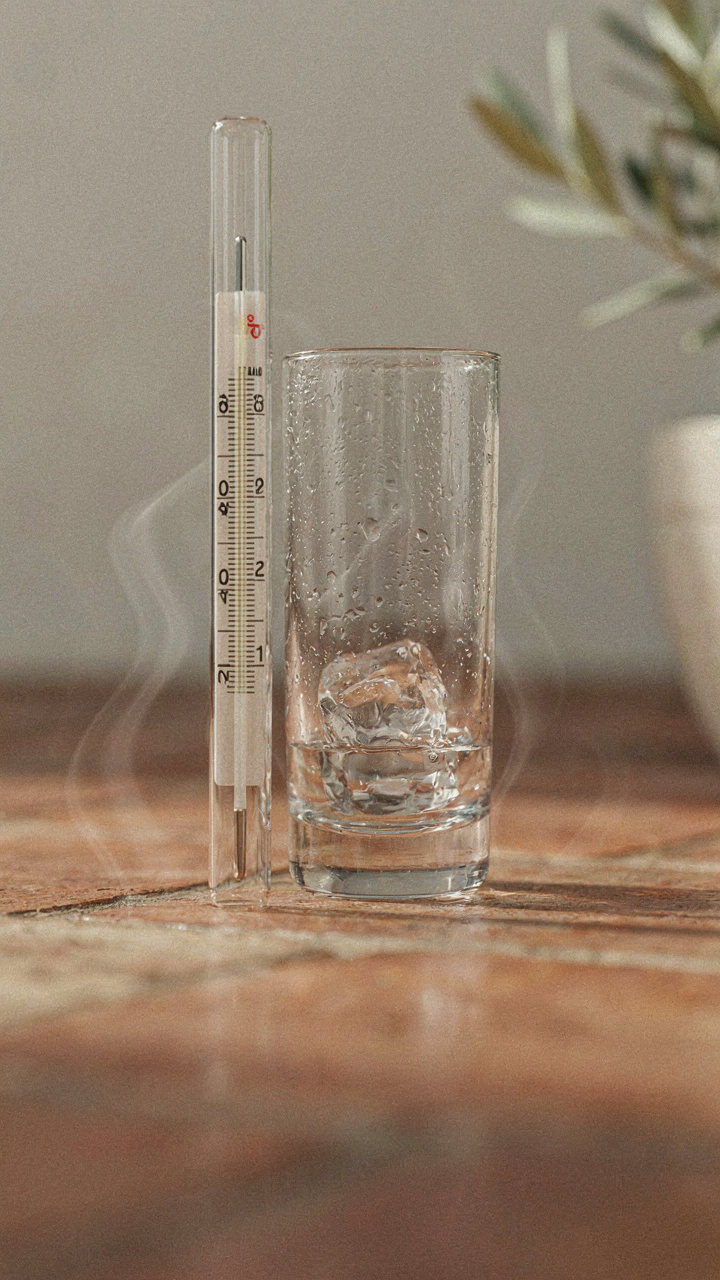
Mason jars conduct temperature quickly because they’re glass with zero insulation value. Wrap jars in damp linen napkins or burlap fifteen minutes before guests arrive. The evaporative cooling from moisture slows heat transfer dramatically. For drinks, pre-chill everything in a freezer, not just a refrigerator, then place jars in ice-filled vessels that sit below table surface level where radiant sun can’t reach them directly.

Cold drinks placed directly on the table absorb solar radiation and warm in under twenty minutes on a warm day. Elevate ice buckets on sturdy stands so they remain in shade even as sunlight angles shift. Fill buckets with ice immediately before service, not hours before. This prevents the ice from melting into water that no longer cools as effectively. Rotate full jars into the ice bath every eight to ten minutes during the meal.
Rustic Country Table: Embrace Imperfection, Reject Staged “Perfection”
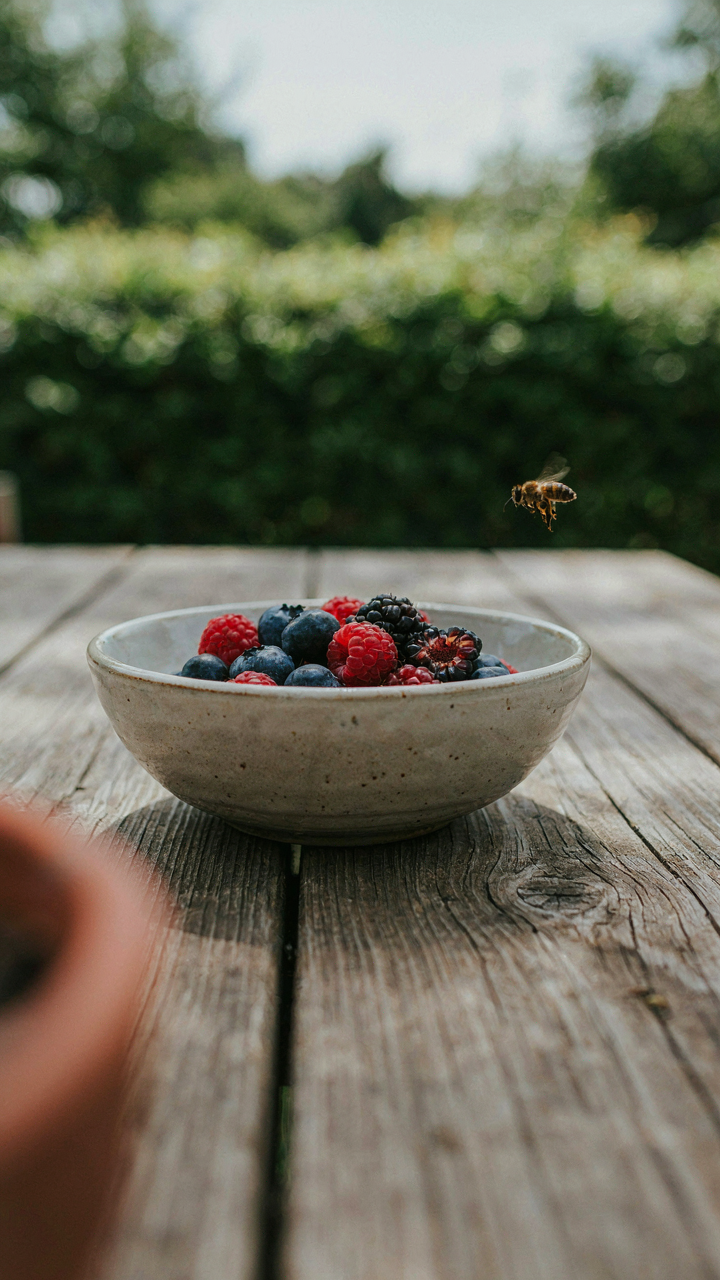
Stop Performing For The Camera
You want this to look effortless because you’re terrified it won’t. The mechanism is simple: staged perfection reads as try-hard, and try-hard kills the entire point of rustic design. Rustic outdoor tables work because they signal use, history, and comfort. When you over-arrange mason jars in perfect rows or position wildflowers like a floral designer, you’ve switched genres. You’re doing Instagram styling, not table setting.
The difference between genuine and performed is friction. A lived-in table shows marks, water rings, scratches. These aren’t failures. They’re proof the table does its job. Set it with things you actually use. Leave the napkins slightly askew. Let someone’s glass sit where they put it. The table shouldn’t look like nobody’s touched it yet.
Wear Is The Credential
Authenticity in design borrows its logic from archaeology: objects gain authority through evidence of time. A mason jar with a dull finish and cloudy spots carries more weight than a pristine one because it proves durability and honest service. Wildflowers matter partly because they wilt. That decay isn’t a problem to hide. It’s the mechanism that separates real from fake.

Build your table with pieces that show use. Use an old wooden table with visible grain variation and surface aging. Choose mismatched plates that came from different sources at different times. Select silverware that shows patina. When guests see a fork with tarnish, they understand: this household actually eats here. The setting doesn’t perform. It documents.
Picnic Table Decor Ideas: The Art Of Strategic Scarcity
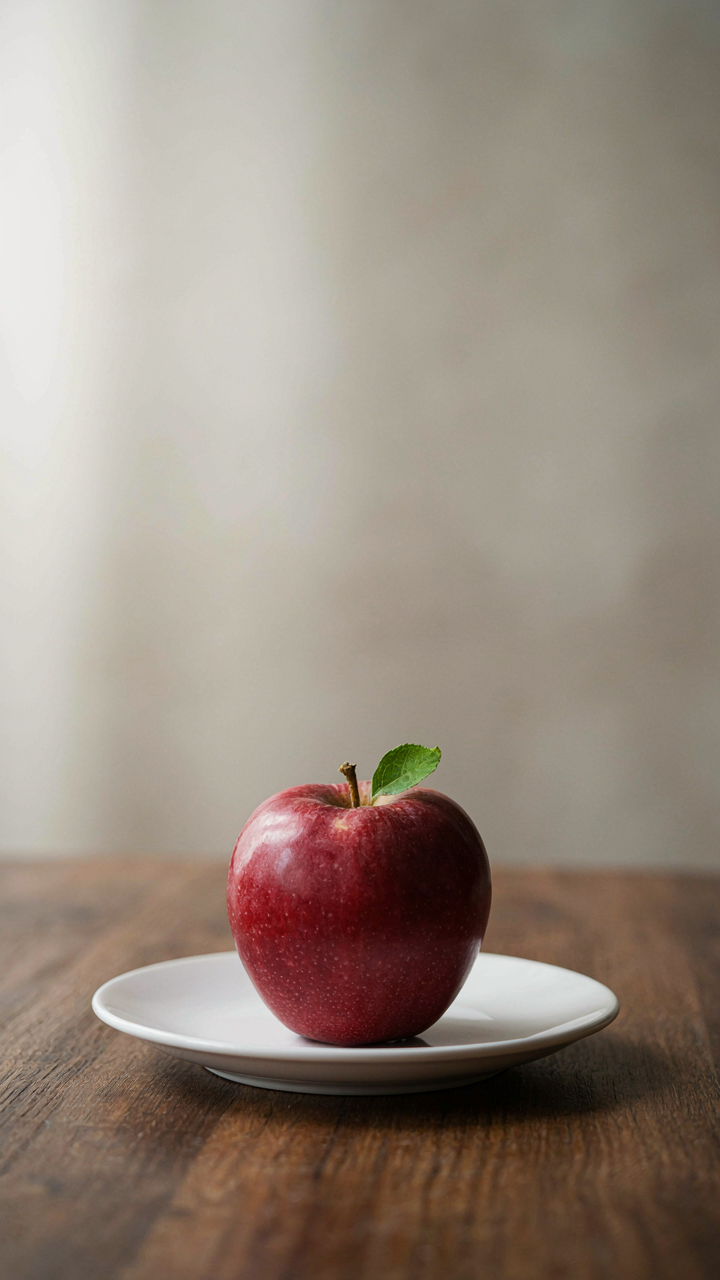
Remove The Noise First
You want people to notice what you’ve actually done, which means you need them to stop scanning and start seeing. Economics calls this the signal-to-noise ratio, and a rustic outdoor table setting operates the same way: every object either clarifies your intention or dilutes it. Most people load tables because they’re afraid of emptiness. That’s the real problem to solve.
A picnic table with twelve decorative items reads as clutter. A table with three intentional pieces reads as design. Mason jars hold wildflowers, not filler. Linen napkins sit flat, not bunched. Remove items one at a time until the table feels incomplete, then add back only what changes how people perceive the meal. The mechanism is subtraction revealing intention, not addition hiding indecision.
Build Impact Through Specificity
Every object on the table should answer a functional question or establish a visual anchor. Vague decoration wastes real estate. A mason jar filled with wildflowers works because it solves the problem of height variation and gives the eye a place to land. Wooden utensils placed at precise angles signal intentionality in a way scattered flatware never does. Specificity triggers the impression of thoughtfulness without requiring extra labor.
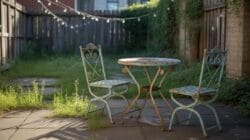
The constraint forces better choices. You can’t hide behind quantity, so each piece must earn its spot through either function or presence. A single centerline of mason jars spaced evenly creates rhythm. Mismatched place settings stacked near each setting create texture. Light sources positioned at table corners establish mood without overwhelming. The rule: if you can’t articulate why an object belongs, remove it.
Engineering Atmosphere: Beyond Fairy Lights For Your Garden Party For Men
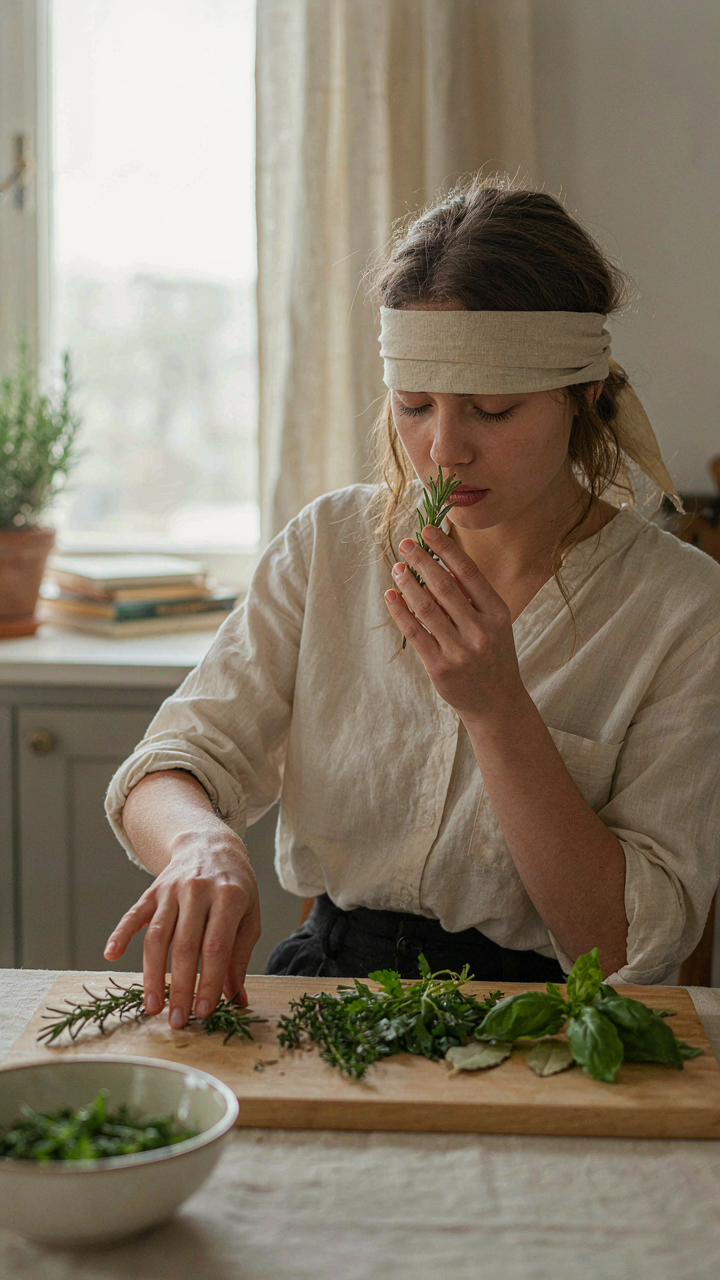
Sound, Scent, And Touch Create The Real Impression
You want people to remember your table because you think it makes you look refined. That’s not wrong, but it misses the actual mechanism: memory forms through sensory density, not visual polish alone. Neuroscience confirms this. Most people default to sight and neglect the other channels that stick harder in memory. A rustic outdoor table setting that only optimizes for looks leaves three untapped anchors for recall.
Wind chimes placed near the perimeter work because they create intermittent sound without demanding attention. Copper or wood versions tie into the rustic aesthetic instead of fighting it. The sound shouldn’t dominate conversation, which means you position them at the table’s edge, not its center. Stone, ceramic, and metal surfaces around the setting amplify certain frequencies while deadening others. This acoustic design layer separates intentional spaces from accidental ones. Lavender or cedar placed in small bundles near the table’s base releases scent gradually as guests move around it, triggering association without the cheap candle smell that reads as “trying too hard.”
The Sensory Stack Compounds Over Time
Forget the advice that rustic table settings should feel “warm and inviting” through decoration alone. That’s incomplete. The real work happens when touch, smell, and sound layer underneath sight. Rough linen napkins, unfinished wood table surfaces, and mismatched pottery all signal tactile authenticity before guests sit down. They experience texture before eating anything.

The mason jar itself becomes a sensory anchor. Cold glass against warm hands, the weight of water inside, the sound of condensation forming and dripping back into the jar. Wildflowers release subtle scent variation as the day heats up and cools down. These micro-experiences accumulate into a coherent atmosphere that feels earned rather than staged. To execute this, set your table at least two hours before guests arrive. This timing allows scents to distribute naturally, sound elements to settle into the environment, and tactile surfaces to reach ambient temperature. The table should feel like it exists independent of your effort, even though it required precise layering.
The “Rustic Table Scape” Myth: What To Actually Prioritize
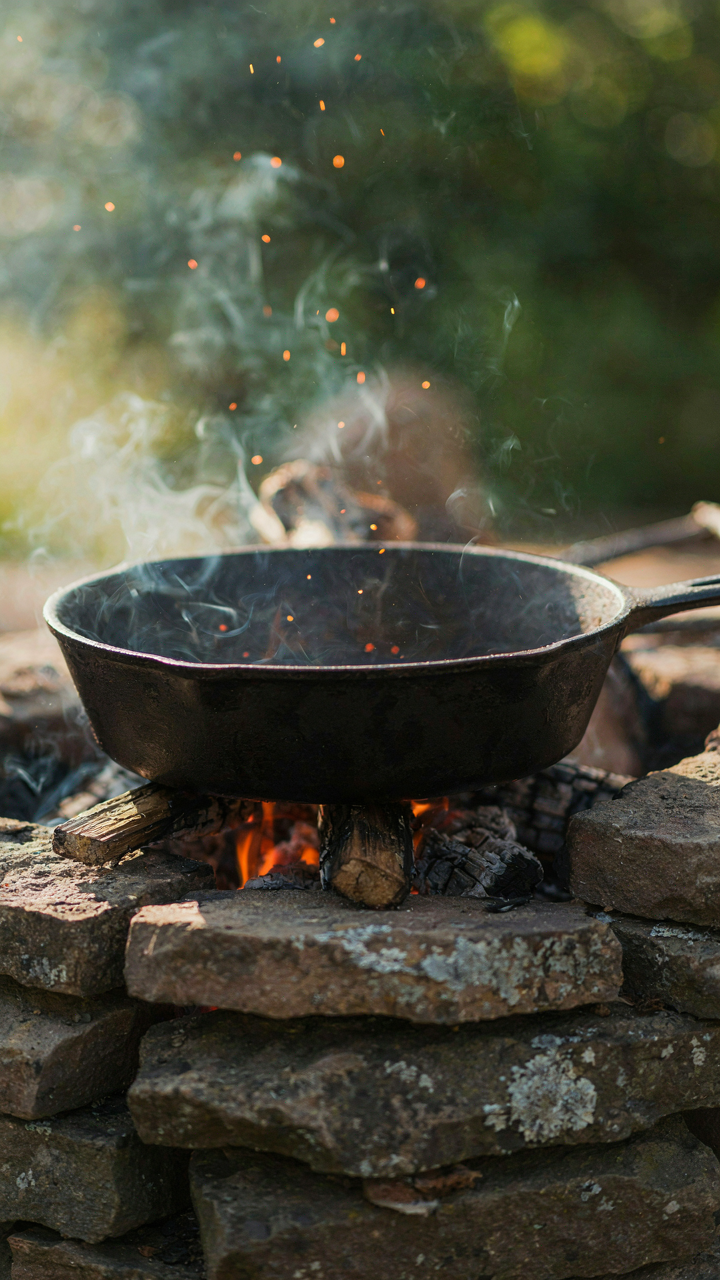
Durability Over Decoration Impulse
You want permission to buy pretty things without feeling wasteful. Here’s the real mechanism: a rustic outdoor table setting fails when you optimize for visual impact instead of material endurance. Weather breaks down everything fast. Wood splinters. Fabric fades. Metal rusts. Cheap ceramics crack under temperature swings. Your mason jars survive because glass doesn’t degrade from sun or moisture. The items that last are the items that earn their space.
The best rustic table setting uses the same principle as load-bearing architecture: every element must serve multiple purposes or it becomes expensive decoration. A wooden table that’s sealed and treated hosts dinner and functions as a work surface for prep. Linen napkins work for meals and later as kitchen towels. Cast iron candleholders provide light and can move between rooms. When you stop thinking about “table scape” and start thinking about utility, you eliminate the impulse purchases that clutter your outdoor space.
Quality Pieces That Cross Seasons
Single-use decor is the tax you pay for following Instagram. The real advantage of rustic design is that it embraces worn materials naturally. You don’t need seasonal swaps. One set of quality items does the work across spring dinners, summer gatherings, and fall entertaining.
- Solid Wood Tables: Real wood ages visibly but improves with care. Cedar, teak, and oak resist rot better than treated pine and develop patina that reads as intentional rather than neglected.
- Cast Iron or Forged Steel: Heavy metal doesn’t warp. Rust is cosmetic and preventable with basic seasoning. Pieces built this way outlast trends and owner attention spans.
- Linen and Canvas Textiles: Natural fibers age into softness instead of becoming brittle. These fabrics work indoors and out without the plastic feel of synthetic options.
- Ceramic and Stoneware: Handmade pieces tolerate chips and cracks without looking broken. Mass-produced ceramics shatter catastrophically. The uneven glaze on rustic pottery actually masks wear.
- Glass Containers: Mason jars, drinking glasses, and vases survive decades of use. Glass doesn’t absorb odor or stain permanently like plastic or wood vessels do.
The calculation is simple: a two hundred dollar linen tablecloth used fifty times costs four dollars per use over five years. A fifteen dollar decorative runner used twice costs seven dollars per use. Spend money on pieces that earn repetition. Stop the rotation.
Beyond The Photo Op: Cultivating Connection At Your Rustic Dinner Party
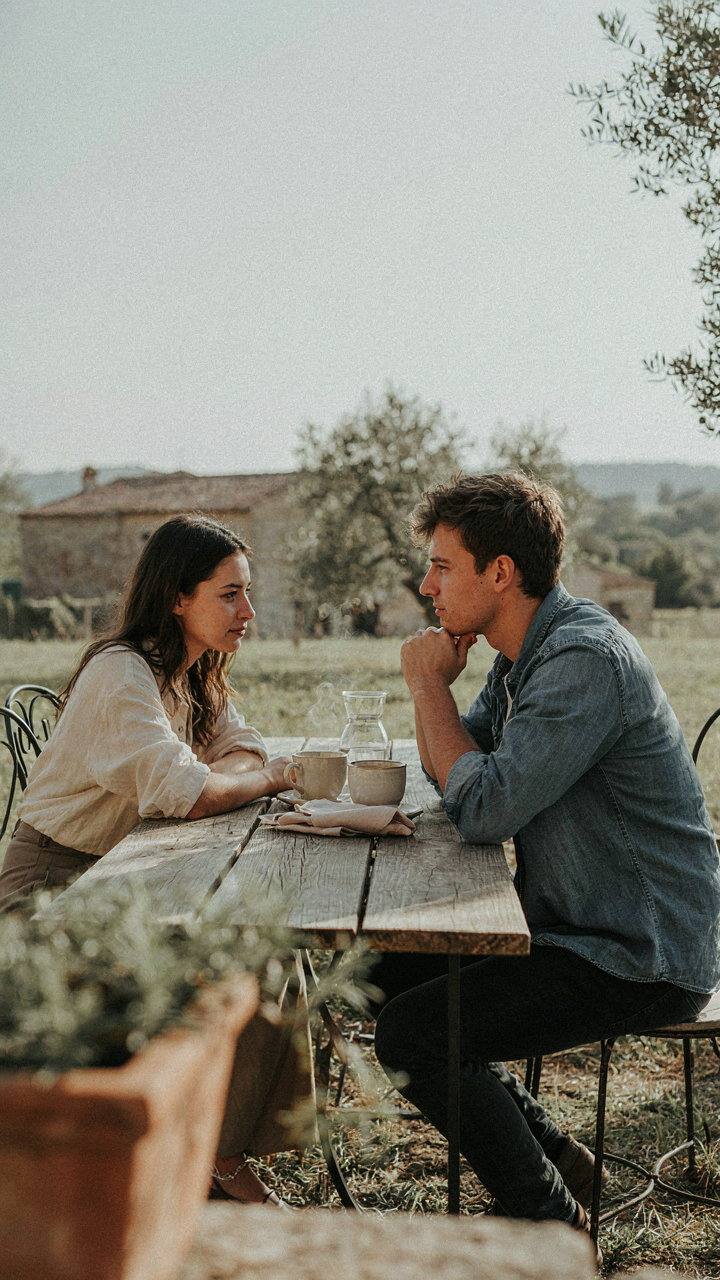
Geometry Over Aesthetics
You want this to feel intimate, not staged. That’s the real motive here. But borrowed from urban planning, the concept of “sight lines” matters more than you think. A rustic outdoor table setting lives or dies based on sightline proximity. Mason jars and wildflowers are props. What matters is whether guests can see each other’s faces without obstruction or strain. Position your table to eliminate visual dead zones. A crowded centerpiece blocks conversation. A low, scattered arrangement of jars and flowers lets people lock eyes across the table.
The physical layout determines interaction patterns before anyone sits down. If your table is too long and narrow, you create audience dynamics instead of dialogue. Optimal rustic table geometry keeps the longest side under eight feet and keeps centerpieces below eye level when seated. This is mechanics, not decoration. Test it before guests arrive. Sit at different positions and identify what you can actually see. That visibility gap is where connection dies.
What Actually Counts
Success at a rustic dinner party has nothing to do with whether the table looks good in photos. It has everything to do with whether people leave wanting to do it again. The true measure is repeat behavior, not aesthetic compliance. Most advice on rustic outdoor tables treats them as static objects. That’s incomplete. They’re social instruments designed to facilitate prolonged human contact in an outdoor setting.
Build your table around one specific mechanism: remove friction from the act of paying attention to others. Mason jars make pouring water easy instead of awkward. Wildflowers in low arrangements keep focal points distributed rather than centralized on one object. Cloth napkins encourage people to linger instead of feeling rushed. Uncluttered place settings mean fewer distractions competing for visual attention. The table succeeds when it gets out of the way and lets people talk.
The Real Obstacle Isn’t Aesthetics; It’s Your Fear Of Genuine Imperfection
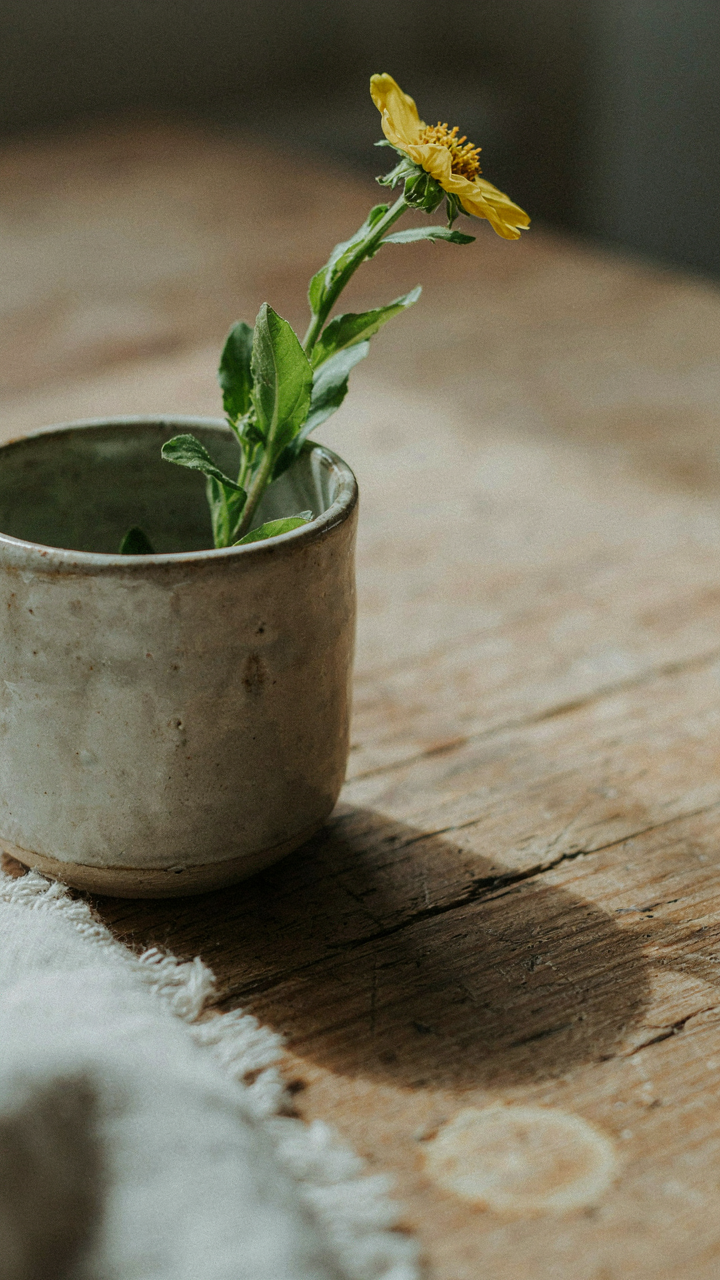
You don’t need perfect mason jars or Instagram-worthy wildflowers. You need permission to stop performing. A rustic outdoor table setting works because it embraces what’s actually there: the chipped rim, the bent stem, the unmatched plates. That’s where the magic lives. Stop curating and start gathering. Pull flowers from your yard tomorrow morning and throw them in whatever glass you find. Watch how fast authentic beats polished.