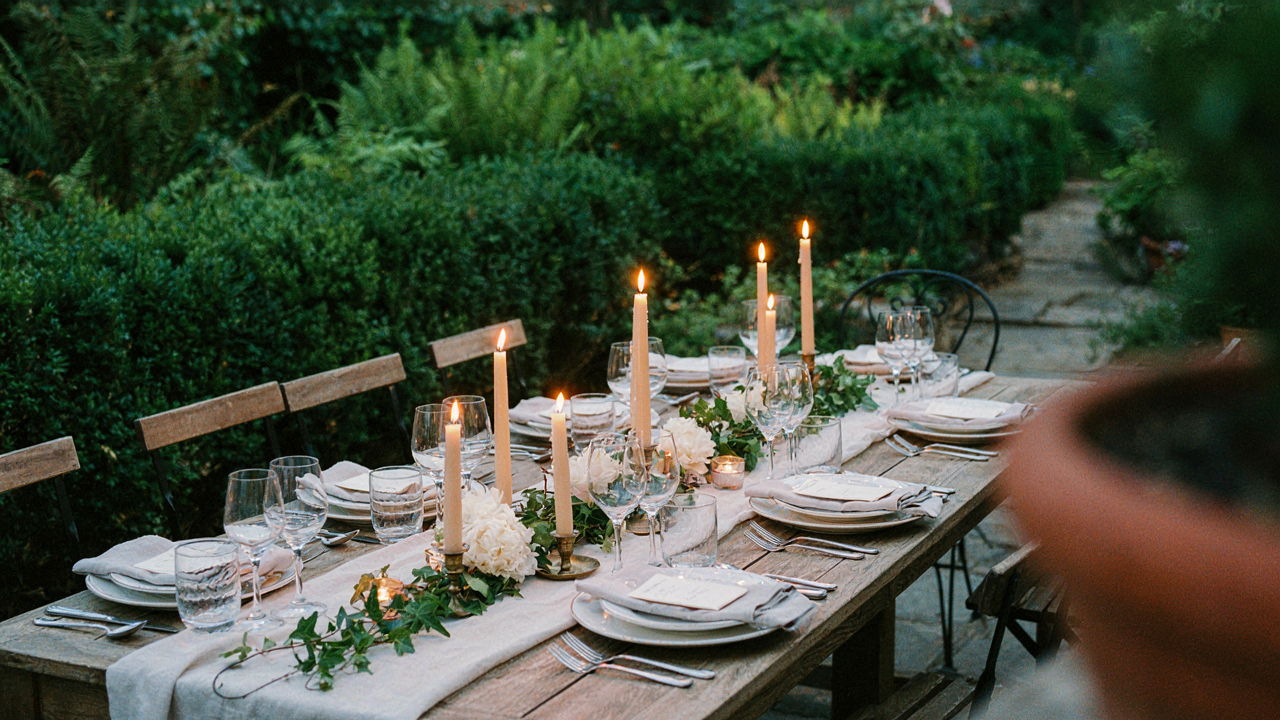
The Windproof Napkin Protocol: Securing Your Fabric Investment
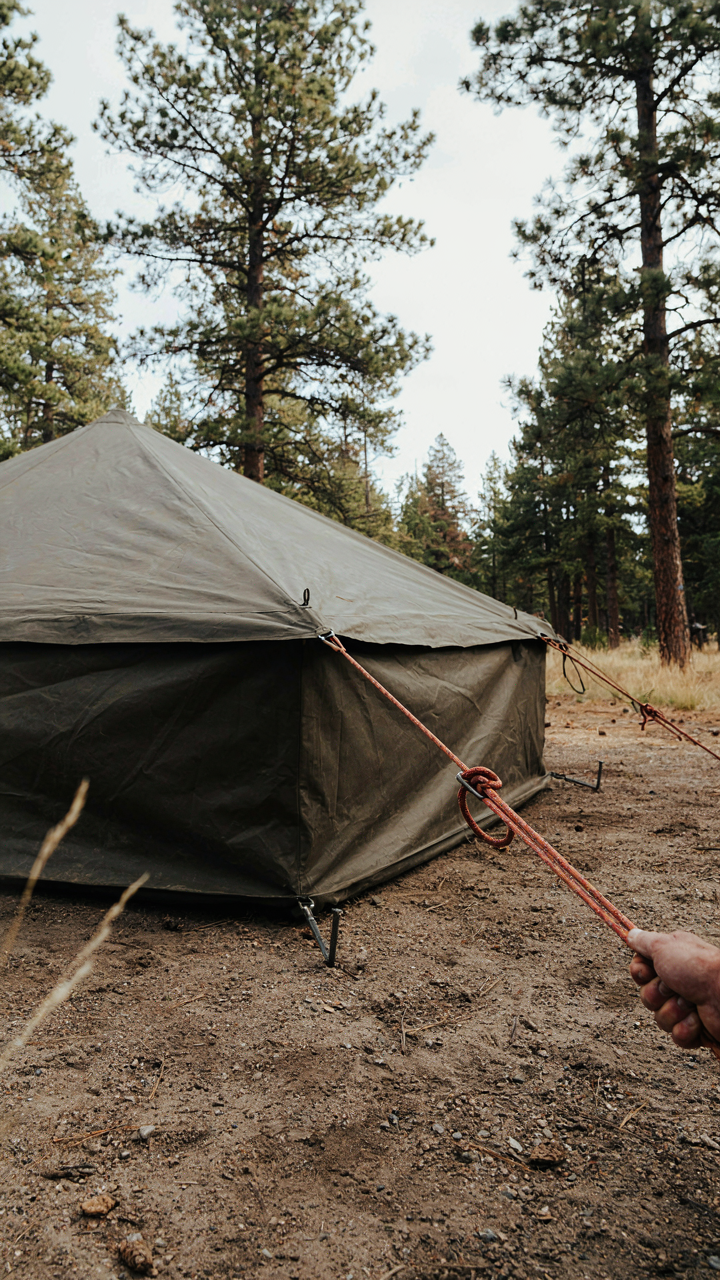
How To Anchor Napkins Against Wind
You’re worried a gust will humiliate you in front of guests. That’s not the real problem. The real problem is that most people treat napkin anchoring like decoration when it’s actually a load-bearing engineering problem. Wind applies lateral force. Your napkin has surface area. The anchor point determines whether the fabric stays or flies.
- Weighted napkin rings: Metal or glass rings placed directly over the folded napkin distribute pressure across the fabric without puncturing it. The weight must exceed the force the wind applies at your table’s exposed height.
- Plate placement anchor: Setting the napkin’s top edge under the plate rim creates a mechanical lock. Wind can’t lift what’s already pinned. This works for formal settings where the napkin sits to the left.
- Flatware weight method: Laying the fork and knife across the napkin’s center creates two anchor points. The utensil weight pins the fabric without additional equipment. Common in casual outdoor dining.
- Napkin clip or clamp: Designed specifically for outdoor use, clips grip both the napkin and table edge simultaneously. They work on any table surface and allow easy removal without disrupting the fold.
- Tucking into place settings: Threading one corner under a plate or glass creates tension that resists upward movement. This requires precise folding but uses only what’s already on the table.
The mechanism is simple: reduce the exposed surface area or increase the downward force holding it in place. Most outdoor napkin failures happen because people skip this step entirely, assuming fabric weight alone will hold. It won’t. Test your anchor under actual wind conditions before service.
Matching Fabric Weight To Wind Reality
Heavy linen doesn’t guarantee wind resistance. Physics determines the outcome, not thread count. A napkin’s resistance depends on weight divided by exposed surface area. Take a 20-inch square napkin made from 250 GSM linen. Wind pressure at 15 mph creates lateral force that a 6-ounce napkin can’t counteract unless it’s either anchored or folded small enough to reduce surface area.
Lighter fabrics like cotton blends at 150 GSM require aggressive folding or anchoring in any breeze. Medium-weight options around 200 GSM offer compromise. They fold cleanly, maintain creases, and provide enough mass to resist winds under 12 mph without additional security. Higher weights above 300 GSM work well for exposed seating but feel stiff in formal settings and take longer to dry after washing. Choose fabric weight based on your average wind conditions and whether you’ll use anchoring devices. Skip the bias toward heavier fabrics. Pick what your specific table conditions demand.
Gravity Over Gimmicks: Real Ways To Fold Dinner Napkins

Folds That Hold In Wind

You want your table to look intentional, not like you’re trying too hard. Here’s the real mechanism: most folds fail outdoors because they fight gravity instead of using it. A napkin’s weight and the angle of its creases determine whether it stays folded or unfolds when wind hits. Tight creases and heavy fabric win. Loose folds and thin linens lose every time.
The triangle fold and the basic rectangle hold because they align with how fabric naturally wants to collapse. Fold the napkin in half lengthwise, then in half again widthwise. This creates four layers stacked on top of each other. The weight of the layers presses down and locks the fold in place. Wind can’t catch loose edges if there are none. This fold works with cotton, linen, and most outdoor-weight napkins without requiring pins or clips.
Function Before The Fold
Everyone talks about fancy folds like the lotus or the bird. Most of that advice ignores what actually happens at an outdoor table. Your napkin’s job is to catch food and wipe hands, not sit perfectly still. Complicated folds create more surface area for wind to catch and more loose corners that flap or drag through food.
The flat rectangle fold serves both purposes. It fits on a lap without sliding off, stays put under a plate weight, and unfolds completely when the diner needs it. Fold the napkin in thirds lengthwise, then in half widthwise. This creates a compact rectangle about six inches by nine inches. Place it directly on the plate or to the left of the fork. When someone lifts their plate or stands up, the napkin stays where you put it because its shape offers no advantage to wind or movement.
The Minimalist’s Manifesto: Easy Napkin Folding For Impact
Two Folds That Actually Work
You want people to notice without looking like you tried. That’s the real game here. The mechanism is constraint: one fold creates visual noise, three folds beg for attention, two folds lands in the sweet spot where the table looks intentional but not rehearsed.
The triangle fold handles this. Lay the napkin flat, fold it diagonally corner to corner, then fold the result in half. You get a smaller triangle that sits cleanly on a plate or to the left of it. The geometry reads as deliberate. It takes fifteen seconds per napkin and scales across a table of twelve without looking fussy.
Where The Napkin Sits Matters More Than How It Folds
Common advice says fold complexity signals refinement. Wrong. Placement signals control. The napkin’s position on the table does the actual work, not the fold itself.
Place the triangle fold directly on the plate center, point facing up toward the diner. This creates a visual anchor that draws the eye and frames the plate without competing with the food. If you’re using chargers or place cards, the napkin lands to the left of the fork, still folded in that same triangle, bottom point angled toward four o’clock. The consistency of placement across all seats creates rhythm. Rhythm reads as intention. Repeat this placement rule identically across every seat and you’ve solved the table’s visual stability in under two minutes total setup time.
Ecological Thermodynamics Of Table Napkins
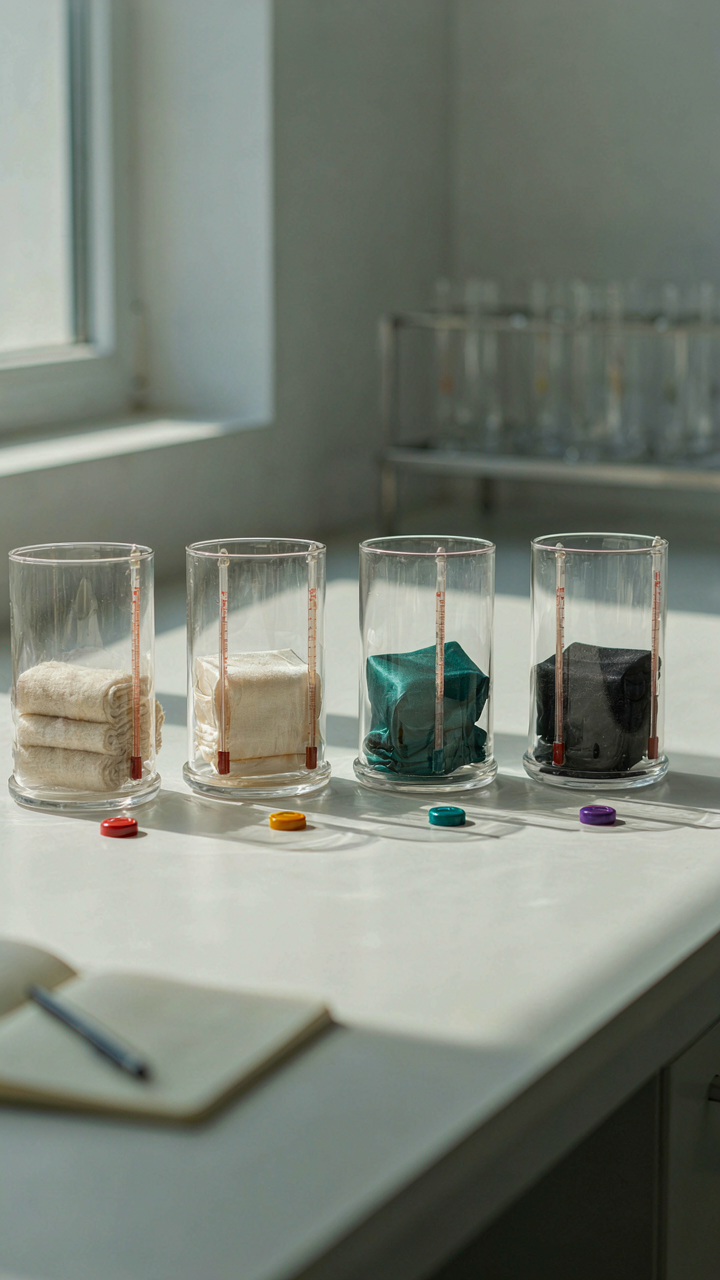
Fabric Choice And Heat Retention

You care about this because napkin selection feels minor, so admitting it matters to your dinner feels petty. But thermodynamics doesn’t care about your ego. Fabric choice is a heat retention problem: different materials absorb, store, and release thermal energy at different rates. Linen conducts heat away from the body faster than cotton. Cotton holds warmth longer due to higher specific heat capacity. For outdoor dining, you’re choosing between comfort and practicality based on ambient temperature and wind speed, not aesthetics.
Linen napkins radiate body heat efficiently in warm climates. Cotton traps warmth better in cool evening air. Synthetic blends perform unpredictably because they combine conflicting thermal properties. Choose linen when outdoor temperatures exceed 70 degrees Fahrenheit. Choose cotton or linen-cotton blends when evening temps drop below 65 degrees. The napkin sits against skin for minutes during a meal, making thermal conductivity a measurable factor in guest comfort, not a decorative one.
Moisture Wicking For Outdoor Conditions
This isn’t about keeping napkins dry for appearance. Moisture wicking is a biological mechanism: sweat and condensation evaporate at different rates depending on fabric structure and fiber type. Linen wicks moisture through capillary action in its hollow fiber core. Cotton absorbs moisture but releases it slowly. A damp napkin transfers heat away from skin through evaporative cooling, which increases perceived chill in cool weather. Fabric fiber diameter and weave density determine how fast water moves through the material.
Linen performs best in humid outdoor conditions because its cellular structure accelerates evaporation. Cotton holds moisture longer, which is useful in arid climates but problematic near water or in high humidity. Tight weaves slow moisture movement. Open weaves accelerate it. Select napkins with weave density matched to your climate’s humidity level and meal duration. Test napkins by wetting them and observing how quickly they dry in your specific outdoor environment. This determines whether guests feel fresh or clammy during dinner.
Beyond Beautiful Napkin Folding: The Guest Experience
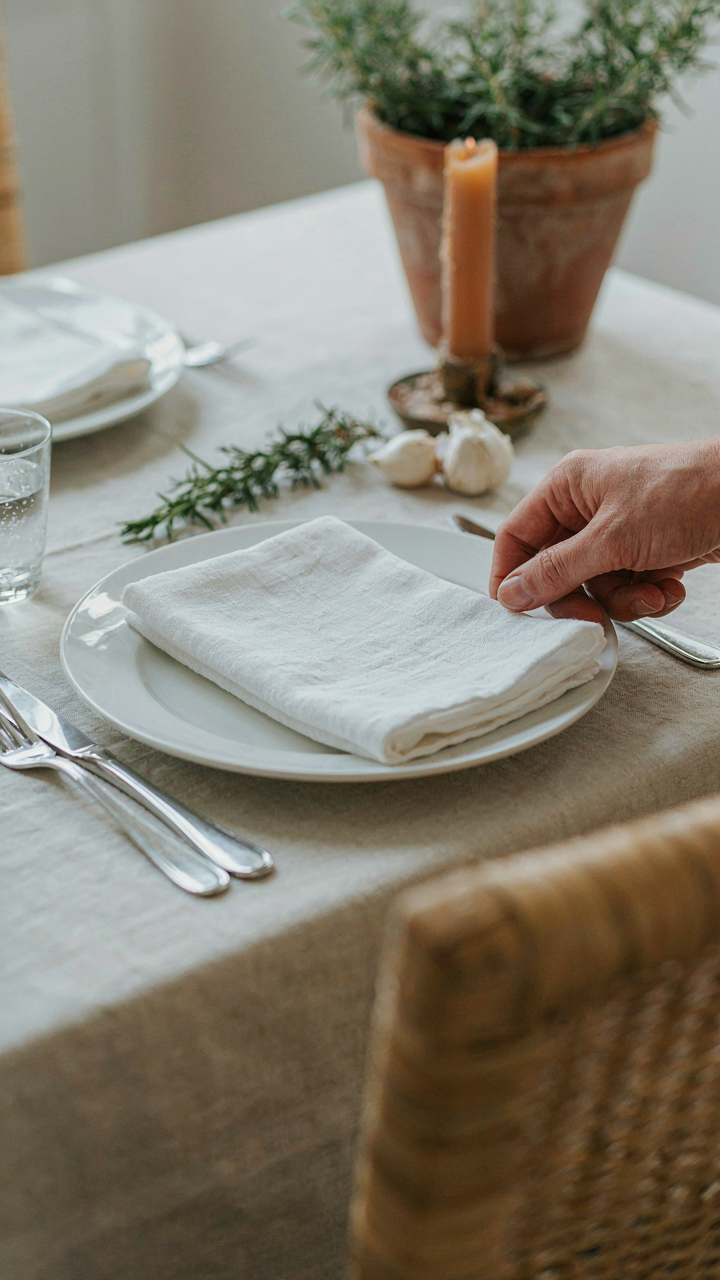
When Napkins Actually Work

You care about this because a folded napkin signals control. The real mechanism is access. A guest can’t use a napkin they can’t reach or unfold without looking stupid. Most outdoor napkin folds prioritize appearance over function, which means your guests sit there trapped between manners and practicality. The fold must telegraph its own use the moment someone looks at it.
The best outdoor folds establish a clear entry point. A triangle or rectangle with a visible opening beats a tight geometric sculpture every time. Wind complicates everything outdoors, so weight matters. Cloth napkins heavier than 200 thread count stay folded. Lighter fabrics blow open mid-dinner, forcing guests to wrestle them back into shape. The fold itself should require no more than two hand movements to deploy. This isn’t decoration anymore. This is logistics.
The Contamination Problem Outdoors
Hygiene in outdoor dining operates like exposure vulnerability in medicine. Each surface is a vector. A napkin placed directly on an outdoor table absorbs whatever lived there. The real answer isn’t washing more frequently. The real answer is elevation and barrier protocol. Use a charger plate, placemat, or service cloth underneath the napkin. This breaks the direct contact chain between table surface and face-level fabric.
Wind carries particles horizontally in ways indoor air doesn’t. A napkin left unattended becomes a collection surface. Fold it so the open edges face downward or inward, not exposed to air movement. This single fold orientation reduces contamination by limiting surface area exposure. When guests do pick up the napkin, they grip the folded edges, not the interior surfaces that touched their food or face. Establish this as your baseline protocol before any menu planning.
The Illusion Of Intricacy: When Fancy Napkin Folding Fails
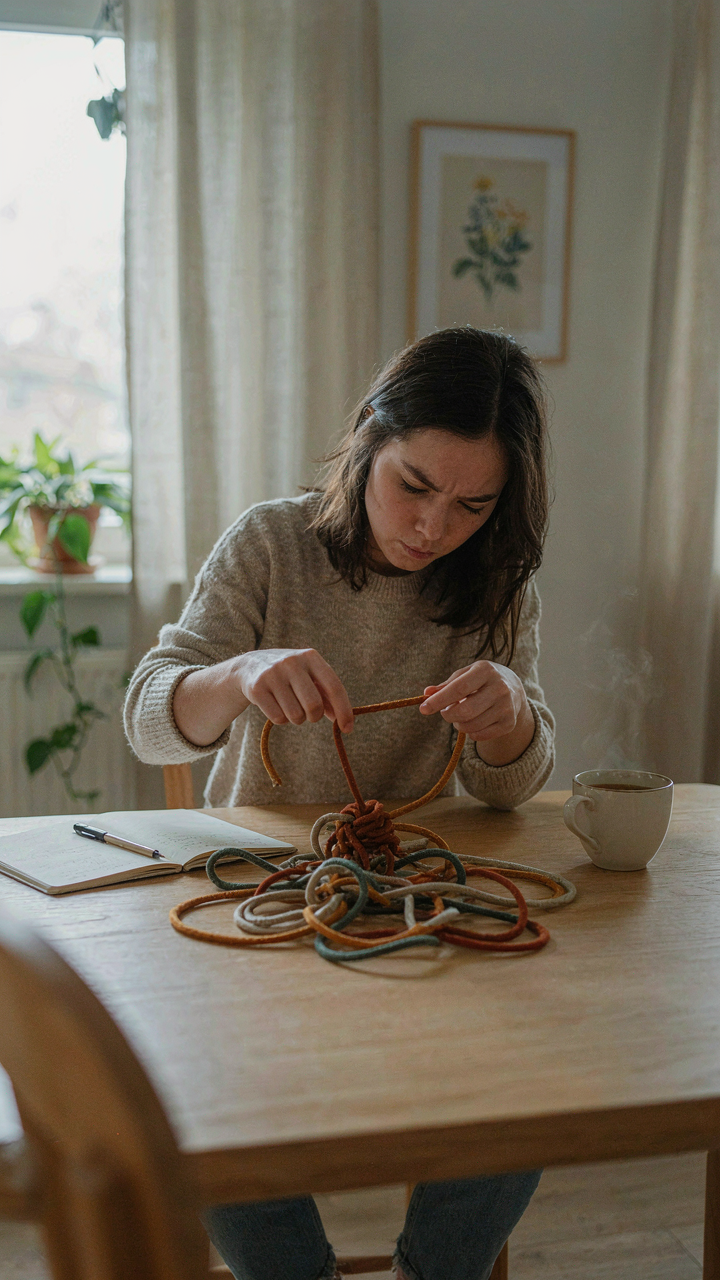
The Cost Of Complexity

You want people to think you sweated the details. That’s the real reason you’re considering a six-fold bishop’s hat instead of a simple rectangle. The mechanism is borrowed from economics: diminishing returns. Each additional fold requires exponential time investment while delivering linear or negative perception gains. A napkin with five creases doesn’t read as five times more elegant than one with two. It reads as fussy.
A linen napkin folded into a simple rectangle with one diagonal crease takes ninety seconds per napkin. The same napkin folded into an elaborate origami structure takes eight to twelve minutes. For a table of eight, you’ve added between forty and ninety minutes of prep time. Your guests will unfold it in six seconds. Most never register the fold pattern at all. They notice if it’s wrinkled or stained.
The Gap Between Effort And Visibility
Common advice says complexity equals sophistication. It doesn’t. Outdoor settings expose this lie immediately. Wind disturbs elaborate folds. Humidity collapses creases. Guests reaching for plates dismantle your work before the appetizer arrives. The energy you spent folding vanishes in the first two minutes of service.
The real leverage is in fabric choice and placement, not geometry. A high-quality linen napkin positioned cleanly on the plate reads as intentional. A cheap napkin contorted into an elaborate shape reads as trying. Build your table’s visual authority through material quality, color coordination with linens and tableware, and precise spacing. Reserve your folding effort for napkins that will stay folded because they’re tied or pinned, not merely creased.
The Elegant Napkin Folding Paradox: Less Is More
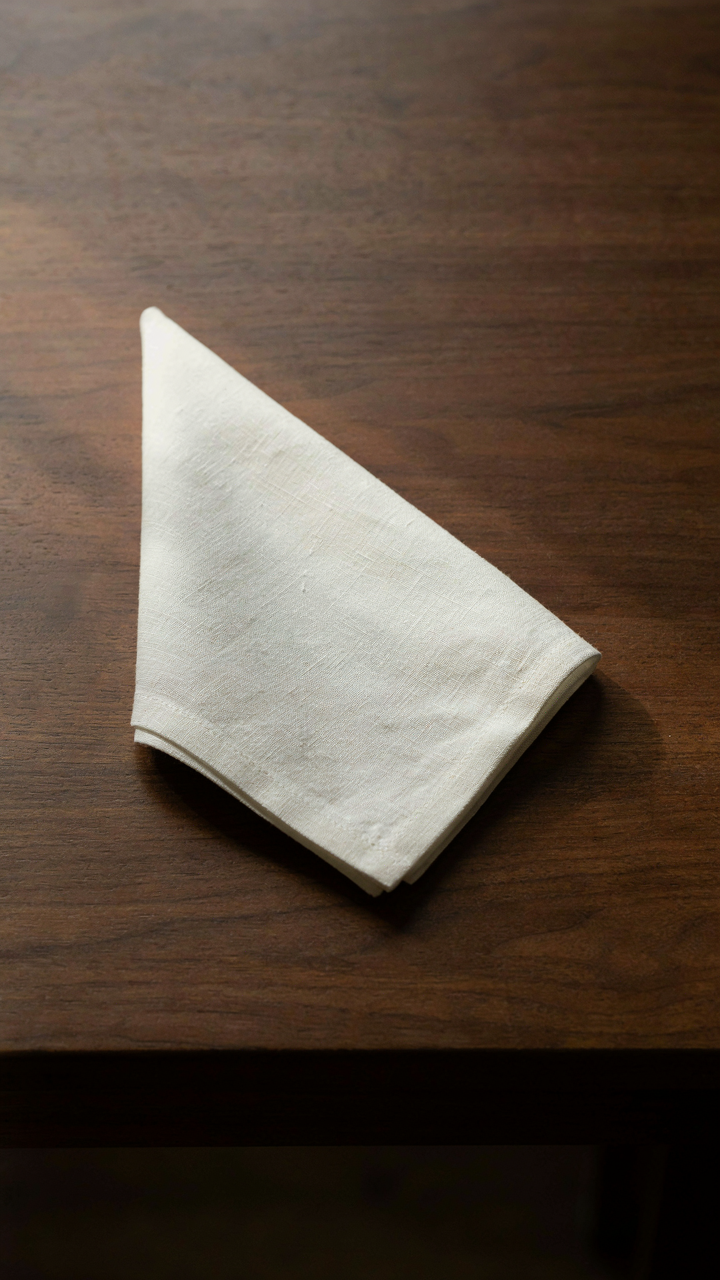
When Restraint Becomes The Statement
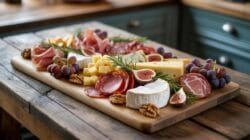
You want people to think you have taste without trying. That’s the real reason this matters. The mechanism is contrast: your eye detects what’s missing before it registers what’s there. A single sharp fold on white linen reads louder than five fussy creases on patterned fabric. Restraint signals control. Control signals competence. Most outdoor napkin advice stacks techniques like you’re building a peacock. Wrong. You’re building a frame.
The best folds work because they do one job perfectly. The triangle, the rectangle, the simple pocket fold. Each has a single purpose: hold the napkin in place, guide the eye, or create a clean line. Master one fold before adding another. Outdoor conditions demand this discipline anyway. Wind and moisture make complexity collapse.
The Texture Game Changes Everything
Material choice isn’t decoration, it’s physics. Linen catches light differently than cotton, holds shape differently in humidity, and communicates differently across a table. Linen performs outdoors. It wrinkles intentionally rather than accidentally, breathes in heat, and ages visibly without looking damaged. Cotton folds crisper but releases wrinkles slower in damp air. Linen wins the mechanism here: it works with environment instead of against it.
Weight and weave density determine whether your fold holds through a meal or collapses mid-dinner. A 140gsm linen napkin maintains structure through wind and movement. A thin cotton piece becomes limp. The texture your hand feels first sets expectations for everything else on that table. Choose material that survives the conditions you’ll actually face, not the conditions you wish existed.
Pretty Napkin Folds: The Psychological Edge

The Details That Signal Intention
You care about this because you want people to think you didn’t leave anything to chance. Here’s what actually happens: The brain processes environmental details in parallel. A crisp fold catches the eye before conscious thought kicks in. It signals competence and respect for the guest. This isn’t about decoration. It’s a communication device.
Psychology calls this “environmental framing.” In napkin terms, the fold becomes a frame that establishes tone. A loose, casual drape says indifference. A structured diamond or fan says intention. The guest hasn’t tasted food yet, but their nervous system has already received data about how much care entered the room. That data shapes taste perception itself.
How Atmosphere Becomes Memory
Most advice says a pretty napkin “makes the table look nice.” Wrong. The napkin fold works as an anchor point. It’s the detail the brain latches onto when encoding the evening into long-term memory. People forget what they ate. They remember how deliberate the setup felt.
When a guest sits down to a table with properly folded napkins, the entire environment gains coherence. The fold validates the tablecloth choice, the glassware placement, the candle position. It creates a visual narrative that says “this happened on purpose.” Consistency in outdoor napkin presentation removes cognitive friction. The brain stops questioning whether things are “good enough” and settles into the experience. Fold every napkin the same way. Repeat it at every seat.
Your Real Problem Isn’t The Fold; It’s Your Flimsy Grip On Reality

You’re obsessing over napkin creases when your real enemy is indifference. People don’t remember perfect folds. They remember feeling like someone gave a damn. Master outdoor napkin folding not because it’s complicated, but because it signals you respect your guests enough to sweat the details. Fold one napkin the “hard way” today. Not to impress anyone. To prove to yourself that you still care about craft. Everything else follows from there.