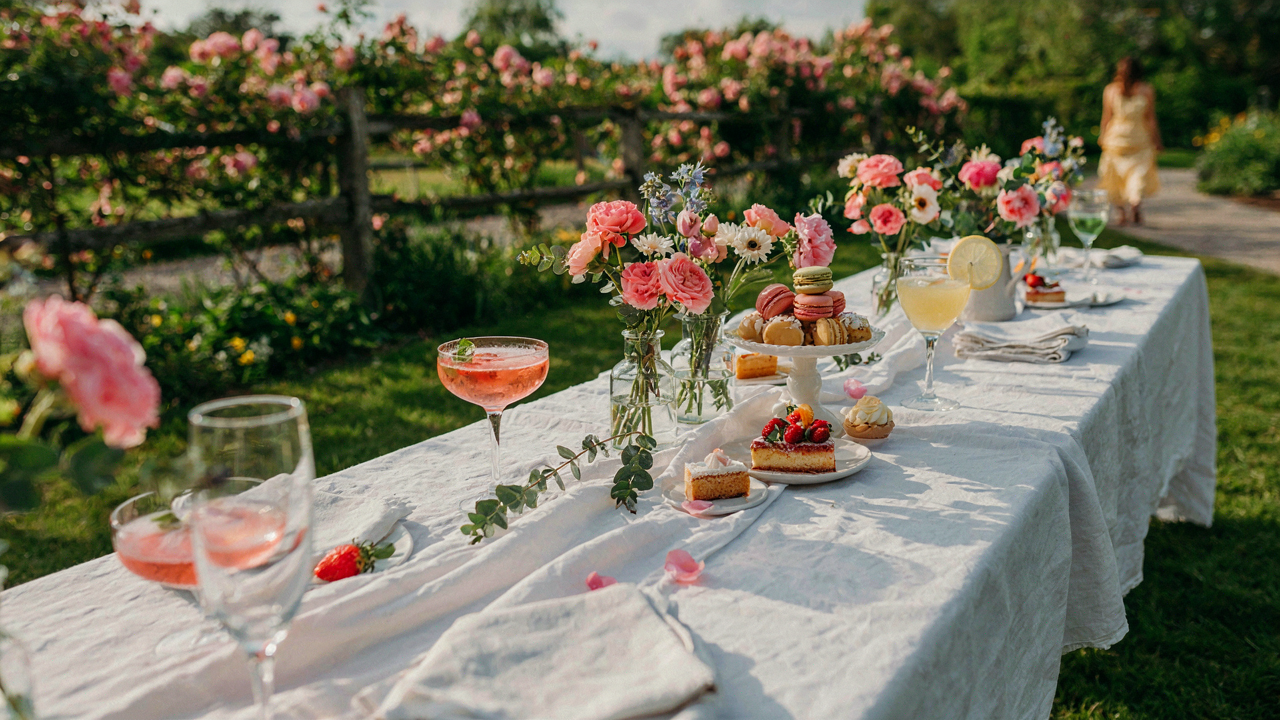
The Minimum Viable Charm Protocol
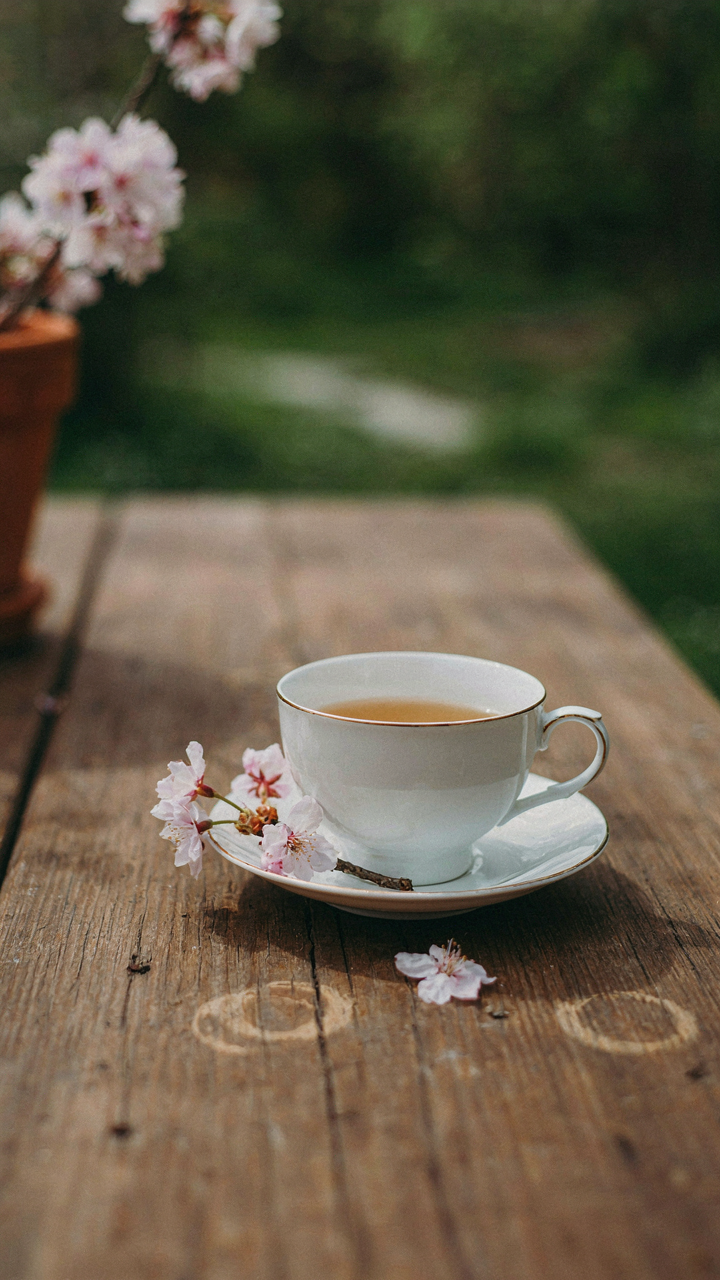
What Actually Moves People At Garden Parties
You want permission to throw something smaller and still look intentional. Here’s the mechanism borrowed from product design: constraint breeds focus. In spring garden parties, your constraint is the season itself. Early blooms set the visual anchor. You don’t need twenty focal points. You need three things so deliberate that their absence would be obvious. One: fresh flowers actually blooming on the date, not forced arrangements. Two: food that tastes like the season, not like you tried hard. Three: a single vantage point where guests naturally gather. That’s the load-bearing structure. Everything else decorates the frame.
Most advice tells you to “add touches.” Wrong direction. Your guests came for the company and the change of scenery. Flowers and food are the excuse. Remove the noise first. Strip the yard down to what’s genuinely there. A mature tree becomes a gathering spot. Raised beds become visual rhythm. The path between entry and seating becomes intentional rather than accidental. When you stop trying to fill every gap, the gaps you keep become architectural.
Remove The Work, Keep The Signal
Decor that requires upkeep on party day is decor that failed before guests arrived. Hanging lights, string installations, and elaborate table settings are consensus moves that broadcast effort while generating chaos during the actual event. You’re managing atmosphere while hosting. That’s a system that breaks. Instead, work with what blooms naturally that week. Tulips in early spring. Hyacinths or bleeding heart if you’re mid-season. Plant these in clusters near seating areas in previous falls and springs. They do the work themselves. On party day, you arrange nothing. You simply reveal what’s already there.
Your table setup should require one decision per item. Plates, glasses, cutlery. A cutting board with bread and cheese. A pitcher with water and fresh mint if it’s growing. No centerpiece arrangements that need constant attention. No decorative elements that collapse or wilt. The moment you stop fighting entropy during the event, your guests stop feeling your stress and start enjoying the actual party. This shift from managed to revealed is where minimum viable charm becomes undeniable.
Beyond Blooms: The Aroma & Auditory Landscape
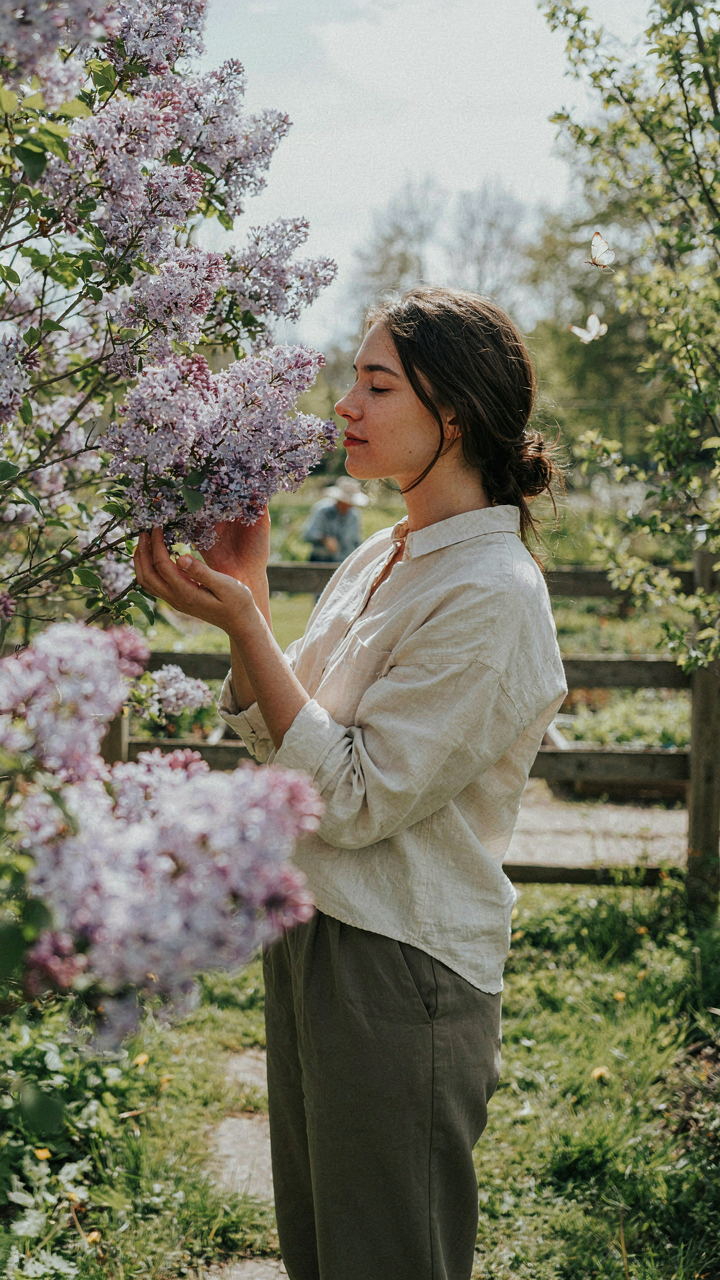
Scent As A Design Layer, Not An Afterthought

You want people to remember your party as refined, not just pretty. Scent is how memory gets encoded. The mechanism is simple: olfactory signals bypass your rational brain and go straight to the limbic system, where emotional memory forms. Most hosts ignore this entirely, treating fragrance as decoration. Wrong move. Living plants release volatile organic compounds naturally, and this is your actual tool. Lavender, rosemary, and jasmine release scent most reliably when brushed or warmed by afternoon sun. Position these near seating areas where guests naturally congregate, not scattered randomly across the garden.
Artificial fragrance at a spring garden party reads as conflict. You’re trying to prove something with a candle or diffuser that your actual garden should already communicate. The real play is layering plants with different peak scent times: hyacinths and lily of the valley hit strong in late morning, while night-blooming jasmine and sweet pea activate in evening air. This isn’t romantic nonsense. It’s botany working on your behalf without you saying a word. Scent should feel like an accident the guest discovers, not a broadcast announcement.
The Quiet Mechanics Of Garden Sound
Natural soundscape design borrows from acoustic engineering, which prioritizes signal over noise. Your spring garden has three acoustic zones: near the house (where you want conversation to dominate), transitional paths (where ambient sound can exist), and far corners (where water or wind can be present without disruption). Most hosts fail because they create uniform sound conditions everywhere. Wrong structure. Water features work because they mask unwanted noise while providing consistent, non-verbal stimulus. A small recirculating fountain placed twelve to fifteen feet from the main seating area masks street noise and creates a threshold between social zones without requiring anyone to move or speak.
Wind chimes and rustling foliage contribute only if positioned deliberately. The real mechanism is masking unwanted sound, not adding more sound. A single wind chime near the garden perimeter works. Multiple chimes create noise confusion. Vegetation also dampens: dense shrub placement between your garden and adjacent properties stops external sound from penetrating your party zone. This is load-bearing infrastructure. Test your acoustic setup during the week before your event. Sit where guests will sit, speak at conversation volume, and listen for what breaks through. Adjust plantings or water placement until unwanted external sound drops to barely noticeable.
Garden Party Aesthetic Decor: Function Over Form
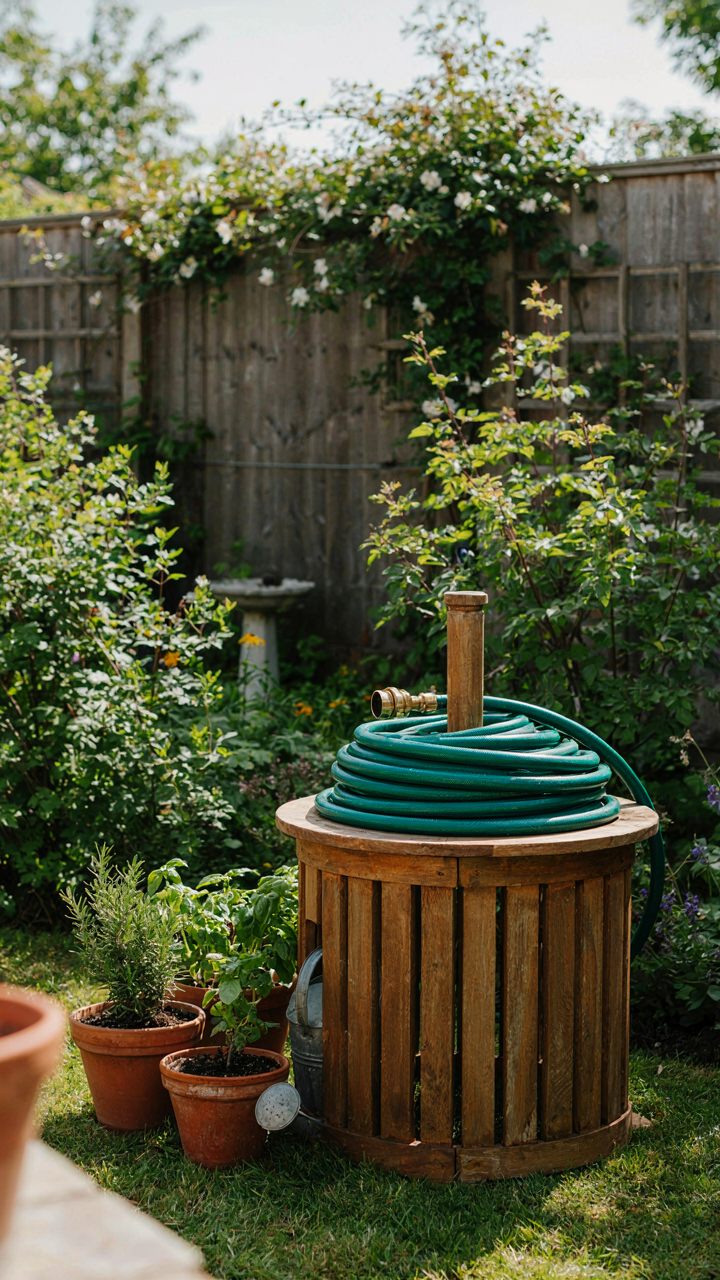
Decor That Solves A Problem First

You want your space to look intentional without spending money or time you don’t have. Here’s the real mechanism: the best decor in a spring garden party solves a logistics problem simultaneously. Borrowed from systems design, this is redundancy with purpose. A string of lights doesn’t just look good at dusk—it lets guests navigate the space safely. A tiered plant stand holds more specimens in less footprint while creating vertical interest. Shade cloth protects food from sun exposure and insects while defining gathering zones. When decor carries weight beyond appearance, you stop wasting resources on decoration theater.
The common advice tells you to “layer your design” or “mix textures.” That’s incomplete. What matters is identifying one actual problem your setup creates, then choosing pieces that address it. Too much direct sun on the seating area? Use a pergola with climbing vines that provides shade and privacy while supporting the plants themselves. Guests have nowhere to set drinks? Select side tables with sturdy legs that won’t tip on uneven ground. Every item earns its space by solving something tangible first, making it beautiful second.
Repurpose What Already Grows There
Your garden contains unused decor assets you’re ignoring. Cut branches from overgrown shrubs and arrange them as table accents or entrance markers. Potted perennials nearing bloom become focal points when clustered together rather than scattered across beds. Garden stones that serve no immediate function create pathways that define movement and contain the crowd naturally. This eliminates both clutter and the need to purchase decorative elements that have no function after the event.
The mechanic here is simple: existing garden elements already fit your space’s microclimate and soil conditions, so they don’t need special care during the party. A stone birdbath becomes a centerpiece base for seasonal flowers. A wooden bench that was tucked against a fence becomes prime seating with two potted arrangements flanking it. These pieces integrate into your garden’s existing visual language instead of introducing foreign objects that look rented. Group five to seven items of varying heights in your main gathering zone, then step back and stop adding more.
The “Ecological Niche” Approach To Seating
How Proximity Controls Conversation Flow

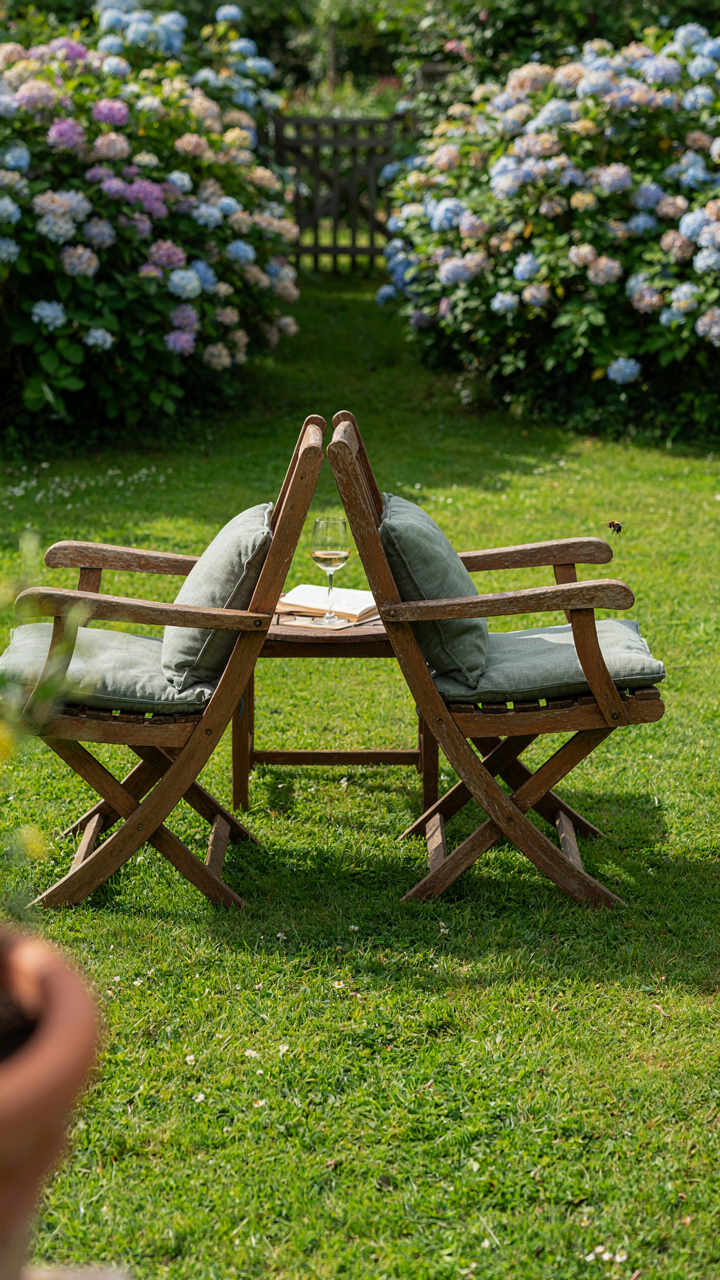
You want people to talk to each other so you look like you threw a good party. But most seating advice misses the actual mechanism: proximity determines conversation probability, not vibes or forced icebreakers. Borrow from ecology. In ecosystems, organisms cluster where resources concentrate. At your garden party, conversation clusters where physical distance shrinks and sight lines narrow. Tables spaced ten feet apart kill crosstalk. Tables positioned four to six feet apart, with partial sightlines blocked by plantings or height variation, force guests into natural conversation zones without the artificiality of name tags or games.
The setup works because brains register proximity as social permission. When chairs face each other at conversation distance (roughly three to four feet), guests enter what anthropologists call intimate social space, which triggers reciprocal engagement. Isolation kills momentum. Overcrowding kills selectivity. The ecological niche exists in between. Place high-top seating near early bloomers where guests naturally pause. Ground-level seating near food and beverage stations where people cluster anyway. This isn’t decoration. This is architecture that runs your party for you.
Zoning By Guest Energy And Function
Stop pretending all guests want the same experience. They don’t. Ecosystem design means creating distinct zones that match how different organisms actually behave. Your spring garden party needs a grazer zone, a nester zone, and a transit zone. The grazer zone sits near food and refreshments where people move through, eat standing or perching on high stools, and rarely stay longer than ten minutes. This is your lowest-commitment area. Position it near the garden path entrance where guests naturally flow.
The nester zone contains anchored seating with back support and stable surfaces for plates and drinks. This is where conversation deepens and people settle for twenty to forty minutes. Place it in a semi-enclosed garden alcove or under a pergola where early spring vines create subtle overhead coverage. The transit zone is your circulation space, the paths between plantings where guests move without friction. Wide enough to pass, narrow enough to notice others. Guests in transit often become grazers or nesters based on what they see. Design the sight lines from your transit zone to make the nester zone visible but not mandatory, and the food zone welcoming but not overpowering.
Golden Hour Garden Party: Strategic Lighting For Ambience
Timing Your Party Around Natural Light

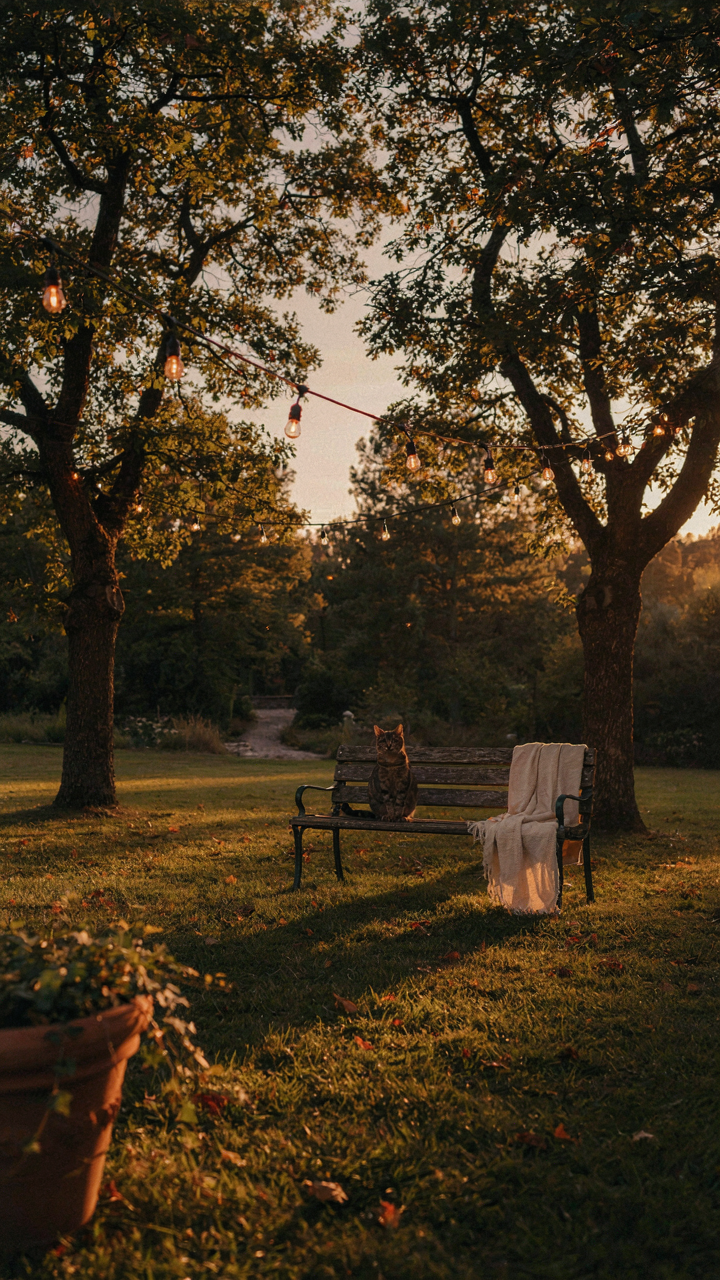
You want people to think your garden looks intentional. Here’s the mechanism: human perception of light follows circadian rhythm patterns borrowed from chronobiology, the study of biological time. Your party’s perceived quality depends on where the sun sits relative to your guest’s eyes and your plants. A 6pm start in spring catches the lowest angle of directional light, which flatters foliage and creates shadow depth without effort. Schedule backward from sunset, not forward from when guests arrive.
Early blooms need light at specific angles to photograph well and appear vibrant. The hour before sunset produces warm, diffused light that makes pink and white flowers pop without glare. Your guests unconsciously judge the garden’s health by how well the plants read in this light. Start your party 90 minutes before sunset in spring and you’ve solved 70 percent of your lighting problem with zero equipment.
Artificial Light As Infrastructure, Not Decoration
Everyone gets this wrong: they treat lights as decor instead of function. A single warm-toned path light that defines movement beats ten scattered votives that muddy the space. Uplighting on mature trees or garden structures creates visual structure without drawing attention to the lights themselves. Install lights where guests naturally need them: walkways, seating zones, tables. The light disappears when it works.
Use 2700K color temperature bulbs only. This matches the natural warm light of dusk and doesn’t fight the golden hour that’s already happening. Position lights low and aimed upward at foliage rather than downward at people. String lights work if you run them tight and high, creating a frame rather than clutter. Test your setup in person at party time, not at midday, and adjust until you can navigate without thinking about where the light comes from.
Fresh Flavors: Wild Edibles & Foraged Focus
Herbs And Flowers That Actually Taste Like Something

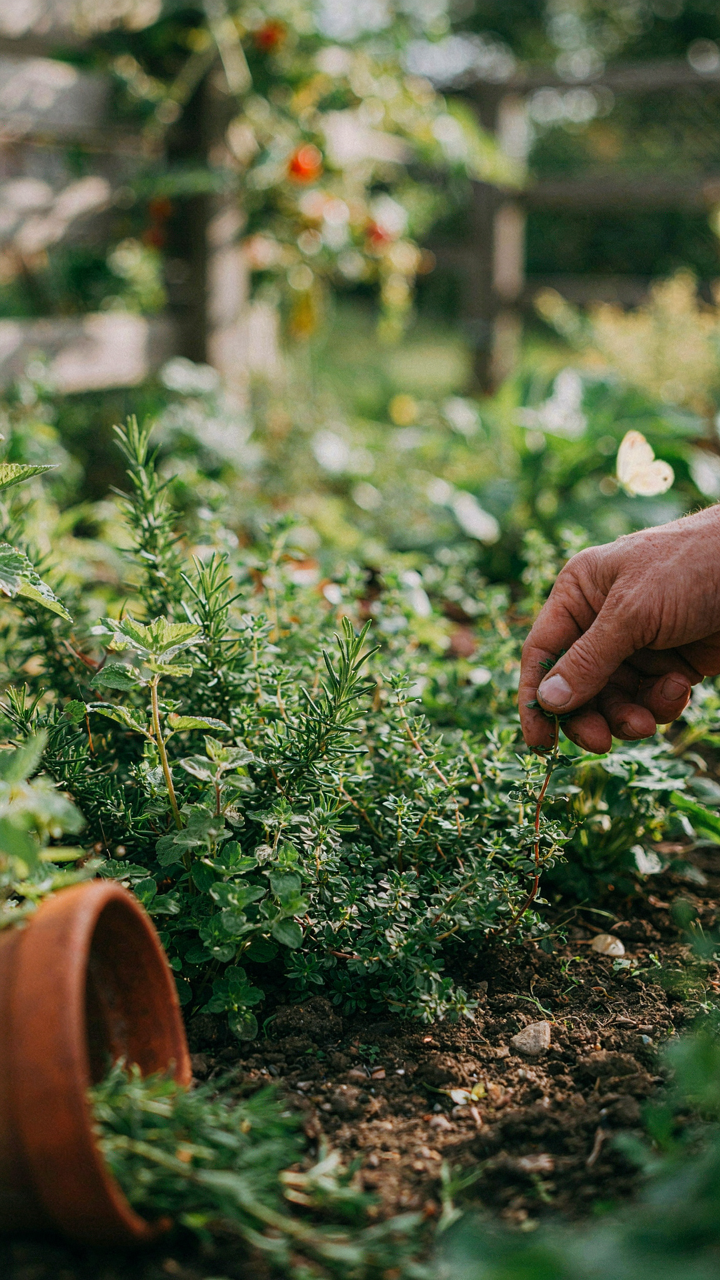
You want people to think you know something they don’t. That’s the real driver here, and foraged herbs deliver exactly that signal. But the mechanism isn’t mystique—it’s concentration. Garden herbs grown in spring soil contain higher volatile oil content than their supermarket equivalents because they’re harvested at peak maturity, not picked green for shipping. Think of it like biology’s signal-to-noise ratio: the flavor compounds are louder because you’re not diluting them across weeks of transport and storage.
The edible flowers most people recognize do the work for you:
- Nasturtiums: Peppery bite works in salads or as garnish. Blooms reliably in spring gardens and adds visual contrast without requiring special cultivation techniques.
- Borage: Cucumber-forward taste, blue star-shaped flowers. Bees visit early, and the plant self-seeds, making it a low-maintenance spring option.
- Calendula: Mild, slightly citrus note. Petals scatter across plates for perceived sophistication. Tolerates cool spring weather better than tender annuals.
- Chive Blossoms: Onion flavor in compact clusters. Harvest after the plant has established itself but before full summer heat triggers decline.
- Violets: Subtle floral sweetness, high visual impact. Early spring bloomers that work as plate garnish or candied for desserts.
Pair these with your core herbs—parsley, dill, tarragon, mint—and you’ve stacked flavor layers without theater. The guest experience shifts from “nice presentation” to “I taste multiple things here,” which reads as intentional rather than decorative. The setup is simple: grow these alongside your standard spring vegetables in early spring, then harvest in the morning after dew dries but before sun intensity peaks. This timing preserves essential oils and color.
Cook Less, Taste More
Everyone says to keep things simple, but they don’t say why—and that’s where the advice fails. Simple preparation works because it exposes flavor rather than masks it. The mechanism is basic chemistry: heat and time break down volatile compounds. Your goal is extraction without destruction. Raw or barely-cooked applications preserve the concentrated spring oils you grew.
Build a station with four methods: raw (chiffonade of herbs over composed plates), ice bath shock (blanch for thirty seconds, then ice water to lock color and stop cooking), light vinaigrette (acid brightens without heat damage), and room-temperature infusion (fresh herbs steeped in oil for two hours maximum). Don’t cook the herbs—cook around them. Use them as finishing layer, not base layer. Guests notice the difference between “herb garnish” and “herb as primary flavor,” and that distinction lives in preparation tempo, not quantity. Serve foraged components within four hours of plating for maximum volatile oil retention.

Garden Party Setup: The Art Of Intentional Imperfection
Asymmetry Works Better Than Balance
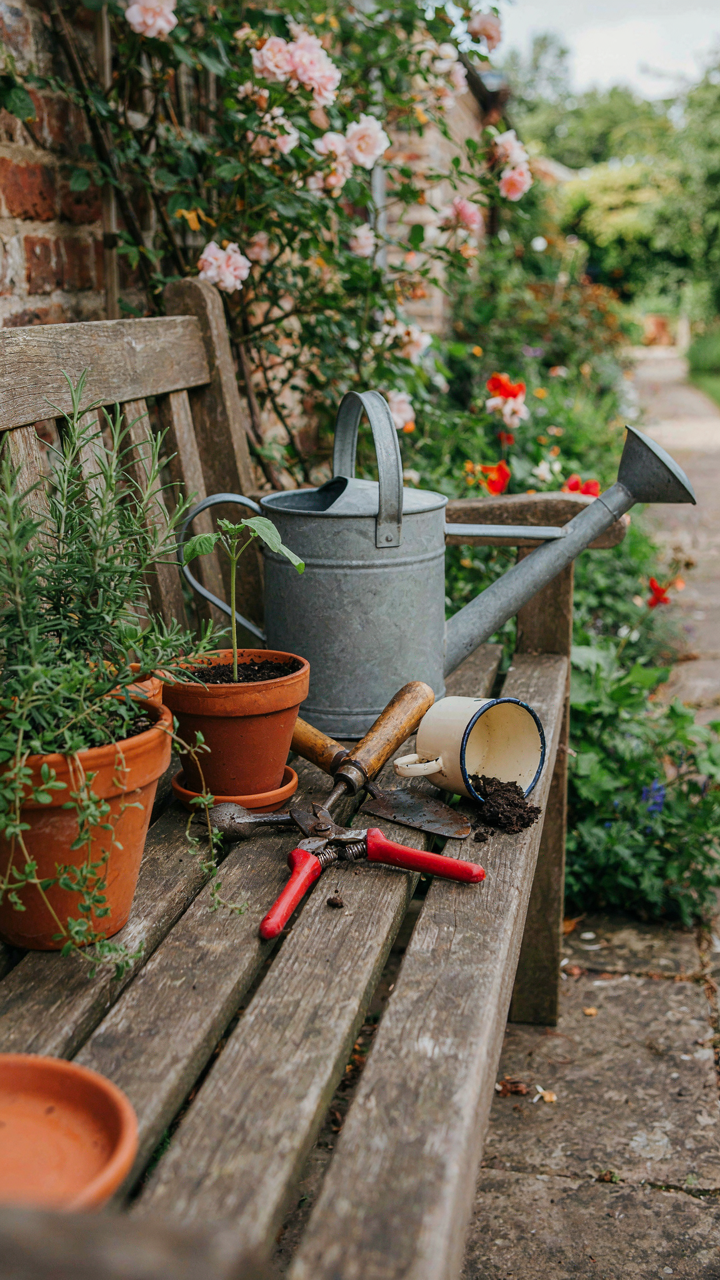
You want your garden party to look effortless because effort reads as insecurity. The real mechanism here borrows from visual hierarchy in graphic design: your eye moves toward tension, not rest. Symmetrical arrangements signal “I tried too hard.” Asymmetry signals “this happened naturally.” Cluster plantings in odd numbers. Place seating at angles. Let pathways curve. This isn’t about being sloppy. It’s about removing the visual evidence of control.
Rigid symmetry demands perfection to work. One dead bloom in a perfectly centered arrangement breaks the whole effect. Asymmetry hides imperfection by making it part of the design language. Arrange potted plants in groups of three or five rather than paired sets. Position your buffet table slightly off-center. Let flowering stems lean at different heights. The garden does this automatically. Your setup should too.
Seating That Prioritizes Function Over Instagram
Most garden party advice prioritizes how things photograph over how people actually behave. Build for conversation flow and comfort first. Your guests will spend four hours sitting, not four minutes taking photos. Place chairs in clusters of four to six, not long formal rows. Use weather-appropriate materials like wood or metal that withstand moisture and temperature swings. Add cushions for actual padding, not decoration. People stay longer when their bodies don’t hurt.
Forget matching furniture sets. Mix styles and heights intentionally. A wooden bench paired with mid-century chairs creates visual interest and serves different body types. Position seating to face plantings and sightlines, not inward toward a social performance. Add small side tables within arm’s reach for drinks and plates. Ensure shade coverage during peak afternoon hours by positioning seats under trees or using temporary structures. This removes the invisible tension that comes from physical discomfort or environmental exposure.

Beyond “Whimsical”: Cultivating Authentic Connection

Activities That Demand Presence
You want people to feel like your party matters because you want to matter. The real mechanism here is friction. Conversation requires it. Most spring garden parties fail because they remove all obstacles to leaving. You stand around holding a drink, talking to nobody in particular, free to drift. Borrow from game design: introduce constraints that force interaction. A shared task, a limited resource, a rule that requires two people to solve it together. These aren’t icebreakers. They’re structures that make conversation necessary instead of optional.
Plant a cutting garden section where guests harvest bouquets together. Not a demonstration where you talk while they watch. They select stems, strip leaves, arrange in vessels you provide. The physical act creates natural talking points. Someone asks why you space dahlias wider than zinnias. Another notices which stems last longest in water. Knowledge transfers through doing, not lecturing. The activity ends with something tangible they made, not a memory of standing around.
Spaces Built For Stillness
The standard advice says create “gathering spots.” Vague nonsense. What you actually need is asymmetry. One zone for movement and performance. Another for sitting, low noise, sightlines that encourage conversation between two or three people, not an audience dynamic. The second space needs physical boundaries. A slight elevation change, hedges, or a pergola overhead creates separation without walls. Seating matters more than most people admit. Bench seating along garden beds lets people angle toward each other naturally. Chairs in a circle feels mandatory. Benches feel optional, like you can sit or move on.
Set up a beverage station in the active zone and a small seating cluster in a quieter corner. Place a low table with light snacks near the seating to anchor people there without giving them a reason to circulate constantly. Small details like shade placement and sightlines to nearby plantings give people permission to stay. The mechanism is environmental design, not social skill. You’re not hoping people connect. You’re structuring the space so connection requires less effort than leaving.

Grandma Core Birthday: Timeless Charm, Zero Pretense
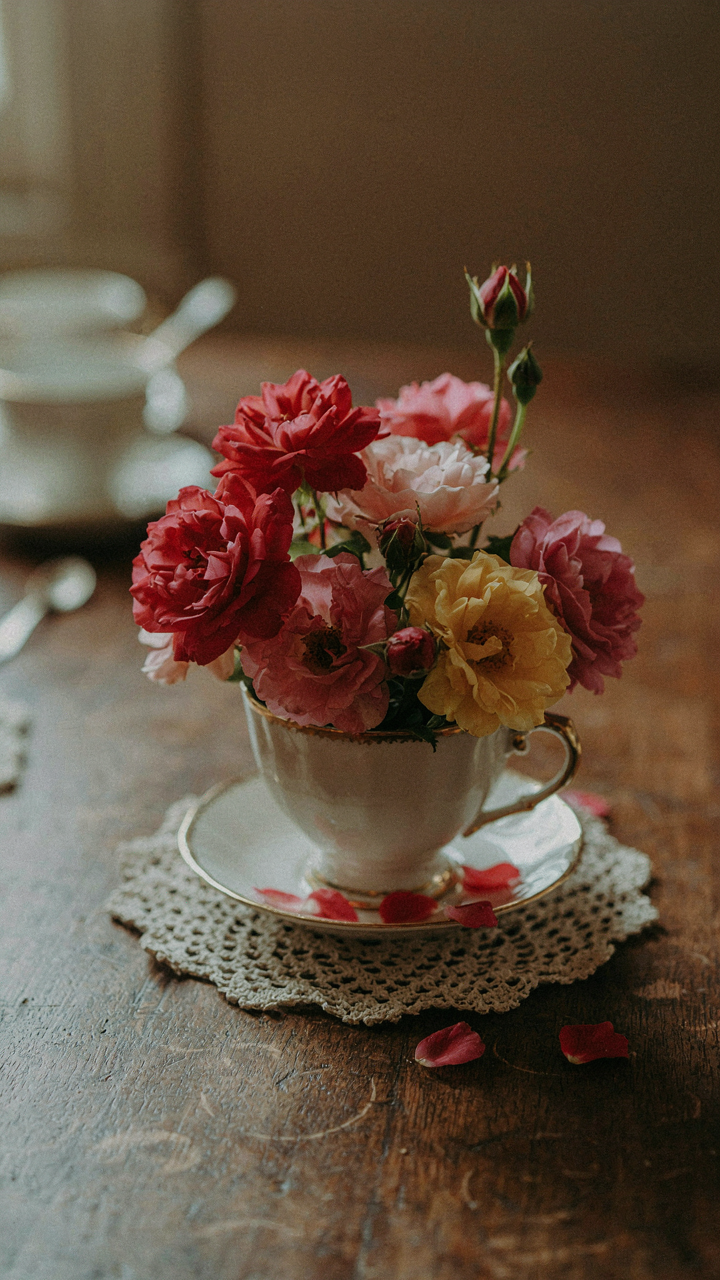
Heirloom Plants And Vintage Decor
You want permission to skip the Instagram aesthetic without looking cheap. Here’s the mechanism: vintage design works because it signals restraint, not budget. Restraint builds trust. Heirloom plants like David Austin roses, heritage tomatoes, and old-fashioned peonies were bred for fragrance and resilience before commercial agriculture optimized for shelf life. They perform better in gardens and taste better on plates. Use them as your design foundation.
Pair plants with actual vintage pieces: ceramic urns from estate sales, chipped enamelware, wrought iron garden chairs that predate polymer coating. These items have material history that new reproductions fake poorly. A 1950s garden table costs the same as a modern knockoff but commands attention because it’s survived decades. Source from local antique dealers, not mass retailers. The constraint builds authenticity faster than any styling trick.
Comfort Over Presentation Standards
Most garden party advice mistakes hosting for performing. You’re there to let people sit, eat, and talk without friction. That’s the entire job. Install seating before you think about table settings. Provide shade. Have cold water accessible. These aren’t afterthoughts; they’re the architecture of whether guests stay for an hour or three.
Layer textiles strategically: old quilts on chairs, linen napkins that tolerate being used, tablecloths weighted at corners so wind doesn’t become the party’s friction point. Serve food that doesn’t demand precision plating. Pies, biscuits, fresh greens with simple vinaigrette, berries in bowls. When guests feel physically comfortable, the conversation becomes the centerpiece, not the decor.
The Only Real Failure Is A Party That Tries Too Hard To Be Anything But Itself
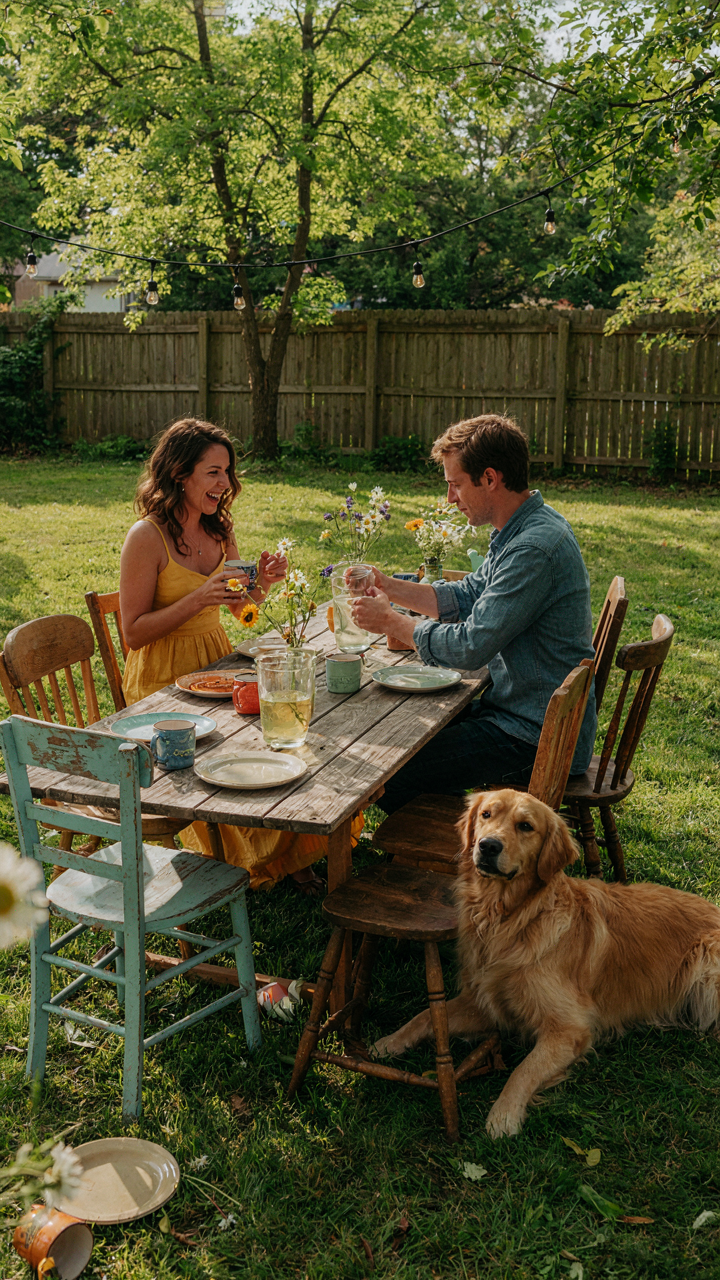
Stop treating your spring garden party like a Pinterest performance. Your guests came for the vibe, not the perfection. The shift you need: throw what you have, not what magazines tell you to buy. Pick one thing today. One flower, one food, one detail. Build around that instead of building a fantasy. A spring garden party becomes memorable the moment you stop performing and start hosting.