The Un Pinterest Easter: Why Less Truly Is More For Easter Hosting

Restraint Over Visual Noise
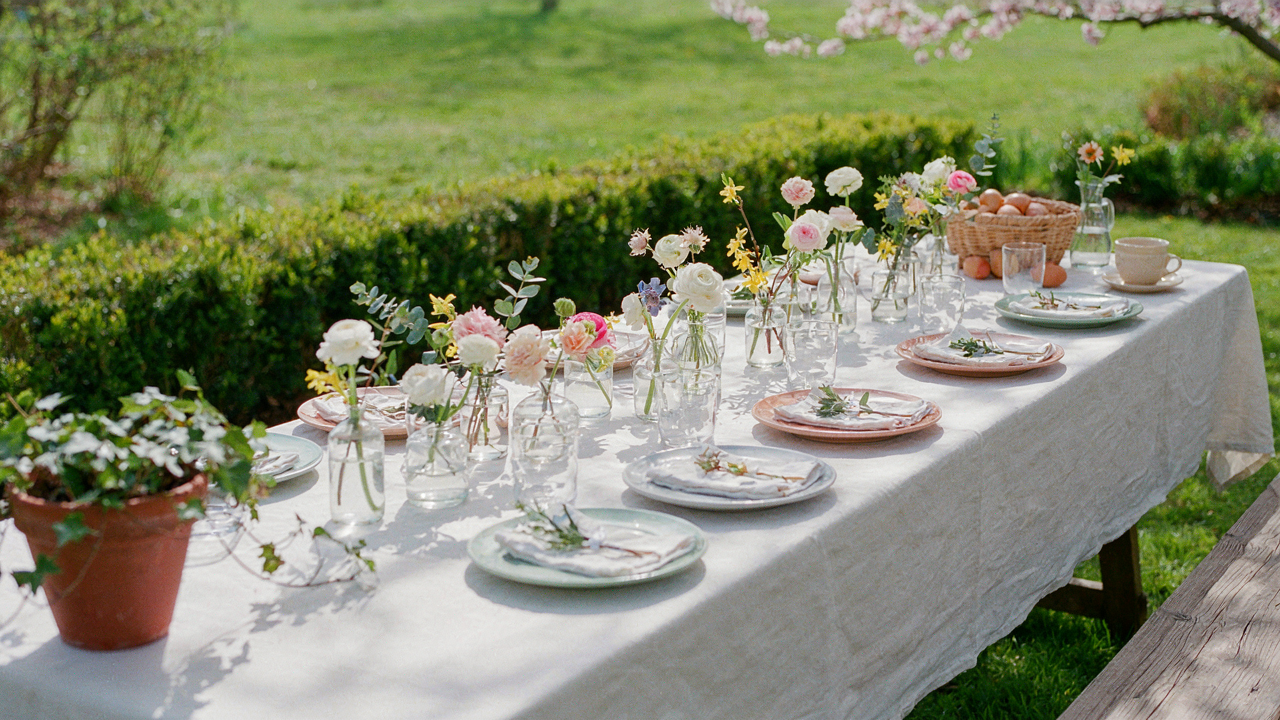
You want people to think you didn’t try hard. That’s the real reason you’re reading this. The mechanism is scarcity in design: fewer elements demand attention because your brain isn’t competing for focal points. One statement centerpiece beats twelve scattered decorations. A single well chosen color palette beats rainbow confetti. Restraint signals control, which signals competence. When guests see blank space, they unconsciously perceive taste instead of effort.
The common advice tells you to “fill the space” or “create ambiance with layers.” That’s backwards. A backyard with three intentional elements lands harder than one cluttered with twenty trinkets from party supply stores. Choose one visual anchor: a table runner, a flower arrangement, or a banner. Everything else supports it or disappears. Your guests notice what you removed, not what you added.
The Fake Versus The Functional
Stop pretending your brunch is a magazine shoot. The gap between curated Instagram aesthetics and actual human gathering is where resentment builds. You spend three hours staging props, then rush through setup while your family arrives early. The mechanism here is friction: every unnecessary object creates a decision point, burns mental energy, and delays the actual event.
Real gatherings work because people feel welcome, not because napkins match plates. Use what you own. Borrow nothing. Set a table that functions first, looks intentional second. If your china is mismatched, own it. If your tablecloth has a stain you can’t remove, flip it or use a different one. The guests eating at your table care about the food and conversation, not whether your Easter aesthetic coordinated with a Pinterest board. Start by picking three things that serve the meal, then stop.
The Easter Hosting Algorithm: Streamlining For Sanity

Stop Doing Everything Yourself

You’re terrified that if you delegate, the brunch falls apart and people judge you for it. The mechanism is simple: you’re confusing control with quality. In operational management, this is called the bottleneck principle. Your easter backyard brunch becomes a bottleneck the moment you refuse to distribute tasks. The host who tries to cook, set up, greet, and manage logistics simultaneously creates a failure point that doesn’t scale. Assign specific roles before the event even starts. Someone handles drinks, someone handles platters, someone manages kids. This isn’t lazy hosting. This is structural hosting.
The people who attend your brunch don’t care that you flipped every pancake yourself. They care that the experience runs smoothly and they feel welcome. When you’re stressed and overextended, that stress bleeds into the atmosphere. Delegate the tasks that don’t require your presence or expertise. A neighbor can set up tables. A family member can prep salads the morning before. Your job is to be present and attentive when people arrive, not to sprint between the kitchen and the yard like something’s on fire. Write down five tasks before you plan the menu. Then assign them to five people. One task per person removes the complexity that ruins easter backyard brunches.
Reverse Engineer Your Timeline
Most hosts plan backwards from the start time, which is why they panic two hours before guests arrive. Plan backwards from your energy threshold instead. Figure out what time you’ll be genuinely exhausted or distracted. If that’s 11 AM, work backwards from there. Everything that requires focus or precision happens before that window closes. Eggs Benedict, fresh fruit prep, and coffee service happen early. Bread warming, plate arrangement, and ice bucket refills happen in the final stretch when you’re running on fumes anyway.
This isn’t about being more productive. It’s about matching task difficulty to your actual state of mind. Complex plating when you’re sharp. Simple logistics when you’re fried. Most brunch mishaps happen because people cook complex food when they’re already stressed. Do the hard work first. Do the easy work last. The day-of timeline should reflect this, not some arbitrary “start cooking at 9 AM” rule. Write your actual timeline on paper, not your phone, so you see the full shape of it. This prevents the scramble that turns brunch into another chore nobody remembers fondly.
Beyond The Basket: Smart Easter Backyard Brunch Setup

How Guests Actually Move Through Your Space

You want people to think your setup looks effortless. That’s the hidden motive, and it matters because perceived ease builds social proof. But here’s the mechanism: human movement follows paths of least resistance, not arbitrary zones you imagine look nice. Furniture placement, foot traffic flow, and service stations aren’t design choices—they’re physics. People move toward food, then toward seating, then cluster near conversation anchors. Block a natural line and guests jam up. Create one and the whole gathering breathes.
Most backyard brunch setups fail because hosts treat layout like a living room arrangement instead of a traffic system. You need entry flow, serving access without bottlenecks, and seating that lets people see and talk without swiveling their necks. Position your beverage station away from the food table so guests don’t stack up. Put high-top tables on the perimeter for natural standing conversations. Keep the center open so people can move between groups. Map your space like you’re designing foot traffic for a store—because that’s exactly what you’re doing.
Work With What You Already Have
Your existing garden doesn’t need renovation. It needs honest assessment. A mature tree becomes a natural gathering point and sun break. Existing shrub lines define boundary edges without barriers. That fence you’ve ignored doubles as a windbreak. Garden structures—arbors, raised beds, stone paths—become anchors that guide movement and create visual interest without costing you time or money.
The mistake is treating an easter backyard brunch like a blank canvas requiring purchases. It’s not. Evaluate what creates natural divisions, what provides shade, what offers privacy from neighbors, what absorbs sound. A hedge line separates the kids’ activity zone from adult seating. A deck becomes your main platform. A sloped yard naturally channels people downhill toward the best view. These aren’t accidents—they’re structural advantages you underutilize. Use them as your layout skeleton, then layer in furniture and service around what already functions.
The Easter Garden Party Menu: Quality Over Quantity

Start With What’s Actually In Season

You want people to think you have taste. That’s the real reason this section matters to you. Here’s the mechanism: seasonal ingredients cost less, taste stronger, and require zero effort to impress. Economics calls this comparative advantage. Your Easter brunch has it when you build the menu around what grows in spring, not what the grocery store flew in from somewhere else.
Spring produces asparagus, peas, strawberries, lamb, and eggs that taste like eggs. These items need minimal prep because their flavor works alone. The common advice says “make everything from scratch.” Wrong. The real move is buying raw ingredients so good they need almost nothing done to them. A fresh egg, properly cooked, beats a complicated recipe every time.
The Plate Architecture That Prevents Chaos
Buffet logistics aren’t about pretty platters. They’re about physics. Think of flow state from manufacturing: minimize handoff points, eliminate backtracking, and stack items in the order people actually need them. Set cold items first, then hot items, then sides. Guests move one direction. No collision. No waiting.
Position the coffee station at the exit, not the entrance. This kills the bottleneck where people stand idle trying to decide. Serve hot proteins on a side table separate from the main line so the line keeps moving. Label nothing cutesy. Write “Herb Roasted Lamb” on a card so people grab it fast and move. Done properly, your buffet flows like a system, not a social event.
Outdoor Easter Party Comfort: The Guest Experience Funnel
Where People Actually Sit

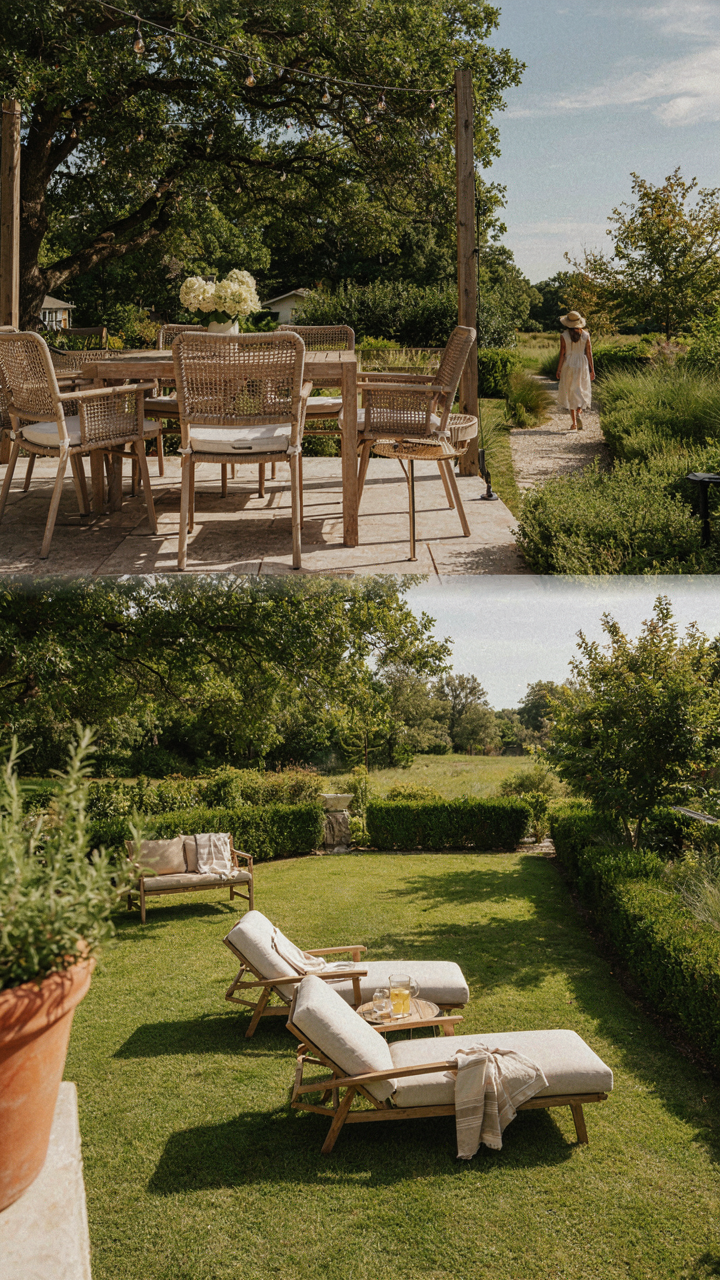
You want your guests comfortable so they stay longer and enjoy themselves, which means you look like you have your life together. Here’s what actually matters: comfort is a funnel. Guests won’t sit if shade doesn’t exist. Shade placement determines traffic flow. Traffic flow determines conversation clusters. Conversation clusters determine whether people leave early or linger.
The mistake most people make is treating shade as decoration rather than infrastructure. You need shade in two zones: one near food and drinks for passive sitting, one removed from the main area for people who want to talk without shouting. Position permanent structures like umbrellas or pop-up canopies on the north or west side of your yard to block afternoon sun. Seating should face inward toward conversation partners, not outward toward nothing. This simple repositioning cuts the “where do I sit” friction that makes guests uncomfortable.
Sound Without The Assault
Background music serves a social function in economics called “ambient authority,” which signals to guests that the event is intentional and controlled rather than chaotic. Most hosts get this backwards and play too loud, then wonder why people cluster in corners talking louder instead of mingling.
Volume should allow someone standing three feet away to have a normal conversation without raising their voice. Play instrumental or vocal music with gaps between songs rather than dense, continuous tracks. Position speakers strategically so sound distributes evenly across seating areas instead of blasting from one corner. The goal isn’t entertainment, it’s elimination of silence, which people read as awkwardness. Set a device to shuffle a single curated playlist for 90 minutes so you stop thinking about it and stay present with guests.
Easter Decorations Outdoor: Strategic Embellishment, Not Clutter

What Actually Works With Plants

You want the yard to look intentional without looking like you tried too hard. That’s the real game. Natural elements work because they don’t scream decoration—they blend into the space while signaling effort. Think of Easter outdoor setup like landscape architecture’s principle of borrowed scenery: you’re using what’s already there and amplifying it rather than fighting it.
Potted flowering plants placed at entry points and table corners do the heavy lifting. Tulips, hyacinths, and daffodils are on schedule in early spring across most US regions. Position them where guests naturally move—along pathways, flanking the food table, near seating clusters. This creates visual rhythm without requiring constant maintenance during the event. The plants stay alive because they’re in soil, not cut arrangements drying out in heat.
Illumination For The Extended Window
Brunch extends into afternoon in most cases, but spring sun angles mean shadows shift fast. Strategic lighting keeps the space functional and comfortable as daylight changes. String lights draped overhead create definition without blocking sightlines, and solar stake lights eliminate the need for extension cords cluttering your yard.
- String Lights (Edison Bulbs or Warm White): Run lines between fence posts or overhead supports at least seven feet high to avoid head strikes. Warm color temperature (2700K) feels intentional rather than commercial.
- Solar Ground Stakes: Position these along pathways and around seating perimeters for ambient glow. They activate at dusk without manual switching.
- Lanterns With Battery Candles: Cluster these on tables instead of real flames, which create fire risk and require constant attention during meal service.
- Overhead Shade Cloth: Light-colored fabric stretched between posts reduces harsh midday glare while maintaining openness. Attach at multiple anchor points for wind stability.
- Uplighting On Trees: Solar lights aimed upward against tree trunks create background depth and extend the perceived space without additional fixture installation.
Most people overlight outdoor spaces and create an artificial nightclub feel. Your goal is visibility and comfort, not performance. Test your setup the day before at the actual time guests arrive, then adjust fixture positions accordingly. Place dimmers on string lights if you have hardwired options—this gives you control as natural light fades without rewiring anything.
The “Invisible Hand” Of Easter Outdoor Activities
What Actually Triggers Kids To Play

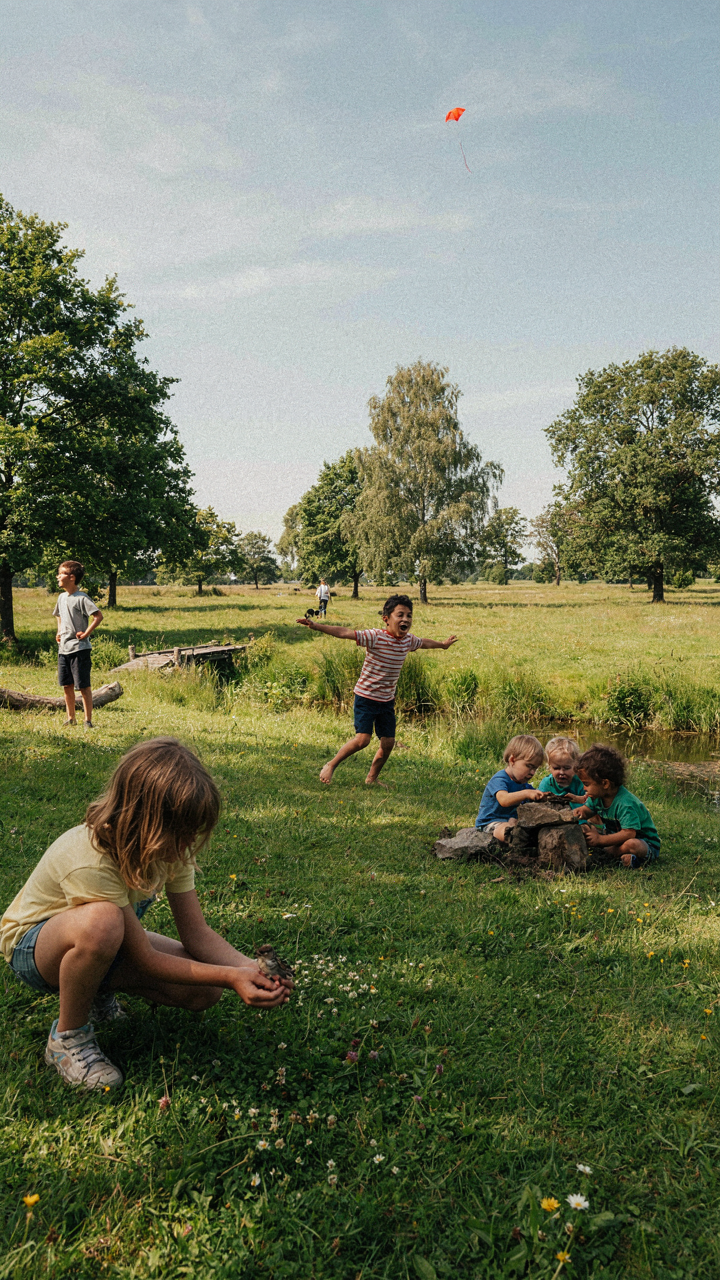
You want your Easter brunch to run smoothly while kids entertain themselves so you can relax. That’s the real fear underneath this section. Here’s the mechanism from biology: children don’t need activities. They need constraints. A sandbox with nothing in it sits empty. A sandbox with a shovel, bucket, and one other kid becomes a construction site. The difference isn’t the space. It’s friction. Biology calls this environmental affordance—the property of an object that suggests how to use it. At an Easter brunch, a flat lawn affords nothing. A lawn with scattered baskets, a gentle slope, and visible boundaries affords exploration and competition.
The mistake everyone makes is oversupplying. Planned activities, printed schedules, assigned games. Kids resist this because it removes agency. What works instead is loose materials and defined zones. Scatter chalk on a patio section. Leave balls near a tree. Set up a water table in one corner. Children’s brains activate when they discover possibility, not when they’re told what to do. The setup does the work. Your job ends when the environment is ready.
Design For Collision, Not Compliance
Forget activities designed to keep kids occupied in isolation. That’s management thinking, not design thinking. Real engagement happens at intersections where different groups collide and create something unexpected. Position your brunch tables, play zones, and food stations so that movement between them is natural and frequent. A kid carrying a plate walks past the lawn games. A parent refilling drinks sees their child building with blocks. These aren’t accidents. They’re designed collisions that pull people into participation.
The mechanism at work is social proof through proximity. When one child digs in the sandbox, another joins. When a few kids toss a ball, others drift over. This only happens if zones are visible and accessible to each other, not cordoned off. Set your lawn setup so sight lines connect different areas. Place the drink station where people naturally pass the egg hunt zone. Use height variation, not fences, to define spaces. The brunch works when traffic flow guides people into activity, not away from it.
Backyard Easter Party Cleanup: The Post Mortem Protocol

What You Do In The First Hour

You want people to think you had your life together during brunch, which means the cleanup can’t look chaotic. The real mechanism here is momentum. Chaos compounds. Every minute you delay, someone tracks something onto the patio, or a guest feels obligated to help and creates more work, or food dries onto plates and becomes immovable. The first hour determines whether cleanup takes two hours or four.
Start with dishes while tables still have warm water nearby. Collect all plates, glasses, and silverware into a single staging area, not scattered across the lawn. Wipe down table surfaces immediately. Any spilled maple syrup, hollandaise, or fruit juice hardens fast and requires scrubbing later. The goal isn’t perfection. The goal is preventing decay. You’re stopping entropy, not chasing spotlessness.
Managing Waste Before It Becomes A Problem
Waste management follows the same principle as military supply lines: you eliminate the problem at the source before it spreads across your territory. Create three stations during the brunch itself, not after. One bin for compostable scraps, one for recyclables, one for trash. Train one person to monitor this. A single person preventing waste contamination saves you thirty minutes of sorting later.
After guests leave, consolidate waste immediately. Don’t let trash bags sit in the yard overnight. Rodents move in. Flies colonize. The smell compounds. Separate any recyclables that got mixed in before the bags go out. Hose down the patio where food debris accumulated, especially around seating areas. Move to the next task only after waste is off your property entirely.
Beyond The Food: Cultivating Genuine Connection
Zones That Invite Actual Conversation

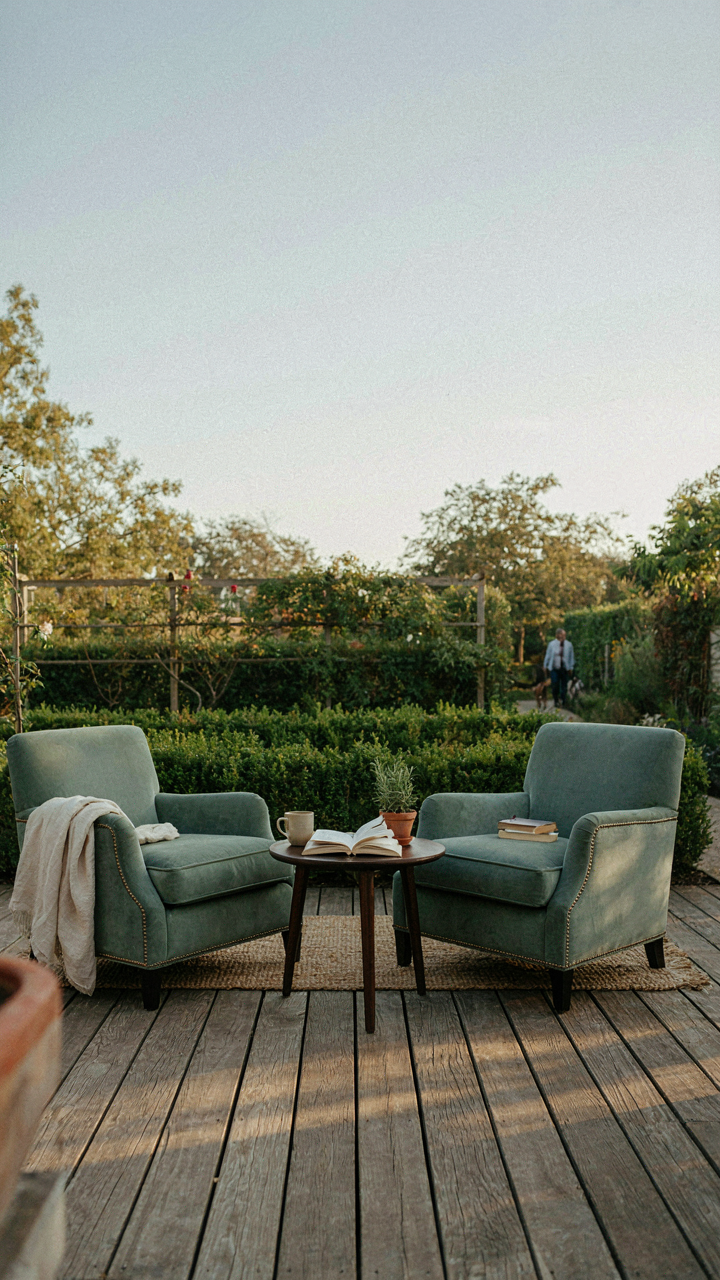
You want people to think you’re good at hosting. The mechanism is simple: most hosts sabotage connection by designing spaces that force movement and prevent commitment to any single conversation. Borrow from retail design’s concept of “dwell zones” – areas where customers naturally pause and engage. Your backyard needs identical friction points. A standing table with food creates transience. A seating cluster with shade creates residency. People stay longer when they’ve physically settled.
Create at least two distinct conversation areas. The first anchors near food and beverages – low commitment, easy entry and exit for grazing. The second sits fifteen to twenty feet away, ideally under a tree or covered structure, with actual seating. The distance matters because it separates “eating” from “talking.” A third optional zone works near a focal point like a fire pit or water feature if your space allows. Each zone needs three to five seats minimum and a natural reason to stay put – shade, a view, or proximity to something interesting. Assign no one to zones. Let grouping happen organically, but the physical structure determines who actually connects.
When Hosts Ruin Everything By Hovering
The standard advice says stay engaged and check on guests constantly. That’s wrong. Excessive host presence kills intimacy because it makes conversations feel temporary and monitored. Borrowing from systems theory, you’re the “oscillator” – your presence should pulse, not persist. Show up, ensure comfort, then disappear. Reappear later. Never insert yourself into established conversations.
Your job is logistics and availability, not participation. Before guests arrive, set drinks on ice, food on tables, bathrooms stocked, music playing softly. When people arrive, greet them, point them toward zones, then retreat. Check back every twenty to thirty minutes for practical needs only – “Refill your drink?” or “Need anything?” A host who vanishes for ninety minutes then reappears is memorable. A host who hovers is exhausting. The best brunch moments happen when you’re inside grabbing more napkins, not watching from the patio edge.
The Easter Garden Paradox: Control Less, Enjoy More

When Perfection Becomes The Problem
You want the backyard to look like a styled shoot because you’re afraid your family will judge the setup and, by extension, judge you. The mechanism is simple: control is an illusion that feels productive. Horticulture teaches us about systems that thrive under constraint, not elimination of constraint. Your Easter brunch thrives the same way. Overmanaging the space—forcing flowers into rigid arrangements, obsessing over tablecloth wrinkles, repositioning chairs constantly—creates invisible tension that guests absorb. The yard doesn’t need curation. It needs you present enough to notice when someone refills their own coffee.
The common advice says to plan everything down to placement. Wrong. What actually works is deciding your non-negotiables (shade for older relatives, accessible seating, food stays protected from sun) then stopping. Leave the rest unstyled. Mismatched chairs become casual charm because they’re authentic, not because you convinced yourself they are. A slightly overgrown corner reads as natural, not neglected. Your job isn’t to eliminate imperfection. It’s to eliminate the anxiety that makes you keep tweaking things nobody else notices or cares about.
The Actual Gift You’re Giving
Everyone shows up expecting you to perform hospitality theater. You perform it by being absent, stressed, and hidden in the kitchen. The real mechanism is presence. You can’t manufacture connection from a distance while adjusting napkin folds. Your family came to be around you, not around a flawlessly executed event. The moment you stop trying to control every variable, you free up the attention you need to actually talk to people, notice when someone’s glass is empty, laugh at jokes instead of mentally checking your timeline.
This isn’t motivational talk. It’s operational. Set out food, create shade, point people toward drinks, then stay in one place long enough for real conversation to happen. When you sit down with your sister or your kids at the table for ten straight minutes, that’s the thing they’ll remember and retell. Not the napkin quality or whether the flowers matched the tablecloth. One concrete step: before guests arrive, set a timer for 15 minutes before you expect them to leave. When it goes off, you stop working and join the table. That’s the protocol.
The Only Thing Holding Back Your Perfect Easter Is Your Ego

You already know what makes an easter backyard brunch work. You’ve seen it done. You’ve scrolled past it online. The gap between your vision and your execution isn’t knowledge. It’s the belief that your effort has to look effortless, that admitting you planned this somehow diminishes it. Stop. Write down three specific tasks today. Delegate one. Buy one thing that makes setup easier. Your family didn’t come for perfection. They came because you actually showed up.