Beyond Aesthetics: The Psychological Levers Of Light

Color Temperature Controls Conversation
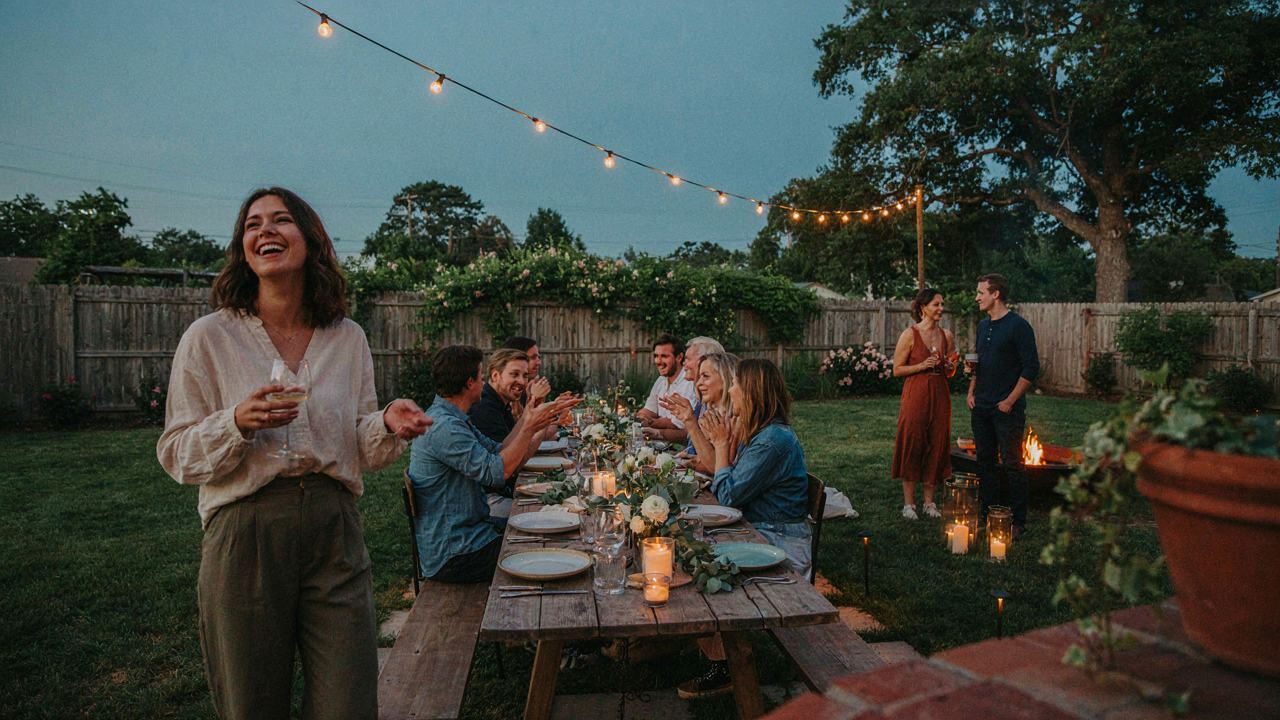
You want people to stay longer and talk more, and you think buying the right lantern does that. It doesn’t. The light temperature does. Color temperature is measured in Kelvin, and this is borrowed from physics: cooler light (5000K and above) mimics daylight and keeps people alert, while warmer light (2700K to 3000K) signals the end of the day and triggers relaxation. Warm light makes groups linger. Cool light keeps them functional but unsettled.
Most backyard setups use warm lanterns by default, which is correct for evening parties but kills energy if your event peaks before dark. Warm light slows conversation pace, softens facial features, and makes people comfortable sitting still. That’s not wasted knowledge, that’s leverage. Place warm lanterns in seating zones where you want anchored conversation. Warm light chemically signals safety, which is why people actually sit down instead of drifting.
Placement Creates Movement Without Instruction
The real problem with lantern placement is that people treat it like decoration instead of direction. You’re not placing lights, you’re architecting a path. Strategic placement uses contrast and spacing to guide attention and foot traffic without a single sign or word. Dark zones push people toward lit zones. Tight spacing between lanterns narrows perceived space and slows movement. Wide spacing accelerates it.
Place lanterns to funnel traffic toward the bar or food table. Use brightness variance, not symmetry, to control where eyes land first. A single bright lantern draws focus; multiple lanterns at equal brightness create visual noise. The mechanism is simple: people move toward clarity and gather where light pools. Design your party flow backward from where you want congestion, then light that path.
The “Scarcity & Abundance” Protocol: Mastering Visual Density

Concentrated Light Creates Hierarchy

You want people to feel like your space is intentional, not like you just bought whatever was on sale. The mechanism is simple: your eye moves to brightness first, then organizes everything else around it. This is how contrast works in visual design. Lanterns concentrated in one zone force attention there, making that area feel purposeful and controlled. Sparse placement reads as accidental. Dense placement reads as design.
Group lanterns in clusters of three to five rather than spacing them evenly across your yard. Position these clusters at entry points, seating areas, or along pathways where people naturally gather. The concentrated glow makes those zones feel like destinations, not just lit spots. Everything outside the cluster recedes into shadow, which paradoxically makes your whole layout feel larger and more sophisticated.
Restraint Eliminates Mental Fatigue
The common advice says fill every corner with light for safety and ambiance. That’s wrong. Too many lanterns scattered everywhere create visual noise that exhausts attention and kills the party atmosphere. Your brain stops processing individual lights and starts experiencing sensory overload instead. Restraint is the actual design tool here.
Calculate your lantern placement by quadrants, not total coverage. Illuminate one-third of your usable space intensely. Leave two-thirds in softer shadow or darkness. This ratio prevents eye strain and lets conversations feel intimate rather than exposed. Light applied with intention always outperforms light applied everywhere.
Front Porch Lanterns: The “First Impression” Prime
Where Guests Form Their Visual Baseline

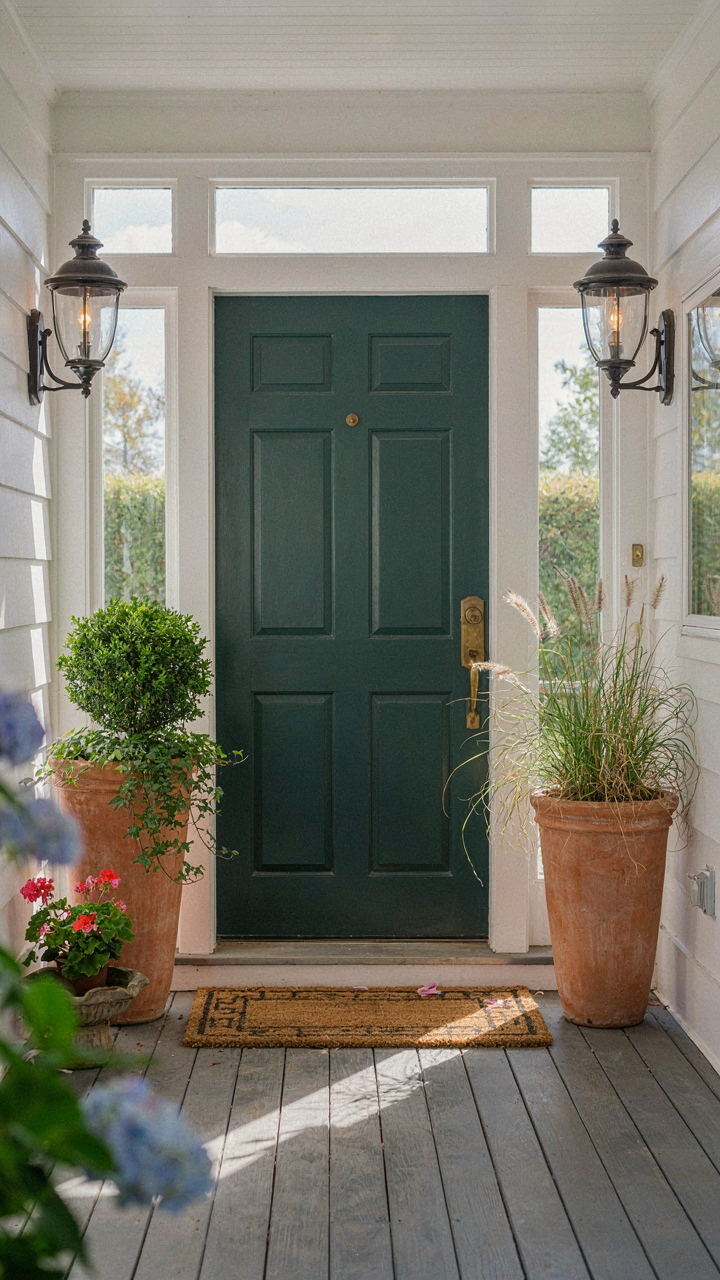
You want people to think you have taste before they step foot on your property. That’s the real game here. The mechanism is simple: the front porch lantern sets the visual anchor point for everything that follows. Your guests calibrate their expectations against it. Position lanterns on either side of your entry door at eye level, roughly 6 to 8 feet apart. This symmetry telegraphs intentionality, not accident. The lantern you choose defines whether the rest of your setup reads as “curated” or “whatever was on sale.”
Asymmetrical placement kills the effect. Most people scatter lanterns randomly across their porch, which signals confusion, not design. The paired placement works because it mirrors how we read doorways architecturally. Your front porch lanterns aren’t decoration—they’re framing devices. Mount them on hooks, posts, or stands tall enough that light projects downward and outward. This positioning prevents the common mistake of placing them too low, where they create harsh shadows on guests’ faces and waste light pointing at the ground.
The Lantern Style That Signals Your Actual Intent
Design language has a currency, and lantern choice broadcasts your deck more loudly than you think. Traditional Moroccan pierced-metal lanterns signal bohemian or eclectic taste. Colonial-era tin lanterns read as heritage or rustic formality. Modern minimalist designs communicate clean, contemporary sensibility. Pick the style that actually matches your backyard’s other elements—the furniture, the paving, the plant choices. Misalignment between porch lantern style and backyard aesthetic breaks the coherence immediately. Guests notice this inconsistency without knowing why the space feels “off.”
Material matters more than finish. Brass and copper lanterns develop patina over time and age intentionally. Aluminum and powder-coated steel hold their appearance longer but signal less permanence. If your front porch lanterns don’t align with the materials you’re using deeper in your backyard layout, the visual story fragments. The specific mechanism: start with your porch lanterns first, then build backward into the yard. Your entry point becomes the design north star that everything else references.
The “Echo Location” Method: Sound Design For The Eyes
How Light Bounces Off Hard Surfaces

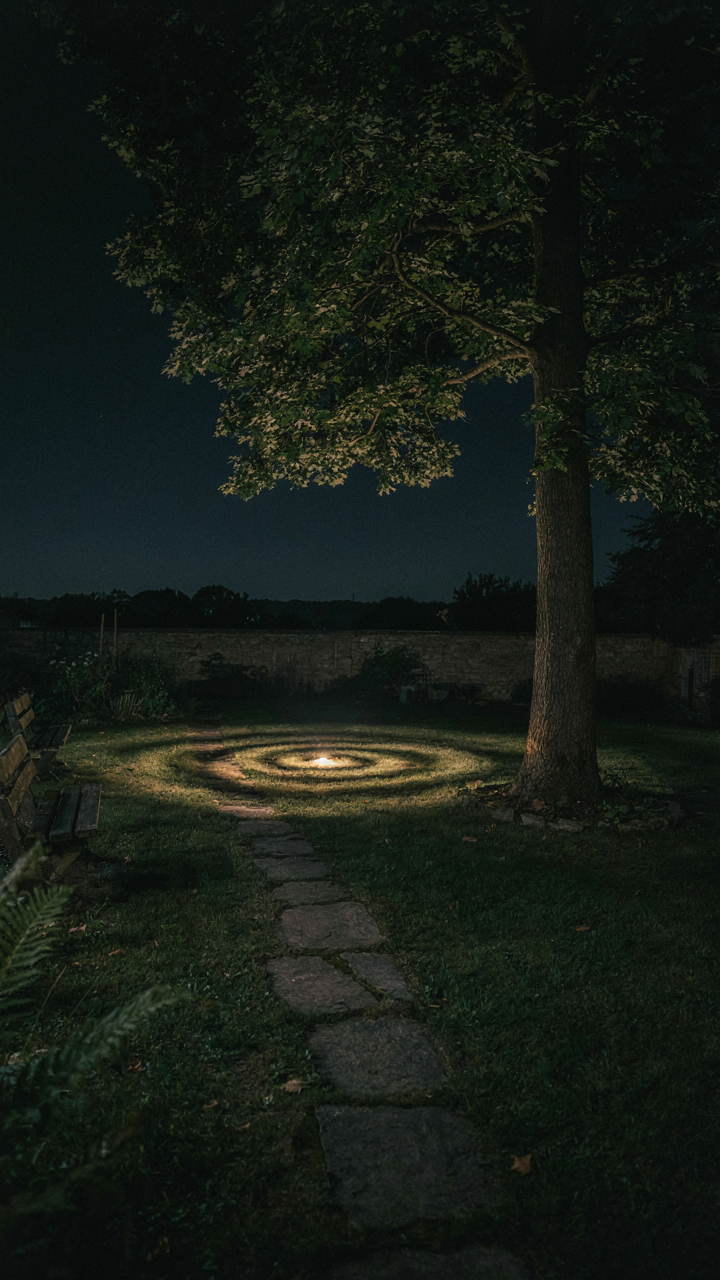
You want your party to feel intentional, not like you threw lanterns around and hoped for the best. Here’s what actually matters: light behaves like sound waves in one specific way that changes everything about backyard layout. In acoustics, sound bounces off hard surfaces and creates perceived depth. Light does the same thing. When you place lanterns near walls, fences, or hardscaping, the light reflects and amplifies, making the space feel larger than it is. Soft surfaces like plants and grass absorb light instead of reflecting it, collapsing perceived distance.
The mechanism is simple refraction and reflection. Place lanterns six to eight feet from a vertical surface like a fence or wall. The light bounces forward into the open space and back toward the barrier, creating a layered effect. This doubles the perceived illumination without doubling the wattage. Most people scatter lanterns randomly across a yard and wonder why the space feels flat. The real move is to weaponize reflective surfaces. Your hardscape isn’t just decoration—it’s a light amplifier.
Using Barriers To Define Space Without Walls
Light defines boundaries because human eyes track its edges. In acoustic design, walls create sonic territories—they tell you where sound begins and ends. Outdoor lanterns work the same way. You don’t need physical barriers to section off a party zone; you use light gradients to mark where one area ends and another begins. A cluster of lanterns signals “gathering space here.” Darkness signals “patio edge there.” Your guests navigate by light, not by signage.
Strategically place lanterns in three-foot gaps between the party zone and the buffer zone. This creates a visual boundary that feels intentional without being confining. Pathways, seating areas, and food stations each get their own light signature. Lower-wattage lanterns mark the transition. Higher-wattage lanterns anchor the main gathering point. Light defines unseen boundaries as effectively as walls do, and your guests will arrange themselves accordingly without realizing they’re following the light map you built.
Painted Lanterns: The “Custom Signal” Advantage
Color Theory Controls Mood Without Conversation

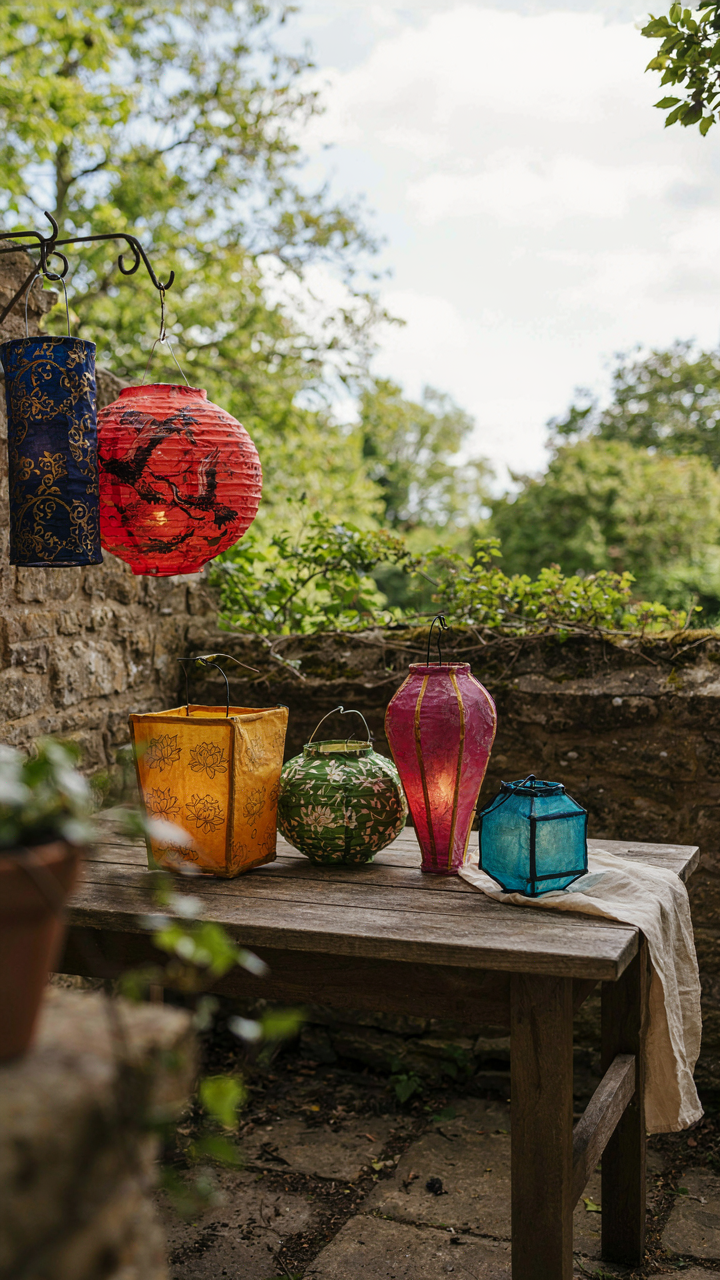
You want people to feel a certain way at your party without having to tell them. That’s the real game here. Color theory from design psychology shows that warm wavelengths trigger different neural responses than cool ones. Paint your lanterns warm amber or coral, and guests unconsciously relax. Use blues or greens, and the space feels either calming or energized depending on intensity. The mechanism is direct: wavelength enters the eye, hits the retina, signals the brain’s limbic system. No thinking required. Your lantern color does the work before anyone speaks.
Warm tones between 2700K and 3000K Kelvin correlate with social comfort and appetite stimulation. This is why restaurants use them. Cooler tones above 4000K increase alertness and conversation energy. Paint your lanterns intentionally around the function of the space. A dinner zone gets warm painted lanterns clustered near the table. A lounge area tolerates cooler tones because people already sit and talk. The color you choose on the lantern surface directly modulates the light’s perceptual temperature when lit, not just its appearance when dark.
Modifications Shift Light Diffusion And Focal Points
Most advice about painted lanterns stops at “pick a color.” That misses the structural control available. Paint thickness, finish type, and opacity percentage directly alter how light scatters inside and outside the lantern body. A matte paint finish diffuses light evenly in all directions. A glossy or semi-gloss finish creates directional hotspots and shadows, which guides where eyes land. Thin paint layers let some internal light glow through the material itself. Thick, opaque layers force light to exit only through openings, creating defined pools on the ground.
Test your paint modification before the party. Apply paint to a test lantern section, light it at dusk, and observe the shadow patterns and glow intensity from ten feet away. If you want intimate zones, use opaque paint with semi-gloss finish on three sides and leave one side bare or clear. If you need ambient fill light across the entire space, go matte and thin. This isn’t decoration. This is light engineering with a paintbrush.
Outdoor Lantern Decor Ideas: Function Over Form
Light First, Aesthetics Second

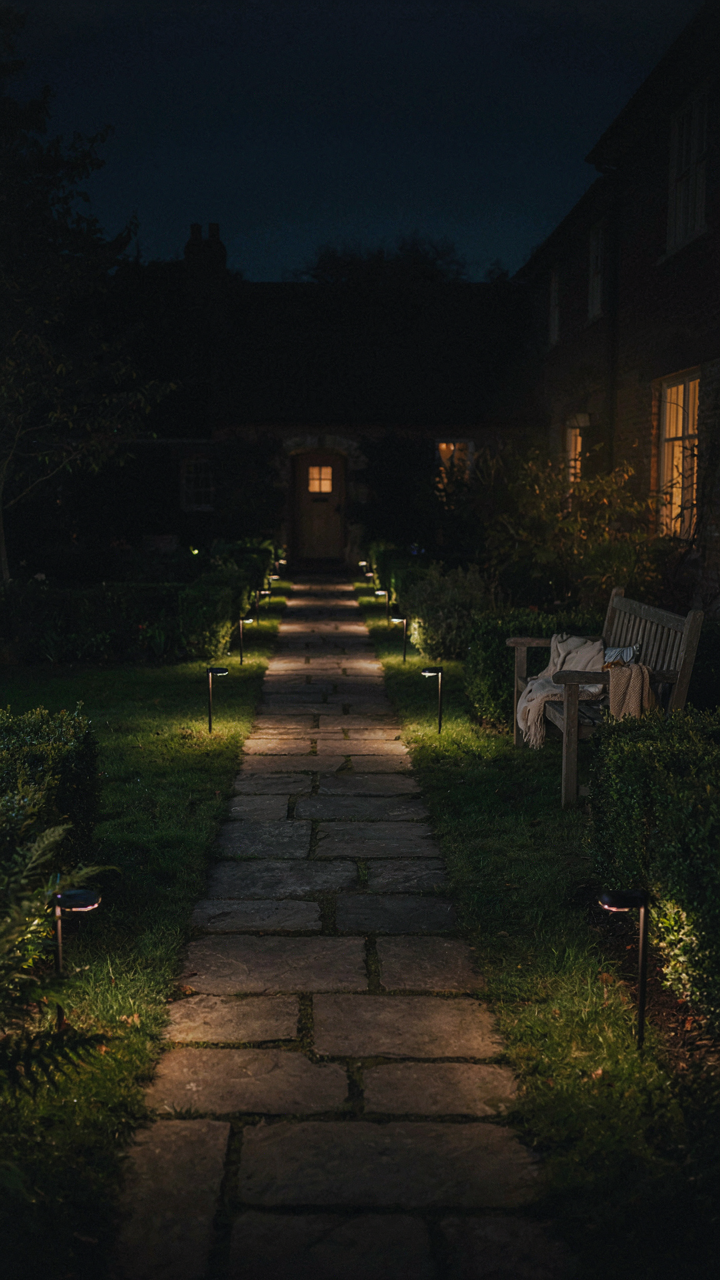
You want your backyard to look intentional. That’s the real fear underneath this decision. But here’s what actually matters: lanterns are tools for visibility and traffic control, not decoration. Borrowing from urban planning’s concept of “desire paths,” your lantern placement should follow where people naturally move through your space, not where they look good in photos.
Most people reverse the priority. They buy lanterns that match their patio furniture, then wonder why guests trip over unlit steps or cluster in dark corners. The mechanism is simple: humans navigate toward light sources. Place lanterns where foot traffic happens, where transitions occur, and where obstacles hide. The aesthetics follow naturally once the infrastructure works.
Matching Lanterns To Existing Elements
Your deck, fence, and hardscape already define your visual language. Lanterns need to respect that language, not fight it. Steel lanterns work with modern metal railings. Warm wood-toned fixtures align with cedar or composite decking. This isn’t about matching everything perfectly. It’s about not introducing jarring materials that force the eye to reconcile conflicting design systems.
The integration point most people miss is the color temperature of the light itself, not just the lantern housing. Warm white bulbs (2700K) complement traditional materials and older architecture. Cool white (4000K and above) suits contemporary settings with clean lines and minimal ornamentation. Your lantern’s material means nothing if the light it produces clashes with your existing environment. Choose bulb temperature first, then select housing that matches your hardscape palette.
Porch Lantern Decor Ideas: The “Ambient Authority” Blueprint
Intimacy Through Strategic Light Isolation

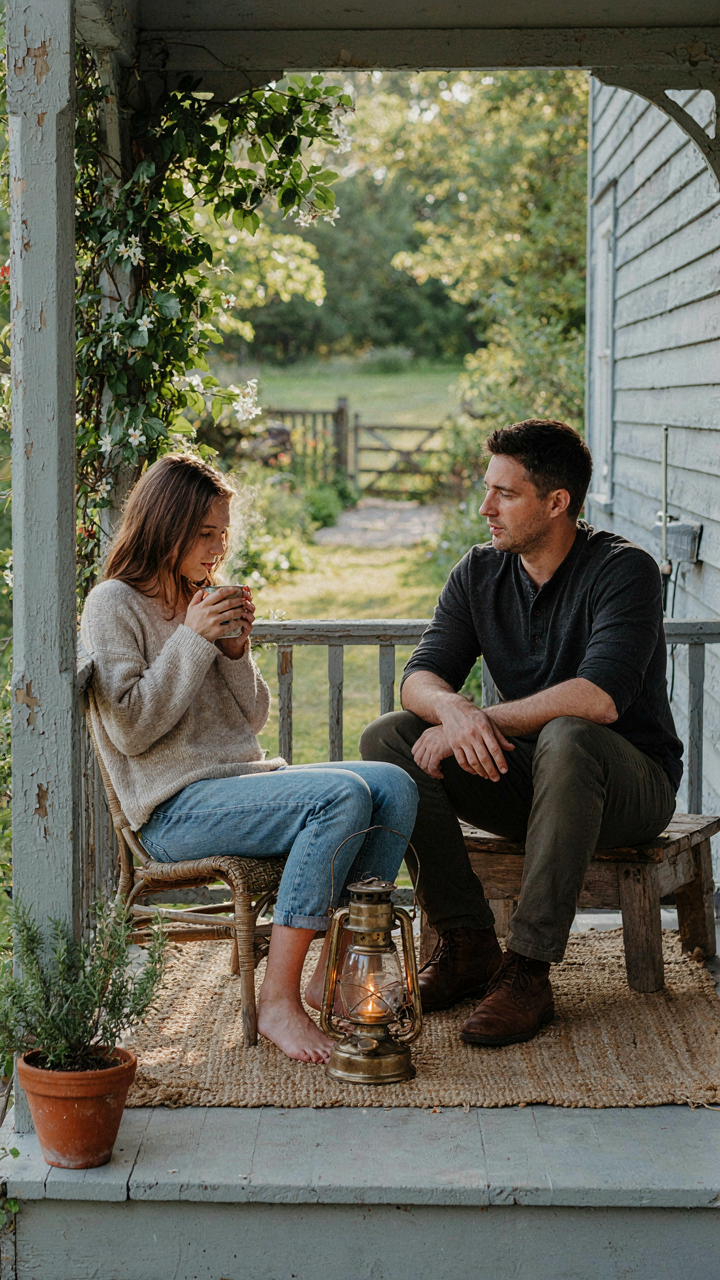
You want people to feel like they chose to be near you, not corralled into proximity. That’s the real motive behind caring how lanterns divide a porch. Light works like territorial architecture in animal behavior—it creates invisible boundaries that guests respect without being told. When you cluster lanterns in specific zones rather than distributing them evenly, you force social clustering. Small groups gather where light density peaks. Conversation deepens in these pockets because isolation from the broader crowd feels intentional, not accidental.
The mechanism is simple: humans interpret brightness gradients as “inside” versus “outside” space. A 6-foot diameter of concentrated lantern light reads as a room. Beyond that threshold, unlit space reads as the exterior world. Position your lanterns 8 to 12 feet apart on a porch to create multiple micro-gathering zones. Each zone accommodates 4 to 8 people comfortably. Don’t spread them evenly across the entire porch—you’ll flatten the social dynamic and dilute the sense of intentional gathering.
Layering Light Sources For Visual Depth
The common advice here is wrong: more lanterns does not equal better ambiance. You need contrast, not accumulation. The mechanic borrowed from stage lighting is called “key light” versus “fill light”—one dominant light source creates focal point hierarchy, while secondary sources add definition without competing for attention. On a porch, your lanterns should play these roles explicitly, not accidentally.
Position one larger lantern or a tighter cluster as your visual anchor—place it where it’s visible from the entry point. This is your key light. Then position secondary lanterns in darker zones to create visual texture, not to illuminate those areas evenly. This creates depth because the eye travels from bright to less bright, giving the space dimension. Use a mix of lantern heights—place some on tables at 24 inches, others on posts at 6 feet, and hang one at 8 feet if your porch allows. Start with three distinct height levels, then add lanterns only where dark pockets remain after guests arrive and occupy the space.
Lantern Ideas: The “Unseen Hand” Of Illumination
How Light Directs Movement Without Asking

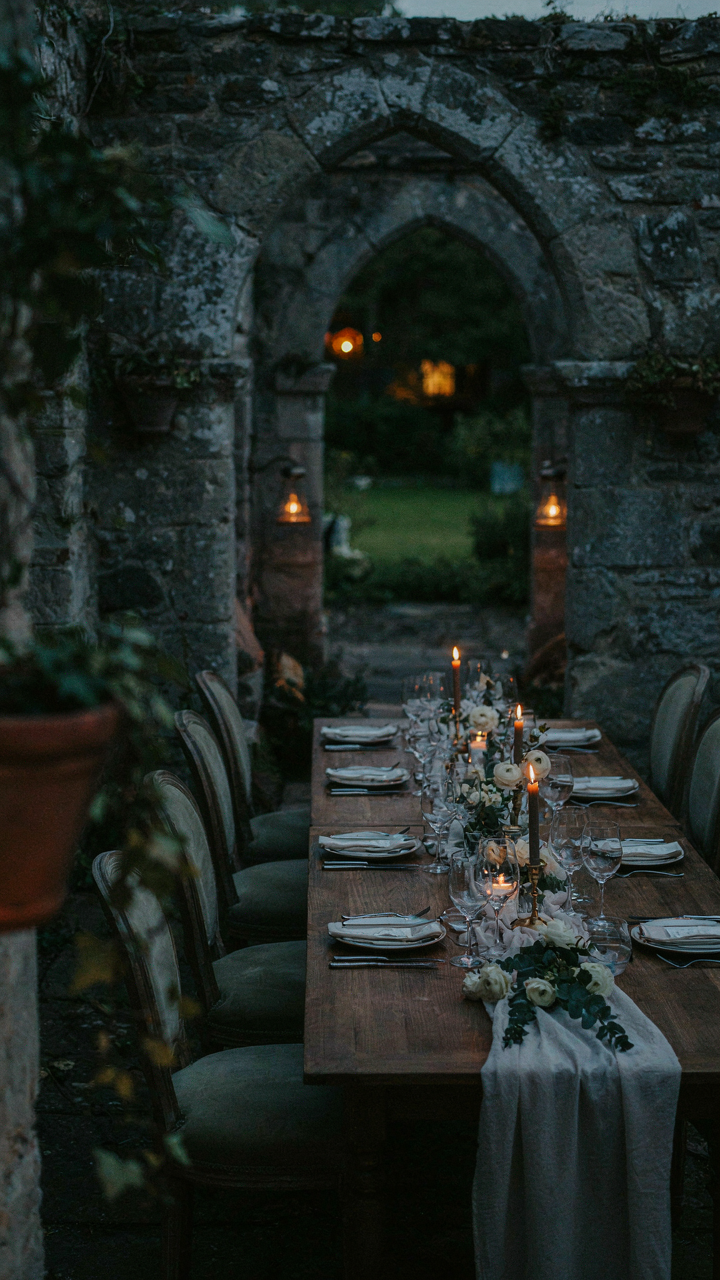
You want people to feel like the space is sophisticated, not like you tried too hard. That’s really about control. Behavioral psychology calls this “environmental priming”—the idea that surroundings shape decisions before conscious thought kicks in. Lanterns function as waypoints. Their placement creates invisible corridors that move guests from entry to seating to gathering zones without signage or announcement. The mechanism is simple: humans follow light.
Strategic lantern placement reduces friction in your party flow. A lantern at the garden gate signals entry. Clusters near seating areas anchor social groups. Path lighting between zones keeps people moving naturally instead of clustering at the bar. The guest never thinks “I’m being guided.” They think they chose where to go. That’s the entire point.
Breaking The Pattern To Own The Space
Most advice says “use lanterns to light dark corners.” That’s incomplete. Corner lighting is table stakes. The real move is using lanterns to create visual hierarchy—making certain zones feel intentional while leaving others deliberately dim. Asymmetry reads as intentional design. Symmetry reads as trying to be perfect. Place three lanterns in a triangle across your yard instead of lining them like a fence. One lantern positioned high on a post commands attention. Two low lanterns nearby create depth and intrigue.
Lanterns work best when they don’t announce themselves as decor. They should look like they serve a function first, beauty second. Moroccan pierced metal lanterns cast patterned shadow, making the light itself the focal point rather than the object. Matte black lanterns disappear into evening while their glow remains visible. Paper lanterns fade into background, leaving only the warmth. The lantern that calls attention to itself has already failed its job.
The Only Real Failure Is Designing For Approval, Not Impact. Master The Mood, Master The Moment

Stop arranging lanterns to impress Instagram. Arrange them to make people feel something. The shift happens when you stop asking “What looks good?” and start asking “What story do I want this space to tell?” Your lanterns either create tension, intimacy, drama, or boredom. Pick one. Walk your backyard right now and place three lanterns where they’d change how someone feels moving through that space. That’s the difference between decoration and design.