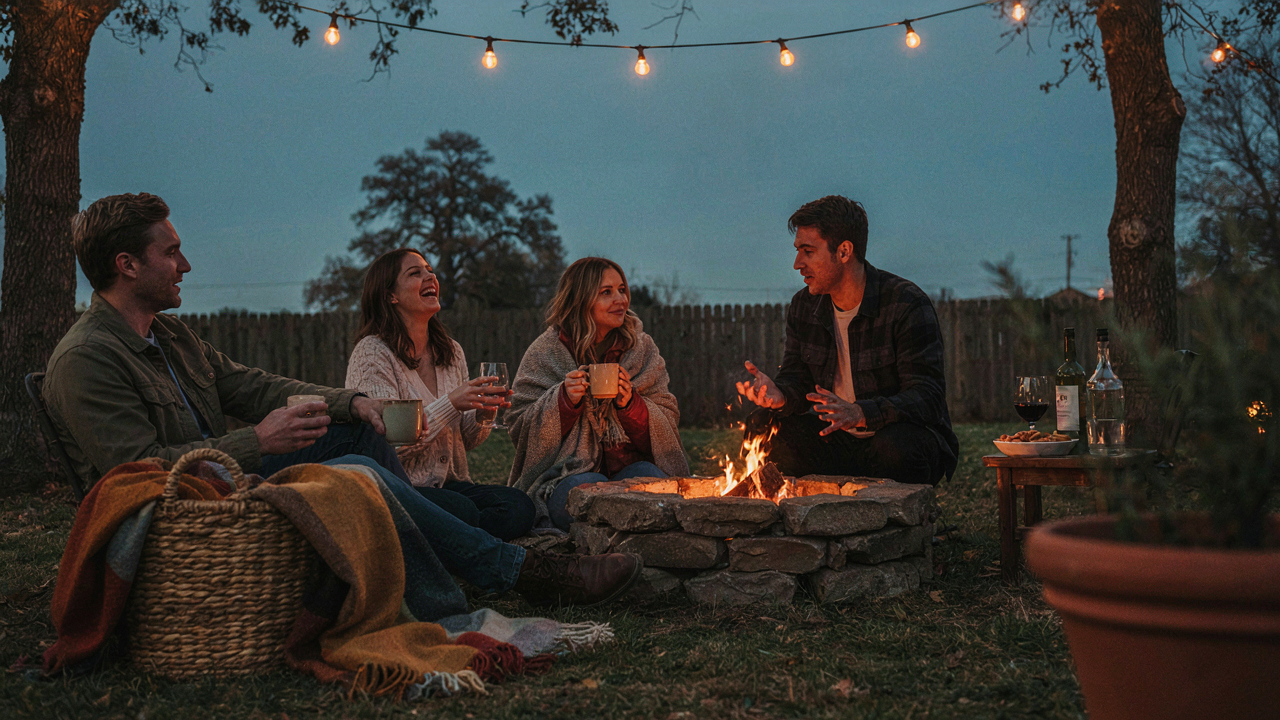
The Myth Of The Perfect Outdoor Blanket Basket
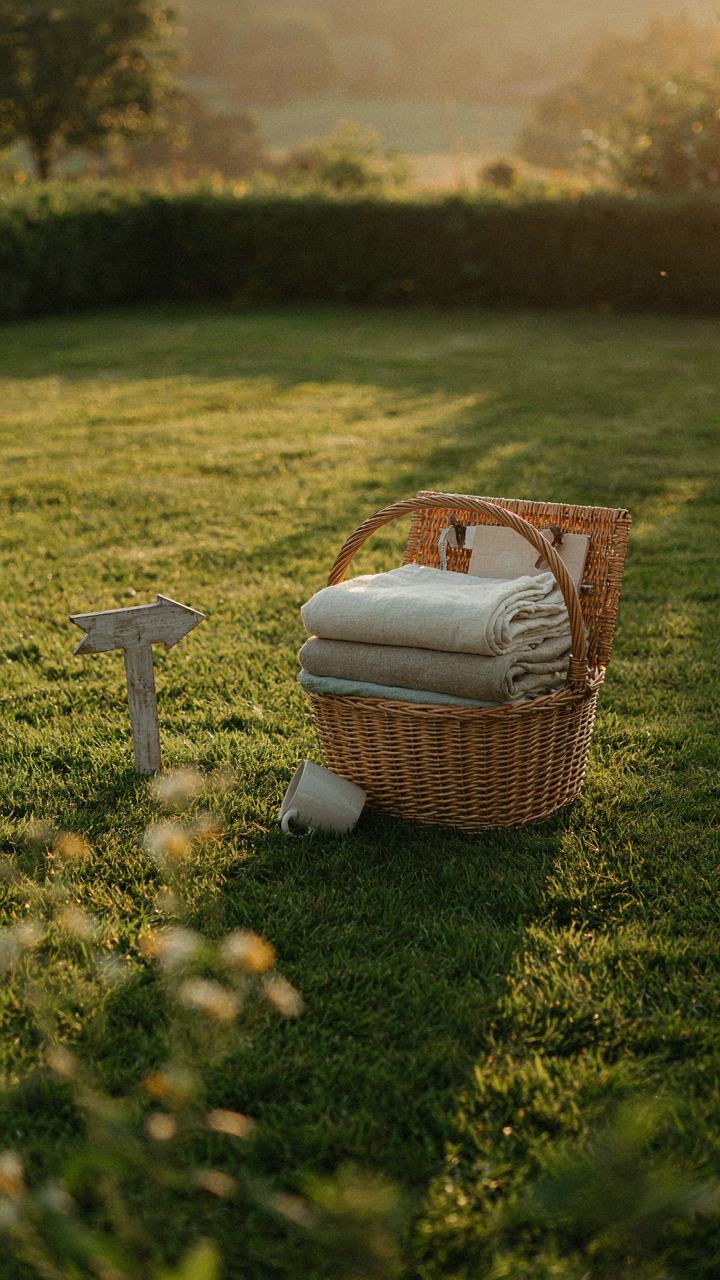
Instagram Versus Temperature Drop
You want proof you’re hosting right. That’s the real reason you’re scrolling aesthetic setups instead of testing what actually keeps people comfortable when the sun dips below the treeline. The mechanism is simple: visual signals replaced functional testing, and Instagram made that trade feel like progress. A styled blanket basket photograph requires zero wind resistance testing, zero material durability data, zero knowledge of how fabric weight correlates to actual warmth retention at 55 degrees Fahrenheit.
Most setups fail because they prioritize the moment of discovery over the moment of use. A guest walks past a basket at 7 PM when the air is still 68 degrees and thinks it’s decorative. By 9 PM when temperature drops 15 degrees, that same guest reaches for a blanket only to find it’s a decorative throw designed for appearance, not insulation. The basket itself becomes a liability, visible proof your planning stopped at the photograph.
The Hidden Cost Of Looking Prepared
Choosing materials for optics rather than performance always costs more over time. Canvas baskets look intentional in photos but absorb moisture, harbor mildew, and deteriorate faster than sealed materials rated for outdoor exposure. Wicker baskets photograph beautifully and fail structurally within two seasons when UV exposure breaks down the binding. You’re not paying once for aesthetics; you’re paying repeatedly because you never solved the actual problem.
The real cost isn’t the basket replacement cycle. It’s the guest experience collapse. A host who provides inadequate blankets signals either poor planning or indifference to comfort. People notice. They adjust their behavior: they leave earlier, they don’t return, they don’t recommend you. A properly stocked basket with functional blankets of correct weight and material doesn’t photograph as distinctly, but it solves the problem guests actually have. Stock your basket with blankets rated for the lowest temperature you’ll encounter, then add 20 percent more weight to account for wind chill acceleration.
Beyond Hygge: The Scandinavian Home’s True Utility
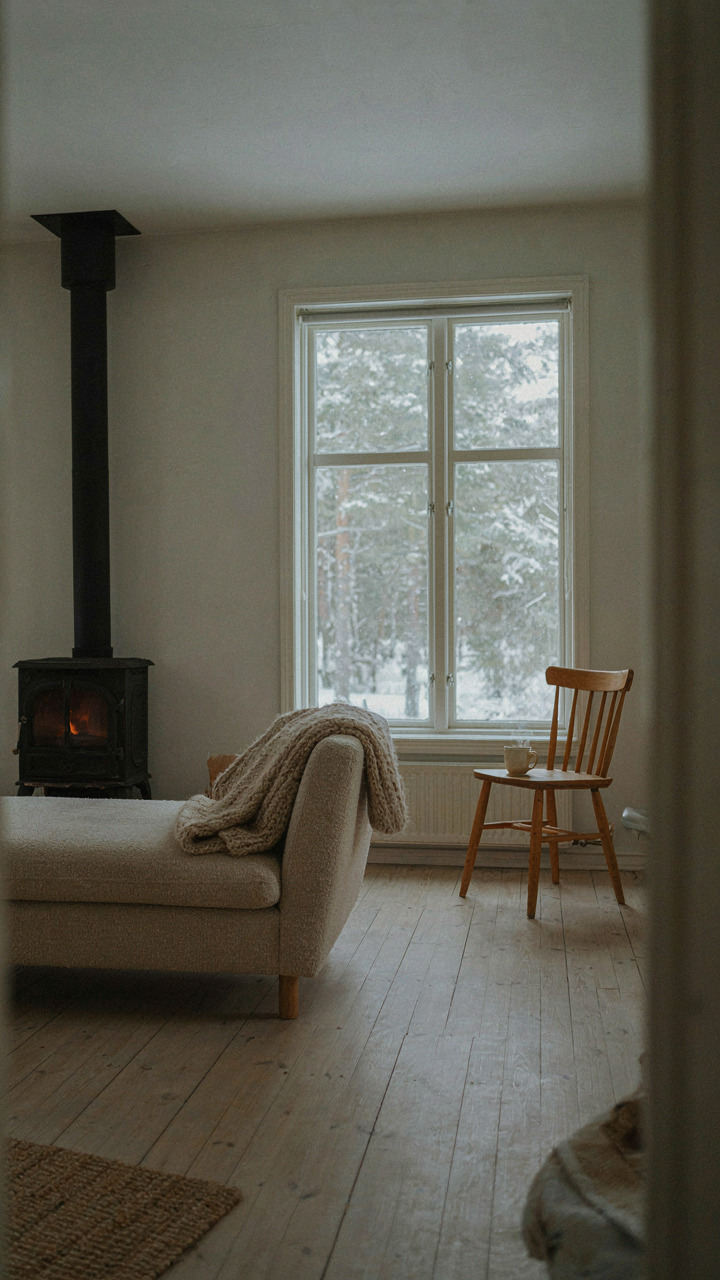
Constraint Breeds Honest Design

You want to believe minimalism is about being better than people who own things. It’s not. Scandinavian design emerged from brutal winters and resource scarcity, not philosophy. When you can’t afford waste, every object must solve two problems or it gets cut. This principle applies directly to outdoor blanket baskets: they exist because Nordic climates demand that seating areas transition from summer to winter without structural renovation. The basket isn’t décor. It’s infrastructure.
A blanket basket solves the storage problem that makes people abandon outdoor spaces when temperature drops. Without designated storage, blankets scatter across patios, get rained on, or live inside until guests arrive. Scandinavian design doesn’t romanticize this friction. It removes it. The basket keeps blankets accessible, protected, and invisible until needed. This is why Scandinavian furniture looks sparse but functions densely. Form follows the actual problem, not the feeling.
When Function Becomes The Narrative
The mechanism here comes from product design, not marketing: a tool becomes beautiful only when it visibly solves what people actually struggle with. An outdoor blanket basket doesn’t decorate your patio. It declares that you’ve thought through how people will use the space when they’re cold. This shift from decoration to honest utility is what made Scandinavian design influential. The basket proves your space works because it anticipates friction, not because it looks intentional.
The real move is building your outdoor setup around what people will actually do, not what photos suggest they should do. If guests arrive in autumn and immediately need blankets, having a basket near seating means they grab one without interrupting conversation. If the basket is attractive enough to leave out year-round, you’ve eliminated the friction of seasonal storage entirely. Your outdoor space becomes functional in October because you designed for October.
The Thermal Regulation Protocol For Outdoor Gatherings
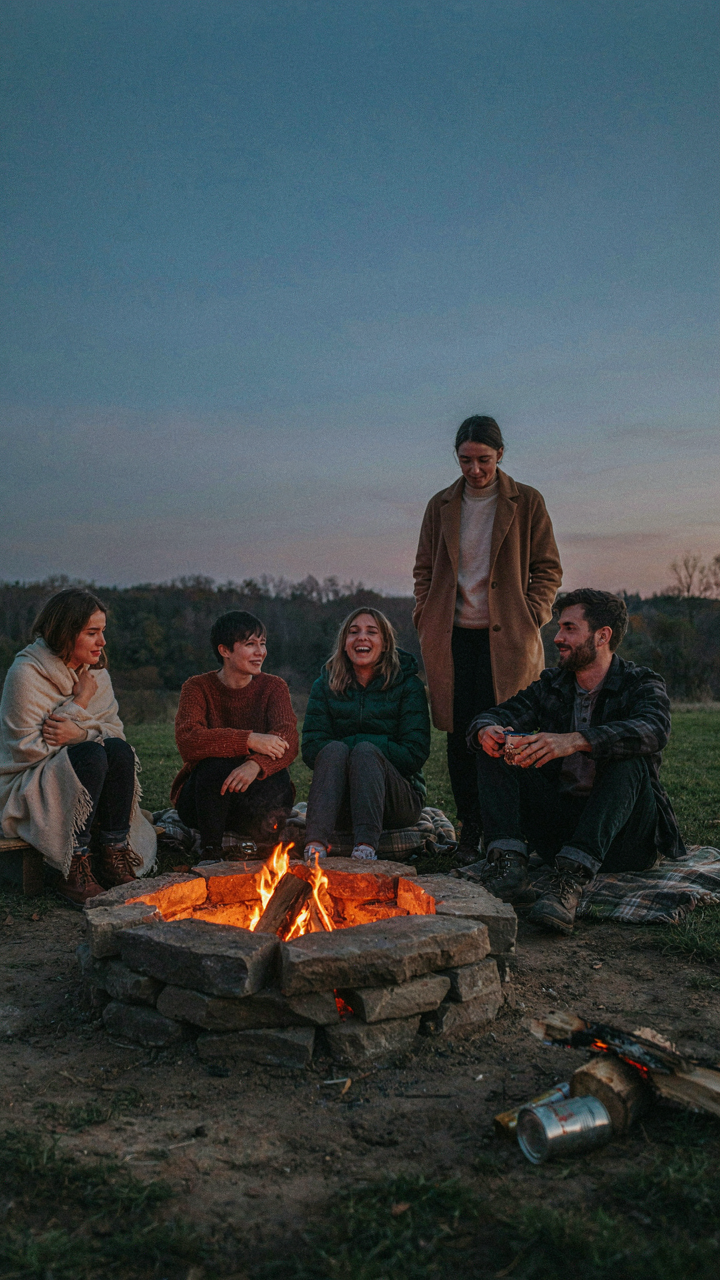
How Your Body Loses Heat Outside

You want people to stay at your party instead of leaving early, and that’s really about preventing the moment they realize they’re cold. Thermoregulation—the biological system that maintains core temperature—works through four mechanisms: radiation, convection, evaporation, and conduction. An outdoor blanket basket addresses conduction and radiation directly. Without a barrier between skin and cold surfaces, your body transfers heat to the ground and air at exponential rates once temperature drops below 65 degrees Fahrenheit.
The blanket basket solves a specific problem: guests need access to warmth without having to ask for it or leave their position. Cotton and wool blankets work because they trap air, creating dead space that slows heat transfer. Synthetic blends don’t perform as well despite marketing claims about “advanced insulation.” You place the basket at eye level or near seating clusters so people grab a blanket as a casual choice, not a desperate measure. This keeps core temperature stable and extends the viable party window by two to three hours.
Comfort As The Retention Mechanism
People don’t leave parties because of cold—they leave because discomfort signals they’re not welcome to stay. An outdoor blanket basket positioned strategically signals the opposite. If guests have to hunt for blankets in a garage or ask the host, friction builds and mental exit begins. The basket becomes a visual permission structure, not just a functional object.
Design the basket placement to serve high-traffic seating without blocking conversation or movement. A basket with forty to sixty square feet of blanket capacity handles groups of eight to twelve people with redundancy. Fold blankets in thirds rather than rolling them so guests can grab and drape one in five seconds without unraveling the stack. The mechanism here is removing friction—every second saved before a guest gets covered is a second they stay mentally present instead of calculating departure time.
Outdoor Blanket Decor: The Deception Of Effortless
The Curated Mess As Design Strategy

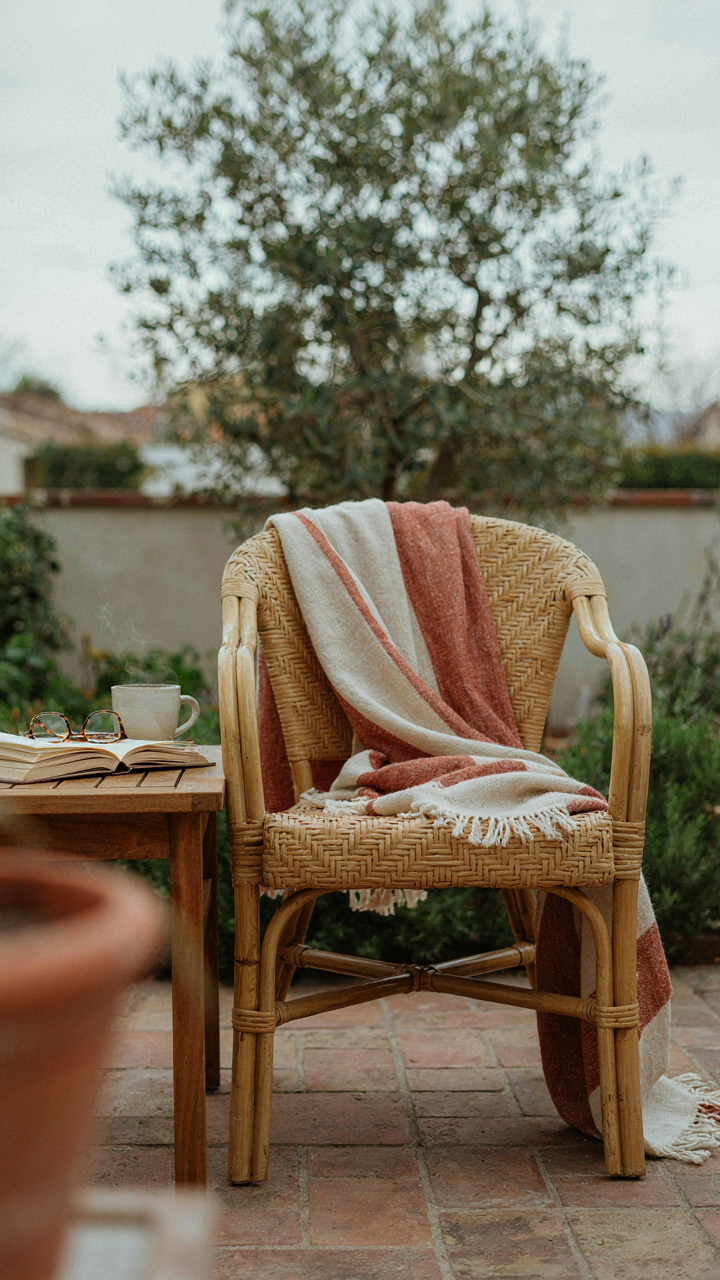
You want people to think your setup happened by accident because accident signals wealth and taste. Here’s the mechanism: in game theory, this is signaling—you’re using apparent disorder to communicate control. An outdoor blanket basket that looks “just thrown together” actually requires three deliberate choices: basket placement, blanket fold depth, and color coordination that reads as unplanned. Most people get this backwards and actually throw things together, which reads as careless instead of curated.
The difference between intentional mess and actual mess lives in repetition and proximity. A basket positioned near seating but not too close, with blankets folded once or twice instead of hospital-crisp, with one corner deliberately draped over the edge—this takes planning. You’re not staging a moment. You’re engineering an impression that takes seconds to decode as “this person has their life together but doesn’t try.” The basket itself becomes credible only when its disorder follows a pattern.
Authenticity Beats The Instagram Lie
Staged perfection fails because guests instantly recognize the friction between effort and the “effortless” claim. Authenticity here doesn’t mean messy or unprepared—it means your blanket basket setup reflects actual use patterns at your events. If people grab blankets throughout the night, the basket should show signs of that activity. If blankets pile up in a specific corner because the wind pushes them there, that’s your real design constraint, not an aesthetic choice borrowed from a design blog.
Stop designing for the photograph and start designing for function. A blanket basket that sits untouched looks staged. One that shows evidence of hands moving through it, with a few folds imperfect and straps slightly askew, reads as genuine. The mechanism here is trust: guests trust the setup because it matches the behavior they’re about to perform. Position your basket where people naturally migrate. Use materials that age visibly. Let the basket earn its place through actual utility, not pretense.
Blanket Storage That Actually Works: The Inverted Pyramid
The Right Blankets Within Arm’s Reach

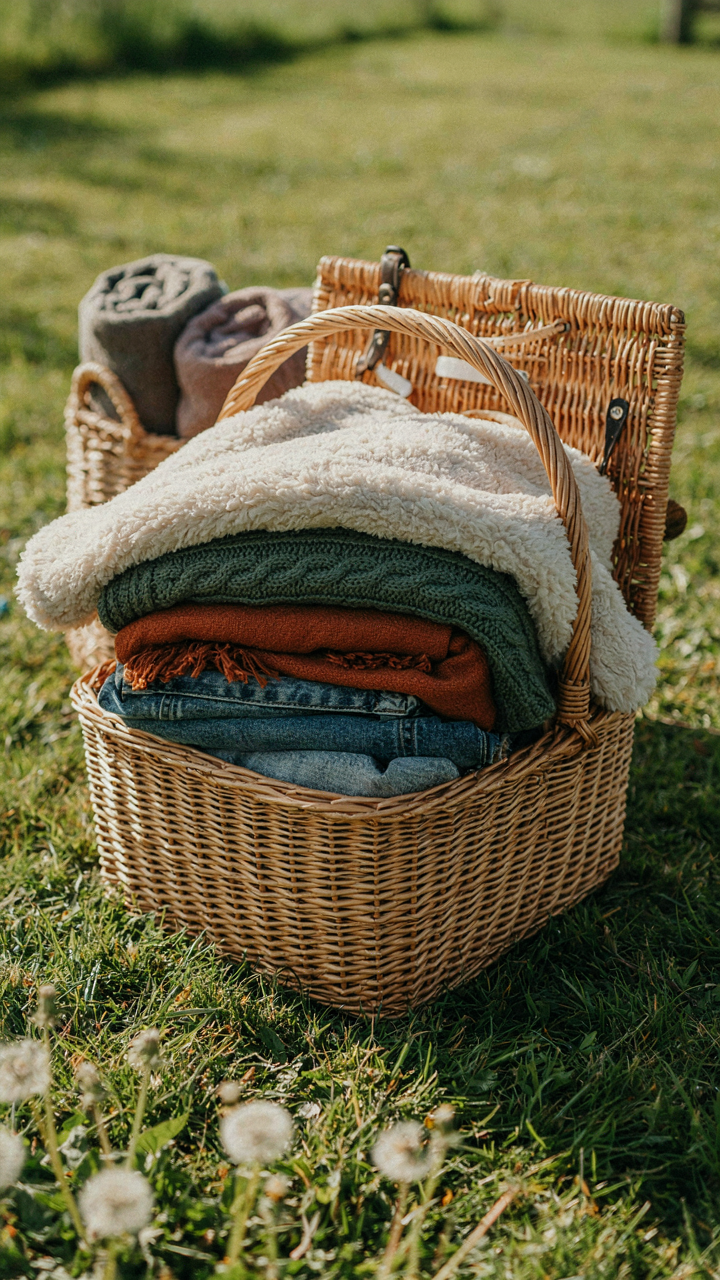
You want people to grab a blanket without thinking, because friction kills the gesture. This is logistics thinking: inventory arranged by velocity of use. The blankets guests will actually want sit on top or at the basket’s opening. Heavier wool blankets, emergency throws, and oddball sizes live underneath where they won’t block access to the reliable performers.
Most advice says “organize by color” or “fold them nicely.” Wrong problem. You’re solving for the moment someone feels cold at 8 PM and needs to move in three seconds. That determines everything. Stack your most crowd-friendly blankets—the ones that work for any body size and don’t require explanation—where a person’s hand lands first when they reach toward the basket.
Deploy Speed Over Aesthetics
Blankets that take time to unfold, drape correctly, or coordinate with an outfit never get used. You need textures and sizes that work immediately. A rectangular fleece throw functions faster than a delicate woven wrap that requires styling. Cotton blends and acrylic blends beat raw wool because they don’t itch or demand fussing.
The mechanism here is removal of decision points. When someone hesitates over blanket choice for more than five seconds, they choose nothing instead. Keep your basket stocked with items that work in any position: draped, wrapped, or bunched. Test each blanket yourself before the party—grab it fast, use it, notice what friction emerges. That friction is what you eliminate.
The “Summer Evening Survival” Kit: Essential Additions
What Actually Keeps People Comfortable

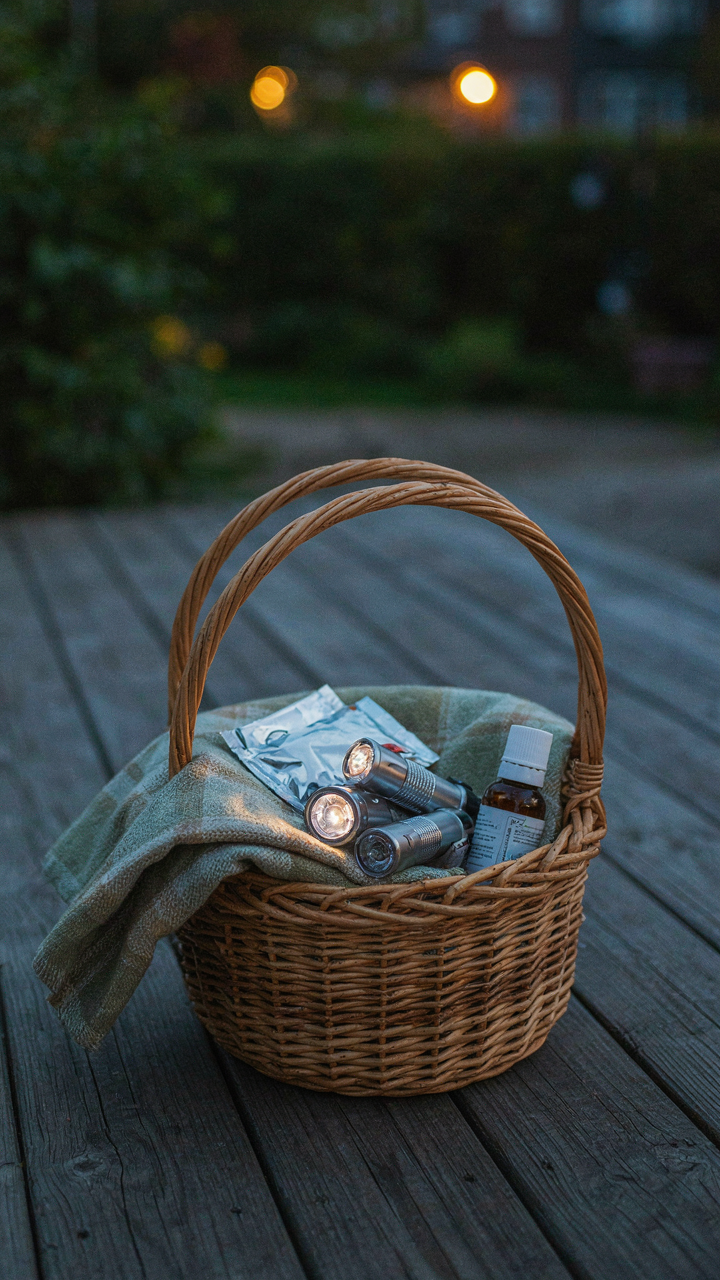
You want your guests to remember your event, not talk about how cold they were—that’s the real fear underneath this whole setup. The mechanism is simple: temperature isn’t the only variable that triggers discomfort. Humidity, air movement, and direct contact with skin matter equally. A blanket alone addresses only one layer of the problem. The outdoor blanket basket works best when you treat it like a layering system in clothing design: base layer, insulation, wind protection. Each item has a job.
- Throw pillows or lumbar supports: Guests sitting for hours need back support, not just warmth. Poor seating posture makes people feel colder faster because muscles tense up. Stack 2-3 in the basket.
- Lap blankets separate from body blankets: Smaller throws let people warm just their legs while keeping arms free to hold drinks or eat. The 60×80 inch standard works better than oversized single blankets for group settings.
- Moisture-wicking layer underneath: Cotton absorbs sweat and keeps it against skin. Synthetic microfiber or fleece blends move moisture away, preventing the chilled feeling after activity. Include one per three guests.
- Wool blend throws over cotton: Merino or wool blend yarns regulate temperature better than pure acrylic. They breathe when you’re moving, trap warmth when you’re still. Acrylic pilling also degrades the basket’s appearance faster.
- Basket organization dividers: Separate blankets by weight and material so guests grab the right one without unraveling everything. Fabric dividers or simple cardboard inserts prevent the “rummaging” problem that kills atmosphere.
The real gap in most setups: people grab one blanket and sit down. They don’t adjust as conditions change. A well-stocked basket lets guests layer up, strip down, or swap items without asking. This self-service approach keeps the host from playing blanket management all night.
Reading The Room Before They Tell You They’re Cold
Most hosts wait for complaints before acting. By then, three people have already left early or stopped having fun. The actual signal comes earlier: posture changes. When guests cross their arms, hunch shoulders, or shift position frequently, temperature management has already failed. You need to anticipate this before the event peaks.
Watch the time and wind patterns, not just the thermometer. A 65-degree evening with steady wind feels colder than 62 degrees with still air. Place your blanket basket in a location where people naturally gather—near the seating cluster, not across the yard. Guests won’t dig into a basket that requires effort to reach. Position it within arm’s reach of primary seating areas, and refresh it midway through the event by fluffing and re-stacking items so they look intentional rather than picked over.
How To Style Outdoor Blankets: A No Nonsense Approach
Where Blankets Live On Your Space

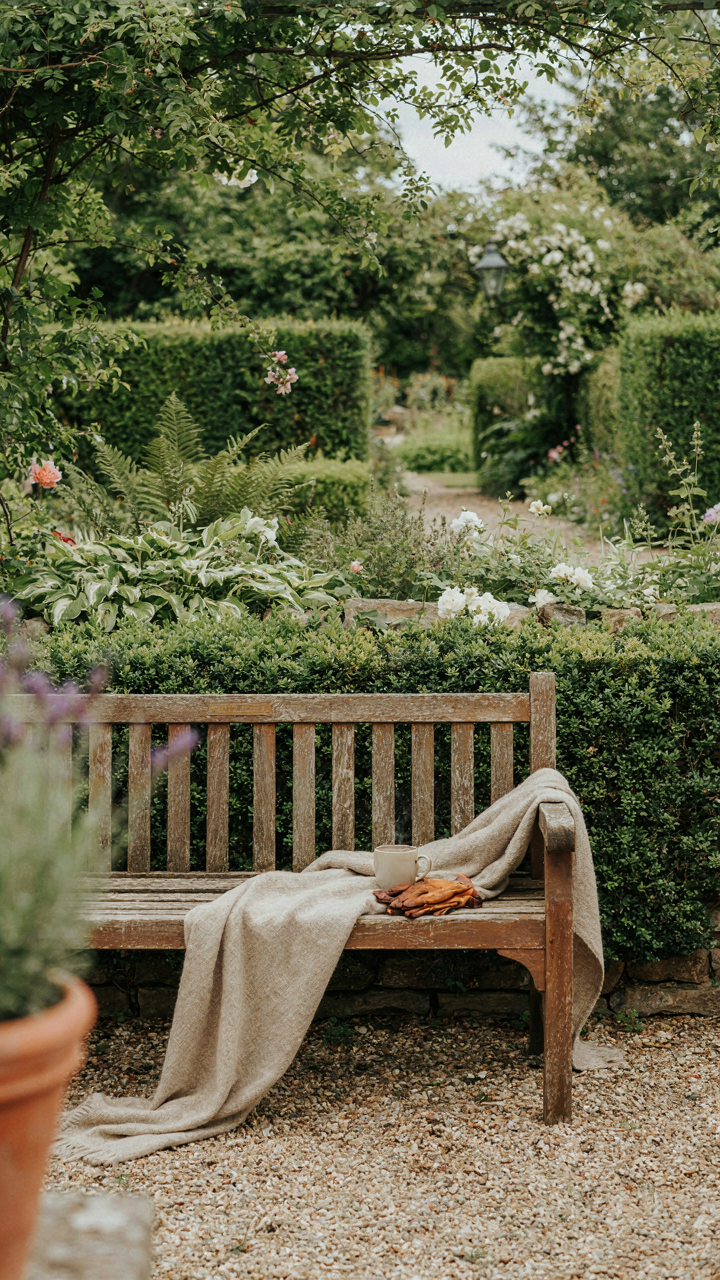
You want people to notice the blankets without looking like you tried. That’s the real game here. Think of your outdoor blanket basket placement through inventory management: rotate high-velocity items into visible zones. Position your basket at a natural gathering point, not hidden on a deck corner. Guests need visual access without walking ten feet to find blankets. Near seating clusters, at the entry to your outdoor space, or beside the fire pit works because people congregate there anyway.
Distance kills adoption. Most people won’t grab a blanket from a basket they can’t immediately see or reach. Place the basket on a low table, stump, or the ground itself at the zone where people naturally pause before sitting. This eliminates friction. If your basket sits three feet away versus thirty feet away, you get actual usage. The blankets become functional props your guests use, not decoration you own.
Draping Over Folding, Every Time
Everyone folds outdoor blankets. That’s the wrong move. Draping creates visual volume and texture that folded stacks destroy. When guests pull a blanket from your basket, a loosely draped pile signals ease and plenty. Fold blankets and they look like inventory. The mechanism is psychological weight, not physics: folded items feel scarce; draped items feel abundant even at identical quantities.
Drape blankets by laying them flat in the basket with one corner pulled up and over the edge. Let it cascade down the side. Stack no more than three or four deep, each one slightly offset. This method takes thirty seconds, reads as intentional from a distance, and guests can actually grab a blanket without toppling the entire pile. It’s the difference between a staged setup and a functioning one.
The Outdoor Gathering Basket: More Than Just Blankets
Control The Environment Before Guests Arrive

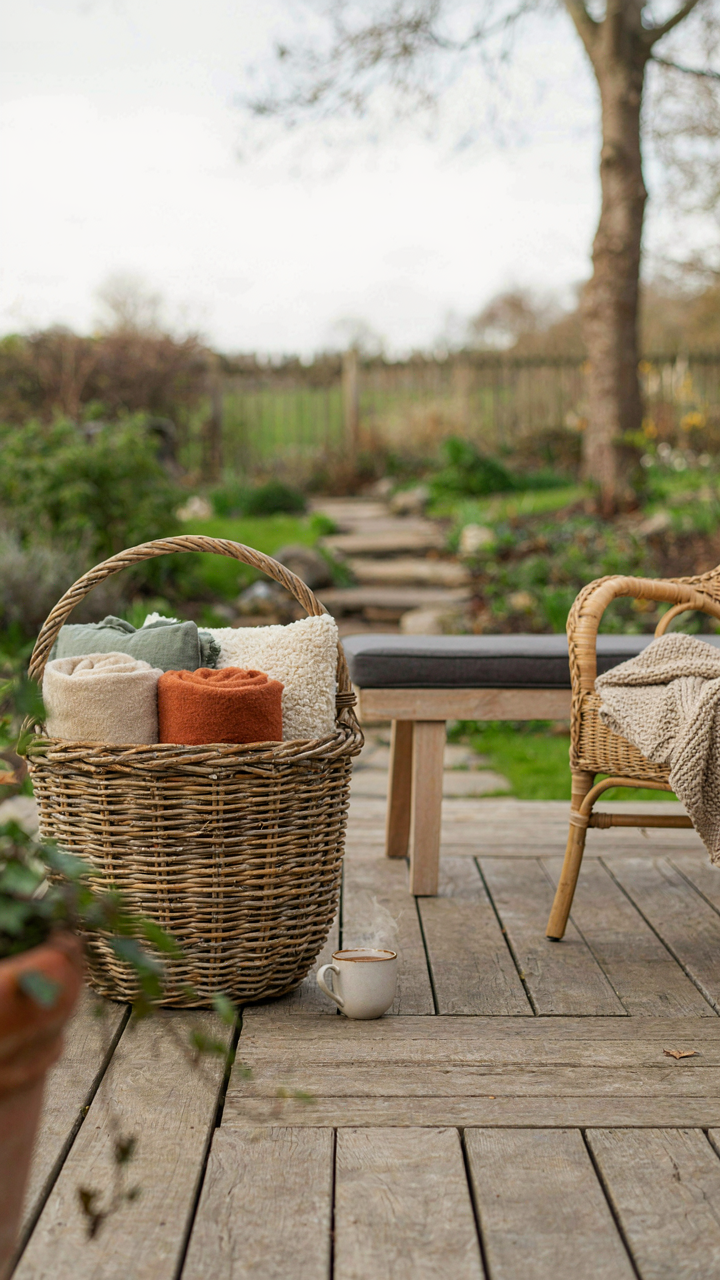
You want people to think you’re thoughtful without seeing the work. A basket positioned near seating becomes the focal point that eliminates friction before anyone notices friction exists. Think of it like a supply chain checkpoint: goods staged and ready before demand hits. The basket doesn’t store blankets. It distributes them on your terms, at your pace, which means guests never ask where things are because the answer is already visible.
Placement matters more than contents. Position the basket within arm’s reach of the seating arrangement, not tucked away or hidden. This breaks the psychological barrier between “I’m cold” and “I can solve this myself.” When guests self-serve instead of asking, you maintain control of the gathering’s flow. The basket becomes infrastructure, not decoration. It works in the background while you focus on actual conversation and presence.
Anticipation Beats Scrambling
Most people treat the basket as an afterthought and wonder why guests sit shivering. Wrong frame. You’re not responding to cold. You’re predicting it. Weather data, time of year, and typical guest behavior tell you exactly what you need staged before the first person arrives. Blankets chosen, folded, and sorted by weight and material eliminate the moment when someone grabs the wrong one and shivers anyway.
The mechanism is simple: fold blankets in thirds lengthwise, not into squares. Thirds stack vertically in the basket and pull out without disturbing others. Keep heavier wool blankets on bottom, lighter cotton blends on top. This ordering system means guests grab what they need without thinking. Your only job during the gathering is maintaining the basket’s visual order. One quick restack every 30 minutes keeps it functional and shows intentionality.
Your Summer Porch Decor: Forget Fluff, Embrace Function
Every Item Earns Its Weight

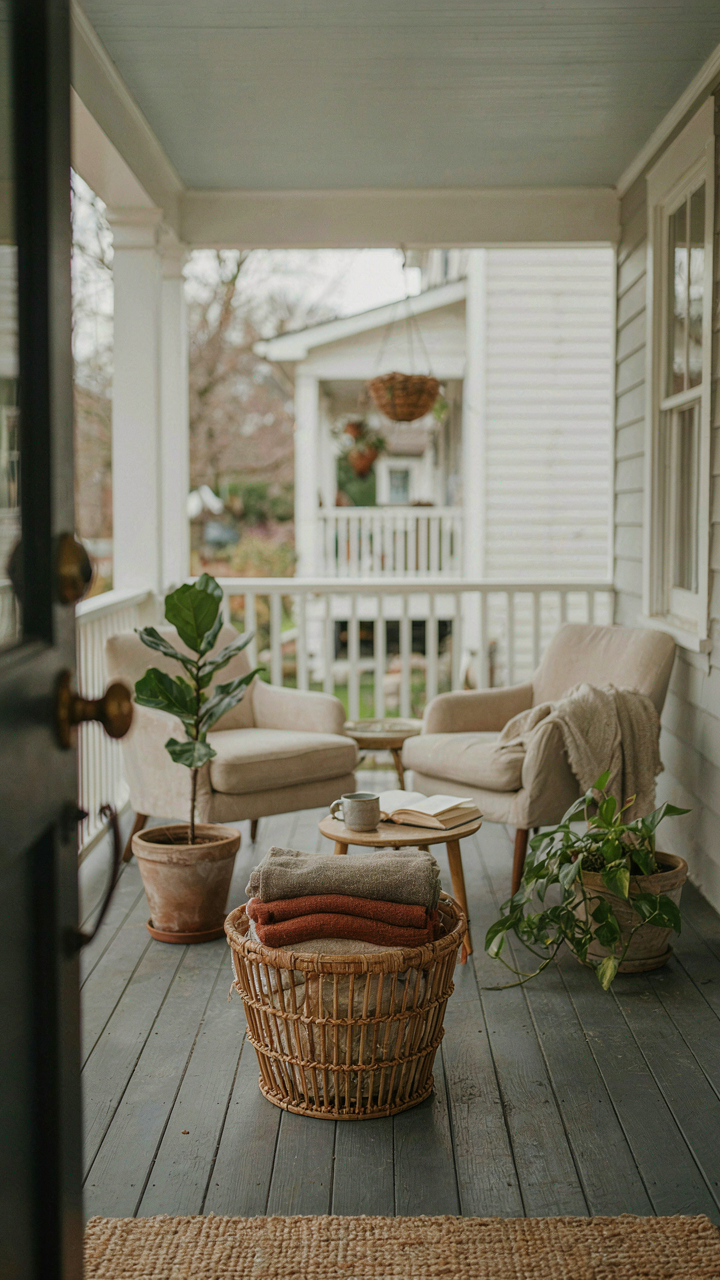
You want your porch to look intentional because chaos reads as negligence. Here’s the mechanism: an outdoor blanket basket doesn’t exist to fill dead space. It solves a specific problem—cold guests need blankets fast, and scattered blankets wreck your aesthetic. The basket becomes infrastructure, not decoration. Choose woven materials that resist UV degradation, like polypropylene or treated rattan, because fading reads as abandonment within two seasons.
A functional basket holds 8 to 12 blankets without toppling and sits low enough that guests reach it naturally. The shape matters. Deep, rectangular baskets work better than round ones because they stack blankets efficiently and don’t tip when someone pulls from the side. Wood baskets look intentional but rot faster than synthetics in wet climates. Measure your porch’s traffic patterns before buying. The basket should sit where the coldest guests congregate, not where it photographs best.
Materials That Outlast Trends
Everyone says “go with what matches your aesthetic.” That’s incomplete advice that leaves you replacing baskets annually. In materials science, resilience is the ability to absorb stress and return to original form—and that’s what separates a basket you buy once from one that becomes brittle and collapses by fall. Polypropylene weave resists mildew, direct sun, and temperature swings without degrading. Treated rattan survives one season longer but costs more. Solid wood baskets fail fastest outdoors because moisture infiltrates grain seams.
Test durability against your climate, not your Instagram feed. If you’re in a humid region, skip natural fibers and choose synthetic weave. If you’re dry and cool, untreated wood works for two seasons before checking begins. Maintenance determines lifespan more than material selection. Hose down your basket monthly, let it dry completely, and store it indoors November through March if you live anywhere with freezing temperatures. This simple protocol extends any basket’s life by 3 to 4 years.
The True Cost Of A Cold Guest: Reputation, Not Just Comfort
The Signal You Send Before Anyone Sits Down
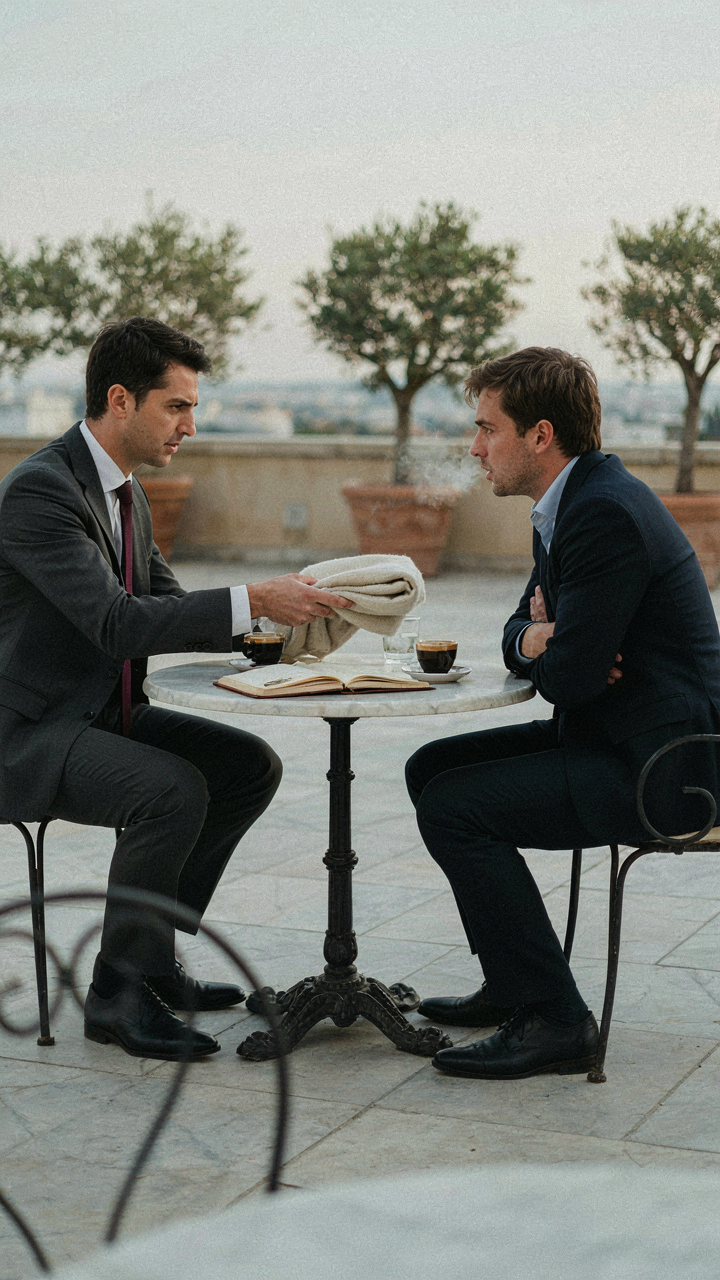
You care about this because a shivering guest reflects on you, not them. That’s the real mechanism at work here. In social economics, signaling theory explains how one party communicates competence through observable actions. An outdoor blanket basket functions as a signal: it tells guests you anticipated their needs before they felt them. The basket itself sits visible, approachable, filled. It says you’ve thought ahead.
Most hosts treat blankets as an afterthought, buried in a closet or mentioned awkwardly mid-conversation. That’s not preparedness, that’s damage control. A staged blanket basket changes the frame entirely. Guests see it before they need it. They choose comfort on their own terms instead of accepting it from you like a concession. The difference is psychological but it compounds into how they remember the evening.
Warmth Becomes The Measure Of Your Attention
A cold guest doesn’t just feel uncomfortable, they feel forgotten. Hosting intelligence isn’t about elaborate food or expensive furniture. It’s about reading an environment and responding to friction before it becomes visible. An outdoor blanket basket positioned near seating areas demonstrates that you’ve mapped the actual experience, not just the concept of hosting.
The mechanism is simple: remove the decision burden from your guests. When someone reaches for a blanket because it’s there, they never consciously note your thoughtfulness. They simply exist in comfort. When a host has to offer blankets mid-party, the guest spends mental energy feeling grateful, guilty, or like an imposition. A visible basket eliminates that transaction entirely. Guests regulate their own warmth and attribute the entire experience to your preparation, not your rescue.
The Real Problem Isn’t The Chill; It’s Your Predictable Thinking
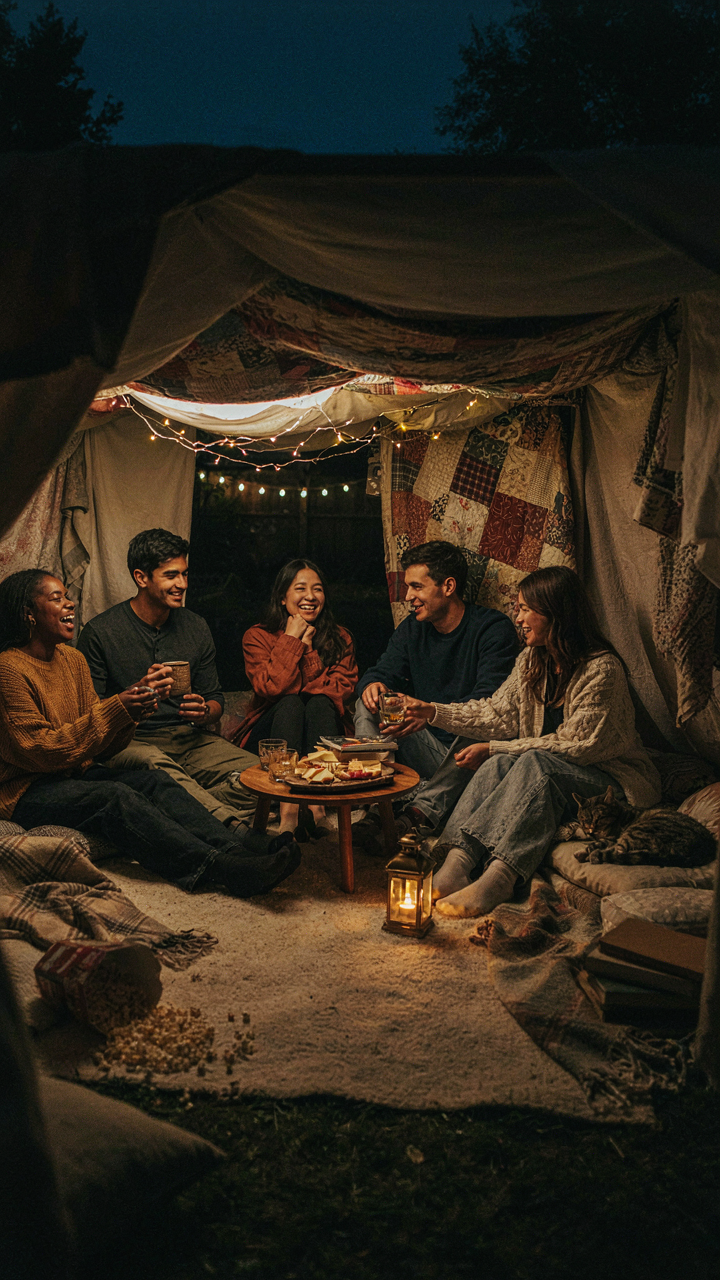
Most people buy an outdoor blanket basket because everyone else does. They copy the setup, copy the vibe, copy the failure. Your guests don’t remember comfort. They remember feeling like they belonged to something different. Stop arranging blankets like you’re following a magazine layout. Go buy one basket today and fill it with blankets in colors nobody expects at these things. The move that separates your parties from generic isn’t the basket itself, it’s the nerve to make it yours.