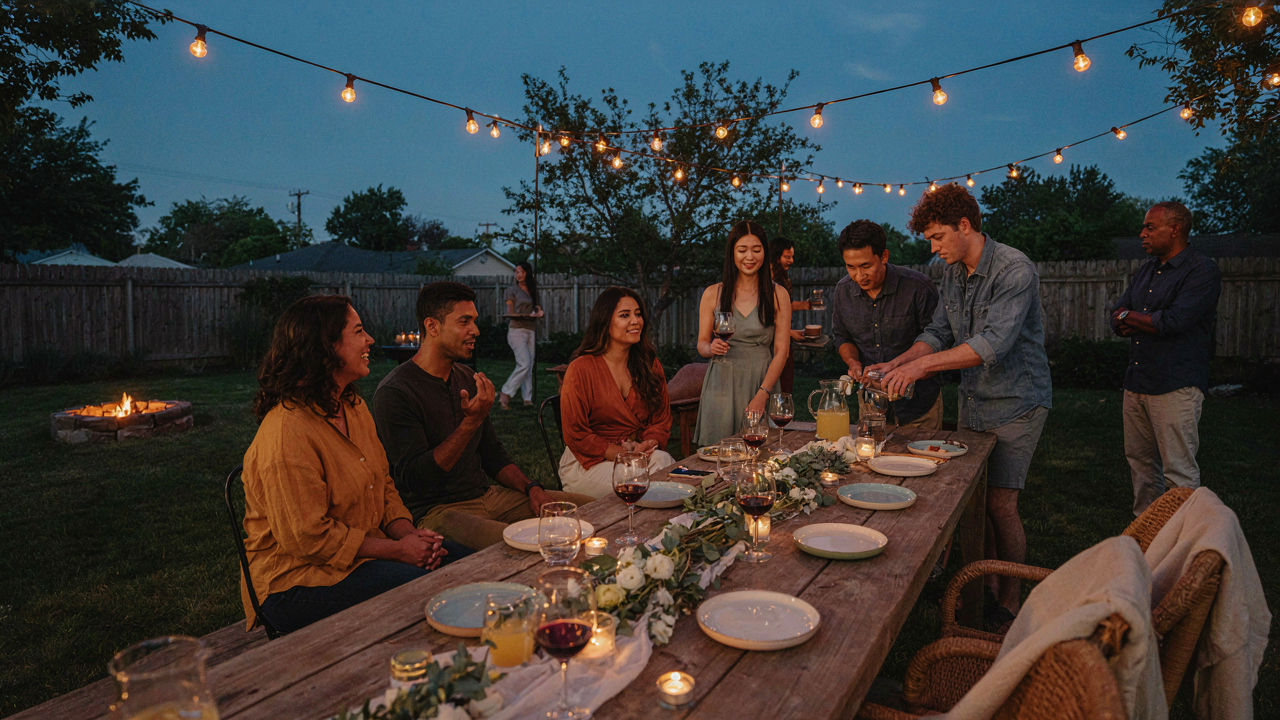
The Illusion Of Safety: Why Your Citronella Torches Fail
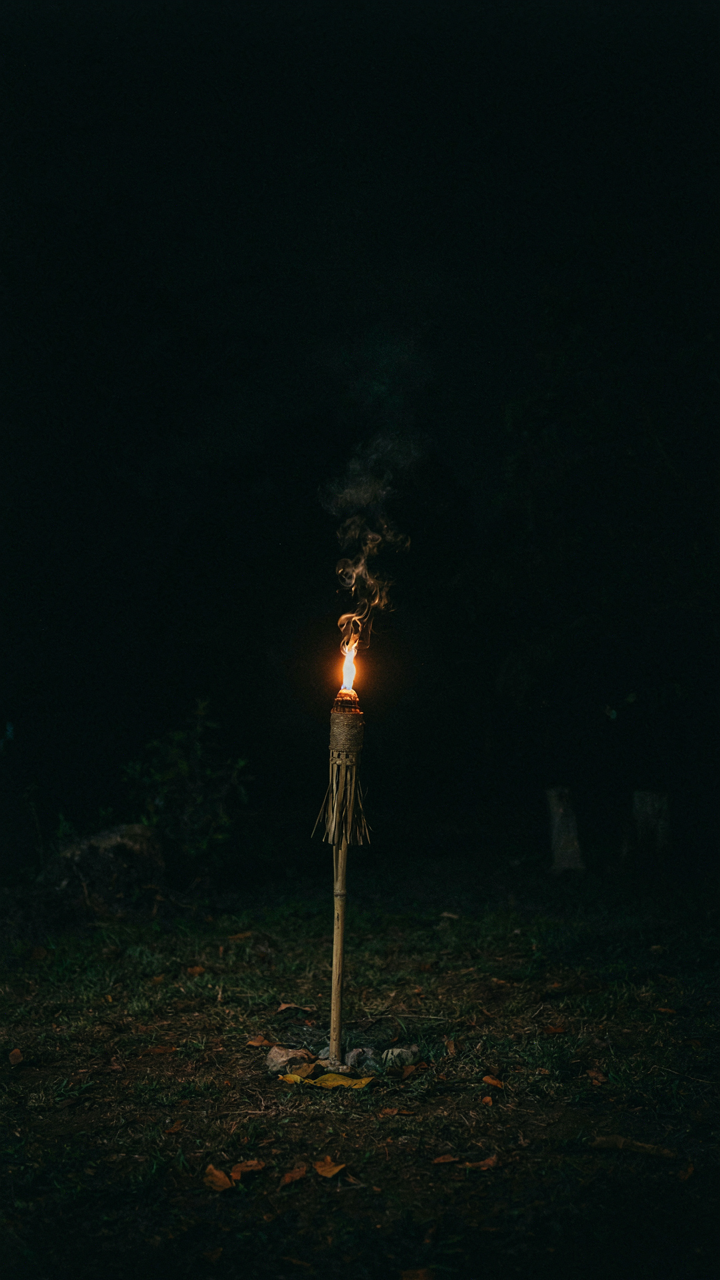
The Real Fire Threat Nobody Mentions
You want citronella torches because they feel controlled and contained, but that comfort is the problem. Use risk assessment terminology from fire science: citronella torches create a perimeter hazard, not boundary containment. The flame sits exposed, unshielded, at an adult’s torso height where children and drunk guests naturally drift. A gust reaches 15 miles per hour, the torch tips, and the fuel spill becomes a ground-level fire spreading faster than you can react. Insurance adjusters call these “preventable backyard incidents.”
The real mechanism is simple: citronella torches trade visibility for risk. You see the flame, so your brain files it as managed danger. The torch fuel burns at 1500 degrees Fahrenheit. Citronella oil itself is flammable above 170 degrees. One tipped torch pooling fuel on wood decking doesn’t need help from guests to become a problem. The fire doesn’t announce itself. It spreads first, then you notice.
Citronella Doesn’t Actually Stop Insects
The science here is blunt: citronella doesn’t repel mosquitoes the way marketing claims. Entomologists tested this decades ago. Citronella oil masks the carbon dioxide trail insects use to find hosts, but only within a narrow radius of strong concentration. Most backyard torches don’t generate that concentration. The flame burns the oil so fast, and disperses it so unevenly, that insects avoid the immediate 2-foot zone around the wick only. Beyond that, citronella does nothing.
The study that matters is the 1990 DEET versus citronella comparison: DEET blocked mosquitoes for hours. Citronella lasted 20 minutes under field conditions. Citronella torches burn the oil away before it diffuses enough to create a protective perimeter. You’re paying for ambiance and calling it pest control. The torch stays lit because you want light and the sense that you’ve done something. The mosquitoes stay because you haven’t.
Beyond The Garden Torch: Engineering Ambiance, Not Just Light
The Depth Strategy

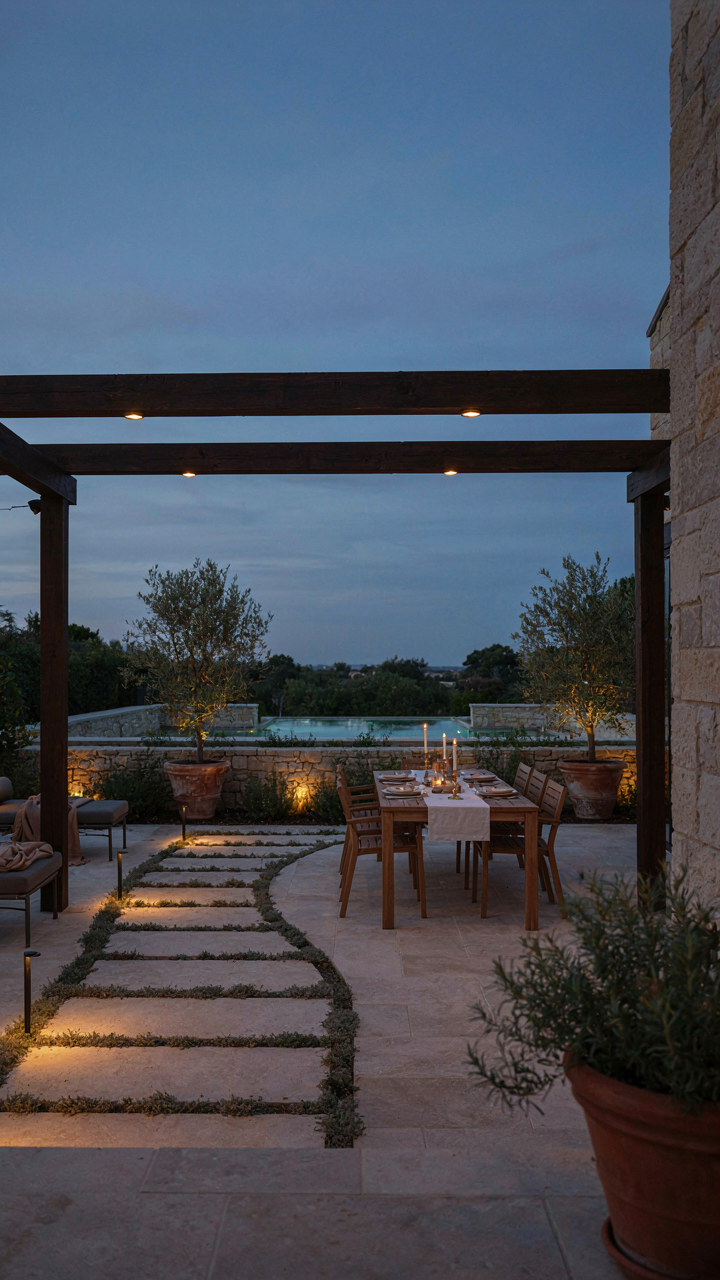
You want your backyard to feel intentional, not like a parking lot. Most people light outdoor spaces as a binary problem: dark or bright. That’s not ambiance. That’s security lighting. Lighting design borrows from architecture’s principle of layering, where you stack multiple visual planes to create perceived depth. Apply that to your torch alternatives by separating foreground, midground, and background light sources instead of flooding everything uniformly.
Foreground lighting sits low, near seating or pathways. Midground lighting hangs at eye level or higher from structures. Background lighting sits distant, soft, defining edges without dominating the space. Solar path lights handle foreground. String lights or wall-mounted fixtures manage midground. Uplighting on trees or far structures creates background definition. This separation makes small yards feel larger because your eye travels through zones rather than stopping at a wall of light.
Color Temperature Controls The Mood
Warm light feels intimate. Cool light feels alert. Most people default to warm and call it done, ignoring that this actually blocks the perception of depth you just engineered. Color temperature is measured in Kelvin units. Below 3000K reads yellow-orange and draws attention inward. Above 4000K reads white-blue and pushes the eye outward. The mechanism is neural: warm light triggers parasympathetic response, cool light activates alertness.
Torch alternatives like LED string lights come in specific Kelvin ratings. Choose 2700K for seating areas and 3500K to 4000K for pathways or background zones. This forces the eye to work harder, reading the space as layered rather than flat. Mix one warm and one cool source in the same zone, and you create visual tension that reads as sophistication, not confusion. Measure twice with product specs before ordering, since “warm white” varies wildly between manufacturers.
The Sensory Optimization Protocol For Backyard Bliss
Sound Design Shapes Guest Behavior

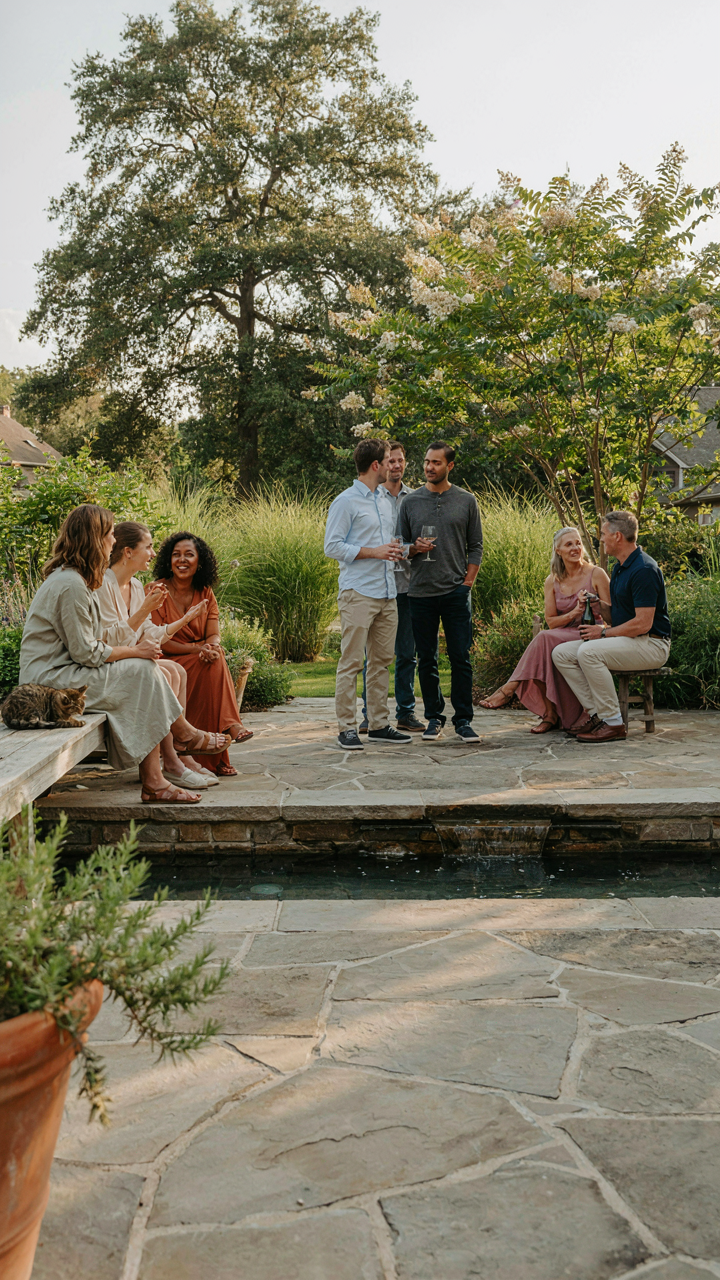
You want people to feel relaxed at your party, which means you’re actually trying to buy social permission to stop managing the room. Here’s the mechanism: ambient noise masks awkward silence and individual conversation gaps, so guests stop self-monitoring. Borrow from acoustic engineering: masking is the deliberate use of background sound to reduce the perceived prominence of unwanted noise. Replacing torch crackle with controlled soundscapes works the same way. A speaker playing low-volume ambient music or water feature noise fills dead air without competing for attention like a crackling flame does.
The mistake most people make is treating sound design as decoration. It’s not. Torch noise—the snap and pop—creates anxiety in some guests because it feels unpredictable and demands attention. Replace it with consistent ambient sound at 55-65 decibels and guests relax into conversation. Position a Bluetooth speaker away from where people gather, keep volume conversational, and the torch becomes unnecessary for atmosphere. The mechanism works because your brain stops detecting constant sound but notices sudden changes. Run the soundscape for the full duration of the party, not just as background.
Scent Without Smoke
Torch smoke carries its own problems beyond open flame risk: it overpowers subtler smells and clings to clothes and hair. Most backyard ambient advice stops there and pushes scented candles, which are just smaller torches. Instead, map diffusion principles from chemistry to your space. Scent dispersal happens through passive evaporation and air circulation, not combustion. A cold-diffuser or passive diffusion method (essential oil reeds, for example) delivers consistent olfactory cues without the heat, soot, or smoke that torches produce.
The real leverage is layering. Citronella from a torch masks everything else. A subtle scent layered with food aromas and cut grass creates complexity that signals care and intention to guests. Set a diffuser upwind from your gathering area. Use lemongrass or lavender at low concentration—enough to register as pleasant, not enough to overwhelm. You maintain guest comfort, keep clothes clean, and remove the open flame hazard. The protocol: diffuser on thirty minutes before guests arrive, positioned three to four feet above ground to maximize air circulation and scent reach.
LED Fire Torch Alternatives: The Unsung Heroes Of Atmosphere
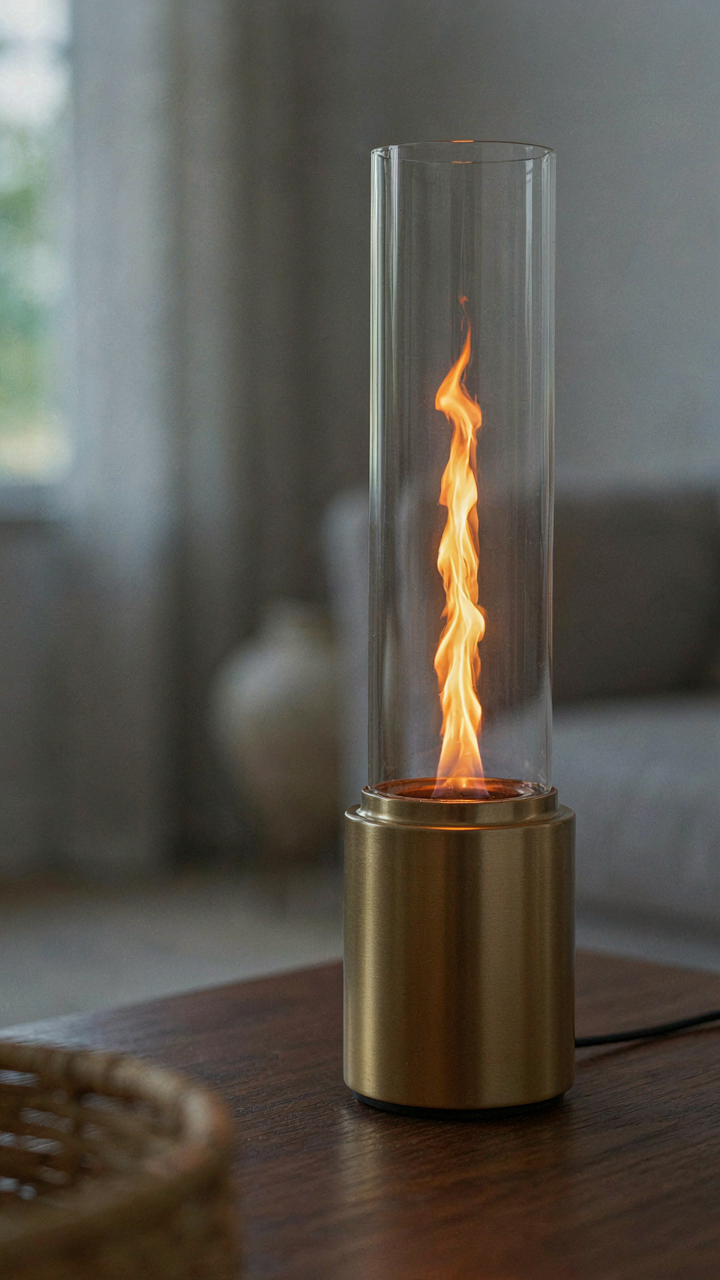
How LED Flame Tech Actually Works

You want the visual payoff of fire without the liability. That’s the real calculation here, and LED torches solve it by using a mechanism borrowed from stage lighting: the flicker algorithm. Instead of a static glow, quality LED flame torches run a microprocessor that randomizes brightness and color shifts across multiple diodes to mimic combustion’s unpredictable pattern. Cheap units flicker in obvious loops. Good ones vary the pattern enough that your eye reads it as genuine flame rather than a parlor trick.
The hardware behind this is straightforward. A standard LED flame torch uses warm-white LEDs (typically 2700K color temperature) paired with amber or orange LEDs. A simple circuit board cycles them at variable intervals. No flame, no smoke, no heat signature. The illusion works because human vision fills gaps. Your brain expects fire to move in certain ways, and these devices deliver just enough information to trigger that expectation. The result feels ambient rather than cheap.
Operating Costs Versus Traditional Torches
The economics here destroy the case for anything burning. A traditional outdoor torch running on citronella or lamp oil costs roughly twelve to twenty dollars per gallon, and a single torch burns through one to two gallons per season depending on usage frequency. LED torches operate on rechargeable batteries or solar cells. A decent rechargeable unit runs eight to twelve hours on a single charge and costs between thirty and eighty dollars upfront. The math flattens quickly: after two seasons, you’ve already recovered the equipment cost through fuel savings alone.
Battery replacement is the only recurring expense. Most quality LED torches use standard lithium-ion cells that cost five to fifteen dollars and last three to five years before degradation. Solar-powered LED torches eliminate even this. They hold charge indefinitely in storage, never spill, and produce zero emissions. If you’re hosting ten backyard parties annually, switching from fuel torches to LED saves you roughly thirty to fifty dollars per year while removing the storage, safety, and cleanup burden entirely. Setup becomes: charge the unit, place it, turn it on.
The “Ecological Niche” Of Your Backyard Lighting
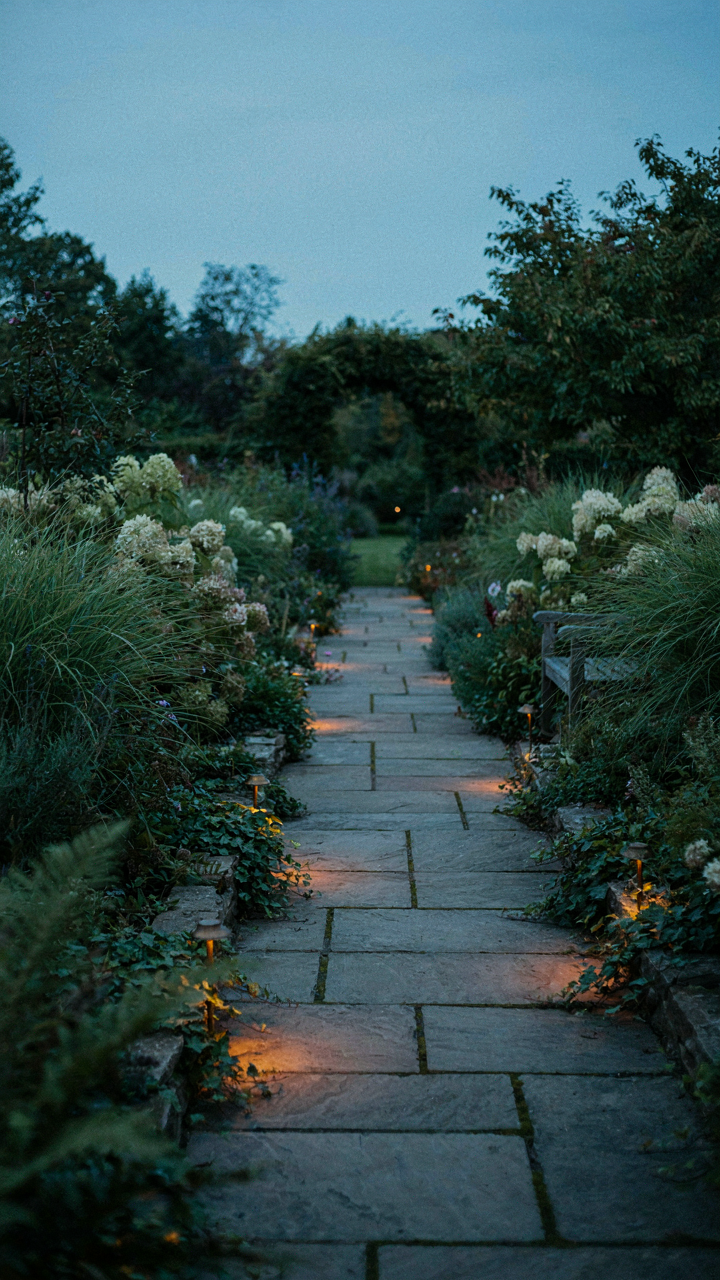
Where Insects Actually Go At Night

You want your party lit without turning your yard into a bug convention. Here’s the mechanism: ecology teaches us that organisms occupy specific niches based on resource availability and environmental conditions. Your torch placement creates an ecological niche that either attracts or repels insects. Most people throw lights everywhere and wonder why moths swarm the patio. The real answer is wavelength and positioning, not luck.
Insects navigate by ultraviolet and blue light wavelengths. Traditional torches and many LED alternatives emit these frequencies aggressively, which pulls insects toward your guests. Sodium vapor and warm amber LEDs (2200K or lower) emit minimal UV and blue, making them nearly invisible to most flying insects. The placement rule is simple: put warm light sources away from seating areas and gathering zones. Position them on the perimeter or elevated above head height where insects that do arrive won’t interact with people.
Thermal Layers Shape Where Light Actually Works
Most backyard lighting advice ignores microclimates entirely, which is why people waste money on oversized torches that don’t perform as expected. Different zones in your yard have distinct temperature and air movement patterns. These conditions affect how light disperses, how fuel burns, and how insects behave in those spaces. A torch placed in a wind tunnel performs completely differently than one in a sheltered corner.
Heat naturally rises and disperses in patterns. A patio near your house stays warmer and has less air movement than open lawn space. LED alternatives perform consistently across these zones, while fuel-based torches struggle in wind and lose efficiency in cold. Position LED torches in exposed areas where temperature swings matter less. Reserve fuel torches for sheltered spots with stable conditions. This isn’t about aesthetics—it’s about matching technology to the physical environment where it actually operates.
Smart Lighting Systems: Beyond The Bottle Torch Primitive
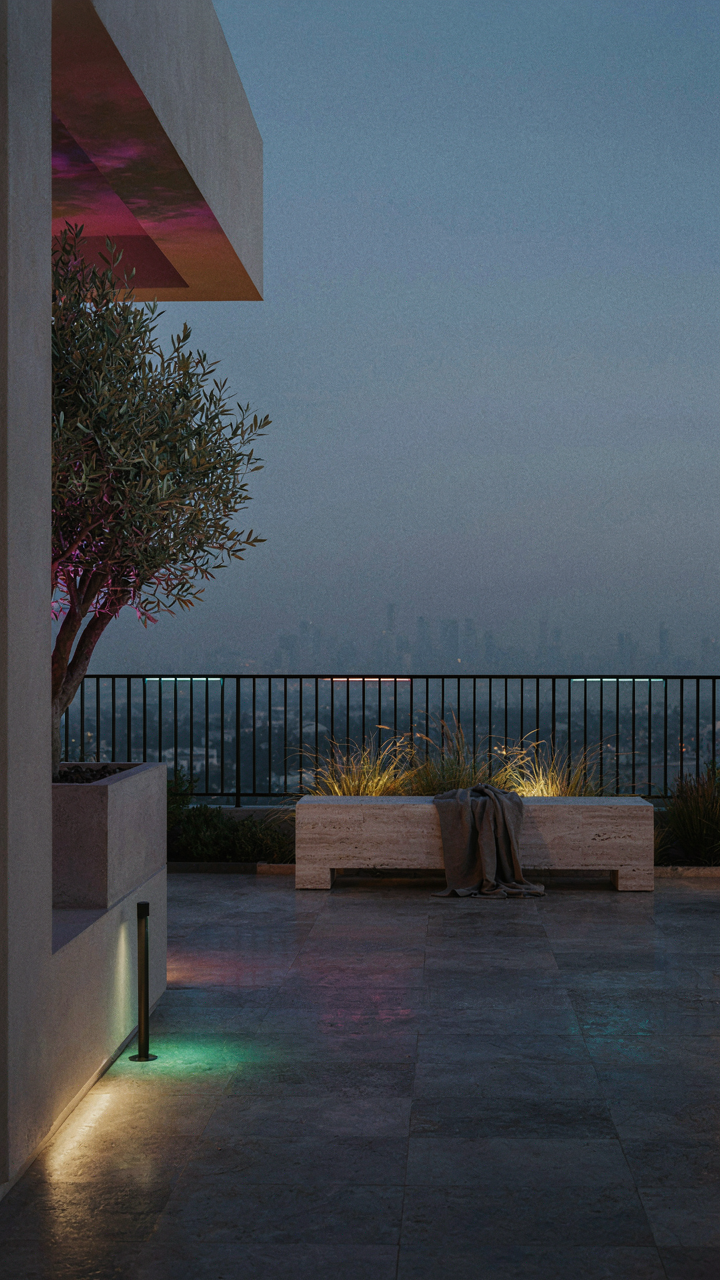
Creating Scenes That Actually Work

You want this because it signals you’ve moved past random flames and into intentional design. Here’s the mechanism: programmable lighting uses the principle of theatrical lighting design, where intensity layering controls how people perceive space and mood. Smart systems let you stack multiple light levels across your yard, not just bright or dark.
Most advice stops at “set a scene and forget it.” Wrong. You need to build scenes around movement patterns. Dinner requires 300-500 lumens on the table, path lighting at 100-150 lumens to prevent tripping, and ambient backlighting at 50-100 lumens to define the perimeter. Philips Hue, LIFX, and Nanoleaf offer scheduling that shifts these layers throughout the evening without manual adjustment.
- Warm Dimming Sequences: Gradually reduce color temperature from 4000K to 2700K as sunset progresses, mimicking natural light decay and priming guests for wind-down.
- Zone Separation: Assign different brightness levels to dining, lounge, and entry zones so one scene controls multiple fixture groups simultaneously.
- Circadian Alignment: Evening scenes with warm, lower lux outputs suppress melatonin disruption better than static bright white lighting.
- Geofencing Triggers: Scenes activate when guests arrive via smartphone location, removing manual operation entirely from the equation.
- Intensity Ramping: Gradual brightness transitions over 30 to 60 seconds feel natural while abrupt changes create jarring spatial shifts.
The real win is consistency without thinking. Once scenes are built and scheduled, your lighting adapts to time and guest flow. You avoid the trap of static illumination that leaves portions of your yard either washed out or invisible. Test scenes during daylight hours first to see actual foot traffic patterns, then adjust intensity down by 20 percent from your initial estimate.
Syncing With What You Already Own
Smart outdoor lighting integrates with existing home systems, but most people set this up wrong by treating it as separate. Your smart lighting isn’t truly functional until it talks to your thermostat, door locks, and music system. If your doorbell camera detects motion, lights should brighten automatically. If your indoor system hits “party mode,” outdoor scenes should activate without a second app tap.
Amazon Alexa, Google Home, and Apple HomeKit all support outdoor lighting, but ecosystem matters more than the platform itself. Pick one and stay in it. Nanoleaf and Govee work across all three, but LIFX integrates fastest with Alexa, while Eve Outdoor Cam works best with HomeKit. The mechanism is simple: fewer app switches equals higher probability you’ll actually use automation. Set triggers like “when back door opens” or “at 7 PM on weekends” so lighting responds to real behavior, not manual commands.

The Low Maintenance Imperative: Ditching The Bamboo Garden Hassle

Materials That Don’t Rot After One Season
You want something that looks intentional without becoming a yard maintenance project that screams neglect. The real mechanism here is material entropy: bamboo torches fail because organic materials degrade predictably under UV light and moisture cycles. Fiberglass, powder-coated steel, and marine-grade aluminum resist this degradation. Fiberglass doesn’t splinter or absorb water. Steel holds shape under heat stress. Aluminum won’t rust if properly coated. Each solves a specific failure point bamboo doesn’t address.
The common advice says “just treat the wood,” which is incomplete. Sealants extend life by maybe two seasons, then you’re replacing torches anyway. Synthetic materials shift the cost from recurring replacement to one purchase. A powder-coated metal torch lasts 5-7 years of outdoor exposure without maintenance. Test durability by checking manufacturer specs for UV resistance ratings and salt-spray corrosion tests, not marketing language about “premium quality.”
Power Systems That Don’t Demand Babysitting
Solar and rechargeable battery designs eliminate the fuel-dependent failure mode entirely, which is the industrial engineering term for a system breaking because one component runs out. Traditional fuel torches require propane refills, fuel checks before parties, and carbon monoxide concerns in enclosed spaces. Solar-charged LED torches move the dependency to sunlight availability and battery capacity. Rechargeable lithium torches eliminate both variables once charged.
The trade-off is real: brightness output on LED drops compared to open flame, and solar models require full-day charging cycles. Some users treat this as a loss. It’s not. You’re trading immediate brightness intensity for zero operational friction. A rechargeable torch charged the morning of your event runs 12-20 hours depending on the model. The mechanism is battery chemistry: lithium holds charge longer in cool conditions and depletes predictably. Check amp-hour ratings on product specs, not just “hours of runtime,” since runtime claims vary wildly based on brightness setting.

Tiki Torch Ideas Backyards: Why Less Is More For Impact
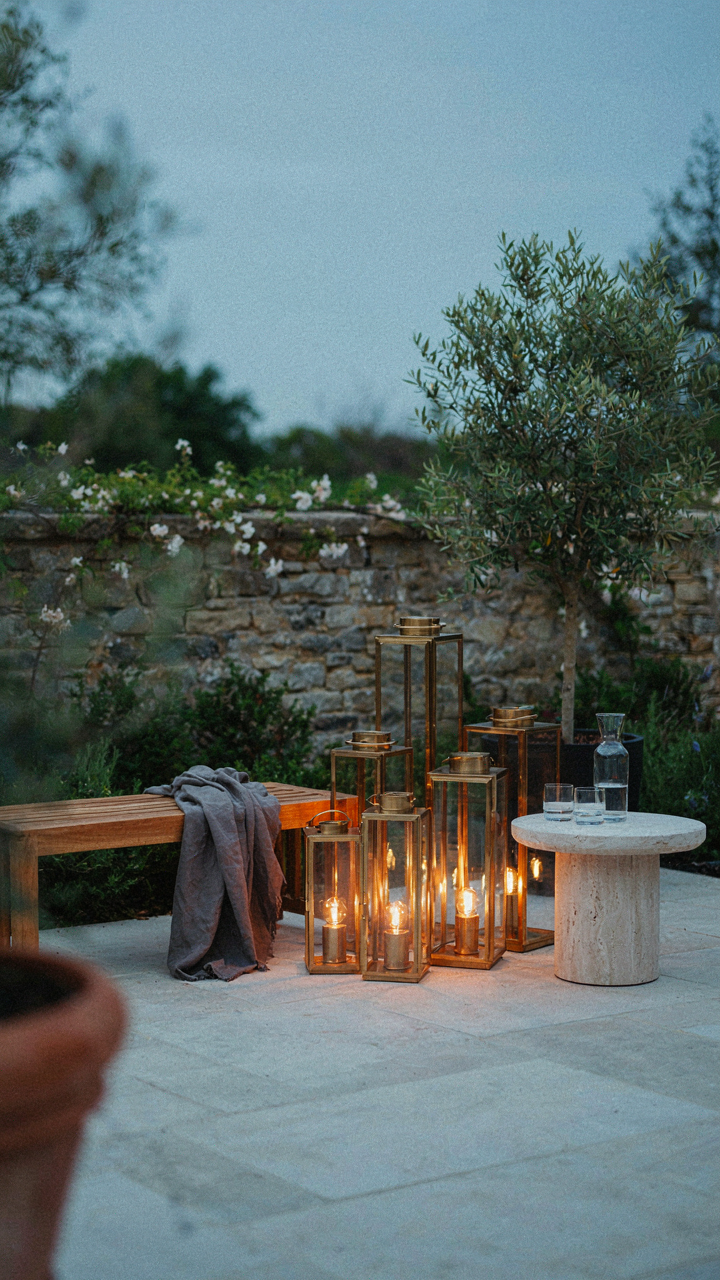
Strategic Placement For Focal Points
You want people to notice your setup without admitting you’re designing for their attention. Here’s the mechanism: concentration of light creates perceived value. Instead of scattering torches across the yard, cluster them. Three torches in one corner do more work than six spread thin. The clustered setup forces the eye to land somewhere specific, making that zone feel intentional rather than decorated.
Placement follows a basic principle from retail design called visual anchoring. Position your torch grouping where people naturally gather or where sight lines converge. A patio corner, a seating cluster, or the entry point all work. Torches at these nodes signal purpose. Your guests read the space as curated, not as “I bought torches and put them everywhere.” Concentrated placement also means you need fewer pieces to achieve impact, which cuts both cost and the cluttered look that kills sophistication.
The Weight Of Restraint In Design
Most people default to symmetry and abundance because they fear emptiness. The real move is the opposite: remove torches until the remaining ones feel necessary. This is scarcity at work in design. Scarcity doesn’t mean fewer items look better by accident. It means fewer items force each one to carry more weight. Your guests notice what’s there because nothing is wasted on filler.
A single torch on a high stand reads differently than six low torches scattered across a deck. One burns brighter in perception because there’s nothing competing for attention. Deploy torches as punctuation, not as wallpaper. Test this by starting with one or two clusters, then add only if the space feels incomplete. The threshold where restraint becomes effective is usually lower than your instinct suggests. That’s the protocol: start minimal, add only when justified.

The Real Hazard Isn’t The Fire; It’s Your Unexamined Assumptions About Ambiance
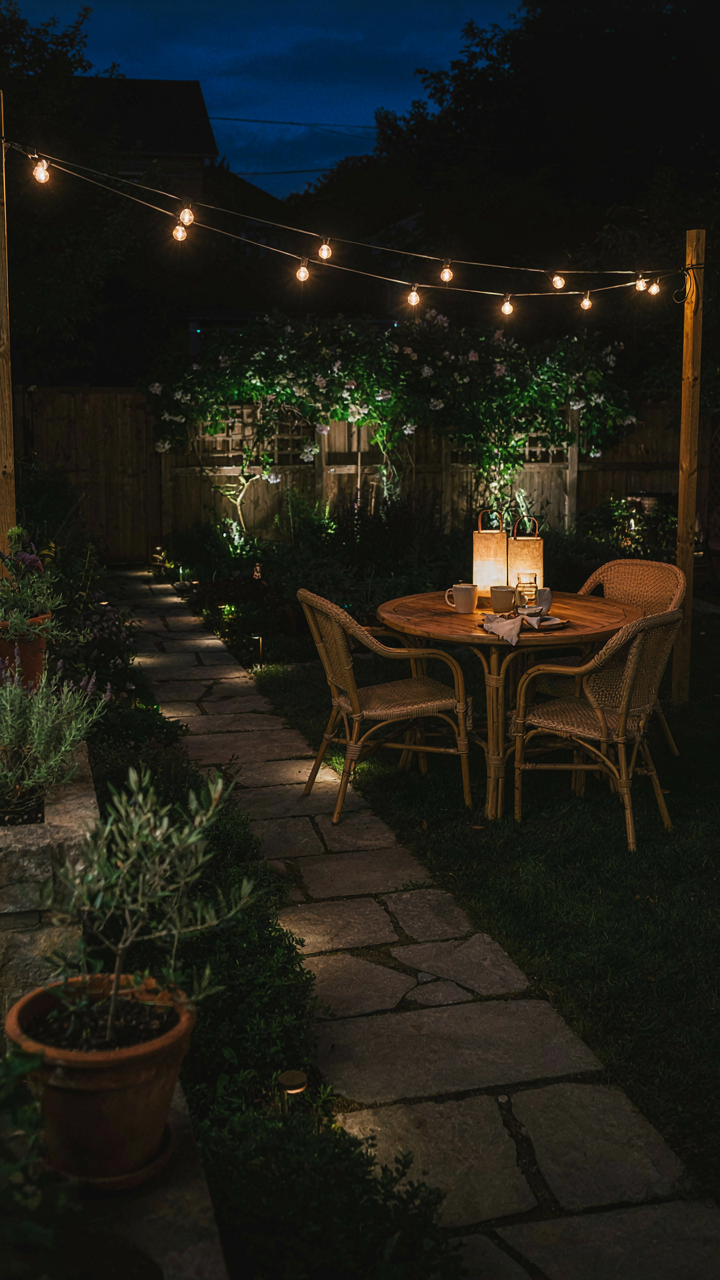
You think you need fire to create atmosphere. You don’t. String lights, lanterns, and solar stakes do the job without the liability, the smoke in your guests’ faces, or the constant babysitting. Pick one alternative today and install it before your next gathering. Watch how nobody misses the torch at all. Ambiance isn’t about flame. It’s about intention.