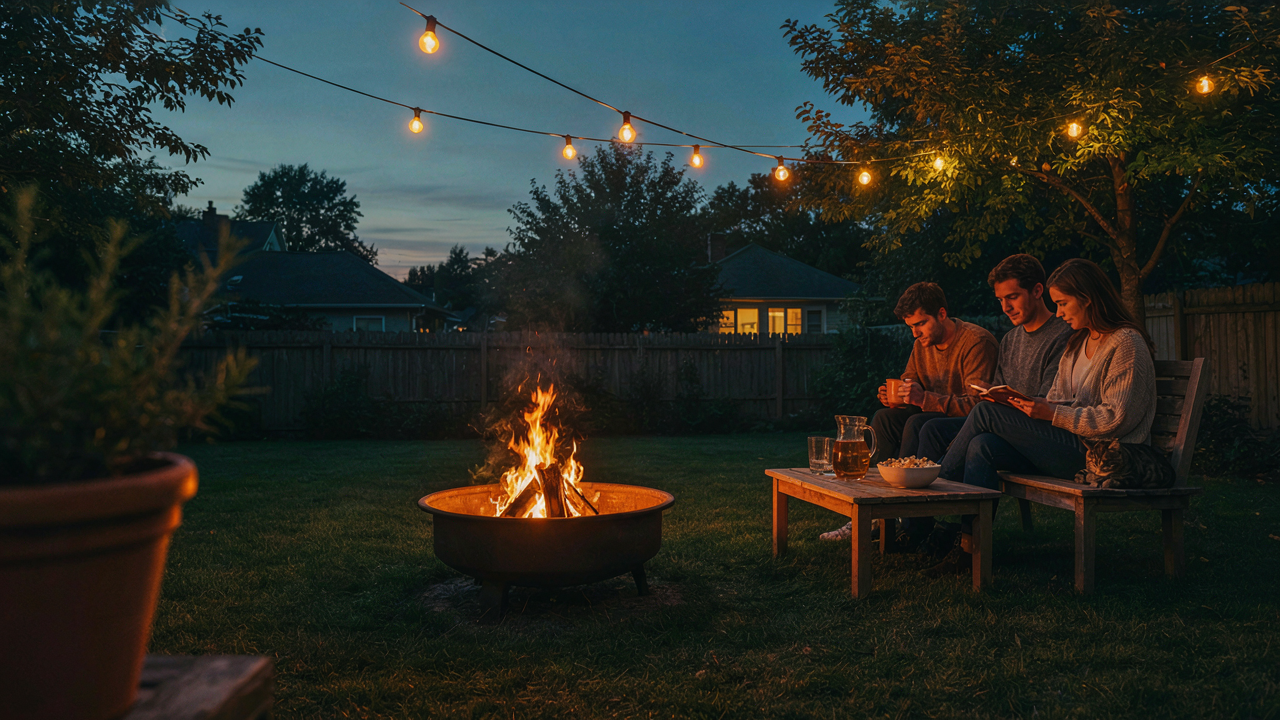
The Pre Party Protocol: Beyond Permits & Pretty Lights
Where The Fire Actually Goes
You want permission to skip the liability thinking. Here’s the mechanism: wind carries embers. That’s it. You’re not placing a fire pit in your yard. You’re placing it in a wind corridor, and wind decides where your fire goes, not you. Physics doesn’t negotiate.
Start by standing in your yard during the time you’ll host the fire. Feel where wind moves. Face different directions. Wind patterns shift between morning and evening, and seasonal wind differs too. Your fire pit needs 15 feet minimum from structures like fences, decks, and siding. Overhead hazards matter equally: branches should sit 12 feet above the fire’s highest point. Low branches catch embers and burn slowly, which means they fail in ways you don’t see until it’s too late.
Fuel Selection Kills Half Your Problems
Everyone says “use seasoned wood.” Nobody explains why it matters or what happens when you ignore it. Wet or green wood smolders, produces excessive smoke, and shoots sparks unpredictably because moisture turns to steam inside the wood. Seasoned wood burns at a stable temperature.
You need firewood split and stacked for at least six months, ideally a year. Moisture content should be below 20 percent if you measure it. If you don’t have a meter, split a piece open: the inside should be pale and light, not dark or damp. Never burn treated lumber, plywood, particle board, or painted wood. These materials release toxic fumes and chemicals. Firestarters should be newspaper, cardboard, or untreated kindling. Build your fire in a pyramid: small kindling at the base, progressively larger pieces on top.
Ignition Mechanics: Forget Instagram, Focus On BTU
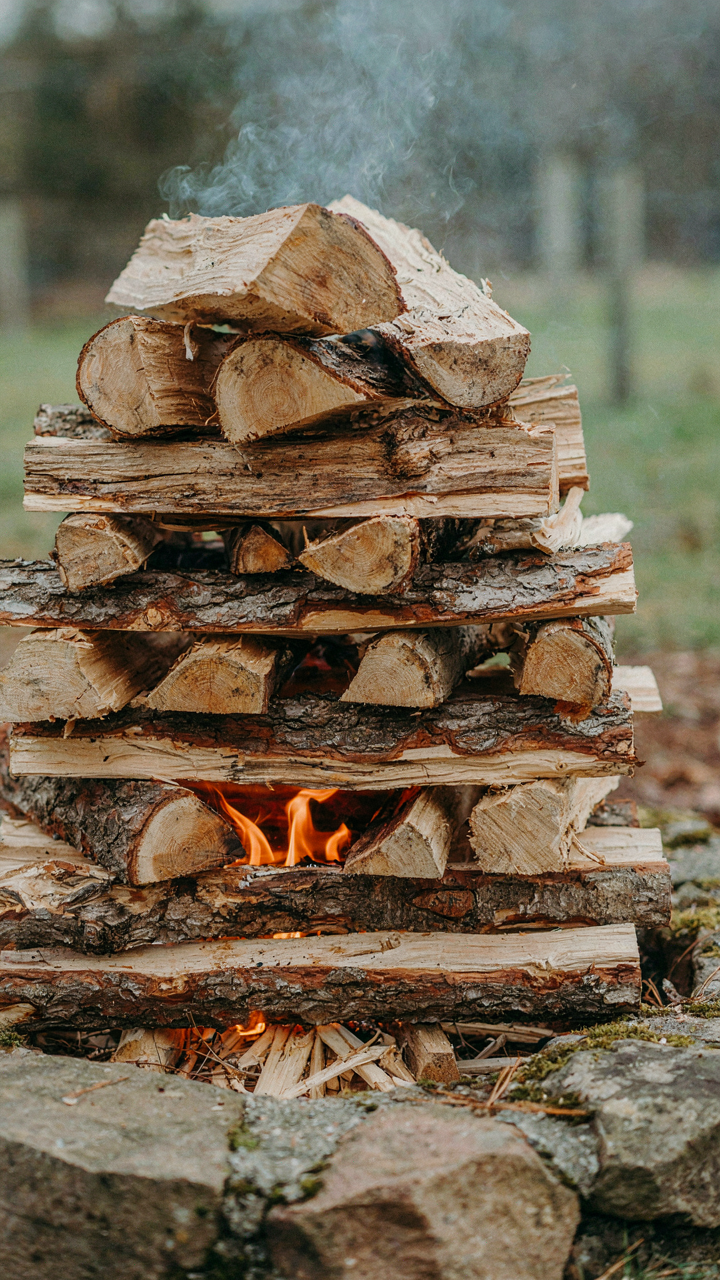
Pyramid Versus Log Cabin Builds

You want the fire to look good on video. What actually matters is oxygen flow. The difference between a pyramid stack and a log cabin structure is pure physics applied to combustion. In thermodynamics, oxygen concentration drives burn rate. A log cabin build creates horizontal chambers that trap air between layers. A pyramid concentrates heat upward but starves the base of oxygen early.
The log cabin wins for reliability. Stack two parallel logs, lay two perpendicular across them, repeat. This geometry creates four sides of exposure and consistent draft. The pyramid looks dramatic but collapses unevenly and leaves dead zones where kindling smolders instead of igniting. For a bonfire party where people arrive at different times, you need sustained ignition, not a show that fizzles in eight minutes.
Match To Tinder, Tinder To Fuel
Most people waste time with lighter fluid or fire starters. They’re not wrong, just inefficient. The real bottleneck is tinder quality and contact surface. Dry leaves, bark, or untreated wood shavings catch from a single match if packed loosely enough. Tight bundles suffocate flame. Loose tinder allows oxygen to feed the combustion reaction at scale.
Use matches or a standard lighter to ignite a fist-sized ball of tinder, then feed pencil-thin dry twigs into the base of your log cabin structure. Once those twigs hold flame for thirty seconds, add wrist-thick branches. The sequence matters more than the tool. Never skip steps chasing speed, because a collapsed fire half-lit wastes more time than building it right the first time.
Containment Systems: Your Perimeter Is Your Protection
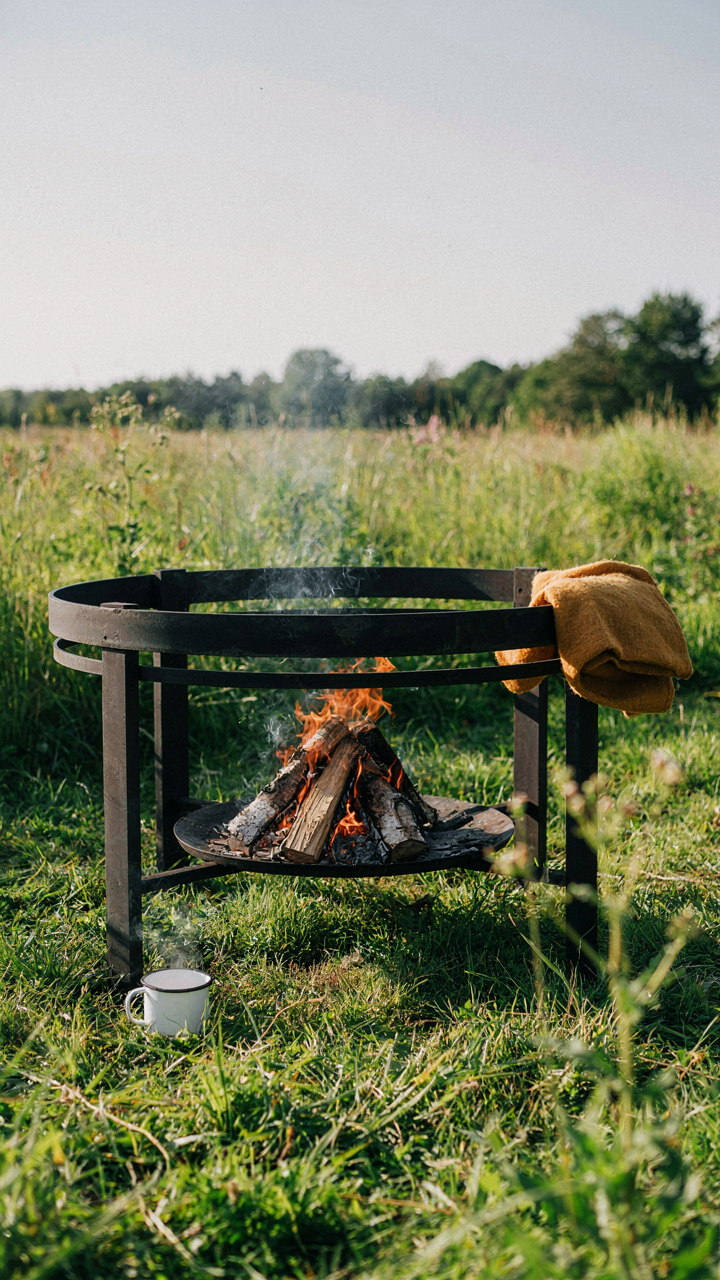
Fire Ring Types Steel Stone And Pit Considerations

You want the aesthetic of control without actually controlling anything. That’s why fire ring choice matters more than you think. The mechanism is simple: a contained fire burns predictably because fuel arrangement stays fixed and heat radiates in a known pattern.
Steel rings are portable and uniform. They come in various diameters, typically 36 to 48 inches, and create consistent heat zones. Stone rings, whether built from loose stacked rocks or mortared brick, stay permanent and can be larger, but they crack under thermal stress if you use river rocks or non-porous stone. In-ground pits work too—the earth itself becomes your container—but they demand proper drainage or you’ll trap moisture and create steam risk during rain.
Clearance Zones Minimum Distances Flammable Materials
This is where most people fail. Everyone knows you shouldn’t have a fire near a fence, but nobody does the math. Fire safety borrows from the heat transfer field: radiant heat travels in a straight line until it hits something. That something needs distance, not just “some space.”
Maintain 10 feet minimum between your fire ring and any structure, fence, or tree canopy. Flammable materials include dry leaves, mulch, propane grills, picnic blankets, and deck furniture. Grass within 5 feet of the ring should be mowed short or cleared entirely. Check overhead clearance too—branches hanging above need 12 feet of clearance from active flames to prevent unintended ignition. Do a visual sweep before lighting anything, then check again after the first 30 minutes when people relax their attention and start positioning chairs closer than they should.
The Emergency Response Doctrine: When Predictable Goes Sideways
Keep Extinguishment Tools Within Arm’s Reach

You want this section because you’re betting on control. The mechanism is simple: fire doesn’t care about your confidence. It accelerates faster than your reaction time. Borrowed from military doctrine, we call this “forward positioning of resources”—your extinguishment tools are your fire line, not your backup plan.
- 5-gallon bucket of water: Positioned within 10 feet of the fire pit. Fills fast from a hose. Water cools embers and stops spread. Most accessible option for rapid response.
- Dry sand or dirt in bags: Smothers flames without splashing. Works on grease fires where water fails. Store bags upright for one-handed access during panic.
- Class B or C fire extinguisher: Rated for wood and electrical fires. Mount on a shepherd’s hook or stake near seating. Check pressure gauge monthly. Replace after any use.
- Metal shovel with long handle: Moves burning wood and coals safely. Breaks apart log jams that trap heat. Keeps your hands and legs outside the thermal zone.
- Garden hose with spray nozzle attached: Connected and coiled near the pit. Spray setting controls water volume better than pouring. Pressure nozzle reaches edges without stepping into danger.
The real mistake people make: they buy tools and leave them in the garage. Tools don’t work 40 feet away in the dark while you’re panicking. Your extinguishment setup is only functional if you can grab it without thinking. Test retrieval once before your first guests arrive.
Burns And Smoke: The First Aid That Actually Works
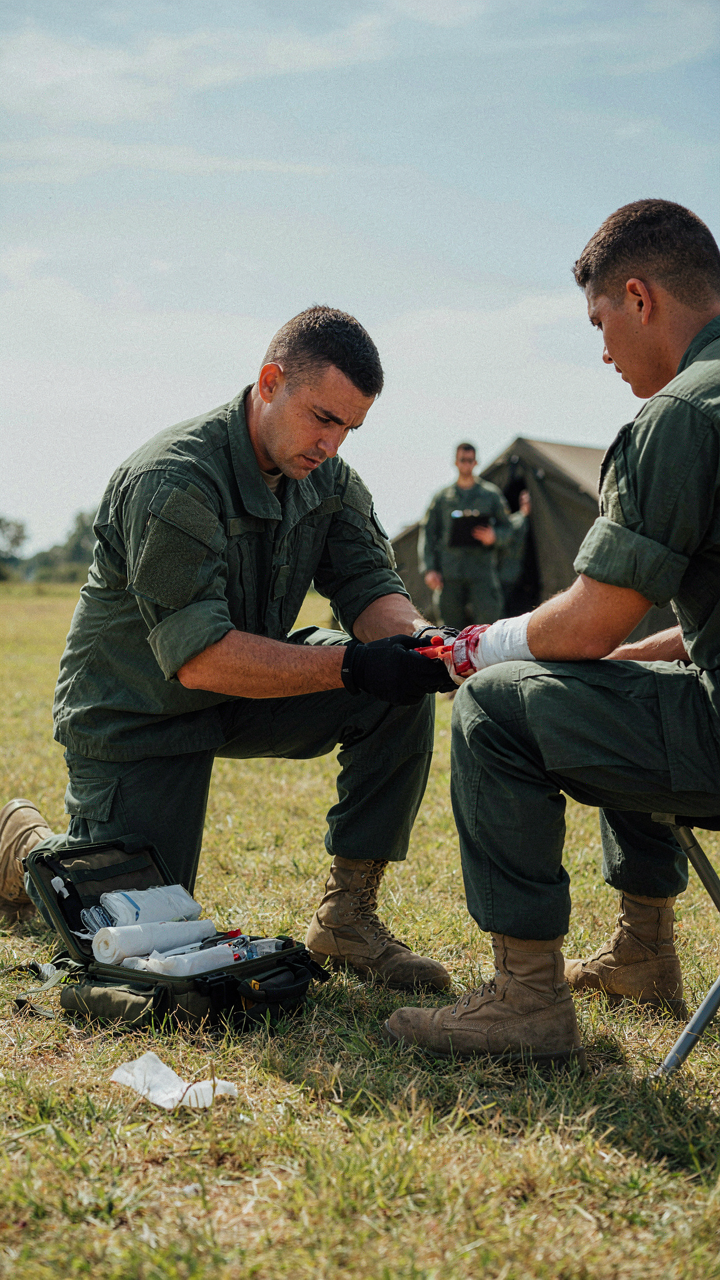
Burns happen in seconds. Smoke inhalation develops over minutes. The difference matters because your response protocol changes based on which one you’re treating. Move a burned person away from heat immediately. Get a smoke-affected person into fresh air and horizontal if they’re dizzy.
For burns: cool the area with water for 10 to 20 minutes. Don’t use ice. Don’t apply ointment. Cover with a clean cloth. Watch for blistering or skin color changes that signal deeper damage—those go to urgent care or an ER. For smoke inhalation: watch for persistent cough, hoarseness, or wheezing that doesn’t clear in minutes. If breathing doesn’t normalize or the person feels chest tightness, call 911. Keep a first aid kit stocked with sterile gauze, antibiotic ointment, and pain relief at the bonfire site, not inside the house.
Guest Management: Not Just S’mores, But Survival
The Pre Party Fire Briefing

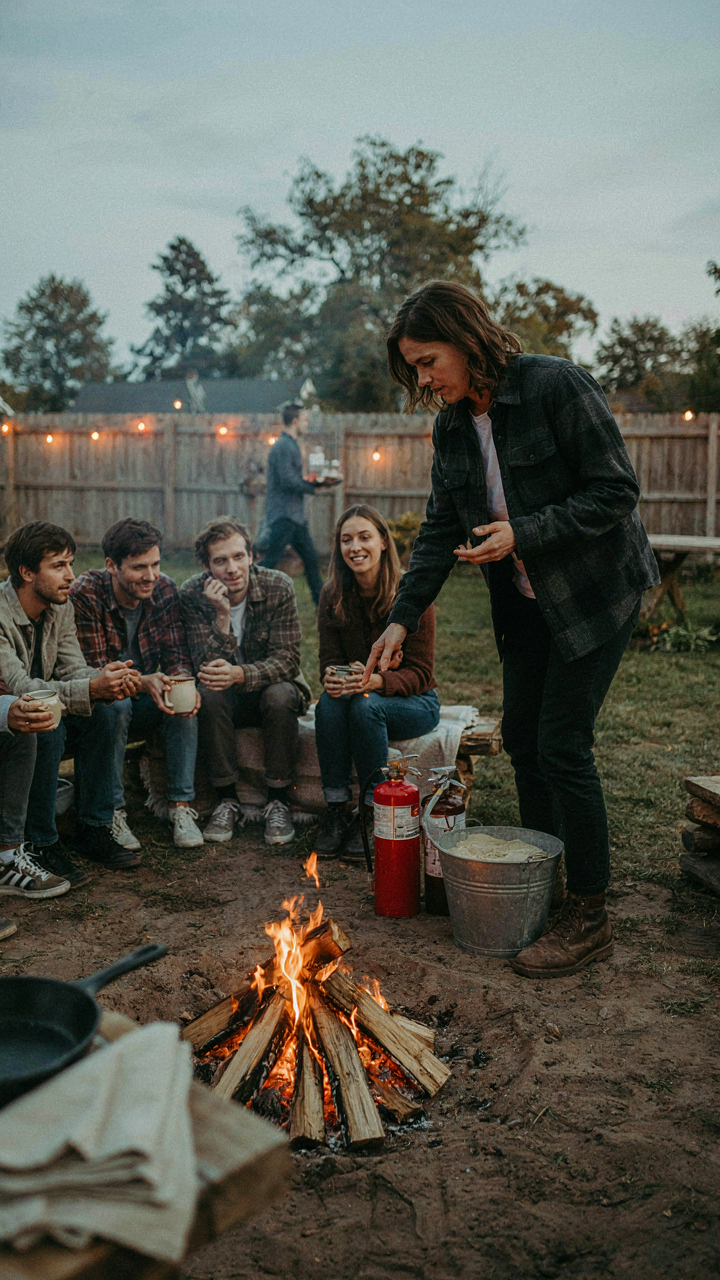
You want people to think you’re competent, so you skip this step and hope nothing goes wrong. That’s the real cost of avoiding a fire briefing: you inherit all the liability and none of the control. A fire briefing isn’t a lecture. It’s a thirty-second contract where guests acknowledge three things: the fire perimeter, where not to stand, and what “get back” means when you say it.
Most people have never stood near an open flame larger than a stovetop. They don’t know that wind direction changes radial heat zones, that embers travel thirty feet on a breeze, or that synthetic fabrics melt faster than skin burns. Tell them before they arrive. Text it. Print it on the invite. Make acknowledgment frictionless, and you eliminate the scenario where someone’s sleeve catches fire because they didn’t know the danger was there.
Constant Watch Over Children And Pets
Children and pets operate on impulse, not risk assessment. The standard advice here is weak: “keep an eye on them” is not a system, it’s hope. Borrow from aviation’s concept of zones: establish a red zone (five feet from fire pit perimeter) that’s off limits without adult hand-contact, a yellow zone (five to fifteen feet) where they move with supervision, and a green zone (beyond fifteen feet) where they have autonomy. Assign one adult as the zone monitor. Rotate this role every sixty minutes so fatigue doesn’t compromise attention.
Pets need the same structure. Pets panic in unfamiliar territory with crowds and heat sources. Tether dogs to a post outside the green zone, not to trees where they can wrap around obstacles. Keep cats indoors. Brief guests that petting or feeding animals breaks your zone protocol and creates variables you can’t control. The mechanism is simple: remove decision-making from the moment by establishing boundaries before the party starts.
Post Burn Protocol: Extinction Is Non Negotiable
Cool The Fire Down Completely

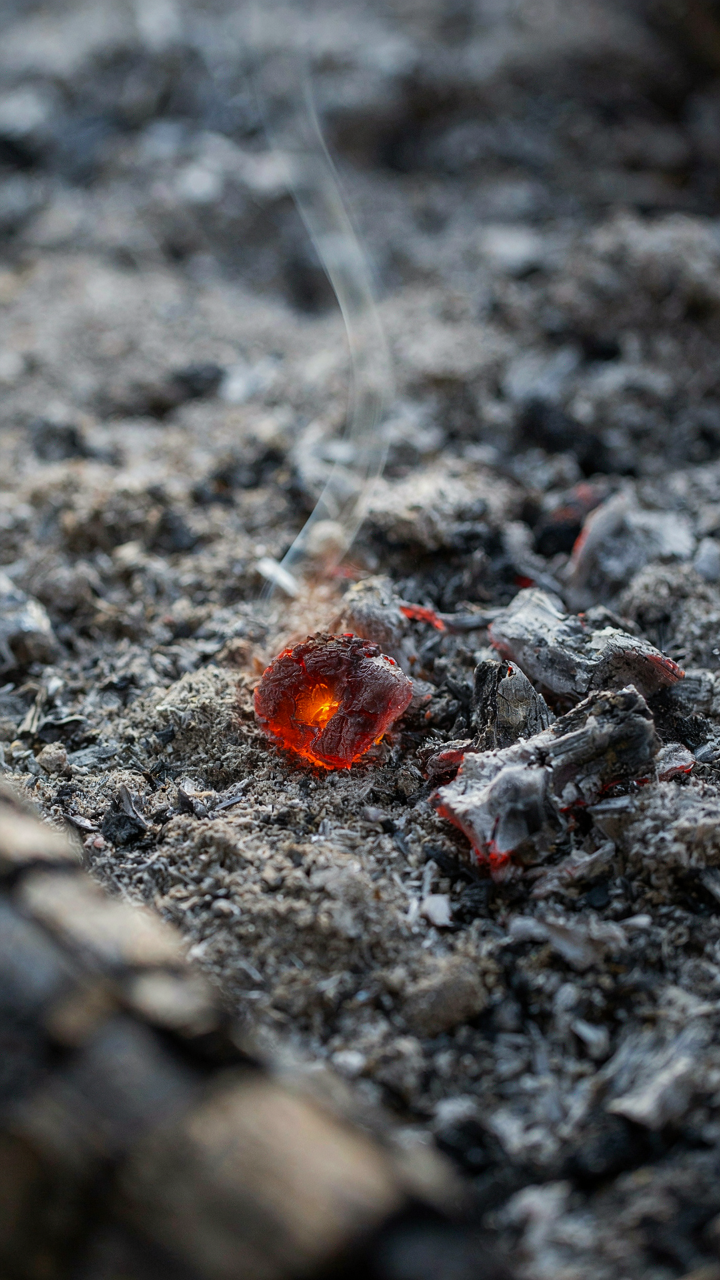
You’re reading this because you want to avoid the liability nightmare of a fire that reignites at 2 AM. Here’s the mechanism: embers retain heat in their core far longer than surface ash suggests. Think of thermodynamics here—heat transfer moves inward to outward, not the reverse. A fire that appears dead often isn’t. Cold water drowns oxygen and drops core temperature fastest. Stir the ash while pouring to expose hidden embers to water and accelerate heat loss. Don’t assume visual confirmation works. Check with a long stick or poker—push deep into the pile and feel for heat resistance.
Most people skip the second soak. Do it anyway. After initial drowning and stirring, wait ten minutes, then repeat the full cycle. Use a thermal check: hold your hand a foot above the pile. If you feel sustained heat, the fire isn’t ready to leave alone. Spread the ash thin across a wide area to radiate remaining heat into the air. This takes longer but guarantees no dormant coals underneath. Never declare a fire cold until you’ve tested it twice with time between tests.
Dispose Of Ash Without Creating New Risk
The advice that ash is inert and safe to throw anywhere is incomplete. Ash itself is stable, but unburned coals hide inside it routinely. Contained ash disposal means understanding that small embers can travel with the lightest material. Put ash in a metal bucket or steel container with a tight lid. Never use cardboard or plastic, even temporarily. A single rogue coal igniting cardboard creates a delayed fire in your garage or shed. Move the sealed bucket to bare ground away from structures, mulch, leaves, or wood piles for at least forty eight hours. This isn’t paranoia. It’s accounting for the lag between when fire goes invisible and when it’s actually inert.
Spread cooled ash on garden beds or compost only after the bucket sits undisturbed for the full period. Ash absorbs moisture slowly, and trapped moisture can create chemical reactions that regenerate heat in rare cases. Don’t speed this up. The mechanism is simple: air exposure plus time plus moisture equals confirmed safety. Once ash cools completely and you’ve verified no heat signature, disposal becomes a non issue. Store the metal bucket itself away from high traffic areas so no one accidentally spills partially cooled material onto a wooden deck or near vinyl siding.
The Stoic Bonfire: Embracing Imperfection
Fire Physics You Actually Need

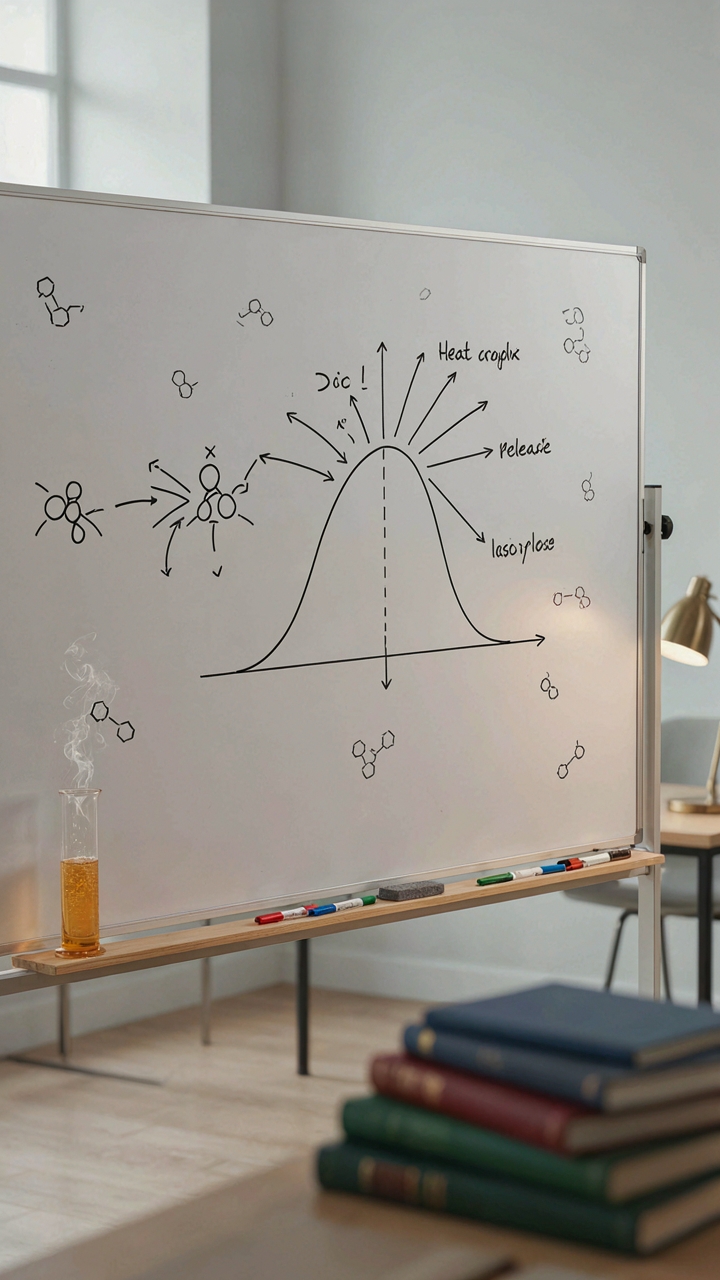
You want this section because you’re afraid of losing control. The real mechanism is understanding that fire is a thermodynamic system, not a decoration. In physics terms, a bonfire is an exothermic reaction that consumes fuel at a rate determined by oxygen availability, fuel density, and surface area. Wood doesn’t burn uniformly. Softwoods like pine ignite faster but produce more smoke and ash. Hardwoods like oak burn longer and hotter. The fire you build reaches equilibrium when heat loss through radiation equals heat generated by combustion.
Stack wood in a loose pyramid or log cabin structure, not a dense pile. Loose stacking maximizes oxygen flow between pieces, which accelerates combustion and creates a stable burn rate. Dense stacks suffocate themselves and smolder instead. A three-foot diameter fire with properly stacked hardwood burns for two to three hours before collapsing into coals. If your fire shrinks in thirty minutes, you either used softwood or packed it too tight. Adjust fuel density next time based on desired duration, not guesswork.
What Groups Actually Do Around Flames
People don’t assess fire risk the way insurance adjusters do. Group dynamics reverse individual caution. In crowd psychology, this is called diffusion of responsibility—when people gather, each person’s sense of personal accountability drops because the group shares the burden. Around a bonfire, someone’s friend is standing too close to the flames, but no one speaks up because “someone else will notice.” The fire grows, nobody corrects course until a problem becomes visible.
The host owns this entirely. You establish the perimeter during setup, before people arrive, not midway through the party when social pressure makes enforcement awkward. Mark a three-foot clearance zone with landscape stakes or a rope circle. Tell people the reason once: “This keeps embers from jumping into your clothes.” State it as fact, not a suggestion. When someone drifts into the zone, a single phrase—”step back to the line”—maintains the boundary without confrontation. Preventive structure beats reactive management every time.
The Fall Bonfire Party Illusion: Beyond Cozy Aesthetics

Weather Shifts Kill More Plans Than Bad Timing

You want your bonfire to feel effortless, controlled, inevitable. That’s the real draw. But weather doesn’t care about your narrative. Fall weather operates on rapid transition cycles—what meteorologists call frontal systems—where temperature, wind, and humidity swing hard in hours. A bonfire planned for calm evening conditions becomes dangerous when a cold front pushes through mid-event, tripling wind speed and dropping humidity into fire-acceleration territory.
Check wind advisories the morning of your event, not the day before. National Weather Service issues these for sustained speeds above 31 mph, but even 20 mph gusts redirect embers into guest zones and spread fire unpredictably. Humidity below 30 percent compounds this. Monitor forecasts every four hours leading up to your start time. If conditions shift toward higher wind or lower humidity, either move the fire closer to center-yard away from structure edges or cancel the burn entirely. This isn’t caution. It’s acknowledging that weather windows close faster in transition seasons than most people account for.
Dry Leaf Fuel And Ground Cover Risk
Fall bonfire season coincides with peak leaf drop and dried vegetation—the exact environmental condition that invites rapid fire spread if your perimeter control fails. Unlike summer, when moisture from recent rain lingers in ground cover, autumn leaf litter dries out completely within days of dropping, turning your yard into accelerant staging ground. A single ember rolling ten feet through dry leaves travels farther and faster than people predict.
Clear a minimum ten-foot radius around your fire pit down to bare soil or short grass. This isn’t decoration. It’s the fire break that stops creeping spread. Rake and remove accumulated leaves and twigs from this zone twice—once before guests arrive and once thirty minutes before ignition. Insect activity peaks in early fall as colonies prepare for winter, meaning yellow jackets and wasps nest in leaf piles. Removing debris eliminates their shelter and your liability. Keep a water source and shovel within arm’s reach of the pit throughout the event. These tools function as your primary containment system if a single ember finds its way past your cleared perimeter.
The Real Obstacle Isn’t The Fire; It’s Your Fear Of Looking Foolish
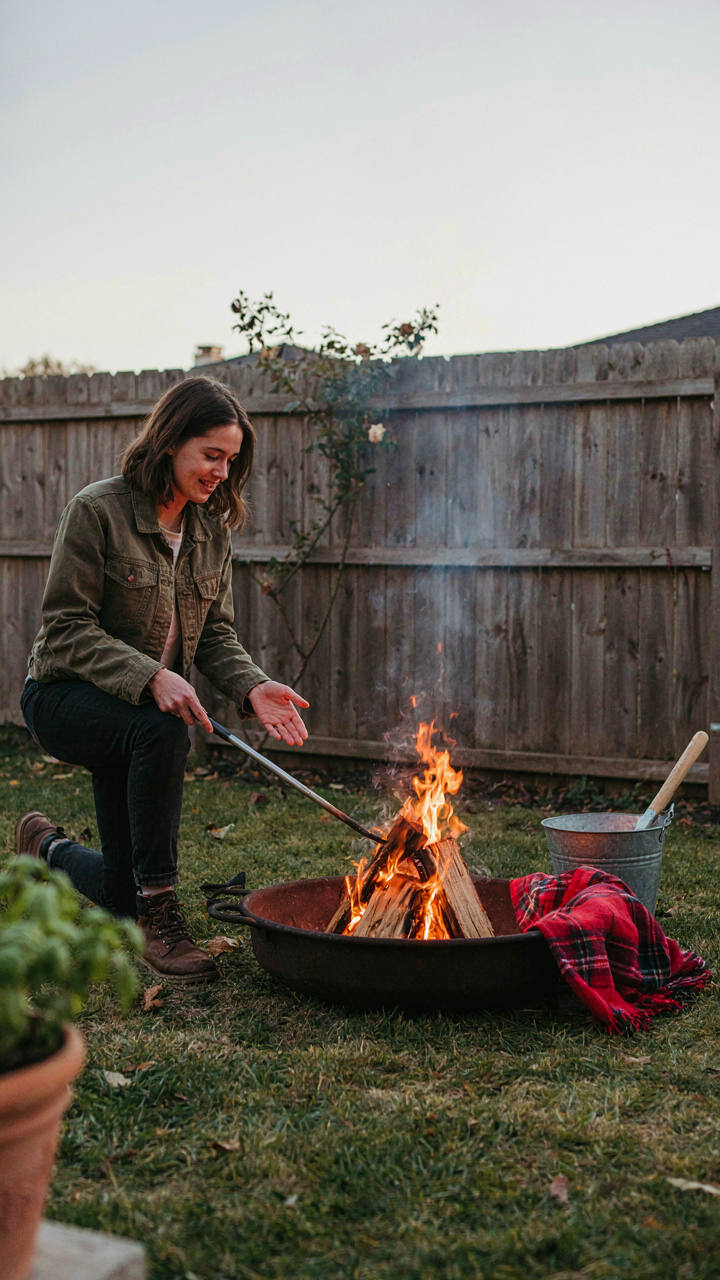

Most people don’t throw a backyard bonfire party because they’re afraid of doing it wrong. They imagine the fire dying out or someone getting hurt, so they do nothing instead. The real problem isn’t fire safety or setup logistics. It’s that you’re waiting for permission to look stupid while you’re learning. Clear a ten foot radius, grab some wood, light it, and adjust as you go. You’ll throw better parties once you stop rehearsing them in your head.