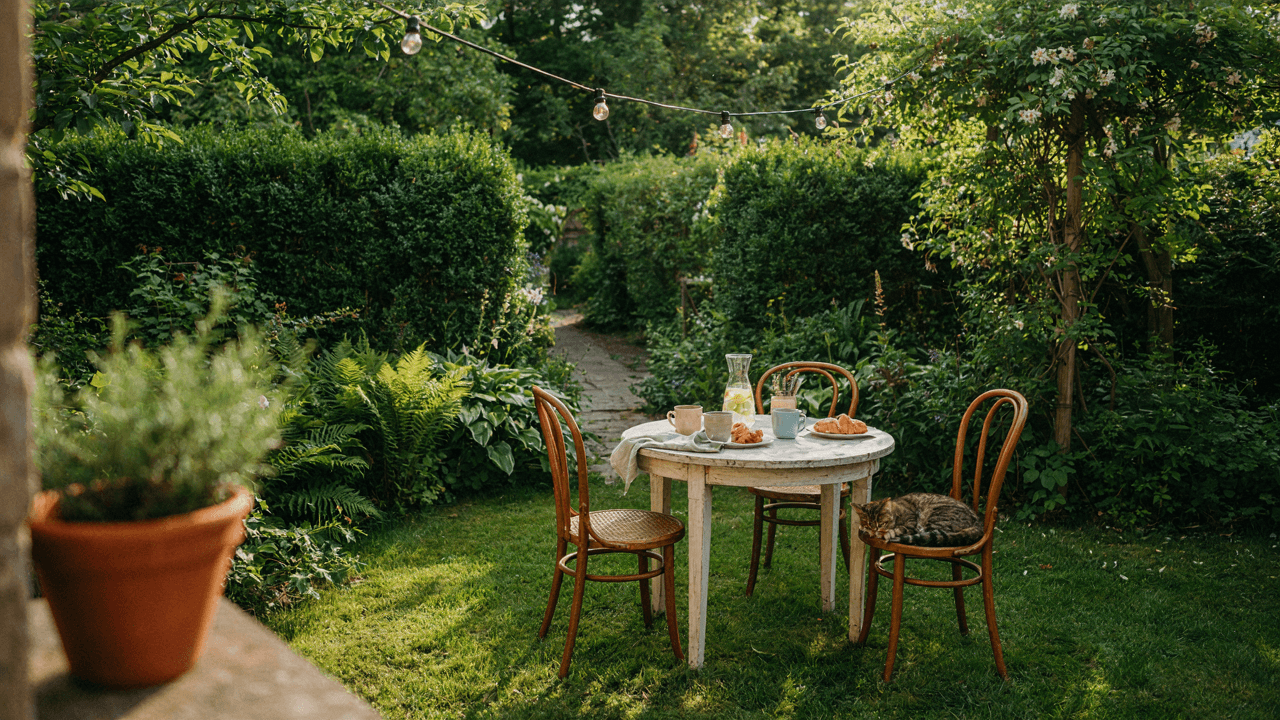
The “Sidewalk Cafe” Fallacy: It’s Not About The Bistro Set
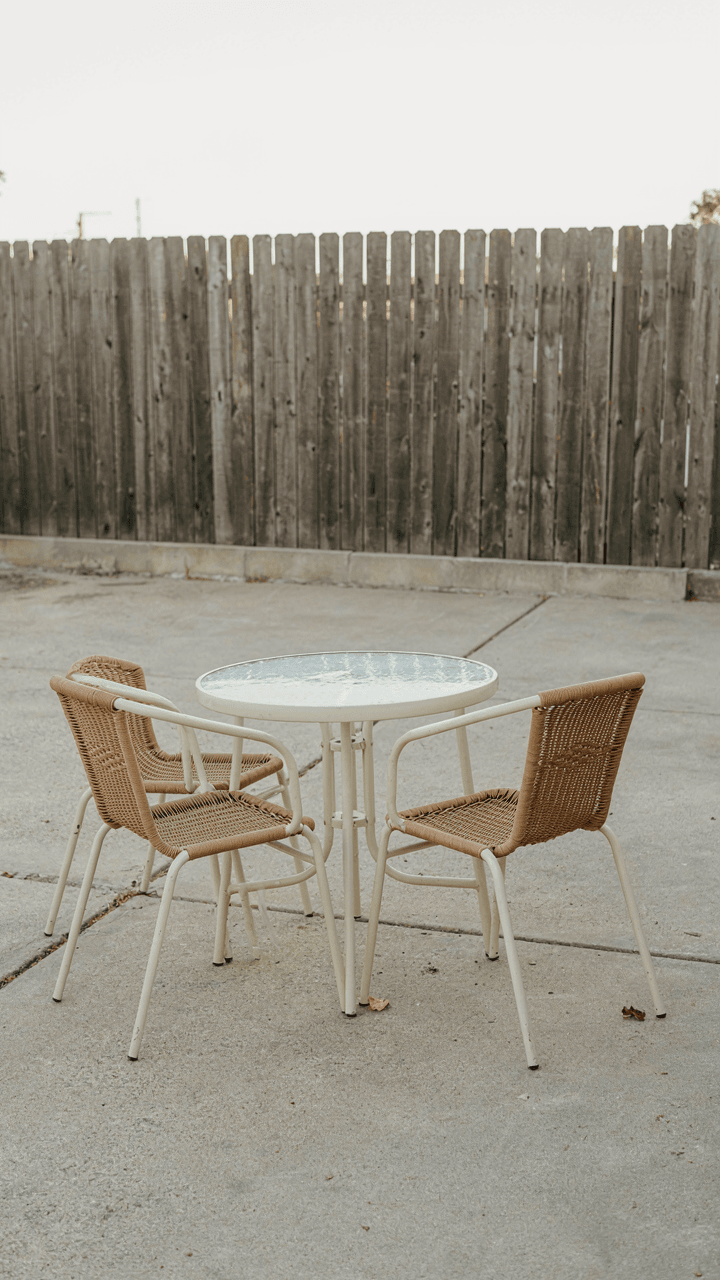
What Instagram Sold You Instead Of Reality
You want the feeling without admitting you want the status. That’s the real reason you’re here. The mechanism is simple: you’ve conflated an aesthetic with an experience, then bought the wrong variable. A bistro set is furniture. A sidewalk cafe is urban infrastructure mixed with social permission and foot traffic. One you can own. One you cannot.
The French bistro emerged from economic necessity in 19th-century Paris, not design intention. Working-class cafes placed small tables on sidewalks to maximize seating in tight spaces. The setup was functional first, atmospheric second. Modern recreations skip this constraint entirely and copy only the visual surface. You end up with the chairs but none of the conditions that make the experience work.
The Gap Between Chairs And Atmosphere
Common advice treats bistro chairs as the hero piece. They are not. The chair is one input in a system. The real work happens in what surrounds it: sight lines to activity, acoustic design, lighting quality, proximity to movement, and the presence of other people. A bistro chair in your backyard without these variables delivers isolation, not cafe culture. You’re sitting alone with a prop.
The sidewalk cafe works because it sits at the intersection of private and public space. You’re present but not exposed. You watch others. Others might watch you. That psychological texture vanishes the moment you retreat fully into your yard. Your backyard bistro setup must solve this mechanically by creating visual and acoustic connection to your surroundings, not by choosing better furniture. Start by mapping sightlines from your seating area to neighboring yards, streets, or activity zones before you buy anything.
Beyond The Small Patio: Cultivating True Ambiance, Not Just Furniture

The Acoustic Layer You’re Ignoring

You want people to feel transported, which means you need to mask the fact that you’re still in a residential neighborhood. This is acoustic design, borrowed directly from architecture and urban planning. Your bistro set up needs positive masking, not silence. Silence exposes every dog bark and car door slam. Parisian sidewalk cafes work because street noise creates a sonic baseline that normalizes the environment. Recreate that friction, not eliminate it.
A small water feature does the actual work here. A tabletop fountain or recirculating basin generates consistent white noise between 50 and 60 decibels, which matches human conversation. This covers neighborhood sound without drawing attention to itself. Placement matters: position it near seating, not at the far edge of your bistro set up. The sound should reach your guests immediately. Background music playing at low volume reinforces the effect, but it cannot be your primary strategy. Many people install speakers first and wonder why the space still feels exposed. The water comes first. The music supports it.
Lighting: The Overlooked Architect Of Mood
Lighting determines whether your bistro set up reads as intentional or accidental. This isn’t about ambiance, it’s about information density. How much can your guests see? Parisian cafes use warm, localized light at eye level because it creates intimacy without revealing flaws. Overlighting kills the effect immediately. Most backyard setups fail here by using overhead fixtures or string lights alone, which flatten the space and expose too much detail.
Your real system is layered: one warm light source focused on the dining table, one subtle background light defining the perimeter, and one accent light on a focal point like a wall or planter. Each operates independently. The table light should cast a warm glow around 2700K color temperature. The perimeter light prevents guests from feeling they’re sitting in a spotlight. The accent light anchors the design and makes the space feel intentional. Test this at dusk before committing to fixture placement. Adjust heights and angles until guests feel watched by the design, not exposed by it.
The Human Element: Programming Interactions In Your Backyard Bistro Area

How Distance Controls Conversation Quality

You want people to feel like they’re in a real cafe, not your backyard. Proxemics—the study of spatial distance and its psychological effects—reveals the mechanism you’re actually after: seating distance determines conversation intimacy and energy transfer. Parisians didn’t design sidewalk cafes by accident. They engineered them using predictable distance rules.
Tables spaced 18 to 24 inches apart from edge to edge create the sweet spot for bistro dynamics. Closer than 18 inches and strangers feel invaded; conversations collapse into whispers. Farther than 30 inches and social energy dies. Each table becomes isolated. The actual mechanism at work: when people can hear adjacent conversations without straining, ambient social energy elevates the entire space. Sound bleed is a feature, not a flaw. Arrange your backyard so seating clusters form natural nodes rather than a grid.
The Rhythm Of Appearing Unplanned
Everyone says “make it feel natural” as if that clarifies anything. It doesn’t. What they mean is harder: design the space so people believe they’re making unscripted choices when you’ve already determined their behavior. This is staging, not decor. A real cafe doesn’t look decorated. It looks like it accumulated that way.
Place a small side table with threshold objects—a standalone ashtray, a single candle, salt and pepper shakers—where arriving guests pause. Don’t ask them to sit. The pause itself creates a micro-decision that feels autonomous. The same principle works for movement: a narrow path between seating areas nudges foot traffic into rhythm, making circulation feel organic rather than prescribed. Add a low wooden box or planter as a subtle boundary, not a fence. Constraint creates perceived freedom because people believe they chose their route inside invisible rails.
The Cafe Flow Protocol: Engineering Effortless Experience

Feedback Loops Define Your Guest Experience

You want your backyard to feel intentional, not like you’re winging it every time someone sits down. Cybernetics, the study of control systems, maps onto hospitality through one concept: feedback loops. A real cafe operates on tight observation and correction. Your guest arrives, sits, waits for a drink, then food. Each moment either confirms the experience works or signals a break. You’re not managing feelings. You’re managing response time and predictability.
The mechanism is simple: guests notice delays before they notice quality. A cafe that delivers a drink in four minutes feels organized. One that delivers it in eight minutes, even if the drink is better, feels chaotic. Your backyard bistro setup requires observable checkpoints. Table assignment happens first. Drink service within five minutes follows. Food timing gets communicated before plates arrive. These aren’t nice touches. They’re the feedback loops that keep your guests from mentally checking out.
Systems Thinking Beats Scattered Effort
Most backyard setups fail because owners optimize one element and ignore the chain. You buy an expensive table and cheap chairs. You prep excellent food but have no drink station. You create a beautiful space and seat eight guests with zero server rhythm. Systems thinking means every component talks to every other component. Your layout, timing, staffing, and service flow must coordinate.
Build your setup around service paths, not aesthetics. Where does a server walk when taking orders? How many steps to reach drinks? Can a guest flag you down without shouting across the yard? Position your bar, food prep, seating, and entry point so movement is direct and visible. This removes the friction that makes backyard dining feel amateur. Once the system runs, guests relax because nothing feels improvised.
The Unseen Architecture: Structural Elements Beyond The Bistro Table Outdoor
How Height Shapes What People Actually Feel

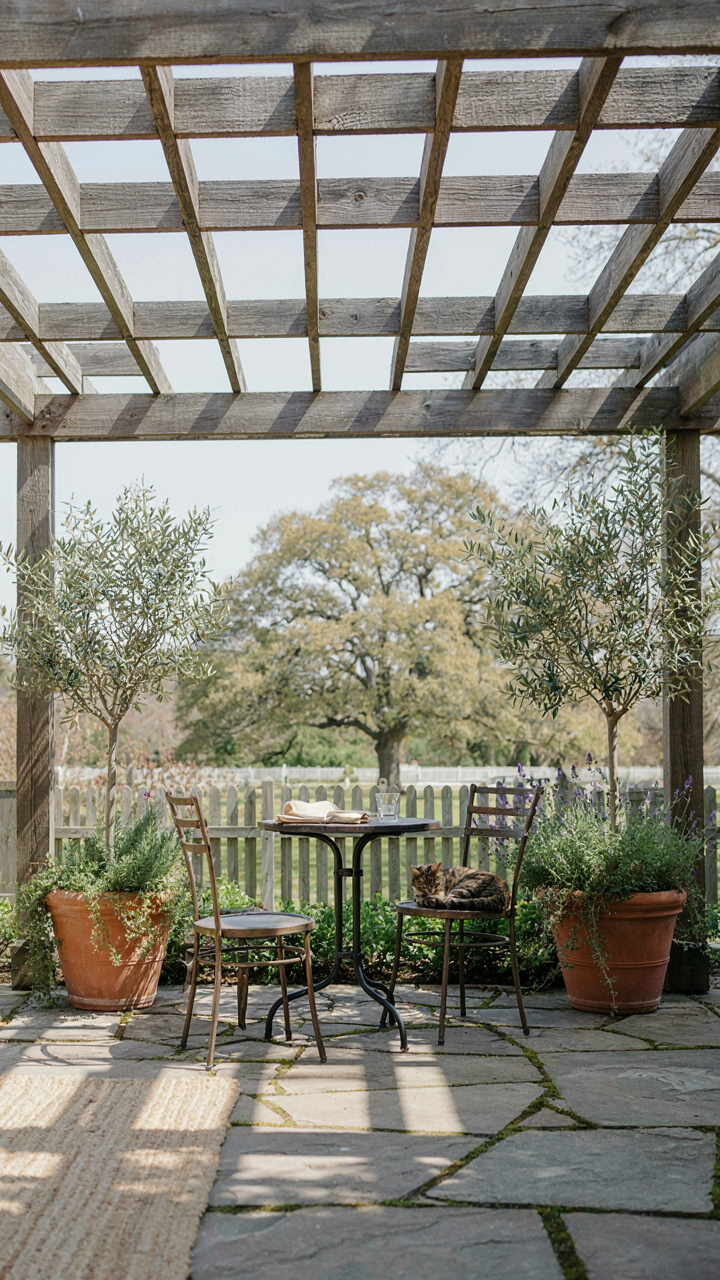
You want this space to feel intentional, not like you just shoved some furniture in the yard. That’s the real driver. Height creates enclosure without walls. Take this from architecture: the concept of “prospect and refuge.” You need vertical elements that define boundaries and give the eye somewhere to rest besides the sky. A bistro that works has overhead structure.
Pergolas, arbors, and even climbing vines on wire create psychological containment. This isn’t decoration. Humans feel safer when there’s something above them that stops the space from dissolving into the surrounding yard. Six to eight feet of overhead clearance hits the sweet spot. Too low feels cramped. Too high and you’ve lost the intimacy that makes a bistro feel like a bistro instead of just eating outside. Install your vertical elements before adding tables. The frame comes first.
Surfaces That Signal Staying Power
Most people get this wrong by treating outdoor spaces like they’re temporary. They aren’t. Materials communicate intention. Concrete, stone, and finished wood say “this is deliberate.” Gravel and grass say “we’re camping.” Bistros work because every surface underneath and around you reinforces that this spot exists for a reason.
Pavers laid in sand create a defined dining floor without pouring concrete. They stay put. Wooden decking signals permanence more than flagstone but requires maintenance. The texture matters because it tells your body you’re somewhere that was built for sitting and eating, not just a yard people cut through. Pick one material type for your base layer. Mixing too many creates visual noise that contradicts the whole point.
Sensory Deception: The Olfactory And Auditory Landscape Of A Garden Bistro Area

The Scent That Signals You’re Somewhere Else

You want permission to feel like you’re not in your own backyard. That’s the real mechanics at play here. Scent bypasses rational thought and hits the limbic system directly, which is why a Parisian sidewalk cafe feels fundamentally different from a suburban patio. The trick isn’t adding random pleasant smells—it’s understanding that baking bread signals commerce, routine, and public life, while blooming jasmine or honeysuckle signals leisure and escape. They activate different neural pathways.
Most people default to candles or diffusers, which reads as forced indoors trying to be outside. Real bistros don’t manufacture their smell; it emerges from what’s actually happening there. Bread baking nearby, coffee brewing, tables turning. In your backyard, you need to reverse engineer this. Plant jasmine or clematis on a trellis near the seating area so the scent reaches guests naturally when they sit. If you want that bread-baking signal without the oven, keep fresh bread or pastries visible on a small side table—the smell alone creates the venue’s narrative without you having to explain it.
Sound Architecture: Replacing Noise With Texture
Urban soundscapes work like acoustic camouflage in military strategy. You don’t eliminate enemy noise, you mask it with controlled noise at the right frequency. Your backyard bistro faces the same problem: neighbor conversations, traffic, dog barking all break the spell. The fix isn’t soundproofing. It’s layering intentional sounds over the ones you can’t control.
Running water—a fountain or small recirculating pond—creates continuous ambient noise at exactly the frequency that masks mid-range human speech and traffic. Gentle water sound sits between conversation and the harsh edges of car noise. Position the water feature near the bistro seating so it reaches the table before ambient noise does. Background music should sit low and instrumental, filling gaps without demanding attention. The combination of water plus soft music plus the actual conversation at your table creates a complete soundscape that makes your brain ignore what’s happening beyond the space.
Curating The “Accidental” Detail: Why Your Bistro Set Feels Generic
The Power Of Curated Imperfection

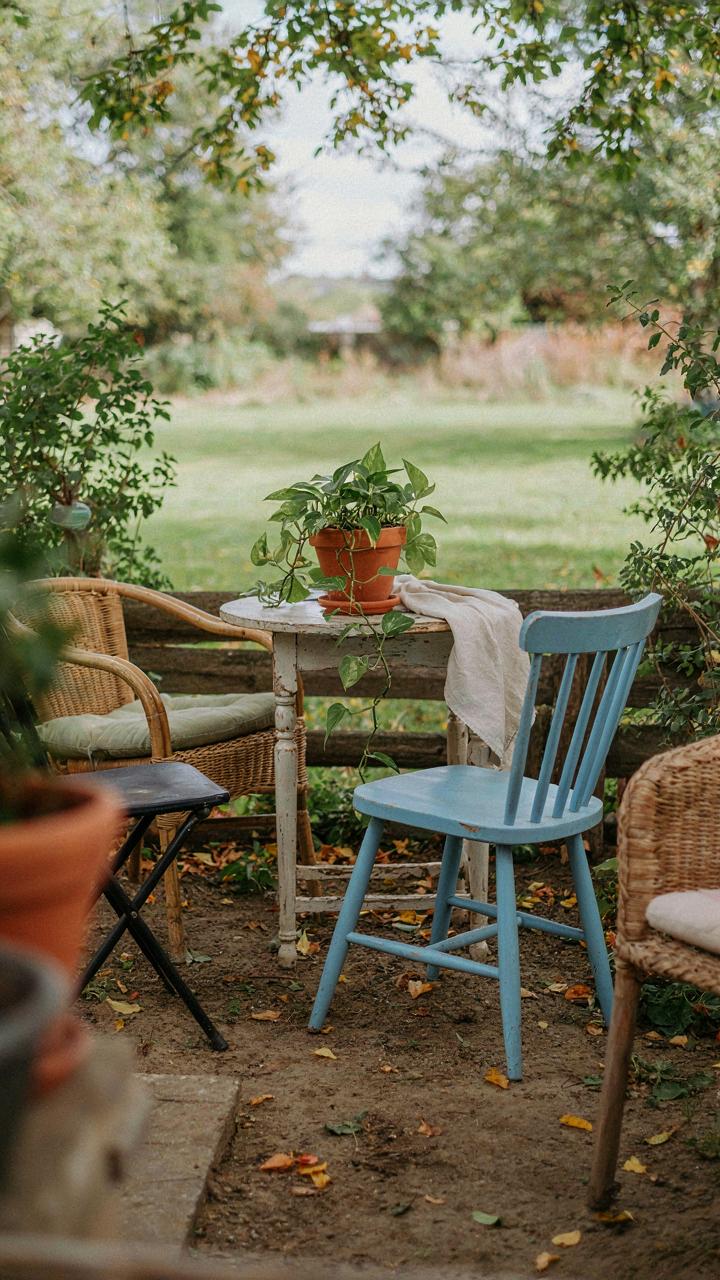
You want people to think you didn’t try. That’s the real reason you’re reading this. A polished bistro setup signals effort, which signals trying too hard, which reads as insecure. The mechanism is borrowed from industrial design: negative space. In your backyard, negative space isn’t empty air. It’s the deliberate absence of matching pieces, the worn chair next to the new one, the intentional gap between “decorated” and “lived in.” This gap is where authenticity lives. Generic bistro setups fail because every element matches. The table matches the chairs. The cushions match the umbrella. The plates match the tablecloth. Real sidewalk cafes evolved over decades with replacements, repairs, and hand-me-downs. You cannot buy that coherence.
The work is reverse engineering restraint. Stop adding elements. Start removing the ones that broadcast coordination. One mismatched bistro chair at your table breaks the catalog aesthetic immediately. A weathered wooden side table instead of a matching accent piece signals time and use. The gap between your efforts becomes the proof of authenticity. This is not about buying vintage or distressed pieces. It’s about rejecting the assumption that a “complete set” is desirable. Your bistro setup works when someone asks if you planned it or if it just happened.
Integrating Non Bistro Elements Intentionally
The common advice is to keep your bistro space “on theme.” That’s the mistake. Real Parisian cafes sit next to bookstalls, flower vendors, and newspaper stands. Your backyard bistro set up should borrow from adjacent contexts without apology. Add a potted herb garden that serves the space but looks like it was there first. Include a weathered wooden ladder leaning against the fence. Place a stack of books on a small table. These elements don’t belong to bistro culture, but they belong to the human activity that happens at bistros. They break the visual monotony of matching furniture while adding actual utility.
The integration works when non-bistro elements solve a real problem or enable real behavior. A vintage watering can isn’t décor. It waters the herbs you’ll use at dinner. A bookshelf unit doesn’t match your chairs, but it holds the books people grab between courses. An old wooden stool serves as a side table and a footrest. The rule is simple: everything that looks intentional must actually function. When form and function align across mismatched pieces, the space stops feeling curated and starts feeling inhabited. This is where your backyard bistro set up moves from backdrop to destination.
Strategic Impermanence: The Anti Static Backyard Bistro Design
Modular Elements For Dynamic Arrangements

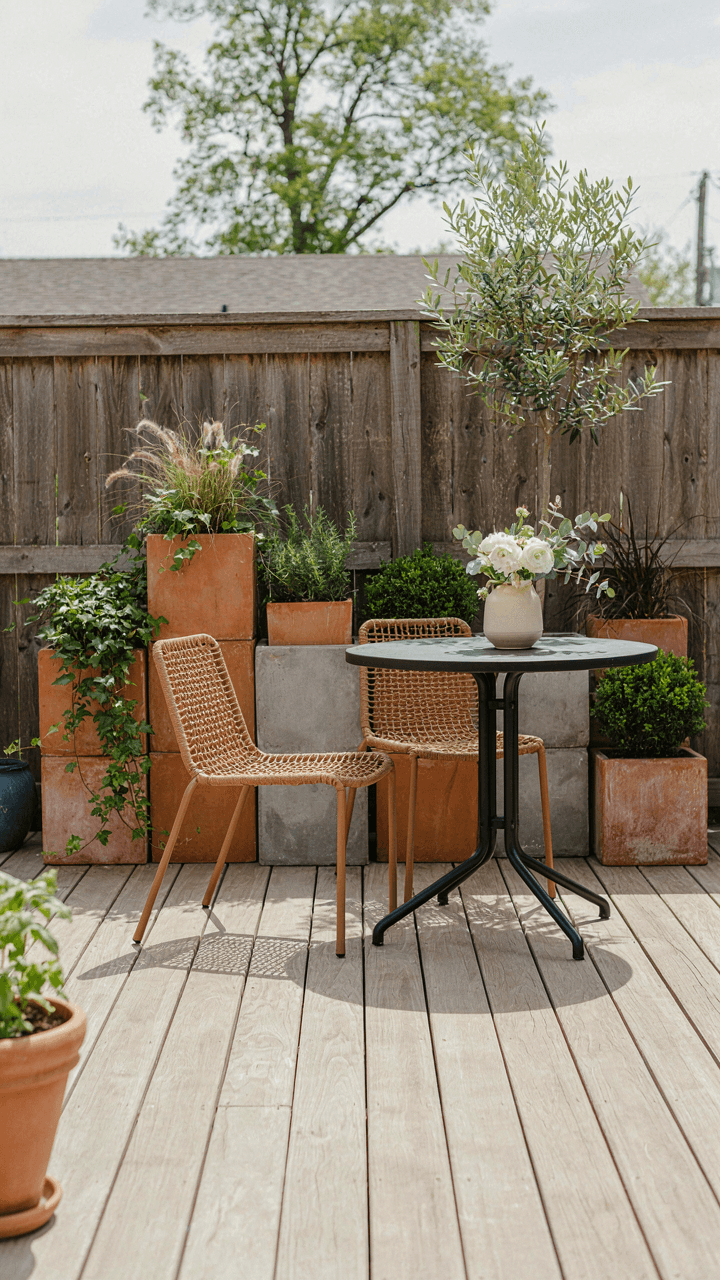
You want your bistro to feel lived in without looking abandoned. The real mechanism here is borrowed from systems thinking: modularity is the principle that independent components can recombine without losing function. Your furniture arrangement becomes an asset, not a liability, when each piece works solo or in any configuration.
Most backyard setups treat the layout as permanent. You buy a table, chairs, umbrella, and bolt them down mentally. This kills the cafe feeling fast. A real bistro shifts its setup based on foot traffic, weather, time of day, and season. Your pieces need to earn that flexibility: lightweight chairs that stack, tables with detachable legs, umbrellas that mount to multiple anchor points. Bistro culture thrives on rearrangement.
Embracing Seasonal Shifts As Design Assets
Seasonal change isn’t something to fight or ignore. It’s the design mechanism that keeps a backyard bistro from feeling static and stale. Real sidewalk cafes in Europe shift their entire aesthetic twice yearly because weather demands it, and that rotation becomes part of their identity.
Winter requires heavier textiles, lower seating angles for proximity to heat, and dense plant placement for wind breaks. Spring opens the layout, thins the fabric layers, and introduces lighter bistro chairs. Summer demands shade priority, so umbrellas move center stage and plants grow vertical. Fall brings back layering and warmth signals through color and material. Each season gets its own arrangement logic. This prevents the trap of a setup that works three months and feels wrong for nine. Your bistro stays sharp because it actually changes.
The “Regulars” Effect: Cultivating Community In Your Outdoor Bistro Space
Why People Return To The Same Table

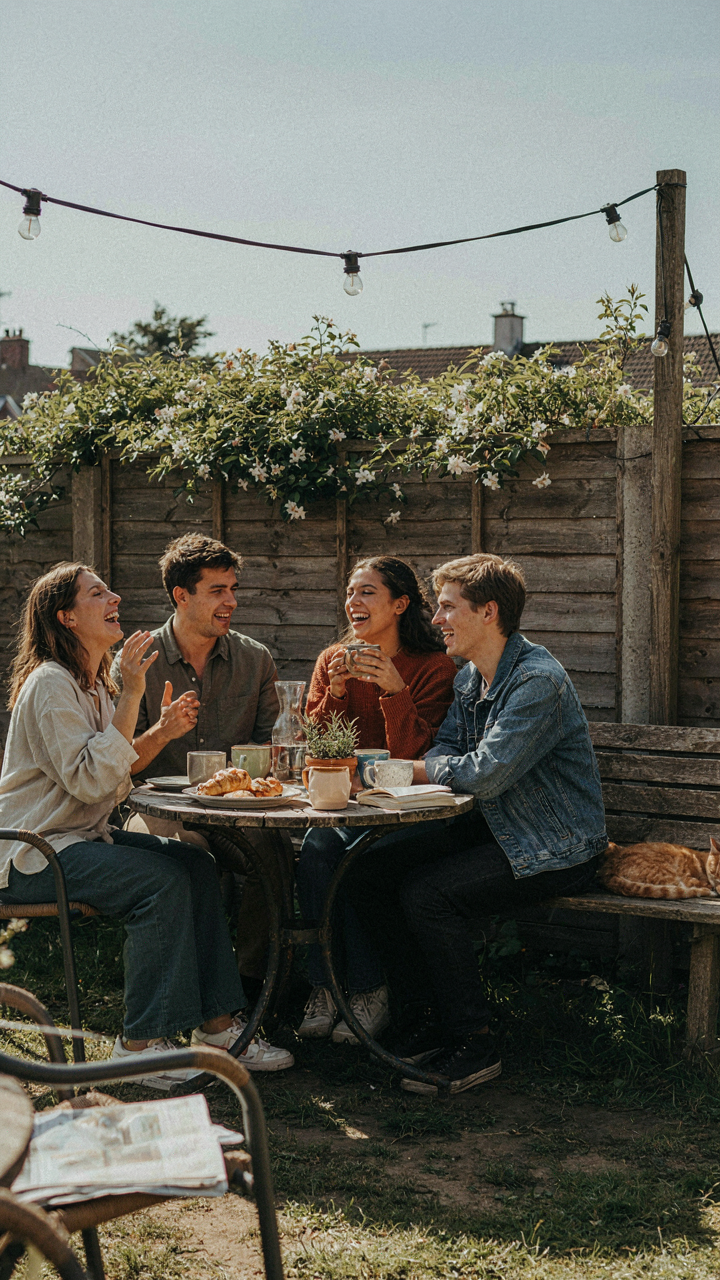
You want proof that your space matters. That it’s not just a collection of furniture you bought. The real mechanism is behavioral—people return to spaces where friction drops and status rises simultaneously. Behavioral economics calls this path dependency: once someone sits in your bistro twice, the cost of going elsewhere increases because they’ve already invested in the familiarity. Your job is making that investment feel intentional, not accidental.
The sidewalk cafe model works because regulars generate social proof for new visitors. A full table at 7 PM on a Tuesday signals that something real happens here. You’re not trying to be busy for the sake of busy. You’re creating a venue where the same faces appearing weekly signals to outsiders that this place has earned its reputation. This distinction matters because it shifts how people perceive the space from “a backyard” to “a destination.”
The Minimal Gesture That Signals You Remember
Most advice here is garbage: save their drink orders, use their names, offer free appetizers. That’s staff training for restaurants, not the mechanics of a home bistro. What actually works is asymmetrical recognition. You don’t need to remember everything. You need to notice and acknowledge one specific detail that proves you were paying attention the last time they came.
A regulars effect compounds when people feel seen without being scrutinized. Keep a single-line note on your phone about each repeat guest: “Sarah always sits facing the garden” or “Marcus asked about the grapevines in June.” The next time they arrive, reference that detail in a single sentence. That one sentence costs nothing and makes them the main character in your space rather than an audience member. The mechanism is simple: people return to places where they’re remembered as individuals, not customers.
The Real Barrier To Your Cafe Dream Isn’t Space; It’s Your Inner Conformist
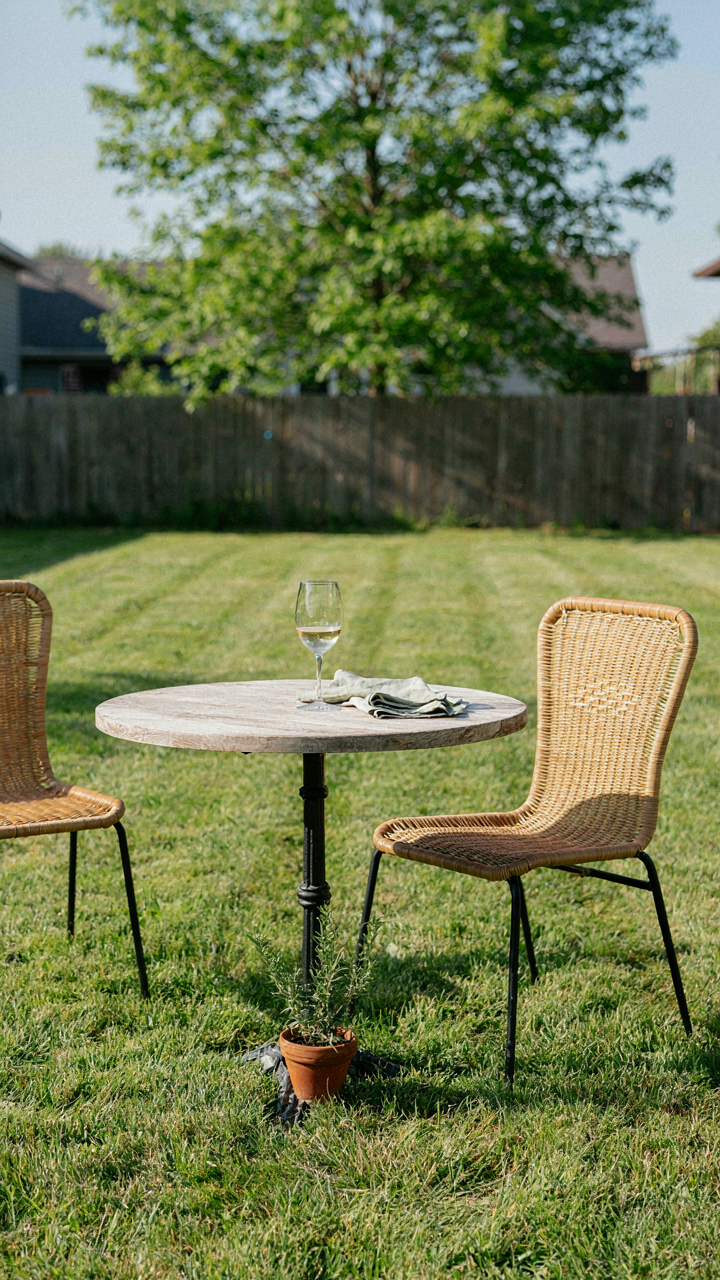
Most people won’t build a backyard bistro set up because they’re waiting for permission they’ll never get. You’re overthinking the design, the budget, the neighbors’ opinions. Stop. Buy a small bistro table today. Put it outside. Sit there tomorrow morning. This single act breaks the spell your mind cast over you. Your backyard cafe doesn’t need to be perfect. It needs to exist. Stop planning and start living in the life you actually want, because nobody else will build it for you.