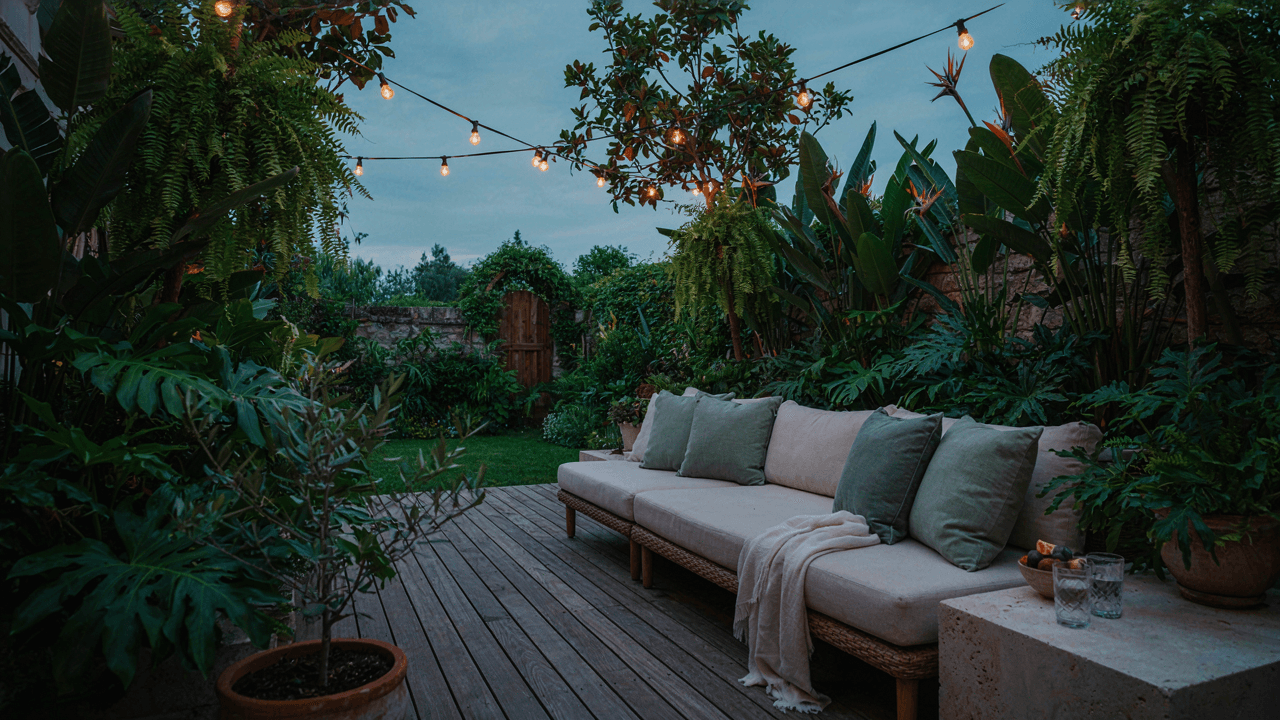
Beyond The Catalog: Why Your Patio Daybed Needs A Soul
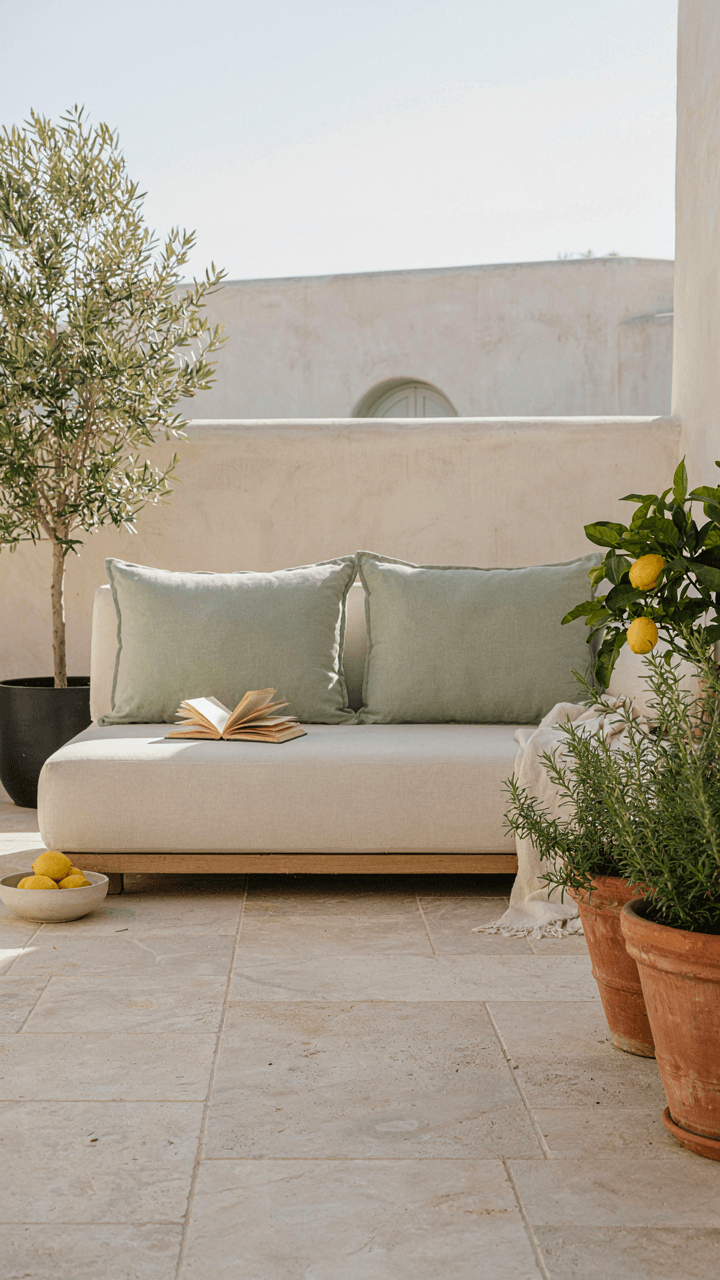
Rejecting Curated Perfection: What Makes It Yours
You want your daybed to look like it belongs in a magazine because you’re afraid it won’t look intentional otherwise. Here’s the mechanism: catalog styling works by removing variables. It shows you one perfect arrangement in controlled light with zero friction. Your backyard has sun angles, wind patterns, foot traffic, and actual use. Those constraints aren’t problems to hide. They’re the only real design brief you have.
The common advice says match everything to a cohesive color palette and call it done. That’s lazy. Real ownership happens when you solve for how you actually live on that daybed, not how it photographs. If you read there in morning light, your pillow arrangement changes. If kids jump on it, your fabric choice matters more than aesthetics. If you use it three times a week versus every day, your maintenance strategy flips entirely. Design that ignores use is just decoration pretending to be function.
Function Over Fleeting Trends: Real World Utility
Daybed styling borrowed a term from industrial design called “form follows function,” but most people reverse it backward. They pick the form first, then force the function to fit. A daybed that looks good but becomes unusable after rain teaches you nothing except that you wasted money. Start instead with what the daybed actually needs to survive: UV protection for fabric, drainage for cushions, wind resistance for loose pillows, and access for cleaning underneath.
The material choices matter more than the color story. Sunbrella or solution-dyed acrylic fabrics resist fading and mildew better than cotton blends. Teak and aluminum frames outlast painted wood in moisture exposure. Removable cushion covers let you wash them without replacing everything. The styling comes after the systems work, not before. Build the utility layer first, then choose finishes that reflect how often you’re actually out there using it.
The Unseen Forces: How Human Behavior Shapes Your Outdoor Day Bed

Distance And Comfort: The Real Reason You Won’t Use It

You want your daybed to feel like an escape, not a display piece gathering dust. The truth is simple: proxemics, the study of how people use space, determines whether you’ll actually sit there. Most people position daybeds wrong because they ignore sightlines and proximity to foot traffic. Your body won’t relax if it’s exposed to activity paths or neighbor views. Distance creates permission to stay.
Position your daybed perpendicular to the main approach into your yard. This shields the occupant from direct line of sight while maintaining visual access to the space without feeling trapped. A 6 to 8 foot buffer from walkways prevents the constant micro-interruption of people passing nearby. Back the daybed against a fence, wall, or tall planting to eliminate the instinct to monitor activity behind you. These aren’t aesthetic choices. They’re neurological requirements for sustained relaxation.
Support Surfaces: Where The Collapse Happens
Ergonomics isn’t about comfort in the soft sense. It’s about skeletal alignment and muscle engagement over time. Bad daybed design creates postural collapse within fifteen minutes because the frame and mattress don’t work together. Most outdoor mattresses are too thick and too soft, which sounds good but actually forces your spine into a C-curve. You leave the daybed feeling worse than when you arrived.
A proper outdoor daybed mattress should be 4 to 6 inches thick, dense enough to hold shape but not concrete-hard. Your lumbar spine needs support at the lower back when reclined. Test this before buying: lie at a 45-degree angle and slide your hand under your lower back. You should fit your palm flat, not a fist. If the gap is too large or too small, the frame and mattress combination won’t work. Adjust either the mattress density or add a small support pillow positioned precisely at the lumbar curve to maintain neutral spine position.
The “Gravity Well” Method: Anchoring Your Daybed For True Escape

Where Your Eye Lands First

You want people to see your daybed and feel pulled toward it without thinking. That’s status dressed as leisure. Here’s the mechanism from physics: gravity wells concentrate mass so intensely that objects naturally orient toward them. Your daybed must become the visual mass that stops attention. This happens through layered contrast, not decoration. Position your daybed where sightlines converge. Place it where multiple angles of the yard funnel the eye inward. This isn’t about making it pretty. It’s about making it inevitable.
The frame itself anchors this pull. A substantial daybed frame, typically wood or metal, commands more visual weight than scattered seating. Low-profile frames create horizontal lines that stabilize the space. The furniture becomes architecture. Textiles—cushions, throws, pillows—add density without clutter. They signal comfort through mass, not through quantity. When someone enters your yard, they should spot the daybed and feel the pull before conscious thought arrives.
Removing Every Friction Point
Most people overthink the path to the daybed. They add stepping stones, pathways, landscaping barriers. Wrong move. Friction kills the escape fantasy before it starts. Clear a direct, obvious route. The ground surface should invite barefoot movement or easy shoe removal. Concrete, gravel, or deck material works. Eliminate obstacles within six feet in all directions. No planters blocking approach angles. No furniture clustered nearby that competes for attention.
The daybed needs isolation within connection. This means physical space around it without total separation from the yard. A three-to-four-foot buffer zone on three sides creates breathing room. Behind the daybed, anchor it against a structure: fence, hedge, or wall. This eliminates retreat anxiety and focuses forward sight lines. Access should feel effortless. When friction disappears, people actually use the space instead of walking past it.
Wooden Daybed Wisdom: Material Truths Beyond The Aesthetic
The Real Cost Of Cheap Wood

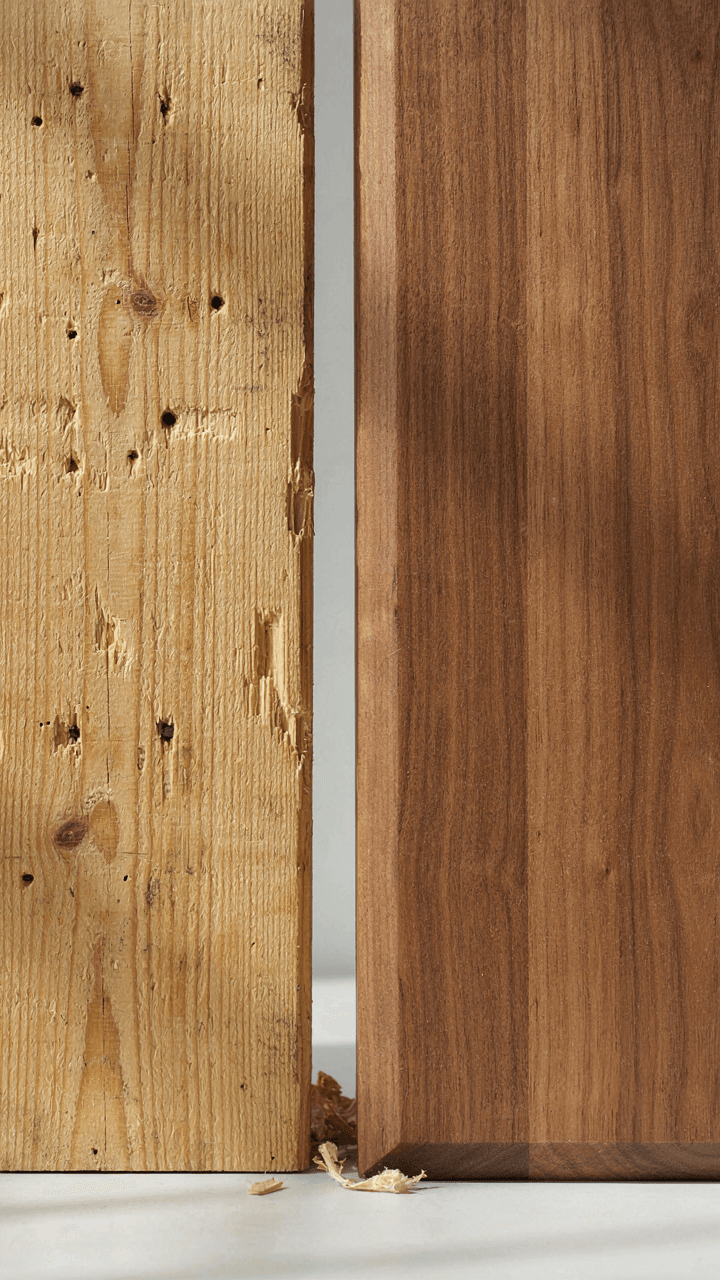
You want the daybed to look expensive without spending money. That’s the real question here, and it doesn’t work that way. Durability in outdoor wood follows the economics principle of total cost of ownership: a cheap wood frame requires replacement or major repair in three to five years, while a properly selected hardwood lasts fifteen to twenty years with basic maintenance. The math is simple. A teak or cumaru daybed costs more upfront but spreads that expense across a decade-plus lifespan, making the annual cost lower than soft pine you’ll replace twice.
Pressure-treated pine and cedar are positioned as budget solutions, but they fail the durability test in high-moisture climates. Both woods soften under UV and water exposure, leading to structural failure before aesthetic decline. Investment-grade woods like ipe, cumaru, and teak contain natural oils and density that resist rot, splitting, and insect damage without chemical treatment. The perceived luxury comes after the durability is already built in. Buy the wood that won’t fail, and the appearance stays intact as a side effect.
Timber Choice Without The Greenwashing
Sustainability claims around outdoor furniture are usually theater. What actually matters is whether the wood source is legal and replanted at scale. Teak from certified Indonesian plantations regenerates because commercial demand created incentive to replant, not because environmentalists lobbied. That’s how systems work. Cumaru and ipe from South American sources operate the same way when verified through FSC or equivalent certification. The environmental impact spreads across two dimensions: the wood’s lifespan and the forest management it funds. A daybed that lasts twenty years from a certified replanting program creates lower impact per year than a replacement-cycle frame from unmanaged sources.
Check the certificate before buying. Legitimate timber suppliers display FSC, PEFC, or regional equivalents on product documentation. If a seller can’t produce paperwork, the sourcing is either opaque or unmanaged. Hardwood daybeds from verified sources cost more because sustainable forestry requires investment in monitoring and replanting infrastructure. That cost covers actual environmental responsibility, not marketing. Your backyard daybed either funds forest management or it doesn’t. The choice is made at purchase.
The Daybed Styles Deception: Why “Boho” Is Just Marketing Noise

What Style Labels Actually Hide

You want the label because it lets you outsource your taste to a category everyone recognizes. But “boho,” “modern,” “coastal”—these are inventory bins, not design principles. They tell you what to buy, not why it works. The mechanism is simple: marketing teams named these categories to sell volume, not to help you build coherence.
A style label is a compression algorithm. It takes hundreds of design choices and squashes them into one word so retailers can stock predictable merchandise and you can shop without thinking. Boho used to mean something specific—hand-dyed textiles, vintage pieces, anti-establishment sourcing—but now it means “brown + macramé + someone else decided this goes together.” The label stops being useful the moment you stop interrogating what’s actually happening in the space.
Building From Constraint, Not Category
The real work happens when you stop asking “what style should my daybed be” and start asking “what does this specific corner need to solve.” You build aesthetic authority through constraint, not collection. Design operates like economics here: scarcity creates value.
Start with three non-negotiable facts about your space: the light quality at different times of day, the view you want to frame or block, and the one material that already exists and isn’t changing. Then work inward from those constraints instead of outward from a Pinterest board. Your choices stop looking scattered because they’re solving the same problem from different angles.
- Light mapping: Observe your corner for a full day. Note where sun hits the daybed at 8 AM, noon, and 5 PM. This determines fabric fade risk, comfort zones, and whether shade structures help or hurt the view.
- Sightline architecture: What do you see from the daybed? Build your styling around either amplifying that view or creating visual privacy. Everything else is noise.
- Material inheritance: If you have existing pavers, a fence, or a nearby structure, work with its texture and color. Fighting it creates visual fragmentation. Compatibility beats inspiration.
- Functional stacking: A daybed serves lounging, reading, napping, and conversation. Choose fabrics and support pieces that handle all four without compromise or you’ll redesign in three months.
- Scale calibration: Measure the empty space around your daybed. Oversized cushions make small corners claustrophobic. Undersized ones make large corners look abandoned. Proportion is not opinion.
When you build this way, you’re not following a style—you’re solving equations. The daybed becomes coherent because every piece answers the same question. That’s when people say your space “feels intentional,” which is code for “this person didn’t just copy a category.”

Outdoor Daybed DIY: The Power Of Intentional Imperfection
Hand Built Vs Mass Produced: Real Value Creation
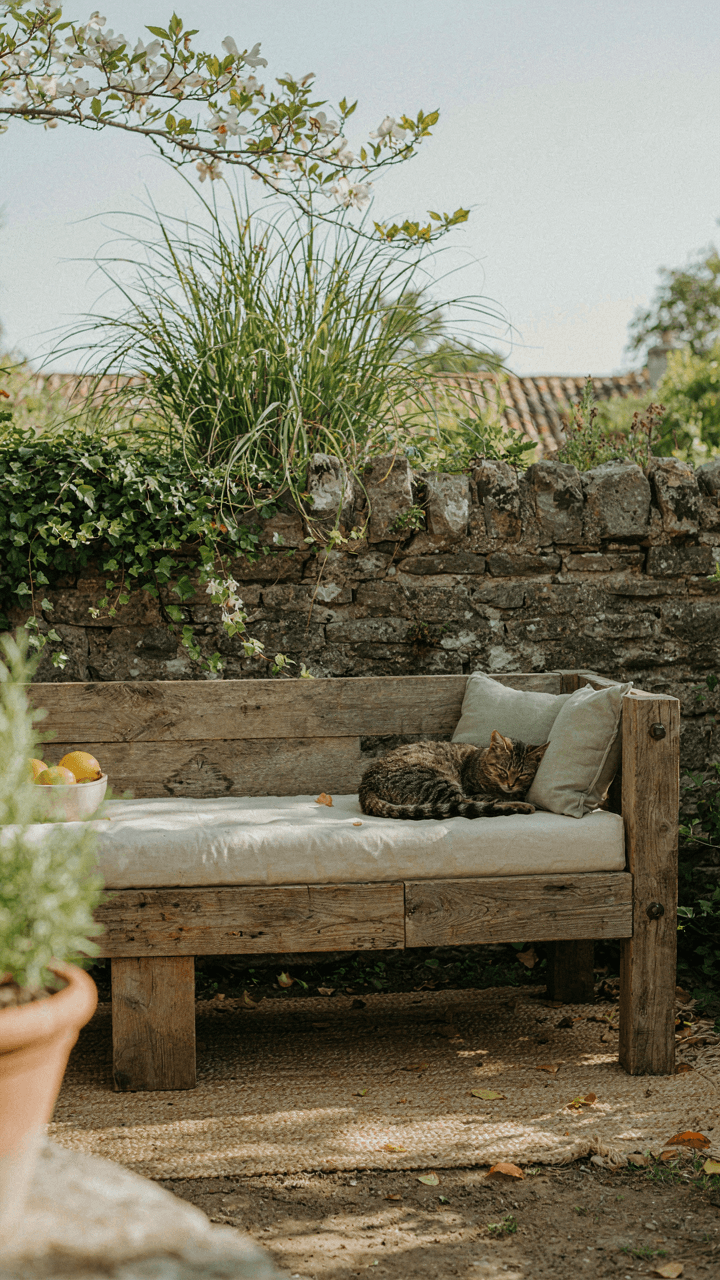
You want the daybed to look like you didn’t try too hard, which is exactly why you’re reading this. The real mechanism isn’t about effort—it’s about signal. A hand-built daybed signals resourcefulness and intentionality. A mass-produced one signals budget constraints and indifference. Economics calls this “signaling theory”: your choices communicate information before anyone sits down. When you build or customize your daybed, you’re not just creating furniture. You’re creating a statement about how you spend your attention.
Mass-produced daybeds arrive optimized for factory efficiency, not your space or aesthetics. They use standardized dimensions, predictable materials, and universal finishes. Hand-built or partially customized daybeds force you to make specific choices about frame depth, cushion density, and finish details. These decisions compound. A frame you sand and stain yourself creates visual weight and texture that factory finishing never achieves. The gaps, the grain variation, the imperfect edges—those are the details that separate a space that looks inhabited from one that looks staged.
Resourcefulness: Maximizing Impact With Minimal Spend
This isn’t about being cheap. It’s about conversion efficiency—getting maximum impact per dollar spent. The common advice is to hunt for deals and stack discounts, which misses the point entirely. Real resourcefulness means understanding which elements drive perception and which don’t. A premium outdoor cushion is visible and felt every time someone uses the daybed. The frame hardware is not. A salvaged wood top or reclaimed metal base becomes a narrative detail. New galvanized bolts do not.
Start by identifying the three visual anchors: the cushion, the frame material, and the overall proportions. Invest in one premium element—usually the cushion cover in a high-quality outdoor fabric or a distinctive frame material like teak or powder-coated steel. Source the rest strategically: offcuts from woodworkers, end-of-season sales on cushions, reclaimed materials from local salvage yards. Build the frame yourself if the joinery is basic. The daybed becomes a hybrid object—intentional where it matters, resourceful everywhere else. This approach costs 30-50% less than buying finished while delivering higher perceived value.

Beyond The Cushion: Cultivating Your Outdoor Retreat Microclimate

Strategic Planting For Shade, Scent, And Sound
You want people to notice you’re the type of person who has a retreat. What actually matters is that your body stays cool, your attention stays focused, and ambient noise doesn’t keep you wired. This is applied ecology. Plants function as biological infrastructure. Shade trees operate like thermal mass—they reduce radiant heat, which is what actually makes a daybed uncomfortable, not ambient temperature. Placement matters more than species.
The common move is to plant trees randomly around your yard and hope. Instead, map your daybed’s sun exposure across seasons. In temperate climates, a deciduous tree positioned southwest blocks summer heat while allowing winter sun through. Fast-growing options like willows establish coverage in three to five years. Conifers provide year-round screening but retain heat and humidity.
- Deciduous shade trees: Reduce radiant heat seasonally without blocking winter warmth. Maple, oak, and birch establish structure while supporting layered planting underneath.
- Scent layering via proximity: Plant fragrant species within five feet of seating. Lavender, jasmine, and honeysuckle operate at different bloom times to extend scent presence.
- Sound dampening plants: Dense shrubs absorb mid-range noise frequencies better than scattered plantings. Boxwood, privet, and bamboo clumps (not running varieties) create acoustic barriers.
- Herb proximity: Culinary plants near daybeds serve dual function. Rosemary and mint release scent when brushed by movement, signaling relaxation to your nervous system.
- Understory layering: Low-growing perennials beneath shade trees create visual depth and extend the retreat feeling vertically without requiring extra space.
Scent and sound work neurologically—they bypass rational processing and trigger state change directly. Plant fragrant species upwind of prevailing breezes. Position dense plantings between your daybed and noise sources like streets or neighboring properties. This isn’t decoration. It’s environmental engineering.
Lighting For Mood: Beyond Mere Illumination
Most people add lights to see at night. That’s not what you’re actually solving. You’re managing melatonin suppression and creating psychological permission to stay in one place. Warm light (2700K or lower) preserves evening cortisol recovery while cool light (5000K+) triggers alertness. Your daybed operates against this: you want relaxation, not activation.

String lights and overhead fixtures cast light indiscriminately. Instead, use directional ambient lighting—wall-mounted sconces or low bollards that illuminate the ground plane, not your face. This approach comes from theater design. Key light hits the surface you occupy. Fill light comes from reflection off vertical elements like your daybed structure or nearby plantings. Eliminate backlight and overhead glare. Position fixtures at least ten feet from your seating zone and angle them downward. Brightness matters less than color temperature and placement. Test your setup in evening hours when you actually use the space.
The Unspoken Cost: Why Your Outdoor Daybed Ideas Fail

Neglecting Maintenance: The Unseen Decay
You want to believe your daybed will age gracefully. It won’t. Outdoor daybeds degrade faster than indoor furniture because weather compounds deterioration exponentially. Sun breaks down synthetic fibers in months, not years. Water pools in seams and accelerates mold growth. Wood swells and splits. Metal oxidizes. The mechanism is simple: exposure multiplies decay rates. A daybed left untended becomes unusable within two seasons, not five.
Maintenance isn’t optional cosmetics. It’s operational necessity. Cushions need monthly vacuuming to prevent mildew colonization. Wood frames require annual sealing depending on your climate zone. Metal components need inspection for rust initiation points. Fabric canopies collect debris that traps moisture. Most people skip this because they think “outdoor” means “maintenance free.” It means the opposite. Build a quarterly inspection protocol now or watch your investment splinter.
Ignoring Personal Use Patterns: The Ghost Of Good Intentions
You bought the daybed for the version of yourself that relaxes outside daily. That person doesn’t exist. Your actual self has work, weather preferences, and social habits that contradict regular daybed use. The daybed sits empty while you convince yourself you’ll use it “soon.” This isn’t laziness. It’s a planning failure. You didn’t design for your real behavior, you designed for aspirational behavior.

Map your actual outdoor time before selecting placement, size, or configuration. Do you host gatherings or sit alone? Do you read or work? Does your yard get afternoon shade or full sun exposure? Do insects bother you? These answers determine everything about setup. A daybed positioned in direct afternoon heat becomes unusable in summer. One placed far from the house gets forgotten. Placement and scale must match how you actually spend time, not how you wish you would.
The Real Obstacle Isn’t Style; It’s Your Fear Of Truly Unwinding

Most people won’t build an outdoor daybed because they’re afraid of what happens when they actually stop. Stopping means confronting yourself. It means admitting you need rest. Your backyard corner isn’t waiting for the perfect aesthetic—it’s waiting for you to decide you’re worth the space. Today, pick one spot. Measure it. That’s it. You don’t optimize what doesn’t exist. The daybed styling comes after you commit to the ritual. You can’t relax on a theoretical mattress.