Introduction
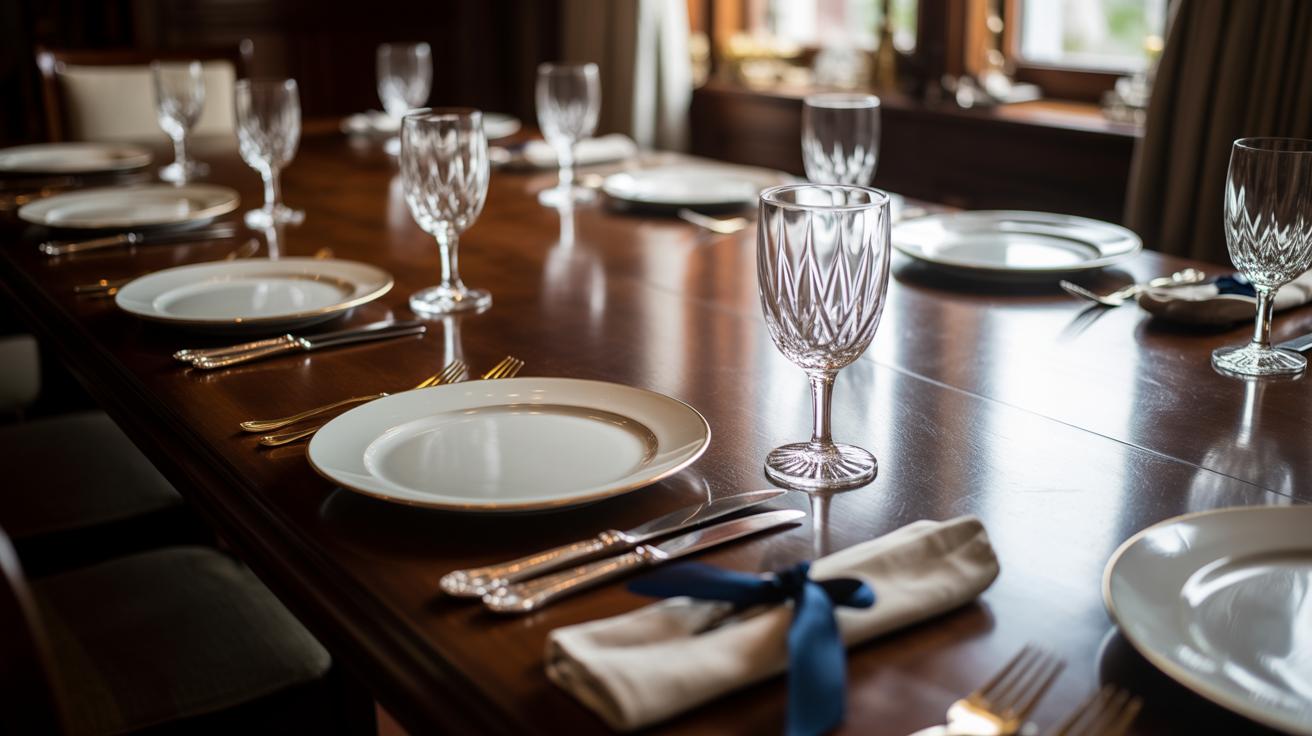
Long table seating can create a wonderful atmosphere at a dinner party, but certain mistakes can disrupt the flow and enjoyment of your event. How you arrange seats along a long table impacts conversation, comfort, and the overall vibe. Avoiding common errors will help you host a dinner party guests will remember for the right reasons.
In this article, you will learn about key long table seating mistakes that cause snags. You will also discover how to fix them with practical tips and examples. Whether you’re hosting a small gathering or a large celebration, these insights will help you create a smooth, lively dinner party experience.
Common Seating Mistakes To Avoid
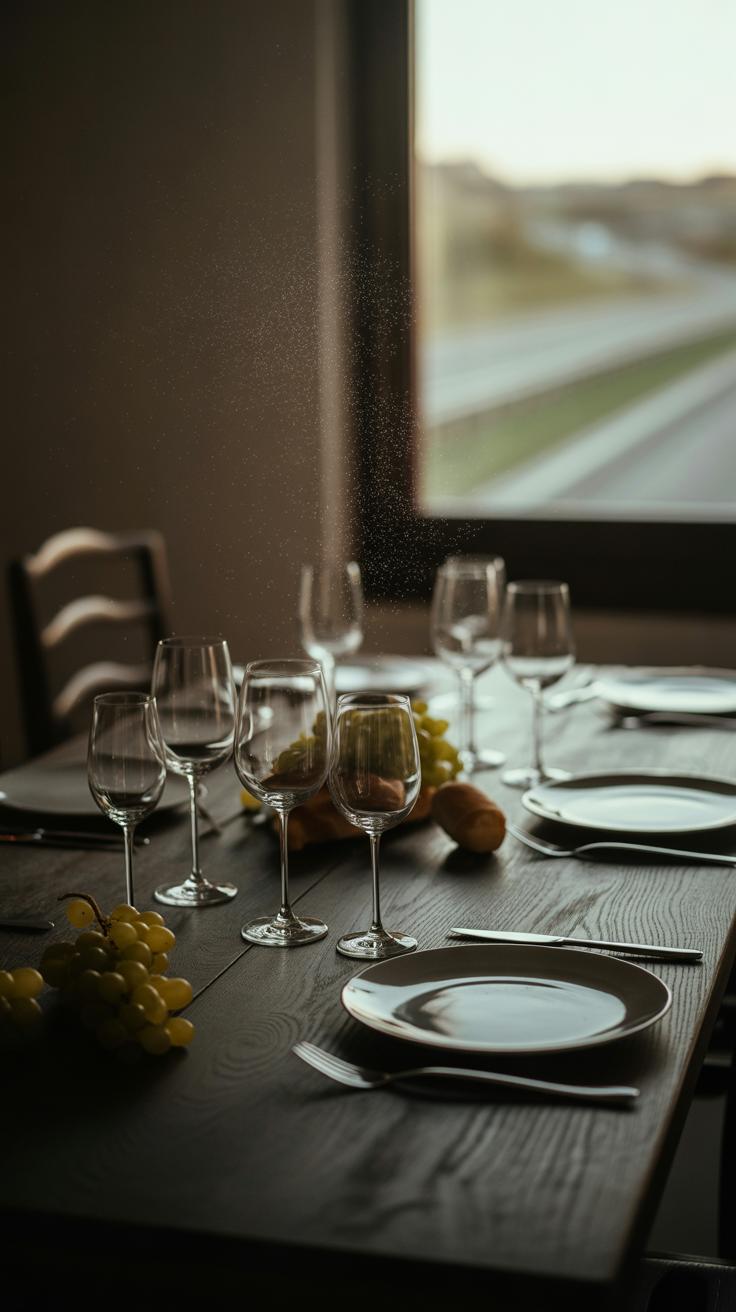
When arranging guests at a long table, there are some recurring mistakes that can trip up the flow of your dinner party. One major issue is poor mixing of guests. For example, seating all your chatty friends on one side and the quieter ones all together tends to create uneven energy. Have you noticed how some parts of the table buzz with conversation while others stay strangely silent? That’s often because people are stuck with neighbors they don’t relate to or simply don’t know.
Another problem comes from uneven seat spacing. Sometimes hosts squeeze guests in too tightly, thinking they’ll fit more people that way. But close quarters can make guests shift uncomfortably or even avoid talking to others altogether. On the flip side, leaving awkward gaps can create physical and emotional space between guests, killing any chance of easy exchanges.
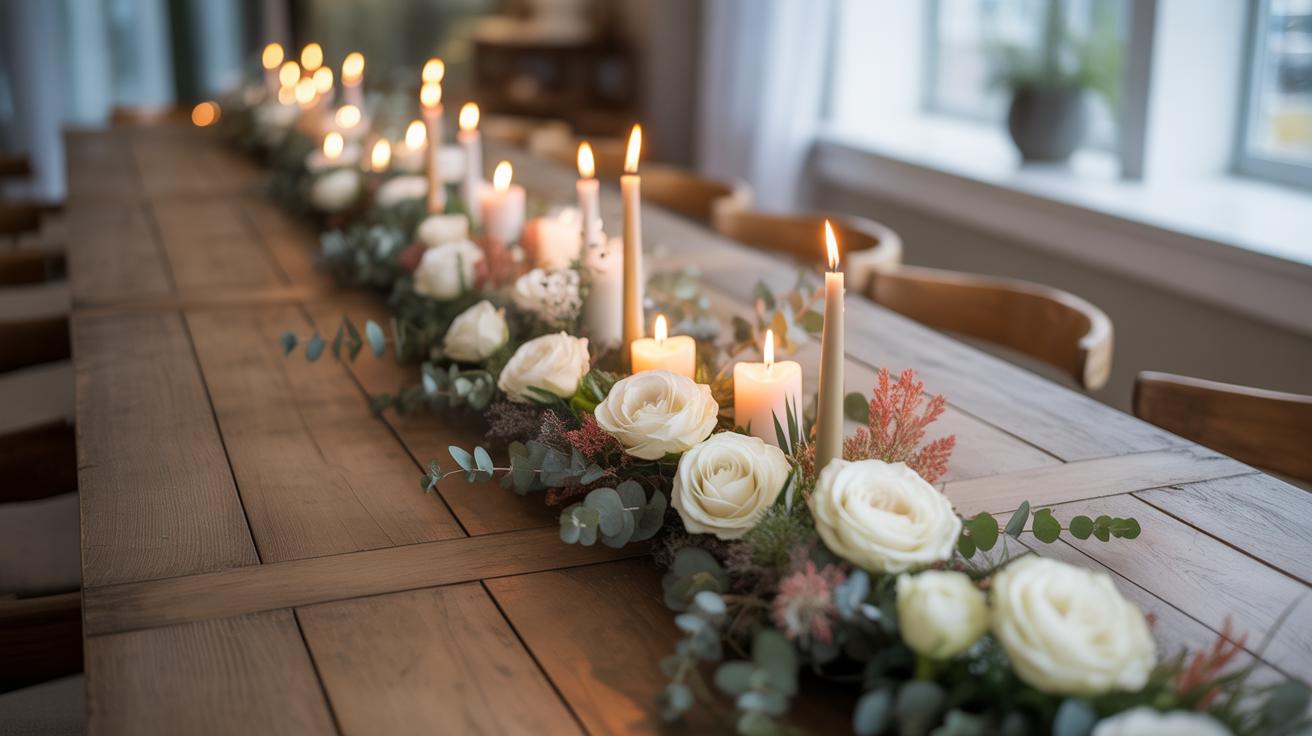
Comfort is often underestimated as well. Chairs that are too hard, tables that are too tall, or cramped legroom can disrupt attention and mood. Plus, blocking conversation paths—imagine placing tall centerpieces or awkwardly angled seats—stops voices from carrying across the table. The result? People lean away or simply give up trying to engage beyond their immediate neighbors. It’s these little details, more than you might expect, that shape how your guests experience the evening.
Poor Guest Placement Effects
Randomly seating guests without thought usually leads to awkwardness. Imagine sitting next to someone with very different interests or maybe even a tense history. Conversations stall; smiles become forced. On the other hand, grouping cliques together looks like a good idea but often causes isolated pockets of chatter. If you’ve ever been at a party where you felt stuck because your neighbors barely spoke, you know what I mean.
For instance, placing two people who hardly know each other side by side might feel uncomfortable at first but can spark new and lively conversations. Sitting your book club together sounds safe but can limit the broader social vibe, making it less inclusive. It’s a delicate balance, but thoughtful mixing tends to energize more than random or overly familiar groupings.
Spacing And Comfort Errors
Seat spacing isn’t just a matter of fitting guests—it affects mood deeply. When people are too close, they might elbow each other, steal personal space, or feel on edge. This is distracting and makes you wonder if your guests really can relax. In contrast, when there are uneven spaces along a long table, some guests can end up feeling sidelined or disconnected from the group dynamic.
Comfort goes beyond physical space. Think about chairs, table height, or whether guests have room for their plates and elbows without knocking into one another. If someone looks uncomfortable, they’ll focus more on shifting in their seat than enjoying the conversation or food. Sometimes, hosts overlook this, assuming guests will ‘settle in’—but that can take time, and you might lose precious moments of engagement early on.
How To Arrange Guests For Flow
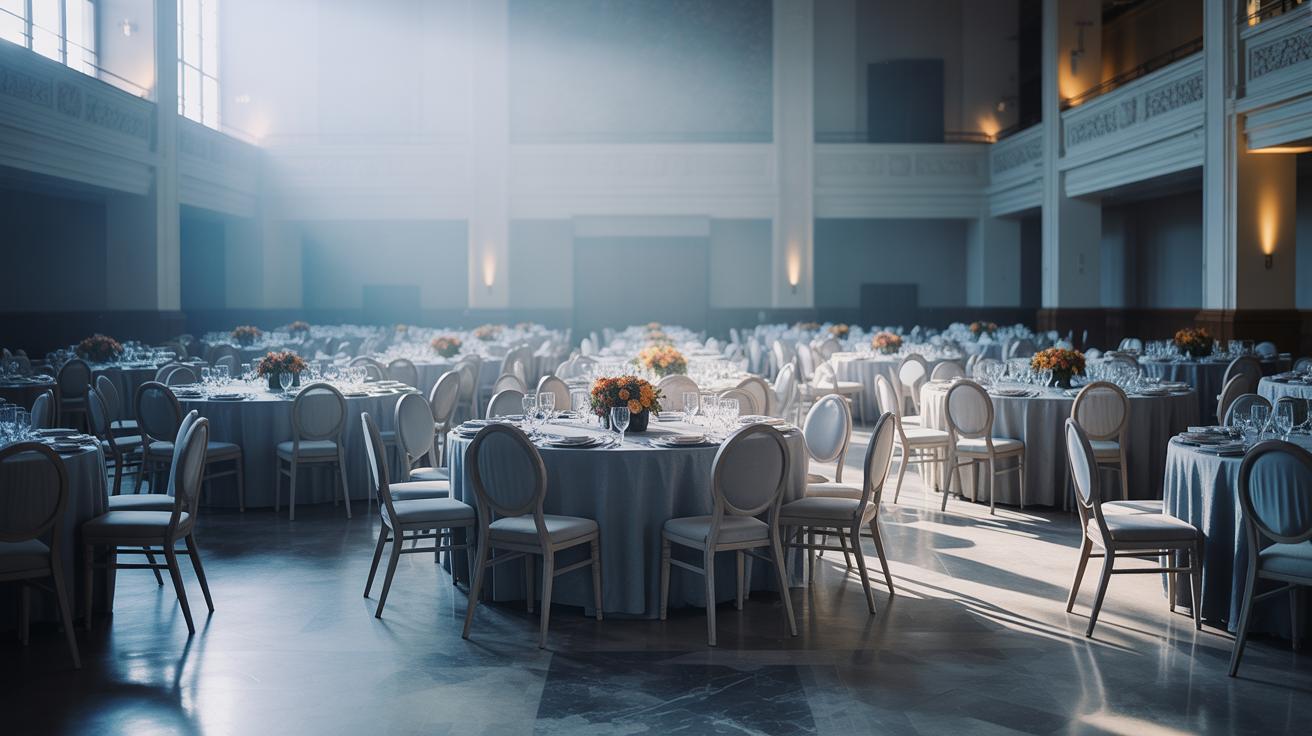
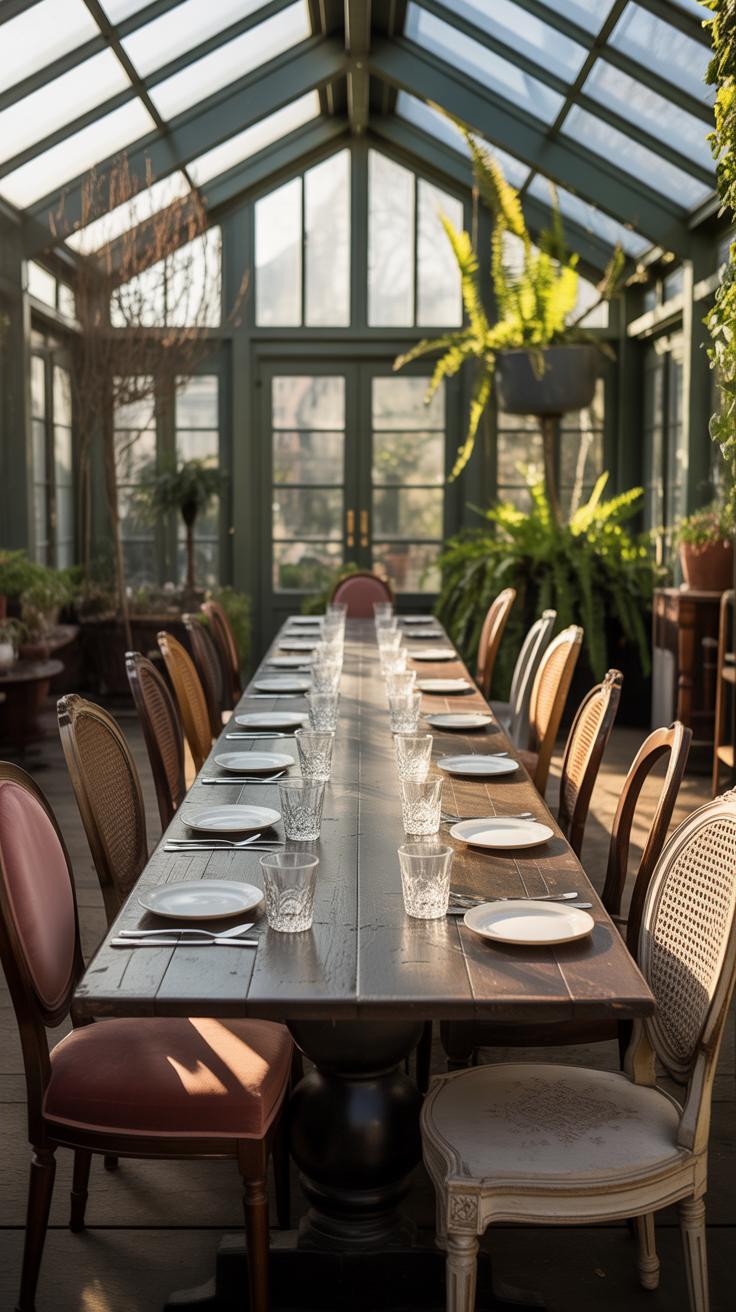
When you’re setting up a long table, the way you seat guests can make or break the evening. To encourage smooth flow and natural interaction, start by mixing different groups thoughtfully. Think about who might have shared interests or complementary personalities. It’s tempting to just seat friends together, but that can create pockets where conversation stalls.
Try pairing quieter guests with those who are more talkative, but be gentle about it. Sometimes, a very talkative person next to someone shy can overwhelm rather than engage. Maybe seat them near the table’s center, where there’s more activity to draw them out gently.
Balance in seat distribution is tricky but crucial. Spread guests evenly along the table—even if some prefer to sit near the ends or corners. You want little conversation zones—small groups where people can chat without feeling left out—but don’t isolate anyone at the edges. For example, placing three to four people close enough to exchange easy banter works well, while leaving slight gaps to avoid noise overload.
Think of the table as a series of mini social hubs rather than one long line. This setup nudges people to turn and talk without shouting across the table. And occasionally, invite folks to shift seats during the meal—sometimes that small change refreshes the energy in the group and keeps the flow going.
Seating Checklist For Dinner Setup
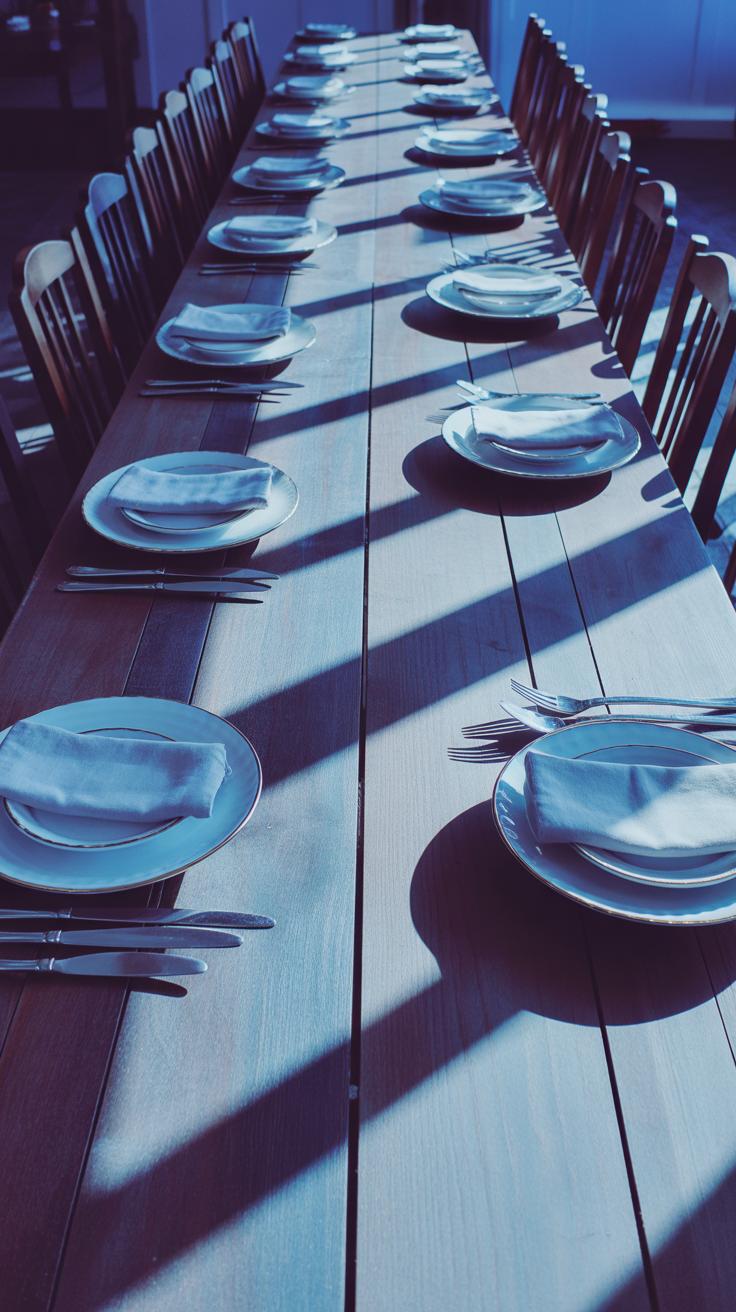
Before your guests arrive, take a moment to run through a seating checklist. It might feel a bit tedious, but small details can make a huge difference in how the evening flows.
Start with seat assignments. Do you have a clear idea of who sits where? Sometimes, mixing familiar friends with new acquaintances helps conversation, but other times, keeping close friends together spares awkward silences. Think about personalities and how they might interact.
Next, check comfort. Chairs should have enough space for people to settle in without bumping elbows or feeling cramped. Remember, not everyone likes sitting too close, and sometimes people appreciate a little breathing room, especially at a long table where side conversations tend to multiply.
Don’t forget about the pathways around your table. Make sure there’s enough clearance for guests to move without difficulty—pushing chairs back too close to walls or other furniture creates bottlenecks. You might want to test this yourself by walking around the set table; awkward movements say a lot about how your guests will feel.
Finally, review the overall setup for ease of access to cutlery, napkins, and shared dishes. If these are placed too far, the flow of the meal stalls; if they’re too close, you risk chaos with arms crossing and people stretching over others. Finding the right spot isn’t always straightforward, so don’t hesitate to adjust.
How Seating Affects Party Mood
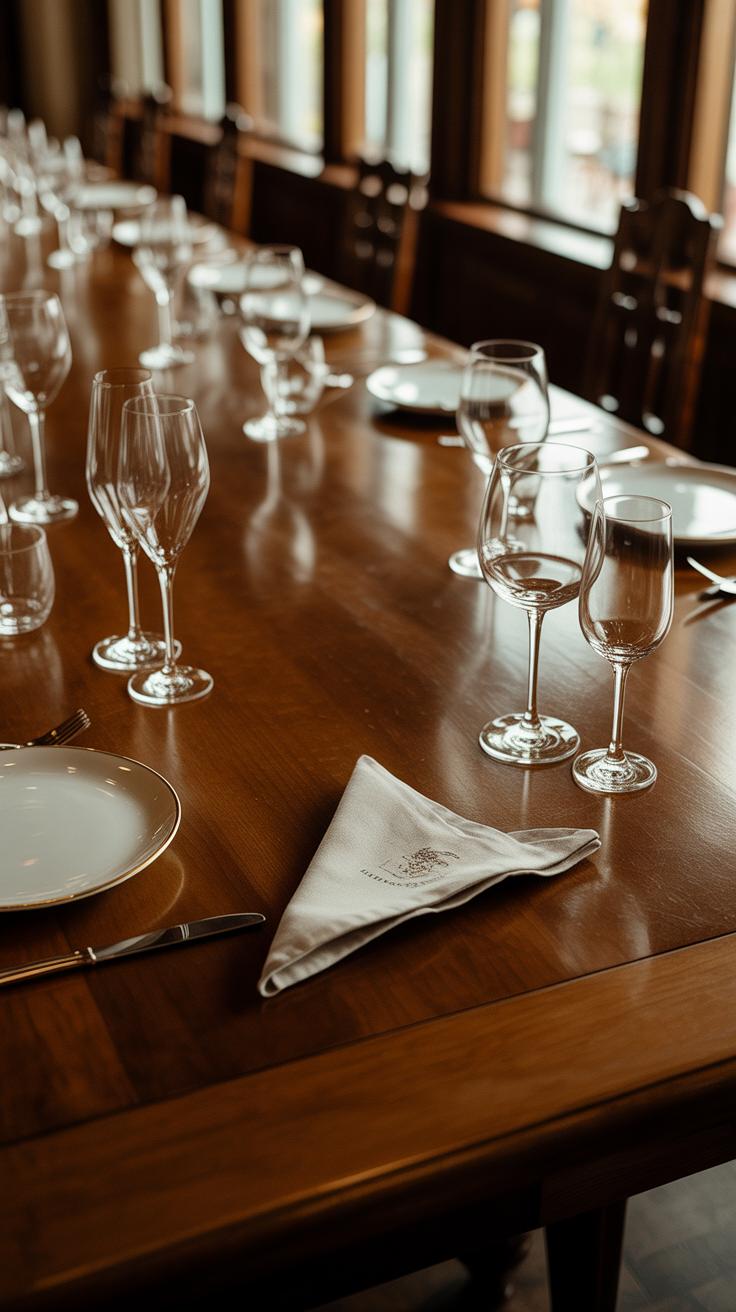
Seating at a long table isn’t just about fitting everyone in. It changes how people feel and how they interact. Imagine a guest stuck next to someone they barely know, with no chance to turn toward others. That can make the evening dull for them—or worse, uncomfortable. On the other hand, placing friendly faces together can spark laughter and easy conversation that spills across the entire table.
Comfort plays a big role here. When guests have enough space—not jammed elbow-to-elbow—they tend to settle in and open up. I’ve noticed that when neighbors are pleasant or share interests, guests laugh more, lean in easier, and the mood stays light. But pack them too tightly or seat someone with a conflicting personality nearby and the vibe can shift awkwardly.
Thoughtful seating also helps avoid those painfully silent moments that drag the night down. If the host makes sure no one is isolated or stuck next to a wallflower, the group feels more connected and the chatter keeps moving. At a recent dinner I attended, the host purposely broke friends out into smaller conversation pairs along the long table—conversation never stalled. That little move kept things buzzing better than expected.
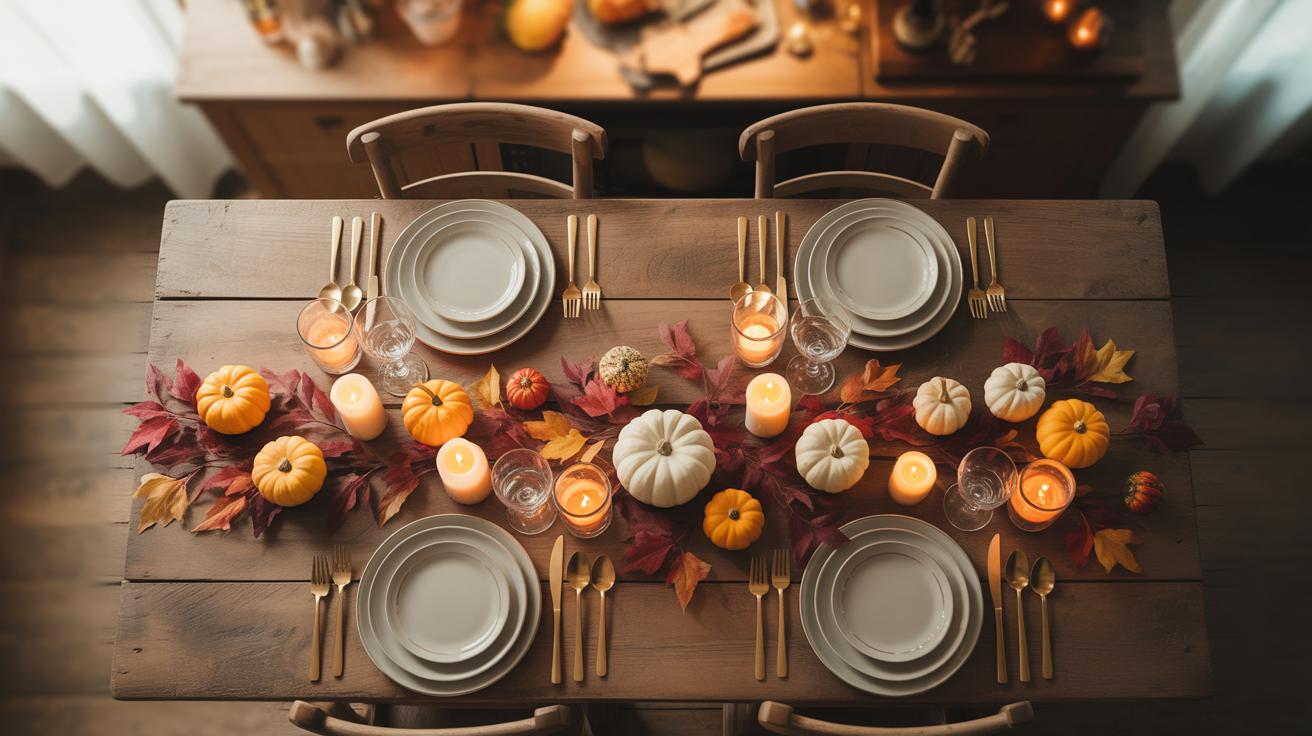
So, how much can your seating choice shape the party? Quite a bit, actually. Which guests might get along? Who tends to dominate the talk? These small decisions can let your evening flow smoothly or leave some lingering quiet that’s hard to shake. It’s tricky but worth thinking through before guests walk in.
Examples Of Good Seating Plans
Small Dinner Party Setup
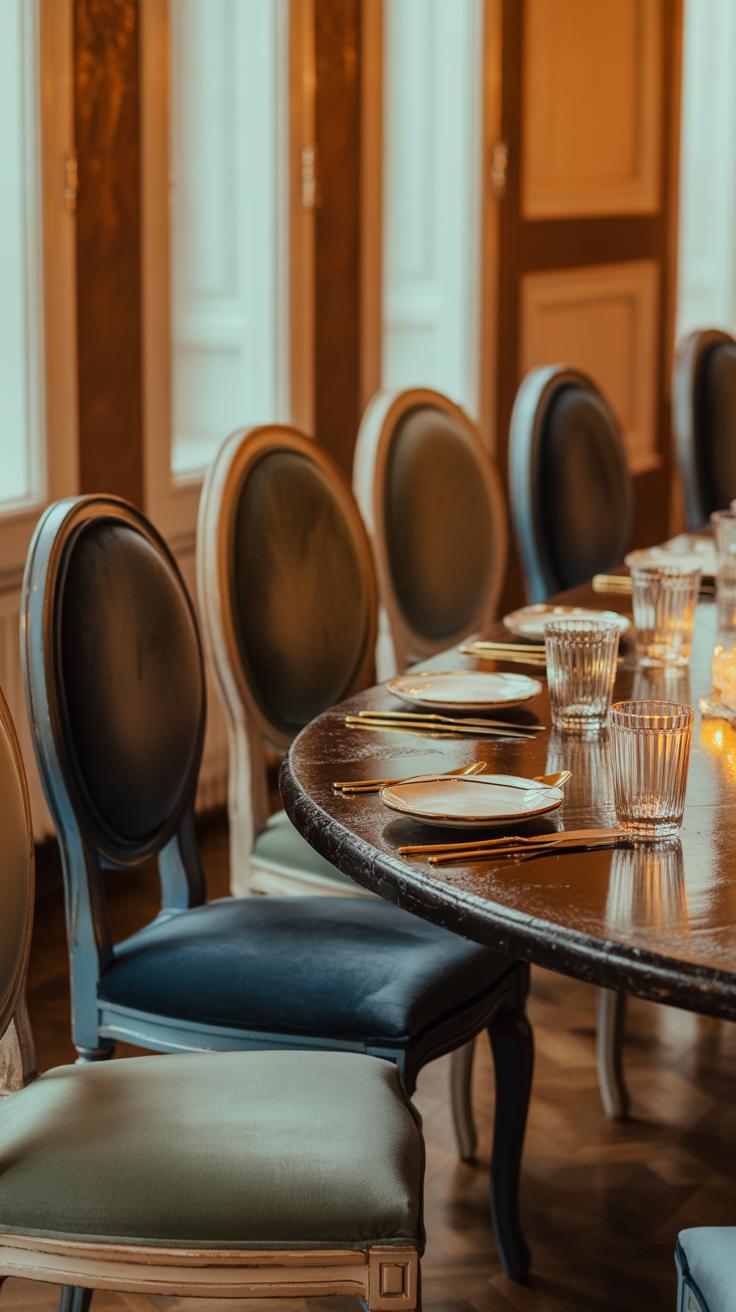
For a small group—think six to eight people—a long table can feel intimate if arranged thoughtfully. Rather than seating everyone in strict rows, spread guests out with slight gaps, allowing for comfortable movement. Mixing seat partners thoughtfully encourages deeper conversations. For instance, sit two close friends opposite one another but separate the more introverted guests by placing them next to those who naturally spark dialogue.
Imagine a dinner where people can easily lean in to hear each other, yet still stand or swap seats if needed. It doesn’t have to be a perfect circle but should encourage some eye contact beyond just the neighbor. I once tried this setup and was surprised how the slight spacing and mix of personalities kept the energy easygoing and chatty—no one felt stuck or overwhelmed.
Large Gathering Layout
When hosting a larger crowd, say twenty or more, long tables require deliberate breaks in flow to keep conversations lively and the atmosphere light. Think about breaking the table into smaller conversational clusters by seating groups with shared interests or backgrounds close together. This doesn’t mean isolating groups completely but offering natural pauses between clusters so voices don’t compete.
You might add small table decorations or subtle divides to signal these clusters without interrupting the overall visual line. Ensuring that aisle space is adequate for servers and guests to move freely also contributes to the flow—nobody likes to feel trapped at the table. One time, a friend used this kind of layout and found guests naturally paired up or formed triads, which made the dinner feel less like one large, daunting affair and more like a series of manageable, enjoyable chats.
Fix Seating Mistakes During The Party
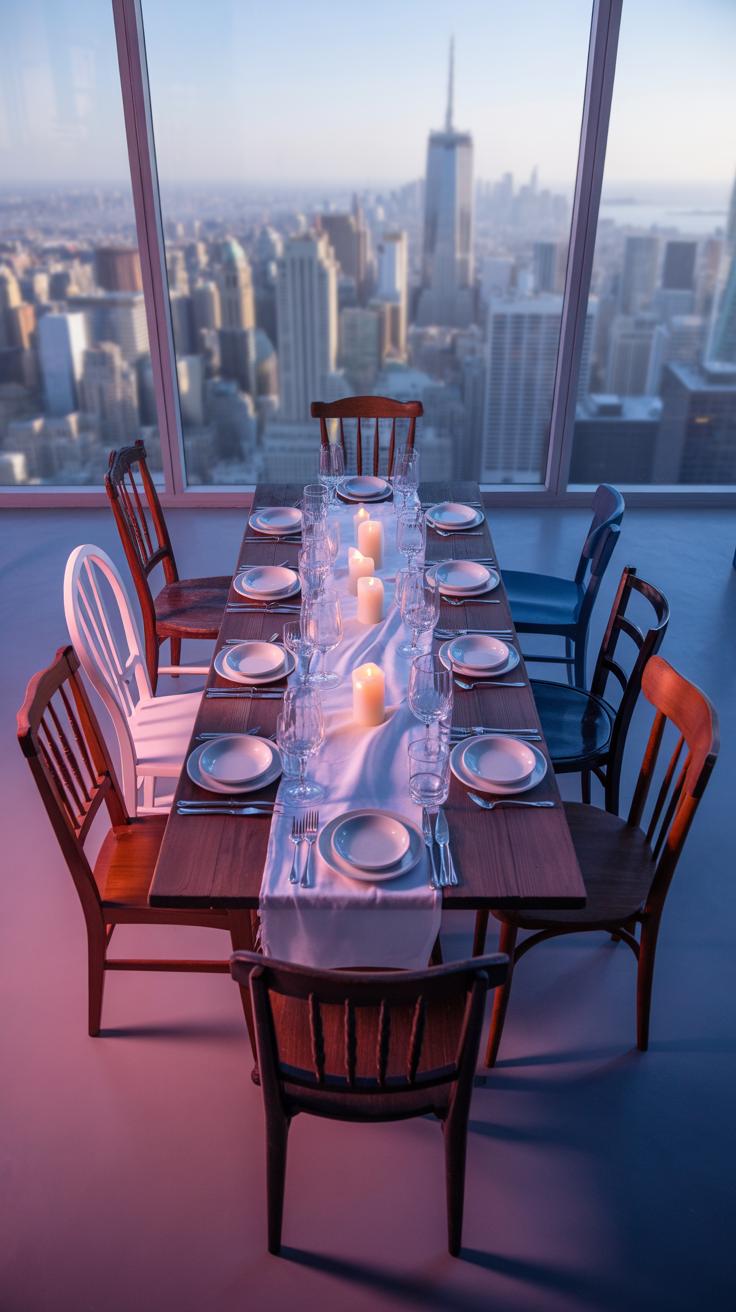
Sometimes, despite your best plans, you’ll notice things aren’t quite right at the table once the party’s underway. Maybe a few people seem stuck in awkward silences or others are clustered too tightly, making conversations feel strained or forced.
Watch for these subtle clues: guests who keep glancing around, body language that’s closed off, or gaps where conversations don’t flow. When you spot those signs, you can gently step in without drawing too much attention.
For example, try suggesting a small shift by offering to bring another dish or refill drinks—then use that moment to encourage a seat swap. Saying something like, “I think you two haven’t had a chance to chat yet; why don’t you move over and meet each other?” can work wonders.
You might also restructure the spacing between seats a bit—maybe nudge a chair aside or pull someone closer to the center. Small moves create new energy without disrupting the overall mood.
The key is to keep it light and casual. People are usually happy to adjust if it means a better night, but you don’t want to sound like you’re fixing a problem. Instead, frame changes like invitations—“why don’t you try sitting here for a bit?”—rather than corrections.
Seating Mistakes Versus Flow Benefits

Negative Effects Of Mistakes
Poor seating arrangements at a long table can throw off your dinner party more than you might expect. When guests end up too far apart or stuck next to strangers with nothing in common, conversations often stall or become strained. One friend once sat at the very end of a 12-person table and felt isolated, barely hearing the main discussion happening in the center. It made him uncomfortable and distracted, and he kept checking his phone to avoid awkward silences.
Other issues include uneven spacing, which can make some guests feel cramped while others have too much room, breaking the cohesion of the group. If you don’t think about who sits near whom, you risk causing tension—maybe placing two strong personalities side by side, or pairing someone shy with a loud talker. These choices can create unwanted friction, disrupt the flow of interaction, and sometimes even silence parts of the table entirely.
Positive Outcomes Of Good Seating

When you plan seating thoughtfully, you create a natural rhythm that encourages people to talk comfortably and engage with multiple neighbors, rather than just the person next to them. A friend invited a mix of people who didn’t know each other but sat them by shared interests, like hobbies and professions. The effect? Conversations spread and deepened easily. The room felt warmer, more connected.
Good seating also helps balance energy levels at the table. You can match quieter guests with those who are more outgoing, helping shy attendees open up without feeling overwhelmed. When everyone is comfortable and placed with a few familiar or compatible faces, smiles come more easily, laughter flows easier, and overall satisfaction rises. It’s a subtle thing but having a well-thought-out arrangement genuinely changes the party dynamic—and maybe even your guests’ memories of it.
Inviting Guests To Engage And Move
Getting guests to start chatting comfortably at a long table can be tricky. You want them to connect without making the whole setup feel like a shuffleboard. That’s where simple icebreakers come in—they ease tension and open doors for conversation. Something low-key works best, like asking everyone to share a favorite recent meal or an unexpected hobby. These prompts give people something easy to latch onto without pressure.
Games can help, too, but they don’t have to be elaborate. Try a quick “two truths and a lie” or a light-hearted trivia round about the group. These encourage laughter and reveal little details about each person without forcing anyone too far out of their comfort zone. When the mood is light, guests are more willing to look beyond their immediate neighbors.
Encouraging gentle mingling on a long table is subtle art. You don’t want dramatic seat-switching that disrupts the meal flow. Instead, invite guests to briefly swap seats with someone nearby after each course or to stand for a short stretch with their neighbors. Offering small breaks—maybe with a shared task like passing around a dish or pouring drinks—gives a natural excuse to move without it feeling awkward.
You might wonder: does everyone really want to move at a formal dinner? Probably not. But those who do appreciate the chance often bring fresh energy, recharging conversations and preventing the dreaded “stuck next to the stranger” feeling. The key is balance—honor guests who prefer to stay put while making movement easy for others. This way, the flow stays smooth and your party feels more alive.
Conclusions
Careful seating at a long table matters more than you might think. By identifying common mistakes like poor guest placement and imbalance, you can improve communication and keep the party energized. Using simple adjustments like strategic seating and spacing creates a better flow.
Applying the tips discussed helps you avoid interruptions and frustration. A well-planned long table arrangement welcomes everyone and encourages fun. Your next dinner party can run smoothly, letting you and your guests focus on enjoying the night together.