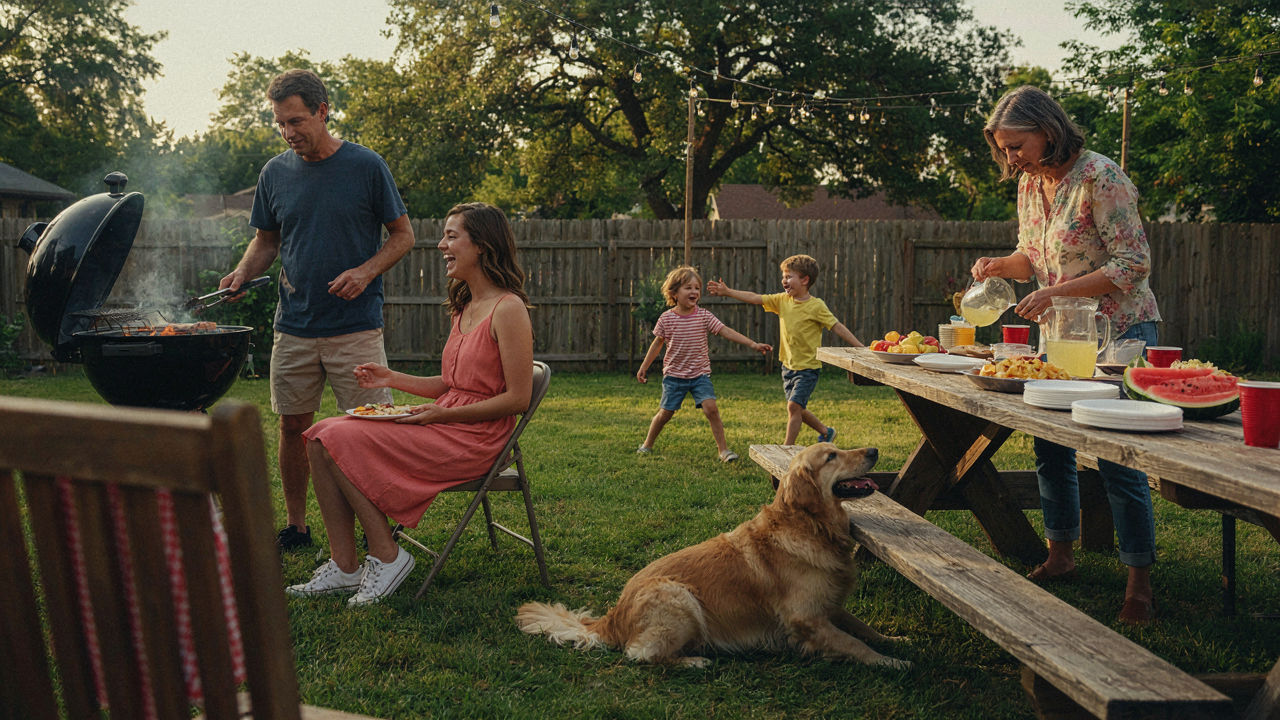
The Minimalist Grilling Manifesto: Easy Labor, Maximum Impact
Fewer Proteins, Better Results
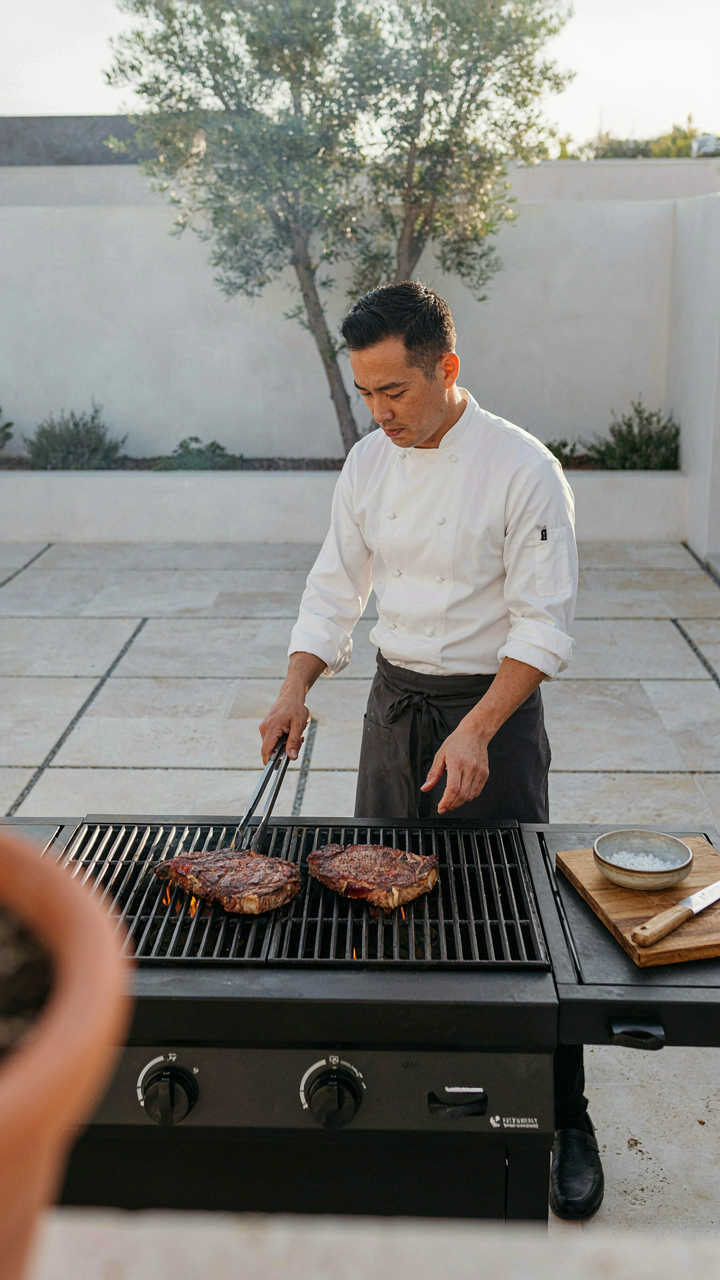
You want this to feel effortless so people think you didn’t stress about it. The mechanism is constraint: fewer items force better execution. Most hosts grill five proteins, undercook three, nail one. Pick two. Master those two instead of spreading attention across a lineup that guarantees mediocrity.
Beef short ribs and chicken thighs. That’s the stack. Short ribs demand high heat and timing discipline, which separates good from sloppy. Chicken thighs stay forgiving because dark meat survives overcooking better than breast. Both improve with salt and sit time the day before. Both hold temperature well during the social portions of the gathering. One beef project, one foolproof backup.
Salt And Acid Alone
Everyone talks about complex marinades like they unlock secret flavor. They don’t. Salt dissolves proteins and allows moisture retention. Acid tenderizes and brightens. That’s the chemistry. Combine salt with lemon juice or vinegar, apply twelve hours ahead, and you’ve built the foundation all the expensive spice rubs attempt to replicate.
Garlic and black pepper exist to amplify these two forces, not replace them. A paste of salt, cracked pepper, minced garlic, and lemon zest rubbed on ribs overnight produces results that vinegar-based hot sauces and Worcestershire won’t touch. The mechanism is osmosis and enzymatic breakdown, not taste complexity. You’re not trying to impress with layers. You’re trying to move moisture into the meat and break down fibers. Do that correctly and the protein becomes the flavor.
Beyond The Burger: Unconventional Backyard Cookout Staples
Vegetables As The Centerpiece

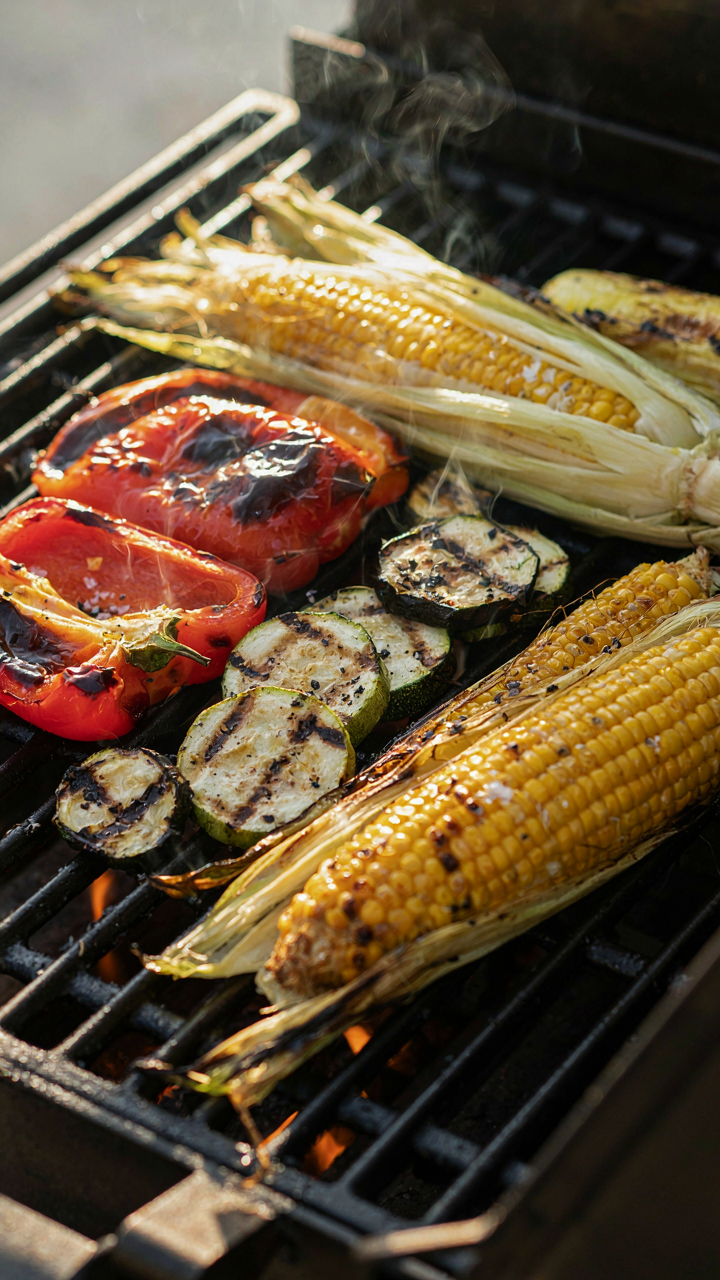
You want people to remember your cookout for reasons other than “adequate hamburgers.” The real mechanism at work here is thermodynamics: vegetables develop flavor through the Maillard reaction, the same chemical process that browns meat. Most hosts treat grilled vegetables as a side dish because that’s what weak planning looks like. They’re actually the anchor.
Grill dense vegetables directly over high heat. Zucchini, eggplant, bell peppers, and summer squash char on the outside while staying tender inside when you don’t move them constantly. Salt them beforehand so they release moisture and concentrate flavor. A vegetable-forward cookout doesn’t require apologizing or justifying to your guests.
Smoked Fish Over Seafood Rhetoric
Everyone talks about grilling shrimp. Nobody mentions that smoked fish solves a real problem: you can prepare it hours ahead and serve it cold or room temperature without degradation. This is strategic advantage, not dietary preference. Most backyard cooks fear fish because they haven’t seen the actual method work.
Mackerel and trout are forgiving options with natural fat content that prevents drying. Smoke them low and slow for two to three hours, then let them cool completely. You slice them into portions, serve with lemon and bread, and your guests eat something they genuinely didn’t expect at a Labor Day cookout. The mechanism is simple: preparation separates you from whoever’s flipping burgers next door.
The 80/20 Rule For Bbq Recipes: Effortless Flavor
Salt, Smoke, And Heat

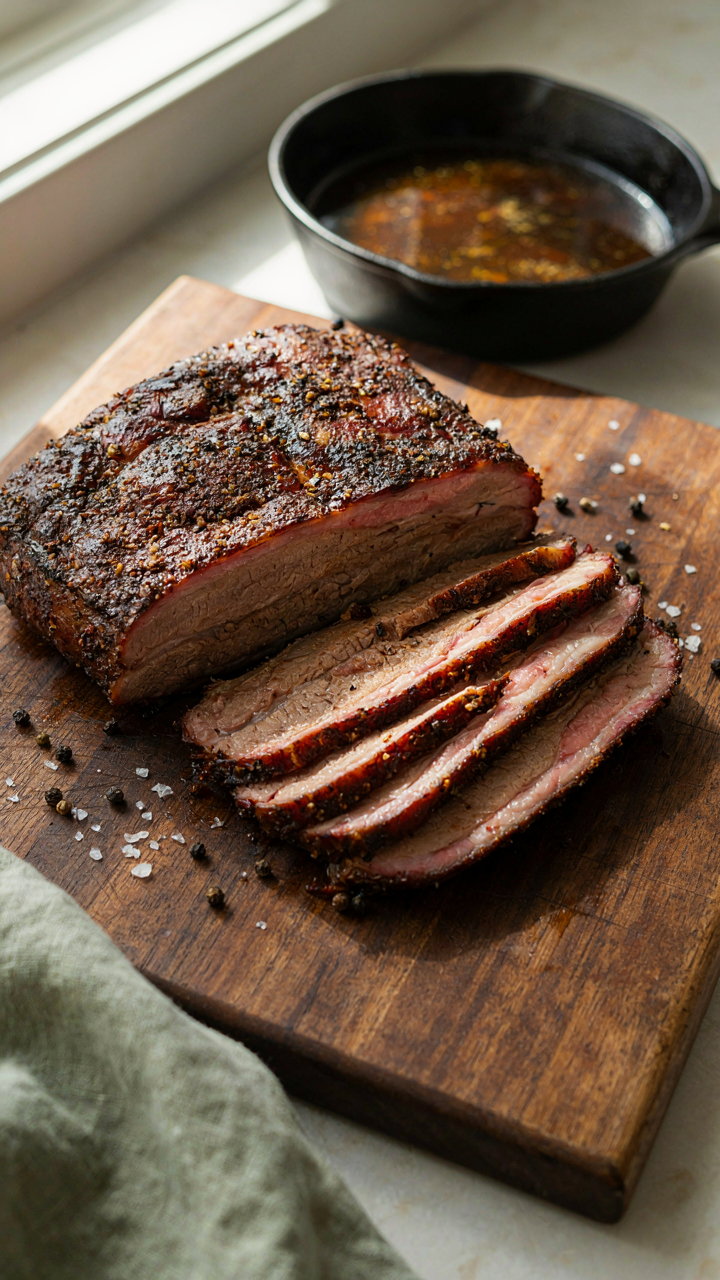
You want people to think you spent all day cooking. That’s the real reason you’re reading this. Here’s the mechanism: barbecue flavor comes from three variables—salt, smoke, and heat management—not from complexity. Most home cooks reverse this. They layer ten spices and miss the fundamentals. Salt draws moisture to the surface, creating the bark. Smoke deposits flavor compounds during the cook. Heat timing determines whether meat dries out or stays juicy. Master these three and your guests won’t care that your rub has four ingredients instead of fifteen.
The best move is aggressive seasoning applied the night before. Kosher salt penetrates deeper over time than table salt, and it doesn’t over-salt like fine salt does. Paprika and black pepper add surface color and bite without requiring precision. Garlic powder and onion powder contribute base notes without fussiness. Apply this the evening before. Let it sit uncovered in the fridge. The salt begins its work immediately. When you hit the grill, you’re not playing catch-up—you’re accelerating a process already underway.
Sides That Cook While You Watch The Grill
Batch cooking sides eliminates the scramble that kills most cookouts. You prep everything before guests arrive and reheat during the cook. Baked beans, potato salad, and coleslaw all improve when made a day ahead. The flavors marry. Dressings absorb into starches. You stop being a short-order cook and start being a host.
- Baked Beans: Mix canned beans with brown sugar, mustard, and bacon the night before. Bake low and slow for two hours before guests arrive. Reheat in a slow cooker on site.
- Potato Salad: Toss warm potatoes with vinegar while hot so they absorb dressing. Chill overnight. The potatoes won’t dry out and flavors set properly.
- Coleslaw: Dress cabbage and carrots several hours ahead. Salt draws out water, concentrating flavor and softening texture to proper crunch.
- Corn Salad: Combine corn, bell peppers, red onion, and lime vinaigrette. Make it morning-of. It holds texture and doesn’t wilt like greens.
- Grilled Vegetables: Toss peppers and zucchini in oil and seasoning before guests arrive. Grill them in batches on the cooler side of your grill between meat cooks.
The protocol is simple: finish all cold sides the night before, reheat warm sides in a slow cooker one hour before service begins, and grill vegetables in the gaps between meat. This keeps you free to manage the actual fire and focus on one task at a time. You move from prep to execution to hosting—no overlap, no panic.
Strategic Summer Celebration Hydration: Forget The Fancy Cocktails

The Water Station Nobody Builds

You want the cookout to feel effortless so guests think you’re naturally talented at hosting. That’s not happening without solving the friction problem first. Think of hydration logistics like supply chain management: you need the right product in the right location at the right time, or your guests won’t consume it, they’ll get dehydrated, and the gathering tanks.
Most hosts scatter drinks across three locations and wonder why people are searching their kitchen. Set up one dedicated water station near the seating area, away from the grill. Use a large cooler or beverage dispenser filled with cold water and ice. Position cups, a ladle, and a trash bin within arm’s reach. Guests use it without asking or hunting. This single placement decision prevents dehydration and keeps the social momentum flowing.
Batch Beverages That Scale Without You
Forget craft cocktails and signature drinks. The advice to “make something special” wastes your time before guests arrive and keeps you tethered to the kitchen during the event. The real mechanism is volume and simplicity: prepare drinks that require zero assembly once people arrive.
Mix large batches of lemonade, iced tea, or punch in advance and pour them into pitchers or dispensers. One gallon of prepared beverage serves roughly eight to ten people. Cold water remains your anchor. Set everything out before guests arrive so you’re free to manage food and conversation. The cookout runs on your absence from the beverage station, not your presence.
The Pre Game Protocol: Setting Up Your Labor Day Cookout For Success
The Three Zone Framework

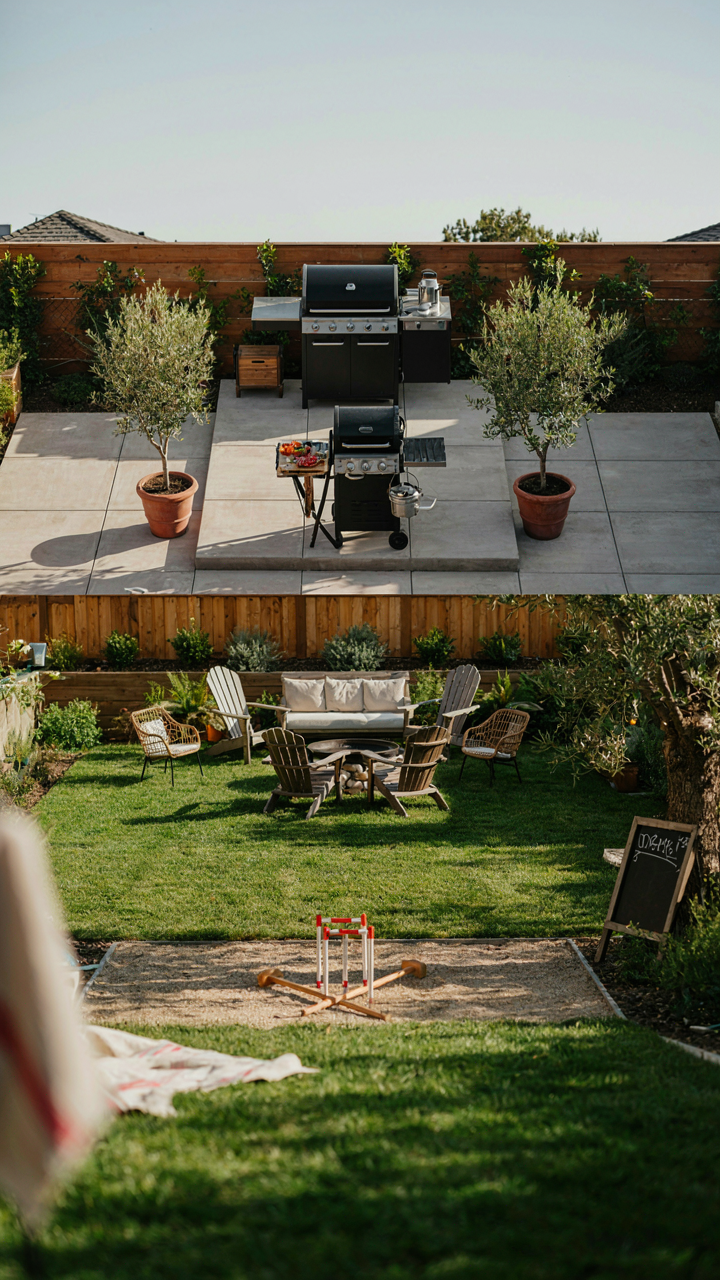
You want people to think you have your act together without actually working during the event. Here’s the truth: most hosts fail because they design their yard for aesthetics instead of traffic flow. Borrow from warehouse operations management, where efficiency requires distinct zones with minimal crossover. Your labor day cookout needs three operational zones: the grill station, the eating area, and the lounge space. Each zone serves a specific function and keeps guests from colliding or waiting in dead space.
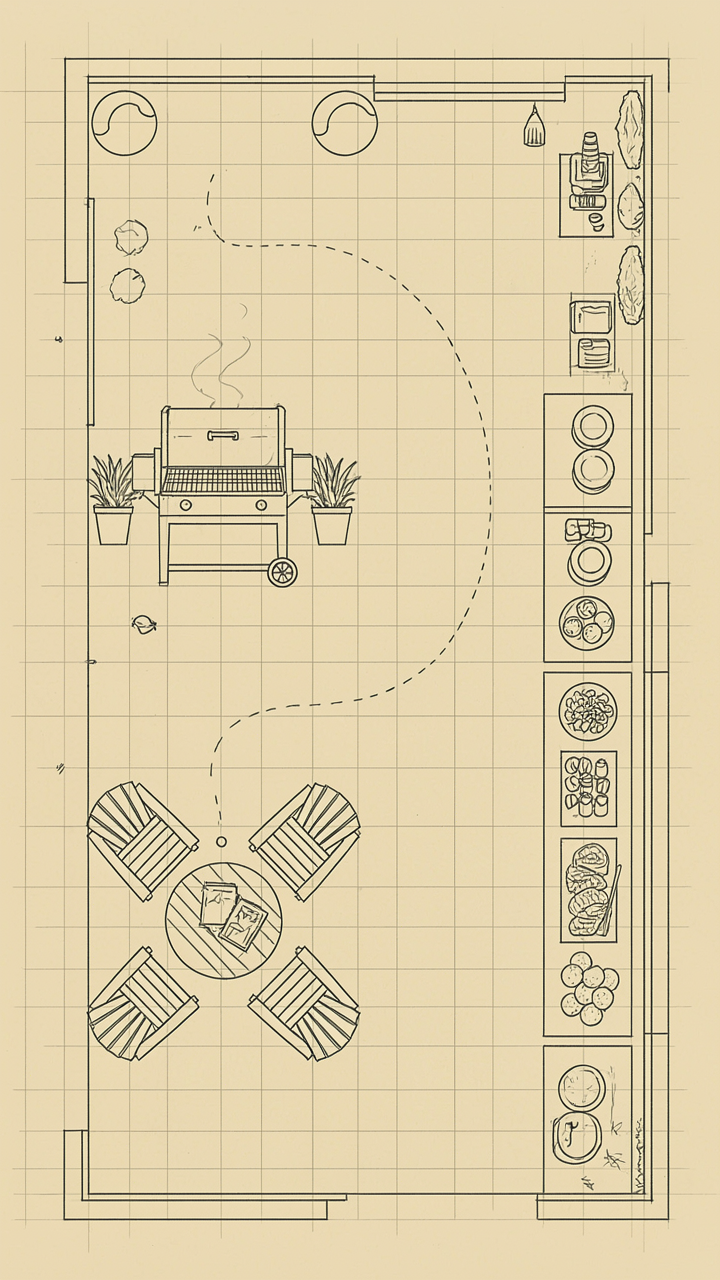
The grill zone lives downwind and away from where people sit. Position your grill at least ten feet from seating so smoke doesn’t drive people indoors and so you’re not flipping burgers while trapped in conversation. The eating area sits between the grill and lounge, creating a natural flow from preparation to consumption. The lounge zone, farthest from heat and action, becomes the de-stress space where people actually talk. Guests shouldn’t have to navigate through a kitchen or cross the grill’s heat to reach any of these areas.
The 48 Hour Execution Map
The common advice here is “prep the day before.” That’s incomplete. You need a protocol that spreads work across multiple sessions so nothing explodes into chaos on the morning of the event. Start 48 hours out: clean the grill, check propane or charcoal supply, inspect all equipment for function. Identify anything broken now, not when guests arrive. This eliminates the scramble that kills your focus.
24 hours before, prep food that holds: marinate proteins, chop vegetables, make any sauces or dressings. Store everything labeled and organized in your fridge so you never hunt for items. The morning of, focus only on ice, drinks, and final plating setup. By noon, your entire operation runs on autopilot. You’re not stressed because you already solved every problem. You execute the actual event instead of fighting logistics while your guests watch you work.
The Entropy Of Enjoyment: Controlling Chaos At Your Backyard Party

Where People Actually Go

You care about this because a party that feels out of control makes you look bad. The mechanism is simple: guests follow paths of least resistance, and you either design those paths or watch chaos unfold. Cybernetics, the field that studies feedback loops and system control, teaches us that any system without intentional constraint spirals into disorder. Your cookout is a system. Without boundaries, guests pile into the kitchen, bottleneck at the drinks table, and cluster in one corner while the rest of your yard sits empty and wasted.
Map out traffic flow before anyone arrives. Place the cooler away from the grill and kitchen—force movement across the yard. Put appetizers on one side, mains on another, desserts on a third. This isn’t decoration strategy. This is architectural design that moves bodies through space without instruction. The goal is to eliminate decision paralysis. When a guest arrives, they should know exactly where to go next.
Channels, Not Suggestions
Most people say “set up different activity stations.” That’s incomplete. The real principle comes from physics: objects follow the path of least resistance. At a cookout, resistance is friction—effort required to do something. Low friction activities happen. High friction activities don’t. You remove friction from what you want people to do and add it to what you don’t.
Cornhole, beer pong, or yard games positioned near the main seating area require minimal effort to join. Card games or conversation clustered in one spot mean people gravitating there are choosing social depth, not defaulting to proximity. The grill becomes a natural gathering point only if you position yourself there consistently—otherwise guests avoid the heat. Set a cooler on a table with cups stacked beside it. Set another cooler ten feet away with nothing nearby. One empties fast. The other sits untouched. That’s friction at work. Design your yard so the activities that matter require the least effort to access.
The Post Party Decompression: Efficient Clean Up Systems
Trash Strategy Before Guests Leave

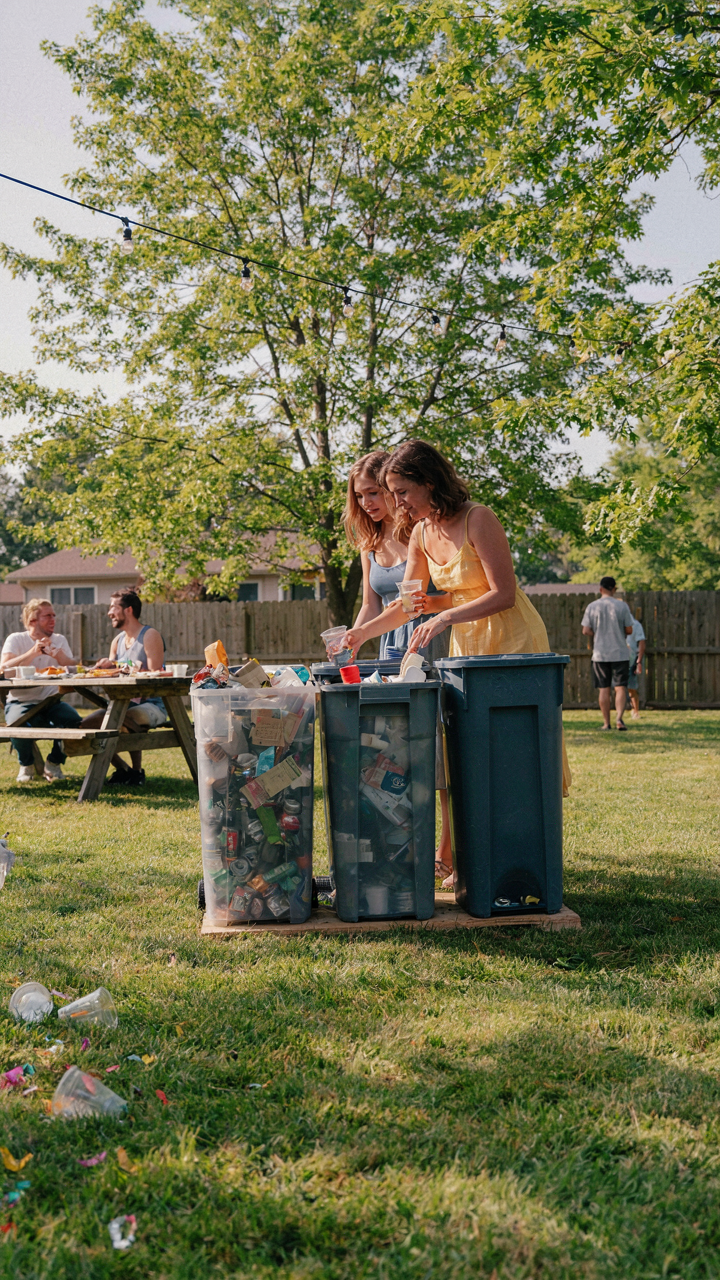
You want to avoid the solo cleanup spiral where you’re sorting garbage at midnight because nobody knows where things go. The mechanism is simple: trash accumulation follows the path of least resistance, so you must create friction for wrong choices and zero friction for right ones.
Set up a dedicated waste station away from the eating area but visible enough that people use it. Use three clearly labeled containers: landfill, recyclables, and compost if your area supports it. Place this station between the grill and the seating area, not hidden behind the garage. People will use what’s convenient and obvious. Position it before the party starts, not after it ends.
Dish Flow From Table To Sink
Everyone gives the same advice here: rinse as you go. That’s incomplete because it ignores the real bottleneck, which is the pre-wash staging area, not the washing itself. Think in terms of supply chain logistics: you need a buffer zone that prevents the sink from becoming the constraint.
Set up a large basin or bus tub on a side table filled with hot soapy water. Guests and helpers deposit used plates there immediately after eating, not at the sink. This lets multiple people offload dishes simultaneously while one person focuses on the actual wash station. The sink becomes the final step, not the collection point. You cut total cleanup time by forty percent just by separating the holding phase from the washing phase. After the party, one person runs the actual wash cycle in batches while dishes drain on a rack.
Why Your “Best Intentions” Ruin Labour Day
The Planning Trap Kills The Event

You want control because you’re afraid people will judge the outcome. The mechanism is simple: every hour spent planning details is an hour you’re not present during the actual cookout. Your brain splits between what you intended and what’s happening in real time. You end up managing instead of participating. The event becomes a performance of your vision rather than a gathering of people.
Most advice says plan more, create timelines, make checklists. That’s wrong. A Labor Day cookout isn’t a wedding or conference. It’s a few hours where people eat meat and talk. Overplanning creates invisible scripts that break the moment something doesn’t match your mental model. The best gatherings happen when you plan the frame, not the fill.
Who Runs It When You Step Back
Delegation isn’t about trust issues, it’s about physics. Systems theory calls it load distribution. You can’t grill, monitor sides, manage drinks, and engage guests simultaneously. Assign one person to grilling, one to sides, one to drinks. They own that domain completely. Your job becomes facilitating conversation and eating, not firefighting between stations.
The uncomfortable truth: people perform better when they have clear ownership and no micromanagement. They also remember the event differently. They invested effort. They stay engaged. You stop being the host who’s stressed and frantic, and you become someone actually present. Hand off task ownership at the start. Step away. Eat first, not last.
Your Cookout Is A System. Optimize It Or Be Optimized By It

Most people treat a labor day cookout like a chore they tolerate. You’re going to treat it like a machine you control. Every detail you nail, from timing the meat to spacing the seating, compounds into an experience people remember. Start today: pick one element you usually wing and write down the exact process. That’s your lever. The cookout nobody forgets isn’t the one with the most food. It’s the one where everything works.