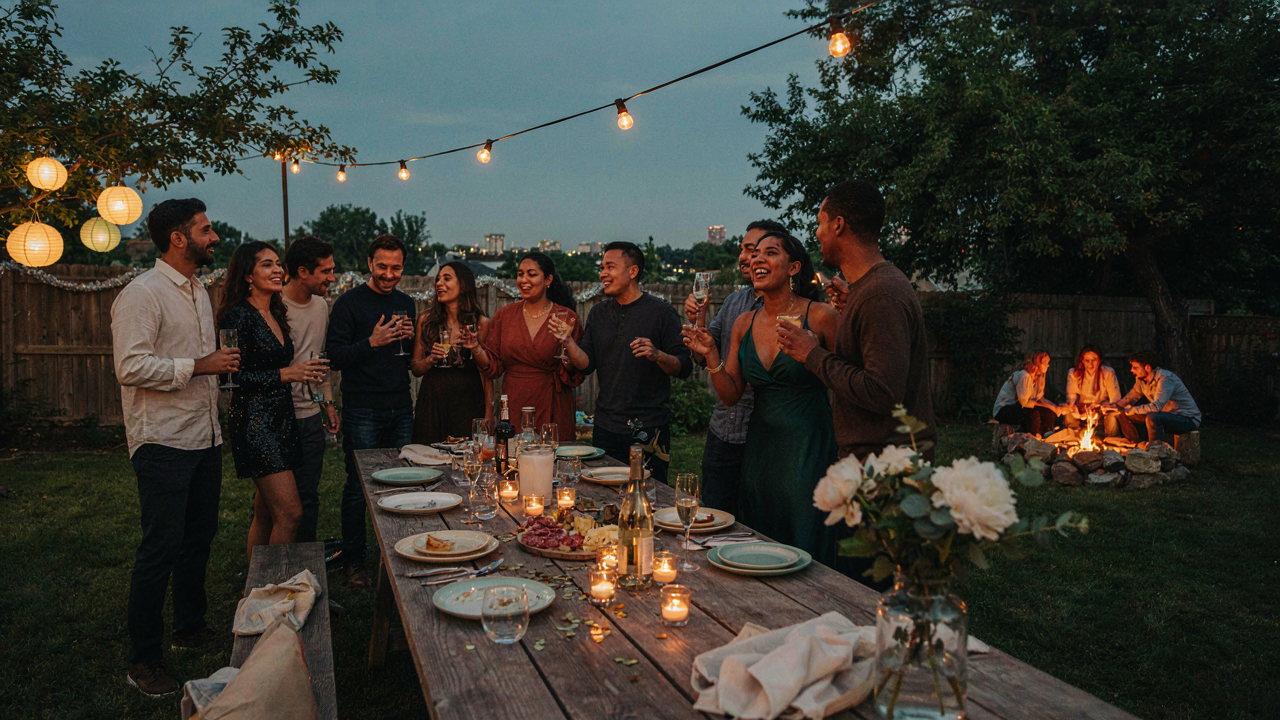
The Intentional Backyard New Years Eve Party: Beyond The Sparkle

Start With Purpose, Not Pinterest
You want this party to feel effortless because you’re afraid people will see the work you put in. The real mechanism: a party without stated purpose defaults to status performance, which exhausts both the host and guests. Define what this night actually accomplishes before you pick a single decoration or send an invite.
Purpose isn’t theme. Theme is decoration. Purpose is the reason people stay past midnight instead of checking their phones. It’s either connection (small group, deep conversation), celebration (milestone achieved), or reset (marking a break from routine). Your backyard party needs one. Everything else cascades from that single decision. String lights matter only after purpose is set.
Guests Are Your Constraint, Not Your Canvas
The standard advice is wrong: more guests do not make a better party. The mechanism comes from economics. Scarcity drives value. When you add people, you dilute the ratio of attention and conversation per person. A backyard with twelve people who chose each other creates different energy than thirty people you invited because you felt obligated.
Curate ruthlessly. Who adds to the core purpose you just defined? Who detracts? Invite people who talk to each other, not people who arrive seeking to be entertained by you. The guest list determines whether your backyard becomes a gathering or a holding pattern.
Outdoor New Years Eve Party Ideas: The Strategic Simplicity Protocol

Restraint Beats Visual Noise

You want people talking about your party for the right reasons, not because you dropped three grand on props that scream “look how hard I tried.” The real mechanism here is cognitive load. Your guests arrive with decision fatigue from the holidays. Too many decorative elements competing for attention creates mental friction instead of ease. String lights work because they solve a singular problem: they define the space and create focal points without demanding interpretation. Everything else is negotiable noise.
Most backyard parties fail because hosts confuse abundance with atmosphere. A few well-placed lights, clean surfaces, and intentional spacing beat a cluttered yard every time. The rule is simple: if a decoration doesn’t serve either function or focal point, remove it. Your job isn’t to fill every inch of visible space. It’s to create zones where people naturally want to stand and talk.
Heat Creates Gathering Points
Thermodynamics applies to human behavior on New Years Eve just like it applies to physics. People congregate where warmth exists, literal and psychological. A single outdoor heater or fire pit becomes the natural gathering point without you having to engineer conversation or manage flow. This isn’t about luxury. It’s about removing friction from social interaction.
The common mistake is assuming outdoor heating is optional or supplementary. It isn’t. Without adequate warmth, your guests will migrate inside within thirty minutes regardless of how good your setup looks. A propane heater, fire pit, or even a strategically placed outdoor fireplace changes the entire equation. Position it where it creates natural sight lines to the string lights, and you’ve built the infrastructure for an actual party instead of a backdrop.
Nye Outdoor Party: The Sensory Engineering Blueprint
Sound Design For Subconscious Control

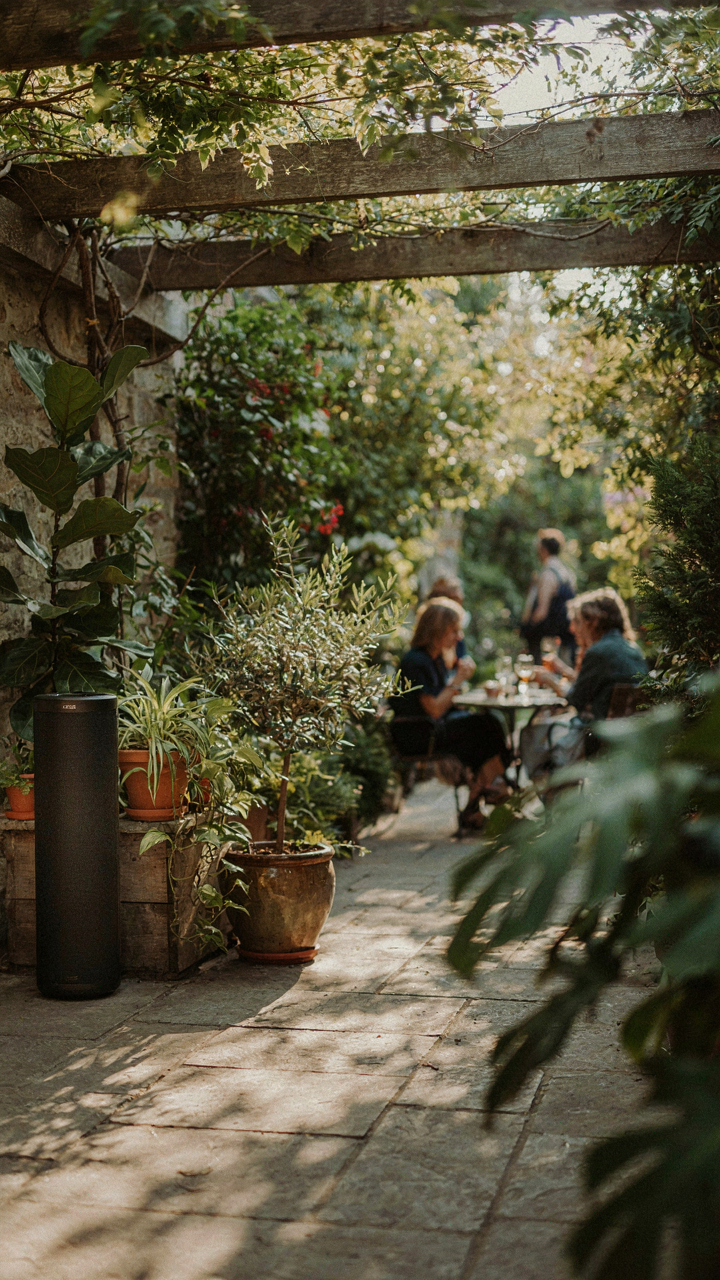
You want people to feel like they’re somewhere exclusive without you doing obvious work to make it happen. That’s the real reason you care about sound. Audio operates below conscious filtering. It sets mood before anyone thinks about mood. In acoustic design, this is called “masking”—using layered sound to eliminate what you don’t want heard while amplifying what you do. Your backyard NYE party uses masking to erase street noise and neighbor friction while making conversation feel intentional rather than desperate.
Most people default to a single Bluetooth speaker playing top-40 hits. Wrong move. Layered ambient sound underneath conversation volume creates psychological separation from the outside world. Bass frequencies at low volume anchor the space without dominating it. Play instrumental or downtempo electronic music at 55-65 decibels during early hours, then shift to higher-energy tracks as the night progresses and crowd energy rises. The mechanism isn’t the song—it’s sound pressure level matching crowd psychology at each phase of the evening.
Light Manipulation Creating Intimate Spaces
String lights aren’t decoration. They’re a tool for controlling where people’s attention lands and how long they stay in each zone. Luminous intensity shapes behavior. Brighter zones become social hubs. Dimmer zones become intimate conversation areas. People congregate under 2700K color temperature lighting because warm light triggers trust and relaxation at a neurological level. Your backyard topology changes completely based on where you place 20-watt bulbs versus 5-watt ones.
The common advice says “just hang lights everywhere for ambiance.” That’s lazy. Strategic darkness matters more than strategic brightness. Create pockets of shadow between lit zones to give people breathing room and force them to move through the space rather than cluster in one corner. Use uplighting on trees or structures to expand perceived size of the yard while keeping ground-level fixtures warm. Position the brightest lights near the food and drink station, medium-intensity around seating areas, and lowest intensity near entry points. This gradient guides movement without signage.
New Year Party Decorations Outdoor: The Scarcity Principle In Action
What Makes People Actually Notice Your Space

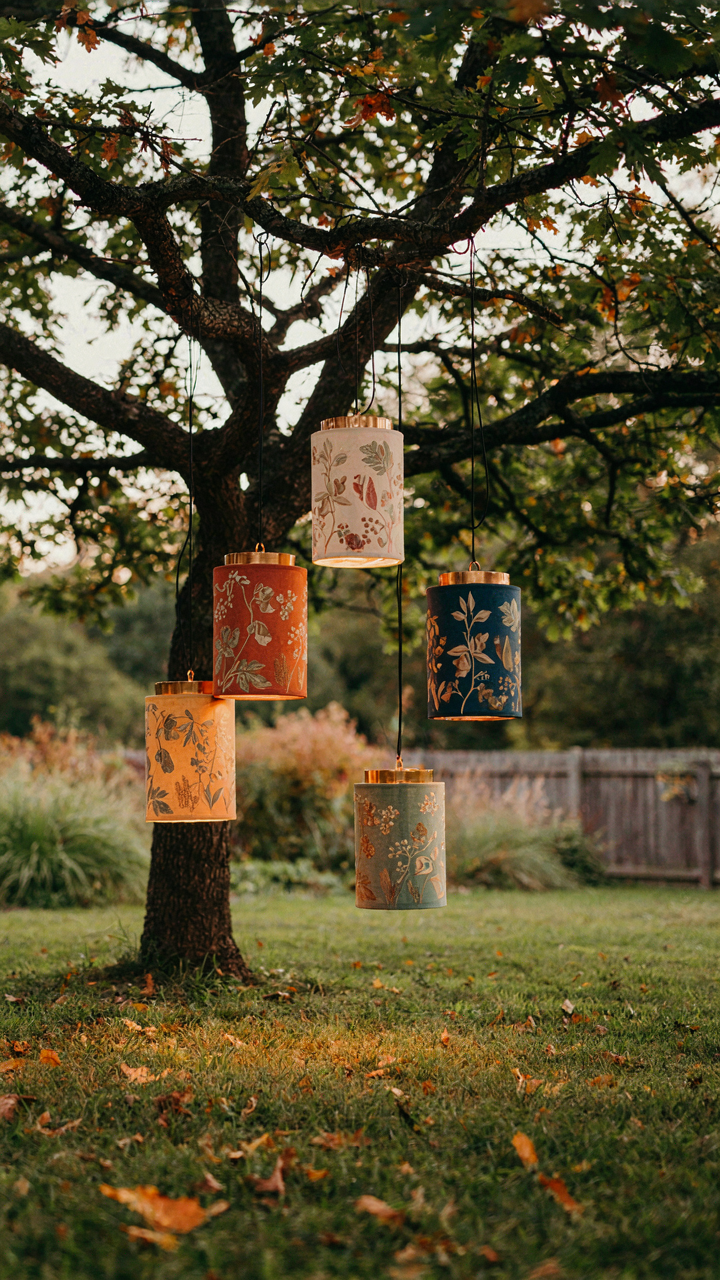
You want guests to feel like they landed somewhere intentional, not like they showed up to the same backyard everyone else decorates. That’s the real motive here—status through differentiation. In economics, scarcity drives perceived value. Apply that directly: a new years eve backyard becomes memorable not through volume of decorations but through constraint. Fewer elements, higher quality, deliberate placement. The human eye stops at what’s rare and stops moving past what’s everywhere.
Most people flood their yards with generic string lights and call it done. That’s the opposite of what works. Instead, identify one or two decorative anchors that actually cost something—whether money, time, or both—and build the entire visual around those. When guests see restraint paired with execution, they assume intentionality. You’ve signaled that you chose what matters and eliminated noise. That perception is the entire game.
Strategic Concentration Over Surface Coverage
Focused investment beats dispersed effort every time. Pick one visual statement that dominates the space—a canopy of warm-white Edison bulbs over the main gathering zone, or a backdrop installation that serves as the photo point. Spend your resources there. The rest of the yard becomes supporting detail, not the main event. This approach actually saves money because you’re not buying fifty variations of cheap decorations hoping something sticks.
The mechanism is simple: your eye has a hierarchy. You notice what’s brightest, largest, or most deliberate first. Everything else becomes ambient. Build for that. Place your investment where people naturally congregate or where they’ll photograph. Skip decorating dead zones. String lights work because they create zones of attention—you move toward light. Use that fact. Position your anchor decoration where the traffic naturally flows, then let the rest of the yard fall into shadow by comparison.
New Years Eve Outdoor Party Ideas: The Flow State Catering Model

Food And Drink Stations That Run Without You

You want the party to feel abundant without you sweating behind a makeshift bar all night. The real mechanism is treating your setup like a convenience store layout, not a restaurant service line. Cluster drink stations by type (hot, cold, alcohol-free) in separate zones so guests don’t queue and bottleneck. Food stations work the same way: appetizers in one spot, snacks in another, desserts somewhere else entirely.
The hidden logic is removing friction points before they happen. Set up each station with everything it needs to function independently. Bottles stay upright in ice buckets, cups stack nearby, garnishes sit in small bowls guests can reach. Replenishment is your only job—not mixing, not explaining, not hovering. Your guests move through the backyard like they own it, which means they’re not waiting on you and you’re actually at your own party.
Activity Zones That Guide Without Controlling
Most party advice treats activities like a schedule to enforce. That kills the night instantly. Instead, use environmental psychology from retail design: placement and visual cues determine behavior without announcing rules. String lights naturally focus attention on specific yard areas. Position a fire pit in one zone, lawn games in another, seating clusters in a third. Guests self-select based on what they see and where the light leads them.
The mechanism works because you’re not directing traffic with a clipboard. Yard cornhole, sparklers, or a sound system each occupies its own visible space under the lights. People gravitate toward activity when it’s obvious and accessible, not when someone tells them to go do it. No timeline. No forced activities. The backyard structure does the work, and your guests feel like they chose how to spend their time when you actually architected it.
Backyard New Years Eve Party: The Comfort Optimization System
Where People Actually Sit

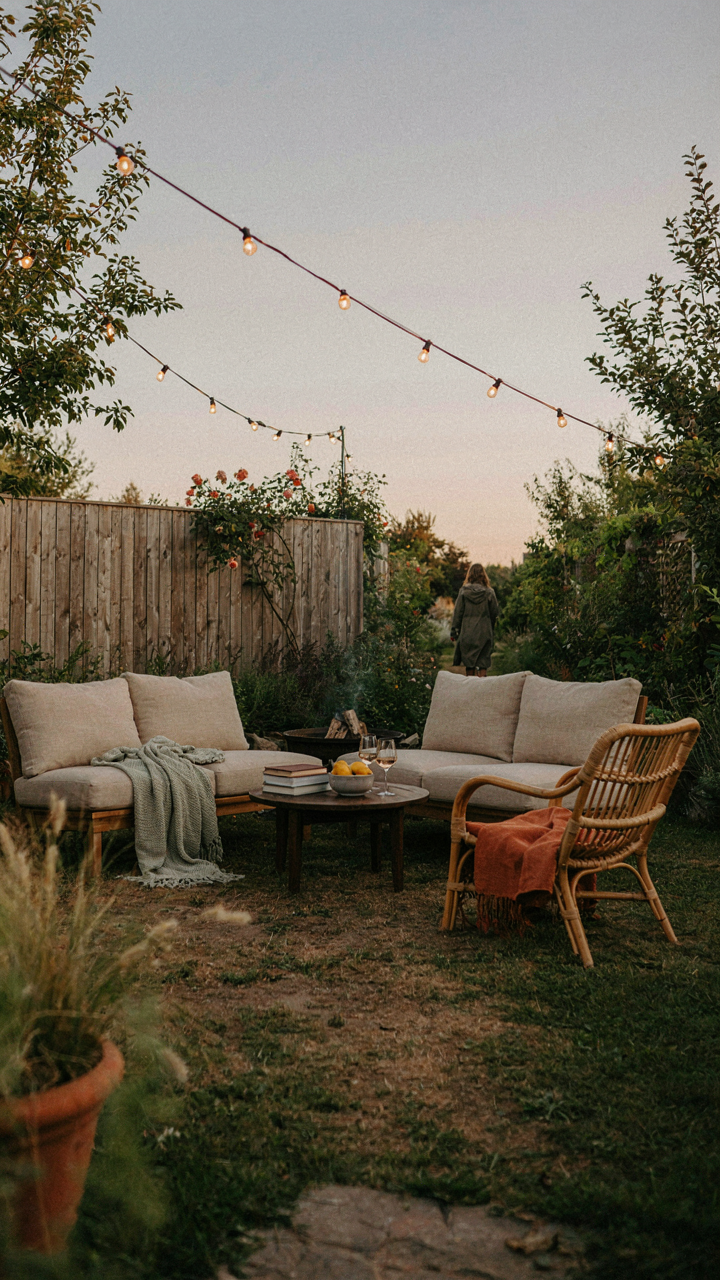
You want guests to feel relaxed so they stay longer and talk more—that’s the real driver here. The mechanism is simple: comfort removes friction. Furniture placement in a backyard operates like thermal dynamics in physics. Heat dissipates when molecules scatter randomly. Guests scatter the same way when seating feels random or insufficient. Create thermal clusters by grouping chairs and benches in tight pods of four to six, facing each other rather than toward a focal point. This forces conversation and keeps energy concentrated.
String lights matter less than seat arrangement for actual comfort. A guest standing because there’s nowhere to sit leaves early. High tops work for cocktail holding but fail for relaxation. Use a mix: low seating for depth, high tables for transitions between zones, and one bench long enough that people don’t fight over the last seat. Space clusters eight to ten feet apart so groups don’t merge into one awkward crowd. The goal is isolated conversation pods that feel intentional, not overflow seating.
Planning For Weather Without Panic
Most backyard hosts overthink this with last-minute tarps and backup locations. The actual mechanism is reducing decision load on the night itself. Plan contingencies in advance so you execute, not scramble. Check the forecast five days before, not one day before. Five days gives you time to rent or borrow what you need without premium fees or empty inventory.
If rain is possible, rent a clear-top tent or two smaller ones instead of one massive structure. Clear tops let string lights still matter visually. If temperature drops below fifty degrees, stage outdoor heaters (propane or electric) before guests arrive and keep them off until needed. If wind is forecast, secure loose decorations and position seating to shield from wind direction. Test your setup by 4 PM on New Years Eve. Don’t discover problems when guests arrive at 8 PM.
New Years Eve Backyard Party: The Underscheduled Engagement
Permission To Just Be

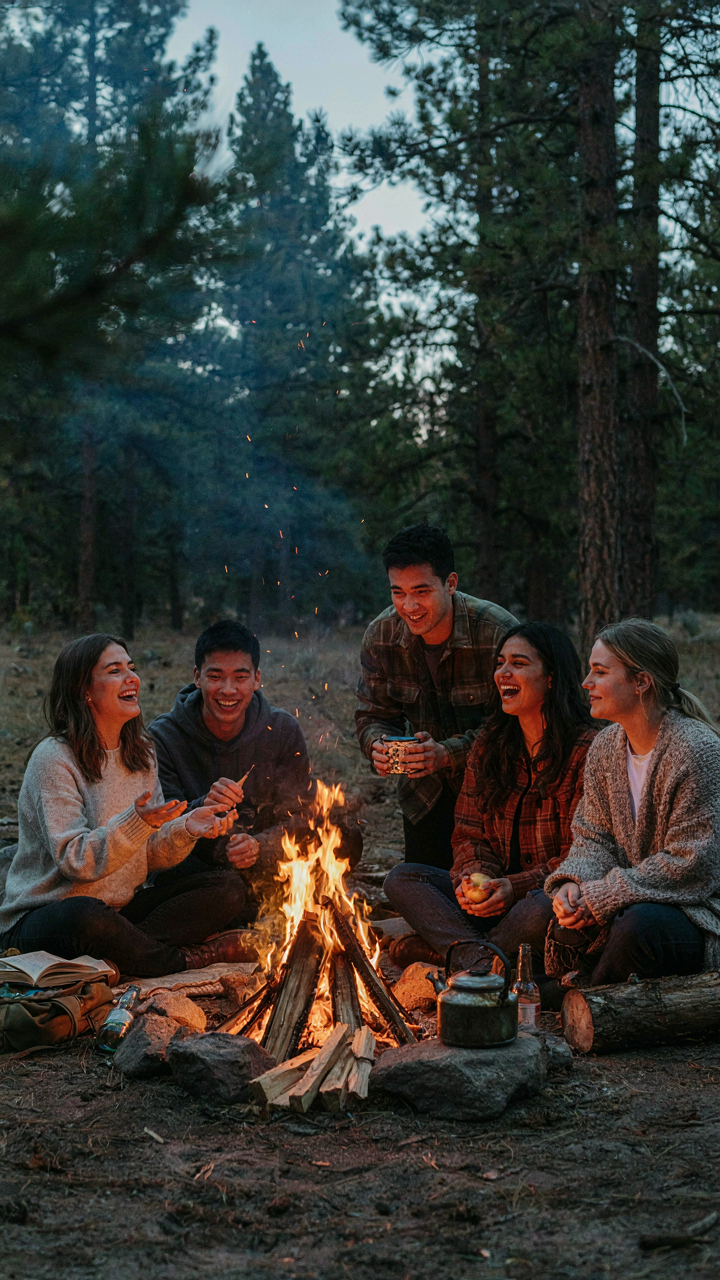
You’re worried that an unstructured night means people standing around on their phones. That’s the real fear. Here’s what actually happens: the moment you stop scheduling every thirty minutes, guests stop performing and start connecting. The backyard becomes a space instead of a venue. String lights create soft boundaries without walls. People migrate naturally between conversations, fire, and quiet corners. This works because you’ve removed the pressure to “do something.” Silence and waiting aren’t failures. They’re the gaps where real interaction lives.
Most hosts over-program to avoid awkward moments. They create the awkwardness instead. A new years eve backyard party that runs on a detailed itinerary feels like work. Guests check their watches. They compare it mentally to other parties. The mechanism is simple: constraint creates freedom. When there’s nothing mandatory happening at 10:47 PM, people stop bracing for the next forced activity. They settle. They talk longer. They remember why they came. Set the environment once and let it work for you.
Conversation Starters That Aren’t Forced
People don’t connect over trivia games. They connect over shared friction or genuine curiosity. The backyard under string lights already creates one layer, but you need to seed actual reasons for people to talk beyond “hey, how’ve you been.” The game isn’t about entertainment. It’s about removing the social friction that makes strangers uncomfortable in open space.
- Year in review cards: Print a single sentence prompt on cardstock asking guests to write one thing that surprised them in the past year, then read them aloud before midnight. Creates specificity instead of vague pleasantries.
- A single fire question: Keep one open-ended question visible on a small sign near the fire pit, rotating it every few hours. Something like “What did you do that you thought you couldn’t?” People organize around it naturally.
- Shared meal prep: Set out ingredients and let guests build their own charcuterie boards or assemble food together. Collaboration dissolves formality faster than sitting across from strangers.
- Music requests on a note card: Let guests write song requests anonymously, then play them. Creates discovery and inside jokes. People bond over the unexpected choices.
- Decade reflection stations: Designate different corners of the backyard for different decades people have lived through, with prompts about that era. Groups form around shared generational experience.
The mechanism is permission plus friction reduction. String lights matter here because they lower intimidation. Outdoor spaces feel less formal than indoor rooms. When you add a reason to cluster and talk, you’ve solved 80 percent of the social dynamic. The conversation starter isn’t the entertainment. It’s the excuse that makes connection feel natural instead of awkward.
New Years Party: The Post Midnight Disappearance Act
How To Signal The Night Is Over

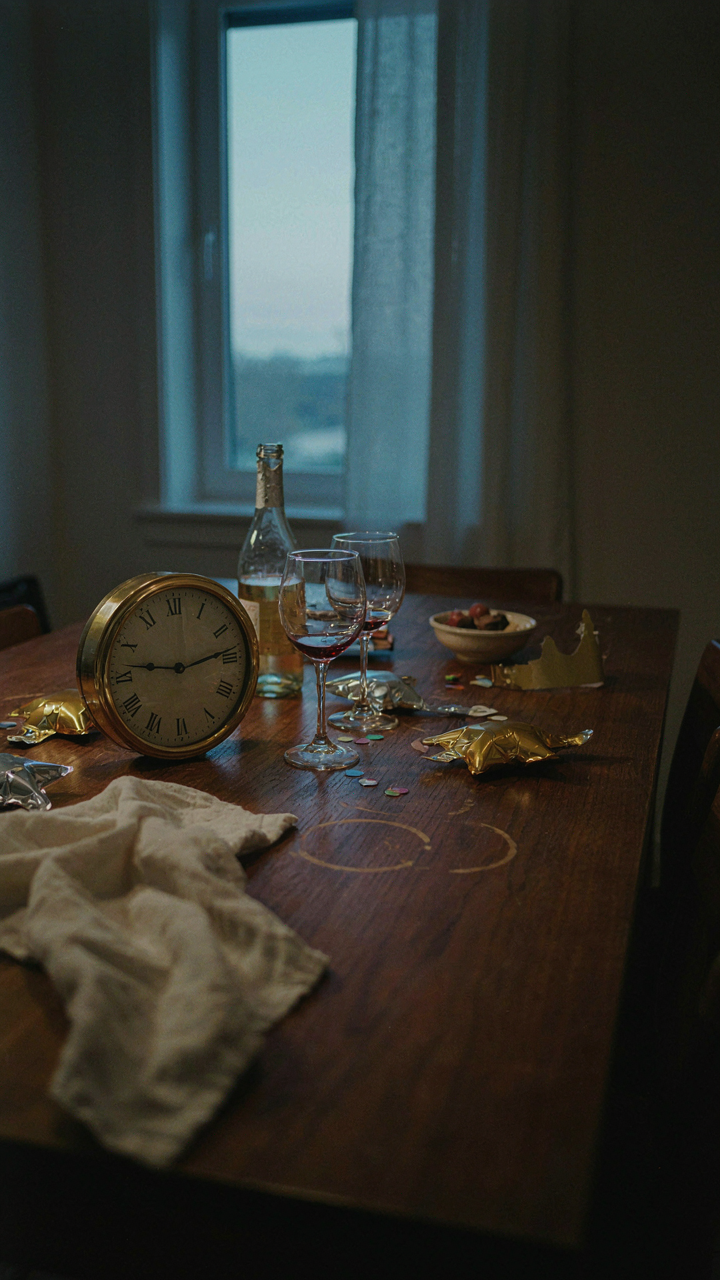
You don’t want people lingering until 3 AM because you’re too polite to end your own party. That’s the real fear here: losing control of your own event and waking up tomorrow resentful. The mechanism is simple. You set a visible, non-negotiable endpoint before midnight even hits.
Announce the actual shutdown time during the countdown itself, not before. Say it plainly: “We’re wrapping at 1 AM, rides will be harder to get after that.” People respect directness more than they respect hints. String lights stay on until that moment. Then you kill them. That visual cue is more powerful than repeating yourself.
The Fifteen Minute Reset Protocol
Most advice about cleanup is garbage because it ignores basic operational efficiency: batch your tasks by location and material type, not by person. This borrows from manufacturing’s setup reduction principle. You’re treating your backyard like a production line with stations, not a random collection of mess.
Start the cleanup at your announced end time, not after. Have trash bins positioned at natural exit points. Recruit two people maximum for each zone: string light takedown, table clearing, seating stacking. Give each zone fifteen minutes. This isn’t a suggestion. A timer prevents scope creep and keeps people focused instead of wandering.
Your Fear Of A Dull Night Isn’t About Lacking Glitter. It’s About Lacking Genuine Intention. Stop Compensating


You don’t need better decorations. You need a real reason people showed up. Pick one conversation you want to happen at your new years eve backyard gathering. One. Build the entire night around protecting that moment. No distractions. No filler activities. When people feel like they actually mattered to you, the string lights become irrelevant. Your backyard becomes the place where something real happened.