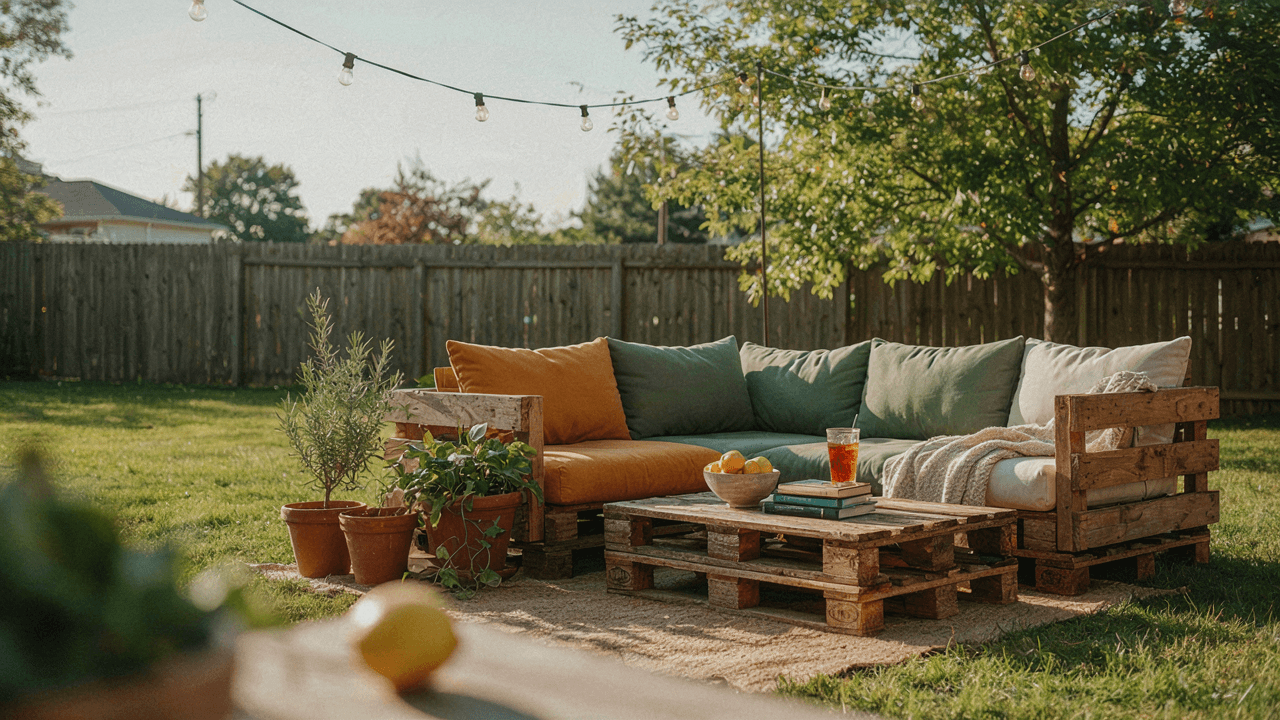
Beyond The Instagram Aesthetic: Why Most Pallet Lounge Projects Fail

The Structural Failures Nobody Admits
You’re building this because it looks cheap and easy, which means you’re about to ignore the load distribution problem that kills every pallet lounger by month three. Pallets are engineered for forklifts and warehouses, not distributed human weight. The deck boards sit on three or four runners underneath, and when you stack pallets and add cushions, you’re concentrating force on those runners rather than spreading it. The boards flex, the nails shear, and the whole frame sags into an unusable mess.
The real issue isn’t the pallets themselves. It’s that people treat them as interchangeable lumber when they’re not. Standard pallets use ring shank nails driven at angles that rely on the pallet’s temporary lifespan. Once you disassemble and reassemble, you’ve lost that integrity. You need to reinforce the deck with cross-bracing underneath, use lag bolts instead of nails, and accept that a proper pallet lounge weighs more and costs more than the Instagram version. Build as if someone will sit on it repeatedly for years, not as if you’re testing it once for a photo.
Untreated Wood And What Actually Happens
The conventional advice says treat your pallets with sealant and call it done. That’s incomplete. Untreated pallets absorb moisture, swell unevenly, and become homes for mold and rot that seals don’t prevent once it starts inside the wood. Pallets are made from softwoods like pine that decompose fast. In humid climates or areas with regular rain, untreated wood fails in two to three years, not decades.
The mechanism is straightforward: moisture enters through the end grain and the joints where water pools. Sealant only slows the surface penetration. You need to treat the wood before assembly, not after. Use a wood preservative rated for ground contact, let it dry completely, then seal the surface. Better yet, use pallets marked with the HT stamp, which means they were heat-treated and won’t carry agricultural chemicals. Then build with fasteners that won’t rust and corrode the wood from inside. Your lounge lasts five years instead of two when you treat the material as a system, not a shortcut.
The Foundation Protocol: Securing Your DIY Outdoor Lounge Area

Select Pallets Built To Last

You want cheap materials that won’t embarrass you after six months. The mechanism is simple: pallet wood fails when it absorbs water unevenly, swells, and splits along the grain. Most people grab random pallets without checking their history. The two types that matter are heat-treated pallets marked HT and chemically treated pallets marked DB. HT pallets are kiln-dried and safe. DB pallets contain pesticides and belong nowhere near your seating area.
Inspect the wood itself before committing. Look for pallets with minimal knots, tight grain, and no visible rot or mold. Oak and hardwood pallets outlast softwood pine by years. Industrial pallets used for metals or machinery are denser and more stable than food-grade pallets. The wood’s original purpose tells you whether it absorbed oils or chemicals that accelerate decay. Your frame’s longevity depends entirely on this initial selection.
Strip, Sand, And Seal Against Weather
The common advice says a quick pressure wash and stain finish handles protection. That’s incomplete. Pressure washing blasts open the grain and forces water deeper into the wood, creating pockets where rot accelerates. Sand the surface with 120-grit paper first to remove debris and splinters, then use 180-grit for smoothness. This closes the grain partially and preps the wood to accept sealant.
Apply a water-based polyurethane sealer rated for exterior use in two coats, sanding lightly between applications. This creates a barrier that lets wood breathe while blocking moisture infiltration. Let each coat cure fully before adding cushions or weight. The seal degrades every two to three years depending on sun exposure, so plan to reapply annually on high-wear surfaces. Without this protocol, your frame rots from the inside out while looking fine from above.
Cinder Block Projects: The Unsung Hero Of Outdoor Seating Ideas Diy
Why Cinder Blocks Beat Pallets

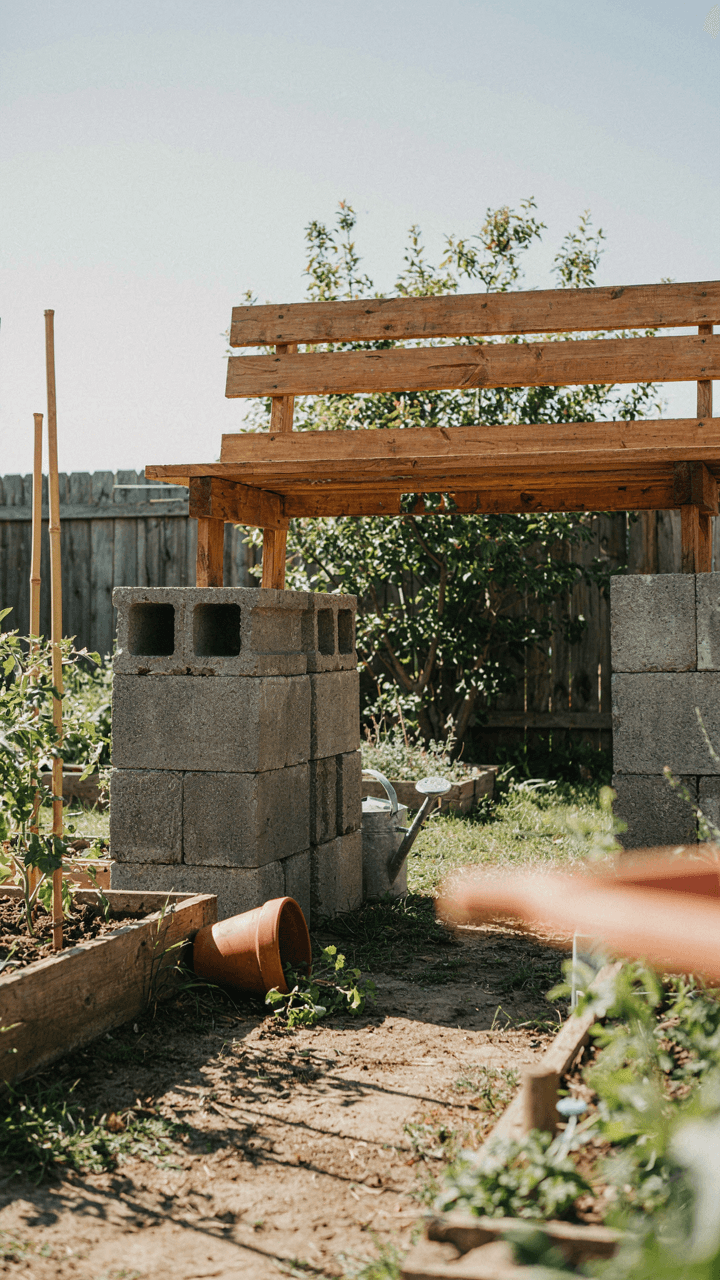
You want to look resourceful without actually doing the work pallets demand. That’s the real reason you’re considering alternatives. Here’s the mechanism: pallets deteriorate from ground contact and UV exposure within two to three seasons outdoors. Cinder blocks don’t. They’re fired clay or concrete fired at extreme temperatures, designed to withstand moisture and weather indefinitely. No rot, no splinters, no replacing materials every couple years. The structural integrity stays constant.
Pallets flex under weight because wood compresses over time. Cinder blocks distribute load evenly across their hollow cores and solid faces. You stack them, add cushions, and they perform the same way in year one and year five. Economics favors blocks too: a pallet costs eight to fifteen dollars and lasts through one season if you’re lucky. A cinder block costs two to four dollars and performs for decades. The cost per year of use swings dramatically in blocks’ favor.
Stacking Configurations For Real Durability
Load distribution in architecture determines how structures handle stress without failing. Your lounge area works the same way. The common advice is to just stack blocks and call it done. Wrong. Staggered stacking creates redundancy. A two-by-two configuration uses four blocks per base unit. Offset the second layer by a half-block length so joints don’t align vertically. This pattern locks the structure against tipping and distributes your weight across multiple paths instead of concentrating it on single contact points.
- Two-By-Two Base With Offset Top Layer: Four blocks form a square foundation, then stack a second layer rotated 90 degrees for cross-bracing strength and stability against lateral movement.
- L-Shaped Sectional Build: Position one row vertically against another horizontally to create corner seating. Use a concrete adhesive between layers to prevent shifting under repeated use.
- Pyramid Stacking For Armrests: Stack three blocks on bottom, two in middle, one on top. Creates natural arm-height support without extra components. Test stability before adding weight.
- Single-Row Bench With Block Feet: Lay blocks horizontally for the seating surface, support underneath with vertical blocks every two feet. Allows airflow underneath and prevents water pooling.
- Double-Stacked Height For Lounging: Eight blocks total per section in a two-by-two-by-two configuration reaches lounger height. Requires cushions at least six inches thick to bridge the hollow core gaps.
Once you choose your configuration, test the structure with your body weight before committing cushions. Sit hard, bounce gently, assess movement. Zero movement means you built it right. Any flex means you need additional blocks or adhesive between layers to lock the assembly.
The Ergonomic Fallacy: Why Your Pallet Lounge Isn’t Comfortable

Seat Height And Backrest Angle Matter More Than You Think

You want your pallet setup to look intentional, not like you assembled it from trash. That’s the real driver here. But ergonomics isn’t about aesthetics. It’s about load distribution, and in furniture design, load distribution determines whether your body stays relaxed or depletes itself fighting gravity. Most pallet lounges fail because builders treat seat height and backrest angle as interchangeable variables when they’re actually independent constraints that either work together or sabotage the entire structure.
Standard seating dimensions exist because human anatomy is consistent. Seat height should measure 16 to 18 inches from ground to the top of your cushion. Backrest angle needs to sit between 100 and 110 degrees from horizontal. Too upright and your legs dangle or your thighs lack support. Too reclined and your lower back rounds forward instead of maintaining its natural curve. Pallets stack at fixed heights, so you either hit these dimensions or you don’t. Guessing wastes material and creates an unusable frame you’ll abandon in two weeks.
Foam Density Determines Longevity, Not Thickness
The common advice says thicker cushions equal comfort. Wrong. Density measured in pounds per cubic foot determines whether your cushion compresses into a pancake or maintains structure after one season. Comfort comes from the foam’s resistance to compression, not volume. A 4-inch slab of low-density foam bottoms out faster than a 2-inch high-density foam because the material itself lacks structural integrity.
High-density foam for outdoor use should measure at least 2.5 pounds per cubic foot. This density resists moisture absorption and holds its shape through temperature swings. When you sink into a dense foam lounge, you’re experiencing resistance, not defeat. Your body displaces the material slightly but the foam pushes back, creating the distinction between a lounge and a mattress that collapses. Check the foam specs before buying. Density matters more than any other variable when predicting how long your lounge functions.
The Biomimicry Of Durability: Building A DIY Lounge Chair Outdoor That Lasts

How Trees Engineer Longevity Under Stress

You want this to last so you don’t have to rebuild it next year and admit you wasted a weekend. Evolutionary biology teaches us that durability isn’t about rigidity—it’s about adaptive stress distribution. Trees survive centuries of wind, rain, and temperature swings because they flex rather than resist. When you build a pallet lounge, you’re actually engineering a system that must do the same thing: absorb environmental load without fracturing.
Most DIY builders treat pallets like permanent structures. They don’t. Pallets are engineered for short-term warehouse use, not weather cycles. The wood expands and contracts with moisture and temperature. If you bolt everything rigid, stress concentrates at joints and causes splits. Instead, use staggered fastening patterns—multiple smaller connection points that distribute force across the frame rather than locking it into one failure mode. This mimics how tree branches stay intact during storms.
Materials That Age Instead Of Deteriorate
The difference between durability and delayed failure is material selection, and most guides gloss over this. Hardwoods like cedar and oak contain natural oils that resist rot. Softwoods like pine don’t. If you’re building something that sits outside, you’re choosing between two outcomes: wood that develops a protective patina and wood that rots from the inside. Cedar weathers gracefully. Pine rots quietly.
Hardware matters equally. Galvanized bolts oxidize into a protective layer. Stainless steel doesn’t oxidize at all. Untreated steel rusts into structural weakness. Your frame can survive twenty years or five depending on whether you spend an extra fifteen dollars on fasteners. Use stainless steel bolts for any connection that stays permanently outdoors, and position them where water doesn’t pool. This forces you to think about drainage as part of the construction system, not an afterthought.
Optimizing Your Outdoor Space: Beyond Just A Pallet Furniture Sofa
Tables And Storage That Actually Work

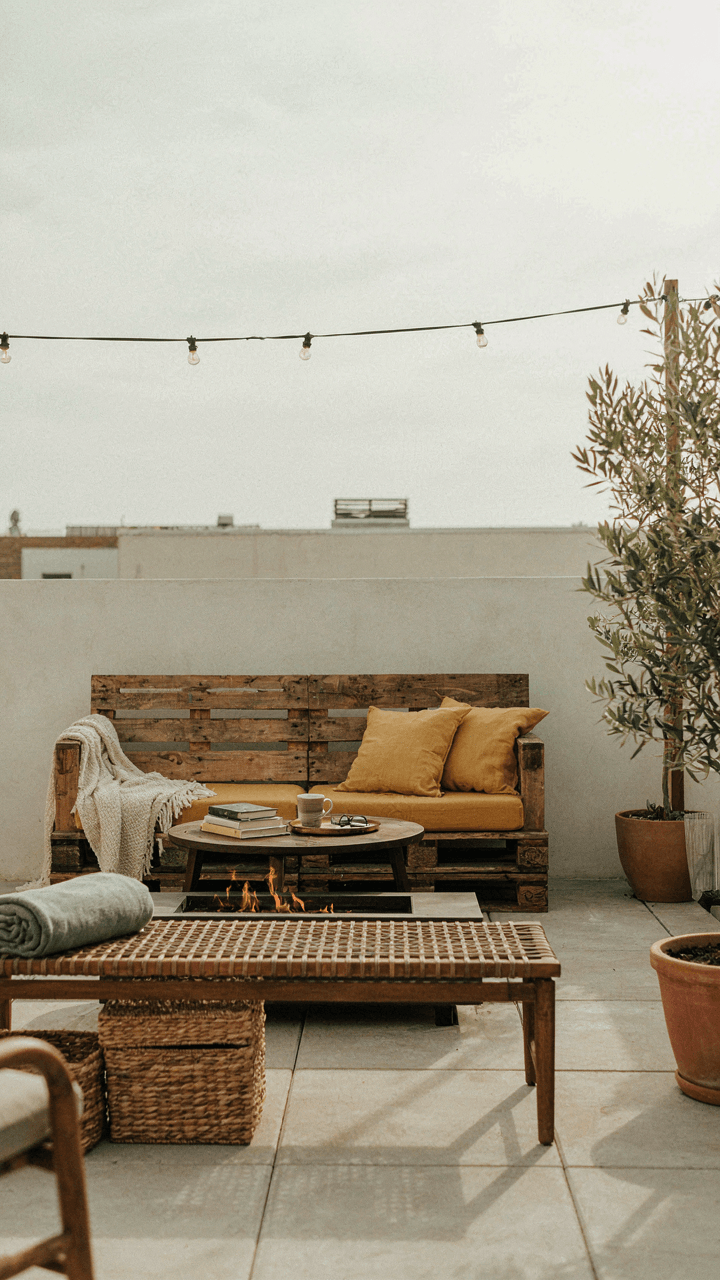
You want your outdoor space to look intentional because a scattered setup screams “I didn’t plan this.” The real mechanism is constraint: adding tables and storage forces you to define zones, which makes the entire layout feel deliberate instead of accidental. A side table isn’t decoration. It’s a boundary marker between your seating area and the rest of the yard.
Pallets work as the base, but they need anchors. A low wooden table (built from pallets or salvaged materials) sits perpendicular to your seating, creating an L-shape that psychologically closes off your lounge. Storage benches along the perimeter serve dual purpose: they hold cushions, throws, and outdoor gear while doubling as extra seating. Material consistency matters here. If your sofa is pallet wood, your table and storage should share that wood tone or intentionally contrast with metal or concrete. Mismatched finishes read as incomplete.
Space Movement And Practical Layout
Traffic patterns dictate whether your outdoor lounge becomes a place people use or a dead zone they walk around. Think in terms of flow dynamics from urban planning: people move along the path of least resistance. Your seating shouldn’t block sight lines from the house to the yard’s far end. Position your main pallet sofa to face inward toward a focal point (fire pit, garden view, or open space) rather than toward the house exit.
The gap between your seating and the yard edge should feel intentional, not cramped. Most DIY builds fail because people push everything to edges, creating a nervous, undersized feel. Leave at least three feet of open space on your approach side. Place a small table or planter pot to mark that boundary. Cushions and throws live on the seating itself, not scattered around. Everything has a designated spot. This single protocol transforms a pallet setup from “stuff I threw together” into “an actual lounge area.”
Weathering The Storm: Protecting Your DIY Outdoor Lounge Area Investment
Wood Sealant Selection Matters More Than You Think

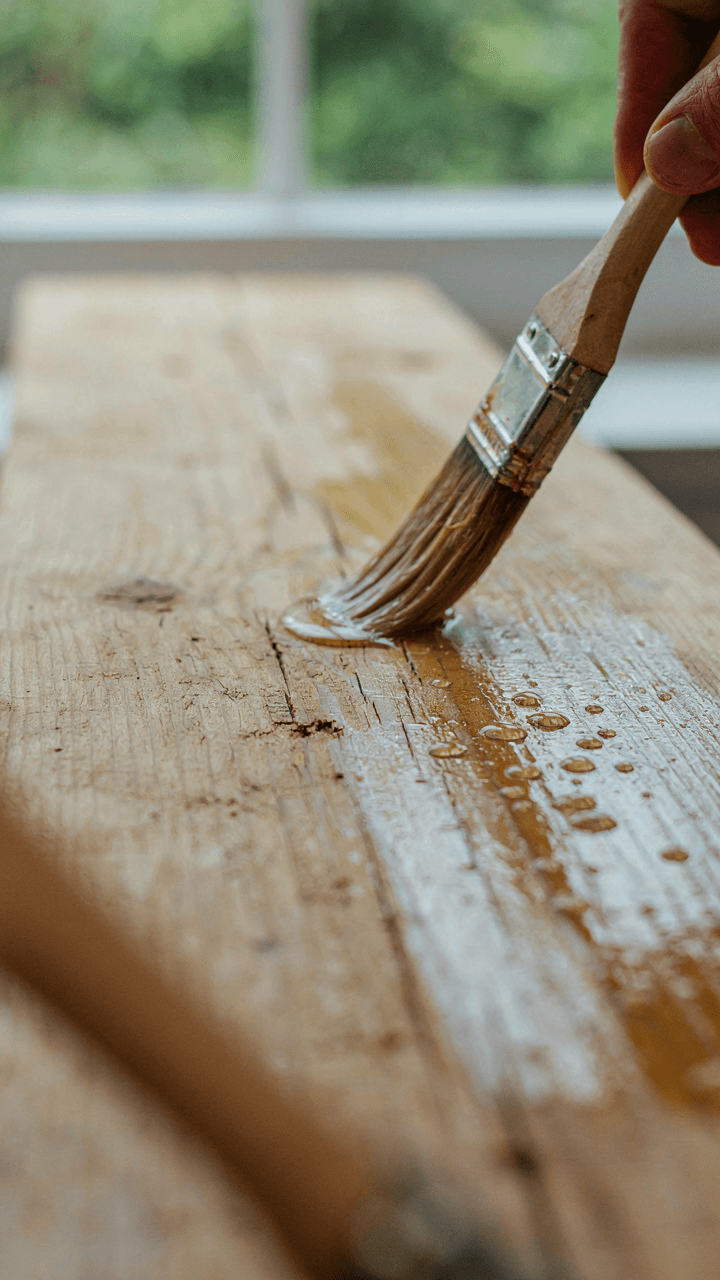
You’re protecting your investment because you don’t want to admit you wasted money on pallets that rot in two seasons. Think of wood protection like armor plating in military engineering—you’re creating layers of defense, each stopping a different threat vector. Moisture penetrates wood through capillary action, which means water travels against gravity into the grain. Sealants work by blocking this pathway entirely, not by making wood repel water on the surface. Water-based polyurethane and oil-based finishes address this differently. Water-based versions cure faster and don’t yellow, but oil-based finishes penetrate deeper into the grain and last longer under UV exposure. Choose based on your climate’s primary threat: humid regions need moisture barriers, while sunny climates demand UV protection.
Application frequency determines real longevity, not the quality of sealant alone. Most exterior wood finishes degrade after eighteen to thirty-six months of direct weather exposure. Apply sealant every two to three years, or sooner if you see water beading stopping and pooling instead. Sand the surface lightly before reapplication to remove oxidized finish and help new sealant adhere. This cycle matters more than buying premium brands that promise five-year protection—they still fail faster than this schedule demands.
Cushion Storage That Actually Works
Most people store cushions wrong because they think protection means keeping them dry indoors, which creates mold problems when humidity fluctuates. Store cushions in breathable containers—plastic bins trap moisture and become incubators. Use outdoor storage boxes with drainage holes and ventilation gaps, or keep cushions in a shed where air moves. Never vacuum-seal or compress cushions tightly. The fabric needs airflow or fungal growth starts within weeks, especially in humid seasons. Before storage, brush cushions clean and let them dry fully in sunlight for at least four hours. Any dampness trapped inside becomes a breeding ground.
Stack cushions flat, never folded or rolled, to prevent permanent creasing and material breakdown. Keep the storage box elevated off the ground on wooden pallets or concrete blocks—direct contact with soil moisture wicks water upward through capillary action. In winter, check storage monthly for condensation or visible mold. If moisture appears, remove cushions and air them immediately, then improve ventilation in the storage area.
The True Cost Of Cheap: When DIY Becomes A Liability
Hidden Expenses Of Rushed Projects

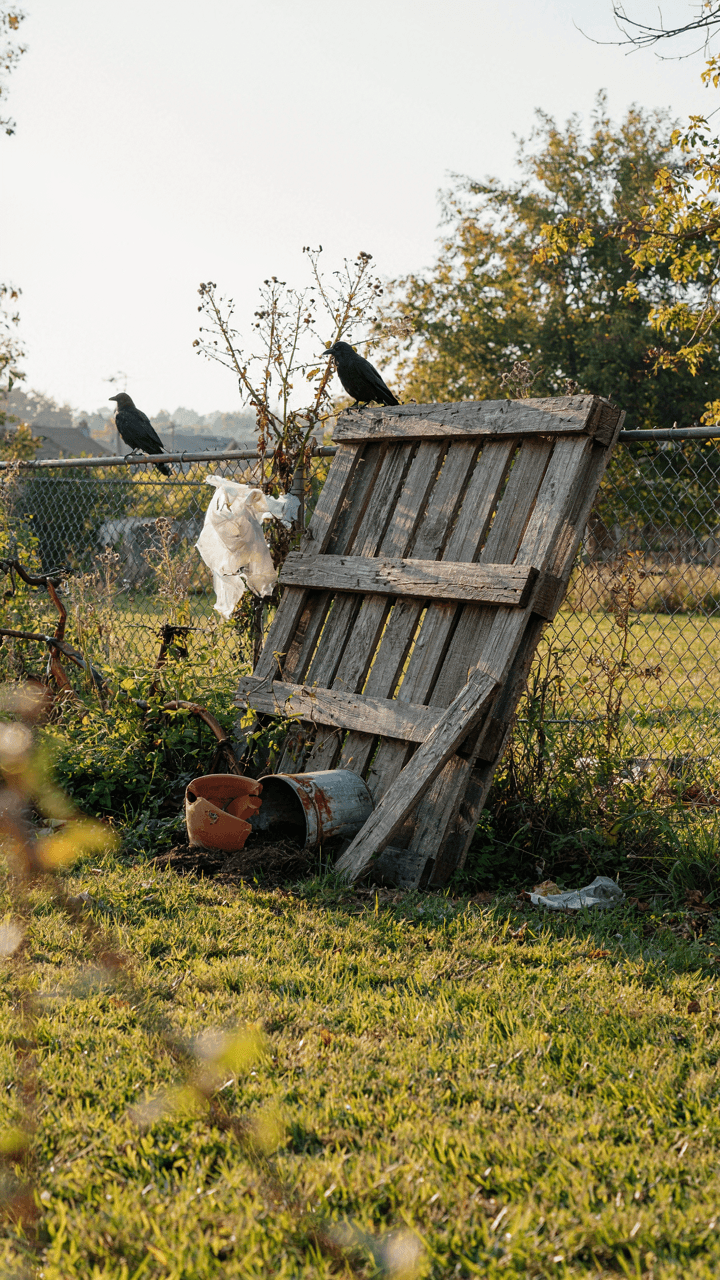
You’re drawn to this section because you’re afraid you’ve already wasted money. The mechanism that kills most pallet projects is simple: people underestimate the cost of failure correction. Economics calls this “hidden costs of negative externalities”—externalities being the expenses nobody budgets for. With a pallet lounge, those externalities multiply fast. A rotted pallet discovered mid-build forces you to source replacements, halt progress, and buy additional fasteners. Weather damage to untreated wood means sanding, sealing, and reapplication of finishes. Mold growth demands replacement cushions within one season.
The math people ignore is straightforward. A pallet costs five to fifteen dollars. Pressure treating it yourself takes tools you don’t own and chemicals that cost money. Untreated pallets fail within two seasons in wet climates. Treated pallets last five to seven years. One replacement cycle of untreated pallets costs more than treating the originals upfront. Most builders discover this after the damage is visible, not before.
Valuing Time And Quality Over Instant Gratification
Common advice says “start cheap and upgrade later.” That’s backward. Later never comes because you’ve already sunk emotional energy into something that’s degrading in real time. The real mechanism is this: low-quality materials create maintenance debt that compounds monthly. You buy cheap outdoor cushions that fade and deteriorate within one season. You treat it as normal. Then you buy new ones. Then again. After three seasons, you’ve spent more replacing them than a single quality set would have cost upfront.
The same applies to pallet selection and preparation. Spending two hours sourcing food-grade pallets and one weekend treating them with sealant prevents months of weekly upkeep. One day of work now eliminates recurring problems. Most people skip this and spend that same cumulative time monitoring, cleaning, and replacing rotted sections over the next two years. The choice isn’t between effort now and leisure later. It’s between concentrated effort now and distributed frustration for years.
Your Fear Of Real Effort, Not Your Budget, Is The Actual Obstacle To A Genuine Outdoor Retreat
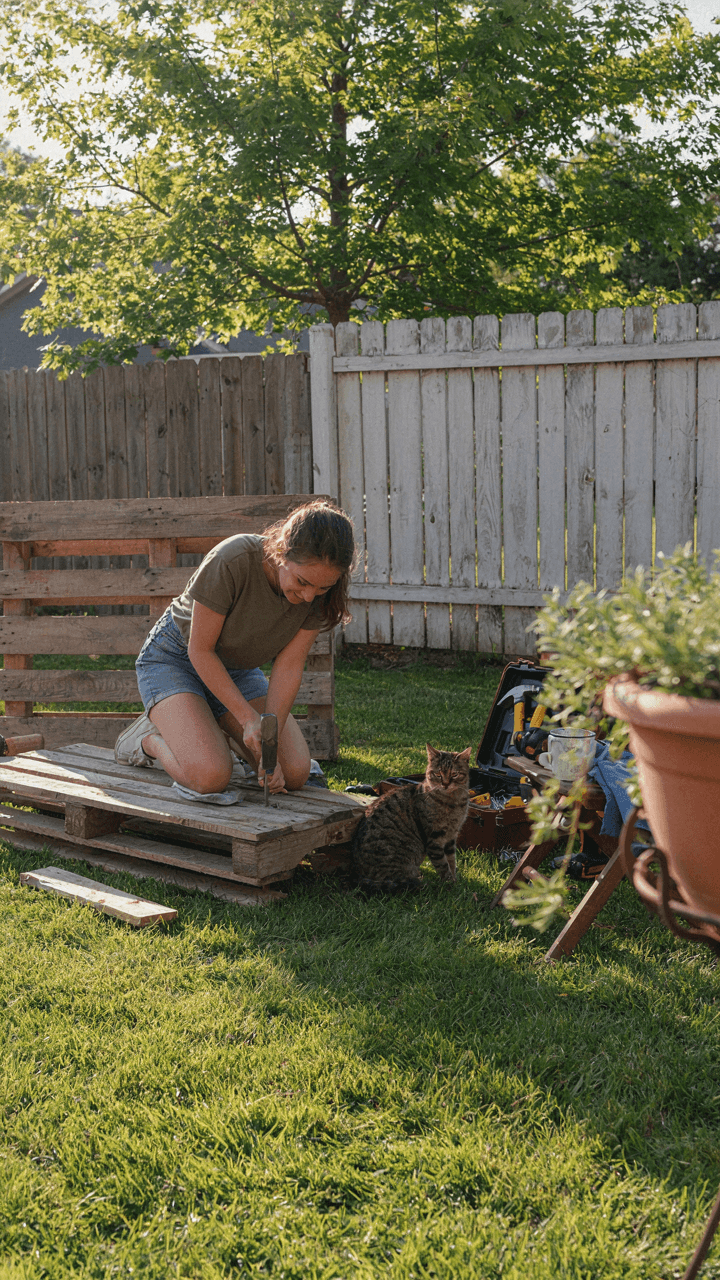

You already know you can build this. Your brain invented a thousand reasons not to start, but none of them are real. The pallets exist. The cushions exist. The only thing missing is you showing up on a Saturday morning and doing the work. Stop researching. Stop comparing designs. Go buy materials today and commit to one weekend. The difference between people who have a lounge area and people who don’t isn’t money or talent. It’s the willingness to be slightly uncomfortable for a few hours.