Introduction
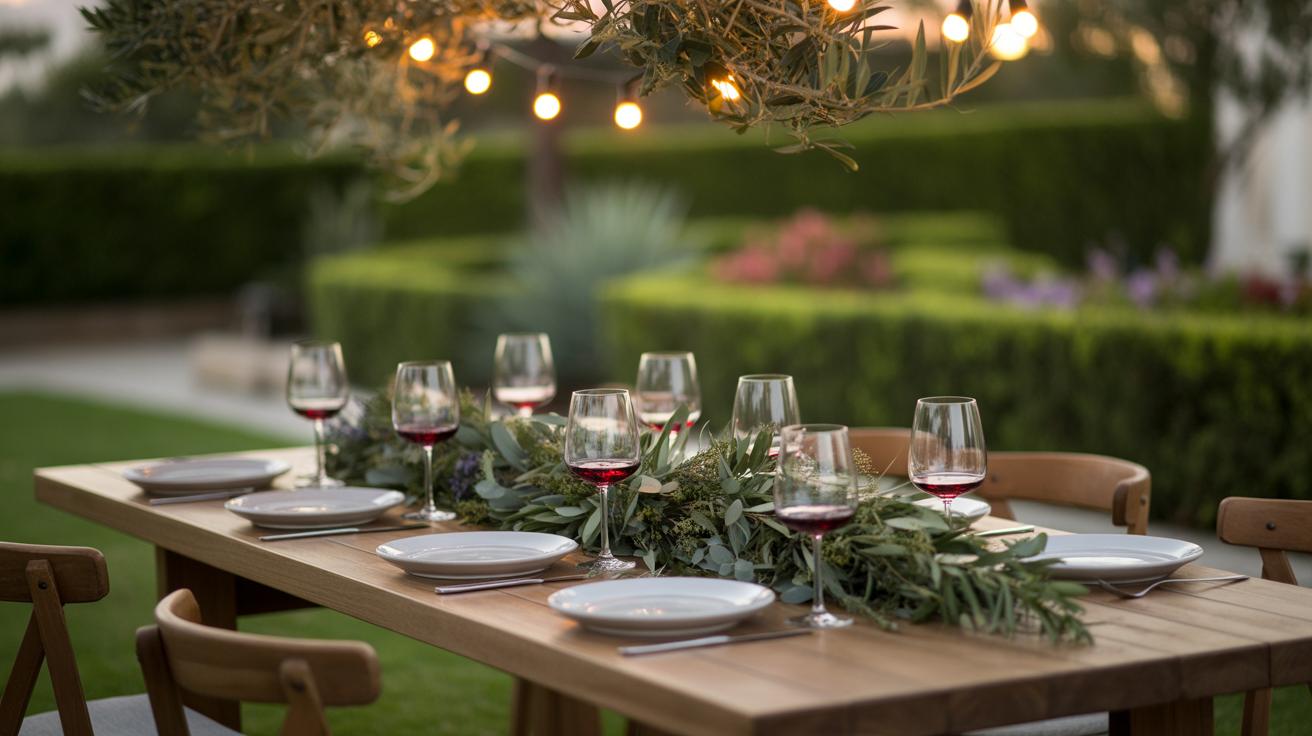
Planning a backyard dinner party can be a fun way to bring friends and family together. It gives you a chance to enjoy the fresh air, good food, and great company all in one place. To help you host a successful gathering, having a clear plan is key. This guide provides a Planning Checklist for Your Next Backyard Dinner Party, covering everything from setup to execution.
In this article, you will find practical advice and step-by-step suggestions. Each section will focus on different parts of your event. You will learn how to prepare the space, what to serve, and how to keep guests comfortable. Whether you are new to hosting or want to improve your skills, these tips will help make your backyard dinner party enjoyable and stress-free.
Setup Checklist for a Smooth Event
Essential Items for Your Backyard Party
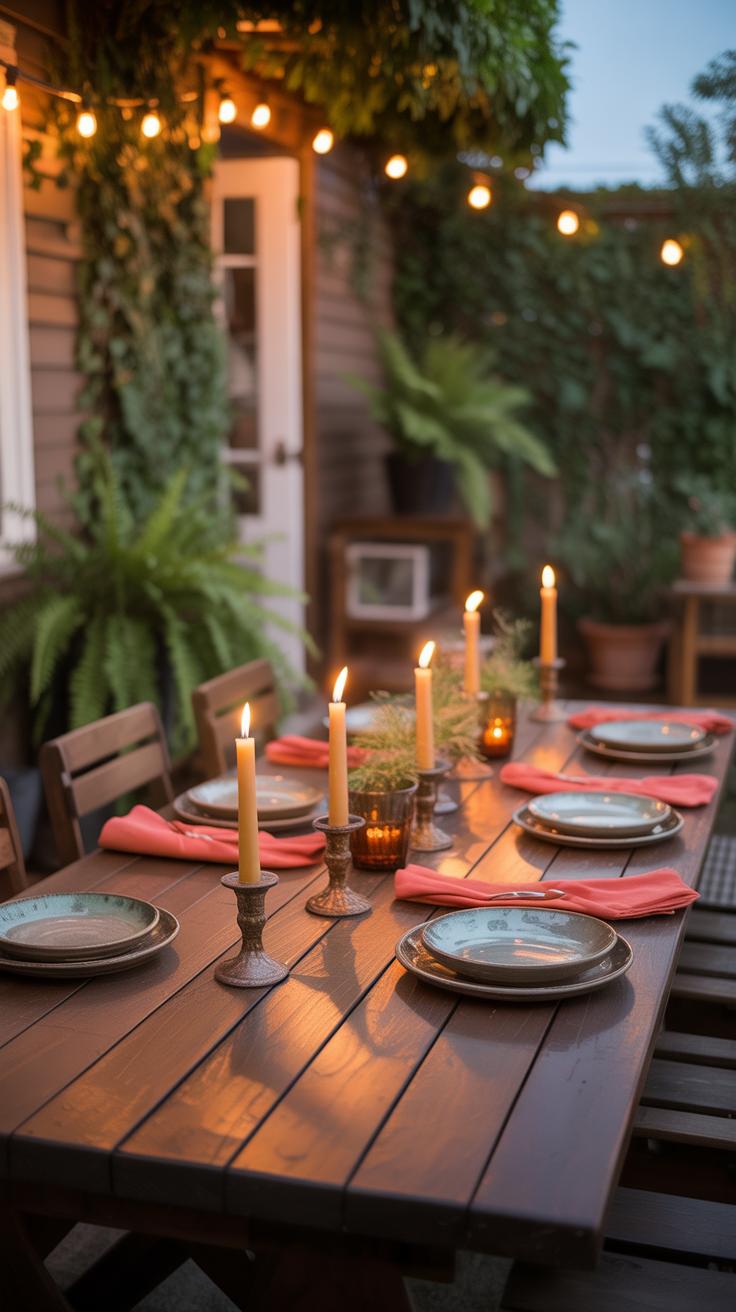
Make sure you have the basics covered long before guests arrive. A sturdy table is a must—without one, the whole dinner aspect falls flat. Chairs that match the number of guests help prevent awkward juggling or uncomfortable standing around. I usually bring extra seating just in case someone decides to swing by last minute.
Lighting plays a bigger role than we often realize. String lights work well, but lanterns or even candles add a softer touch that feels inviting. While going minimal can be stylish, having a few sources of warm light scattered creates a cozy atmosphere. Don’t forget some blankets or outdoor heaters if the night goes chilly. Weather can be tricky here—sun hats for daytime and quick-shield options if rain threatens.
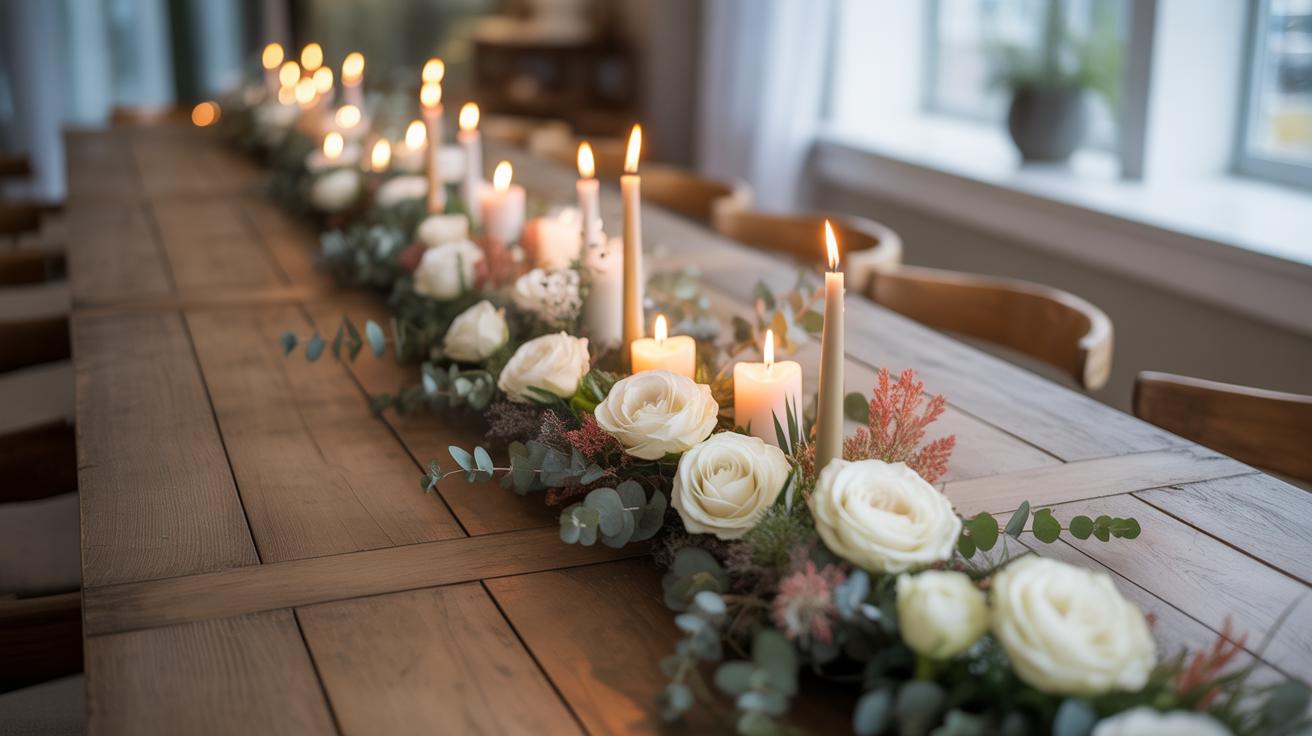
Decor is more than just pretty. Use simple elements that complement the space—like fresh flowers or a centerpiece that doesn’t get in the way of conversations. You want the table to feel welcoming but not cluttered. Oddly enough, sometimes less stuff feels more comfortable for everyone.
How to Arrange Your Seating and Tables
Think about how people naturally interact. Place tables so guests aren’t too squeezed but close enough to foster easy chatting. Setting up a long rectangular table might encourage a linear conversation only, but circular or square formations invite everyone to join in. On the other hand, if the crowd is large, breaking it into smaller groups can prevent awkward silences.
Try to give everyone a pleasant view—avoid backs to distracting spots like busy streets or noisy neighbors. If you have kids around or mixed age groups, make sure seating allows both easy supervision and a bit of freedom. Oh, and don’t forget airflow; positioning seats under trees or a canopy can keep things cooler and more comfortable, though too much shade might make things dim, so balance it out.
Have you ever noticed how cramped settings make people restless? Give your guests breathing room. Leave space for servers or anyone moving between tables so nobody bumps elbows mid-conversation. It’s a small touch that’s easy to overlook but makes a big difference.
Menu Planning Tips for Easy Hosting
Choosing a Menu that Fits the Backyard Setting
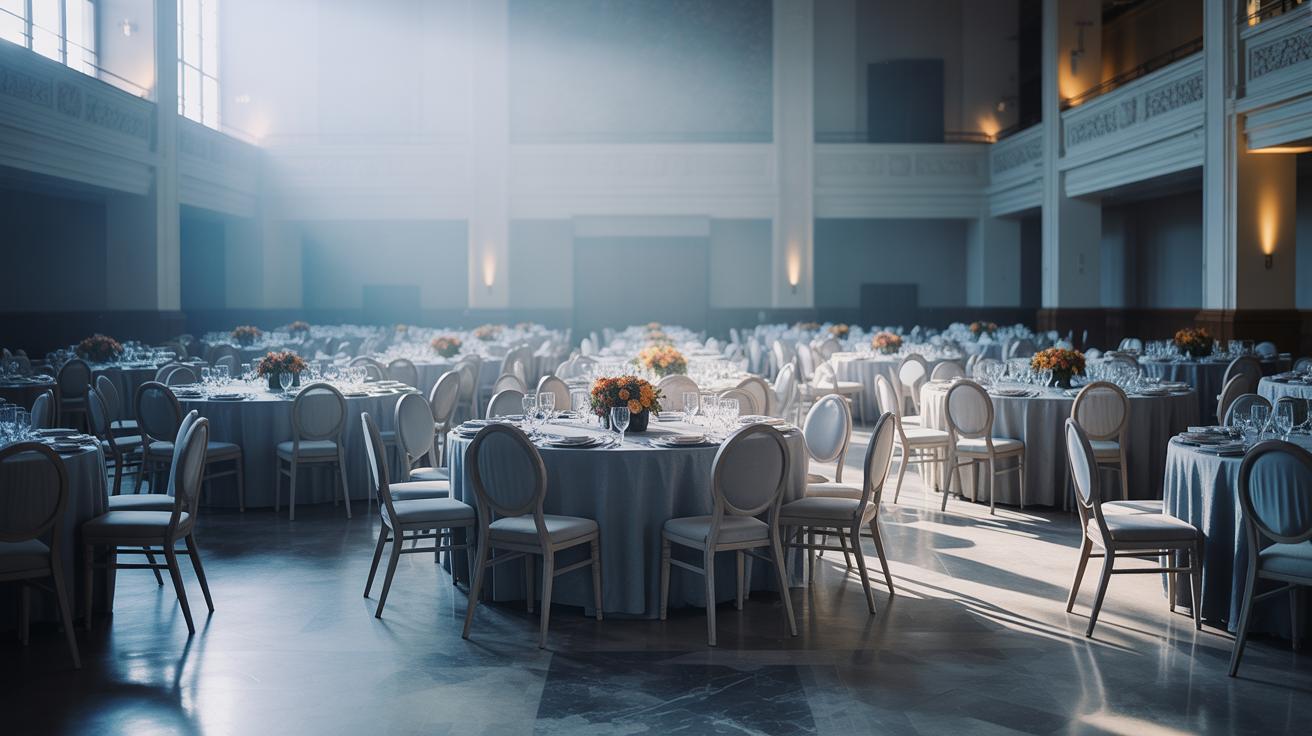
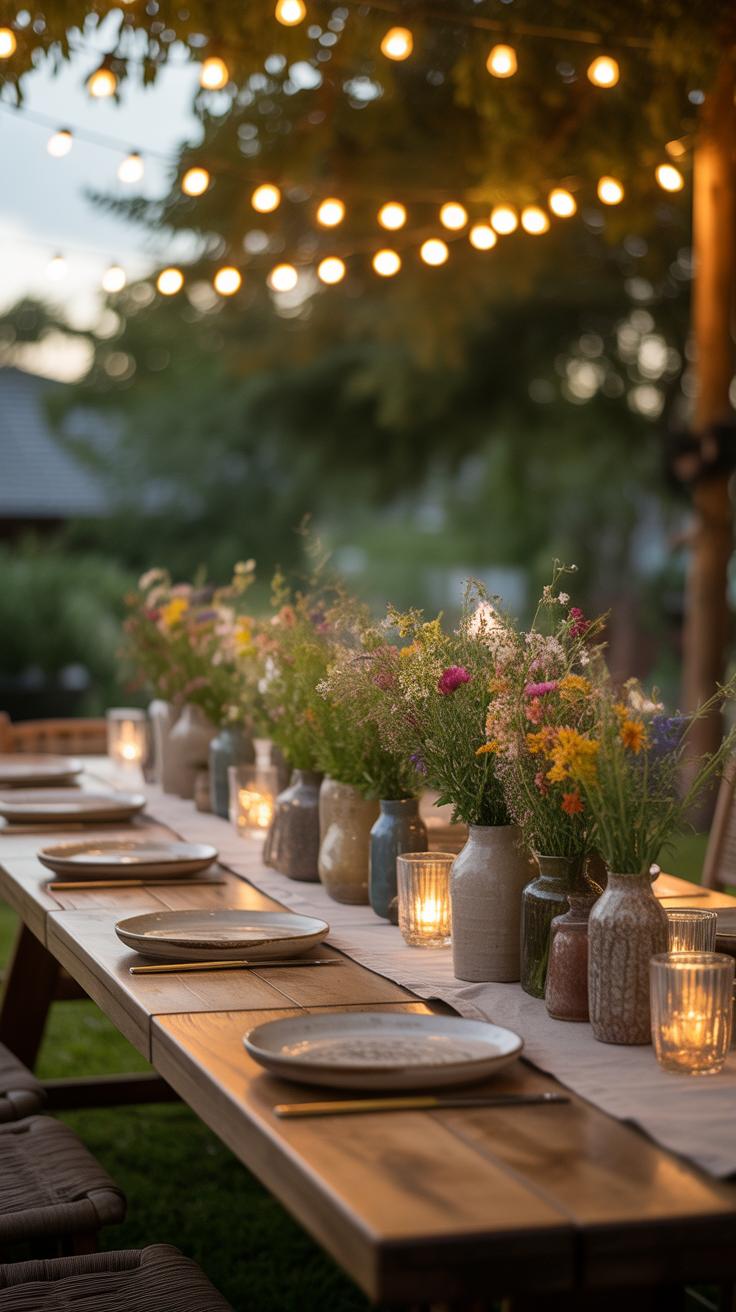
When planning your menu for a backyard dinner, simplicity is key. Think about dishes that handle the outdoors well—something not too fussy or delicate. You might lean toward grilled proteins or big, shareable salads that don’t wilt easily in the heat. Also, think about your guests’ dietary preferences. Maybe a couple of vegetarian options are worth including, or dishes that can easily be customized—like tacos with separate fillings. Preparing food ahead of time saves so much stress. Baking a casserole the day before or marinating meats overnight means less scrambling when guests arrive. It’s worth considering what can be eaten warm or at room temperature, since outdoor kitchens vary in setup.
Balancing Main Dishes and Sides
Choosing the right balance between mains and sides can make serving outdoors less complicated. Favor mains that are filling but don’t require too much handling, like roasted chicken or grilled fish. Pair these with easy sides such as roasted vegetables, grain salads, or simple fruit platters. You want dishes that complement each other without overwhelming your setup or your guests. Something light alongside something hearty often works well. Don’t forget, finger foods or items that can stay out longer without spoiling can smooth the flow when people graze at will. Oddly, I find that fewer, thoughtfully chosen sides often create a better atmosphere than an elaborate spread.
Drinks Selection for All Guests
Selecting beverages for a diverse group can be tricky, but offering a mix ensures everyone finds something to enjoy. For alcoholic choices, perhaps a couple of wines, a signature cocktail, or even a chilled beer option covers the basics. Pair those with non-alcoholic options like sparkling water, infused lemonade, or iced tea to keep everyone refreshed. Consider the time of day and weather too—if it’s warm, lighter drinks often appeal more. What’s interesting is how guests sometimes surprise you with their preferences when given a variety. Offering drinks that suit different tastes subtly encourages mingling and keeps the vibe flowing with minimal fuss.
Guest List and Invitations Made Simple
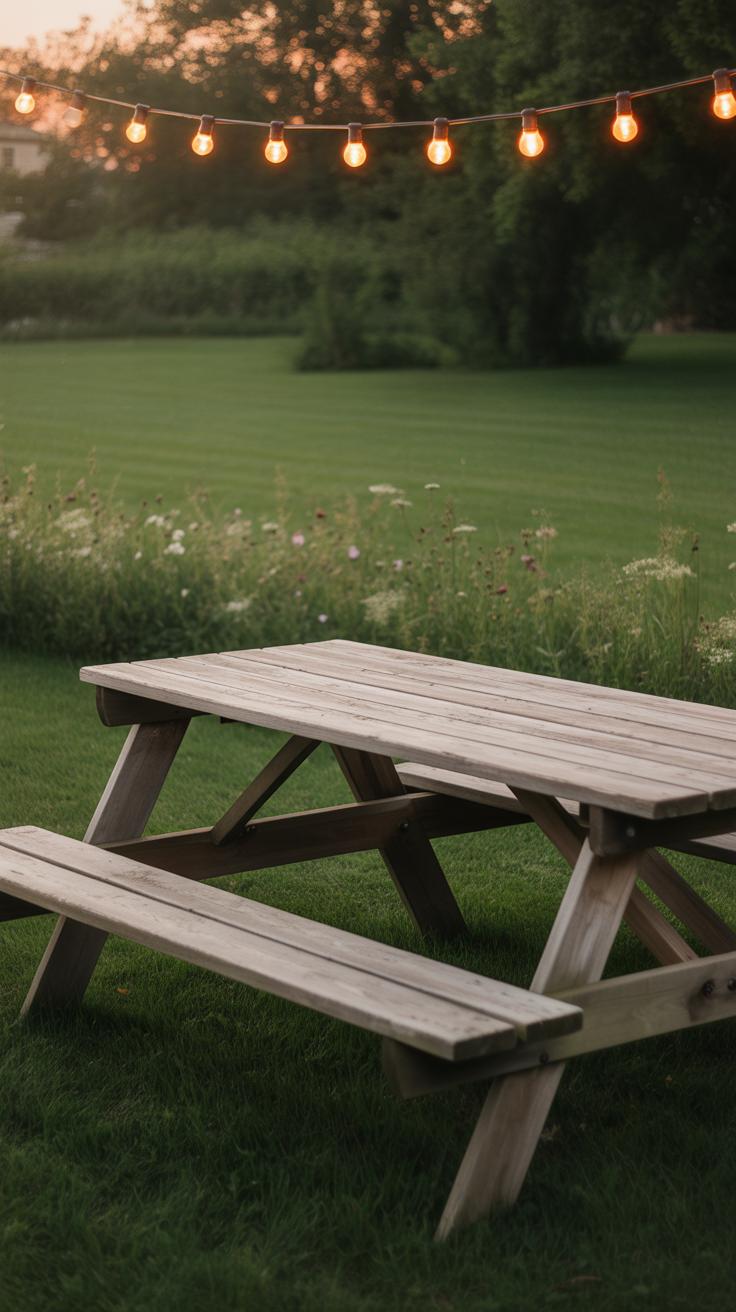
Deciding how many people to invite can feel tricky. You want enough guests for a lively atmosphere, but not so many that your backyard feels cramped. Think about your space first—how many seats fit comfortably around your table? Is there room for people to move around without bumping into each other? Also, consider the vibe you want. A small, intimate gathering might mean 8 to 12 people; a more casual buffet could handle 20 or more. Sometimes, you might start with a bigger list and trim it down once you factor in seating and food prep.
Sending invitations has never been simpler, but choosing the right method can depend on your style and your guests. Paper cards offer a nice touch and show you planned ahead, but they take time to prepare and mail. Digital invites save time and often come with RSVP tracking built in—great for keeping everything organized without chasing replies. Platforms like Evite or email groups make it easy to see who’s coming at a glance. Some people still prefer a quick phone call or even a text, which feels more personal but can get messy if you lose track. What matters is picking a way that suits you AND your guests—and then checking those RSVPs! You want to avoid surprises at the last minute, right?
Weather Plans to Keep Guests Comfortable
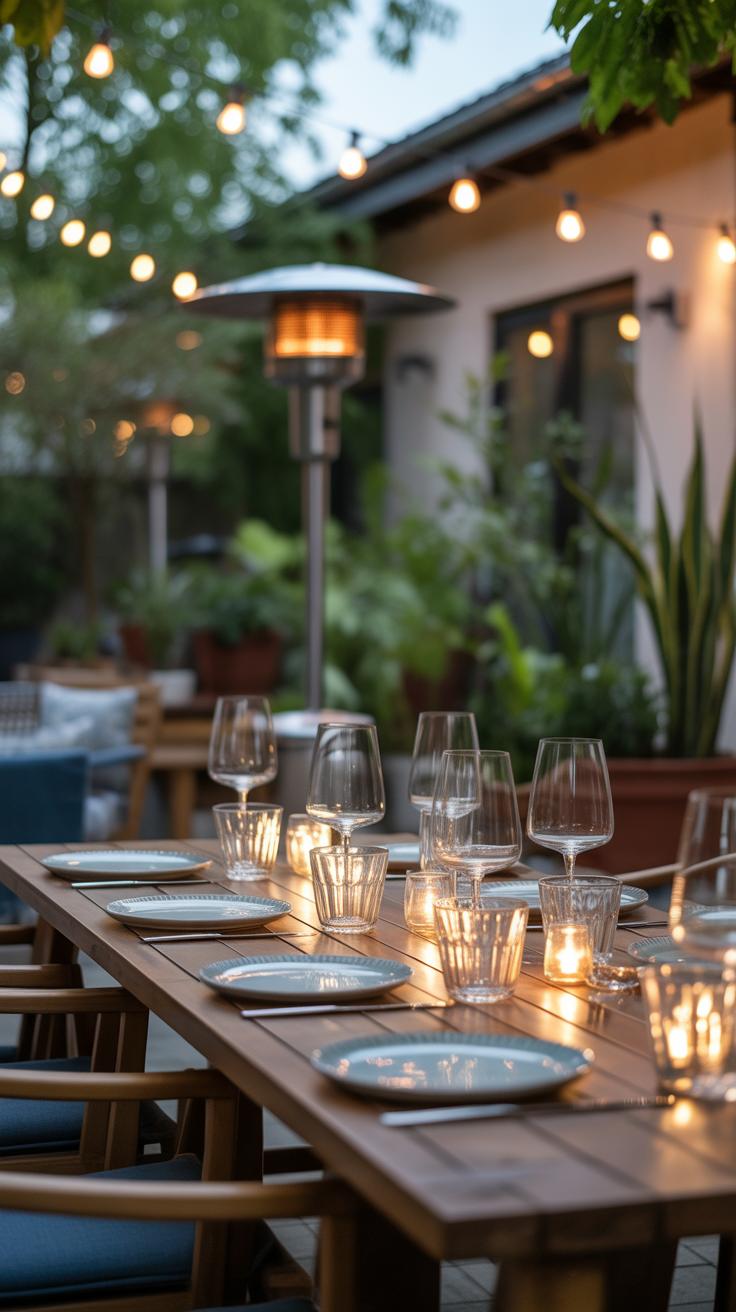
Hosting a backyard dinner party means you’re at the mercy of the weather, which can be a bit tricky to predict. It’s smart to have a couple of options ready so your guests don’t end up too hot, too cold, or stuck in the rain. When you think about shade, tents and umbrellas are obvious choices, but don’t overlook placing seating in natural shady spots—trees or awnings can work well if you’re lucky enough to have them.
For cooling, fans can make a surprising difference, especially the kind you can clip onto tables or stand near seating areas. Sometimes, a gentle breeze or a simple spray bottle on hand can refresh guests, even if you don’t have power for fans.
When temperatures dip or the sky turns gray, make sure you have a backup plan. Moving indoors might sound straightforward, but consider ease of flow, seating, and noise levels—it’s not always perfect for everyone. Portable heaters or fire pits can help with chilly nights, but test them earlier to ensure safety. On the rain front, pop-up tents with waterproof covers are lifesavers, but if space is tight, having robust umbrellas for guests to huddle under does the trick too. You probably won’t use all these solutions. But planning even a couple means less scrambling when the unexpected happens.
Decor Ideas That Set the Right Mood
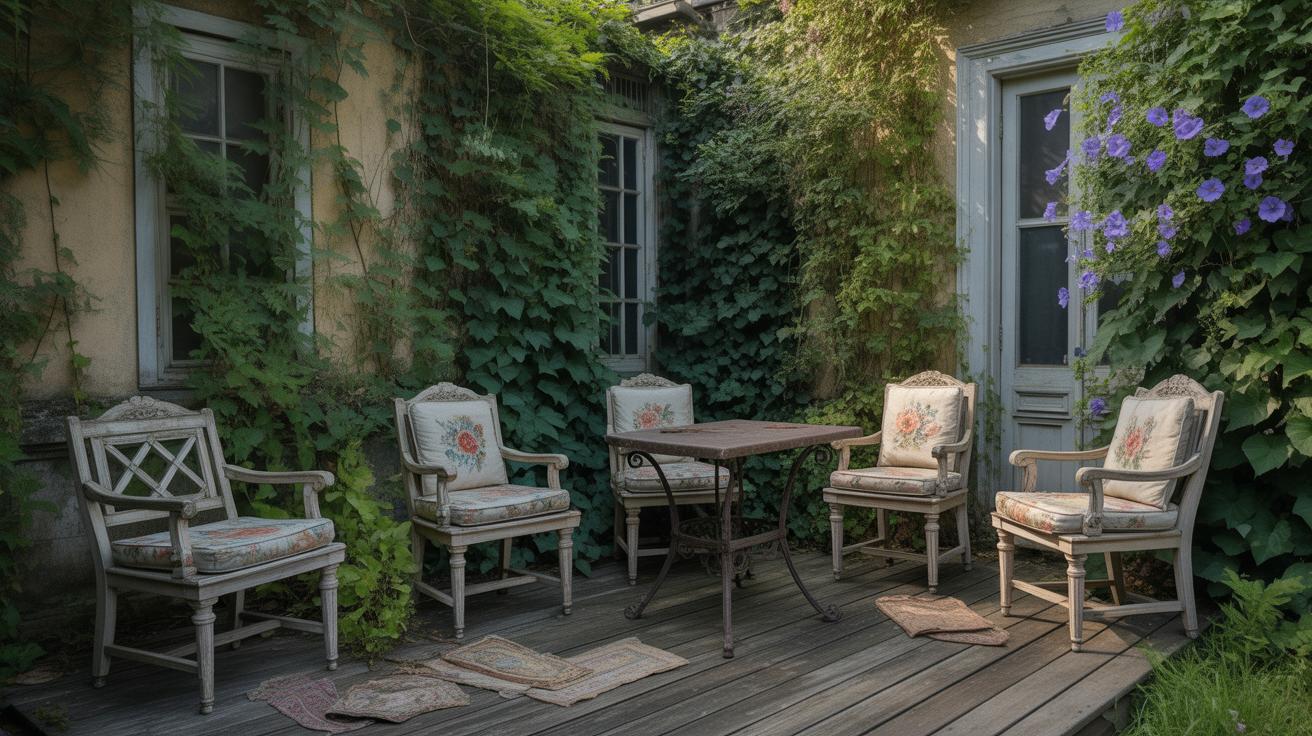
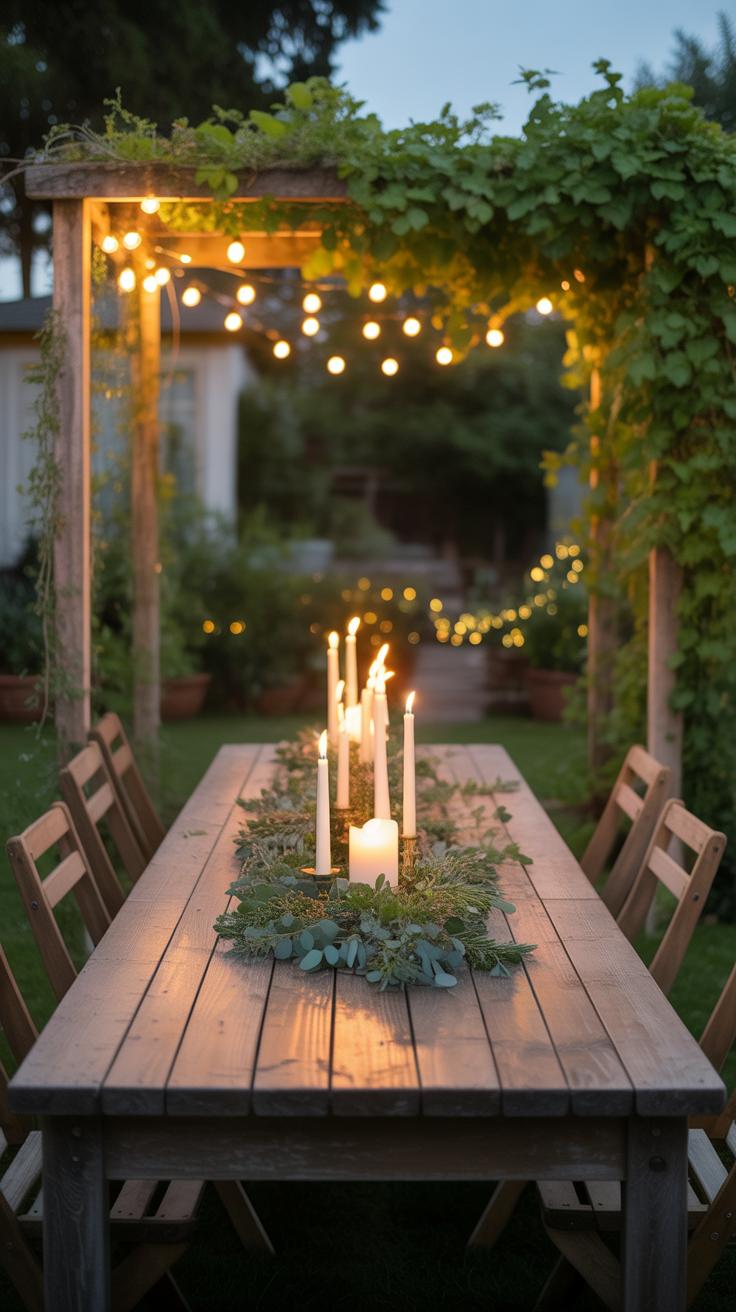
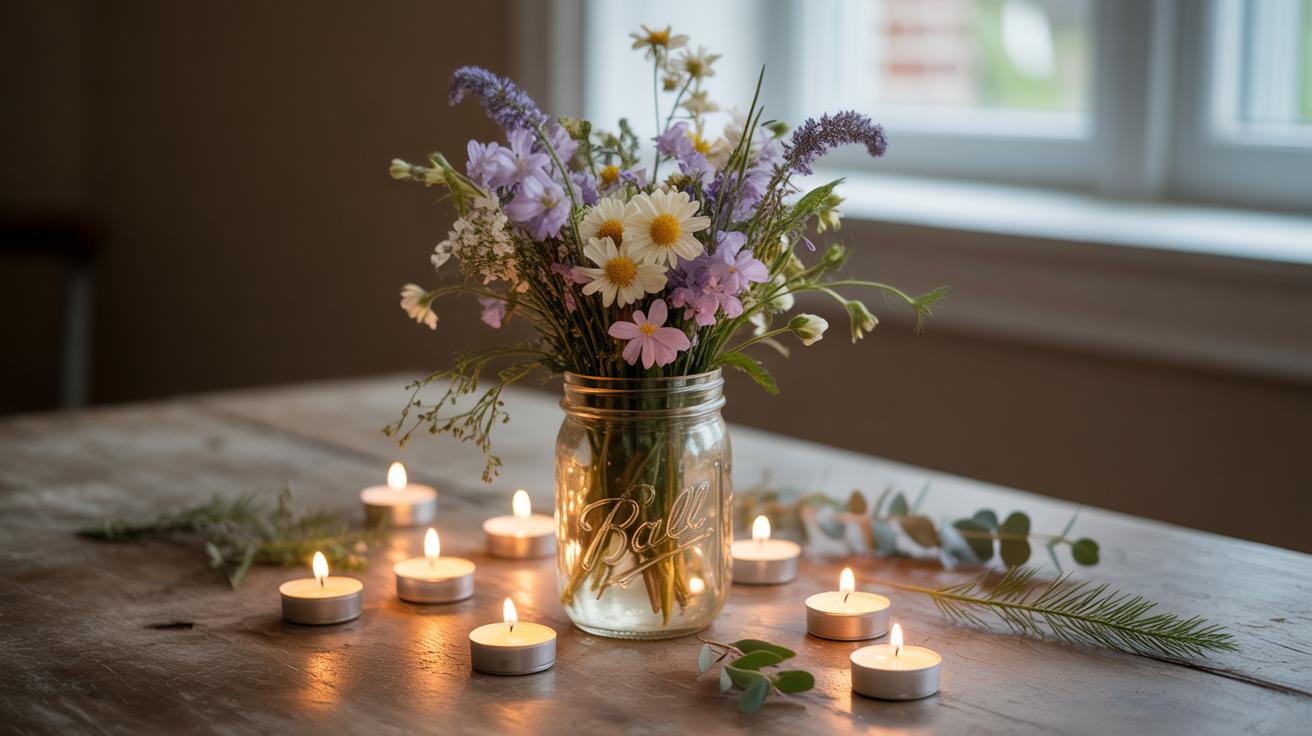
Simple decorations can make a big difference in your backyard dinner party’s atmosphere without costing much or taking too long. Think about using natural elements like fresh flowers, herbs in small pots, or even just branches placed casually in a mason jar. It’s subtle, but having something alive around adds a quiet charm. You don’t need to buy special equipment; even clean, well-folded napkins in soft colors can quietly lift the table’s look.
It’s easy to get caught up in overdoing the decor, but sometimes less feels more. Maybe scatter some smooth stones or seashells you found on a walk. Such details might seem minor, yet guests often notice those personal touches that aren’t flashy but speak to a thoughtful host. If you want themes, stick with one or two colors and a simple motif—it keeps things from getting cluttered.
Using Lighting to Create Ambiance
Lighting plays a surprising role in how welcoming your backyard feels. String lights draped overhead create a soft glow that makes the space feel like an ongoing conversation. You can hang them on trees, from poles, or even along the fence. Don’t worry if the strands aren’t perfectly straight; a bit of unevenness adds character.
Candles are another player here. Whether you use classic votives or candle jars, placing them on tables or steps layers the light pleasantly. Lanterns, especially with flickering LED candles, can be moved around and bring that cozy warmth without the fuss of real flames. Just be mindful of the wind; you might want to weigh down lightweight fixtures.
Adding Personal Touches to Decor
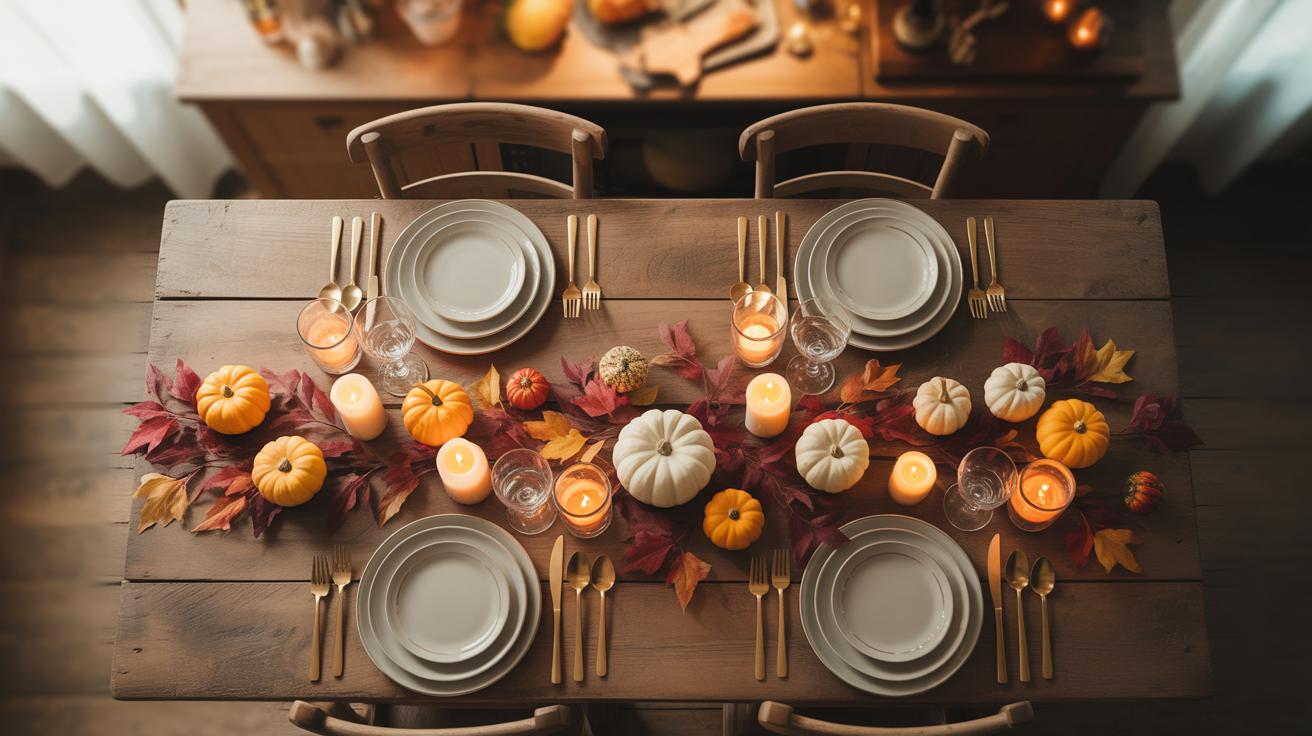
Adding your own spin to decorations makes the scene special—and it doesn’t require much craft skill. For instance, homemade centerpieces made from seasonal fruits or vegetables can be both pretty and conversation starters. Imagine a small bowl of lemons or a cluster of cherry tomatoes on a platter; these are easy but effective details.
Themed decorations also work well if chosen thoughtfully. Perhaps you’re inspired by a favorite place or time—try to bring tiny bits of that vibe into the setup. It could be simple signs written by hand, a playlist matching the theme, or even napkin rings you put together from scraps or ribbons you have around. These touches let guests feel like the event has a distinct personality, not just another generic gathering.
Entertainment Options for Your Guests
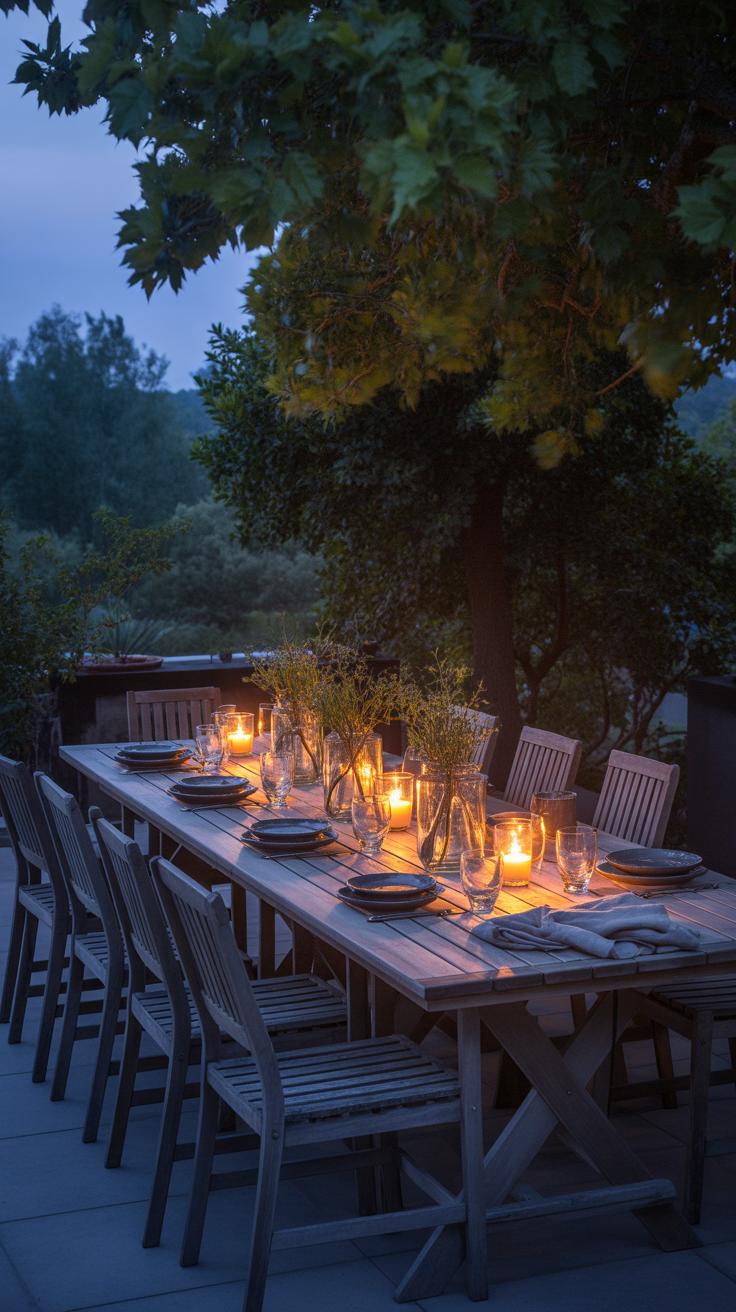
Keeping guests entertained during a backyard dinner party doesn’t have to be complicated. Sometimes, simple activities create the best atmosphere. Think about games or interactions that invite everyone to join without feeling pressured. You might want to offer a mix of options that suit different interests and energy levels.
Games and Activities for Groups
Outdoor games can break the ice and keep everyone involved. Here are a few ideas that usually get people talking and laughing:
- Bocce ball or lawn bowling: Easy to set up and fun for guests of various ages. It’s low-key but still competitive enough to spark interest.
- Giant Jenga or Connect Four: These games grab attention without needing much explanation, and they’re just the right mix of casual and engaging.
- Trivia or charades: People love these because they encourage interaction and laughter but don’t require much physical activity. You can tailor questions around your group’s interests to personalize the experience.
- Scavenger hunt: A quick, light-hearted challenge that works surprisingly well outdoors. You can keep it simple with household items or themed around your party’s vibe.

Don’t worry too much about filling every moment with activity. Sometimes, just a clear space for kids to run around or guests to mingle freely can mean more than organized games.
Music Choices That Fit the Setting
Choosing the right music can be tricky. The goal is to create a backdrop that doesn’t overwhelm conversation but still enhances mood. Think about playlists before the party instead of scrambling last minute. You could select a mix of genres that appeal broadly, maybe some soft acoustic tunes, a few classic hits, and some feel-good instrumentals.
Streaming services often have ready-made playlists titled “Backyard Dinner,” “Mellow Evening,” or “Chill Vibes.” These offer a good starting point, so you don’t have to decide every song. Try to avoid music that’s too fast or too loud; it can shift energy awkwardly. Also, consider guests’ ages and tastes – a bit of variety tends to work better than sticking rigidly to one style.
One time, I played a quiet folk playlist for a mix of old and young guests. It sparked conversations about songs people remembered. That kind of connection often seems more valuable than just background noise.
Setting Up Efficient Food Serving Stations
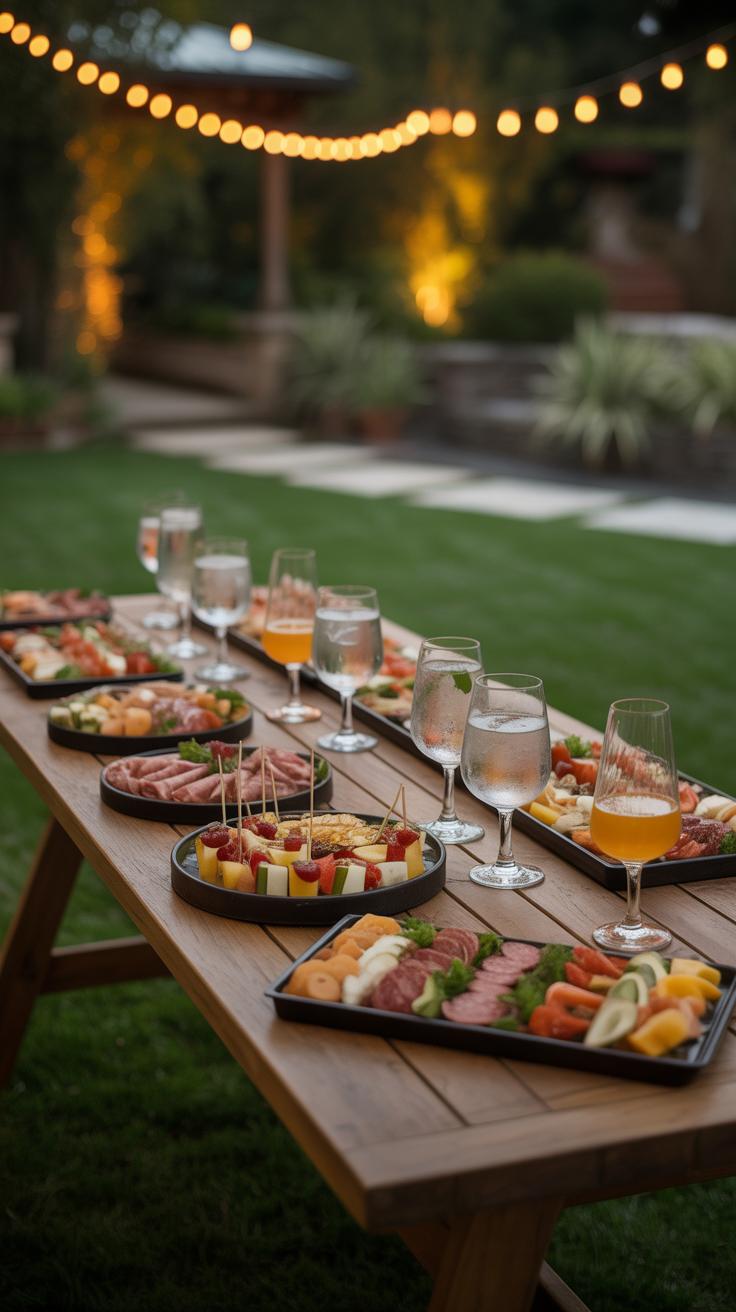
Arranging Buffet or Family-Style Food
When setting up a buffet or opting for family-style service, think about how guests will move around the table. For buffet lines, place plates at the start, followed by the main dishes, sides, and finally utensils and napkins. This order nudges people to flow naturally instead of circling back, which often causes bottlenecks.
If you prefer family-style, space out platters on the table within easy reach of each guest. That way, passing food feels more comfortable, and no one has to lean too far or ask for a dish repeatedly. Trust me, I’ve seen those situations where a crowded table turns into a minor frustration rather quickly.
One trick is to use multiple smaller tables if your group is large—each with a variety of dishes—so guests don’t cluster in one spot. You might worry that splitting food up disrupts the meal’s vibe, but it often encourages more relaxed movement and better conversations. What’s your take on that?
Keeping Food Fresh Safely Outside
Outdoor settings invite fresh air, but also the risk of food spoiling faster. Keep hot dishes hot by using insulated containers or slow cookers set on warm. Place cold items on trays surrounded by ice or chilled gel packs. I’ve learned the hard way that a warm salad isn’t exactly appealing after a half-hour in the sun.
Don’t leave perishable food out for more than two hours—maybe even less if it’s very warm outside. If you’re unsure about the temperature, use a small food thermometer; these are handy and affordable. Also, cover dishes with lids or mesh food tents to keep bugs out but allow ventilation. It might sound like extra fuss, but it makes a noticeable difference.

If drinks are part of the setup, keep a separate cooler or bucket with plenty of ice. People appreciate being able to grab a cold drink easily without making a mess or waiting too long. It’s those small details that keep the party going without awkward interruptions.
Budget Planning for a Backyard Dinner Party
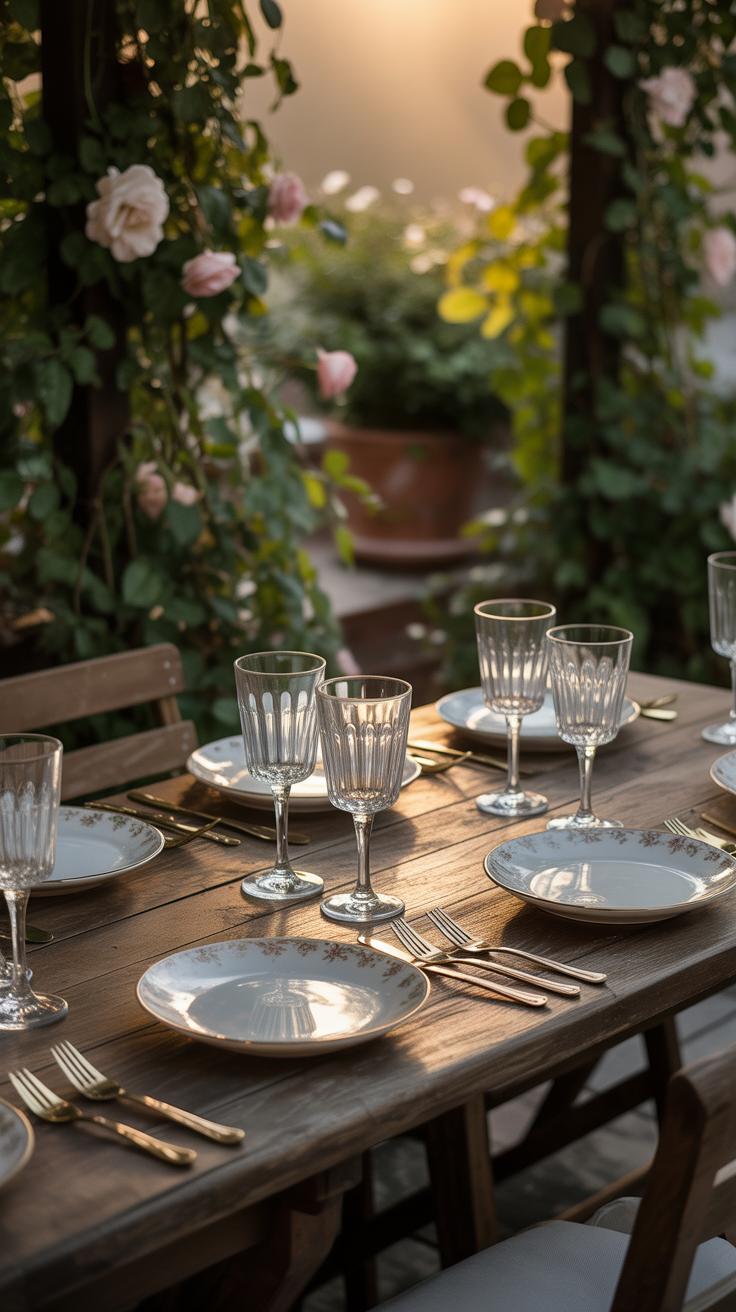
When planning your backyard dinner party budget, start by listing the main expenses: food, decor, and other essentials like seating and lighting. Food usually takes a big chunk, especially if you expect a decent crowd. But it’s tempting to splurge here without thinking—maybe you could focus on simpler dishes that still impress, rather than going all out on expensive ingredients.
Decor is another area to consider carefully. You might think fresh flowers or fancy table settings are necessary, but sometimes small touches like string lights or homemade centerpieces create just as much charm for far less money. Don’t forget about basics like napkins, cutlery, and serving ware, which can quietly add up.
Prioritizing Spending Areas
Deciding where to allocate your budget can feel tricky. Ask yourself what really impacts your guests’ experience. Is it the food? The vibe created by lighting? Or maybe comfort, like enough chairs? For example, splurging on comfortable seating may matter more than expensive place settings—people often remember how they felt more than the fancy plates.
It’s okay to spend more on a standout dish rather than every course. You could cut costs by offering fewer options but doing them well. Or maybe skip elaborate decor in favor of ambient music and cozy arrangements. It’s a bit of a balancing act. If you’re unsure, jot down what you’d notice most as a guest and go from there.
Saving Money With DIY Solutions
There’s plenty to save when you do things yourself. Invitations, for example, don’t need to come from a printer—you can design simple ones on free platforms and send them digitally. For decor, crafting paper lanterns or using natural elements from your yard can make a big difference without costing much.
When it comes to food, homemade appetizers or desserts often turn out more special than store-bought. Even roasting your own veggies or setting up a DIY taco bar lets you control costs and personalize flavors. It takes a bit more effort, yes, but it can also make your guests feel you’ve really put thought into the event. Have you tried making your own decor before? You might find it’s less hassle than imagined.
Common Mistakes to Avoid When Hosting
Not Planning for Weather Changes
One of the easiest ways to derail your backyard dinner party is to overlook the weather. You might think, “It’s summer, so nothing could go wrong,” but that’s where things often fall apart. A sudden rain shower or unexpected drop in temperature can leave guests scrambling for shelter or feeling uncomfortable. I once planned a party on what felt like a perfect day—only to have a surprise storm hit halfway through. Without any backup plan, everyone ended up crowded under a tiny porch, and the mood quickly shifted.
To avoid this, always have some kind of shelter ready, whether it’s a pop-up tent, umbrellas, or even movable awnings. Think through wind too; a breezy evening can make guests cold, so blankets or outdoor heaters might come in handy. Checking the forecast right before the event is one thing, but also be ready for unexpected shifts. Sometimes, the best-laid plans still need a Plan B.
Ignoring Guest Comfort Needs
Comfort may seem obvious, but many hosts neglect it until it’s too late. Your guests won’t enjoy the evening if they feel cramped, too hot, too cold, or if seating is scarce. I’ve seen people squeeze way too many chairs around a cramped table, leaving no room to move or put down plates comfortably. When guests are physically uncomfortable, conversations stall and the vibe dims.
Consider the variety of your guests—some might need more space, extra cushions, or easy access to restrooms. Lighting matters too; dim areas make it hard to see food, while glaring lights can annoy. Even simple things like bug spray, insect-repellent candles, or fans can make a surprising difference. Think about who is coming and try to meet those needs ahead of time; otherwise, you risk guests quietly wishing they were somewhere else.
Conclusions
After reading this guide, you should have a clear idea of how to plan a backyard dinner party. From setting up the area to finishing touches, each step plays a role in creating a pleasant experience. You will find that organizing your event becomes easier with a plan that covers all important details.
Remember, a good backyard dinner party brings people together in a relaxed setting. Focus on what matters most: the food, the company, and the atmosphere. With simple preparations and thoughtful touches, your party will be memorable and enjoyable for everyone.