The Pre Camp Culinary Reconnaissance Protocol
Know Your Supply Chain Before You Leave
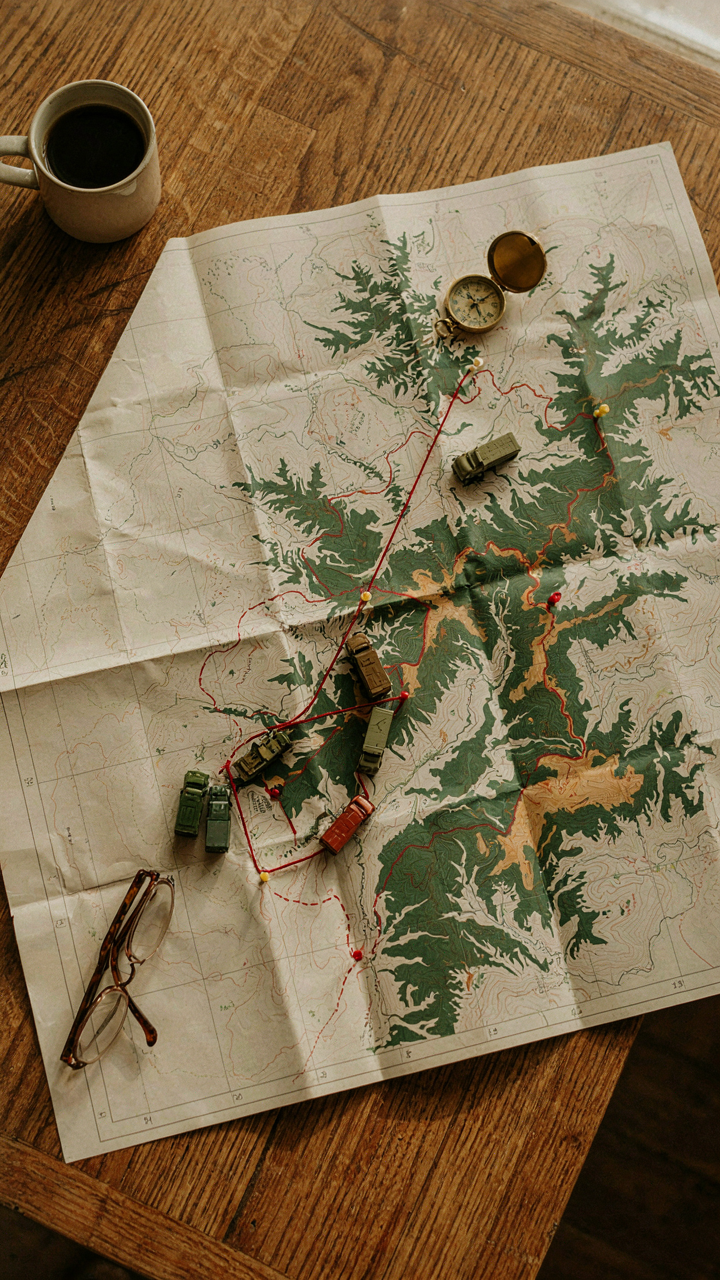
You’re worried about looking unprepared. The real mechanism is this: distance kills your options. In supply chain logistics, we call this the “last mile problem”—the final leg where everything gets expensive or impossible. At a remote campsite, your last mile is a hiking trail or a dead end road. You don’t solve this by hoping. You solve it by mapping what exists within realistic reach before you pack your truck.
Call the ranger station. Search Google Maps for the nearest town and cross reference it with actual store hours. Drive the route once if the camp is new to you. Know if you’re two miles from a general store or forty miles from the nearest gas station. This isn’t overthinking. This is the difference between cooking a real meal and eating granola bars because you assumed wrong.
Forage What The Land Actually Provides
The common advice here is wrong. Most people think foraging means free food. It doesn’t. Foraging means learning what grows in your specific region during your specific season, then using that knowledge to reduce what you have to carry. Botany teaches us resource availability: plants are distributed by soil type, water access, and climate zone. Your campsite sits in exactly one of these zones.
Research what grows edible in your region three weeks before the trip. Mushrooms, berries, wild herbs, and greens change by season and location. Download a regional foraging guide or join a local foraging group online. When you arrive at camp, you spend thirty minutes confirming what actually grows there right now. You don’t gamble on what you think might be there. You identify one reliable plant source, harvest what you need for one meal, then move on. This becomes your backup protein or flavor layer, not your meal plan.
Beyond The Cooler: Thermal Management For True Wilderness
How Heat Transfer Actually Works In Camp

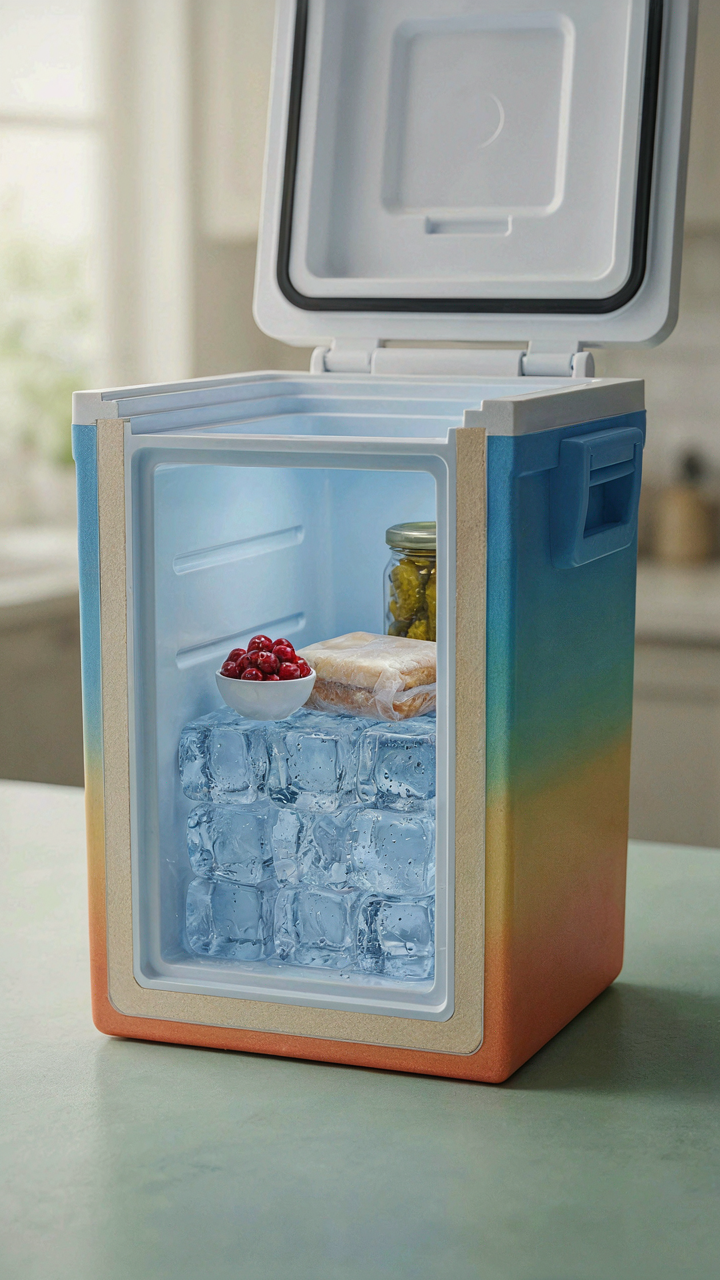
You want to look competent around a fire without actually understanding the physics that keeps your food safe. Here’s the mechanism: thermodynamics describes heat flow between objects at different temperatures, and your cooler is a one-directional insulation barrier designed to resist conduction, convection, and radiation. The external environment moves heat inward. Your job is to slow that movement. Most people pack a cooler and hope. That’s not a strategy.
The insulation rating matters more than cooler brand loyalty. A cooler with three inches of closed-cell foam slows heat transfer significantly compared to one inch. Air pockets trap heat movement. Ice melts not because it’s summer, but because warm air molecules vibrate against the cooler walls and transfer energy to the cold interior. Dense insulation breaks that chain. Stack your cooler in shade, away from direct sun and ground contact. Never place it directly on soil or rock that radiates absorbed heat.
Frozen Barriers Versus Melting Coolant
Most advice treats ice packs and frozen food interchangeably. They’re not. Thermodynamically, phase change materials like ice packs are engineered coolants designed to absorb heat energy as they melt from solid to liquid. Frozen food does this too, but it has a secondary purpose: feeding you. The difference is efficiency and timing.
Ice packs maintain stable temperatures longer because they’re designed to resist heat absorption. Frozen water bottles or gel packs undergo phase change at 32 degrees Fahrenheit, absorbing significant heat energy during that transition. Pack ice packs on the bottom and sides of your cooler first. Then layer frozen food on top. The ice packs do the thermal work while your food thaws gradually into usable temperature. By day three, your frozen steaks are cool enough to cook safely while ice packs have mostly finished their job. This staggered melt prevents warm spots and extends your cooler window by two to three days.
The Minimalist Camp Kitchen: Decluttering For Optimal Performance
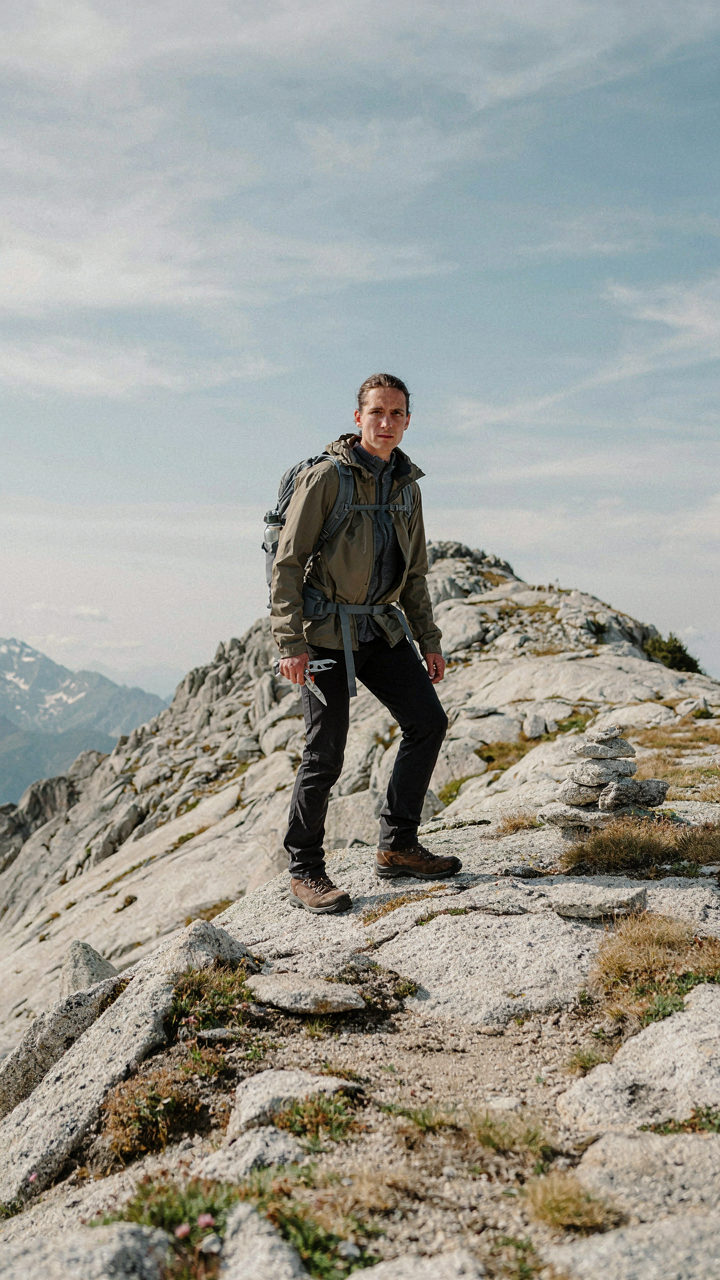
Multi Use Tools Each Item Justifies Its Weight
You want to feel prepared without admitting you’re terrified of looking incompetent in front of people. The real mechanism is weight-to-function ratio. Every tool you bring costs calories to carry and mental overhead to manage. A titanium spork replaces a fork, spoon, and knife. A pot with a lid that doubles as a skillet eliminates redundant cookware. A carabiner-attached knife saves you from dropping it in dirt or losing it in your pack. The question isn’t “what might I need” but “what does this do that nothing else does.”
A cast iron skillet is heavy, but it replaces a frying pan, griddle, and Dutch oven. A multi-tool with pliers, knife, and can opener covers most camp tasks without carrying four separate items. Nesting bowls that stack inside each other save pack space. A collapsible water container is lighter and takes up zero room when empty. Before you add anything to your kit, name two other tools it would replace. If you can’t, leave it behind.
Eliminate Redundancy Two Is One One Is None Unless It’s Useless
This phrase comes from military supply doctrine: redundancy for critical systems, elimination for everything else. Most campers carry backup items that never get used because they’re paranoid, not because they’re rational. Two lighters make sense because fire failure is catastrophic. Two knives do not, unless one stays in camp and one travels with you. One cooking pot is punishment. Two pots allow you to boil water while simmering food. Three pots is hoarding dressed up as thoroughness.
The real cut is function redundancy, not item redundancy. A spork handles multiple eating jobs. A carabiner secures what a rope struggles with. A wide spatula flips food and scrapes pans clean. A single well-chosen item that covers several tasks beats a toolkit full of single-purpose gear. Before your next trip, count every duplicate tool in your pack. If both items serve the same function, choose the one that performs best and remove the other.
Fire As An Ingredient: Mastering Campfire Cooking Temperatures
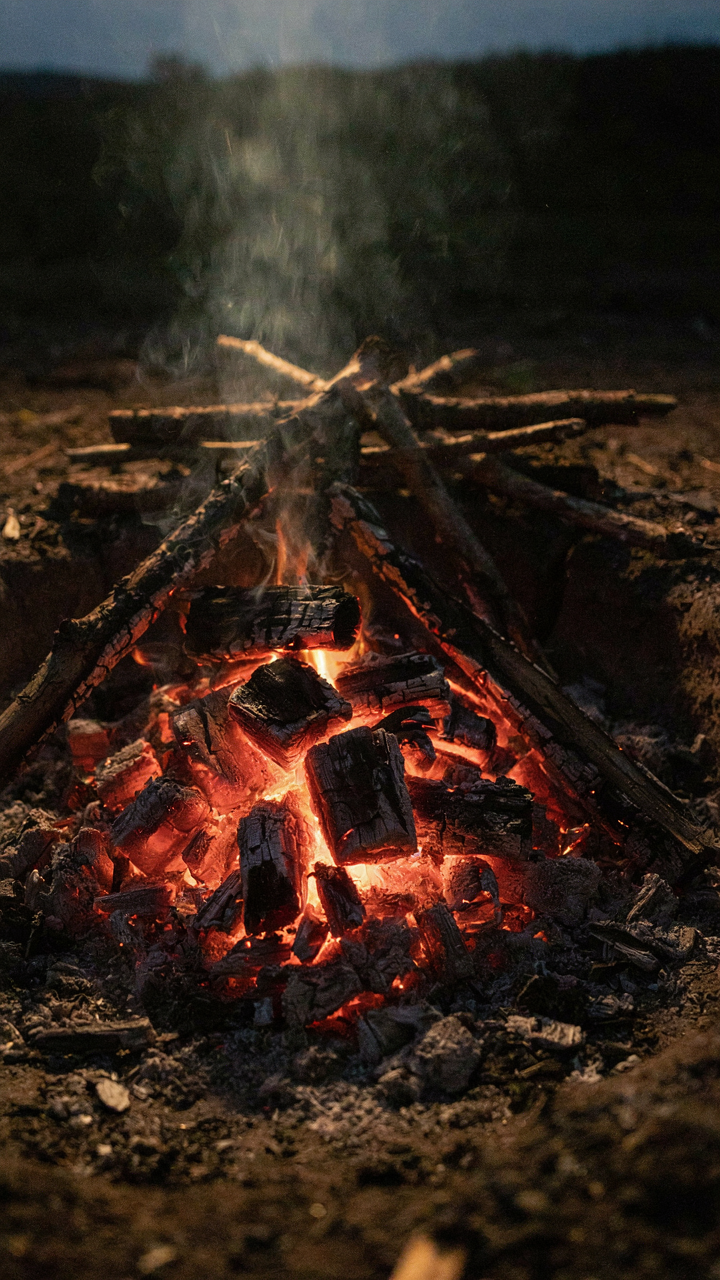
Choose Your Fuel Like You Choose Your Tool
You want to look competent around the fire without actually understanding combustion. Here’s what matters: hardwoods like oak, maple, and hickory burn hot and long, leaving dense coals that hold steady heat for cooking. Softwoods like pine and spruce ignite fast but collapse into ash within minutes. The mechanism is wood density. Hardwoods have tighter cellular structure, so they release energy slower. Softwoods are mostly air, so they combust quick and leave nothing.
Use hardwood for any meal that requires consistent temperature control. Burn it down to coals before you cook, not in the flame itself. This takes thirty to forty minutes depending on wood size and moisture. Softwood belongs in your fire starter bundle or for initial heat only. Once you have coals, you don’t add softwood back in. The ash contaminates your food and the flames make temperature management impossible.
Work The Temperature Zones, Not Against Them
Camp cooking borrows from thermal physics: you don’t control fire, you control proximity. Direct flame reaches 1000 degrees Fahrenheit and sears protein in seconds. The ember bed sits around 400 to 600 degrees and cooks evenly without charring. Distant heat, positioned three feet back from the coals, runs 200 to 300 degrees and functions as your slow cook zone. Most people ignore this and overcomplicate everything.
Build your fire layout before you light it. Position your grate or tripod so you can move cookware between zones without repositioning the fire. The coal bed stays in the center. Direct flame access stays on one edge for searing. The cooler zone stays furthest back. This three-zone setup lets you sear a steak, move it to medium heat to finish cooking, and slide it back to keep warm without touching the fire itself. Your only variable then becomes time and attention.
The Un Prepped Prep: Maximizing Efficiency Before You Leave
Weight Versus Nutrition: The Real Tradeoff
You want to feel like you’re optimizing, but you’re actually just avoiding the math that shows fresh food wastes your pack space. Nutrition science calls this “caloric density,” and it’s the same principle that governs military rations. Dehydrated meals compress nutrition into smaller weight. A pound of fresh potatoes holds 77 calories. A pound of dehydrated potato flakes holds 3,500 calories. The gap isn’t theoretical—it’s the difference between carrying three days of meals or five.
Fresh food wins only when you’re car camping within arm’s reach of your cooler and eating within 24 hours. Beyond that window, the nutritional value per pound deteriorates faster than dehydrated alternatives. Dehydration removes water, not nutrients. Vitamins like C do fade under heat, but minerals and macronutrients stay locked in. Your body still extracts the same protein, fat, and carbohydrates. The mechanism is straightforward: dehydrate everything you can’t eat the first night, then pack fresh only for meals zero and one.
Pack By Portion, Not By Product
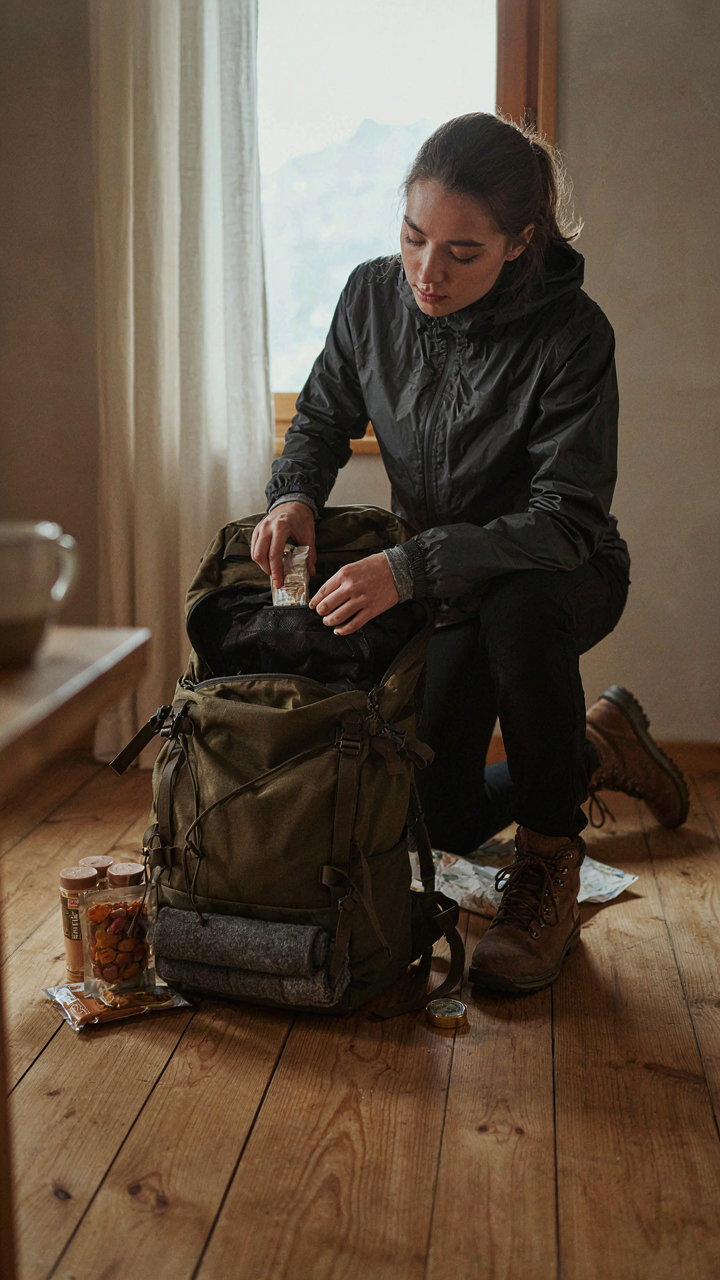
Most people prep meals by ingredient—they bring a bag of rice, a bag of beans, a container of salt. This creates packaging bloat and forces you to ration at the fire, which wastes time and generates trash. Portion control means pre-mixing everything into individual meal packets before you leave home. Weigh out exactly what one person needs for one meal, seal it, label it.
This removes three friction points at once: no decisions at camp, no leftover packaging to haul out, no excess weight. A gallon freezer bag containing one breakfast for two people weighs the same as loose ingredients but eliminates the mental load. You open the bag, dump it in a pot, add water. The protocol is non-negotiable: prepare all meals in packets at your kitchen table where scales and containers are accessible.
Beyond The S’more: Elevated Campfire Desserts
Foil Packet Mastery For Real Results

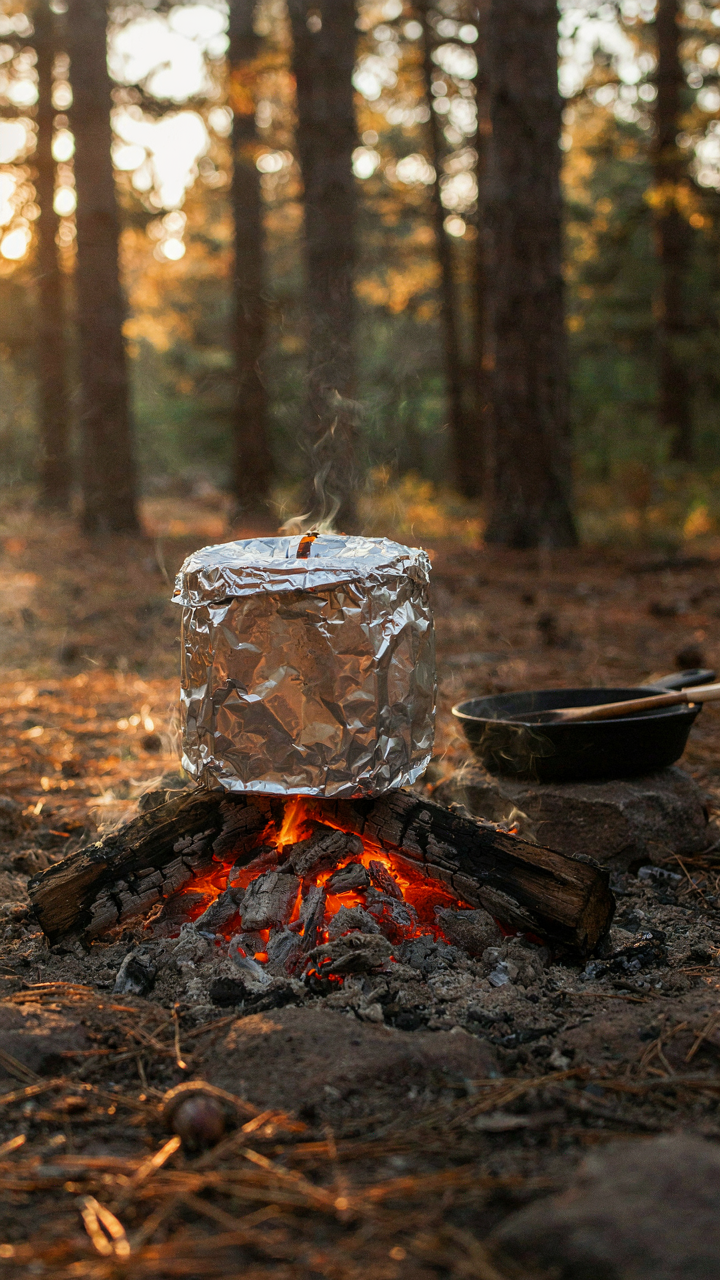
You want to look like you know what you’re doing around a fire without actually spending three hours prepping. The mechanism is simple: foil packets create a closed system where steam and radiant heat work together to cook fruit and melt chocolate evenly. This isn’t magic. It’s thermodynamics applied to cardboard-thin aluminum.
Start with heavy-duty foil, not the cheap stuff that tears. Layer fruit first, then chocolate pieces, then a small knob of butter on top. Seal the packet tight so steam stays trapped inside. Place it directly on coals or a grate for five to eight minutes. The butter melts, the fruit softens, the chocolate follows. Open carefully because steam burns harder than flame. The packet system removes the guesswork that kills most campfire desserts.
Dutch Oven Baking Over Coals
Dutch oven baking transfers heat control from chaotic campfire conditions to something closer to actual oven physics. This changes the game because you can now produce dense, evenly baked goods instead of charred exteriors with cold centers. Most people skip this because it looks complicated. It’s not.
Place your Dutch oven on a bed of hot coals with more coals stacked on the lid. The bottom coals provide base heat. The top coals create an oven-like environment above. Brownies, cinnamon rolls, and biscuits bake in twenty to thirty minutes depending on coal temperature. The heavy lid traps moisture so edges don’t dry out. Once you dial in coal placement on your first attempt, the next batch takes the same time with the same result. Consistency is the actual win here, not novelty.
Water Management: The Unsung Hero Of Easy Camping
Filtration Systems: Pumps, Gravity, And Chemical Purification

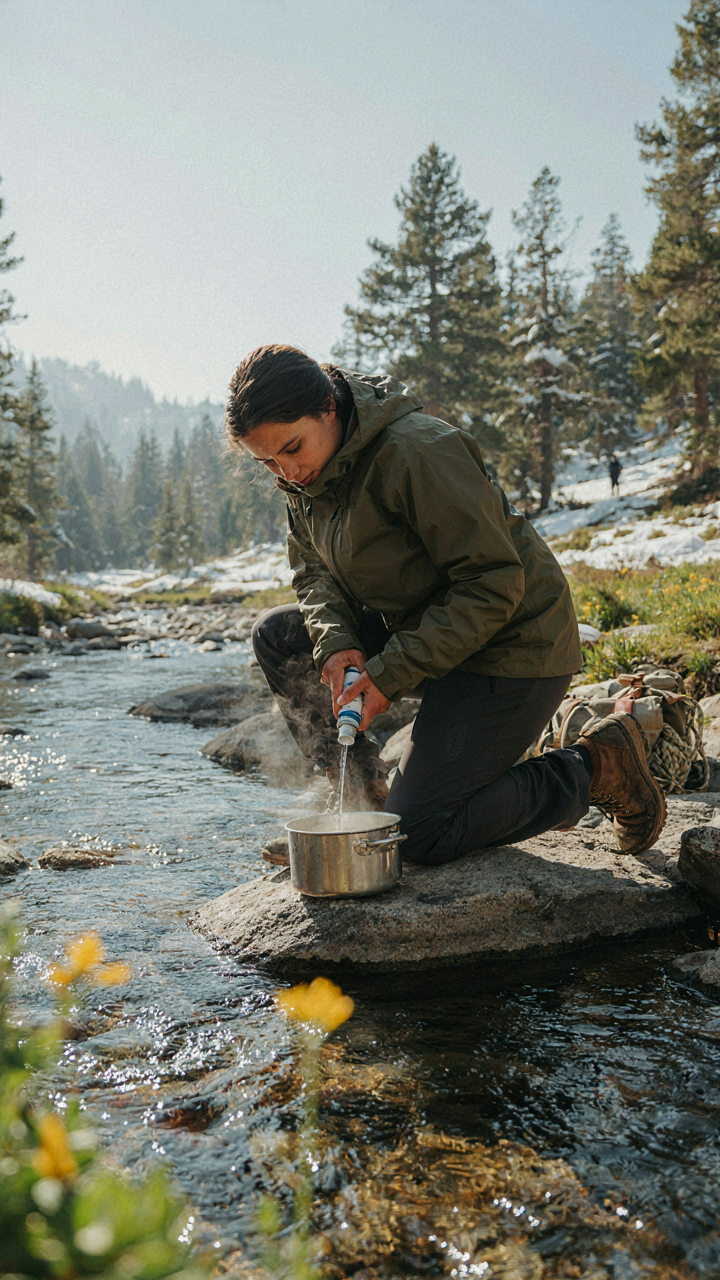
You want to feel self-sufficient and untethered from logistics. The real mechanism is this: water filtration decides whether you waste mental energy on contamination risk or spend it on cooking. Borrowing from fluid dynamics, think of filtration like pressure differential—the force driving contaminants out of your water determines everything downstream.
Pump filters work through mechanical action. You push a plunger or squeeze a trigger, forcing water through a membrane that catches particles and microbes. Gravity filters sit elevated and let physics do the work: water drips slowly through activated charcoal and ceramic layers into a collection vessel below. Chemical purification (iodine tablets, chlorine dioxide) kills pathogens through oxidation but leaves no residue barrier, so particles settle separately. None of these are objectively better—they trade speed, weight, and maintenance differently. Pick based on your water source quality and how much volume you need daily.
Gravity filters are slower but require zero effort once positioned. Pump filters move water fast but demand hand strength and regular cleaning. Chemical tablets cost almost nothing and weigh nothing but demand patience and taste acceptance. The decision tree is simple: Is your source glacial runoff or stagnant pond? Do you need water for drinking only or also cooking? How much can you carry? Answer those three questions first, then the system selects itself.
Cooking With Limited Water: Rehydration Techniques
The common advice about rationing water for camp cooking is incomplete. You don’t actually need less water—you need different water. The real mechanism is that rehydration exploits time as a substitute for heat and volume. Dried ingredients absorb moisture passively over hours, which means you can cook meals using almost no fuel and minimal water if you plan ahead.
Dehydrated vegetables and legumes need soaking before cooking to soften. Instead of boiling them in fresh water using fuel, pour your limited drinking water over them in a sealed bag or container the night before. They’ll absorb that water and soften while you sleep or hike. In camp, add them to your pot with minimal additional liquid—the rehydration already did the work. Rice and grains follow the same pattern: a few hours of cold soak cuts cooking time and fuel use by 30 to 40 percent. The mechanism is simple: water molecules penetrate dried cell structures without heat, restoring texture before you apply any flame.
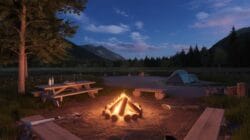
Bring a lightweight stuff sack for every dried ingredient you pack. Fill it with water after breakfast, seal it, and clip it to your pack while moving. By dinner, rehydration is complete and your cooking becomes assembly rather than extended boiling. This cuts both water consumption and stove time on the same action.
The Forager’s Edge: Integrating Wild Edibles Into Camping Meals
What You Can Actually Eat Out There
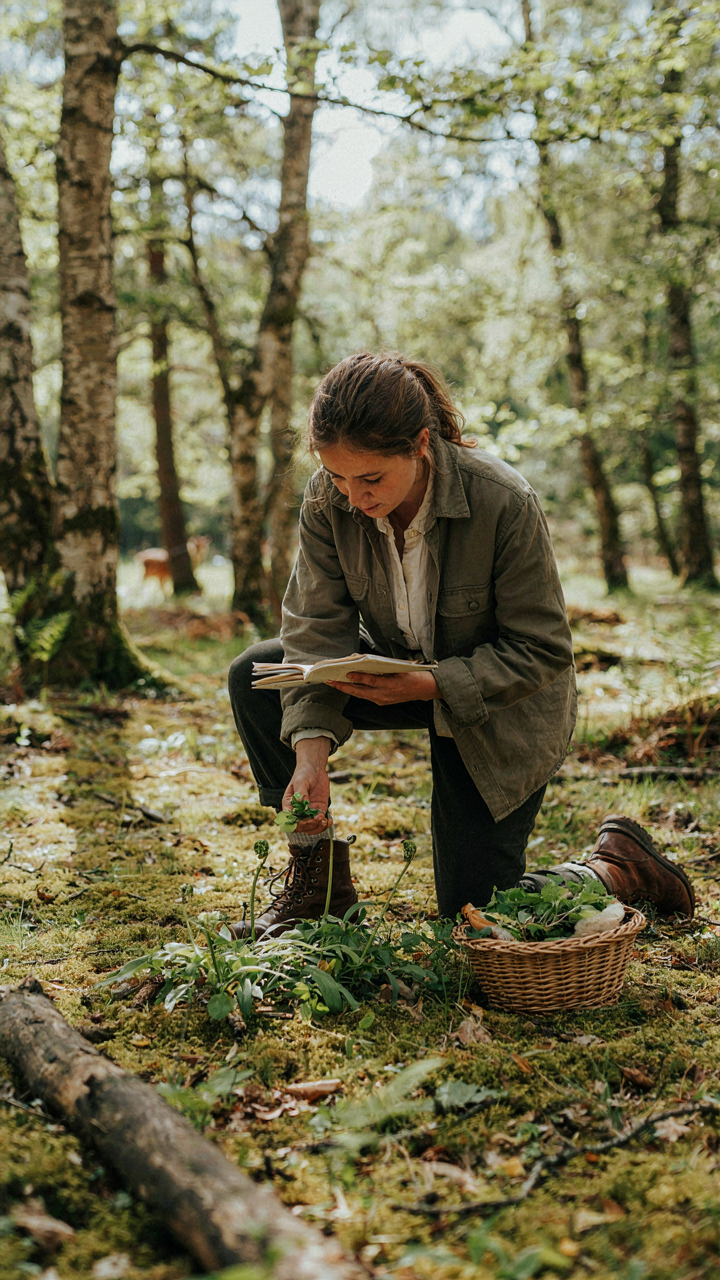
You want to feel self-sufficient. That’s the real draw here. The mechanism is simple: foraging works because you’re identifying plants by their botanical features, not by guessing or hoping. Most people skip this step entirely and eat random berries. That kills you or wastes your time. Learn the non-negotiable markers first.
Positive identification requires three visual checks: leaf shape and arrangement, stem structure, and growth pattern. Never rely on one feature alone. Cross-reference against a field guide specific to your region before you eat anything. Regional variation matters enormously. What grows in the Pacific Northwest looks different from what grows in the Southeast.
- Dandelion greens: Entire plant is edible. Toothed leaves, yellow flowers, white sap in stem. Young leaves taste less bitter than mature ones. Found in open fields and disturbed soil.
- Chickweed: Low-growing ground cover with small oval leaves and tiny white flowers. Stems have a single line of hair on one side. Tastes mild, similar to spinach when cooked or raw.
- Wild onions: Hollow, grass-like leaves smell like onion when crushed. White or purple bulbs grow underground. Entire plant edible. Presence confirms you’re not misidentifying something toxic.
- Miner’s lettuce: Round leaves with stem passing through the center. Raw leaves taste crisp and mild. Grows in moist, shaded areas. Small white flowers appear in leaf centers.
- Cattail shoots: Young shoots and roots are starchy. Peel back outer leaves to access white core. Grows only in wetlands and marshy areas. Unmistakable growth pattern prevents confusion with toxic look-alikes.
Field guides with color photographs are mandatory equipment, not optional. Know your region’s poisonous plants by sight before you camp. Hemlock, water hemlock, and false hellebore kill people regularly because they resemble edible plants. Memorize them. Carry a guide. Check your findings twice.
The Reality Check Before You Forage

The common advice says foraging is free food. That’s incomplete. You’re actually trading time and injury risk for marginal caloric return on most wild plants. The real value is supplementing meals you’ve already planned, not replacing them.
Regulations vary by state, county, and land management zone. National parks prohibit foraging. State forests often allow it with restrictions. Private land requires permission. Check before you go. Harvesting without permission is theft. Overharvesting a patch damages the ecosystem and leaves nothing for wildlife or future foragers. Take only what you need from an area.
Poisoning happens through misidentification or contamination. Never eat anything from soil near roads, old dumps, or agricultural land. Pesticides and heavy metals concentrate in plants. Water sources matter too. Foraged plants from contaminated water carry parasites and pathogens. Cooking kills some microbes but not all. When in doubt, don’t eat it. Your camp meal isn’t worth three days of dysentery in the field.
Waste Not, Want Not: Sustainable Food Camping Hacks
Pack It In, Pack It Out
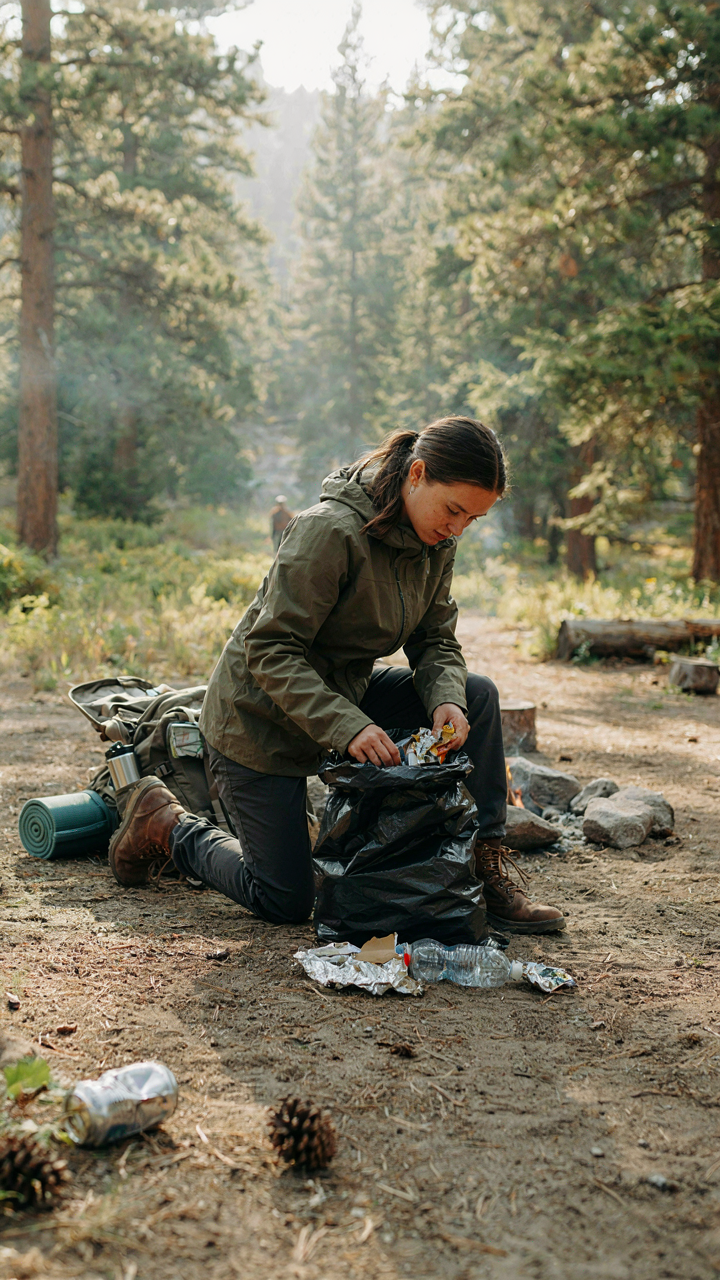
You want to feel like you’re doing the right thing without actually changing your behavior. Here’s the mechanism: Leave No Trace isn’t moral philosophy, it’s logistics. You brought packaging, wrappers, and containers into the wilderness. Those items weigh less coming out than they do coming in because you consumed what was inside them. The math is obvious once you stop pretending it’s hard.
Your trash container needs to be bear-proof or suspended, depending on your location. Use dry bags or a sealed container that rides in your pack. Sort waste into categories before you leave: food scraps separate from packaging, metals apart from plastics. This takes three minutes and makes cleanup systematic instead of chaotic. Burn nothing that produces toxic smoke. What leaves camp is what came in, minus calories.
Composting Matters Where It Actually Works
Ecology teaches us about decomposition rates and nutrient cycles. Burying food waste is composting in name only. Real composting requires heat, microbes, moisture balance, and time—conditions you cannot engineer in a campsite. The myth persists because people want a guilt-free alternative to packing waste out. It doesn’t exist in most environments.
If you’re in an established campground with a composting system, use it. If you’re backcountry camping, pack out all food scraps including bones, eggshells, and vegetable matter. Burying organic waste attracts animals and disrupts soil. Animals dig it up. The problem returns. Scatter cooking water away from camp and food storage, but keep solid waste sealed until you’re home. Your kitchen composter can handle what your campsite cannot.
Emergency Food Rations: Preparing For The Unexpected
Stock What Actually Stays Edible
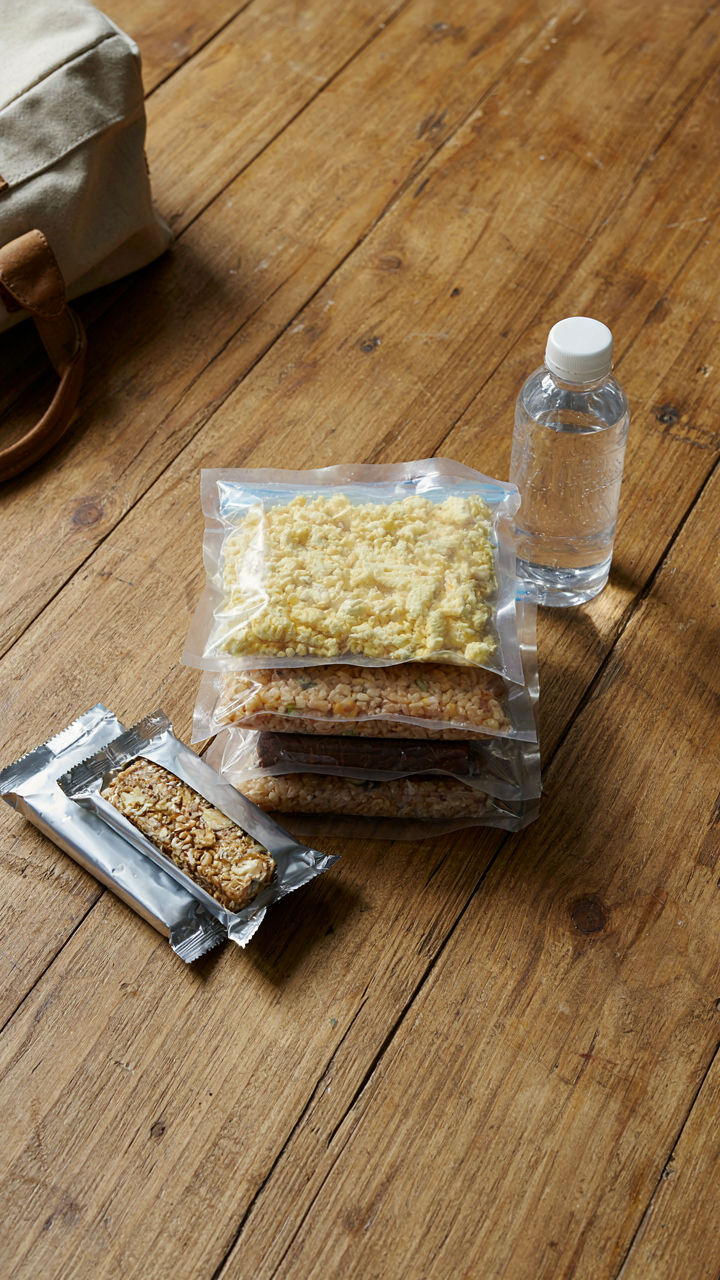
You want the security blanket of a backup plan without admitting you’re afraid the trip goes wrong. Here’s what actually matters: calories per ounce and zero moisture sensitivity. Dehydration is the mechanism that kills food in the field. Moisture feeds bacteria and mold. Strip it out, and shelf life extends years, not weeks. This isn’t theory. It’s why military rations work and why your homemade trail mix turns to paste in humid conditions.
Nuts, dried fruit, energy bars, and hard grains pack density without refrigeration. Peanut butter in single-serve packets survives temperature swings. Honey never spoils. Canned goods add weight but guarantee edibility after years. The real play is mixing caloric density with failure resistance: items that feed you hard and don’t rot. A pound of nuts beats five pounds of fresh bread when supplies vanish.
Read The Landscape Before You Need It
Most survival advice treats foraging like a last resort, which is wrong. It’s reconnaissance you do upfront. Spend an afternoon before your trip learning what grows in that specific region. Not general categories. That region. Edible plants vary dramatically by elevation, soil, and season. You’re not memorizing everything. You’re identifying three to five reliable species you can spot without debate.
Wild onions, cattail roots, and certain berries are regionally abundant. Oak acorns are calorie dense but require processing. Dandelion greens are everywhere and nutritionally solid. Learn identification markers that don’t rely on color alone. Leaves, stem structure, smell. When rationed food runs low, you move from scavenging to targeted harvest. The difference between starvation and sustained calories is preparation that happens at home, not in the field.
The Only Real Hack Is Mastering Your Own Incompetence
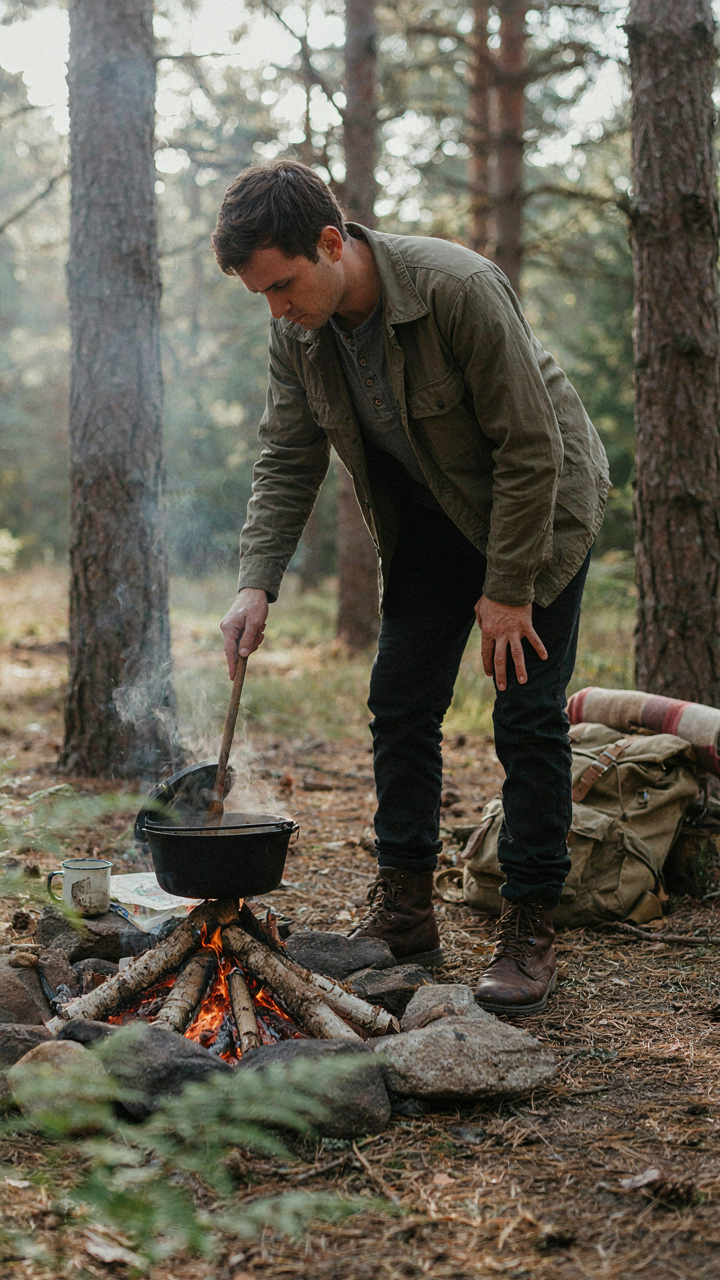
You don’t need a hack. You need to stop pretending camp cooking happens by accident. Every failed meal, every burned thing, every cold dinner tells you something about what you didn’t prepare. Pick one meal this weekend. Cook it outside. Fail at it intentionally. Write down what broke. Fix it next time. The only difference between people who eat well in the wilderness and people who don’t is that one group stopped making excuses and started making mistakes on purpose. Competence is just failure you paid attention to.