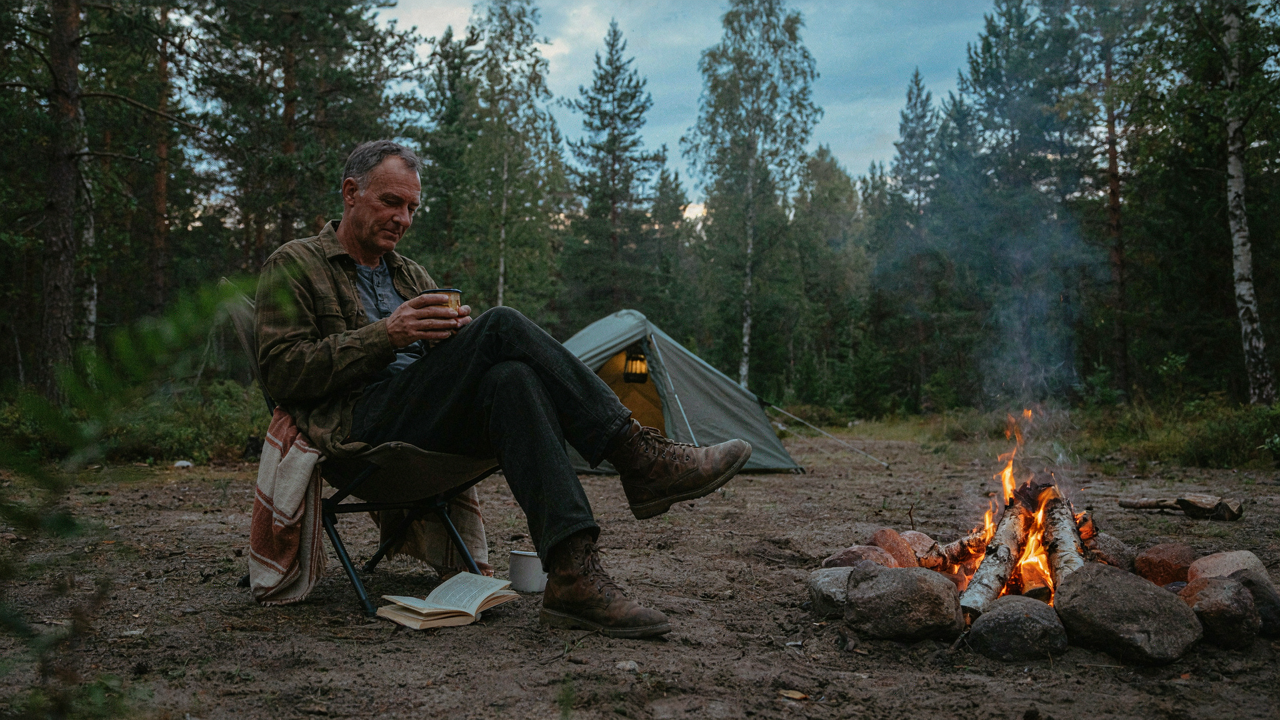
The Micro Climate Manipulation Method: Rethinking Your Campsite Layout
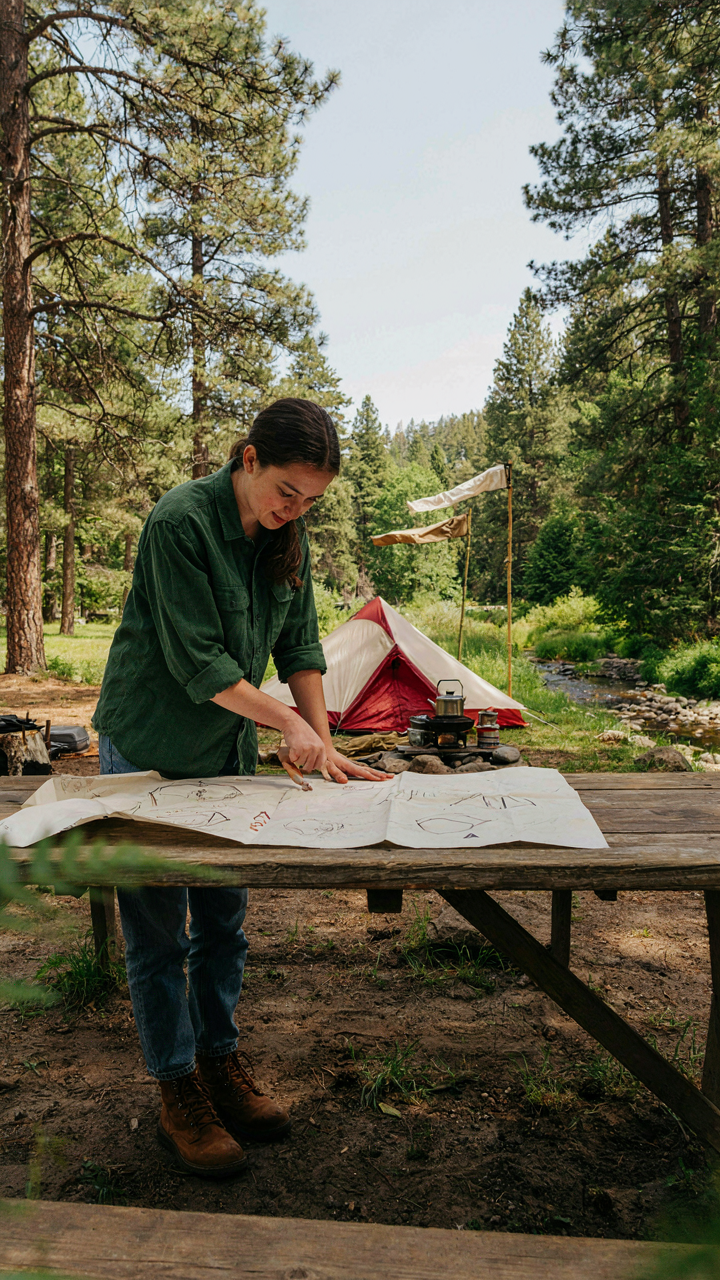
Where The Wind Works For You
You want bugs gone without effort or chemicals, and the honest mechanism is this: you can’t eliminate insects, but you can make your zone hostile to them. Borrow a concept from aerodynamics called pressure differential. Bugs move along predictable paths determined by wind, humidity, and thermal gradients. Your campsite isn’t neutral territory—it’s a system you actively shape through placement.
Site selection starts with reading the landscape. Position camp where prevailing wind flows consistently, ideally 5+ mph during evening hours when mosquitoes and biting flies are most active. Avoid dead zones behind trees or rock formations where air stagnates and insects congregate. Camp upwind from standing water, marshes, or dense vegetation where breeding grounds cluster. Sun exposure matters because UV light and heat suppress some species’ activity windows, but shade near your tent reduces thermal attraction that draws mosquitoes.
The Perimeter You Actually Control
Most advice says “just keep bugs away from your tent.” That’s lazy. The real leverage is creating a buffer zone where your gear acts as a barrier system. Tent placement relative to your fire, cooking area, and sleeping zone determines whether bugs funnel toward you or scatter outward.
Set up your tent 15-20 feet from cooking and food storage. Bugs orient toward food odors and CO2 exhaust from fires, so distance breaks that attraction gradient. Place the tent entrance facing away from your primary wind direction so air flows across rather than into it. Store all gear in sealed containers or bags placed downwind of sleeping areas. Position your fire at least 10 feet from camp, ideally where smoke naturally drifts away from where you sleep or prepare food.
Beyond Repellent: The Pre Emptive Strike Against Bug Breeding Grounds
Water Sources Kill Your Peace

You want to feel safe at your campsite without spraying chemicals on your skin every hour. The mechanism is simple: mosquitoes breed in standing water. Remove the water, remove the breeding cycle. Most campers focus on repellent because it’s visible action. It feels like doing something. But you’re fighting mosquitoes that already exist. Upstream prevention collapses the population before it starts.
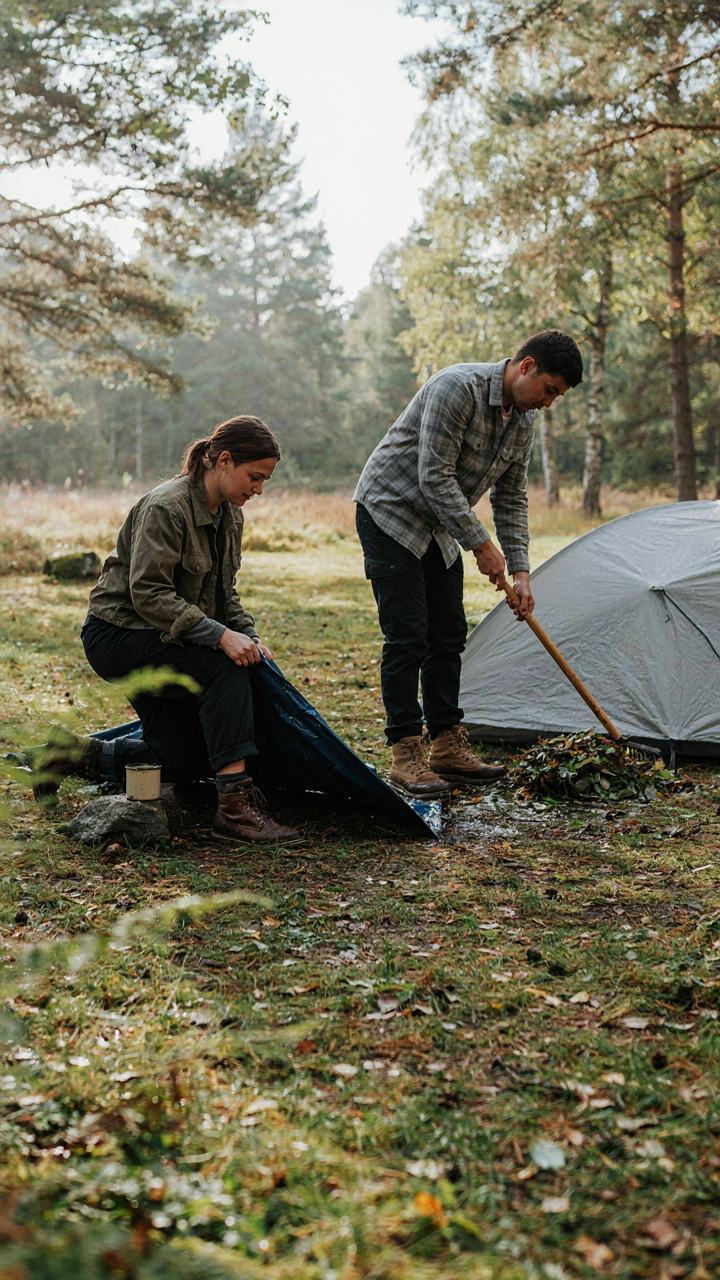
Inspect your campsite within a hundred feet of your tent. Mosquitoes breed in containers, puddles, and depressions that hold water for more than a few days. Check tarps that sag, coolers with drain plugs, and tire ruts from vehicle traffic. Flip buckets upside down. Rake leaves from low spots to improve drainage. Even a bottle cap holds enough water for a mosquito egg. The work takes thirty minutes and prevents three days of bites.
Decomposition Is Your Enemy
Most advice says “clear brush around camp.” That’s incomplete. The real problem is organic matter decomposition creates moisture pockets and attracts flies and gnats that breed in wet debris. Think of ecology here: decomposing material generates humidity and ammonia, two signals insects use to locate breeding sites. You’re not just cleaning. You’re destroying the habitat.
Remove fallen logs, leaf litter, and dead branches within fifteen feet of your sleeping area. Don’t just push debris aside. Carry it at least fifty yards away from camp. Wet leaves and bark trap standing water underneath. Dead grass clumps become nurseries for fungus gnats and midges. This isn’t aesthetic preference. It’s habitat denial. Do this work before you set up your tent, not after bugs arrive.
The “Invisible Wall” Protocol: How To Keep Bugs Out Of Tent
Seal Every Entry Point Before Dark

You want to sleep without waking up to mosquitoes on your face. That fear drives this section. The mechanism is simple: bugs enter through gaps, not walls. A tent’s fabric stops insects cold. Zippers and seams don’t. Most campers think closing the tent door is enough. It isn’t. Bugs find the half-inch gap you left while arranging your pack.
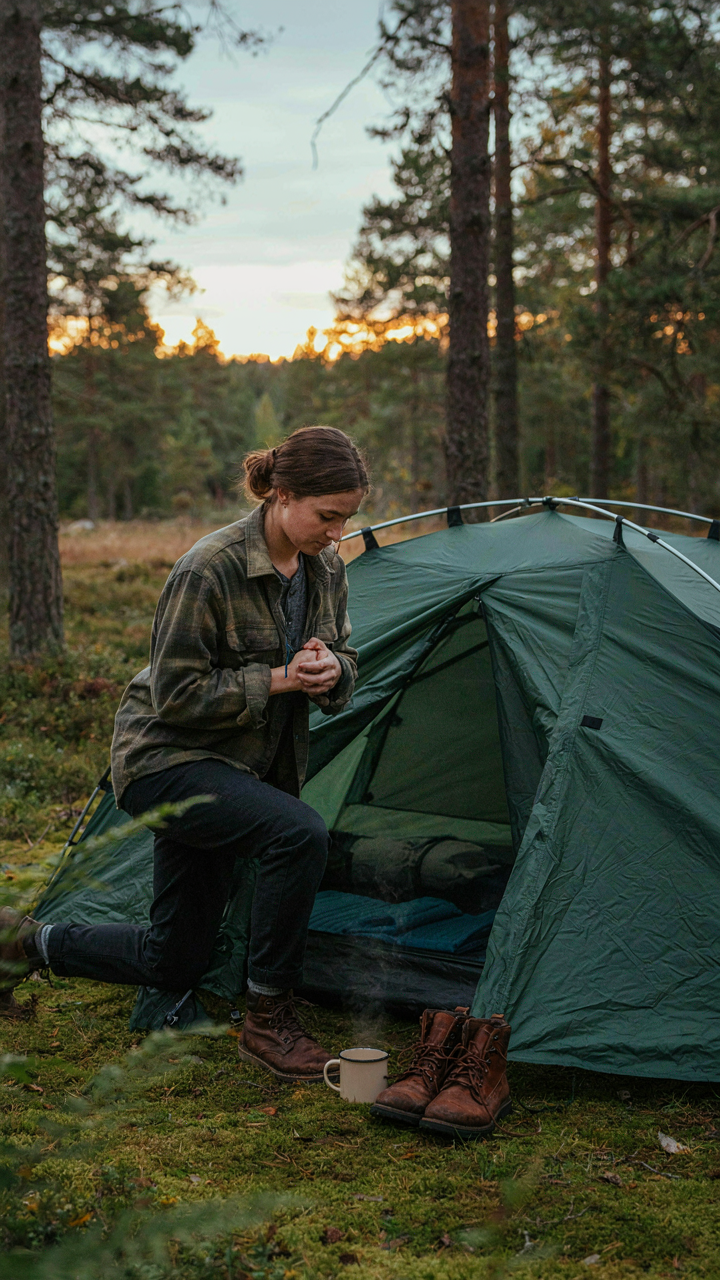
Zip your tent fully before sunset. No exceptions. Use both hands if needed. Pinch the slider and fabric together as you move it up to prevent snagging. Check the slider reaches the top stop. A stuck zipper defeats the entire system. If your zipper jams mid-close, back it down slowly and try again rather than forcing it. Inspect the teeth for dirt or debris before zipping. Clean zippers zip smooth.
The Vestibule Trap Sequence
Military strategy calls this concept a buffer zone. Your tent vestibule operates as an airlock for insects. You step in, close the outer door, then open the inner tent door. Bugs that slip past the first barrier get trapped in dead space. This extra second door kills most entry attempts because flying insects won’t navigate the dark transition zone twice.
Enter your vestibule, pause, let your eyes adjust to the dim light. Scan for insects on the inner tent door or walls before opening it. Move slow. Quick movements push bugs inside with you. If you spot a mosquito in the vestibule, use a headlamp to locate it precisely, then squash it or let it escape outside rather than chasing it into your tent. Never rush the vestibule sequence even if you’re tired.
Clothing As Armor: Your First Line Of Defense Against Outdoor Camping Mosquito Tips
Tight Weaves Stop Bugs Before They Land

You want to believe a bug spray alone handles this, but you’re paying attention to the wrong layer of defense. Think like a mosquito uses physics: it needs landing surface and skin access. Tight weave fabrics deny both. Mosquitoes don’t bite through dense material. They probe for exposed skin or gaps. A standard cotton t-shirt has roughly 100-150 threads per inch. Bug-blocking fabrics hit 200+ threads per inch, forcing proboscis insertion to fail before penetration starts.
Long sleeves and pants aren’t fashion choices at camp. They’re perimeter control. Tuck pants into socks and shirt into waistband. Mosquitoes probe edges and gaps first. Seal those, and you’ve eliminated 80 percent of bite vectors before spray enters the equation. The mechanism is simple: no contact point, no bite. No spray needed where bugs can’t land.
Colors Determine Your Visibility To Insects
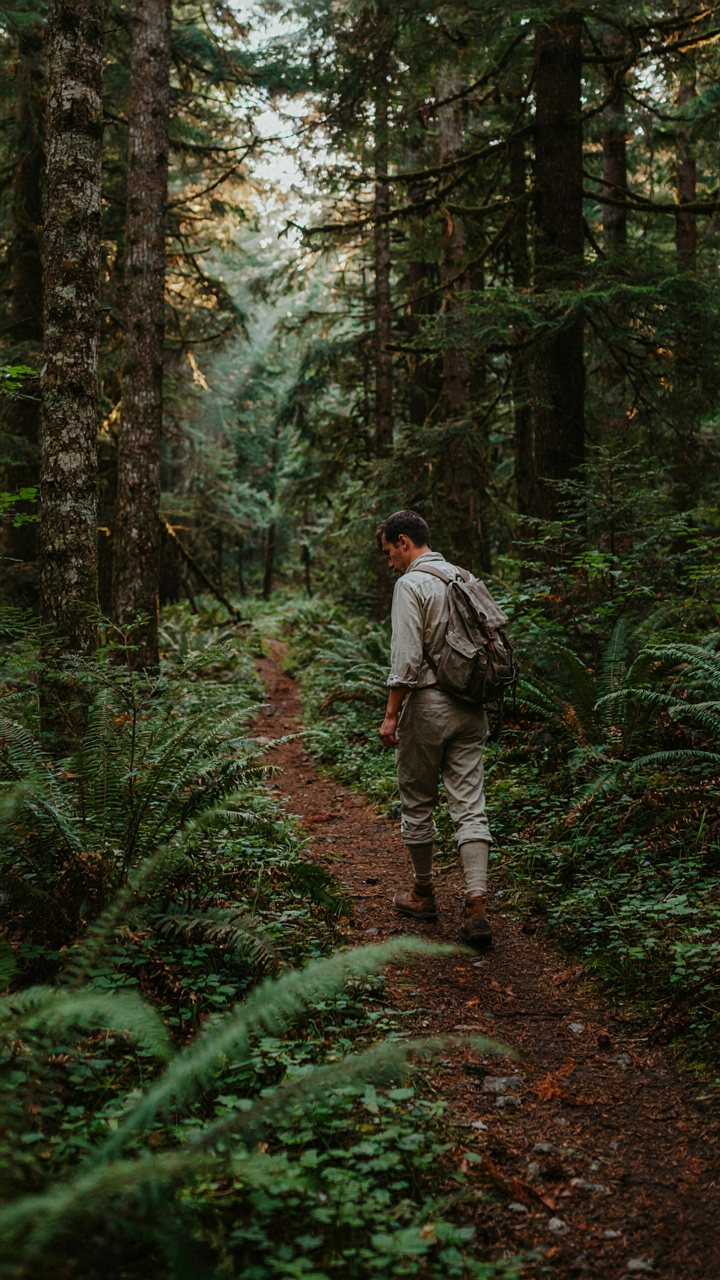
Bugs don’t see color like humans do. This is where most advice fails completely. Mosquitoes detect motion, heat, and carbon dioxide, not fashion taste. But some colors work against you anyway. Darker colors absorb heat and create contrast against the sky. Wearing black or dark blue while standing near brush makes you a thermal beacon at dusk when feeding activity peaks.
Light neutral tones like khaki, tan, and gray blend with the camping environment and reduce thermal contrast. Avoid bright whites and neons, which create visual boundaries that attract certain flying insects through motion detection. Wear light, neutral clothing during peak bug hours (dawn, dusk, early morning). This isn’t about looking good. It’s about refusing to stand out as a heat source in an insect’s visual field.
The Energy Conservation Model: Minimize Attractants, Maximize Peace
Pheromone Disruption In Food Storage
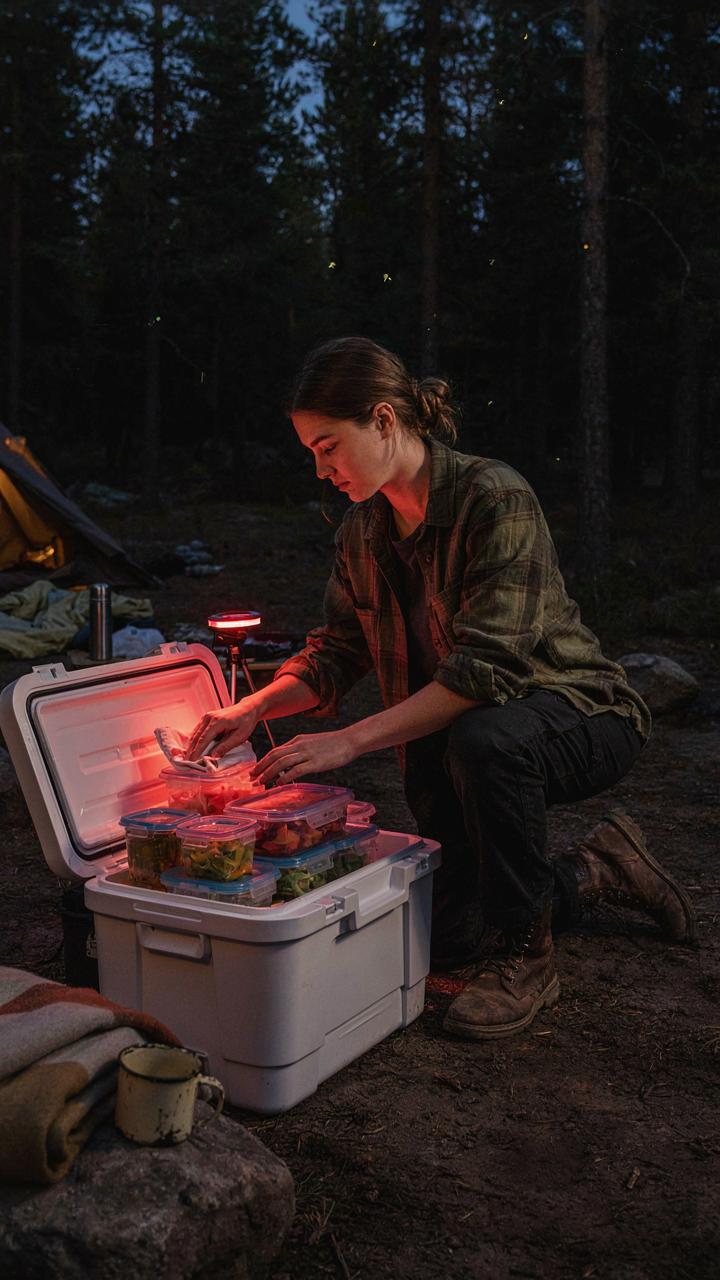
You want bugs to ignore your camp because the thought of them crawling through your food at night keeps you awake. The real mechanism is pheromone suppression, borrowed directly from pest control biology. Insects don’t decide to raid your cooler because they’re hungry. They follow chemical signals left behind by other insects who found food there before. Once a scout deposits pheromones on your storage container, you’ve broadcasted an all-night diner to every bug within range.
The consensus advice here is weak: “just seal your food.” That works partially, but it misses the actual problem. Pheromones persist on the exterior of containers, on your hands, on the ground around your camp. Wipe down your cooler and food storage with vinegar or rubbing alcohol before each trip. The acidity disrupts the chemical residue without creating new attractants. Store everything in airtight containers inside your cooler, not just sealed containers sitting exposed. This double barrier stops both the smell and the signal.
Light Spectrum And Insect Vision
Most bugs see the world differently than you do, and this gap is your advantage. Insects perceive ultraviolet light and blue wavelengths with precision while remaining nearly blind to red and amber frequencies. Standard camping lanterns emit full spectrum light, which acts like a beacon. You’re essentially broadcasting your exact location to every flying insect in a quarter-mile radius.
Switch to red or amber-spectrum lighting after dark. LEDs rated 2700K or lower create minimal insect attraction while preserving your night vision better than you’d expect. Keep the main light source pointed downward and away from your body and tent. Position it near your cooking area if you must have bright light, then retreat to red illumination once you’ve finished eating. This single change eliminates the primary visual draw that pulls insects into your sleeping zone throughout the night.
DIY Camping Bug Solution: Beyond The Store Bought Illusion
What Actually Repels Insects

You want the store-bought solution to work so you don’t have to think about bugs at all. The mechanism is simpler than the marketing: insects navigate by smell and locate hosts through carbon dioxide and body heat signatures. Most commercial repellents mask your scent profile, but they degrade fast and lose efficacy within hours. Natural deterrents work on the same principle, except they cost less and don’t leave chemical residue on your skin.
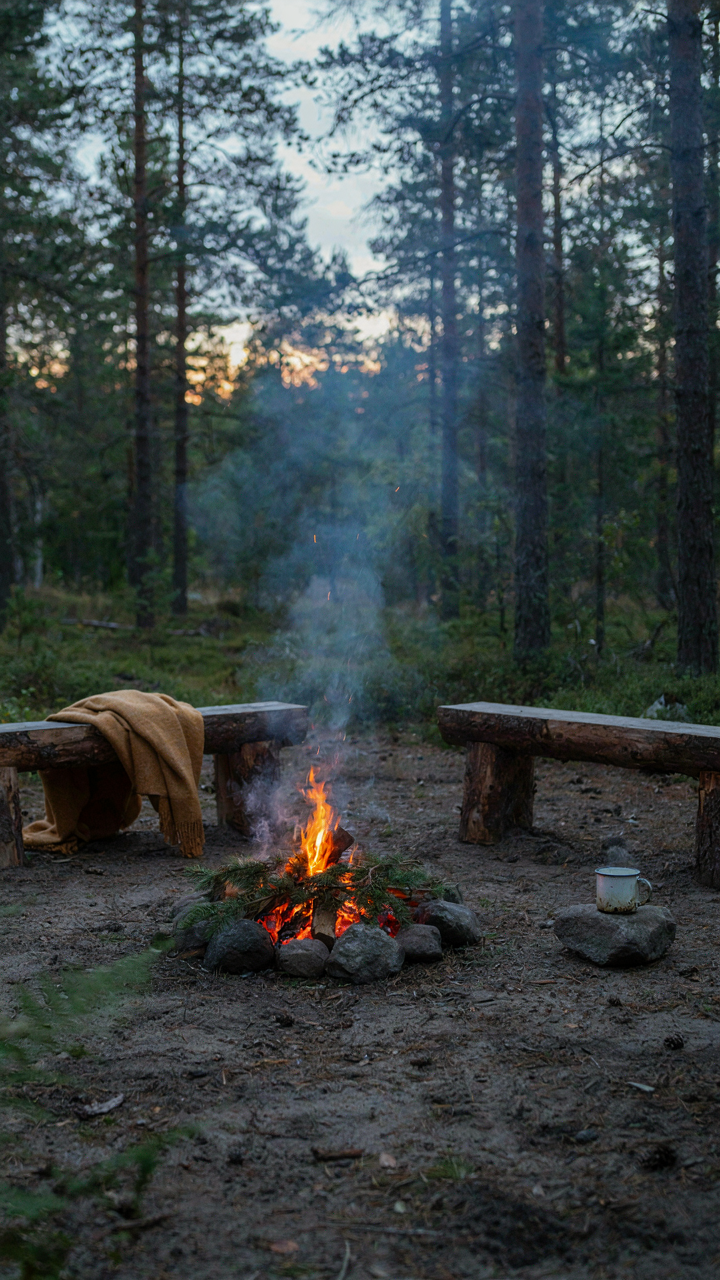
Smoke from burning plant material disrupts insect navigation more effectively than you’d expect. Cedar, sage, and juniper smoke create an olfactory barrier that repels mosquitoes and blackflies without synthetic compounds. The burn rate matters though. You need sustained, low-intensity smoke near your seating area, not a raging fire that forces you upwind. Camphor and eucalyptus oils applied to fabric strips or burned on coals produce similar disruption at smaller scale. None of these eliminate bugs entirely, but they reduce landing attempts enough to make your night productive instead of miserable.
Application Reality And When Deterrents Fail
People claim natural oils are “just as good” as DEET, which is wrong. DEET’s neurological mechanism blocks insect receptors for up to twelve hours with minimal reapplication. Natural oils degrade faster, especially with sweat and moisture. You’re trading duration for toxicity reduction, not gaining an equivalent product. If you’re camping in high-bug season near water, accept that natural methods alone won’t cut it.
The efficacy limit hits hard when temperature and humidity spike. Bugs become more aggressive and hungry in specific conditions. Early morning and dusk are your narrow windows where natural deterrents actually perform. During peak feeding hours in the afternoon and right after sunset, you need either chemical repellent or physical barriers like screens and netting. Apply smoke-based solutions thirty minutes before peak bug activity, refresh every ninety minutes, and shift to covered seating when deterrents stop working.
Strategic Fire Placement: More Than Just Warmth For Camping Bug Hacks
Smoke As A Defensive Perimeter

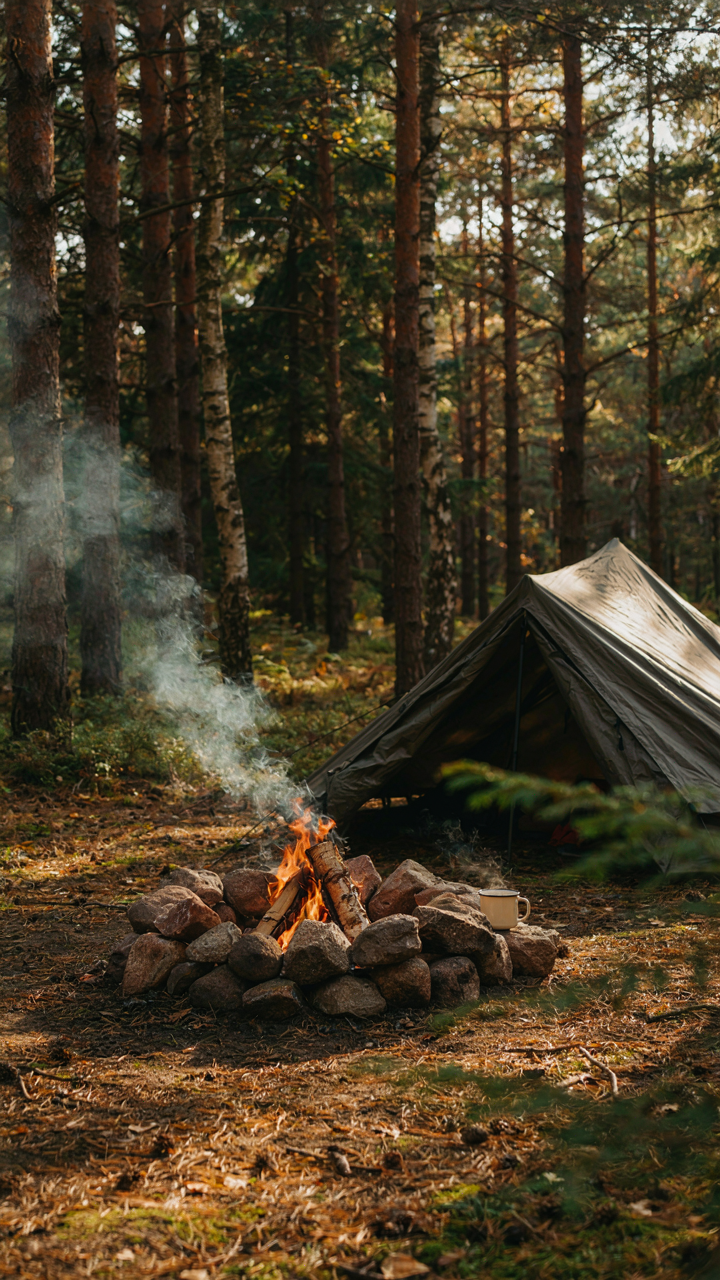
You want bugs gone without chemicals on your skin. Here’s what actually works: smoke creates a repellent zone through displacement, not poisoning. The mechanism is simple. Insects navigate by scent and thermal cues. Dense smoke masks both signals and irritates their sensory organs, forcing them to redirect. This isn’t metaphorical pest control, it’s applied entomology. Position your fire upwind of your sleeping area so prevailing wind pushes smoke across your campsite perimeter.
Wind direction matters more than fire size. A small, smoky fire beats a roaring blaze with no smoke. Softwood like pine or cedar produces more visible smoke than hardwood, but any wood works if you add green branches or damp leaves to the coals. The smoke doesn’t need to be thick enough to obscure vision, just thick enough to disrupt the insect’s ability to locate you. Place the fire fifteen to twenty-five feet from your tent, angled so the smoke drifts across your immediate camp zone before dispersing.
Ash Residue And Lasting Suppression
Everyone focuses on active smoke and forgets what happens after the fire dies. The ash layer matters. When insects land on ash-covered surfaces, it degrades their exoskeleton’s waxy coating and clogs their breathing spiracles. This effect persists for hours after smoke clears. Ash isn’t a repellent, it’s an environmental modification that makes your campsite hostile to landing.
Rake cooled ash from your fire ring and scatter it around your tent perimeter and under your cooking area. A thin layer, about quarter-inch thick, covers enough ground to deter most crawling insects from crossing into your immediate sleeping zone. Ash also absorbs moisture and odors that attract insects, creating a double deterrent. This is why old-school campers slept near dying fires and why ash disposal mattered less when camps were semi-permanent. Don’t let the fire go cold in the middle of the night if bugs are active; maintain low coals for residual smoke until you’re ready to sleep.
The Human Factor: How To Protect From Bugs While Camping Through Behavior
Timing Your Camp Activities Around Insect Cycles

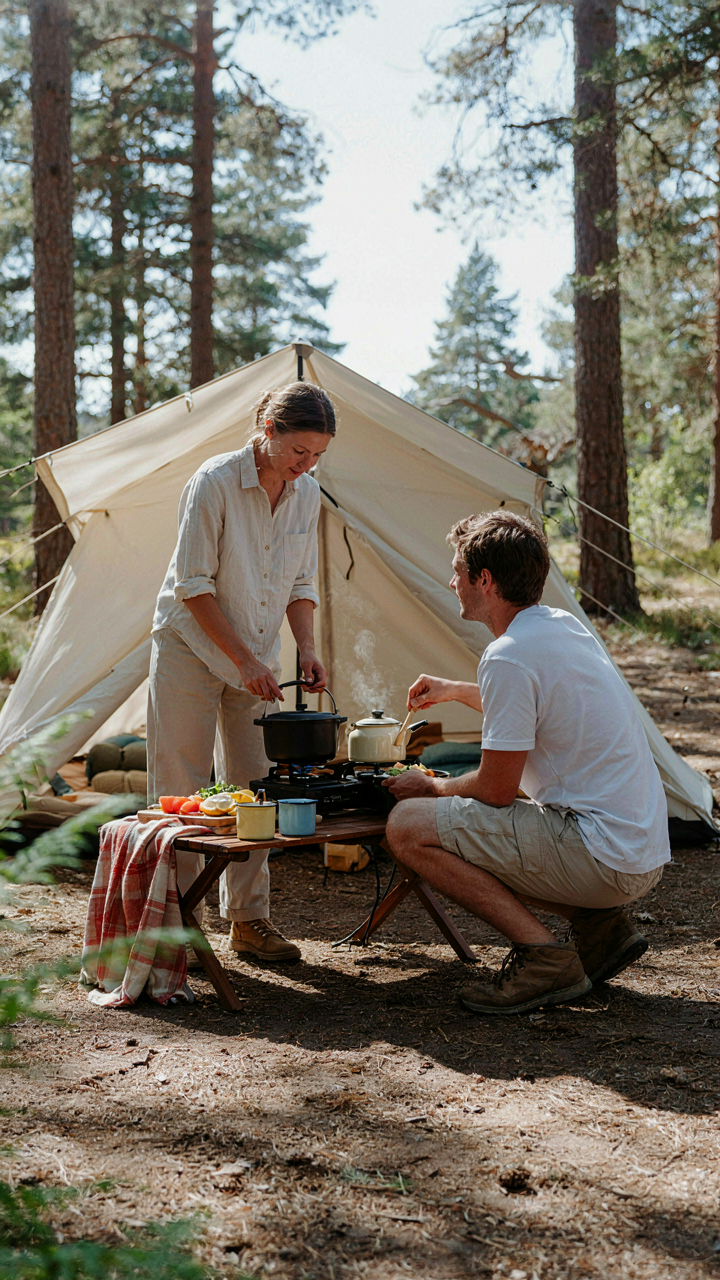
You want to believe bugs are random. They’re not. Peak bug activity isn’t a mystery—it’s a predictable pattern most campers ignore because it requires changing their schedule instead of buying another product. Mosquitoes, blackflies, and midges operate on photoperiod and temperature cues. They emerge and feed during specific windows. Dawn and dusk are when most biting insects hunt. Mosquitoes peak in the hour after sunset and the hour before sunrise. Blackflies hunt during overcast midday periods. Avoid these windows and your bug problem shrinks by 60 percent before you deploy any other tactic.
Your daytime and nighttime activities should reverse from what feels natural. Cook, hike, and move during midday when insect pressure drops. Store food and retreat to shelter during prime feeding hours. This isn’t about avoidance anxiety—it’s supply and demand. Fewer insects active means fewer encounters. Plan your campsite setup so your tent sits in a location you can seal before dusk. Position your fire downwind of your sleeping area and cook zone. Light your fire before dark and let it burn during peak mosquito hours. The smoke and heat disrupt their navigation.
Managing Your Body’s Scent Profile
The hygiene advice you hear is backwards. Washing more doesn’t solve the problem—controlling what you emit does. Your body produces CO2, lactic acid, and ammonia that insects detect from 50 yards away. Bathing removes some scent but creates conditions that trigger faster bacterial growth, which produces more odor compounds within hours. The real mechanism is scent layering: you need to mask your biological signature, not erase it.
Wear the same base layers for multiple days without washing them—counterintuitive, but consistent scent is less attractive than the constantly changing odor profile of someone washing and reapplying products daily. Avoid soaps with glycerin or perfume; these amplify your scent signature. When you do wash, use unscented soap sparingly. Wear light-colored, loose-fitting clothing that covers skin. Tuck pants into socks at the ankles. Don’t store your worn clothing near your sleeping area. Place it in a separate dry bag 50 feet downwind.
Camping Tips And Tricks: Post Hike Decontamination Strategy
The Gear Shake Down

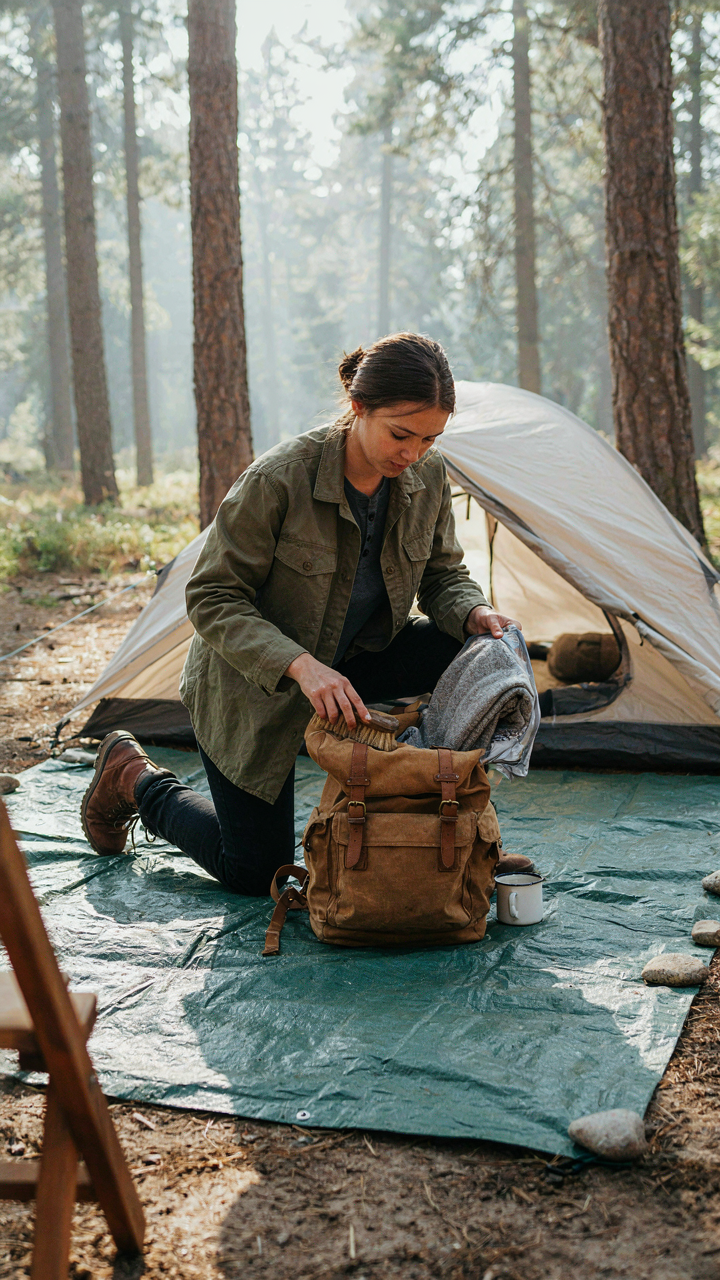
You want to avoid bringing hitchhiking ticks and mites back to your tent because one missed bug compounds nightly and ruins your trip. Think of decontamination like a quarantine checkpoint: you’re creating a physical barrier between contaminated zones and clean ones. Your backpack, boots, and outer layers collect bugs during the hike. Before entering camp, conduct a full inspection on a tarp or bare ground away from your sleeping area. Use a stiff brush or your hand to sweep exposed seams, straps, and pockets where ticks cluster.
Ticks hide in fabric folds, not randomly. Check your pack’s webbing, zipper pulls, and compression straps first because these are thermal dead zones where bugs congregate. Shake each item forcefully over the tarp. If you find ticks, flick them into a sealed bag or crush them immediately. Don’t just brush them aside into the grass, especially if you’re camping in the same zone tomorrow. The inspection takes five minutes and prevents six hours of itching.
Skin And Clothing Inventory
Don’t skip this part because you showered that morning. Body checks happen after the hike when bugs are most active on your skin. Strip completely and do a methodical scan from ankles to scalp, paying attention to warm zones: behind knees, inside thighs, armpits, and your hairline. Ticks burrow into these areas first because they offer cover and heat retention. Use a hand mirror or ask your camping partner to check your back and behind your ears.
Clothing goes directly into a sealed bag separate from clean camp clothes. Washing happens at home, not in camp water. Shake each item over the bag first to dislodge surface bugs, then seal it. If you’re camping multiple nights, this prevents contamination of your sleeping space. The key mechanism here is isolation: dirty clothes don’t touch your tent, sleeping bag, or body until you’re home and can wash them at temperature high enough to kill eggs and nymphs.
The Only Lasting Bug Hack Is Abandoning The Illusion Of Control For Ecological Mastery

Most campers fight bugs. Smart ones don’t. You stop losing when you stop playing their game. Bugs own the outdoors. You’re visiting. Today, scout your next campsite like you’re reading a map instead of picking a pretty spot. Find where bugs congregate and camp upwind. Your real power isn’t repellent or netting. It’s positioning. You can’t win a war on someone else’s turf, so don’t show up to fight on theirs.