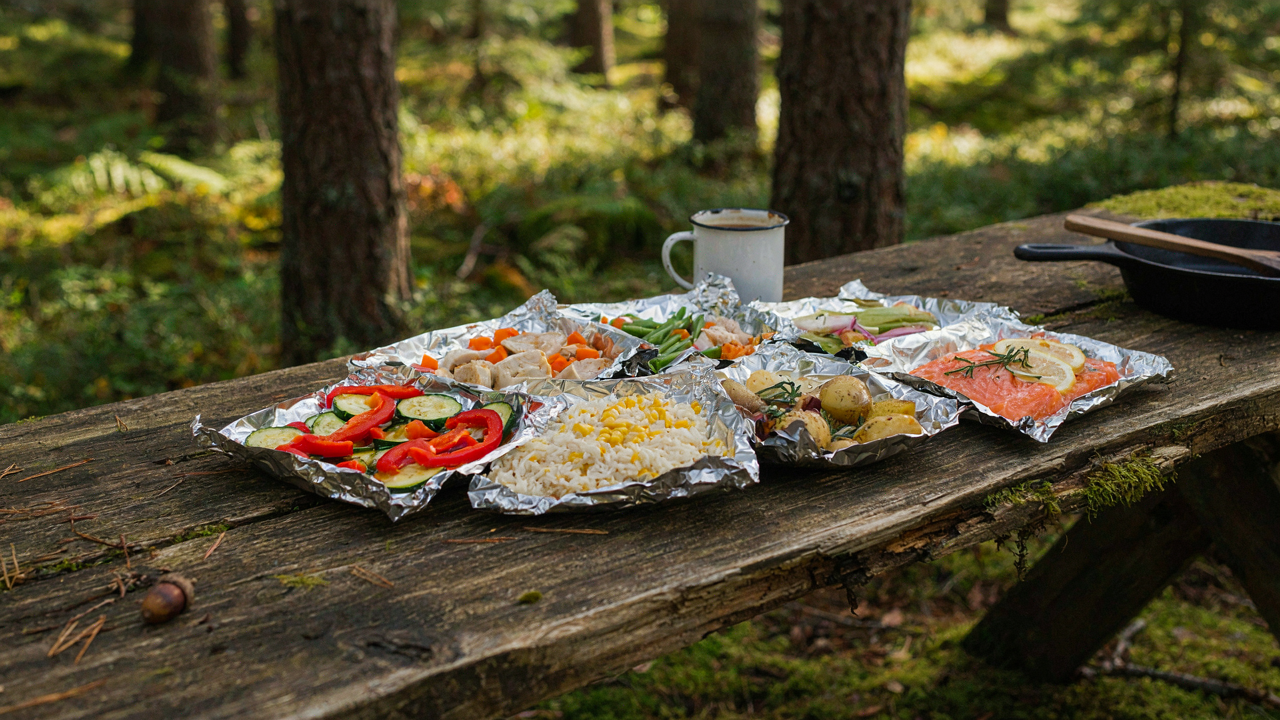
The Pre Mortem: Why Your “Easy Cleanup” Fails
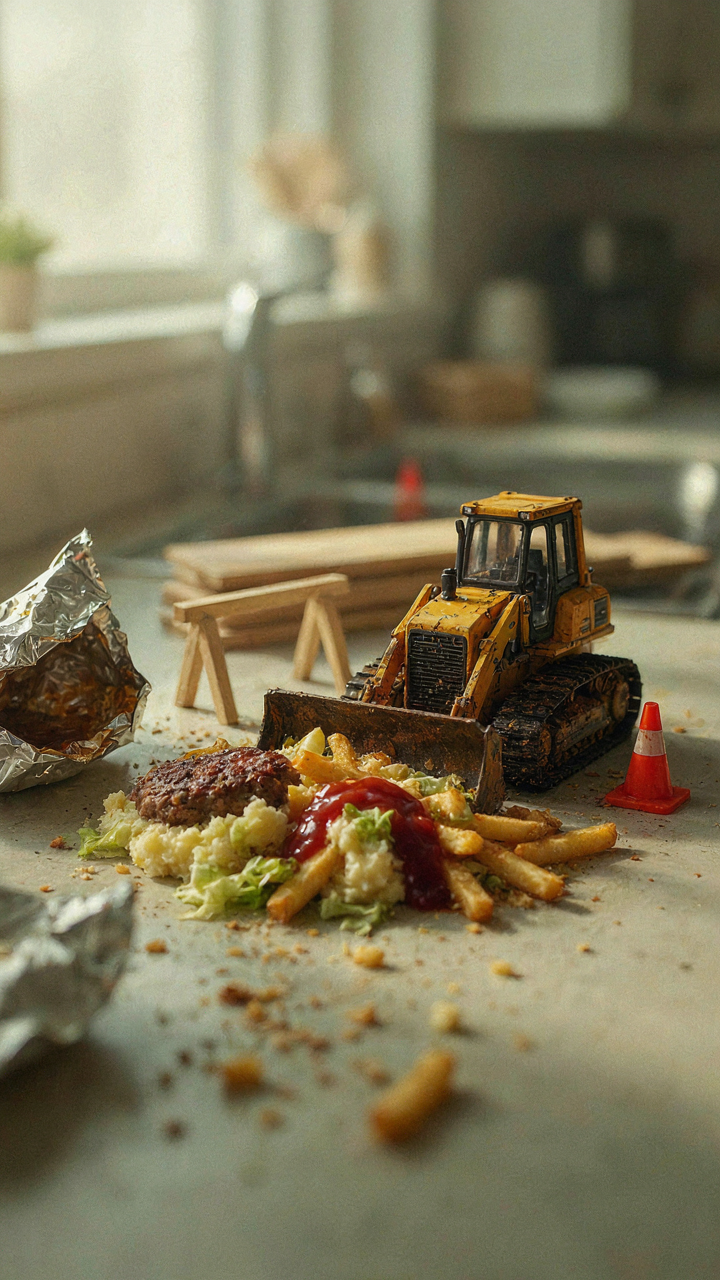
What Everyone Gets Wrong About Cleanup
You want to believe foil packet meals are cleanup solved. That’s the real draw, not the food. Here’s what actually happens: cleanup difficulty isn’t determined by the cooking method, it’s determined by what you failed to prevent before the fire. Systems thinking calls this “failure mode analysis”—you identify what breaks before it breaks. With foil packets, the failure mode is grease saturation and protein char bonding to aluminum. Most people skip this step and pay for it with scrubbing.
The consensus says foil packets reduce cleanup because “you throw the foil away.” That’s incomplete. What you’re actually discarding is the vessel, not the mess. If your protein oxidized onto the surface or your vegetables released enough liquid to soften the foil wall, you’re not getting a clean throw-away. You’re getting a leaking, falling-apart packet that requires cleanup before disposal. The packets that truly work demand preparation layers you’re not using yet.
The Hidden Costs Of Adding Complexity
Complexity doesn’t reduce cleanup—it moves it backward in time. You add more ingredients, more seasoning packets, more sauces, thinking flavor justifies the effort. It doesn’t. Each additional component becomes a variable that either sticks, burns, or leaks. Oil, miso paste, honey, teriyaki sauce—these need containment strategies or they’ll migrate through the foil and onto your hands, your camp stove, your gear. The math is simple: every ingredient that isn’t a dry seasoning or fresh vegetable adds 15 minutes of preplanning or 10 minutes of cleanup.
Real cleanup ease comes from constraint, not addition. Stripped-down packets—protein, vegetable, salt, fat, minimal sauce—stay stable and require only a visual check before disposal. You prepare these at home in ziplock bags, label them, stack them. At camp, you place the sealed packet on foil, heat it, and eat from the foil. One contact point. One disposal step. The cost of “easy” isn’t the cooking method; it’s the discipline to stop adding ingredients before you start cooking.
The Foil Packet Blueprint: Engineered Simplicity
Pick Your Proteins And Vegetables First

You want to feel like you’re “roughing it” without actually doing the work. That’s the real reason you’re reading this. The mechanism is ruthless: every ingredient you add increases cooking time variance and failure points. Start with one protein and one vegetable. That’s it. Salmon cooks in 12-15 minutes. Chicken breast needs 18-22. Ground beef hits done around 15. Pick one. Build around it.
Vegetables should be cut to uniform size, roughly quarter-inch thickness. This is pure physics from materials engineering: uneven mass heats unevenly. Zucchini, bell peppers, and mushrooms work because they release moisture that steams the protein. Potatoes are a trap because they demand 25-plus minutes and turn your foil packet into a time bomb. Onions and garlic go underneath the protein, not on top, so their moisture rises into the meat as it cooks.
Layer Dense To Light For Even Heat Distribution
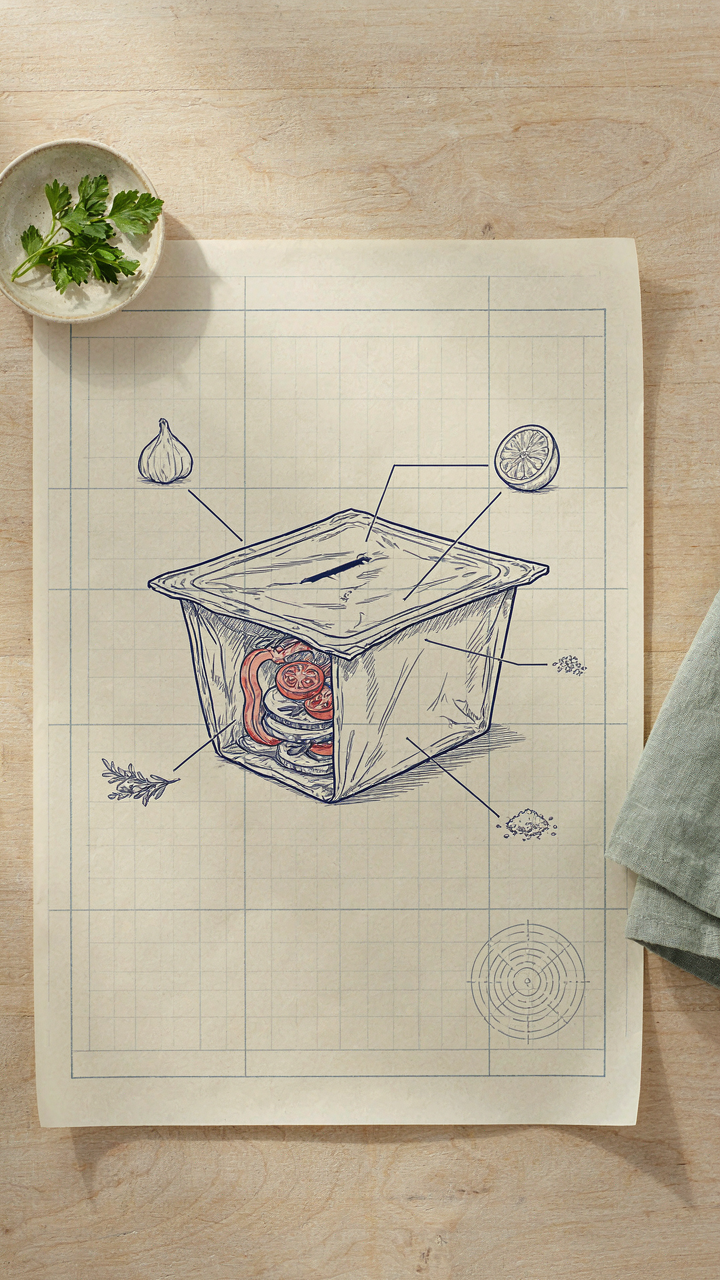
Thermal dynamics governs what happens inside foil. Place your heaviest, slowest-cooking item at the bottom where radiant heat from the coals concentrates. Protein sits on layer one. Vegetables layer two. Seasonings and butter layer three. This progression ensures the protein cooks through before exterior vegetables turn to pulp.
The bottom layer matters more than most people admit. Wet vegetables release steam that surrounds everything above them. Dry seasoning on top gets burned by direct heat. Butter melts downward, not upward, so it lubricates the protein and prevents sticking. Close the packet by folding all four edges twice, creating an airtight seal. Leave roughly one inch of headspace so steam has room to circulate.
The Culinary Logistics Protocol: Pre Pack For Prevention
Mise En Place, Military Strategy For Camping

You want this section to make you feel organized and competent before the trip even starts. That feeling is real, but it’s not the point. The actual mechanism is simple: preparation eliminates decision fatigue at the campsite where your brain is already half-gone from travel and altitude.
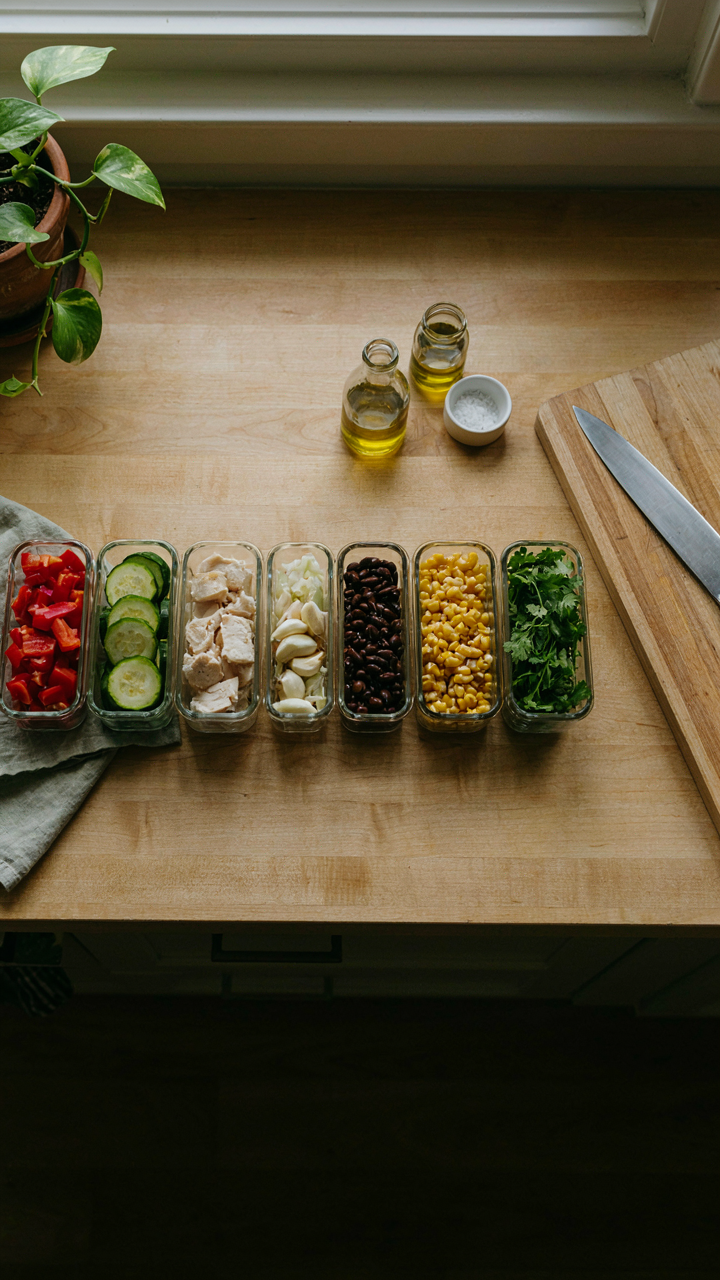
Military logistics borrowed the term “supply chain optimization” to describe the same principle you need here. Pre-packaging foil packet meals is your supply chain. You organize every ingredient into individual packets before you leave home, not at the campfire. This removes the variables that cause problems: forgotten items, wrong portions, contamination from cooler condensation, and the cognitive load of assembling meals when you’re tired.
Pre-pack each foil packet completely at home, seal it loosely, then refrigerate it until departure. Label every packet with permanent marker: main protein, date packed, cooking time at temperature. When you arrive at camp, you grab a packet and execute. No improvisation. No “what did I forget.” This is what makes cleanup easy—you never had excess ingredients scattered across your camp kitchen in the first place.
Batching And Freezing For Efficiency
Most camping guides tell you to freeze packets for freshness and food safety. They’re right, but incomplete. Freezing serves a second function they skip: thermal regulation of your cooler.
A properly frozen foil packet becomes a reusable ice block. Pack your cooler with frozen packets layered strategically around fresh items. The packets thaw slowly over two to three days, keeping your cooler temperature stable while your meals gradually defrost to cooking-ready state. By day three, your packets are thawed and ready to cook, and your cooler still runs cold without repacking ice. Batch-prepare ten to fifteen packets in a single session at home, freeze them solid for three days minimum, then load them into your cooler in a specific order: bottom layer frozen packets, middle layer fresh ingredients, top layer ready-to-eat items. This stacking order ensures nothing over-thaws and nothing stays too cold to cook properly when you need it.

Foil Packet Dinners: Master The Heat, Not The Scrape
Distance From Coals Controls Everything
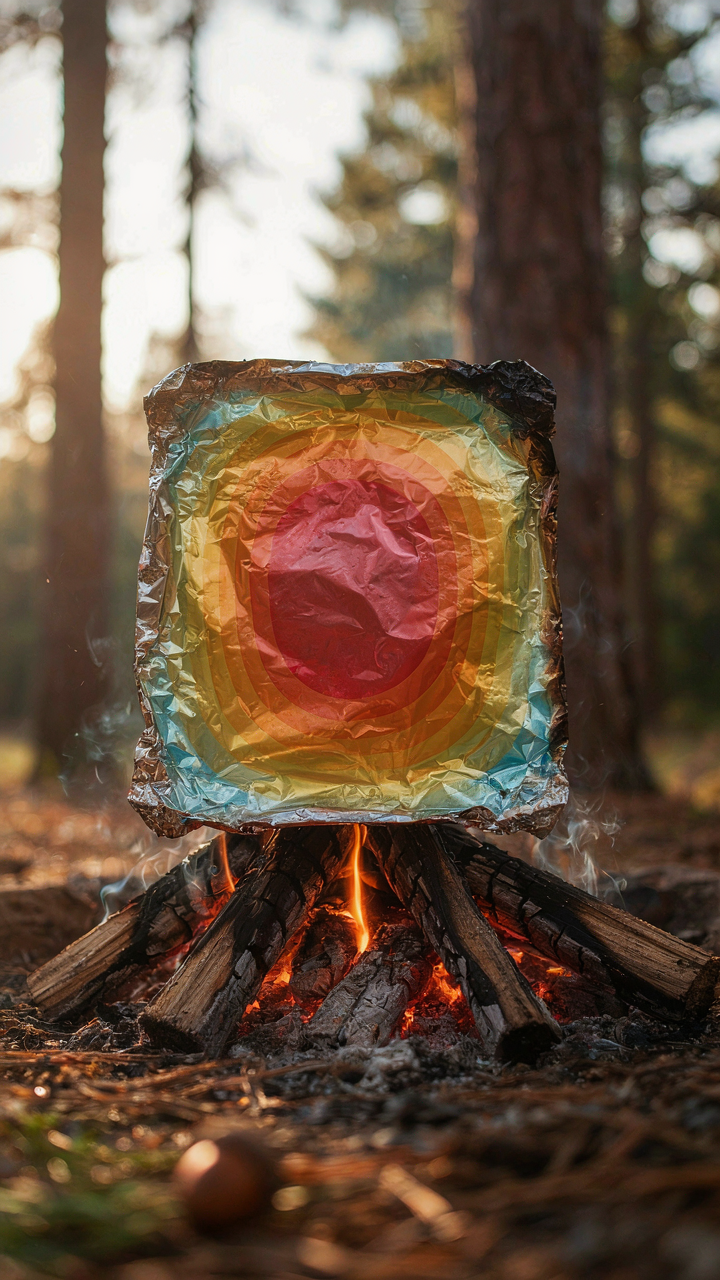
You want cleanup to feel effortless so you can pretend camping isn’t work. Here’s the mechanism: foil packet cooking is pure heat transfer. Physics determines doneness and burn-on rate. The distance between your packet and the heat source controls both. Move the packet closer and you accelerate cooking but risk charring the exterior before the interior finishes. Move it farther and you gain time but lose heat penetration.
The practical rule is straightforward. At two to three inches above hot coals, a properly sized packet cooks in eight to twelve minutes. At six inches, you’re looking at fifteen to twenty minutes. At one inch, you’re flirting with exterior damage in five minutes. The coals themselves matter too. Glowing red coals produce consistent, moderate heat. Flaming wood underneath creates hot spots. Build your fire so you have a bed of coals, not active flames directly under the packet.
The Real Reason Packets Stick And Burn
Most camping advice says “just flip halfway through” and leaves you scrubbing. That’s incomplete. The actual culprit is protein moisture and sugar content making direct contact with aluminum under high heat. When those compounds hit hot metal, they bond chemically. Flipping doesn’t fix a chemistry problem.
The solution is prevention through oil and positioning. Coat the interior of your foil packet with a thin layer of oil before adding food. This creates a barrier between the protein and the aluminum surface. Second, elevate the packet slightly off the coals using small rocks or a makeshift grate. Never let foil touch heat directly. This single step eliminates ninety percent of stubborn residue. You’ll actually walk away from your campsite with a clean conscience.

Beyond The Entree: Foil Pack Camping Meals For Every Course
Breakfast And Dessert In Foil
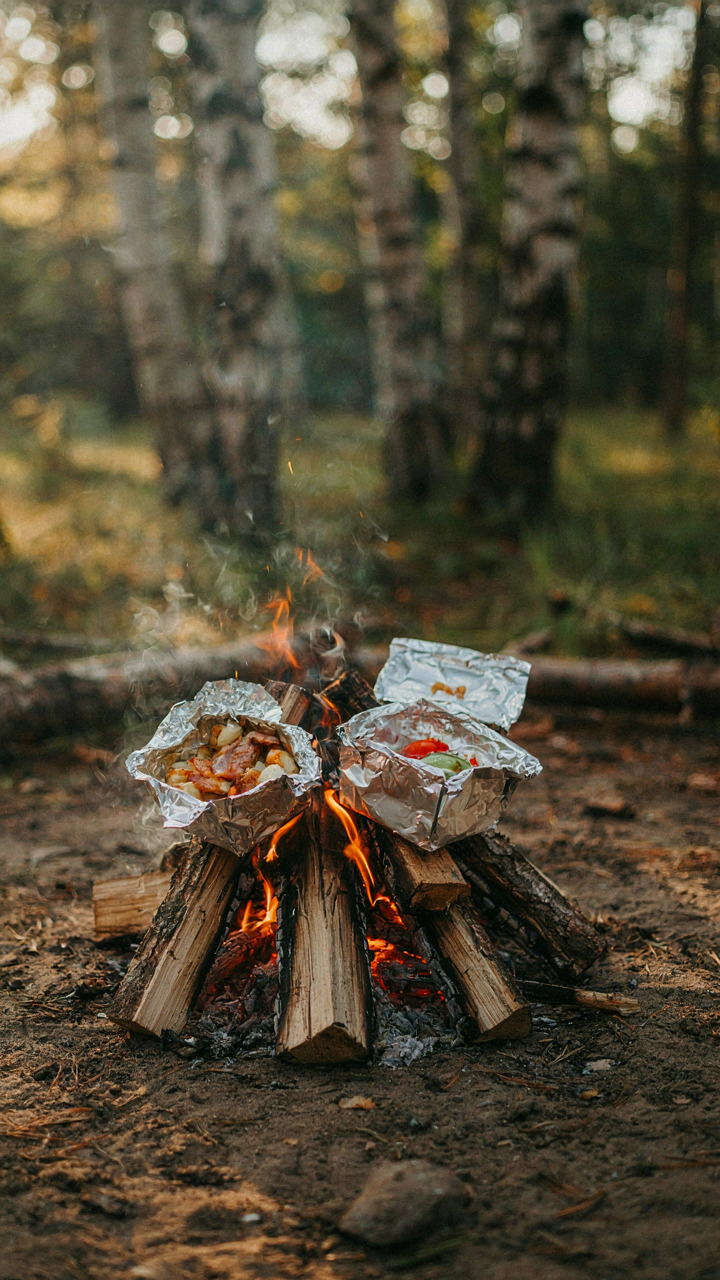
You want to look like you’ve figured something out that most campers haven’t. The mechanism here is simple: breakfast and dessert packets work because they exploit thermal mass differently than savory entrees do. A foil packet with eggs, hash browns, and cheese needs direct heat and quick cooking time. A dessert packet with fruit and cake or brownies needs residual heat and slower cooking. The distinction matters because it changes how you position the packet in relation to coals.
Breakfast packets cook fastest over direct flame or hot coals for four to six minutes. Eggs scramble quickly in foil without sticking if you add a thin layer of butter or oil first. Dessert packets go toward the cooler edge of the fire pit, cooking for ten to fifteen minutes as the fire dies down. The foil reflects and traps steam, turning a dense batter into something edible without a dutch oven. This isn’t gourmet cooking. It’s time and temperature stacking.
The Single Packet Full Meal
Everyone talks about building balanced meals but misses the actual constraint: heat distribution in a single foil packet kills most attempts at a true one-foil dinner. Borrow from thermodynamics here. Heat transfer in foil packets works through conduction, and different ingredients conduct and cook at different rates. Protein takes longest. Vegetables soften quickly. Starches fall somewhere between. Layering them wrong means you get cold potatoes with overcooked chicken, or raw chicken with mushy vegetables.
The fix is geometry, not recipe innovation. Place denser items like potatoes or root vegetables directly on the foil bottom. Layer protein on top. Add faster-cooking vegetables last, on the very top. This stacking order lets lower layers catch full heat while upper layers cook through residual warmth and steam. Seal tight, leave a small air pocket to prevent bursting, and cook over medium coals for twenty to twenty-five minutes. Rotate the packet once halfway through. One foil packet actually works when you stop fighting the physics.

Foil Packets For Camping: Essential Gear & Setup
Which Foil Thickness Actually Matters
You want to look competent in front of your group, so you’re wondering if there’s a “right” foil. Here’s the mechanism: foil thickness determines heat transfer speed and puncture resistance, and those two forces work against each other. Thinner foil conducts heat faster but tears under pressure. Thicker foil survives handling but cooks unevenly and wastes fuel. Most camping guides skip this trade-off entirely and just say “heavy duty.”
- Heavy-Duty Foil (18 microns or thicker): Standard choice for foil packets. Resists tears when handling raw food and hot packets. Conducts heat adequately for most camping meals without burning.
- Standard Foil (12-15 microns): Lighter weight saves pack space but requires careful handling. Heats faster, which cuts cooking time by 5-10 minutes depending on contents and fire heat.
- Double-Layer Standard Foil: Achieves heavy-duty durability without extra weight. Fold two sheets together before assembling packets. Most practical compromise for backpacking where ounces matter.
- Recycled or Ultra-Thin Foil: Not recommended for camping. Tears easily under raw food pressure and cooking heat. Defeats the purpose of using foil for mess-free cooking.
- Non-Stick Foil: Marketed as convenient but adds cost and minimal benefit. Food doesn’t stick to standard foil if assembled correctly with proper moisture content.
The real variable isn’t the foil brand. It’s how you fold the seams. Crimp edges down hard enough to prevent steam escape but loose enough to expand without bursting. Test your fold pressure on a practice packet before cooking over fire.
Building Heat Around Your Packets
Fire pit dynamics work like thermodynamics applied to uncontrolled heat sources: you control temperature by managing proximity and air flow, not by expecting consistent output. Most campers treat the fire as a static heat box and wonder why one packet cooks through while another stays cold.
Position packets at the fire’s edge, not the center. Coals near the ground produce steadier heat than flame. Rotate packets every three minutes using tongs, not hands. This prevents one side from charring while the other stays raw. The goal is ambient temperature around 375-400 degrees Fahrenheit distributed evenly across all sides, which happens only with active management. Check internal food temperature with a thermometer, not guesswork. A three-inch-thick packet with dense protein takes 18-22 minutes at medium coals. Vegetables alone take 12-15 minutes.

Campfire Dinners: Flavor Infusion, Not Just Cooking
Smoking Techniques With Foil
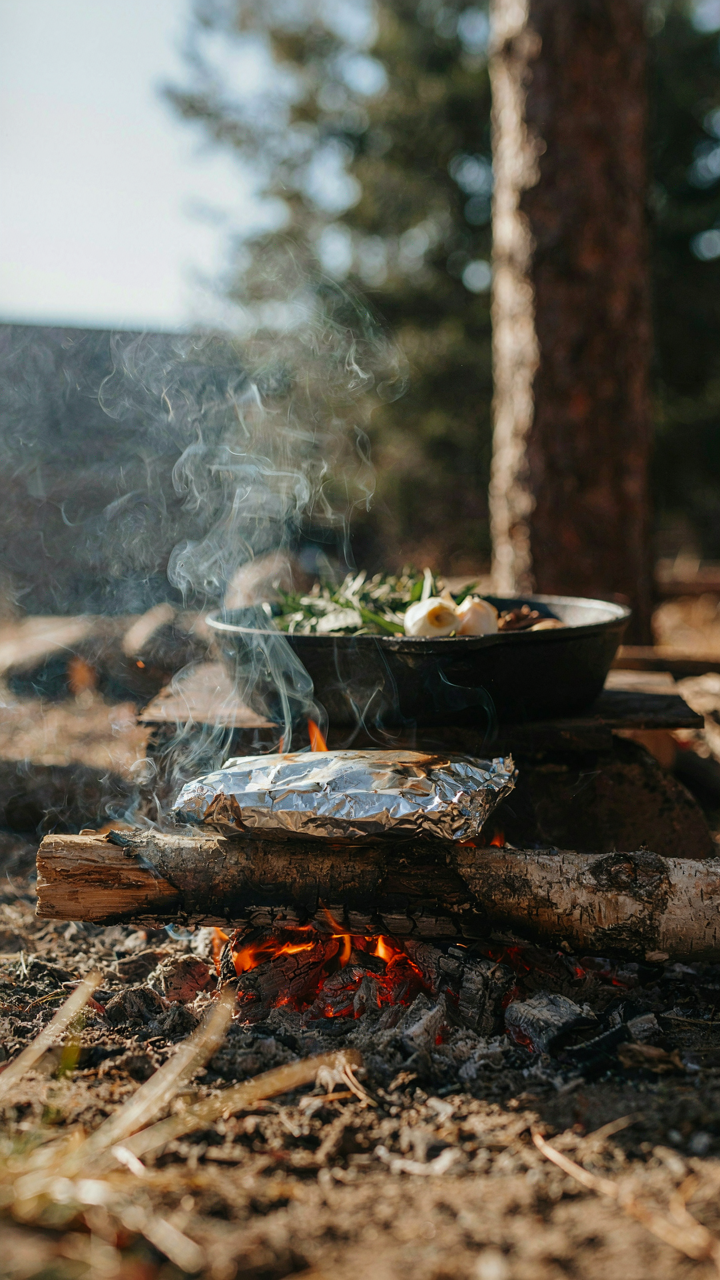
You want people to think you’re doing something sophisticated out there. The real mechanism is simple: smoke is a delivery system for flavor compounds, and foil acts as a chamber that concentrates those compounds instead of letting them dissipate into open air. Wrap your protein and vegetables loosely enough that smoke enters, then seal the top partially to trap it inside the packet.
Place the packet on a grate above coals rather than directly in flame. The indirect heat keeps moisture in while smoke penetrates the food. After eight to twelve minutes, open the foil away from your face and check doneness. Dense proteins like chicken breast need the full time. Thin vegetables finish faster. Smoke flavor builds incrementally, so don’t overestimate how much time you need. Most people char their packets because they assume longer equals better.
Herb And Spice Packet Customization
The common advice here is garbage: “just throw in whatever you like.” That approach produces muddy flavors where nothing stands out. Foil packets concentrate everything, which means competing spices destroy each other instead of complementing. Choose one dominant herb and one supporting spice, then build around salt and fat.
Start with two to three grams of your dominant herb per packet, half that amount for your supporting spice. Dried herbs work better than fresh because they don’t release water that steams instead of flavors. Add fat like oil or butter first so spices dissolve into it rather than sitting dry on the food. Layer the protein, then the fat-spice mixture, then vegetables on top. The hierarchy matters because the packet sits sealed for ten to fifteen minutes, allowing flavors to distribute vertically through the layers.

Grilled Foil Packets: The Art Of Containment
How Aluminum Walls Survive Heat And Impact
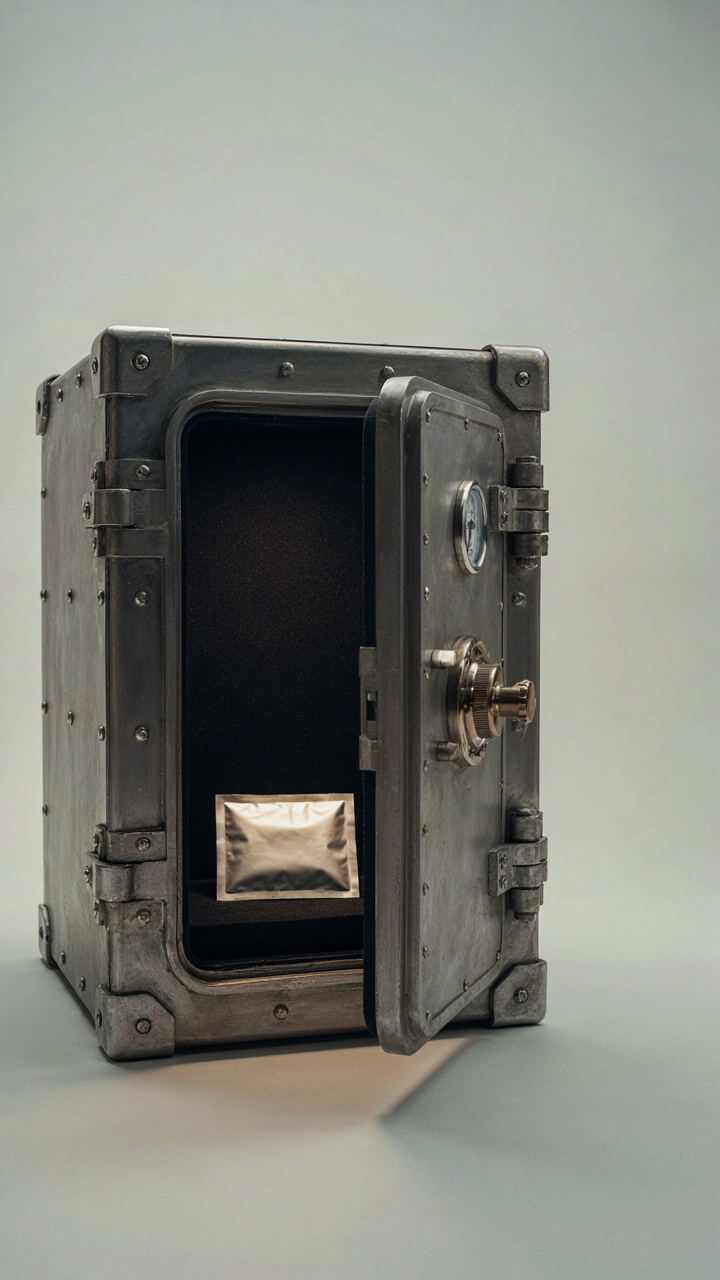
You care about this section because a burst packet means wasted food, ruined meals, and looking incompetent in front of people. Here’s what actually matters: foil packet integrity is a containment problem borrowed from materials engineering. You need redundancy in your system, not just one thin layer hoping nothing goes wrong.
Standard aluminum foil tears because it’s one variable away from failure. Use two layers minimum, folded at the seams twice to create air pockets that absorb puncture force. The bottom layer takes impact from rocks and grates. The top layer seals steam pressure. This doubles your failure threshold without adding weight. Fold seams perpendicular to heat sources, never parallel. Parallel folds channel heat toward weak points and cause ruptures mid-cook.
Cool Ash, Hot Metal, Zero Mess
Most cleanup advice ignores the real problem: hot foil packets contaminate your trash and draw animals to the site. You need to manage thermal energy before disposal, not after. Let packets cool completely on a separate rock or log, away from your pack.
Once cooled, foil packets compress into dense bundles. Wipe grease residue with a cloth or dry grass first, then crumple the foil tight. Store in a dedicated bag separate from other waste. Wet foil won’t compress and creates packaging problems. This protocol prevents grease from leaking onto your gear and stops hot metal from burning through garbage bags during transport out of camp.

The Real Problem Isn’t Cleaning Foil; It’s Your Flimsy Expectation Of Culinary Control In The Wild

Most people obsess over cleanup because they’re trying to recreate their kitchen in the forest. Stop. Foil packet camping meals work because you surrender control and let fire do the work. Your real move today is to stop packing heavy cookware and commit fully to one foil packet dinner this weekend. Build the habit before you optimize the technique. You’ll eat better, carry less, and realize the mess was never the problem—your resistance to simplicity was.