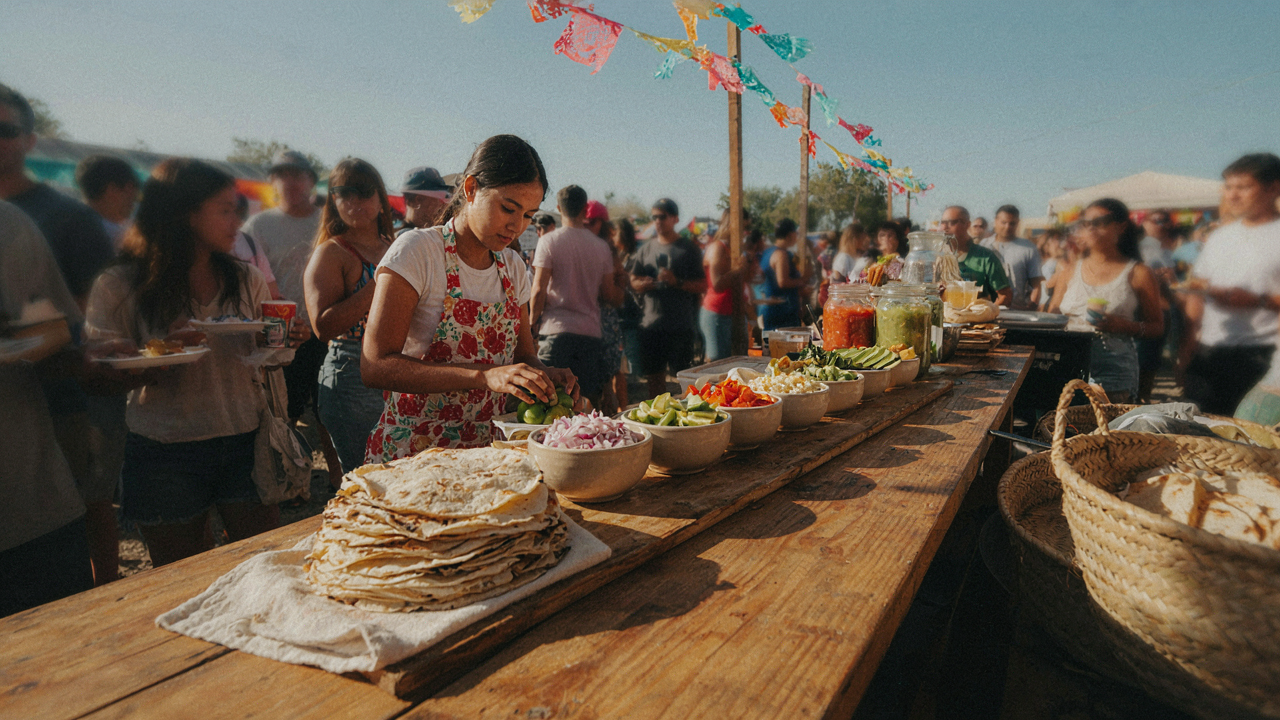
The Illusion Of More: Why Extra Servers Fail
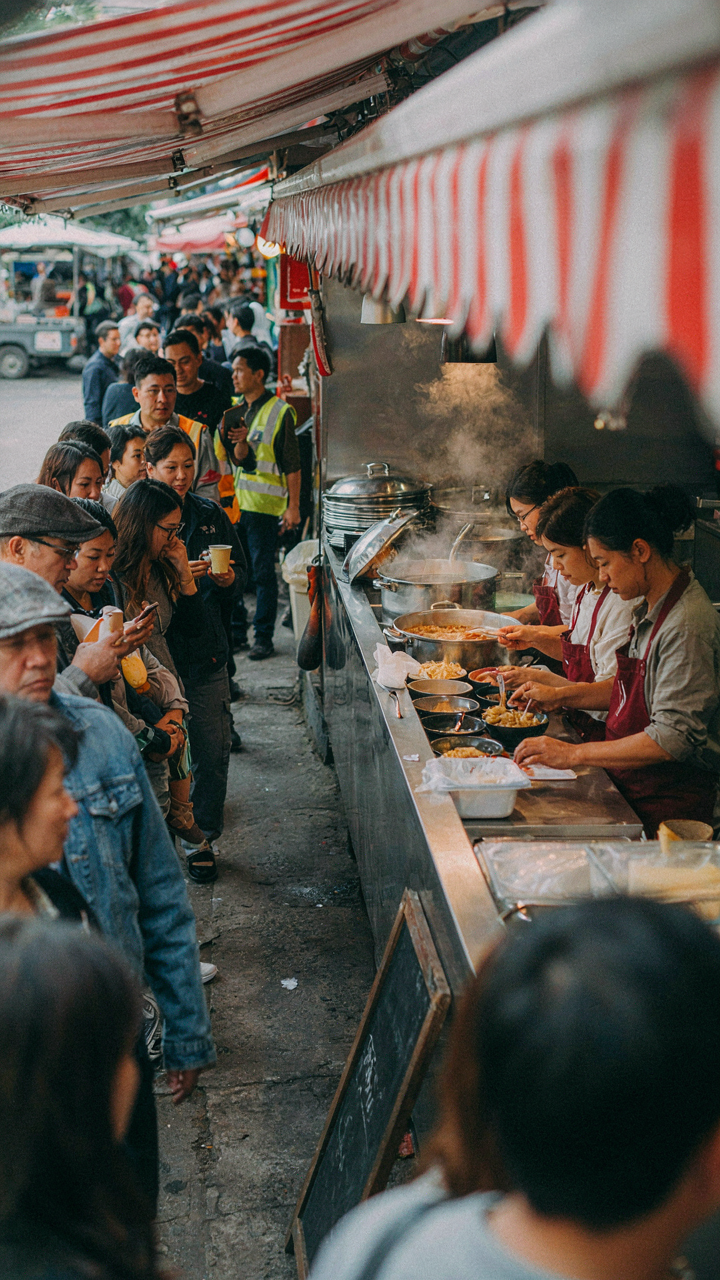
Congestion At The Bottleneck
You hire more staff hoping it fixes the line. It won’t, because you’re applying labor like it solves design problems. In systems theory, this is called adding capacity upstream of a constraint. Your taco bar’s constraint isn’t the number of hands. It’s the physical layout forcing customers into a single-file funnel where one person assembles each order while others wait behind.
Three servers working a poorly designed station create interference, not efficiency. They collide around the same prep surfaces, reach over each other for toppings, and trip the rhythm that lets one skilled person move fast. The line moves slower because the station now has a coordination tax. Customers see bodies and assume progress. They see nothing but delay.
When Allocation Becomes Waste
The consensus move is to spread staff across stations. The real problem: you’re deploying people to fix a workflow that has no workflow. You assign one person to proteins, one to toppings, one to wrapping. Now each customer bounces between three stations instead of one. Travel time between stations compounds. Hand-offs introduce delays. Each person waits for the previous station to finish before they can start.
Most taco bars do this wrong. They treat added staff like the answer to everything. The mechanism is actually simpler: remove the constraint first, then add focused labor if you need it. A single well-designed station with one excellent operator beats three scattered people every time. Only after you’ve eliminated the physical bottleneck do extra hands matter.
The Decision Funnel: Applying Behavioral Economics To Taco Bars

Shrink The Options At Each Station

You want people to move fast without feeling like they’re missing something. That’s the real goal hiding under “short lines.” Behavioral economics calls this the paradox of choice: more options slow decisions and increase regret. Apply this to your taco bar by capping each station at three to four items maximum. Protein station gets carnitas, carne asada, and chicken. Sauce station gets three salsas. Toppings get cilantro, onion, lime. Done.
The friction point isn’t the food itself. It’s the mental processing required to evaluate five proteins, seven salsas, and a dozen toppings. People freeze. They stare. Lines back up. Guests also second-guess their choices afterward when the option set was too large. Limit stations ruthlessly. Test with three items per category before adding a fourth. Your line velocity will increase 30 to 40 percent within the first service.
Portion Control Removes The Friction Of Hesitation
Pre-portioned components eliminate the decision of how much to take. A guest doesn’t stand there wondering if they should grab two spoonfuls or three of pico de gallo. You’ve already decided. They grab the container and move. This isn’t about waste reduction or cost control, though those matter. It’s about removing the micro-decision that feels invisible but compounds across fifty guests.
Set out salsa in three-ounce cups instead of a communal bowl. Pre-wrap tortillas in groups of three on a plate. Use small bowls for cilantro and onion so guests grab one and go. The psychology works because the portion looks intentional, not stingy. People trust pre-portioned amounts more than scooping for themselves. They move faster through your line because the path is defined. That’s the mechanism: eliminate choice architecture at every touchpoint.
The “Taco Buffet Wedding” Flow Protocol

Design The Path Before You Design The Menu

You want people to move fast because you’re anxious about looking disorganized. The real mechanism is fluid dynamics applied to human behavior. Think of your taco bar as a channel. Water doesn’t pool in channels because there’s only one direction to move. Create a single-direction flow with a clear entry point on one end and an exit on the opposite side. Never allow circular movement or backtracking. Position the entry where guests naturally arrive, then stage stations in sequence toward the exit.
The entry point matters more than you think. Place it narrow enough that only two or three people fit at once, then widen into the service area. This prevents the bottleneck psychology where people freeze because fifty bodies crowd the opening. Mark the entry with something physical—a planter, a small sign, or a table edge. Humans follow visual boundaries. The exit should be equally obvious: a clear gap in the setup where people naturally leave with plates in hand. No confusion equals no loitering.
Separate The Friction Points
Most advice says “put the tortillas first.” That’s incomplete. Tortillas are low-demand until salsas appear. Put high-demand items—proteins, salsas, toppings—in the middle of your line where the crowd naturally compresses. This spreads congestion across your entire setup instead of stacking it at one station. Meat goes in the middle third. Salsas flank it. Sides and finishing items stay at the tail end. The front entrance gets only the low-friction stuff: plates, napkins, utensils.
Execution is straightforward. Measure your line length. Divide it into thirds. Front third: plates and tortillas only. Middle third: proteins and the three salsas people actually want. Back third: lettuce, cheese, onion, cilantro, lime. The tortilla station at the front moves people through without forcing decisions. They grab a plate, grab tortillas, then flow into the real choices. By the time they reach the protein station, they’re committed to moving forward, not standing idle while they contemplate what they want.
Bypass Stations: The Express Lane For Taco Bar Party Efficiency
Pre Made Items Get Their Own Counter

You want people to think your taco bar runs like a well oiled machine instead of a chaotic free for all. The real mechanism is simple: humans move fastest through stations where decisions are already made. Pre-cooked proteins, pre-portioned sides, and assembled items don’t require mental processing. Set them on a separate, smaller counter away from the main line. This isn’t about being fancy. It’s about removing friction points that slow throughput.
Most taco bars dump everything on one surface and wonder why lines pile up. The error is assuming one unified line moves faster. It doesn’t. Secondary stations for pre-made items, ready-to-grab components, and desserts operate in parallel. Position this counter perpendicular to your main bar. Guests grab a plate, snag pre-cooked carnitas or pulled chicken, add a pre-made side like Mexican street corn or black beans, then move forward. The main line handles only the items requiring active assembly or choice.
The Salsa Station Pulls Pressure Off The Core
A dedicated topping bar operates like a release valve in fluid dynamics. You extract high traffic items from the bottleneck. Salsas, sour cream, guacamole, jalapeños, cilantro, and lime wedges belong on their own counter, positioned after guests finish taco construction. This prevents people from lingering at the main bar hunting for toppings while others queue behind them.
Position this station two feet past the end of your main counter. Guests build their tacos, move forward, then customize with toppings. The mechanics matter here: salsas in shallow bowls with spoons, not ladles. Small stacks of napkins every two feet. Limes pre cut. This eliminates the slow motion chaos of people squinting at containers and asking questions. They finish their taco, grab toppings, and step clear. The line moves continuously instead of freezing every fifteen seconds.
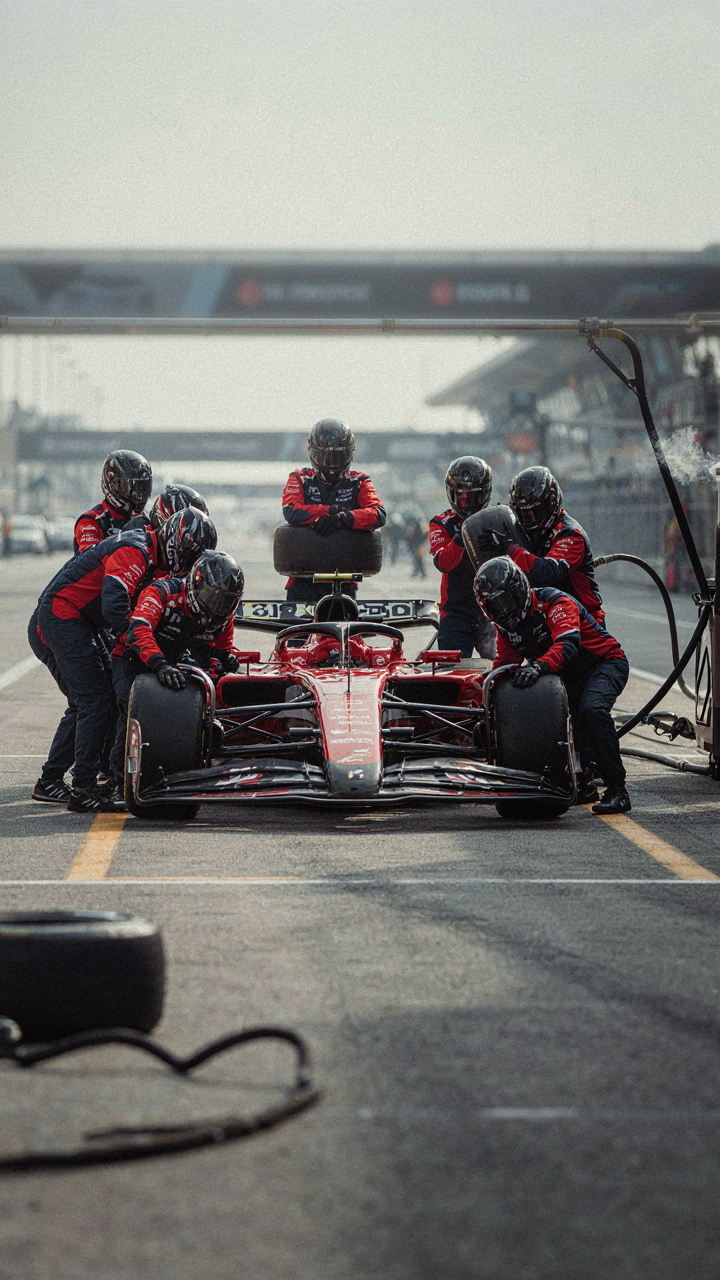
Prep Like A Pit Crew: Wedding Taco Catering Behind The Scenes
The Station Setup That Stops Bottlenecks

You want short lines because you think it makes you look organized. The real mechanism is this: every second a guest waits is a second they’re not eating, not talking, not generating the social proof that makes your taco bar worth remembering. Borrow from pit crew strategy—in motorsports, the team positions every tool within arm’s reach so the driver loses zero seconds during a pit stop. Your outdoor taco bar needs identical logic. Position your proteins, cheeses, salsas, and garnishes in a single-file workflow matching how guests move. Right-handed dominant? Place hot proteins on the left side of the bar, cold toppings center, sauces and limes on the right. No reaching. No backtracking. No staff member cutting across another’s station mid-service.
The common advice says “organize by color” or “make it look nice.” That’s decoration thinking, not operations thinking. Every extra inch between a guest’s hand and their next topping is dead time multiplied across fifty people. Build your station so a guest can build a complete taco without asking where anything is. Mark the end of the bar with lime and napkins—that’s your exit point, your line breaker. Staff stands behind the bar, never in front of it, so they see depletion before guests do. The moment a tray hits fifty percent capacity, it gets restocked before anyone notices it’s running low.
Replenishment Cycles That Run On Time
You need to know when to refill before the tray empties, not after. This isn’t about guessing—it’s about tracking consumption rate and setting a timer. Most outdoor taco bars fail because staff waits until someone says “we’re out of cilantro” instead of walking the bar every eight to twelve minutes during peak service and checking fill levels. Set a phone alarm. When it goes off, one person walks the entire station and tops off everything below the two-thirds mark. This takes ninety seconds and prevents the cascade where one missing item creates a backup.
Hot items like carnitas or al pastor need faster cycles—check every five minutes during the first hour of service. Cold toppings like lettuce and radish go slower but dry out from sun exposure, so rotation matters as much as quantity. Keep backup trays staged behind the main bar in a cooler, not inside a garage fifty feet away. The moment someone pulls a fresh tray forward, the depleted one gets cleared and prepped in that same ninety-second cycle. This is inventory turnover applied to live service: never let the guest-facing tray get below functional capacity.
The Invisible Architect: How Layout Dictates Taco Bar Outdoor Party Speed
Stop Treating Motion Like It Doesn’t Cost Time

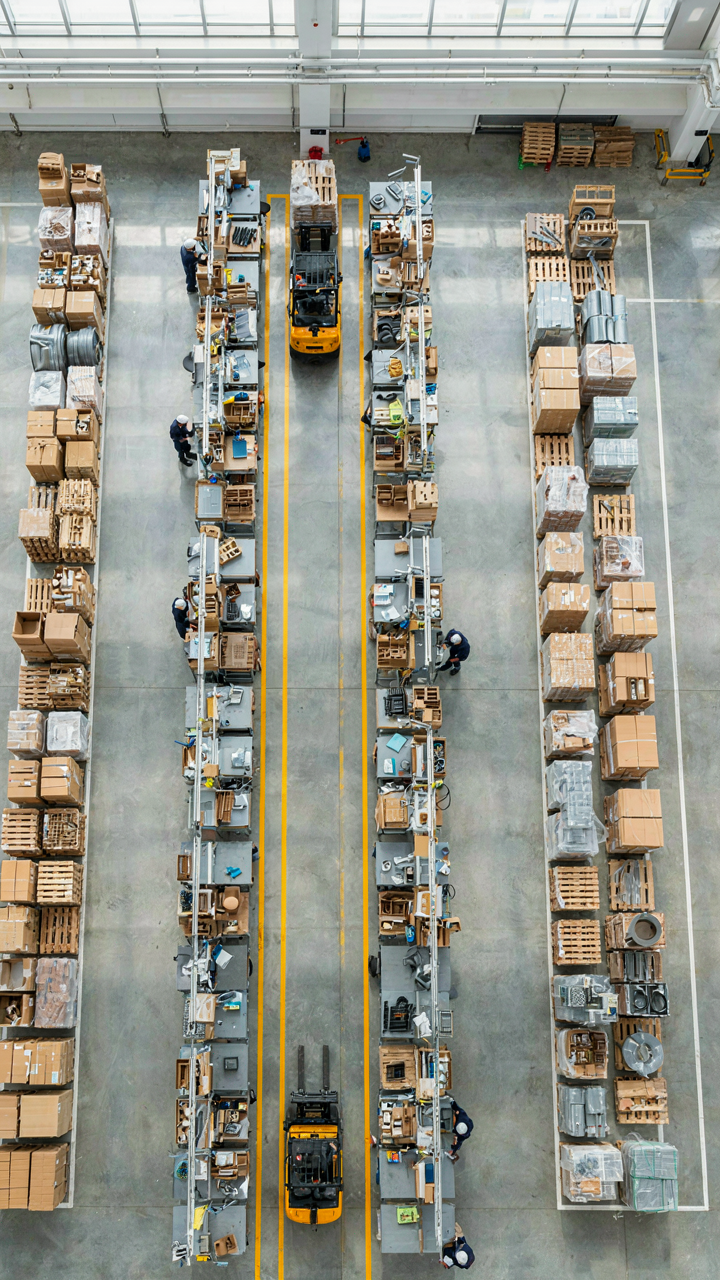
You want short lines because short lines feel like success, but what you’re really after is not standing around watching people wait. Here’s the mechanism: lean manufacturing—the system Toyota built to eliminate wasted motion in factories—applies directly to your taco bar layout. Every step a customer takes that doesn’t move them toward a finished taco is waste. Every reach behind a counter, every backtrack, every moment they stand confused about where to go next costs you throughput and costs them patience.
The real problem most outdoor taco bars have isn’t the number of stations. It’s the path customers take between them. People move in lines because lines are the only language they speak at scale. You either design a flow that feels inevitable, or you create bottlenecks disguised as choices. The difference between a bar that moves thirty people per hour and one that moves sixty is not speed of service—it’s elimination of directional confusion and redundant steps.
The Physical Chain That Moves People
Stack your stations in a straight line or a clear arc, never scattered across the space like an afterthought. Tortillas first, proteins second, toppings third, sauces and finishing condiments last. This sequence mirrors how a taco actually gets built, which means customers don’t backtrack and staff doesn’t cross paths. Put the payment point or tip jar after the final topping station but before people leave the serving area—this keeps the transaction from interrupting the build flow.
The counter height matters more than most people admit. Standard kitchen counter is thirty-six inches; taco bars work better at thirty-eight to forty inches. This small increase puts the work at server elbow height instead of hand height, which reduces fatigue and speeds hand placement. Position your ice bin and drink station completely outside the taco line—not adjacent, not nearby, actually separate. People who want drinks make separate trips; they shouldn’t jam the main flow. Your staff’s position matters too: they should never face away from the line and they should be able to reach all proteins and toppings without rotating their torso more than ninety degrees.
The Feedback Loop: Refining Your “Buffet Tacos” System

Watch Where People Actually Slow Down

You want to know if your outdoor taco bar is working because you’re terrified of wasting effort on a system that looks good but doesn’t move volume. Here’s the mechanism: bottlenecks aren’t where you think they are. Most operators blame the grill or the tortilla station, but the real constraint reveals itself only through observation. Stand aside for two service cycles and track where the line actually compresses. Is it at the protein grab? The topping station? The payment point? The physics term is constraint theory, but apply it here as a taco bar metaphor: you have multiple stations, but one always determines total throughput. Identify which station controls your speed, not which one looks busiest.
Once you spot the real constraint, measure its cycle time. How long does one person spend at the toppings bar? How many people stack up behind them? This takes ten minutes to observe and changes everything about where you invest effort next. Don’t guess or assume. Watch the actual flow until the pattern becomes obvious. The constraint will reveal itself through visible stalling, not through your intuition about what “should” be slow.
Adjust The System, Not The Effort
The common advice says “work harder and serve faster,” which is useless because effort scales poorly against bad system design. Instead, you test one variable at a time. If the topping station backs up people, you add a second topping station worker or pre-portion toppings into smaller containers to reduce decision time. If the grill output doesn’t match your line speed, you add a second grill or prep proteins in advance so serving becomes assembly, not cooking. Make one change, run five minutes of service, observe the result, then adjust or move to the next constraint.
This is the continuous improvement cycle, but stripped of the jargon: you identify what slows you down, you change one thing, you measure whether the line got shorter, you repeat. Never change two variables at once or you won’t know which one worked. After three to five service events, your system stops leaving money on the table because you’ve actually tested it instead of theorized about it. Document what worked. That becomes your protocol for future setups.
Beyond The Taco: Scaling “Taco Bar Event” Principles
Flow Optimization Applies To Every Service Model

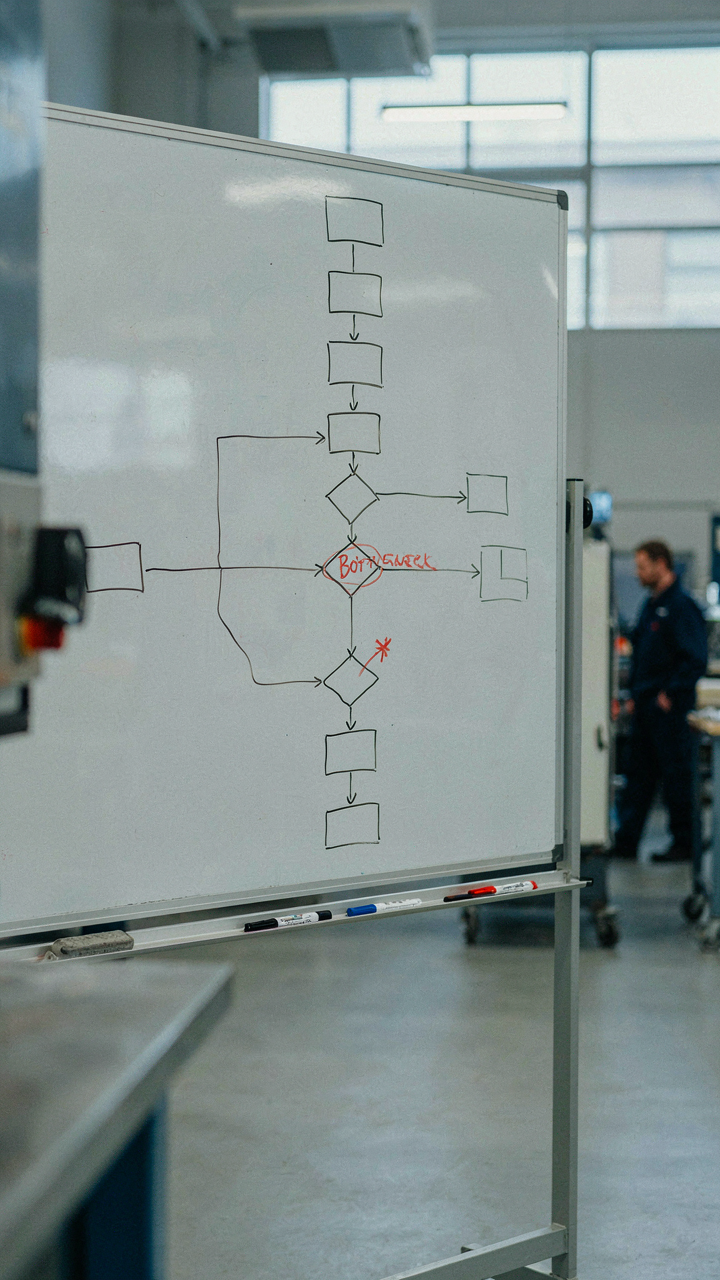
You want to know this works outside tacos because you’re tired of feeling trapped by your specific business model. The real mechanism is throughput bottleneck mapping, borrowed from manufacturing. Every catering event has a constraint. Find it. At a taco bar, it’s the assembly station. At a buffet, it’s the plating station. At a cocktail reception, it’s the bartender. Identify where people stack up, not where they start.
The constraint isn’t always the obvious one. Most event planners assume food prep is the bottleneck. It rarely is. The bottleneck lives at the point of decision or transaction. Taco bars work because they eliminate decision paralysis. Guests pick protein, toppings appear in sequence, they move. Apply this to any catering: remove choice complexity at the constraint point, and your line velocity climbs. Map your actual event, watch where people hesitate, then redesign that station first. Everything else is secondary.
Crowds Obey Predictable Pressure Points
Managing expectations beats managing people. This isn’t philosophy. It’s operational design. When guests arrive at an outdoor taco bar without information about wait time, they create mental estimates. Those estimates breed frustration faster than actual wait time does. Publish the reality. Tell people the wait is 12 minutes. Tell them the line moves at one person per 90 seconds. Now their brain stops calculating and starts counting down.
Expectation management works in two directions. First, set timing windows. Tell guests dinner runs from 6 to 7:30 PM. Second, make the wait visible. A line that curves around a tree feels manageable. An invisible queue into a back kitchen feels endless. At any catering event, mark the line clearly, position staff at intervals so guests see progress, and announce when new stations open. Visible motion dissolves frustration. Static-looking lines trigger anxiety regardless of actual speed.
The True Bottleneck Isn’t The Taco, It’s The Indecision. Eliminate That, And The Line Disappears
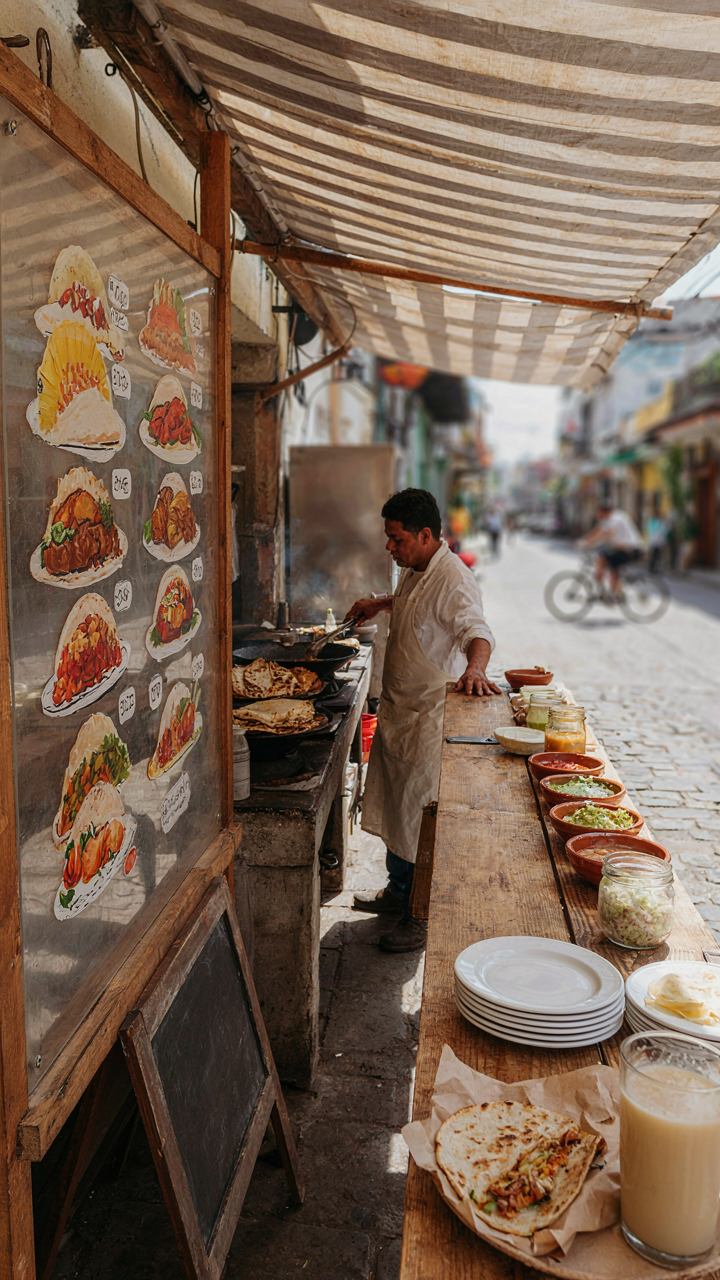

People don’t stand in line because you’re slow. They stand in line because they can’t decide. Your outdoor taco bar moves fast when customers know exactly what they want before they reach you. Print a menu board. Pre-stage your proteins. Call out what’s available. Do this today. Watch what happens when your guests stop thinking and start eating. Lines don’t exist when you eliminate the friction between craving and satisfaction.